Article

Effect of Anchorage Length on Bond–Slip Behavior of Cold-Formed Checkered Steel and Foamed Concrete


1
Shandong Provincial Key Laboratory of Civil Engineering Disater Prevention and Mitigation, Shandong University of Science and Technology, Qingdao 266590, China
2
College of Civil Engineering and Architecture, Shandong University of Science and Technology, Qingdao 266590, China
*
Author to whom correspondence should be addressed.
Buildings 2026, 16(6), 1221; https://doi.org/10.3390/buildings16061221
Submission received: 23 January 2026 / Revised: 7 March 2026 / Accepted: 16 March 2026 / Published: 19 March 2026
(This article belongs to the Section Building Structures)

Abstract

To further improve the seismic behavior of high-strength foam concrete filled cold-formed checkered steel composite wall structures, it is crucial to investigate the bond–slip behavior between the cold-formed checkered steel (CFCS) and foam concrete (FC) within the wall. Hence, six CFCSFC specimens were designed and subjected to monotonic and cyclic loading tests to study the influence of anchorage lengths on failure modes, bond strength-slip displacement curves, and characteristic bond strength. Results indicated that with the anchorage length increases, the ultimate bond strength of the specimens continuously decreases, and the specimens exhibit more severe failure under cyclic loading than monotonic loading. Compared to the specimens with a 400 mm anchorage length, the ultimate bond strength decreased by 4.8–9.6% for those with a 500 mm length, and by 10.7–16.0% for those with a 600 mm length. Strain along the inner flange of the steel section generally decreased with increasing anchorage length, with loading end strain significantly exceeding free-end strain. Finite element simulations revealed that specimen failure primarily manifested as steel section yielding when anchorage lengths ranged from 1400 mm to 1800 mm. Furthermore, a calculation formula for characteristic bond strength as a function of anchorage length was proposed.

1. Introduction

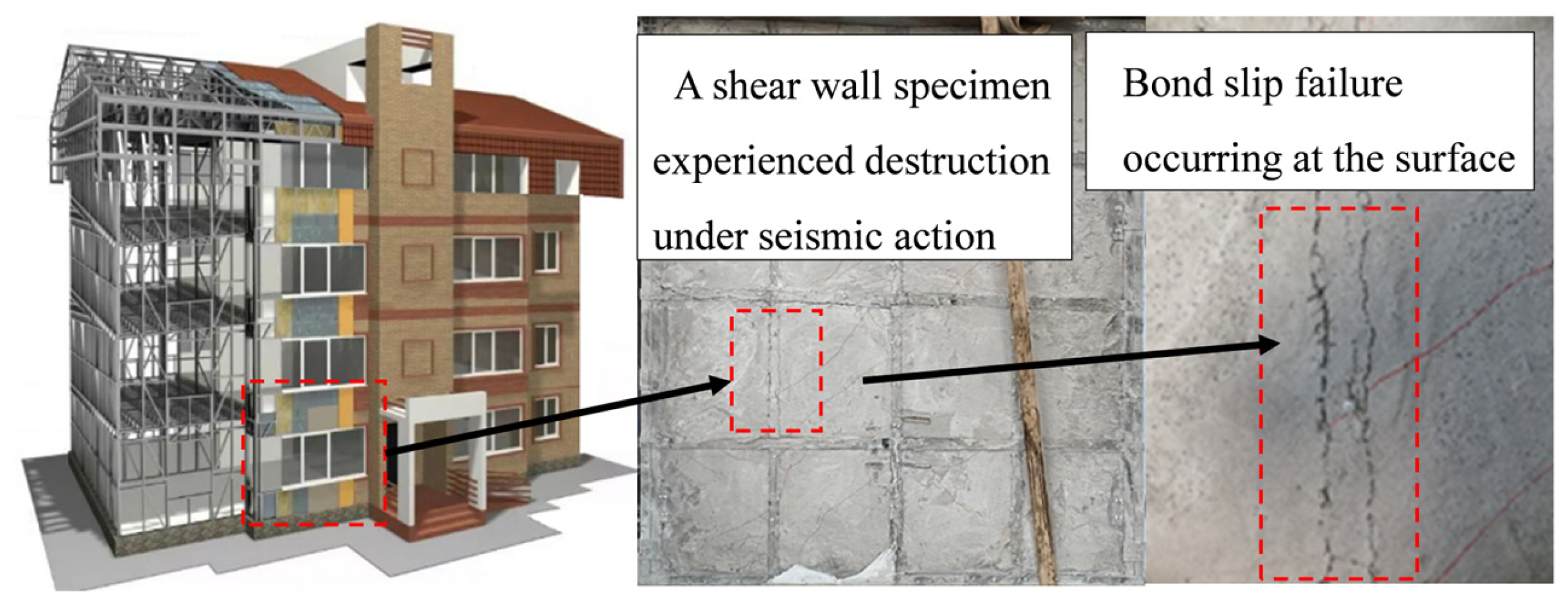
Cold-formed patterned steel (CFCS)—foam concrete (FC) composite wall structures have the characteristics of light weight, high strength, high assembly capability, thermal and sound insulation, meeting the requirements of energy saving, environmental protection, and sustainable development [1]. Hence, these structures can be widely used for low-carbon green residential and public buildings [2,3]. CFCS-FC composite walls as the main load-bearing components of this structure, not only bear vertical loads (such as weight and live loads), but also resist horizontal loads, such as wind load and seismic action [4,5]. However, the results of several existing studies indicate that bond–slip behavior between CFCS and FC significantly reduces the shear capacity of the CFCS-FC composite walls under horizontal loading [6,7,8], due to the different material properties between them as shown in Figure 1. To improve the seismic behavior of this wall, enhancing bond strength between CFCS and FC is critical issue requiring urgent resolution.
To solve this problem, several studies have been conducted on the influence of the steel type and anchorage length on the bond properties between steel and concrete. However, discrepancies exist among different studies. Some studies [9,10] indicate that increasing the anchorage length leads to a decrease in bond strength. For instance, Huang et al. [11] analyzed the bond–slip behavior of solid-web steel concrete composites and found that the bond stress and relative slip between the steel and concrete exhibit a negative exponential distribution along the anchorage length. Building on this, Wei et al. [12] proposed a constitutive relationship between bond strength and slip along the anchorage length of the steel member. Additionally, Wang et al. [13] examined the bond–slip behavior at the interface of partially wrapped steel-concrete composite structures, revealing distinct bond–slip curves at different anchorage lengths. Similarly, Chen et al. [14] studied the bond behavior of cold-formed thin-walled steel and foam concrete composite specimens, observing that increasing the steel anchorage length from 200 mm to 400 mm reduced ultimate bond strength by 29.3%. However, Xu et al. [15] observed that increased anchorage length (from 400 mm to 800 mm) improved both ultimate and residual bond strengths under high temperatures by 14.0% and 20.6%, respectively. Sun et al. [16] investigated the bond behavior between geopolymer concrete and steel bars, finding that increasing the anchorage length enhanced bond strength. Furthermore, surface texture plays a key role. Chen et al. [17] investigated the bond–slip behavior of checkered steel-concrete composites, finding that checkered surfaces significantly enhance interfacial bond strength compared to smooth surfaces. Given these discrepancies, the effect of anchorage length on the bond–slip behavior of CFCS and FC remains unclear. Therefore, this study investigates the bond–slip behavior with varying anchorage lengths, employing CFCS with modified surface textures (Figure 2) to enhance bond strength through improved mechanical interlocking. Notably, the vast majority of the aforementioned studies are based on monotonic loading tests. Research on bond performance under cyclic or repeated loading, which better simulates real-world conditions such as wind or seismic actions, remains limited. Given these discrepancies regarding anchorage length effects and the scarcity of data under cyclic loading, the bond–slip behavior between CFCS and FC under different loading regimes remains inadequately understood.
Therefore, this study investigates the bond–slip behavior with varying anchorage lengths, employing CFCS with mechanically textured surfaces (Figure 2) to enhance mechanical interlock. Furthermore, to bridge the gap between simplified laboratory tests and actual structural demands, both monotonic and cyclic loading protocols are adopted to comprehensively evaluate the interface performance under static and repeated loading conditions.
The study was conducted as follows. First, six CFCSFC specimens were designed and tested under monotonic loading or reversed-cyclic loading. Subsequently, the influence of anchorage length on failure mode, bond stress–slip displacement curve, bond strength, strain was investigated combined with the results of Digital Image Correlation (DIC) strain monitoring. Finally, the influence of anchorage length on bonding behavior was further studied by using finite element method, and then calculation formula of characteristic bond strength was derived.

2. Experimental Program

2.1. Design of Specimens

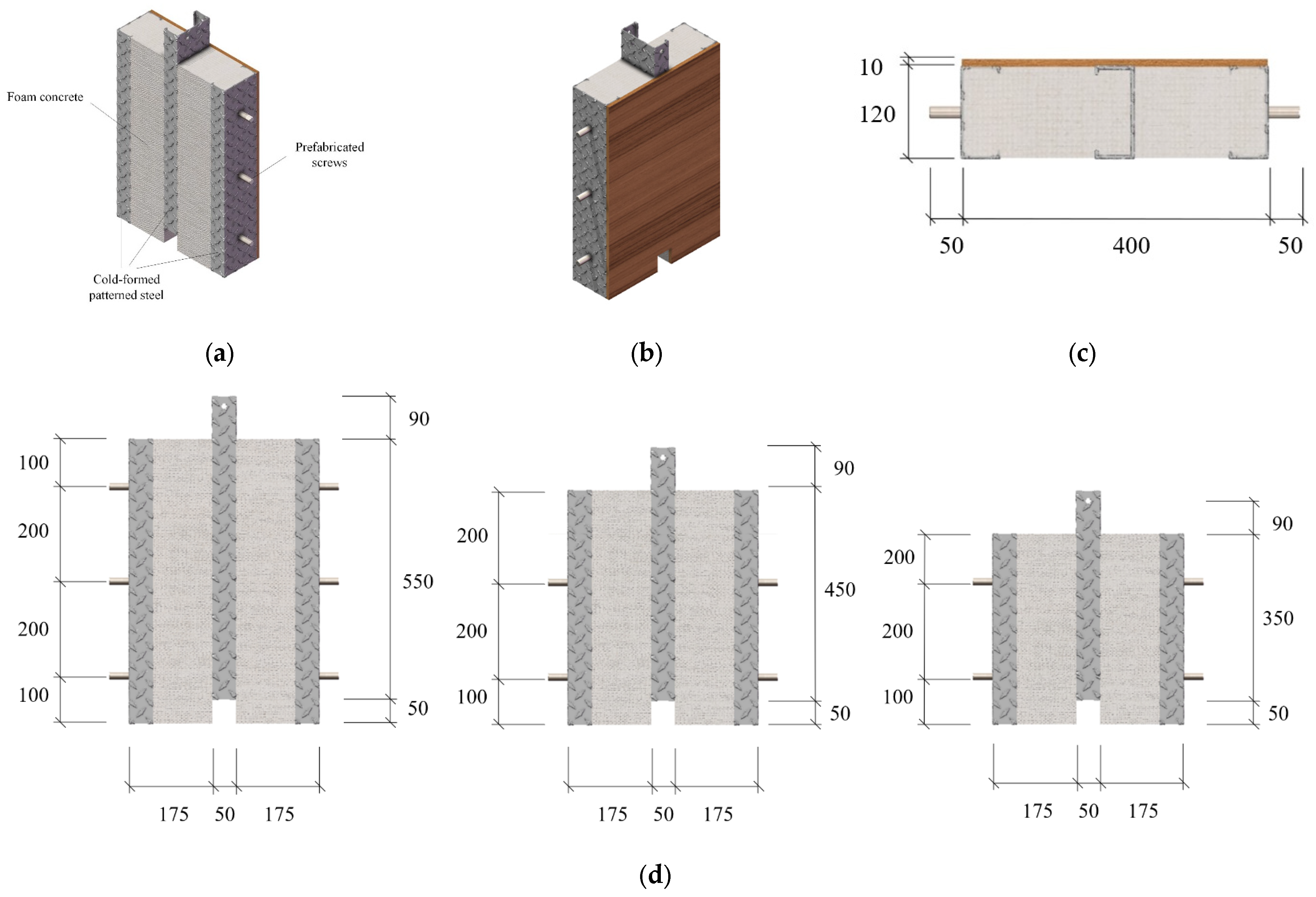
A total of six specimens were fabricated, which comprised CFCS with mechanically textured surfaces, FC, and calcium silicate boards (CSBs). To accurately evaluate the impact of anchorage length, the cross-sectional dimensions of all specimens were uniformly set to 120 mm (thickness) × 600 mm (length), and the anchorage lengths were designed as 400 mm, 500 mm, and 600 mm, as shown in Figure 2. Considering the economic and seismic behavior of composite wall structures, the strength grade of the FC was set as FC-08 (indicating a dry density grade of 756 kg/m3) [18]. In addition, the CSBs with 10 mm thickness were only attached to one side of the specimen, and scattered spots were sprayed on the other side for easy measurement of deformation using DIC equipment. The specimen design parameters are listed in Table 1.
To install the specimen onto the custom-designed loading fixture, three 10 mm diameter holes were drilled in both the left and right CFCS sections. High-strength bolts (HRB400, Ø10 mm × 50 mm) were inserted through these holes, penetrating 15 mm into the specimen’s interior, and secured with nuts on both sides. For the cyclic loading tests, the loading end was prepared by drilling one 10 mm diameter hole on each side of the central CFCS’s upper flange and two holes in the center of its upper web to allow connection to the universal testing machine via a custom-made connector. The void at the bottom free end of the central CFCS was temporarily filled with tight-fitting wooden blocks during casting, which were removed manually after the specimen reached the specified curing age.

2.2. Material Properties

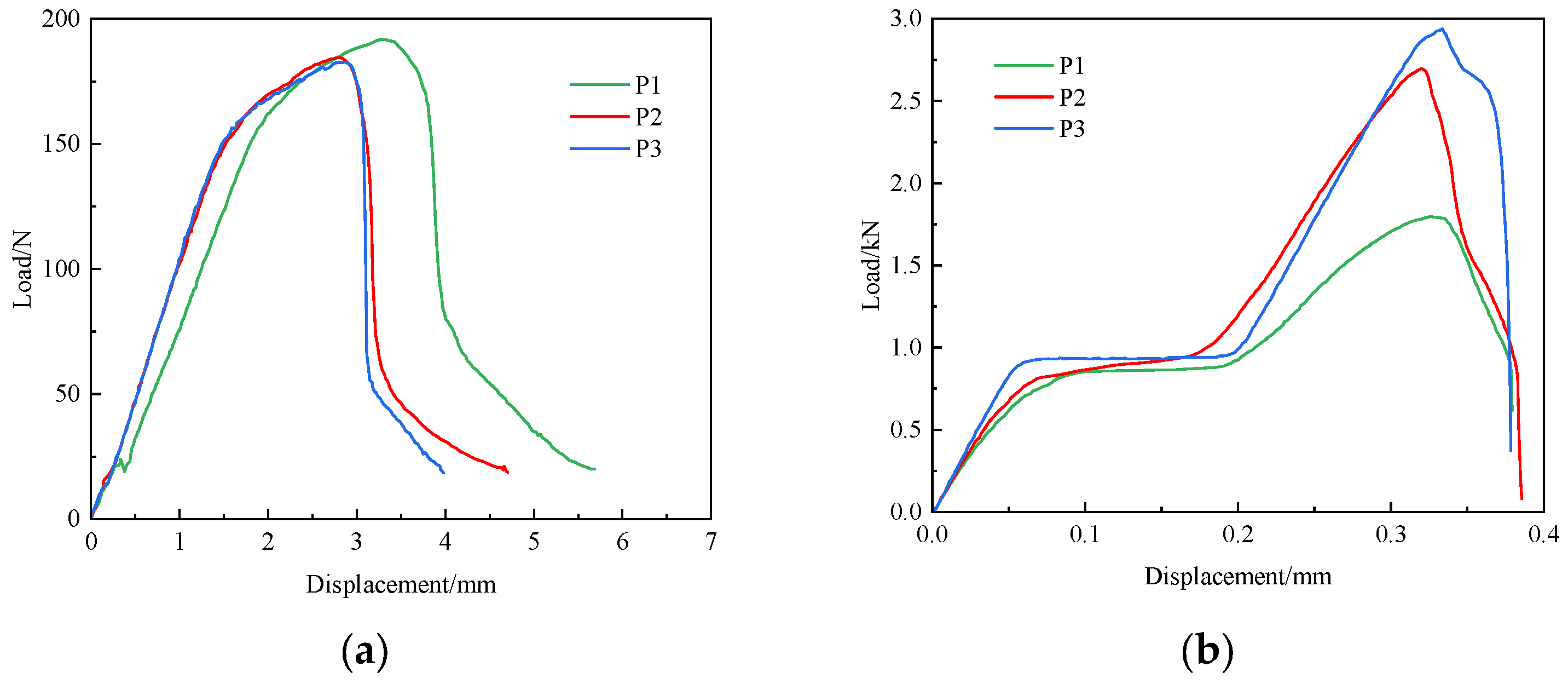
The components of foamed concrete include Portland cement (grade 42.5), fly ash, foam, water-reducing agent, and concrete fibers, with the detailed mix proportions given in Table 2. The same batch of foamed concrete was used to make standard cubic blocks with densities of FC-08. The mechanical properties of FC were tested according to JGJ/T341-2014 [18], and the testing results are summarized in Table 3. The CFCS, made of Q345 grade steel (nominal yield strength: 345 MPa), was tested according to GB/T 228.1-2021 [19] for tensile properties, with the average results from three specimens listed in Table 4. Additionally, the properties of CSBs were tested according to GB/T 17657-2022 [20], and the testing results are presented collectively in Figure 3.

2.3. Loading Procedure

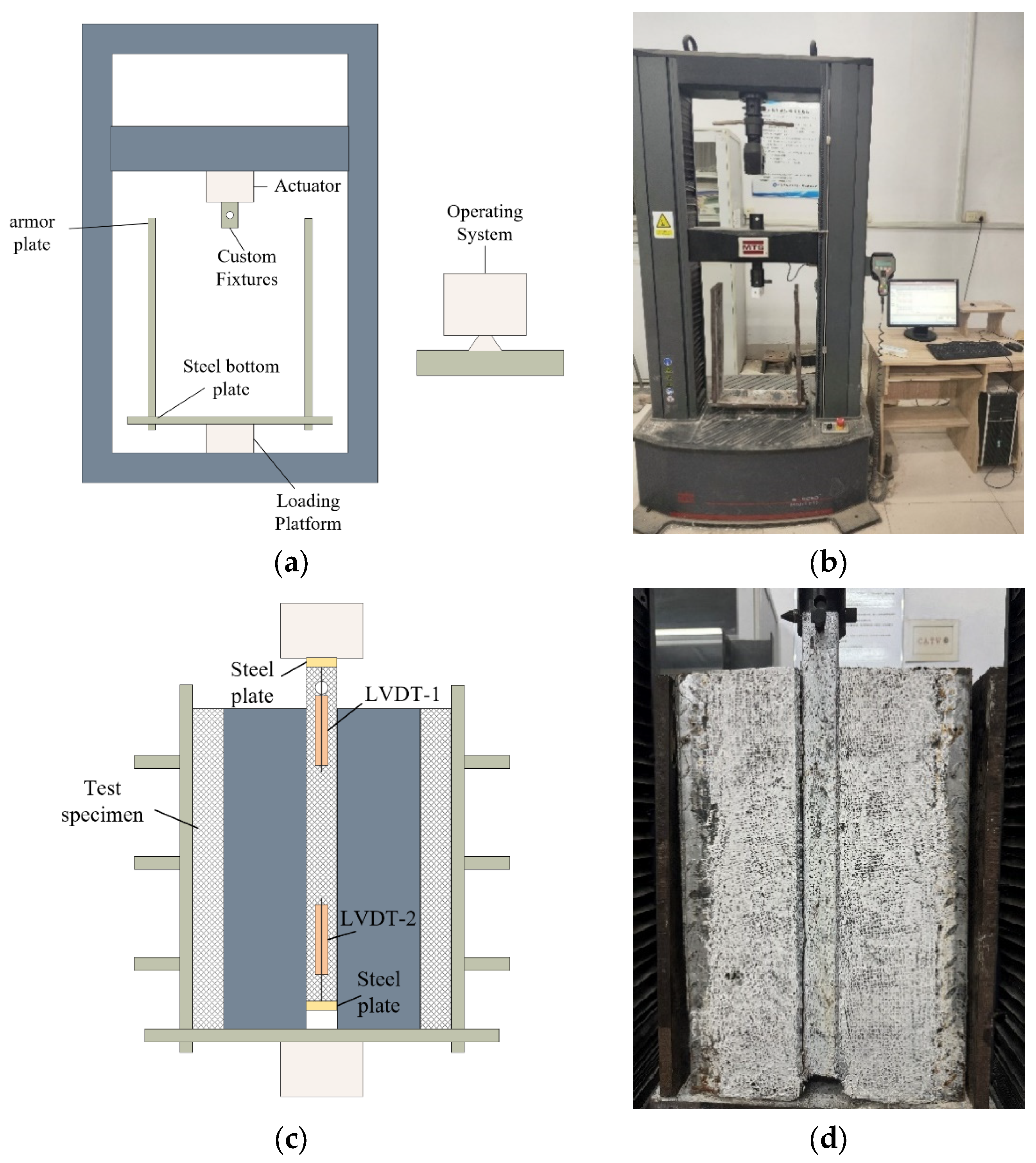
Both monotonic and cyclic tests were conducted using an MTS E45.105 UTM (MTS Systems Corporation, Eden Prairie, MN, USA). A custom-made loading fixture was employed to secure the specimens. As shown in Figure 4, the fixture featured a bottom plate fixed to the UTM’s lower jaws and connecting plates at both ends. The specimen was anchored on these side plates. Additionally, the fixture was secured at the top via threaded rods inserted through pre-drilled holes in the intermediate steel sections.

2.3.1. Monotonic Loading Test

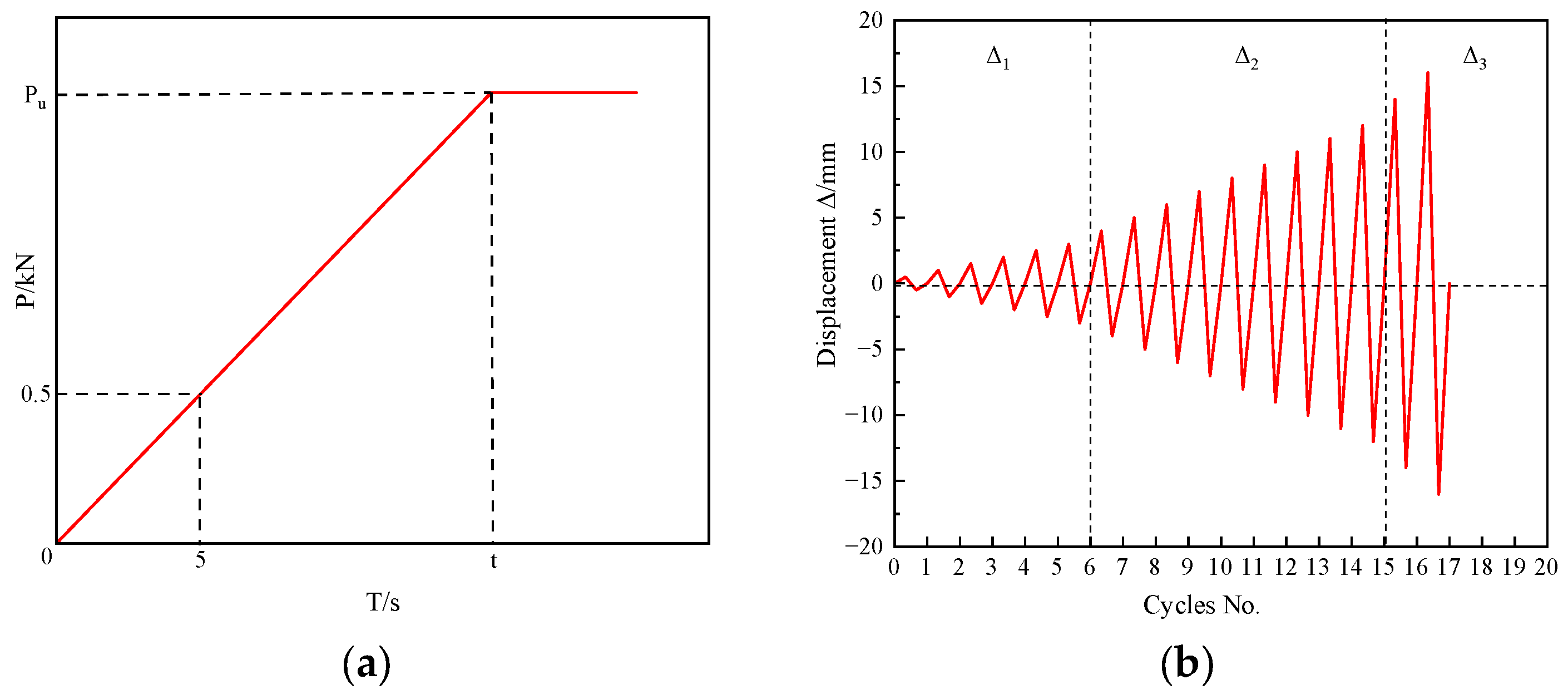
The loading regime was carried out according to the recommendations of the Chinese standard JGJ/T 101-2015 [21], as shown in Figure 5a. Prior to formal loading, a 2 kN preload was applied to verify the functionality of all instruments. Formal loading was then initiated at a displacement rate of 0.1 kN/s and continued until specimen failure.

2.3.2. Cyclic Loading Test

The loading scheme of the cyclic loading test was shown in Figure 5b. The cyclic loading protocol was divided into three phases based on the target displacement amplitude. The loading speed for each phase was set to 0.5 mm/min, 1.0 mm/min, and 2.0 mm/min, corresponding to amplitudes of 0.5 mm, 1.0 mm, and 2.0 mm, respectively. The test commenced with Phase 1 (0.5 mm amplitude at 0.5 mm/min). The loading protocol was programmed to automatically advance to Phase 2 (1.0 mm amplitude at 1.0 mm/min) once the displacement reached −3.0 mm. Similarly, upon reaching −12.0 mm, the test entered Phase 3 (2.0 mm amplitude at 2.0 mm/min) and continued until a displacement of 16.0 mm was achieved. The test was terminated when complete separation was observed at the CFCS-FC interface.

2.4. Measurement Point Layout

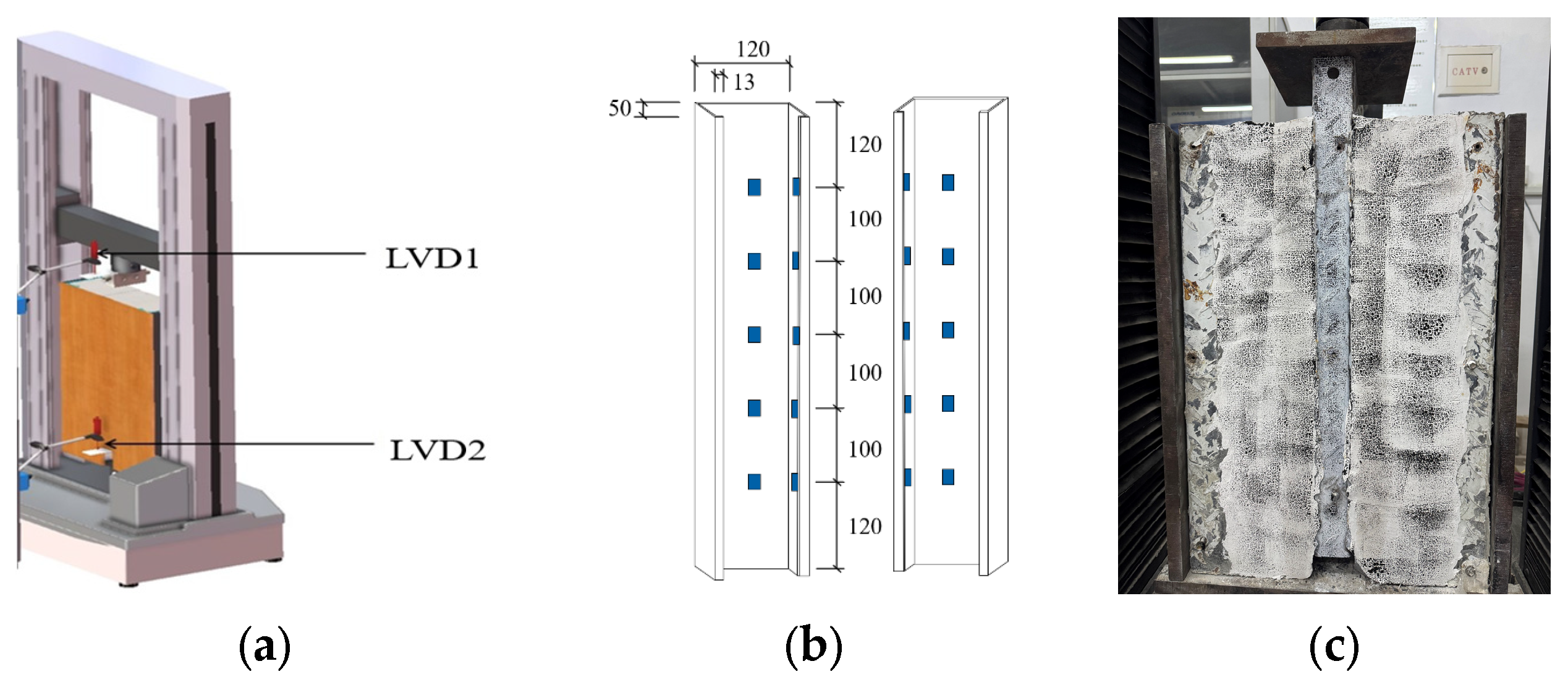
Two linear variable differential transformers (LVDTs) were arranged to measure the displacements of the loading and free ends, as displayed in Figure 6a. As shown in Figure 6b, the strain gauges were placed along the CFCS length in the web. The strain was collected by a DH5922 static strain tester. To facilitate crack observation in the FC during testing, the front surface of each cured specimen (after removal of the calcium silicate board) was painted white and sprayed with speckles, as shown in Figure 6c. DIC technology was then employed to observe the speckle field at the CFCS-FC interface. This generated a principal strain diagram, enabling strain monitoring of the specimen’s front surface.

3. Test Results and Discussions

3.1. Test Observations and Failure Modes

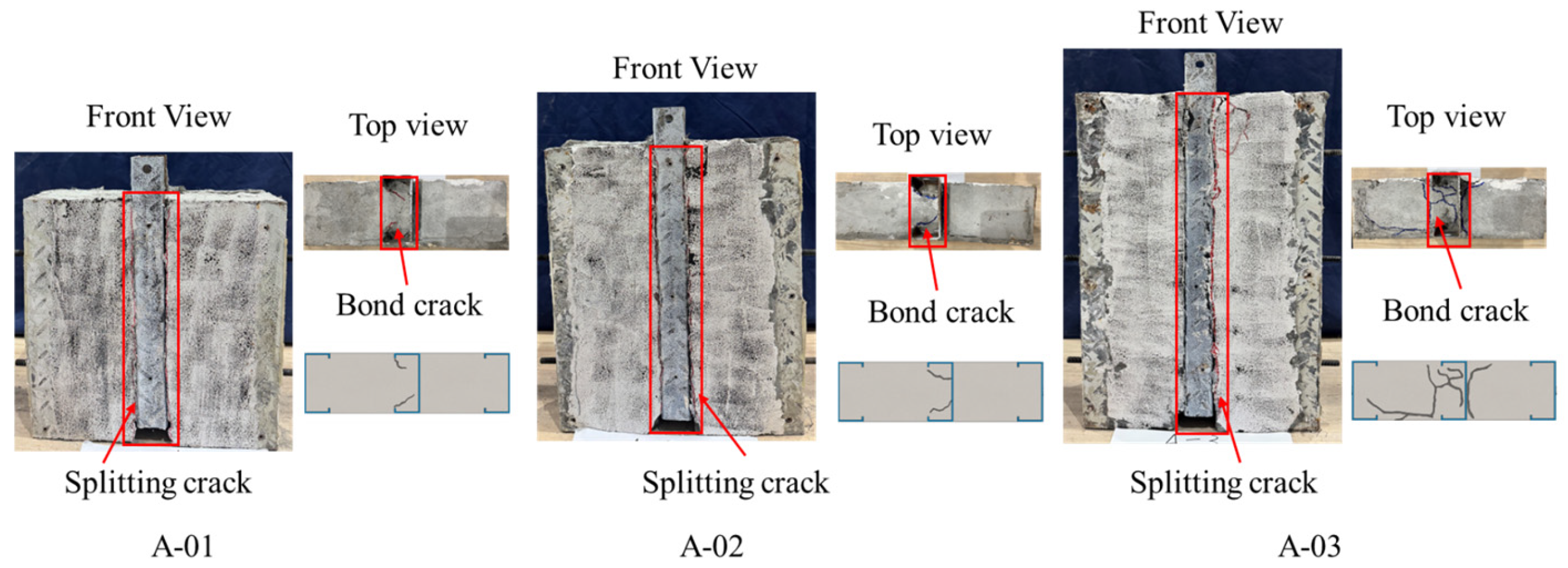
Figure 7 shows the failure pattern and crack distribution of specimens A01-A03 under monotonic loading. The failure modes of all specimens were basically the same, except for longer and more cracks in specimen A03. No obvious phenomena were observed during the initial loading stage of the specimens. As the load increased, cracks initiated at the interface between the CFCS web and the foam concrete (FC) at the loading end and propagated toward the free end, eventually forming through-cracks along the interface. On the specimen cross-section, cracks first initiated on the inner side of the CFCS flange at the loading end. As the load increased, these cracks gradually developed toward the inner side of the CFCS at an angle of approximately 45°, then progressively extended along the CFCS’s length, finally forming some penetrating cracks. However, differences in anchorage length led to variations in crack width and failure progression. Failure modes of Specimens A01–A02 exhibited fewer cracks and a sudden brittle failure, while specimen A03 displayed more cracks and ductile failure.
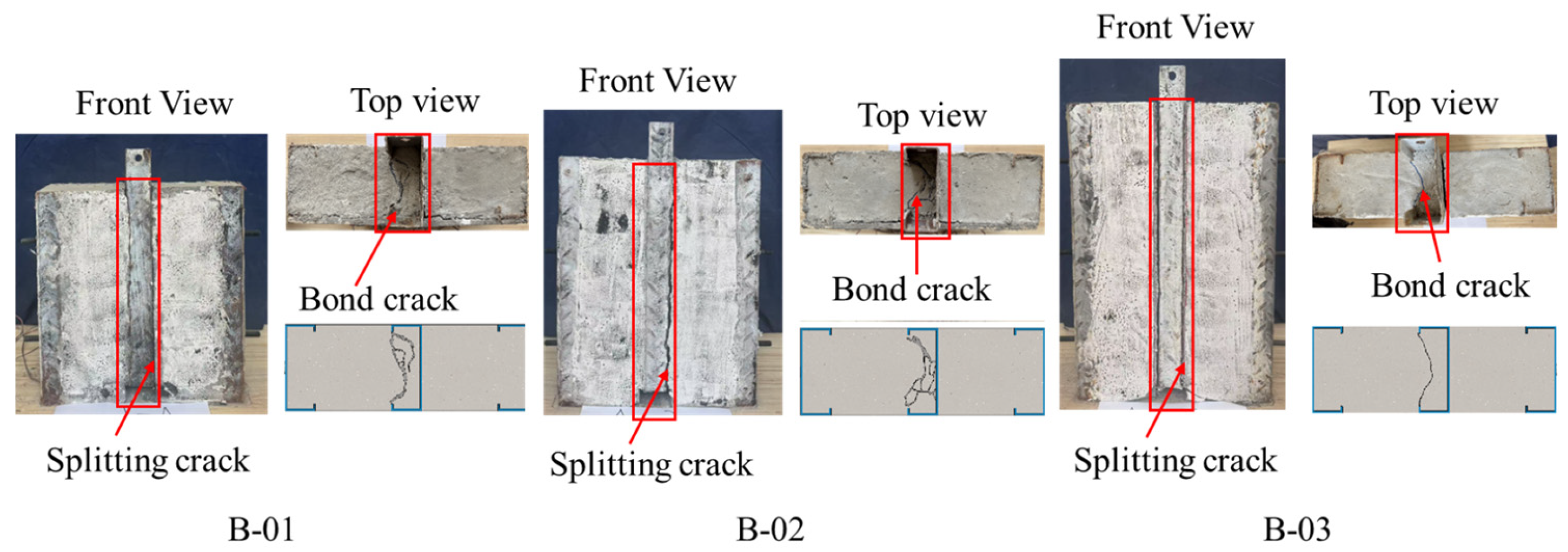
Figure 8 shows the failure pattern and crack distribution of specimens B01-B03 under cyclic loading. At the initial loading, the interface between the CFCS and the FC remained intact, with no apparent cracking. As the load increased, cracks gradually developed between the CFCS and FC, ultimately forming through cracks. Specimens B01-B02 exhibited more cracks than specimen B03, with a sudden failure.
In summary, variations in anchorage length produced a marked influence on the crack development and failure patterns. Under monotonic loading conditions, increasing the anchorage length changes the failure mode from brittle failure to ductile failure, but increases the failure area and the number of cracks. Under cyclic loading conditions, the above conclusion of failure mode is opposite.

3.2. Bond Stress–Slip Displacement Curves and Characteristic Values

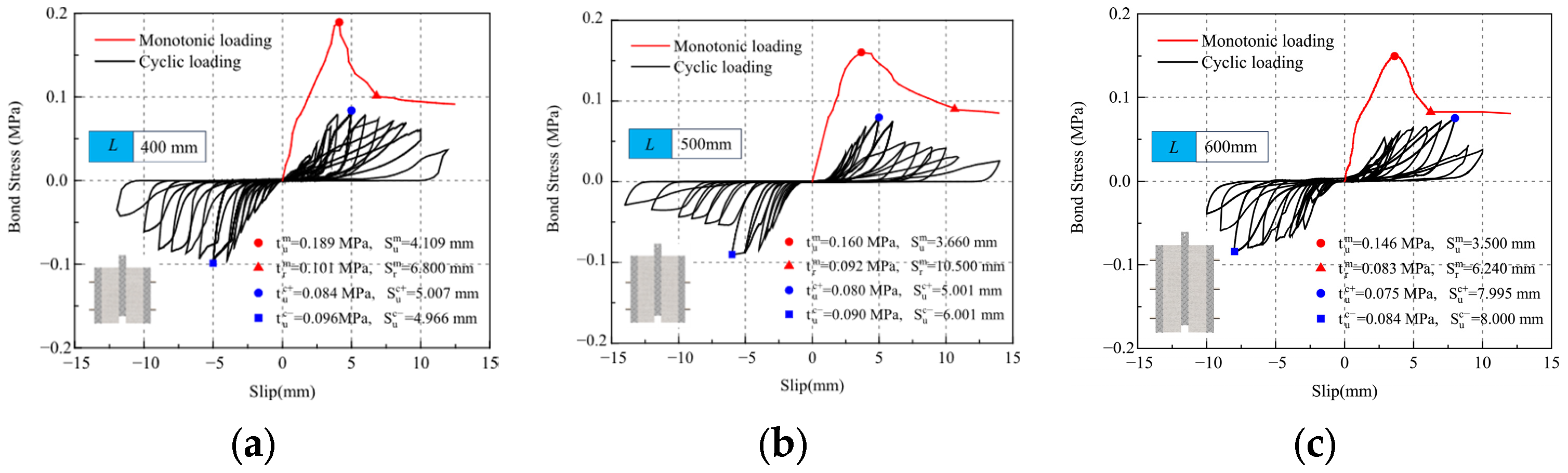
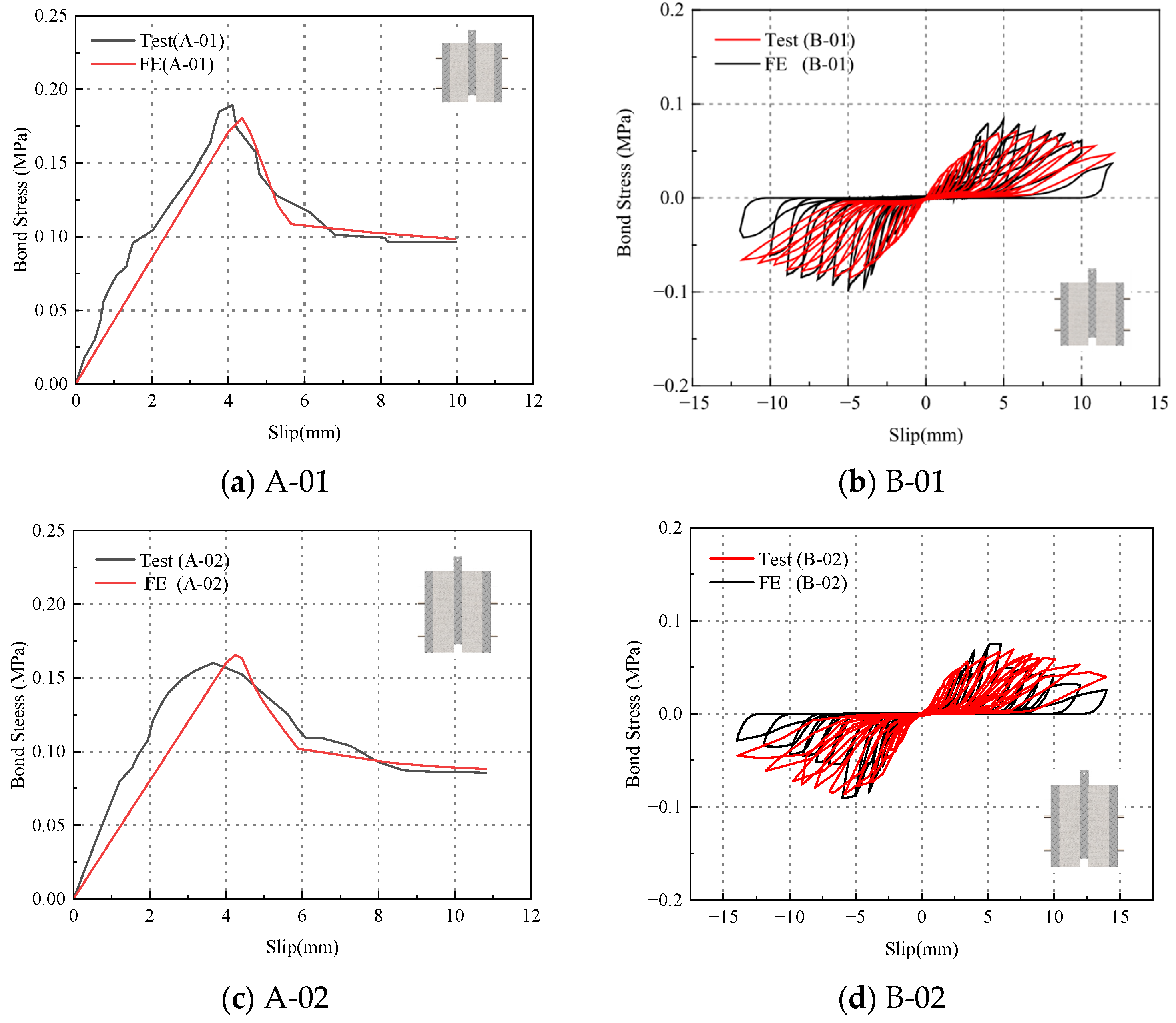
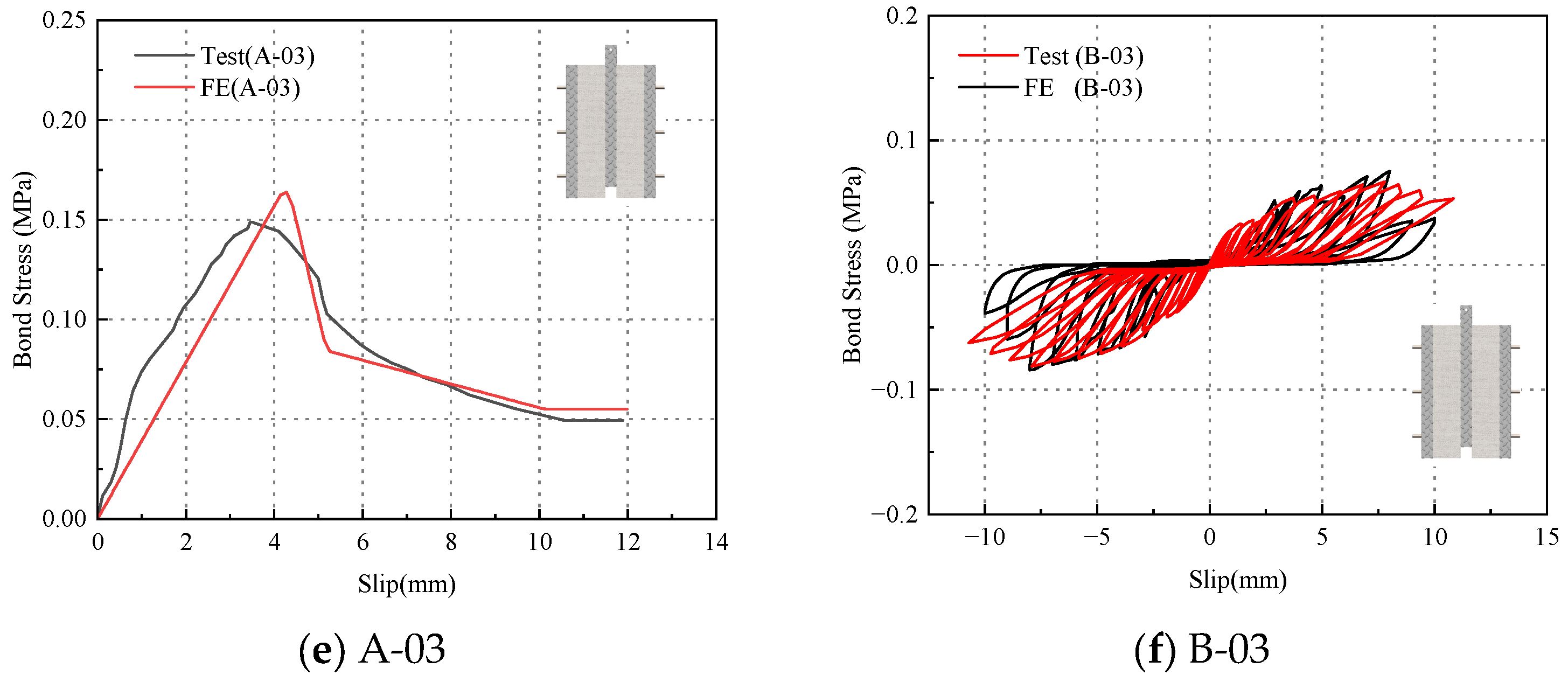
Figure 9 shows the bond strength τ versus slip displacement S curves for all specimens, where bond strength is calculated by dividing the experimentally measured load value P by the contact area S s between the CFCS and FC interface. The test results indicate that an increase in anchorage length enhanced the overall bond capacity but reduced the ultimate bond strength. Compared with specimen A-01, the ultimate bond strength of specimens A-02 and A-03 decreased by 9.6% and 29.5%, respectively. This is because the load is applied only to a localized area at the loading end, causing stress concentration in that region. Stress then decays nonlinearly along the anchorage length toward the free end. Therefore, as the anchorage length increases, the increment in ultimate load for specimens with longer anchorage becomes significantly smaller than the increment in anchorage length, leading to a reduction in the ultimate bond strength.
For the monotonically loaded specimens, the slope of the post-peak curve can serve as an indicator of the abruptness of failure. The curve of specimen A-01 exhibits a relatively steeper descent after the peak, whereas that of A-03 shows a more gradual decline. This trend aligns with the observations described in Section 3.1, where the failure of A-01 appeared sudden and brittle, while A-03 failed in a more ductile and progressive manner.
The hysteresis curves of all specimens exhibited the same pinching-slip characteristics. At the initial loading, the slip characteristics of the curves were not obvious, but it exhibits high bonding stiffness, indicating that the specimen operates within the elastic stage. As the load increases, the growth rates of bond strength and stiffness decreased, indicating that the specimens have entered the plastic stage. This is because of relative slip between the CFCS and FC. Compared with specimen B-01, specimens B-02 and B-03 exhibited a more rapid post-peak strength degradation, which aligns with the phenomena described in Section 3.1. This suggests that under cyclic loading, longer anchorage lengths lead to more brittle failure modes. Compared with specimen B-01, the positive ultimate bond strength ( τ u + ) of specimens B-02 and B-03 exhibited decreased by 4.8% and 10.7%, respectively. The negative ultimate strength ( τ u ) decreased by 6.3% and 14.6%, respectively. Additionally, specimen B-03 exhibited significantly greater slip values at ultimate bond strength than specimens B-01 and B-02. This is because in specimens with shorter anchoring lengths, stress concentration at the loaded end causes localized rapid degradation of bond behavior, reaching peak strength even with minimal overall slip displacement. Conversely, the extended length of longer anchored specimens allows stress redistribution, enabling bond failure to unfold gradually across a broader interface area. Under cyclic loading, this results in cumulative micro-damage forming at multiple points along the bonded length. Consequently, a greater overall interface slip is required to activate sufficient bond resistance and accumulate enough damage to reach peak load-carrying capacity.

3.3. Strain Analysis

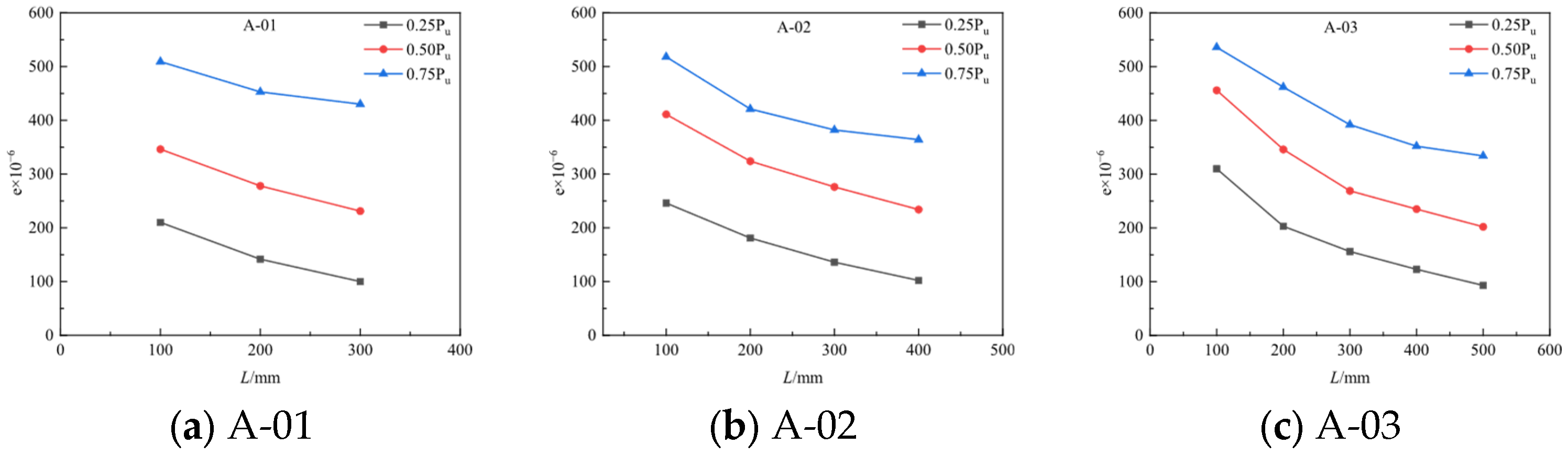
Figure 10 illustrates the strain distribution along the CFCS under monotonic loading. The strain on the inner web decreases progressively from the loaded end toward the free end, reflecting a continuous decay in stress along the anchorage length. Since strain is proportional to stress in the elastic stage, this gradient confirms the non-uniform transmission of bond stress. This non-uniform distribution is one of the key mechanisms underlying the observed decrease in the average bond stress τ with increasing anchorage length L. While increasing the anchorage length enlarges the total nominal contact area, the newly added segment contributes less to the overall load transfer. Consequently, the gain in ultimate load capacity does not scale proportionally with the increased area, leading to a decrease in the calculated average bond stress. Consequently, the stress in the CFCS continuously decreases along the anchorage length. As strain is proportional to stress in solids, the strain also diminishes accordingly. The greater the load, the smaller the slope of the curve, and the smaller the bond force. Under smaller loads, the bond stress between the CFCS and FC is predominantly provided by chemical bonding. With increasing load, cracks develop in the FC at the contact surface with the CFCS. The chemical bonding strength gradually diminishes, allowing friction resistance and mechanical interlocking forces to increasingly dominate. The bond stress then results from the combined effect of these three forces. This continues until the load reaches the ultimate load for bond failure. At this point, cracks further propagate, the chemical bonding force is completely lost, and the bond strength is significantly reduced. Consequently, the magnitude of strain change in the CFCS also decreases accordingly.
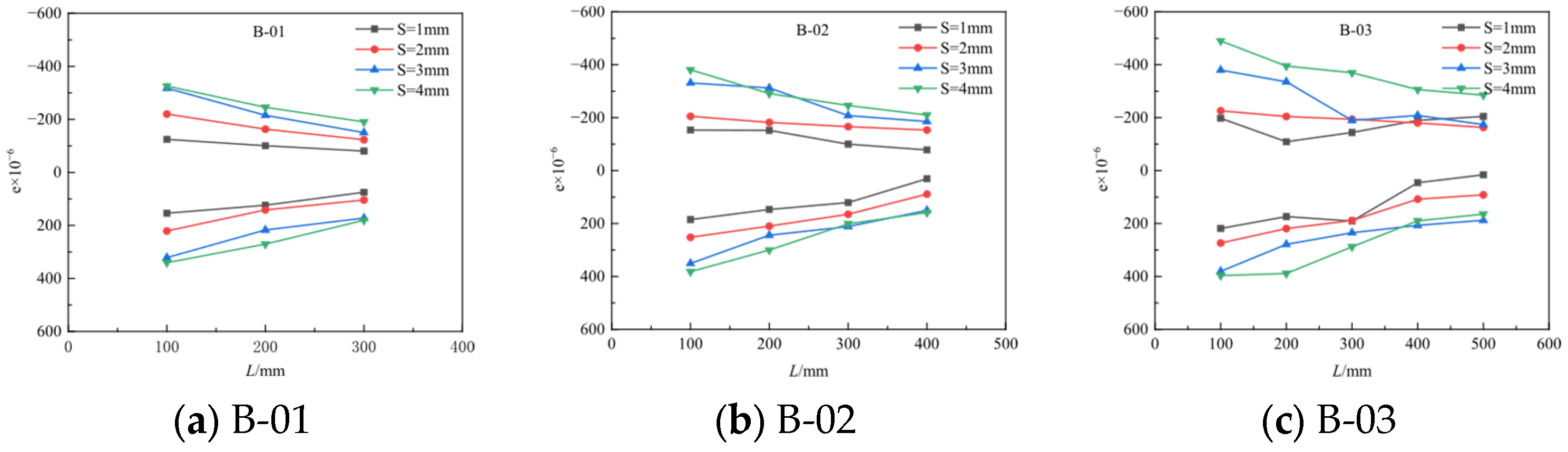
The strain distribution under cyclic loading is shown in Figure 11. The pattern is consistent with that observed in the monotonic tests, with strain decreasing along the anchorage length and being significantly higher at the loaded end.

3.4. Strain Cloud Analysis of Test Specimens

3.4.1. Strain Cloud Analysis Under Monotonic Loading

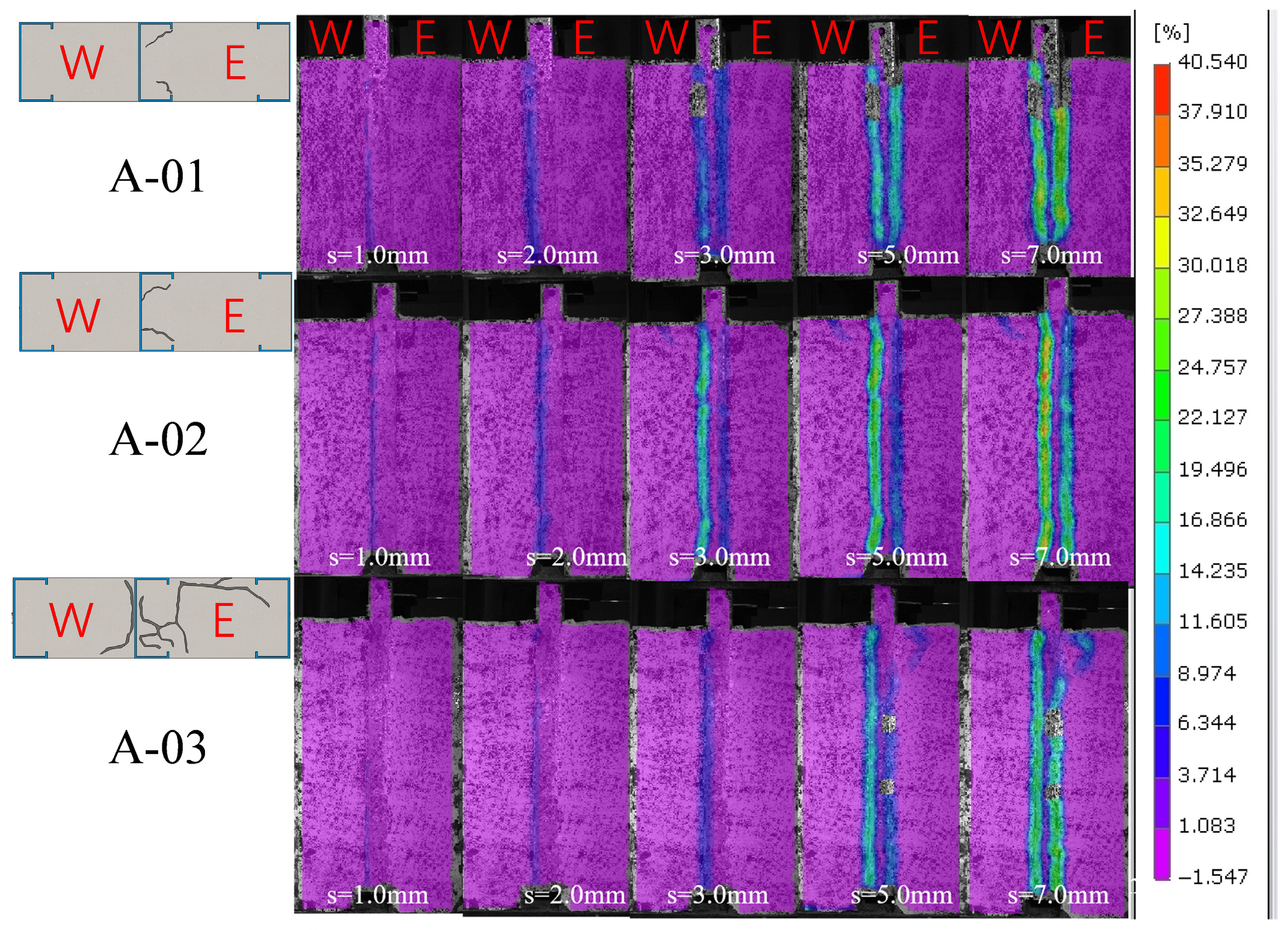
The strain cloud diagrams of specimens under monotonic loading are shown in Figure 12, where W denotes the western side and E denotes the eastern side. Initially, strains were low. As loading increased, strain concentrated at the free-end interface between the W-side CFCS and FC, indicating crack initiation. Because of its larger contact area and direct stress transfer path, the web exhibited a rapid strain increase. In contrast, the closed-section flange provided stronger restraint, delaying local strain growth. The lower degree of restraint at the free ends led to strain concentration, greater cumulative slip, and wider interfacial cracks in these regions, which is consistent with the smaller strains observed at the free ends of the steel section in Figure 10.
When the slip reached 5 mm, specimen A-01 first showed missing data in the cloud diagram at the loaded end, reflecting severe interfacial debonding between the FC and the CFCS. This observation aligns with the bond–slip curve and the strain distribution of the steel section: at this stage, surface concrete cracks expanded rapidly, and steel strains increased sharply. In contrast, specimen A-03 did not exhibit pronounced strain concentration during early loading, corresponding to the flatter slope of its bond–slip curve in Figure 11. This suggests that a longer anchorage length can slow down interfacial crack propagation. The increased contact area enhances frictional resistance and mechanical interlock, thereby mitigating interfacial slip and debonding. Furthermore, diagonal compression cracks appeared at the loaded end of specimen A-03, which were induced by the confinement effect of the steel section on the encased foam concrete.

3.4.2. Strain Cloud Analysis Under Cyclic Loading

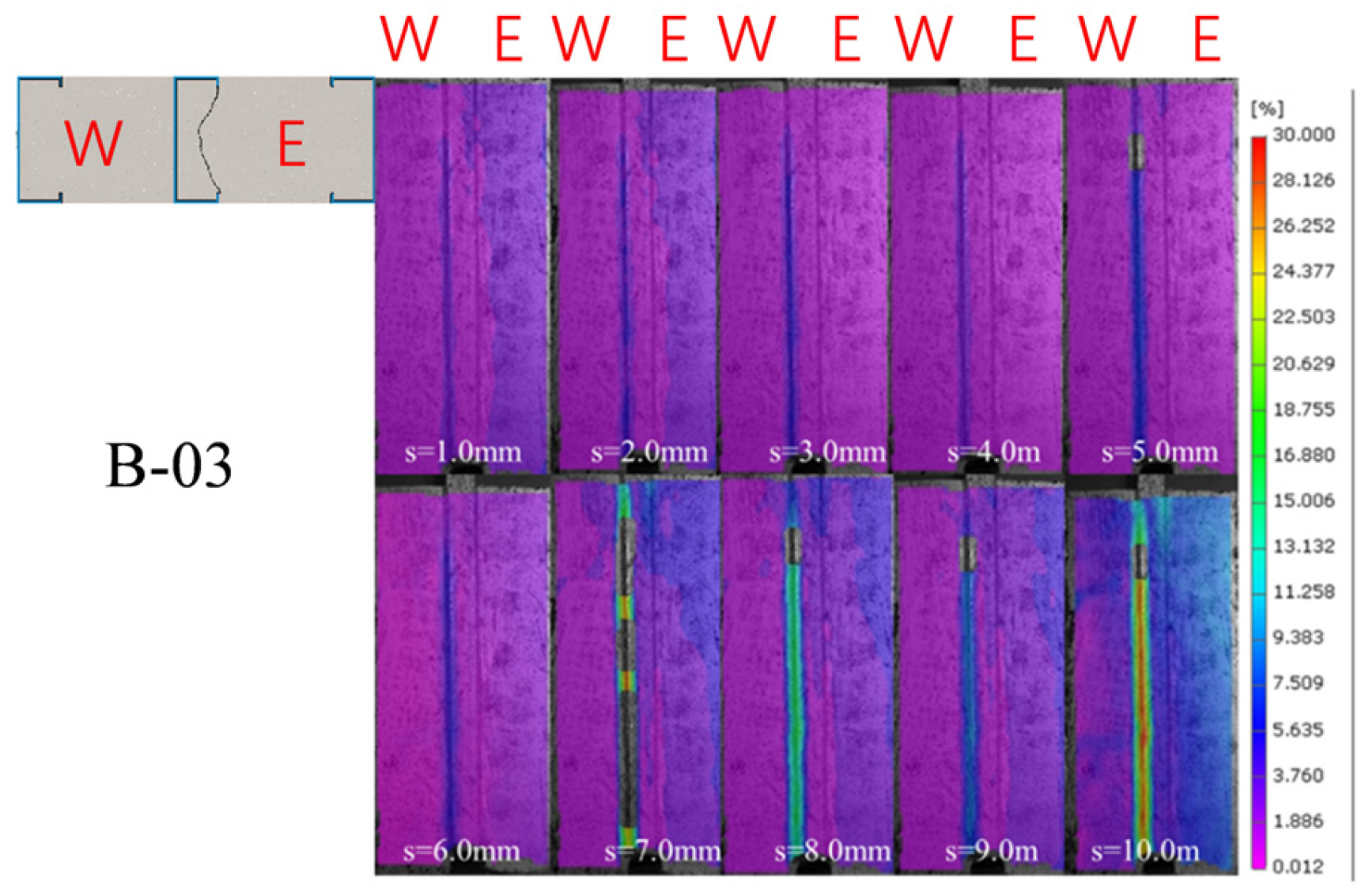
The strain clouds of specimens under cyclic loading are shown in Figure 13, Figure 14 and Figure 15, where W denotes the western side of the specimen and E denotes the eastern side. The strain cloud patterns of the cyclically loaded specimen closely resembled those of the monotonically loaded specimen. At the initial loading, surface strains on all specimens remained relatively small. As the load increased, regions of concentrated strain growth began to appear at the interface between the free-end W-side CFCS and the concrete. This indicated the initiation of cracks between the CFCS and FC in this area, with the underlying cause being identical to that observed in the monotonically loaded specimen.
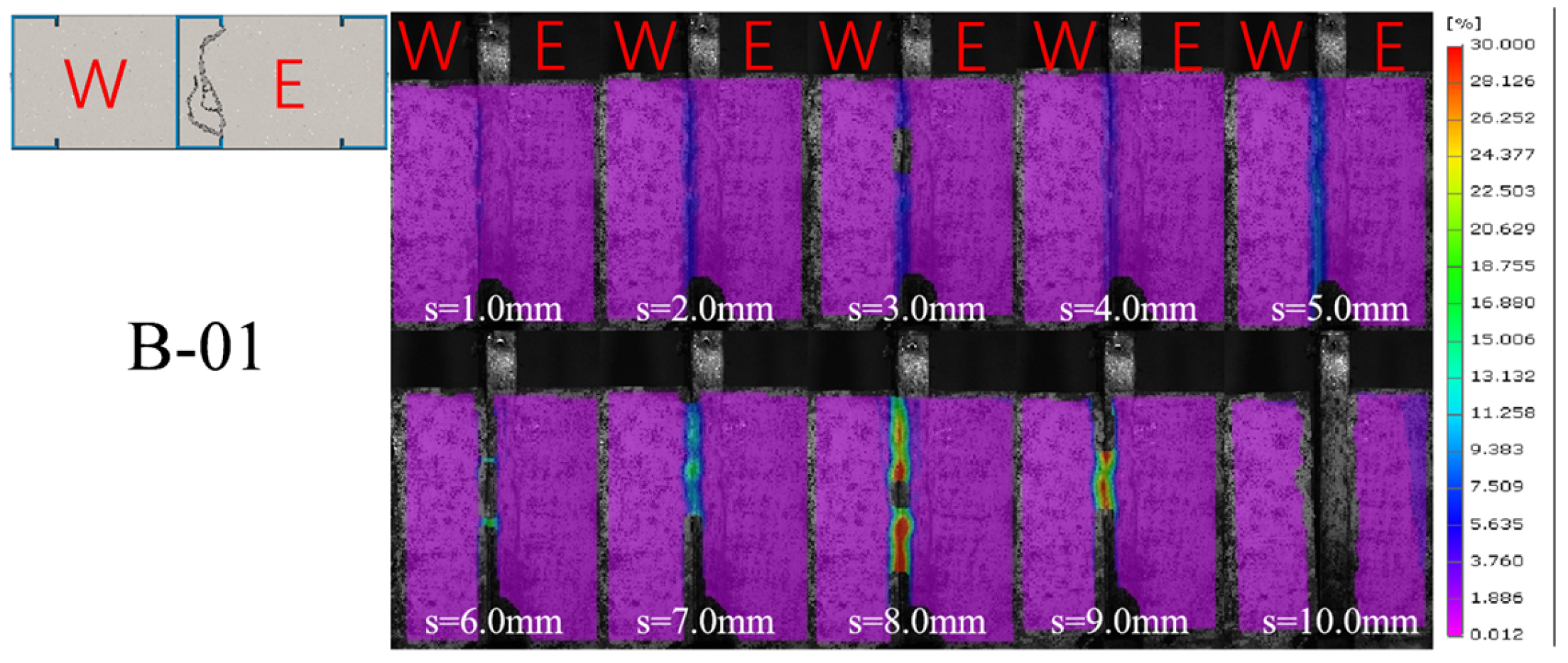
A clear difference in crack progression was observed between specimens. In Specimen B-01, localized data loss in the strain contour began to appear at a slip of 6.0 mm, reflecting severe cracking at the outer web–concrete interface that exceeded the tracking capability of the DIC system. The loss of data progressed gradually with increasing slip, suggesting that cracking developed and extended steadily until final failure.
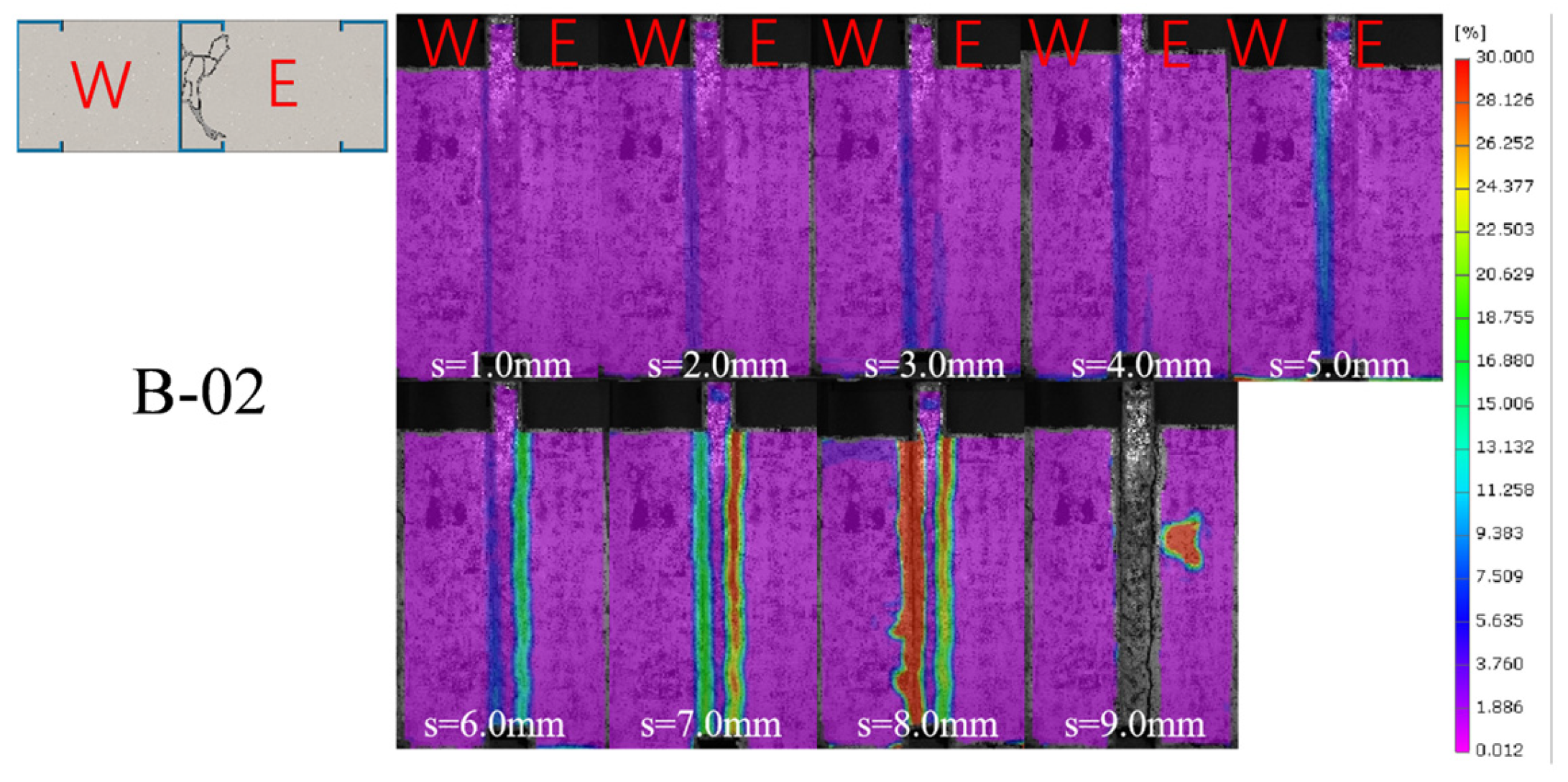
In contrast, Specimen B-02 exhibited a more abrupt failure pattern. While strain concentration developed similarly at earlier stages, the DIC signal was abruptly lost at 9.0 mm slip, indicating sudden and severe interface cracking. This comparison demonstrates that insufficient anchorage length not only accelerates interface crack propagation but also leads to a more brittle fracture process. The reduced bonded area diminishes interfacial friction and mechanical interlocking, thereby promoting rapid, unstable crack growth and more severe slippage once the critical load is reached.

4. Finite Element Analysis

4.1. Finite Element Modeling

ABAQUS was selected for the finite element simulation of the specimen’s bond behavior. Parameters for the FC and CFCS models determined plasticity based on the material properties described in Section 2.2. The Concrete Damaged Plasticity (CDP) model was used to define the plastic damage of concrete [22,23], as shown in Table 5. The constitutive model for steel was defined using a triaxial model.
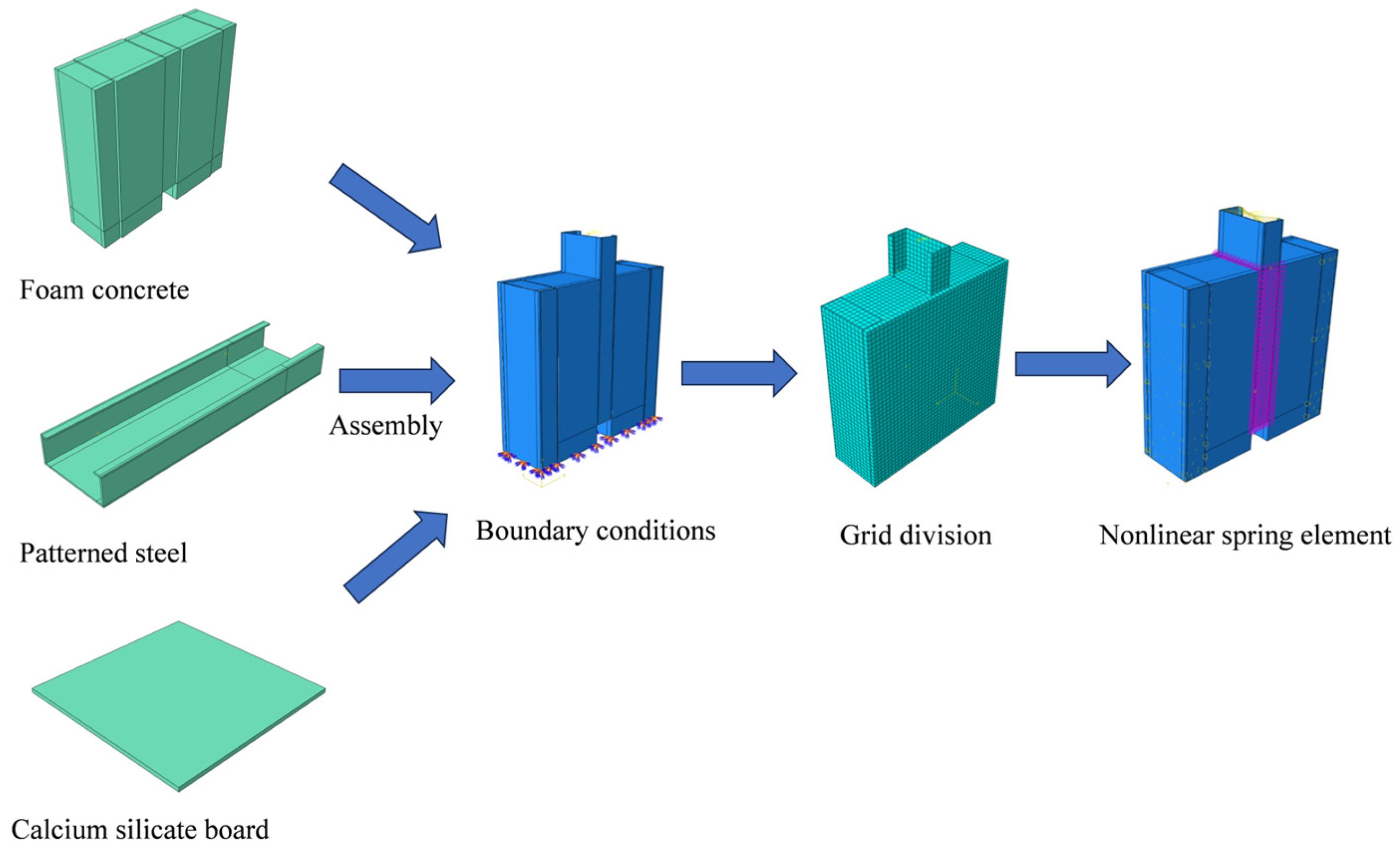
All components, including the CFCS, FC, and CSBs, were discretized using 3D eight-node solid (C3D8) elements. A mesh size of 10 mm was determined to be suitable after a convergence study. To ensure the model could simulate both monotonic and cyclic loading processes, a reference point (RP-1) was placed slightly above the top center of the specimen. The upper surface of the CFCS was coupled to this reference point. For the constraint conditions at the bottom of the concrete on both sides of the specimen, based on the actual test conditions, all translational and rotational degrees of freedom were set as fixed. The specific constraint method and mesh division are shown in Figure 16.
In this study, the interfacial interaction between the CFCS and FC was simulated using nonlinear spring elements. These springs, representing both normal and tangential interactions, were established between corresponding nodes. The stiffness of these springs was defined by a unified average bond stress–slip ( F D ) . The mathematical description of the spring element F D curve is defined as:
F = τ × A i
where F represents the load applied to the spring, τ denotes the bond stress, and A i indicates the area occupied by the spring connection surface. The spring stiffness was determined based on the analysis of experimental observation data. Subsequently, an .inp file was generated, and the constitutive relationship of the linear spring within the file was adjusted to nonlinear. The modified .inp file is as follows:
*Spring, elset = Springs/Dashpots-1-spring, NONLINEAR 3, 3
*Element, type = Spring2, elset = Springs/Dashpots-1-spring
1, Part-1-1.10, Part-2-1.10
2, Part-1-1.23, Part-2-1.23
3, Part-1-1.27, Part-2-1.27

4.2. Model Validation

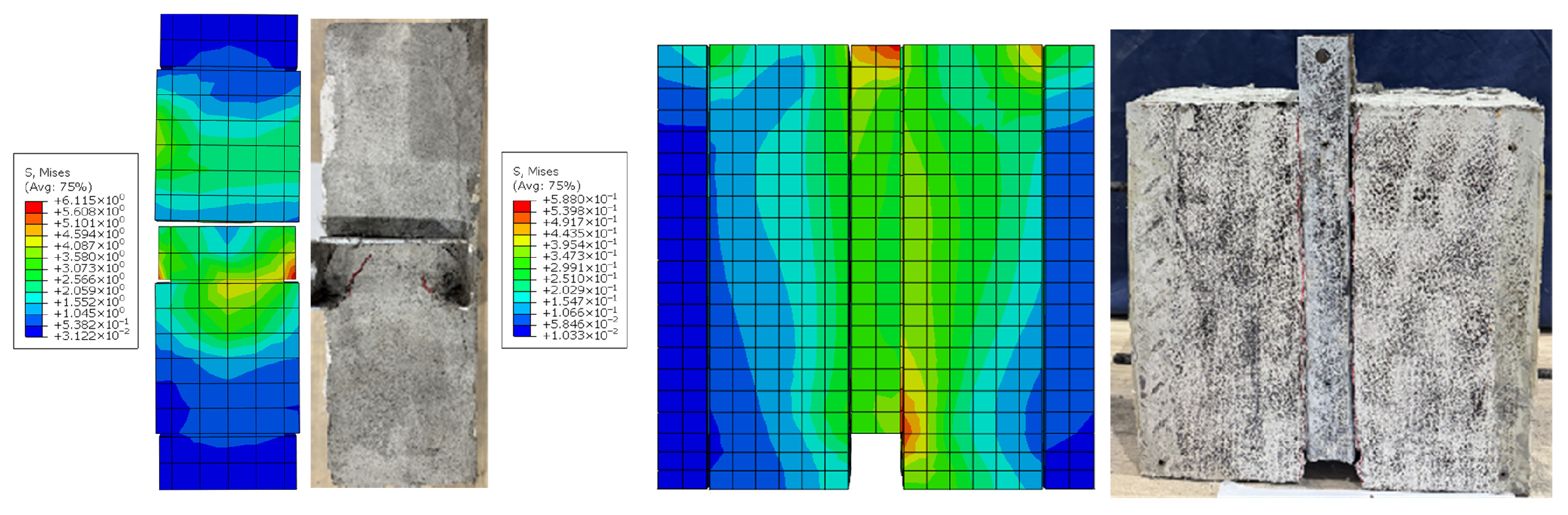
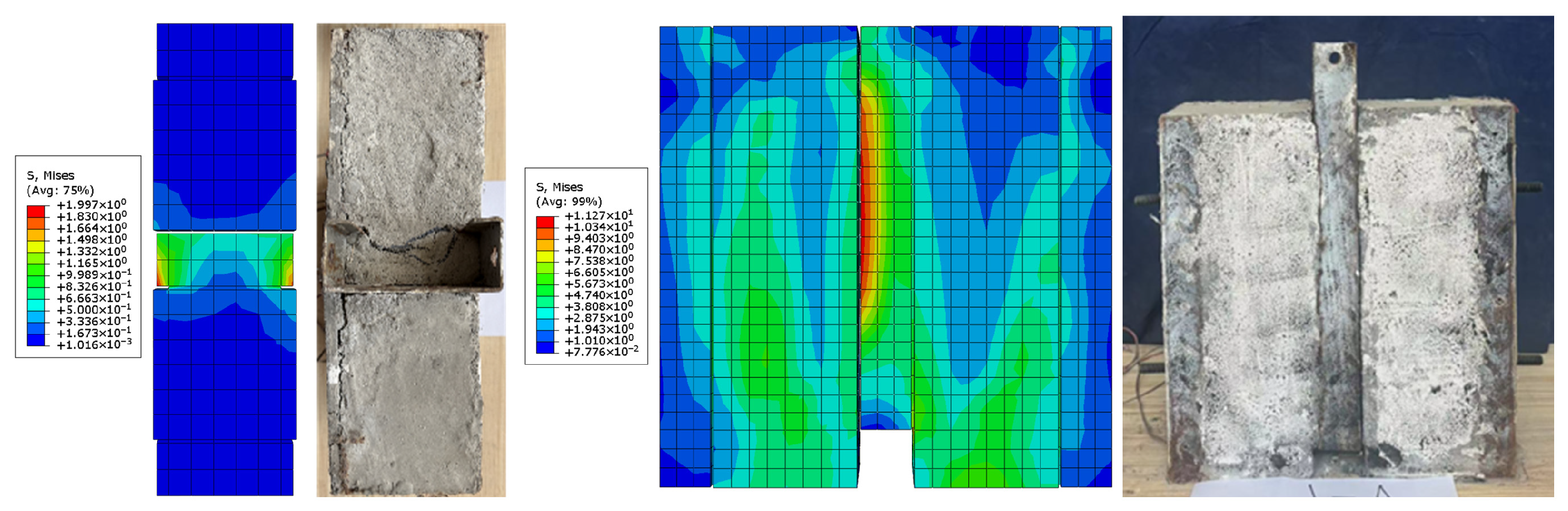
A comparison between finite element simulations and experiments is shown in Figure 17 (bond–slip curves) and Figure 18 and Figure 19 (failure modes for A-01/B-01). The simulations show good agreement with test data, validating the model.

4.3. Parametric Studies

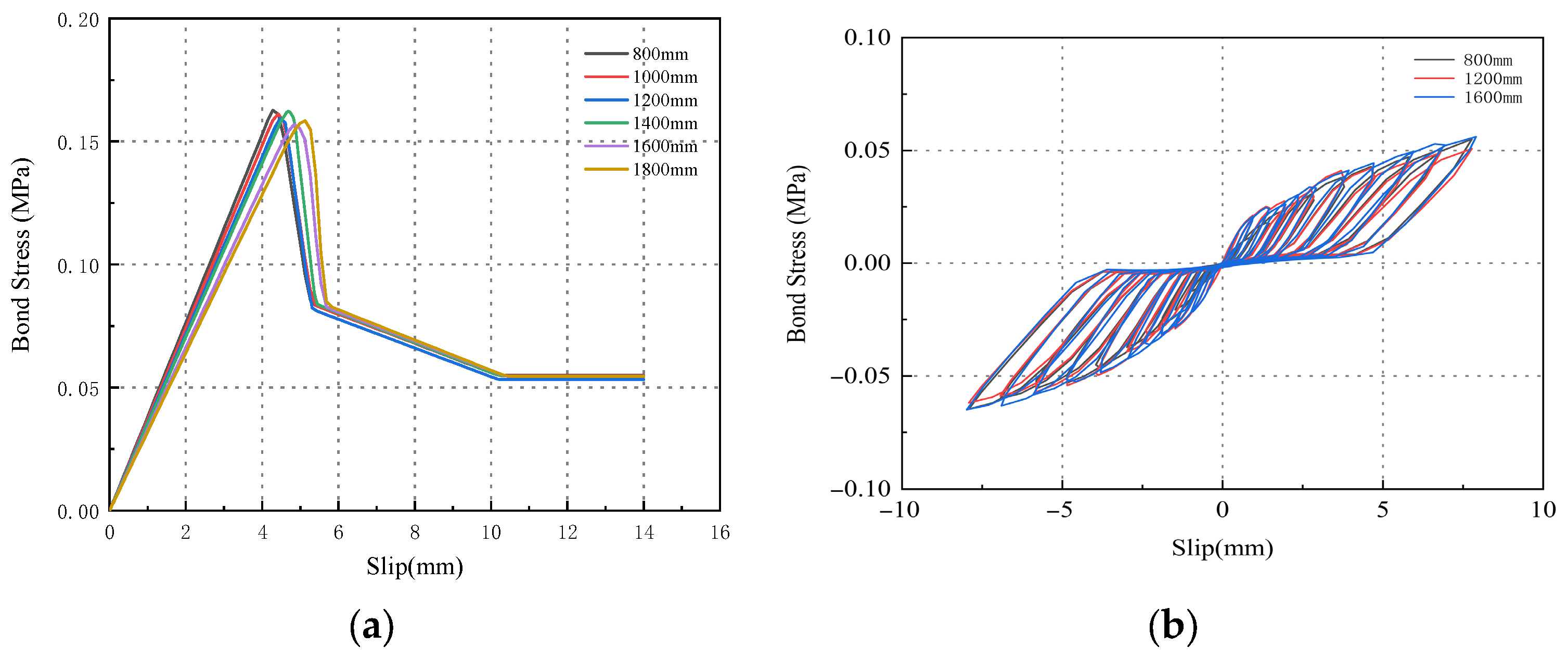
Figure 20 presents the simulated bond stress–slip displacement curves for anchorage lengths ranging from 400 mm to 1800 mm. Within the experimentally validated range (up to 600 mm), the simulation results show good agreement with the test data. For the extended parametric study (800–1200 mm), the numerical results indicate a decreasing trend in ultimate bond strength with increasing length, which is consistent with the mechanistic trend observed in experiments. Notably, for the even longer anchorages (1400–1800 mm under monotonic loading; 1600 mm under cyclic loading), which are beyond the current experimental scope, the model predicts a reversal of this trend, with the ultimate strength increasing relative to the 1200 mm case. This numerical prediction suggests a potential shift in the governing failure mode: for these configurations, the model indicates that yielding of the CFCS likely occurs prior to complete bond interface failure. It is important to emphasize that these specific predictions for very long anchorages, while mechanistically insightful, remain to be confirmed by future experimental work.
These findings offer direct guidance for practical design. They demonstrate that simply increasing anchorage length does not proportionally enhance bond performance. Instead, designers should consider a target anchorage length that is sufficient to develop the full strength of the connection while avoiding the inefficient range where strength decreases with length (approximately 800–1200 mm). For critical applications where ductile failure is paramount, the design may aim to utilize longer anchorages (e.g., beyond 1400 mm under monotonic loading) to intentionally promote steel yielding over brittle interfacial failure, provided that overall wall and connection detailing allow for such a failure mode. It is important to emphasize that these specific predictions for very long anchorages, while mechanistically insightful, remain to be confirmed by future experimental work.

5. Calculation Formula and Validation of Characteristic Bond Strength

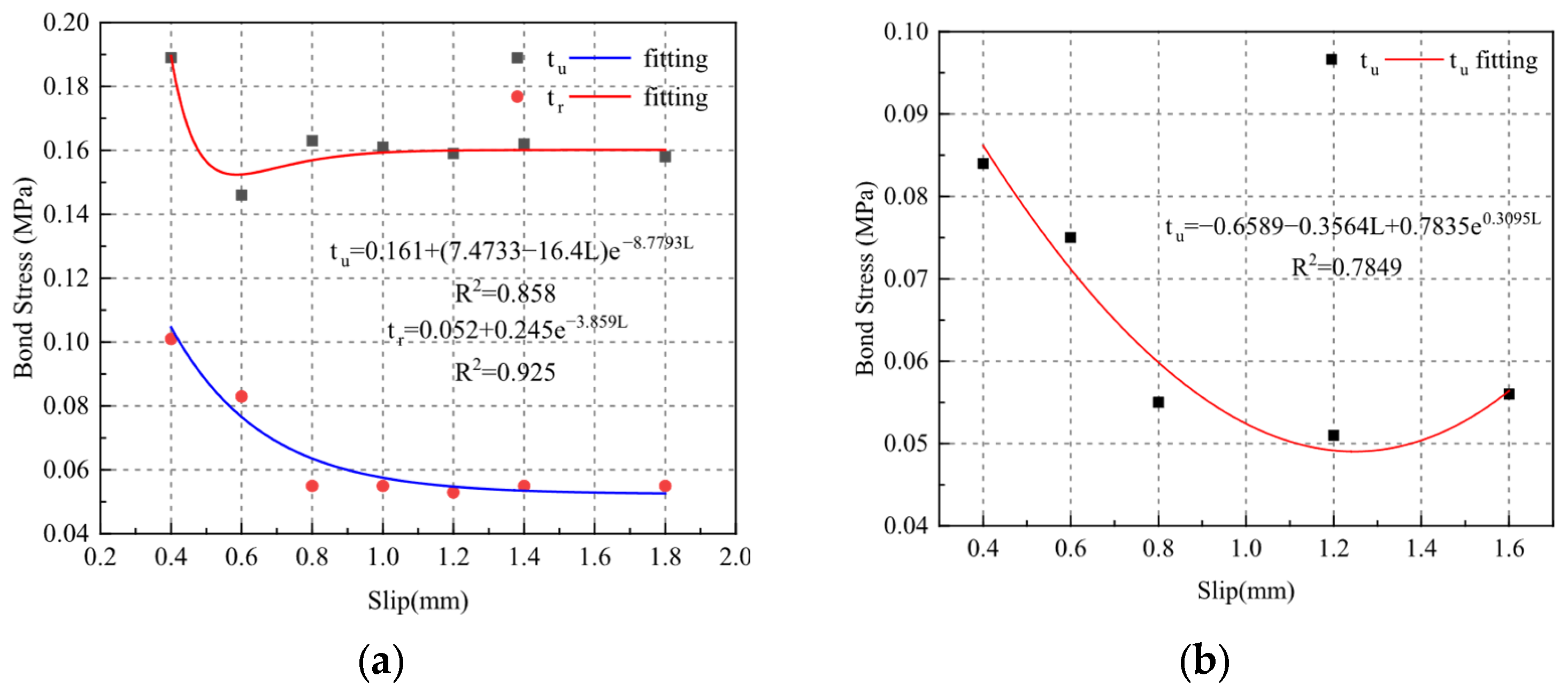
Based on regression analysis of experimental data from the majority of specimens and corresponding finite element simulation results, a formula for bond strength considering anchorage length was derived. The fitting results are shown in Figure 21. As shown in Table 6, the theoretical and experimental values of the characteristic bond strength for the remaining specimens, along with those reported in Ref. [23], are in close agreement, which validates the predictive capability of Equations (2)–(4).
τ ¯ u = 0.161 + ( 7.4733 16.4 L ) e 8.7793 L       R 2 = 0.891
τ ¯ r = 0.052 0.245 e 3.859 L       R 2 = 0.925
τ ¯ u = 0.6589 0.3564 L + 0.7835 e 0.3095 L       R 2 = 0.891

6. Conclusions

Through experimental studies on the bond–slip behavior between cold-formed patterned steel and foam concrete at different anchorage lengths, the following conclusions are drawn:
(1) Under monotonic loading, longer anchorage lengths result in slower failure progression, expanded damage zones, and more cracks. In contrast, under cyclic loading, longer anchorage lengths lead to accelerated failure with fewer cracks.
(2) Increasing the anchorage length had a limited effect on the overall shape of the bond stress–slip displacement curve but consistently reduced the ultimate bond strength. Under monotonic loading, the ultimate bond strength decreased by 9.6% and 29.5% for specimens with anchorage lengths of 500 mm and 600 mm, respectively, compared to the 400 mm benchmark specimen. Similarly, under cyclic loading, the corresponding reductions were 9.1% and 16.0%.
(3) The strain on the inner web surface of the CFCS exhibited a decreasing trend along the anchorage length. The increased anchorage length expands the stress-transfer region between the CFCS and FC, which effectively suppresses crack development.
(4) A nonlinear relationship was observed between anchorage length and ultimate bond strength: strength decreased within the 800–1200 mm range but increased for longer anchorages (1400–1800 mm under monotonic loading; 1600 mm under cyclic loading). This reversal reflects a shift in failure mode from bond interface failure to a yield-governed failure of the CFCS. In practical wall design, this implies that simply increasing anchorage length does not always enhance bond performance; rather, an optimal anchorage length range should be determined to avoid premature interface failure while also preventing overdesign that merely transitions failure to steel yielding without meaningful strength gain.
(5) A characteristic bond strength calculation formula for CFCS-FC was derived through numerical regression analysis, and the calculated results showed good agreement with experimental data.

Author Contributions

Conceptualization, H.C. and Y.Z.; Methodology, H.C. and Y.Z.; Software, Y.Z.; Validation, H.C., Y.Z. and Z.X.; Formal analysis, H.C. and Y.Z.; Investigation, H.Z.; Resources, H.C. and Z.X.; Writing—original draft, Y.Z.; Writing—review & editing, H.C. and Z.X.; Visualization, Y.Z.; Supervision, H.C., Z.X., H.Z., Y.S. and Y.W.; Project administration, H.C. and Z.X.; Funding acquisition, H.C. and Z.X. All authors have read and agreed to the published version of the manuscript.

Funding

This work was supported by the National Natural Science Foundation of China (Grant No. 52578217, 51908341), Shandong Provincial Natural Science Foundation (Grant No. ZR2024ME141) and Open Project of the Key Laboratory of Concrete and Pre-stressed Concrete Structures of Ministry of Education of Southeast University (Grant No. CPCSME 2022-10).

Data Availability Statement

The data presented in this study are available on request from the corresponding author. The data are not publicly available due to privacy.

Acknowledgments

The authors would like to thank the staff of Shandong Provincial Key Laboratory of Civil Engineering Disaster Prevention and Mitigation, Shandong University of Science and Technology, for their advice in the fulfillment of the current study.

Conflicts of Interest

The authors declare no conflicts of interest.

References

  1. Xu, Y.; Xiong, G.; Wu, J.; Liu, J.; Jing, L. Experimental investigation of lateral resistance of CFS walls with rigid diagonal bracings. J. Constr. Steel Res. 2022, 198, 107333. [Google Scholar] [CrossRef]
  2. Pakizeh, M.R.; Parastesh, H.; Hajirasouliha, I.; Farahbod, F. Seismic performance of CFS shear wall systems filled with polystyrene lightweight concrete: Experimental investigation and design methodology. Steel Compos. Struct. Int. J. 2023, 46, 497–512. [Google Scholar]
  3. Wei, J.; Wang, T.; Zhong, Y.; Jin, Y.; Du, H. Performance Evaluation of Foamed Concrete with Lightweight Aggregate: Strength, Shrinkage, and Thermal Conductivity. J. Mater. 2024, 17, 3869. [Google Scholar] [CrossRef] [PubMed]
  4. Wu, R.; Hu, Z.; Tong, J. Evaluation of hysteretic performance of horizontally placed corrugated steel plate shear walls with vertical stiffeners. Buildings 2024, 14, 779. [Google Scholar] [CrossRef]
  5. Zirakian, T. Methodical investigations on seismic retrofitting of steel plate shear wall systems. Buildings 2024, 14, 258. [Google Scholar] [CrossRef]
  6. Li, Y.; Wei, J.; Han, A.; Xu, Y.; Qiao, M.; He, D. Influence of geopolymer foam concrete on the mechanical performance of cold formed steel built-up columns. J. Case Stud. Constr. Mater. 2025, 22, e04479. [Google Scholar] [CrossRef]
  7. Li, J.; Chen, Z.; Chen, W.; Xu, Z. Seismic performance of pre-cast self-insulation shear walls made by a new type of foam concrete with high strength and low thermal conductivity. Structures 2020, 24, 124–136. [Google Scholar] [CrossRef]
  8. Xu, Z.; Chen, Z.; Osman, B.H.; Yang, S. Seismic performance of high-strength lightweight foamed concrete-filled cold-formed steel shear walls. J. Constr. Steel Res. 2018, 143, 148–161. [Google Scholar] [CrossRef]
  9. Liu, B.; Bai, G.-L.; Wang, Z.-Z. The bond stress-slip full curve equation between the RAC and H-shaped: Experimental, theoretical and numerical simulation investigation. Constr. Build. Mater. 2021, 311, 125311. [Google Scholar] [CrossRef]
  10. Ming, M.; Zheng, S.; Zhang, Y.; Zheng, Y.; Yang, S.; Song, M. Experimental study on the bond-slip behavior and stress transfer mechanism between shaped steel and high-performance fiber-reinforced concrete. Structures 2021, 34, 5013–5028. [Google Scholar] [CrossRef]
  11. Huang, Z.; Huang, X.; Li, W.; Chen, C.; Li, Y.; Lin, Z.; Liao, W.-I. Bond-slip behavior of H-shaped steel embedded in UHPFRC. Steel Compos. Struct. 2021, 38, 563–582. [Google Scholar]
  12. Wei, J.; Yang, Q.; Yu, Y.; Wang, Q.; Zhou, L.; Chen, F. Study of bond–slip behavior and constitutive model of a new M-section steel-skeleton concrete. Materials 2022, 15, 6776. [Google Scholar] [CrossRef] [PubMed]
  13. Wang, C.; Zhou, Y.; Cao, F.; Su, T.; Wang, F. Bond behavior between section steel and concrete in partially encased composite structural members. J. Constr. Build. Mater. 2023, 400, 132521. [Google Scholar] [CrossRef]
  14. Chen, H.; Wang, Y.; Xu, Z.; Shi, F.; Lv, H.; Zhang, Y.; Sun, Y. Bond-Slip Behavior Between C-Shaped Steel and Foamed Concrete in CTS Composite Structural Members. Buildings 2024, 14, 3751. [Google Scholar] [CrossRef]
  15. Xu, T.; Wang, Y.; Liang, C. The interfacial bond-slip behavior of I-section steel and reactive powder concrete at high temperatures. J. Constr. Build. Mater. 2022, 314, 125656. [Google Scholar] [CrossRef]
  16. Sun, H.; Chen, J.; Hu, X.; Hu, P. Bond-Slip Behavior Between Steel Section and Geopolymer Concrete. Bull. Chin. Ceram. Soc. 2022, 41, 3475–3484. [Google Scholar] [CrossRef]
  17. Chen, L.; Wang, S.; Yin, C.; Li, S. Experimental study on constitutive relationship between checkered steel and concrete. J. Constr. Build. Mater. 2019, 210, 483–498. [Google Scholar] [CrossRef]
  18. JGJ/T 341-2014; Technical Specification for Application of Vacuum Insulation Panels in Buildings. Ministry of Housing and Urban-Rural Development of the People’s Republic of China (MOHURD): Beijing, China, 2014.
  19. GB/T 228.1-2021; Metallic Materials—Tensile Testing—Part 1: Method of Test at Room Temperature. State Administration for Market Regulation (SAMR)/Standardization Administration of China (SAC): Beijing, China, 2021.
  20. GB/T 17657-2022; Test Methods of Evaluating the Properties of Wood-Based Panels and Surface Finished Wood-Based Panels. State Administration for Market Regulation (SAMR)/Standardization Administration of China (SAC): Beijing, China, 2022.
  21. JGJ/T 101-2015; Specification for Seismic Test of Buildings. Ministry of Housing and Urban-Rural Development of the People’s Republic of China (MOHURD): Beijing, China, 2015.
  22. GB 50011-2010; Code for Seismic Design of Buildings. Ministry of Housing and Urban-Rural Development of the People’s Republic of China (MOHURD): Beijing, China, 2010.
  23. Yin, Z.Q. Development of High-Strength Foamed Concrete and Study on Bond-Slip Behavior Between Light Steel and Foamed Concrete. Master’s Thesis, Southeast University, Nanjing, China, 2018. [Google Scholar]
Figure 1. Shear wall bond–slip failure diagram.
Buildings 16 01221 g001
Figure 2. Test specimen dimensions. (a) Front View 3D Diagram of Specimen; (b) Back View 3D Diagram of Specimen; (c) Top View of Test Specimen (mm); (d) frontal view of the specimen (mm).
Buildings 16 01221 g002
Figure 3. Mechanical test results of the calcium silicate board. (a) Three-point bending test curve; (b) tensile test curve.
Buildings 16 01221 g003
Figure 4. Schematic diagram of the loading setup. (a) Schematic diagram of the experimental setup; (b) photograph of the experimental setup; (c) schematic of the specimen; (d) photograph of the specimen.
Buildings 16 01221 g004
Figure 5. Loading protocol. (a) Monotonic loading protocol; (b) cyclic loading protocol.
Buildings 16 01221 g005
Figure 6. Measurement point layout. (a) Displacement transducer arrangement; (b) strain gauge rosette layout diagram; (c) speckle pattern sprayed on the specimen.
Buildings 16 01221 g006
Figure 7. Failure modes of specimens A-01, A-02, and A-03 under monotonic loading.
Buildings 16 01221 g007
Figure 8. Failure modes of specimens B-01, B-02, and B-03 under cyclic loading.
Buildings 16 01221 g008
Figure 9. Bond–slip curves of the specimens. (a) Test specimens with an anchorage length of 400 mm; (b) test specimens with an anchorage length of 500 mm; (c) test specimens with an anchorage length of 600 mm.
Buildings 16 01221 g009
Figure 10. Strain distribution in test specimen structural steel under monotonic loading.
Buildings 16 01221 g010
Figure 11. Strain distribution in test specimen structural steel under cyclic loading.
Buildings 16 01221 g011
Figure 12. Maximum principal strain diagram of specimens with different anchorage lengths.
Buildings 16 01221 g012
Figure 13. The maximum principal strain distribution of specimen B-01.
Buildings 16 01221 g013
Figure 14. The maximum principal strain distribution of specimen B-02.
Buildings 16 01221 g014
Figure 15. The maximum principal strain distribution of specimen B-03.
Buildings 16 01221 g015
Figure 16. Establishment of the finite element model.
Buildings 16 01221 g016
Figure 17. The relationship between the characteristic bond strength and the anchorage length of cold-formed steel sections.
Buildings 16 01221 g017aBuildings 16 01221 g017b
Figure 18. Comparison of specimen A-01 mises cloud and test damage patterns.
Buildings 16 01221 g018
Figure 19. Comparison of specimen B-01 mises cloud and test damage patterns.
Buildings 16 01221 g019
Figure 20. Finite element simulation curve of bond stress–slip curve for test specimens. (a) Bond stress–slip curve simulating monotonic loading. (b) Simulated bond stress–slip curves under cyclic loading.
Buildings 16 01221 g020
Figure 21. The relationship between the characteristic bond strength and the anchorage length of CFCS. (a) Monotonic loading specimens; (b) cyclic loading of specimens.
Buildings 16 01221 g021
Table 1. Design parameters of specimens.
SpecimenSpecimen Cross-Sectional Dimensions (mm)Foamed Concrete StrengthAnchorage Length of Steel L (mm)Loading Method
A-01120 × 400FC-08400Monotonic loading
A-02500
A-03600
B-01400reloading cyclically
B-02500
B-03600
Table 2. Mixing ratios of FC.
Density GradesPortland CementWaterConcrete FibersFly AshFoamWater-Reducing Agent
FC-08664350231301636.4
Table 3. Material properties of FC.
Density GradesAverage Density (kg/m3)Prismatic Compressive Strength (MPa)Cube Compressive Strength (MPa)Elastic Modulus (GPa)
FC-087566.517.390.78
Table 4. Material properties of CFCS.
Steel TypeThickness (mm)Yield Strength (MPa)Tensile Strength (MPa)Elastic Modulus (GPa)Poisson’s Ratio
Q3453.0293401204.720.3
Table 5. Values of CDP model parameters.
ψ ξ fbo/fcoKv
30°0.11.160.66670.005
Table 6. Comparison between the calculated and experimental values of characteristic bonding strength.
Anchorage Length
(mm)
Monotonic Loading SpecimensCyclic Loading of Specimens
τ u (MPa) τ r (MPa) τ u (MPa)
Test ValueCalculated ValueTest/CalculationTest ValueCalculated ValueTest/CalculationTest ValueCalculated ValueTest/Calculation
5000.1600.1571.0170.0920.0881.0450.080.0781.026
16000.1570.1610.9750.0550.053 1.038 ---
400 [23]0.1240.190 0.6530.0940.104 0.9040.0950.0861.10
600 [23]0.1120.1530.7320.0570.0760.7500.1220.0761.61
800 [23]0.1070.158 0.677 0.0630.063 1.00 0.0860.0631.37
Disclaimer/Publisher’s Note: The statements, opinions and data contained in all publications are solely those of the individual author(s) and contributor(s) and not of MDPI and/or the editor(s). MDPI and/or the editor(s) disclaim responsibility for any injury to people or property resulting from any ideas, methods, instructions or products referred to in the content.