1. Introduction
The Qinghai Chronic Mountain Sickness Diagnostic Criteria (CMS) defines areas above 2500 m as plateau environments [
1]. With the development of economic construction and the increase in plateau tourism, construction assistance, learning and other activities, the number of people working and living in high-altitude areas continues to increase, and the physical and mental health challenges brought by the plateau environment have become increasingly prominent [
2]. Related studies [
3,
4,
5] indicate that the comfortable temperature range in high-altitude areas is lower than that in plains, and the comfortable temperature varies due to thermal adaptation, as well as architectural style and season. In addition, low pressure and low oxygen have a significant impact on the physiological and subjective responses to human thermal comfort [
6]. The impact of the plateau environment on the human body can be understood from two different but related levels: one is the thermal perception and thermal comfort issues related to environmental perception, and the other is the direct physiological and health risks caused by extreme climatic conditions. The plateau environment has a greater impact on human health, mainly due to low temperature and hypoxia. Since the plateau environment differs significantly from that of inland plains, sojourners entering high-altitude areas will experience greater thermal stress and changes in oxygen partial pressure compared with local residents who are accustomed to the plateau environment. It is difficult to adapt to the low temperature and hypoxic environment immediately, which will seriously affect the lives and work of sojourners. In low-temperature and hypoxic environments, the immunity of travelers in high-altitude areas will be reduced [
7]. If the ambient temperature changes drastically and heat regulation is disordered, the human body is prone to colds and fever, which may in turn induce severe diseases such as high-altitude pulmonary edema [
8,
9]. In the hypoxic and cold environment of the plateau, the risk of digestive system diseases and cardiovascular diseases increases [
10,
11]. The special plateau climate and complex man-made adaptations have seriously affected the physical and mental health of the sojourners. Hypobaric and hypoxic environments can cause abnormal mental activity and inattention, leading to reduced work ability [
12,
13].
The ANSI/ASHRAE Standard 55-2023 [
14] defines thermal comfort as a subjective parameter that is influenced not only by quantitative variables, but also by a person’s mentality, culture, and social conditions. Thermal comfort has various applications in fields such as ecology, environment, human health, commerce, and tourism and leisure [
15,
16,
17,
18]. Currently, a variety of indicators have been used to assess the thermal comfort level of populations or individuals. Among them, the Standard Effective Temperature (SET) comprehensively reflects the overall thermal sensation of the human body in the form of equivalent temperature. Thermal Sensation Voting (TSV) is used to describe the degree of subjective perception of an individual’s thermal comfort state. The Predicted Percentage of Dissatisfied (PPD) is used to estimate the proportion of people who feel uncomfortable under specific thermal environmental conditions [
19,
20]. However, in terms of building design, HVAC system control, and thermal energy optimization, one of the most relevant indicators is the Predicted Average Voting Rate (PMV). PMV is a comprehensive index used to predict the average voting results of a user group on a seven-level thermal sensation scale. When the heat generated inside the human body is balanced with the heat lost to the environment, the human body is considered to be in a state of thermal equilibrium [
21]. The calculation of PMV is based on four environmental parameters and two individual parameters: air temperature, air velocity, mean radiant temperature and relative humidity, as well as clothing thermal resistance (lcl) and metabolic rate (M). According to ISO Standard 7730 [
22], the PMV model is formulated based on the human heat balance and requires the combined consideration of environmental and personal parameters. The standard further specifies that air velocity should be interpreted as the relative air velocity experienced by the subject, accounting for both ambient airflow and body movement, while clothing insulation should be adjusted to reflect realistic wearing conditions. These clarifications, refined during the latest revision process, aim to improve the consistency and reliability of PMV-based thermal comfort assessment across different application scenarios [
23].
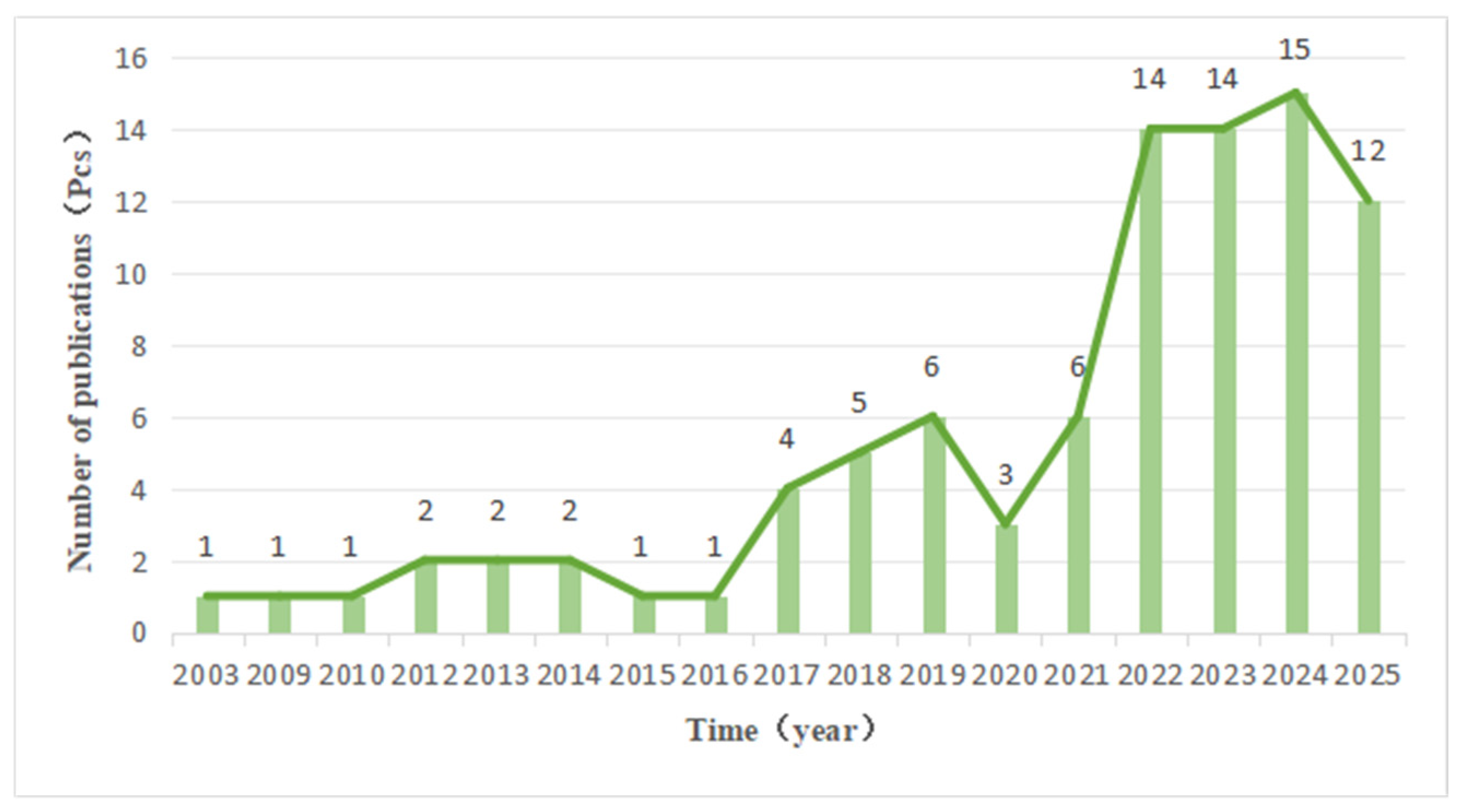
Due to its unique natural environment characteristics, research on thermal comfort conditions and human body adaptability in high-altitude areas has attracted the attention of many scholars. However, there are still relatively few studies on thermal comfort in high-altitude areas. Some scholars [
24] have studied the impact of the special environment in plateau areas on the thermal comfort of residents, some scholars [
25,
26,
27,
28] have studied the physiological adaptation and thermal adaptation behavior of local residents, and some scholars [
29,
30,
31,
32,
33,
34] have focused on building technology or design to improve thermal comfort. For example, in order to study the impact of plateau low-pressure and hypoxic environments on human thermal comfort, Guan-nan Duan et al. [
24] conducted experimental verification in Tibet, China. The results showed that the subjects’ thermal sensation, thermal comfort, and average temperature decreased as the partial pressure of blood oxygen decreased. In order to establish a thermal comfort evaluation system suitable for plateau low-pressure and hypoxic environments, Yu et al. [
5] conducted a field study combining environmental parameter measurements and subjective questionnaire surveys in Tibet. The results show that the actual thermoneutral temperature of local residents is much lower than the predicted value of the traditional PMV model. Yu et al. obtained a unique fitness coefficient (λ = −0.34) through data analysis, and then constructed a modified aPMV model. In order to explore the impact of solar radiation on winter thermal comfort under the special climate of the plateau, Huang and Kang et al. [
35] conducted field measurements and simulation studies on office buildings in Lhasa, Tibet. The results found that despite being in a cold climate zone, strong solar radiation causes indoor overheating in winter to be much more serious than in summer, and the thermal environment in the area near the window exceeds the upper limit of the comfort range during most daytime hours. The study further reveals residents’ adaptive behavior, mainly by drawing curtains, and points out that this behavior will significantly weaken the energy-saving effect of passive solar design. Based on this, researchers proposed a thermal mass shading (TMS) design that can reduce overheating time in winter by an average of 62.2%, effectively improving the indoor thermal environment. In order to explore the unique dressing behavior of plateau residents to adapt to the climate with large temperature differences between day and night, Song et al. [
36] conducted an experimental study on the traditional symmetrical and asymmetrical dressing styles of Tibet. The results show that although asymmetrical clothing (taking off the right sleeve) increases the total heat loss of the human body by 7.2–25.7%, it optimizes local heat dissipation distribution, reduces the difference in heat loss in various parts of the body, and increases the thermal neutral temperature of residents by 2 °C. In order to study the impact of tree morphological indicators on outdoor microclimate and human thermal comfort in high-altitude cold areas, Yingzi Zhang et al. [
37] conducted field measurements and numerical simulation studies in Lhasa, Tibet, China. The results showed that leaf area index (LAI) is a key factor affecting the thermal environment and thermal comfort of space under trees, followed by tree height and crown width, while the improvement potential of height under branches is relatively limited.
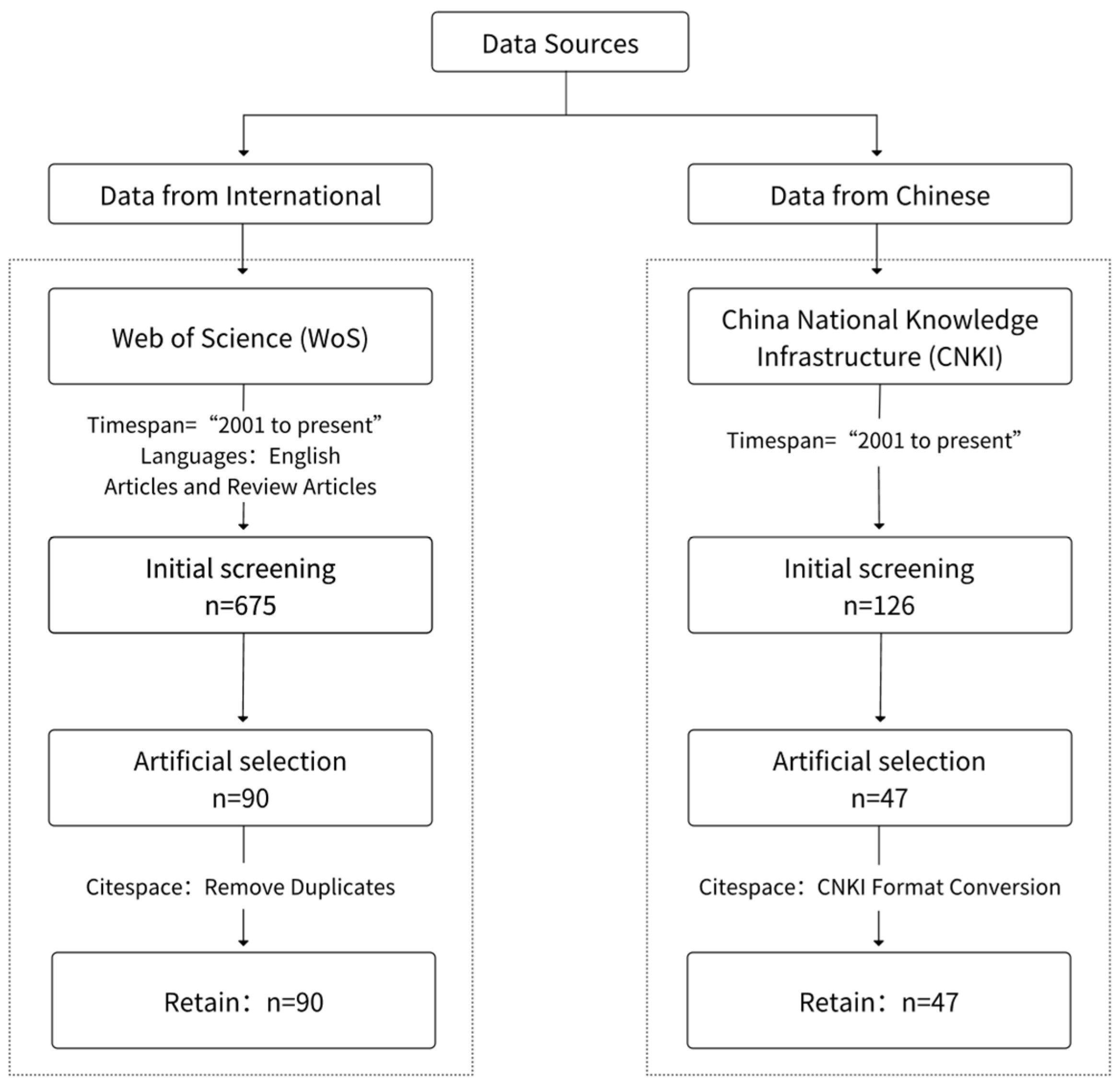
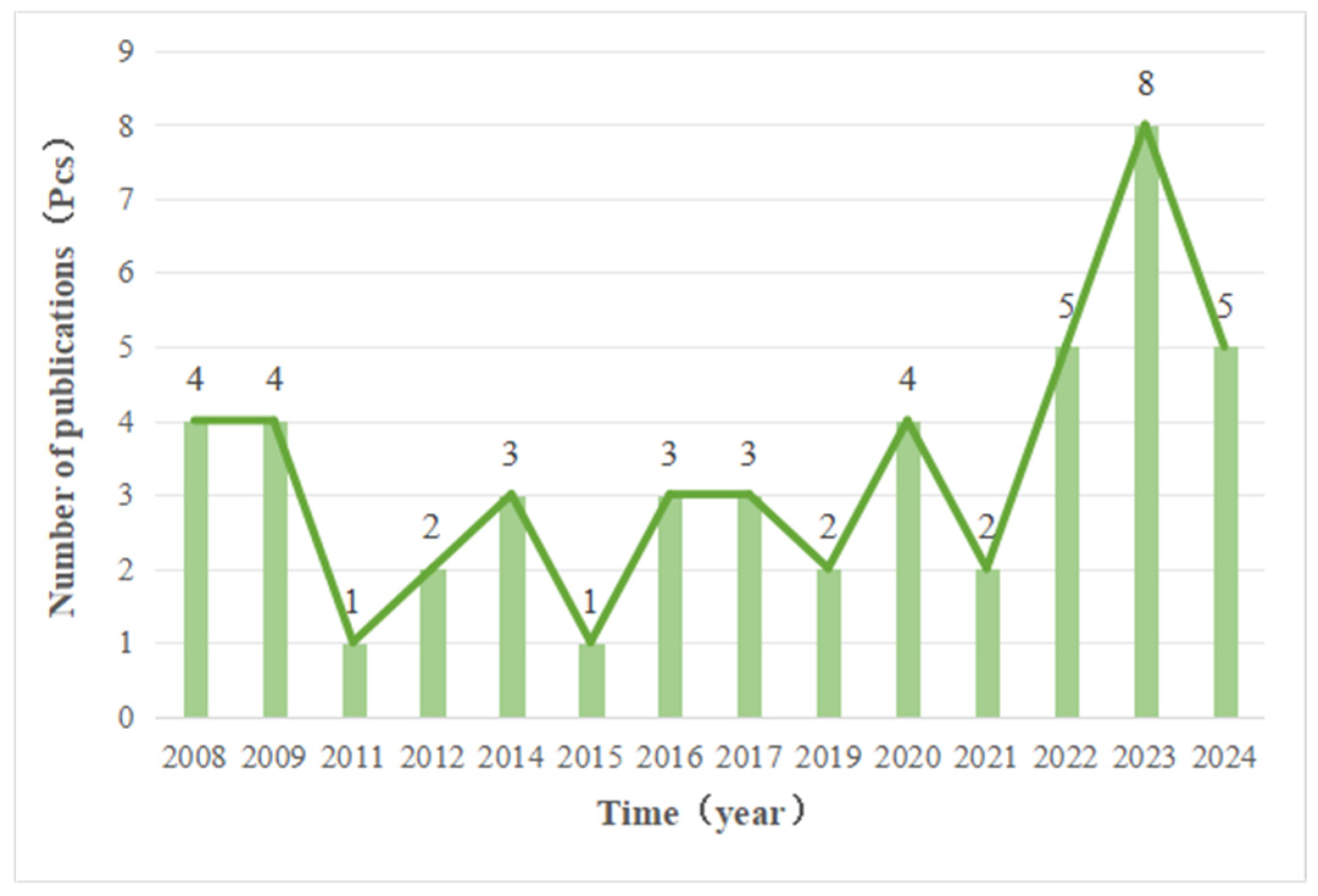
At present, research on thermal comfort has produced many research topics and results, mainly focusing on indoor building thermal comfort, human body thermal adaptation, comfort models and other aspects. However, there are relatively few studies on thermal comfort in high-altitude areas. Due to the high sensitivity of high-altitude areas to climate change, the booming tourism industry, and the rapid growth of population, it is necessary to systematically review the relevant literature on thermal comfort research in high-altitude areas, clarify the mainstream research framework and identify research topics, frontiers and trends in this field. This paper aims to fill gaps in existing research, focusing on the challenges and coping strategies of thermal comfort in high-altitude areas, analyzing the limitations of existing studies, and proposing suggestions for future research directions. Based on the bibliometric analysis of CiteSpace, a systematic review of the literature related to thermal comfort in high-altitude areas was conducted in order to help relevant researchers understand the research progress in journals, countries, research fields, keyword co-occurrences and citations, etc., and to promote the improvement and relief of thermal comfort in high-altitude areas.
4. Discussion
4.1. High-Altitude Thermal Comfort Research Topic
4.1.1. Human Body Thermal Adaptation and Physiological Response
The mechanisms of thermal adaptation and physiological responses of the human body in plateau environments constitute a core focus of plateau thermal comfort research. Under plateau conditions, compound environmental factors—including low atmospheric pressure, hypoxia, intense solar radiation, and large diurnal temperature fluctuations—act simultaneously on the human thermoregulatory system, inducing a series of physiological adjustments and perceptual changes. Existing studies not only examine shifts in the thermal neutral zone and the coupling relationship between thermal sensation and thermal comfort but also increasingly emphasize the interactive effects of hypoxia and thermal stress, inter-individual and population-level differences in physiological adaptability, and their underlying mechanisms.
In recent years, controlled laboratory experiments and field investigations have progressively revealed the multidimensional nature of thermal responses in plateau environments. Hohenauer et al. [
68] conducted a randomized crossover study to compare the physiological and subjective responses of male and female participants to cold stress under normoxic and hypoxic conditions. Their results showed that female subjects exhibited a more pronounced decrease in local skin temperature following hypoxic exposure, accompanied by significantly lower subjective thermal sensation scores. These findings suggest that gender plays an important role in modulating cold stress responses under hypoxia and provide a physiological basis for gender-responsive environmental and building design in plateau regions.
Duan et al. [
24] further explored the synergistic effects of oxygen partial pressure and ambient temperature through experiments conducted in Tibet. The results demonstrated that reductions in ambient oxygen partial pressure led to consistent decreases in thermal sensation, thermal comfort, and mean skin temperature. Notably, under moderately warm conditions (17 °C), hypoxia exerted the most pronounced aggravating effect on thermal discomfort. This indicates that oxygen partial pressure is not only a critical determinant of oxygen supply but also a key regulatory variable influencing overall thermal comfort.
Beyond environmental parameters, increasing attention has been paid to behavioral adaptation and group-specific physiological response characteristics. Song et al. [
69] investigated the asymmetric dressing behaviors commonly observed among residents in Tibetan regions and proposed a mean skin temperature calculation model based on local thermal sensitivity weighting. Through a three-stage temperature step experiment (cold–neutral–hot), the study quantified sensitivity differences among body regions in dynamic thermal environments, providing a methodological tool for understanding thermal perception mechanisms in long-term plateau residents under complex clothing conditions.
Building on this work, Zhao et al. [
27] compared the thermophysiological responses of Tibetan participants under symmetrical and asymmetrical clothing configurations. The results indicated that asymmetrical clothing was associated with higher blood perfusion indices and elevated core temperatures. In cold environments, sympathetic nervous system activity was found to dominate thermoregulatory responses, and skin temperature was validated as a key indicator for assessing thermal comfort under asymmetrical dressing conditions. These findings deepen the understanding of human thermoregulation under non-uniform clothing behaviors and offer valuable references for clothing thermal design and environmental evaluation standards in plateau regions.
Overall, research on human thermal adaptation and physiological responses in plateau environments has evolved from early investigations focusing on isolated environmental variables toward a more integrated framework incorporating environmental parameters, physiological indicators, behavioral adaptations, and population differences. This body of work provides a solid empirical foundation for developing thermoregulation theories tailored to plateau conditions and for formulating adaptive intervention strategies aimed at improving thermal comfort and health in high-altitude environments.
4.1.2. Thermal Comfort of Buildings and Environment
For indoor environments, thermal comfort assessment primarily serves the design and operation of spaces such as high-altitude residences, public buildings, and barracks. Its core issue is not short-term changes in perceived heat, but rather the acceptable temperature range under long-term physiological and behavioral adaptation. Multiple field studies have shown that the thermal neutral temperature of high-altitude residents is generally about 2–4 °C lower than the sea-level standard, and under these conditions, the thermal mean value (PMV) is not zero. This phenomenon indicates that directly using the standard PMV model systematically overestimates the risk of cold discomfort in high-altitude populations. Therefore, modified PMV or adaptive models based on field surveys are more suitable for describing indoor living comfort in high-altitude areas. Key indicators include operating temperature, thermal neutral temperature, and their shift with altitude.
In contrast, the outdoor thermal environment is directly related to an individual’s acute physiological stress and health risks, especially in the context of extreme cold, strong radiation, and low-oxygen conditions in high-altitude regions. Its assessment objective should shift from “heat dissatisfaction” to “medical risk signals.” Among existing indicators, the UTCI (Urban Temperature Index) shows high sensitivity in reflecting wind chill effects and cold stress risk, making it suitable for risk assessment under extreme weather events. PET (Potential Temperature Index) is better at describing the impact of combined climate exposure on subjective comfort, but it is insufficient in reflecting hypoxia-induced physiological stress. Modified PMV (Potential Temperature Value) has relatively limited ability to indicate health risks in outdoor environments. Existing studies have shown that, under the same PET conditions, individuals in high-altitude areas have significantly higher blood oxygen saturation decreases and cold discomfort scores than those in low-altitude areas, further illustrating that a single thermal comfort index cannot directly convey health risk information.
Research on thermal comfort in buildings and the built environment under the unique geographical and climatic conditions of plateau regions is undergoing a systematic transition from single-scenario evaluation toward multi-physics coupling and regionally adaptive design paradigms. The research scope has expanded beyond conventional thermal parameters such as air temperature and humidity to encompass complex interaction mechanisms involving oxygen concentration, solar radiation, wind speed, and other environmental factors. At the same time, increasing emphasis is placed on spatial and architectural design responses that integrate local climatic characteristics with long-standing cultural and behavioral practices.
Addressing the challenge of heating in the Qinghai–Tibet Plateau, Liu et al. [
70] conducted a comprehensive investigation into the performance of a combined solar heating system using both field monitoring and numerical simulation. Their study not only verified the feasibility and effectiveness of this system under extreme plateau climatic conditions but also quantified the relationship between system operational parameters and indoor thermal stability. These findings provide a technical foundation for the application of renewable energy-based heating solutions in high-altitude regions.
Building on such technological explorations, Yu et al. [
5] developed an adaptive thermal comfort model tailored to Tibetan residents through long-term field surveys and statistical analyses. The study identified the locally acceptable indoor temperature range and demonstrated the limitations of applying conventional temperate-climate thermal comfort standards in plateau contexts. By incorporating regional physiological adaptation and behavioral patterns, this work highlights the necessity of localized correction and customization in thermal comfort evaluation frameworks.
In parallel, research perspectives have expanded from indoor environments to outdoor spaces. Yao et al. [
63] focused on outdoor activity areas for elderly residents in Lhasa and, through microclimatic measurements combined with structured questionnaires, examined the sensitivity of this population group to variations in temperature, solar radiation, and wind speed. The study established the thermoneutral physiological equivalent temperature (PET) ranges for elderly users during both winter and summer seasons, providing empirical support for age-friendly open-space design in plateau cities.
Similarly, Xu et al. [
71] investigated the microclimatic performance of traditional residential courtyards in the western Sichuan Plateau through on-site measurements and correlation analyses. The results revealed that courtyard spatial layout, orientation, and enclosure form exert significant influences on internal microclimate stability. Solar radiation and wind speed were identified as dominant regulating factors for courtyard thermal comfort, thereby elucidating the climatic adaptability embedded in traditional residential spatial configurations.
At the practical level of technological application and implementation, research has progressively shifted from diagnostic assessment toward performance-oriented optimization. Sun et al. [
72] conducted a case study of an office building in Lhasa and empirically verified the effectiveness of passive strategies—such as enhanced exterior wall insulation and optimized window-to-wall ratios—in improving winter indoor thermal comfort through before-and-after renovation comparisons. The study further emphasized that under plateau conditions characterized by low humidity and intense solar radiation, humidity regulation and thermal storage strategies must be coordinated to achieve a stable and balanced thermal environment. This body of work signals a broader transition in the field from isolated technological validation toward integrated, multi-objective environmental control and design optimization.
4.1.3. Effect of Low-Pressure and Low-Oxygen Environment
Research on the mechanisms by which low-pressure and hypoxic environments affect human thermal comfort represents one of the earliest and most continuously deepened directions in this field. With advances in experimental controllability and multi-parameter synchronous monitoring technologies, studies have progressively shifted from descriptive observations toward mechanistic interpretation, establishing quantitative relationships among environmental parameters, physiological responses, and subjective thermal perception.
Wang et al. [
73] simulated different altitude conditions using a controlled decompression chamber and systematically investigated the effects of stepwise reductions in ambient pressure on human thermal responses. The results indicated that decreasing air pressure led to a significant reduction in mean thermal sensation and a concomitant increase in sensitivity to airflow, while mean skin temperature remained relatively unchanged. These findings suggest that under low-pressure conditions, the perceptual threshold for dynamic cold airflow may be reduced, and thermoregulatory strategies rely more heavily on physiological compensatory mechanisms—such as vasoconstriction—rather than on changes in skin temperature alone.
Extending this line of inquiry, Cui et al. [
74] demonstrated that short-term exposure to low-pressure environments significantly elevates resting metabolic rate. This finding has important implications for heat load estimation and thermal comfort evaluation in confined or semi-confined spaces, such as manned cabins, aerospace habitats, and residential buildings in plateau regions.
Considering regional differences in local thermal responses under low-pressure conditions, Zhou et al. [
62] conducted multi-condition experiments at an ambient pressure of 61.6 kPa (approximately equivalent to an altitude of 4000 m). Their results revealed that the feet and calves exhibit the highest sensitivity to environmental temperature variations. Based on these observations, the authors proposed corresponding mean skin temperature ranges and recommended ambient temperature intervals for maintaining thermal comfort under this pressure condition, providing valuable guidance for the design of localized heating and air-conditioning systems in low-pressure environments.
Meanwhile, Hu et al. [
75] explored thermal responses under combined extreme cold and altitude conditions and found that blood oxygen saturation is the most sensitive physiological indicator during short-term high-altitude exposure. Interestingly, the study also observed that within a certain range, increasing altitude may partially mitigate the reduction in thermal sensation induced by cold exposure. This phenomenon underscores the complexity of thermal comfort perception in cold–hypoxic environments, where multi-system physiological interactions jointly shape sensory outcomes.
From the perspective of integrated environmental comfort assessment, Guo et al. [
76] compared the effects of single environmental factors and multi-factor coupling—such as thermal, luminous, and acoustic conditions—on overall comfort under both normobaric and hypobaric environments using effective function theory. The study clarified the relative contribution rankings of unit changes in different environmental parameters to overall comfort and developed a comfort zone nomogram specifically applicable to low-pressure environments. These results provide theoretical tools and design references for the coordinated optimization of multi-environmental factors in contexts such as aerospace vehicle cabins and plateau military facilities.
In addition to short-term exposure studies, research has increasingly addressed the long-term adaptive mechanisms of plateau populations. Song et al. [
77] examined skin barrier structure and heat–moisture regulation functions and confirmed that prolonged exposure to low pressure, low humidity, and intense radiation leads to structural changes in the skin and weakened barrier function. These alterations subsequently affect local sweat rates and heat–moisture sensory responses, revealing distinctive adaptive characteristics of plateau populations at the tissue and physiological levels.
4.1.4. Climate and Regional Adaptability
In recent years, research on thermal comfort in plateau regions has exhibited a pronounced trend toward interdisciplinary integration and multi-scale expansion. The focus has gradually shifted from early experimental analyses centered on individual physiological responses to deeper integration with climate dynamics, regional climatic characteristics, and human–geographical adaptation strategies. This transition not only broadens the spatial and temporal dimensions of plateau thermal comfort research but also enhances its relevance to climate change adaptation and regional sustainable development.
At the climate–comfort evolution scale, Li et al. [
78] systematically assessed long-term trends in thermal comfort across the Tibetan Plateau over the past five decades using the Physiological Equivalent Temperature (PET) index in conjunction with the Tourism Climate Information System (CTIS). The results indicate that, under the background of global climate warming, the frequency of cold stress days in the plateau region has decreased significantly, while the number of days suitable for tourism activities has increased accordingly. Moreover, these changes exhibit pronounced spatial heterogeneity, highlighting the combined influence of large-scale climate responses and local topographic conditions.
From the perspective of traditional architecture and indigenous adaptive wisdom, Nie et al. [
48] investigated rural dwellings in the Kangba region through field surveys and analytical studies. The research systematically elucidated how traditional design strategies—such as spatial organization, envelope configuration, and material selection—achieve acceptable indoor thermal comfort under conditions of minimal fossil energy dependence. These practices reflect a profound understanding of plateau climatic constraints and offer valuable regional references for contemporary low-energy and climate-adaptive building design.
At the scale of urban and rural built environments and landscape regulation, Yilmaz et al. [
79] conducted a comparative study in the alpine city of Erzurum, Turkey, examining the impacts of different landscape types and built-environment configurations on local microclimate and outdoor thermal comfort. The findings show that summer temperatures in forested areas can be up to 13 °C lower than those in densely built urban zones, while winter temperatures can be 10–15 °C lower. In addition to significantly enhancing outdoor thermal comfort, these landscape configurations also provide co-benefits in terms of air pollution mitigation and overall environmental quality improvement. The study thus offers empirical support for ecological planning and climate-adaptive urban design in cold and high-altitude regions.
4.1.5. Model Correction and Simulation Technology
Model correction and simulation technologies play a pivotal role in plateau thermal comfort research, and their development trajectory reveals a clear transition from traditional empirical adjustment toward intelligent and fine-grained simulation approaches. Early studies primarily enhanced the applicability of existing thermal comfort models in plateau environments through parameter calibration. In recent years, with the introduction of artificial intelligence techniques and computational fluid dynamics-based simulations, substantial progress has been achieved in terms of prediction accuracy, spatial resolution, and multi-environment coupling analysis.
Regarding the application of intelligent algorithms to thermal comfort prediction, Chronopoulos et al. [
80] were among the first to apply artificial neural network (ANN) models to the estimation of thermal comfort indices in mountainous regions. By training meteorological datasets from two stations at different altitudes in Greece, they achieved high-precision predictions of physiological equivalent temperature (PET) and related indicators, providing a reliable assessment method for thermal environments in data-scarce high-altitude areas. Building on this approach, Maniatis et al. [
81] developed a multi-site ANN-based PET estimation model for the Ainos National Park in Greece, effectively overcoming the limitation of insufficient long-term continuous meteorological monitoring in mountainous terrain. Their study further revealed clear spatiotemporal patterns in thermal comfort frequency, with higher comfort levels occurring predominantly between May and September, offering a climatic reference for tourism planning and service facility layout in high-altitude regions.
In terms of localized correction of classical thermal comfort models, Thapa et al. [
60] systematically examined the influence of altitude-related differences on residents’ thermal adaptation behaviors using field survey data. Based on these findings, they modified the parameters of the Predicted Mean Vote (PMV) model to better suit plateau environments, significantly improving its predictive performance under conditions of low atmospheric pressure and strong solar radiation.
With respect to coupled simulation and environmental design optimization, Chen et al. [
82] integrated orthogonal experimental design with ENVI-met (v4.4.3) microclimate simulations to quantitatively evaluate the effects of landscape elements—including vegetation configuration, water features, ground albedo, and leaf area index—on the thermal environment of a residential district in Lhasa. Based on the simulation results, an optimized landscape configuration scheme was proposed, providing both a scientific basis and quantitative tool for climate-adaptive design of high-altitude urban residential areas.
In addition, the growing application of thermoregulatory models represents an important methodological advancement in high-altitude thermal comfort research. Unlike conventional empirical indices that are primarily derived from steady-state assumptions and average population responses, thermoregulatory models explicitly simulate the dynamic processes of human heat balance and physiological regulation under complex environmental stressors, including low air pressure, hypoxia, strong solar radiation, and large diurnal temperature variations.
By integrating environmental parameters, behavioral factors, and individual physiological characteristics within a unified framework, thermoregulatory models offer enhanced robustness and adaptability in extreme and non-uniform thermal environments typical of plateau regions. Moreover, their outputs extend beyond subjective thermal sensation to include multidimensional indicators such as core and skin temperature, sweating rate, and heat strain, enabling integrated assessments of thermal comfort, safety, and health.
From a future-oriented perspective, thermoregulatory models provide a critical foundation for intelligent model correction, personalized thermal comfort prediction, and the coupling of thermal comfort evaluation with energy sustainability and health performance. Their development and localization are therefore expected to play a key role in advancing climate-resilient and health-oriented design strategies for plateau human settlements.
4.2. Limitations of Standard PMV-Based Thermal Comfort Assessment Under Low-Pressure High-Altitude Conditions
Existing studies on thermal comfort in high-altitude regions have consistently reported systematic differences in subjective thermal perception compared with sea-level environments, even under identical indoor environmental parameters and clothing insulation levels. To quantitatively describe these differences, the literature commonly adopts the thermal sensation vote offset (ΔTSV), defined as the difference between mean thermal sensation votes reported at high altitude and at sea level under comparable indoor conditions. A negative ΔTSV indicates a tendency toward cooler thermal sensation in high-altitude environments despite equivalent clothing ensembles.
Synthesis of existing field and experimental studies reveals a pronounced downward shift in thermal sensation votes toward the cooler end of the scale at high altitude. Reported ΔTSV values typically range from approximately −0.3 to −0.5, suggesting a non-negligible reduction in perceived thermal sensation associated with altitude effects. In parallel, regression analyses between thermal sensation votes and indoor air temperature consistently indicate that the neutral temperature corresponding to TSV = 0 is lower at high altitude than at sea level. Together, these findings confirm that altitude exerts an independent and quantifiable influence on thermal perception that cannot be fully compensated for by clothing insulation adjustments alone.
These systematic discrepancies also expose fundamental limitations of the Predicted Mean Vote (PMV) model as standardized in ISO 7730 when applied under low-pressure, high-altitude conditions. The PMV framework is derived from steady-state heat balance theory calibrated for sea-level atmospheric pressure, implicitly assuming constant air density, stable convective heat transfer coefficients, and simplified thermophysiological regulation. As emphasized by d’Ambrosio Alfano et al., the PMV formulation and its numerical implementation in ISO 7730 and ASHRAE 55 are mathematically consistent and reliable within the environmental and physiological conditions for which they were developed, namely moderate, steady-state environments at or near sea-level pressure [
83]. Under reduced atmospheric pressure, however, changes in air density alter convective heat exchange between the human body and the surrounding environment, leading to deviations between predicted and actual thermal responses even when ambient thermal parameters remain unchanged.
PMV does not explicitly account for altitude-induced physiological adaptations. Exposure to low-pressure and hypoxic environments can trigger peripheral vasoconstriction, redistribution of skin blood flow, and changes in metabolic heat production, all of which directly influence skin temperature and subjective thermal sensation. Because these adaptive responses are not represented in standard PMV formulations, the model often fails to reproduce the observed thermal sensation shifts documented in high-altitude field studies. The steady-state assumption underlying PMV further limits its applicability in plateau environments, where thermal perception is frequently shaped by transient conditions and ongoing acclimatization processes.
In response to these limitations, recent studies increasingly emphasize the potential of modern multi-node human thermoregulation models to provide a more mechanistic representation of thermal perception in high-altitude environments. Modern multi-node thermoregulation models (e.g., JOS-3, THERMODE 2023, and the UCB Berkeley model) provide a more physiologically realistic framework by simulating vasomotor control and metabolic adaptation, which are the dominant drivers of thermal comfort and health in high-altitude environments. Among these approaches, the Joint System Thermoregulation Model (JOS-3) represents a significant advancement in modeling individual physiological responses under transient and spatially non-uniform thermal conditions [
84]. The Berkeley Comfort Model was originally developed to predict human physiological and comfort responses in transient and asymmetric thermal environments [
85]. Building upon the classical Stolwijk thermoregulation framework, this model explicitly resolves multiple body segments and tissue layers while incorporating inter-segment blood heat exchange and key thermophysiological control mechanisms such as vasodilation, vasoconstriction, sweating, and metabolic heat production. The THERMODE 2023 model further advances multi-node thermophysiological modeling by integrating updated representations of both active regulatory mechanisms and passive heat transfer processes, together with an explicit thermal sensation sub-model [
86]. By explicitly modeling physiological responses such as vasoconstriction and metabolic adjustments, these approaches offer a more realistic basis for interpreting altitude-induced shifts in thermal sensation.
From both comfort and health perspectives, incorporating multi-node thermoregulation modeling represents a promising pathway toward improving thermal comfort assessment in high-altitude regions. Such models enable an integrated evaluation of environmental exposure and physiological strain, reflecting the growing recognition that thermal comfort and health in plateau environments are jointly driven by coupled physical and physiological mechanisms rather than by ambient thermal conditions alone.
4.3. Challenges and Perspectives in High-Altitude Thermal Comfort Research
Thermal comfort research in high-altitude regions is essential for addressing the combined effects of low ambient temperature, reduced atmospheric pressure, hypoxic conditions, and strong solar radiation. In recent years, interdisciplinary studies integrating building physics, energy systems, environmental physiology, and ergonomics have made notable progress. Existing research has investigated indoor thermal environment optimization in plateau residential buildings [
3], evaluated the performance of passive and active solar heating systems [
70,
87], examined the thermal regulation characteristics of traditional clothing [
47,
88], and analyzed the effects of hypobaric environments on human thermal sensation and metabolic responses [
73,
74]. These studies provide important technical support for improving living conditions, reducing energy poverty, and promoting sustainable development in high-altitude areas.
Despite these advances, high-altitude thermal comfort research remains constrained by several methodological and practical limitations. Due to the complex coupling of environmental, physiological, and socio-cultural factors, current studies lack sufficient system integration, adaptability, and long-term perspectives. Based on a comprehensive review of the literature, the following key challenges and future research directions are identified.
- (1)
Limitations of Existing Thermal Comfort Models under High-Altitude Conditions
Most widely used thermal comfort models, such as the PMV–PPD model, were developed based on laboratory experiments conducted in low-altitude and temperate climates, and their applicability in high-altitude environments remains limited [
89]. Unique plateau conditions, including low air pressure, high solar radiation intensity, and large diurnal temperature variations, significantly affect convective and radiative heat exchange, skin blood perfusion, and metabolic rate. Although adaptive models (e.g., aPMV) and outdoor thermal indices such as UTCI and PET have been applied in some studies [
5,
78], these approaches typically rely on fixed parameters and do not adequately account for dynamic changes in atmospheric pressure, solar radiation, or individual acclimatization levels. Future research should focus on developing thermal comfort evaluation frameworks specifically tailored to high-altitude environments by integrating environmental parameters, physiological responses, and behavioral adaptation mechanisms.
- (2)
Insufficient Integration of Vernacular Adaptation Strategies and Modern Energy-Efficient Technologies
Long-term habitation in high-altitude regions has led to the development of various indigenous adaptive strategies. Examples include the flexible thermal insulation properties of traditional Tibetan clothing [
47] and the passive climate control features of vernacular dwellings, such as thick envelopes, optimized orientation, and sunspaces [
48]. However, existing studies often assess traditional strategies and modern energy-saving technologies separately. The lack of systematic integration limits the potential for achieving both thermal comfort improvement and energy efficiency. Future studies should explore hybrid design approaches that combine vernacular knowledge with modern building technologies while preserving cultural identity and responding to local climatic conditions.
- (3)
Limited Research on Thermal Safety in High-Altitude Occupational Environments
Current thermal comfort research predominantly focuses on residential and educational indoor environments, whereas extreme occupational settings—such as mining, tunnel construction, and high-altitude infrastructure projects—remain underexplored. These environments often involve high physical workloads combined with hypoxic conditions and, in some cases, elevated temperature and humidity, resulting in increased risks of heat stress. At present, thermal safety criteria, exposure time limits, and ventilation or cooling control strategies based on human thermal comfort are not well established for such scenarios. Field-based studies incorporating physiological monitoring and ergonomic assessment are needed to support the development of thermal safety evaluation and control methods suitable for high-altitude occupational environments.
- (4)
Limited Consideration of Socio-Cultural Factors in Thermal Comfort Studies
Thermal comfort is influenced not only by physical and physiological factors but also by socio-economic conditions, energy accessibility, lifestyle habits, and cultural norms. In high-altitude regions, residents often exhibit higher tolerance to cold environments, partly due to long-term adaptation and established behavioral patterns. However, many existing studies adopt an engineering-oriented approach and give limited attention to the role of socio-cultural factors in shaping thermal perception and adaptive behavior. Future research should incorporate social and behavioral dimensions, using mixed qualitative and quantitative methods to better understand how household decision-making, fuel affordability, and cultural practices influence thermal comfort requirements.
- (5)
Insufficient Assessment of Long-Term Climate Change Impacts on High-Altitude Thermal Environments
Climate change is expected to significantly alter temperature regimes, precipitation patterns, and the frequency of extreme weather events in high-altitude regions. These changes will influence building thermal performance, heating and cooling demand, and thermal comfort conditions. However, most existing studies are based on historical climate data or short-term field measurements, with limited consideration of future climate scenarios. Integrating regional climate models with building energy simulation tools would allow for systematic assessment of long-term thermal environment evolution, energy demand trends, and adaptation potential in high-altitude urban and rural areas.
- (6)
Limited Application of Intelligent Monitoring and Control Technologies in High-Altitude Buildings
Advances in sensing technologies, the Internet of Things, and data-driven control methods provide new opportunities for improving thermal comfort and energy efficiency. However, high-altitude environments pose specific challenges, including sensor performance degradation under low temperatures, unstable communication networks, and limited energy supply for monitoring systems. Research on intelligent thermal environment monitoring and control systems specifically designed for high-altitude buildings remains scarce. Developing low-cost, robust, and energy-autonomous systems could enable personalized thermal comfort control and support the implementation of smart and energy-efficient buildings in plateau regions.
5. Conclusions
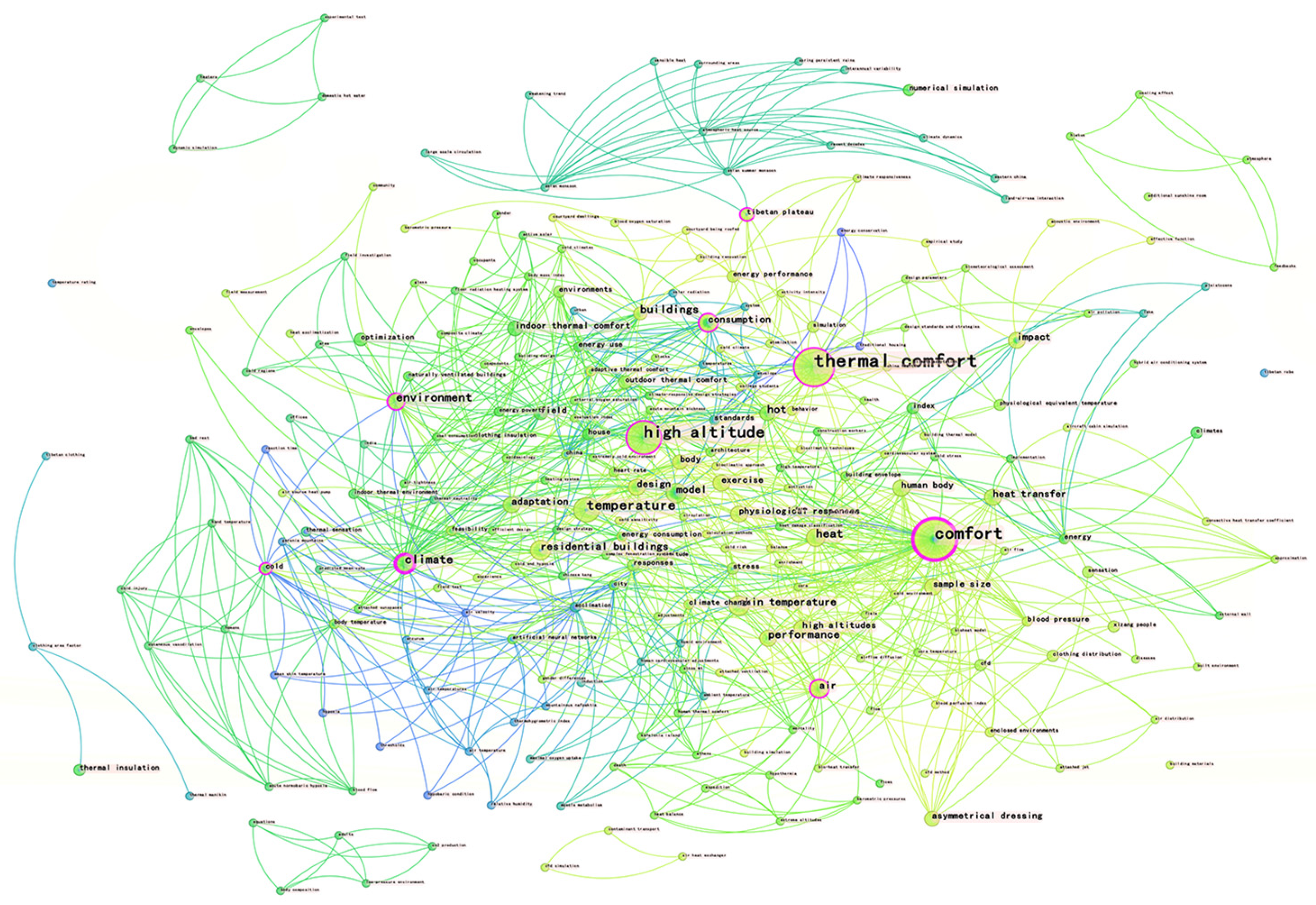
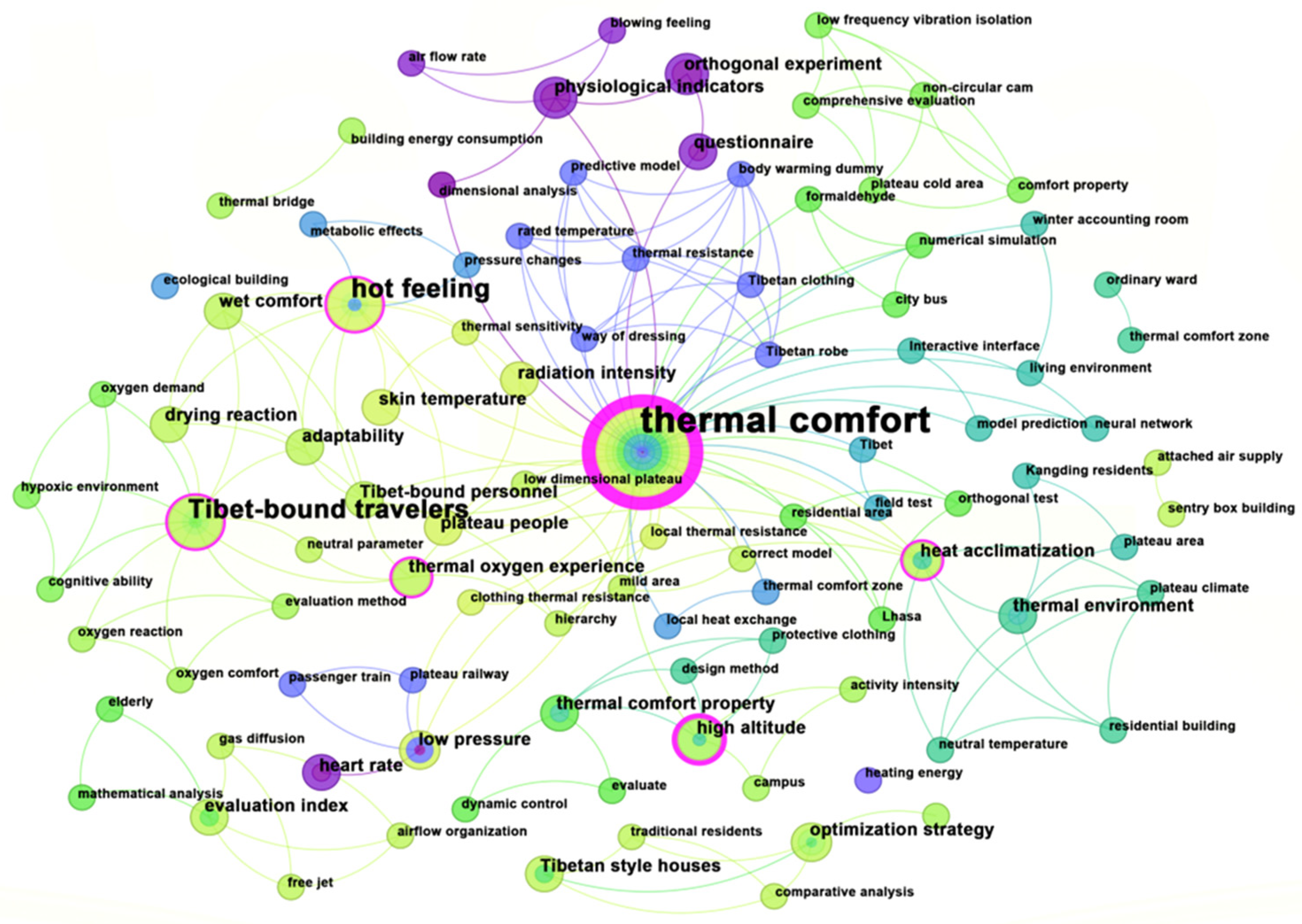
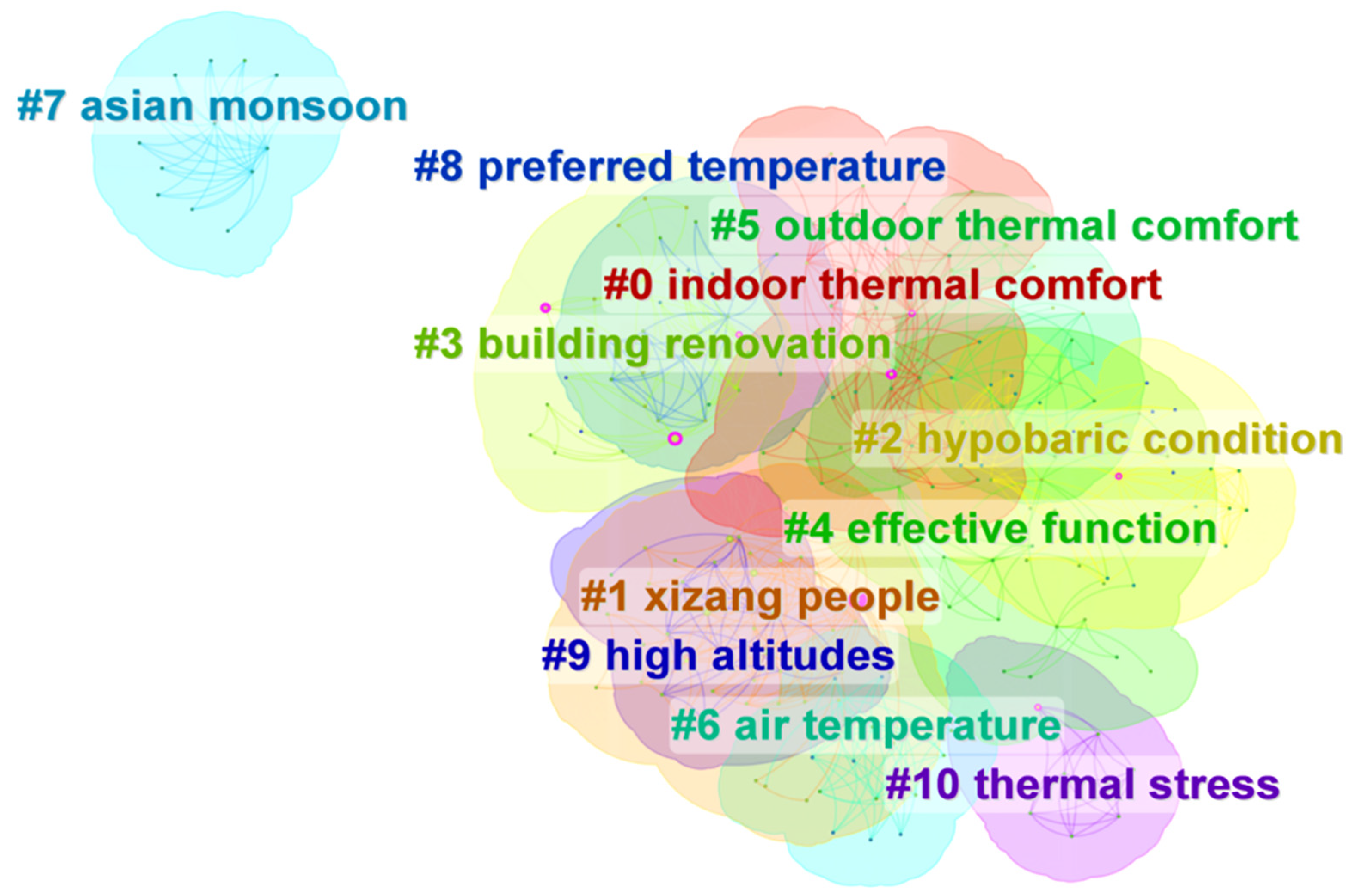
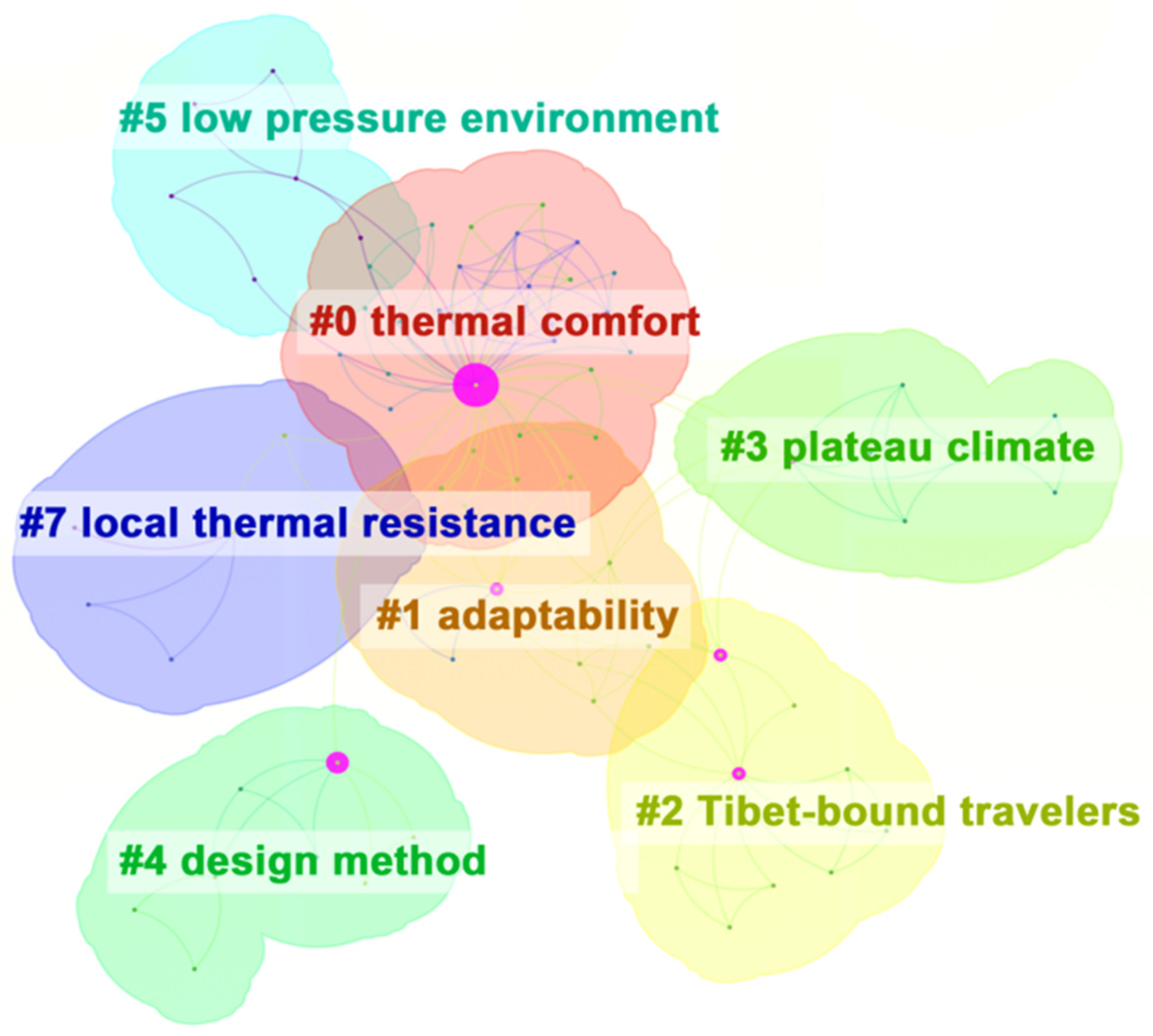
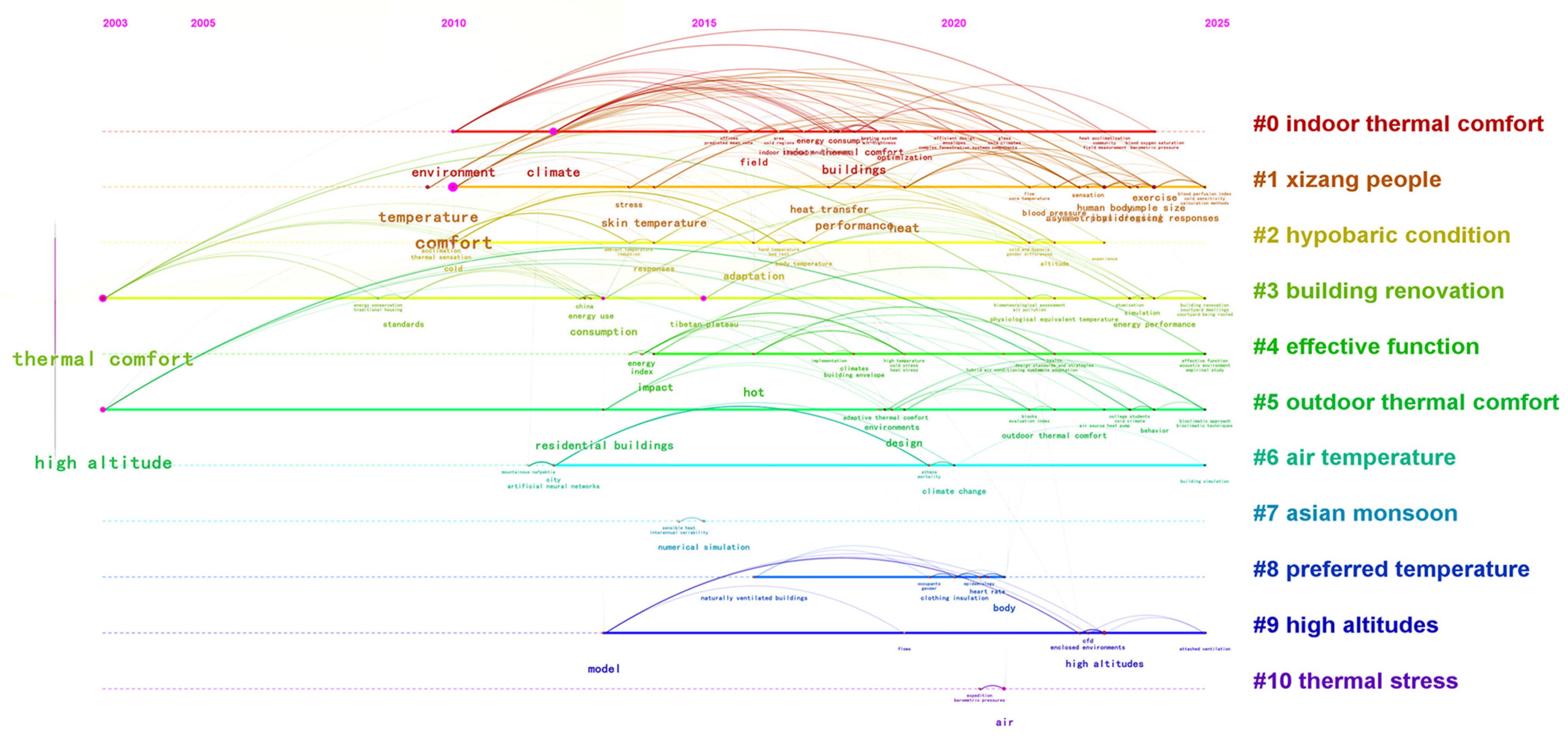
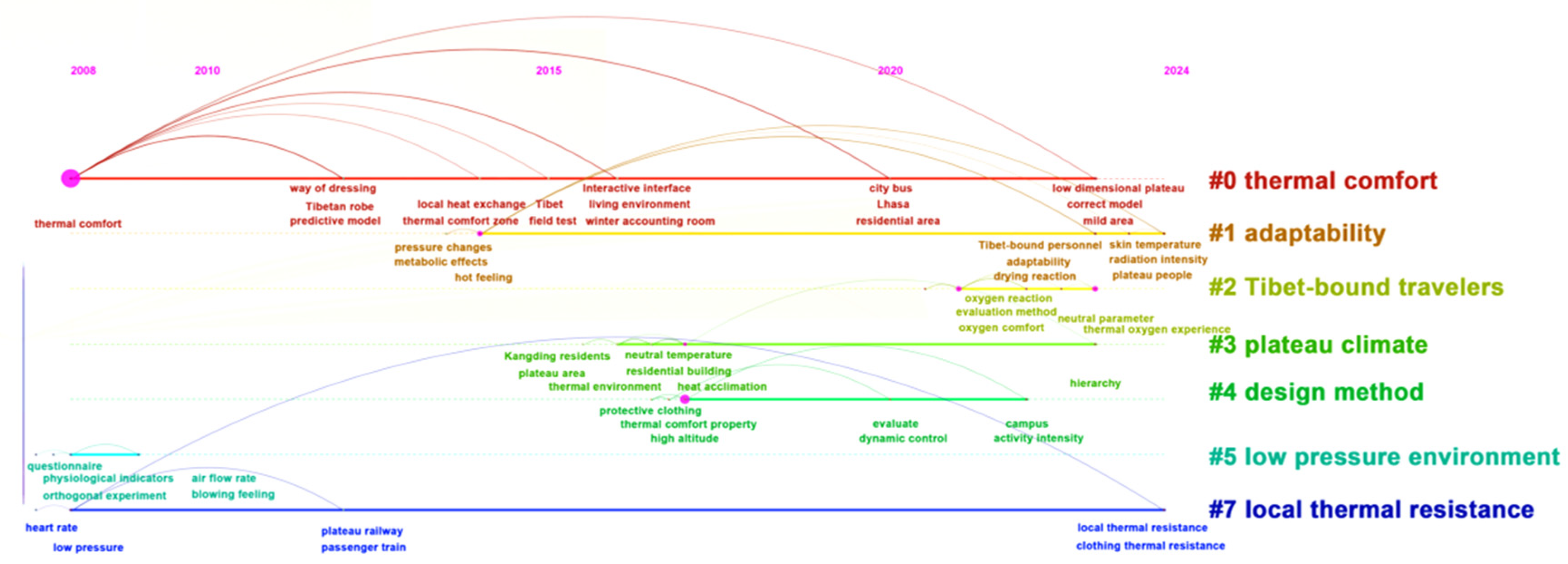
Facing the dual demands of high-altitude extreme environmental challenges and the construction of a healthy living environment, research on thermal comfort in high-altitude, low-pressure, hypoxic environments emerged and developed rapidly. This study uses the CiteSpace bibliometric analysis tool and uses the Web of Science core collection and CNKI as data sources to conduct visual analysis and sort out the research hot spots and research frontiers in the field of plateau thermal comfort. This study found that high-altitude thermal comfort research has formed a multidisciplinary interdisciplinary framework with “environment–human body–architecture” as the core, and the research content covers multiple clustering topics such as physiological adaptation, building technology, environmental effects, climate adaptation, model modification and comprehensive evaluation.
International research shows a three-stage evolution from “basic concept construction” to “multidisciplinary interdisciplinary deepening”. In the early stage, it focused on the basic impact and descriptive exploration of high-altitude environments on human thermal sensations. In the mid-term, it was committed to the development of localized thermal comfort models and building energy consumption simulations. In the recent period, it has delved into the integrated research of human physiological adaptation mechanisms, regional behavioral strategies and active environmental control technologies. In contrast, domestic research reflects the development path of “from introduction and verification to localized system construction”. In the early stage, it focused on low-pressure simulation experiments and orthogonal design. In the mid-term, it expanded to the thermal adaptation characteristics of plateau populations and regional architectural practices. Recently, it has deepened into cutting-edge directions such as non-uniform thermal environment, oxygen and heat collaborative regulation, and intelligent model correction.
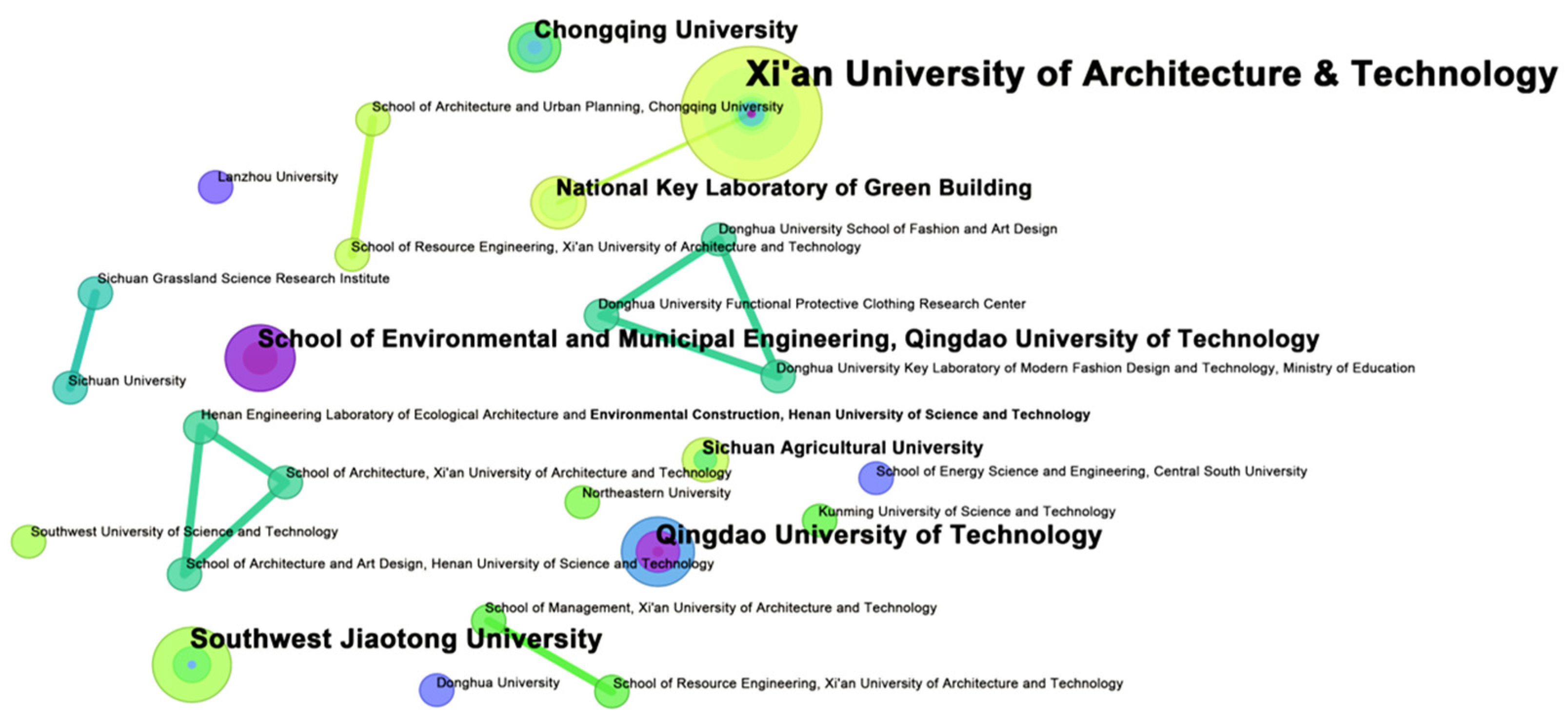
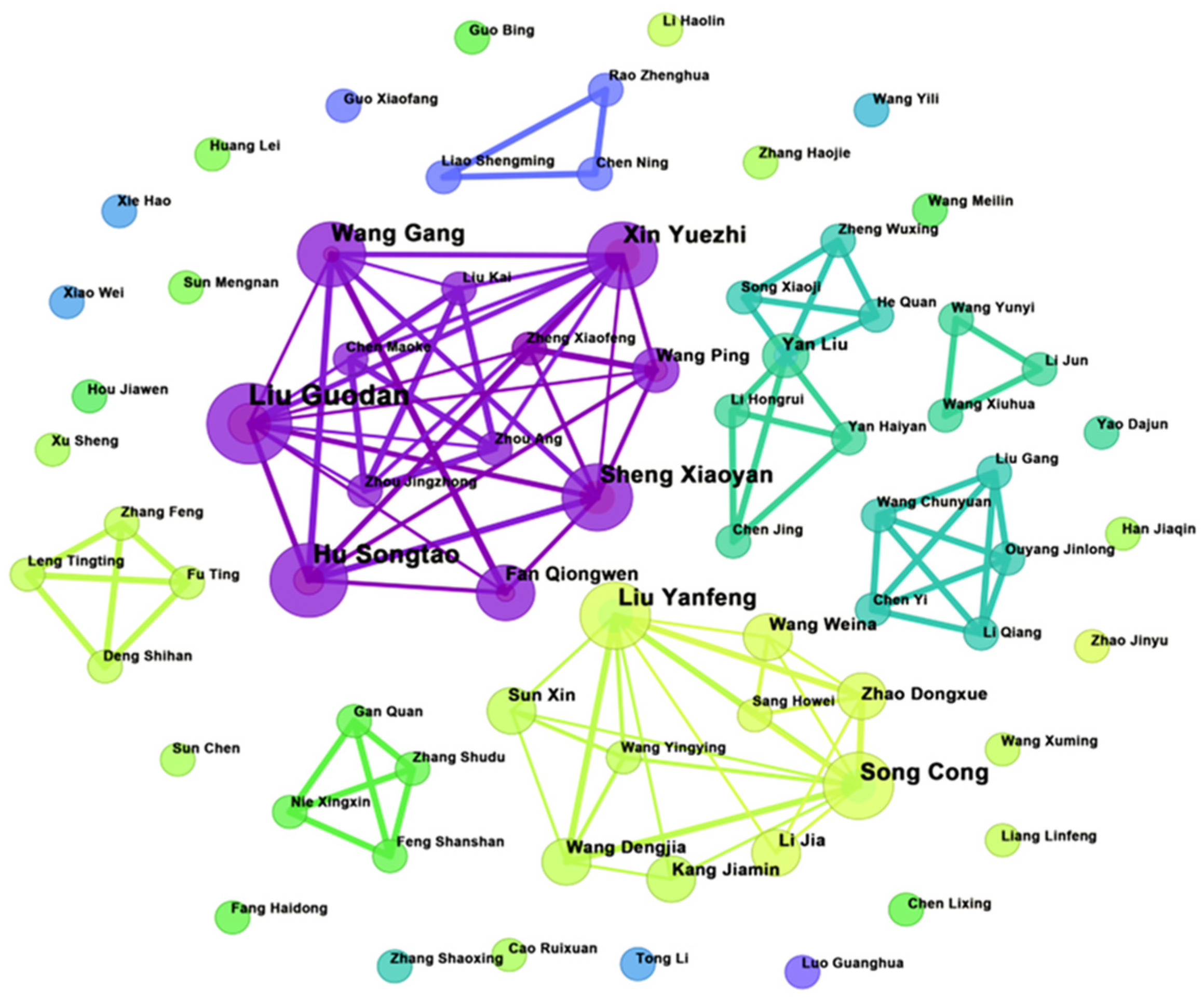
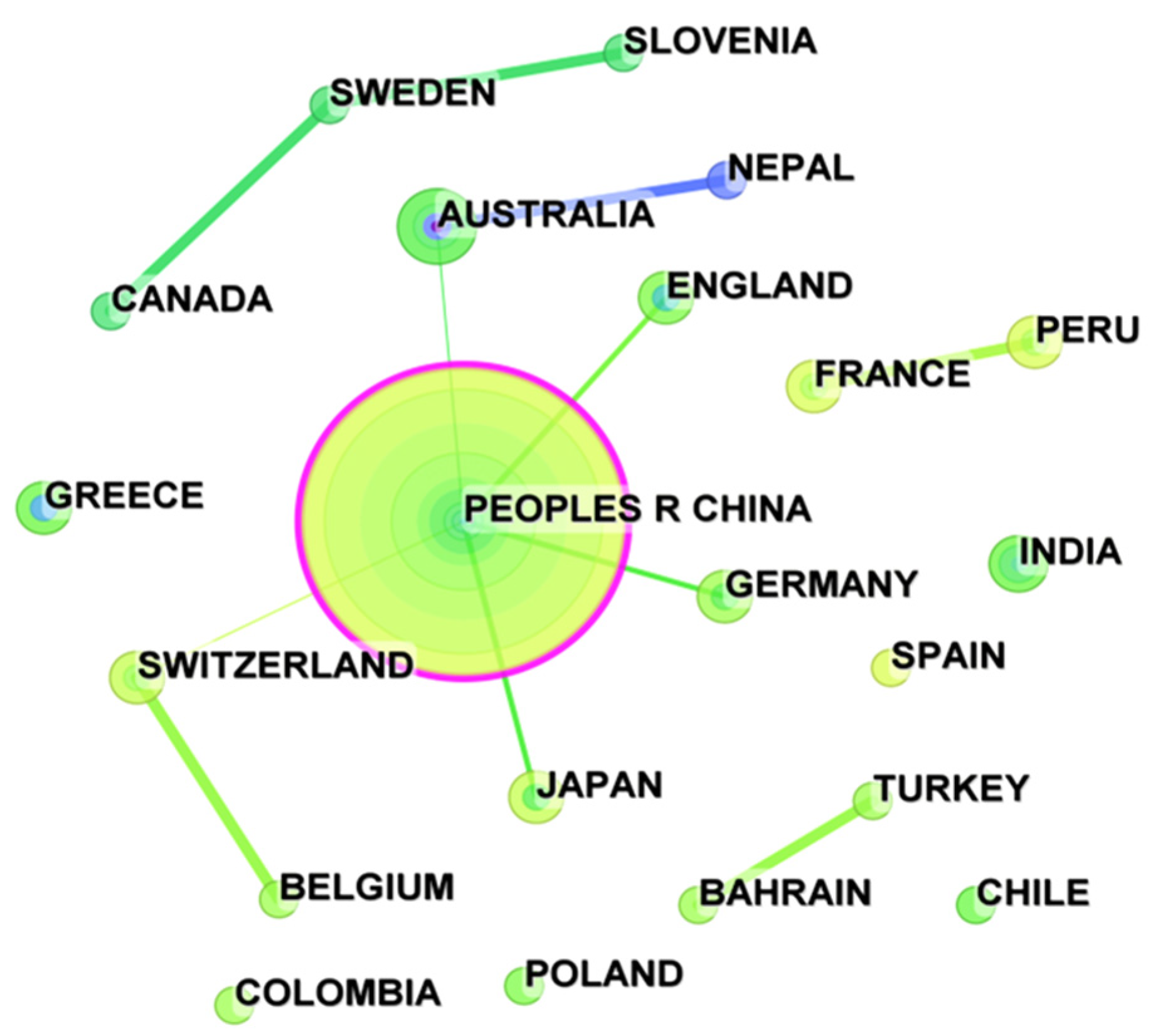
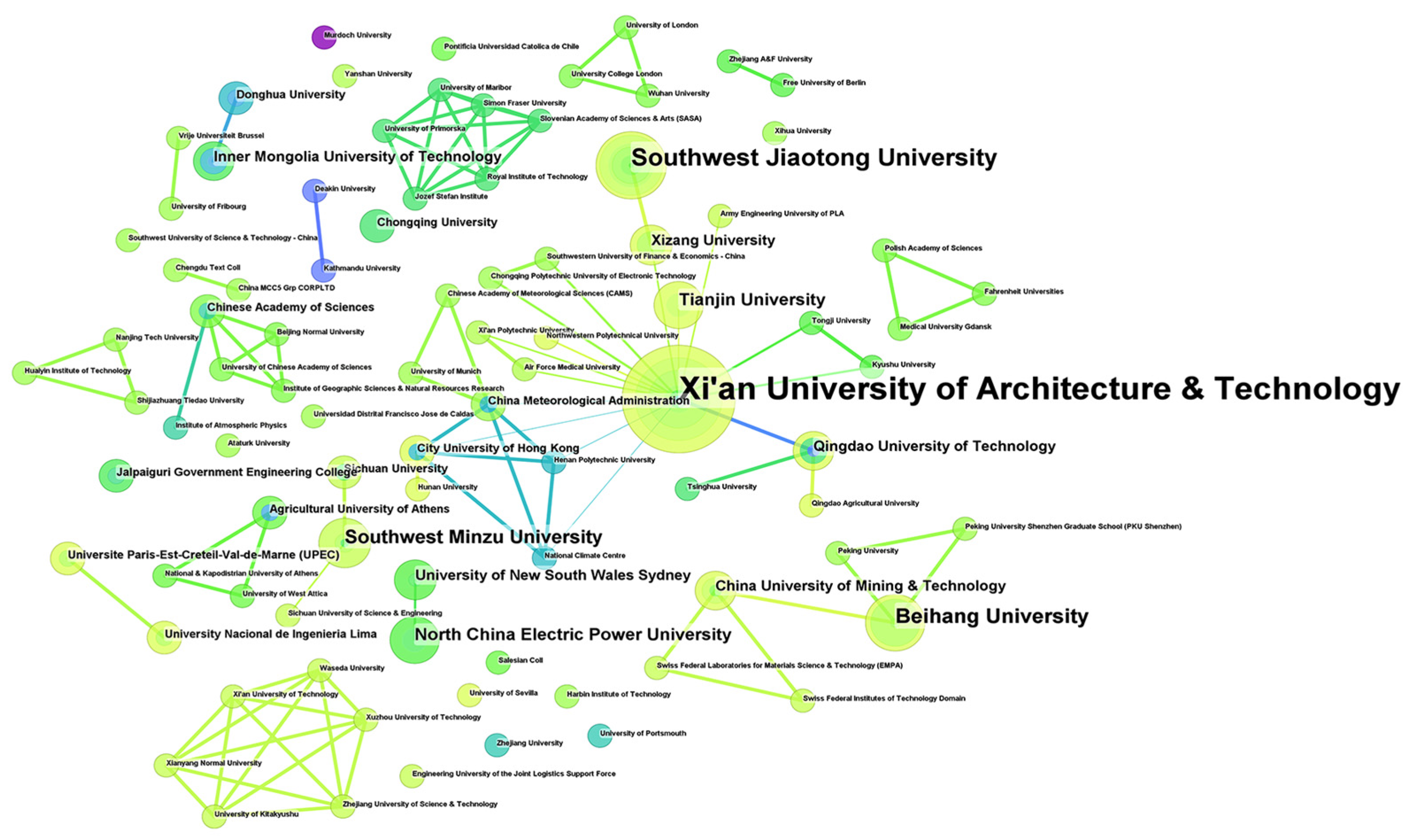
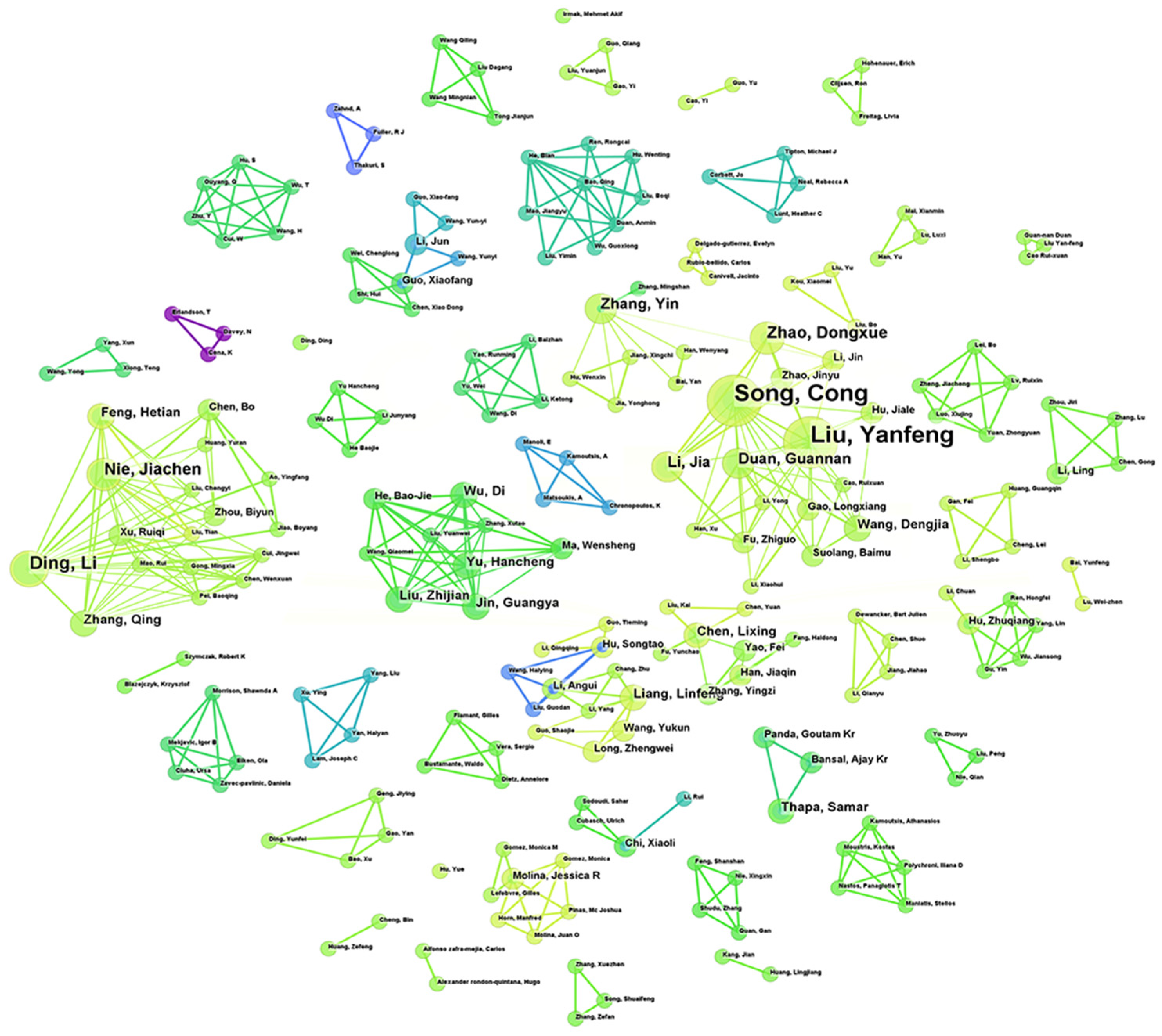
According to bibliometric chart analysis, China occupies a dominant position in research in this field, and institutions such as Xi’an University of Architecture and Technology have become core research forces. However, the overall international cooperation network is relatively loose, showing a “core–periphery” structure. Keyword co-occurrence and burst detection further indicate that the current research frontier is gradually shifting from static thermal environment evaluation to multi-objective collaboration of dynamic climate adaptability, health performance and energy sustainability. Research hotspots focus on the physiological mechanism of thermal adaptation, hypoxia/low pressure composite effects, regionally adaptable building technology, intelligent model modification, and thermal comfort-energy-health comprehensive evaluation system.
Although significant progress has been made in this field, the following research gaps and challenges still exist:
- (1)
Insufficient model localization: The applicability of existing thermal comfort models (such as PMV-PPD) in high-altitude multi-factor coupling environments is still limited, and a universal prediction framework that dynamically integrates hypoxia, radiation, and individual adaptation differences has not yet been formed.
- (2)
Lack of systematic technology integration: There is insufficient research on the collaborative optimization of local adaptive wisdom (such as traditional clothing, residential design) and modern energy-saving technology, and there is a lack of systematic solutions for the deep integration of “low technology” and “high technology”.
- (3)
Limited research coverage of special scenarios: Research on thermal safety and ergonomics in extreme plateau operating environments (such as tunnels and mines) is still blank, and there is a lack of corresponding environmental standards and control guidelines.
- (4)
The social and cultural dimensions are not fully included: The economic, cultural, psychological and other factors and mechanisms in heat adaptation behavior have not been revealed in depth, and interdisciplinary (architecture, physiology, sociology) integration research needs to be strengthened urgently.
- (5)
Long-term climate adaptability research is weak: There is a lack of prediction of future thermal environment evolution based on the coupling of climate models and building energy consumption, making it difficult to support climate resilience planning and design.
- (6)
The application of intelligent technology lags behind: The research and development of low-cost, robust, multi-source data fusion intelligent monitoring and control systems suitable for plateau environments is still in its infancy.
Overall, the research framework in this field has been established, and future research will further deepen the study of certain research topics. In this study, we conducted a systematic review of this field and identified future research trends, aiming to inspire relevant researchers to further improve this field and build solutions for plateau human settlements that take into account thermal comfort improvement, energy sustainability, and cultural resilience.




 ,
,