Article

Permeability and Internal Erosion Responses of Gravelly Soils Following Slurry-Induced Clogging

1
School of Civil Engineering, Chongqing University, Chongqing 400045, China
2
State Key Laboratory of Safety and Resilience of Civil Engineering in Mountain Area, Chongqing 400045, China
*
Author to whom correspondence should be addressed.
Buildings 2026, 16(18), 3722; https://doi.org/10.3390/buildings16183722 (registering DOI)

Submission received: 21 August 2026 / Revised: 14 September 2026 / Accepted: 16 September 2026 / Published: 17 September 2026
(This article belongs to the Special Issue The Damage and Fracture Analysis in Rocks and Concretes)

Abstract

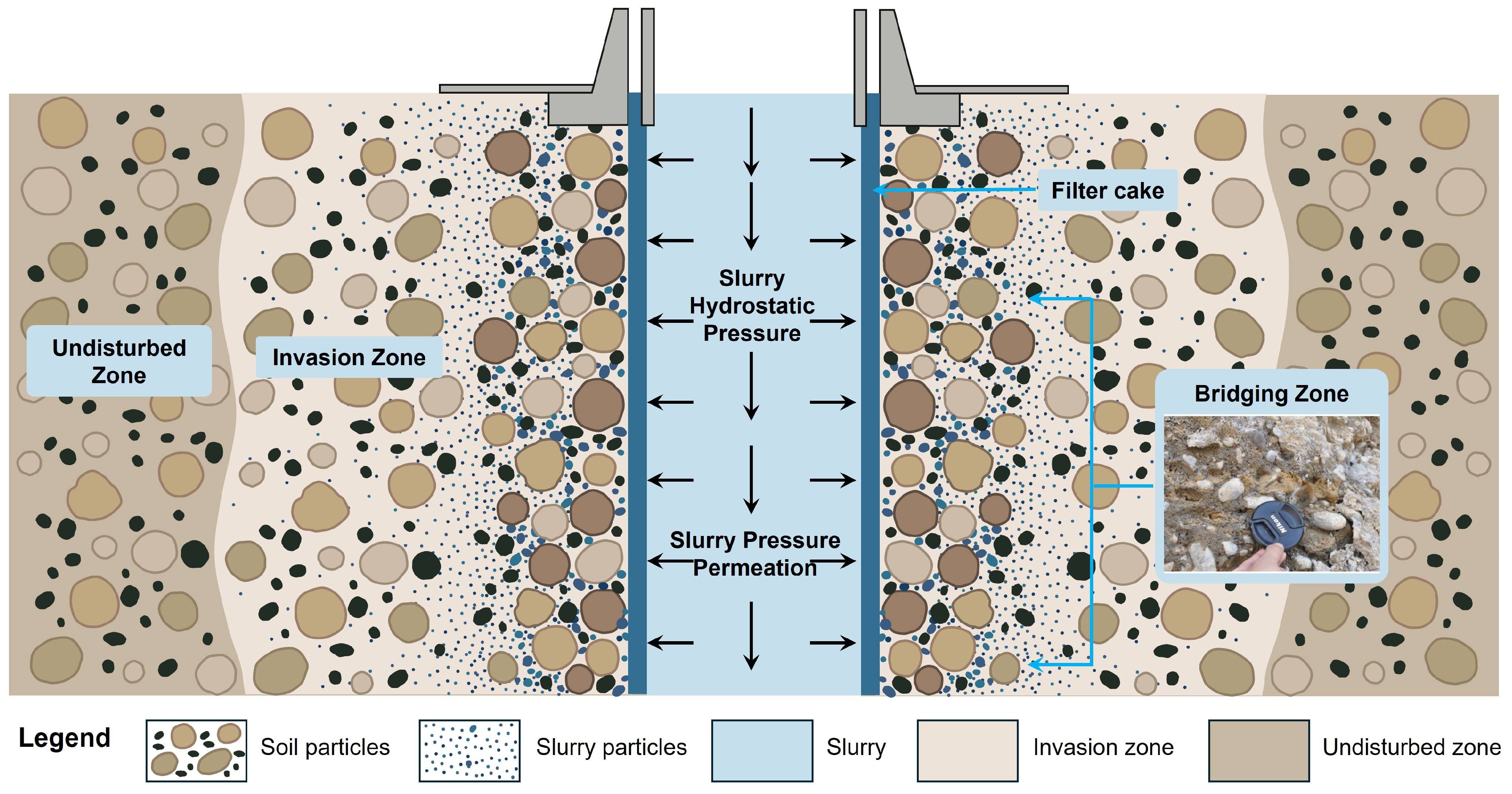
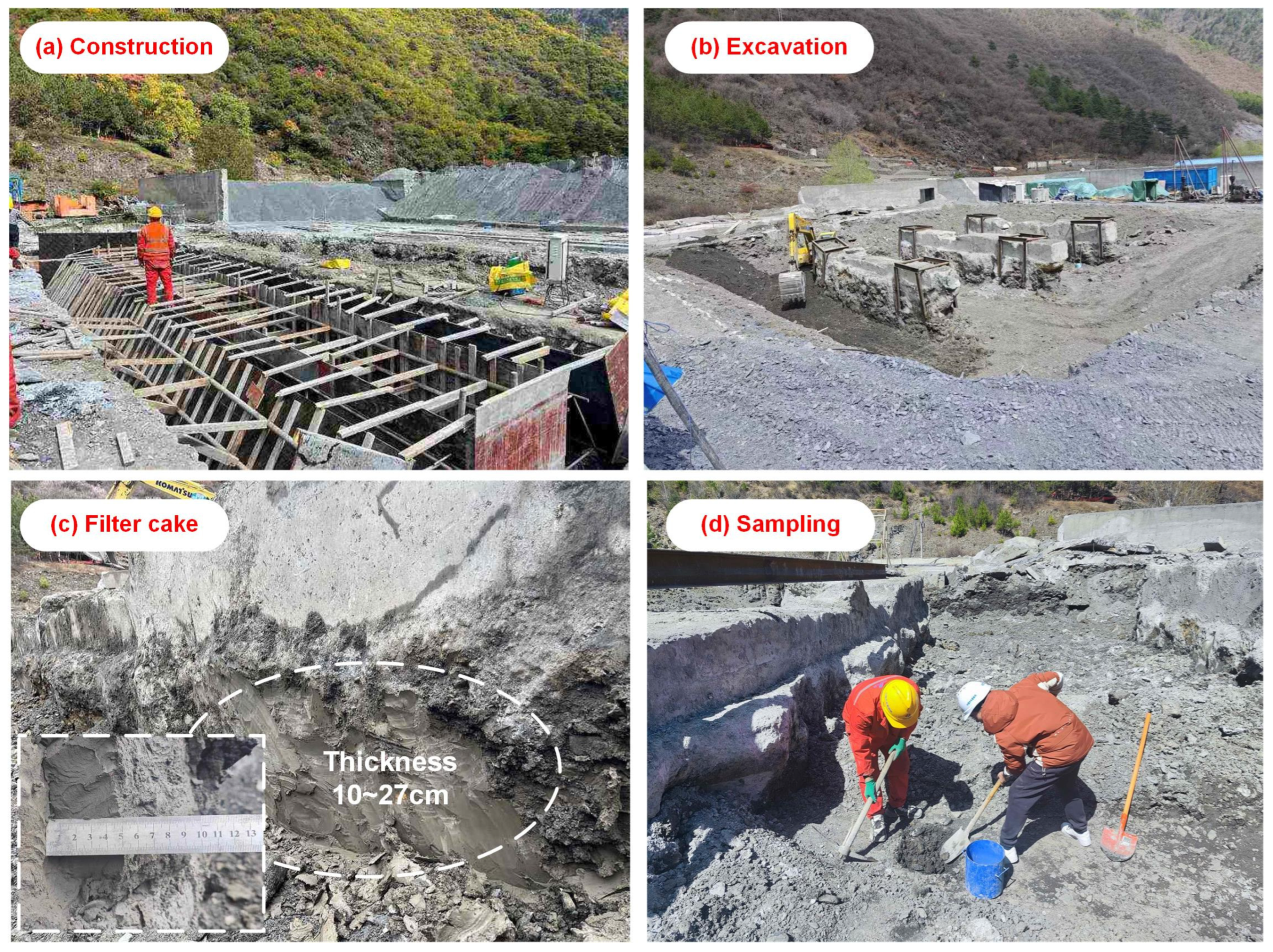
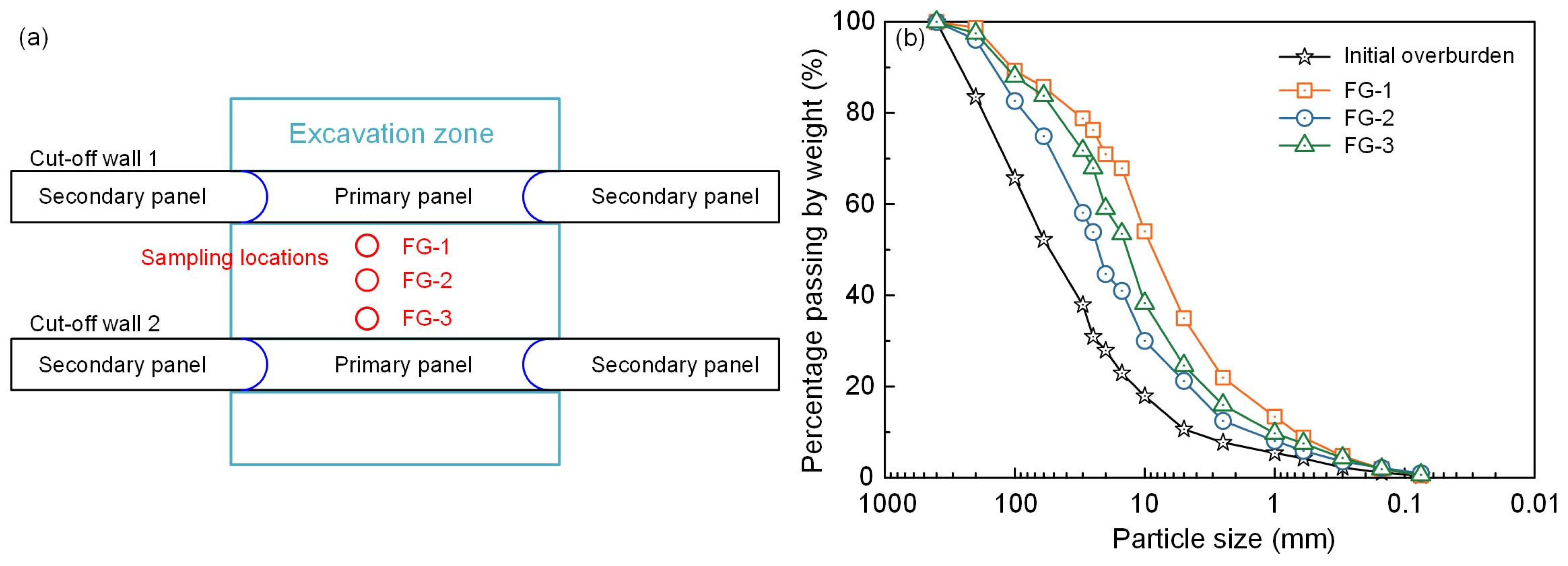
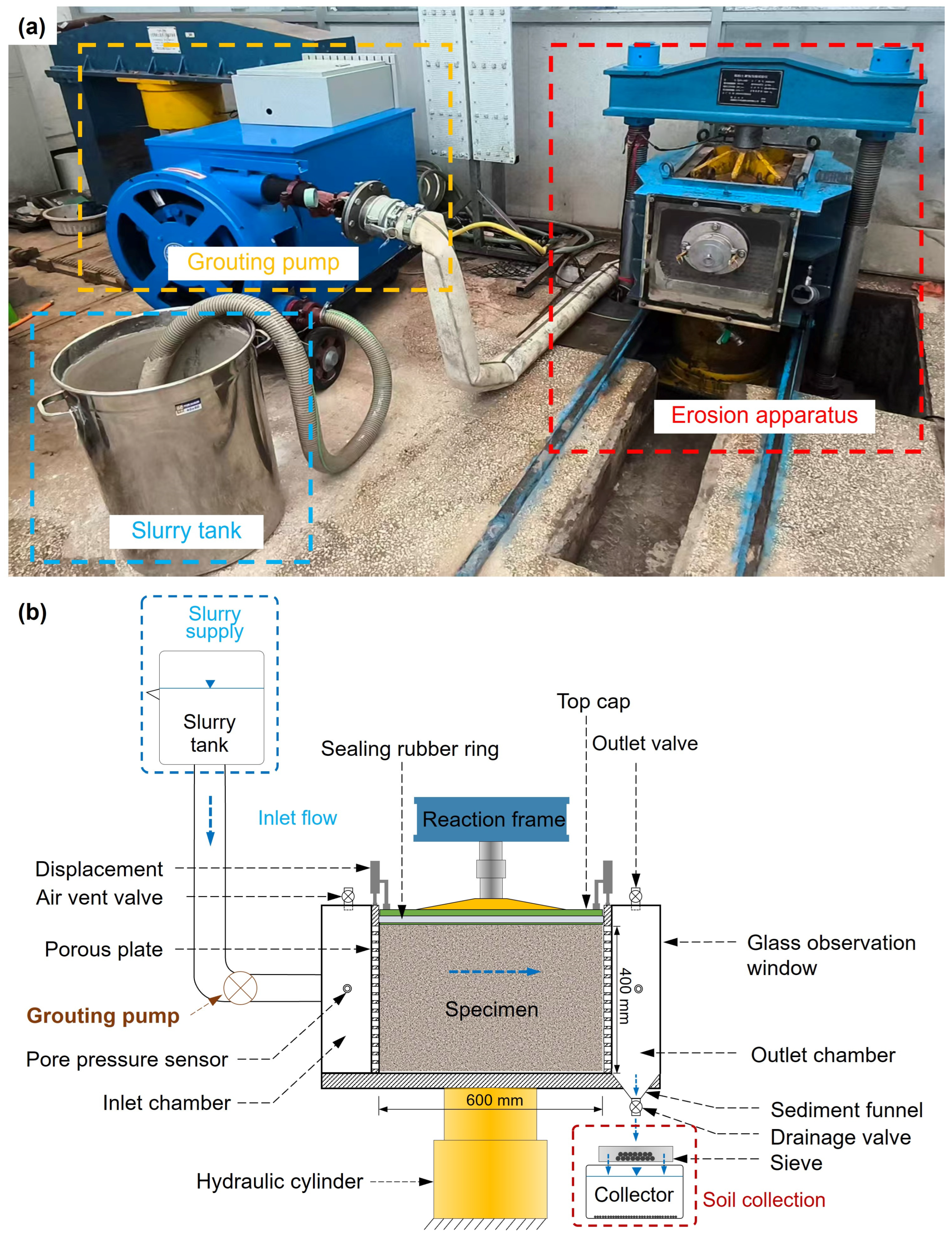
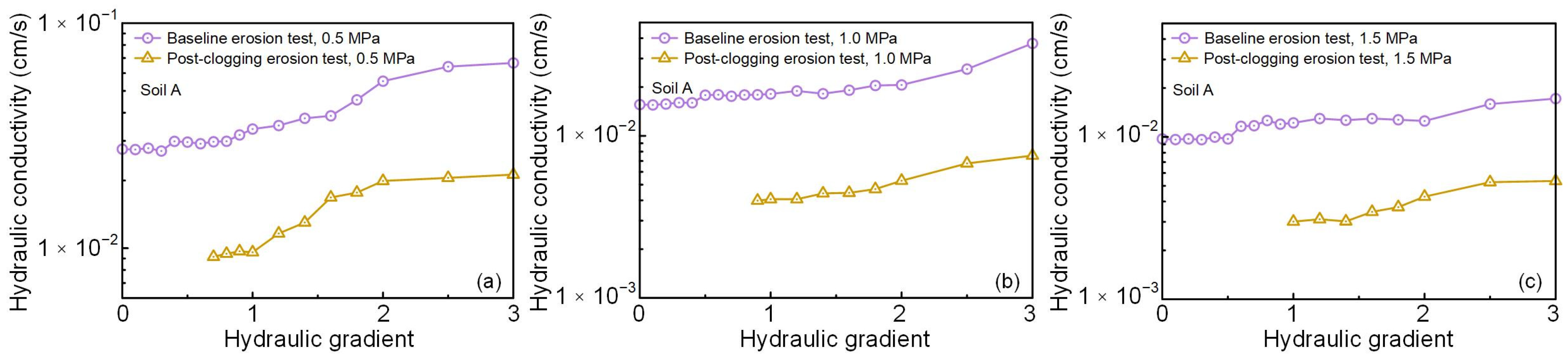
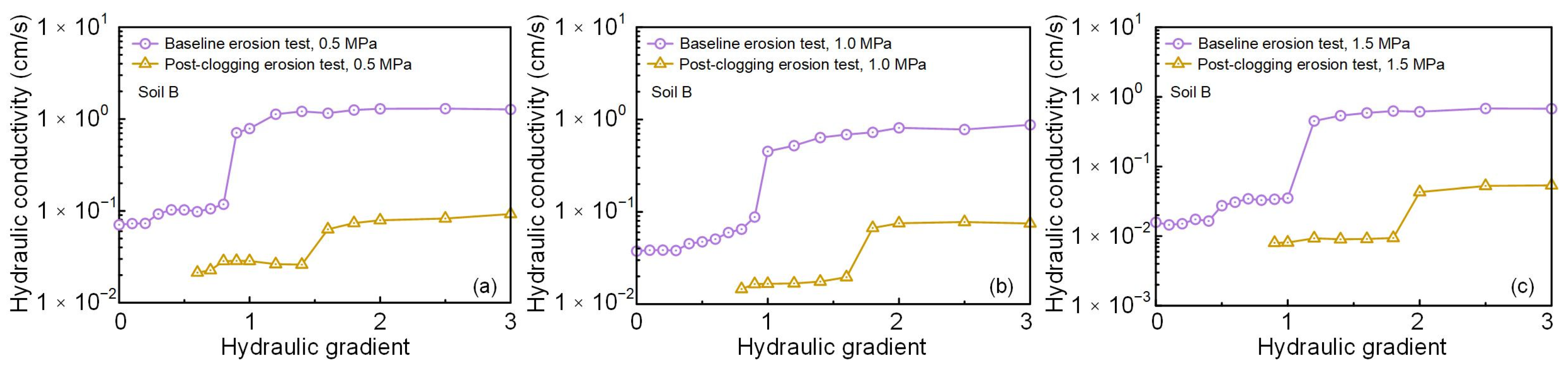
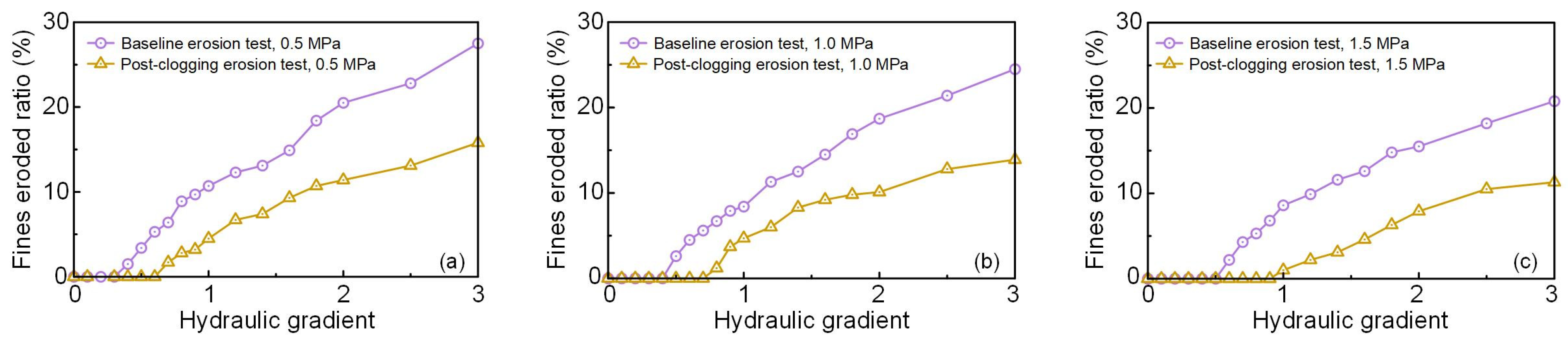
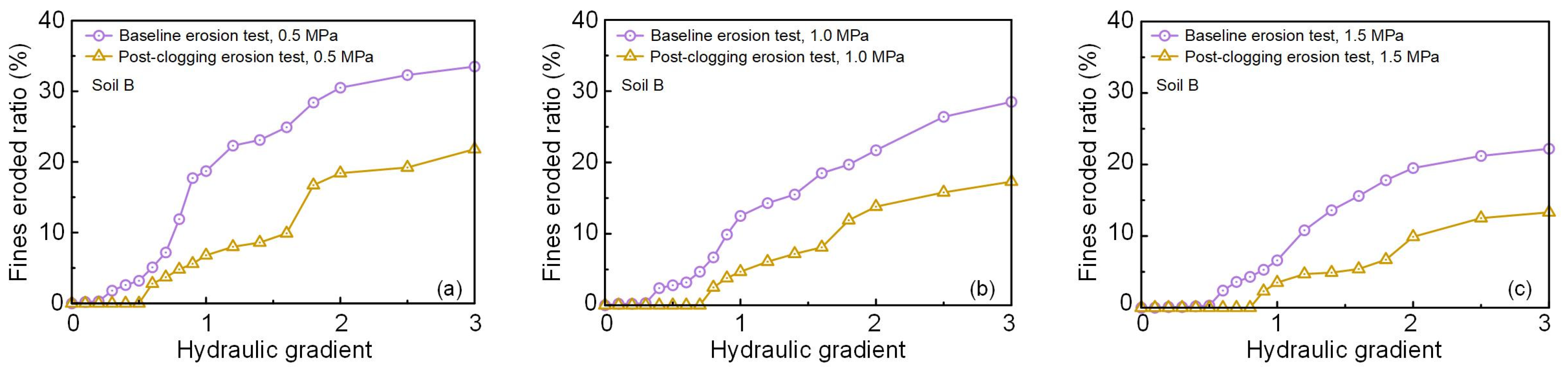
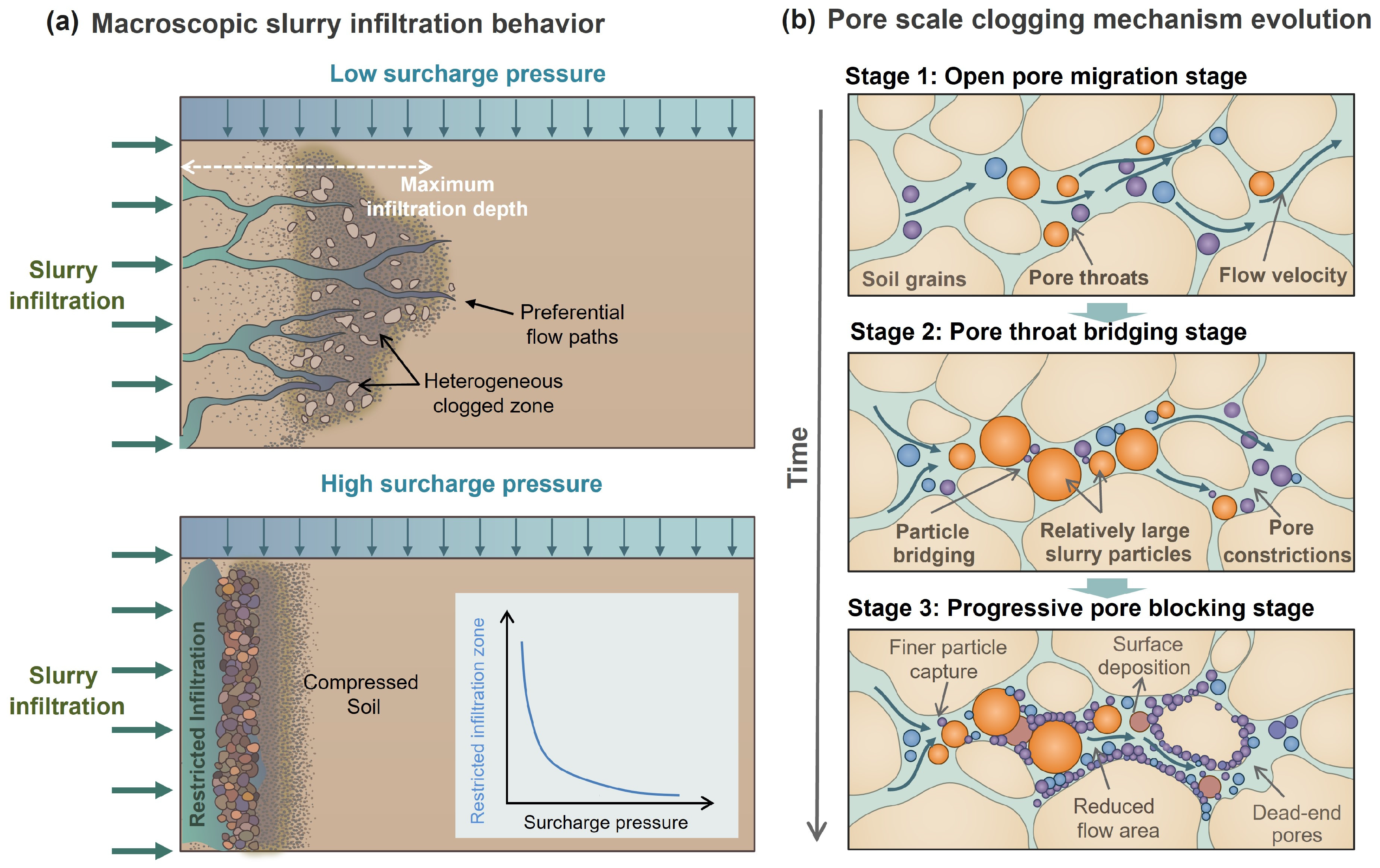
Bentonite slurry is used to maintain trench stability during cut-off wall construction. Because the slurry level remains above the groundwater table, slurry can infiltrate the surrounding soil and form a spatially heterogeneous clogging structure within the pore network. In this study, field excavation of an experimental cut-off wall was conducted to observe the slurry infiltration into the surrounding soil. A large-scale laboratory experimental apparatus was developed to reproduce the slurry infiltration into soil and test the seepage erosion resistance of the clogging structure. Field observations revealed a distinct interfacial filter cake and bridging zone in the soil adjacent to the wall, and grain size distribution analyses of wall-adjacent samples indicated an enrichment of fine material consistent with slurry intrusion. The laboratory results showed that the post-clogging specimens exhibited lower hydraulic conductivity and fines eroded ratios, together with higher progression hydraulic gradients, than the corresponding baseline specimens. However, no replicate tests were conducted, no water-treated process control was included, and no in situ permeability tests were performed in the slurry-affected soil. Accordingly, the results characterize the bulk hydraulic and erosion responses of internally unstable gravelly soils following support-slurry intrusion during cut-off wall construction, rather than the overall seepage performance of cut-off walls with explicit defects. The slurry-affected zone should therefore be considered in seepage analyses around local wall defects.
Keywords: slurry-induced clogging; cut-off wall; surcharge pressure; hydraulic conductivity; internal erosion slurry-induced clogging; cut-off wall; surcharge pressure; hydraulic conductivity; internal erosion