

Evaluation of Workability Parameters of Straw-Reinforced Earth-Based Materials for Extrusion-Based 3D Printing

 ,
,  ,
,  and
and 
Abstract
1. Introduction
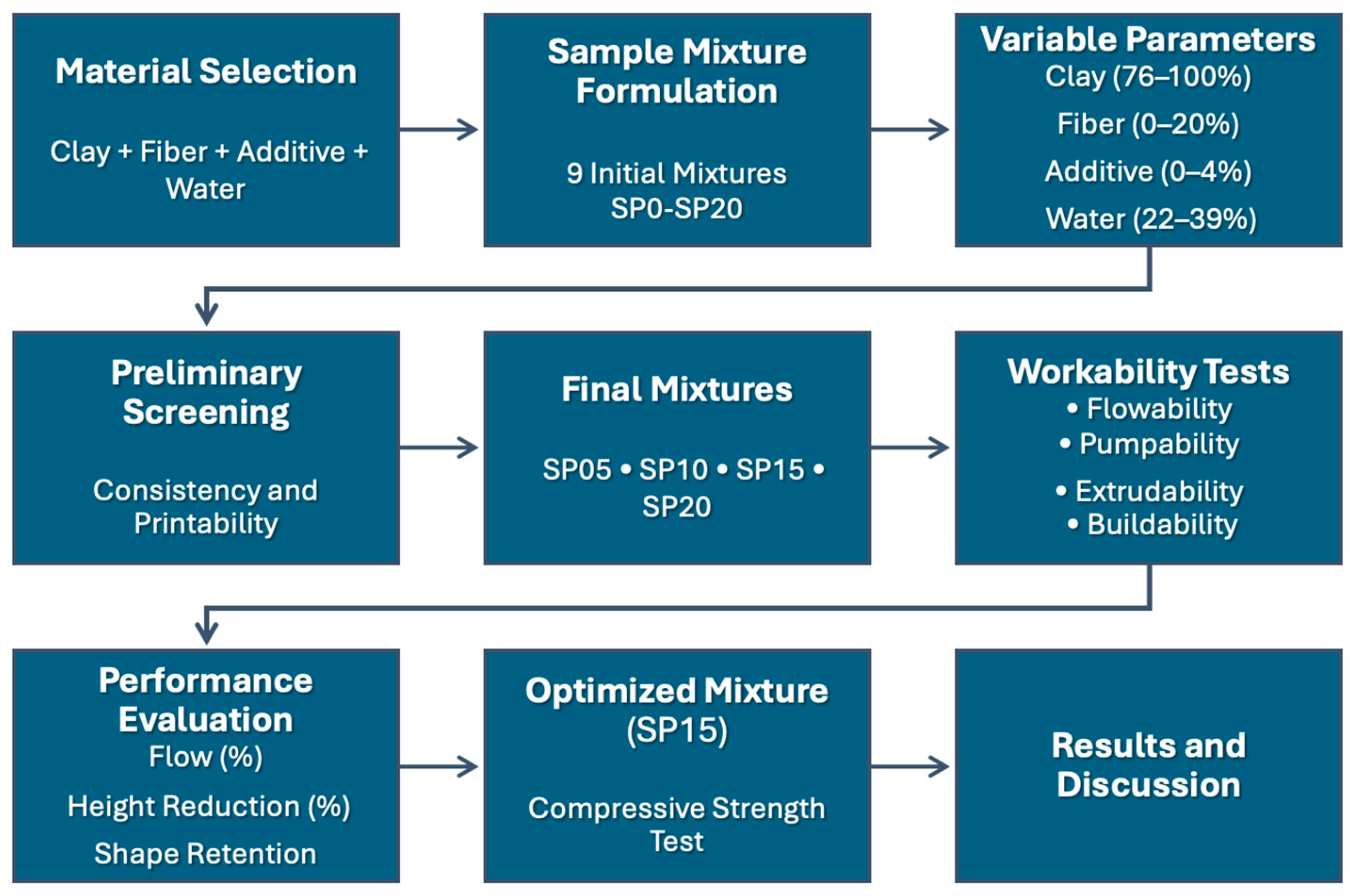
2. Research Methodology
- -
- Preliminary materials selection;
- -
- In-depth information of the final material selection;
- -
- Preparing earth-based mortar in the laboratory with selected materials and adjusting the ratios;
- -
- Characterization tests of the earth-based mortar samples to determine and optimize the workability of the material as a printable mixture.
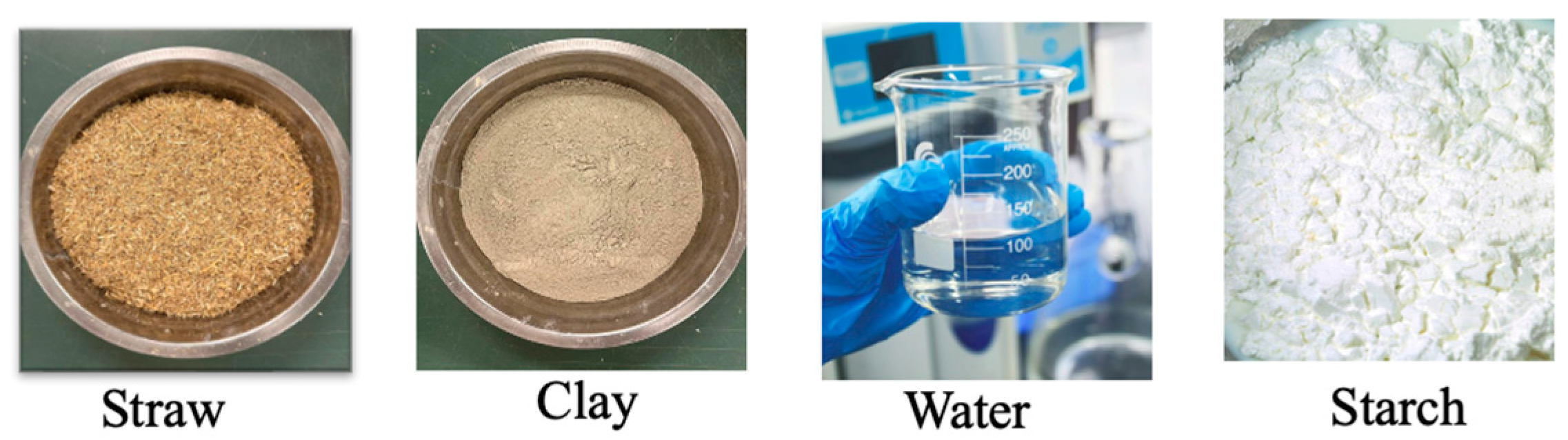
2.1. Materials
2.2. Experimental Details
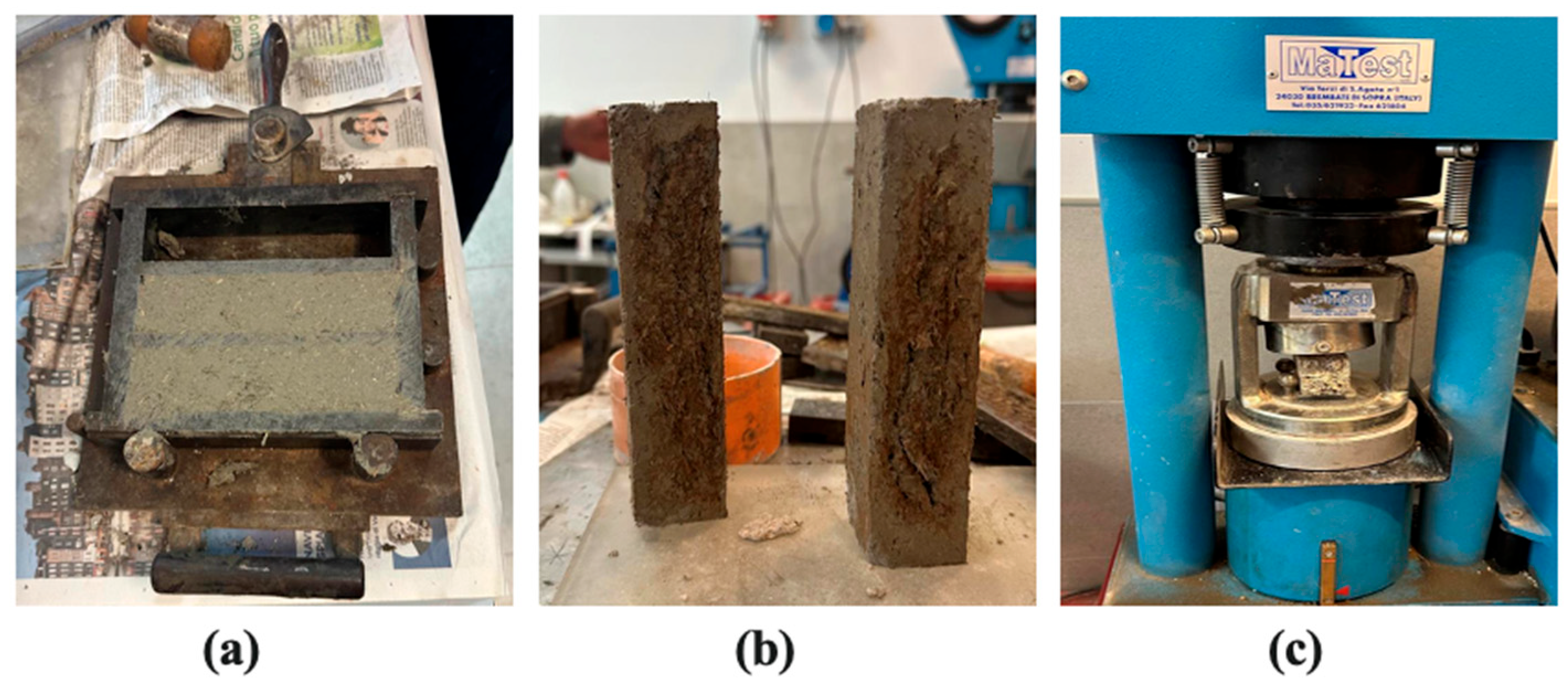
2.3. Sample Preparation Method
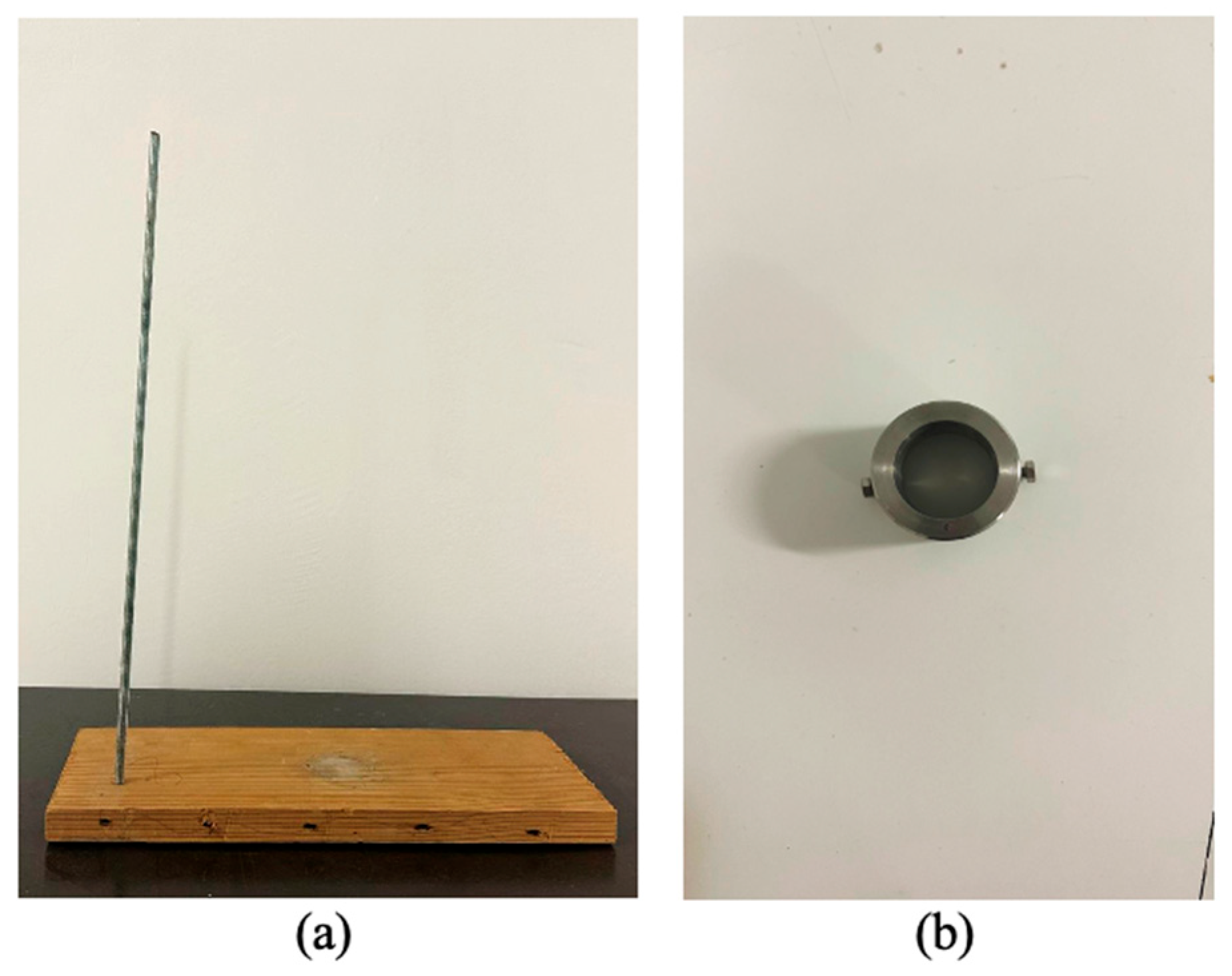
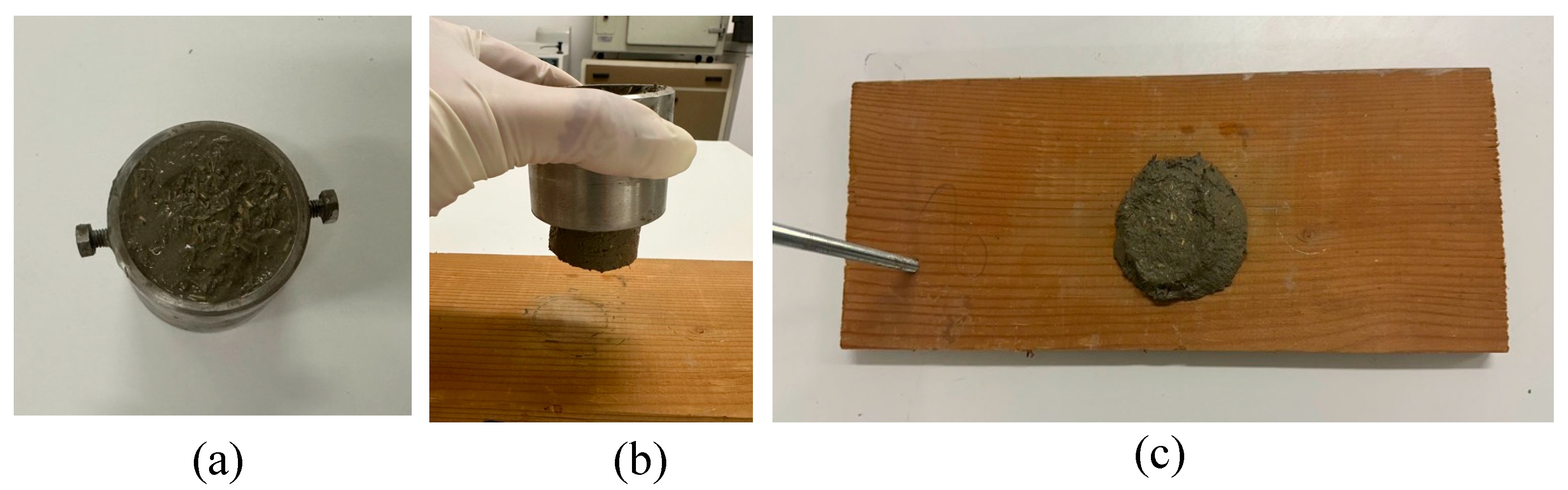
2.4. Flowability Test
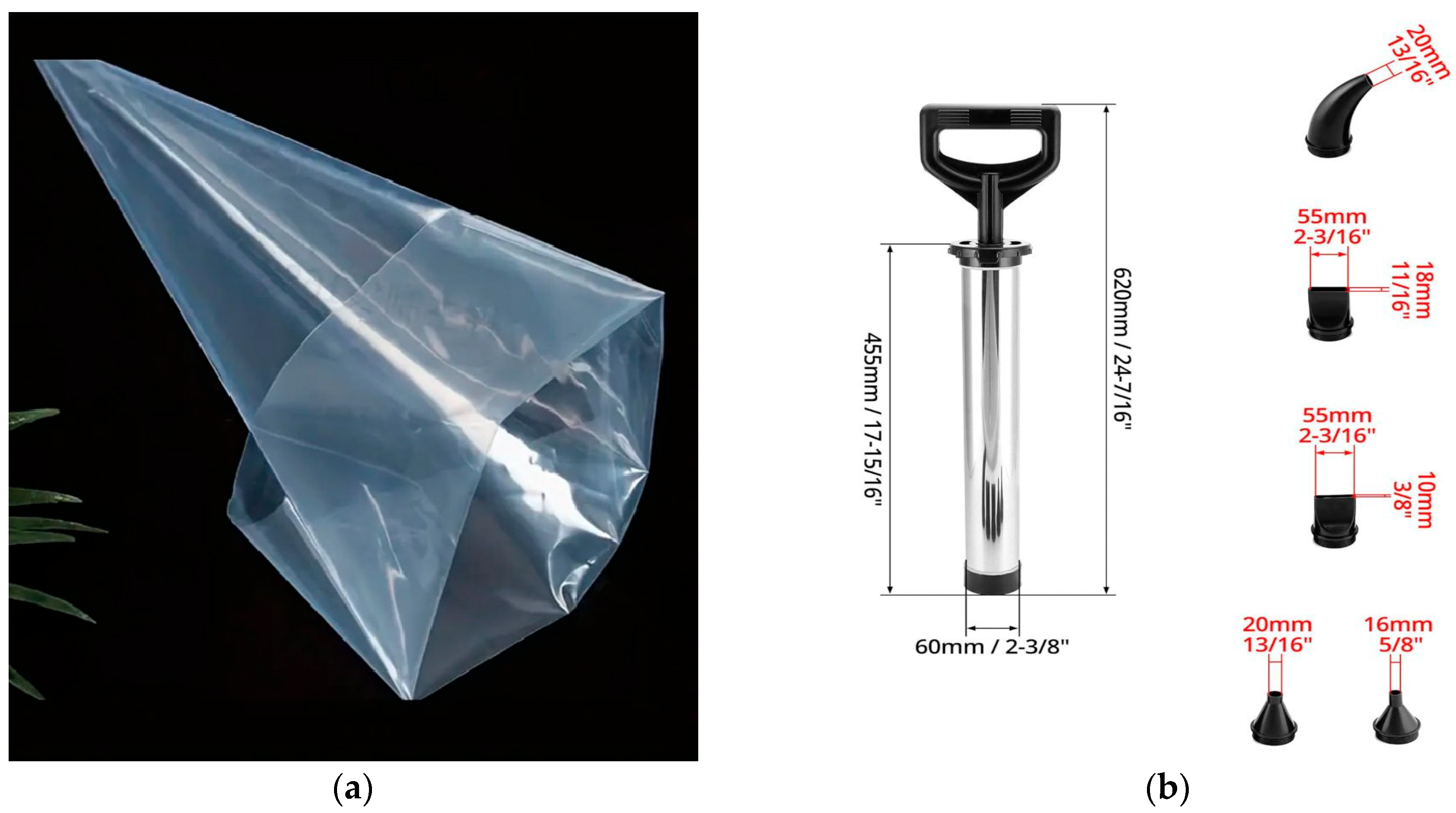
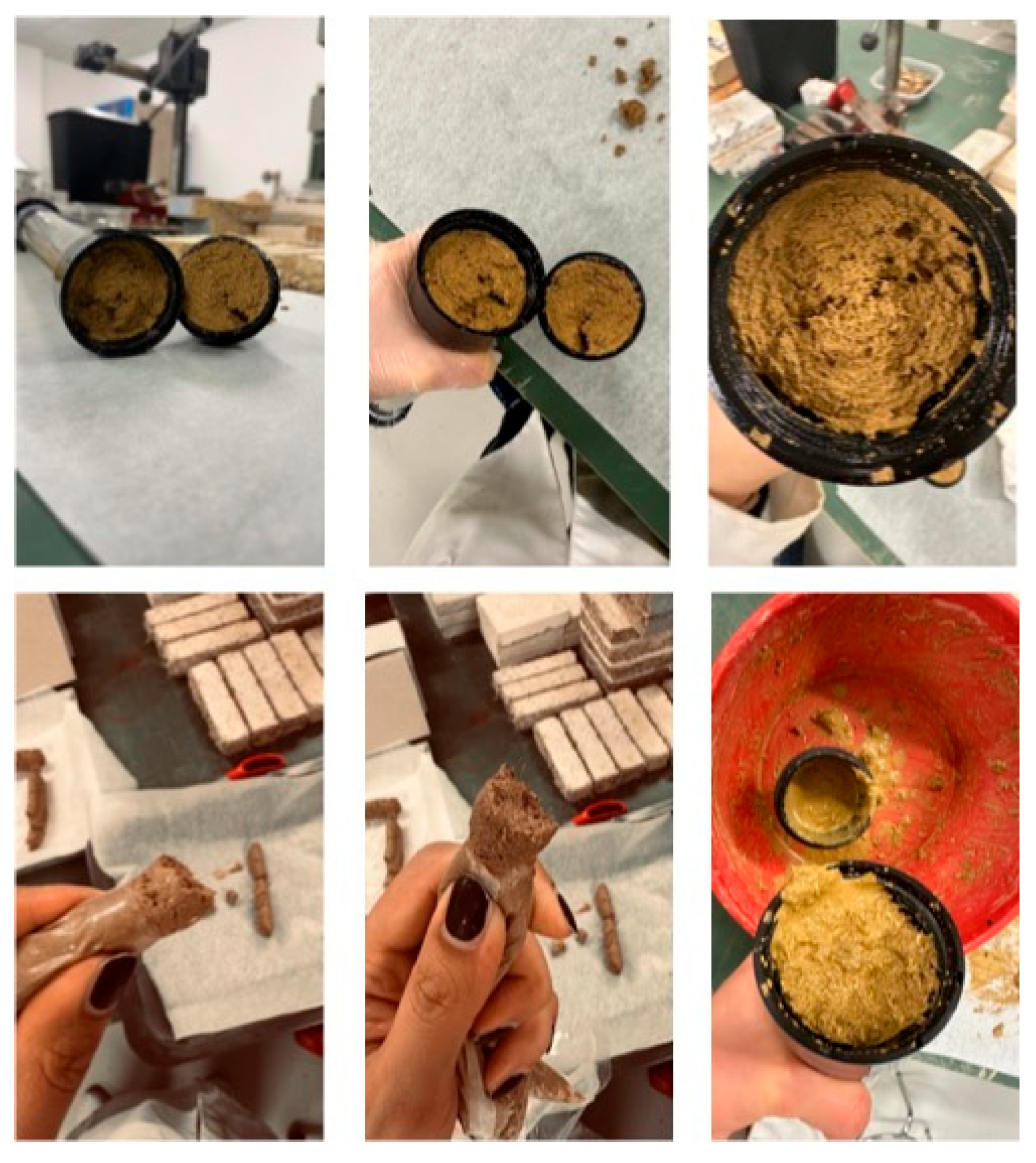
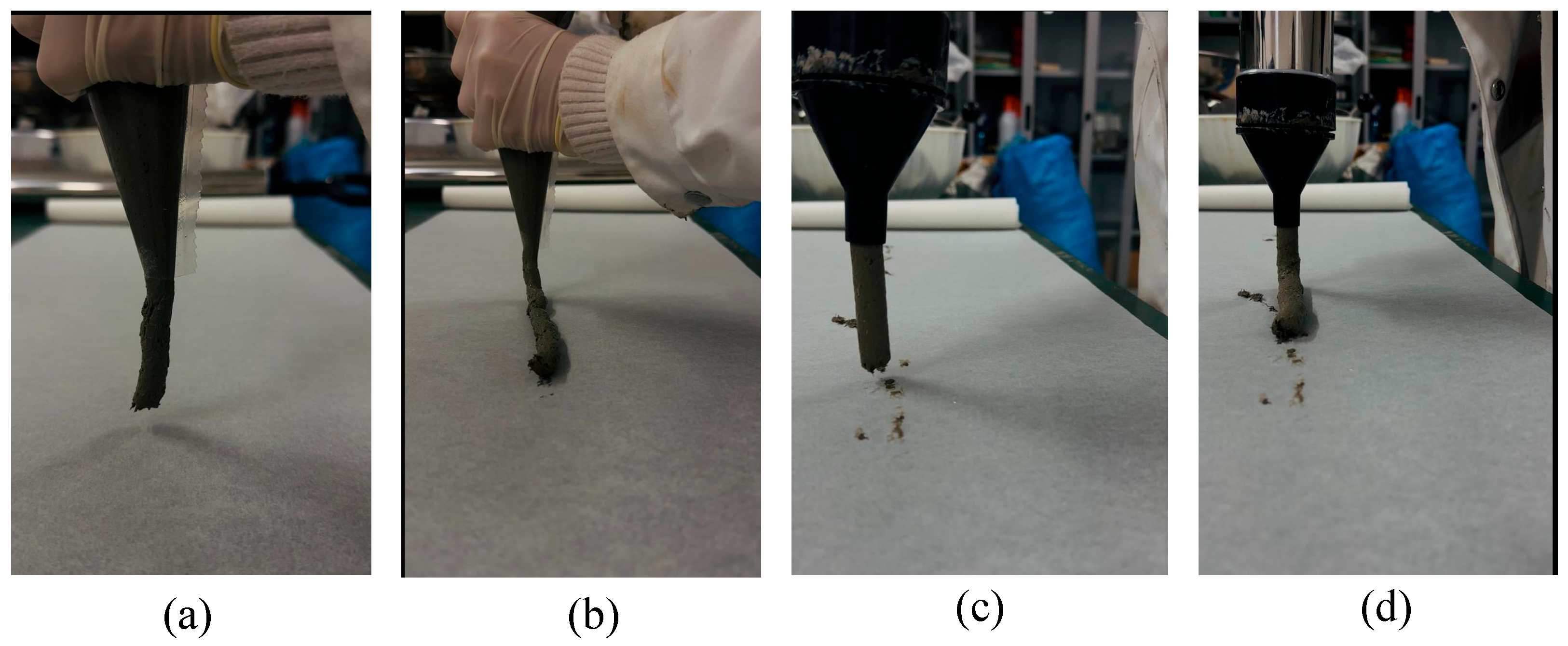
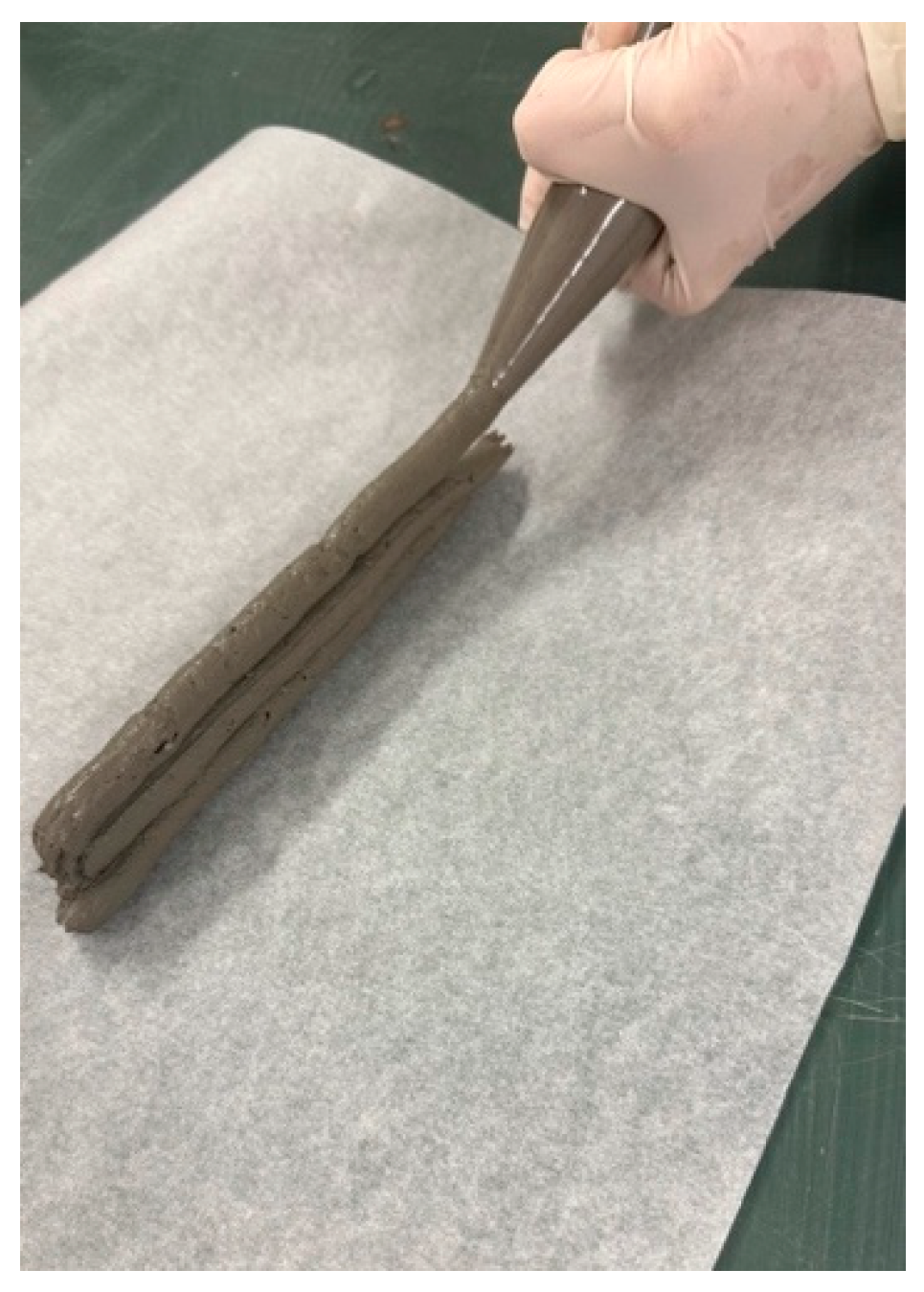
2.5. Extrudability and Pumpability Test
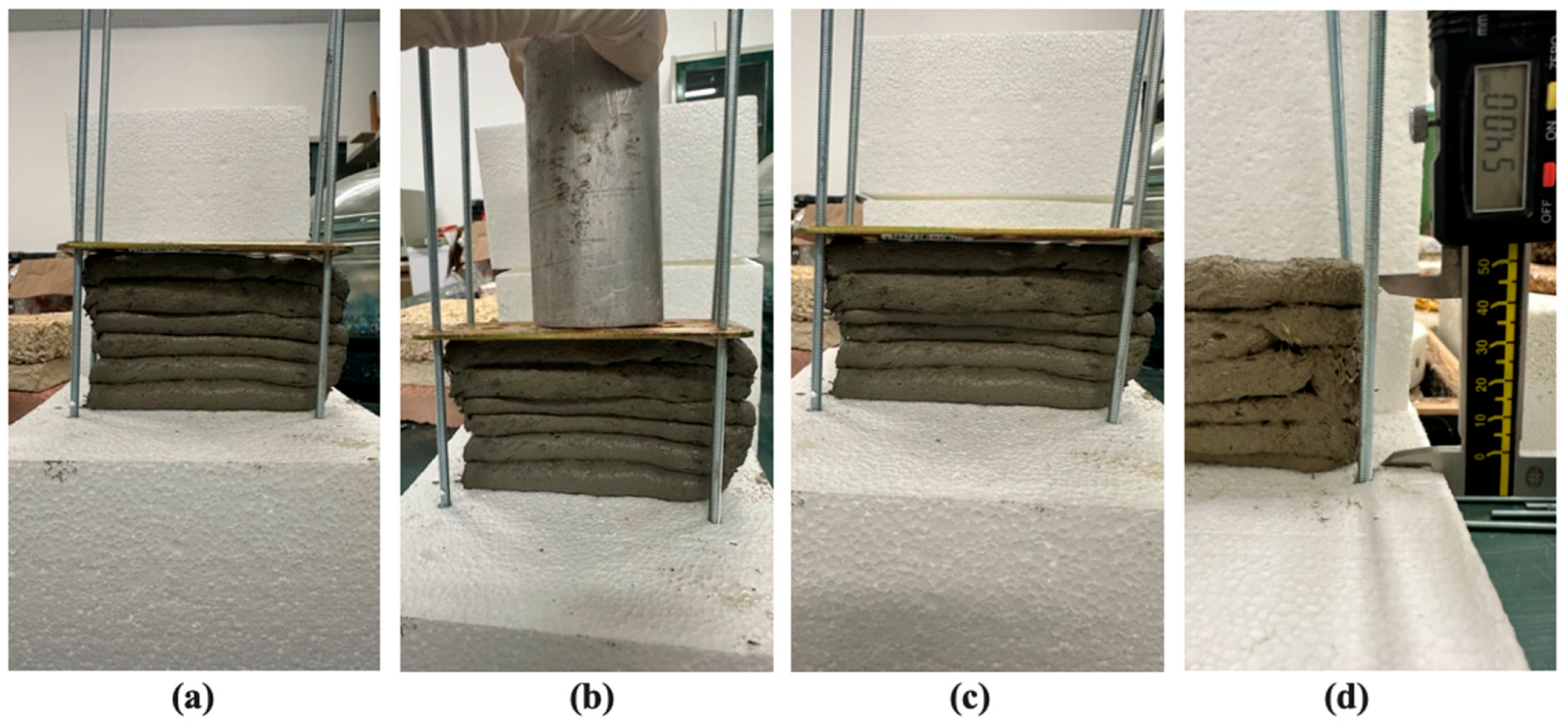
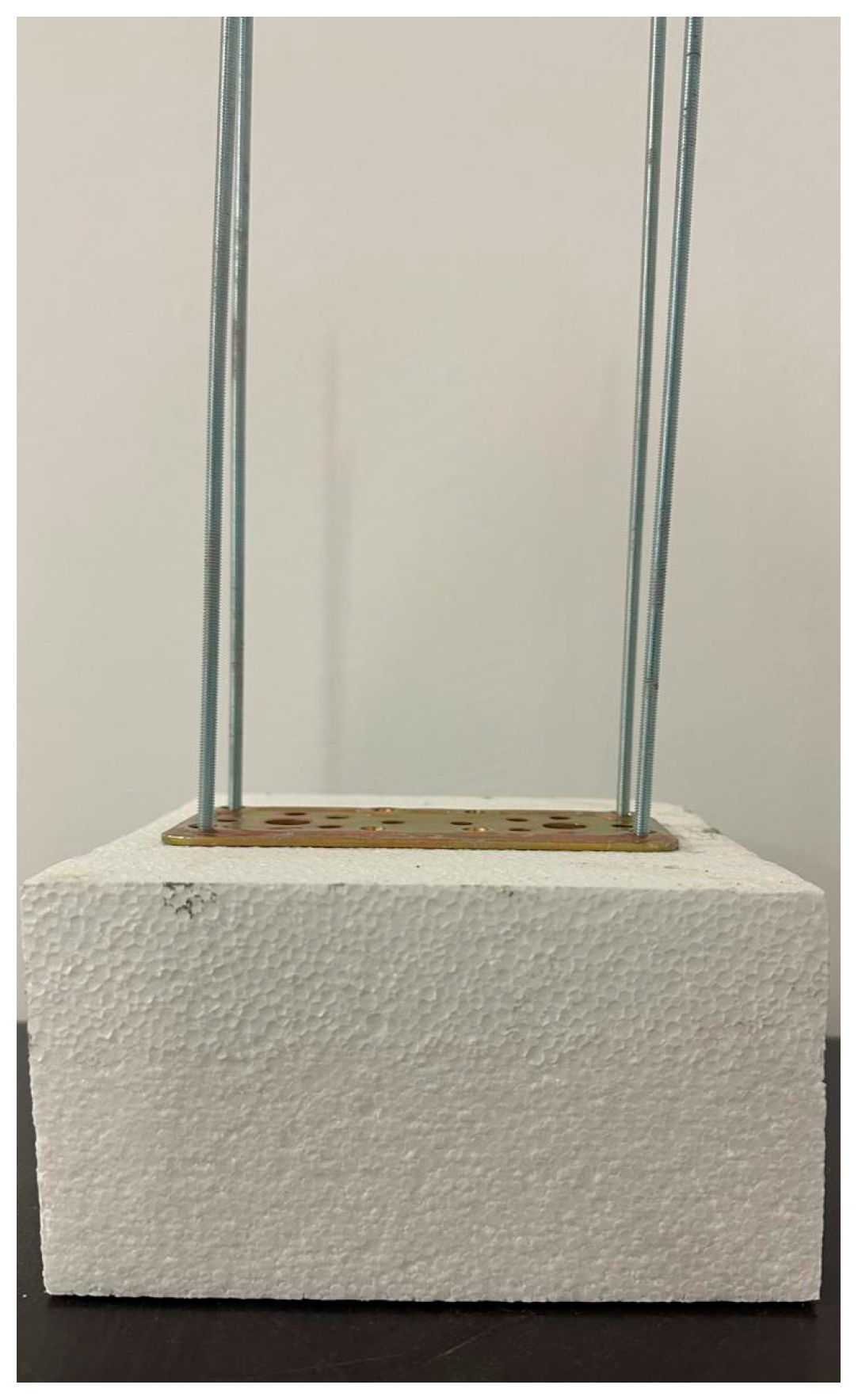
2.6. Buildability Test
3. Results and Discussions
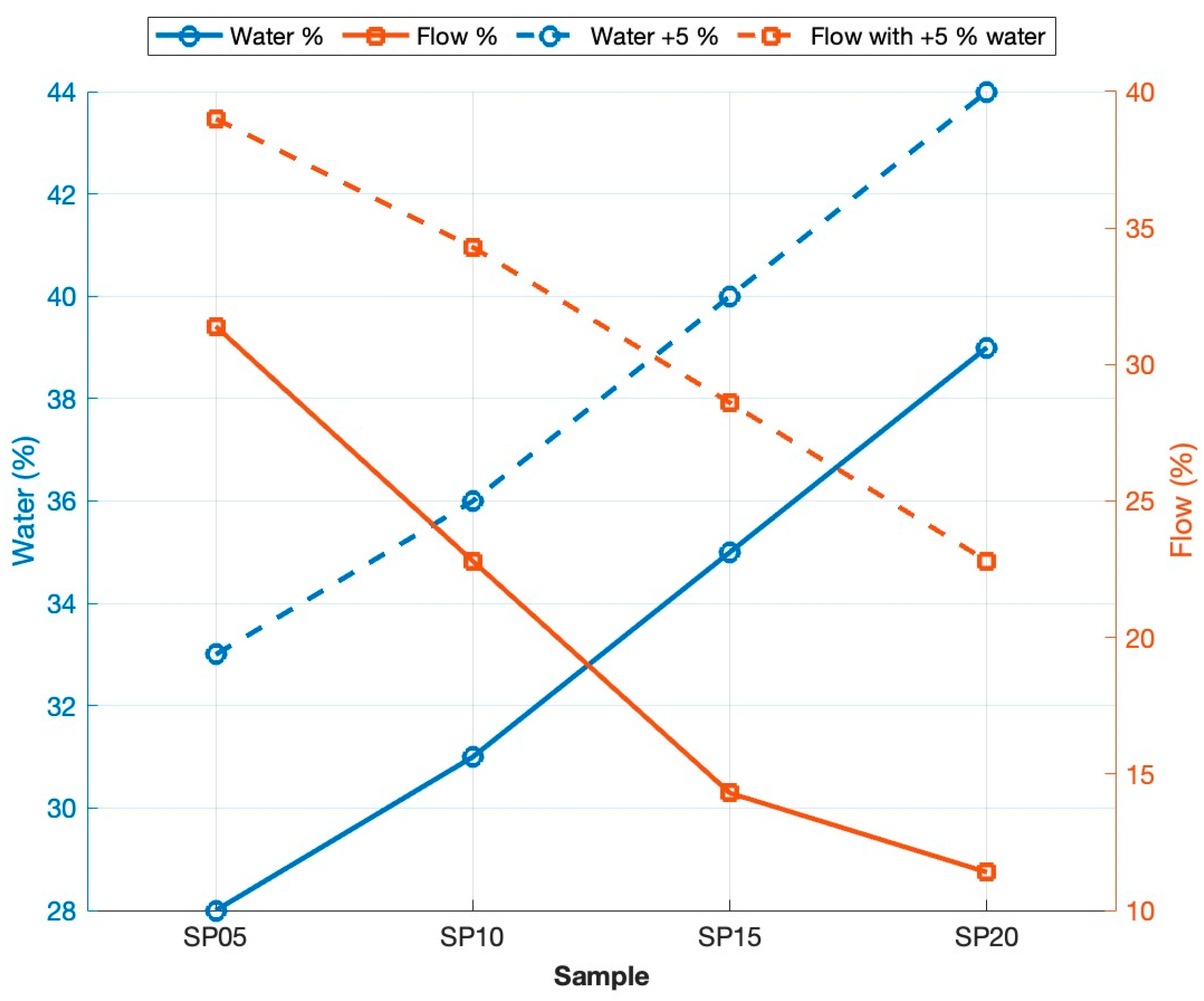
3.1. Flowability
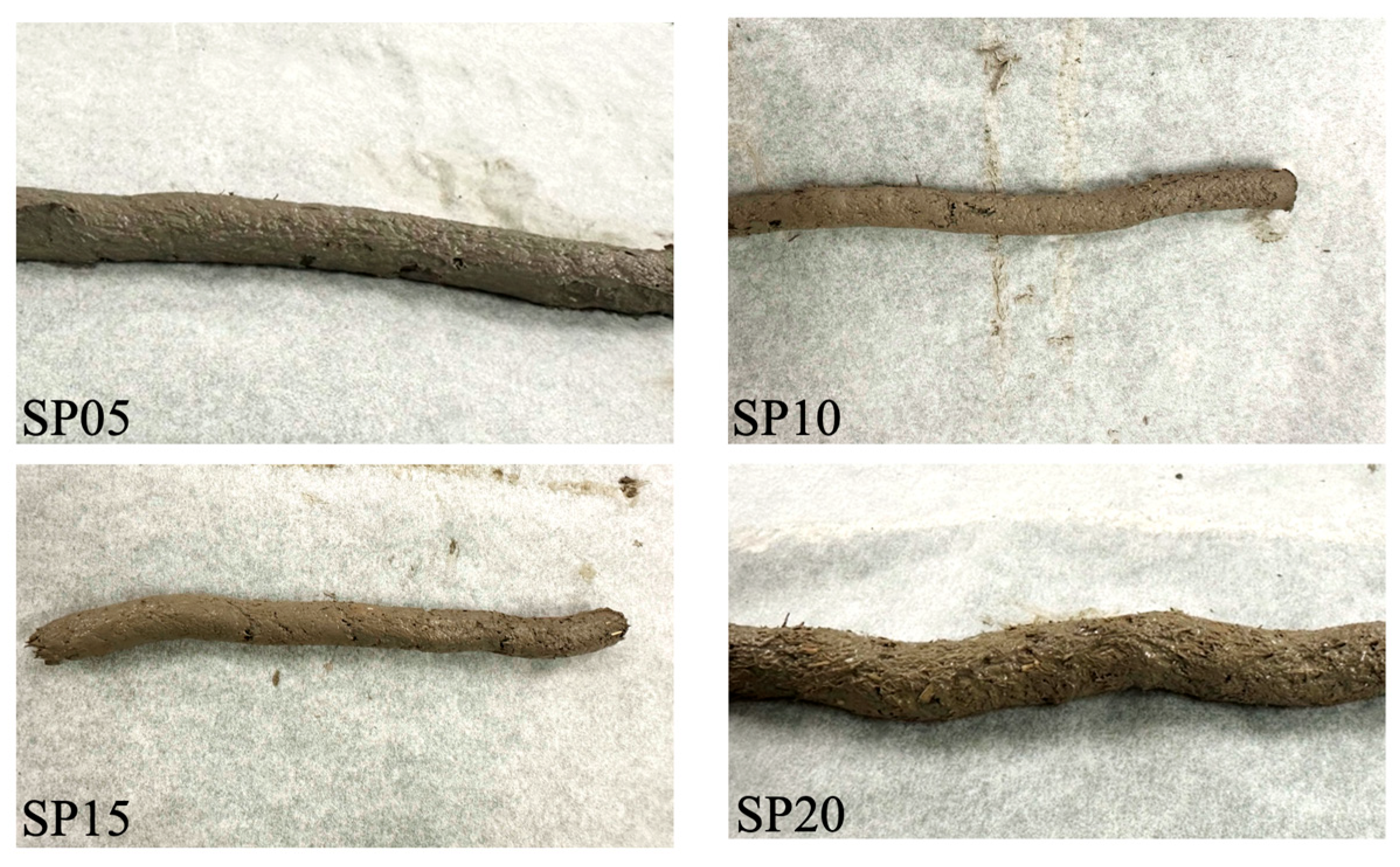
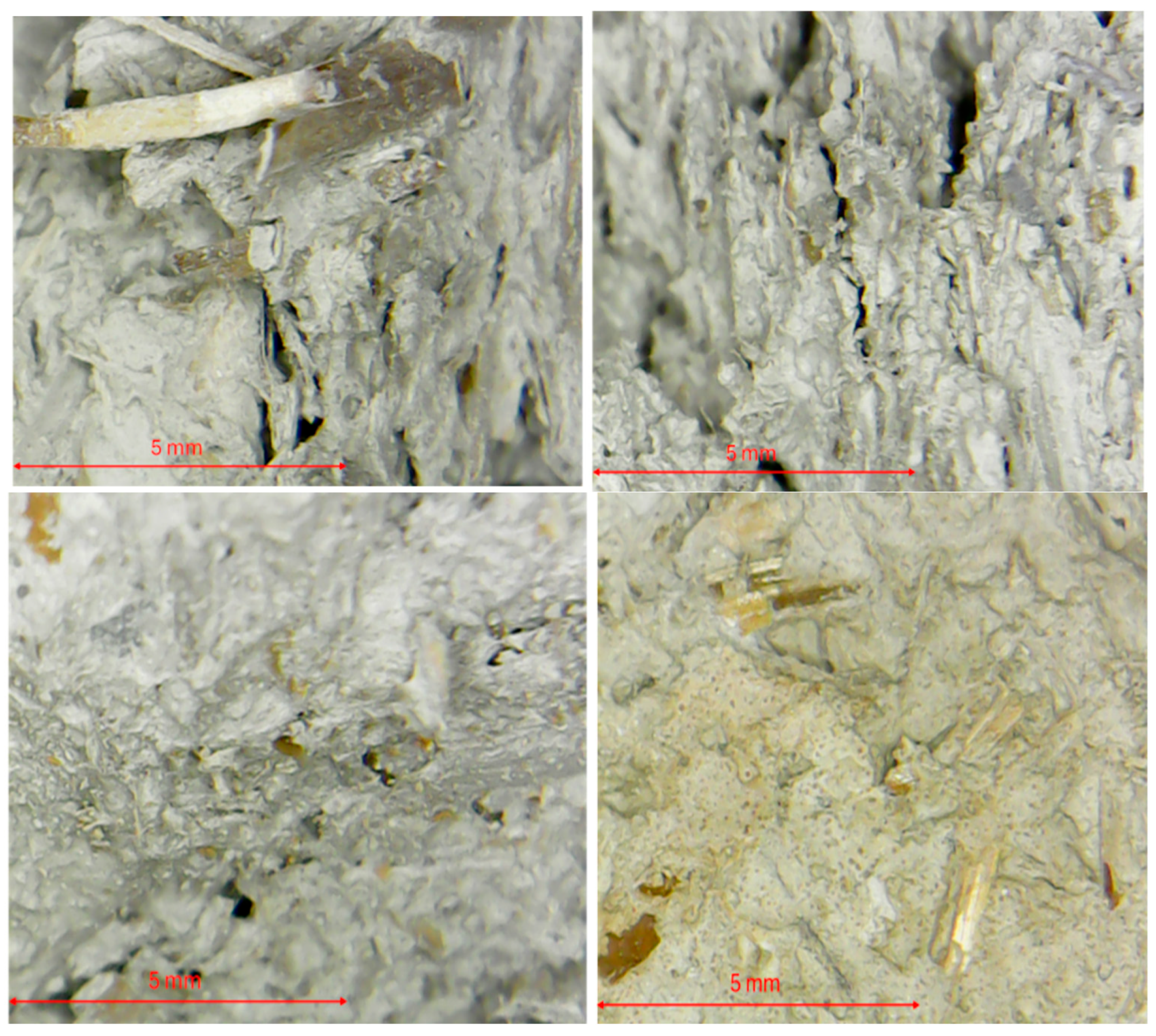
3.2. Extrudability and Pumpability
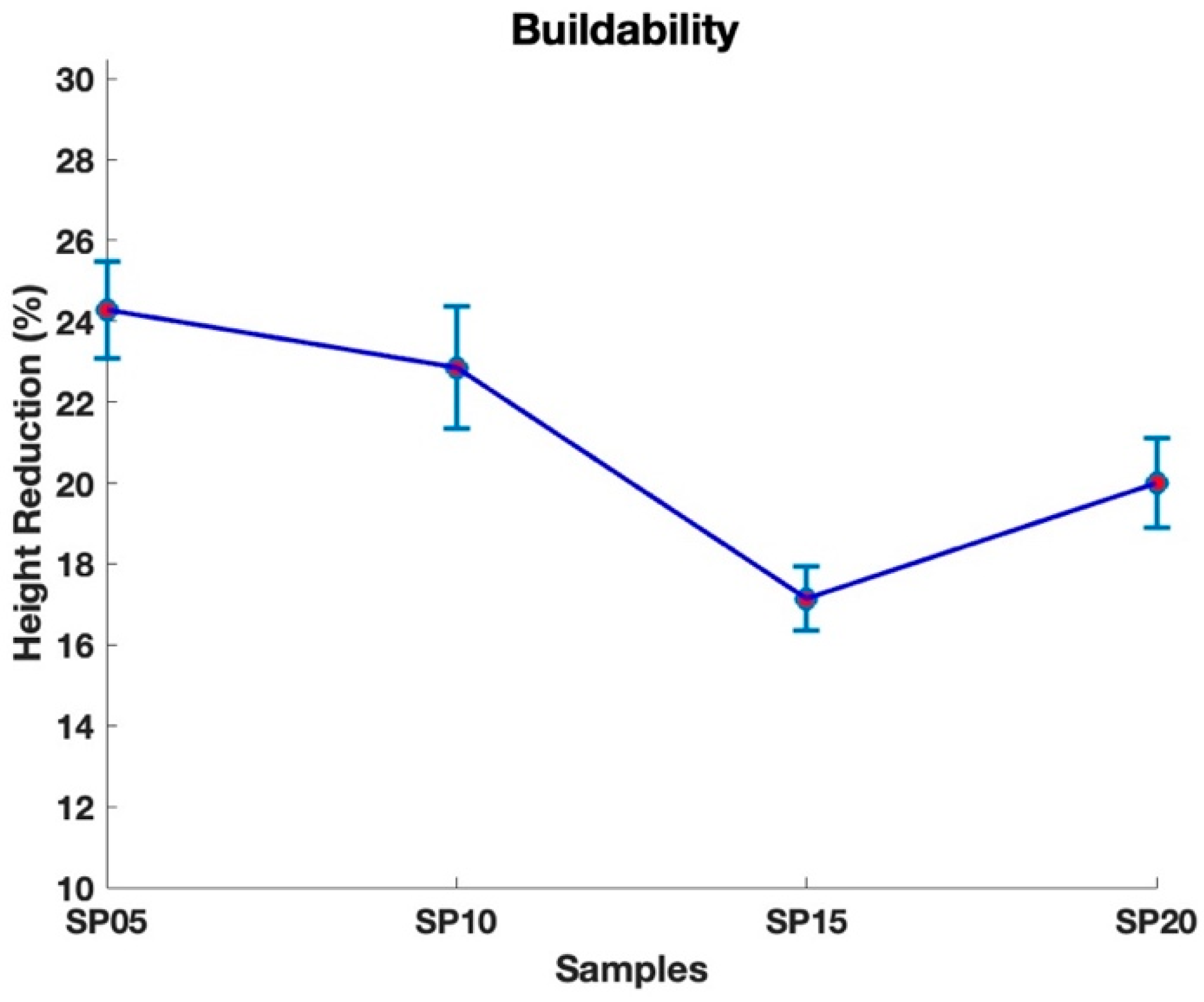
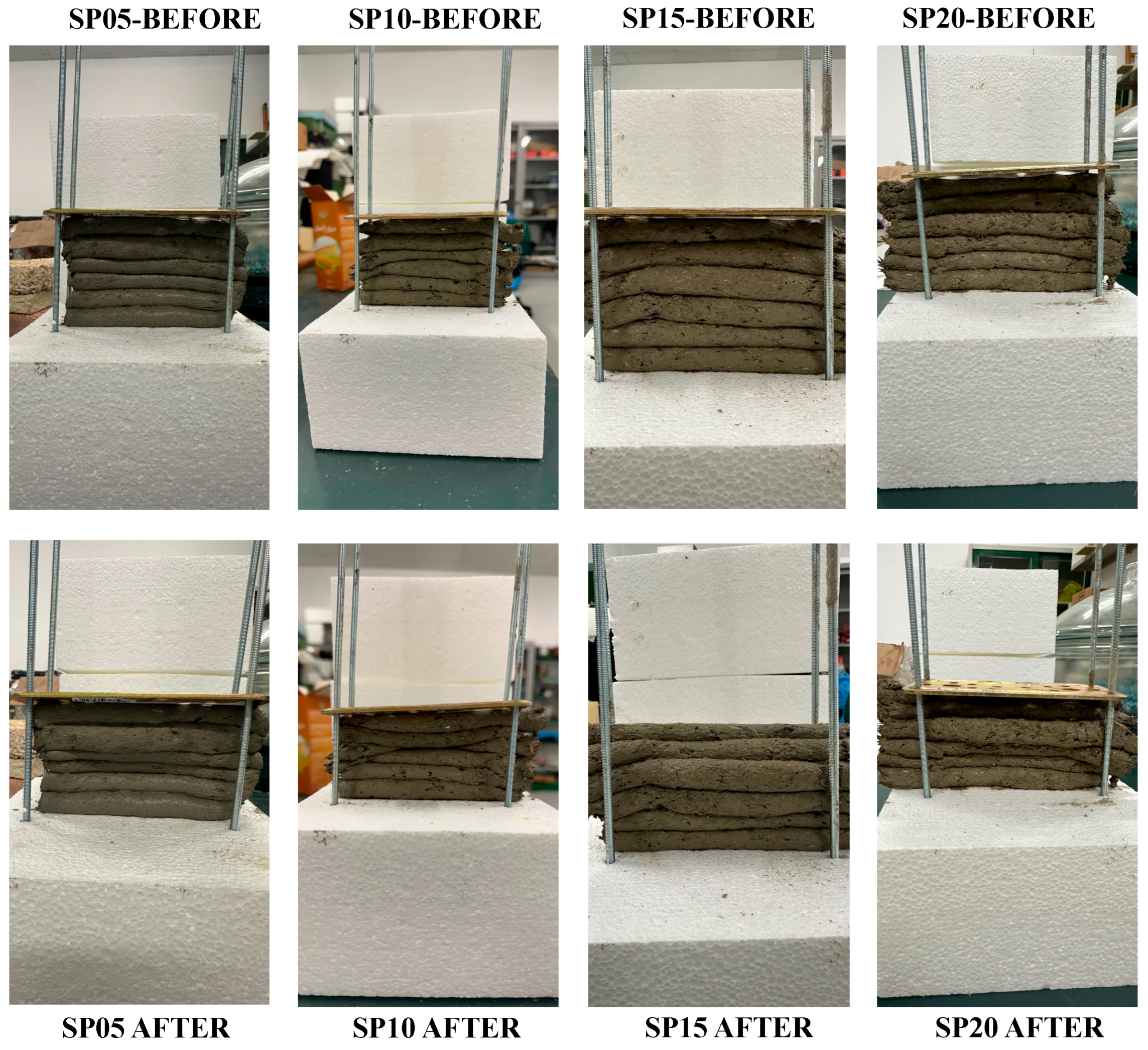
3.3. Buildability
3.4. Compressive Strength of SP15
4. Conclusions
- A systematic and reproducible framework was developed for evaluating the printability of earth-based materials using practical laboratory-scale characterization methods. The proposed methodology enables assessment of flowability, pumpability, extrudability, and buildability without requiring specialized rheological equipment.
- The results confirmed that printability is highly dependent on material composition. In particular, flowability, pumpability, extrudability, and buildability were strongly influenced by the interaction between the clay content, wheat straw fiber content, additive dosage, and water content.
- Increasing the wheat straw fiber content reduced flowability due to increased internal friction and fiber–matrix interactions. Although additional water partially compensated for this effect, excessive fiber and water contents resulted in reduced extrusion quality and nozzle clogging.
- Buildability performance improved with moderate fiber incorporation, demonstrating that an appropriate water–fiber ratio is essential to maintain dimensional stability while preserving adequate flowability during extrusion.
- A field-oriented mix-design methodology was introduced, enabling the development of printable earth-based formulations using simple and accessible testing procedures.
- Among the investigated mixtures, SP15 (82% clay, 15% wheat straw fiber, 3% additive, and 35% water) exhibited the most favorable balance between workability and mechanical performance. This mixture achieved the lowest buildability height reduction (17.14%), indicating superior shape retention and structural stability immediately after extrusion.
- While fiber reinforcement enhanced dimensional stability and reduced deformation, excessive fiber content negatively affected flowability and layer continuity, highlighting the need for an optimized fiber dosage in printable earth-based mixtures.
- The proposed methodology contributes to the standardization and validation of printable earth-based materials and supports their application as sustainable, low-carbon alternatives for large-scale additive manufacturing in construction.
Author Contributions
Funding
Data Availability Statement
Conflicts of Interest
References
- Röck, M.; Saade, M.R.M.; Balouktsi, M.; Rasmussen, F.N.; Birgisdottir, H.; Frischknecht, R.; Habert, G.; Lützkendorf, T.; Passer, A. Embodied GHG emissions of buildings—The hidden challenge for effective climate change mitigation. Appl. Energy 2019, 258, 114107. [Google Scholar] [CrossRef] [Scilit]
- Talpur, B.D. Circular Building Practices: An Analysis of Environmental Impacts, Challenges, and Opportunities. Ph.D. Thesis, Politecnico di Bari, Bari, Italy, 2025. Available online: https://hdl.handle.net/20.500.14242/213425 (accessed on 20 November 2025).
- Romani, A.; Rognoli, V.; Levi, M. Design, materials, and extrusion-based additive manufacturing in circular economy contexts: From waste to new products. Sustainability 2021, 13, 7269. [Google Scholar] [CrossRef] [Scilit]
- Rocha, D.; Faria, P.; Lucas, S.S. Additive Manufacturing of Earth-Based Materials: A Literature Review on Mortar Composition, Extrusion, and Processing Earth. Materials 2024, 17, 202. [Google Scholar] [CrossRef] [Scilit] [PubMed]
- Labonnote, N.; Rønnquist, A.; Manum, B.; Rüther, P. Additive construction: State-of-the-art, challenges and opportunities. Autom. Constr. 2016, 72, 347–366. [Google Scholar] [CrossRef] [Scilit]
- Delgado, M.C.J.; Guerrero, I.C. The selection of soils for unstabilised earth building: A normative review. Constr. Build. Mater. 2007, 21, 237–251. [Google Scholar] [CrossRef] [Scilit]
- Papachristoforou, M.; Mitsopoulos, V.; Stefanidou, M. Evaluation of workability parameters in 3D printing concrete. Procedia Struct. Integr. 2018, 10, 155–162. [Google Scholar] [CrossRef] [Scilit]
- Koutous, A.; Hilali, E. Reinforcing rammed earth with plant fibers: A case study. Case Stud. Constr. Mater. 2021, 14, e00514. [Google Scholar] [CrossRef] [Scilit]
- Faleschini, F.; Trento, D.; Masoomi, M.; Pellegrino, C.; Zanini, M.A. Sustainable mixes for 3D printing of earth-based constructions. Constr. Build. Mater. 2023, 398, 132496. [Google Scholar] [CrossRef] [Scilit]
- Mudi, C.; Gupta, S.; Ek, B. Influence of engineered natural fiber reinforcement in 3D printed earth-based cementitious composites: Fresh and hardened properties. Constr. Build. Mater. 2026, 511, 145317. [Google Scholar] [CrossRef] [Scilit]
- De Wolf, C.; Çetin, S.; Bocken, N. A Circular Built Environment in the Digital Age; Circular Economy and Sustainability; Springer: Berlin/Heidelberg, Germany, 2024. [Google Scholar] [CrossRef] [Scilit]
- Saruhan, V.; Keskinateş, M.; Felekoğlu, B. A comprehensive review on fresh state rheological properties of extrusion mortars designed for 3D printing applications. Constr. Build. Mater. 2022, 337, 127629. [Google Scholar] [CrossRef] [Scilit]
- Muthukrishnan, S.; Ramakrishnan, S.; Sanjayan, J. Technologies for improving buildability in 3D concrete printing. Cem. Concr. Compos. 2021, 122, 104144. [Google Scholar] [CrossRef] [Scilit]
- Roussel, N. Rheological Requirements for Printable Concretes. Cem. Concr. Res. 2018, 112, 76–85. [Google Scholar] [CrossRef] [Scilit]
- Hou, S.; Duan, Z.; Xiao, J.; Ye, J. A review of 3D printed concrete: Performance requirements, testing measurements and mix design. Constr. Build. Mater. 2021, 273, 121745. [Google Scholar] [CrossRef] [Scilit]
- Tourtelot, J.; Ghattassi, I.; Le Roy, R.; Bourgès, A.; Keita, E. Yield stress measurement for earth-based building materials: The weighted plunger test. Mater. Struct. 2021, 54, 6. [Google Scholar] [CrossRef] [Scilit]
- Assunção, J.; Chadha, K.; Vasey, L.; Brumaud, C.; Escamilla, E.Z.; Gramazio, F.; Kohler, M.; Habert, G. Contribution of production processes in environmental impact of low carbon materials made by additive manufacturing. Autom. Constr. 2024, 165, 105545. [Google Scholar] [CrossRef] [Scilit]
- Yousaf, A.; Khan, S.A.; Koç, M. Material, process, and design optimization of local earthen soil reinforced with natural fiber waste and nanoclay for 3DP of functional structures. J. Build. Eng. 2025, 111, 113502. [Google Scholar] [CrossRef] [Scilit]
- Fahfouhi, K.; Matilla, A.L.; Ferrández, D.; Cobo, A.; Varum, H.; Bártolo, H.; Guimarães, A.S. Fibre-Reinforced Earth-Based 3D Printing: A Review of Mechanical Performance and Environmental Sustainability. Appl. Sci. 2026, 16, 3752. [Google Scholar] [CrossRef] [Scilit]
- Dubor, A.; Izard, J.B.; Cabay, E.; Sollazzo, A.; Markopoulou, A.; Rodriguez, M. On-Site Robotics for Sustainable Construction. In Robotic Fabrication in Architecture, Art and Design 2018: Foreword by Sigrid Brell-Çokcan and Johannes Braumann; Association for Robots in Architecture: Vienna, Austria; Springer International Publishing: Berlin/Heidelberg, Germany, 2018; pp. 391–402. [Google Scholar] [CrossRef] [Scilit]
- Ferretti, E.; Moretti, M.; Chiusoli, A.; Naldoni, L.; De Fabritiis, F.; Visonà, M. Mechanical Properties of a 3D-Printed Wall Segment Made with an Earthen Mixture. Materials 2022, 15, 438. [Google Scholar] [CrossRef] [Scilit] [PubMed]
- Schroeder, H. The Future of Earth Building. In Sustainable Building with Earth; Springer: Cham, Switzerland, 2017. [Google Scholar] [CrossRef] [Scilit]
- Mehta, P.K.; Monteiro, P.J.M. Concrete: Microstructure, Properties, and Materials, 3rd ed.; The McGraw-Hill Companies: Berkeley, CA, USA, 2006. [Google Scholar]
- Panda, B.; Lim, J.H.; Tan, M.J. Mechanical properties and deformation behaviour of early age concrete in the context of digital construction. Compos. B Eng. 2019, 165, 563–571. [Google Scholar] [CrossRef] [Scilit]
- IS 1725:1982; Specification for Soil Based Blocks Used in General Building Construction (First Revision). Bureau of Indian Standards (formerly Indian Standards Institution): New Delhi, India, 1982.
- ASTM E2392/E2392M-10; Standard Guide for Design of Earthen Wall Building Systems. ASTM International: West Conshohocken, PA, USA, 2015.
- ASTM C230/C230M-21; Standard Specification for Flow Table for Use in Tests of Hydraulic Cement. ASTM International: West Conshohocken, PA, USA, 2021.
- Pemas, S.; Sougioultzi, K.; Kouroutzidou, C.; Stefanidou, M.; Konstantinidis, A.A.; Pechlivani, E.M. Enhancing Clay-Based 3D-Printed Mortars with Polymeric Mesh Reinforcement Techniques. Polymers 2024, 16, 2182. [Google Scholar] [CrossRef] [Scilit] [PubMed]
- Rückrich, S.; Agranati, G.; Grobman, Y.J. Earth-based additive manufacturing: A field-oriented methodology for evaluating material printability. Archit. Sci. Rev. 2023, 66, 133–143. [Google Scholar] [CrossRef] [Scilit]
- Buson, M.A.; Varum, H.; de Rezende, M.A.P. First Impressions on 3D Printing with Earth-Based Mortar at FEUP. Buildings 2024, 14, 312. [Google Scholar] [CrossRef] [Scilit]
- Perrot, A.; Rangeard, D.; Pierre, A. Structural built-up of cement-based materials used for 3D-printing extrusion techniques. Mater. Struct. 2016, 49, 1213–1220. [Google Scholar] [CrossRef] [Scilit]
- Zhang, Y.; Zhang, Y.; She, W.; Yang, L.; Liu, G.; Yang, Y. Rheological and harden properties of the high-thixotropy 3D printing concrete. Constr. Build. Mater. 2019, 201, 278–285. [Google Scholar] [CrossRef] [Scilit]
- Bui, Q.-B.; Hans, S.; Morel, J.-C.; Mollion, V. Influence of water on the mechanical characteristics of rammed-earth material. In Structural Repairs and Maintenance of Heritage Architecture XII; WIT Press: Billerica, MA, USA, 2011; pp. 565–575. [Google Scholar] [CrossRef] [Scilit]
- Gyawali, B.; Haghnazar, R.; Akula, P.; Alba, K.; Nasir, V. A review on 3D printing with clay and sawdust/natural fibers: Printability, rheology, properties, and applications. Results Eng. 2024, 24, 103024. [Google Scholar] [CrossRef] [Scilit]
- Yousaf, A.; Al Rashid, A.; Koç, M. Parameter tuning for sustainable 3D Printing (3DP) of clay structures. J. Eng. Res. 2024, 13, 1826–1842. [Google Scholar] [CrossRef] [Scilit]
- Diniz, H.A.A.; Martinelli, A.E.; Cabral, K.C.; Ferreira, R.L.d.S.; da Silva, I.F.D. Synergistic effects of the use of metakaolin, sand and water on the properties of cementitious composites for 3D printing. Constr. Build. Mater. 2023, 366, 130277. [Google Scholar] [CrossRef] [Scilit]
- Carcassi, O.B.; Akemah, T.; Ben-Alon, L. 3D-Printed Lightweight Earth Fiber: From Tiles to Tessellations. 3D Print. Addit. Manuf. 2025, 12, 88–97. [Google Scholar] [CrossRef] [Scilit] [PubMed]
- Bailly, G.C.; El Mendili, Y.; Konin, A.; Khoury, E. Advancing Earth-Based Construction: A Comprehensive Review of Stabilization and Reinforcement Techniques for Adobe and Compressed Earth Blocks. Eng 2024, 5, 750–783. [Google Scholar] [CrossRef] [Scilit]
- Salih, M.M.; Osofero, A.I.; Imbabi, M.S. Critical review of recent development in fiber reinforced adobe bricks for sustainable construction. Front. Struct. Civ. Eng. 2020, 14, 839–854. [Google Scholar] [CrossRef] [Scilit]





| Samples | Clay wt% | Wheat Straw Fiber wt% | Additives wt% | Water wt% |
|---|---|---|---|---|
| SP0 | 100 | 0 | 0 | 22 |
| SP3 | 96.5 | 2.5 | 1 | 25 |
| SP5 | 94 | 5 | 1 | 28 |
| SP7 | 90.5 | 7.5 | 2 | 30 |
| SP10 | 88 | 10 | 2 | 31 |
| SP12 | 84.5 | 12.5 | 3 | 33 |
| SP15 | 82 | 15 | 3 | 35 |
| SP17 | 78.5 | 17.5 | 4 | 37 |
| SP20 | 76 | 20 | 4 | 39 |
| Sample | Clay wt% | Wheat Straw Fiber wt% | Additive wt% | Water wt% |
|---|---|---|---|---|
| SP5 | 94 | 5 | 1 | 28 |
| SP10 | 88 | 10 | 2 | 31 |
| SP15 | 82 | 15 | 3 | 35 |
| SP20 | 76 | 20 | 4 | 39 |
| Sample | Water % | Flow % | Water +5% | Flow % |
|---|---|---|---|---|
| SP05 | 28 | 31.40 | 33 | 39.00 |
| SP10 | 31 | 22.80 | 36 | 34.30 |
| SP15 | 35 | 14.30 | 40 | 28.60 |
| SP20 | 39 | 11.40 | 44 | 22.80 |
| Sample | Height Before Test (cm) | Height After Test (cm)—3 Trials | Mean After (cm) | Standard Deviation (SD) (cm) | Height Reduction (%) | Height Reduction ± SD (%) |
|---|---|---|---|---|---|---|
| SP05 | 7.0 | 5.3, 5.2, 5.4 | 5.3 | 0.10 | 24.29 | 24.29 ± 1.43 |
| SP10 | 7.0 | 5.3, 5.4, 5.5 | 5.4 | 0.10 | 22.86 | 22.86 ± 1.43 |
| SP15 | 7.0 | 5.9, 5.8, 5.7 | 5.8 | 0.10 | 17.14 | 17.14 ± 1.43 |
| SP20 | 7.0 | 5.5, 5.6, 5.7 | 5.6 | 0.10 | 20.00 | 20.00 ± 1.43 |
| Sample No. | Peak Load (kN) | Peak Load (lbf) | Compressive Strength (kPa) | Compressive Strength (psi) |
|---|---|---|---|---|
| SP15-1 | 4.75 | 1067 | 792 | 115 |
| SP15-2 | 3.82 | 858 | 637 | 92 |
| SP15-3 | 4.15 | 933 | 692 | 100 |
| Mean value | 707 | 103 |
Disclaimer/Publisher’s Note: The statements, opinions and data contained in all publications are solely those of the individual author(s) and contributor(s) and not of MDPI and/or the editor(s). MDPI and/or the editor(s) disclaim responsibility for any injury to people or property resulting from any ideas, methods, instructions or products referred to in the content. |
© 2026 by the authors. Licensee MDPI, Basel, Switzerland. This article is an open access article distributed under the terms and conditions of the Creative Commons Attribution (CC BY) license.
Share and Cite
Talpur, B.D.; Liuzzi, S.; Cannavale, A.; Martellotta, F. Evaluation of Workability Parameters of Straw-Reinforced Earth-Based Materials for Extrusion-Based 3D Printing. Buildings 2026, 16, 2588. https://doi.org/10.3390/buildings16132588
Talpur BD, Liuzzi S, Cannavale A, Martellotta F. Evaluation of Workability Parameters of Straw-Reinforced Earth-Based Materials for Extrusion-Based 3D Printing. Buildings. 2026; 16(13):2588. https://doi.org/10.3390/buildings16132588
Chicago/Turabian StyleTalpur, Bushra Danish, Stefania Liuzzi, Alessandro Cannavale, and Francesco Martellotta. 2026. "Evaluation of Workability Parameters of Straw-Reinforced Earth-Based Materials for Extrusion-Based 3D Printing" Buildings 16, no. 13: 2588. https://doi.org/10.3390/buildings16132588
APA StyleTalpur, B. D., Liuzzi, S., Cannavale, A., & Martellotta, F. (2026). Evaluation of Workability Parameters of Straw-Reinforced Earth-Based Materials for Extrusion-Based 3D Printing. Buildings, 16(13), 2588. https://doi.org/10.3390/buildings16132588