


Abstract
Project control in cost estimation, time scheduling, and resource accounting remains challenging, particularly when using the open-source Industry Foundation Classes (IFCs) format. This study aims to define the state of the art in integrating these three domains. A systematic literature review was conducted, using a bibliometric analysis to map and interpret scientific knowledge and research trajectories, and an inductive analysis for a detailed examination of relevant studies. The analysis highlights a lack of clarity in applying the IFC standard across project control domains, as current practices often rely on non-standardized procedures, including incorrect use of classes or properties, creation of unneeded user-defined PropertySets and properties, or reliance on proprietary software. Integration of cost, time, and resource management remains limited, and proposed technological solutions generally require coding skills that typical professionals do not possess. Additional challenges include fragmented data across multiple databases, manual assignment of time, cost, and resource information, and limited collaboration, all of which are time-consuming and error-prone. There is a critical need for clearer guidelines on IFC usage to enable standardized procedures and facilitate the development of IFC-based tools. Automating these labor-intensive tasks could improve efficiency, reduce errors, and support broader adoption of integrated project control practices.
1. Introduction
Project control encompasses systematic processes for planning, measuring, monitoring, and managing project performance to ensure that objectives related to time, cost, scope, and quality are achieved. This study focuses specifically on time scheduling (4D), cost estimating, and resource accounting (5D). Time scheduling involves organizing and sequencing project activities to ensure efficient task execution, as well as monitoring progress to manage advances or delays effectively. However, traditional manual approaches to inspection planning are highly labor-intensive, error-prone, and inefficient [1,2,3]. In conventional workflows, construction schedules largely depend on the knowledge and expertise of designers and are often created manually. The introduction of 4D Building Information Modeling (BIM) has addressed several limitations of traditional project management practices by enhancing scheduling capabilities through the visualization of construction processes. It enables the simulation of virtual construction sites, allowing for early detection of potential issues and fostering a shared understanding between stakeholders without relying solely on abstract representations [4]. Nonetheless, even with BIM’s growing adoption, temporal information and scheduling relationships remain dependent on traditional planning tools [5].
Cost estimation, on the other hand, involves predicting the total project cost, typically through the multiplication of item quantities by corresponding unit prices. These cost items may include multiple resource types such as labor, materials, and equipment. Traditional cost estimation methods rely primarily on two-dimensional computer-aided design (CAD) drawings, from which measured data are imported into cost software to compute results. This process is inefficient, as updates to the design require complete recalculation, significantly reducing productivity [6]. Construction projects also depend heavily on the effective management of resources—workers, equipment, and materials—which must be allocated according to the project schedule. Establishing explicit relationships between resources and tasks enables better control of material procurement, storage planning, and workforce management. Moreover, these interrelations are essential not only for managing time and cost but also for enhancing safety, as overcrowding of workers and resources within the same workspace increases the risk of accidents [7]. For these reasons, treating time scheduling, cost estimation, and resource management in an integrated manner is essential to optimize overall project performance, reduce inefficiencies, improve safety on site, and ensure effective coordination between different activities and stakeholders.
Previous studies have highlighted that particularly in the AEC sector, there is a lack of Industry Foundation Classes (IFCs)-based time scheduling [8], cost estimation tools [9], compelling professionals to develop ad hoc procedures to meet their needs. This practice undermines standardization and interoperability, leading to fragmented workflows. The most common approaches to manage time, cost, and resource information include:
- The use of proprietary software, which is often domain-specific and limited in interoperability;
- The use of spreadsheets, which require manual data entry and are prone to error and inefficiency;
- The use of BIM-based workflows, in which model elements are enriched with User Defined parameters such as Work Package (WP) and cost codes. Although BIM enables data export and integration with external tools, these hybrid approaches still compromise interoperability and standardization, resulting in fragmented and tool-dependent processes.
As early as 2013, reference [3] had already identified the difficulty of existing software in recording the relationships between cost information and building model components. This reinforces the need to develop standardized methodologies—preferably based on open data models such as the IFCs—to enhance interoperability across the diverse tools and processes employed in project control. The IFC format provides a shared data structure that enables seamless information exchange across project stages [6]. Within this context, conducting a systematic literature review becomes a crucial step for identifying, analyzing, and synthesizing the scientific contributions aimed at overcoming these limitations. Such a review not only offers a comprehensive overview of the state of the art but also highlights existing research gaps and outlines potential directions for developing more standardized, interoperable, and efficient approaches in the field of project control.
2. Materials and Methods
The entire literature review was conducted with the aim of addressing the following research question: “How can cost estimation, time scheduling, and resource allocation be coordinated within BIM workflows through the IFC standard?” A literature review represents a well-established method for synthesizing the state of the art and identifying opportunities for future research [10]. In the present study, a Systematic Literature Review (SLR) was adopted, characterized by a rigorous and transparent approach that documents the selection and analysis criteria in detail. This methodological framework ensures the replicability of the process by other researchers, thereby enhancing the robustness and reliability of the obtained results.
For the conduct and reporting of the review, the PRISMA guidelines were followed [11], while an inductive approach was adopted for the synthesis and categorization of the articles [12], aiming to derive the main thematic categories directly from the analyzed data.
2.1. Keywords Selection
The keywords were selected with the aim of systematically identifying all articles potentially capable of addressing the initial research question. Figure 1 presents the keywords included in the search query used to interrogate the databases. For the sake of clarity, the query and its corresponding terms were organized into conceptual blocks: the first encompasses contributions related to BIM and IFC, while the subsequent blocks gather domains concerning cost estimation, time scheduling, and resource allocation. This structured approach allows for the identification of relevant literature while ensuring a systematic and coherent methodology aligned with the research objectives.
Figure 1.
Organization of keywords used in the query, grouped into conceptual blocks to illustrate thematic relationships and highlight the structure of the research focus.
2.2. Articles Selection
The research was conducted using two of the main international bibliographic databases, Scopus and Web of Science, and the last search was performed in October 2025. For each platform, a preliminary phase of article selection and exclusion was conducted using the available filters, in accordance with the criteria applied through the filtering options provided by each database:
- Publication period: Only contributions published after 2012 were considered, as the IFC4 version [13] was released in 2013, introducing substantial changes to classes related to time and resources compared to the previous IFC2x3 version [14]. Among the most substantial changes is the introduction of new classes in the process domain, including IfcTypeProcess, IfcEvent, IfcEventType, IfcTaskType, IfcProcedureType, and IfcWorkCalendar. In addition, IfcTask was modified through the introduction of the attributes TaskTime and PredefinedType, which are associated with the new classes IfcTaskTime and IfcTaskTypeEnum. In the cost domain, the IfcCostItem entity was extended by adding the attributes PredefinedType, CostValue, and CostQuantities, while several attributes were removed from the IfcCostSchedule entity. With regard to the resource accounting domain, new classes were introduced, such as IfcConstructionResourceType and its related subclasses, and existing classes were revised: the attributes Usage, BaseCosts, and BaseQuantity were added to IfcConstructionResource, and the attribute PredefinedType was added to all its subclasses. In light of these changes, which not only affect the data model but may also influence methodologies, the authors decided to exclude literature based on the IFC2x3 schema.
- Language: Only articles published in English were included.
- Disciplinary areas: Given the different thematic classifications adopted by the two databases, related disciplinary areas were selected despite differing names. In Scopus, contributions from the fields of Engineering, Computer Science, and Business, Management, and Accounting were included. In Web of Science, articles classified under Engineering Civil, Construction Building Technology, Engineering Multidisciplinary, Computer Science Interdisciplinary Applications, Management, Multidisciplinary Sciences, Computer Science Information Systems and Computer Science Software Engineering were considered.
- Document type: All types of contributions were accepted (journal articles, conference proceedings, etc.) since in the construction sector, best practices and methodological developments are frequently presented in conferences or published in specialized technical texts.
Subsequently, the results from the two databases were merged, and duplicates were removed. During the screening phase, titles, abstracts, and keywords of the remaining articles were analyzed to distinguish eligible contributions from irrelevant ones. Articles deemed relevant and available in full-text were analyzed in their entirety, applying the following exclusion criteria:
- Reason 1: Articles must address topics related to project management, with particular reference to time scheduling, cost estimation, or resource calculation.
- Reason 2: Articles must be based on at least the IFC4 version or later, as process classes underwent substantial changes compared to IFC2x3. In cases where the IFC version was not specified, the most recent available version was assumed.
- Reason 3: Articles must be relevant to the objectives of the review, excluding contributions that are overly generic or lacking in insights pertinent to the research.
Figure 2 presents the PRISMA diagram showing all the steps used to identify the studies included in this SLR.
Figure 2.
PRISMA flow diagram.
2.3. Articles Analysis
The selected articles were initially examined from a quantitative perspective through a bibliometric analysis, with the objective of identifying the main research trends, emerging areas, and gaps within the reviewed literature. Subsequently, a qualitative analysis was conducted following an inductive approach [12]. Since no suitable reference frameworks were identified to support a deductive evaluation of the collected contributions, the inductive method was adopted to synthesize the raw data and highlight key themes and underlying processes. This approach was based on a coding procedure driven by the research objectives. During this phase, the elements of interest identified in the literature were coded and subsequently organized into conceptual categories. Once the categories and corresponding codes were defined, all included articles were systematically assessed according to these codes, as reported in Table 1. The coding process and the paper assessment were discussed between all authors to ensure consistency and a shared interpretation. Most codes were binary (0 or 1) and based on objective criteria; therefore, they did not require discussion between the authors. For cases involving a degree of subjective interpretation (e.g., issues), when discrepancies in coding arose, the authors re-examined the paper and discussed the differences. Following the discussion, each author assigned a value between 0 and 1 indicating their level of confidence in their assessment. A coding decision was considered valid if the mean value exceeded 0.5; otherwise, it was not accepted.
Table 1.
Categories and codes of the inductive analysis.
2.3.1. Project Control Fields
The first aspect examined concerns the domains addressed in the analyzed studies. This analysis makes it possible to identify the main thematic areas considered by the authors, highlighting both consolidated and emerging domains. The three subcategories identified are: “Costs”, “Tasks”, and “Resources.” Each article was evaluated according to the relevant subcategory and the manner in which the IFC standard is employed. Specifically, the following cases were coded: creation of new UserDefined classes; definition of PropertySets or UserDefined properties; improper use of the IFC standard (i.e., use of inappropriate classes, relationships, or attributes belonging to the IFC2x3 version); declaration of IFC use without explanation of its implementation (making it impossible to assess consistency with the standard); adoption of alternative data models; and lack of specification of the model employed. This coding scheme was applied consistently across all three subcategories.
The analysis of the number of subcategories addressed by each contribution enables an understanding of which domains are most extensively investigated in the literature, how they are interconnected, and to what extent clarity or ambiguity exists in the use of the IFC standard.
2.3.2. Data Format
The analyzed formats [15] were classified into two main categories:
- Collaborative formats: Designed to enable multiple users to modify, visualize, and share the same file simultaneously. Within the analyzed corpus, this category includes Semantic Web–based formats, such as those using the IfcOWL ontology [16,17] or other ontologies, as well as formats typically employed in web programming, including IfcXML [18,19] and relational databases (DBs) such as IfcSQL [20], IfcJSON [21], and HDF5 [22,23].
- Static formats: Designed without support for simultaneous multi-user editing. This category also includes proprietary formats which, to be effectively shared, require conversion into an open format, most commonly IFC STEP [24].
With regard to the IfcZIP format, it was not considered, as it merely represents a compressed version of IFC Step Physical File (IFC-SPF) or IfcXML formats, which is useful for reducing file size and improving performance.
2.3.3. Technological Solutions
Within this dimension, the methodologies proposed by the selected studies were examined, as they aim to address specific issues through the development or use of dedicated software tools and algorithms. The underlying technologies of these solutions were identified and subsequently classified, with the objective of determining the main emerging trends and predominant technological paradigms. This analysis also serves as a potential indicator of the technological maturity of the solutions currently available on the market: a strong reliance on in-house software or algorithm development would indeed highlight the lack of consolidated and reliable solutions already commercially available.
2.3.4. Accessibility of Technological Solutions
The user requirements determine the accessibility of proposed solutions and define the potential they have for users:
- Requires specific coding skills: This category includes papers that describe solutions based on code development, which require specific programming skills for implementation and use, such as knowledge of programming languages (e.g., Python, Java, C, C#, C++, etc.), database query languages (e.g., SQL, Semantic Web technologies), or visual programming languages (e.g., Dynamo for Revit, Grasshopper, etc.).
- Generic usability: This code includes papers that present software or applications with an intuitive graphical user interface (GUI) that are designed to be usable by individuals without advanced technical skills, and therefore without requiring knowledge of programming languages or database query languages.
2.3.5. Issues
This category highlights the explicitly reported problems emerging from the reviewed papers. Only explicit statements were considered in order to avoid interpretation bias. The main issues identified are:
- Need to use databases for information reuse: Collecting and organizing data across projects is highly time-consuming. Information reuse reduces workload and fosters standardization.
- Need for collaborative working: Real-time collaboration through shared platforms is required to eliminate manual file exchange.
- Lack of interoperable software: No specific tools are available to guarantee interoperability within the considered domains.
- Lack of automation: The absence of automated processes perpetuates manual practices, which are time-consuming and error-prone.
- Fragmentation into multiple databases: The reliance on different platforms, software, or databases leads to data dispersion, preventing integrated management.
- Manual assignment of time, cost, and resources (T, C, R): Such assignments are labor-intensive and error-prone, calling for automated or optimized solutions to improve user experience.
- Need to update data in real time: Real-time updates are critical to ensure consistency across team members and enable timely, accurate decision-making.
- Insufficiently developed IFC data model: The IFC standard is perceived as incomplete, often requiring extensions that reduce standardization.
- Lack of integration between scheduling, costs, and resources: No tools exist that provide coordinated and integrated management of these domains.
- Risks associated with proprietary tools: The use of proprietary software can lead to data loss during format conversions, as the process is not under user control.
- Lack of standardized procedures: There is no consensus on how to manage process control domains (individually or in combination), resulting in fragmented and non-standardized practices.
3. Results
As described in Section 2, the selected literature was first analyzed quantitatively through a bibliometric analysis, followed by a qualitative analysis conducted using an inductive approach [12]. The results obtained from both analyses are presented and discussed in the following sections.
3.1. Bibliometric Analysis
Bibliometric analysis represents an advanced methodological tool for mapping and interpreting scientific knowledge and research trajectories, enabling the systematic examination of large volumes of unstructured data. It allows for the development of an overall understanding of the analyzed corpus, the identification of knowledge gaps, and the representation of the main emerging trends in scientific production [25]. In this study, this approach was applied to the 653 papers screened.
Figure 3 shows an increasing temporal trend in recent years, indicating growing interest in these themes, with a peak observed in 2024. Data for 2025 are included for completeness; however, as they are partial because the year is not yet concluded, they are excluded from the analysis to avoid introducing bias.
Figure 3.
Annual Scientific Production.
As illustrated in Figure 4 and Table 2, the geographical distribution of scientific output related to the analyzed topics shows significant concentrations in China, the USA, Germany, South Korea, the UK, and several other countries. Notably, China exhibits a substantial gap compared to the other countries, with more than twice the output of the second-ranked country. This pattern suggests the presence of research policies and public governance strategies that actively promote the adoption of BIM and IFC-based methodologies.
Figure 4.
Scientific Production by Country.
Table 2.
Scientific Production by Country.
The subsequent analyses are based on the keywords used by the authors in the paper screened. To ensure greater consistency and representativeness of the results, a terminological normalization process was carried out by grouping synonymous or semantically equivalent terms, as shown in Table 3. This operation was deemed necessary to avoid an artificial fragmentation of the data and to produce more reliable and interpretable graphical representations, while reducing lexical redundancy.
Table 3.
Synonyms list.
The temporal evolution of the keywords, shown in Figure 5, reveals a generally linear and increasing trend for “BIM” and “IFC,” indicating growing interest in these topics. In contrast, keywords such as “Cost Estimation” and “Time Scheduling” exhibit only a minimal upward trend, which is negligible. This suggests that these themes are largely underexplored by authors, highlighting a potential research gap.
Figure 5.
Word’s frequency over time.
Figure 6 shows that the most prominent keywords are “BIM,” “IFC,” and “architectural design,” with a strong direct relationship between “BIM” and “IFC.” Two distinct clusters are evident: the red cluster, which focuses on BIM, IFC, interoperability, and other data-related themes, and the blue cluster, which pertains more to design and management within the construction domain. Among the keywords of interest used in the query, as reported in Figure 1, only the “Cost Estimation” node appears. Given the results of the preceding bibliometric analysis, this outcome is expected. The fact that “Cost Estimation” is the sole node represented, compared to potential nodes related to time scheduling or resource accounting, indicates that among these three domains, cost estimation is the most extensively addressed in the literature.
Figure 6.
Co-occurrence network.
Figure 7 shows that the two predominant keywords are “BIM” and “IFC,” which is consistent with the search criteria used in the databases. Among the most relevant keywords, “Cost Estimation” appears, but plays a marginal role. Keywords related to time scheduling and resource accounting are absent, reinforcing the notion that cost estimation is the most frequently addressed domain, while the other areas remain underexplored, potentially indicating a research gap.
Figure 7.
Tree map.
3.2. Inductive Analysis
In this section of the results, the categories will be discussed individually and the corresponding findings analyzed.
3.2.1. Project Control Fields
Figure 8 graphically illustrates the results of this analysis, showing that 25.6% of the selected articles address these domains in an integrated manner [2,9,26,27,28,29,30,31]. The remaining majority of studies tend to focus on a single domain, highlighting a prevalent tendency toward disciplinary specialization rather than cross-domain integration.
Figure 8.
Categorization of domains addressed in the analyzed papers.
Subsequently, an analysis of the data models adopted in the reviewed documents was conducted, distinguishing them across the three considered domains. Figure 8 presents the percentage of papers that employ a specific data model, calculated over the total number of articles addressing each domain. For this evaluation, reference was consistently made to the IFC 4.3_ADD2 standard [32], to previous works or the 4D domain [8,33], and to studies by [9,34,35] for the 5D domain. The analysis reveals that the literature lacks a clear and shared understanding of how to apply the IFC standard within these domains. In many cases, alternative data models are adopted, the model is not explicitly specified, or UserDefined classes are used instead. Furthermore, by cross-referencing the data shown in Figure 8 and Figure 9, it was found that among the papers addressing costs, tasks, and resources in an integrated way, only one correctly implements the standard [2]. For the individual domains of tasks, costs, and resources, 17%, 13%, and 43% of the analyzed papers correctly and consistently apply the standard, respectively, as reported in Table 4.
Figure 9.
Proportion of studies utilizing a specific data model in each domain, highlighting variation in data–model adoption across the literature.
Table 4.
Papers that use the IFC standard correctly.
Several studies have explored different approaches to applying or extending the IFC data model across the domains of costs, tasks, and resources. Reference [9] proposes a structure for IFCs to translate unstructured price list items into a standardized representation by employing IfcCostItem and IfcConstructionResource classes. Reference [30] correctly implements both resource and task domain classes, including their respective IfcType entities. Reference [36] utilizes Blender with the Bonsai extension, enabling the creation of a time schedule modeled as a hierarchy of IfcTask elements linked to IfcCostItem. Similarly, ref. [37] introduces an automated system that semantically enriches BIM models, correctly applying the IFC data model to represent time and resource domains while integrating other ontologies for property management. Reference [38] proposes a novel model of reusable process patterns based on IfcTaskType, complemented by UserDefined PropertySets and Properties that integrate IfcConstructionResource and site layout information to enhance scheduling within a unified BIM environment. Reference [28] develops a library of prefabricated structural components encompassing semantic data on geometry, processes, resources, production costs, and construction sites, correctly illustrating the relationship between IfcTask and IfcConstructionResource. Likewise, ref. [2] designs an automated progress monitoring framework based on IFC through a web application that interrelates entities across these domains.
Beyond these examples, other studies extend the IFC data schema by introducing new entities to represent cost, time, or resource information [26,27] or by adding UserDefined PropertySets or Properties [4,38,39,40,41,42]. Conversely, several works employed IFC files merely as databases to extract quantities, entities, or spatial positioning, adopt alternative data schemas for their domains of interest, fail to specify how IFC is applied, or use the schema inconsistently.
3.2.2. Data Format
As illustrated in Figure 10, the analysis reveals that the STEP format is the most widely adopted across all domains, particularly for geometric representations, followed by proprietary formats. Collaborative formats, while still marginally explored, demonstrate considerable potential for future development. Notably, even within a query restricted to publications referencing the open IFC format, proprietary formats emerge as the second most frequently employed, underscoring a persistent reliance on non-open solutions.
Figure 10.
Distribution of data formats used across the analyzed papers.
Although collaborative data formats remain uncommon, some noteworthy experimental applications exist. For instance, reference [43] employed IfcXML to facilitate efficient querying of IFC models through the XQuery language. Their system automatically re-evaluates queries and notifies users when model updates occur, ensuring synchronization between data and analysis. Relational databases—characterized by a well-defined data structure, robust theoretical foundations, and the use of Structured Query Language (SQL) as a standardized interface [6]—are only marginally represented among the reviewed studies. Reference [44], however, utilized SQL to develop a web- and database-supported framework designed to overcome the limitations of file-based methods. Their approach enabled visualization and real-time sharing of 4D BIM models by linking Work Breakdown Structure (WBS) codes with BuildingElement identifiers (GUIDs) through automated chart-based integration. The system continuously updated task status values and provided users with dynamic, interactive web interfaces for managing progress, thereby maintaining up-to-date project information.
As shown in Figure 10, none of the analyzed studies employ Semantic Web technologies using the IfcOWL ontology. This absence can likely be attributed to the high structural complexity of the IFC standard [42] and the lack of integration with project management tools [45], factors that have led researchers to apply Semantic Web techniques with alternative ontologies instead. Reference [42], for example, proposes a graph-database-based framework that maps IFC-based construction management data into a task-centered network. This network enables efficient retrieval and interoperability between tasks, resources, costs, and scheduling information, facilitating real-time collaboration between project participants. The system supports bidirectional data exchange by exporting IFC files generated from graph traversal, thus achieving true round-tripping between graph-based information networks and IFC-based 4D models. Similarly, ref. [45] identified deficiencies in existing data schemata for representing hierarchical structures and process dependencies in construction schedules. To address this, they introduced a minimal ontology specifically designed to formalize construction process hierarchies and their relationships. In another study, ref. [46] developed a method for deconstructing IFC models to build a Deconstruction Knowledge Graph, which was updated through automated reasoning and subsequently used to generate Gantt schedules for Primavera P6, later converted into IfcTask entities via Blender’s Bonsai extension. Furthermore, ref. [37] proposes a cost-domain classification system to support coding implementation in BIM systems, suggesting ontology-based semantic modeling to represent domain knowledge for cost estimation workflows.
Among the reviewed studies, no evidence was found for the use of HDF5 or IfcJSON formats.
3.2.3. Technological Solutions
As illustrated in Figure 11, the analysis presents the percentage distribution of technological solutions adopted in the reviewed papers. Among proprietary software for time scheduling, the most commonly used tools include Bentley Synchro PRO, Microsoft Project, Oracle Primavera P6, Autodesk Navisworks, Microsoft Excel, Asta Powerproject, and Vico Office. In the domain of cost estimation, Autodesk Navisworks, and Microsoft Excel are the most frequently employed. It should be noted, however, that these lists do not encompass the full range of software solutions available on the market.
Figure 11.
Distribution of technological solutions adopted in the reviewed papers.
Several studies also propose solutions based on open-source software. For example, ref. [46] employed Blender with the Bonsai extension to import Primavera P6 Gantt schedules. Blender—a free and open-source 3D creation suite—was enhanced through Bonsai, an open-source BIM authoring extension that enables the creation, editing, and management of IFC-based BIM data. Upon import, Bonsai automatically converts the schedule into the corresponding hierarchy of IfcTask entities. After linking these tasks to their related building elements, the authors generated a 4D simulation directly within Blender. Similarly, ref. [42] utilized Neo4j, an open-soruce graph database management system optimized for storing and querying graph-structured data. Their approach mirrored IFC models into task-centered networks, facilitating interoperability of construction information between different project stakeholders. Through this method, the database could automatically update data, analyze construction schedules, and visualize 4D construction management models. In another study, ref. [47] used Rt, an open-source software for probabilistic analysis, to obtain unbiased estimates of life-cycle performance and cost. They developed an extension, Rts, which translates construction costs, environmental impacts, and occupant well-being into cost values, using BIM as a link between building components and the FEM (Finite Element Method) model. The FEM model is generated directly from the BIM environment, and scenario models reference the building model at specific lifecycle events—such as construction, seismic activity, or demolition—to calculate total lifetime costs based on stochastic variables.
As shown in Figure 11, many of the reviewed studies developed their own in-house solutions or algorithms, implemented either within open-source or proprietary platforms. For instance, ref. [36] designed a framework based on Blender with the Bonsai extension to manage time scheduling and cost estimation for inspection and maintenance activities. Leveraging Blender’s Python scripting capabilities and the IfcOpenShell library, the authors implemented a script that generates IfcSurfaceFeature elements from JSON files, representing degradation classes. For each of these elements, the system automatically creates corresponding IfcTask and IfcCostItem entities, organized hierarchically. When an IFC model containing geometries with matching names is provided, the system links these geometries to their respective IfcElements, retrieves dimensional data, and calculates associated costs. Additionally, several studies developed custom algorithms within proprietary software environments—such as Dynamo for Revit—or created dedicated plug-ins to extend proprietary software functionalities [6,48].
3.2.4. Accessibility of Technological Solutions
A recurring limitation observed across several studies concerns the level of technological proficiency required to apply the proposed methods in standard professional practice. As shown in Figure 12, many solutions rely heavily on programming skills, often making them inaccessible to practitioners without a background in computer science or software development. Reference [9], for instance, proposes a Python-based framework using the IfcOpenShell library, which automates the association between building elements and their corresponding cost items and enables verification through Information Delivery Specifications (IDSs). However, its implementation presupposes familiarity with scripting environments. Likewise, most studies employing artificial intelligence or machine learning techniques do not include user interfaces, requiring instead advanced technical knowledge unsuitable for non-specialist professionals [7,29,31,41,49,50]. Some research attempts to mitigate this issue by adopting visual programming tools, such as Dynamo for Revit [6,48], which provide a more intuitive workflow but still demand a significant understanding of computational logic. Similarly, ref. [36] integrate Python scripting within Blender to generate IfcSurfaceFeature elements from JSON files, linking them hierarchically to IfcTask and IfcCostItem entities—an approach powerful but still technically complex for non-programmers.
Figure 12.
Accessibility level of the solutions proposed by the analyzed papers.
Conversely, several studies have sought to improve usability by developing software applications or plug-ins equipped with user interfaces, thereby allowing practical implementation without the need for direct coding intervention. A prototype named In-SightBIM-Estimation enables schematic cost estimation and quantity take-off from IFC models through linkage to a cost database [51]. Similarly, IFC-IPM provides a platform for infrastructure projects that integrates scheduling and inspection data to facilitate information exchange and quality management [40]. A web-based visualization system has also been proposed to synchronize 4D BIM data with a central database, supporting real-time collaboration and decision-making during daily construction operations [44]. A design-oriented library system for prefabricated components further extends accessibility by managing process, resource, and cost information across multiple project phases [28]. Other research emphasizes visual and interactive solutions: a web application enabling the editing of time and cost data while displaying 3D progress, Gantt charts, and dashboards enhances project monitoring [2], while immersive desktop Virtual Reality (VR) tools have been developed to support real-time 4D visualization and issue tracking [52]. Additionally, a structural modeling program has been extended to automatically generate finite element models enriched with BIM data, integrating structural, cost, and environmental factors for life-cycle optimization [47]. Although such tools typically require advanced coding during their development, they are designed to be accessible to professionals once implemented, reflecting a growing trend toward more user-friendly, interoperable, and accessible solutions for the construction industry.
3.2.5. Issues
The main challenges identified in the reviewed literature can be grouped into several recurrent themes:
- Need to use databases for information reuse: Centralized repositories and standardized reusable components are advocated to accelerate design processes and streamline information exchange [28,51], significantly reducing the workload of other professionals, particularly in the domains of time scheduling [38] and cost estimation [9,53]. The importance of data reuse has been emphasized in multiple studies, where it is considered a prerequisite for automation [54]. Moreover, structured databases support Artificial Intelligence (AI)-based automatic scheduling [49] and the sharing of successful project templates, thereby enhancing the efficiency in repetitive construction scenarios [1].
- Need for collaborative working: Frameworks based on Semantic Web technologies have been proposed to facilitate multi-stakeholder collaboration [42], while persistent difficulties in achieving effective collaborative design in engineering projects highlight the need for further development in this domain [49].
- Lack of interoperable software: Existing tools do not ensure consistent communication between these domains, resulting in fragmented information flows and inefficient project management. The lack of interoperability between scheduling data, physical objects, and quality information, combined with the unavailability of nD modeling tools compliant with IFC4, significantly hampers seamless data exchange and process automation [5,40]. Moreover, the absence of frameworks capable of continuously estimating project costs in accordance with project progress and Level of Development (LOD), as well as the scarcity of comprehensive strategies for data-based schedule analysis, further exacerbates these interoperability challenges [42,55]. To mitigate these limitations, some research efforts have proposed custom-developed applications or extended the IFC schema through external scripting tools such as IfcOpenShell to enable more flexible and integrated data management [2,9].
- Lack of automation: Automation is essential for enabling scenario comparison and improving the quality of decision-making [47,54], with AI-based approaches playing a central role in addressing this challenge. In the field of cost estimation, many researchers have developed methodologies to overcome issues such as predicting replacement costs [56], automatic cost estimation of concrete and steel elements [55], and quantity take-off of indirectly measurable quantities [53]. In the domain of time scheduling, other studies have focused on automating construction progress monitoring using UAV inspections [3] and optimizing the construction process under structural constraints [29].
- Fragmentation into multiple databases: Several studies identify this issue as a major obstacle to integration. Information on temporal, cost, and geometric aspects is typically distributed across different systems, impeding unified management [5,9,49,56]. This systemic knowledge fragmentation is caused by decentralized information systems, discipline-specific silos, and insufficient collaboration mechanisms between stakeholders [37].
- Manual assignment of time, cost, and resources: It remains a time-consuming and error-prone process [1,9,49,51,57]. Automation in this area has been proposed to enhance accuracy and efficiency, as exemplified by automated quantity take-off (QTO) processes that not only reduce manual effort but also facilitate data reuse across similar building components [53].
- Need to update data in real time: Essential to maintaining consistency, supporting informed decision-making, and reducing the risk of discrepancies between project participants. To address this, frameworks based on Semantic Web technologies have been developed to enable the continuous synchronization of 4D information between stakeholders, thereby improving coordination and data reliability [42].
- Insufficiently developed IFC data model: In several studies is perceived as incomplete or overly rigid for practical implementation. Common adaptations include extensions using UserDefined classes to cover domain-specific requirements [26,27], while the lack of explicit relationships between schedule data and physical objects has been frequently noted [40]. Additional limitations relate to the representation of dynamic scheduling information, as IFC is often unable to capture detailed temporal dependencies [38,42]. The lack of granularity of cost-related entities, such as IfcCostItem and IfcCostValue, has also been criticized [48], although this limitation has been challenged by subsequent work [9]. To address deficiencies in schedule representation, a minimal ontology has been proposed, although the integration of this approach into ifcOWL is questioned due to performance constraints and software compatibility issues [45]. These challenges are likely attributable to the high structural complexity of the IFC standard, which has led some researchers to adopt alternative ontologies for time-scheduling applications [42].
- Lack of integration between scheduling, costs, and resources: Most studies highlight that construction schedules are developed independently of other project information, such as resource availability, costs, or safety constraints [1]. Consequently, software and databases dedicated to different domains often operate as discipline-specific silos, preventing holistic project control and coordinated decision-making [37].
- Risks associated with proprietary tools: Use of proprietary software tools introduces significant risks related to data loss during format conversion, as these processes are often beyond the control of project stakeholders. Reliance on specific software can render 4D BIM models inaccessible once separated from the originating platform, creating inefficiencies in building management and fostering dependence on particular vendors [2]. Moreover, the translation of data from proprietary formats to open standards frequently results in information loss or misinterpretation, further complicating interoperability [45]. The absence of a standardized neutral format continues to pose challenges for reliable information exchange across different software environments [36].
- Lack of standardized procedures: Economic estimation processes are often dependent on the specific software used, leading to variability and a lack of standardization [43]. Additionally, diverse scheduling practices across construction companies, along with differing software preferences and organizational structures, exacerbate this inconsistency and impede the establishment of unified, standardized procedures [45].
4. Discussion
The bibliometric analysis reveals a significant and rapidly accelerating growth in research on BIM and IFC themes, while only a negligible upward trend is observed for cost estimation, time scheduling, and resource accounting. The lack of proportional growth in these areas relative to BIM and IFC suggests that they remain largely underexplored in the literature. This observation is further supported by the limited number of papers selected for the detailed article analysis and by the lack of clarity identified in the literature regarding the proper use of the corresponding IFCs. Among the examined domains, cost estimation appears to be slightly more represented, indicating a marginally higher level of scholarly attention compared to time scheduling and resource accounting.
Although several studies correctly address specific domains of project control in accordance with the IFC standard, it remains a lack of clarity regarding their integrated management. A comparatively higher degree of understanding has been achieved in the domain of construction resources, whereas knowledge of the IFC standard’s potential in cost and task management remains limited—an issue already noted in early research [3]. To date, only a single study has demonstrated an integrated implementation of the IFC standard across these domains [2], though this was not its primary focus. Future developments should therefore aim to explicitly define how these classes can be interlinked, clarifying their relationships and hierarchical structures—for instance, through the adoption of a Cost Breakdown Structure for cost management, a Work Breakdown Structure for scheduling, and a Bill of Quantities for resource management. Moreover, the relationships between IfcEntities and their corresponding IfcTypeEntities must be precisely established to fully exploit the capabilities of the IFC schema. A widespread yet improper practice involves the creation of new property sets to add parameters such as “4D” or “5D,” typically intended to store identifiers linked to work breakdown structures or cost items. This approach, however, conflicts with the IFC specification, which already provides suitable entities for representing such information. The persistence of this issue can be attributed to the limitations of most BIM authoring tools, which lack native support for classes related to time scheduling or cost estimation. Consequently, practitioners frequently resort to text-based parameters exported as custom property sets and properties to circumvent software constraints. It is crucial to note that the prefix Pset_ applies exclusively to property sets formally defined within the IFC standard; therefore, property sets not included in the official specification should not use this convention. Similarly, introducing new classes into the IFC schema represents a substantial modification of the standard and should be undertaken only after rigorous evaluation has demonstrated the insufficiency of existing classes to meet the intended purpose. To preserve semantic consistency, redundant or overlapping classes, attributes, and definitions must be avoided, and the same principle applies to the creation of user-defined properties or property sets. The incorrect application of the standard—combined with the proliferation of custom extensions—results in non-replicable workflows, hampers interoperability, and ultimately undermines collaboration between professionals and digital systems.
The analysis of data formats adopted across the reviewed studies reveals that the STEP format is the most widely employed across all domains, particularly for geometric representations, followed by proprietary formats. Notably, even within the subset of studies explicitly referencing the open IFC standard, proprietary data formats still emerge as the second most frequently used, underscoring a persistent dependence on non-open solutions. This reliance is primarily due to the limited availability of tools based on the IFC standard, which leads professionals to adopt proprietary ecosystems that lack interoperability with other platforms. Such fragmentation hinders information exchange between stakeholders and results in time-consuming and error-prone practices—such as redoing cost estimations or verifying data integrity after format conversion—often accompanied by data loss. Proprietary formats are also typically shareable only through the corresponding commercial software and operating systems [44], and they are often preferred because a single BIM package can provide a comprehensive set of functionalities, reducing the need to export data to other tools [58]. Despite this, the IFC-SPF format remains the most widely adopted data model in the analyzed literature. While it represents the most established and standardized means of information exchange, it exhibits significant limitations. As a static, file-based format, IFC-SPF restricts multi-user collaboration and real-time data updates, hindering effective teamwork and synchronous project management. The rigidity of IFC-SPF can be attributed to its underlying EXPRESS schema language, developed since 1984 [59]. Given its legacy design, EXPRESS-based models struggle to meet modern requirements for cloud-based collaboration and web compatibility. In response, the upcoming IFC 5 release will introduce a JSON-based structure, improving support for web-native and collaborative workflows. Limitations stated below have led several authors to propose database-centric approaches as a solution, as databases enable the simultaneous modification and updating of information by multiple users [44]. The digitalization of a project within a BIM model, or across an interconnected network of BIM models, can typically be managed internally by the professional team overseeing the design and coordination process. In contrast, cost analysis and time scheduling inherently require closer interaction with additional stakeholders, including external consultants and construction firms, thereby necessitating a more explicitly collaborative approach. Similarly, studies that attempt to leverage IFC within web-based services tend to adopt alternative encodings—such as IfcJSON, IfcXML, or the ontology IfcOWL—which are better suited to online interoperability and dynamic data exchange. Ontologies within the Semantic Web framework offer a promising alternative for enhancing data interoperability and semantic richness. Their modularity allows developers to flexibly combine smaller ontologies to create more complex and comprehensive data schemas, while reusing existing structures to extend functionality. Furthermore, a wide range of RDF (Resource Description Framework)-based tools are freely available for validation, querying, and analysis, facilitating the practical use of ontologies for data integration [45]. For this reason, the Semantic Web approach has been adopted in several studies to describe and exchange construction process data. In particular, ref. [42] used Semantic Web technologies combined with additional ontologies to represent scheduling data, highlighting that the IFC standard’s high structural complexity and low data density pose challenges for data reading, retrieval, and interoperability. SQL-based database systems have also been proposed as an effective means of overcoming the limitations of static file-based data exchange. As demonstrated by [44], database-driven architectures allow multiple users to update and synchronize project data in real time. Developing web applications linked to such databases enables automatic status updates of BIM models, facilitates collaborative decision-making, and reduces dependence on specific commercial BIM software packages. Although no academic studies have been found focusing specifically on IfcJSON, several software developers have released tools that enable the conversion of IFC files into this format. For instance, the Bonsai [60] extension for Blender [61] allows users to export IFC models as IfcJSON, as well as to import and visualize such files. Another tool is the converter distributed by the buildingSMART community [62], which enables bidirectional conversion between IFC and IfcJSON. Owing to its object-oriented structure, IfcJSON is particularly well suited for web-based services and for managing model objects within programming environments, where data can be more efficiently parsed, manipulated, and integrated into other digital workflows. Even if no paper cites HDF5 format implementation, it is an open standard designed for the efficient handling of large datasets. HDF5 offers flexible mechanisms for data modeling in a transparent and self-documenting manner, making it a promising candidate for long-term preservation and interoperability applications [23]. However, at present, such collaborative formats remain marginally explored, despite their considerable potential for future development.
From a technological perspective of the solutions proposed in the analyzed papers, summing the percentage of studies that employ proprietary software alone and those that combine it with in-house solutions or algorithms reveals that the use of proprietary software is quite widespread. This prevalence is largely due to its ease of use, user-friendly interfaces, technical support, and the availability of tutorials. However, it is essential to select solutions that enable seamless integration with other software through open formats, thereby facilitating interoperability [3]. When models rely on specific software environments, the associated information often becomes inaccessible once detached from that software, leading to inefficiencies in building management and fostering dependence on specific vendors [2]. As discussed in previous sections, there remains a lack of solutions that adequately address this issue. Moreover, BIM software packages are often ill-suited to the dynamic requirements of professionals [3,57], resulting in a widespread need to develop in-house tools to overcome specific limitations or to enhance existing functionalities. Consequently, when selecting proprietary software, organizations should prioritize those offering Application Programming Interfaces (APIs) that enable the development of customized and automated procedures. The necessity to create tailored solutions underscores the importance for the research community to share clear and consistent knowledge on how to effectively utilize the IFC data model, fostering a scientific community that relies on a common and standardized data structure. Such standardization would also support future integration of AI-based approaches for the automatic generation of information [6,56]. Additionally, there is a notable lack of open-source software in this field. The only open-source, actively maintained, and practically usable tool identified in this analysis is Blender with the Bonsai extension. Although this represents a powerful solution with extensive built-in functionalities, greater availability of open-source tools would significantly benefit both research and professional practice, reducing dependence on proprietary ecosystems. This further reinforces the need for clarity and research on optimal practices for implementing the IFC standard, in order to promote the development of standardized and widely usable software solutions.
Regarding the accessibility of technological solutions proposed in the analyzed studies, many of the approaches identified require specific coding skills. While these methods often demonstrate strong potential within academic contexts, there is a significant risk that they remain confined to the research domain and fail to reach professional practice. Typical industry professionals usually lack advanced programming expertise and therefore require clear, user-friendly, and efficient software tools tailored to their workflows. It is thus crucial for research to develop and disseminate solutions equipped with intuitive user interfaces, enabling their adoption within professional environments. Such accessibility would not only bridge the gap between research and practice but also enhance the practical impact and value of academic contributions. However, it is noteworthy that solutions offering greater usability are often based on proprietary software. While these tools tend to be easy to use and well-supported, they also inherit the limitations of proprietary ecosystems, including dependence on non-standard data models and restricted interoperability, as their data are typically closed and not exportable to open formats such as IFC.
The literature review reveals a set of recurrent challenges that significantly hinder the advancement of integrated and automated project management workflows. A primary limitation concerns the lack of structured and reusable databases, which prevents efficient information reuse and standardization across projects [28,53,54]. Closely related to this is the fragmentation of data into multiple disconnected systems, which compromises information consistency and limits cross-domain integration [37,49]. Despite the recognized need for collaborative working environments, effective real-time cooperation between professionals remains difficult to achieve, largely due to inadequate interoperability between existing tools [5,42]. The persistence of manual processes for assigning time, cost, and resources to building elements further reinforces inefficiencies, highlighting the limited diffusion of automation in practice [1,53]. In addition, several studies emphasize the insufficient development of the IFC data model, which continues to constrain its applicability for dynamic scheduling, cost management, and resource allocation [38,40,48]. The absence of integrated frameworks capable of linking scheduling, cost, and resource information exacerbates the fragmentation of control processes and impedes holistic project monitoring [1,37]. These technical and methodological shortcomings are further compounded by the risks associated with proprietary software, which restricts data accessibility and interoperability [2,45]. Finally, the lack of standardized procedures across process control domains perpetuates inconsistency in project practices, underscoring the need for unified and transparent management methodologies [43,45].
5. Conclusions
Domains such as time scheduling, cost estimation, and resource accounting play a pivotal role in project control. Traditional manual approaches to managing these aspects are time-consuming, error-prone, and highly dependent on the expertise of practitioners. BIM methodologies can effectively support these domains; however, current industry practices frequently rely on proprietary software, spreadsheets, or custom workflows, which hinder interoperability, standardization, and collaboration. To gain an updated understanding of this topic, a systematic literature review was conducted with the objective of examining how cost estimation, scheduling, and resource allocation can be coordinated within BIM workflows by leveraging the IFC standard.
Publications were first analyzed from a quantitative perspective through a bibliometric study aimed at identifying major research trends, emerging topics, and gaps in the literature. The results indicate that within project control domains, interest exhibits only a negligible positive trend, suggesting that this area remains largely underexplored and may present relevant research gaps.
Subsequently, a qualitative inductive analysis was performed, due to the lack of established frameworks that could support a deductive evaluation of the collected studies. Findings reveal that despite significant efforts to apply the IFC schema across different facets of project control, its implementation remains largely fragmented and uneven. Progress is more evident in resource management, whereas IFC-based scheduling and cost-control applications still exhibit limited adoption and conceptual ambiguity. The absence of explicit guidelines defining how IFCs should interconnect—particularly with reference to established structures such as the Work Breakdown Structure, Cost Breakdown Structure, and Bill of Quantities—continues to impede the development of fully integrated workflows. Moreover, unclear or inconsistent use of the standard, including unnecessary custom property sets or schema extensions, compromises semantic consistency, replicability, and interoperability in practical implementations.
From a data-management standpoint, the prevailing use of IFC-SPF confirms the acceptance of open exchange formats but simultaneously highlights their limitations. Static file structures restrict real-time collaboration and cloud-native implementation, prompting continued reliance on proprietary ecosystems where information remains siloed and difficult to reuse. Alternative encodings—such as IfcJSON, IfcXML, ontology-based representations (e.g., IfcOWL), and database-driven approaches—offer promising solutions to overcome these constraints but remain underexplored in both research and industry practice. The scarcity of open-source software further reinforces dependence on commercial tools that often lack full support for the IFC standard and require custom development to meet professional needs.
Additionally, many of the most advanced solutions proposed in academia still require programming expertise, creating a barrier to adoption in everyday project workflows. The lack of user-friendly and automated interfaces forces practitioners to rely on manual operations when linking time, cost, and resource data with BIM models. As a result, fragmented information, limited interoperability, and inconsistent control processes persist as critical barriers to achieving holistic, efficient, and automated project monitoring. Overall, this work underscores the need for
- Clear implementation guidelines that fully leverage the IFC schema without unnecessary customization.
- Standardized integration frameworks linking cost, schedule, and resource representations: BuildingSMART documentation provides a general framework for how these classes should be related, consistent with the ISO 9000 [63] definition of processes and the ICOM (Inputs, Controls, Outputs, Mechanisms) process diagram. According to ISO 9000, a process is a set of interrelated or interacting activities that use resources to transform inputs into outputs. Resources have associated costs, and the sum of these costs determines the total cost of the process. Proper use of IFCs to implement this logical framework enables the integration of cost, schedule, and resource domains within the IFC standard.
- Technological solutions that support real-time, collaborative data exchange.
- Accessible tools and open-source development, enabling widespread professional use.
- Consistent best practices to enhance data reuse, automation, and semantic consistency.
Advancing these areas will be essential to achieve the intended benefits of BIM-based project control, including improved interoperability, enhanced collaboration, and more efficient project control, and will be addressed in future work.
Author Contributions
Conceptualization, D.A. and C.Z.; methodology, D.A. and C.Z.; software, D.A.; validation, D.A. and C.Z.; formal analysis, D.A.; investigation, D.A.; data curation, D.A.; writing—original draft preparation, D.A.; writing—review and editing, D.A. and C.Z.; visualization, D.A.; supervision, C.Z.; project administration, C.Z.; funding acquisition, C.Z. All authors have read and agreed to the published version of the manuscript.
Funding
This research was funded by PNRR, DM 117/2023.
Acknowledgments
During the preparation of this manuscript/study, the authors used ChatGPT4 and DeepL Translator for the purposes of translation and grammar and spelling check. The authors have reviewed and edited the output and take full responsibility for the content of this publication.
Conflicts of Interest
The authors declare no conflicts of interest.
Abbreviations
The following abbreviations are used in this manuscript:
| AI | Artificial Intelligence |
| API | Application Programming Interface |
| BIM | Building Information Modelling |
| CAD | Computer-aided design |
| DB | Database |
| FEM | Finite Element Method |
| GUI | Graphical User Interface |
| HDF5 | Hierarchical Data Format Version 5 |
| IDS | Information Delivery Specifications |
| IFCs | Industry Foundation Classes |
| IFC-SPF | IFC Step Physical File |
| JSON | JavaScript Object Notation |
| LOD | Level of Development |
| OWL | Ontology Web Language |
| QTO | Quantity Take-Off |
| RDF | Resource Description Framework |
| SLR | Systematic Literature Review |
| STEP | Standard for the Exchange of Product model data |
| SQL | Structured Query Language |
| VR | Virtual Reality |
| WBS | Work Breakdown Structure |
| WP | Work Package |
| XML | eXtensible Markup Language |
References
- Le, T.-T.; Tran, D.-H.; Nguyen, T.A. BIM-Based Framework for Creating Automated Construction Schedules: A Proposed Solution in Vietnam. In The International Conference on Sustainable Civil Engineering and Architecture; Springer: Berlin/Heidelberg, Germany, 2023; pp. 386–394. [Google Scholar]
- Sheik, N.A.; Veelaert, P.; Deruyter, G. Exchanging Progress Information Using IFC-Based BIM for Automated Progress Monitoring. Buildings 2023, 13, 2390. [Google Scholar] [CrossRef] [Scilit]
- Xu, S.; Liu, K.; Tang, L.C. Cost Estimation in Building Information Models. In ICCREM 2013: Construction and Operation in the Context of Sustainability; American Society of Civil Engineers (ASCE): Reston, VA, USA, 2013; pp. 555–566. [Google Scholar]
- Ciribini, A.L.C.; Ventura, S.M.; Paneroni, M. Implementation of an Open and Interoperable Process to Optimise Design and Construction Phases of a Residential Building Project: A Case Study Using BIM in a Public Procurement. In ISARC. Proceedings of the International Symposium on Automation and Robotics in Construction; IAARC Publications: Oulu, Finland, 2015; Volume 32, p. 1. [Google Scholar]
- Kavada, A.; Dharsandiaa, R.; Hosnya, A.; Nik-Bakhta, M. Schedule Quality Assessment for Nd Models Using Industry Foundation Classes. In Proceedings of the International Symposium on Automation and Robotics in Construction (ISARC); IAARC Publications: Edmonton, AB, Canada, 2019; Volume 36, pp. 1050–1056. [Google Scholar]
- Lu, C.; Wang, X.; Nie, L.; Bao, W.; Huang, X.; Yang, F.; Wang, B.; Huang, C. Frame Design of the BIM Based Budget Software of Nuclear Power Projects. J. Comput. Methods Sci. Eng. 2022, 22, 1195–1207. [Google Scholar] [CrossRef] [Scilit]
- Gwak, H.-S.; Shin, W.-S.; Park, Y.-J. Space-Constrained Scheduling Optimization Method for Minimizing the Effects of Stacking of Trades. Appl. Sci. 2021, 11, 11047. [Google Scholar] [CrossRef] [Scilit]
- Avogaro, D.; Berlato, M.; Zanchetta, C. Process Scheduling Application Based on Web Ontology Language Representation of the IFC Schema. In Construction Management Workshop; Springer: Cham, Switzerland, 2024; pp. 125–135. [Google Scholar]
- Cassandro, J.; Mirarchi, C.; Zanchetta, C.; Pavan, A. Enhancing Accuracy in Cost Estimation: Structured Cost Data Integration and Model Validation. J. Inf. Technol. Constr. 2024, 29, 1293–1325. [Google Scholar] [CrossRef] [Scilit]
- Rowley, J.; Slack, F. Conducting a Literature Review. Manag. Res. News 2004, 27, 31–39. [Google Scholar] [CrossRef] [Scilit]
- Page, M.J.; McKenzie, J.E.; Bossuyt, P.M.; Boutron, I.; Hoffmann, T.C.; Mulrow, C.D.; Shamseer, L.; Tetzlaff, J.M.; Akl, E.A.; Brennan, S.E. The PRISMA 2020 Statement: An Updated Guideline for Reporting Systematic Reviews. BMJ 2021, 372, n71. [Google Scholar] [CrossRef] [Scilit]
- Thomas, D.R. A General Inductive Approach for Analyzing Qualitative Evaluation Data. Am. J. Eval. 2006, 27, 237–246. [Google Scholar] [CrossRef] [Scilit]
- buildingSMART Technical IFC4_ADD2_TC1. Available online: https://standards.buildingsmart.org/IFC/RELEASE/IFC4/ADD2_TC1/HTML/ (accessed on 17 September 2025).
- buildingSMART Technical IFC 2x3 TC1. Available online: https://standards.buildingsmart.org/IFC/RELEASE/IFC2x3/TC1/HTML/ (accessed on 17 September 2025).
- IFC Formats. Available online: https://technical.buildingsmart.org/standards/ifc/ifc-formats/ (accessed on 23 September 2025).
- buildingSMART Technical ifcOWL. Available online: https://technical.buildingsmart.org/standards/ifc/ifc-formats/ifcowl/ (accessed on 18 September 2025).
- Pauwels, P.; Terkaj, W. ifcOWL Ontology (IFC4_ADD2). Available online: https://standards.buildingsmart.org/IFC/DEV/IFC4/ADD2/OWL/index.html (accessed on 18 September 2025).
- BuildingSMART ifcXML Implementation Guide V2-0 2007. Available online: https://technical.buildingsmart.org/wp-content/uploads/2018/05/ifcXML-Implementation-Guide-v2-0.pdf (accessed on 18 September 2025).
- ISO 10303-28; Industrial Automation Systems and Integration—Product Data Representation and Exchange. Part 28: Implementation Methods: XML Representations of EXPRESS Schemas and Data, Using XML Schemas. ISO: Geneva, Switzerland, 2007.
- IfcSharp IfcSQL. Available online: https://github.com/IfcSharp/IfcSQL (accessed on 18 September 2025).
- BuildingSMART-Community ifcJSON. Available online: https://github.com/buildingsmart-community/ifcJSON?tab=readme-ov-file (accessed on 18 September 2025).
- ISO 10303-26; Industrial Automation Systems—Product Data Representation and Exchange. Part 26: Implementation Methods: Binary Representation of EXPRESS-Driven Data. ISO: Geneva, Switzerland, 2007.
- Krijnen, T.; Beetz, J. An Efficient Binary Storage Format for IFC Building Models Using HDF5 Hierarchical Data Format. Autom. Constr. 2020, 113, 103134. [Google Scholar] [CrossRef] [Scilit]
- ISO 10303-21; Industrial Automation Systems and Integration—Product Data Representation and Exchange. Part 21: Implementation Methods: Clear Text Encoding of the Exchange Structure. ISO: Geneva, Switzerland, 2016.
- Donthu, N.; Kumar, S.; Mukherjee, D.; Pandey, N.; Lim, W.M. How to Conduct a Bibliometric Analysis: An Overview and Guidelines. J. Bus. Res. 2021, 133, 285–296. [Google Scholar] [CrossRef] [Scilit]
- Liao, L.; Man, Q.; Li, L.; Teo, E.A.L.; Li, X. Improving Construction Schedule and Cost Information Feedback in Building Information Modelling. Proc. Inst. Civ. Eng.-Manag. Procure. Law 2014, 167, 91–99. [Google Scholar]
- Xue, W.; Wang, Y.; Man, Q. Research on Information Models for the Construction Schedule Management Based on the IFC Standard. J. Ind. Eng. Manag. (JIEM) 2015, 8, 615–635. [Google Scholar] [CrossRef] [Scilit]
- Bai, S.; Li, M.; Song, L.; Kong, R. Developing a Common Library of Prefabricated Structure Components through Graphic Media Mapping to Improve Design Efficiency. J. Constr. Eng. Manag. 2021, 147, 04020156. [Google Scholar] [CrossRef] [Scilit]
- Ke, D. BIM (Building Information Modeling) Based Collaborative Design and Construction Process Optimization. Appl. Math. Nonlinear Sci. 2024, 9, 20241649. [Google Scholar] [CrossRef] [Scilit]
- Isatto, E.L. An IFC Representation for Process-Based Cost Modeling; Springer: Berlin/Heidelberg, Germany, 2020; pp. 519–528. [Google Scholar]
- Chen, A.; Wang, X. Construction of Project Management Using Multi-Objective Evolutionary Algorithm with Simulated Binary Crossover; IEEE: New York, NY, USA, 2025; pp. 1–6. [Google Scholar]
- buildingSMART Technical IFC 4.3 ADD2. Available online: https://standards.buildingsmart.org/IFC/RELEASE/IFC4_3/ (accessed on 28 October 2025).
- Avogaro, D.; Berlato, M.; Zanchetta, C. Implementation of IFC-Based Process Models for Collaborative Management of Temporal Scheduling through Linked Data. In Proceedings of the 41st International Conference of CIB W78, Marrakech, Morocco, 2–3 October 2024. [Google Scholar]
- Cassandro, J.; Donatiello, M.G.; Mirarchi, C.; Zanchetta, C.; Pavan, A. Reliability of IFC Classes in Ontology Definition and Cost Estimation of Public Procurement. Comput. Constr. 2023, 1–9. [Google Scholar]
- Cassandro, J.; Donatiello, M.; Mirarchi, C.; Zanchetta, C.; Pavan, A. Consistency Verification Between Cost and Geometric Information Based on IFC: Application on Structural Elements. In 23 International Conference on Construction Applications of Virtual Reality; CONVR: Florence, Italy, 2023; pp. 805–816. [Google Scholar]
- Bellon, F.G.; Martins, A.C.P.; de Carvalho, J.M.F.; de Souza, C.A.F.; Ribeiro, J.C.L.; Júnior, K.M.L.C.; de Oliveira, D.S. IFC Framework for Inspection and Maintenance Representation in Facility Management. Autom. Constr. 2025, 174, 106157. [Google Scholar] [CrossRef] [Scilit]
- Zhang, S.; Zhang, S.; Liu, H.; Wang, C.; Zhao, Z.; Wang, X.; Yan, L. Semantic Enrichment of BIM Models for Construction Cost Estimation in Pumped Storage Hydropower Using Industry Foundation Classes and Interconnected Data Dictionaries. Adv. Eng. Inform. 2025, 68, 103670. [Google Scholar] [CrossRef] [Scilit]
- Yang, B.; Liu, B.; Xiao, J.; Zhang, B.; Wang, Z.; Dong, M. A Novel Construction Scheduling Framework for a Mixed Construction Process of Precast Components and Cast-in-Place Parts in Prefabricated Buildings. J. Build. Eng. 2021, 43, 103181. [Google Scholar] [CrossRef] [Scilit]
- Ciribini, A.L.C.; Ventura, S.M.; Paneroni, M. Implementation of an Interoperable Process to Optimise Design and Construction Phases of a Residential Building: A BIM Pilot Project. Autom. Constr. 2016, 71, 62–73. [Google Scholar] [CrossRef] [Scilit]
- Ding, L.; Li, K.; Zhou, Y.; Love, P.E. An IFC-Inspection Process Model for Infrastructure Projects: Enabling Real-Time Quality Monitoring and Control. Autom. Constr. 2017, 84, 96–110. [Google Scholar] [CrossRef] [Scilit]
- Li, S.; Peng, C.; Chen, G.; Liang, Y.; Xu, Z. Swarm-Intelligence Collaboration Based Regular Scheduling and Dynamic Rescheduling of Precast Component Production: In Prefabricated Building Project Management. Smart Constr. 2025, 2, 1–30. [Google Scholar] [CrossRef] [Scilit]
- Yang, B.; Dong, M.; Wang, C.; Liu, B.; Wang, Z.; Zhang, B. IFC-Based 4D Construction Management Information Model of Prefabricated Buildings and Its Application in Graph Database. Appl. Sci. 2021, 11, 7270. [Google Scholar] [CrossRef] [Scilit]
- Lawrence, M.; Pottinger, R.; Staub-French, S.; Nepal, M.P. Creating Flexible Mappings between Building Information Models and Cost Information. Autom. Constr. 2014, 45, 107–118. [Google Scholar] [CrossRef] [Scilit]
- Park, J.; Cai, H.; Dunston, P.S.; Ghasemkhani, H. Database-Supported and Web-Based Visualization for Daily 4D BIM. J. Constr. Eng. Manag. 2017, 143, 04017078. [Google Scholar] [CrossRef] [Scilit]
- Schlenger, J.; Borrmann, A. Advanced Process Representation for Semi-Automated Linking between Construction Schedules and IFC Files. In Proceedings of the LDAC2024-Linked Data in Architecture and Construction; CEUR-WS.org: Aachen, Germany, 2024. [Google Scholar]
- Allam, A.S.; Nik-Bakht, M. Integrating Industry Foundation Classes and Knowledge Graphs for Automated Deconstruction Planning. J. Build. Eng. 2025, 106, 112564. [Google Scholar] [CrossRef] [Scilit]
- Haukaas, T.; Gavrilovic, S. A Computational Framework for Holistic Life-Cycle Design of Buildings. In Proceedings of the 9th International Structural Engineering and Construction Conference; ISEC: Fargo, ND, USA, 2017; Volume 9. [Google Scholar]
- LLatas, C.; Soust-Verdaguer, B.; Hollberg, A.; Palumbo, E.; Quinones, R. BIM-Based LCSA Application in Early Design Stages Using IFC. Autom. Constr. 2022, 138, 104259. [Google Scholar] [CrossRef] [Scilit]
- Al-Sinan, M.A.; Bubshait, A.A.; Aljaroudi, Z. Generation of Construction Scheduling through Machine Learning and BIM: A Blueprint. Buildings 2024, 14, 934. [Google Scholar] [CrossRef] [Scilit]
- Golmaei, S.; Vahidi, J.; Jamshidi, M. Whale Algorithm for Schedule Optimization of Construction Projects Employing Building Information Modeling. Eng. Rep. 2025, 7, e70022. [Google Scholar] [CrossRef] [Scilit]
- Choi, J.; Kim, I.; Lee, J. Development of Schematic Estimation System Through Linking QTO With Cost DB; Elsevier: Amsterdam, The Netherlands, 2016. [Google Scholar]
- Khorchi, A.; Boton, C. An OpenBIM-Based 4D Approach to Support Coordination Meetings in Virtual Reality Environments. J. Build. Eng. 2024, 85, 108647. [Google Scholar] [CrossRef] [Scilit]
- Fürstenberg, D.; Hjelseth, E.; Klakegg, O.J.; Lohne, J.; Lædre, O. Automated Quantity Take-off in a Norwegian Road Project. Sci. Rep. 2024, 14, 458. [Google Scholar] [CrossRef] [Scilit]
- Kim, H.; Orr, K.; Shen, Z.; Moon, H.; Ju, K.; Choi, W. Highway Alignment Construction Comparison Using Object-Oriented 3D Visualization Modeling. J. Constr. Eng. Manag. 2014, 140, 05014008. [Google Scholar] [CrossRef] [Scilit]
- Rouhanizadeh, B.; Kermanshachi, S.; Ramaji, I.J.; Shakerian, S. Development of an Automated Tool for Cost Estimation of Transportation Projects. In International Conference on Transportation and Development; American Society of Civil Engineers (ASCE): Reston, VA, USA, 2021; pp. 178–190. [Google Scholar]
- Kim, H.; Kim, J. A Case-Based Reasoning Model for Retrieving Window Replacement Costs through Industry Foundation Class. Appl. Sci. 2019, 9, 4728. [Google Scholar] [CrossRef] [Scilit]
- Wang, L.; Sandhu, H.K.; Han, K.; Gupta, A. Digital Engineering Workflow for Effective Management of ITAAC Using Text Analytics and 4D BIM Concept for Construction of Nuclear Power Plants. Nucl. Eng. Des. 2025, 441, 114147. [Google Scholar] [CrossRef] [Scilit]
- Ustinovičius, L.; Puzinas, A.; Starynina, J.; Vaišnoras, M.; Černiavskaja, O.; Kontrimovičius, R. Challenges of bim technology application in project planning. Eng. Manag. Prod. Serv. 2018, 10, 15–28. [Google Scholar] [CrossRef] [Scilit]
- Anderl, R.; John, H.; Pütter, C. EXPRESS. In Handbook on Architectures of Information Systems; Bernus, P., Mertins, K., Schmidt, G., Eds.; Springer: Berlin/Heidelberg, Germany, 1998; pp. 59–79. ISBN 978-3-662-03526-9. [Google Scholar]
- IfcOpenShell Bonsai. Available online: https://bonsaibim.org/index.html (accessed on 18 September 2025).
- Blender Foundation Blender. Available online: https://www.blender.org/ (accessed on 18 September 2025).
- Buildingsmart-Community. Buildingsmart-Community/ifcJSON. Available online: https://github.com/buildingsmart-community/ifcJSON (accessed on 18 September 2025).
- ISO 9000; Quality Management Systems—Fundamentals and Vocabulary. ISO: Geneva, Switzerland, 2015.
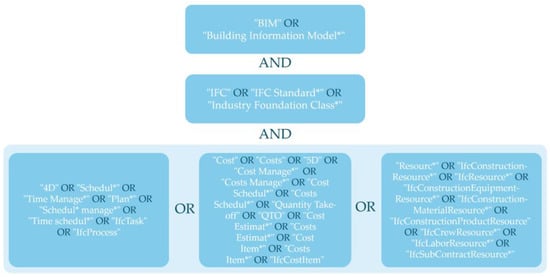
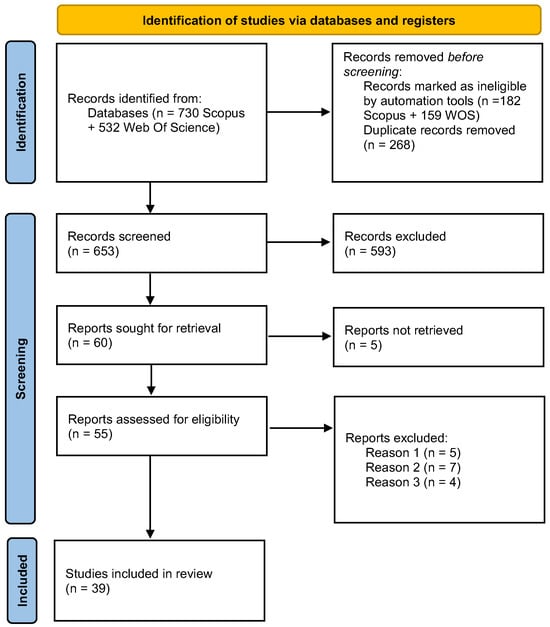
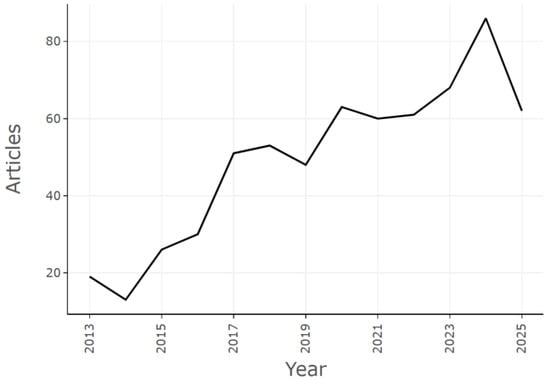
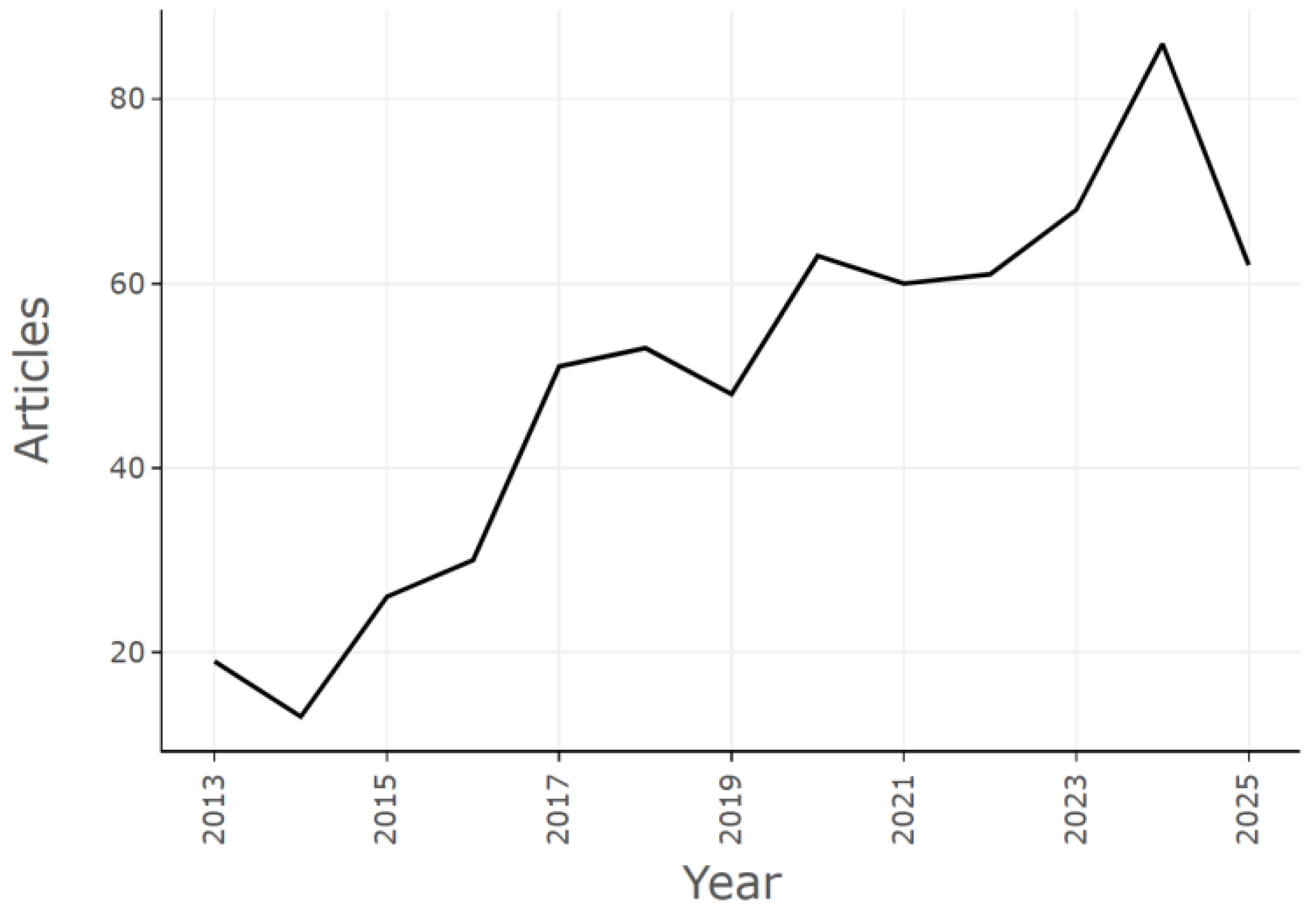
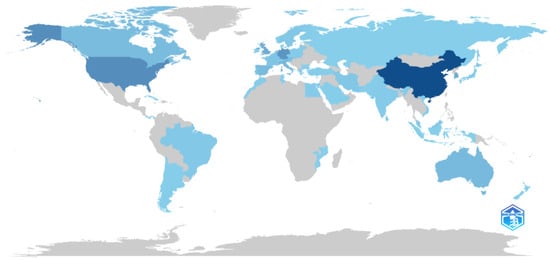
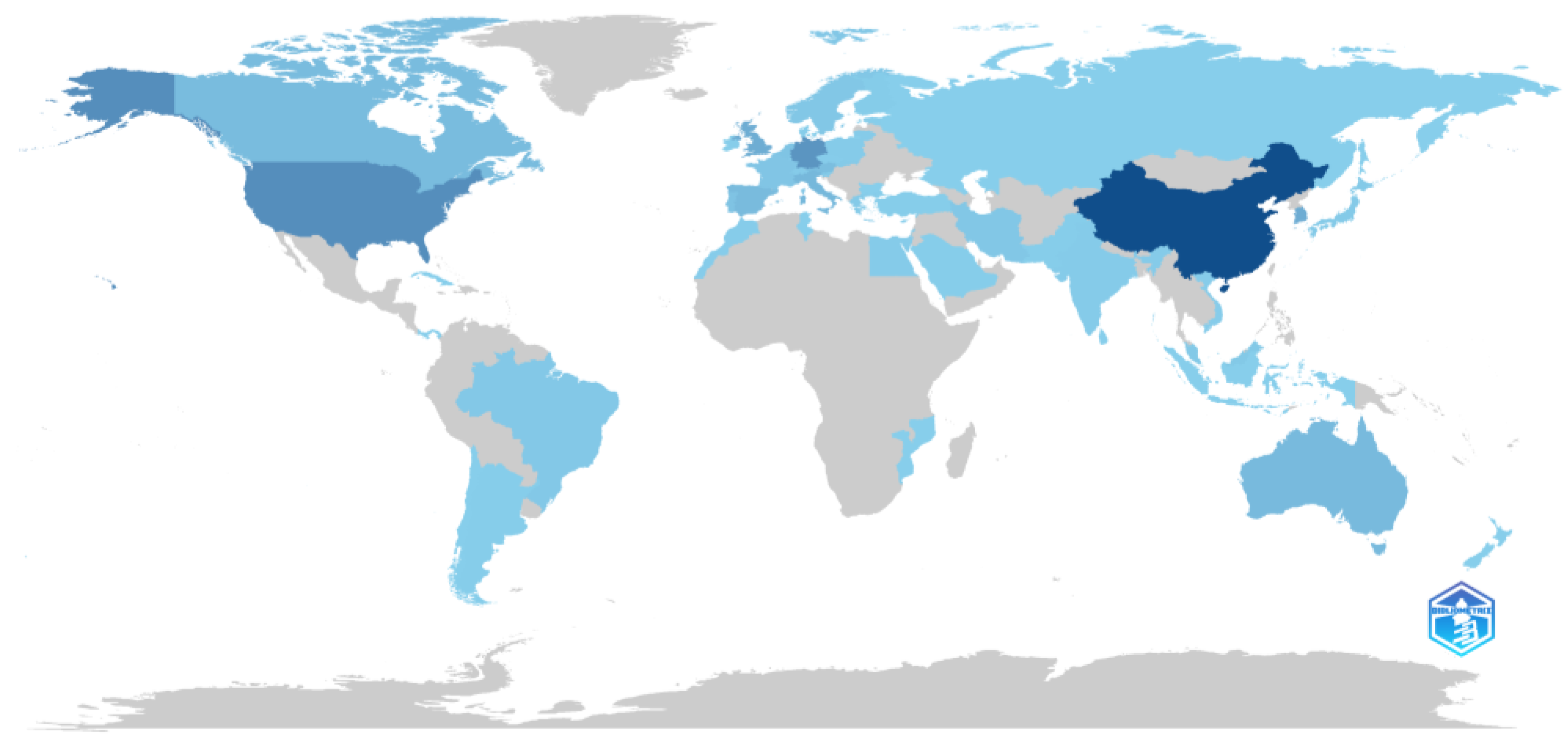
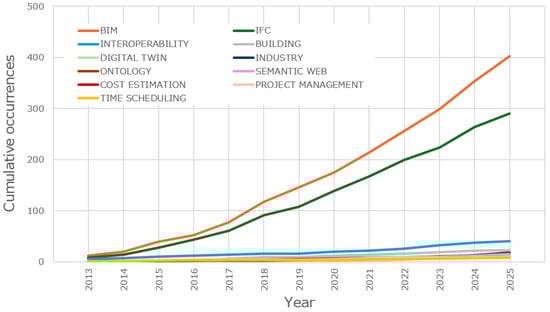
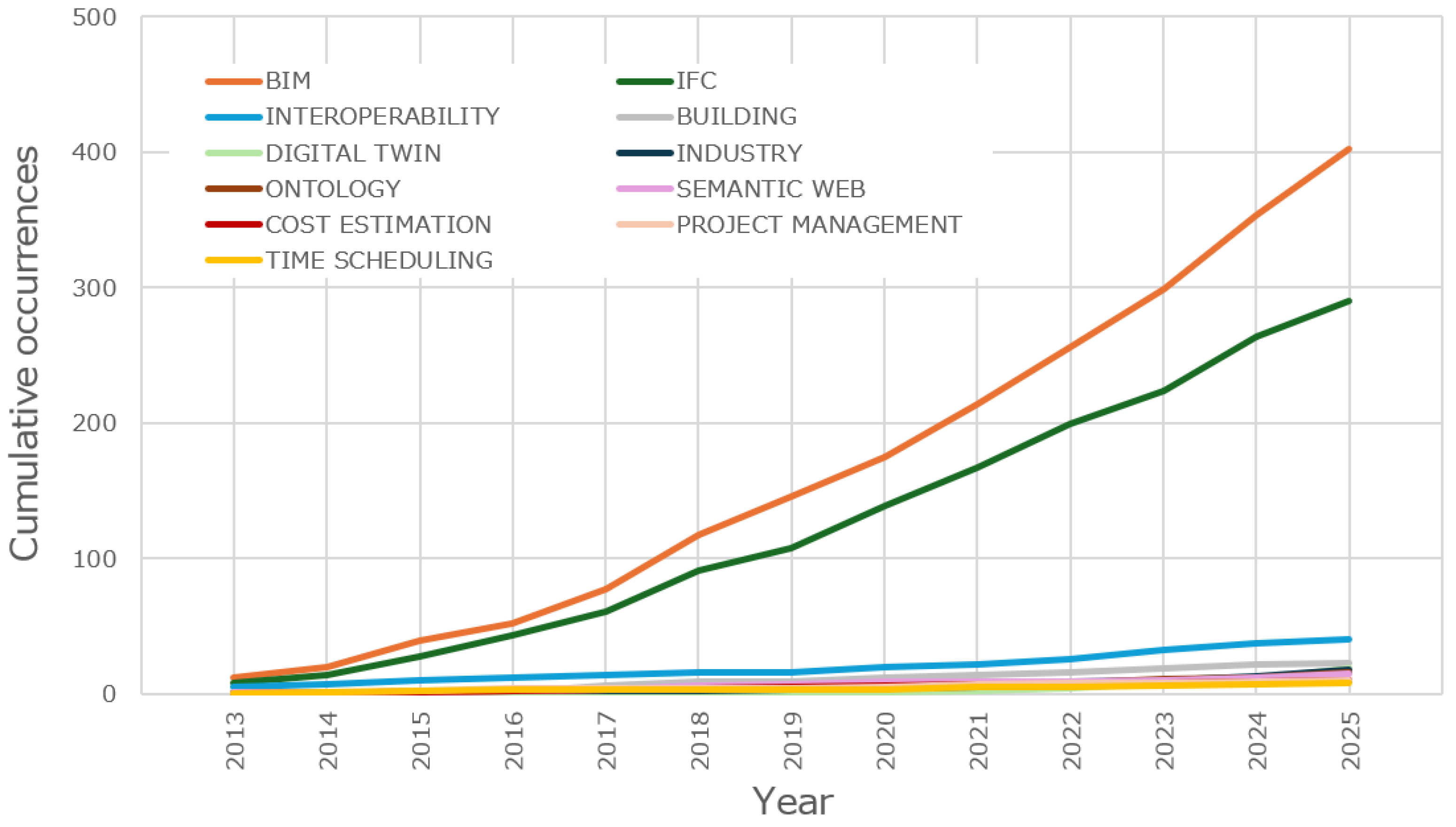
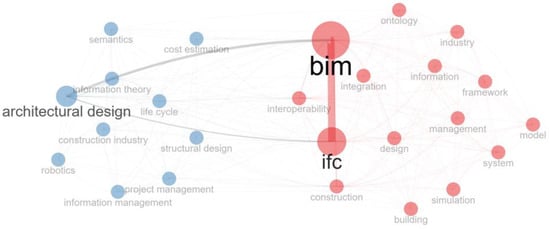
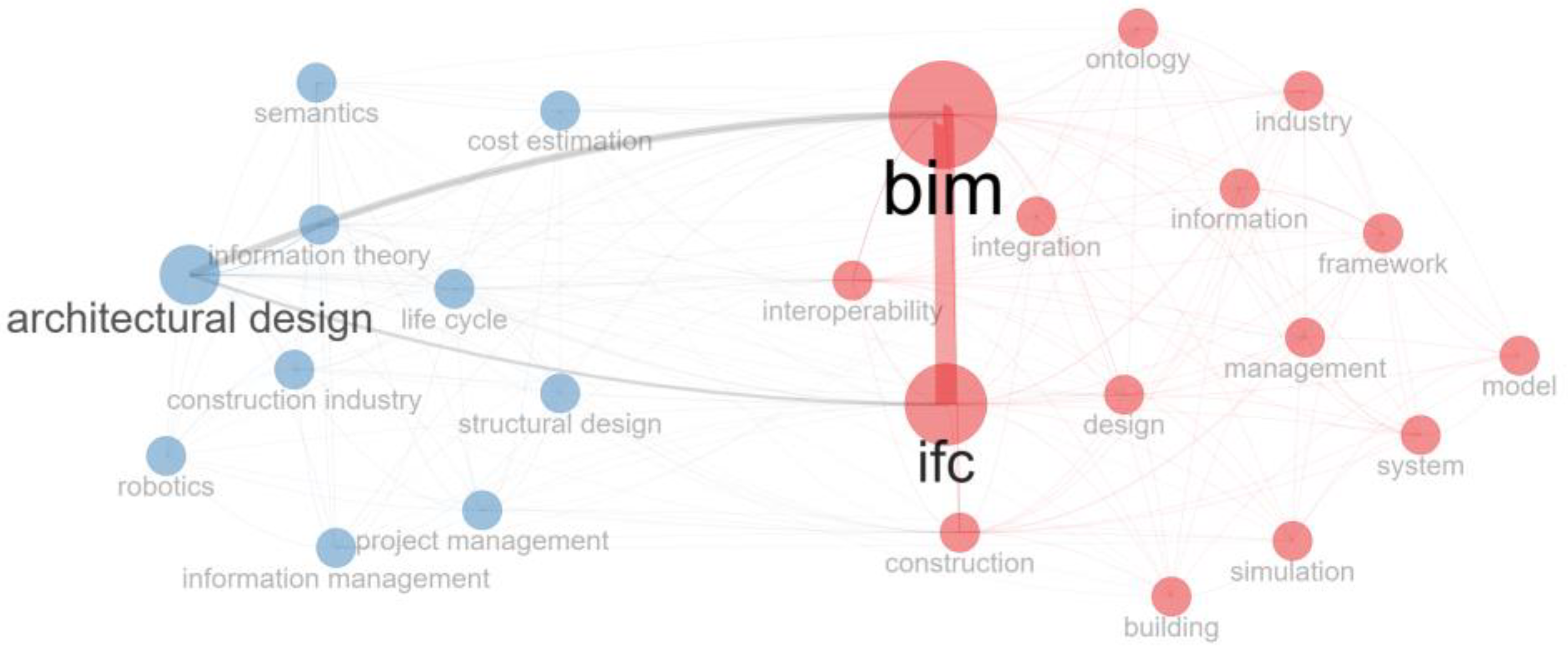
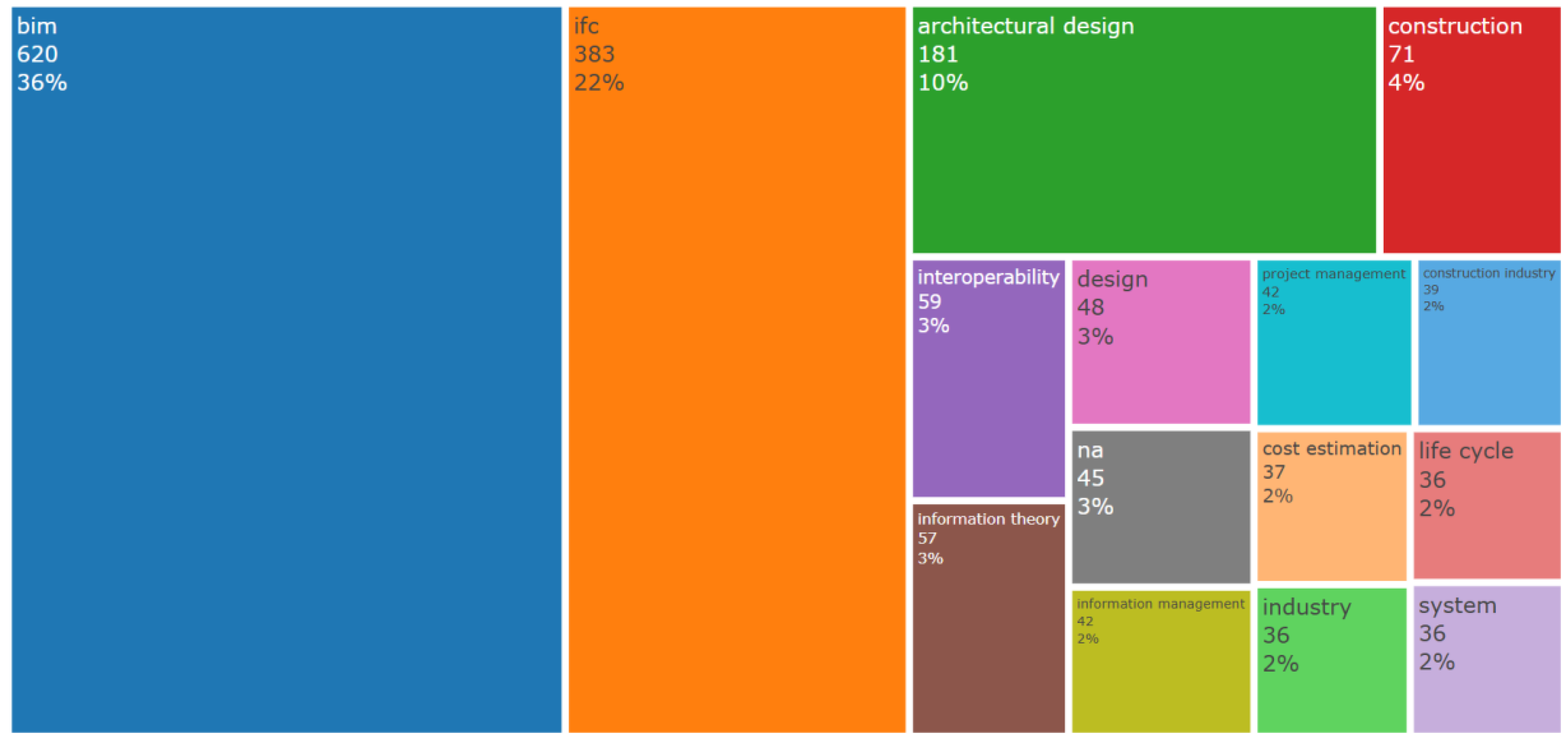
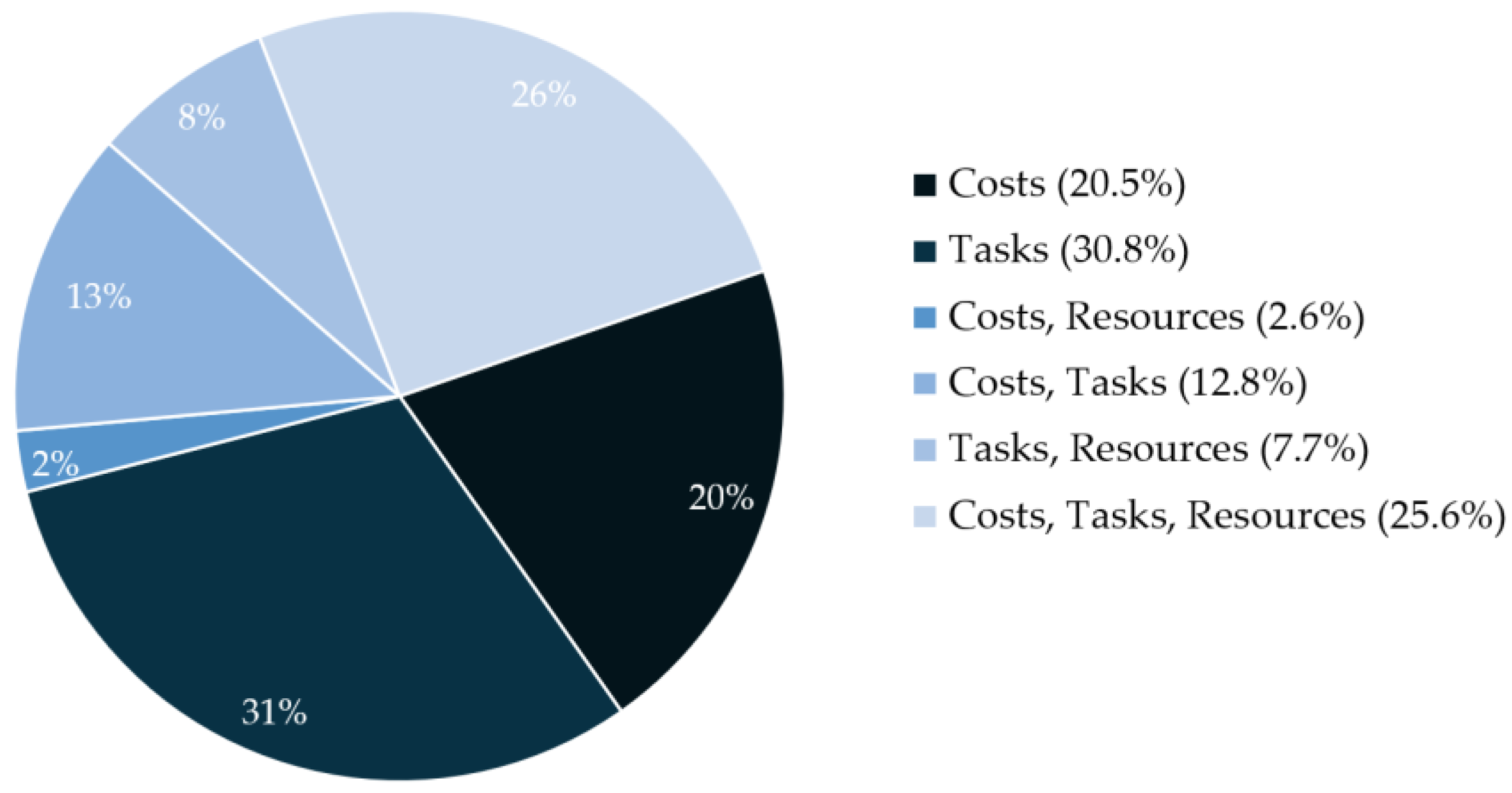
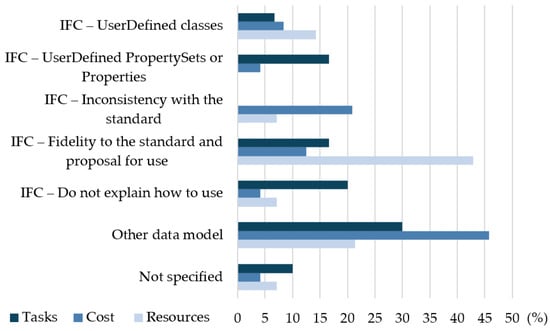
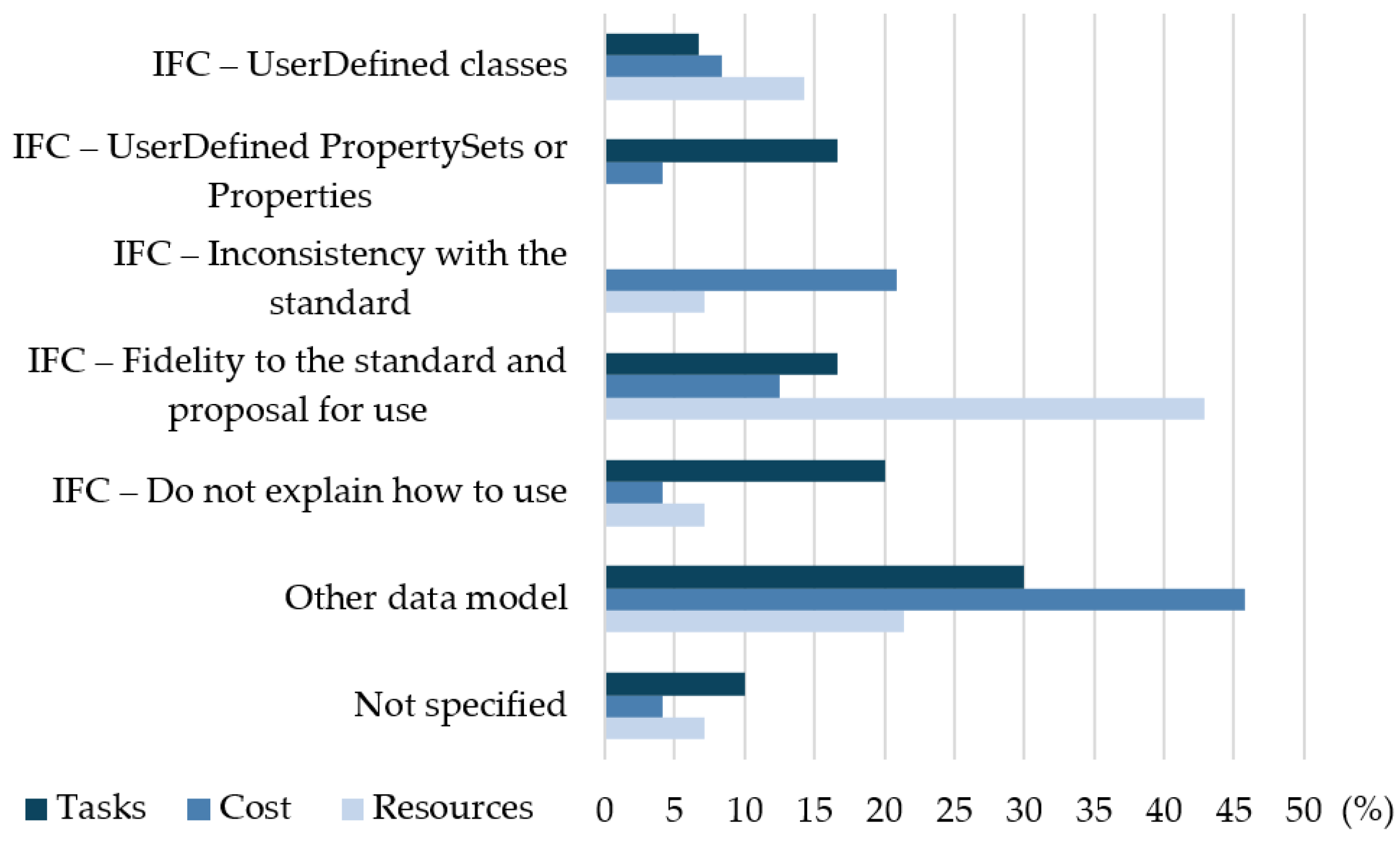
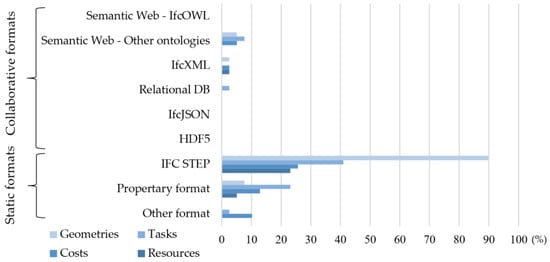
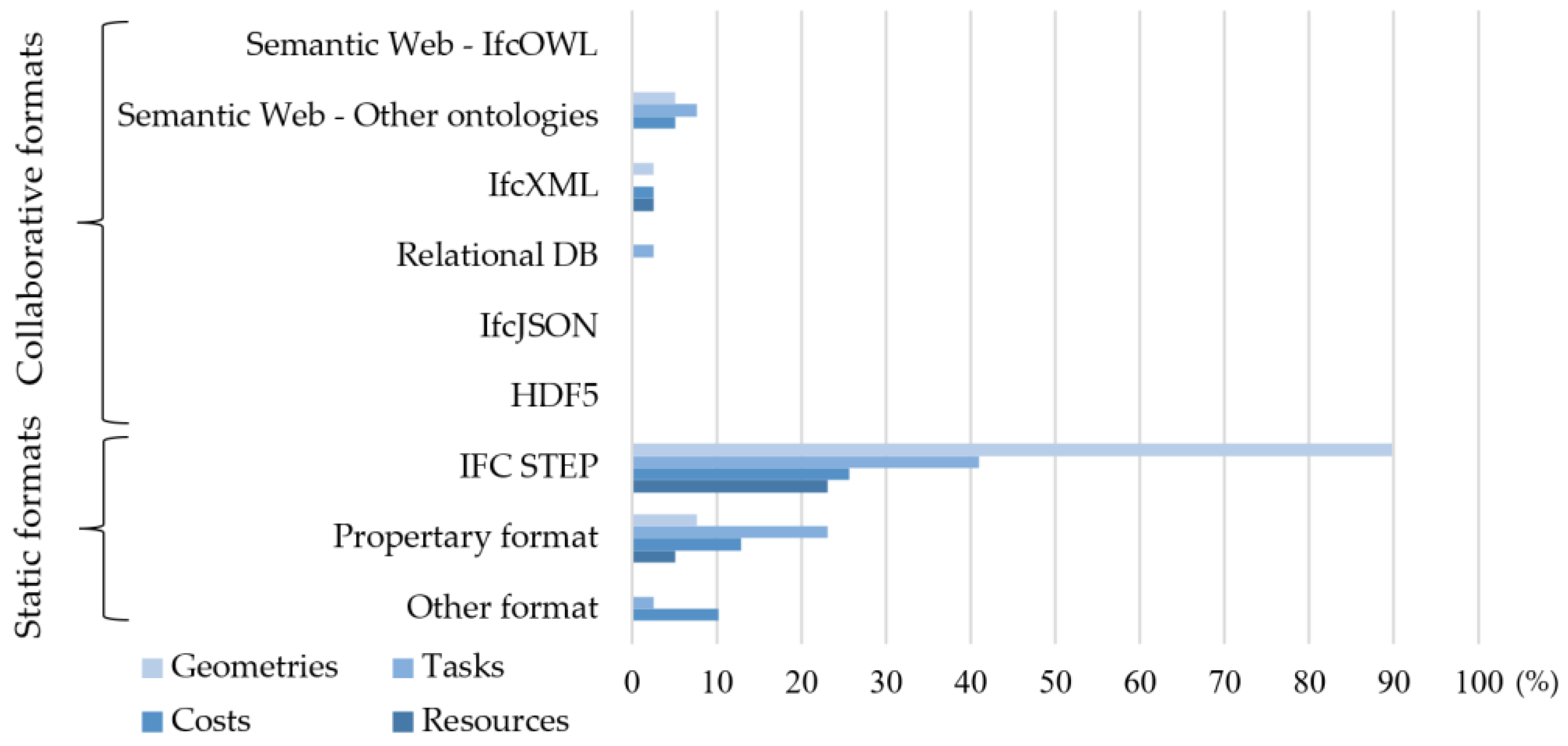
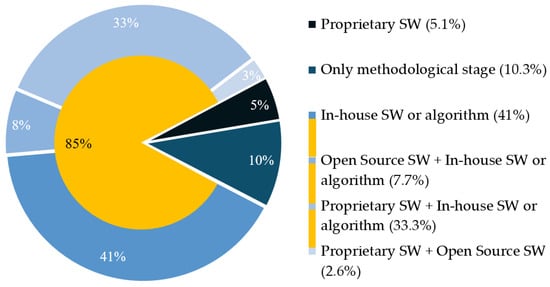
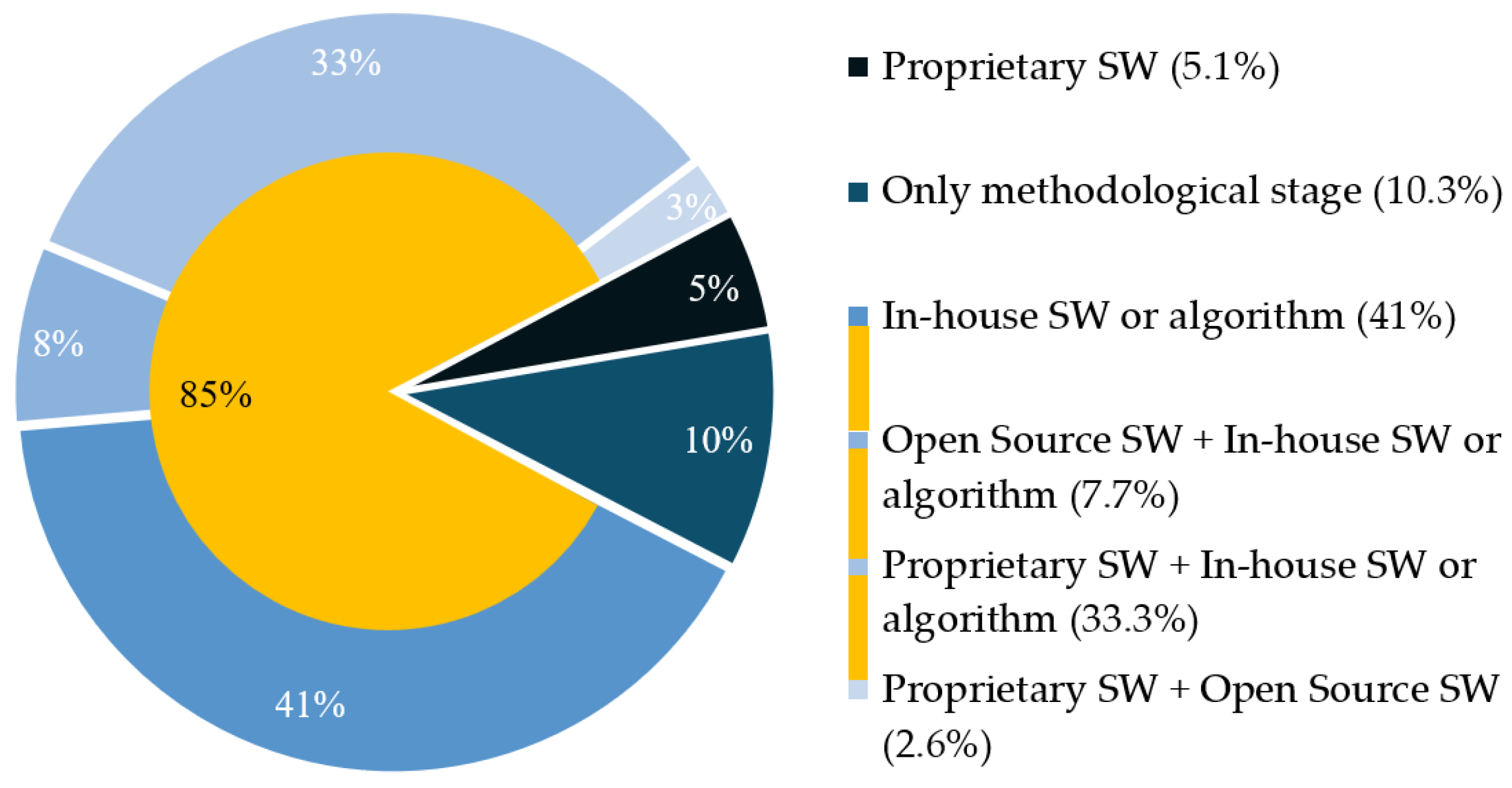
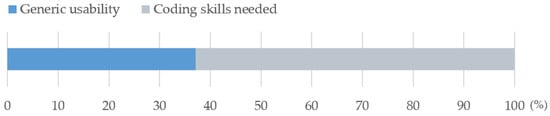
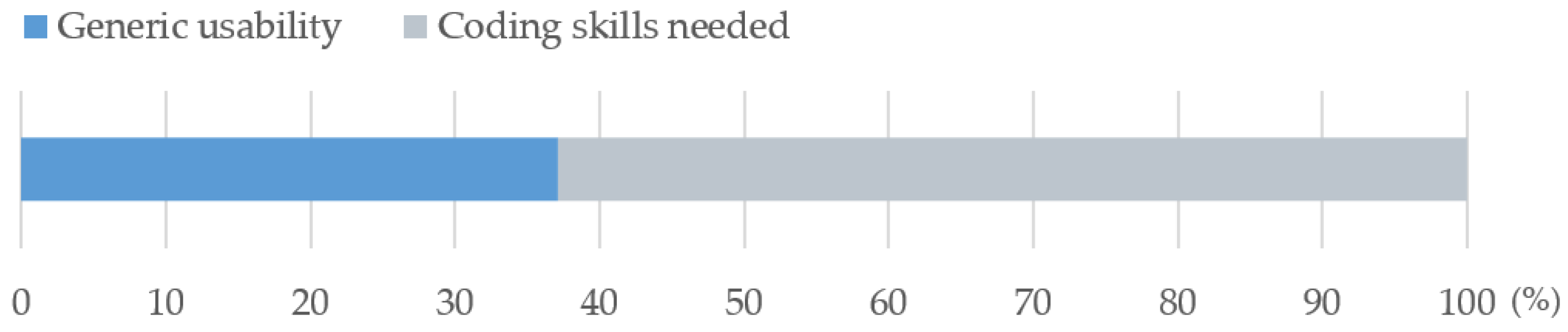

Disclaimer/Publisher’s Note: The statements, opinions and data contained in all publications are solely those of the individual author(s) and contributor(s) and not of MDPI and/or the editor(s). MDPI and/or the editor(s) disclaim responsibility for any injury to people or property resulting from any ideas, methods, instructions or products referred to in the content. |
© 2025 by the authors. Licensee MDPI, Basel, Switzerland. This article is an open access article distributed under the terms and conditions of the Creative Commons Attribution (CC BY) license.