1. Introduction
Urban morphology is the scientific study of the physical form of cities and the processes that shape and transform them over time [
1,
2]. Understanding the physical characteristics of urban forms and integrating morphological theories, concepts, and methods into design and planning practice are essential for informed urban intervention [
3]. In this context, morphological approaches offer a systematic framework for urban planning and design, enabling strategies that address not only the spatial development of cities but also critical contemporary challenges, such as the preservation of historical identity, adaptation to climate change, and the enhancement of urban resilience [
4]. Similarly, Gebauer and Samuels [
5] highlight urban morphology as an analytical tool that can support the formulation of urban design principles and theoretical frameworks.
Morphological analysis provides insights into the opportunities and constraints inherent in urban areas, facilitating the development of planning and design codes. Both historical districts and newly developing urban areas benefit from such analyses to achieve better place-making outcomes. Hall [
6], for example, demonstrated the value of morphological analyses in guiding development control in the English town of Chelmsford. Likewise, Ünlü [
7], Kropf, and Sanders emphasize the practical applications of urban morphology in planning and design, with the ultimate goal of producing contextually responsive, high-quality urban environments [
3]. Çalışkan and Marshall [
8] argue that place-making without an understanding of existing urban form and function risks missed opportunities to enhance urban quality.
Despite these advancements, a persistent gap remains between urban morphology and planning practice, limiting the full potential of morphological insights in guiding urban development [
9]. Palaiologou et al. [
10] also note that, although efforts to integrate morphological approaches into practice are increasing, their application remains limited. Consequently, research aimed at bridging this gap is critical, particularly in areas where historical and contemporary urban fabrics coexist. Understanding the physical characteristics of such hybrid environments is essential for informed planning decisions that balance urban development with heritage conservation.
Within this framework, this study explores how morphological research can be operationalized in planning and design practice. Focusing on the tension between conservation and urban development in historical neighborhoods of Istanbul, the study employs the Morpho methodology to analyze urban form and derive actionable planning and design codes. The primary objective is to demonstrate how morphological knowledge can be translated into practical guidance, providing a systematic approach to integrating modern urban fabric with historical patterns. Ultimately, this research contributes to bridging the divide between theory and practice, offering a robust framework for applying morphological insights in contemporary urban planning contexts.
This study contributes also to urban morphology and planning research by integrating physical, social, and legal dimensions into a single analytical framework. While many previous studies focus on street patterns, block configurations, or heritage conservation individually, this research simultaneously considers street typology, block size, plot density, building alignment, land use, historical building concentration, population density, and ownership structure. By doing so, it provides a multidimensional understanding of urban fabric, highlighting how morphological characteristics interact with social and legal parameters to influence redevelopment potential and urban quality. Furthermore, the study proposes area-specific design strategies and planning recommendations that reconcile heritage preservation with contemporary functional needs, offering a practical methodology for sustainable and context-sensitive urban design. This holistic approach represents an original contribution to both theoretical knowledge and applied urban planning practice.
2. Beyoğlu/Istanbul and Selected Neighborhoods
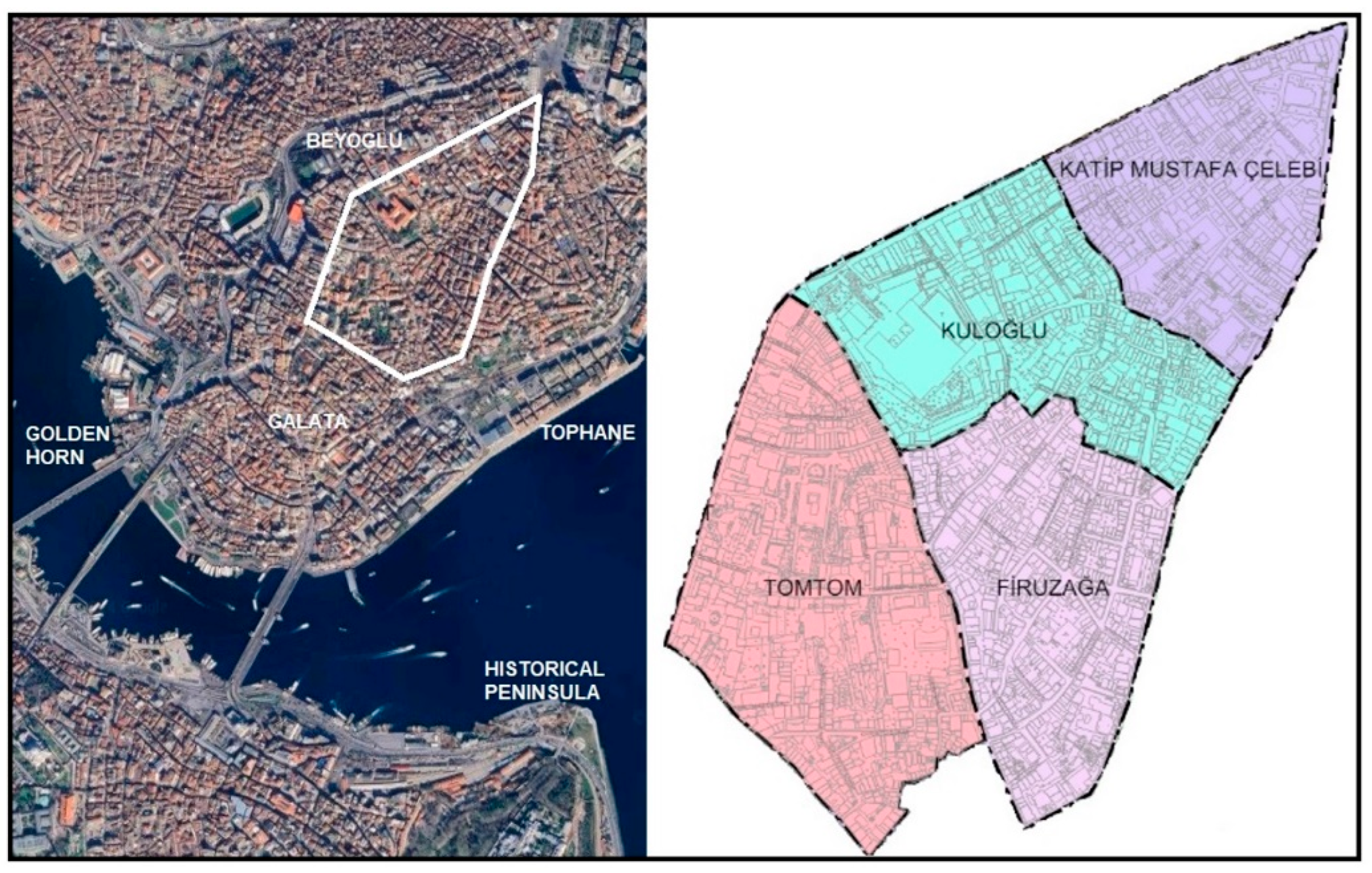
Four neighborhoods in Beyoğlu, Istanbul, Türkiye, Katip Çelebi, Kuloğlu, Firuzağa, and Tomtom, were selected as the focus of this study (
Figure 1). Beyoğlu, with 45 neighborhoods and a population exceeding 225,000, is one of Istanbul’s largest and oldest districts on the European side, situated north of the historic peninsula [
11]. The chosen neighborhoods are of particular importance due to their rich historical heritage and their continued evolution as part of Istanbul’s modern urban center. These areas offer a unique opportunity to examine the coexistence and interaction between historical urban patterns and contemporary development.
Historically, prior to the fifteenth century, the region was a Genoese settlement located outside Istanbul’s city walls. According to Orhonlu [
14], the first Turkish structures in the area were military in nature, including an armory, marking the beginning of significant urban interventions. Hammer [
15] and İnalcık [
16] highlight that the establishment of military facilities eventually attracted a civilian population, initiating the early phases of urban growth. The rapid expansion of Istanbul in the sixteenth century further contributed to the settlement of communities in the Beyoğlu/Galata region, strategically positioned near the Golden Horn and Tophane ridges [
17].
Among the selected neighborhoods, Tomtom developed along a northeast–southwest axis parallel to İstiklal Street and has historically hosted a variety of functions, including religious institutions, embassies, hospitals, art galleries, educational facilities, hotels, and museums. Kuloğlu, initially a Byzantine vineyard, expanded following the construction of a nearby palace, now the site of Galatasaray High School. Katip Çelebi, bordering İstiklal Street, accommodates numerous eateries, cafés, and entertainment venues, while a significant portion of its land is dedicated to educational use. Firuzağa, in contrast, has a dense mix of hotels, residential units, and retail establishments. Historical inventories indicate that Kuloğlu contains 9 monuments and 202 historic structures, including the Aga Bath and Galatasaray High School, whereas Firuzağa hosts 147 historic structures and monuments [
18].
The architectural and urban character of these neighborhoods reflects the diversity of ethnic communities and multifunctional uses over time. Until the nineteenth century, urban development followed natural topography, resulting in an organic street layout. However, the increasing need for urban transformation arose in response to population growth, commercial expansion, and natural disasters. Following these pressures, municipal regulations enacted in 1796, 1855, and 1866 reshaped street widths, building alignments, and overall urban form, introducing a more structured grid system [
19,
20]. Land-use changes, particularly the district’s emergence as a commercial hub, played a significant role in transforming the physical pattern, exemplified by the demolition of the Galata Walls to facilitate urban expansion and the development of port infrastructure.
3. Methodology
The Morpho methodology, originally proposed by Oliveira [
21], provides a systematic framework for assessing the physical form and spatial configuration of urban settlements. It aims to explain how urban elements such as streets, blocks, plots, and buildings are structured and interrelated, as well as how they evolve over time from a historical and geographical perspective. Initially, the method was applied at the street scale [
21], but subsequent studies expanded its scope to the urban scale [
22,
23]. Later, Oliveira et al. [
24] employed it to conduct comparative analyses across multiple cities, while Abaee and Oliveira [
25] adapted the method to examine the urban morphology of an Iranian city.
The method encompasses several analytical dimensions that capture the main attributes of urban form, including street typology, block dimension, plot density, building height to street width ratio, building alignment, building entrances, and land use. The rationale for adopting the Morpho framework in this research lies in its comprehensive and multiscalar approach, which allows the systematic examination of the fundamental components of urban form streets, street blocks, plots, and buildings, both individually and in relation to one another. In this study, six key analytical headings of the Morpho method were addressed: street typology, dimension of street blocks, density of plots, building height to street width ratio, building alignment, and land use.
Additionally, considering the historical character of the study area, an auxiliary criterion, the density of historical buildings within each street block, was incorporated to enhance the analysis and to better capture the interaction between historical and contemporary urban fabrics. Apart from the morphological/physical analysis of urban forms, the study also integrates the physical analysis of urban form with socio-economic dimensions by incorporating ownership status and population density data, thereby extending the framework and generating significant insights.
The methodological process can be summarized in eight steps as explained in
Table 1. In the table, the headings, their brief descriptions, and classifications of the measurements are summarized.
Street Typology and Accessibility Analysis
The Morpho framework begins with the analysis of street patterns and accessibility. Since there is no single standardized method for assessing street configuration, this study combines two complementary approaches: Space Syntax analysis and Marshall’s topological analysis. This integration enables a more comprehensive evaluation of both spatial configuration and physical form. Within the scope of Space Syntax, three key indicators were examined, integration, connectivity, and line length, to understand the spatial hierarchy and accessibility relationships of the street network.
Measurement of Street Block Dimensions
The second step involved measuring the dimensions of street blocks to classify them according to size: small, medium, or large. This classification helped in identifying spatial configurations and the scale of urban patterns across the study area.
- ○
S1 (small 1): 0–3000 m2.
- ○
S2 (small 2): 3000–8000 m2.
- ○
M (medium): 8000–15,000 m2.
- ○
L (large): 15,000–51,000 m2.
Plot Density Assessment
The density of plots was calculated by determining the number of plots per street block, measured per hectare. The results were expressed as a percentage and categorized into three levels: low, medium, and high density. This indicator provides insight into potential development intensity.
- ○
Low: 1–20 plot/Ha.
- ○
Medium: 20–50 plot/Ha.
- ○
High 1: 50–100 plot/Ha.
- ○
High 2: 100- > plot/Ha.
Building Height to Street Width Ratio
The fourth parameter examined the ratio between building height and street width, which was evaluated in ranges of 1–2, 2–3, and 3 ->. This ratio serves as a key morphological indicator for assessing spatial enclosure, urban character, and potential impacts on sunlight, ventilation, and streetscape proportions.
Building Alignment Analysis
The alignment between building facades and plot frontages is one of the principal elements of the Morpho method. The degree of alignment was quantified as a percentage and categorized into four classes following Oliveira et al. [
24]:
- ○
Coincident (C)—100% coincidence between building and plot frontage;
- ○
Mostly coincident (MC)—more than 50% coincidence;
- ○
Mostly non-coincident (MNC)—less than 50% coincidence;
- ○
Non-coincident (NC)—no alignment between building and plot frontage.
This classification provides valuable insights into streetscape continuity and facade rhythm.
Land Use Analysis
Finally, land use was examined as a determinant of spatial function and intensity within the study area. By mapping land-use distribution and comparing it with morphological parameters, the analysis identified the relationships between function, density, and spatial form.
Density of Historical Structures per Block
In addition to these headings mentioned above, due to the area’s historical background, the density of historical buildings in each street block was added as a new criterion for the most accurate integration of historical and modern patterns of the area.
Ownership and Population Density
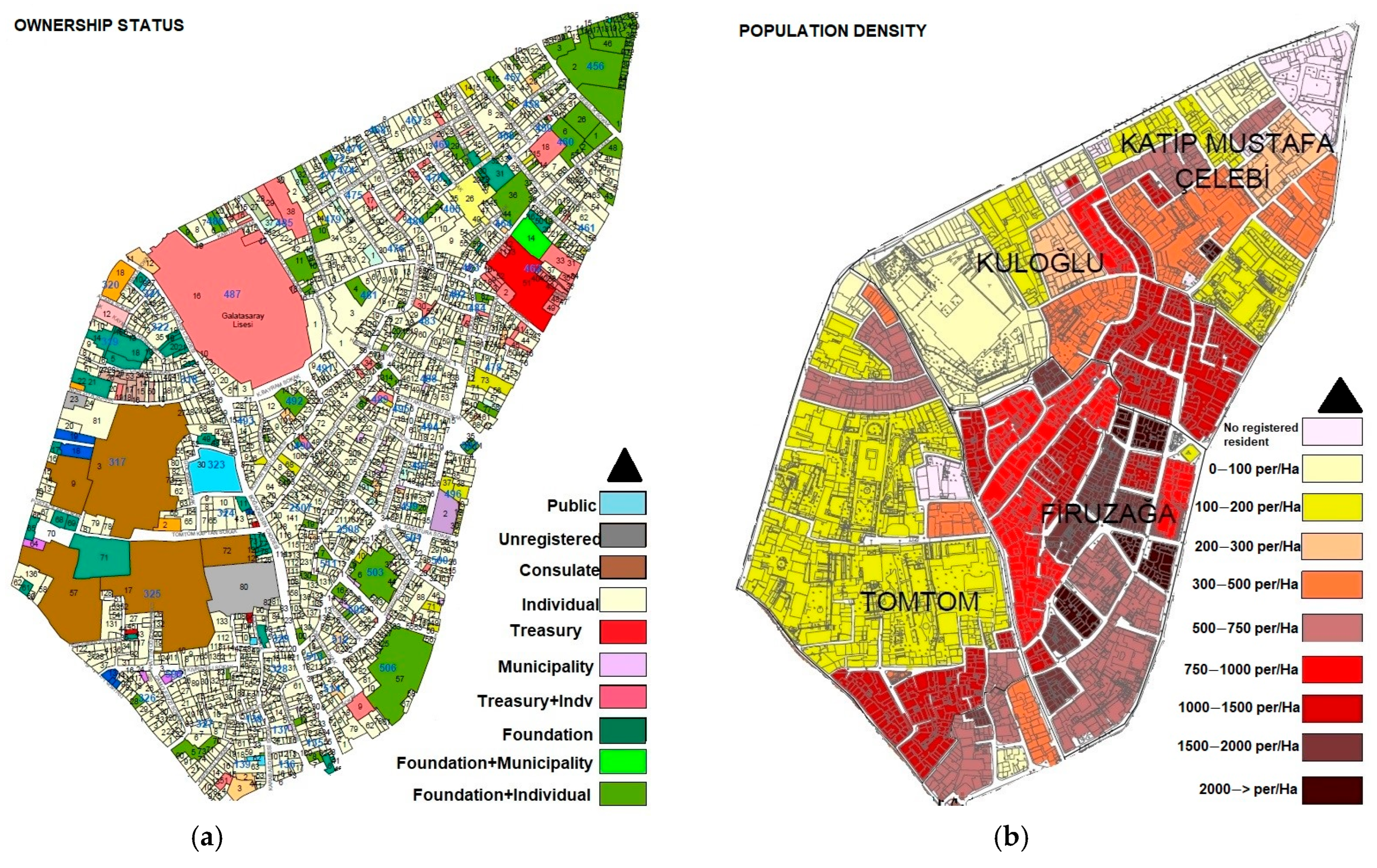
Ownership status is incorporated into morphological analyses by mapping property boundaries and tenure patterns onto the spatial structure of the urban fabric. Ownership status is integrated into morphological analyses to assess how ownership types shape urban forms and influence potential physical transformation. Ownership types have been clustered as foundation, public, treasury, individual, consulate, and mixed types. Population density data are integrated with morphological metrics to relate built-form characteristics to patterns of residential concentration. This supports an assessment of how urban form accommodates population distribution and helps reveal spatial zones of pressure, vibrancy, or underutilization. The population density has been classified as low, medium–low, medium, or high according to person/hectare in each street block.
- ○
Low: 0–100 person/Ha, 100–200 per/Ha.
- ○
Medium/Low: 200–300 per/Ha, 300–500 per/Ha.
- ○
Medium: 500–750 per/Ha, 750–1000 per/Ha.
- ○
High: 1000–1500 per/Ha, 1500–2000 per/Ha, 2000-> per/Ha.
By combining these analytical dimensions, the study establishes a comprehensive morphological profile of the historical neighborhoods under investigation. This methodological framework not only reveals the structural and spatial characteristics of the urban form but also provides a solid foundation for the development of planning and design codes aimed at balancing heritage conservation and contemporary urban transformation.
4. Findings of Application of Morpho
4.1. Streets
The first heading of Morpho is the accessibility and typology of streets. As a fundamental urban element that influences other elements, the character of streets defines the accessibility of an area. In this way, firstly the topological analysis is used for understanding the street system. Marshall [
26] developed an approach of topology of settlements to determine the morphological structures of cities. This topological method is highly empirical, based on mathematical and geometric parameters. Additionally, thanks to this method, it is possible to determine the typology of a space. Also, it is used to determine the topological similarities or reveal differences between spaces and urban patterns.
There are a diagram and classification of urban typologies using X and T intersections, street blocks (cells), and cul-de-sac data. Within the context of topology, a branch of geometry, the open space systems of urban patterns are represented with abstract diagrams independent of nodes, connections, actual length, and size [
27]. The town plan typology is established based on the ratio of cul-de-sacs (dead-end streets), cells, and X- and T-junctions. The town plan system can be classified as T-tree, T-cell, X-tree, or X-cell typologies based on ratios.
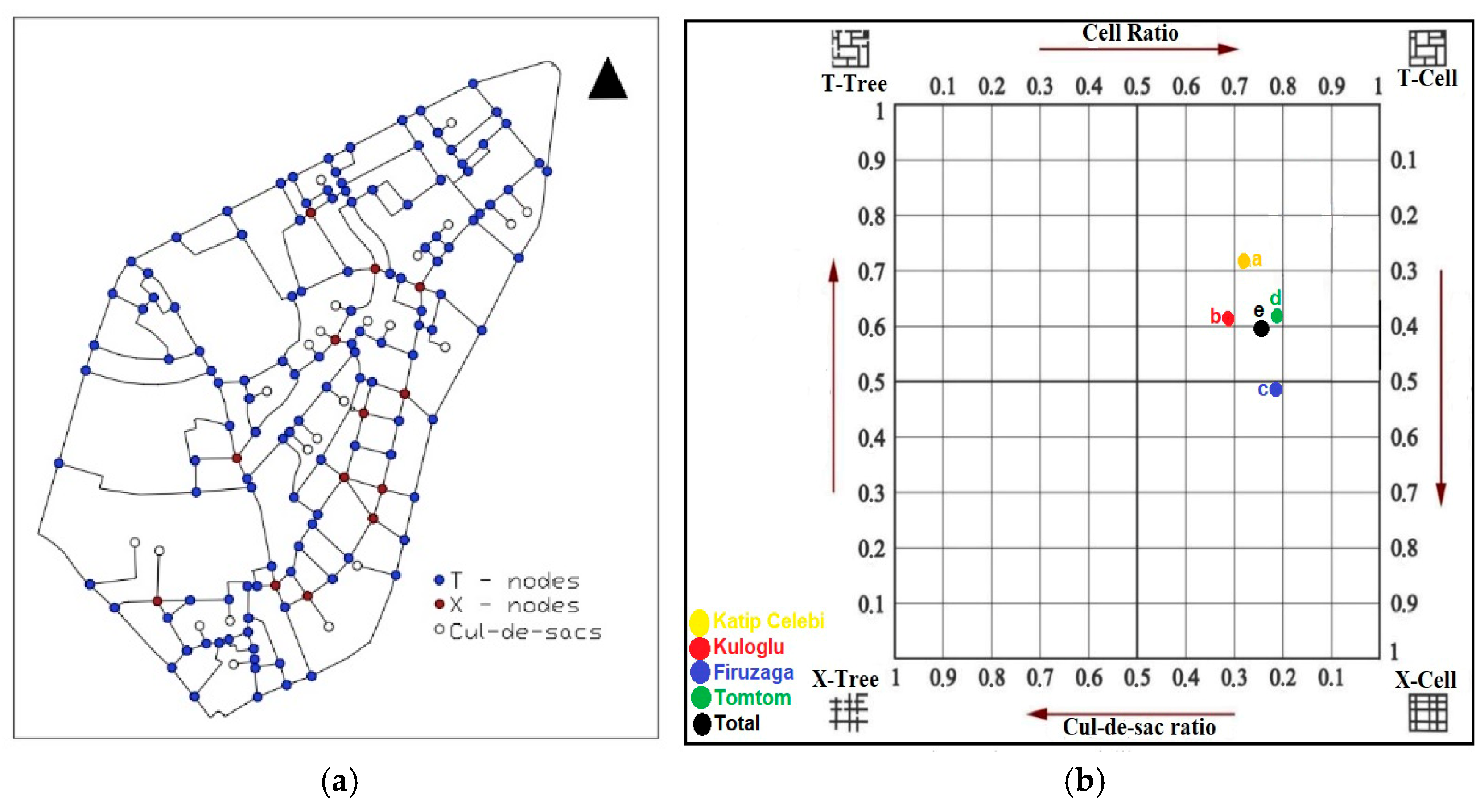
The measurements of four neighborhoods are shown in
Table 2 and
Figure 2a; the T-nodes and X-nodes of the area are mapped. Also,
Figure 2b displays the results of these measurements in a diagram. The findings indicate that T-node and cell structure are the predominant topological characteristics. With the exception of Firuzağa, all neighborhoods have ratios that are near to T-nodes, despite the fact that each neighborhood has X-nodes. The ratio is present only at X-nodes in Firuzağa, indicating that the street layout is closer to the grid system. Cell structure is the major characteristic when it comes to the ratio of cells to cul-de-sacs.
Space Syntax was also utilized for street measuring. According to Hillier et al. [
28], Space Syntax offers a reliable outcome for street topology and accessibility. As a result, the study measured and displays integration, connectivity, and line length.
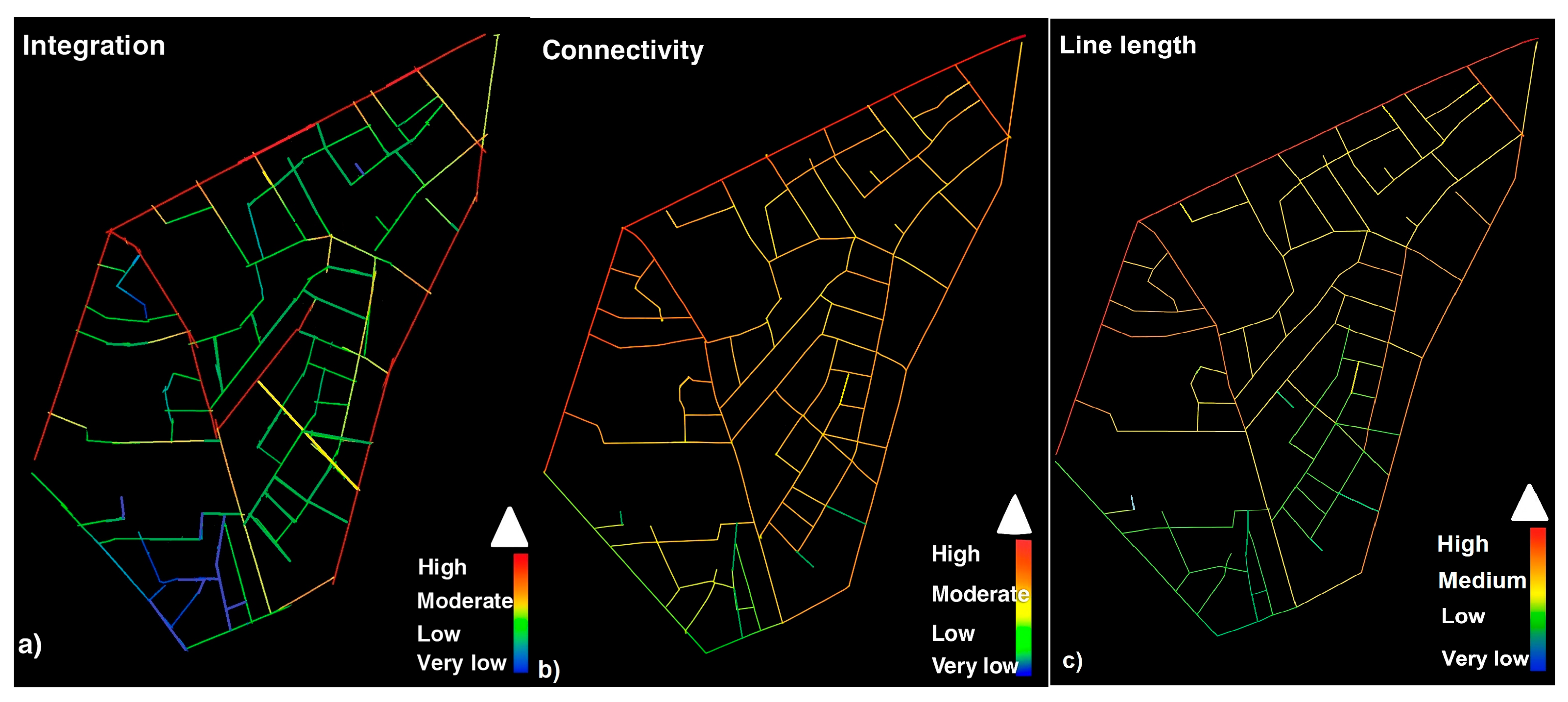
Table 3 displays the quantitative results of integration, connectivity, and line length of the area, and
Figure 3 represents the levels of integration, connectivity, and line length in a hierarchical presentation. The longest and straightest streets in the neighborhood have the highest levels of integration. These are İstiklal Street, which extends in a northeast and southwest direction, and Boğazkesen Street, which extends in a north–south direction. Other streets have lower or moderate levels of integration, with the exception of these two lines, which have the highest level. The length and connectedness are two factors contributing to the moderate or lower level of integration on other routes.
The topological measures that were previously mentioned are supported by these findings. Another factor that may contribute to a decrease in accessibility is a low ratio of X-nodes. Therefore, cul-de-sacs, short streets, and a low proportion of X-nodes might be considered significant indicators of inadequate accessibility.
4.2. Dimensions of Street Blocks
The second heading in the Morpho analysis is street block. Street blocks were measured for the study and divided into three primary categories: small, medium, and large.
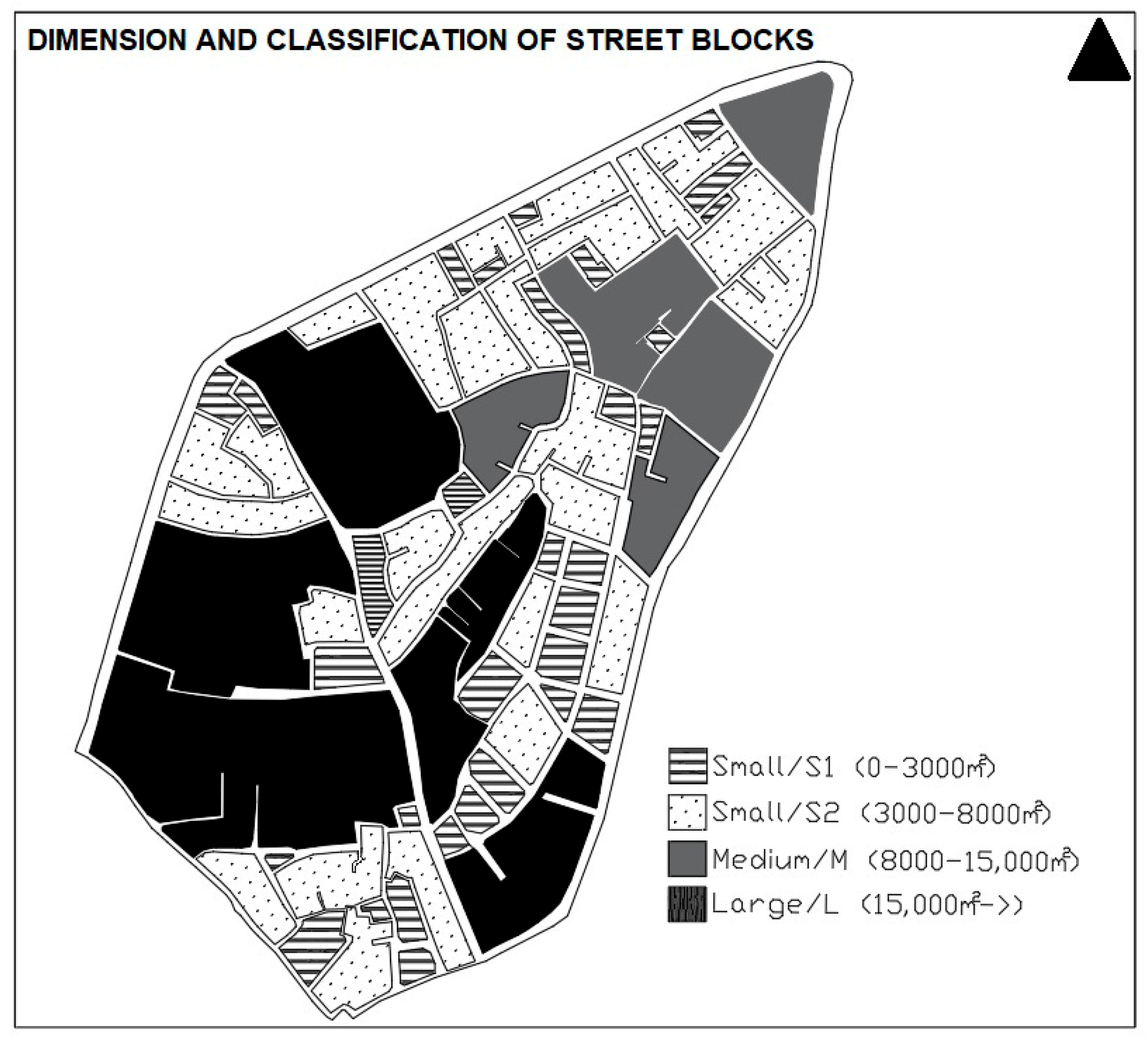
Figure 4 relates the dimensions and classification of the street blocks on a map, while
Table 4 displays the ratio of street block types. According to measurements, 84.2% of street blocks have small sizes under 8000 m
2. Due to the high ratio of small street blocks, the small category was divided into two parts: S1 and S2. S1 refers to blocks between 0 and 3000 m
2 and S2 refers to blocks between 3000 and 8000 m
2. When comparing S1 and S2, 49.9% of the total number of street blocks have a small size (S1) and they are under 3000 m
2. This data shows that the area consists of variety of small street blocks. Therefore, it indicates the settlement works as small urban units. Only 8.6% of blocks have a medium size (8000–15,000 m
2) and 7.2% of them have a large size over 15,000 m
2.
With a ratio of 90.9%, Firuzağa has the smallest blocks when comparing the neighborhoods. As a result, Firuzağa has a high proportion of small urban units with 9.1% large units. Similar to Firuzağa, the Tomtom neighborhood is made up entirely of large and small blocks; medium-sized blocks are not present. Additionally, compared to Kuloğlu and Katip Çelebi, these two neighborhoods have a greater number of large blocks. The primary cause of these neighborhoods’ larger block sizes compared to others is their land uses like sanctuaries and embassies in Tomtom. Additionally, the largest street blocks in Kuloğlu, Firuzağa, and Tomtom are utilized as embassies, schools, or residences.
4.3. Density of Plots
Plots are an important component of urban morphology that affect a number of issues. Defining the existence of plot character is essential for understanding the building typologies, alignment of buildings, actors, and strategies. Therefore, if there is a high density of plots in a street block, it means that there have to be a variety of actors and strategies. The density of plots was measured for each street block per hectare. Therefore, in the methodology, the dimension of street blocks is not the main parameter. With the dimension of street blocks, the number of plots per hectare is a distinctive parameter for sustainable urban development.
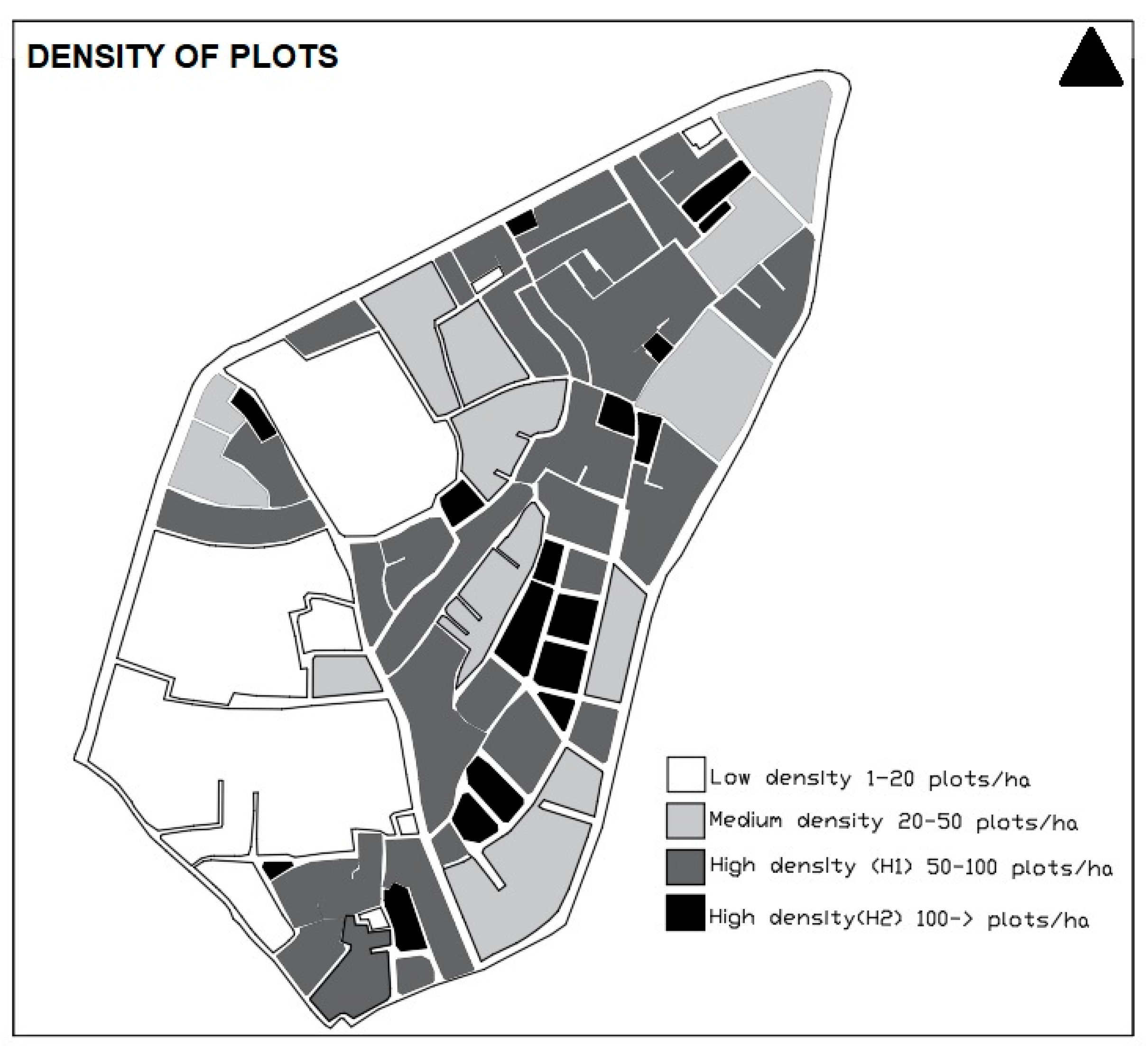
In the study, the measurement of density of plots per hectare was classified and the results are given in
Table 5 and
Figure 5. According to findings, the study area has a high density of plots with a ratio of 77.7%. An amount of 50% of the total street blocks have plots between 50 and 100 per hectare, which is classified as H1. An amount of 27.2% of street blocks are described as H2, which refers to more than 100 plots per hectare.
All neighborhoods have a high number of plots, and Firuzağa has the highest density of plots. Only 5.7% of total blocks have a lower average density, and they are seen only in a few blocks in Kuloğlu and Tomtom. In terms of the relationship between the dimension of street blocks and the density of plots, there is no relationship between them. In other words, some large blocks have a lower average density (under 20 plots per hectare) even though most small blocks have over 100 plots per hectare.
One should inquire as to why these blocks differ so greatly from one another. The primary causes are changes in land usage and property rights over time. As a result, it naturally determines the plots’ density and size. For instance, in the Tomtom neighborhood, there are embassies, or in Kuloğlu, there is Galatasaray High School; thus, these facilities need large amounts of land. Of course, the buildings and open spaces can be built on plenty of small plots since the regulations allow buildings to cover more than one plot. However, these blocks were designated for particular uses during the previous planning process, which resulted in a low plot density in these sizable units. In contrast to them, in most small units, the number of plots increased during the time because of the changing actors and land usages. The alteration of building typologies and increasing number of stakeholders cause the division of plots, especially in residential or commercial areas.
4.4. Building Alignment
Building alignment is another key heading particularly for urban planning and development. Analyzing building alignment has a crucial role, especially in historical urban areas where physical alterations have continued to be present. Understanding the relationship between buildings and plots indicates the physical character of a site. This fundamental data should be regarded for new planning and design decisions on existing urban fabric.
The coincidences between building and plot frontages were measured for all neighborhoods. They were divided into four classifications: non-coincident (NC), coincident (C), mostly coincident (MC), and mostly non-coincident (MNC). The average coincidence ratio of buildings and plot frontages is between 83% and 93% (
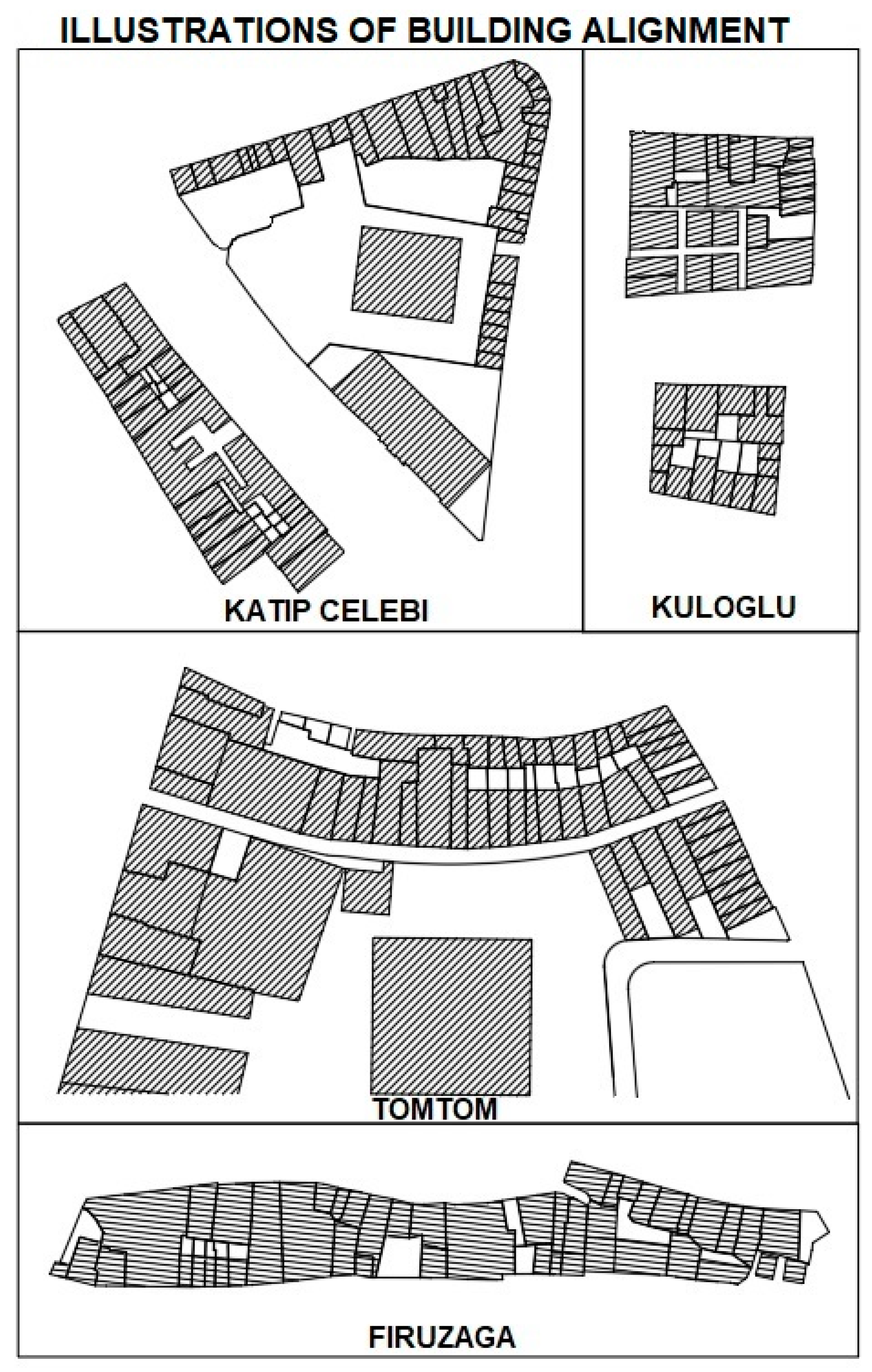
Table 6). In all of the neighborhoods, the coincidence rate is high. Therefore, the dominant character of the area is defined as mostly coincident (MC). This type of configuration indicates a strong relation between streets and buildings. Additionally, due to building typology, the possibility of coincidence increases because the main typology is row houses. Certainly, not all kinds of row housing typologies have coincidence with plot frontages. However, in this area, because of regulations and the dimension of street blocks/plots (mostly small sizes), there is no distance on the plot frontages. Hence, it can be accepted as a notable parameter for the rate of coincidence of plot frontages. In
Figure 6, there are illustrations of the coincidence of buildings and plot frontages for each neighborhood. Only plots that have educational, official, or sanctuary functions have no coincidences with plot frontages. These kinds of buildings have distance in frontages and their relation with the street is intended to be decreased. Illustrations show Katip Çelebi, Kuloğlu, Firuzağa, and Tomtom’s mostly coincidental character. Only in plots that have sanctuaries, educational, or official functions, buildings are non-coincident with plot frontages. It is similar to another illustration that shows an embassy building in Tomtom. In Kuloğlu and Firuzağa, generally, there are row buildings and backyards.
4.5. Ratio of Building Height to Street Width
The ratio of building height to street width is another significant criterion of Morpho that should be used in urban development control. It is an essential tool, especially for areas where urban transformations continue. This criterion is related to not only the physical character of an urban site but also the spatial perception and climate control in urban areas.
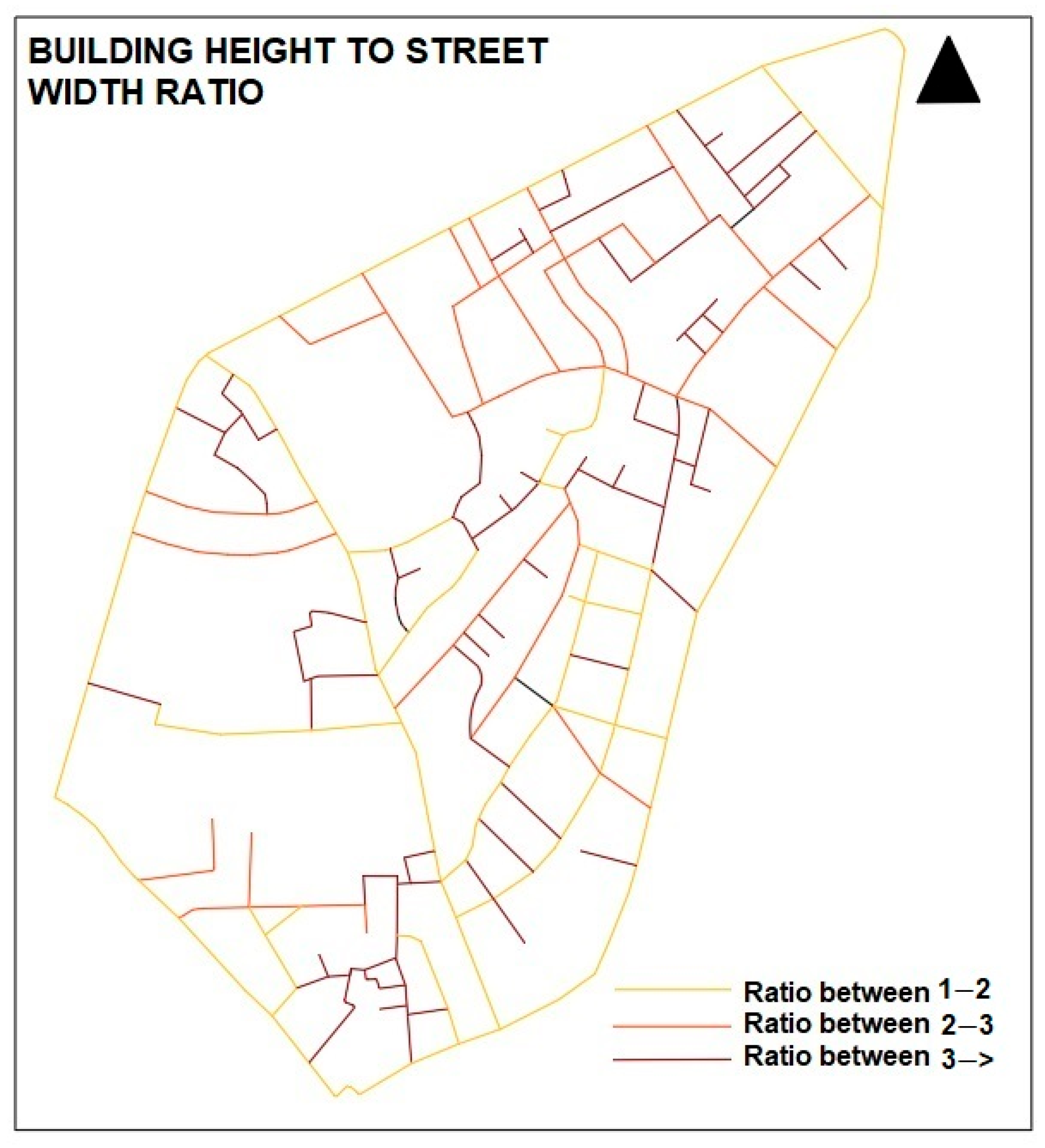
The ratios of building height to street width were measured, and they were divided into three ranges.
Figure 7 displays the ratio of each street and percentages of ranges. The ranges are divided into three groups: ratios between 1 and 2, 2 and 3, and 3 and above. This criterion was assessed in three categories since the results showed that there was no ratio below 1. The measurements show that the ratio between 1 and 2 is 34.5%, and it is typically observed in wide roadways (18 m). In other words, the ratio of building height to street width is primarily between 2 and 3 in this area, with the highest range falling between 2 and 3. Narrow streets are where this ratio is most noticeable. These narrow streets typically have a width of 6 or 7 m and moderate building heights of 5 or 6 stories. An amount of 16.4% of streets have a ratio of three or higher.
4.6. Land Use and Density of Historical Buildings/Sites
Land utilization is another parameter that affects the physical form of cities. There is an interrelation between land use and urban forms. They influence each other, and transformations of one of them could cause the alteration of others. Therefore, there is a strong influence between land utilization and urban form.
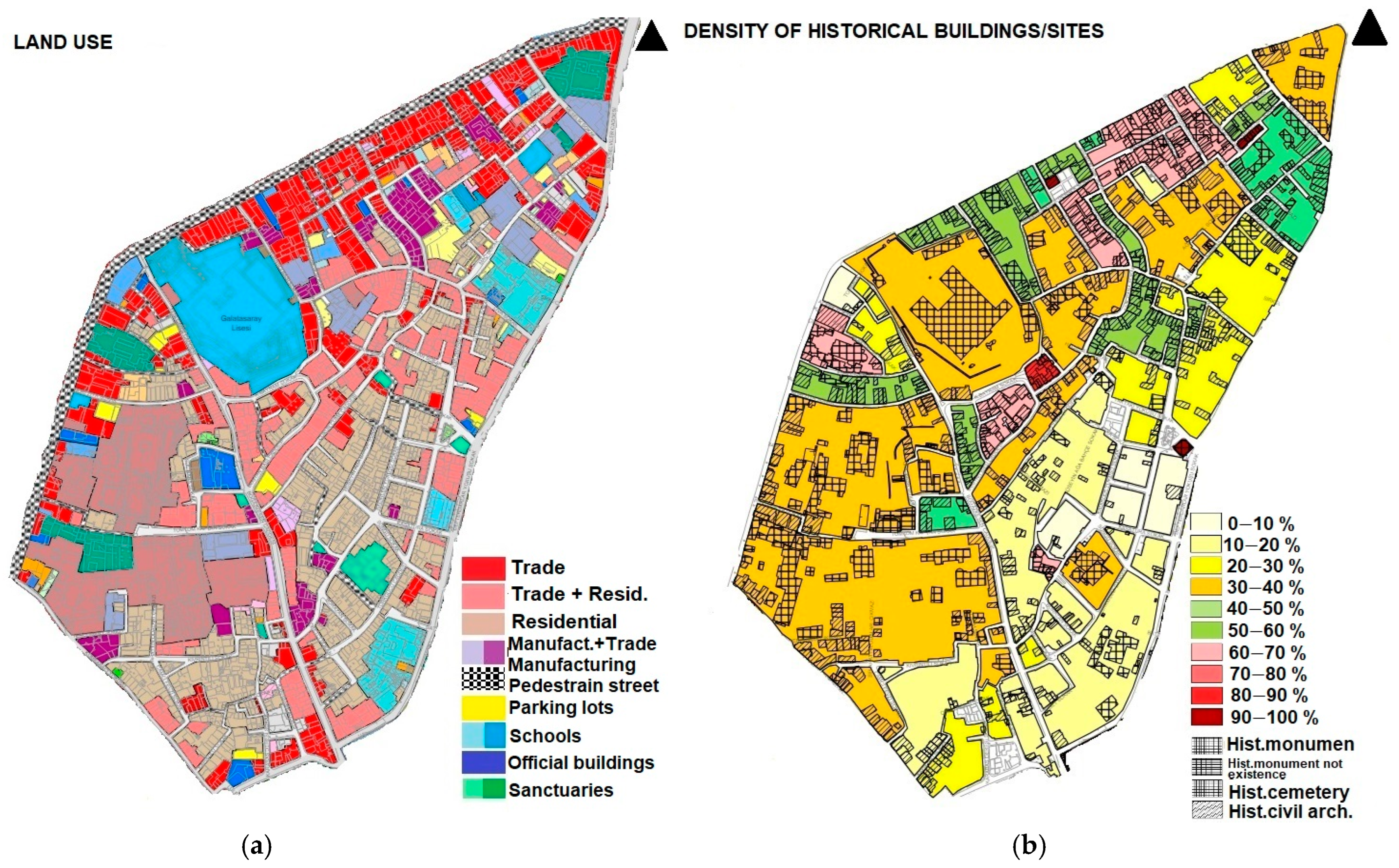
The study addresses the area’s land usage and evaluates it in relation to urban form. The region serves a variety of purposes, all of which have a significant impact on the dimension of street blocks, density of plots, and especially the coincidence of building and plot frontages. The dominant function of the area is commercial and residential usage. However, the distribution of land use has a different character in each neighborhood. The north side of the area that is close to İstiklal Street features commercial functions in contrast to south parts of the area. Conversely, the land use in the south parts is predominantly residential. The Katip Çelebi neighborhood has a predominantly commercial function as well, though there are small amounts of manufacturing and sanctuaries. In Kuloğlu, commercial and residential usages are the main functions. A significant amount of land has an educational usage, which has a different physical character than those of residential and commercial blocks. Different from Katip Çelebi and Kuloğlu, Firuzağa is a residential-based neighborhood. According to the findings, it can be concluded that there is a relation between small street blocks and a high ratio of residential usage. In other words, the small size of street blocks is a factor that increases residential usage. As for the 90.9% ratio of the small block type, the highest residential land use is seen in Firuzağa. In contrast to it, the largest street blocks and plots are seen in Tomtom because of the land use decisions. Due to the necessity of wide lands for embassies, planning decisions were shaped according to these requirements. Apart from embassies, educational usages, and sanctuaries, there are plenty of residential usages in Tomtom as well (
Figure 8a).
The density of historical structures and sites is displayed in
Figure 8b. This heading was added to the analysis of Morpho for historical urban sites to utilize in planning and design decisions for the future. This information is crucial for maintaining historical identity and preserving historic sites. With the use of this information, it would be possible to determine the land use of a street block, the density of a new building, and the types of new constructions.
In
Figure 8b, there is a hierarchical presentation for the density of historical buildings/sites for each street block. Katip Çelebi has the most intense historical buildings, with a ratio of 60–70%. These blocks have a commercial purpose and are situated on the edge of İstiklal Street. Second, the most densely populated blocks that are depicted as green (including 50–60% historical buildings) are found in the Kuloğlu and Katip Çelebi areas in the northern portion of the district. Though some of these blocks have been used for educational usage historically, some of them have functioned as manufacturing sectors since recent times. The southern parts of the site (Firuzağa) have the lowest density of historic structures and sites (less than 20%). Therefore, it is concluded that the highest density of modern urban fabric and residential use is in Firuzağa as well. Tomtom displays a moderate level of historical pattern consolidation, ranging from 30% to 70%.
4.7. Ownership and Population Density
In contemporary urban planning and morphological studies, analyses that focus solely on the physical form of the city including street networks, block and plot configurations, and building typology provide an incomplete picture of urban dynamics. Population density and ownership structure constitute critical variables that directly influence urban functionality, the feasibility of interventions, and the social and spatial sustainability of redevelopment strategies.
Ownership patterns, encompassing private, public, foundation, and institutional holdings, are similarly pivotal. They shape the possibility of plot consolidation, the allocation of public or civic functions, and the practical implementability of design interventions [
29]. For example, in areas with fragmented private ownership, redevelopment initiatives may necessitate negotiated consolidation, whereas areas dominated by institutional or foundation ownership may enable more coordinated public realm interventions.
Integrating population and ownership data with physical analyses therefore ensures that design strategies are context-sensitive, legally feasible, and socially responsive. This approach aligns with contemporary urban design scholarship emphasizing the interdependence of spatial form, demographic dynamics, and governance structures in shaping resilient, livable, and adaptable urban environments [
30].
In this scope,
Figure 9 displays the ownership types and population density of the Katip Çelebi, Kuloğlu, Firuzağa, and Tomtom districts. The main ownership types, average population ratios, and density level of population are demonstrated in
Table 7.
5. Discussion of Findings
Table 8 presents a comprehensive summary of the morphological characteristics of the four case study neighborhoods in Beyoğlu. The table integrates findings, including historic building density, plot density, street block dimensions, building height to street width ratios, building alignment, street typology, land use patterns, ownership types, and population densities. These findings provide a visual and analytical overview of the urban form, enabling a clear comparison of spatial structure, heritage concentration, and potential areas for controlled development or conservation interventions.
Among the four case study neighborhoods, Firuzağa contains the lowest concentration of historic structures and is dominated by contemporary buildings, making it the most suitable area for controlled new development and urban renewal. In contrast, Kuloğlu and Katip Çelebi exhibit higher densities of both plots and historic structures, reflecting complex socio-spatial conditions and significant architectural heritage. The generally high plot density across all neighborhoods highlights the requirement of plot management strategies.
Mostly coincident building alignments underscore the importance of preserving streetscape continuity to maintain the neighborhoods’ historic character, particularly in dense historic zones. For across all neighborhoods, the medium/high plot densities and moderate/high ratios of building height to street width suggest that urban transformation should have been conducted through reducing strategies for densities.
Land use policies should be formulated with sensitivity to these morphological parameters, ensuring that neither plot density nor building height is allowed to increase disproportionately. The findings also underline the importance of maintaining a balance between new construction and the conservation of historical patterns. While ongoing urban transformation processes are often driven by economic imperatives, such pressures frequently result in the over-intensification of building density and height. This tendency is particularly problematic in areas with narrow streets and high ratios of building height to street width, where additional height can negatively affect spatial perception, microclimatic comfort, accessibility, and safety. Hence, urban renewal strategies should strictly regulate building height and density increases to prevent the deterioration of spatial quality, congestion, and the loss of historical character and aesthetics.
Overall, the high plot density within the study area results in a large number of stakeholders, complicating the integration of conservation and transformation strategies. Reducing the number of plots and actors emerges as a crucial step toward more coherent and manageable interventions. The findings also show strong correlations between plot density, ownership patterns, land use, and building height–street width ratios. Building heights tend to increase in commercial and mixed-use areas, emphasizing the need for land-use policies sensitive to morphological parameters. Therefore, urban renewal strategies must strictly regulate height and density to preserve spatial quality and historical character.
The four urban areas under study exhibit heterogeneous morphological characteristics, population densities, land-use patterns, heritage concentrations, and ownership structures, necessitating context-sensitive and differentiated design interventions to ensure the preservation of historic fabric, the enhancement of urban quality, and sustainable redevelopment potential. In alignment with the general results mentioned above, depending on the analysis, detailed planning and design codes for each neighborhood have been defined, including building height, building alignment, street form, plot management, land use, new construction potential, urban renewal strategies, and ownership management.
Table 9 serves as a practical reference for formulating planning and design codes that balance heritage conservation with contemporary urban development, ensuring that interventions are context-sensitive and spatially coherent.
In Katip Çelebi and Kuloğlu, all design codes prioritize maintaining the historic urban character through the strict preservation of the existing street form, building alignment, and block configuration. The street network should remain unchanged due to the neighborhoods’ high historic value and dense build-up pattern. Plot merging may be permitted to reduce excessive plot fragmentation and improve functional coherence; however, such consolidation should not result in block enlargement or modification in order to preserve block structure and overall morphological integrity. The building height to street width ratio should generally be maintained at its existing level for streets with ratios between 1 and 2, while streets exhibiting a ratio of 3 are recommended for proportional reduction, ensuring a more balanced streetscape. In this context, building heights are recommended to remain up to six floors on main streets and four–five floors on secondary streets, maintaining visual continuity and spatial balance. Building alignment should follow existing plot boundaries to reinforce the established streetscape rhythm. Land use should continue to support cultural and commercial functions, with commercial activity particularly concentrated along İstiklal Street, where stronger spatial connectivity and higher integration support increased pedestrian activity, functional concentration, and urban activation. Within this conservation-oriented framework, small-scale urban infill is recommended to sustain functional vitality and streetscapes, restricted to plot-based interventions that reinforce the existing morphological structure without inducing volumetric or spatial transformation. Urban renewal strategies should focus exclusively on building-level improvements without altering the urban form, and new construction is permissible only through minor consolidations that align with existing morphological logic. Ownership and plot strategies should maintain overall stability to ensure long-term preservation. Collectively, these recommendations aim to safeguard Katip Çelebi and Kuloğlu’s historic identities, preserving morphological continuity while permitting limited restorative interventions.
In Firuzağa, modifications to building alignment and the introduction of setbacks should be considered where necessary, both to optimize building height to street width ratios, which should generally remain between 1 and 2, but may be reduced to 1 where appropriate, and to enhance streetscape quality. Building heights are advised to remain four–five floors, with no additional floors permitted, thereby preserving the established scale of the built fabric. Plot and block management should permit the consolidation of small plots to reduce excessive fragmentation, while retaining the configuration of larger blocks; small blocks may be merged selectively to facilitate redevelopment and functional improvement without compromising overall block stability. Urban renewal strategies are recommended to prioritize on-site redevelopment, with plot consolidation allowed but stakeholders remaining unchanged, ensuring continuity of ownership. Land use should support a combination of residential and small-scale commercial functions, and the potential for new construction is relatively high due to the low density of the historical pattern.
In Tomtom, it is recommended that the anticipated relocation of consulates and the resulting changes in ownership be treated as a primary driver for urban-form transformation. Plot and block management should allow division of large blocks to accommodate new development patterns and enhance functional clarity, while respecting the overall morphological logic of the area. Large blocks could be divided for increasing accessibility and the integration of the site by altering the ownership status. Converting consulate ownership status to public status can pave the way for qualitied urban interventions to enhance public open spaces and accessibility. Building alignment and the introduction of setbacks are recommended where necessary, both to optimize height to street width ratios, which should generally remain between 1 and 2 and may be reduced to 1 where appropriate, and to improve streetscape quality and visual coherence. Building heights are advised to remain four–five floors, with no additional floors permitted, maintaining a consistent scale. Land use strategies should focus on converting former consulate properties into cultural, public, or open-space functions, thereby enhancing public accessibility and spatial efficiency. Urban renewal strategies are recommended to leverage ownership changes as an opportunity for controlled large-scale morphological and functional interventions. New construction potential is relatively high, contingent on plot restructuring and redevelopment opportunities enabled by the release of consulate plots. Collectively, these design codes aim to facilitate a structured transformation of Tomtom, where changes in ownership act as catalysts for reshaping block structure, circulation patterns, accessibility, and public space, while ensuring overall coherence with the neighborhood’s historic context.
6. Conclusions
This study demonstrates the applicability of the Morpho method within historical urban environments, illustrating how morphological analysis can inform strategies for integrating heritage urban areas with contemporary urban fabrics. By addressing the dynamic balance between conservation and transformation, the research emphasizes the necessity of managing inevitable urban changes through data-driven and morphology-based approaches. The insights of this study underscore the value of combining morphological, demographic, and ownership analyses in urban planning. Examining the interactions between physical form, population density, and legal constraints identifies context-sensitive redevelopment potentials and strategies to preserve historical fabric while enhancing urban development. Overall, the research provides a robust, multidisciplinary framework to guide future urban design initiatives, bridging theory and practical planning.
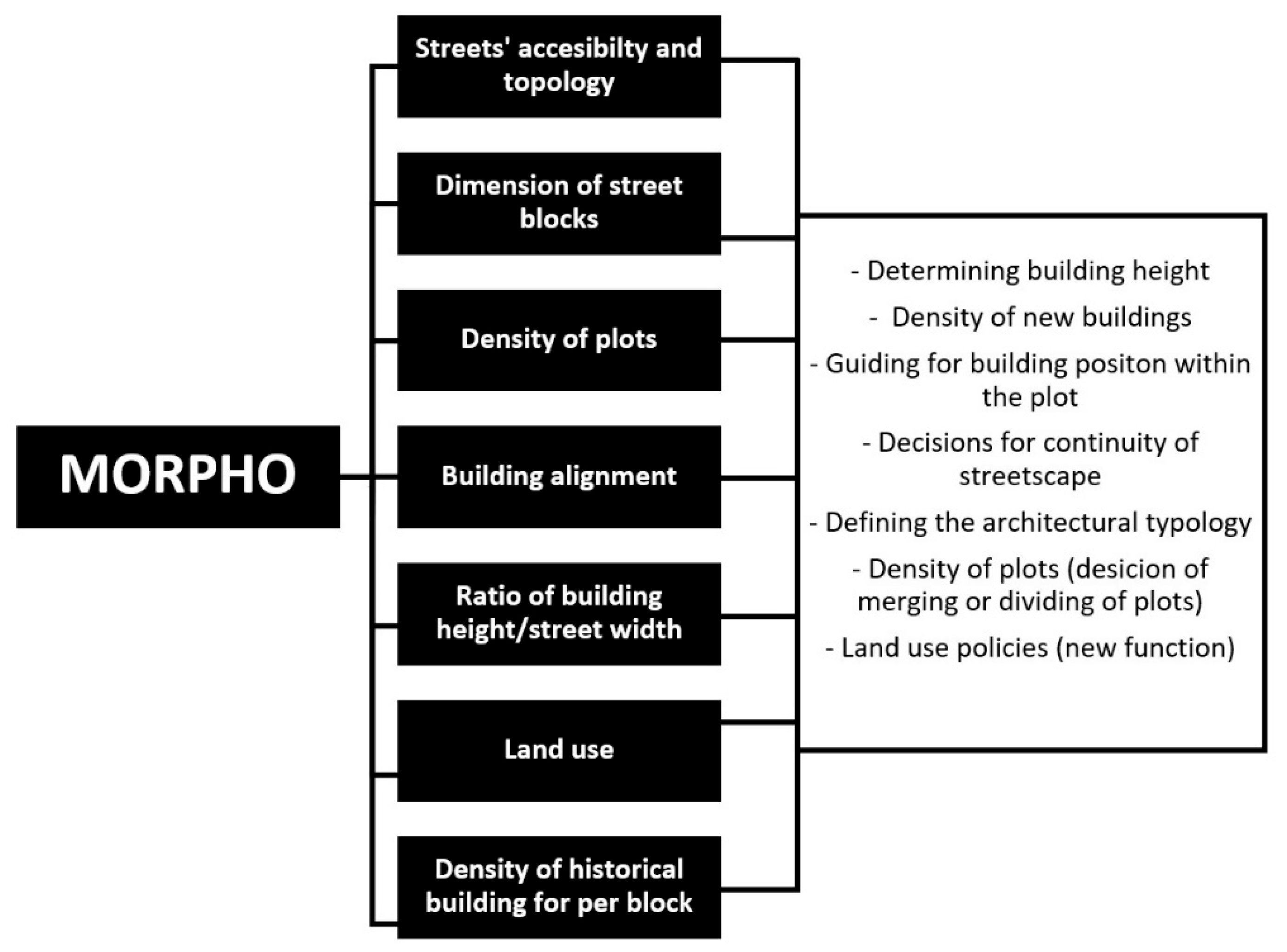
The findings reveal that achieving sustainable urban development in historical districts depends on effectively controlling and guiding the evolution of urban form. The study establishes a conceptual and methodological bridge between urban morphological analysis and planning practice, offering a practical framework for the formulation of urban design and planning codes. This framework supports evidence-based decision-making that harmonizes heritage preservation with modern urban needs. Based on the analyses, several practical questions can guide the implementation of morphology-informed planning strategies (
Figure 10).
Density of new construction: Determined with reference to the existing density of historical buildings per block, including the number of buildings and their coverage ratios.
Building position within plots: Informed by building alignment analysis, which clarifies the spatial relationship between buildings and streets and ensures the continuity of the streetscape.
Optimal building height: Defined by assessing the relationship between building height to street width, alongside accessibility data, to prevent excessive vertical development and to identify streets where height adjustments are feasible.
Management of plot/block transformation: Informed by the burgage cycle concept, addressing how subdivision or amalgamation of plots or blocks can be regulated based on land-use, ownership, and typological characteristics.
Integration of new functions into historical contexts: Guided by accessibility, existing land use, and other analyses to ensure that newly introduced functions enhance, rather than disrupt, the existing urban structure.
In conclusion, this research underscores the potential of morphological analysis as a strategic tool in managing urban change, supporting the sustainable regeneration of historical urban areas, and promoting an informed dialogue between heritage conservation and contemporary development. Ultimately, these analyses aim to inform the development of urban planning and design codes. The results can serve as a basis for preparing design principles at both macro- and meso-scales, ranging from blocks to street regulations. The methodological framework can also be extended to other neighborhoods in Beyoğlu to create comprehensive datasets that support future planning decisions. Moreover, subsequent research may focus on the micro-scale, addressing detailed architectural typologies and plot transformations to refine these findings further.
Future research should integrate dynamic socio-economic and environmental data to support sustainable urban design. Multidisciplinary collaboration among planners, architects, sociologists, economists, and environmental specialists can evaluate interactions between built form, social behavior, and institutional constraints, while modeling approaches anticipate impacts on land use, mobility, and population. Heritage and environmental experts should guide interventions to balance redevelopment, preservation, and climate resilience. Participatory planning and stakeholder engagement are recommended to address ownership complexities and scenario-based governance. Together, these approaches provide a robust, context-sensitive methodology that can be further expanded in a multidisciplinary manner, allowing the method itself to adapt and evolve in parallel with the city’s multidimensional character.