Article

Method of Calculating Outdoor PM2.5 Concentration in Fresh Air Systems Based on Population Density Distribution Regions

1
China Northwest Architecture Design and Research Institute, Xi’an 710000, China
2
College of Urban and Environmental Sciences, Northwestern University, Xi’an 710069, China
3
School of Resources Engineering, Xi’an University of Architecture and Technology, Xi’an 710055, China
*
Authors to whom correspondence should be addressed.
Buildings 2024, 14(9), 3010; https://doi.org/10.3390/buildings14093010

Submission received: 22 July 2024 / Revised: 14 September 2024 / Accepted: 20 September 2024 / Published: 22 September 2024

Abstract

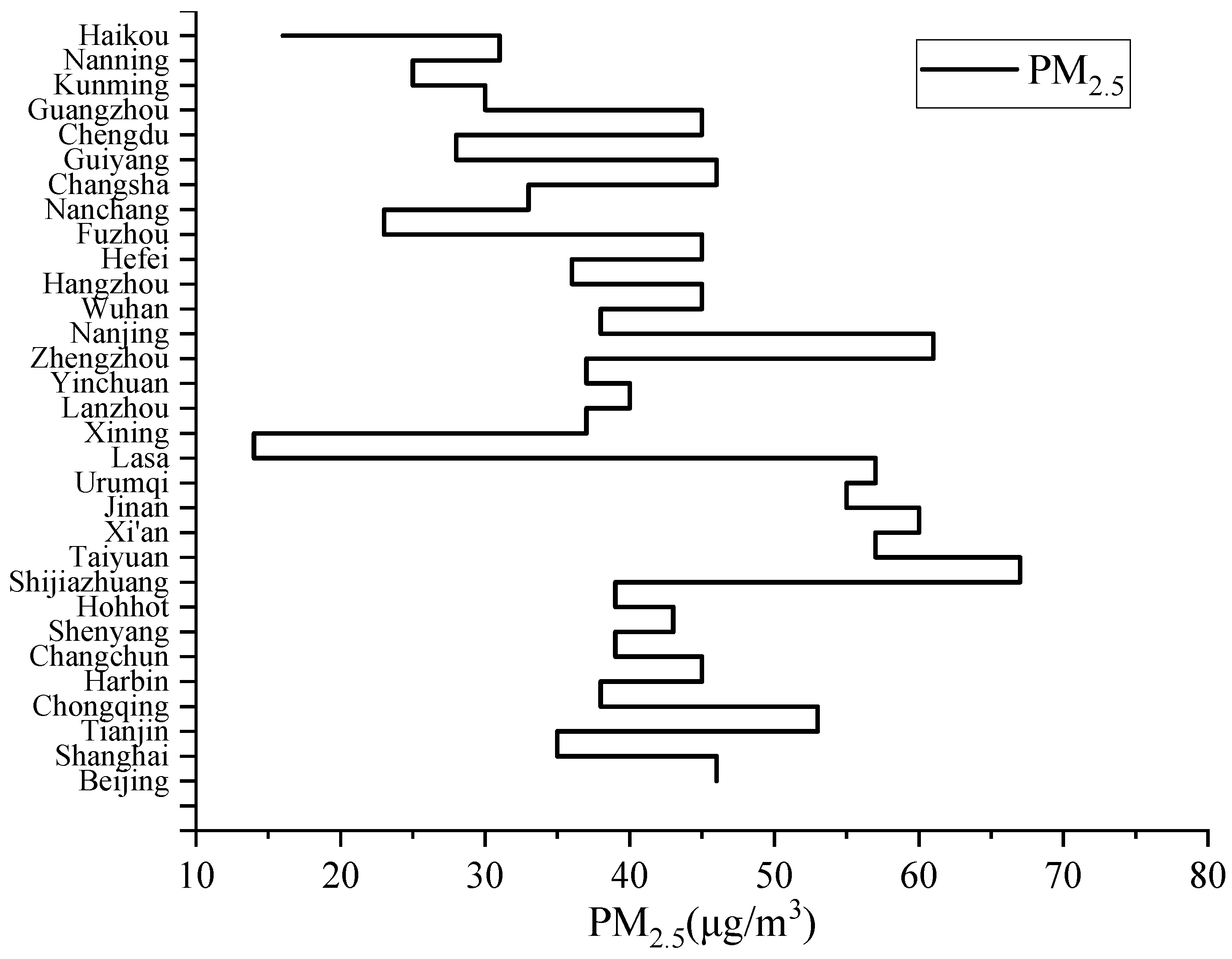
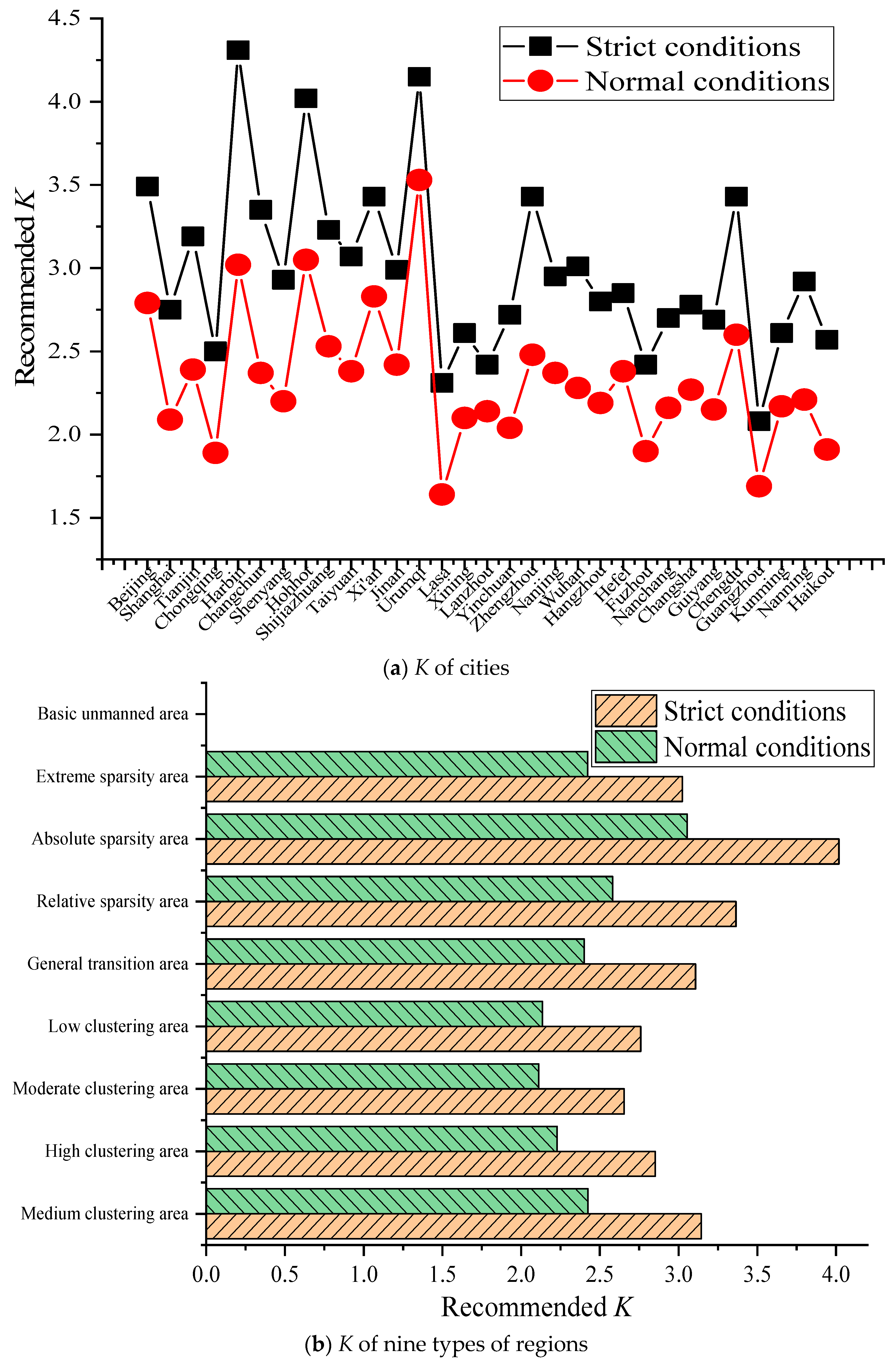
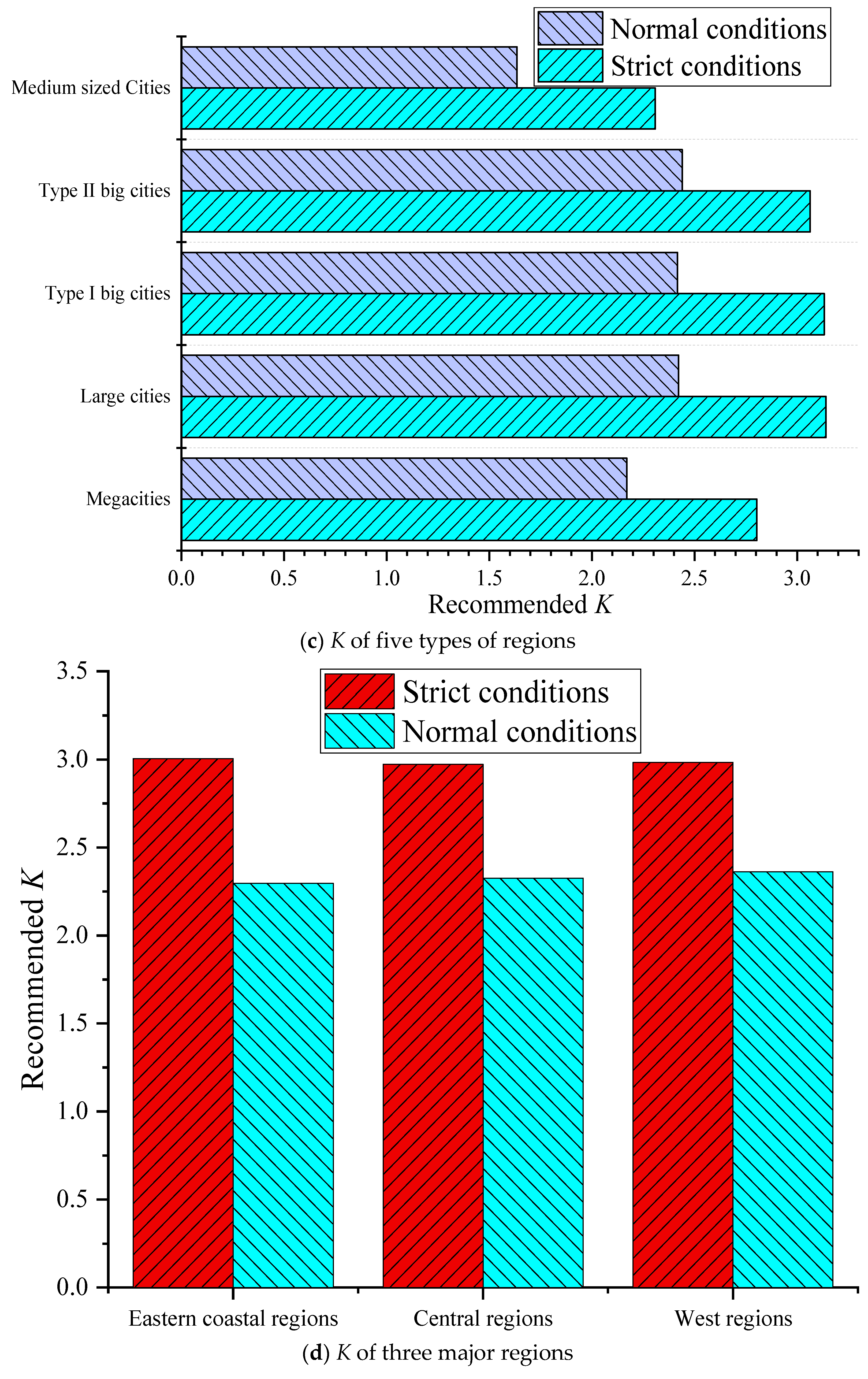
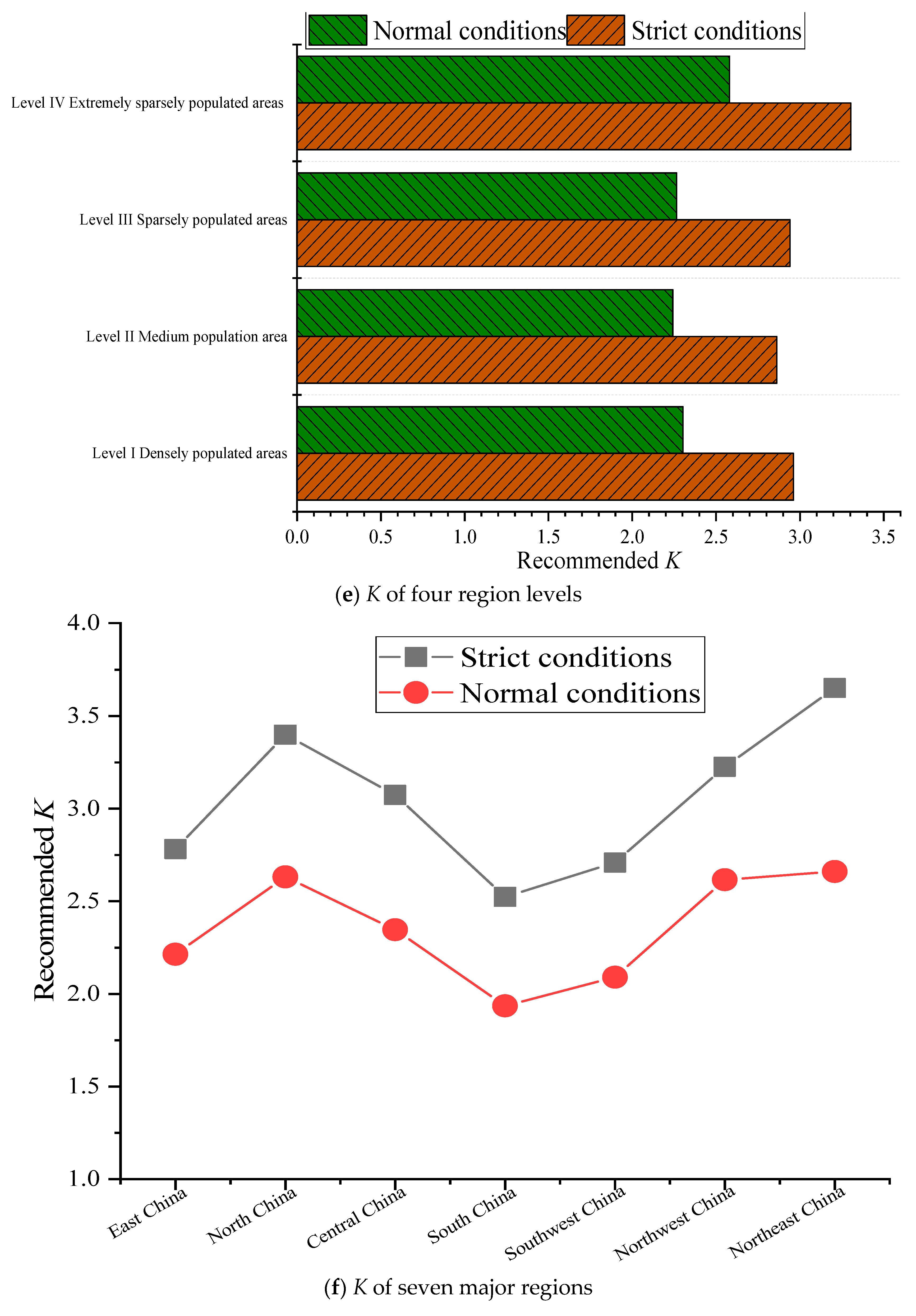
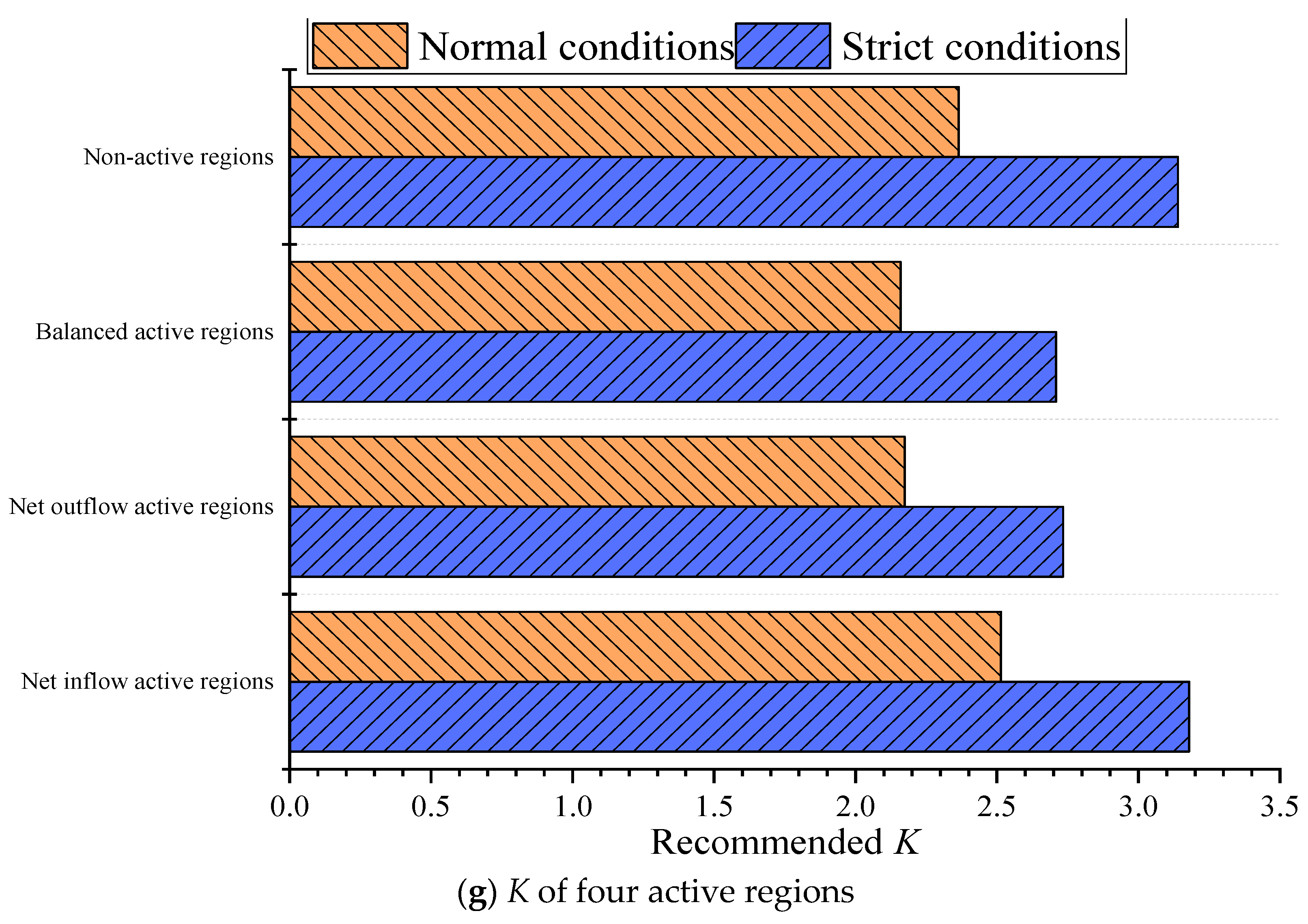
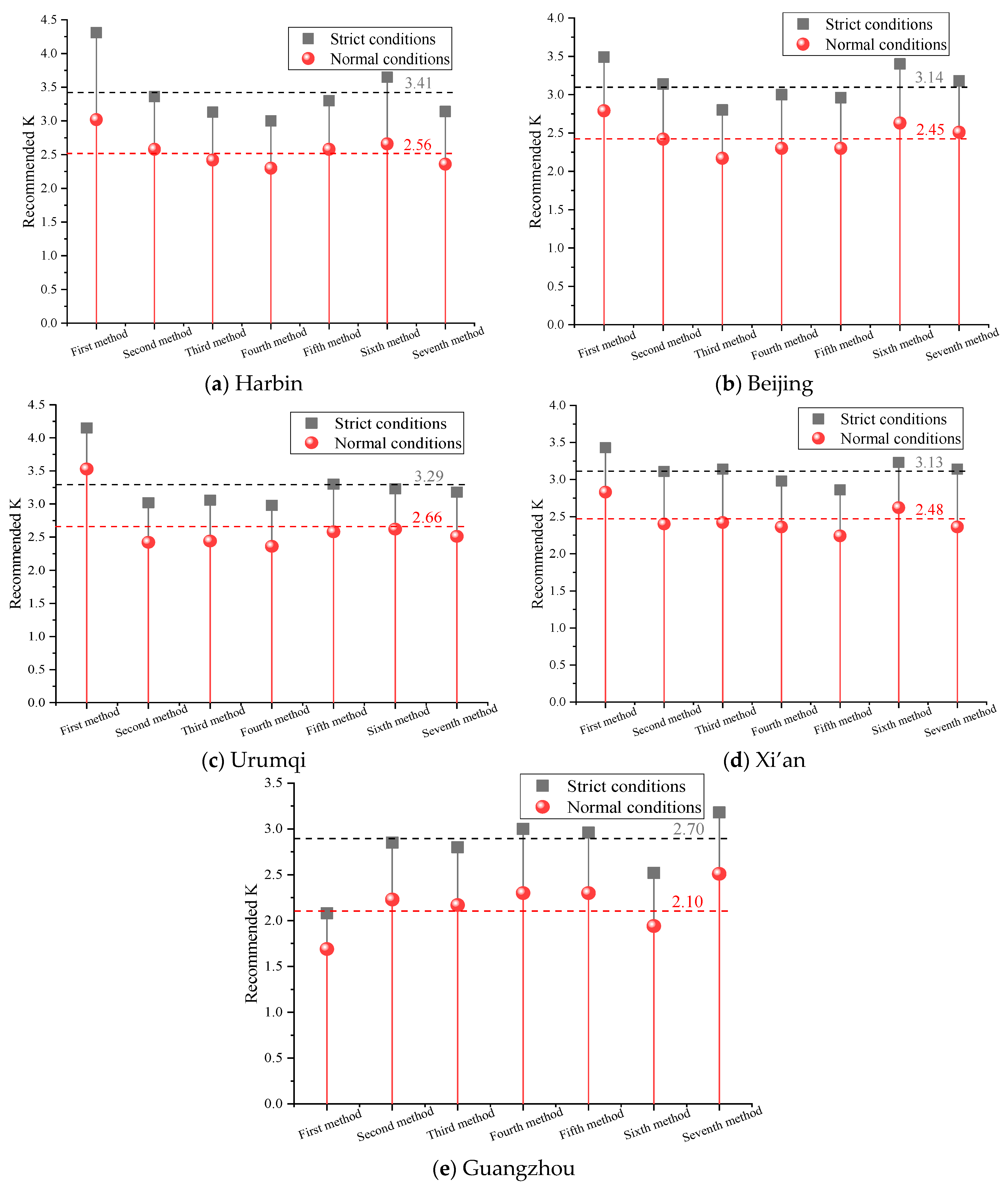
With the gradual increase in population density, population migration poses unprecedented challenges to urban environments and their capacity. The fresh air system effectively ensures fresh air in indoor environments. An important parameter affecting the selection of a fresh air filtration system is calculating particulate matter at a concentration of less than 2.5 μm (PM2.5). The PM2.5 concentration values of 31 cities in China from 2017 to 2020 were selected for analysis in this study. Based on mathematical induction and population density zoning, a new method that combines population density zoning is proposed, and the recommended constant K values for different regions are analyzed. The definition of K refers to the ratio of the outdoor design concentration value of PM2.5 to the annual average at different guarantee rates. The air filters for fresh air systems in five typical cities (Harbin, Beijing, Urumqi, Xi’an, Guangzhou) are also used as examples. The K values and selection differences under different recommendation methods are compared and analyzed. Under population migration and urbanization scenarios, the results indicate that the recommended K of the seven major regions method was optimal. Under these conditions, the recommended K values for five typical cities under strict and normal conditions differ from their average K values by 0.07 and 0.04, respectively. This method can accurately select fresh air filtration systems under different population densities; however, population density is related to factors such as policies and the economy and must be updated and revised regularly. On the whole, it provides reference values for the selection of PM2.5 design concentrations in fresh air systems under population distribution differentiation.
Keywords: population density; mathematical induction; fresh air system; concentration; performance differences population density; mathematical induction; fresh air system; concentration; performance differences