Article

Research and Case Application of Zero-Carbon Buildings Based on Multi-System Integration Function


1
Sanya Science and Education Innovation Park, Wuhan University of Technology, Sanya 572025, China
2
School of Civil Engineering and Architecture, Wuhan University of Technology, Wuhan 430070, China
3
Birmingham Centre for Energy Storage & School of Chemical Engineering, University of Birmingham, Birmingham B152TT, UK
4
Hainan Yourui Cohesion Technology Co., Ltd., Sanya 572025, China
5
Sanya Yazhou Bay Science and Technology City Management Bureau, Sanya 572025, China
6
School of Foreign Languages, Wuhan University of Technology, Wuhan 430070, China
*
Author to whom correspondence should be addressed.
Buildings 2024, 14(11), 3394; https://doi.org/10.3390/buildings14113394

Submission received: 5 September 2024 / Revised: 7 October 2024 / Accepted: 18 October 2024 / Published: 25 October 2024

Abstract

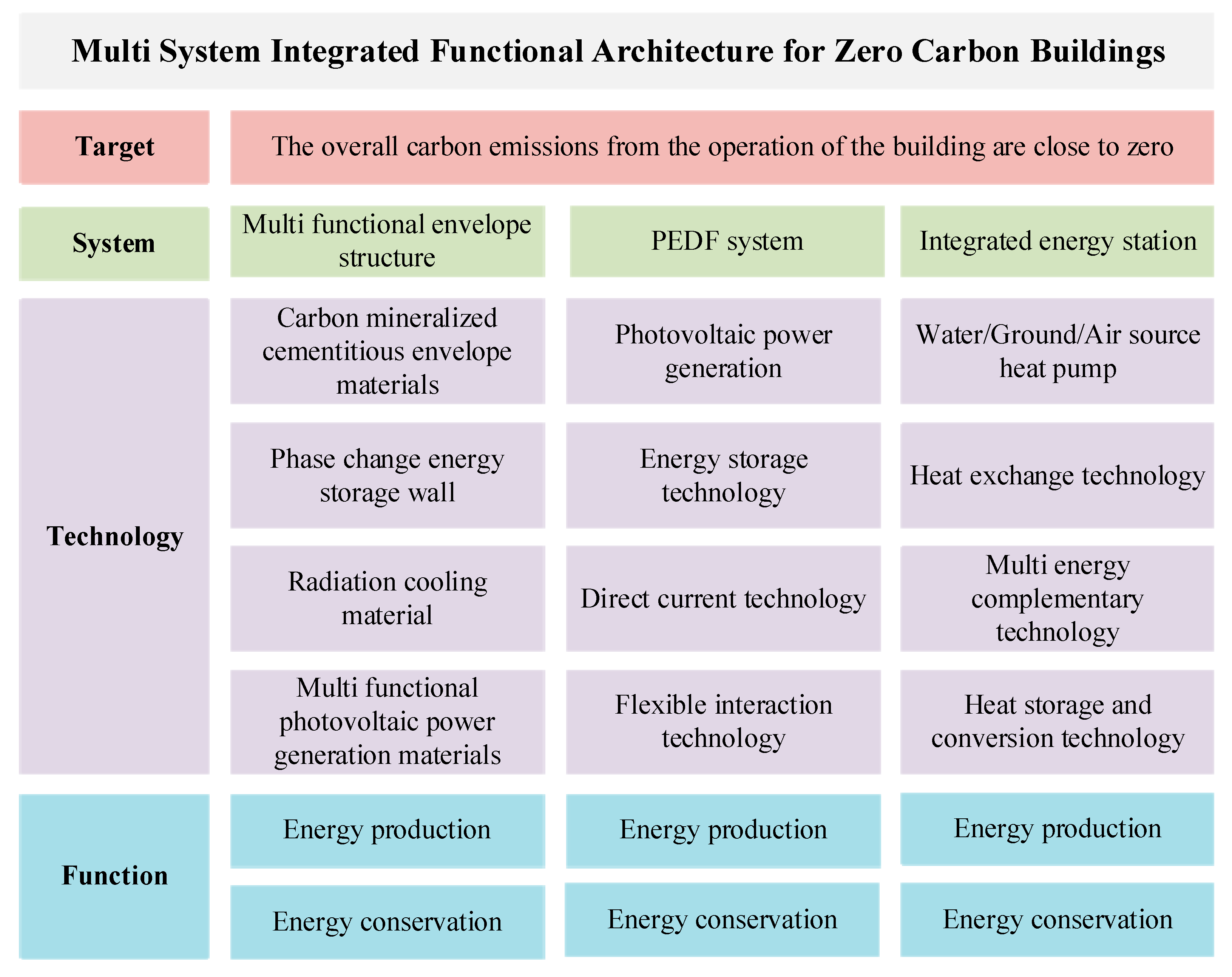
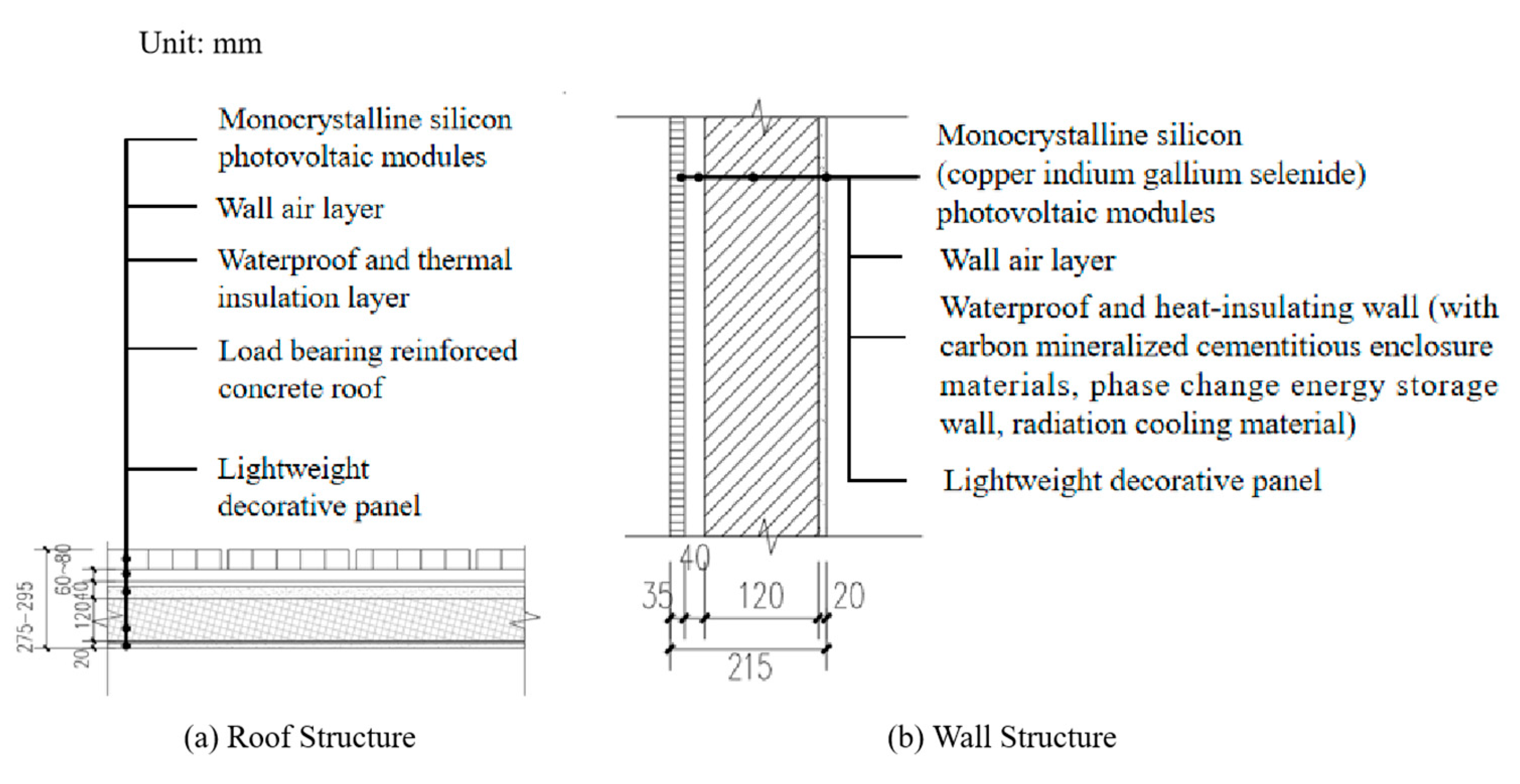
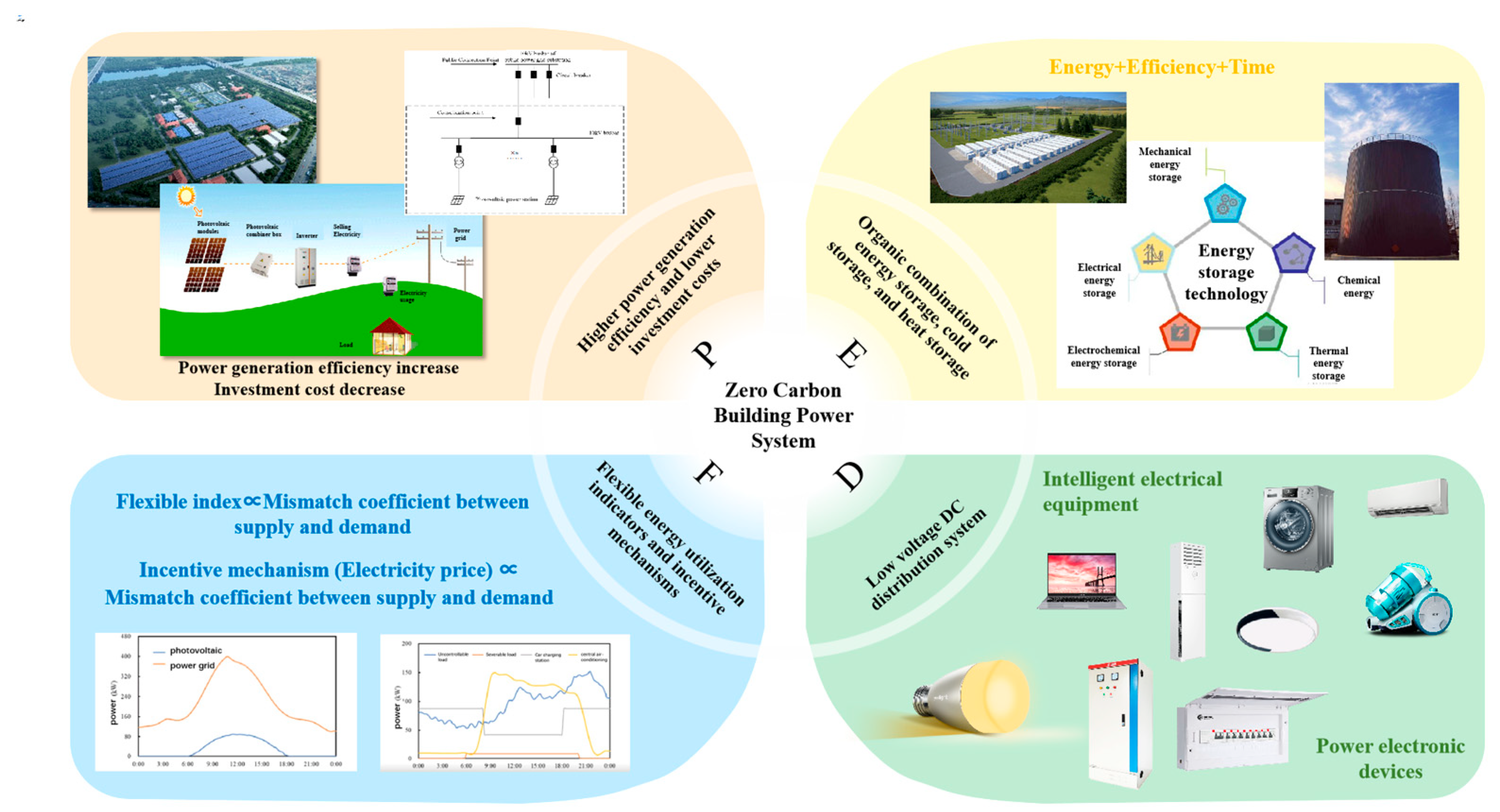
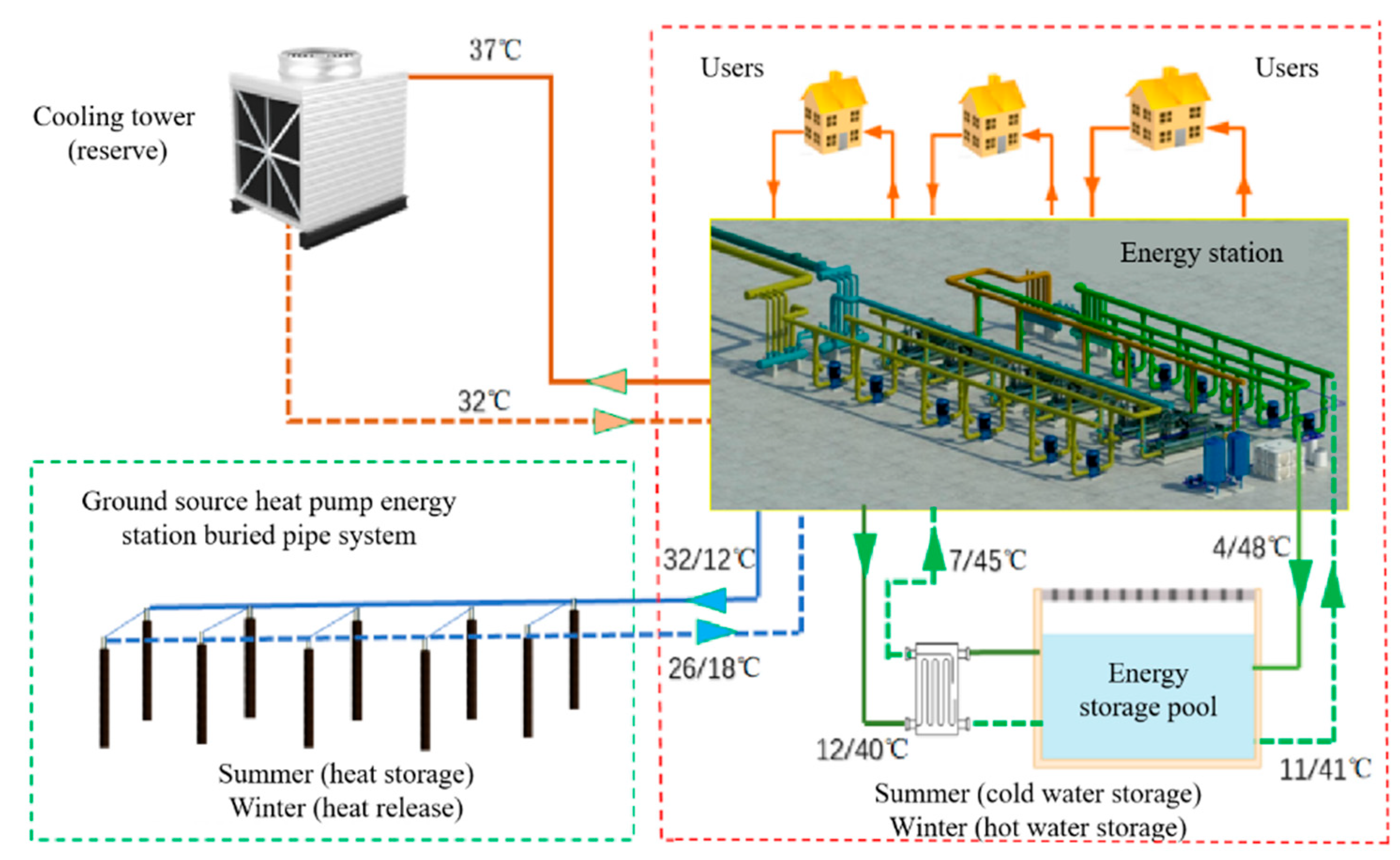
This study focuses on developing and implementing zero-carbon buildings through the integration of multiple systems to meet China’s carbon neutrality goals. It emphasizes the significant role of the building sector in carbon emissions and highlights the challenge of increasing energy consumption conflicting with China’s “dual carbon” targets. To address this, the research proposes a comprehensive framework that combines multifunctional envelope structure (MES) systems, photovoltaic power generation, energy storage, direct current (DC) systems, flexible energy management (PEDF), and regional energy stations. This framework integrates different technologies such as phase change materials, radiation cooling, and carbon mineralized cement, aiming to reduce carbon emissions throughout the building’s lifecycle. The method has been successfully applied in the Yazhou Bay Zero Carbon Post Station project in Sanya, Hainan, with precise calculations of carbon emission reductions. The carbon emission calculations revealed a reduction of 44.13 tons of CO2 annually, totaling 1103.31 tons over 25 years, primarily due to the rooftop photovoltaic systems. It demonstrates that the multi-system integration can reduce carbon emissions and contribute to China’s broader carbon neutrality goals. This approach, if widely adopted, could accelerate the transition to carbon-neutral buildings in China.
Keywords: zero-carbon building; carbon emission calculation; MES; PEDF; energy storage zero-carbon building; carbon emission calculation; MES; PEDF; energy storage