Article

Power Spinning of the Curved Head with Tailor Welded Aluminum Alloy Blank: Deformation, Microstructure, and Property

1
Sichuan Aerospace Changzheng Equipment Manufacturing Corporation, Chengdu 610100, China
2
Shaanxi Key Laboratory of High-Performance Precision Forming Technology and Equipment, State Key Laboratory of Solidification Processing, School of Materials Science and Engineering, Northwestern Polytechnical University, Xi’an 710072, China
*
Authors to whom correspondence should be addressed.
Metals 2019, 9(12), 1359; https://doi.org/10.3390/met9121359
Submission received: 22 November 2019 / Revised: 9 December 2019 / Accepted: 10 December 2019 / Published: 17 December 2019

Abstract

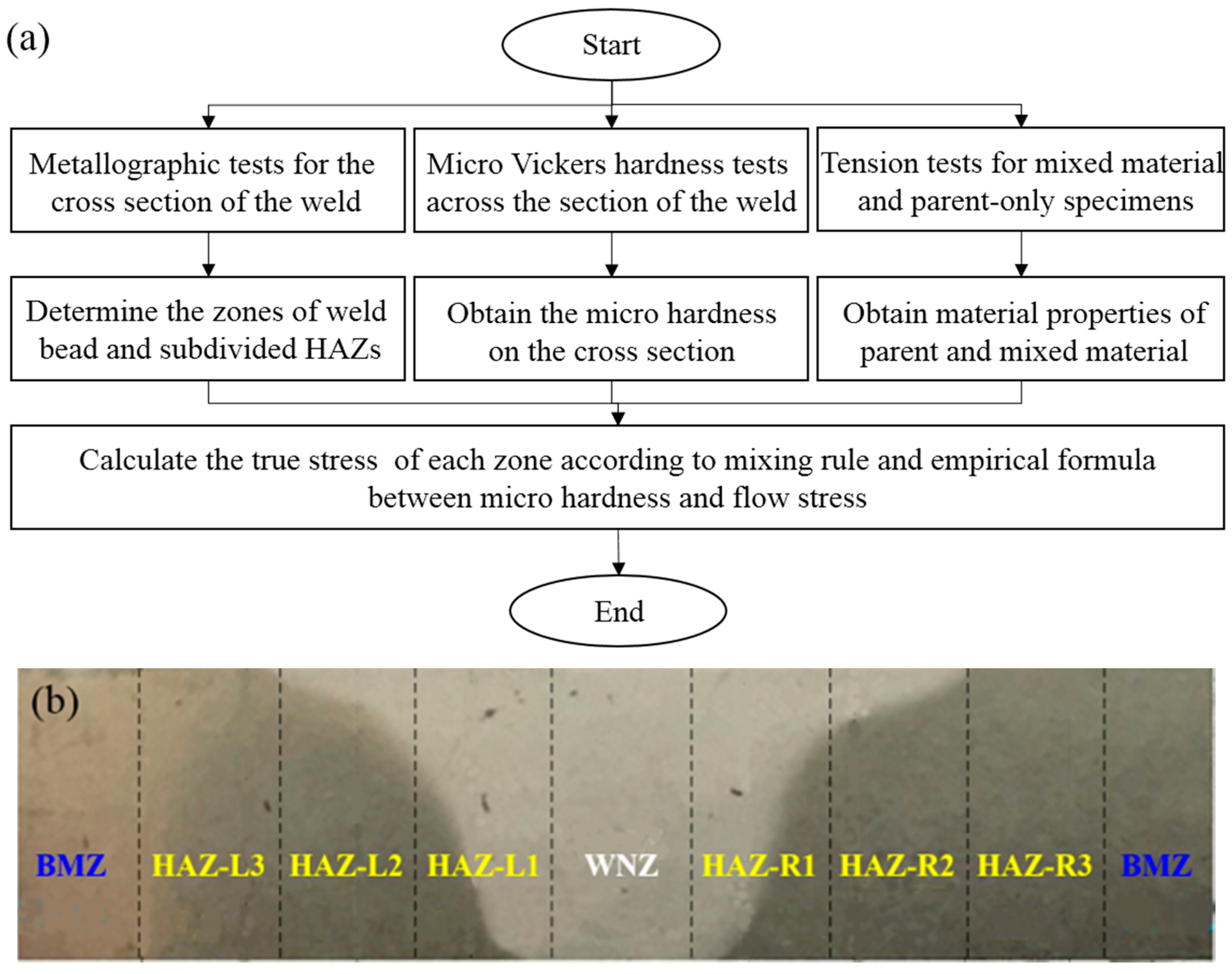
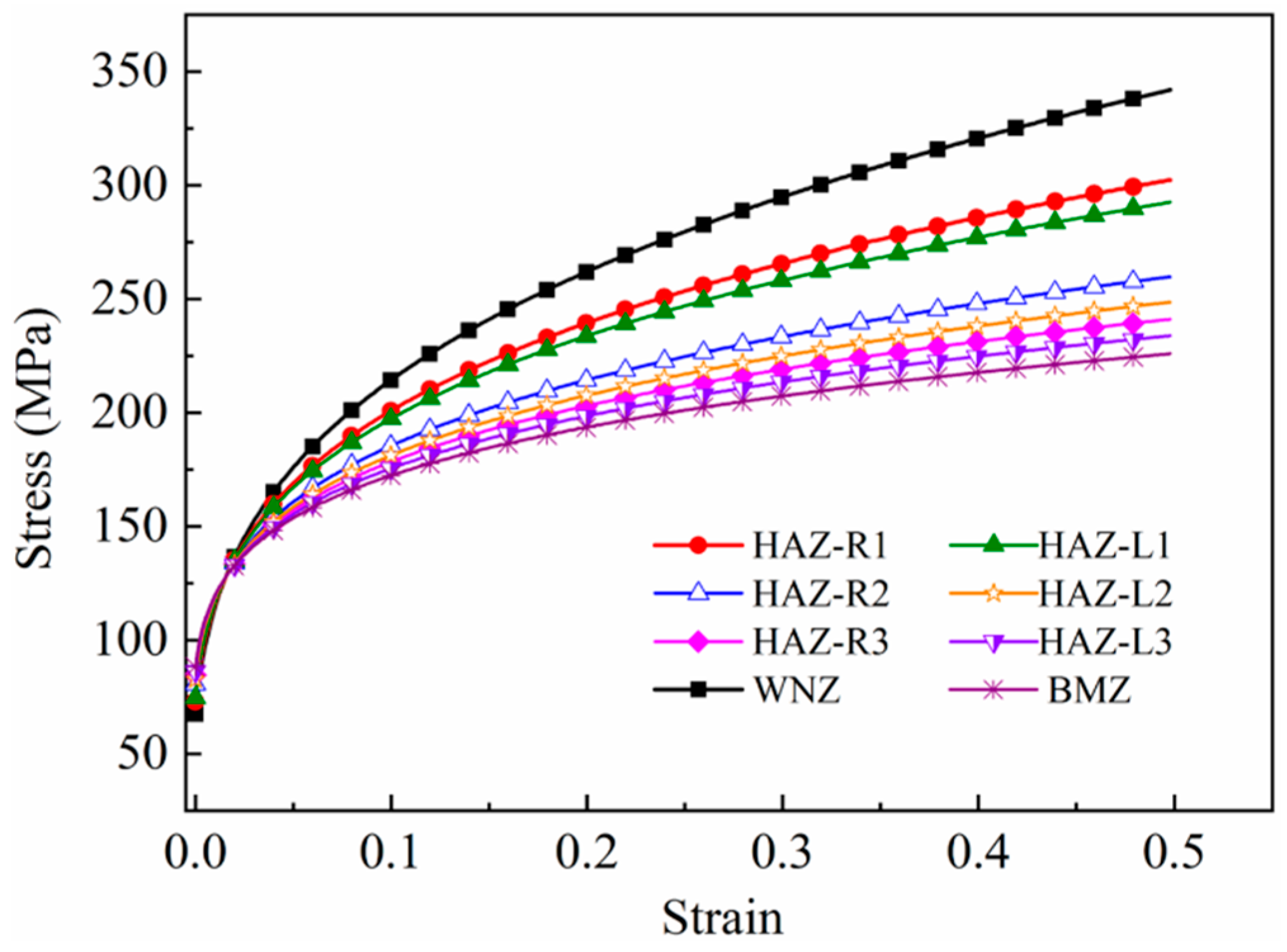
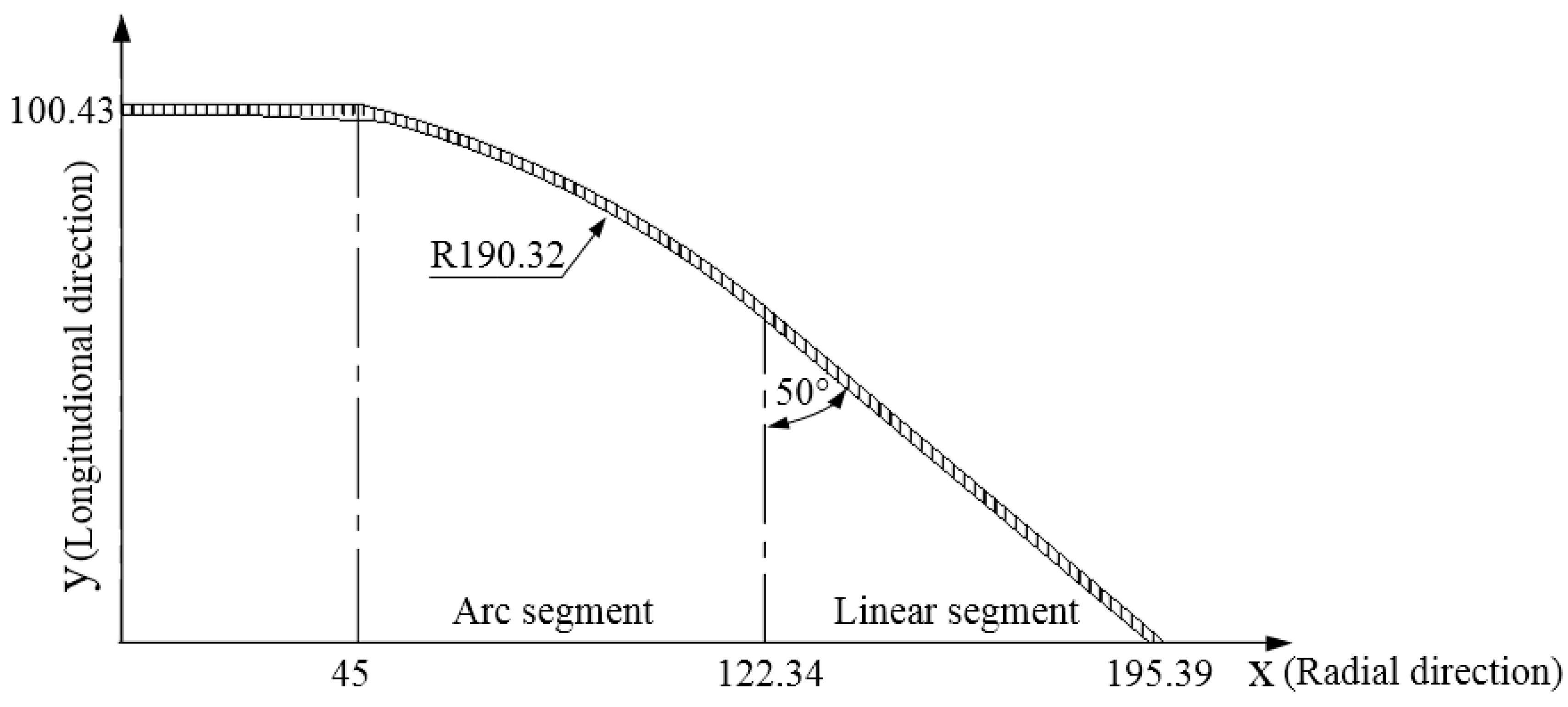
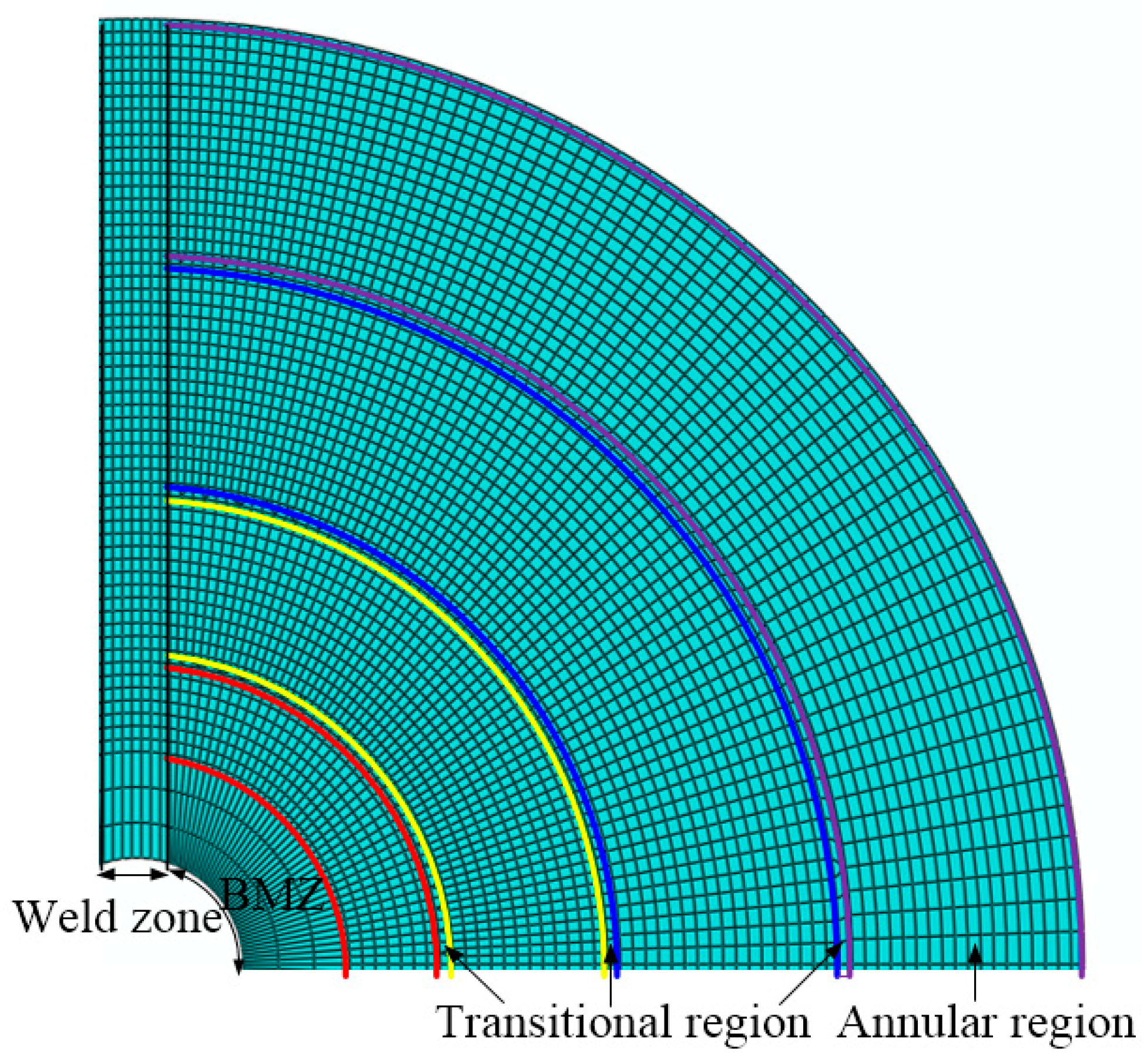
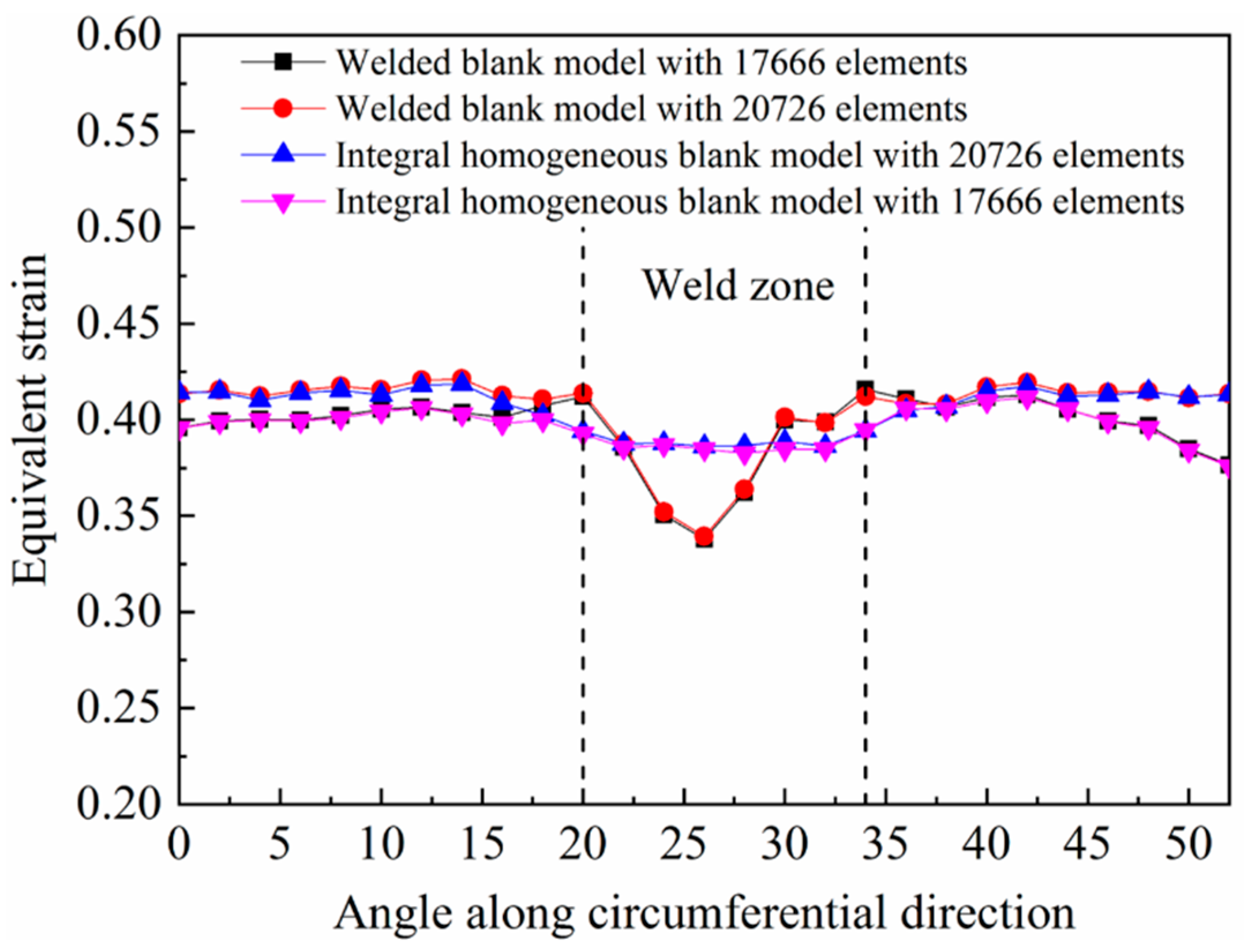
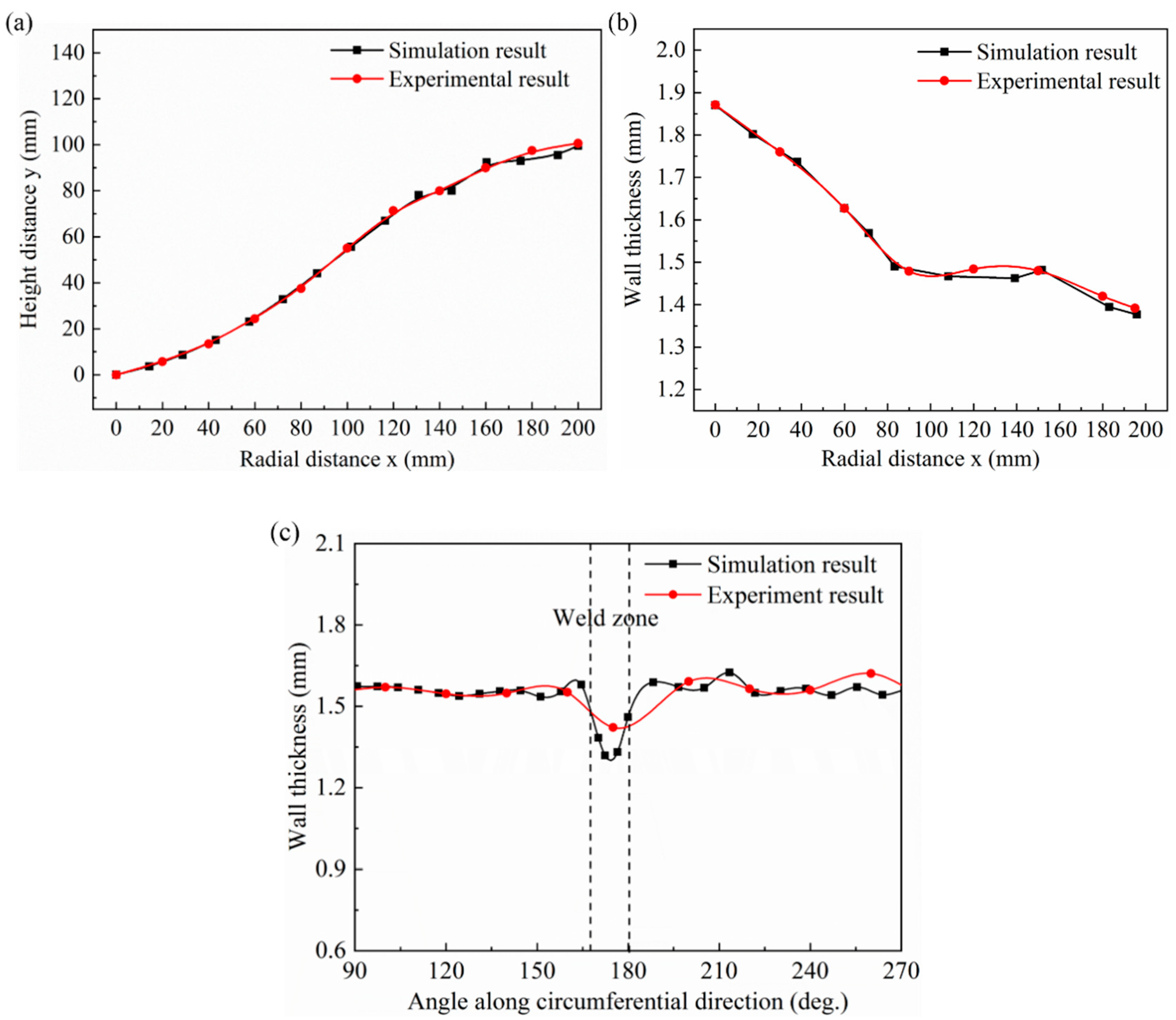
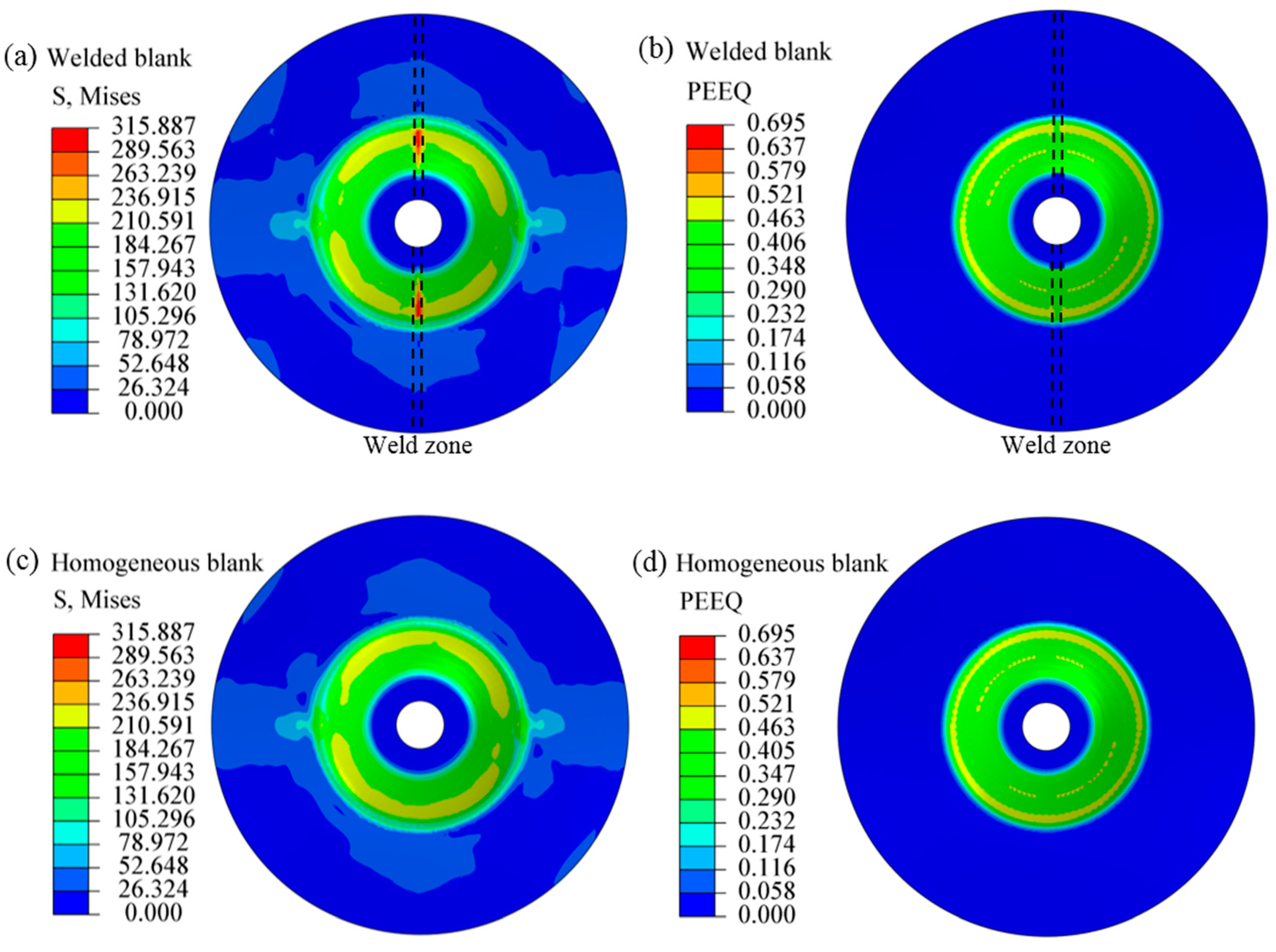
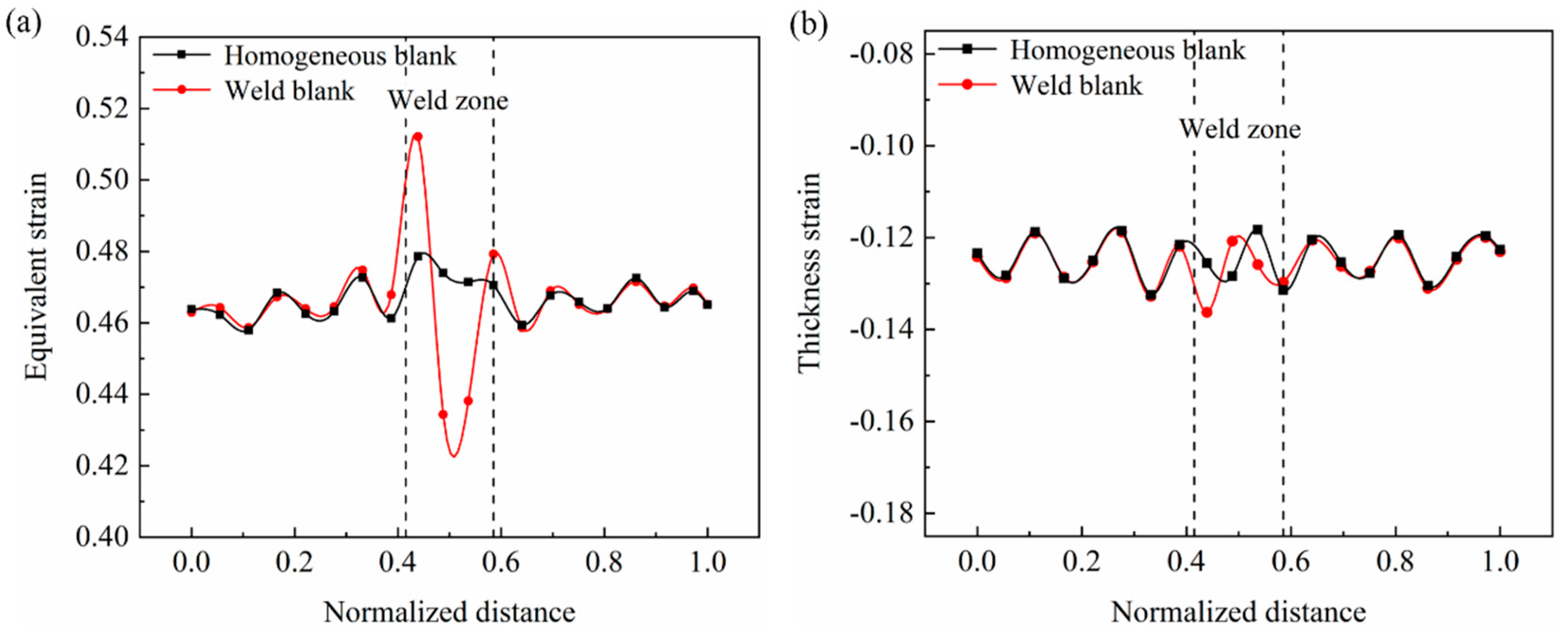
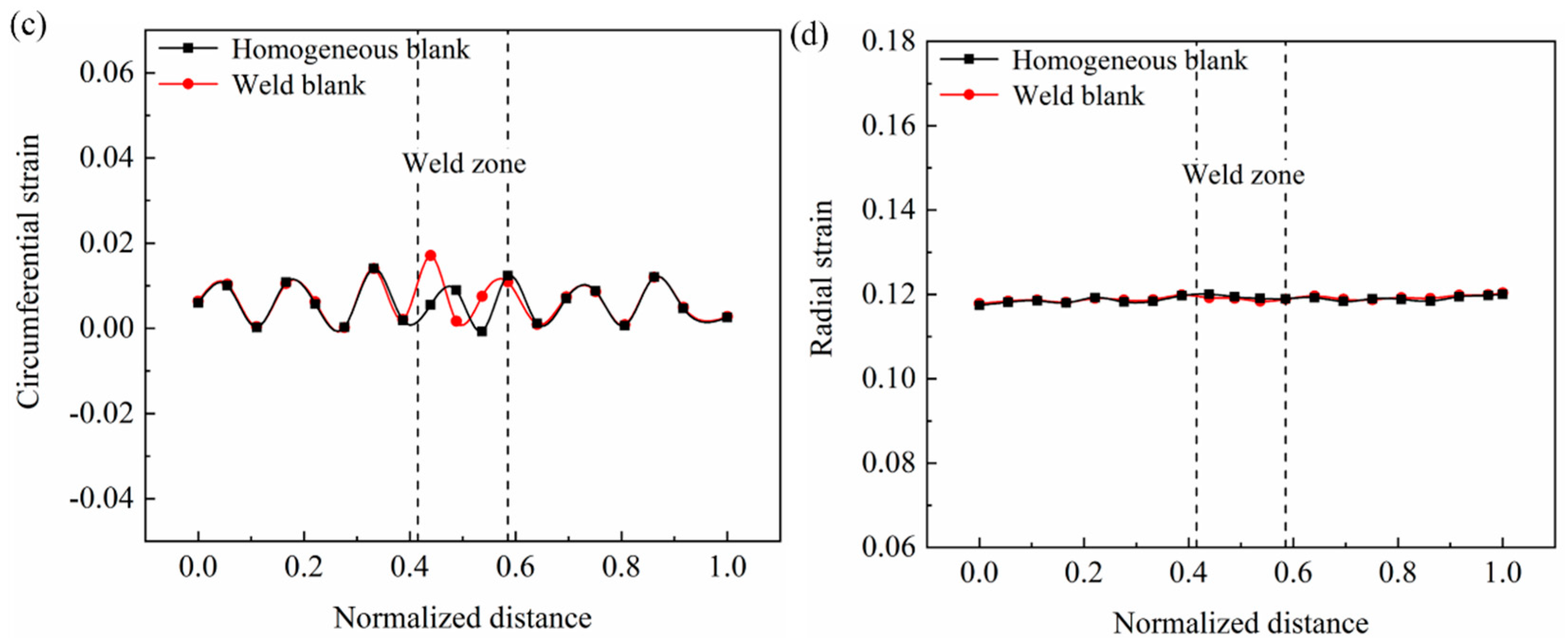
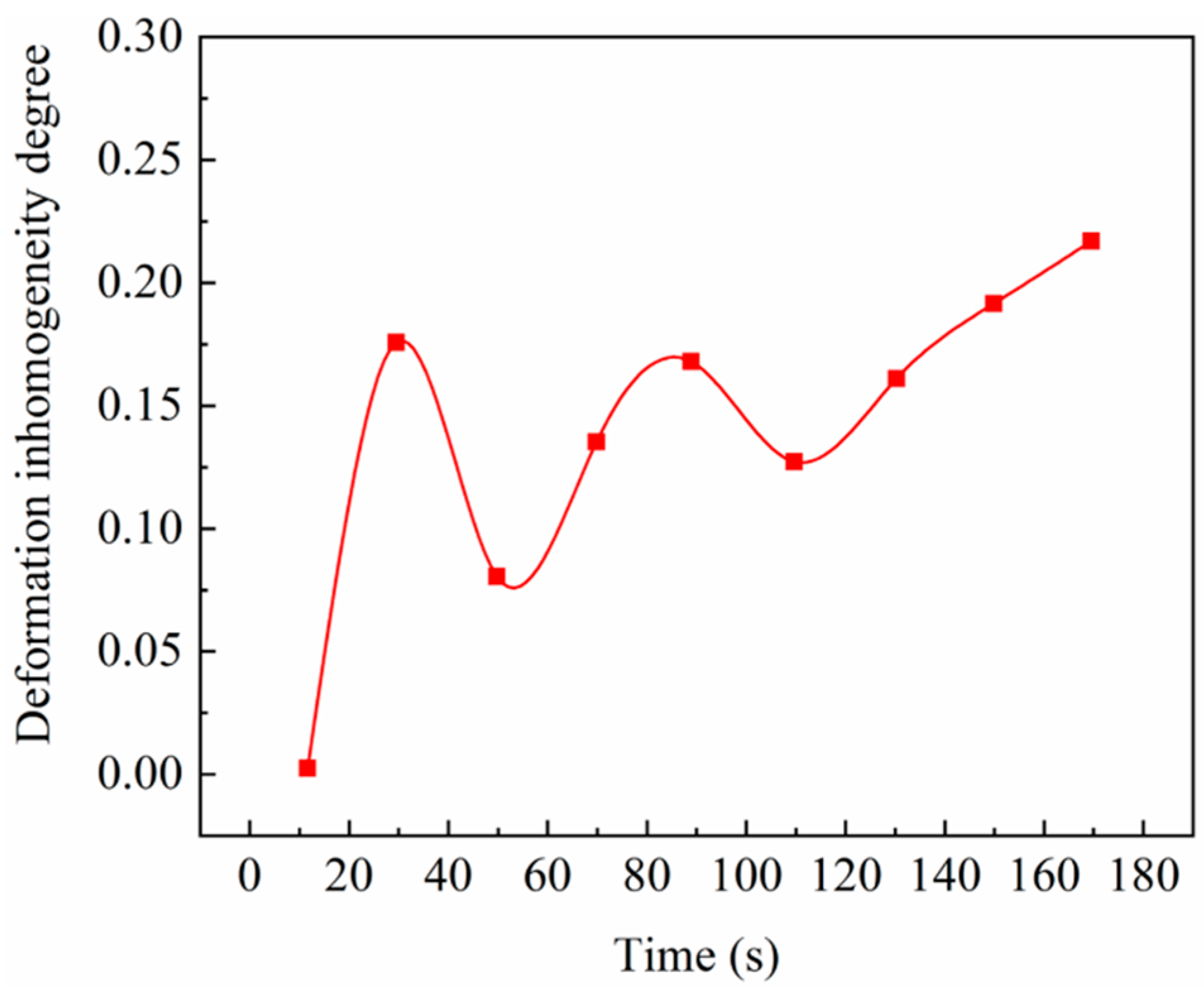
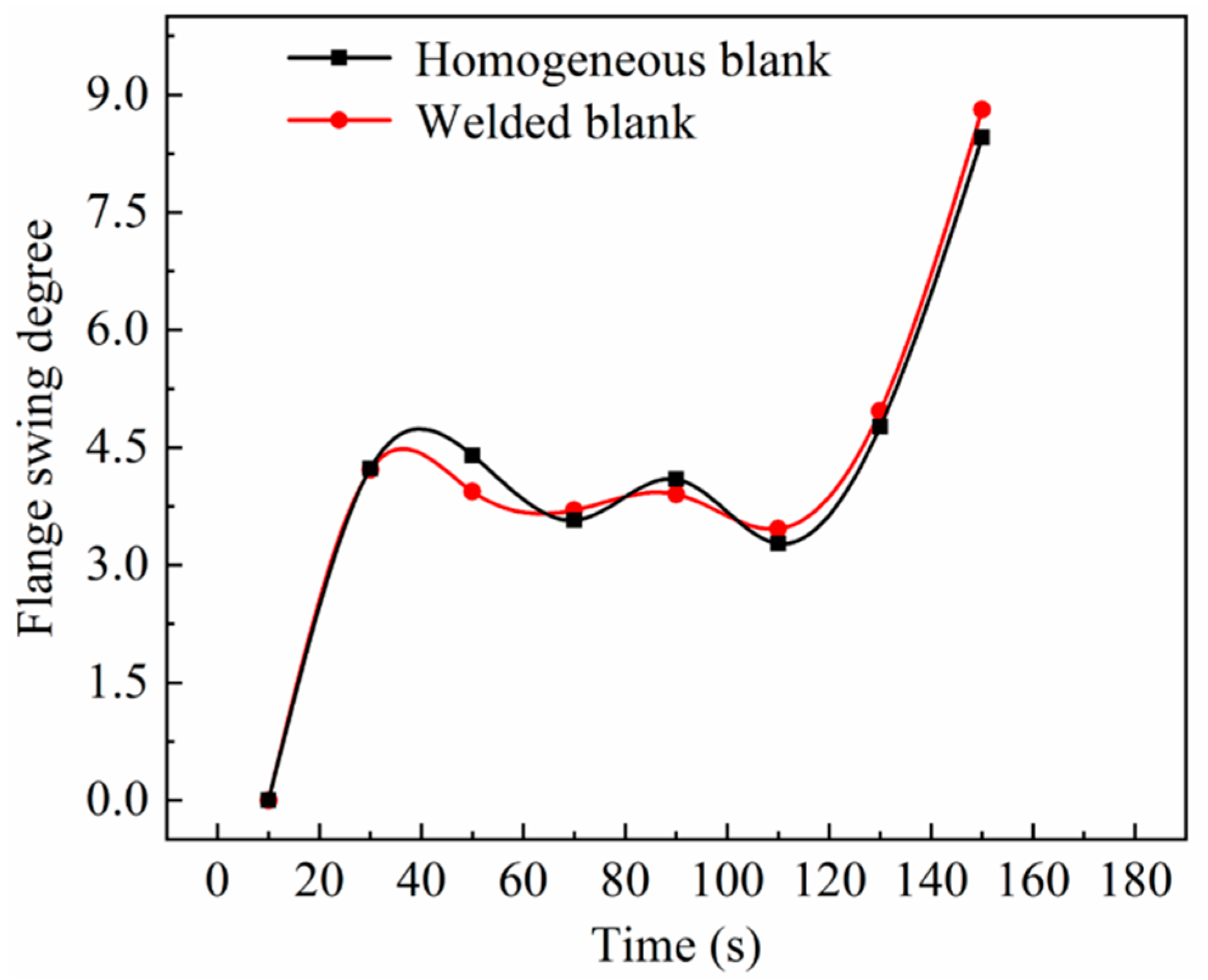
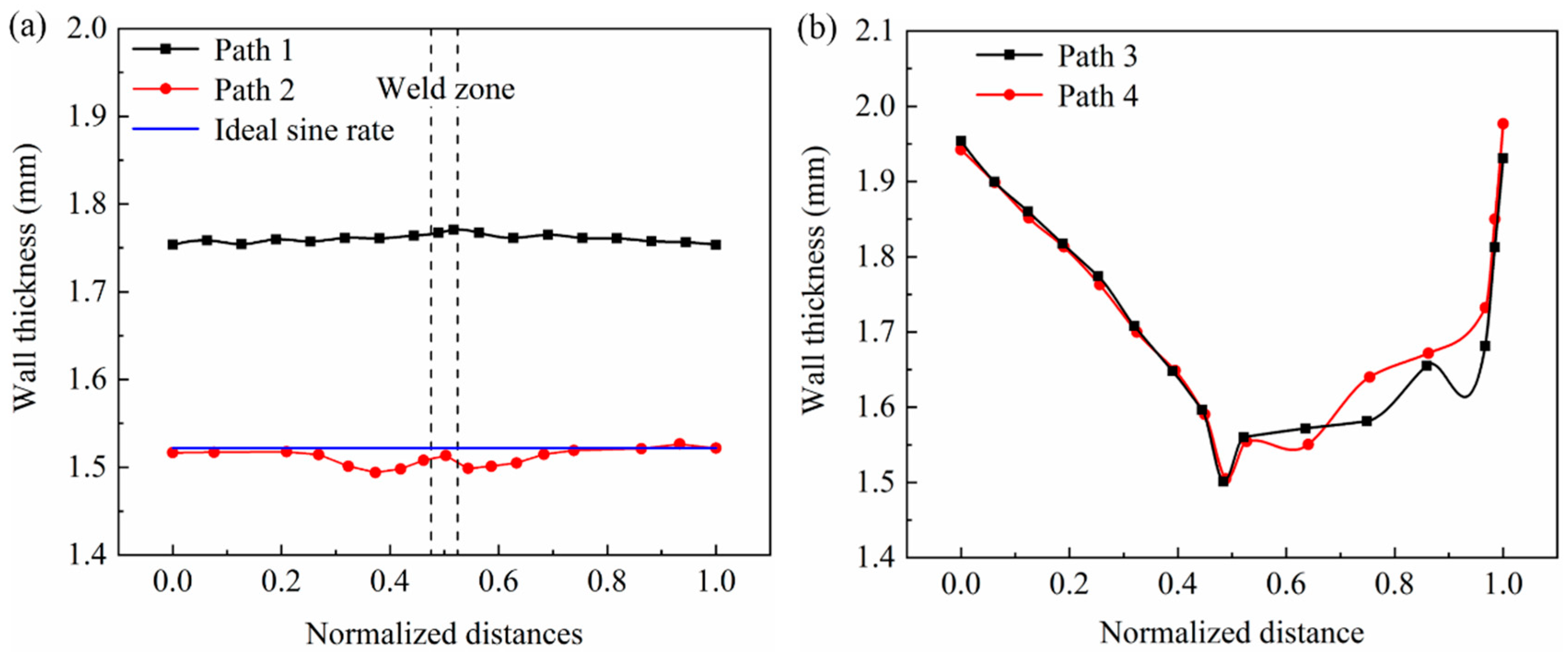
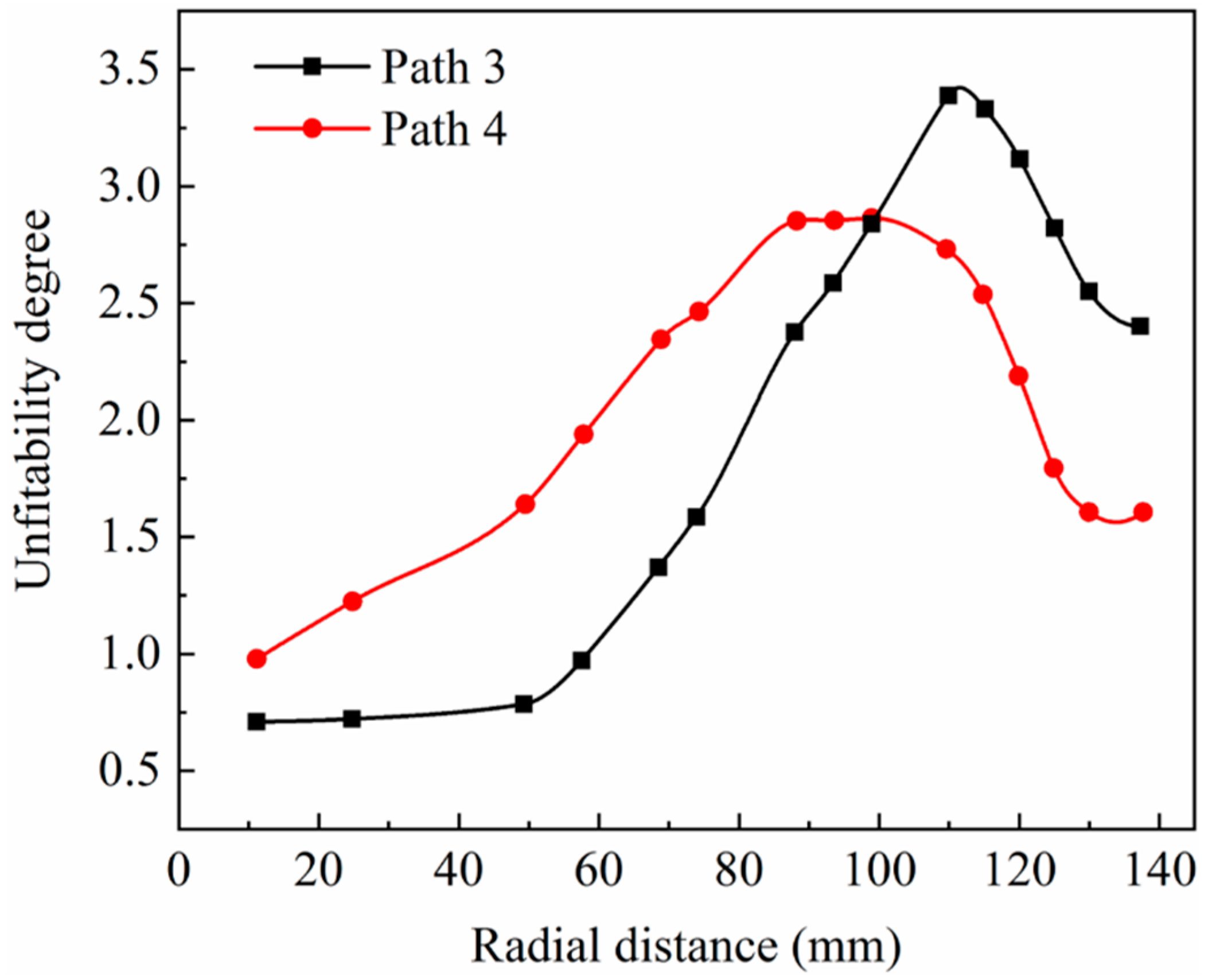
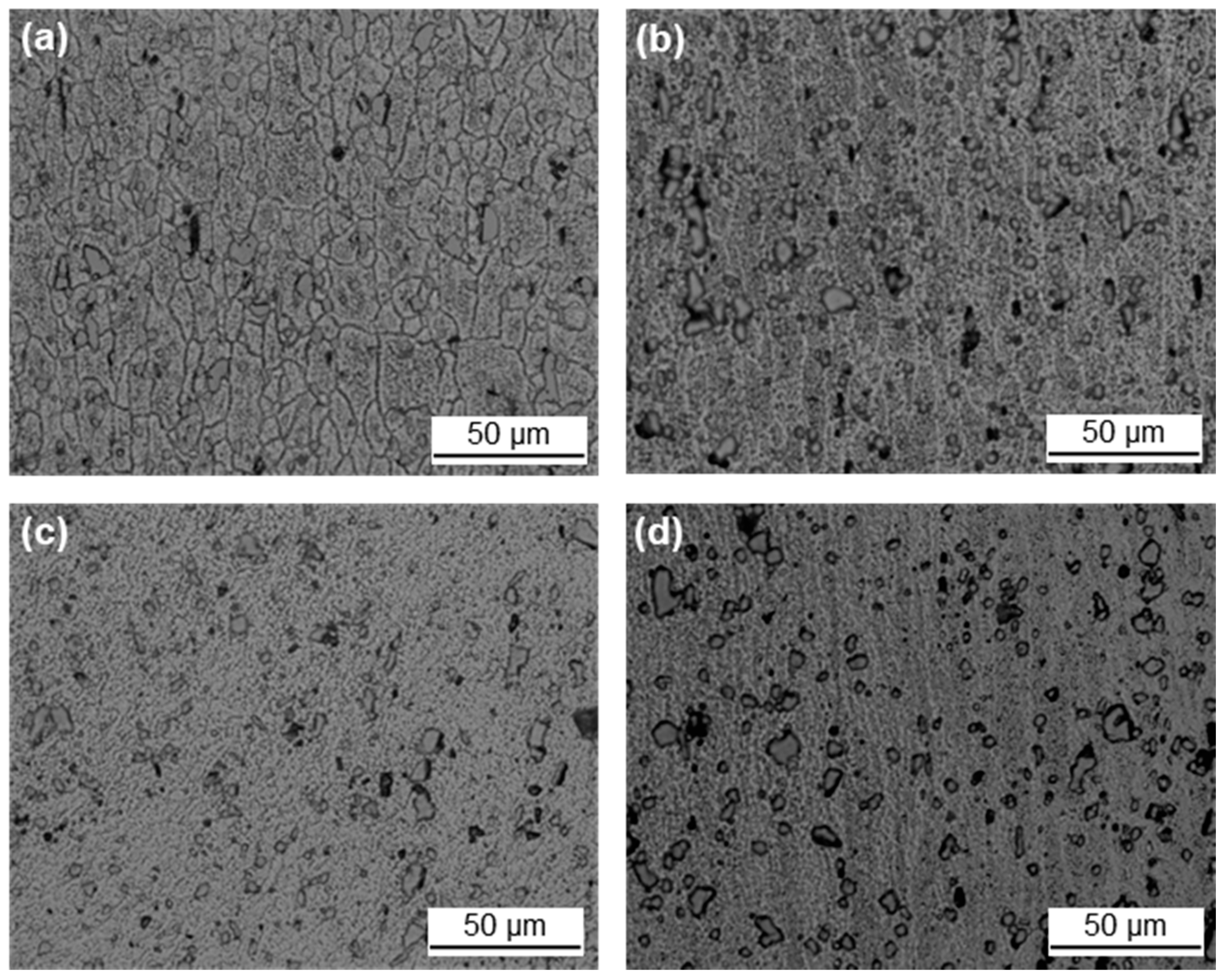
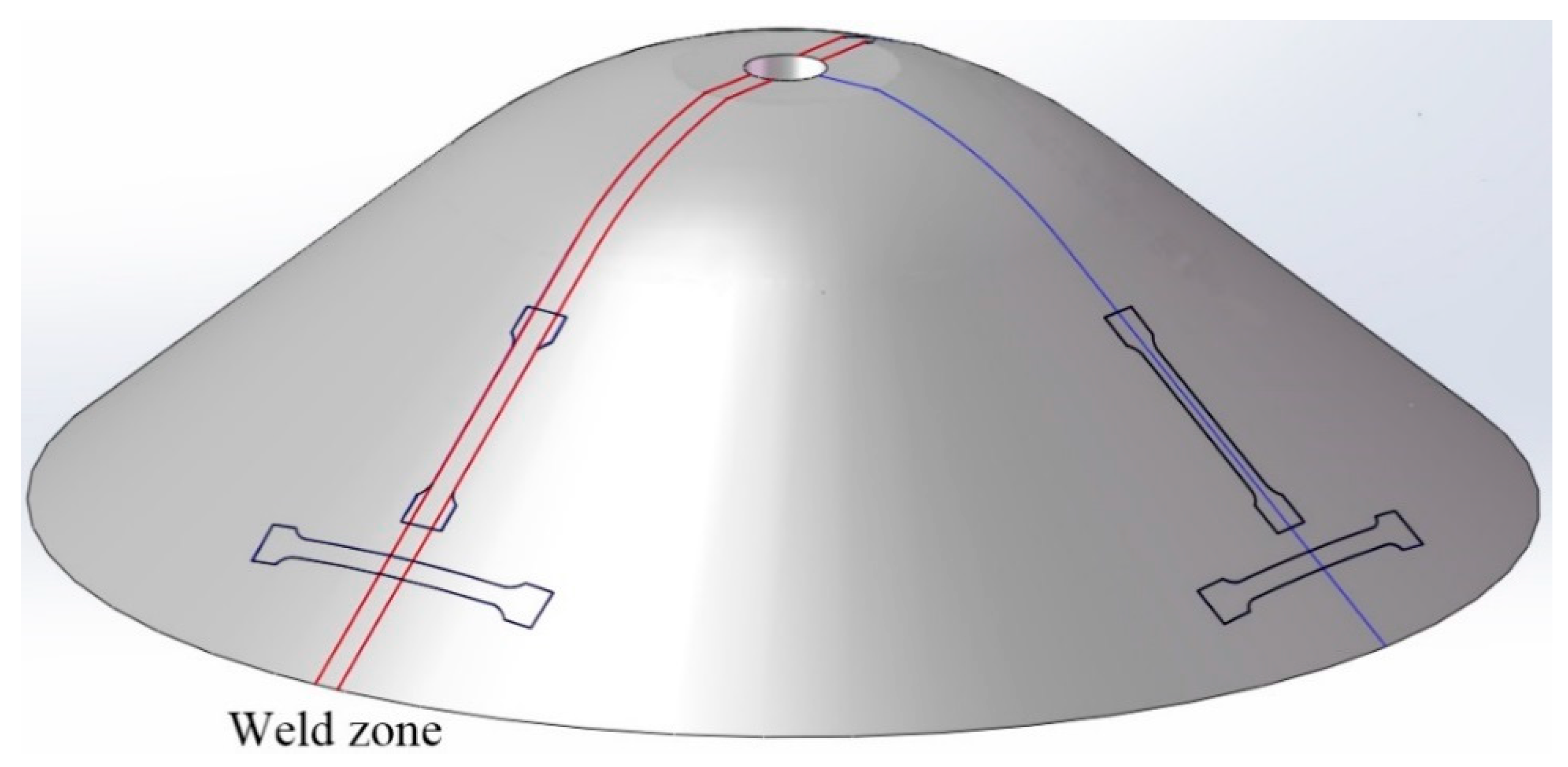
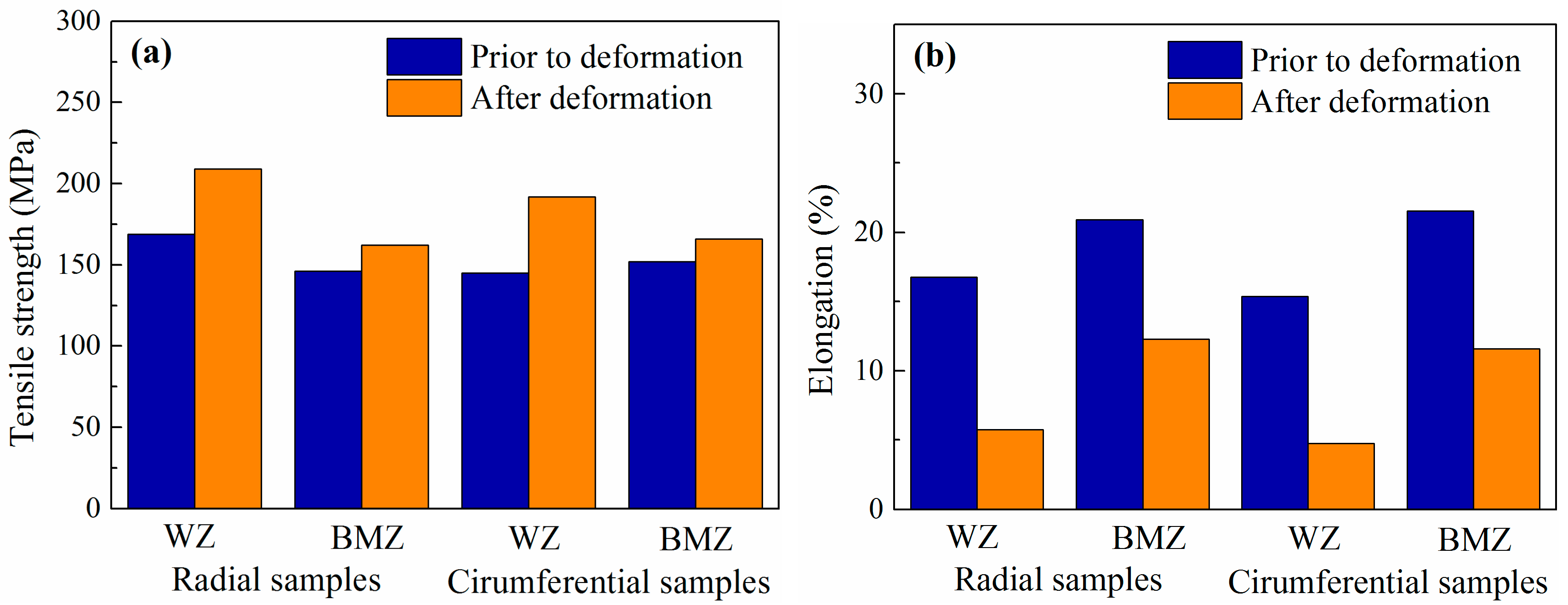
The power spinning of tailor-welded blank (TWB) provides a feasible way to form the large-scale curved heads of aluminum alloy. However, the inhomogeneous material property of TWB produces different and more complex spinning behaviors compared with the traditional spinning of an integral homogenous blank. In this research, the deformation characteristics, microstructure, and the properties of the power spun curved head with aluminum alloy TWB were studied. A finite element model considering the inhomogeneous material property of welded blank is developed for the analysis of the power spinning process. To conduct accurate and efficient simulation, an effective meshing method is proposed according to the feature of TWB. The simulation and experimental results show that the weld zone (WZ) presents the larger equivalent stress but smaller equivalent strain than base material zone (BMZ) in power spinning due to its larger deformation resistance. Under the combined effects of the spiral local loading path and inhomogeneous deformability of TWB, the equivalent strain near the weld zone has an asymmetric V-shaped distribution. Strain inhomogeneity gradually increases with deformation and leads to an increase of the flange swing degree. In addition, the circumferential thickness distribution is relatively uniform, which is little affected by the existence of the weld line. However, the circumferential unfitability distribution becomes non-uniform and the roundness is worsened due to the existence of the weld line. Compared to the initial blank, the microstructure in WZ and BMZ are both elongated after spinning. The tensile strength is improved but plasticity reduced after power spinning based on the circumferential and radial tests of WZ and BMZ. The results are of theoretical and technical guidance for the power spinning of the curved head component with TWB.
Keywords: aluminum alloy; tailor-welded blank; spinning; deformation characteristics; microstructure and property aluminum alloy; tailor-welded blank; spinning; deformation characteristics; microstructure and property