Article

Tool Wear Characteristics and Effect on Microstructure in Ti-6Al-4V Friction Stir Welded Joints
by
Ameth Fall
1,*,
Mostafa Hashemi Fesharaki
2,
Ali Reza Khodabandeh
2 and
Mohammad Jahazi
1,*
1
Ecole de Technologie Supérieure (E.T.S), Département de Génie Mécanique, 1100 Rue Notre-Dame Ouest, Montréal, QC H3C 1K3, Canada
2
Science and Research Branch, Islamic Azad University, Hesarak, Teheran 982100, Iran
*
Authors to whom correspondence should be addressed.
Metals 2016, 6(11), 275; https://doi.org/10.3390/met6110275
Submission received: 24 September 2016 / Revised: 3 November 2016 / Accepted: 4 November 2016 / Published: 10 November 2016

Abstract

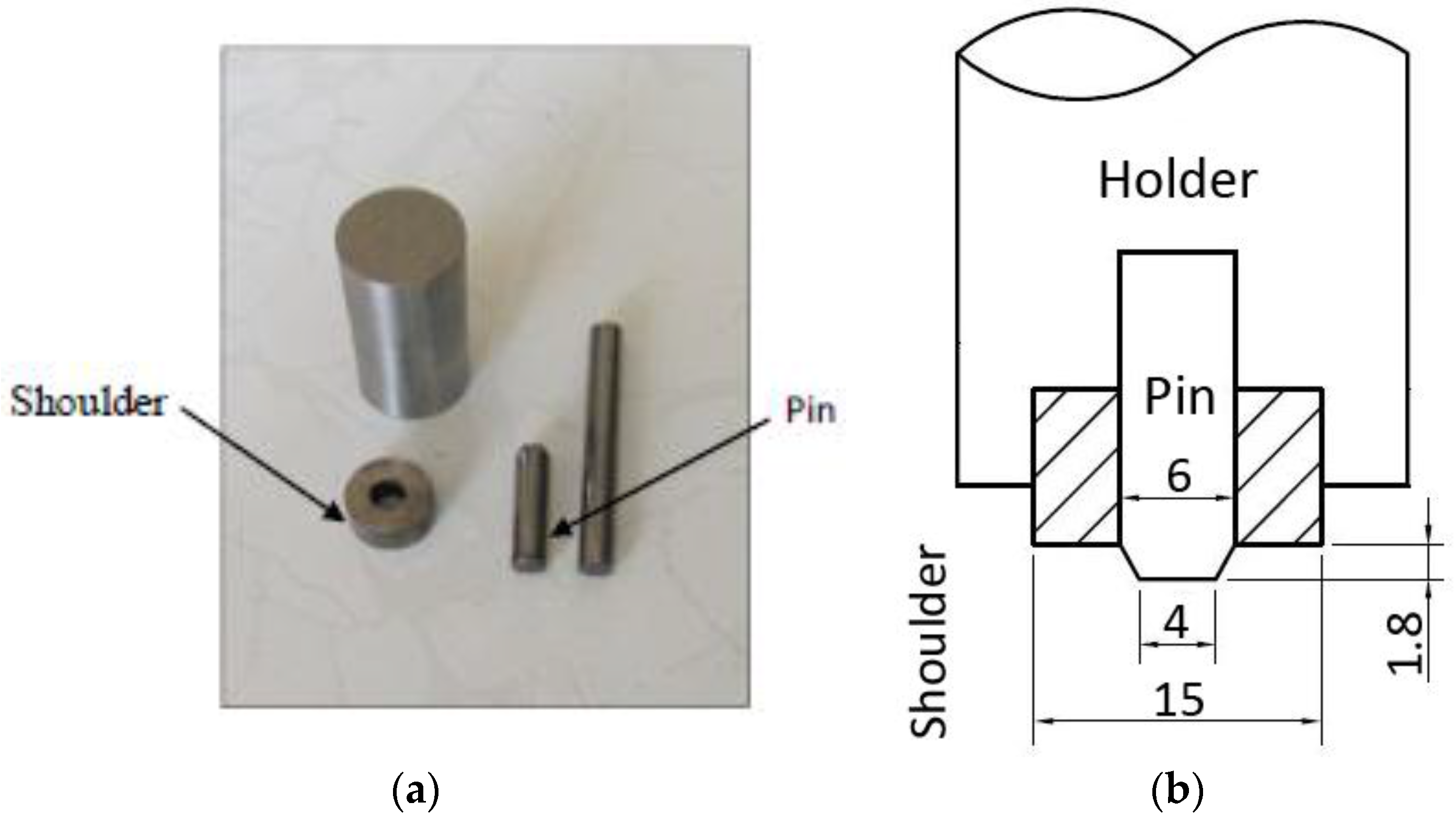
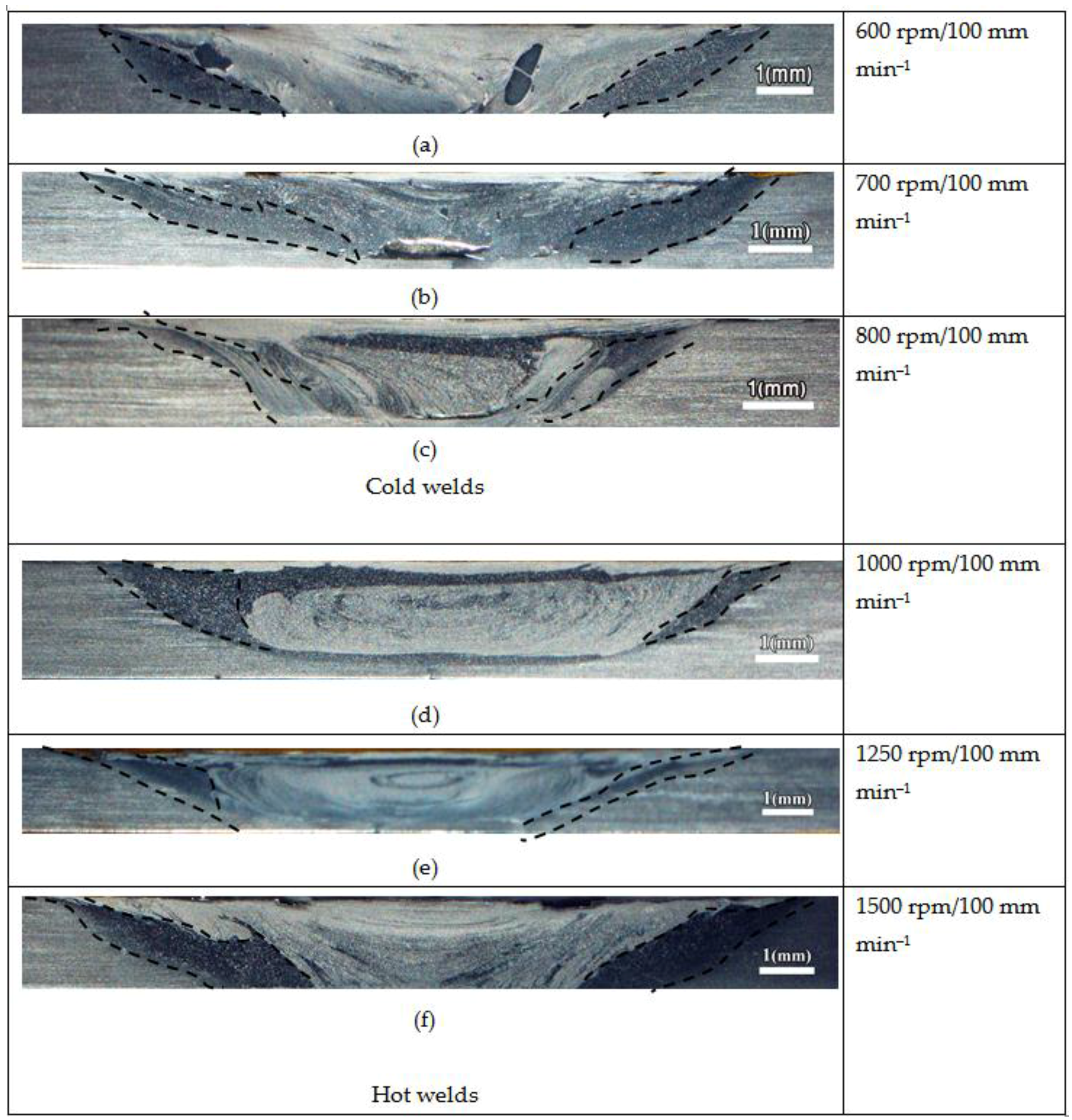
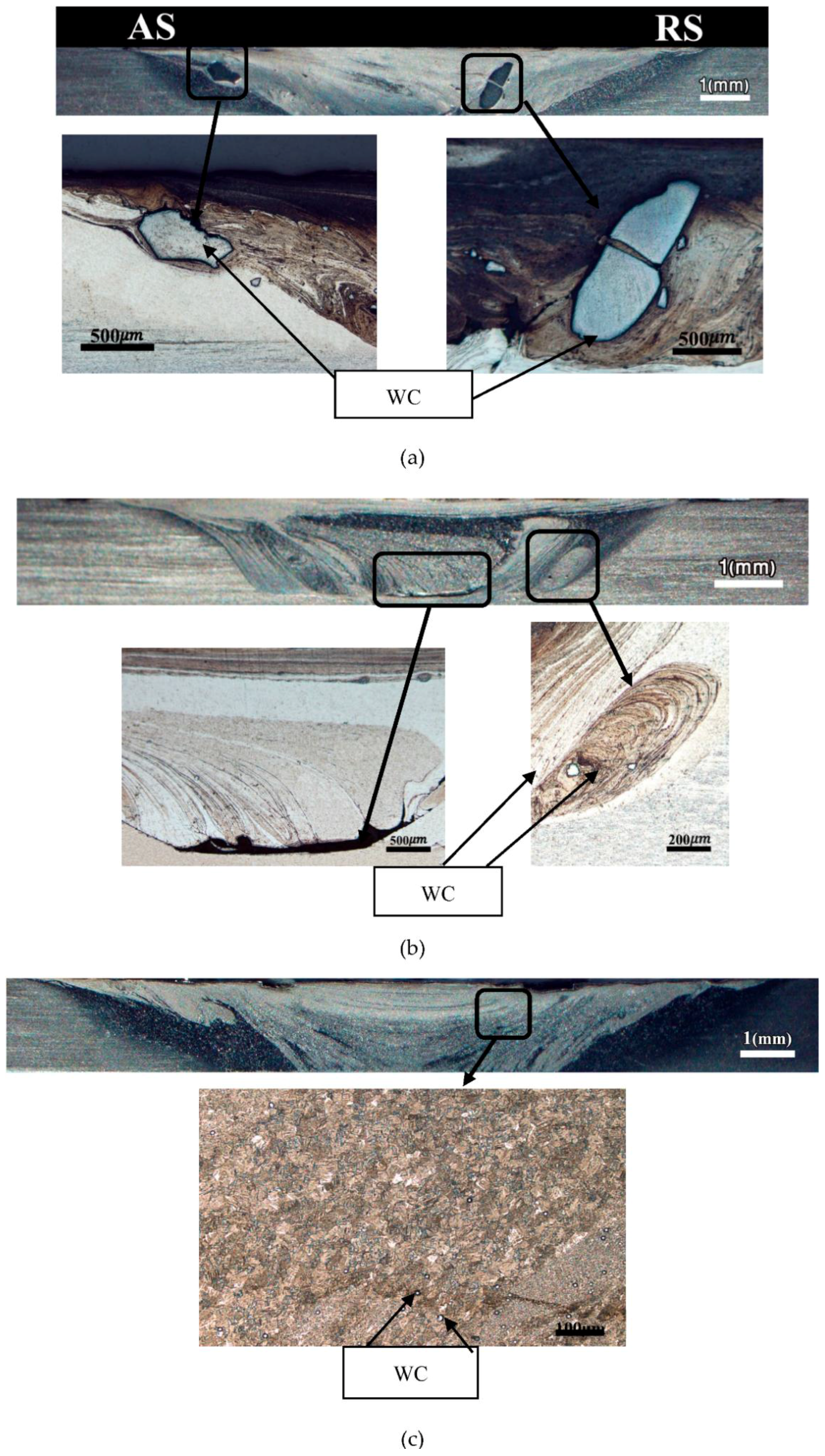
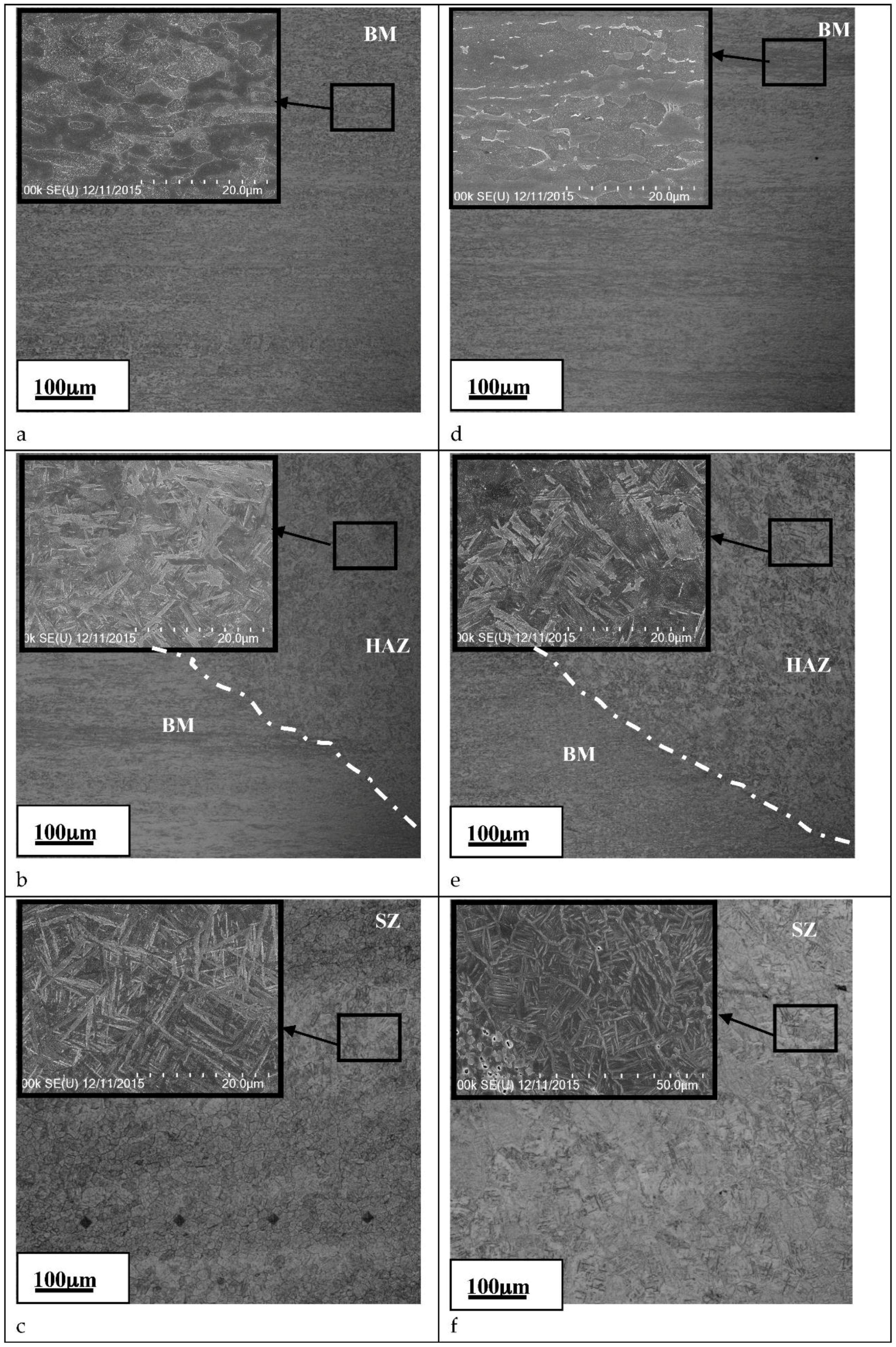
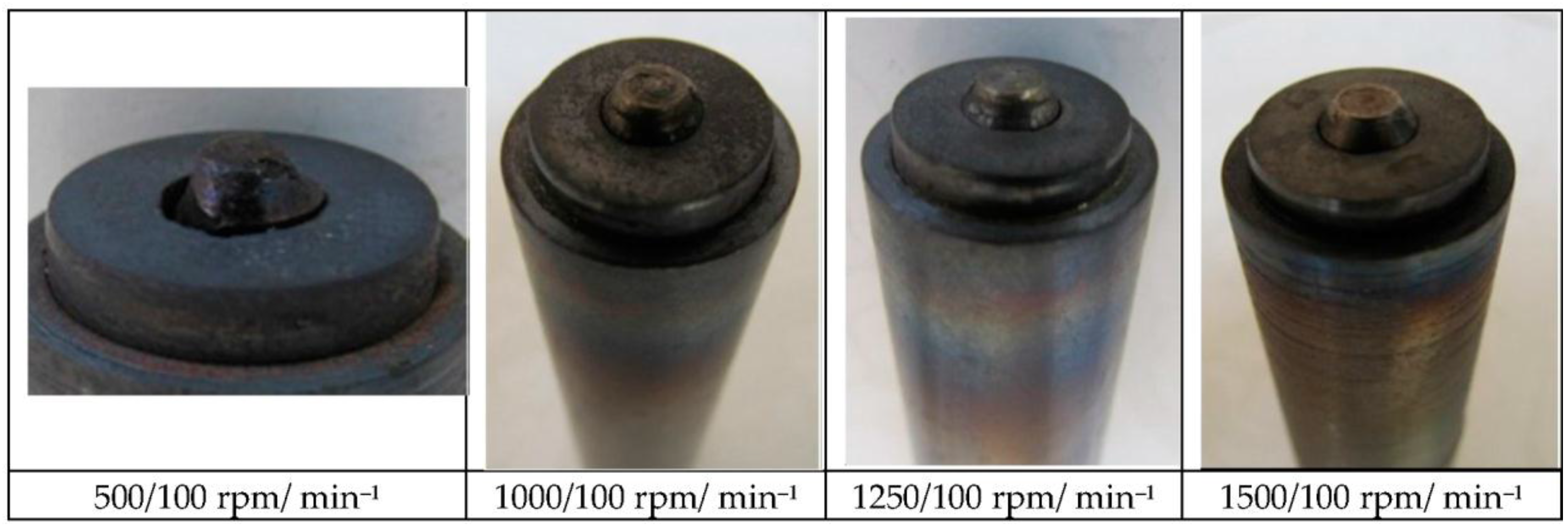
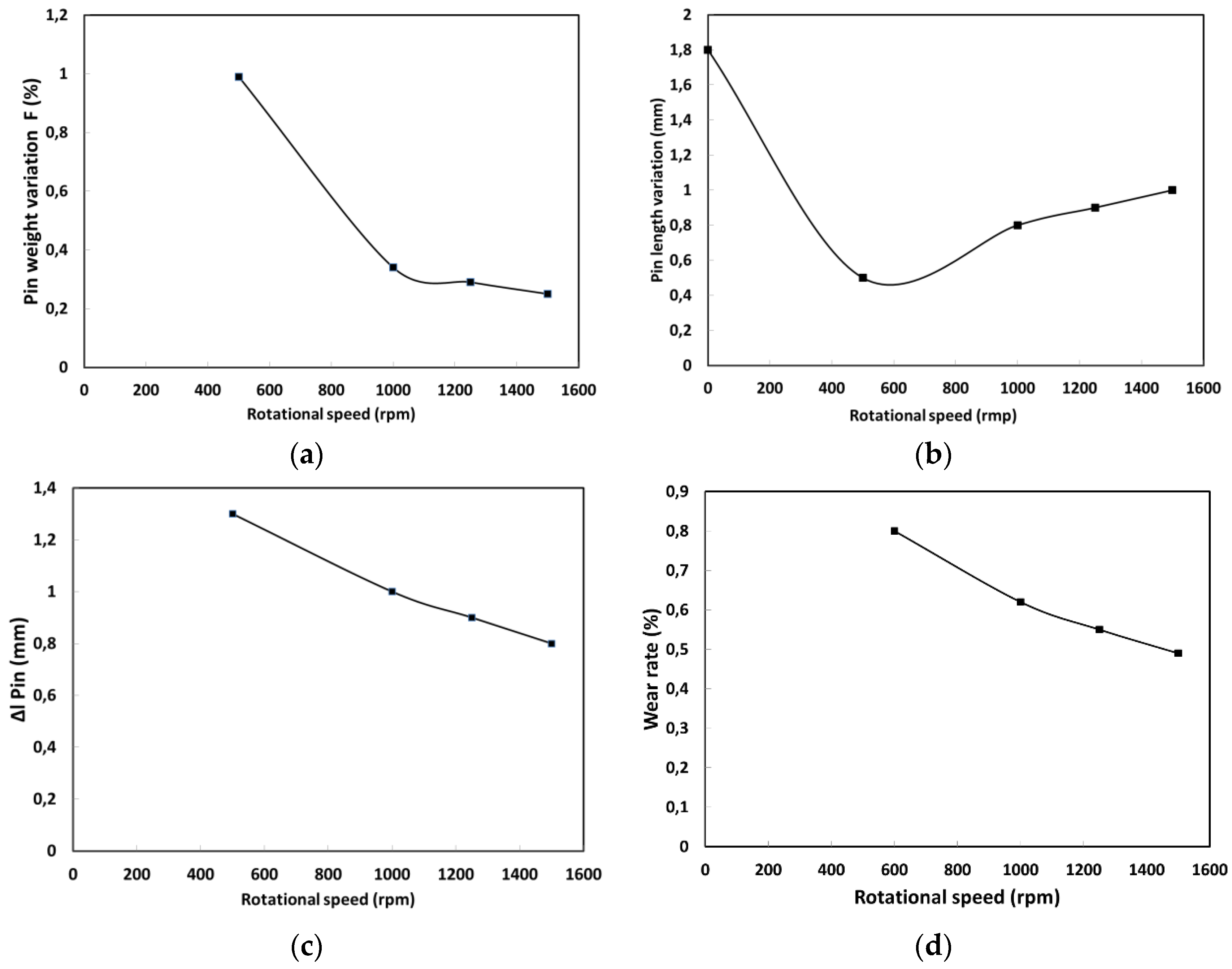
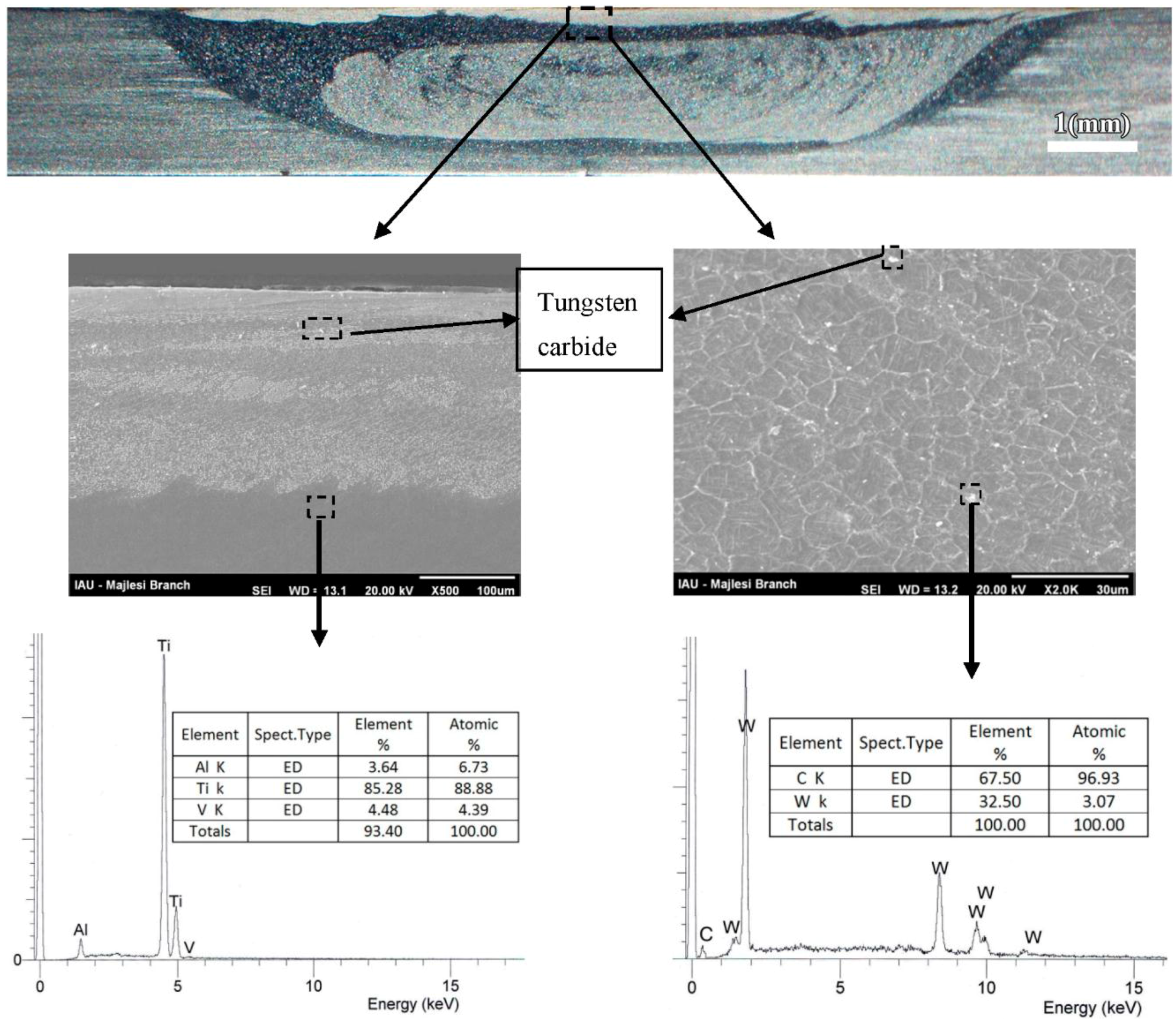
In the present paper, tool wear and the rate of wear during friction stir welding (FSW) of Ti-6Al-4V alloy are investigated. A conical tungsten carbide tool was used to produce butt-type friction stir welded joints in two-millimeter thick Ti-6Al-4V sheets. An original design of a movable pin allowed for the examination of the tool damage for each process condition. The influence of tool degradation on the quality of the welded joints and the damage brought to the microstructure are examined and discussed. For this purpose, optical and scanning electron microscopies as well as EDX analyses were used to examine the tool wear and the resulting macrostructures and microstructures. The type and nature of the defects are also analyzed as a function of FSW processing parameters. Important geometry and weight variations were observed on the pin and shoulder for all welding conditions, in particular when low tool rotation and travel speeds were used. Experimental results also show that the radial wear of the pin is not uniform, indicating the presence of important frictional temperature gradients through the thickness of the joint. The maximum wear was measured at a location of about one millimeter from the pin root center. Finally, tool rotation was determined as the most significant process parameter influencing both tool wear and microstructure of the joints.
Keywords: friction stir welding; titanium; tool wear; microstructure friction stir welding; titanium; tool wear; microstructure