


Abstract
The non-renewable nature of traditional fossil fuels, along with the environmental and health hazards posed by their emissions, underscores the urgent need to reduce transmission losses in power grids. This study employs single-variable experiments, first-principles calculations, and thermodynamic calculations. The results show that, although the mass fraction and increment of Si are greater than those of Mn and V, the increase in electrical resistivity of 8030 aluminum rods caused by Si is only slightly higher than that caused by Mn and V. In contrast, trace additions of Mn and V significantly increase electrical resistivity, with respective increments of about 0.353 ± 0.011 nΩ·m/0.01 wt.% (Mn) and 0.373 ± 0.009 nΩ·m/0.01 wt.% (V). Si has a weaker effect on electrical resistivity, with an increment of approximately 0.052 ± 0.001 nΩ·m/0.01 wt.% (Si), and the increase in electrical resistivity diminishes as the Si mass fraction increases. The study also shows that at 700 °C for 30 min, a stable, high-density VB2 phase forms. With an average density more than twice that of the melt, VB2 settles at the bottom of the melt and effectively removes V. These findings are significant for producing 8030 aluminum rods with lower electrical resistivity.
1. Introduction
Globally, the large-scale emission of greenhouse gases is driving a continuous rise in temperatures [1,2,3,4]. Meanwhile, traditional fossil fuels are not only limited and non-renewable, but their extraction and use also result in severe air and water pollution, directly threatening human health [5,6,7,8]. Promoting energy conservation and environmental protection has become increasingly critical for effectively mitigating environmental issues such as smog and water pollution [6,9]. According to a report, the total electricity generation in China in 2024 reached 1008.69 billion kWh [10]. Of this, thermal power accounted for 637.43 billion kWh, reflecting a 1.7% year-on-year growth, and represented 63.2% of the total power generation [11]. In the same year, the emission intensities of dust, sulfur dioxide, and nitrogen oxides from thermal power generation were 13 mg/kWh, 77 mg/kWh, and 125 mg/kWh, respectively. Additionally, the standard coal consumption per unit of electricity generated by thermal power plants with a capacity of 6000 kW or higher was 302.4 g/kWh, a 0.51 g/kWh increase compared to the previous year. The national grid transmission loss rate in 2024 was 4.36% [11]. With a total national power generation of 1008.69 billion kWh, the corresponding scale of grid transmission losses is considerable. Even a 0.1 percentage point reduction in the transmission loss rate, achieved through measures such as lowering electrical resistivity, could save billions of kWh in energy. The energy saved could reduce the need for additional thermal power generation, thereby lowering the overall emissions of dust, sulfur dioxide, and nitrogen oxides. Furthermore, it would decrease coal consumption in thermal power plants, yielding dual benefits of energy conservation and carbon reduction [12,13]. With the rapid development of power transmission, there is an increasing demand for improved performance of conductive aluminum alloys to reduce national grid transmission losses [14]. 8030 aluminum alloy rods, known for their excellent electrical conductivity, processing characteristics, and cost advantages, are widely used in key applications such as power cables and conductors. Their conductivity directly affects power transmission efficiency, energy loss, and the operational stability of equipment [15,16,17,18,19]. According to the national standard of the People’s Republic of China, GB/T 3954-2022, the electrical conductivity of 8030 aluminum round rods in the H14 temper shall be not less than 57.99% IACS, corresponding to an electrical resistivity of no greater than 29.73 nΩ·m [20]. In addition, in accordance with the national standard of the People’s Republic of China, GB/T 3190-2020, the chemical composition requirements for 8030 aluminum round rods are given in Table 1 [21]. In the smelting and processing of 8030 aluminum alloy, Si, Mn, and V are common impurity elements. Currently, there is no systematic or conclusive research on the quantitative effects of Si, Mn, and V content on the electrical resistivity of 8030 aluminum rods, nor on the mechanism by which the addition of Al-3B alloy influences the removal of V from 8030 aluminum rods. Consequently, existing research findings cannot directly provide precise guidance for optimizing the electrical conductivity of 8030 aluminum rods.
Table 1.
The composition of 8030 aluminum alloy [21].
This study investigates the electrical resistivity variation of 8030 aluminum rods with different Si, Mn, and V contents through a series of single-variable experiments, while also exploring the effect and mechanism of Al-3B alloy content on the removal of V. The findings provide theoretical foundations and technical support for the composition design and conductivity enhancement of 8030 aluminum rods. This research holds significant theoretical and practical value for advancing the development and application of high-performance conductive aluminum alloys and reducing energy consumption in power transmission.
2. Materials and Methods
2.1. Melting Process
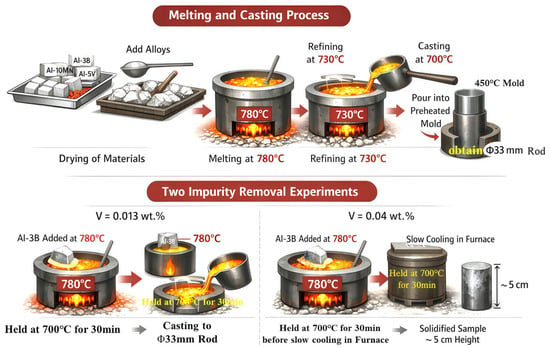
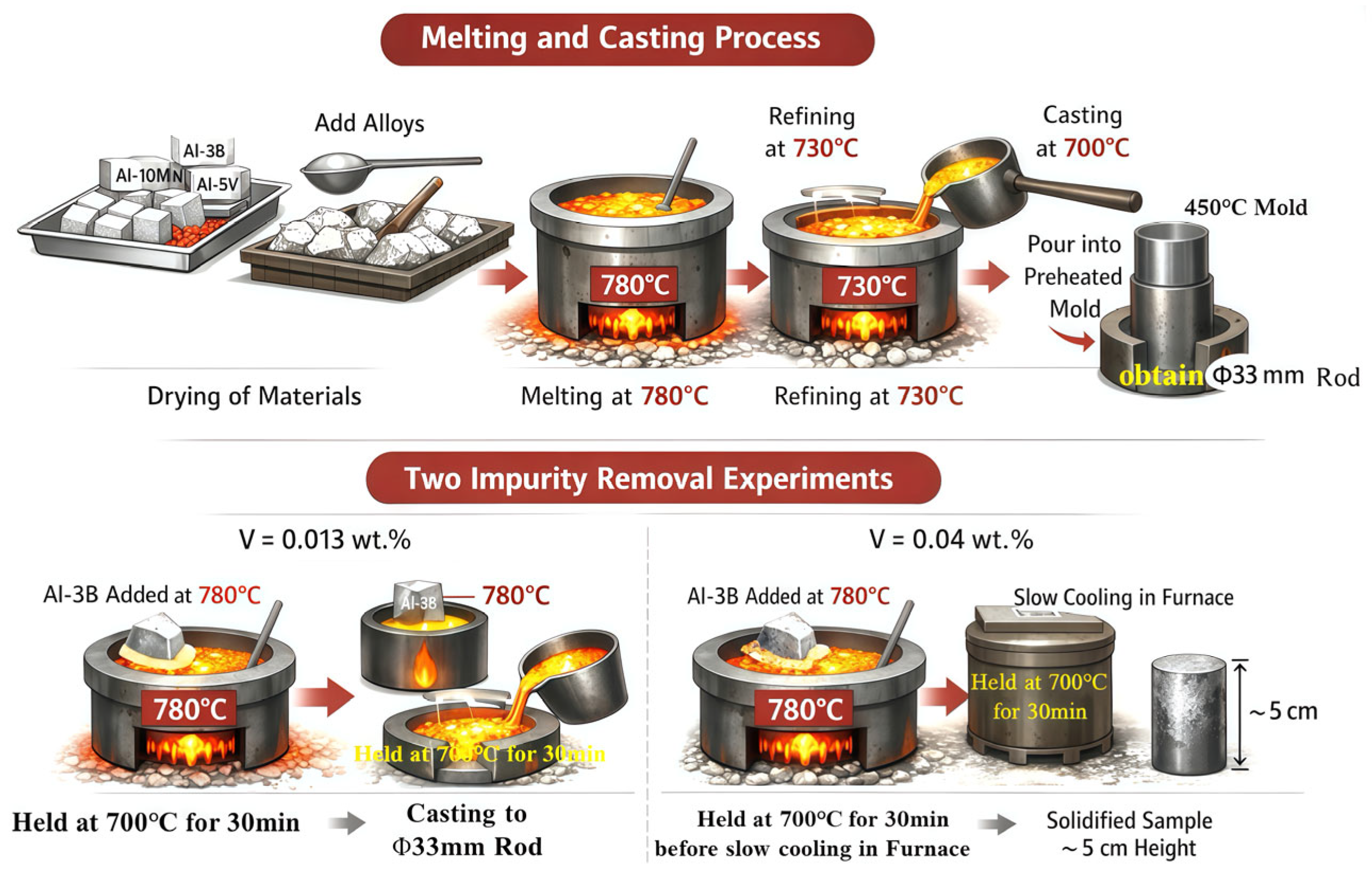
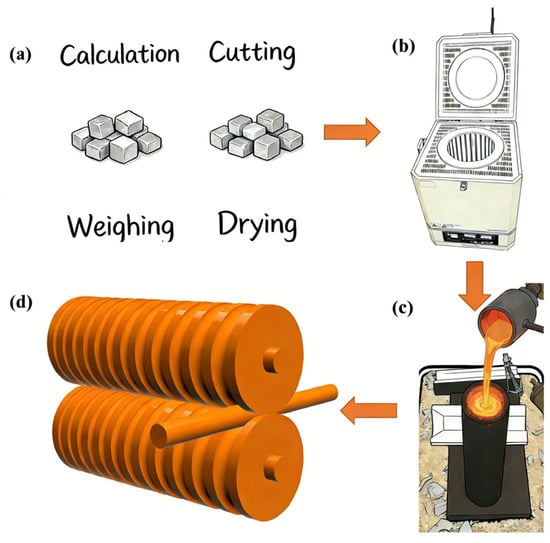
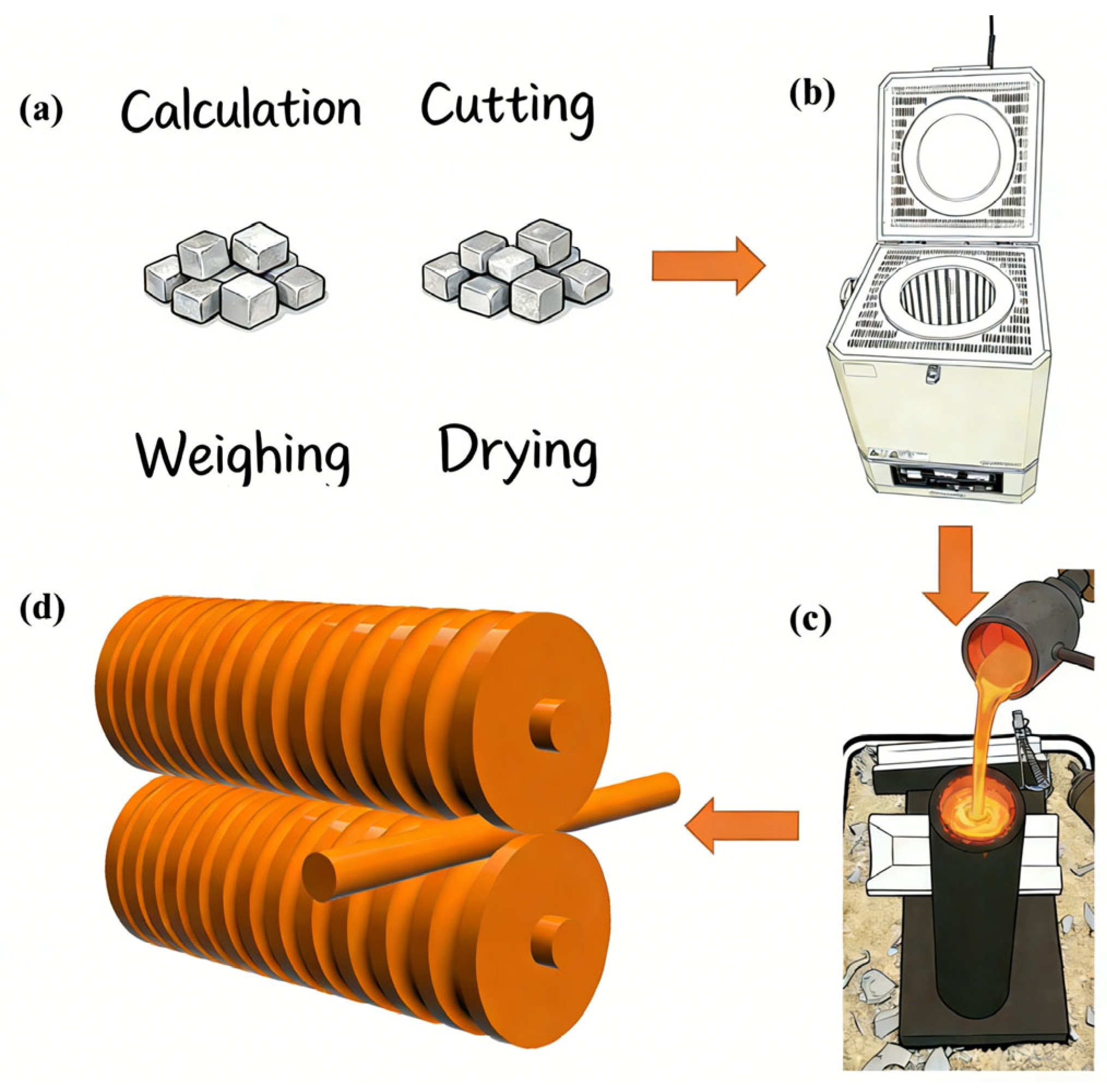
The aluminum alloy was melted using a pit-type resistance furnace (SG-G24123, Tianjin Zhonghuan Electric Furnace Co., Ltd., Tianjin, China). The raw material was 8030 aluminum ingot, along with alloys such as Al-3B, Al-10Mn, Al-5V, and Al-10Si. A refining agent was introduced to treat the melt. Before melting, all raw materials, alloys, refining agents, and associated tools were thoroughly dried to prevent moisture contamination. During the melting process, 8030 aluminum ingot and the various alloys were added to the furnace and melted at 780 °C. Once fully melted, the temperature was reduced to 730 °C, and the refining agent was added while stirring gently to ensure a homogeneous melt composition and minimize exposure to air. After maintaining the temperature for 30 min, slag was removed using a slag skimming tool. Once the slag was removed, the melt temperature was reduced to 700 °C and poured into a cast iron mold preheated to 450 °C. The melt was allowed to solidify completely, resulting in a round aluminum rod with a diameter of Φ33 mm. In addition, two separate experiments were performed to remove the impurity element V from the melt, with V concentrations controlled at 0.013 wt.% and 0.04 wt.%, respectively. Both experiments followed the same basic melting procedure as described above, with the key difference being that the Al-3B alloy was added separately at 780 °C, and the melt was held at 700 °C for 30 min. For the experiment with 0.013 wt.% V, the melt was cast as described previously. For the experiment with 0.04 wt.% V, the melt was allowed to cool to room temperature in the furnace, resulting in a cylindrical cooling sample with an approximate height of 5 cm. As shown in Figure 1 is the melting and casting schematic diagram.
Figure 1.
Melting and casting schematic diagram.
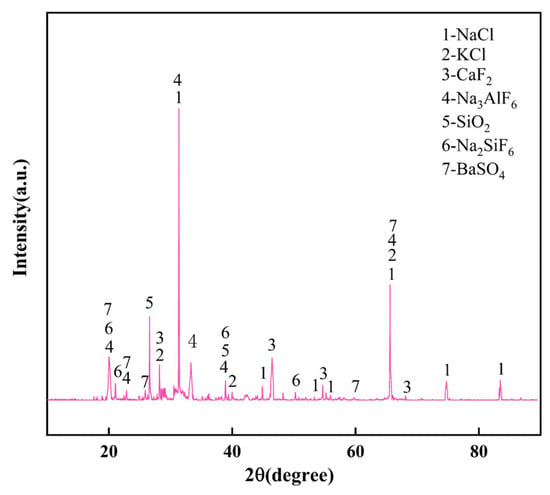
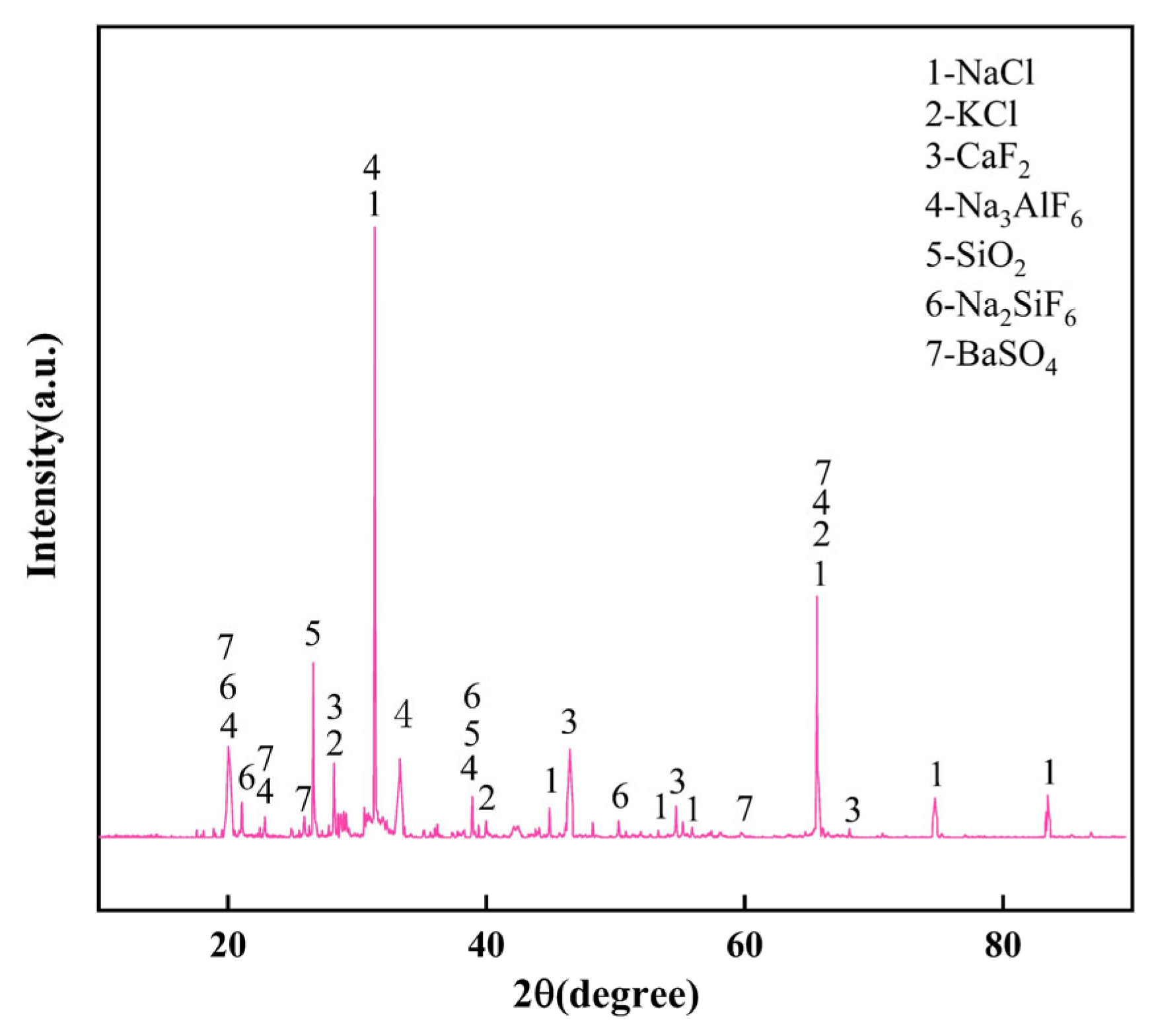
The alloy composition of the 8030 aluminum ingot consists of 0.376 wt.% Fe and 0.179 wt.% Cu, with the remainder of the elements conforming to the specifications outlined in the GB/T 3190-2020 standard of the People’s Republic of China [21]. The phase composition of the refining agent, as depicted in Figure 2, includes compounds such as NaCl, KCl, CaF2, Na3AlF6, and BaSO4.
Figure 2.
XRD pattern of the experimental refining agent sample.
2.2. Insulation and Rolling Process
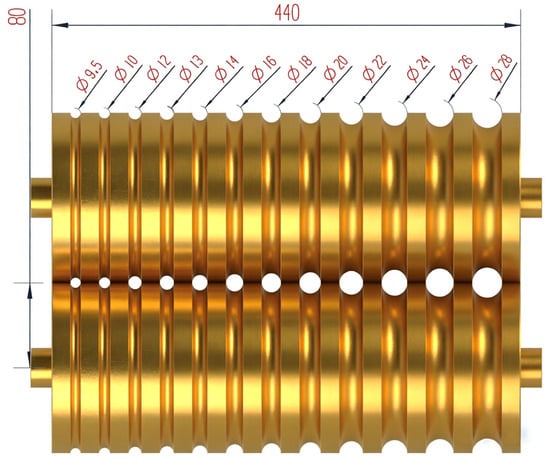
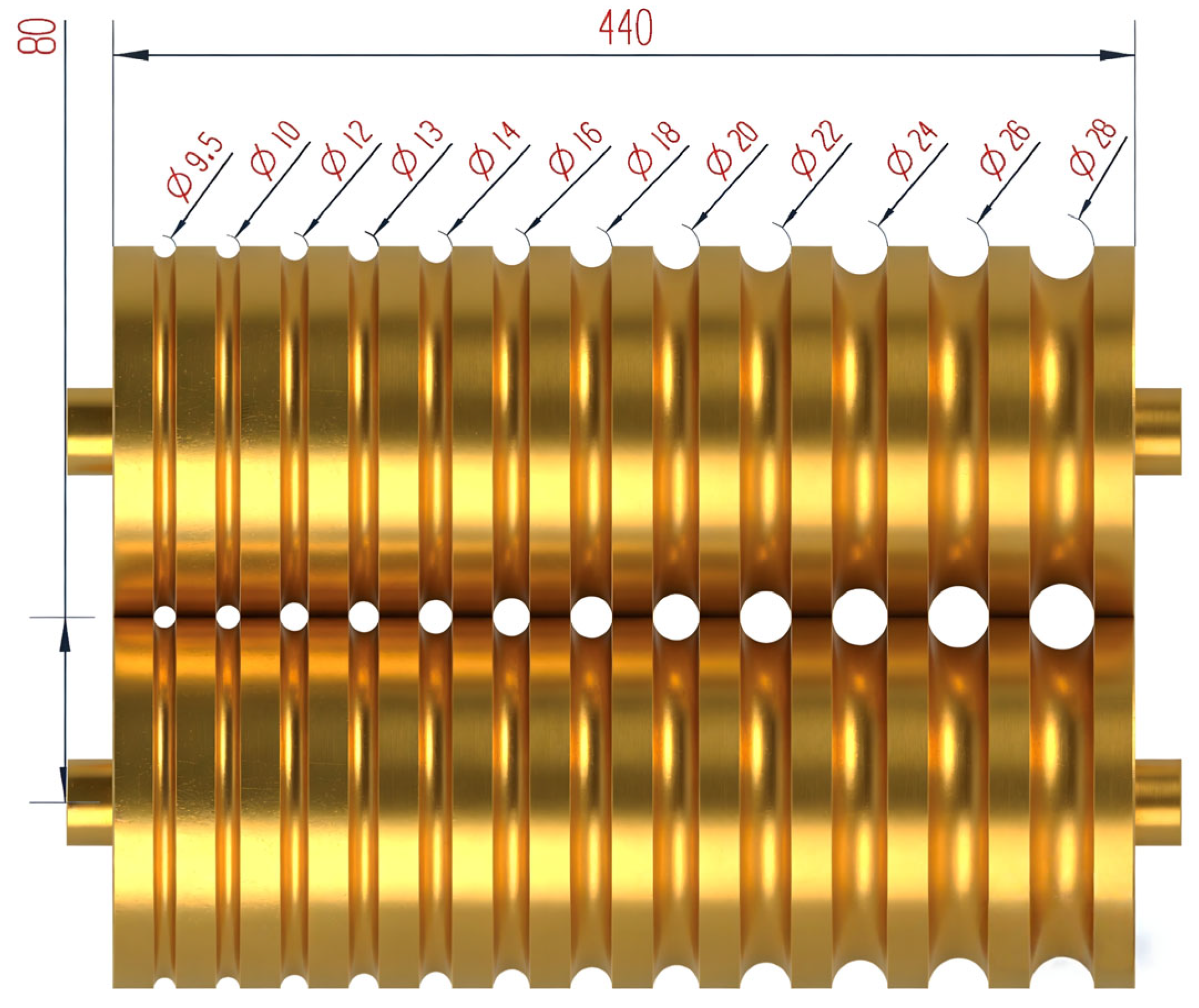
The circular aluminum sample with a diameter of Φ33 mm was placed in a box-type resistance furnace at 450 °C for heat treatment, holding for 10 min. The sample was subsequently rolled using a two-high rolling mill. The shape and dimensions of the rollers are shown in Figure 3. The rolling speed was maintained at 3.3 m/min, and the applied rolling force was approximately 177 kN. The rolling process consisted of six passes, with the sample diameter successively reduced to Φ28 mm, Φ24 mm, Φ20 mm, Φ16 mm, Φ12 mm, and Φ9.5 mm, respectively. The corresponding area reductions for each pass were 28%, 47%, 63%, 76%, 87%, and 92%. No intermediate reheating was performed between successive rolling passes. The total area reduction reached 92% after six passes, ultimately being reduced to a Φ9.5 mm diameter 8030 aluminum rod. The entire experimental procedure, including preparation before the experiment, melting, pouring, and rolling, is shown in Figure 4.
Figure 3.
Shape and dimensions of the rolling mill rollers.
Figure 4.
Experimental procedure diagram: (a) Preparation before experiment; (b) Melting; (c) Pouring; (d) Rolling.
2.3. Testing and Characterization Instruments
The aluminum alloy was melted using a pit-type resistance furnace (SG-G24123, Tianjin Zhonghuan Electric Furnace Co., Ltd., Tianjin, China). Heat treatment of the circular aluminum rods was conducted in a box-type resistance furnace (YTH-8-10, Shanghai Yixin Scientific Instrument Co., Ltd., Shanghai, China). Rolling deformation was performed using a two-roll mill (Tonglu Hongfeng Manufacturing Factory, Hangzhou, China). Electrical resistivity was measured with a resistivity meter (PC36, Shanghai Taiou Electronics Co., Ltd., Shanghai, China), following the Kelvin bridge method specified in the national standard GB/T 351-2019 of the People’s Republic of China [22]. For each composition, three parallel specimens were prepared, and the electrical resistivity of each specimen was measured three times. The final resistivity value was determined as the average of all measurements. Phase analysis was carried out using X-ray diffraction (XRD; SmartLab 9kW, Rigaku, Tokyo, Japan), with a copper anode target and Cu Kα1 radiation, employing a 2θ scan range of 5–120° at a scan rate of 4°/min. The microstructure was analyzed using a scanning electron microscope (SEM; Gemini 300, Zeiss, Jena, Germany) with secondary electron imaging. Micro-area composition analysis was performed using energy-dispersive X-ray spectroscopy (EDS; Ultim Max 170, Oxford Instruments, Oxford, UK). SEM/EDS specimens were sectioned from the radial center of a Φ33 mm diameter aluminum rod. Rectangular samples measuring 10 mm × 10 mm × 2 mm were prepared, and the 10 mm × 10 mm surface was used as the examination plane. During specimen preparation, the samples were first ground stepwise with abrasive SiC papers to 2000 grit, followed by mechanical polishing using a polishing machine, and finally subjected to electrolytic polishing. The electrolyte consisted of 3.5% perchloric acid, 84% methanol, and 12.5% glycerol. Electropolishing was carried out at 23 V and 1 A for 15 s, with the temperature maintained at 20 °C. The alloy composition was determined using a spark optical emission spectrometer (Spark OES; SPECTROLAB S, AMETEK SPECTRO, Kleve, Germany). Micro-area composition was analyzed using electron probe microanalysis (EPMA; JEOL JXA-IHP200F, JEOL, Tokyo, Japan). EPMA and corresponding XRD specimens were sectioned from the bottom of a furnace-cooled cylindrical sample with a height of approximately 5 cm. A thin slice measuring 10 mm × 10 mm × 0.5 mm was extracted from the radial center, and the original non-cut surface was selected as the analysis plane. The specimens were first ground stepwise using SiC abrasive papers up to 2000 grit and then subjected to XRD testing. Subsequently, a Au sputter coating was applied to the surface to enhance electrical conductivity, thereby meeting the requirements for EPMA analysis.
2.4. First-Principles Calculations
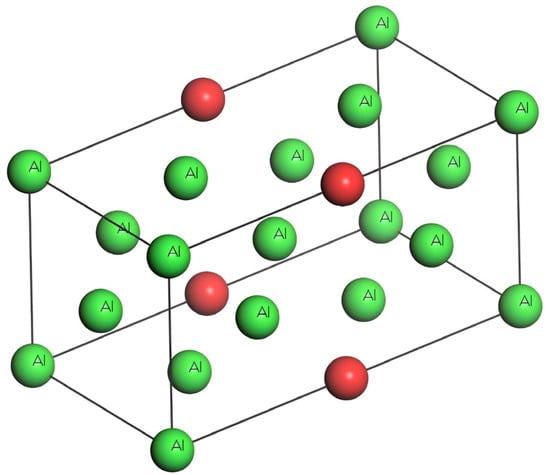
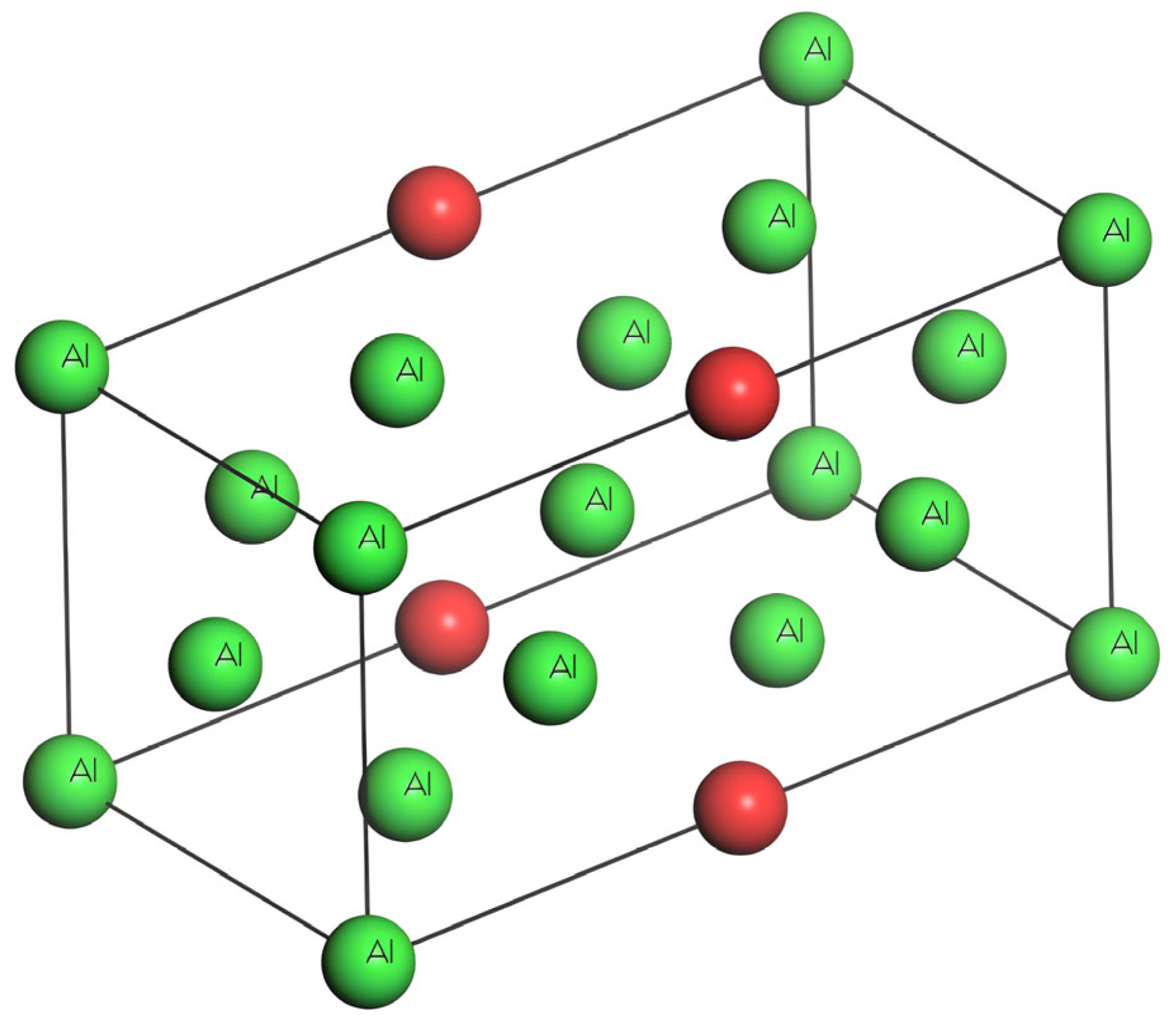
The density-of-states (DOS) calculations were carried out in two steps: geometry optimization and DOS calculation, with the parameters for geometry optimization largely consistent with those used for the DOS calculation. Geometry optimization was first performed, as shown in Figure 5, using a supercell of dimensions 2 × 1 × 1, where red spheres represent the dopant atoms. The geometry optimization parameters were as follows: the global precision level was set to Fine, the exchange–correlation functional was GGA-PBE, and the system was treated as metallic. The LBFGS algorithm with line search enabled was employed for geometry optimization, with convergence criteria of energy convergence to 1.0 × 10⁻⁵ eV/atom, maximum force of 0.03 eV/Å, maximum stress of 0.05 GPa, and maximum displacement of 0.001 Å, while allowing full relaxation of the lattice parameters. The electronic structure parameters were set as follows: the self-consistent field (SCF) convergence precision was Fine, the k-point mesh was 3 × 6 × 6, OTFG ultrasoft pseudopotentials with Koelling–Hamon relativistic treatment were used, and the FFT grid density was 48 × 24 × 24.
Figure 5.
Supercell with dopant atoms in Al.
2.5. Description of Symbols
- (1)
- The numbers in alloys such as Al-3B, Al-10Mn, Al-5V, and Al-10Si represent the mass fraction of the respective elements in the alloy. For example, Al-3B indicates that the boron (B) content in the alloy is 3 wt.%.
- (2)
- When incorporating Al-3B, the measurement is based on the mass of the original melt. For instance, 3 kg/t means that 3 kg of Al-3B alloy is added per ton of the original melt. In this calculation, the mass of the original melt does not include Al-3B.
3. Results and Discussion
3.1. Effect of Si on the Electrical Resistivity of 8030 Aluminum Rods
The mass fractions of Si added to the melt were 0.05 wt.%, 0.10 wt.%, 0.15 wt.%, 0.20 wt.%, 0.25 wt.%, and 0.30 wt.%, respectively.
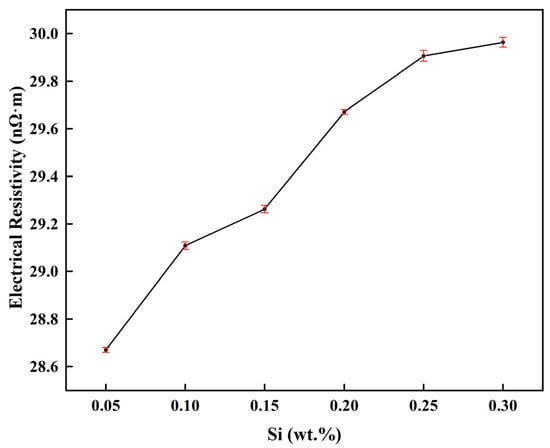
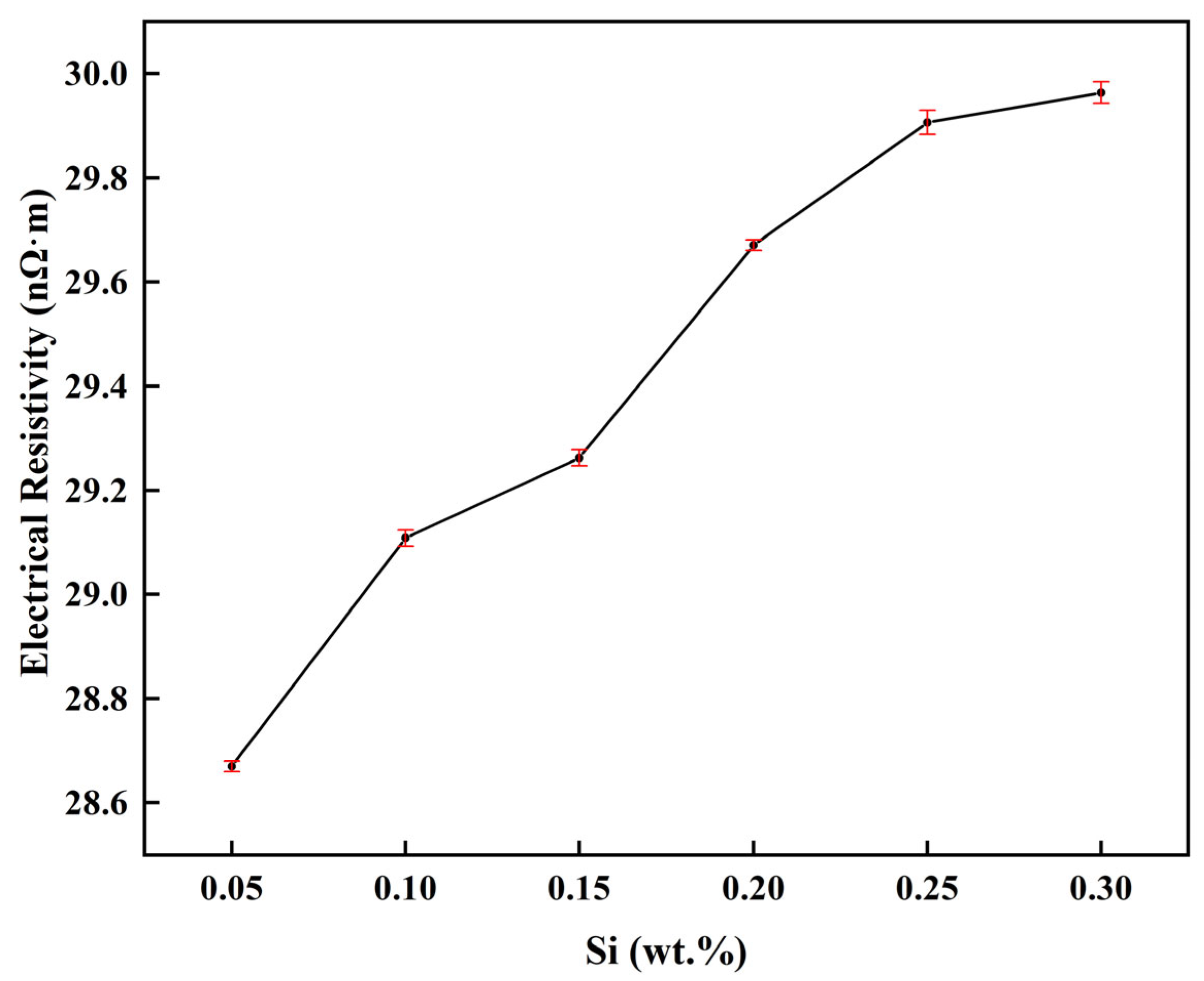
As shown in Figure 6, with the Si content in the 8030 aluminum rod increasing from 0.05 wt.% to 0.30 wt.%, the electrical resistivity of the aluminum rod continuously increased, with the rate of change in electrical resistivity gradually slowing. For every 0.01 wt.% increase in Si content, the electrical resistivity increased by approximately 0.052 ± 0.001 nΩ·m on average. The effect of Si on electrical resistivity followed a non-strictly linear growth trend.
Figure 6.
Variation in electrical resistivity of 8030 aluminum rods with Si mass fraction.
At room temperature, aluminum (Al) adopts a face-centered cubic (FCC) structure, belonging to the Fm-3m space group. Its atomic radius is 143 pm, and its electronegativity is 1.61 [23,24]. In this FCC lattice, in addition to the regular Al atoms occupying the face centers and corner positions, there are two types of interstitial sites: octahedral and tetrahedral. Silicon (Si) adopts a diamond cubic structure at room temperature, belonging to the Fd-3m space group, with an atomic radius of 117 pm and an electronegativity of 1.9 [24]. The atomic radius of Si is approximately 18% smaller than that of Al. The radii of the tetrahedral and octahedral interstitial sites in Al are 32 pm and 59 pm, respectively. In comparison, the atomic radius of Si is about 1.9 times the size of the allowed scale of the octahedral interstitial site in Al, restricting its ability to occupy interstitial sites typically accessible to smaller atoms such as hydrogen (H), boron (B), carbon (C), or nitrogen (N). If Si atoms were to occupy the interstitial sites in Al, it would cause significant lattice distortion, leading to system instability and preventing the formation of an interstitial solid solution. Under extremely low mass fraction conditions, the solute reaches the dilution limit, with Si atoms distributed as isolated substitutional point defects. These atoms do not aggregate or precipitate, and their interactions are minimal. Si substitutes Al atoms in the crystal lattice, stably occupying lattice sites and existing in trace amounts as a substitutional solid solution. When Si exists as a substitutional solid solution, the atomic radius mismatch between Si and Al leads to poor lattice constant alignment, affecting electron transport properties. After Si substitutes Al atoms, the significantly smaller Si atoms induce local contraction-type distortions at the substitutional sites, creating a nearly spherical short-range elastic stress field. The local lattice contraction and stress field generated in the FCC lattice cause periodic disruption of the crystal structure, with Si atoms acting as substitutional point defects that scatter electrons. Al, with atomic number 13, has the electron configuration 1s2 2s2 2p6 3s2 3p1. The three electrons in the 3s and 3p orbitals contribute to the formation of metallic bonds, creating a conductive electron cloud with a relatively long mean free path [24]. During electron transport, electrons are scattered by Si substitutional point defects, reducing electron relaxation time, shortening the mean free path, and increasing scattering probability. Due to the linear effect of the dilute solution limit, the higher the Si content, the greater the electron scattering probability. According to the Drude free-electron model for metals, electrical resistivity is linearly related to the electron scattering probability [25]. As the Si content increases, electrical resistivity also increases.
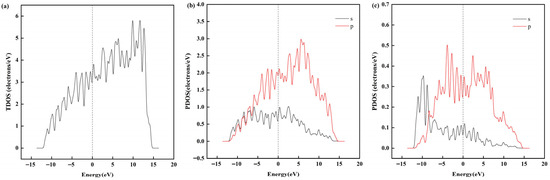
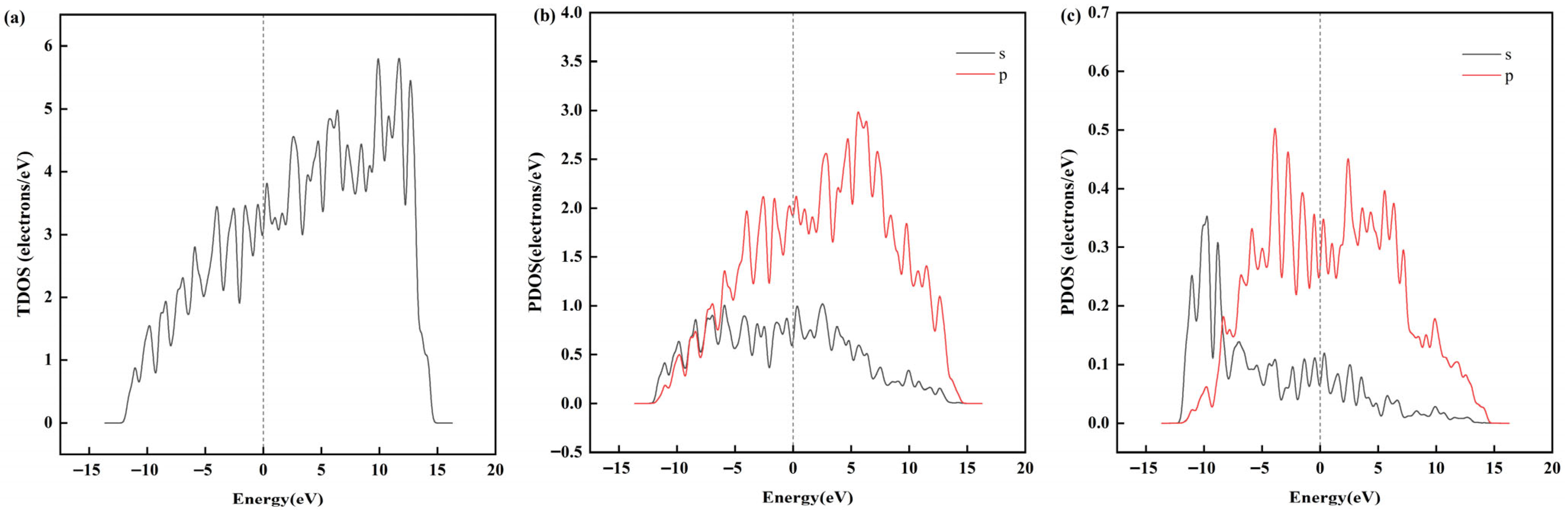
Si, a Group 14 element with an atomic number of 14, has the electron configuration 1s2 2s2 2p6 3s2 3p2 [24]. The four outermost electrons of Si occupy the 3s and 3p orbitals [24]. The 3s orbital is spherically symmetric, while the 3p orbitals have a dumbbell-shaped distribution along three axes [24]. The 3s orbital electron cloud exhibits no directional characteristics, with electron probability density decreasing continuously from the nucleus outward in an “onion-layer” fashion. It does not participate in directional bonding (i.e., no bond angles) and demonstrates good compatibility with free-electron states in metallic environments. However, due to its lower energy, it does not form high-density localized states and does not induce significant electron scattering. The 3p orbital is more spatially discrete, exhibits strong directional characteristics, and has a higher energy level. The electron density is concentrated on both sides of the nucleus along the extension direction, making it a typical covalent bonding orbital. It naturally tends to hybridize in an sp3 configuration, forming tetrahedral bond angles. It does not form localized states near the Fermi level of Al, and its hybridization with the free electrons of Al is weak, resulting in no sharp localized lattice potential and a limited ability to scatter free electrons. As shown in Figure 7, the incorporation of Si has a minimal effect on the total density of states (TDOS) near the Fermi level of the Al-Si substitutional solid solution system, resulting in only a slight increase in the TDOS. It does not cause significant changes near the Fermi level, such as the emergence of prominent peaks, nor does it alter the overall shape of the TDOS. The scattering cross-section for conduction electrons remains relatively small. In summary, the perturbation caused by the Si potential is weak, with limited scattering capability, and its impact on increasing the electrical resistivity of 8030 aluminum rods is relatively minor.
Figure 7.
Electronic density of states for the Al-Si substitutional solid solution system after the incorporation of Si (Fermi level: energy = 0 eV): (a) TDOS for the Al-Si substitutional solid solution system; (b) partial density of states (PDOS) for Al in the Al-Si substitutional solid solution system; (c) PDOS for Si in the Al-Si substitutional solid solution system.
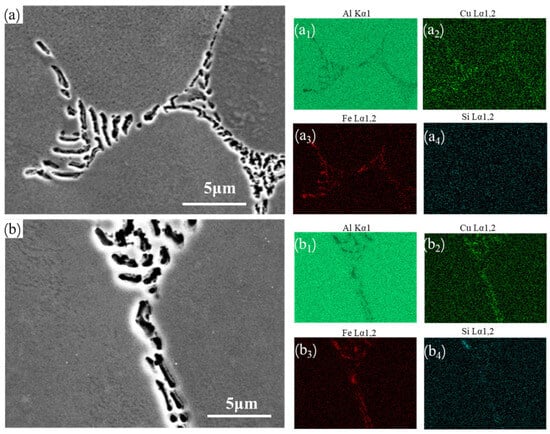
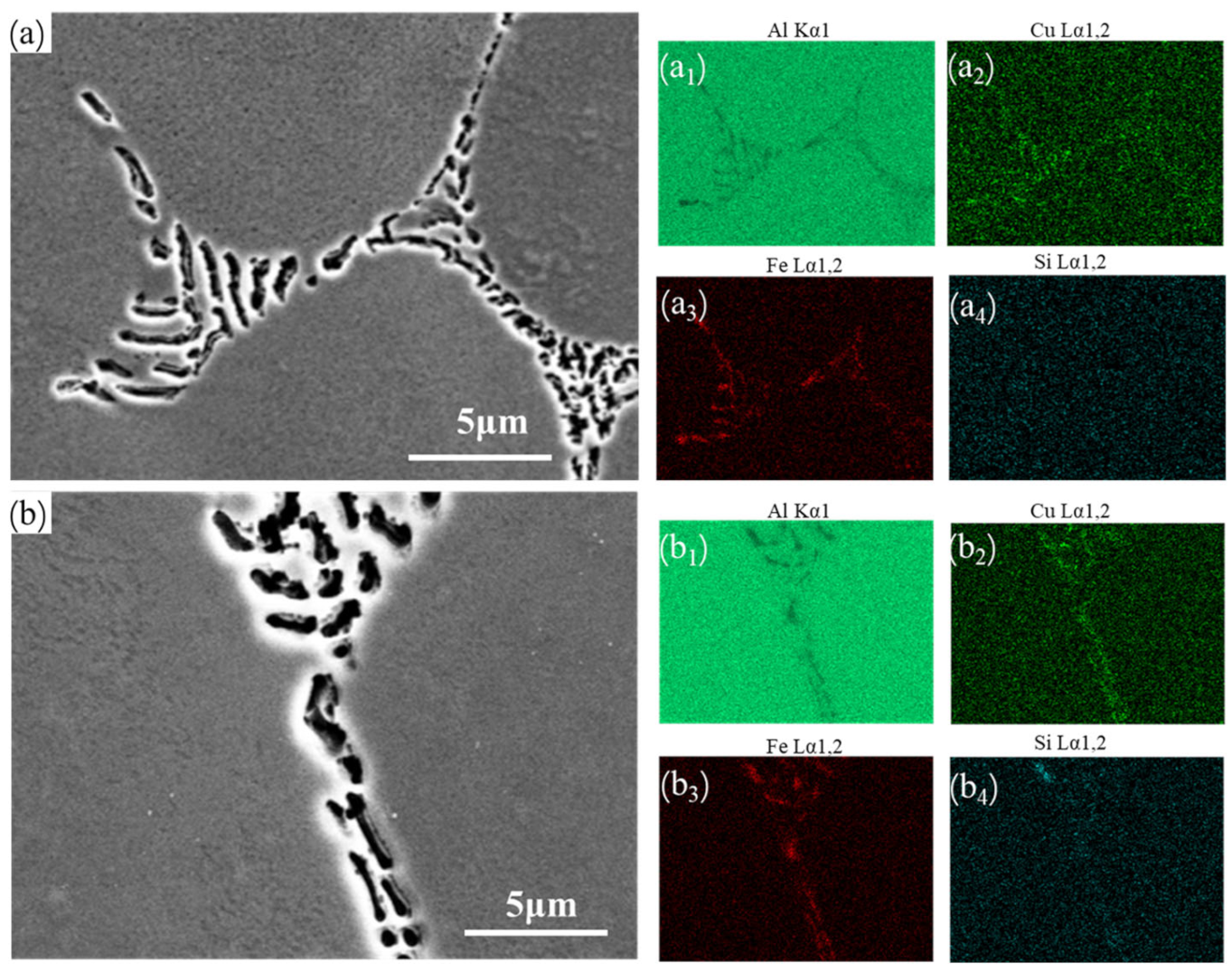
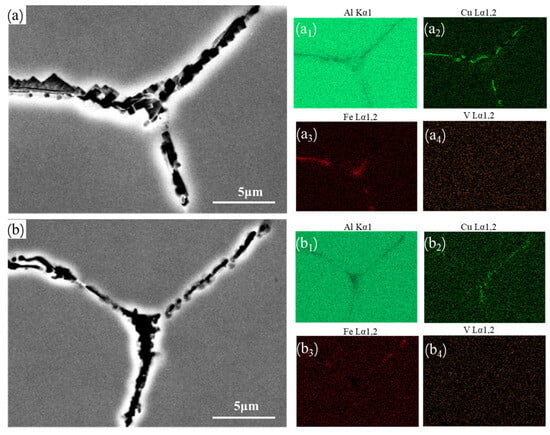
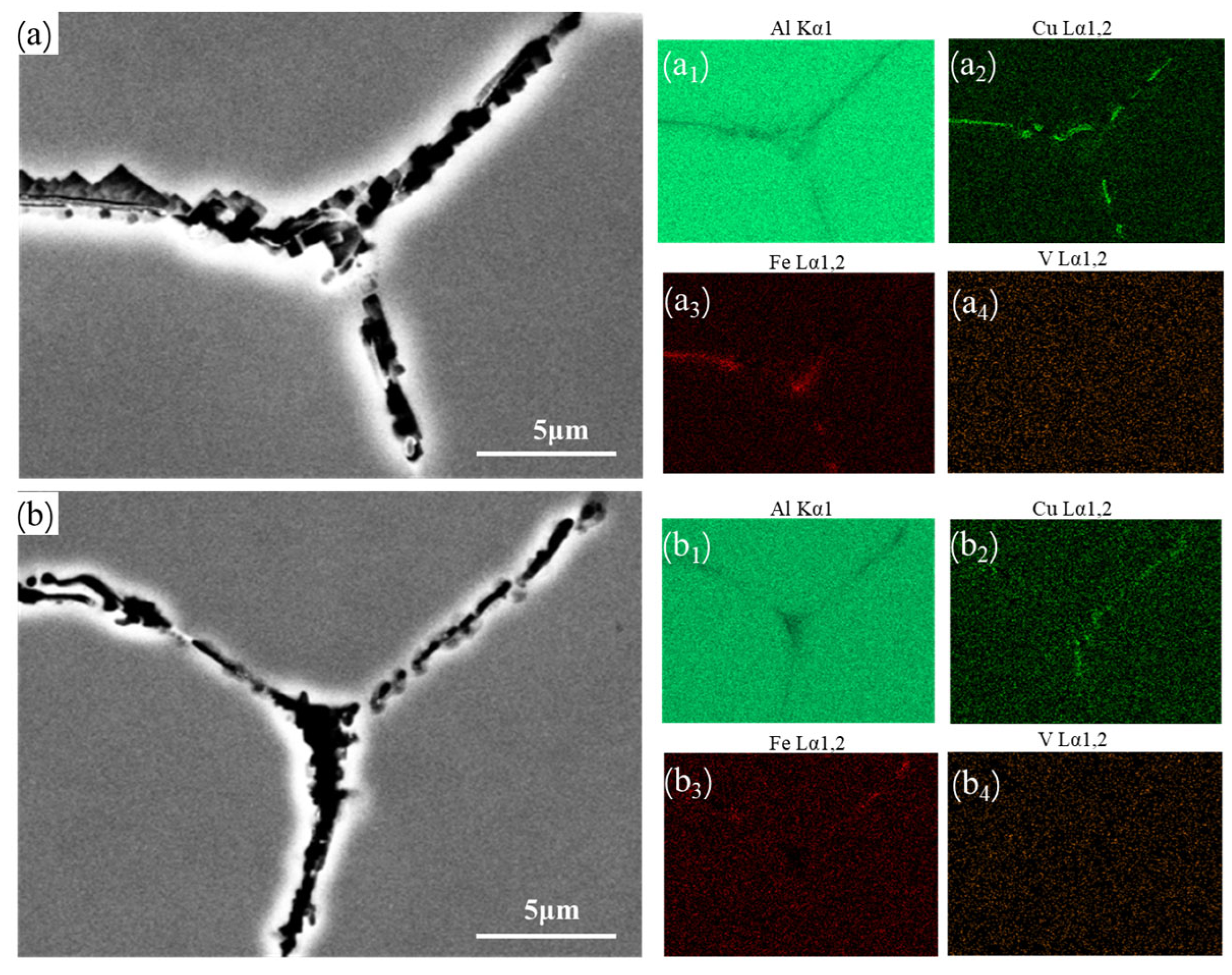
Due to the strong incompatibility between Si and Al in terms of crystal structure, atomic size, and chemical bonding, the system thermodynamically favors the formation of Al-Si eutectic or other compounds rather than a solid solution. Si has an extremely low solubility in Al as a substitutional solid solution. As shown in Figure 8, the morphology and elemental distribution of 8030 aluminum rods with varying Si content are displayed. In Figure 8(a1,b1), the 8030 aluminum rods exhibit an Al matrix, with Al predominantly present within the crystal structure, and lower Al concentrations at the grain boundaries. As shown in Figure 8(a2,a3,b2,b3), the alloying elements Fe and Cu are found to have lower concentrations inside the crystals than at the grain boundaries, with these elements primarily concentrated at the boundaries. In Figure 8(a4), when the Si content is 0.05 wt.%, Si is mainly dispersed within the Al matrix. In Figure 8(b4), when the Si content increases to 0.25 wt.%, Si is primarily located at the grain boundaries. At lower Si concentrations, the presence of Si has minimal impact on the distribution of Fe and Cu, regardless of the Si content. With increasing Si content, the number of intragranular scattering centers within the grains increases, intensifying lattice distortion. At the same time, the local enrichment of Si at the grain boundaries also increases, resulting in more complex and irregular grain boundary structures that disrupt the continuity between adjacent grains and further isolate them. Consequently, the transport of conduction electrons across the grains and grain boundaries is increasingly impeded, leading to a significant increase in the electrical resistivity of the material [26,27,28].
Figure 8.
SEM images and EDS data of 8030 aluminum rods with varying Si content: (a) 0.05 wt.% Si, (a1–a4) Elemental surface scan analysis, (b) 0.25 wt.% Si, (b1–b4) Elemental surface scan analysis.
In general, at extremely low Si concentrations, Si exists primarily as a substitutional solid solution. As the Si content increases, the number of scattering centers for electrons within the lattice rises, leading to greater lattice distortion and an increase in electrical resistivity. Due to the electronic structure of Si, its addition does not significantly alter the TDOS near the Fermi level of Al, and the impact on electrical resistivity remains relatively weak. When the Si content exceeds its solubility in Al, excess Si may form eutectics or precipitate phases such as α-Al8Fe2Si, β-Al5FeSi, and α-Al(Fe, Si) with Fe [29,30]. When these Si-containing phases exist as independent particles, their contribution to the scattering of free electrons in the lattice is much lower compared to substitutional Si. As a result, the increase in electrical resistivity is no longer linearly proportional to the Si content. While electrical resistivity continues to rise with increasing Si, the contribution of each additional unit of Si to the electrical resistivity diminishes, and the rate of electrical resistivity change gradually slows.
3.2. Effect of Mn on the Electrical Resistivity of 8030 Aluminum Rods
The mass fractions of Mn added to the melt were 0.005 wt.%, 0.012 wt.%, 0.019 wt.%, 0.026 wt.%, 0.032 wt.%, and 0.039 wt.%, respectively.
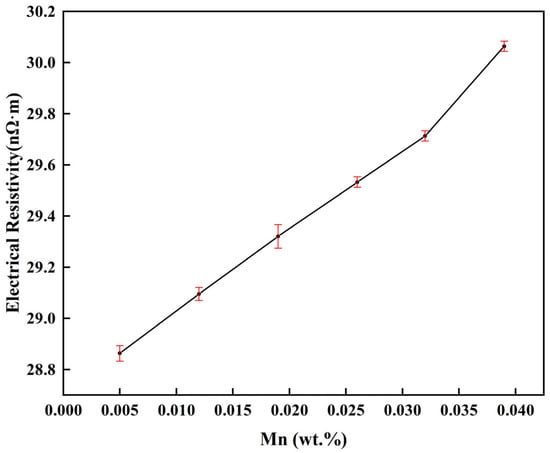
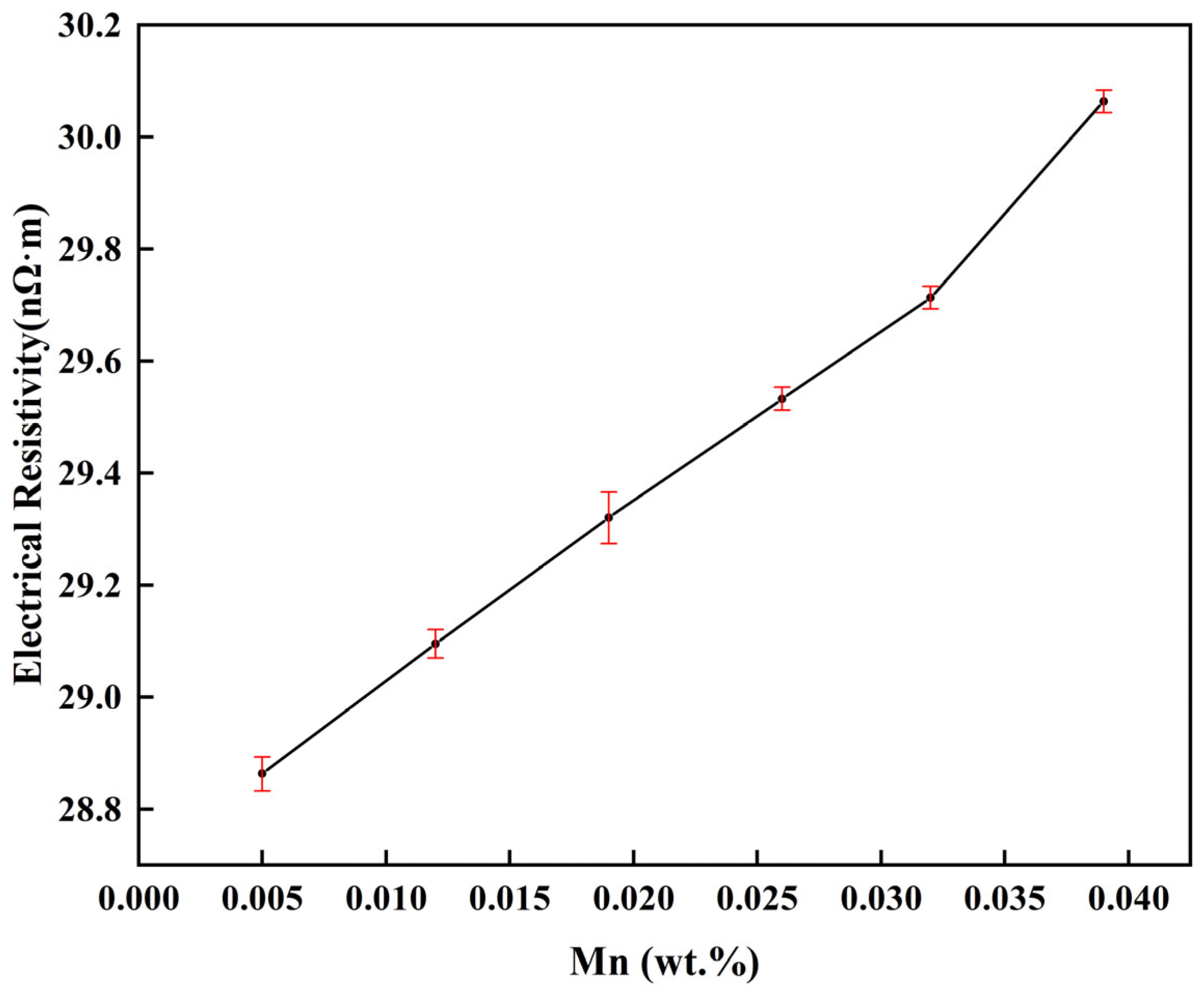
As shown in Figure 9, the electrical resistivity of the 8030 aluminum rod increases steadily as the Mn content rises from 0.005 wt.% to 0.04 wt.%. For every 0.01 wt.% increase in Mn, the electrical resistivity increases by approximately 0.353 ± 0.011 nΩ·m on average.
Figure 9.
Variation in electrical resistivity of 8030 aluminum rods with Mn mass fraction.
At room temperature, Mn adopts a complex cubic structure, α-Mn, which belongs to the Ia-3 space group [24]. With an atomic radius of 140 pm and an electronegativity of 1.55, the atomic radius of Mn is smaller than that of Al, with a radius difference of approximately 2%, which is less than 15% [24]. The electronegativity difference between Mn and Al is minimal, resulting in no significant charge transfer or ionic character, thus facilitating the formation of metallic bonds. However, due to differences in their crystal structures, the solubility of Mn in Al is limited. Under conditions of extremely low mass fraction, the solute reaches a highly diluted state, with Mn atoms distributed as isolated point defects that do not undergo aggregation or precipitation, showing minimal mutual interference. Mn atoms substitute Al atoms within the crystal lattice, occupying FCC sites in a stable configuration, and exist in small amounts as a substitutional solid solution. In the Al matrix, trace amounts of Mn, existing as a substitutional solid solution, cause a mismatch in lattice constants due to the atomic radius difference between Mn and Al, significantly affecting electronic transport properties. The smaller atomic radius of Mn compared to Al induces local lattice contraction and stress fields within the FCC structure, leading to periodic disruption of the crystal lattice. The atomic number of Al is 13, with an electron configuration of 1s2 2s2 2p6 3s2 3p1 [24]. The three electrons in the 3s and 3p orbitals contribute to metallic bonding, forming a conductive electron cloud with a relatively long mean free path. During electron propagation, scattering occurs due to Mn substitutional defects, increasing the scattering probability and reducing the relaxation time, thus shortening the mean free path. As a result of the linear behavior in the dilute solution limit, higher Mn content increases the electron scattering probability. According to the Drude model of free electrons in metals, electrical resistivity is directly proportional to the scattering probability [25], leading to an increase in electrical resistivity as Mn concentration rises.
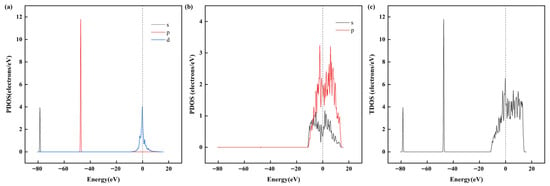
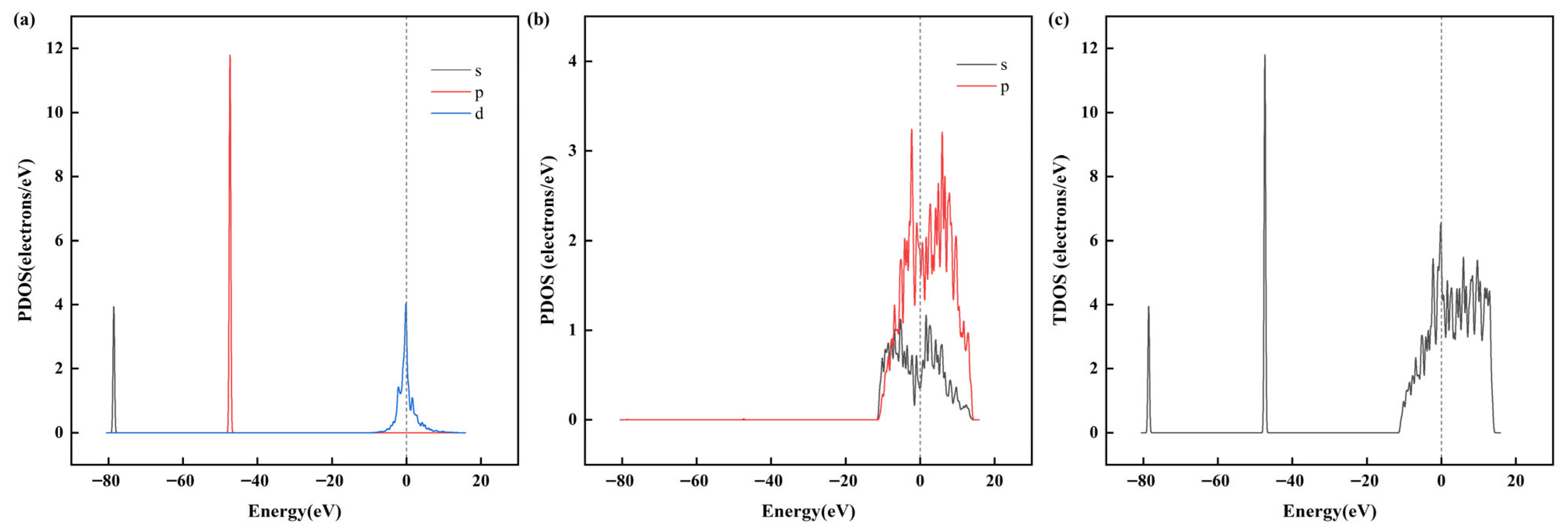
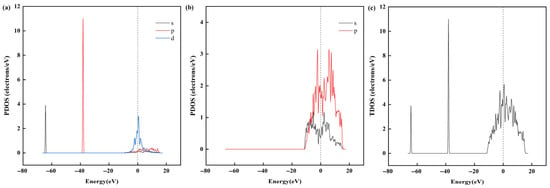
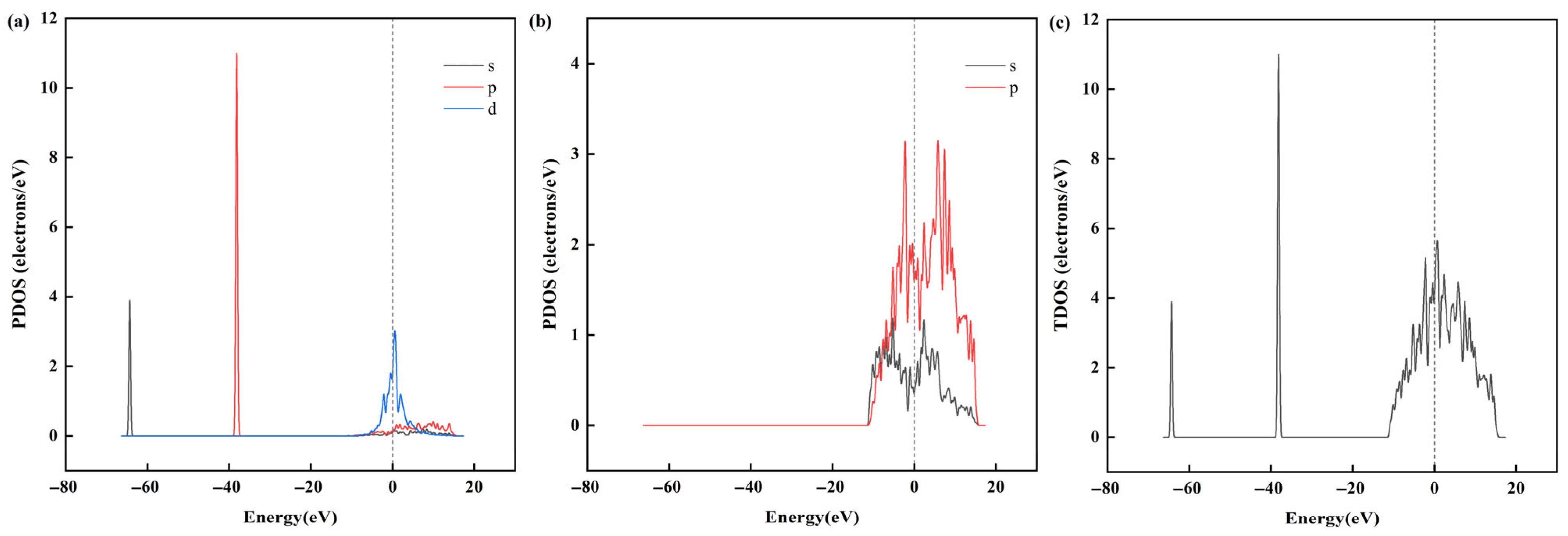
Mn, a transition metal with an atomic number of 25, has the electron configuration 1s2 2s2 2p6 3s2 3p6 3d5 4s2. It features a half-filled d orbital and s electrons outside the d shell [24]. When a solid solution is formed, the 3d and 4s energy bands overlap, causing some conductive valence electrons to enter the incomplete d orbital. This leads to a reduction in the concentration of free conduction electrons and an increase in electrical resistivity [31,32]. As shown in Figure 10, the orbital-resolved partial density of states of Al and Mn in the Al–Mn substitutional solid-solution system are presented, illustrating the contributions of individual atomic orbitals to the TDOS. As shown in Figure 10a, in the Al–Mn substitutional solid-solution system, the PDOS of Mn exhibits sharp and intense s- and p-state peaks far from the Fermi level, while a pronounced and narrow d-state peak with a high density of states appears in the vicinity of the Fermi level, indicating extremely strong localized Mn d-state features. As shown in Figure 10c, owing to the presence of Mn d orbitals, the TDOS of the Al–Mn substitutional solid-solution system undergoes pronounced variation, leading to a substantial modification of the peak profile near the Fermi level. The Mn d-orbital PDOS makes a dominant contribution to the TDOS in the vicinity of the Fermi level, resulting in a dramatic enhancement and the emergence of a highly pronounced peak. Consequently, the TDOS near the Fermi level becomes significantly narrowed, accompanied by a marked reshaping of the Fermi-level peak. Meanwhile, s- and p-derived bound states appear in the TDOS of the Al–Mn substitutional solid-solution system, causing partial electron localization and thereby reducing the concentration of conduction electrons. Because electrical resistivity is proportional to the scattering probability, and the scattering probability scales with the density of states near the Fermi level, the incorporation of Mn causes the density of states near the Fermi level in the Al–Mn substitutional solid-solution system to become sharp and narrow, forming pronounced peaks. As a result, the scattering probability of conduction electrons is substantially increased. In the Al–Mn system, coupling between the 4s and 3d states gives rise to s–d resonant scattering, whereby free electrons are scattered not only into the s band but also into the d band. Because the density of states of the d band is much higher than that of the s band, and because d orbitals possess more complex spatial geometries than s and p orbitals—exhibiting cloverleaf or ring-like distributions with highly nonuniform electron density—the associated scattering cross section is large. Consequently, pronounced local potential fluctuations are generated, rendering Mn atoms highly efficient and strong electron-scattering centers. This process induces localized electronic states, significantly reduces the electron relaxation time, and markedly enhances the scattering probability of free electrons. According to the Drude model (1) [25]:
(—electrical resistivity;—electron mass; —electron charge; —relaxation time; —net electron flow per unit area per unit time.) As a consequence, the transition metal Mn exerts an exceptionally strong influence on electrical resistivity, indicating that even trace additions of Mn can lead to a pronounced increase in electrical resistivity.
Figure 10.
Electronic density of states for the Al-Mn substitutional solid solution system after the incorporation of Mn (Fermi level: energy = 0 eV): (a) PDOS for Mn in the Al-Mn substitutional solid solution system; (b) PDOS for Al in the Al-Mn substitutional solid solution system; (c) TDOS for the Al-Mn substitutional solid solution system.
As shown in Figure 11, the microstructures and elemental distributions of 8030 aluminum rods with different Mn contents are presented. As illustrated in Figure 11(a1,b1), the 8030 aluminum rods are aluminum-based, with Al uniformly distributed within the grain interiors, while the Al concentration at the grain boundaries is relatively lower. As shown in Figure 11(a2,a3,b2,b3), the alloying elements Fe and Cu exhibit lower concentrations inside the grains and are preferentially segregated at the grain boundaries. As shown in Figure 11(a4,b4), regardless of whether the Mn content is 0.005 wt.% or 0.032 wt.%, Mn is mainly distributed along the grain boundaries in the 8030 aluminum rods. At low Mn levels, variations in Mn content have a negligible influence on the distributions of Fe and Cu. With increasing Mn content, the number of intragranular scattering centers within the grains increases, intensifying lattice distortion. At the same time, the local enrichment of Mn at the grain boundaries also increases, resulting in more complex and irregular grain boundary structures that disrupt the continuity between adjacent grains and further isolate them. Consequently, the transport of conduction electrons across the grains and grain boundaries is increasingly impeded, leading to a significant increase in electrical resistivity of the material [26,27,28].
Figure 11.
SEM images and EDS data of 8030 aluminum rods with varying Mn content: (a) 0.005 wt.% Mn; (a1–a4) Elemental surface scan analysis; (b) 0.032 wt.% Mn; (b1–b4) Elemental surface scan analysis.
In summary, when Mn forms a substitutional solid solution in Al, local lattice distortions and its unique electronic structure lead to a significant increase in the density of states near the Fermi level, creating a prominent peak. This has a substantial effect on the electrical resistivity of the Al matrix. Mn atoms primarily distribute along the grain boundaries, which tend to break the matrix, increasing the electrical resistivity. Compared to the main group element Si, Mn, as a transition metal with 3d orbitals, exhibits high scattering efficiency, significantly reducing the electron relaxation time. This results in a substantial decrease in the mean free path of conduction electrons. At the dilute solute limit, the electrical resistivity increases almost linearly with Mn content. Thus, even at low mass fractions, trace amounts of Mn can significantly raise the electrical resistivity of the 8030 aluminum rod by disrupting the crystal periodicity and contributing strong electron scattering, leading to a marked increase in electrical resistivity.
3.3. Effect of V on the Electrical Resistivity of 8030 Aluminum Rods
The mass fractions of V added to the melt were 0 wt.%, 0.005 wt.%, 0.010 wt.%, 0.015 wt.%, 0.020 wt.%, 0.025 wt.%, and 0.030 wt.%, respectively.
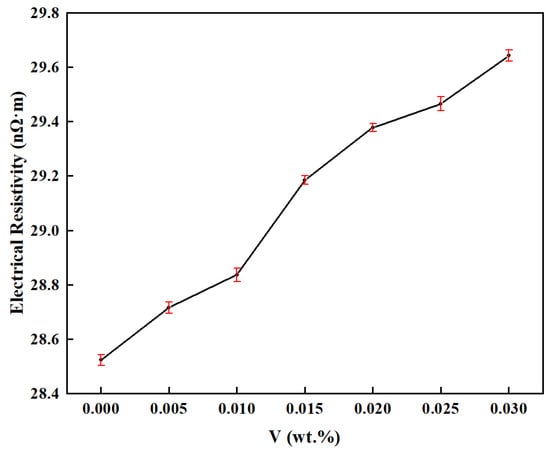
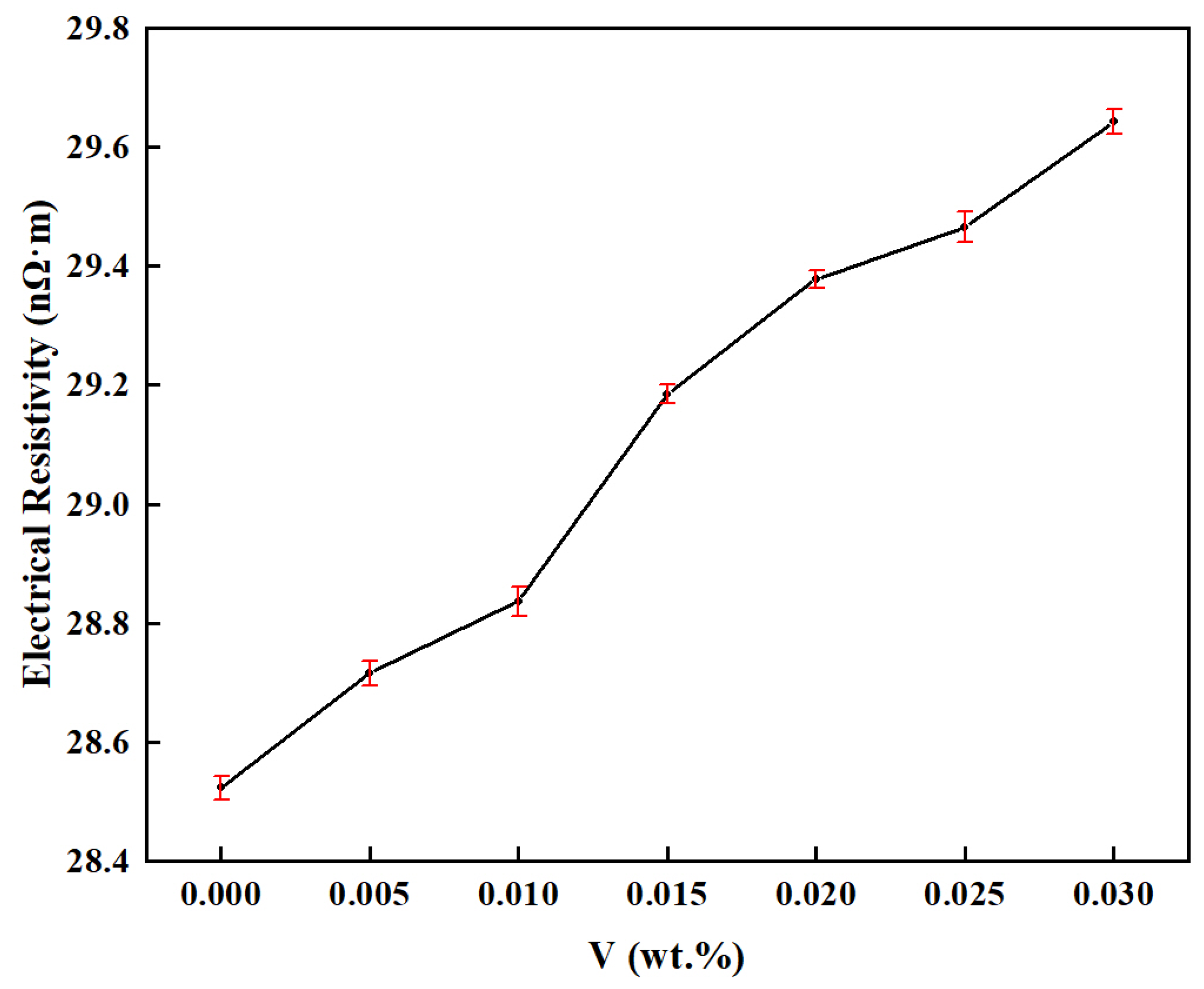
As shown in Figure 12, the electrical resistivity of the 8030 aluminum rod increases steadily as the V content rises from 0 to 0.030 wt.%. For every 0.010 wt.% increase in V, the electrical resistivity increases by approximately 0.373 ± 0.009 nΩ·m on average.
Figure 12.
Variation in electrical resistivity of 8030 aluminum rods with V mass fraction.
At room temperature, vanadium (V) crystallizes in a body-centered cubic (BCC) structure, belonging to the Im-3m space group [24]. The atomic radius of V is 134 pm, with an electronegativity of 1.63 [24]. The atomic radius of V is smaller than that of Al, with a difference of about 6%, which is less than 15%, and their electronegativities are nearly identical, favoring the formation of metallic bonds. Similar to the effect of Mn in forming substitutional solid solutions in the 8030 aluminum alloy matrix, at very low mass fractions, the atomic radius difference between V and Al leads to poor lattice constant matching. Upon substitution of Al atoms by V in the FCC lattice, local lattice contraction and stress fields are introduced, resulting in a disruption of the crystal periodicity. This distortion significantly affects electronic transport, leading to an increase in electrical resistivity.
V, a transition metal with atomic number 23, has the electron configuration 1s2 2s2 2p6 3s2 3p6 3d3 4s2. The 3d orbitals contain only three electrons, resulting in an incomplete d-orbital [24]. As shown in Figure 13, similar to Mn, the V d-orbital PDOS in the Al–V substitutional solid-solution system causes a pronounced increase in the TDOS near the Fermi level. Consequently, the TDOS near the Fermi level exhibits a highly prominent and narrow peak, thereby modifying the shape of the TDOS peak in the vicinity of the Fermi level in the Al–V substitutional solid-solution system. Because electrical resistivity is proportional to the scattering probability, and the scattering probability scales with the TDOS near the Fermi level, a higher TDOS and a sharper, narrower density-of-states peak near the Fermi level in the Al-V substitutional solid-solution system correspond to an increased scattering probability. According to the Drude model [25], the transition metal V exerts an exceptionally strong influence on electrical resistivity, indicating that even trace additions of V can lead to a significant increase in electrical resistivity.
Figure 13.
Electronic density of states for the Al-V substitutional solid solution system after the incorporation of V (Fermi level: energy = 0 eV): (a) PDOS for V in the Al-V substitutional solid solution system; (b) PDOS for Al in the Al-V substitutional solid solution system; (c) TDOS for the Al-V substitutional solid solution system.
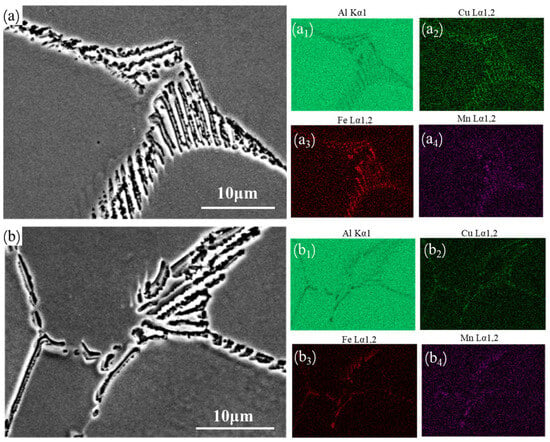
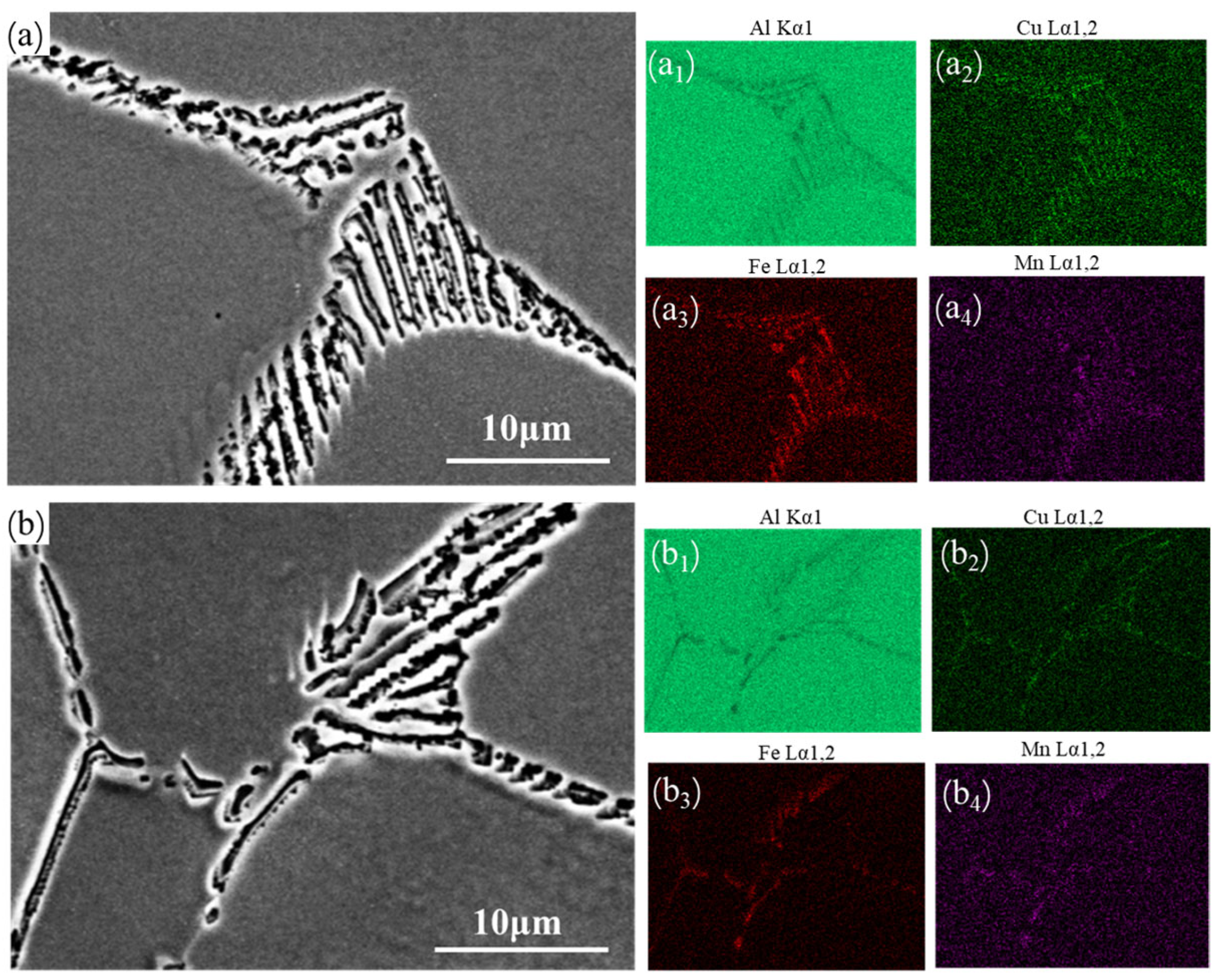
As shown in Figure 14, the microstructures and elemental distributions of 8030 aluminum rods with different V contents are presented. As illustrated in Figure 14(a1,b1), the 8030 aluminum rod is based on an Al matrix, and the grain interiors consist almost entirely of Al, while the Al concentration at grain boundaries is relatively lower than that within the grains. As shown in Figure 14(a2,a3,b2,b3), the alloying elements Fe and Cu exhibit lower concentrations within the grain interiors than at the grain boundaries and are mainly segregated along the grain boundaries. According to Figure 14(a4,b4), when the V content is either 0.005 wt.% or 0.025 wt.%, V is predominantly dispersed within the grain interiors, whereas V enrichment at the grain boundaries is not particularly evident. At relatively low V contents, variations in V concentration have little influence on the distributions of Fe and Cu. With increasing V content, the number of intragranular scattering centers within the grains increases significantly, enhancing lattice distortion and promoting the local enrichment of V at the grain boundaries. This leads to more complex and irregular grain boundary structures, disrupting the continuity between adjacent grains and further isolating them. As a result, the transport of conduction electrons across the grains and grain boundaries is increasingly hindered, leading to a pronounced increase in the electrical resistivity of the material [26,27,28].
Figure 14.
SEM images and EDS data of 8030 aluminum rods with varying V content: (a) 0.005 wt.% V; (a1–a4) Elemental surface scan analysis; (b) 0.025 wt.% V; (b1–b4) Elemental surface scan analysis.
As shown in Figure 6, Figure 9 and Figure 12, in the 8030 aluminum rod, although the mass fraction and incremental additions of Si are greater than those of Mn and V, the electrical resistivity increment induced by Si is comparable to that caused by Mn and V. In contrast, trace additions of Mn and V can markedly increase electrical resistivity, with average incremental rates of approximately 0.353 ± 0.011 nΩ·m per 0.01 wt.% for Mn and 0.373 ± 0.009 nΩ·m per 0.01 wt.% for V. Si exhibits a much weaker ability to increase electrical resistivity, and the incremental effect gradually diminishes with increasing Si content, reaching about 0.052 ± 0.001 nΩ·m per 0.01 wt.%. These results indicate that the effects of V and Mn on the electrical resistivity of the 8030 aluminum rod are substantially greater than that of Si, which is fundamentally attributed to differences in the electronic structures of Si, Mn, and V.
3.4. Removal of Impurity Element V from 8030 Aluminum Rods Using Al-3B
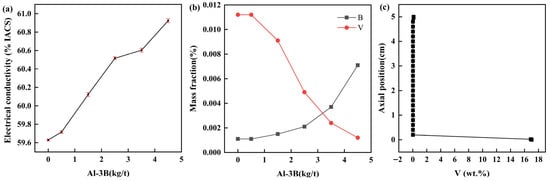
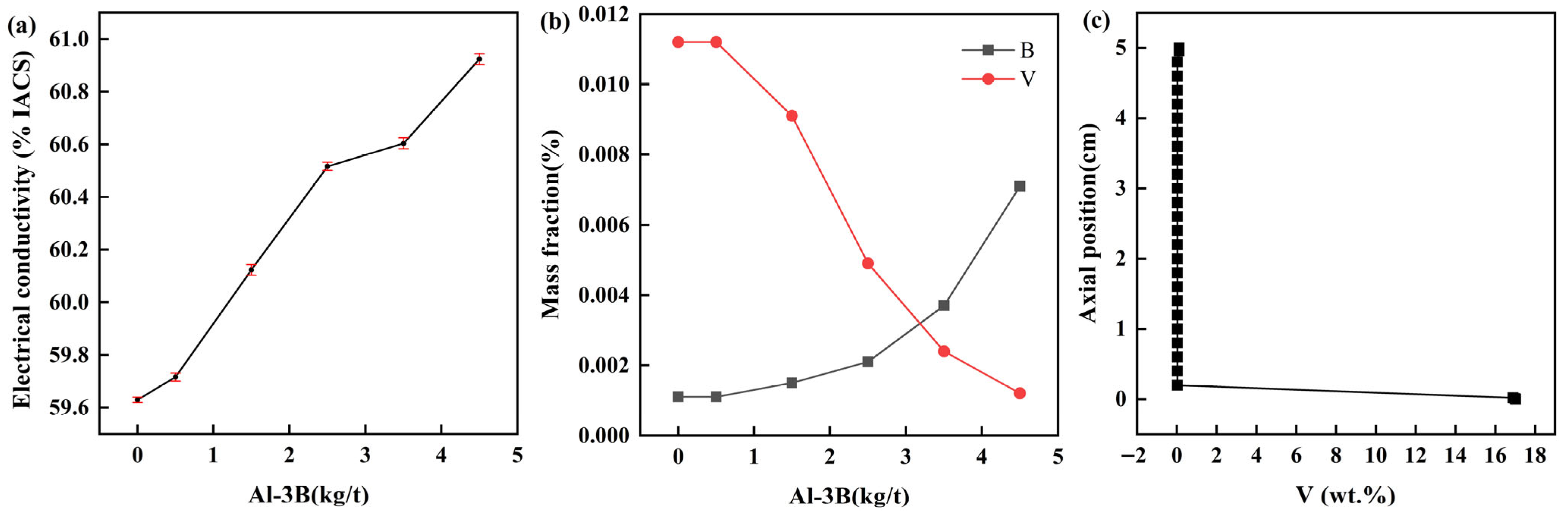
In the experimental group with a V content of 0.013 wt.%, the Al-3B content added to the melt was 0 kg/t, 0.5 kg/t, 1.5 kg/t, 2.5 kg/t, 3.5 kg/t, and 4.5 kg/t, respectively. In the experimental group with a V content of 0.04 wt.%, the Al-3B content added to the melt was 2.5 kg/t.
As shown in Figure 15a, as the Al-3B content in the melt increases from 0 kg/t to 4.5 kg/t, the electrical conductivity continuously increases. As shown in Figure 15b, the mass fractions of the residual V and B elements in the melt exhibit opposite trends, with the V mass fraction decreasing and the B mass fraction increasing. As the V content decreases, the electrical conductivity increases, leading to an improvement in conductive performance of the material. As the V content decreases, the electrical conductivity increases, leading to an improvement in the material’s conductive performance. As shown in Figure 15c, along the axial direction of the furnace-cooled melt cylinder, the mass fraction of V varies significantly at different positions. The V content is particularly high at the bottom of the cylinder (y = 0) and particularly low at the top (y = 5 cm). A slight difference in V content is also observed between the top and the middle sections of the cylinder.
Figure 15.
Changes induced by the addition of Al-3B alloy: (a) Variation in electrical conductivity of 8030 aluminum rods with increasing Al-3B alloy content; (b) Residual mass fractions of V and B in 8030 aluminum rods as a function of Al-3B addition; (c) Distribution of V mass fraction along the axial direction (y) of the cylindrical samples subjected to furnace cooling.
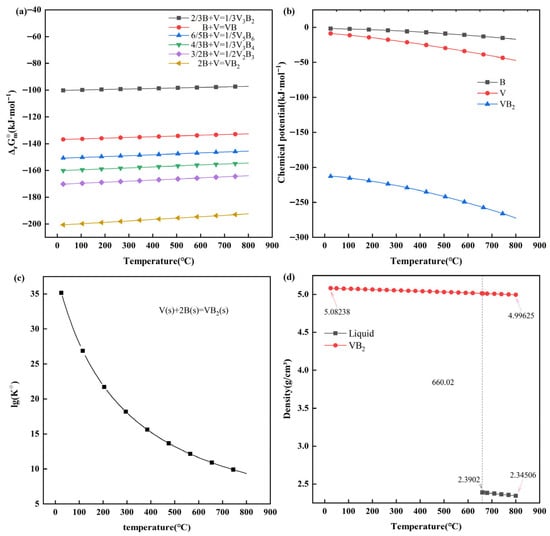
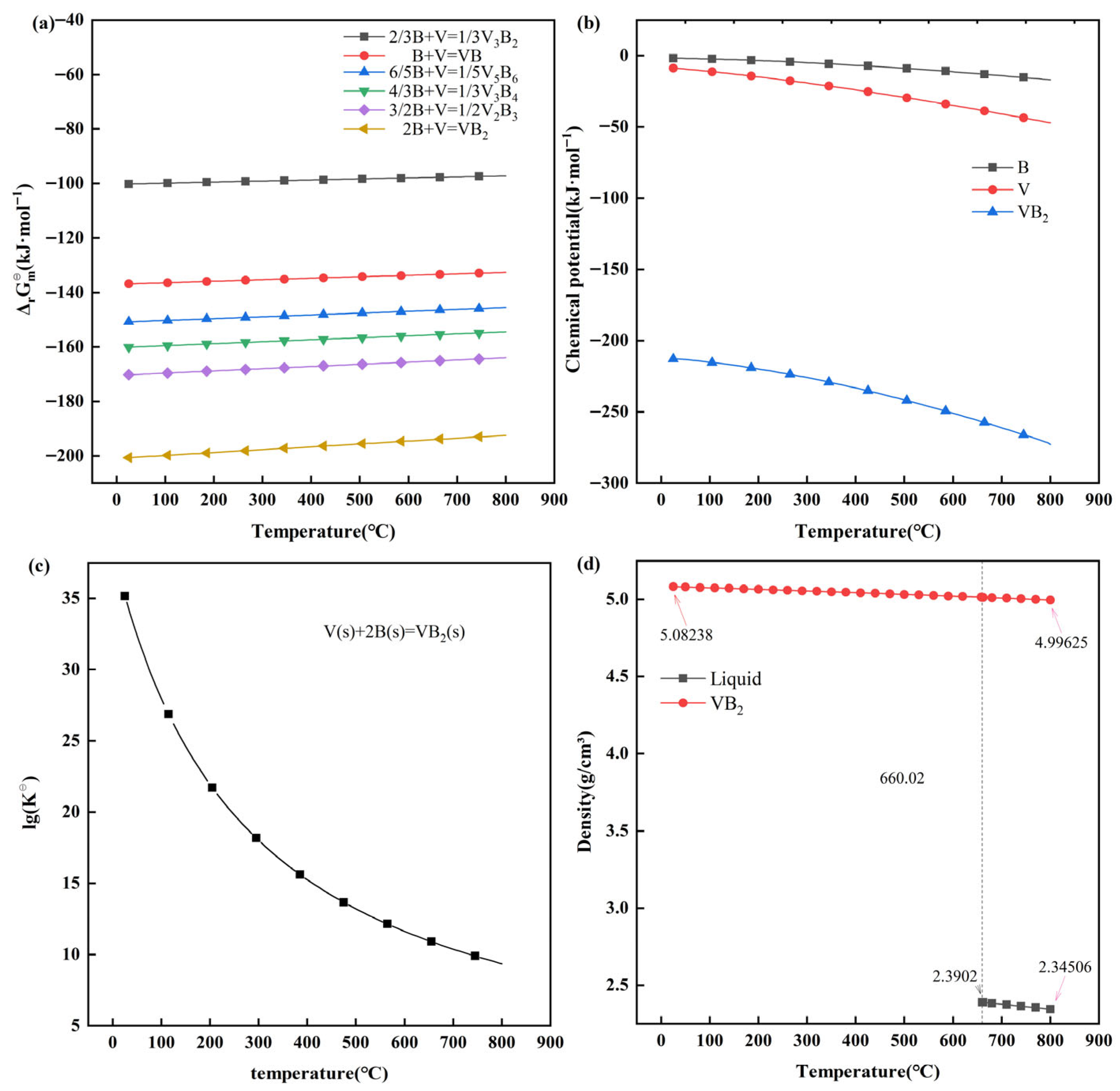
B in the Al-3B alloy may react with V in the melt to form various V-B compounds, including V3B2, VB, V5B6, V3B4, V2B3, and VB2 [33,34]. As shown in Figure 16a, between 25 °C and 800 °C, the standard molar Gibbs free energy change (ΔrG⊖m) for the formation of VB2 is the lowest, indicating a significant driving force, making VB2 the most likely compound to form. As shown in Figure 16b, over this temperature range, the chemical potential of VB2 is much lower than that of V and B individually, and decreases further as temperature increases, suggesting that VB2 can stably exist at high temperatures. As shown in Figure 16c, between 25 °C and 800 °C, the logarithm of the standard equilibrium constant (lg(K⊖)) for the reaction between B and V to form VB2 decreases with temperature. The standard equilibrium constant K⊖ (25 °C, K⊖ = 1.424 × 1035; 800 °C, K⊖ = 2.335 × 10⁹) is far greater than 1, indicating that the reaction is strongly favored toward the formation of VB2. As shown in Figure 16d, from 800 °C to the melting point of the melt at 660.02 °C, both the melt and VB2 densities increase, with the average density of the melt being approximately 2.36 g/cm3, while the average density of VB2 is about 5.0 g/cm3, with the density of melt significantly lower than that of VB2.
Figure 16.
Thermodynamic and density characteristics of the Al-V-B system at different temperatures: (a) Variation in the standard molar Gibbs free energy of different chemical reactions with temperature; (b) Variation in the chemical potentials of B, V, and VB2 with temperature; (c) Variation in lg(K⊖) for the reaction V(s) + 2 B(s) = VB2(s) with temperature; (d) Variation in the densities of the Al melt and VB2 with temperature.
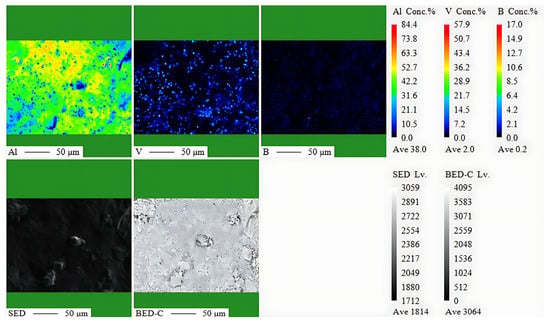
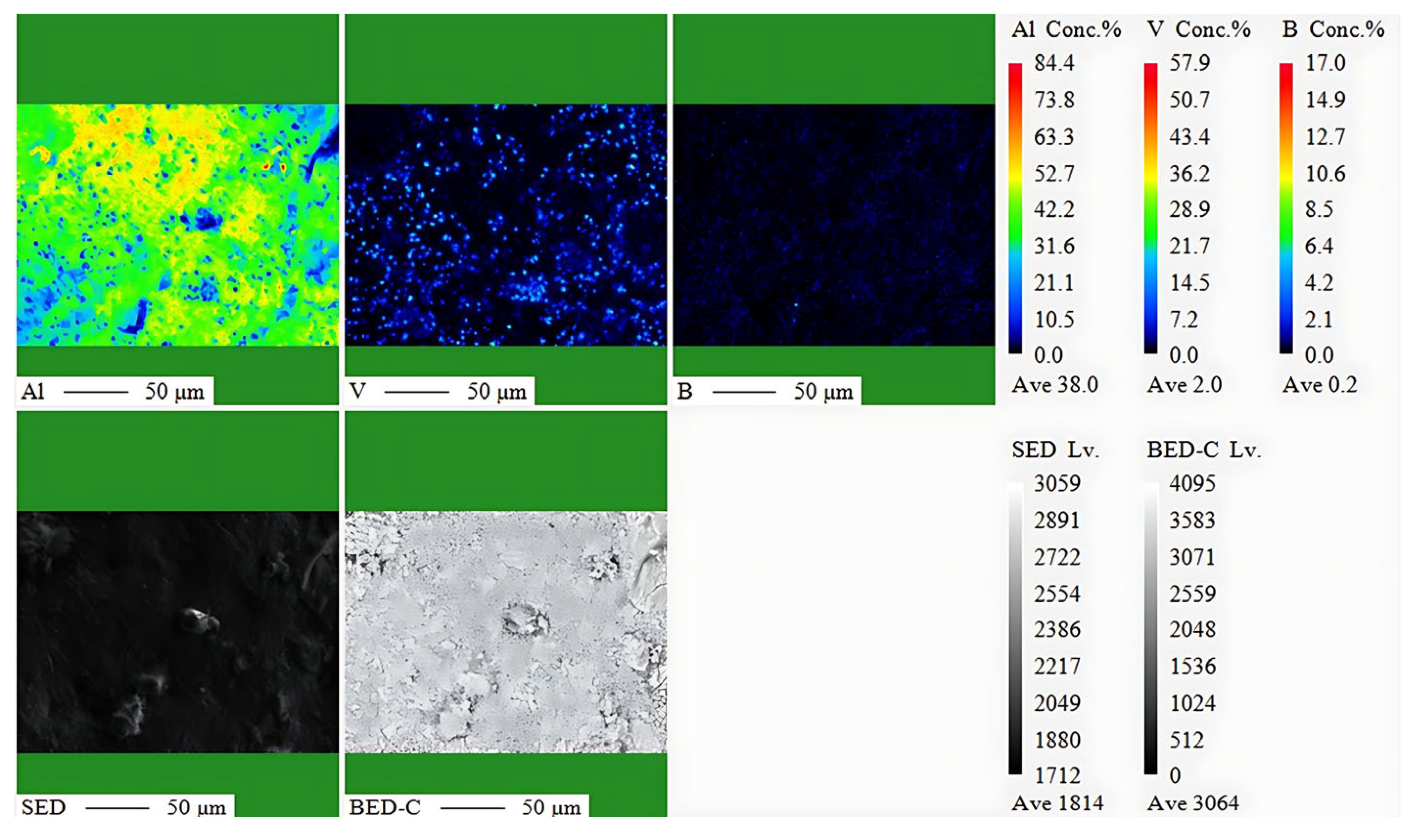
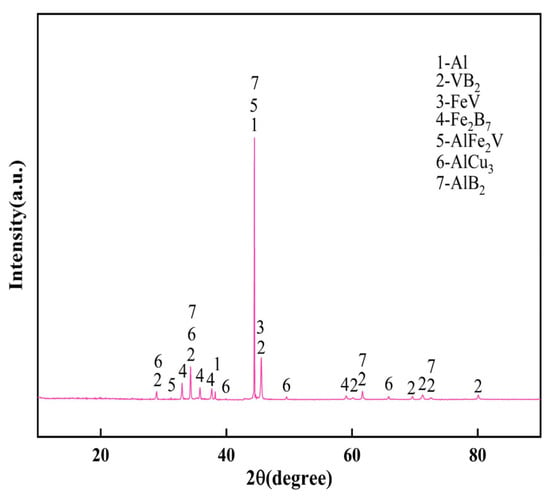
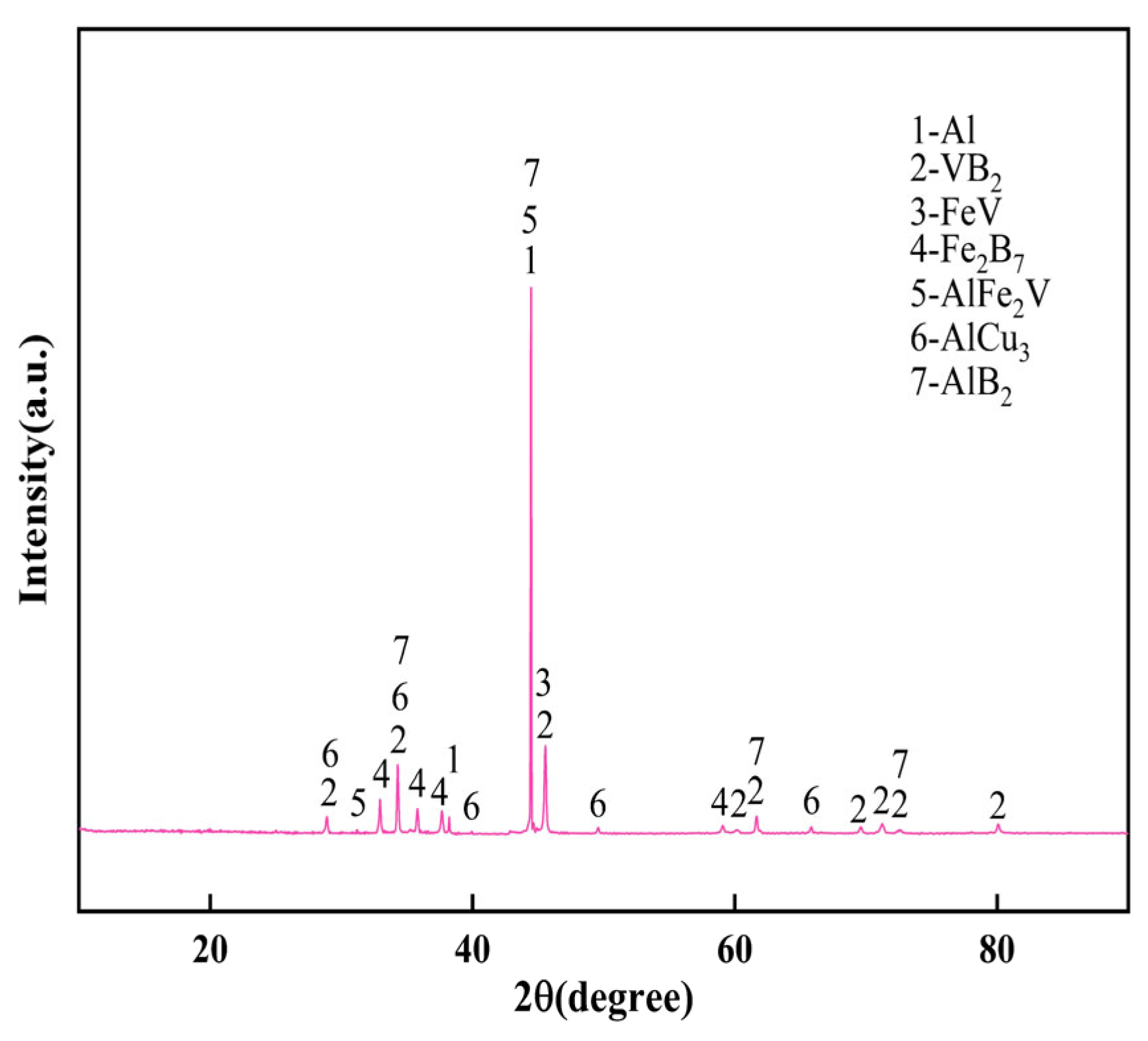
As shown in Figure 17, the elemental distribution of V and B in the microscopic region exhibits a significant correlation, suggesting that V and B may have formed V-B compounds. As indicated in Figure 18, these V-B compounds primarily exist as VB2, with other V-B compounds scarcely observed.
Figure 17.
EPMA elemental distribution of Al, V, and B in the sample at the bottom of the furnace-cooled cylindrical specimen.
Figure 18.
XRD pattern of the bottom surface of the cooled cylindrical sample.
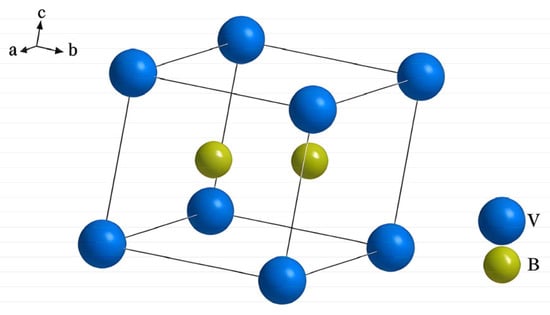
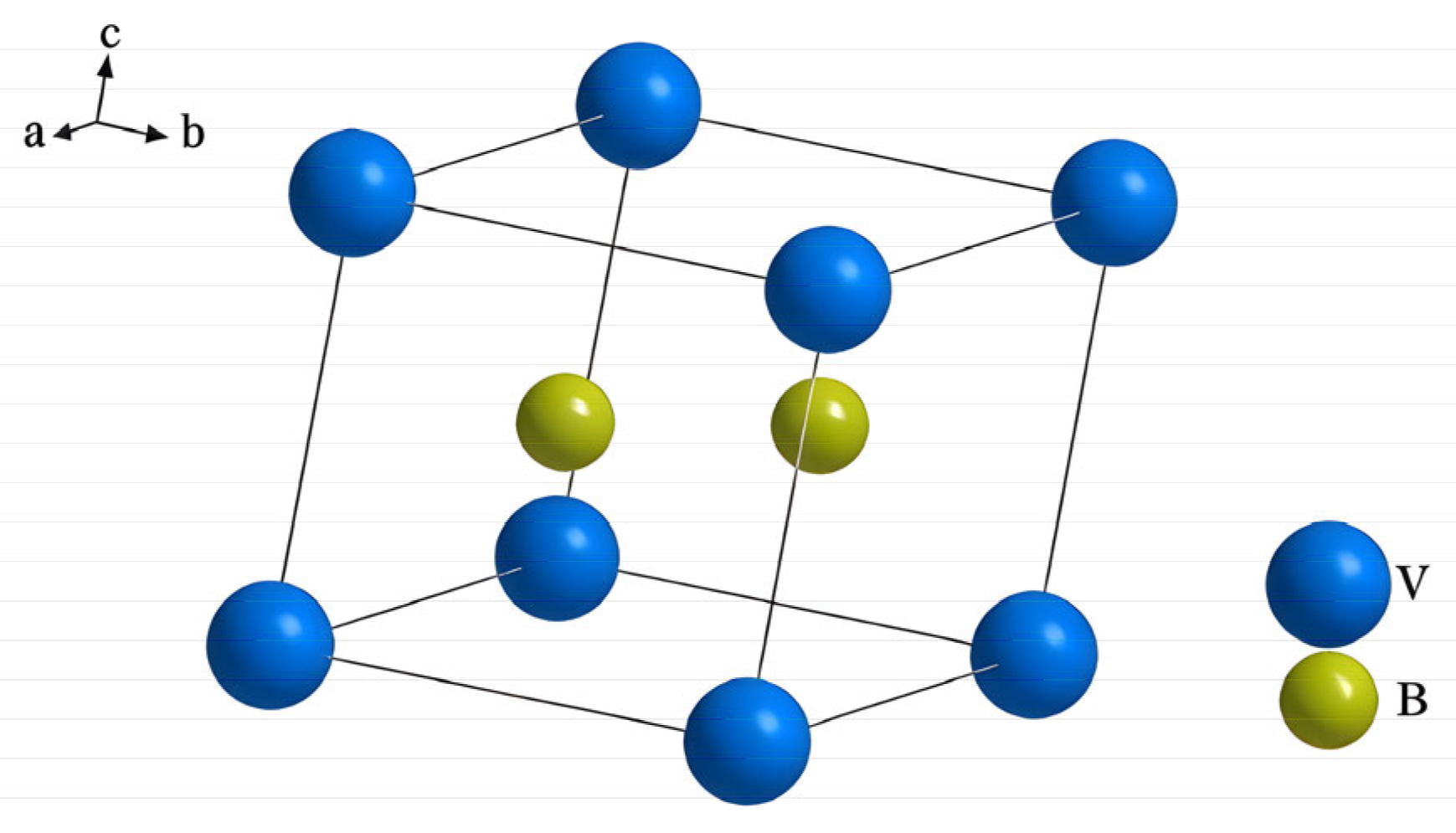
The crystal structure of VB2 is shown in Figure 19. VB2 belongs to the P6/mmm space group and adopts a simple hexagonal crystal system. The coordinates of V atoms are (0, 0, 0), and there is one atom per unit cell. The B atoms are located at (1/3, 2/3, 1/2) and (2/3, 1/3, 1/2), with two atoms per unit cell [35,36]. The chemical reaction for the formation of VB2 from V and B in the melt is as follows (2) [37,38]:
V(s) + 2 B(s) = VB2(s)
Figure 19.
Crystal structure of VB2.
K⊖ (25 °C, K⊖ = 1.424 × 1035; 800 °C, K⊖ = 2.335 × 10⁹) for this chemical reaction is significantly greater than 1, indicating that the reaction strongly favors proceeding to completion in the rightward direction. For a fixed initial V content, increasing the B concentration promotes the reaction towards the right, resulting in a progressive decrease in V content and an increase in the formation of VB2. However, the residual B content also rises. This trend is consistent with both theoretical and experimental data, emphasizing the importance of carefully controlling the B addition.
Based on the above theoretical and characterization analyses, B in the Al-3B alloy reacts with V in the melt to form a stable, high-density VB2 compound. After the melt is held at 700 °C for 30 min, VB2 precipitates at the bottom of the melt, effectively removing V. This reduces the lattice distortion and electrical potential disturbances caused by V in the Al matrix, significantly lowering the electrical resistivity and improving the conductivity of the 8030 aluminum rod. In industrial production, aluminum rods are typically manufactured using the continuous casting and rolling process. For the removal of V via the addition of an Al-3B alloy, a series of melt purification measures can be implemented during the melting stage to ensure both melt quality and final product yield. First, the melt outlet can be positioned several centimeters above the furnace bottom to reduce the entrainment of settling particles into the flow channel. Subsequently, as the melt is conveyed through the flow channel toward the rolling entry, filters (e.g., filter bricks or ceramic foam filters) can be installed at the end of the flow channel or within the pouring system to capture inclusions and precipitated phases. These measures exploit the high density and stability of VB2, allowing it to either settle or be retained by the filters, thereby effectively removing vanadium from the melt. Implementing this strategy does not require modifications to the existing continuous casting and rolling workflow, providing a feasible pathway for industrial-scale application and further process scale-up.
4. Conclusions
This study compares the effects of Si, Mn, and V on the electrical resistivity of 8030 aluminum rods using both experimental and theoretical approaches, highlighting the necessity of controlling the content of Al-3B alloy used to remove the impurity element V. The findings are expected to offer practical insights for industrial production. Based on the experimental results and the discussions in the preceding sections, the following conclusions can be drawn:
- (1)
- For the production of 8030 aluminum rods used in the electrical cable industry, the impurity element Si in the alloy has a certain impact on the electrical resistivity of the aluminum rods, leading to an increase in electrical resistivity. However, within an appropriate range, the content of Si does not need to be strictly controlled.
- (2)
- For the production of 8030 aluminum rods used in the electrical cable industry, the impurity element Mn significantly affects the electrical resistivity of the aluminum rods, causing a rapid increase. The content of Mn in the aluminum rod must be strictly controlled.
- (3)
- For the production of 8030 aluminum rods used in the electrical cable industry, the impurity element V significantly influences the electrical resistivity of the aluminum rods, leading to a rapid increase. Therefore, the content of V in the aluminum rod must be strictly controlled.
- (4)
- The addition of B has a highly significant effect in removing the impurity element V from the 8030 aluminum rod, thereby significantly reducing the influence of V on the electrical resistivity. The formed VB2 tends to concentrate at the bottom of the melt. However, the content of Al-3B must also be controlled within a reasonable range.
Author Contributions
Conceptualization, Q.Y. and H.J.; methodology, Q.Y. and H.J.; validation, Q.Y. and H.J.; formal analysis, Q.Y.; investigation, Q.Y.; resources, H.J.; data curation, Q.Y.; writing—original draft preparation, Q.Y.; writing—review and editing, H.J.; visualization, Q.Y.; supervision, H.J.; project administration, H.J.; funding acquisition, H.J. All authors have read and agreed to the published version of the manuscript.
Funding
This work was financially supported by the Science and Technology Program of Guizhou Province (LH [2024]018, [2024]123), the Science and Technology Plan of Guizhou Provincial Department of Education ([2024]001).
Data Availability Statement
The raw data supporting the conclusions of this article will be made available by the authors on request.
Acknowledgments
We are grateful to Guizhou University for providing the characterization technique.
Conflicts of Interest
The authors declare that they have no conflicts of interest.
Abbreviations
The following abbreviations are used in this manuscript:
| Si | Silicon |
| Mn | Manganese |
| V | Vanadium |
| B | Boron |
| Al | Aluminum |
| ΔrG⊖m | Standard molar Gibbs free energy change |
| K⊖ | Standard equilibrium constant |
| TDOS | Total density of states |
| PDOS | Partial density of states |
References
- Climate Change—NASA Science. Available online: https://science.nasa.gov/climate-change/ (accessed on 5 January 2026).
- Dai, Y.R.; Shu, Y.M.; Zeng, Y.P. Use of learning curve to explore the competition between renewables and conventional fossil fuel power technologies in China. Energy Strategy Rev. 2024, 52, 101352. [Google Scholar] [CrossRef] [Scilit]
- Sahu, S.K.; Ohara, T.; Beig, G. The role of coal technology in redefining India’s climate change agents and other pollutants. Environ. Res. Lett. 2017, 12, 105006. [Google Scholar] [CrossRef] [Scilit]
- Sanchez Matos, J.; Elorrieta Mendoza, Á.; Kahhat, R.; Vázquez-Rowe, L. Greenhouse gas emissions related to Peruvian dietary patterns based on the national household survey in the period 2008–2022. RCR Advances 2026, 29, 200305. [Google Scholar] [CrossRef] [Scilit]
- Sazali, N.; Wan Salleh, W.N.; Jamaludin, A.S.; Razali, M.N.M. New Perspectives on Fuel Cell Technology: A Brief Review. Membranes 2020, 10, 99. [Google Scholar] [CrossRef] [Scilit]
- Kumar, N.; Singh, A.S.; Kumari, S.; Reddy, M.P. Biotechnological approaches for the genetic improvement of Jatropha curcas L.: A biodiesel plant. Ind. Crops Prod. 2015, 76, 817–828. [Google Scholar] [CrossRef] [Scilit]
- Ma, Q.X.; Zhang, P.; Chen, T.Z.; Li, H.; Wang, Y.; Liu, J.; Liu, P.; Mu, Y.; Liu, J.; Liu, Z.; et al. Research progress in atmospheric haze chemistry: Formation mechanism of air pollution complex and control technologies. J. Environ. Sci. 2026, 161, 75–105. [Google Scholar] [CrossRef] [Scilit]
- Guan, Y.; Ye, Q.; Li, B.; Xiao, Y.; Zhang, N.; Qin, C.; Shi, R. Environmental hazard and human health risk attributed to surface water pollution in China: City-level assessment and socioeconomic driver identification. J. Hazard. Mater. 2026, 501, 140827. [Google Scholar] [CrossRef] [Scilit]
- EBioMedicine. Wildfires, smog, and the persistent threat of air pollution to human health. EBioMedicine 2025, 112, 105602. [Google Scholar] [CrossRef] [Scilit]
- National Bureau of Statistics of China. Statistical Communique of the People’s Republic of China on the 2024 National Economic and Social Development; National Bureau of Statistics of China: Beijing, China, 2025. [Google Scholar]
- China Electricity Council. China Power Industry Annual Development Report 2025; China Electricity Council: Beijing, China, 2025. [Google Scholar]
- Krylov, D.A.; Putintseva, V.E. Estimates of SO2, NOx, and Solid Particles Emissions into the Atmosphere as a Result of Burning of Natural Gas and Coal by Heating and Electric Power Plants. At. Energy 2002, 92, 529–531. [Google Scholar] [CrossRef] [Scilit]
- Okolo, G.N.; Everson, R.C.; Neomagus, H.W.J.P.; Sakurovs, R.; Grigore, M.; Bunt, J.R. Dataset on the carbon dioxide, methane and nitrogen high-pressure sorption properties of South African bituminous coals. Data Brief 2019, 25, 104248. [Google Scholar] [CrossRef] [Scilit]
- Tang, H.Q.; Li, H.Y.; Jin, D.; Hu, X.H.; Xu, J.; Li, H.B. Influence of rare earth element erbium on microstructures and properties of as-cast 8030 aluminum alloy. J. Cent. South Univ. 2024, 31, 4027–4038. [Google Scholar] [CrossRef] [Scilit]
- Kang, F.; Zhang, B.; Wang, E.; Liu, S.; Jiang, J.; Kong, D.; Sun, M. Effects of Er and Annealing Treatment on Microstructure and Properties of 8030 Aluminum Alloy. J. Mater. Eng. Perform. 2025, 34, 1–13. [Google Scholar] [CrossRef] [Scilit]
- Chen, P.; Fan, X.Z.; Yang, Q.B.; Zhang, Z.Q.; Jia, Z.H.; Liu, Q. Creep behavior and microstructural evolution of 8030 aluminum alloys compressed at intermediate temperature. J. Mater. Res. Technol. 2021, 12, 1755–1761. [Google Scholar] [CrossRef] [Scilit]
- Guo, Y.M.; Yi, D.Q.; Liu, H.Q.; Wang, B.; Jiang, B.; Wang, H.S. Mechanical properties and conductivity of graphene/Al-8030 composites with directional distribution of graphene. J. Mater. Sci. 2020, 55, 3314–3328. [Google Scholar] [CrossRef] [Scilit]
- Jiang, X.Y.; Zhang, Y.; Yi, D.Q.; Wang, H.S.; Deng, X.B.; Wang, B. Low-temperature creep behavior and microstructural evolution of 8030 aluminum cables. Mater. Charact. 2017, 130, 181–187. [Google Scholar] [CrossRef] [Scilit]
- Huo, S.C.; Wen, S.P.; Hou, X.K.; Liang, S.S.; Wei, W.; Wu, X.L.; Huang, H.; Gao, K.Y.; Xiong, X.Y.; Nie, Z.R. Improving the strength and electrical conductivity of Al-Cu-Sn alloy by multistage rolling–aging treatment. J. Mater. Sci. 2026, 61, 2572–2589. [Google Scholar] [CrossRef] [Scilit]
- GB/T 3954-2022; Aluminium and Aluminium Alloys Rod for Electrical Purpose. State Administration for Market Regulation. Standardization Administration of the People’s Republic of China: Beijing, China, 2022. Available online: https://openstd.samr.gov.cn/bzgk/std/newGbInfo?hcno=1F70694F8036BFFB3245AEB39F981F3B (accessed on 5 January 2026).
- GB/T 3190-2020; Chemical Composition of Wrought Aluminium and Aluminium Alloys. State Administration for Market Regulation. Standardization Administration of the People’s Republic of China: Beijing, China, 2020. Available online: https://openstd.samr.gov.cn/bzgk/std/ (accessed on 3 January 2026).
- GB/T 351-2019; Metallic Materials—Resistivity Measurement Method. State Administration for Market Regulation. Standardization Administration of the People’s Republic of China: Beijing, China, 2019. Available online: https://openstd.samr.gov.cn/bzgk/std/newGbInfo?hcno=1FBCE1512BFFCCAE739E2FA621FD3BB8 (accessed on 9 January 2026).
- Zhang, L.; Wang, T.; Liu, F. Stability Criteria of Aluminum Lattice from First-Principles. J. Mater. Res. Technol. 2024, 34, 1144–1157. [Google Scholar] [CrossRef] [Scilit]
- CRC Handbook of Chemistry and Physics, 105th ed.; Rumble, J.R., Ed.; CRC Press: Boca Raton, FL, USA, 2024. [Google Scholar]
- Aydin, A.; Keski-Rahkonen, J.; Heller, E.J. Quantum Acoustics Unravels Planckian Resistivity. Proc. Natl. Acad. Sci. USA 2024, 121, e2404853121. [Google Scholar] [CrossRef] [Scilit]
- Bishara, H.; Lee, S.; Brink, T.; Ghidelli, M.; Dehm, G. Understanding Grain Boundary Electrical Resistivity in Cu: The Effect of Boundary Structure. ACS Nano 2021, 15, 16607–16615. [Google Scholar] [CrossRef] [Scilit]
- Czerwinski, F. Aluminum alloys for electrical engineering: A review. J. Mater. Sci. 2024, 59, 14847–14892. [Google Scholar] [CrossRef] [Scilit]
- Bishara, H.; Langenohl, L.; Zhou, X.Y.; Gault, B.; Best, J.; Dehm, G. Decoupling the electrical resistivity contribution of grain boundaries in dilute Fe-alloyed Cu thin films. Soc. Media 2023, 230, 115393. [Google Scholar] [CrossRef] [Scilit]
- Cinkilic, E.; Ridgeway, C.D.; Yan, X.A. Formation Map of Iron-Containing Intermetallic Phases in Recycled Cast Aluminum Alloys. Metall. Mater. Trans. A 2019, 50, 5945–5956. [Google Scholar] [CrossRef] [Scilit]
- Yang, W.C.; Gao, F.; Ji, S.X. Formation and sedimentation of Fe-rich intermetallics in Al–Si–Cu–Fe alloy. Trans. Nonferrous Met. Soc. China 2015, 25, 1704–1714. [Google Scholar] [CrossRef] [Scilit]
- Samolyuk, G.D.; Mu, S.; May, A.F.; Sales, B.C.; Wimmer, S.; Mankovsky, S.; Ebert, H.; Stocks, G.M. Temperature dependent electronic transport in concentrated solid solutions of the 3d-transition metals Ni, Fe, Co and Cr from first principles. Phys. Rev. B 2018, 98, 165141. [Google Scholar] [CrossRef] [Scilit]
- Mu, S.; Samolyuk, G.D.; Wimmer, S.; Troparevsky, M.C.; Khan, S.N.; Mankovsky, S.; Ebert, H.; Stocks, G.M. Uncovering electron scattering mechanisms in NiFeCoCrMn derived concentrated solid solution and high entropy alloys. npj Comput. Mater. 2019, 5, 213–218. [Google Scholar] [CrossRef] [Scilit]
- Pinto da Silva, A.A.A.; Chaia, N.; Ferreira, F.; Coelho, G.C.; Fiorani, J.-M.; David, N.; Vilasi, M.; Nunes, C.A. Thermodynamic Modeling of the V-Si-B System. Calphad 2017, 59, 199–206. [Google Scholar] [CrossRef] [Scilit]
- Kudielka, H.; Nowotny, H.; Findeisen, G. Investigation of Systems V-B, Nb-B, V-B-Si, and Ta-B-Si. Monatshefte Für Chem. 1957, 88, 1048–1055. [Google Scholar] [CrossRef] [Scilit]
- Shein, I.R.; Ivanovskii, A.L. Band Structure of ZrB2, VB2, NbB2, and TaB2 Hexagonal Diborides: Comparison with Superconducting MgB2. Phys. Solid State 2002, 44, 1833–1839. [Google Scholar] [CrossRef] [Scilit]
- Wang, P.; Kumar, R.; Sankaran, E.M.; Qi, X.; Zhang, X.; Popov, D.; Cornelius, A.L.; Li, B.; Zhao, Y.; Wang, L. Vanadium Diboride (VB2) Synthesized at High Pressure: Elastic, Mechanical, Electronic, and Magnetic Properties and Thermal Stability. Inorg. Chem. 2018, 57, 1096–1105. [Google Scholar] [CrossRef] [Scilit]
- Khaliq, A.; Ali, H.T.; Yusuf, M. Thermodynamic and Kinetic Analysis of CrB2 and VB2 Formation in Molten Al–Cr–V–B Alloy. Trans. Nonferrous Met. Soc. China 2021, 31, 3162–3176. [Google Scholar] [CrossRef] [Scilit]
- Khaliq, A.; Rhamdhani, M.A.; Brooks, G.A.; Grandfield, J.F. Removal of Vanadium from Molten Aluminum—Part II. Kinetic Analysis and Mechanism of VB2 Formation. Metall. Mater. Trans. B 2014, 45, 769–783. [Google Scholar] [CrossRef] [Scilit]

Disclaimer/Publisher’s Note: The statements, opinions and data contained in all publications are solely those of the individual author(s) and contributor(s) and not of MDPI and/or the editor(s). MDPI and/or the editor(s) disclaim responsibility for any injury to people or property resulting from any ideas, methods, instructions or products referred to in the content. |
© 2026 by the authors. Licensee MDPI, Basel, Switzerland. This article is an open access article distributed under the terms and conditions of the Creative Commons Attribution (CC BY) license.