Article

Effect of Heat Input on Microstructure and Corrosion Resistance of X80 Laser Welded Joints

1
College of Mechanical Engineering, Qilu University of Technology (Shandong Academy of Sciences), Jinan 250353, China
2
Shandong Institute of Mechanical Design and Research, Jinan 250031, China
*
Author to whom correspondence should be addressed.
Metals 2022, 12(10), 1654; https://doi.org/10.3390/met12101654
Submission received: 7 September 2022 / Revised: 27 September 2022 / Accepted: 27 September 2022 / Published: 30 September 2022

Abstract

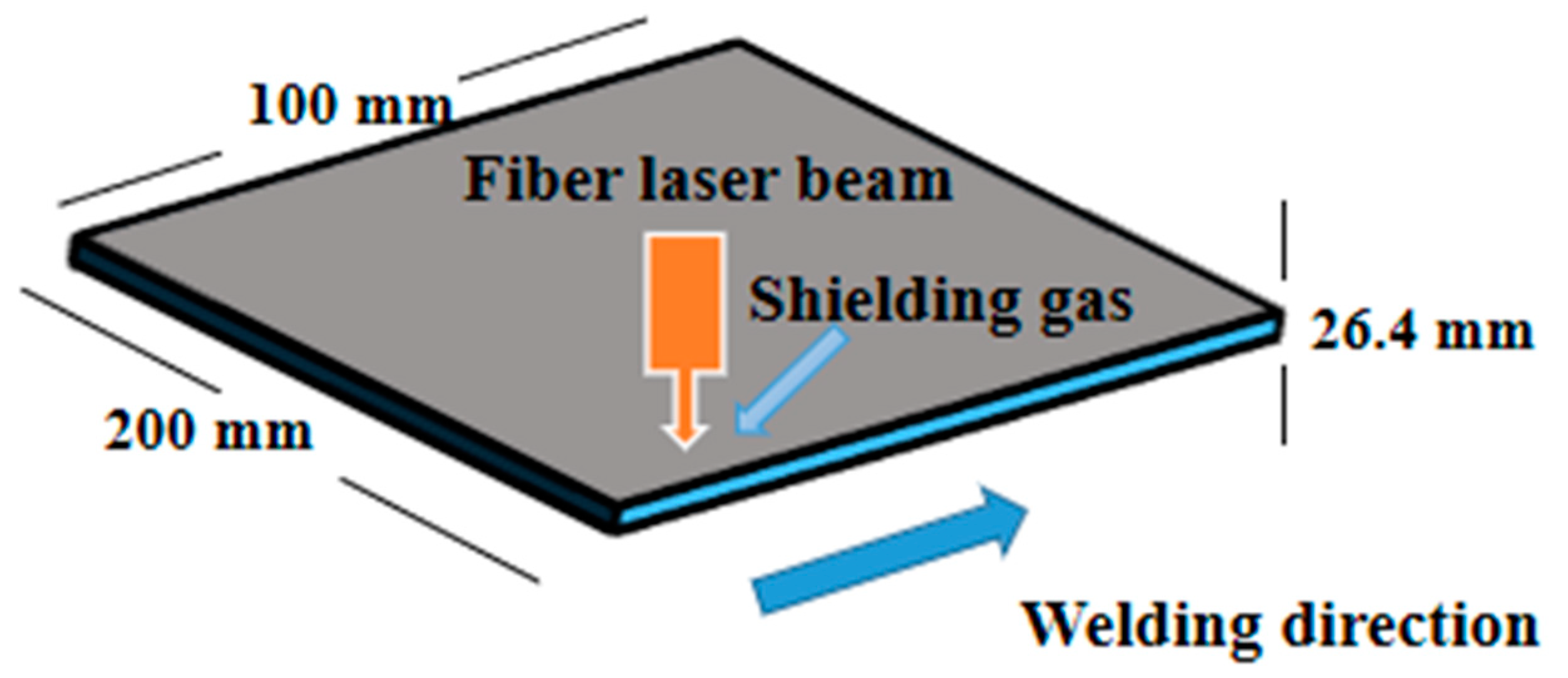
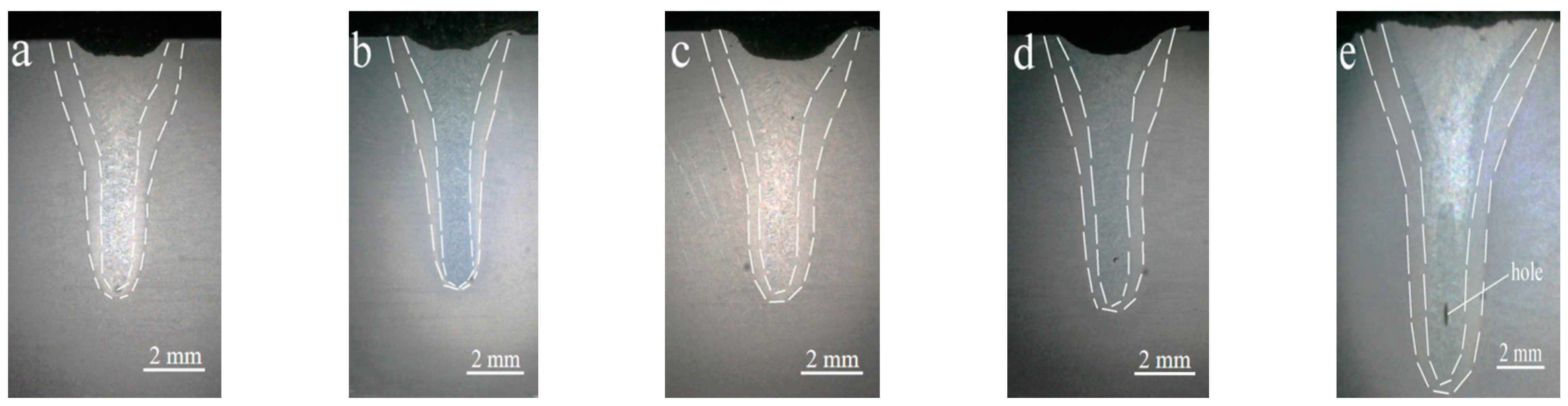
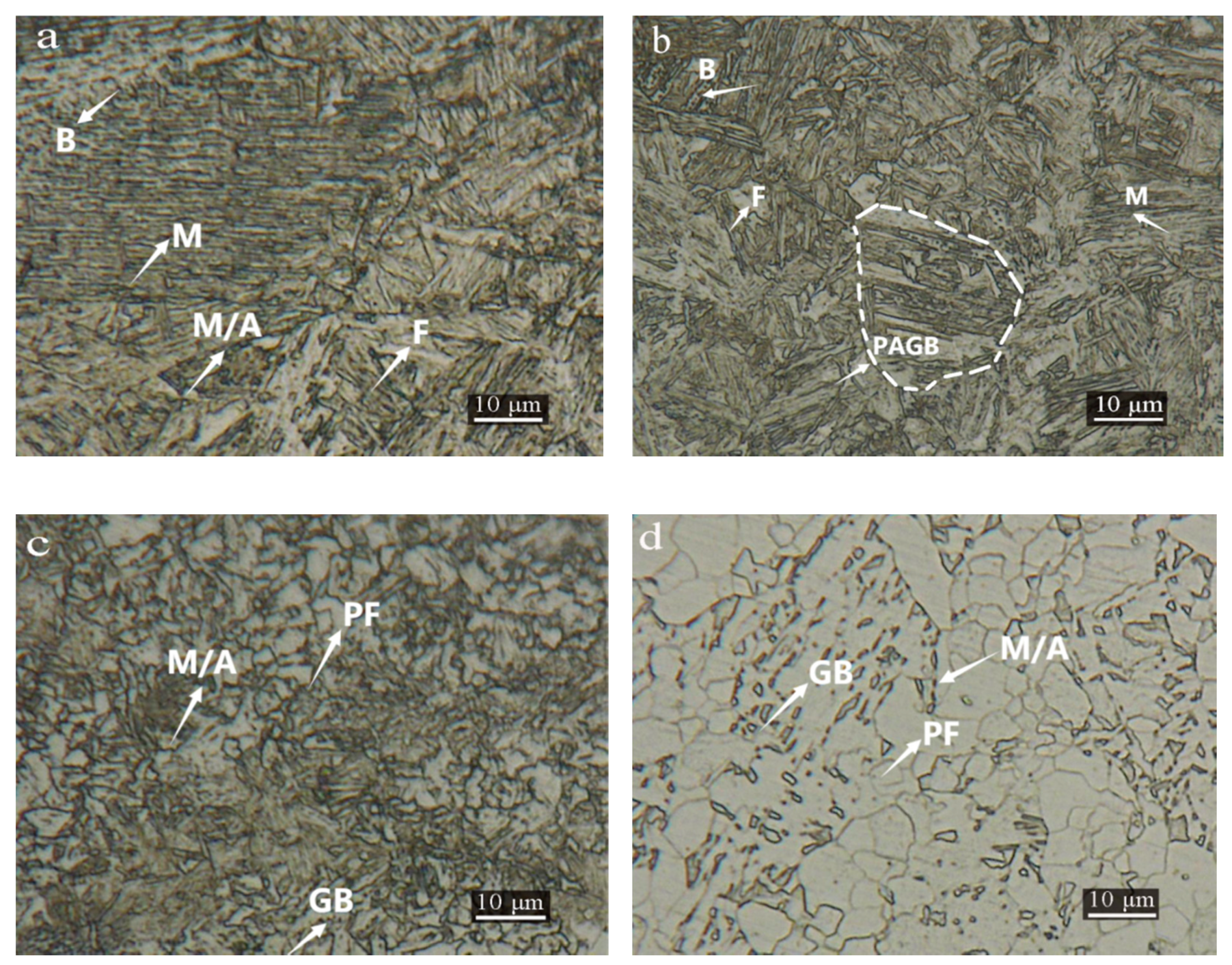
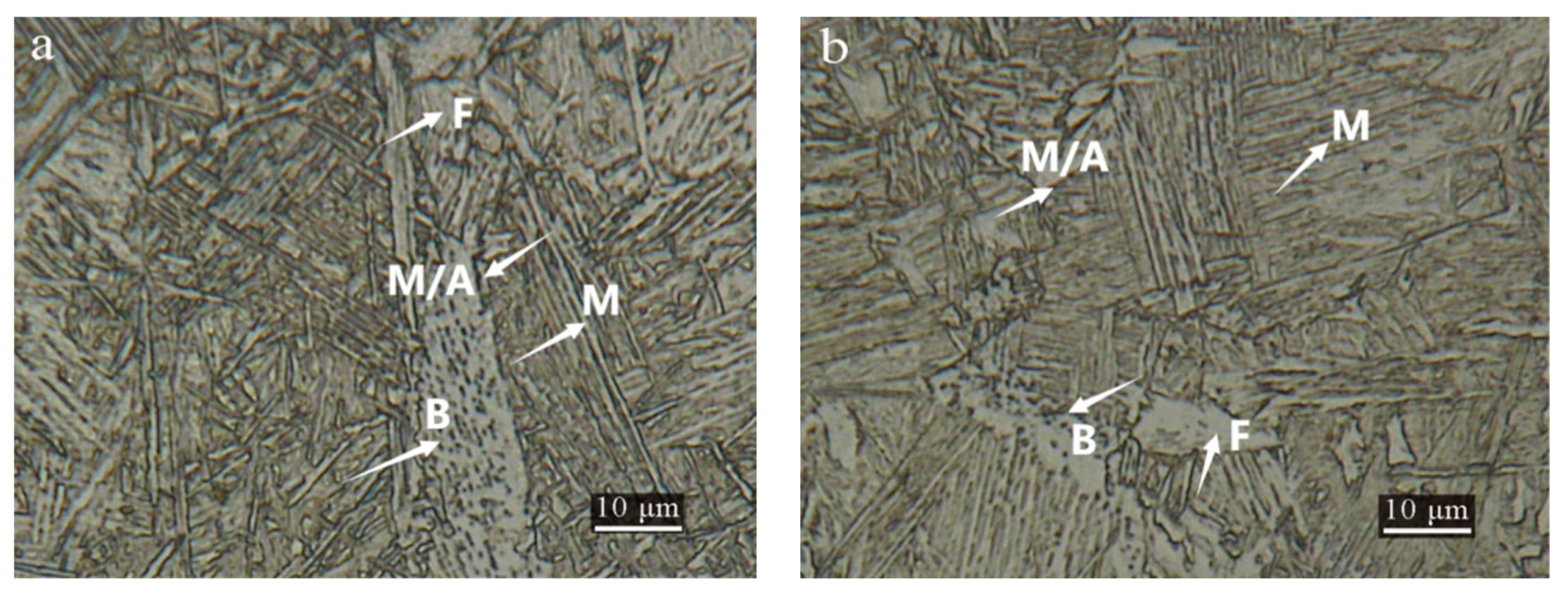
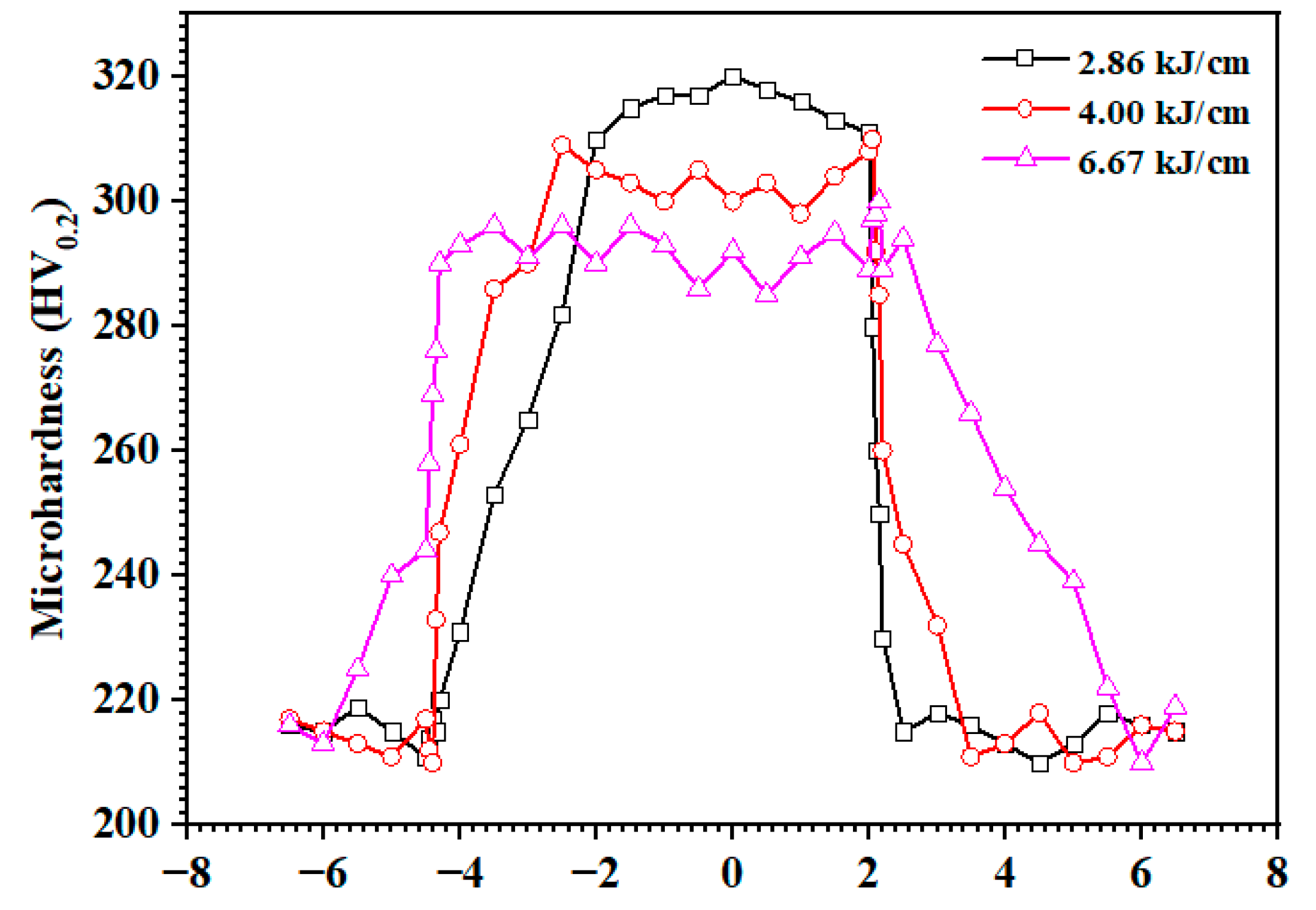
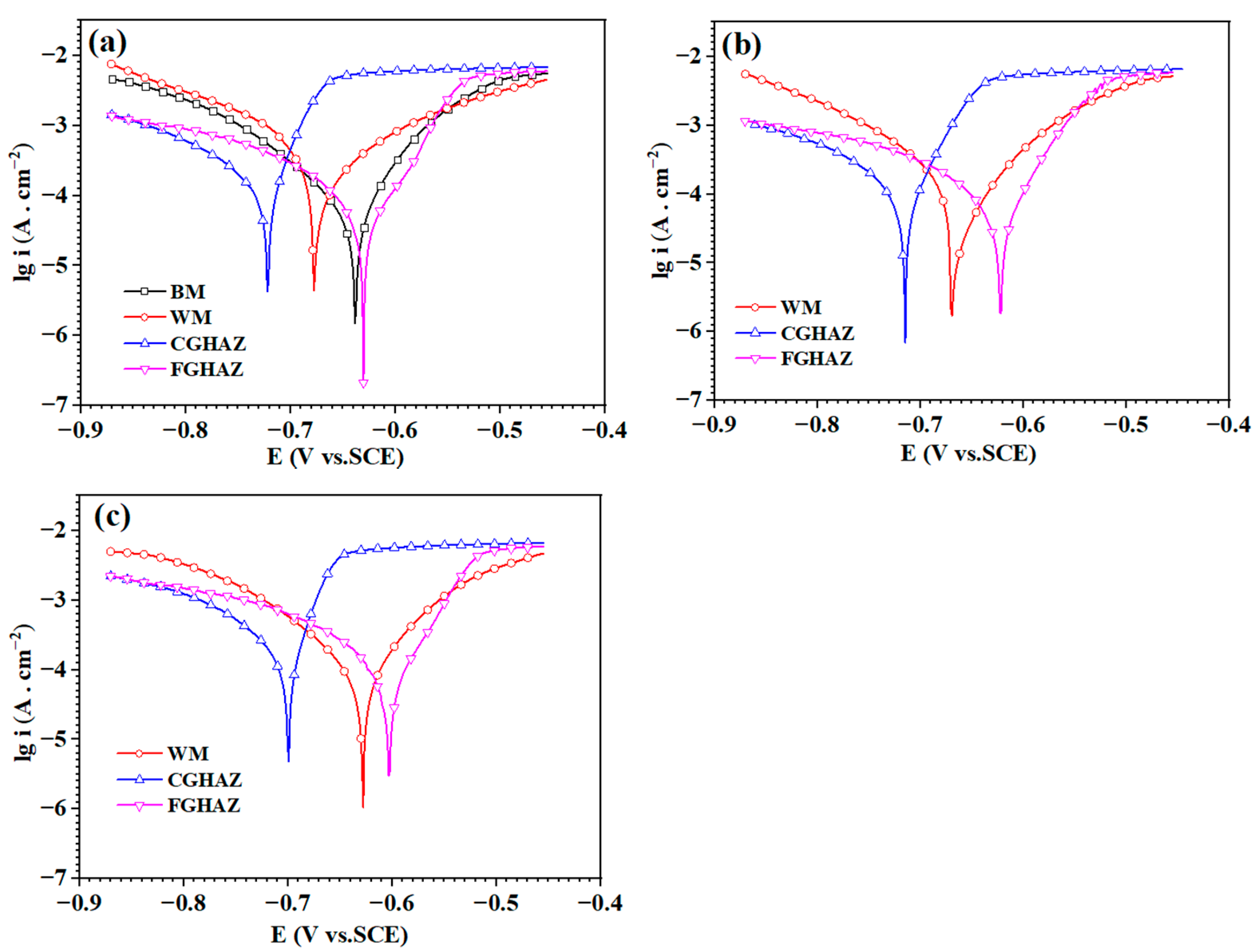
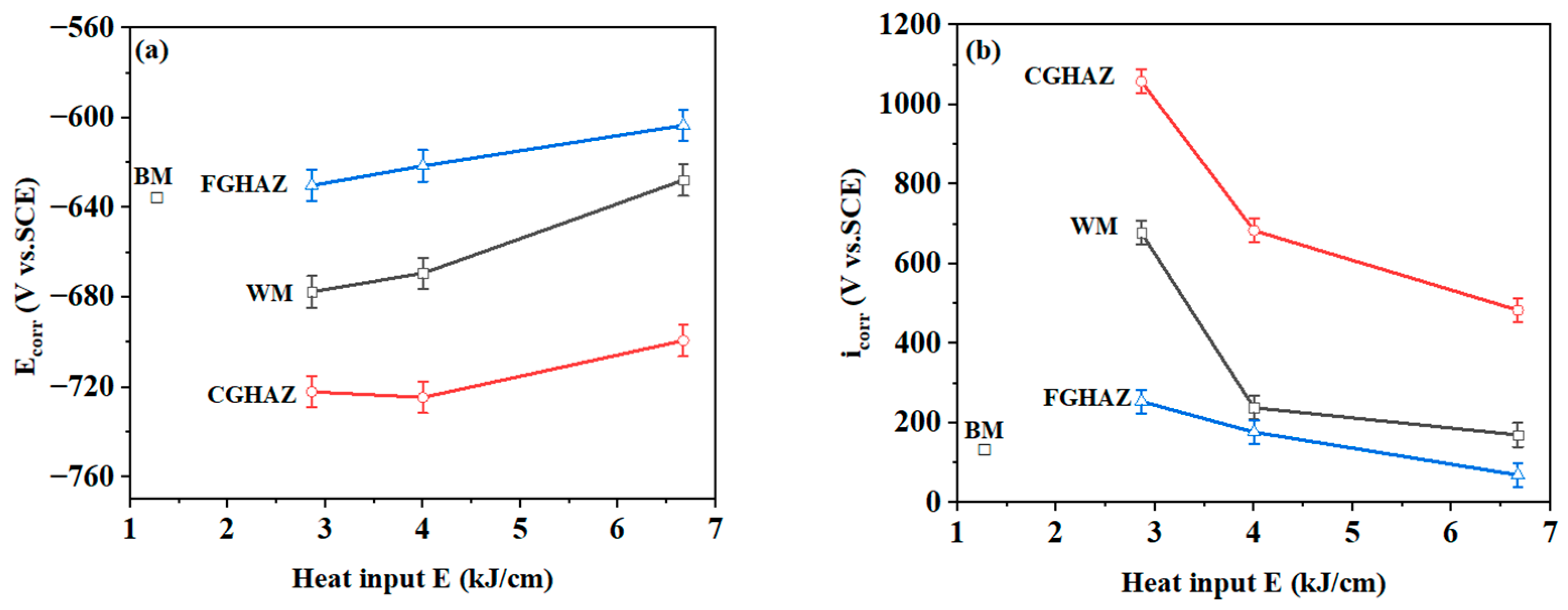
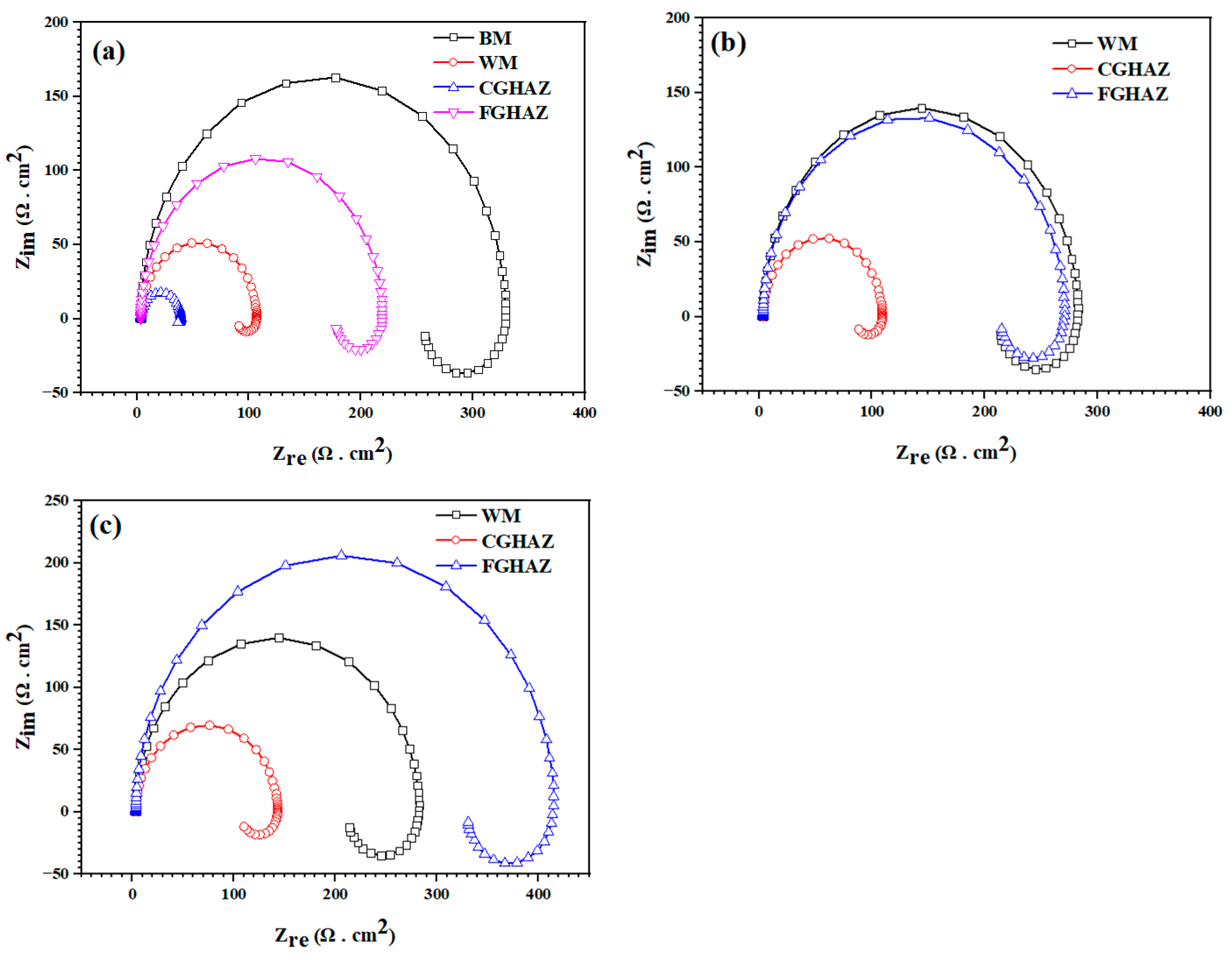
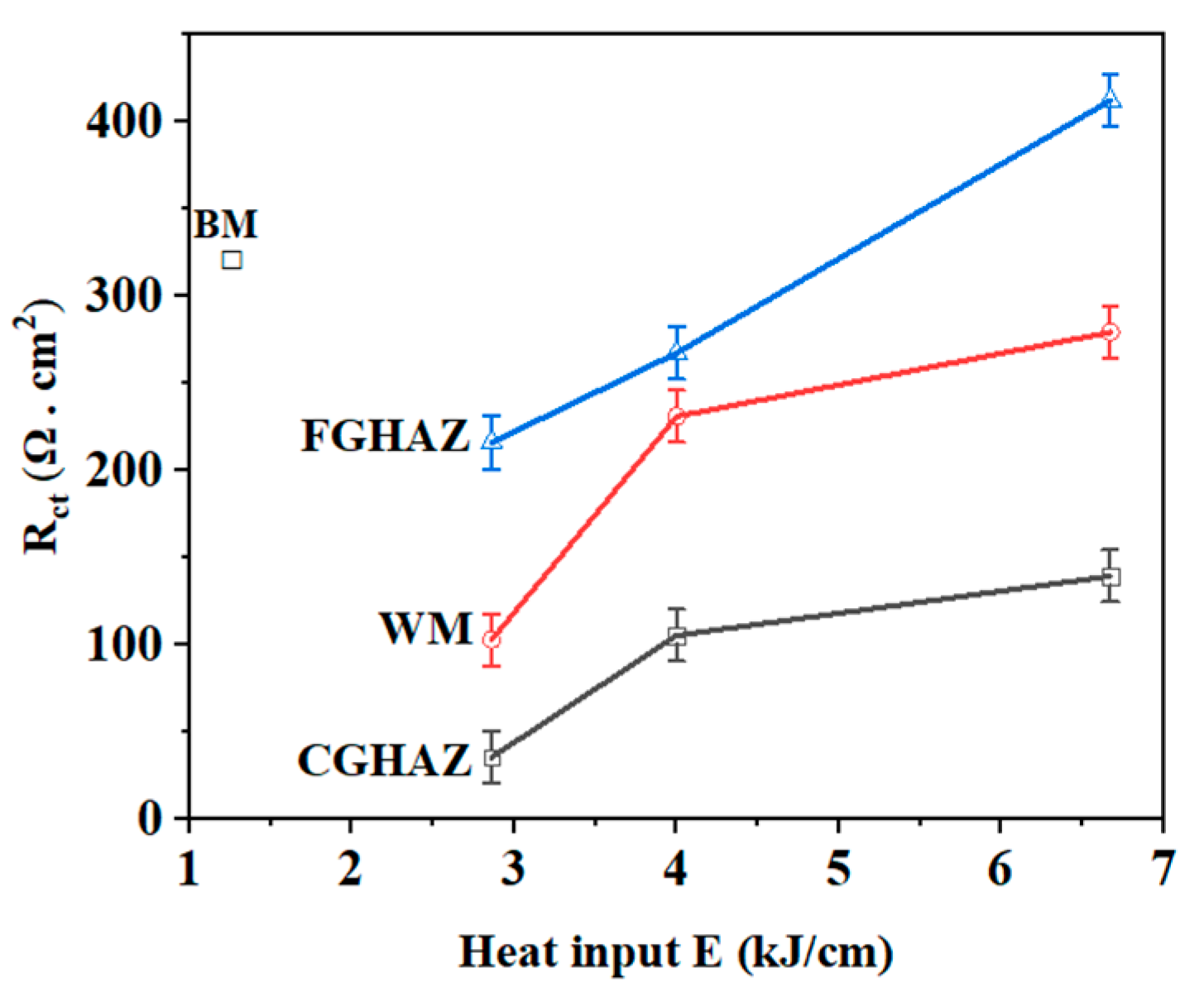
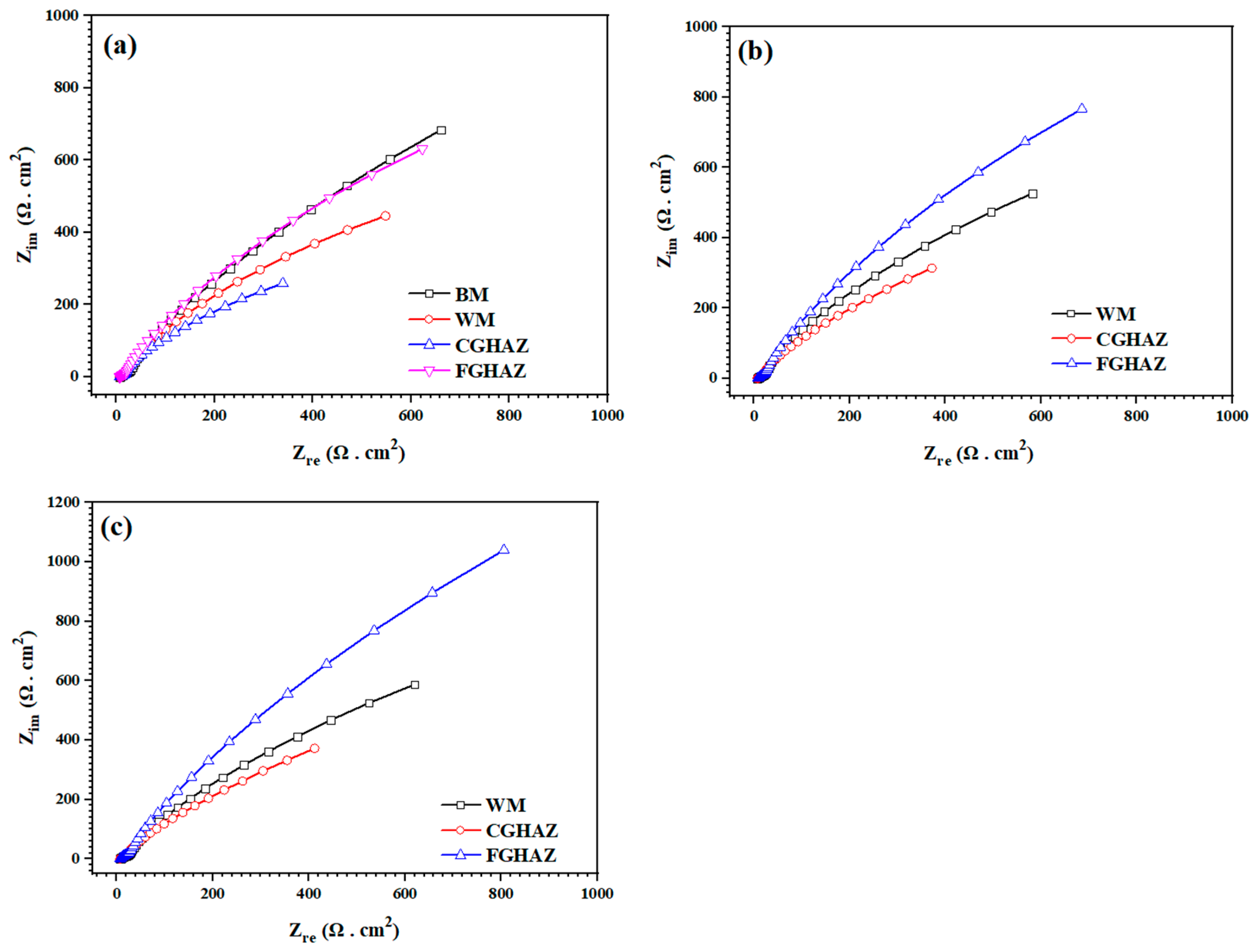
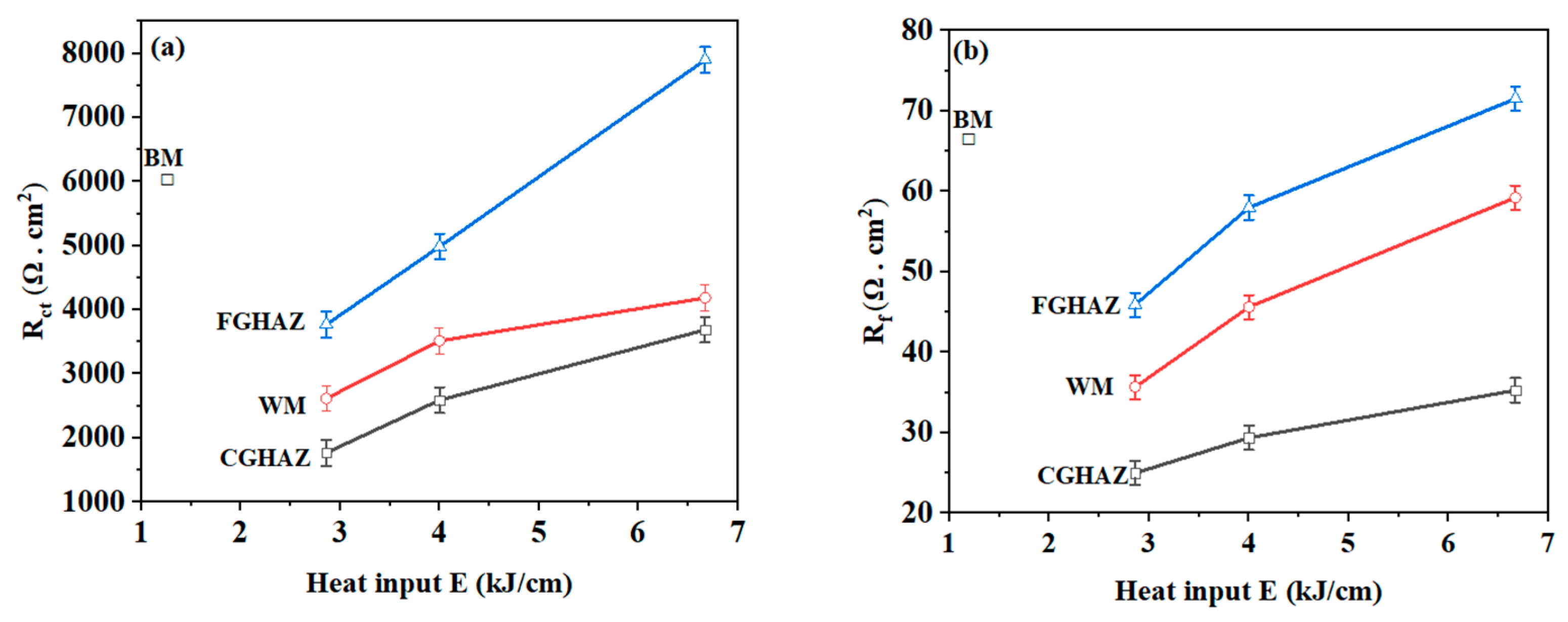
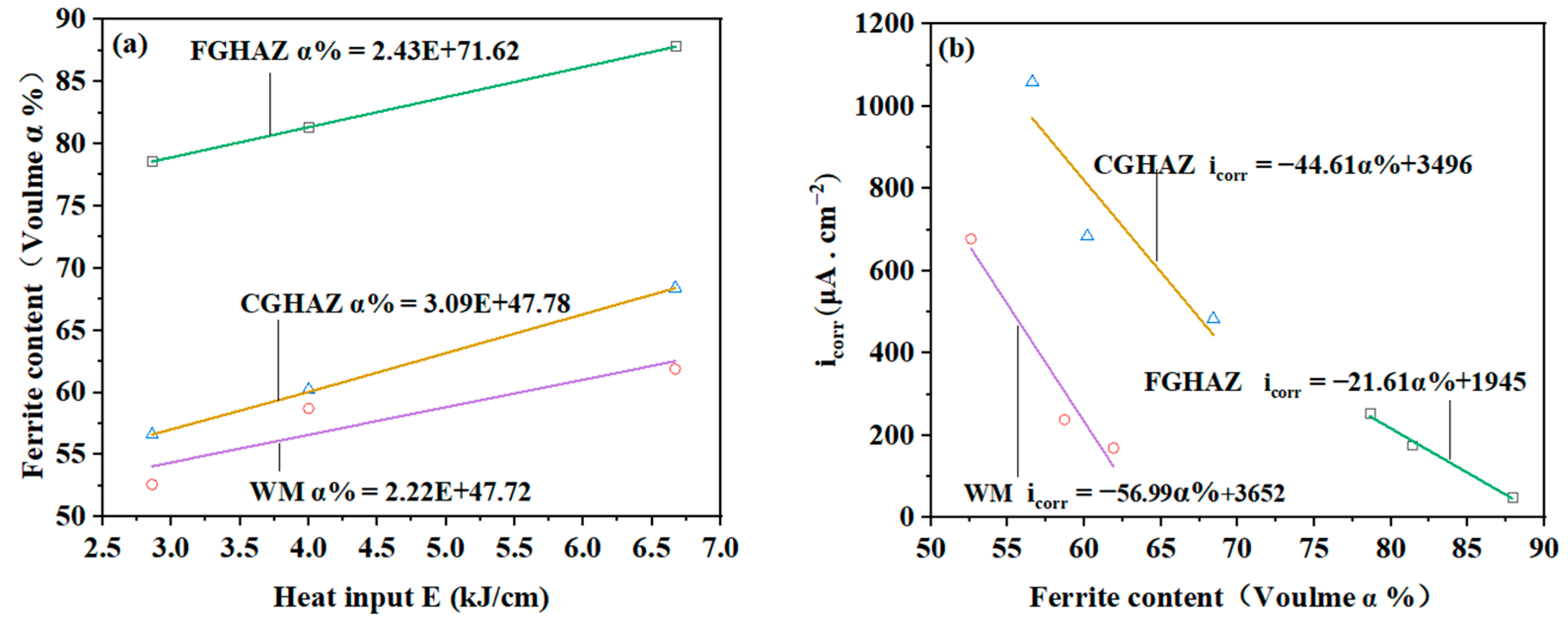
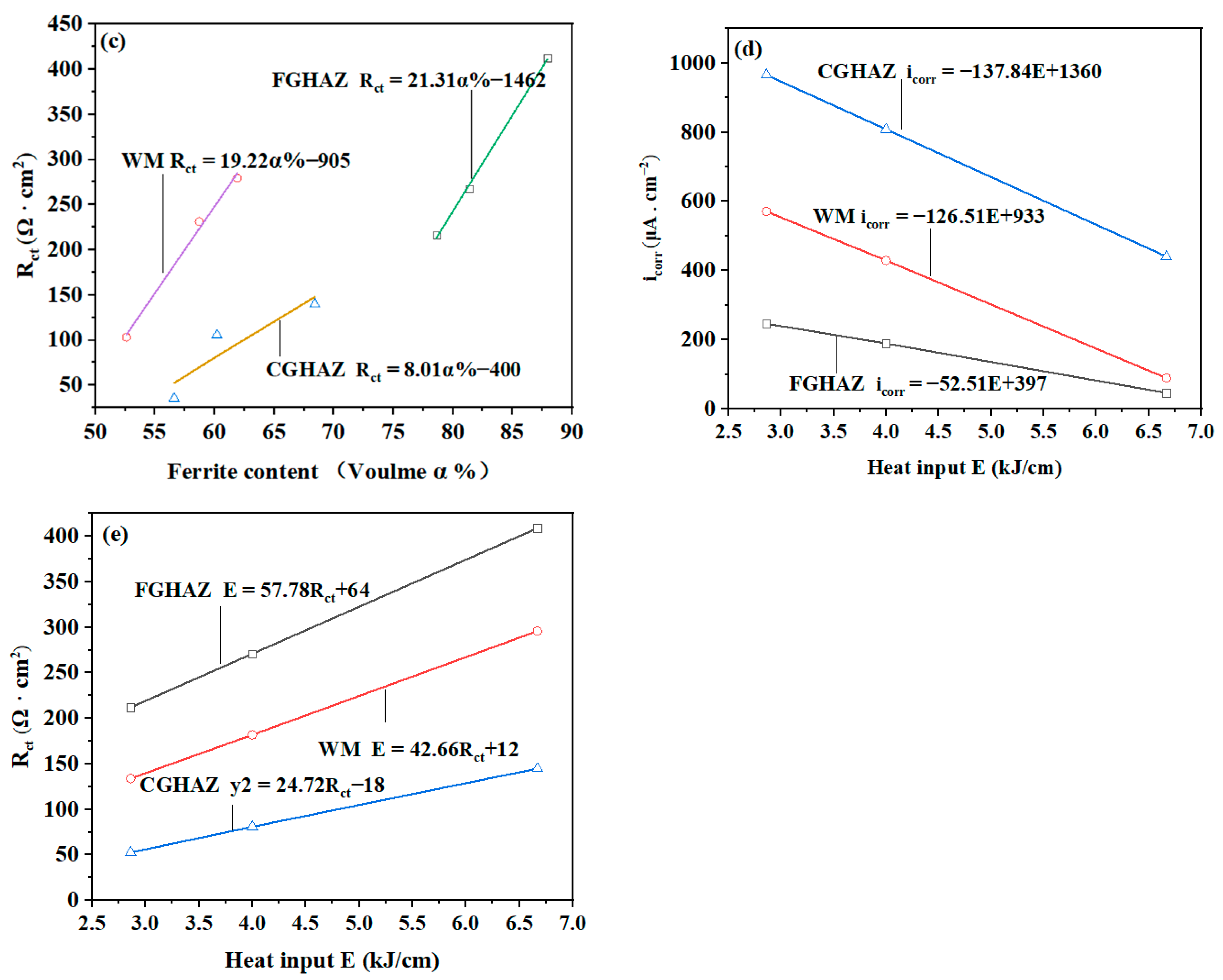
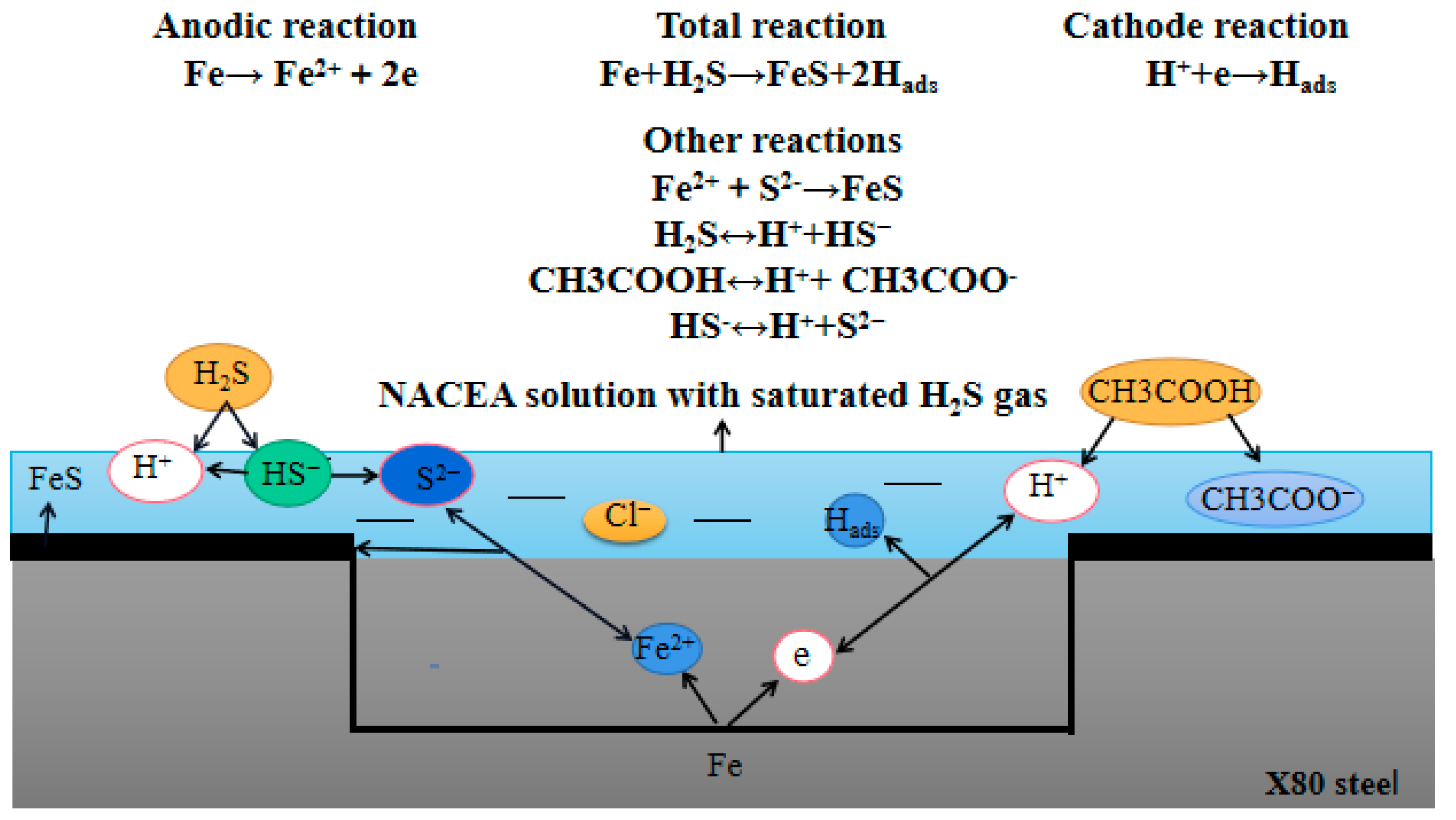
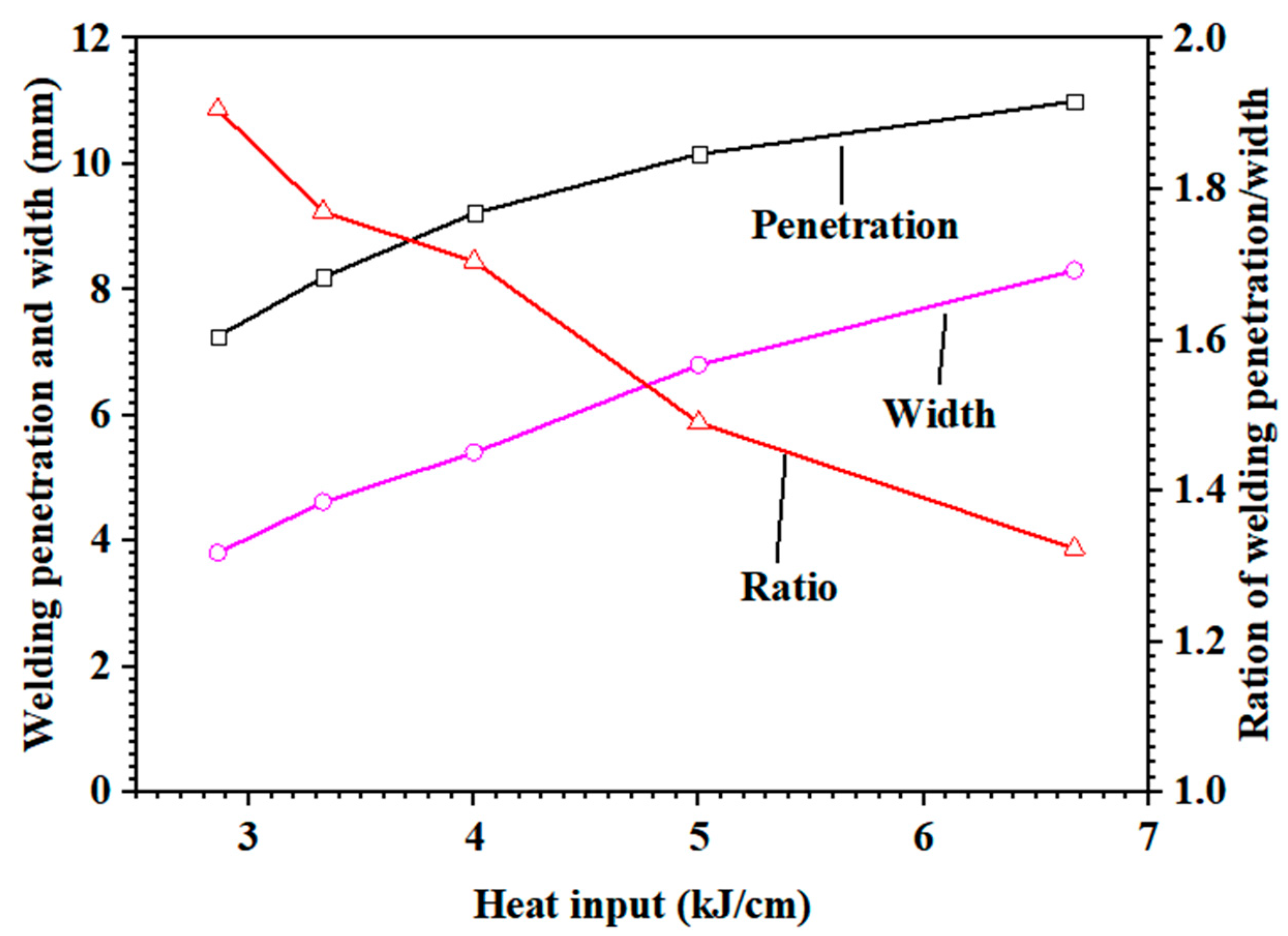
Using fiber laser welding technology, X80 pipeline steel welded joints with different welding heat inputs were obtained. Their microstructure, mechanical properties, and corrosion resistance (in NACEA solution saturated with hydrogen sulfide) were studied. Findings indicated that with the increase in heat input, the proportion of ferrite, strength, elongation, and corrosion resistance increased within a certain range and the sum of the proportion of martensite and bainite and hardness decreased. The heat input has a greater effect on the microstructure of weld metal (WM) and coarse-grained heat-affected zone (CGHAZ), while that of fine-grained heat-affected zone (FGHAZ) is basically unchanged. Obvious differences are also found in the corrosion resistance of different regions of the welded joints, among which FGHAZ has the strongest corrosion resistance, followed by WM and CGHAZ. The heat input mainly affects the microstructure type of the welded joint to affect the corrosion resistance. Therefore, we model the heat input as a function of Rct and icorr from this relationship. In addition, the corrosion products film produced by the long-term immersion of the welded joint in the saturated H2S NACEA solution can hinder the development of corrosion and enhance the corrosion resistance to a certain extent.
Keywords: X80 pipeline steel; laser welding; heat input; H2S corrosion X80 pipeline steel; laser welding; heat input; H2S corrosion