Article

A Simulation-Based Digital Design Methodology for Studying Conjugate Heat Transfer in Tundish

by
Dong-Yuan Sheng
1,2,* and
Christian Windisch
3
1
Department of Materials Science and Engineering, Royal Institute of Technology, 10044 Stockholm, Sweden
2
Westinghouse Electric Sweden AB, 72163 Vasteras, Sweden
3
Siemens Digital Industries Software, 38695 Seven Mile Rd, Suite 300, Livonia, MI 48152, USA
*
Author to whom correspondence should be addressed.
Metals 2022, 12(1), 62; https://doi.org/10.3390/met12010062
Submission received: 18 November 2021 / Revised: 23 December 2021 / Accepted: 26 December 2021 / Published: 28 December 2021
(This article belongs to the Special Issue Advanced Tundish Metallurgy and Clean Steel Technology)

Abstract

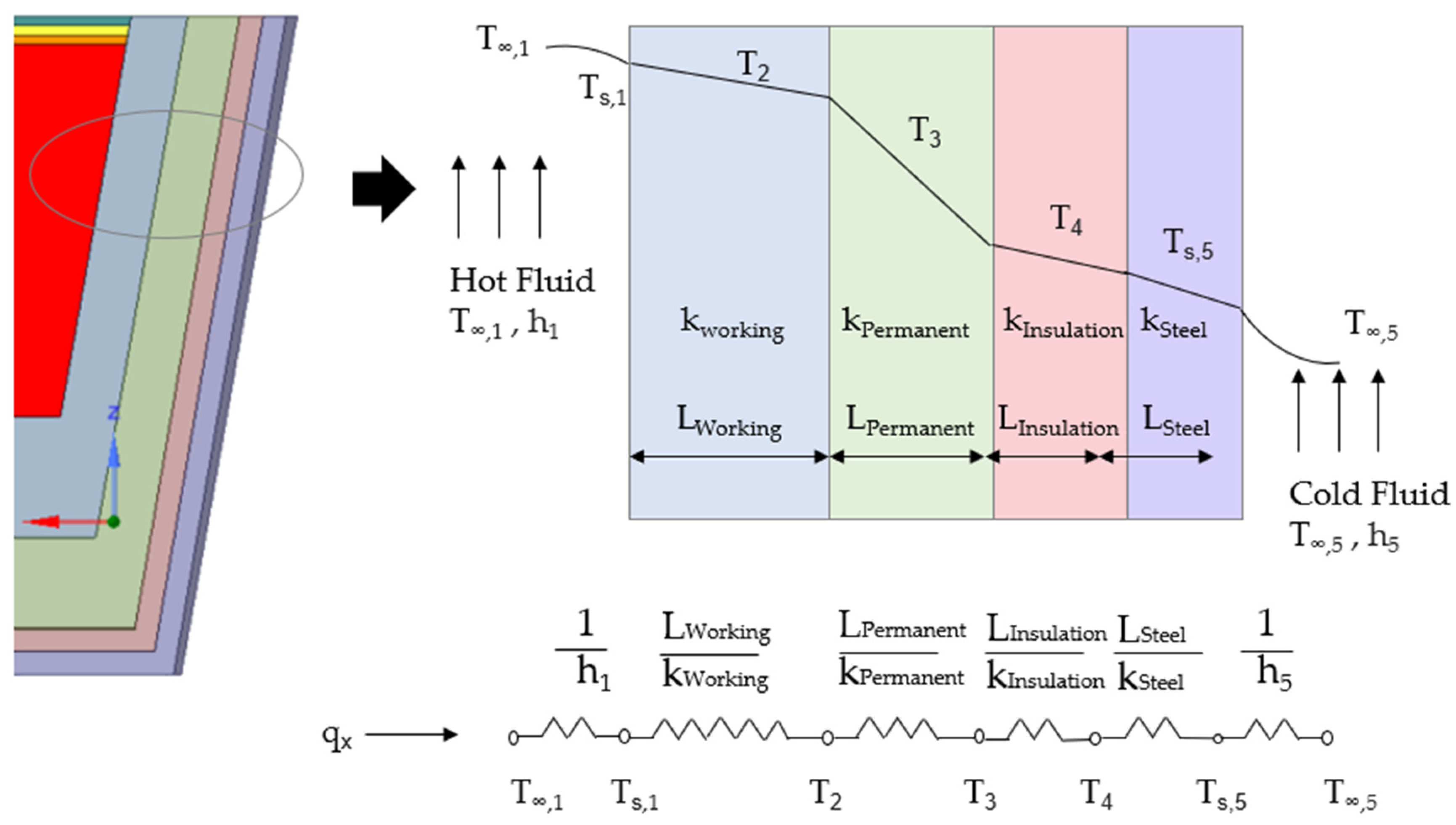
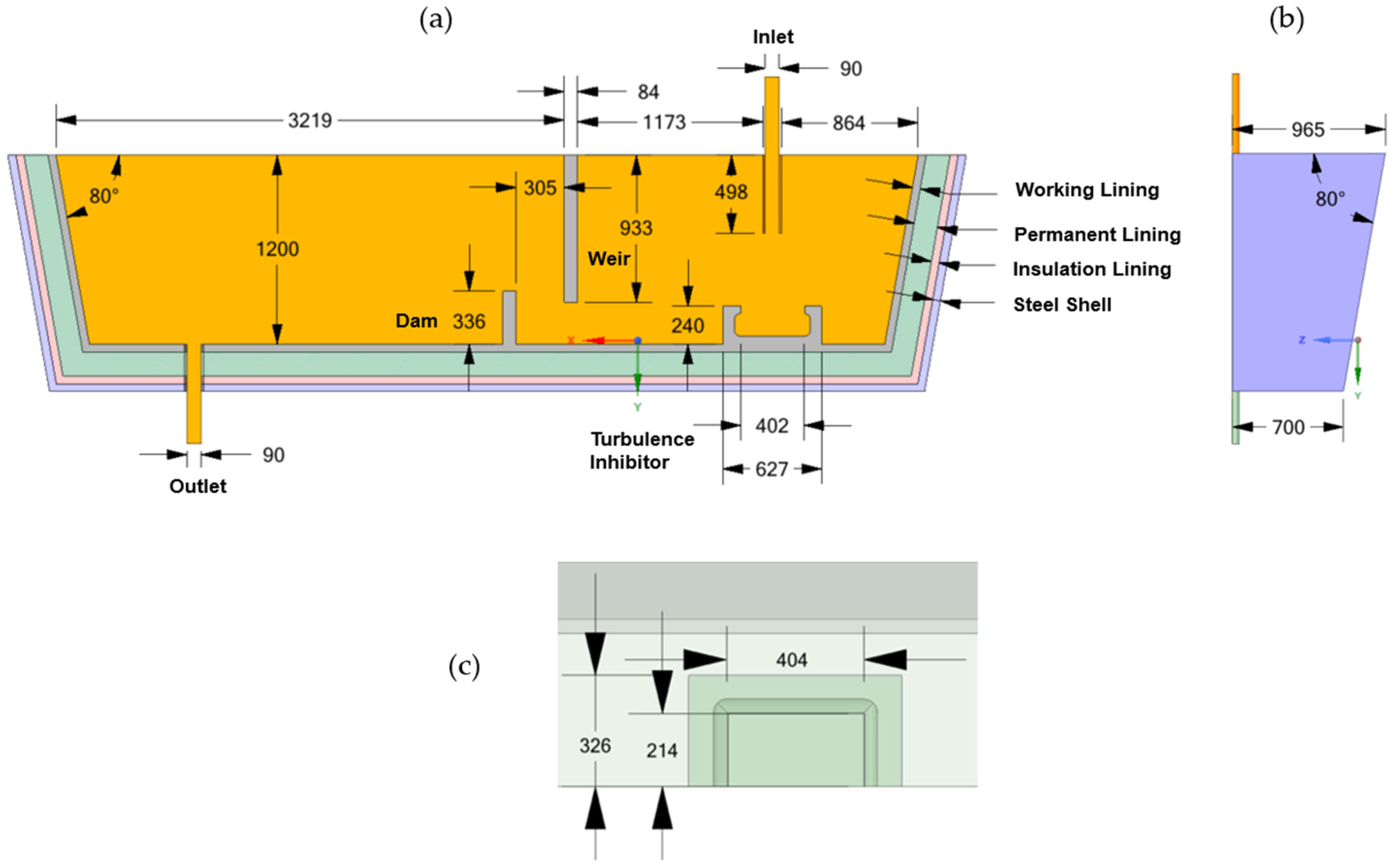
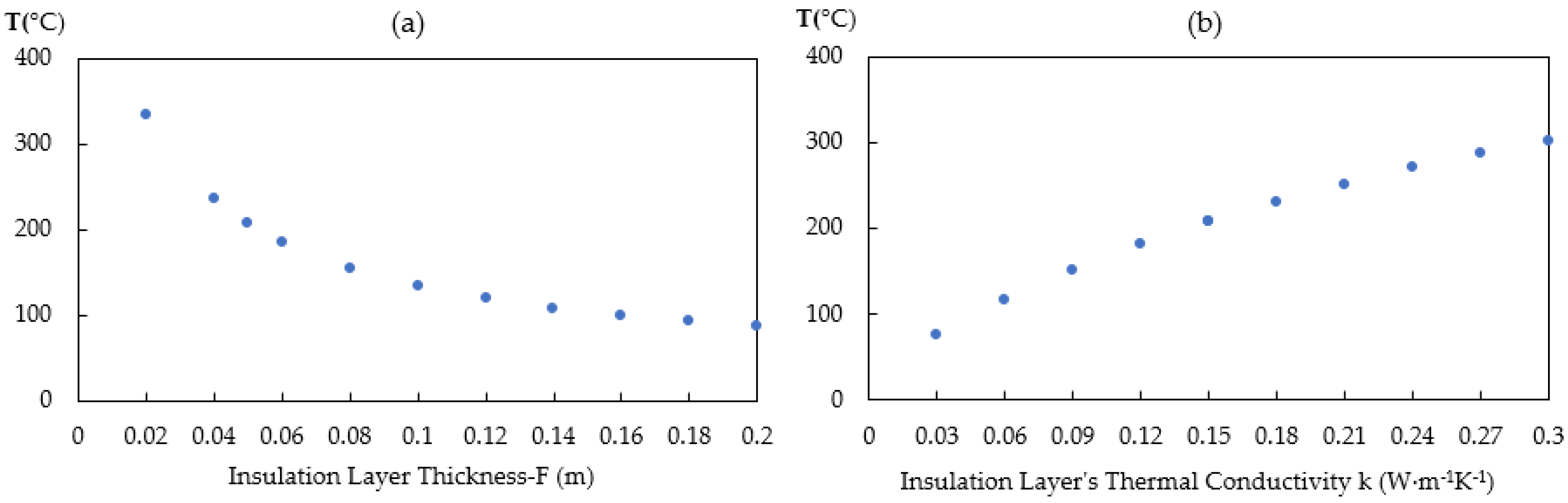
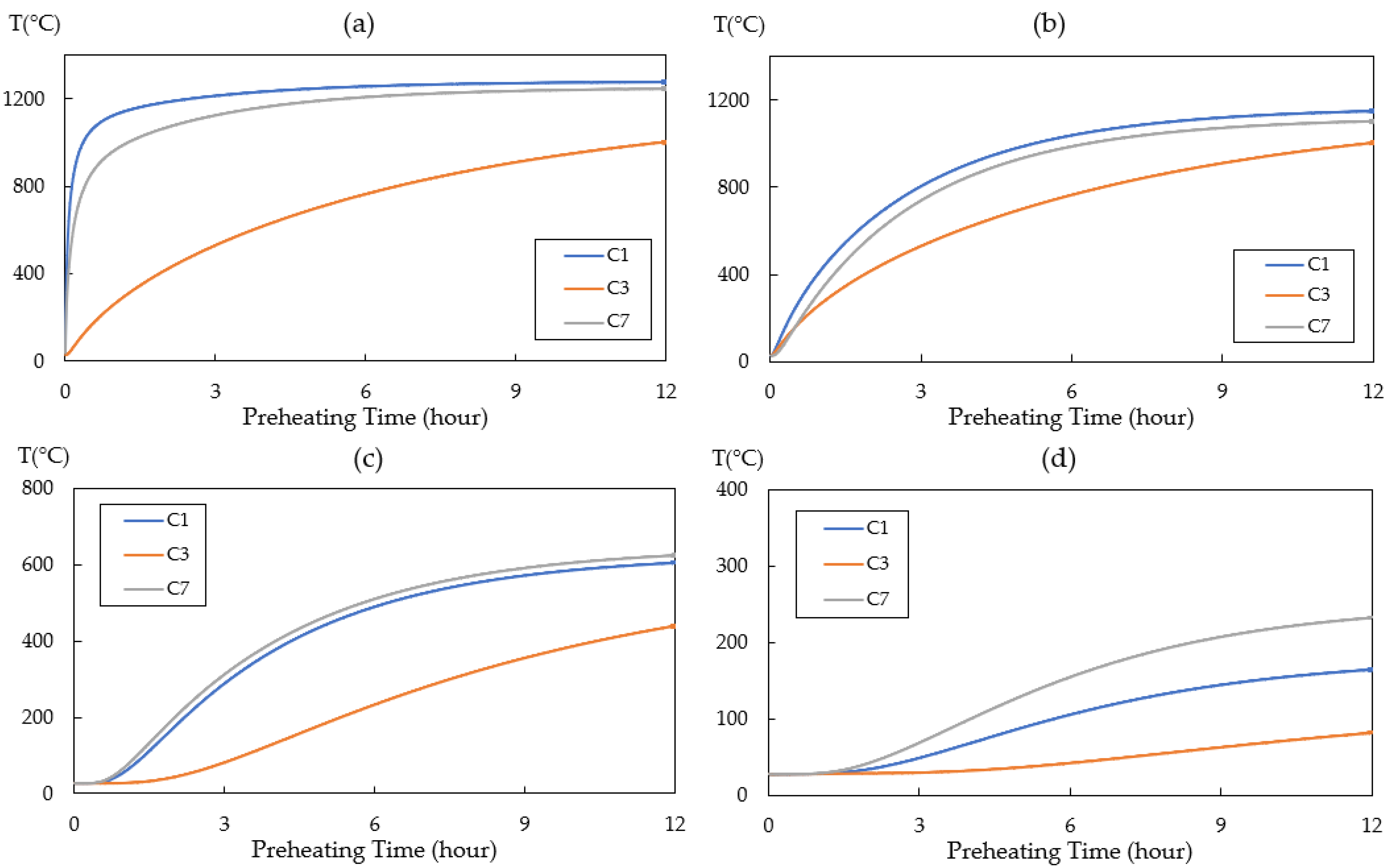
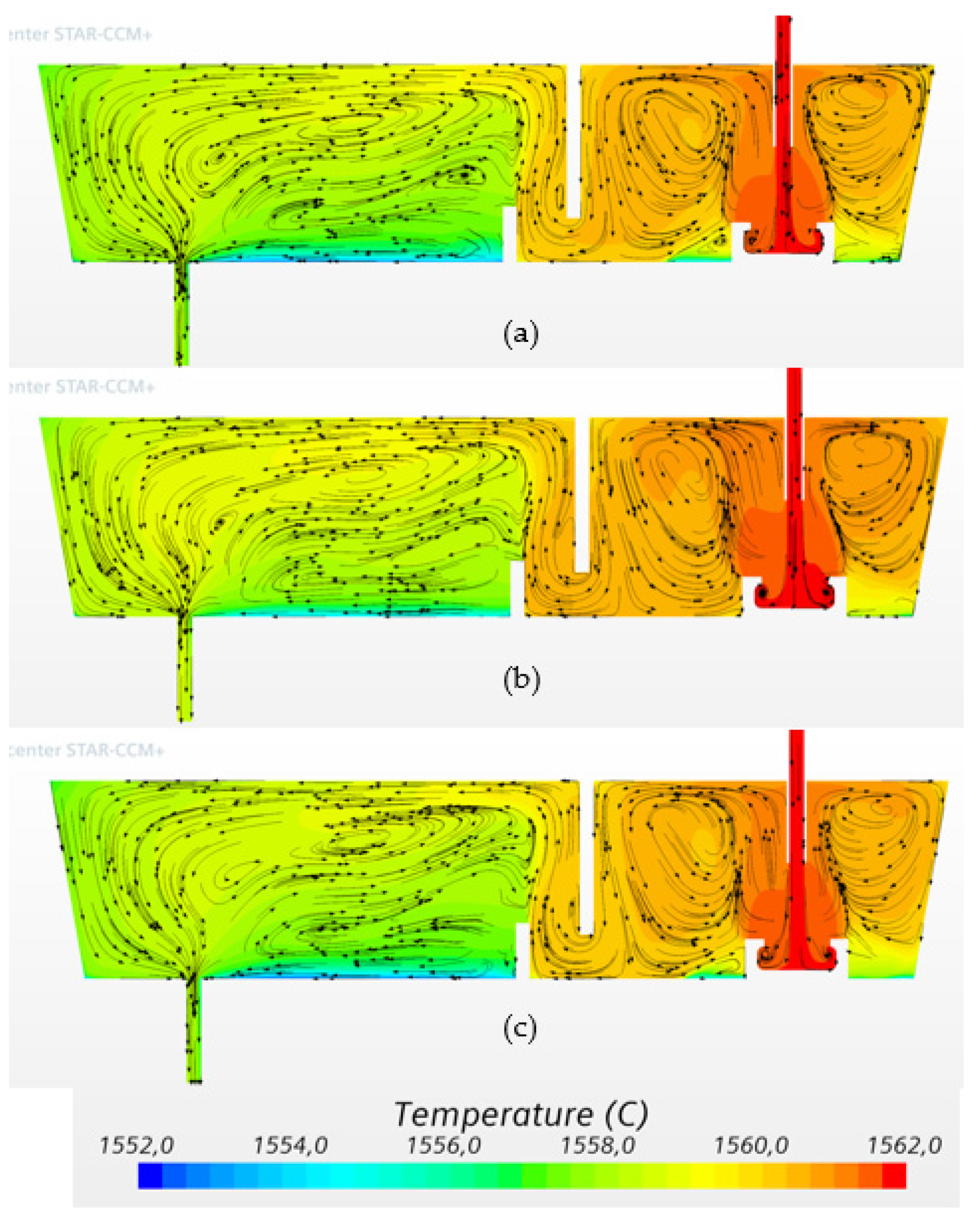
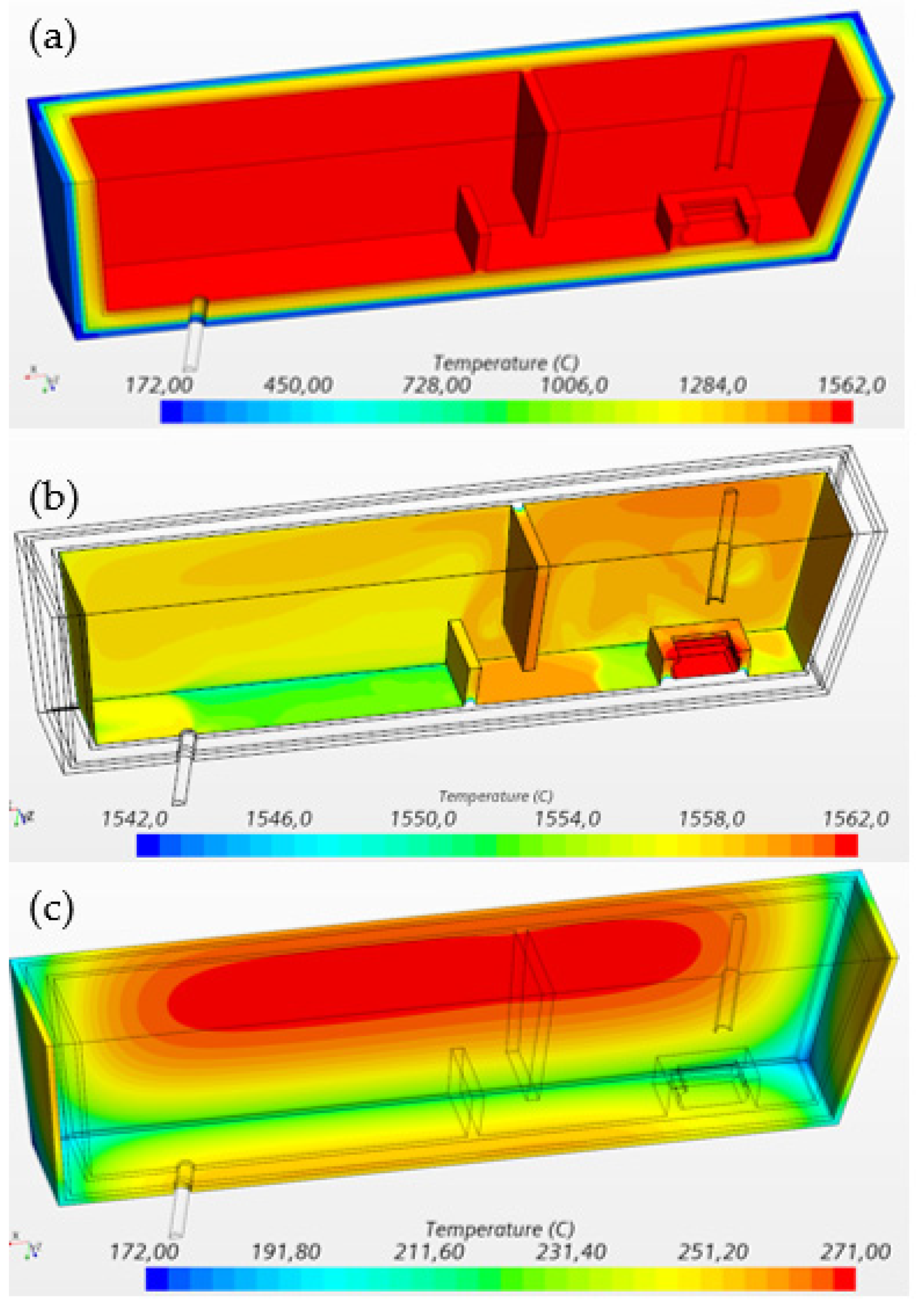
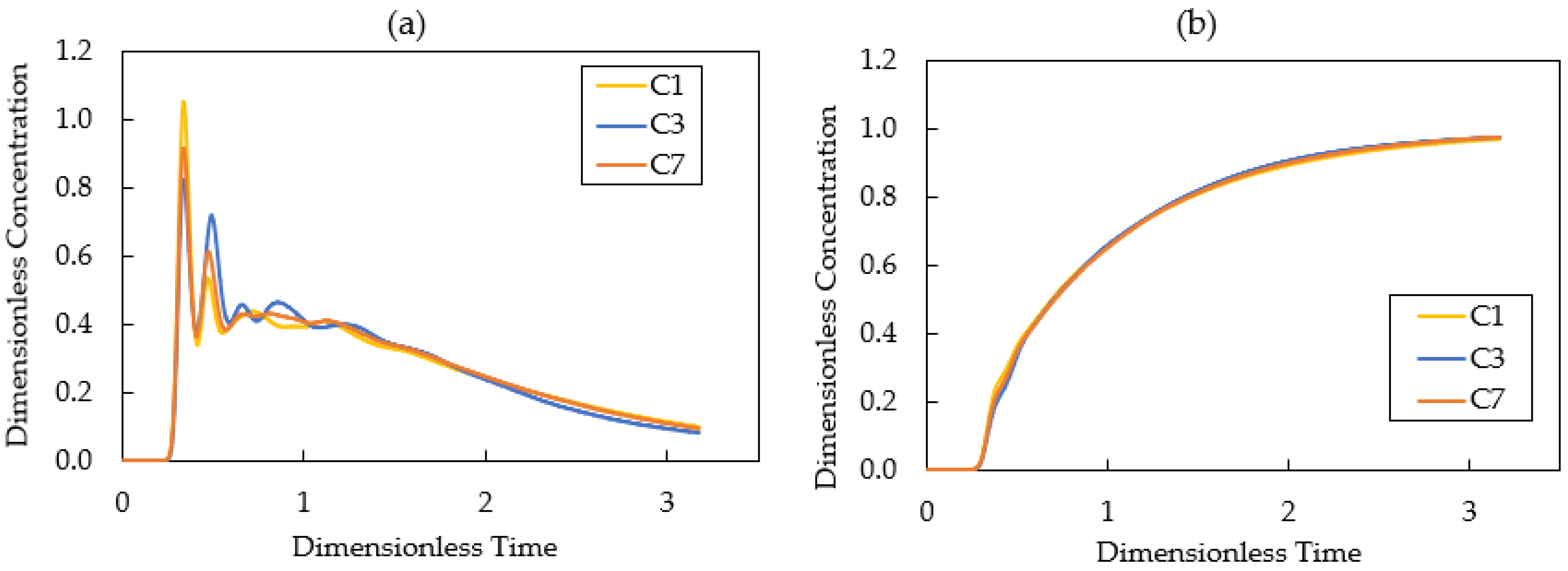
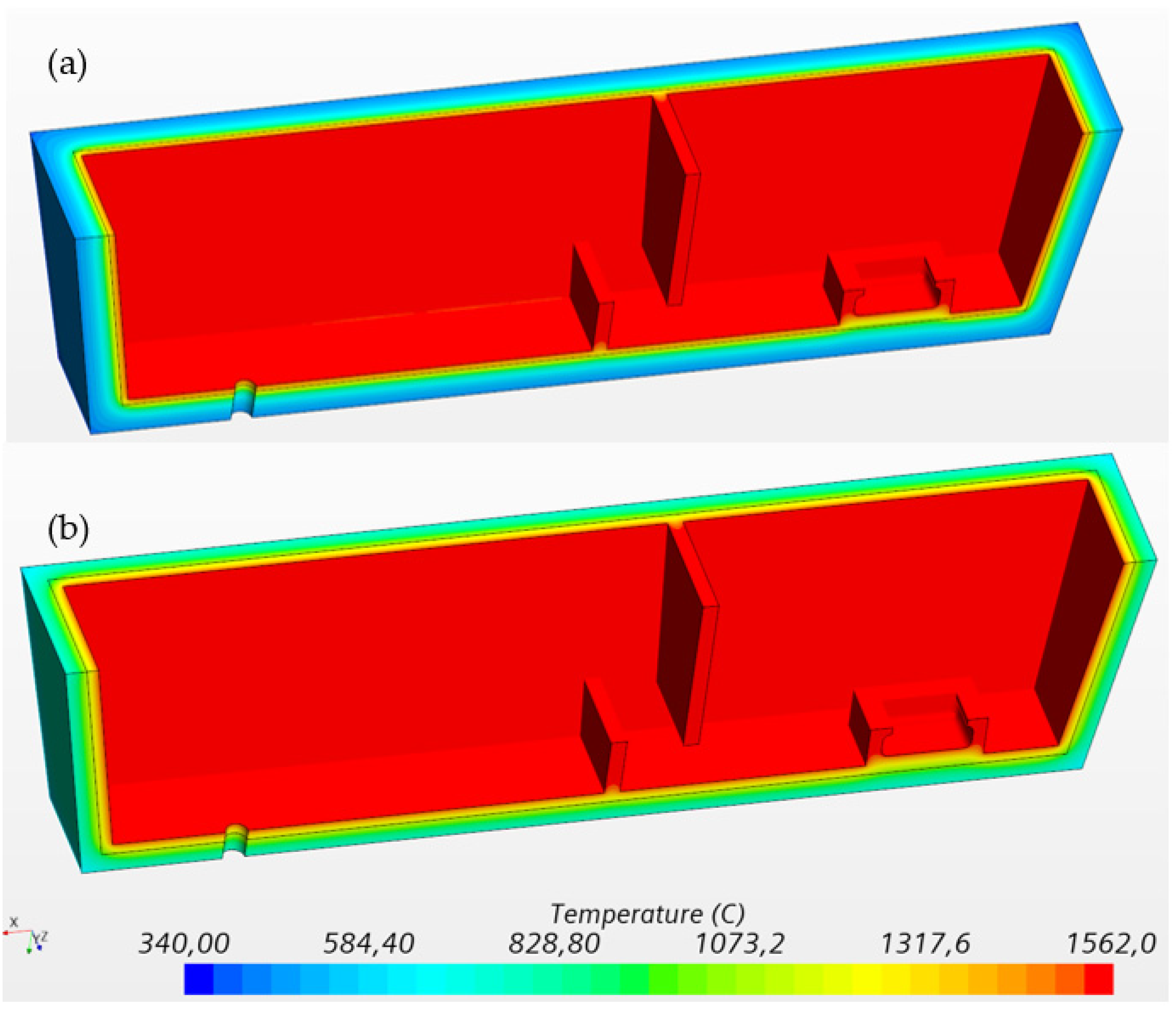
The successful design of refractory lining for a tundish is critical due to the demand of superheat control, improvement of steel cleanliness and reduction in material cost during continuous casting. A design of experiment analysis, namely, the Taguchi method, was employed to analyze two-dimensional heat transfer through refractory linings of a single-strand tundish, with the consideration of the thickness and the thermal conductivity of lining materials. In addition, a three-dimensional conjugate heat transfer model was applied in the tundish, taking in account the molten steel flow and heat conduction in the linings. A special focus of this study was to demonstrate the analysis methodology of combining Taguchi and CFD modelling to explore lining design in terms of thickness and thermal conductivity for the given process conditions during tundish operations.
Keywords: fluid flow; refractory lining; thickness; thermal conductivity; conjugate heat transfer; computational fluid dynamics (CFD); design of experiment (DOE); Taguchi fluid flow; refractory lining; thickness; thermal conductivity; conjugate heat transfer; computational fluid dynamics (CFD); design of experiment (DOE); Taguchi