Article

Fatigue Behavior of Nonreinforced Hand-Holes in Aluminum Light Poles
by
Cameron R. Rusnak
1,* and
Craig C. Menzemer
2
1
Research Assistant, M.ASCE, Auburn Science and Engineering Center (ASEC 210), Department of Civil Engineering, The University of Akron, Akron, OH 44325, USA
2
Professor, Auburn Science and Engineering Center (ASEC 210), Department of Civil Engineering, The University of Akron, Akron, OH 44325, USA
*
Author to whom correspondence should be addressed.
Metals 2021, 11(8), 1222; https://doi.org/10.3390/met11081222
Submission received: 6 July 2021 / Revised: 22 July 2021 / Accepted: 28 July 2021 / Published: 30 July 2021
(This article belongs to the Special Issue Fracture Mechanics and Fatigue Design in Metallic Materials)

Abstract

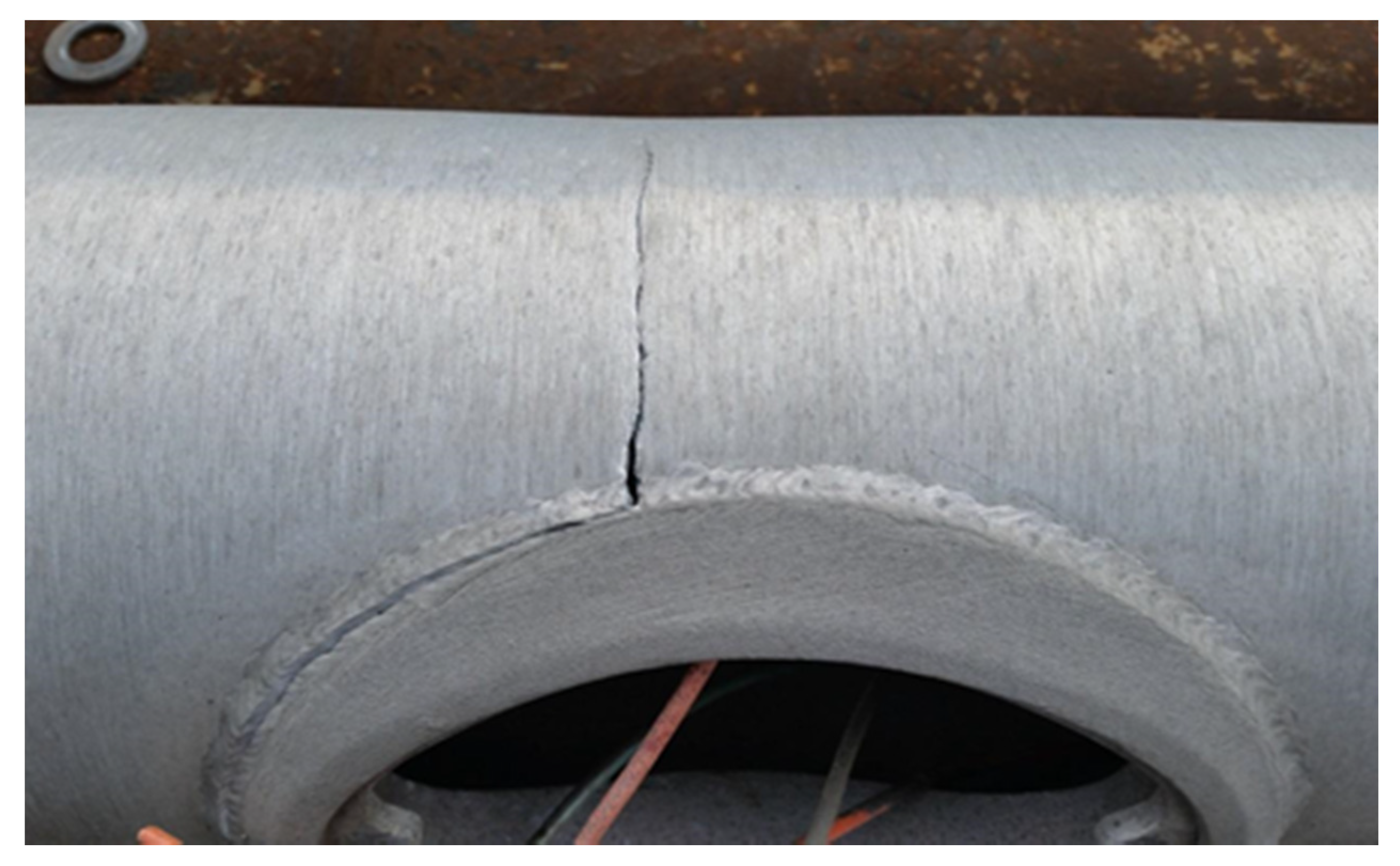
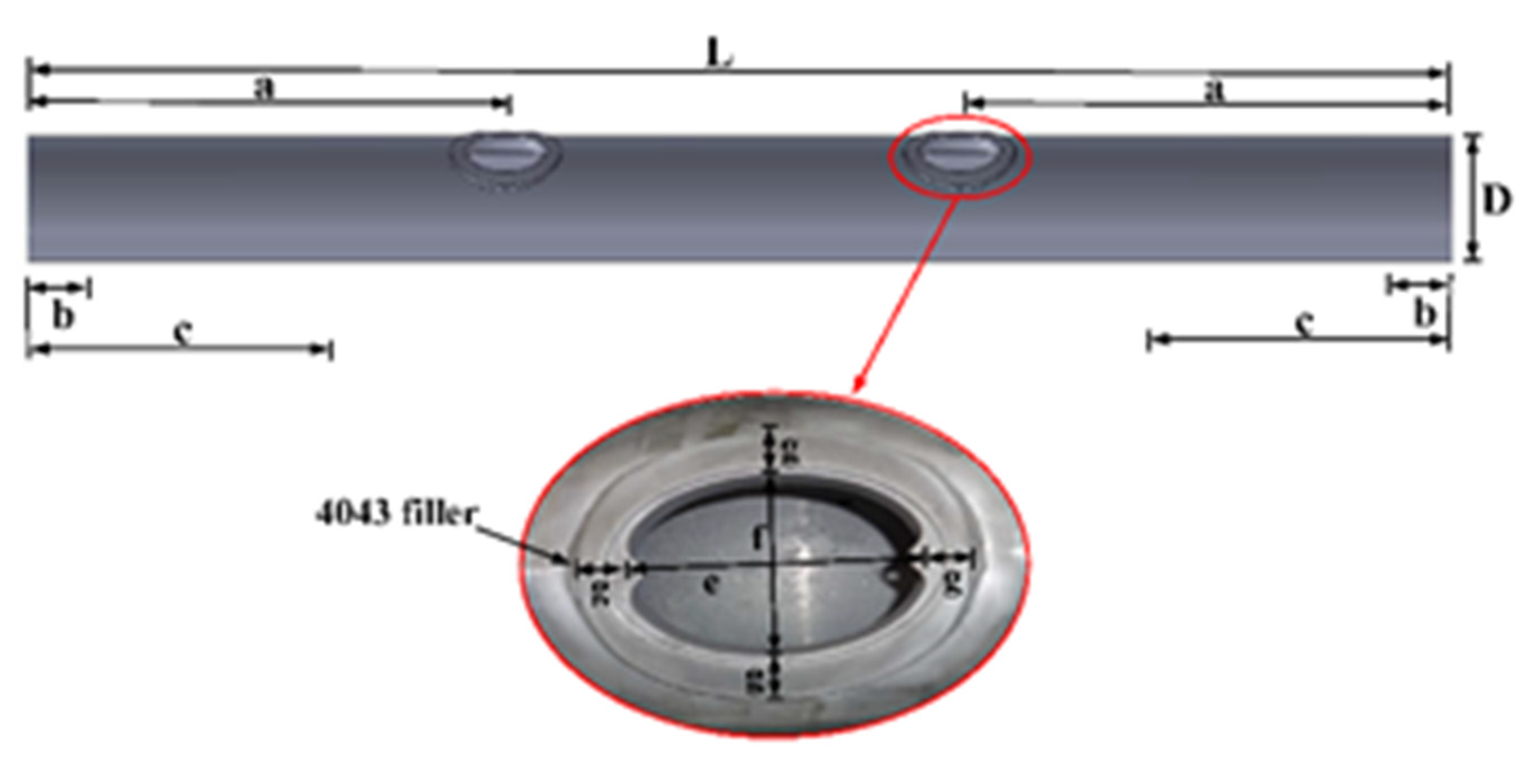
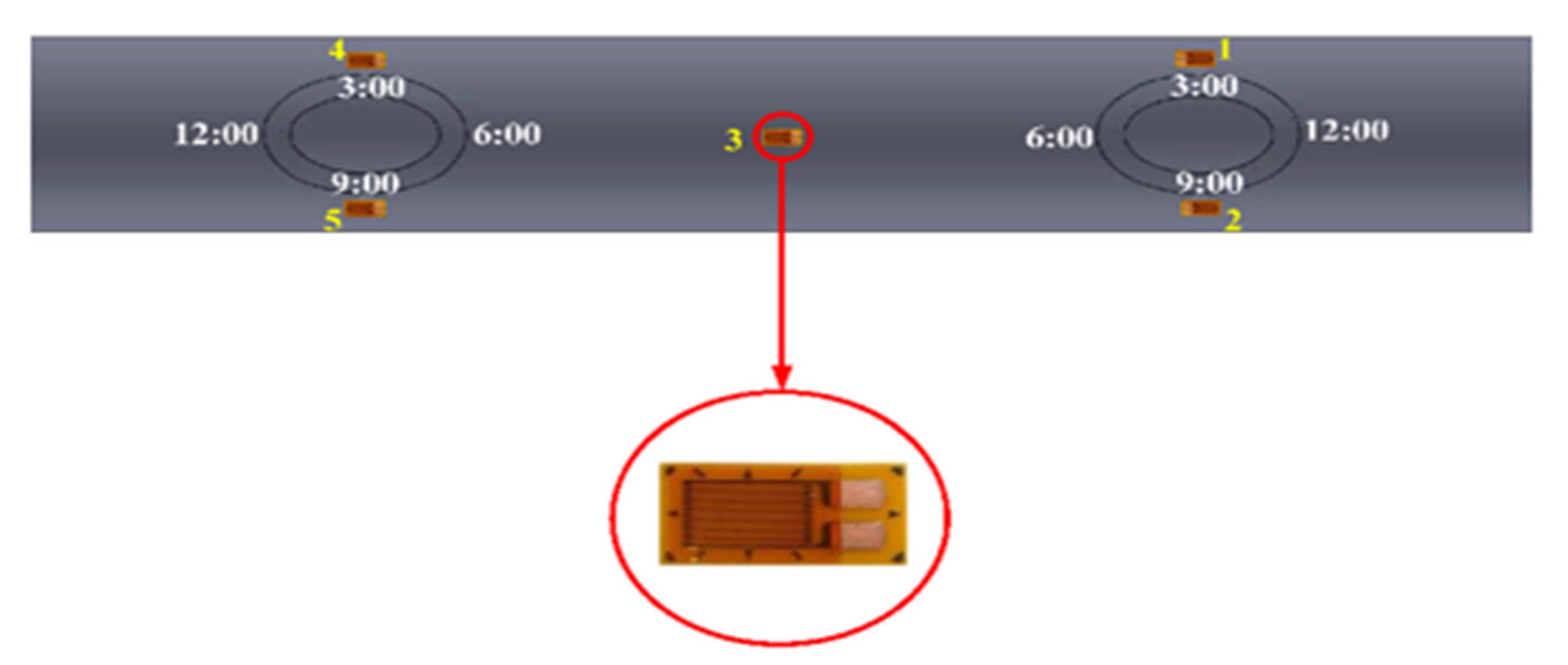
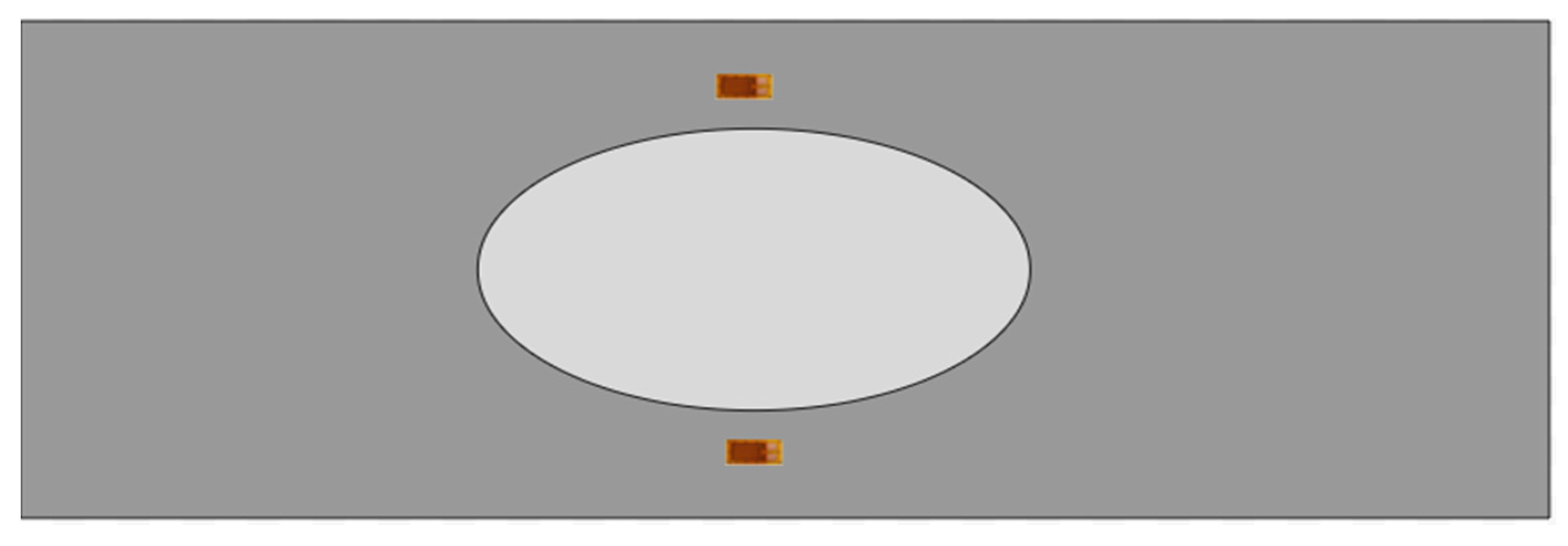
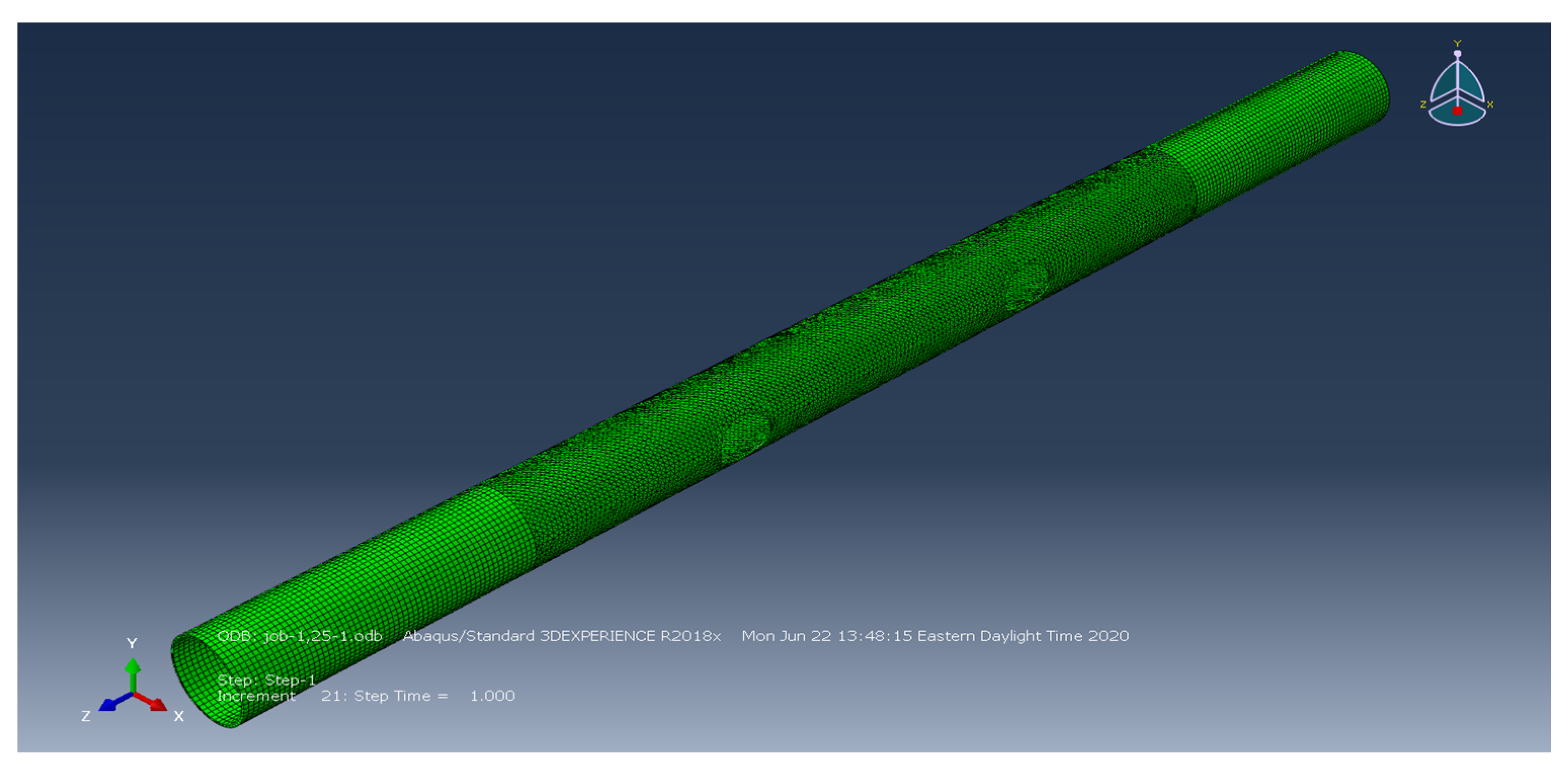
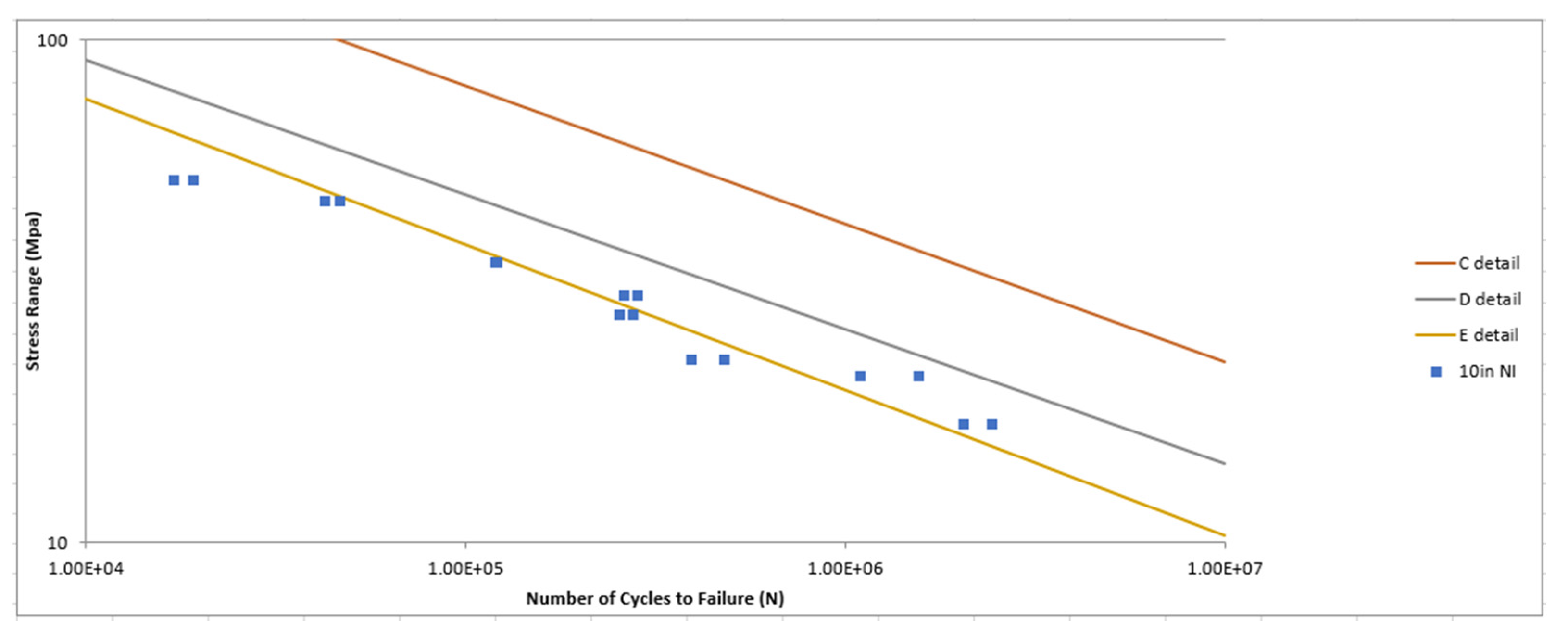
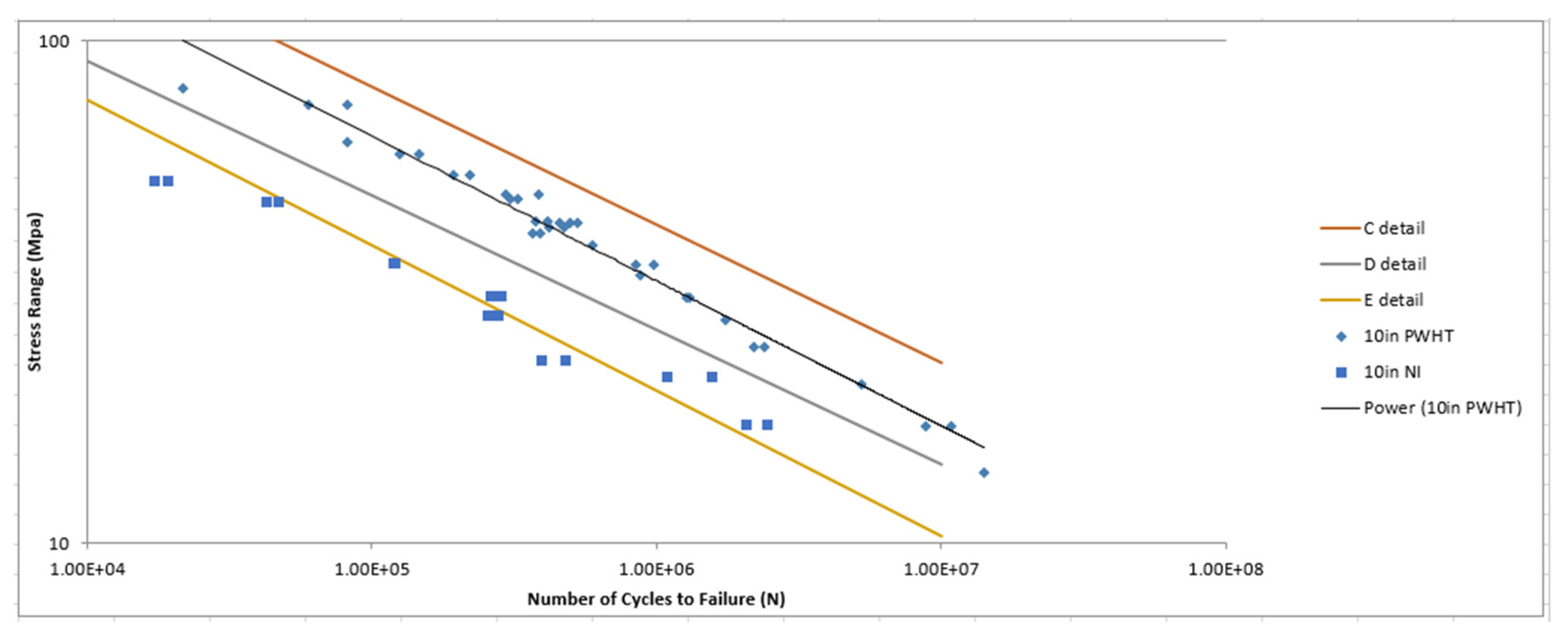
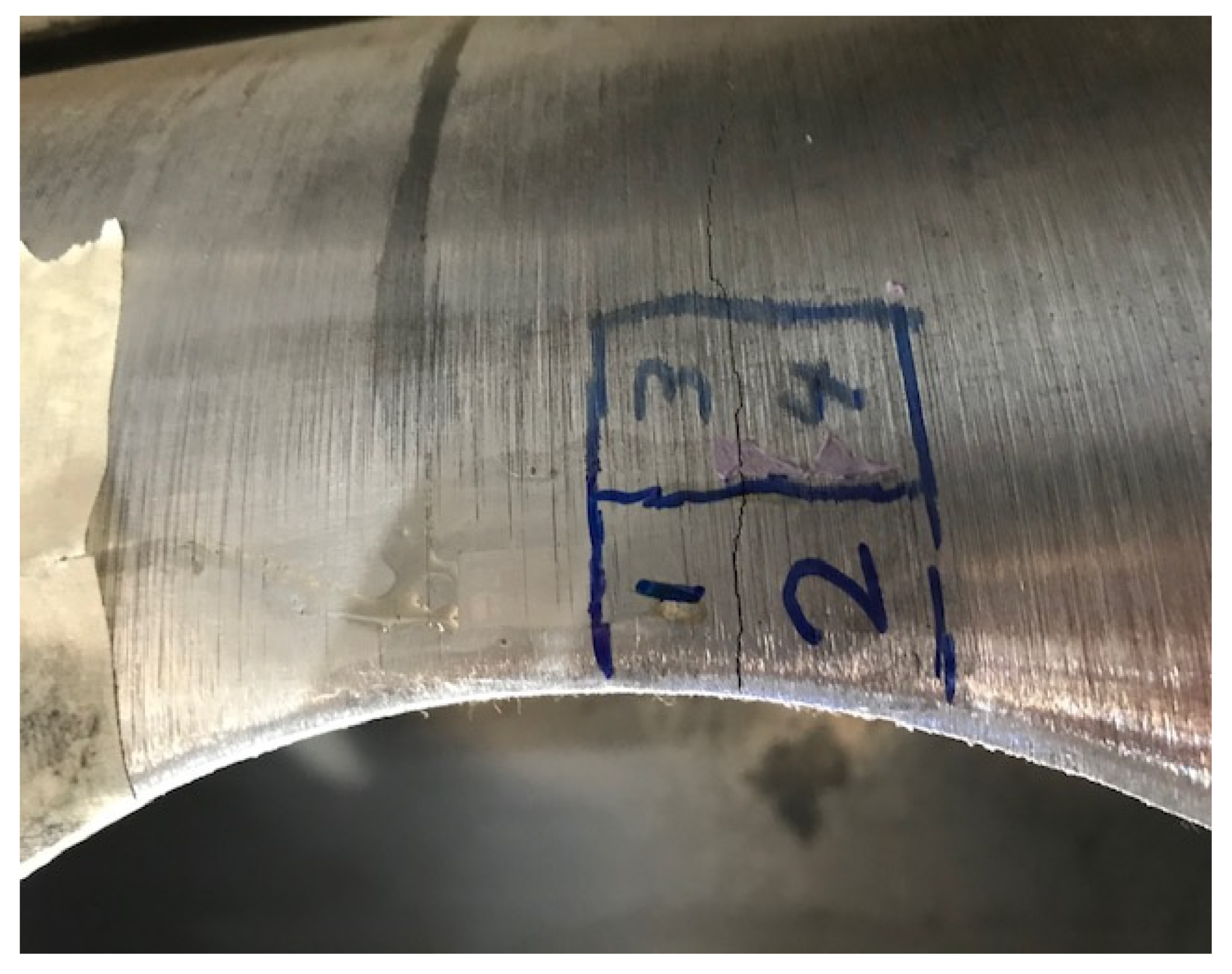
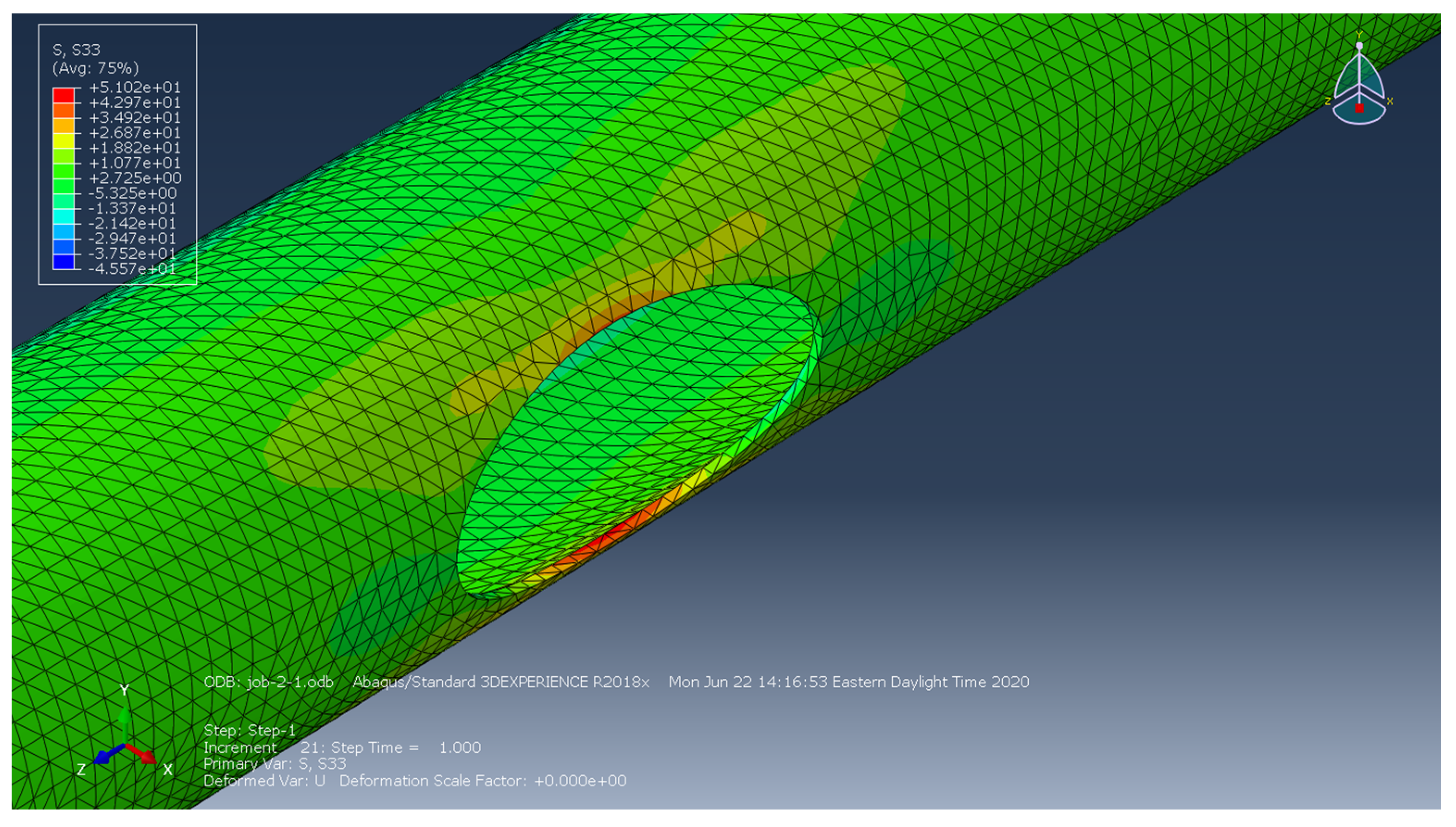
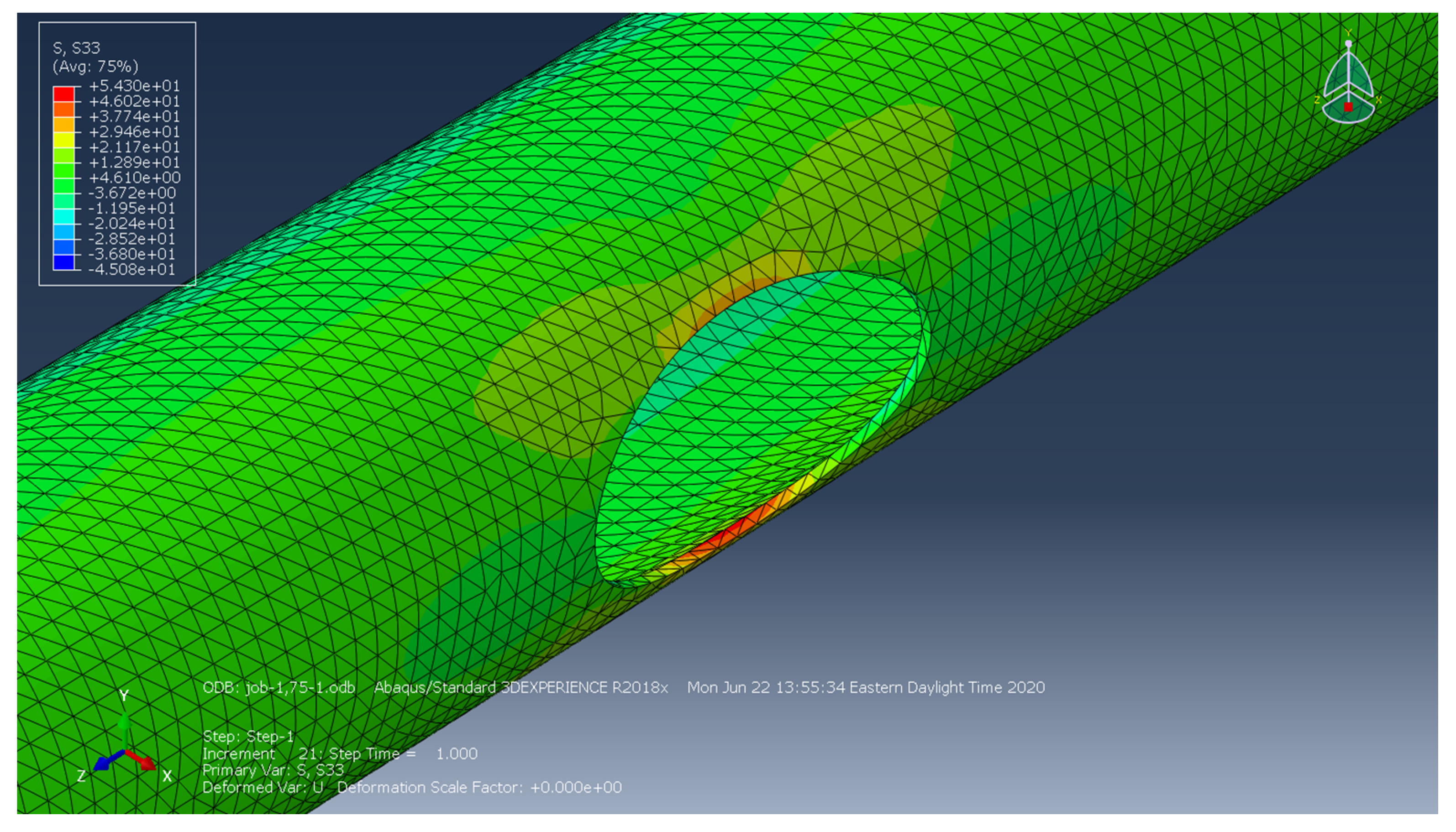
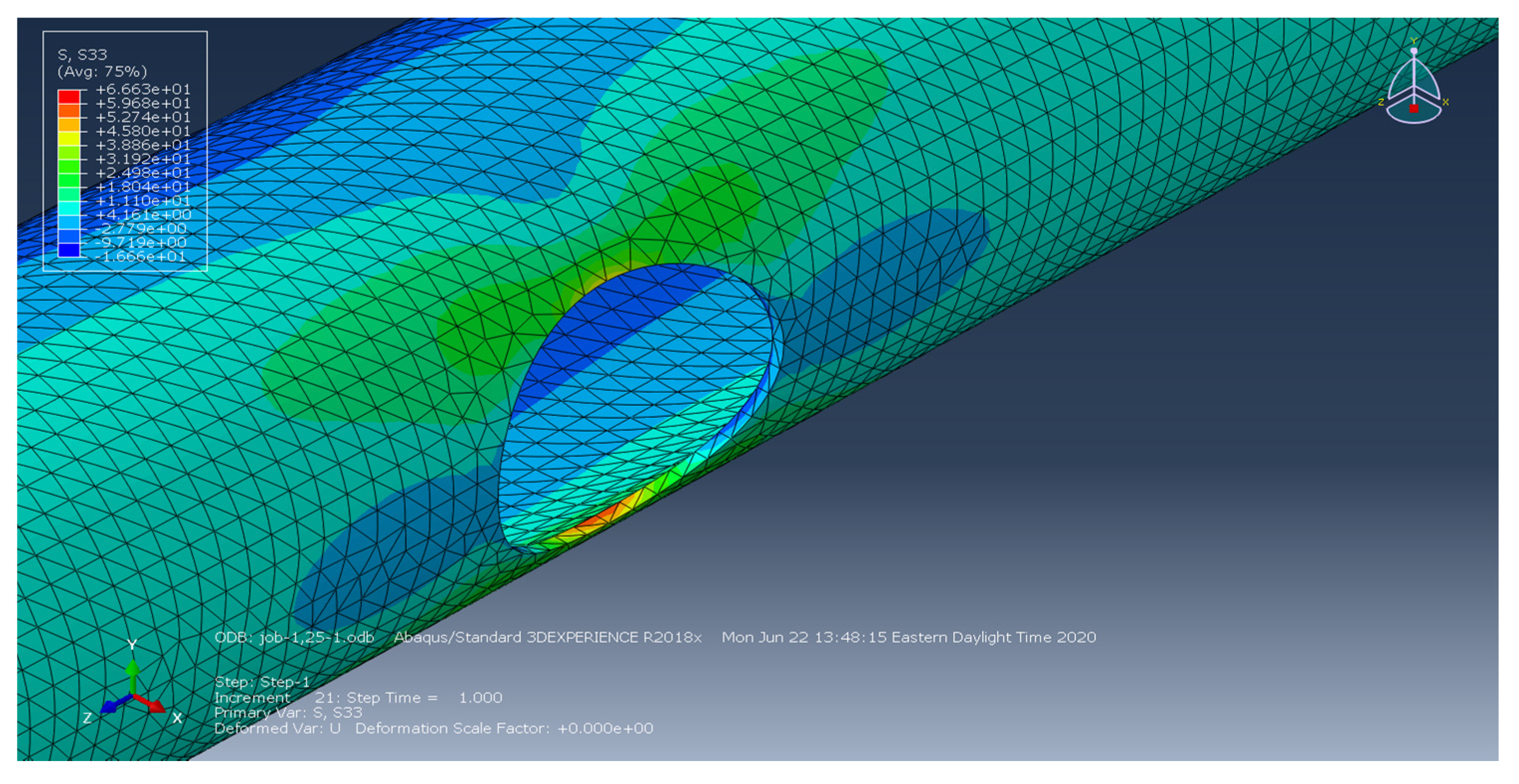
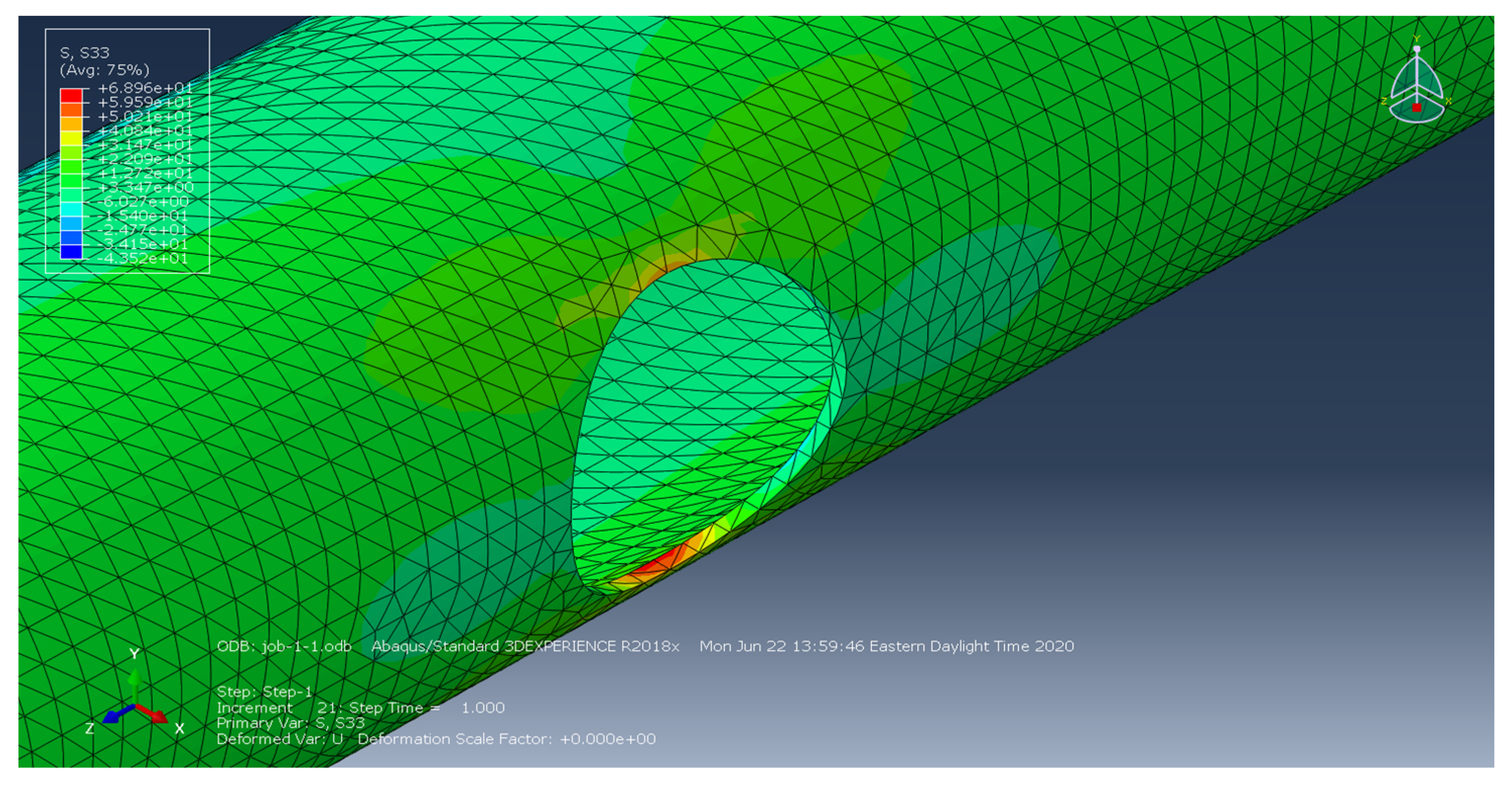
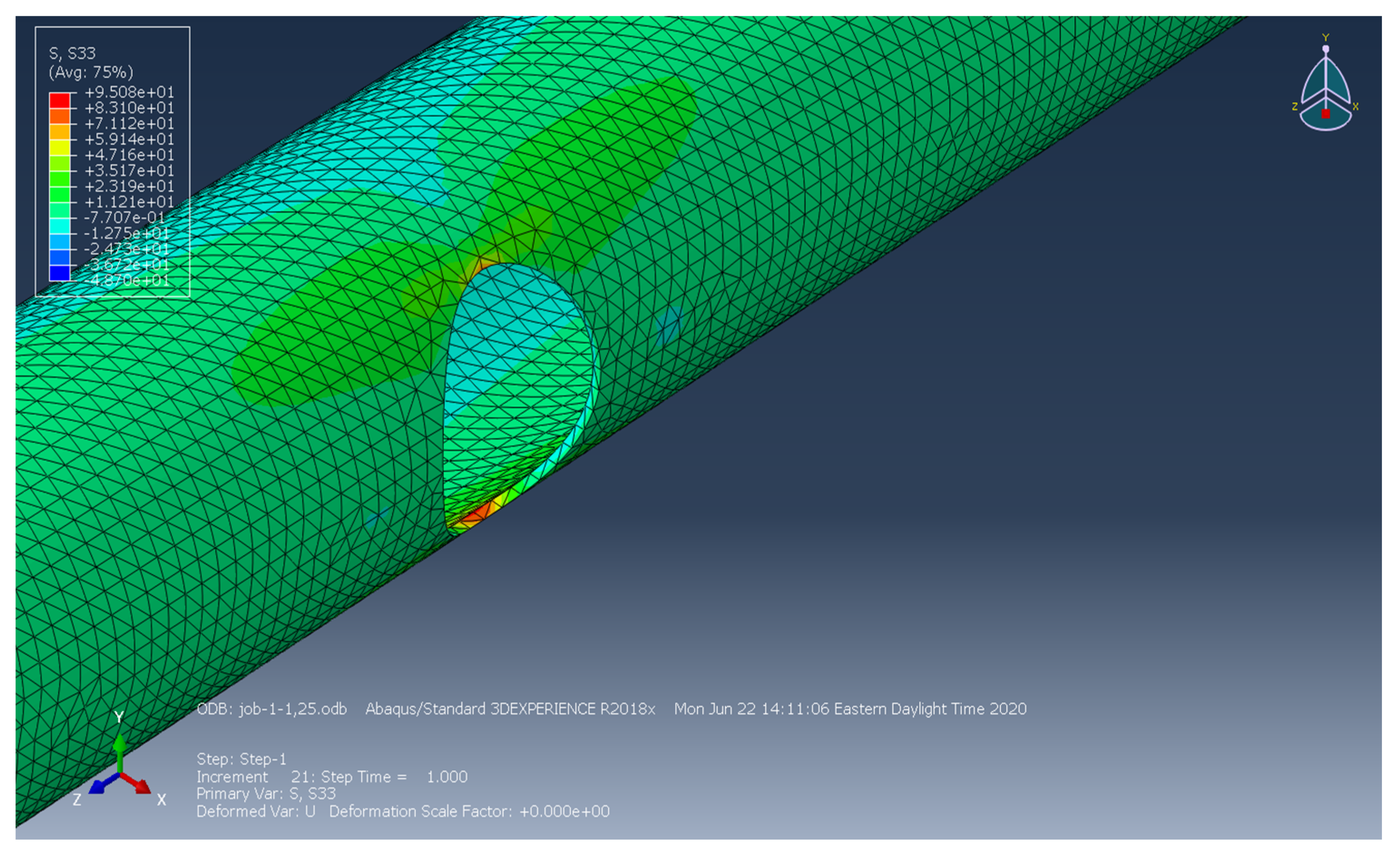
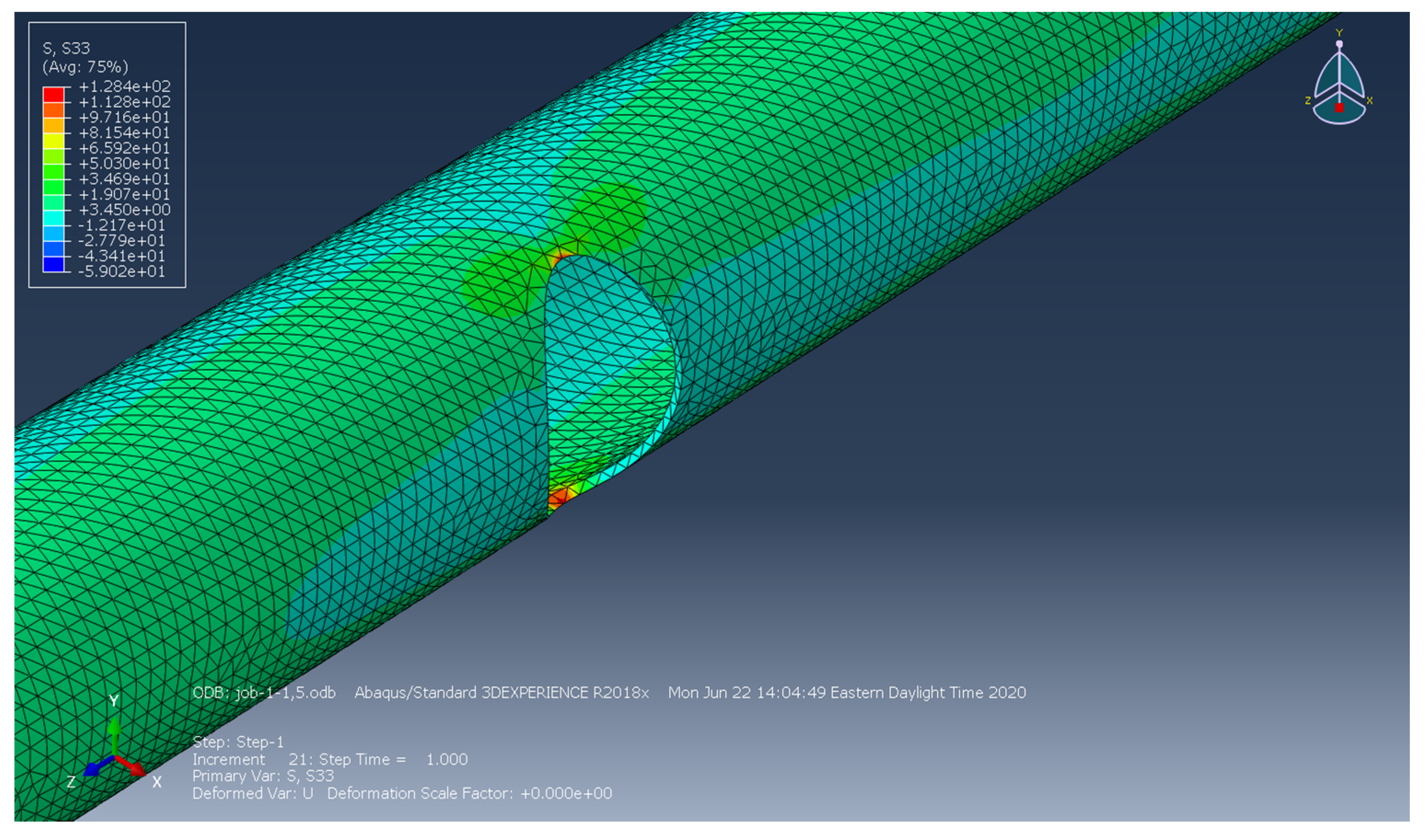
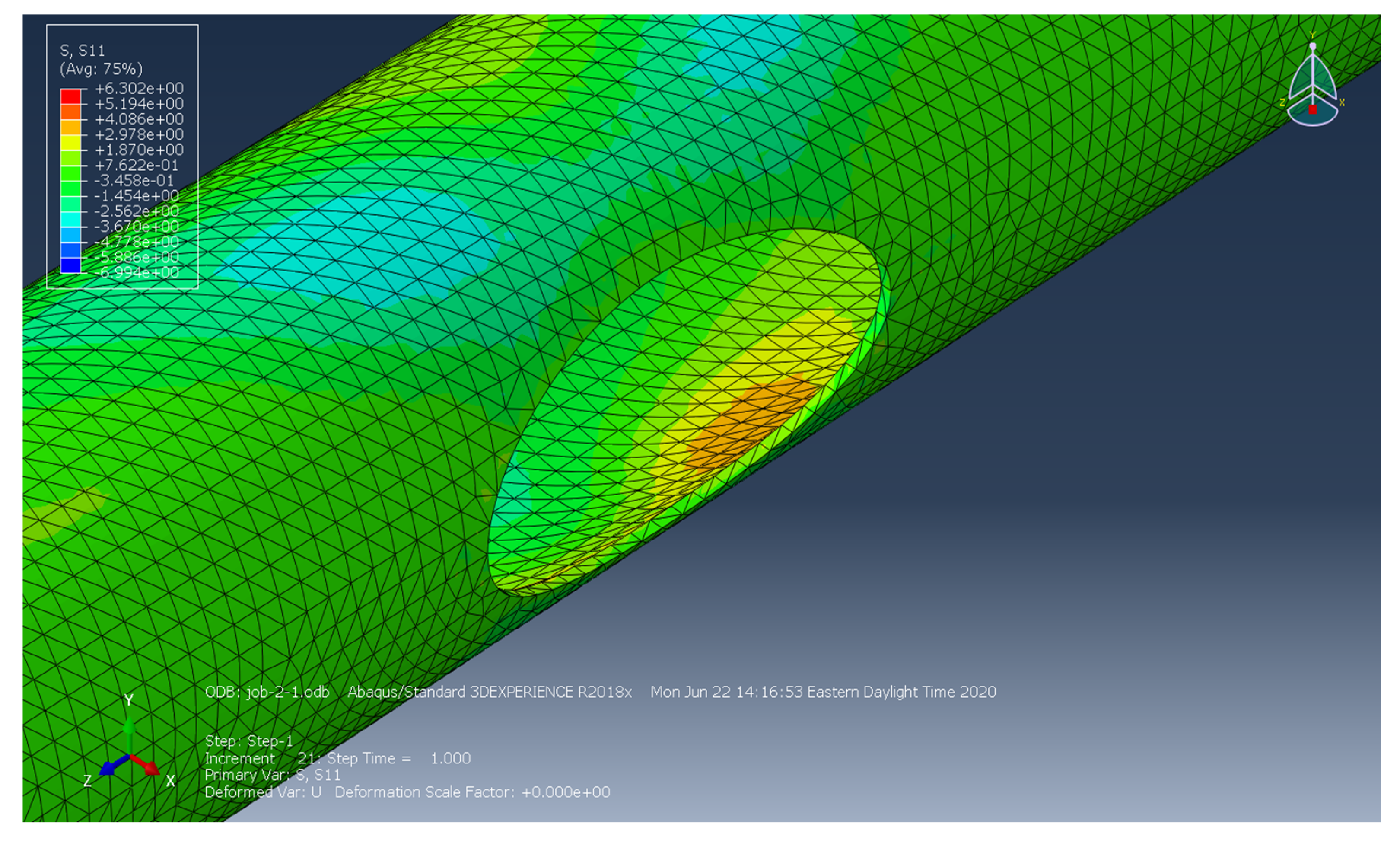
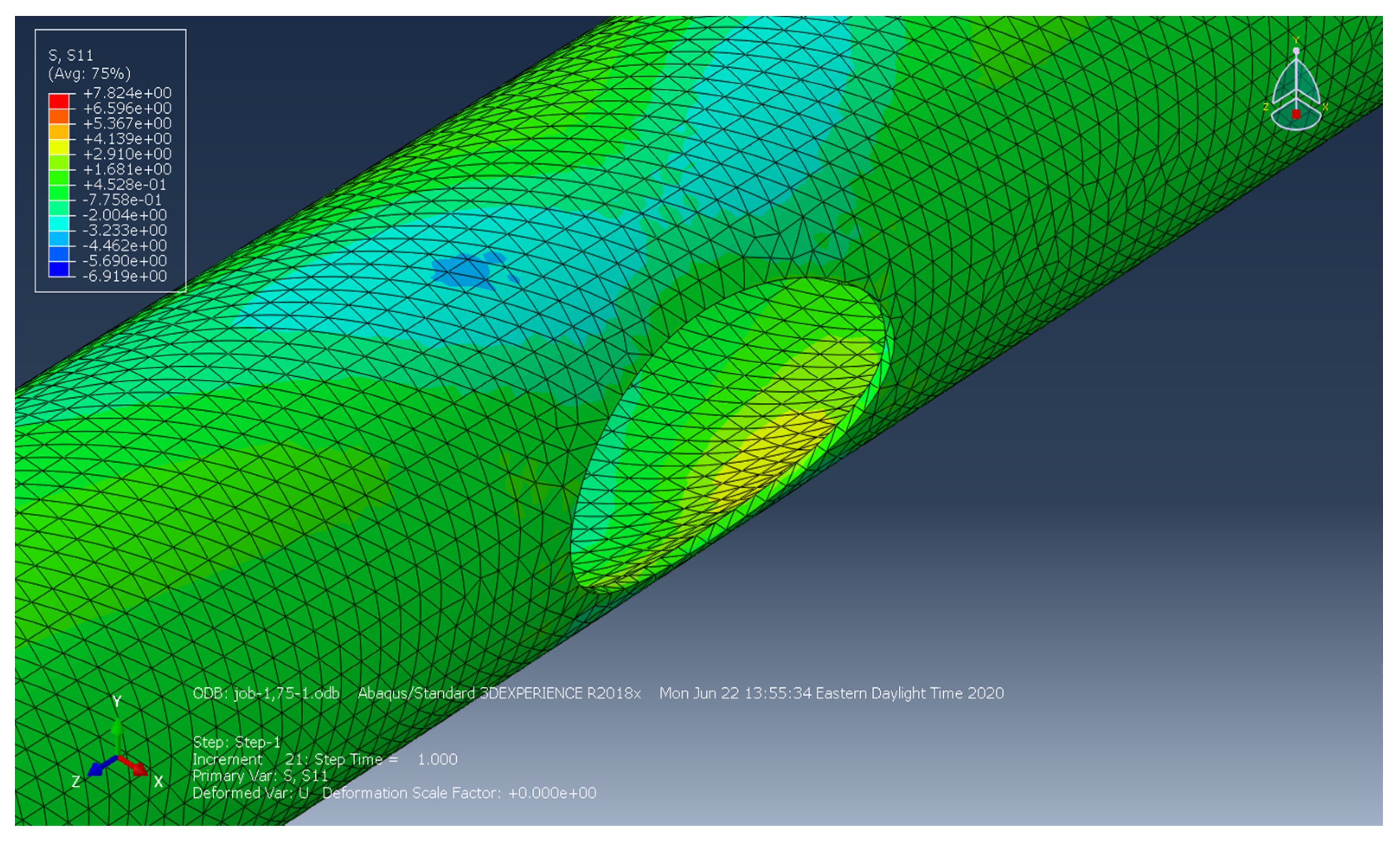
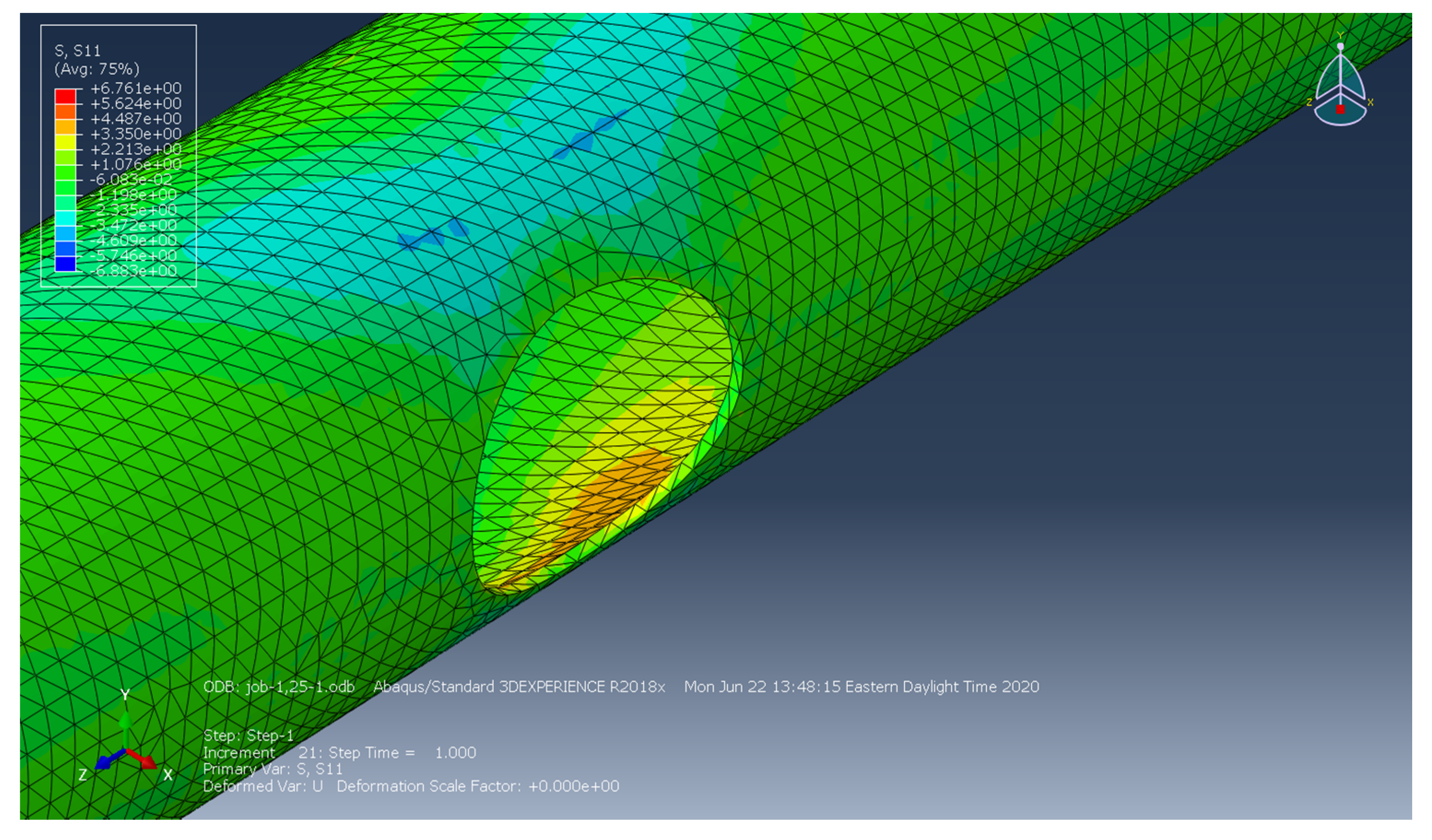
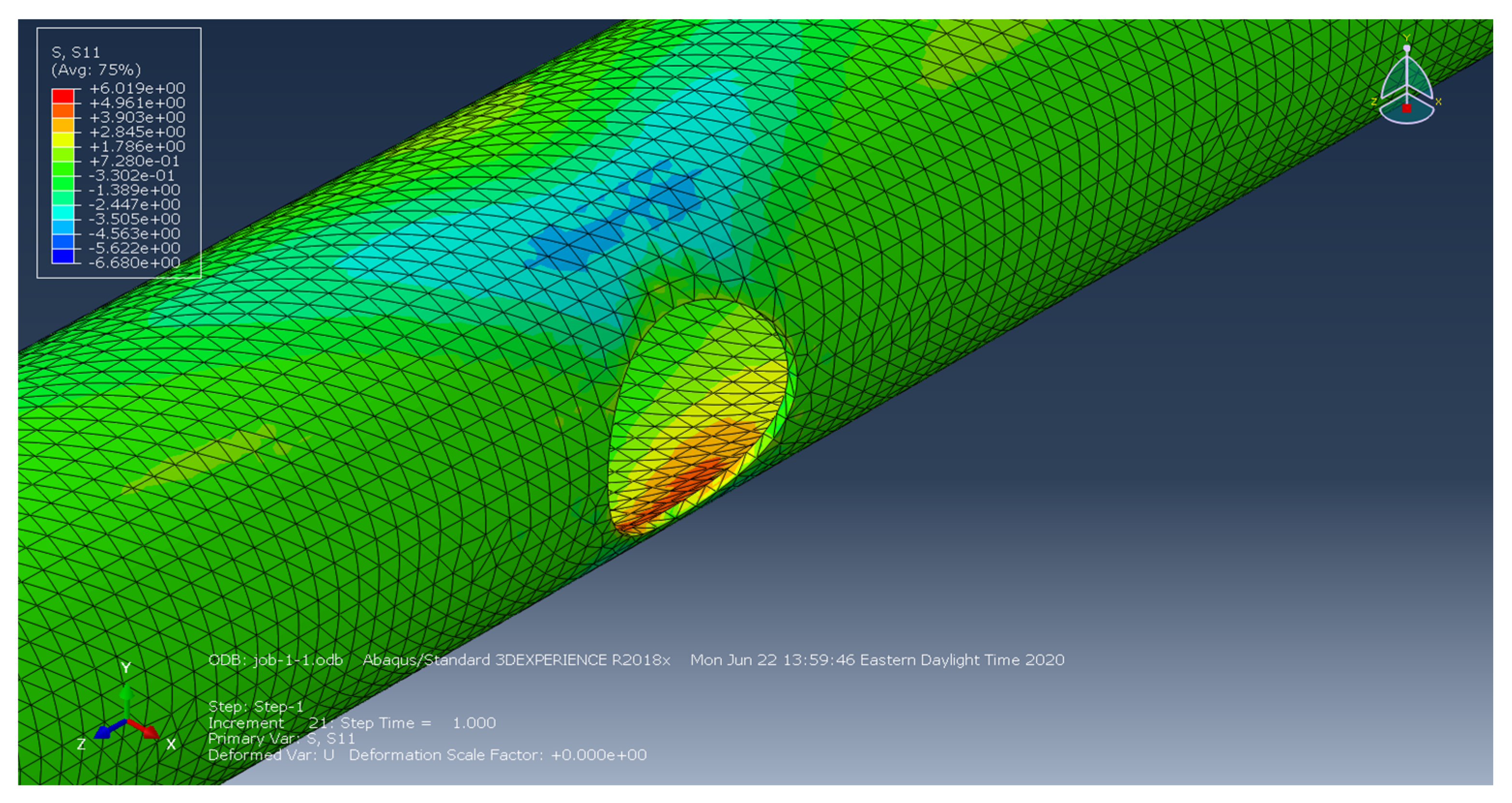
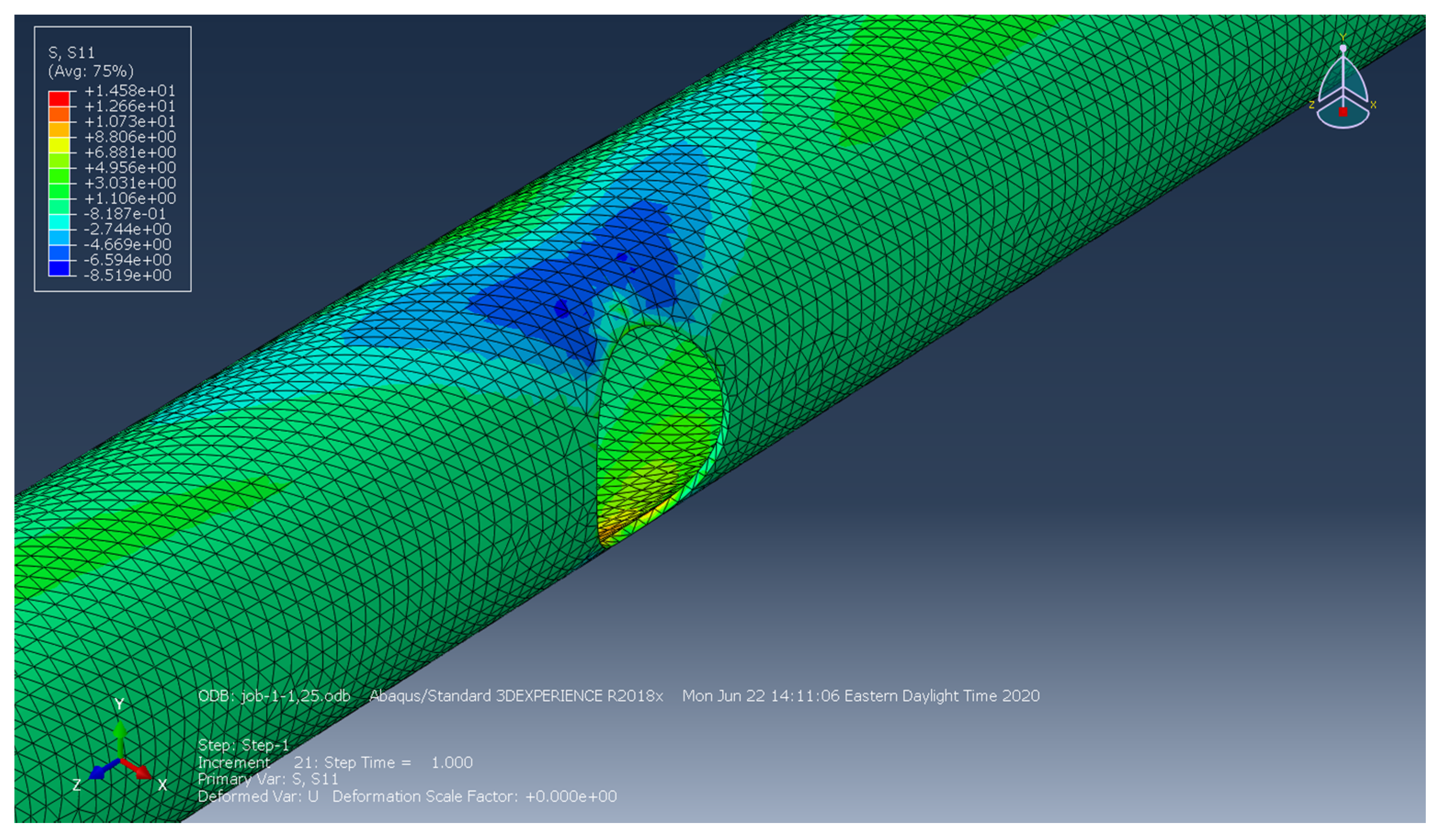
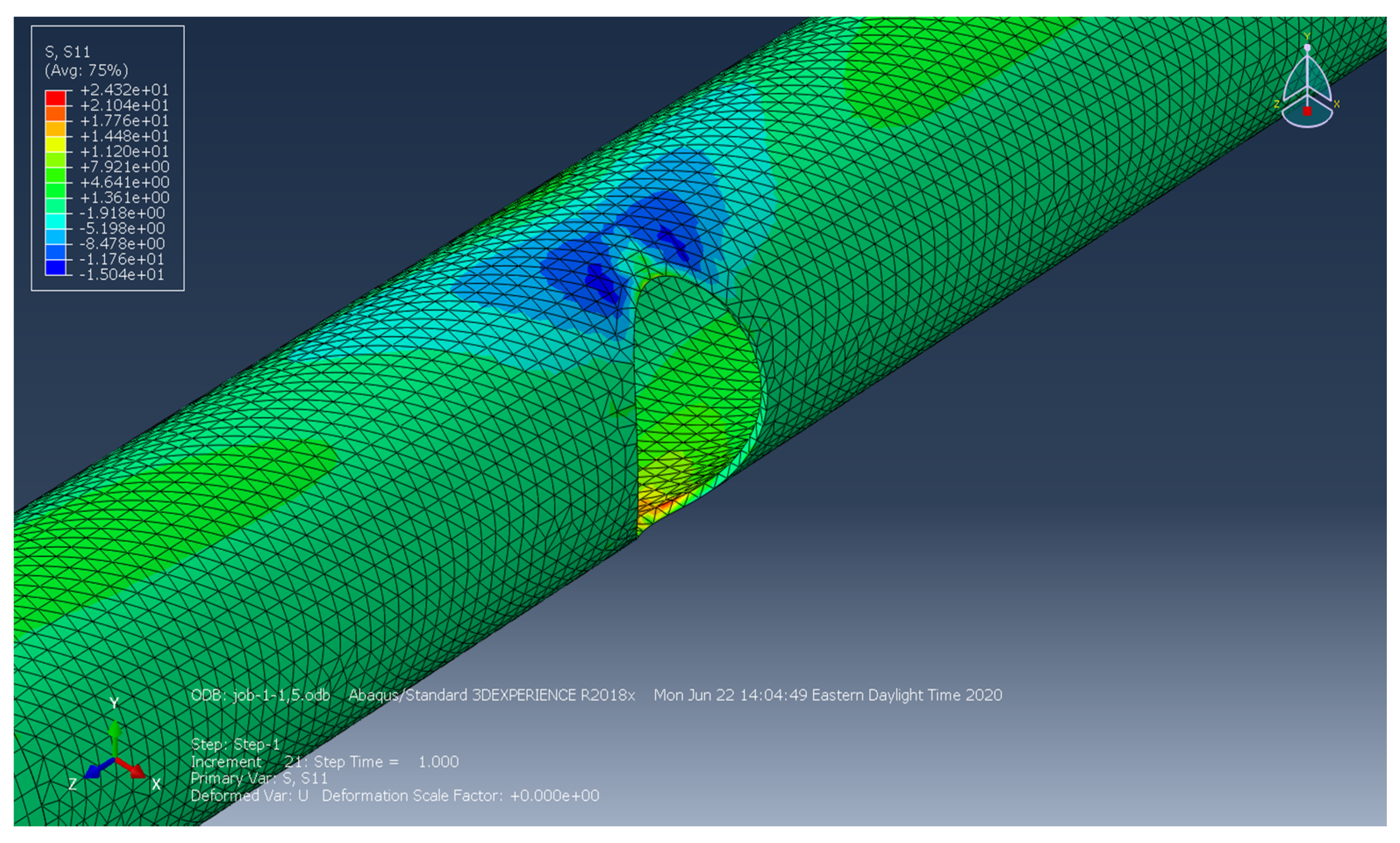
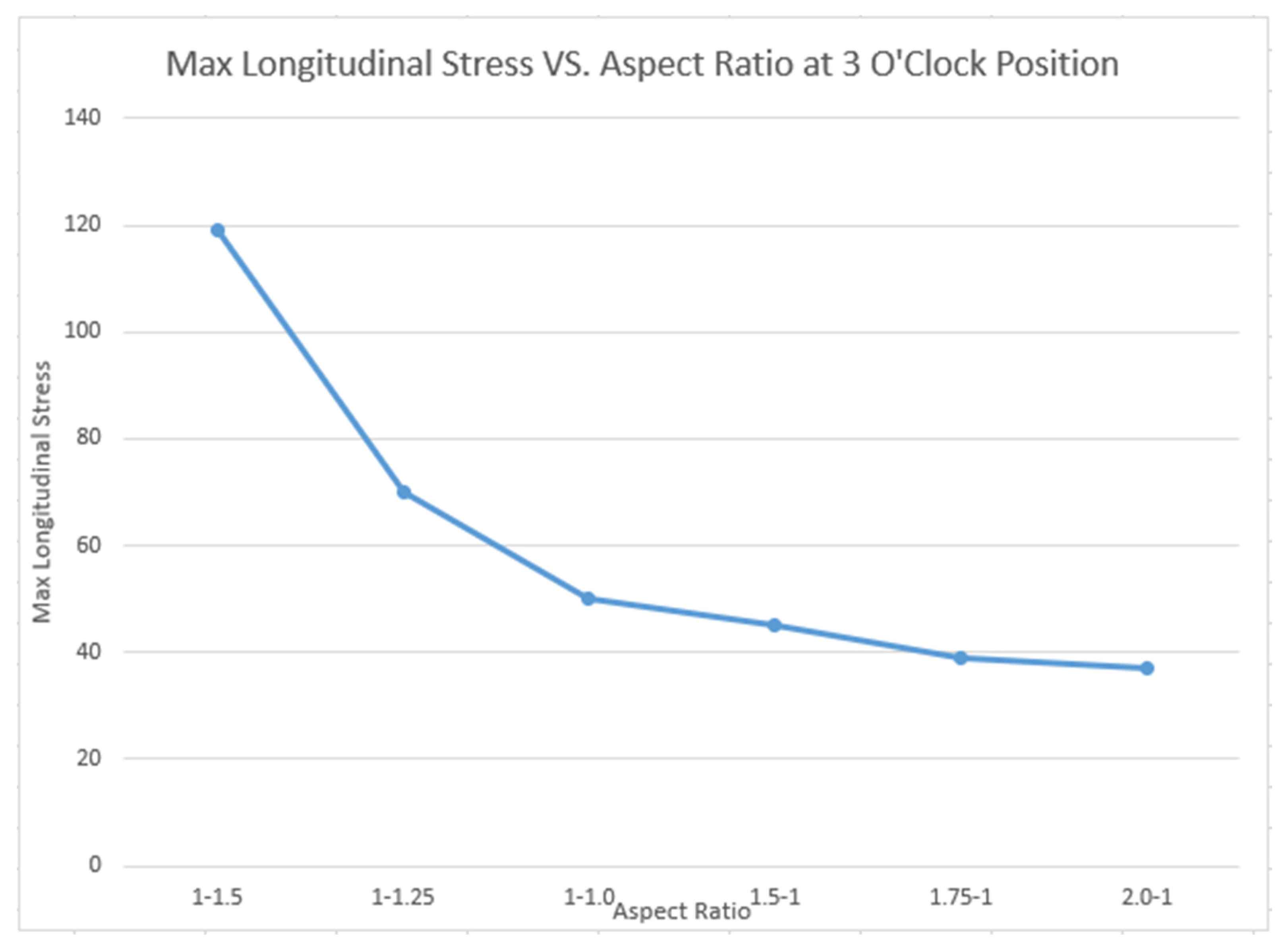
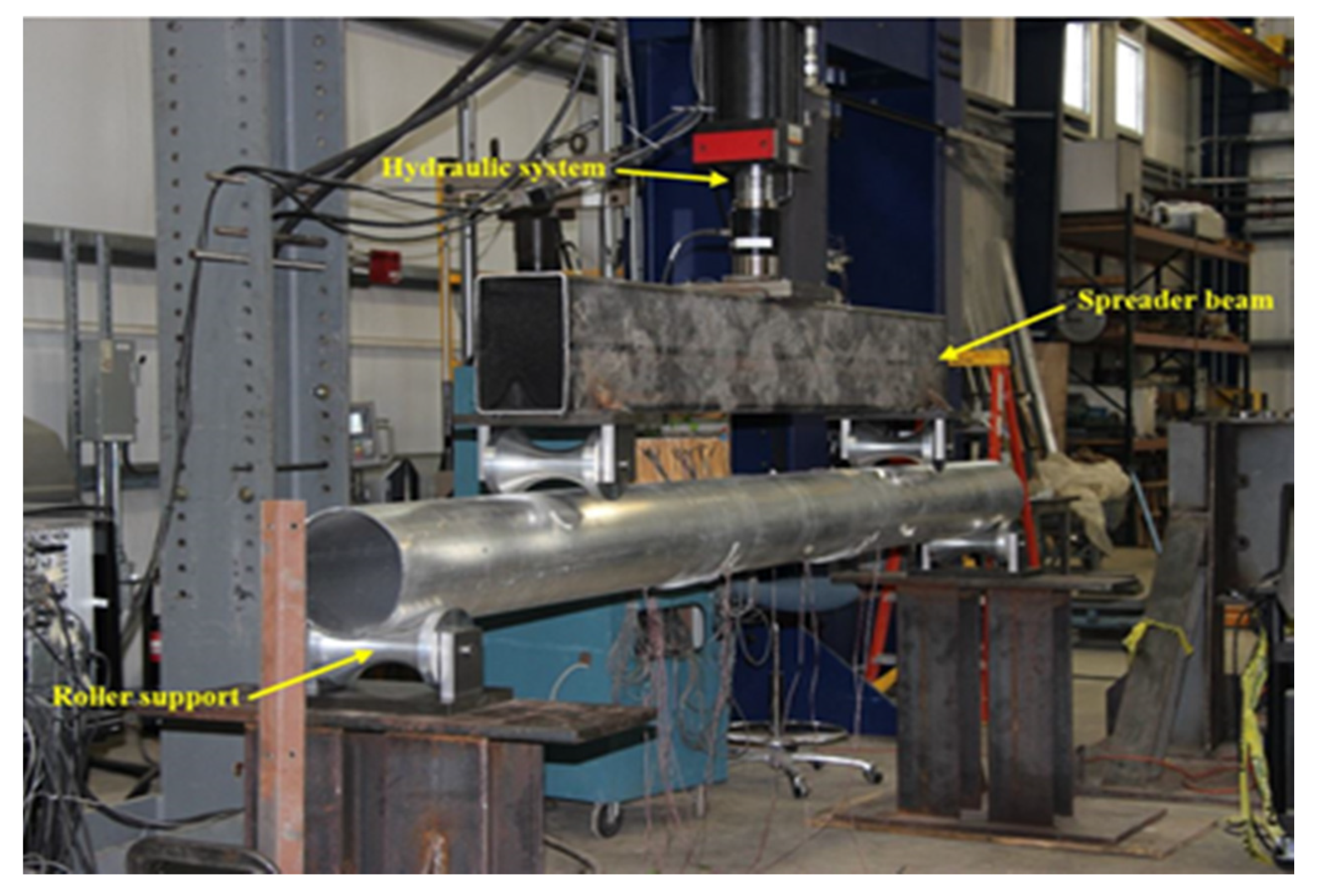
Hand-holes are present within the body of welded aluminum light poles. They are used to provide access to the electrical wiring for both installation and maintenance purposes. Wind is the main loading on these slender aluminum light poles and acts in a very cyclic way. In the field, localized fatigue cracking has been observed. This includes areas around hand-holes, most of which are reinforced with a cast insert welded to the pole. This study is focused on an alternative design, specifically hand-holes without reinforcement. Nine poles with 18 openings were fatigue tested in four-point bending at various stress ranges. Among the 18 hand-holes tested, 17 failed in one way or another as a result of fatigue cracking. Typically, fatigue cracking would occur at either the 3:00 or 9:00 positions around the hand-hole and then proceed to propagate transversely into the pole before failure. Finite element analysis was used to complement the experimental study. Models were created with varying aspect ratios to see if the hand-hole geometry had an effect on fatigue life.
Keywords: aluminum hand-hole; nonreinforced hand-hole; fatigue test; design S-N curve; high cycle fatigue aluminum hand-hole; nonreinforced hand-hole; fatigue test; design S-N curve; high cycle fatigue