


Article

Mapping InMeDiT Capital: A Conceptual Framework for Post-Digital Families in a Gaseous Society

by
Antonia Ramírez-García
1,*,
Daniel Macías-Fernández
2,
Irina Salcines-Talledo
2,
Arantxa Vizcaíno-Verdú
3 and
M. Pilar Gutiérrez-Arenas
1
1
Department of Education, Faculty of Education and Psychology, University of Córdoba, 14071 Córdoba, Spain
2
Department of Education, Faculty of Education, University of Cantabria, 39005 Santander, Spain
3
Department of Marketing and Communications, International University of La Rioja, 26006 Logroño, Spain
*
Author to whom correspondence should be addressed.
Societies 2026, 16(5), 164; https://doi.org/10.3390/soc16050164
Submission received: 29 March 2026 / Revised: 6 May 2026 / Accepted: 9 May 2026 / Published: 14 May 2026

Abstract

This article develops theoretically an integrative analytical construct (InMeDiT Capital, acronym for informational, media, digital and technological capital) derived from Pierre Bourdieu’s social field theory framework to expand its conceptual capacity to interpret and explain specific relational dynamics within a hyper-digitised social context that directly affects families. Based on Bourdieu’s social field theory, different types of classic capital and other more novel types (informational, media, digital, or technological) have been defined. The characteristics of 21st-century society require that the latter be addressed from an integrative perspective. Methodologically, the work is based on a critical and systematic review of the literature. Based on this analysis, a process of conceptual abstraction and theoretical modelling was carried out that can be described as phenomenological in its attempt to capture the depth of the concepts. This consisted of (1) defining the ontological and relational assumptions of the original framework, (2) isolating the analytical mechanisms relevant to the phenomenon under study, and (3) reorganising these elements into a coherent conceptual structure. The result is an updated conceptual framework (InMeDiT Capital) that maintains epistemological consistency with social field theory, but introduces a novel conceptual articulation through its hybridisation, the dimensions that comprise it, and an operational framework for diagnosing and mobilising capital in the family context.

1. Introduction

Over more than a decade, sustained collaboration with families through diverse research and knowledge-transfer projects has shaped this study. Drawing on the interplay between theory and practice, this study introduces an integrative framework for understanding contemporary forms of capital that addresses the demands of contemporary 5.0 ecosystems in which families navigate: Informational (IC), Media (MC), Digital (DC), and Technological Capital (TC) (InMeDiT).
Therefore, InMeDiT Capital is conceived as a hybrid mega-capital framework made up of a tetrarchy of capitals. These have been previously defined, either by Bourdieu himself [1,2,3] in the case of IC and TC, which he equated with CC or included in it, respectively, or by some of his collaborators about MC [4] or by other authors regarding DC. It differs from previous frameworks such as IC, CD, CD and CT because it does not limit itself to describing isolated dimensions, but rather articulates their interdependencies. Although it shares with them the processes of accumulation and conversion, as well as their individual and collective perspective, like the rest of the capitals derived from Bourdieu’s theory [1], in its hybridisation, it goes beyond the limits of each of them and allows individuals and groups to access, appropriate, evaluate and mobilise information, media, digital tools and technologies in and from various social institutions, such as the family, thereby promoting the exercise of critical, autonomous and responsible citizenship in the face of the changing demands of a hyper-digitalised and liquid–gaseous society.
Families inhabit an environment saturated with data, shaped by relentless exposure to audio-visual media, accelerated information flows, and emergent forms of socialization that significantly influence the development of children and adolescents. Within this ecosystem, families must safeguard and guide the socialization of younger generations, either by fulfilling this responsibility directly or compensating for the state’s limited capacity to address the risks inherent in such conditions. To respond effectively, families must mobilize the InMeDiT Capital.
This proposal advances InMeDiT Capital as a novel integrative theoretical construct that captures the centrality of families in societies increasingly defined by digitalization. This approach delineates the conceptual foundations of this form of capital and introduces a theoretical framework of dimensions and indicators designed to measure its presence and mobilization within families in a new ecosystem.
The construct emerges from an exhaustive bibliographic and content analysis that defines the ontological and relational assumptions of the original framework to synthesize an original and coherent conceptual proposal. Therefore, it could be considered an empirical phenomenological study, as it unfolds as a process accompanied by continuous reflection that processes the meanings of its constituent elements at a high level of abstraction [5].

2. Ecosystem 5.0: Impact of Globalisation and the Internet on Citizenship

On 5 February 2025, the President of the Spanish Government announced measures to prevent the “digital space from becoming the Wild West”. The metaphor illustrates the virtual environment as a domain in which populations—including children—navigate fluidly [6]. This statement aligns with the approval of the Charter of Digital Rights, which positioned Spain at the international forefront of citizens’ rights and provided a regulatory framework for subsequent legislative strategies [7]. Building on this foundation, the government established a Digital Rights Observatory to monitor compliance with and promote the Charter. Simultaneously, policymakers advanced regulatory initiatives targeting specific challenges, such as the control, supervision, inspection, and sanctioning of digital platforms, with the Action Plan for Democracy serving as a central example.
Spain has also invested in strengthening its cyberdefense capabilities. Royal Decree 1150/2021 of 28 December approved the National Security Strategy, framing the virtual world as highly accessible, weakly regulated, and difficult to govern. Complementing this strategy, the government has trained State Security Forces and Corps in cyber skills to reinforce the digital protection of citizens. Regional initiatives, such as legislative proposals in certain Autonomous Communities to restrict mobile phone use in schools, further demonstrate the country’s commitment to safeguarding children and adolescents. The central challenge lies in striking a balance between protecting and empowering citizens, which remains at the core of these policies.
However, Spain does not stand alone in this pursuit. Governments’ concerns about making the cyber world a safe place extend to the entire planet, and specific actions range from banning access to certain spaces, applications, and/or search engines [8] to limiting their use to a portion of the population [9] and user training and awareness [10].
Never have human beings been so connected—and simultaneously so isolated—as they find themselves confined in what Han describes as a “voluntary, invisible, and virtual prison”, whose bars are constructed from media over-information [11] (p. 45). In Bauman’s liquid universe [12], the nation-state and its physical borders appear diluted, even volatilized into a gaseous state [13]. Traditional identities, such as social class, undergo processes of (re)conversion, while individualization grants renewed auctoritas to smaller social units such as the family or even to what Ramonet calls the “individual state” [14] (pp. 58–59). Beck characterizes the state itself as a “zombie” institution [15] (p. 207), while in its coalitional form—the European Union—it seeks to legislate and intervene to mitigate the dangers of “globalisation and the Internet” [16] (p. 15). However, regulation faces the accelerating complexity of technological development: society has shifted from a “solid” digital technology (1960–2009), materially embodied and potentially subject to voluntary disengagement, to a “gaseous” digital technology (2020 onwards) that has dissolved its form and permeates every domain of human life, rendering detachment virtually impossible [17]. Despite what has been said, there is awareness of rural areas with poor connectivity or, more commonly, fewer guarantees, lower service coverage, and higher prices. In this case, state policies, although they aim to mitigate such deficiencies, tend to be reactive to technological acceleration, and any proposal tends to become fossilized amid the tsunami of change in today’s world [18].
In this context, the European Union has managed to establish a roadmap for the defence of its members: the “strategic compass”, which identifies new threats (cyber-attacks, disinformation, propaganda, hoaxes, or terrorism, among others) against the “values and interests” of the Union [19] (p. 1), as well as promoting certain actions. The population has become the target of a large part of these new forms of warfare that employ “weapons of mass seduction” [20] and/or are fought on digital battlefields [21]. Although the “compass” functions at a state and transnational level of abstraction, it fails to materialize in citizens’ lived experiences. Nevertheless, the struggle for the “minds and hearts” of families and individuals unfolds precisely at these levels [22] (p. 319).
The European Union is aware of this, but how it will deal with it is not detailed in its own “strategic compass” [23]. The European Commission president’s proposal in her Political Guidelines expressed the need for a “European democratic shield” that would make it possible to generate instruments to combat media manipulation, cyber-interference, fake news, deepfakes, and other elements of disinformation and malicious propaganda that threaten the families and citizens of the European Union. At stake was the preservation and promotion of freedom and the advancement of a new generation of digital rights [24,25] (p. 23).
To enable “freedom of choice […], participation in the digital public space; enhancing safety, security and empowerment […], and sustainability”, within the guiding premises of “solidarity and inclusion”—basic democratic principles of the Union—a comprehensive set of measures is required, moving beyond declarations of intent or abstract “strategic compasses” [26] (pp. 1–2). Although these virtual rights are presented as tailor-made for citizens, a truly “people-centred digital transformation” [26] (p. 3) requires measuring InMeDiT Capital, a theoretical construct grounded in more than a decade of sustained practical work with families across various research and social-transfer projects.
Our experience, shaped by the Spanish and European contexts and informed by our training in the social sciences, education, and communication, has determined how we interpret digital ecosystems and the family dynamics that emerge within them. This disciplinary and geographical positioning has not constrained the construct’s scope; instead, it has allowed us to identify processes that we consider global and ubiquitous, which has encouraged us to formulate a model that, while rooted in a localized context, seeks to engage with international scholarship on families and with current debates in the field.
Consequently, we built our approach on well-established theoretical foundations. Our debt to Bourdieu is evident: his then-incipient theory on the explanatory inadequacy of economic capital and the inclusion of new variants inspires the current proposal [27]. To analyse the structure and dynamics with guarantees of success, an analytical instrument is required to collect information in an operational way on the factors that influence the family in this new digitalised ecosystem.
Thus, prior knowledge of the InMeDiT Capital that families possess is key to applying policies that are coherent with reality. It is of little use for international institutions to clamour for digital rights or declare war on disinformation, or for state governments to try to design public policies implementing what has been said, if the state of this 21st century capital is not known in depth. The symptoms of the problem are visualised, and panaceas are applied, but no attention is paid to the initial situation of each family, nor to its members, nor to the InMeDiT Capital that each one possesses.
Some symptomatologic examples include the following: 60% of adolescents are informed through social media and have difficulty differentiating between true and false news [28]. Such virtual environments seem to incite hatred, and the most popular among young people—TikTok [29]—are accused of containing alarming percentages of misinformation (20%), concealment of Human Rights violations, or apology of violence (political-ideological partisanship) [30], dynamics that do not seem to be on the way to being solved. A study on X (formerly Twitter) showed that hate messages have increased by 50% and “likes” on these messages have increased by 70% (2022–2023) [31].
To exemplify the panaceas applied, we go down to the state level: Spain is one of the countries that invests the least in Defence in the Atlantic Alliance [32]. However, the Annual National Security Report 2023 expresses not only military concerns, but also educational ones, highlighting actions in areas outside of formal, non-university education: “many public bodies […] have included cybersecurity, the development of digital skills and the healthy, sustainable, critical and responsible use of digital technologies in their courses and training programmes” [33] (p. 264). It can be seen that the government outlines prescriptions—educational in this case—to combat the ills of the liquid or gaseous world, but does not consider the situation of those to whom such palliatives are directed. It also does not acknowledge families as the primary environment for confronting disinformation, malicious propaganda, Manichean demagogy, hate speech, and related threats [34].
The family group and the individual hold nuclear importance—despite the influence of multinationals and supranational non-state actors—at a time when the power and wisdom of the nation-state are diminished. Families and citizens, therefore, represent the first line of immunisation against the digital “wild west”, and they require capital to sustain the cost of intervention. InMeDiT Capital functions, in medical terms, as the basis for developing an individualised or precision therapy, grounded in a rigorous analysis of the social context and the groups within it, particularly families. Not all families, however, require identical doses or solutions, nor do they need them to the same extent.

3. The Family: Field of Action and Shield in the Gaseous Era

An accurate diagnosis requires reconstruction of the clinical history, environment, and background. For this reason, the analysis must begin with the field described by Bourdieu [35]: a social space, a system of relations governed by its own rules and dynamics, where individuals acquire classical forms of capital and act within a particular habitus—internalised dispositions that guide their practices in the field. Bourdieu also emphasises the family’s decisive role in transmitting different forms of capital, especially Cultural Capital (CC) [27], while Durkheim identified the family as one of the main agents responsible for the socialisation of children [36].
In this respect, the family shapes the habitus and transmits CC, since families with greater capital equip their children with stronger symbolic resources and smoother pathways of adaptation when entering the formal education system [37]. In other words, the family operates as the cornerstone for transmitting the diverse forms of capital that individuals require. In any case, the transmission of cultural capital within the family, which is key to educational success, was not a systematized process in the French sociologist’s texts; thus, there is a certain theoretical gap in the understanding of concrete processes. However, its academic success—its analytical popularity—has led to the concept being used extensively in sociological and educational research, resulting in a very diverse and globally inconclusive body of applications and empirical evidence [38,39]. With this in mind, the present theoretical approach incorporates this concept with the cautions and nuances that will be described.
In the past, the home was a bunker for the individual, and nothing could penetrate the security of the family. Nowadays, the borders of once safe intimacy have become porous, allowing the transit of all kinds of evanescent threats. The ineffectiveness of physical barriers in the face of such dangers has led to the imposition of immaterial barriers: the family and the transmission of capital, which includes—and must include—the InMeDiT capital itself.
Although Constantine’s systems model, the Paradigmatic Framework for studying human systems [40,41], has received criticism [42], we consider it essential because of its links to the Circumplex Model of Marital and Family Systems [43], the model of parenting styles [44], and the Consensual Experience Model [45,46], as well as for understanding how families mobilize InMeDiT Capital. Constantine’s earlier classification of system types (closed, random, open, and synchronous), and the later reconceptualization into four dimensions, and ultimately into two (connection and variability), provide a conceptual bridge that ties these models together [40,41].
The evolution of Constantine’s framework, including the unified system [41] as a fusion of the open and synchronous types, enables us to connect it with the 5.0 ecosystem in which families currently function. Constantine [41] (p. 175) defines this new system as follows:
The Unified paradigm, a synthesis of Open and Synchronous, is oriented to the emergent objective of comprehension through the continuous evolution of a unifying worldview congruent with reality. It relies heavily on self-reflection, critical examination, and verification to build and validate its collective approaches and perspectives. Unified-paradigm systems value authenticity, self-awareness, and mutual exploration. It is difficult to find examples of this family style in the literature, in part because it can superficially resemble an Open Paradigm family. However, the heavy reliance on discussion and consensus building is not so much aimed at solving problems but at building a shared understanding of themselves and why something might be a problem. Resolution of any problem is secondary to building deeper understanding, which may have payoffs in the future.
In our view, the Circumplex Model of Marital and Family Systems—a systemic theory that explains family functioning through cohesion, flexibility, and communication, while considering the levels at which these dimensions’ manifest [43]—offers a useful lens for analyzing the different levels of InMeDiT Capital within families and, consequently, the gaps that may emerge both within and between them.
However, we must account for the contributions of the theory of the construction of reality and the family paradigm framework [45,46]. The former positions us before the idea that each family develops a shared and relatively stable way of interpreting the world over time—an epistemological system through which practical knowledge about society, in this case, Society 5.0, is produced and circulated among family members, thereby generating InMeDiT Capital. The latter introduces the notion of the family paradigm, which is understood as a set of shared assumptions that structure how a family perceives reality, defines problems, and selects strategies to address them. This concept clarifies why families respond differently to the diffuse challenges of Society 5.0 and how they mobilize their InMeDiT Capital through intrinsic adaptive capacity.
In today’s “gaseous society” [17] (p. 33), families confront new and largely intangible demands that go beyond their traditional functions of care, security, and emotional support, a set of expectations linked to Constantine’s closed paradigm [40]. The Digital Revolution has introduced accelerated rhythms, intensified datafication, deeper globalisation, and expanding automation [47]. Families cannot remain indifferent to this transformation, as society increasingly relies on data—often without assessing its veracity or reliability—which grows exponentially and becomes openly and indefinitely accessible to citizens [48]. Within this data-driven universe, democracy yields to the rise of a data-based infocracy primarily concerned with optimising information exchange [11].
The unified family paradigm, which relies on self-reflection, critical examination, and verification to construct and validate approaches [41], aligns directly with the gaseous society described by Hidalgo [17]. This societal shift has profoundly transformed social and family relations, generating multiple intangible challenges and, at many points, making digital disconnection virtually impossible.
Mayer-Schönberger and Cukier argue that one of the central problems of the information society lies in the consolidation of a structured oligopoly over data and in conscious or unconscious attention that individuals devote to interacting with technological platforms [49]. Contemporary social dynamics devalue durability, equating the “old” with the “outdated” and thus rendering it disposable [50]. At the same time, they trivialise the “new” as a consumable commodity, designed to placate individuals’ sense of existential emptiness. This process fuels communication and consumption in pursuit of the so-called “intense life”, which the neoliberal system equates with intense consumption [11]. Within this framework, families are at a structural disadvantage.
In this new scenario, information and knowledge constitute a form of capital linked to access opportunities and the capacity to create, process, and manage it [51]. Because virtual contexts act as environments for social and cultural production, societies must promote critical media literacy that fosters plural and responsible digital environments [52]. Calderón-Gómez shows that the first layer of social stratification in digital practices derives from the mobilisation of embodied CC for engaging with digital technologies [53]. Participants who underwent intense technological socialisation during childhood achieved better positioning, underscoring the family’s central role in preparing children for society.
Thus, parents and legal guardians hold primary responsibility for encouraging children to use digital resources and navigate the media environment responsibly, safely, and in ways that are appropriate for their age [54]. Adults must accompany and guide young children in the use of technological media with common sense, critical reflection, and dialectical thinking [55]. By doing so, they foster an appropriate digital culture within the family in which adults serve as the main reference points for children.

4. Conceptual Mapping of a New Capital for Society 5.0

The current context demands a revision of capital theory and the updating and reconceptualisation of existing capital frameworks that reflect contemporary society and the evolving challenges that families encounter. As Bourdieu argued, scholars cannot explain the structure and dynamics of the social world without reintegrating capital in all its forms, rather than limiting their analysis to the narrow scope defined by economic theory [27].
This approach can be used and adapted to different scientific disciplines, going beyond social or sociological theories [56]. The urgency of addressing this construct arises because the codes and behaviours that once offered individuals guidance now dissipate at an accelerating rate. Therefore, this article proposes an updated hybrid framework of capital for a postmodern world: InMeDiT.
The justification for this integrative framework rests on five considerations: (1) The authors’ research on digital and media competencies in family contexts required a deeper theoretical foundation than the one offered by competency-level assessments, especially given the growing critique of competency-based evaluation itself [57]. This limitation prompted the search for an alternative theoretical framework to address this issue. (2) An interdisciplinary analysis of the current social, economic, political, and cultural context points to Bourdieu’s theory of capital as a suitable foundation for applied research [27]. In this regard, Lareau and Weininger already noted that cultural capital (CC) “is analytically and causally distinct from other important forms of knowledge or competence” [58] (p. 567). Nevertheless, classical forms of capital only partially address today’s needs, as they cannot fully explain the factors shaping the new ecosystem in which families live. (3) A review of alternative forms of capital in the scientific literature directs us toward the concepts integrated into InMeDiT Capital. These appear as dimensions of classical forms, such as IC, or as new formulations, including digital or media capital, or even as equivalents of digital capital, as in the case of technological capital, despite the fact that technology does not always have a digital nature. (4) Contemporary society is liquid [11] and gaseous [17], and families exhibit similar properties, as suggested by the theories of Reiss, Reiss and Oliveri, Olson, and Constantine [41,43,45,46]. These characteristics led us to consider these forms of capital as the foundation for new transactions unfolding both in society and within families. (5) A common element across these forms of capital is their capacity for hybridization, a property that aligns closely with the nature of today’s society and contemporary family life.
Therefore, the selection of informational, media, digital, and technological capital provides a conceptual basis for explaining the dynamics that define family life within an updated Bourdieusian articulation of capital suited to digitally mediated societies. Other forms of capital, such as economic or cultural capital, while relevant, do not adequately capture phenomena specific to the digital world, including algorithmic logics, the attention economy, or the blending of practices in connected environments. For this reason, we introduce a construct that integrates these four forms of capital, whose mutual hybridization constitutes its defining feature.
To ground this proposal, we first review the theoretical and conceptual debates surrounding the terms informational, media, digital, and technological.

4.1. Informational Capital (IC)

The informational term refers to information, which was initially conceptualised as the mere transmission of data. Shannon initiated a theoretical study of information, and scholars have since sought to trace its epistemological and ontological foundations [59]. Currás distinguished two main approaches: (1) information emerges as a phenomenon generated in the environment, independent of human agency, yet accessible to conscious capture, and (2) information arises as a process that develops through perception, analysis, and judgment [60]. Its habitat is mostly in the minds of people who generate and apply it. In this order, Angulo explained that the ability to generate information arises not merely from access to specific registers but from the maturity and development of individual skills to manage knowledge and interpret reality—in other words, from one’s competence [61].
Currás established a distinction that later prompted González-Suárez to interrogate information materiality [60,62]. The notion of variety, however, allows us to conceptualise information as an abstract construct and a modelled representation of reality, which is analogous to gaseous and solid states, respectively. Hoffmann advanced this line of thought by linking information to the three states of matter—solid, liquid, and gas—and by identifying three corresponding modalities: (1) documented, as physical records; (2) assimilated, as knowledge processed, organised, and internalised in the mind; and (3) transmitted, as communication enacted through diverse forms [63].
Bourdieu conceptualised IC as a dimension of CC, while Hamelink treated it as an autonomous form of capital tied to the technological domain [1,64]. From these perspectives, four interrelated factors define an individual’s IC: (a) economic resources that enable access to devices and Internet connections, (b) technical skills to operate and manage such connections, (c) critical capacity to evaluate and filter information, and (d) the ability to apply information to concrete contexts. This framework underscores the dual foundation of IC: material resources and diverse competencies. Espina and Gilbert further reinforced this approach by arguing that all forms of capital presuppose value, whether patrimonial, economic, or material [65]. They emphasized that IC needs tangible and quantifiable support, namely, the devices themselves and the financial means to access networks and information services.
Van Dijk conceptualised this form of capital through a typology of digital access—motivational, material, and usage—and situates it within a procedural framework that extends Hamelink’s formulation [64,66]. Marí and Sierra framed it as a dynamic process in which social, political, and governmental actors generate and appropriate information [67]. Within this landscape, families, as primary social institutions, carry the responsibility of fostering the capacity to access, process, and critically engage with information among their members.

4.2. Media Capital (MC)

On the other hand, media intersects with discursive, infrastructural, and productive dimensions that continuously reconfigure a communicative ecosystem in a permanent transformation [68]. The rise of the Internet has intensified this dynamic, generating an information system marked by extreme fragmentation [69]. Beyond functioning as a channel that represents reality, media now operate as structural agents that shape social processes in the economic, political, and cultural domains. Their influence exceeds instrumental processes by establishing the conditions under which discourses emerge, circulate, and gain legitimacy within networked societies.
Traditional mass media continue to shape part of the media flow, but algorithms and the volatile dynamics of the digital “Wild West” increasingly share agendas with large communication conglomerates [70]. This virtual ecosystem has also enabled the rise of individual broadcasters—most notably influencers—whose presence is significant. Consequently, communication and information flows have shifted from the tangible materiality of print newspapers or radio waves to digital messages of traceable or ambiguous origins across social media. In this landscape, information is understood as a multi-channel stream that blurs the boundaries between knowledge, entertainment, and disinformation, and even serves as a strategic resource in asymmetric warfare through hybrid threats [71].
Champagne, a close collaborator of Bourdieu, was the first to coin the term MC to describe the growing interdependence between politics and media [72]. Couldry later introduced the concepts of “media meta-capital” and “media capital” [4], however, as Fölsche argued, he did not address how MC is acquired, how it connects to the media field, or how it interacts with other social fields [73]. Moreover, the appropriation and meaning-making of media do not unfold within the media field itself but rather in everyday life practices [74]. Individuals engage in diverse media practices such as exchanging information, seeking entertainment, communicating with others, cultivating visibility, or shopping online for multiple purposes.
According to Fölsche, regardless of the type of media practice produced, “each of them increases or decreases the total amount of a person’s media capital” (p. 66), so MC represents a particular kind of capital. In this regard, the family once again becomes the primary context in which individuals learn to engage with media effectively and ethically. Therefore, understanding the MC built and transmitted at home is essential to grasp the baggage each person accumulates in this area. Fölsche established three forms of MC in accordance with Bourdieu’s CC: objectified, embodied, and institutionalized [73].
The first implies ownership of devices or access to certain media, that is, the solid foundation of MC. In the family context, it materialises in the available equipment, access to the Internet, and consequently, books and digital media. Institutionalised form means specialised access to the media field and/or visibility and recognition in the media. At a basic level, however, it can simply mean holding a social media profile. Recognition depends on both quantitative measures—such as ‘likes’, ‘followers’, or ‘reposts’—and qualitative ones—such as the SC of those engaging [73]. Many families use social media to share their everyday lives, sometimes exposing children and adolescents and even deriving economic benefits from this visibility [75]. Such practices directly shape children’s developmental trajectories [76] and influence the broader family ecology [77]. Finally, the embodied form refers to media literacy, that is, the skills that allow the use of media devices to consume or produce, the competencies to search, select, and decode media content, as well as to understand the structures and rules of the media.

4.3. Digital Capital (DC)

The notion of the digital is multifaceted and context-dependent. From a technical perspective, Knuth highlighted that digital systems differ from analogue systems because they rely on binary rather than continuous processes [78]. This distinction enables data to be stored and transmitted with greater accuracy and reliability. Nevertheless, users require digital skills that are deeply tied to their technological training; together, these variables shape the foundations of society 5.0.
Cultural and media perspectives foreground the social impact of digitisation. In the mid-1940s, Bush pointed out how the interaction between people and information would be transformed as a consequence of digitalization [79]. Decades later, Harvey reframed the concept of global culture, emphasising how digitisation erodes physical and geographical barriers while reshaping individuals’ perceptions of space, time, and worldview [80]. Building on this, Jenkins theorised a convergence culture, where digital interactivity empowers audiences to become content creators and narrative shapers, mobilising competencies that alter existing power structures and social relations [81].
The impact of digitalisation in any field is unquestionable, including the family, and is linked to people’s prosumption capacity in all spheres of their lives [82]. Since the early 2000s, research has documented the transition from passive consumption to active participation, stressing the need for new cognitive, socio-educational, and gender-sensitive competencies that explain the uneven levels of engagement in digital environments.
Although scholars widely use the concept of DC, they acknowledge its lack of a precise and universally accepted definition [83]. Matamala noted two main conceptual trends [84]. The first view considers digital access, use, and skills as a contemporary extension of CC. From this perspective, attitudes toward technology, patterns of use, and digital competencies function as new indicators of CC [85]. Pitzalis and Porcu advanced this claim by testing whether technological ownership, digital behaviours, and consumption practices could expand the notion of CC, although they found no conclusive evidence that DC constitutes an independent dimension [83].
The second strand defines DC as a distinct form of capital essential for navigating digital societies. Ragnedda argued that DC results from the accumulation of digital competencies—information, communication, security, content creation, and problem-solving—alongside access to digital technologies [86]. Like other capitals, these resources can be accumulated and transferred across domains. Verwiebe and Hagemann similarly described DC as capital that derives not from CC or SC but from the individual availability and use of data, the core resource of 21st-century societies [87].
On their behalf, Merisalo and Makkonen acknowledged that all types of capital, including DC, are in a continuous process of hybridization [88]. It is not just about knowledge, digital skills, and motivation, but also about the abilities and possibilities to use DC as a currency to obtain other resources that can improve people’s life opportunities [86]. In this sense, the DC bridges economic and CC by facilitating the effective use of online resources for everyday problem-solving [89].
Bourdieu and Wacquant’s framework of habitus, capital, and field provided further clarity [90]. Within a general digital field, data circulation has become a valued commodity [87]. Digital platforms orchestrate this circulation through architectures that mediate interactions between individuals, algorithms, and corporations, all driven by profit-maximisation. Ragnedda et al. advanced this discussion by proposing ways to conceptualise and measure DC through the interplay between internalised capabilities, as digital competencies, externalised resources or technologies, and users’ social, cultural, and economic backgrounds [91]. Merisalo and Makkonen elaborated on this model by linking initial resources to the technological outcomes [88]. Their logical framework clarifies how different forms of capital interact across physical and digital arenas to shape the goals of technology use, the accumulation of competencies, and the production of added value.
In this context, families exemplify the social significance of DC. Addi-Raccah demonstrated how socioeconomic background, institutionalised CC, and socio-educational capital convert into DC, enhancing parental engagement in children’s digital learning processes [92]. Building on this Bourdieusian understanding of DC, particularly Ragnedda et al.’s emphasis on access, competencies, accumulation, and convertibility, the present proposal extends the analytical lens by situating digital resources alongside informational, media, and technological dimensions within the relational ecology of family life [91].

4.4. Technological Capital (TC)

The three previously examined forms of capital are connected to technology in varying degrees, either as a medium or as a supporting infrastructure for their development. Bijker conceptualises “technology” across three dimensions: (1) a set of physical objects such as computers, tablets, or smartphones; (2) a human activity that mobilises these objects through Information and Communication Technologies—ICT, Learning and Knowledge Technologies—LKT, Empowerment and Participation Technologies (EPT), or Relationship, Information, and Communication Technologies—RICT; and (3) a form of knowledge that captures what people know and enact with these artefacts and related production processes [93]. Together, these dimensions compromise technological competence.
This analysis must also consider the Social Construction of Technology—SCOT [94,95], based on a constructivist approach that encompasses a technological frame. That is, it structures the interactions among the members of a relevant social group, i.e., family, whatever it may be, shaping their thoughts and actions and constructed when interactions around an artefact begin.
Technologies also exert measurable effects on mental health [96], particularly through the use of social media [97]. Continuous exposure profoundly reshapes routines while also acquiring political relevance. Bijker explains that technologies participate in building techno-political regimes [98,99], with consequences for social structures [100,101], participation norms [102], and power distribution [103]. Technologies configure hierarchies, values, and perceptions among users, rendering them inherently non-neutral. In this sense, Internet cultures emerge as users embed meanings into technologies that recursively shape practices [100,101,104]. Following Bourdieu’s logic of habitus, technological practices confirm the absence of neutrality in the field [2].
Technological engagement grants access to capital composed of differentiated scientific and technical resources [3,100,101,105]. These resources are derived, for example, from their IC and extractive capacity, which is partially determined by their technological development. However, since 2000, Bourdieu’s theory on CC has been adapted to include TC. Casillas and Ramírez defined TC in terms of skills and access to technological resources, deepening the analysis of how technologies transform social and economic relations [106]. Carlson and Isaacs then positioned TC as the outcome of investment and accumulation, operationalised through awareness—understanding technology’s potential, knowledge—competence in use, access, and the broader technological capacities of one’s social group [105].
In this sense, access and technological skills determine positions in the social space, can transform power relations in society, promote social inclusion [107], and generate new inequalities or gaps. Therefore, if capital is the result of accumulation and this in turn determines positions in social space, then TC “mainly deals with the unequal distribution of technological resources, embedded in design, norms, and habits” [108] (p. 499), in which those agents with a higher degree of TC “in terms of ownership, accessibility, and design” (p. 495), will have greater authority within the field, which can also be transformed by different strategies into other types of capital.
Within families, TC shapes their lives. Hertlein proposed a multi-theoretical model to analyse technology’s influence on the family, integrating the family ecology perspective, the structural-functional perspective, and the interaction-constructionist perspective [109]. The family ecology perspective recognised the Internet and interactive technologies as environmental influences. Hertlein and Stevenson conceptualised these as the “Seven As”: anonymity, accessibility, affordability, approximation, acceptability, accommodation, and ambiguity [110]. These dimensions reframe relational structures by redefining rules, boundaries, and roles in digital parenting and domestic tasks, while also transforming communication, behaviour, gestures, and rituals.
Thus, communication emerges as a transformative domain. Tadpatrikar et al.’s systematic review demonstrated that technology reconfigures communication patterns within families and influences family types, thus reaffirming its centrality in family systems theory [111]. This means that families must critically assess their TC. On the one hand, they must safeguard younger generations against the negative outcomes of technological engagement; on the other, they must cultivate the skills necessary to leverage technology effectively. For this purpose, families require guidelines and support.

4.5. InMeDiT Capital

Therefore, InMeDiT Capital encompasses several forms of capital previously delineated either by Bourdieu himself—in the case of informational capital (IC) and technological capital (TC), which he respectively equated with or subsumed under cultural capital—[1,2] or by scholars such as Couldry in the case of media capital (MC), and by more recent authors in relation to digital capital (DC) [4]. Unlike earlier frameworks, including digital, media, or technological capital, InMeDiT Capital does not confine itself to describing discrete dimensions; rather, it articulates the intricate interdependencies among them. DC foregrounds digital skills and technological access [112]; MC examines media engagement and visibility [4]; and TC emphasizes technical infrastructures and abilities [58]. However, none of these frameworks capture the hybridization that emerges at the intersection of information, media, digitalization, and technology. InMeDiT Capital builds on these earlier formulations without disregarding them. It shares the processes of accumulation and conversion and the interplay between individual and collective dimensions, consistent with Bourdieu’s broader theory of capital [1].
Families likewise construct, transform, and transmit InMeDiT Capital through socialization processes, the establishment of trust networks and reciprocity, the exchange of emotional and material support, and the transmission of shared values and norms [113]. More specifically, InMeDiT Capital emerges through interdependent processes that combine active forms of digital and media mediation with ongoing technological socialization in daily life. Active parental mediation constitutes a pivotal mechanism: adults regulate access to digital devices, establish domestic norms, and guide children in interpreting content critically, thereby nurturing informational, media, and digital competencies [54,114].
Technological socialization and informal learning foster critical appropriation of technology. Early and guided exposure to digital environments, combined with family routines such as shared device use, content creation, and collaborative problem-solving, facilitates the accumulation of this form of capital [115]. In doing so, families accumulate and mobilize solid, liquid, and gaseous resources and deploy them strategically to navigate the complex demands of Society 5.0.
For these reasons, InMeDiT capital should be understood as an updated and hybridized articulation within Bourdieusian capital theory. Its constituent elements—characterized by volatility, rapid transformation, and continually shifting values shaped by technological innovation and social media dynamics—demand an integrated examination. Moreover, the construct advances three key contributions: (1) it integrates solid, liquid, and gaseous dimensions, enabling the assessment of material resources, competencies, and potential benefits; (2) it incorporates parental mediation and technological socialization as core mechanisms of construction and transmission; and (3) it provides an integrative operational framework for diagnosing and mobilizing capital within family contexts, avoiding the conceptual fragmentation that characterizes earlier models. In this sense, InMeDiT Capital does not supplant existing frameworks; rather, it expands and interconnects them within a holistic proposal tailored to the demands of Society 5.0. InMeDiT fundamentally describes the hybrid and immediate configuration of informational, media, digital, and technological resources in current family life—inseparable in nature, ubiquitous in presence, and defined by intrinsic and continuous hybridization.

5. Hybridisation and Perspectives of InMeDiT Capital

5.1. InMeDiT: The Hybridisation of the Capitals That Constitute It

The global ecosystem and the various forms of capital that constitute InMeDiT capital reveal intersections that extend beyond conventional analytical frameworks. A flexible perspective becomes essential to grasp the specific dynamics of each type of capital, as well as also the hybridisations that emerge between them and the states they assume—solid, liquid, and gaseous.
Figure 1 outlines the conceptual architecture of InMeDiT Capital by situating the family at the convergence of informational, media, digital, and technological sub-capitals. The Venn structure highlights their hybrid and mutually constitutive character, and the permeable contours of the field and habitus show how these resources circulate across contexts. We include the three states of Society 5.0—solid, liquid, and gaseous—to clarify the different degrees of stability and fluidity that shape these dynamics.
These intersections shape social and family structures, redistribute power and roles, and challenge the assumption of neutrality in their effects on individuals and groups [Table 1]. They also deepen inequalities within and across families, widen social disparities, and demand new competencies that enable people to accumulate and mobilize InMeDiT Capital. To meet this demand, citizens—and families in particular—must strengthen their media and information literacy and cultivate adaptive skills that allow them to navigate the uncertainties of a globalized world, as emphasized by leading organizations [116,117].

5.2. InMeDiT: Individual and Collective Perspectives

The notions of individualism and collectivism offer a sharper lens to understand InMeDiT Capital, particularly when acknowledging that “the personal is collective” and vice versa [118], a claim that gains urgency in this liquid–gaseous era.
From an individualistic standpoint, virtual social networks grant people access to embedded social resources [27,119,120], for example, access to the information that the Internet allows, the creation and maintenance of social ties and/or interactions, and inclusion in the various communities or groups existing on the Internet. Therefore, InMeDiT Capital operates as a resource that individuals can accumulate and mobilise. However, Van Der Gaag and Snijders highlighted a crucial nuance in Lin’s framework: the distinction between accumulated capital that could be mobilised and the actual use of available resources [121,122]. This distinction aligns with McLuhan and Nevitt’s differentiation between consumer and prosumer action [123].
An individual’s position in the social structure further shapes the quality and mobilization of InMeDiT Capital. Inequalities emerge not only through classical sociodemographic factors such as age, gender, ethnicity, or education but also through access to technological equipment, connectivity, cognitive development, and digital competency levels. These dimensions configure an ever-shifting, multidimensional gap: technological [108], digital [104], and info-communicational [124].
Such disparities extend beyond material—solid—resources, such as infrastructure and devices, liquid resources, such as skills, or gaseous resources, such as potential benefits. They also reflect an unequal distribution of capital [87]. This inequality manifests in the rise of digital and informational elites and, conversely, in new forms of illiteracy that persist even as more citizens connect to the Internet through various terminals.
Regarding electronic devices and infrastructure, inequality is less evident, as data from the We Are Social and Hootsuite report indicate the massive adoption of smartphones worldwide (5.7 billion) and the growth of Internet usage, which represents 66.2% of the global population [125]. Competencies encompass knowledge, skills, abilities, attitudes and values. Although García-Sáiz conceptualised them as linked to doing, diagnosing an individual’s level of competency remains difficult outside of performance contexts [126].
Media competence, for instance, draws on six analytical dimensions: language, technology, interaction processes, production and dissemination processes, ideology and values, and aesthetics [127]. Digital competence, structured in the DigComp 3.0 framework, encompasses data literacy, online safety, digital content creation, and problem-solving [128]. Attempts to measure informational [129], media [130], and digital competence in children [131] have revealed connections with dialogic practices, family mediation, and communicative capital (CC). However, Henríquez et al. noted that most studies lack standardised reference approaches to guide reliable evaluation tools [132]. No current instrument diagnoses competency levels, as self-perception often serves as the primary metric. Competence thus appears gaseous—sometimes visible in action, but often intangible—while still representing a capital that individuals accumulate, mobilise and transmit.
Regarding the benefits, Notten et al. observed that the level of media competence of parents directly influences the ability of children to critically interpret audio-visual content and resist the pressure of stereotypes or discriminatory discourse [133]. For their part, Hatlevik et al. demonstrated that the combination of informational and digital skills in the family environment significantly contributes to the academic performance of children’ academic performance and the development of their autonomy in learning [134]. Other authors stated that DC and technology are a currency for obtaining other resources that can improve people’s life opportunities [86,88]. For example, the positive use of DC can transform the online digital experience into resources that would improve socioeconomic status, either by securing a better job or enhancing a business. That is, it is an opportunity to “reinvest”.
Concerning TC, Helsper and van Deursen found that households with a higher level of equipment and technical skills were more likely to create collaborative environments for solving digital problems, reinforcing the participation and empowerment of all members [135]. Additionally, Erstad et al. showed that early and guided exposure to digital family contexts fosters a critical appropriation of technologies, facilitating inclusive trajectories of learning and socialisation for younger generations [115].
From a collectivist perspective, InMeDiT Capital is also analysed through the concepts of social cohesion and trust proposed by Putnam for SC [136]. According to Kurczyn, social cohesion not only has a different meaning than in previous years, but it has also been destabilised by globalisation, technologisation, and digitalisation processes [137]. The Council of Europe considers it indispensable for an open and multicultural society, which is why it has the European Committee for Social Cohesion to address this issue and has focused its attention on the facilitators of social cohesion for the period 2022–2025 [23]. This concept includes the forms and quality of social relationships, identification with people and places, shared norms and values, the presence of social order and control, or the degree of inequality and solidarity among people. Today, information is no longer sufficient for social cohesion to occur, both vertically and horizontally; communication is necessary [137].
In this light, InMeDiT Capital acts as an ambivalent element in social cohesion processes, both within the family nucleus and in the expanded social ecosystem. Its potential lies in its ability to activate informational and relational resources that allow individuals to participate with greater critical awareness in digital environments, understand the logic of the media, interact with technology ethically, and solve problems from a collaborative perspective. Thus, in families where there is active and dialogued mediation about informational, media, digital, and technological uses, a shared habitus is constructed that reinforces interpersonal trust, positive interdependence, and identification with common normative frameworks, prefiguring spaces of socialisation where democratic practices are rehearsed and consolidated [114,115].
The involvement of all household members in practices such as content verification [138], interpretation and critical positioning towards digital discourses [139], or responsible consumption and production of information [140] constitutes a mechanism of resistance against social fragmentation and the weakening of horizontal solidarities, a true shield against threats from 5.0 ecosystems.
Conversely, the uneven distribution or uncritical accumulation of InMeDiT Capital destabilises family communication, fostering isolation or generational dissonance, especially when adults lack technological references to connect with younger members [141]. This disconnect erodes adult authority and creates interpretive gaps that polarizing or misleading narratives can exploit [142]. Detached from civic and ethical commitments, InMeDiT Capital reproduces inequalities and fosters “filter bubbles” that fragment reality perceptions and weaken solidarity [143]. Families, as primary sites of socialization, cultivate or undermine solidarity, trust, and mutual recognition.
Meanwhile, trust is considered a fundamental fact of social life [144], constitutes an integrative pillar among the members of a community [145], and refers to a relational phenomenon between individuals and/or groups [146] of an active and bidirectional nature. For example, this occurs among family members or in groups formed on virtual social networks. Social, economic, cultural, and technological transformations have led to a situation of distrust in all types of institutions [147], including the media, whose link with the public is trust [148]. This can influence media consumption, steering it towards alternative media that break social cohesion, for example, through the dissemination of hate messages, fake news, half-truths, or modified images, among others [149].
According to Serrano-Puche et al., trust is a fragile asset because it involves risk and a lack of certainty [150]. For this reason, InMeDiT Capital can provide resources to minimise risks and increase certainty, as it can simultaneously be a private and public good, which leads us to see it not only as a resource but also as an attribute of a social group—public good, in this case, the family. Between both perspectives, social networks are configured, in accordance with González-Heras, as the point of union between both approaches, and their analysis depends on the location of the focus of attention—on the individual or the collective, although the prioritisation of benefits over one or the other could also be added [56]. Granovetter also provides a unifying element between both approaches: the strength of weak ties theory [119]. In this sense, digital social networks offer help to families in decision-making or achieving a greater sense of belonging to a group in times of crisis or transition [151] or support [152], and to children and adolescents, an ecosystem for identity construction and belonging to peer groups, serving as spaces of refuge when there are tensions in the immediate environment—family and school. In this way, the digital environment can cushion the effects of social dislocation and foster the emergence of new forms of community that offer children emotional and relational continuity [153], as well as for their families.
Once we have examined InMeDiT Capital in depth, we must address how to measure it, just as scholars have traditionally measured other forms of capital. Without such measurements, this construct would remain invisible, and we would be unable to analyze its intergenerational transmission, understand inequalities within and across households, assess families’ capacity to adapt to Society 5.0, or identify protective factors and child vulnerabilities, among other critical dimensions.

6. Dimensions and Indicators of InMeDiT Capital: Mobilisation from the Family

The existence of dimensions that address the measurement of social, cultural, or economic capital offers a categorisation that comprehends the structural, relational, and cognitive aspects [154]. Many of the indicators considered in this framework draw on these established traditions of measurement but are reorganised within an integrative family-centred analytical model. In other words, InMeDiT offers a more nuanced understanding of capital by recognising the family context as the primary setting in which it is acquired and transmitted. The search for measurable variables aligns with the epistemological foundations outlined earlier and strengthens the capacity to design precise policy measures that safeguard and educate citizens and their fundamental social unit, the family. Building on Hidalgo’s framework for digital technology [17], we conceptualize three interrelated dimensions—solid, liquid, and gaseous—that assume mobility and transformation across the states.
The solid dimension refers to that which has volume, its own shape, can be picked up, and one can decide to leave it or use it in a given situation. Solids, as Bauman points out, retain their shape and defy time, while fluids do not easily retain their shape and what matters is time [12]. Physical devices—whether electronic or not—such as books, magazines, radio, television, desktop and laptop computers, smartphones, smartwatches, and video game consoles, among others, possess this characteristic. Therefore, a household can quantify what media, informational, digital, and technological equipment it possesses. Some of the indicators that could measure this dimension include the following: (1) number and types of technological devices per member of the household (computers, smartphones, tablets, game consoles, etc.); (2) Internet bandwidth and type of connection; (3) quantity and variety of platforms available in the home (TV streaming services, digital news outlets, online radio, etc.); and (4) existing smart appliances or IoT devices.
The liquid dimension exemplifies that which has a volume but no inherent shape, although it is visible and tangible. This dimension faithfully reflects modernity or liquid society, as coined by Bauman, in which the dissolution of the human being occurs, influenced by neocapitalism, technology, globalisation, immediacy, and the separation of space and time—previously united, among other factors [12]. The nation-state represented collective solidity, but it has ceased to be a benefactor, becoming a mediator between the centres of power and individuals, leaving the latter in charge of their own security, both physical and psychological. In other words, the family is the guarantor that children can find physical support in the 5.0 ecosystem. This dimension would analyse ethereal but objective and quantifiable aspects. The indicators that could measure this dimension are the following: (1) the time parents devote to using devices and social networks (during the working day or in their leisure time); (2) the time adults devote to their children; (3) the space in which adults and children use devices (private or shared); (4) existing household rules and the extent to which family members comply with them—a factor aligned with the family flexibility dimension of Olson’s circumplex model [38] (e.g., connection and disconnection time regarding devices, keeping devices away during dinner, prohibiting the uploading of children’s photos or videos to social media); (5) the number and diversity of social media accounts; and (6) the number of followers/haters on social media, among others.
The gaseous dimension refers to a state of matter without volume or its own shape, which is difficult to perceive, disperses quickly, and reaches all possible corners [13]. This dimension, in addition to being ethereal, is qualitative and difficult to quantify. While it directly alludes to habitus, it can encompass factors such as competencies, attention, motivation, emotions, and feelings.
Thus, competencies are part of the cognitive and ethical repertoire necessary to inhabit the digital ecosystem with a critical sense and autonomy. The mobilisation of informational competence [155], media competence [127], digital competence [128], and technological competence is not solely the function of educational institutions; the family is also an acquisition environment, and daily routines, behaviour modelling, and parental mediation styles play a central role in their incorporation, naturalisation, and subsequent mobilisation in diverse contexts.
These competencies are not developed in isolation or linearly but are configured interdependently within a media ecology in which people constantly migrate between languages, formats, and platforms. Scolari et al. propose an integrated notion of transmedia literacy that recognises the convergence of different forms of knowledge and expression—oral, written, audio-visual, digital, and interactive—as interconnected, assessable, and transferable competencies [156]. This approach demonstrates that competence is not merely technical knowledge but a relational and operational capital that is accumulated, updated, and strategically mobilised according to the environment, the individual, and the collective.
Attention, as a scarce and highly coveted resource in this ecosystem, seems to have become a key factor in understanding the InMeDiT Capital. According to Franck, the attention economy structures the flow of power in the media ecosystem, where people not only consume information but are also consumed by the algorithmic logic that exploits their attentional patterns [157]. In the family, the quality and duration of the attention that parents dedicate to interacting with children versus the constant diversion to digital devices becomes a key indicator of the gaseous dimension, directly affecting the development of competencies, emotional regulation, and the sense of belonging of children. One measurable indicator is parental phubbing, e.g., [158].
In turn, motivation for using digital technologies can be divided into two main categories: intrinsic and extrinsic. The first refers to the internal desire to learn, explore, and participate, while the second is conditioned by external rewards such as social acceptance or visibility on social media [153]. The way in which one type of motivation or the other is encouraged within the family conditions the type of media participation by children. Intrinsic motivation, based on curiosity or learning, reinforces reflective and ethical practices, whereas extrinsic motivation, centred on likes, can lead to risky behaviours, dependency, or overexposure [75]. In the family context, motivation to use social media can be measured through the Social Media Motivations Scale (SMM-S) [159].
Basic emotions lie at the core of populist discourse and act as catalysts of viral content. According to Altheide, media logic favours emotionally provocative content as it generates more interactions and greater algorithmic visibility [160]. Polarising discourses, fuelled by intense emotions such as outrage or fear, find fertile ground for spreading, weakening social cohesion, and fostering misinformation [52]. The emotional management of digital exposure also becomes a key factor within the family: the ability to identify, express, and regulate digital emotions is part of that gaseous capital, modulated through dialogical practices [55,161].
Consequently, feelings—both positive and negative—derive from the management of emotions, some of which include the feeling of belonging to social media groups or communities—online and offline, love and hate, satisfaction and frustration, among others. In this sense, the analysis of the type of digital communities in which family members participate, their degree of interaction, and the nature of the content [162] they share becomes a valuable indicator of InMeDiT Capital.
In addition, frustration due to information overload or hatred amplified by the ideological bubble of social media can deteriorate critical capacity and increase emotional vulnerability, aspects that must be considered in any family diagnosis [70]. As a result, the three dimensions of InMeDiT capital—solid, liquid, and gaseous—make it possible to conceptualise and operationalise the assets that a family and its members either possess or lack. In short, this form of capital includes tangible objects such as smartphones or laptops, the practices enacted through their screens—whether browsing websites, engaging with social media, or accessing educational programs—and the competencies that shape and direct these practices.

7. Conclusions

The concern of governments to protect citizens from the new 5.0 ecosystems is reflected in documents with very good intentions, but which do not translate into specific measures that reach the entire population, with the consequent social gaps that this entails. Moreover, the ability to face the challenges of this new context which they must navigate is delegated to families and individuals themselves, without knowing their starting level or the resources available to them.
Family functions are multiple, although its role in the survival of the species stands out. It is threatened by the “wild west” referred to at the beginning of this article. Likewise, it is the first institution where the socialisation of new members occurs. Moreover, according to Bourdieu, the family plays a crucial role in the transmission of different forms of capital [27]. These forms of capital require renewed analytical attention to account for how they are accumulated, mediated, converted, and transmitted within current family life. In this regard, the present approach advances an updated hybrid conceptualisation that converges informational, media, digital, and technological forms of capital—historically addressed in separate analytical traditions—within a shared framework consistent with Bourdieu’s logic of accumulation, conversion, and transmission [1]. InMeDiT Capital also emerges from the gaps identified by the authors in their empirical research on digital and media competence assessment and the parental practices associated with them. Existing measurement instruments do not consider the complex reality of family dynamics or the defining characteristics of Society 5.0.
Despite the contributions of this study, it must be noted that the proposed measurement of InMeDiT Capital remains in the initial phase of conceptual development, requiring further elaboration for its empirical operationalization in subsequent research to test its validity across diverse family and sociocultural contexts. Although preliminary dimensions and indicators have been identified, it is necessary to advance the construction and validation of measurement instruments that accurately capture the complexity and relational nature of this construct in various family settings. Likewise, future ethnographic studies could provide deeper insights into everyday practices, appropriation processes, and mobilization dynamics of this capital in family life, thereby offering a complementary perspective to the theoretical approach presented in this work.
InMeDiT Capital provides an integrative framework for understanding how informational, media, digital, and technological resources become embedded in family practices, shape everyday mediation processes, and configure differentiated capacities for adaptation, participation, and protection within Society 5.0. Its hybrid and holistic nature offer a robust framework for identifying how solid, liquid, and gaseous resources converge with contemporary social dynamics, generating opportunities and potential new inequalities. By incorporating relational and cognitive dimensions, the framework introduces a more grounded basis for identifying how family environments condition exposure, mediation, appropriation, and transmission of digital resources, thereby informing educational and family policies that are sensitive to the differentiated configurations of capital present in households.
The family, as an institution where informal learning of new generations takes place, must accumulate and transmit this InMeDiT Capital, both from an individual and a social perspective. First, it is necessary to analyse the solid resources—technological devices and infrastructure, liquid resources—competencies), and gaseous resources—possible benefits—that the family and each of its members possess. Second, it is important to highlight the significance of social cohesion and trust. In this sense, InMeDiT Capital is configured as an ambivalent element in social cohesion processes, both within the family nucleus and in expanded social ecosystem. On the one hand, it allows for the activation of resources within the family; on the other hand, it can widen pre-existing gaps. This ambivalence has also been expressed by Grotto and Buja in their systematic review of the use of digital technology and SC among older adults [96].
Likewise, InMeDiT Capital provides resources to minimise risks and increase certainty, as it can simultaneously be a private and a public good, which leads us to consider it as a resource and as an attribute of a social group, in this case, the family. Between both perspectives, social networks are configured, according to González-Heras, as the point of union between both approaches [56].
The measurement of InMeDiT Capital has been approached from structural, relational, and cognitive perspectives within the framework of three dimensions—solid, liquid, and gaseous—which allows for the conceptualisation and operationalisation of the available assets that family members mobilise. This study is the first to take a theoretical approach to InMeDiT Capital as an integrative theoretical framework that updates the classical capital theory for Society 5.0. The proposed operationalisation offers an initial analytical basis for examining how families organise, mobilise, and transmit hybrid forms of capital in digitally mediated environments. In this regard, extending the study through an ethnographic approach, such as that proposed by [163], would enable the collection of data from the social system under study—in this case, the family—to describe and conceptualise the categories in a more contextualised and in-depth manner.

Author Contributions

Conceptualization, A.R.-G.; methodology, A.R.-G., D.M.-F. and I.S.-T.; investigation, A.R.-G., D.M.-F., I.S.-T., A.V.-V. and M.P.G.-A.; resources, A.R.-G., D.M.-F., I.S.-T., A.V.-V. and M.P.G.-A.; writing—original draft preparation, A.R.-G., D.M.-F., I.S.-T., A.V.-V. and M.P.G.-A.; writing—review and editing, A.R.-G., D.M.-F. and I.S.-T.; visualization, A.R.-G., D.M.-F. and I.S.-T.; supervision, A.R.-G.; project administration, A.R.-G.; funding acquisition, A.R.-G. All authors have read and agreed to the published version of the manuscript.

Funding

This research was funded by Fundación Centro de Estudios Andaluces (Consejería de la Presidencia, Administración Pública e Interior de la Junta de Andalucía), grant number PRY033-22. Diagnóstico de competencias digitales, mediáticas y parentales de las familias andaluzas y propuesta formativa 4.0. This research was funded too by Universidad de Córdoba, grant number PPIT_2025_2_106022. Análisis y formación en competencias digital, mediática y parental de familias andaluzas.

Institutional Review Board Statement

Not applicable.

Informed Consent Statement

Not applicable.

Data Availability Statement

The original contributions presented in this study are included in the article. Further inquiries can be directed to the corresponding author.

Acknowledgments

We would like to thank Consejo Escolar de Andalucía and Consejo Audiovi-sual de Andalucía (Spain) for their support.

Conflicts of Interest

The authors declare no conflicts of interest.

Abbreviations

The following abbreviations are used in this manuscript:
InMeDiT CapitalInformational, Media, Digital and Technological Capital
ICInformational Capital
MCMedia Capital
DCDigital Capital
TCTechnological Capital
CCCultural Capital
SCSocial Capital
ICTInformation and Communication Technologies
LKTLearning and Knowledge Technologies
EPTEmpowerment and Participation Technologies
RICTRelationship, Information, and Communication Technologies
SCOTSocial Construction of Technology

References

  1. Bourdieu, P. What makes a social class? On the theoretical and practical existence of groups. Berkeley J. Sociol. 1987, 32, 1–17. [Google Scholar]
  2. Bourdieu, P. Other Words: Essays Towards a Reflexive Sociology; Stanford University Press: Stanford, CA, USA, 1990. [Google Scholar]
  3. Bourdieu, P. The Logic of Practice; Stanford University Press: Stanford, CA, USA, 1990. [Google Scholar]
  4. Couldry, N. Media meta-capital: Extending the range of Bourdieu’s field theory. In After Bourdieu; Swartz, D.L., Zolberg, V.L., Eds.; Springer: New York, NY, USA, 2004; pp. 31–52. [Google Scholar] [CrossRef]
  5. Husserl, E. Ideas: General Introduction to Pure Phenomenology; Boyce Gibson, W.R., Translator; Macmillan: New York, NY, USA, 1962. [Google Scholar]
  6. Ponce-Gómez, J.; Zych, I.; Rodríguez-Ruiz, J. Problematic Internet use by children and adolescents from the parental perspective before and after the lockdown due to COVID-19. Psychol. Soc. Educ. 2023, 15, 11–19. [Google Scholar] [CrossRef]
  7. Gobierno de España. Carta de Derechos Digitales; Ministerio de Asuntos Económicos y Transformación Digital: Madrid, Spain, 2021. Available online: https://bit.ly/3Nmss0M (accessed on 15 January 2026).
  8. Ermoshina, K.; Musiani, F. The Telegram ban: How censorship “made in Russia” faces a global Internet. First Monday 2021, 26, 1–22. [Google Scholar] [CrossRef]
  9. Australian Parliament. Online Safety Amendment (Social Media Minimum Age) Bill 2024; Australian Parliament: Canberra, Australia, 2024; Available online: https://acortar.link/d1PfmH (accessed on 22 September 2025).
  10. Mendivil-Caldentey, J.; Sanz-Urquijo, B.; Gutiérrez-Almazor, M. Competency-based cybersecurity training and awareness: A systematic literature review. Pixel-Bit 2022, 63, 197–225. [Google Scholar] [CrossRef]
  11. Han, B.C. Infocracy: Digitalization and the Crisis of Democracy; Taurus: Madrid, Spain, 2022. [Google Scholar]
  12. Bauman, Z. Modernidad Líquida; Fondo de Cultura Económica: México City, Mexico, 2003. [Google Scholar]
  13. Ritzer, G.; Dean, P. Globalization: A Basic Text, 2nd ed.; Wiley Blackwell: Oxford, UK, 2015. [Google Scholar]
  14. Ramonet, I. Guerras del Siglo XXI. Nuevos Miedos, Nuevas Amenazas; Mondadori: Barcelona, Spain, 2002. [Google Scholar]
  15. Beck, U. La Sociedad del Riesgo Global; Siglo XXI Editores: Madrid, Spain, 2002. [Google Scholar]
  16. Mishra, P. La Era de la Ira. Una Historia del Presente; Gutemberg: Barcelona, Spain, 2017. [Google Scholar]
  17. Hidalgo, D. Anestesiados: La Humanidad Bajo el Imperio de la Tecnología; Catarata: Madrid, Spain, 2021. [Google Scholar]
  18. Salemink, K.; Strijker, D.; Bosworth, G. Rural development in the digital age: A systematic literature review on unequal ICT availability, adoption, and use in rural areas. J. Rural Stud. 2017, 54, 360–371. [Google Scholar] [CrossRef]
  19. European Union. Strategic Compass; European Union: Brussels, Belgium, 2023; Available online: https://acortar.link/cJuIlD (accessed on 18 January 2026).
  20. Lesaca, J. Armas de Seducción Masiva: La Factoría Audiovisual con la que Estado Islámico ha Fascinado a la Generación Millennial; Ediciones Península: Barcelona, Spain, 2017. [Google Scholar]
  21. García-Vázquez, B. International law in the face of new media and spaces in which to wage war: Cyberwarfare. Rev. Chil. Derecho Tecnol. 2021, 10, 43–68. [Google Scholar] [CrossRef]
  22. Taylor, P.M. Munitions of the Mind: A History of Propaganda from the Ancient World to the Present Era, 3rd ed.; Manchester University Press: Manchester, UK, 2003. [Google Scholar]
  23. Council of the European Union. Una Brújula Estratégica para Reforzar la Seguridad y la Defensa de la UE en el Próximo Decenio; Council of the European Union: Brussels, Belgium, 2022; Available online: https://acortar.link/KWATt4 (accessed on 23 September 2025).
  24. von der Leyen, U. Europe’s Choice. Political Guidelines for the Next European Commission, 2024–2029; European Union: Brussels, Belgium, 2024; Available online: https://acortar.link/HSnhi6 (accessed on 23 September 2025).
  25. Feisel, F.M. El escudo Europeo de la Democracia y su Enfoque Integral que Abarca a Toda la Sociedad; Verfassungsblog on Matters Constitutional: Berlin, Germany, 2025. Available online: https://verfassungsblog.de/the-european-democracy-shield-whole-of-society/ (accessed on 15 December 2025).
  26. European Parliament; Council; European Commission. Declaración Europea Sobre los Derechos y Principios Digitales para la Década Digital; Diario Oficial de la Unión Europea: Brussels, Belgium, 2023; Available online: https://acortar.link/KOGvlb (accessed on 23 September 2025).
  27. Bourdieu, P. The forms of capital. In Handbook of Theory and Research for the Sociology of Education; Richardson, J., Ed.; Greenwood: New York, NY, USA, 1986; pp. 241–258. [Google Scholar]
  28. Del Moral, C.; Burriel, C. Derechos sin Connexion; Save the Children: Madrid, Spain, 2024. [Google Scholar]
  29. Meza, R.M.; Mogoș, A.A.; Prundaru, G. Idols of promotion and authenticity on TikTok. Media Commun. 2023, 11, 187–202. [Google Scholar] [CrossRef]
  30. NewsGuard. Misinformation Monitor: November 2022; NewsGuard Technologies: New York, NY, USA, 2022; Available online: https://acortar.link/AKEAtN (accessed on 18 September 2025).
  31. Hickey, D.; Schmitz, M.; Fessler, D.W.; Smaldino, P.E.; Muric, G.; Burghardt, K.A. Auditing Elon Musk’s impact on hate speech and bots. In Proceedings of the Seventeenth International AAAI Conference on Web and Social Media, Limassol, Cyprus, 5–8 June 2023; pp. 1–12. Available online: https://n9.cl/au5d6s (accessed on 5 September 2025).
  32. NATO. Defence Expenditure of NATO Countries 2024; NATO: Brussels, Belgium, 2024. Available online: http://bit.ly/46OBPwR (accessed on 5 September 2025).
  33. Presidency of the Government. Informe Anual de Seguridad Nacional 2023; Gobierno de España: Madrid, Spain, 2023. Available online: https://acortar.link/iOggTF (accessed on 7 September 2025).
  34. Romero, J.; Louzao, M.; Macías, D. Populism and critical social science teaching. Con-Cienc. Soc. 2024, 7, 51–86. [Google Scholar] [CrossRef]
  35. Bourdieu, P. Poder, Derecho y Clases Sociales; Editorial Desclée de Brouwer: Bilbao, Spain, 2001. [Google Scholar]
  36. Durkheim, E. La División del Trabajo Social; Akal: Madrid, Spain, 1982. [Google Scholar]
  37. Bourdieu, P.; Passeron, J.C. La Reproducción. Elementos para una Teoría del Sistema de Enseñanza; Fontamara: México City, México, 1996. [Google Scholar]
  38. Jæger, M.M.; Breen, R. A dynamic model of cultural reproduction. Am. Sociol. Rev. 2016, 81, 1079–1115. [Google Scholar] [CrossRef]
  39. Lareau, A.; Weininger, E.B. Cultural capital in educational research: A critical assessment. In After Bourdieu; Swartz, D.L., Zolberg, V.L., Eds.; Springer: Dordrecht, The Netherlands, 2004; pp. 105–144. [Google Scholar] [CrossRef]
  40. Constantine, L.L. On fundamental limits of variation in family systems: Logical extensions to the theory of family paradigms. Fam. Sci. Rev. 1988, 1, 283–298. [Google Scholar] [CrossRef]
  41. Constantine, L.L. Family types and the family dimensions: The paradigmatic framework and the circumplex model. J. Fam. Theory Rev. 2025, 17, 171–188. [Google Scholar] [CrossRef]
  42. Bell, D. Types, dimensions, and limitations. J. Fam. Theory Rev. 2025, 17, 201–206. [Google Scholar] [CrossRef]
  43. Olson, D.H. Circumplex model of marital and family systems. J. Fam. Ther. 2000, 22, 144–167. [Google Scholar] [CrossRef]
  44. Baumrind, D. Child Maltreatment and Optimal Caregiving in Social Context; Garland: New York, NY, USA, 1995. [Google Scholar]
  45. Reiss, D. The Family’s Construction of Reality; Harvard University Press: Cambridge, MA, USA, 1981. [Google Scholar]
  46. Reiss, D.; Oliveri, M.E. Family paradigm and family coping: A proposal for linking the family’s intrinsic adaptive capacities to its responses to stress. Fam. Relat. 1980, 29, 431–444. [Google Scholar] [CrossRef]
  47. CEOE. Plan Digital 2025. La Digitalización de la Sociedad Española; CEOE: Madrid, Spain, 2021; Available online: https://bit.ly/3vIfDSa (accessed on 6 September 2025).
  48. Polo, A. Information society, digital society, control society. Inguruak 2020, 68, 35–77. [Google Scholar] [CrossRef]
  49. Mayer-Schönberger, V.; Cukier, K. Big Data. La Revolución de los Datos Masivos; Turner: Madrid, Spain, 2013. [Google Scholar]
  50. Bauman, Z. Vida de Consumo; Polity Press: Cambridge, UK, 2007. [Google Scholar]
  51. Lévy, P. Ciberculturas. La Cultura de la Sociedad Digital; Anthropos: Barcelona, Spain, 2007. [Google Scholar]
  52. Camas, L.; Valero, A.; Vendrell, M. Redes sociales: ¿Un asalto al corazón de la democracia? In Condiciones del Pensamiento Crítico en el Contexto Educativo de Inicio del Siglo XXI; González, M.R., Zaldívar, J.I., Jover, G., Eds.; FahrenHouse: Madrid, Spain, 2021; pp. 93–103. [Google Scholar]
  53. Calderón-Gómez, D. The third digital divide and Bourdieu: Bidirectional conversion of economic, cultural and social capital to (and from) digital capital among young people in Madrid. New Media Soc. 2021, 23, 2534–2553. [Google Scholar] [CrossRef]
  54. Lluna, S.; Pedreira, J. Los Nativos Digitales No Existen. Cómo Educar a tus Hijos para un Mundo Digital; Deusto: Barcelona, Spain, 2017. [Google Scholar]
  55. Lázaro, M. Redes Sociales y Menores. Guía Práctica; Anaya: Madrid, Spain, 2020. [Google Scholar]
  56. González-Heras, A. The perspectives of social capital, part I. Cinta Moebio 2022, 74, 121–131. [Google Scholar] [CrossRef]
  57. Del-Rey, A.; Sánchez-Parga, J. Crítica de la educación por competencias. Universitas 2011, 15, 233–246. [Google Scholar] [CrossRef]
  58. Lareau, A.; Weininger, E.B. Cultural capital in educational research: A critical assessment. Theory Soc. 2003, 32, 567–606. [Google Scholar] [CrossRef]
  59. Shannon, C.E. A mathematical theory of communication. Bell Syst. Tech. J. 1948, 27, 379–423. [Google Scholar] [CrossRef]
  60. Currás, E. Information science—Information as a dialectic interactive system. Int. Forum Inf. Doc. 1995, 20, 31–42. [Google Scholar]
  61. Angulo, N. Información: Una propuesta conceptual. Cienc. Inf. 1996, 27, 190–195. [Google Scholar]
  62. González-Suárez, E. Conocimiento científico e información científica: Observaciones preliminares. Acimed 2006, 14, 1–10. [Google Scholar]
  63. Hoffmann, E. Defining information: An analysis of the information content of documents. Inf. Process. Manag. 1980, 16, 291–340. [Google Scholar] [CrossRef]
  64. Hamelink, C. The Ethics of Cyberspace; Sage: London, UK, 2001. [Google Scholar]
  65. Espina, P.; Gilbert, J. Informational capital as a condition of the digital inclusion: An exploratory analysis. Psicol. Conoc. Soc. 2017, 7, 35–63. [Google Scholar] [CrossRef]
  66. Van Dijk, J. The Deepening Divide: Inequality in the Information Society; Sage Publications: Thousand Oaks, CA, USA, 2005. [Google Scholar]
  67. Marí, V.M.; Sierra, F. Information capital and social applications of ICT: Criticism of local “empowerment” in Europe’s information society. Telos 2008, 74, 126–133. [Google Scholar]
  68. Ampuja, M.; Koivisto, J.; Väliverronen, E. Strong and weak forms of mediatization theory. Nord. Rev. 2014, 35, 111–123. [Google Scholar] [CrossRef]
  69. Ferrier, M.; Sinha, G.; Outrich, M. Media deserts: Monitoring the changing media ecosystem. In The Communication Crisis in America, and How to Fix It; Lloyd, M., Friedland, L.A., Eds.; Palgrave Macmillan: New York, NY, USA, 2016; pp. 215–232. [Google Scholar] [CrossRef]
  70. Jacobs, R.N. Virality, algorithms, and illiberal attacks on the press: Legitimation strategies for a new world. Sociologica 2020, 14, 217–233. [Google Scholar] [CrossRef]
  71. McLuhan, M. Understanding Media: The Extensions of Man; Gingko Press: Berkeley, CA, USA, 2013. [Google Scholar]
  72. Champagne, P. Faire L’opinion. Le Nouveau jeu Politique; Minuit: Paris, France, 1990. [Google Scholar]
  73. Fölsche, L. Capital mediático: Una aproximación a la mediatización desde la teoría de los campos sociales. deSignis 2022, 37, 57–74. [Google Scholar] [CrossRef]
  74. De Certeau, M. La Práctica de la Vida Cotidiana; University of California Press: Berkeley, CA, USA, 1984. [Google Scholar]
  75. Jiménez-Iglesias, E.; Elorriaga-Illera, A.; Monge-Benito, S.; Olabarri-Fernández, E. Children’s exposure on Instagram: Instamoms, brand presence and legal loophole. Rev. Mediterr. Comun. 2022, 13, 51–63. [Google Scholar] [CrossRef]
  76. Barr, R.; Linebarger, D.L. Media Exposure During Infancy and Early Childhood: The Effects of Content and Context on Learning and Development; Springer: Cham, Switzerland, 2017. [Google Scholar] [CrossRef]
  77. Barr, R. Growing up in the digital age: Early learning and family media ecology. Curr. Dir. Psychol. Sci. 2019, 28, 341–346. [Google Scholar] [CrossRef]
  78. Knuth, D.E. The Art of Computer Programming, Volume 1: Fundamental Algorithms; Addison-Wesley: Reading, MA, USA, 1968. [Google Scholar]
  79. Bush, V. As we may think. Interactions 1996, 3, 35–46. [Google Scholar] [CrossRef]
  80. Harvey, D. The Condition of Postmodernity: An Enquiry into the Origins of Cultural Change; Blackwell: Oxford, UK, 1989. [Google Scholar]
  81. Jenkins, H. Convergence Culture: Where Old and New Media Collide; New York University Press: New York, NY, USA, 2006. [Google Scholar]
  82. Toffler, A. The Third Wave; William Morrow: New York, NY, USA, 1980. [Google Scholar]
  83. Pitzalis, M.; Porcu, M. Digital capital and cultural capital in education: Unravelling intersections and distinctions that shape social differentiation. Br. Educ. Res. J. 2024, 50, 2753–2776. [Google Scholar] [CrossRef]
  84. Matamala, C. Capital digital en educación superior: Fortalezas y carencias digitales para enfrentar la educación a distancia. Int. J. Sociol. Educ. 2021, 10, 115–142. [Google Scholar] [CrossRef]
  85. Paino, M.; Renzulli, L. Digital dimension of cultural capital: The (in)visible advantages for students who exhibit computer skills. Sociol. Educ. 2012, 86, 124–138. [Google Scholar] [CrossRef]
  86. Ragnedda, M. Conceptualizing digital capital. Telemat. Inform. 2018, 35, 2366–2375. [Google Scholar] [CrossRef]
  87. Verwiebe, R.; Hagemann, S. Bourdieu revisited: New forms of digital capital—Emergence, reproduction, inequality of distribution. Inf. Commun. Soc. 2024, 28, 1861–1883. [Google Scholar] [CrossRef]
  88. Merisalo, M.; Makkonen, T. Bourdieusian e-capital perspective enhancing digital capital discussion in the realm of third-level digital divide. Inf. Technol. People 2022, 35, 231–252. [Google Scholar] [CrossRef]
  89. Leguina, A.; Downey, J. Getting things done: Inequalities, Internet use and everyday life. New Media Soc. 2021, 23, 1824–1849. [Google Scholar] [CrossRef]
  90. Bourdieu, P.; Wacquant, L. Una Invitación a la Sociología Reflexiva; Siglo XXI: Buenos Aires, Argentina, 2005. [Google Scholar]
  91. Ragnedda, M.; Addeo, F.; Ruiu, M.L. How offline backgrounds interact with digital capital. New Media Soc. 2022, 26, 2023–2045. [Google Scholar] [CrossRef]
  92. Addi-Raccah, A. The role of digital capital in parental engagement. Educ. Inf. Technol. 2024, 29, 16901–16928. [Google Scholar] [CrossRef]
  93. Bijker, W.E. Why and how technology matters? Redes 2005, 11, 19–53. [Google Scholar] [CrossRef]
  94. Bijker, W.E.; Law, J. Shaping Technology/Building Society. Studies in Sociotechnical Change; MIT Press: Cambridge, MA, USA, 1992. [Google Scholar]
  95. Collins, H.M. Changing Order: Replication and Induction in Scientific Practice; Sage: London, UK, 1985. [Google Scholar]
  96. Grotto, G.; Buja, A. Association between digital technology use and social capital among older adults: A systematic review. Digit. Health 2025, 11. [Google Scholar] [CrossRef]
  97. Spottswood, E.L.; Wohn, D.Y. Online social capital: Recent trends in research. Curr. Opin. Psychol. 2020, 36, 147–152. [Google Scholar] [CrossRef] [PubMed]
  98. Bijker, W.E. Social construction of technology. Int. Encycl. Soc. Behav. Sci. 2001, 15522–15527. [Google Scholar] [CrossRef]
  99. Hecht, G. The Radiance of France: Nuclear Power and National Identity After World War II; MIT Press: Cambridge, MA, USA, 1998. [Google Scholar]
  100. Beckman, K.; Apps, T.; Bennett, S.; Lockyer, L. Conceptualising technology practice in education using Bourdieu’s sociology. Learn. Media Technol. 2018, 43, 197–210. [Google Scholar] [CrossRef]
  101. Ignatow, G.; Robinson, L. Pierre Bourdieu: Theorizing the digital. Inf. Commun. Soc. 2017, 20, 950–966. [Google Scholar] [CrossRef]
  102. Lybeck, R.; Koiranen, I.; Koivula, A. From digital divide to digital capital: The role of education and digital skills in social media participation. Univers. Access Inf. Soc. 2024, 23, 1657–1669. [Google Scholar] [CrossRef]
  103. Arbuet-Osuna, C. Capitalismo y globalización: El capital en la era del capital tecnológico. Desafíos 2014, 26, 97–124. [Google Scholar] [CrossRef][Green Version]
  104. Pizzi, A.; Pecourt, J.; Rius-Ulldemolins, J. From “digital divide” to Internet control: Uses, attitudes and digital participation in Spain. Rev. Esp. Sociol. 2023, 32, a178. [Google Scholar] [CrossRef]
  105. Carlson, A.; Isaacs, A.M. Technological capital: An alternative to the digital divide. J. Appl. Commun. Res. 2018, 46, 243–265. [Google Scholar] [CrossRef]
  106. Casillas, M.; Ramírez, A. Saberes Digitales en la Educación. Una Investigación Sobre el Capital Tecnológico Incorporado de los Agentes de la Educación; Editorial Brujas: Córdoba, Argentina, 2021. [Google Scholar]
  107. Ben Zammel, I.; Najar, T. Nexus between technological capital, organizational structure and knowledge sharing in organizational restructuring initiatives. VINE J. Inf. Knowl. Manag. Syst. 2024, 54, 896–915. [Google Scholar] [CrossRef]
  108. Romele, A. Digital Hermeneutics: Philosophical Investigations in New Media and Technologies; Routledge: London, UK, 2020. [Google Scholar]
  109. Hertlein, K.M. Digital dwelling: Technology in couple and family relationships. Fam. Relat. 2012, 61, 374–387. [Google Scholar] [CrossRef]
  110. Hertlein, K.M.; Stevenson, A. The seven “As” contributing to Internet-related intimacy problems: A literature review. Cyberpsychology 2010, 4, 3. [Google Scholar]
  111. Tadpatrikar, A.; Sharma, M.K.; Viswanath, S.S. Influence of technology usage on family communication patterns and functioning: A systematic review. Asian J. Psychiatry 2021, 58, 102595. [Google Scholar] [CrossRef]
  112. Ragnedda, M.; Ruiu, M.L. Digital Capital. A Bourdieusian Perspective on the Digital Divide; Emerald Publishing: Bingle, UK, 2020. [Google Scholar]
  113. Banda-Castro, A.L.; Flores-Varela, R.; Morales-Zamorano, M.A. The social capital of human beings, family and communities as a joint product for human development. Aletheia 2016, 8, 32–43. [Google Scholar] [CrossRef]
  114. Livingstone, S.; Ólafsson, K.; Helsper, E.J.; Lupiáñez-Villanueva, F.; Vetri, G.A.; Folkvord, F. Maximizing opportunities and minimizing risks for children online: The role of digital skills in emerging strategies of parental mediation. J. Commun. 2017, 67, 82–105. [Google Scholar] [CrossRef]
  115. Erstad, O. Learning lives across educational boundaries: Continuity and discontinuity in learning trajectories. Int. J. Res. Ext. Educ. 2015, 3, 9–22. [Google Scholar] [CrossRef][Green Version]
  116. European Commission. DigComp 2.2: The Digital Competence Framework for Citizens. With New Examples of Knowledge, Skills and Attitudes; Publications Office of the European Union: Luxembourg, 2022; Available online: https://bit.ly/3vCIGGy (accessed on 23 September 2025).
  117. UNESCO. The Futures We Build: Abilities and Competencies for the Future of Education and Work; UNESCO: Paris, France, 2023; Available online: https://lc.cx/cpIId2 (accessed on 23 September 2025).
  118. Guzmán-Martínez, G.; Pujal, M.; Mora, E.; García, D. Feminist precursors of mutual support groups in the mad movement: A historical-critical analysis. Salud Colect. 2021, 17, e3274. [Google Scholar] [CrossRef]
  119. Granovetter, M. The strength of weak ties. Am. J. Sociol. 1973, 78, 1360–1380. [Google Scholar] [CrossRef]
  120. Lin, N. Social resources theory. In Encyclopedia of Sociology; Borgatta, E.F., Montgomery, R.J.V., Eds.; Macmillan: New York, NY, USA, 2000; pp. 2790–2795. [Google Scholar]
  121. Van Der Gaag, M.; Snijders, T. Proposals for the measurement of individual social capital. In Creation and Returns of Social Capital: A New Research Program; Flap, H., Völker, B., Eds.; Routledge: London, UK, 2004; pp. 154–169. [Google Scholar]
  122. Lin, N. Social Capital: A Theory of Structure and Action; Cambridge University Press: Cambridge, UK, 2001. [Google Scholar] [CrossRef]
  123. McLuhan, M.; Nevitt, B. Take Today: The Executive as Dropout; Harcourt Brace Jovanovich: New York, NY, USA, 1972. [Google Scholar]
  124. Ford, A. La Marca de la Bestia. Identificación, Desigualdades e Infoentretenimiento en la Sociedad Contemporánea; Grupo Editorial Norma: Bogotá, Colombia, 2002. [Google Scholar]
  125. We Are Social; Hootsuite. Digital 2025: Global Overview Report; We Are Social: London, UK, 2025; Available online: https://wearesocial.com (accessed on 6 September 2025).
  126. García-Sáiz, M. Una revisión constructiva de la gestión por competencias. An. Psicol. 2011, 27, 473–497. [Google Scholar]
  127. Ferrés, J.; Piscitelli, A. Media competence: Articulated proposal of dimensions and indicators. Comunicar 2012, 38, 75–82. [Google Scholar] [CrossRef]
  128. Cosgrove, J.; Cachia, R. DigComp 3.0—European Digital Competence Framework, 5th ed.; Publications Office of the European Union: Luxembourg, 2025; Available online: https://data.europa.eu/doi/10.2760/0001149 (accessed on 16 September 2025).
  129. Domínguez-Aroca, M.I.; Toro-Flores, R.; Gómez-González, J.L. Evaluación de las competencias informacionales al inicio y al final del Grado en Ciencias y Ciencias de la Salud de la Universidad de Alcalá. An. Doc. 2023, 26, 1–15. [Google Scholar] [CrossRef]
  130. García-Ruiz, R.; Gozálvez-Pérez, V.; Aguaded, I. Media competence as a challenge for educommunication: Evaluation tools. Cuad. Inf. 2014, 35, 15–27. [Google Scholar] [CrossRef][Green Version]
  131. Bastarrachea, P.C.; Domínguez, L.G.; Vega, J.I.; Ortega, A. Design and validation of an instrument to measure digital competence in elementary school students. Publicaciones 2023, 53, 225–245. [Google Scholar] [CrossRef]
  132. Henríquez, P.M.; Gisbert, M.; Fernández, I.M. La evaluación de la competencia digital de los estudiantes: Una revisión al caso latinoamericano. Chasqui 2018, 137, 93–112. [Google Scholar]
  133. Notten, N.; Peter, J.; Kraaykamp, G.; Valkenburg, P.M. Digital divide across borders: A cross-national study of adolescents’ use of digital technologies. Eur. Sociol. Rev. 2009, 25, 551–560. [Google Scholar] [CrossRef]
  134. Hatlevik, O.E.; Björk-Guomundsdóttir, G.; Loi, M. Examining factors predicting students’ digital competence. J. Inf. Technol. Educ. Res. 2015, 14, 123–137. [Google Scholar] [CrossRef] [PubMed]
  135. Helsper, E.J.; van Deursen, A.J.A. Do the rich get digitally richer? Quantity and quality of support for digital engagement. Inf. Commun. Soc. 2017, 20, 700–714. [Google Scholar] [CrossRef]
  136. Putnam, R. Bowling Alone: The Collapse and Revival of American Community; Simon & Schuster: New York, NY, USA, 2000. [Google Scholar]
  137. Kurczyn, P. Cohesión social. Derecho Soc. 2008, 30, 69–73. [Google Scholar]
  138. Wong, B.Y.M.; Ho, S.Y.; Sit, S.M.M.; Gong, W.J.; Kwan-Lai, A.Y.; Wang, M.P.; Hing-Lam, T. Association of family wellbeing with forwarding and verifying COVID-19-related information, and mediation of family communication quality. Front. Public Health 2022, 10, 948955. [Google Scholar] [CrossRef]
  139. Lissitsa, S. Generations X, Y, Z: The effects of personal and positional inequalities on critical thinking digital skills. Online Inf. Rev. 2025, 49, 35–54. [Google Scholar] [CrossRef]
  140. Jeffery, C.P. Parenting in a Digital World: Beyond Media Panics Towards a New Theory of Parental Mediation; Routledge: London, UK, 2025. [Google Scholar]
  141. Humphry, J.; Hutchinson, J.; Boichak, O. Social digital dilemmas: Young people’s and parents’ negotiation of emerging online safety issues. New Media Soc. 2025, 28, 1274–1294. [Google Scholar] [CrossRef]
  142. Bernet, W. Parental alienation and misinformation proliferation. Fam. Court Rev. 2020, 58, 293–307. [Google Scholar] [CrossRef]
  143. Pariser, E. What the Internet Is Hiding from You? Penguin Books: London, UK, 2011. [Google Scholar]
  144. Luhmann, N. Vertrauen: Ein Mechanismus der Reduktion Sozialer Komplexität; UTB: Stuttgart, Germany, 1968. [Google Scholar]
  145. Simmel, G. Sociología. 1. Estudios Sobre las Formas de Socialización; Alianza Editorial: Madrid, Spain, 1987. [Google Scholar]
  146. Garusi, D.; Splendore, S. Advancing a qualitative turn in news media trust research. Sociol. Compass 2023, 17, e13075. [Google Scholar] [CrossRef]
  147. Edelman. Edelman Trust Barometer. Global Report; Edelman: New York, NY, USA, 2023. [Google Scholar]
  148. Moran, R.E.; Nechushtai, E. Before reception: Trust in the news as infrastructure. Journalism 2022, 24, 457–474. [Google Scholar] [CrossRef]
  149. Fletcher, R.; Park, S. The impact of trust in the news media on online news consumption and participation. Digit. J. 2017, 5, 1281–1299. [Google Scholar] [CrossRef]
  150. Serrano-Puche, J.; Rodríguez-Salcedo, N.; Martínez-Costa, M.P. Trust, disinformation, and digital media: Perceptions and expectations about news in a polarized environment. Prof. Inf. 2023, 32, e320518. [Google Scholar] [CrossRef]
  151. Williams, J. The use of online social networking sites to nurture and cultivate bonding social capital: A systematic review (1997–2018). New Media Soc. 2019, 21, 2710–2729. [Google Scholar] [CrossRef]
  152. Leoncio, S.; Mesquita, Z.; Silva-Rabelo, R. The use of WhatsApp as a communication source in schools and family interaction in child education during COVID-19. Rev. Ibero-Am. Estud. Educ. 2023, 18, e023055. [Google Scholar] [CrossRef]
  153. Boyd, D. It’s Complicated: The Social Lives of Networked Teens; Yale University Press: New Haven, CT, USA, 2014. [Google Scholar]
  154. Ramírez-Muñoz, M.; Rabadán-Perez, F.; Berumen, S. Dimensiones del Capital Social: Análisis de Componentes Principales Sobre la Encuesta Mundial de Valores WVS. Serie Documentos de Trabajo; IAES, Instituto Universitario de Análisis Económico y Social: Alcalá de Henares, Spain, 2023. [Google Scholar] [CrossRef]
  155. Catts, R.; Lau, J. Towards Information Literacy Indicators; UNESCO: Paris, France, 2008; Available online: https://bit.ly/42nViCB (accessed on 2 September 2025).
  156. Scolari, C.A.; Masanet, M.J.; Guerrero-Pico, M.; Establés, M.J. Transmedia literacy in the new media ecology: Teens’ transmedia skills and informal learning strategies. Prof. Inf. 2018, 27, 801–812. [Google Scholar] [CrossRef]
  157. Franck, G. Vanity Fairs: Another View of the Economy of Attention; Springer: Cham, Switzerland, 2020. [Google Scholar] [CrossRef]
  158. Li, J.; Jiang, Y.; Xiao, B.; Wang, J.; Zhang, Q.; Zhang, W.; Li, Y. Validation of a revised Parental Phubbing Scale for parents of young children in China. Early Child Dev. Care 2024, 194, 167–182. [Google Scholar] [CrossRef]
  159. Orchard, L.J.; Fullwood, C.; Galbraith, N.; Morris, N. Individual differences as predictors of social networking. J. Comput. Mediat. Commun. 2014, 19, 388–402. [Google Scholar] [CrossRef]
  160. Altheide, D.L. Media logic. In The International Encyclopedia of Political Communication; Mazzoleni, G., Ed.; Wiley: Hoboken, NJ, USA, 2015; pp. 1–6. [Google Scholar] [CrossRef]
  161. Gómez-Vallarta, A.C.; Rivera-Magos, S.; García-Rojas, A.D.; Hernando-Gómez, Á. Inteligencia emocional digital: Construcción y validación de un instrumento para su medición. Alteridad 2025, 20, 234–245. [Google Scholar] [CrossRef]
  162. Witowska, J.; Ogden, R.; Schoetensack, C.; Goncikowska, K.; Wittmann, M.; Černohorská, V.; Codina, N.; Martin-Soelch, C.; Fernández-Boente, M.; Giner, G.; et al. New measurements of digital technology use: The Immersion in Digital Life and Quality of Digital Experience scales. Front. Psychiatry 2025, 16, 1595536. [Google Scholar] [CrossRef] [PubMed]
  163. Creswell, J.W. Qualitative Inquiry and Research Design: Choosing Among Five Approaches; SAGE Publications: Thousand Oaks, CA, USA, 2013. [Google Scholar]
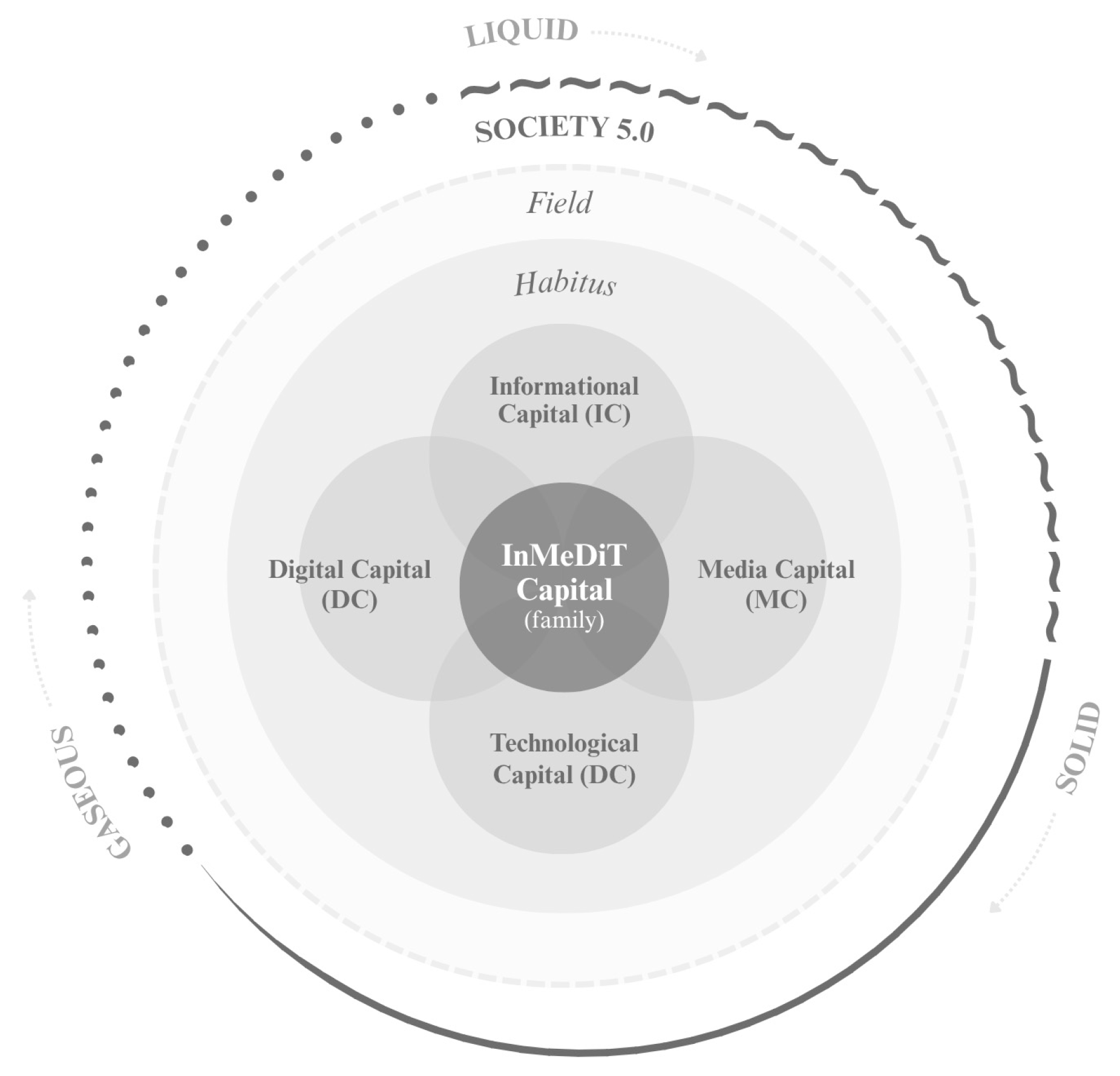
Figure 1. Configuration of InMeDiT Capital.
Societies 16 00164 g001
Table 1. Hybridisation of the capitals.
CriteriaInformational & Media CapitalInformational & Digital CapitalInformational & Technological CapitalMedia & Digital CapitalMedia & Technological CapitalDigital & Technological Capital
Main aspects
Support
Impact
Communication ecosystem is in constant transformation.Accurate and reliable data storage, processing, and transmission.Multichannel data flow.Interactivity allows audiences to become powerful actors who create content and influence the narratives.Permanent temporary connection to the media through technology.Overcoming physical and geographical barriers to access.
Competencies (knowledge, skills, and attitudes)
Main aspects
Access to information through different media languagesAvailability and use of data individually as raw materials of the 21st centuryAvailability of financial resources to obtain a device and connectionSocial media profile ownershipDevice ownership and media accessAvailability of differential resources
Support
Impact
The emergence of prosumersTransformation of the interaction between people and informationFragmentation of the information system: individual broadcasters and mass mediaReconfiguration of power structures and social relationshipsThe theory of social understanding of technology emerges andInternet cultures emergeChanges in the perception of space, time, and understanding of the world
Competencies (knowledge, skills, and attitudes)Ability to evaluate, filter, and apply informationAbility to manage connectionsAbility to use technology to access information, and vice versaAbility to mobilize digital and media literacyAbility to construct meaning through diverse media practices is mediated by technologyAbility to use technology through digital devices
Disclaimer/Publisher’s Note: The statements, opinions and data contained in all publications are solely those of the individual author(s) and contributor(s) and not of MDPI and/or the editor(s). MDPI and/or the editor(s) disclaim responsibility for any injury to people or property resulting from any ideas, methods, instructions or products referred to in the content.


