1. Introduction
Overtourism has emerged as a critical challenge in global tourism, describing situations where visitor numbers exceed a destination’s ecological, social, or infrastructural capacity, resulting in adverse impacts on local communities, the environment, and the destination’s image [
1,
2]. While the concept gained prominence before the COVID-19 pandemic, it has intensified in the last decade due to mass mobility, low-cost travel, and digital platforms promoting urban and heritage tourism hotspots [
3,
4]. Destinations such as Barcelona, Venice, Bali, and Phuket have experienced increased social conflict, pressure on infrastructure, and degradation of environmental quality, raising questions about sustainability, governance, and responsible visitor behavior [
5,
6,
7]. As tourism continues to recover post-pandemic, concerns have shifted from short-term resilience to long-term socio-environmental sustainability in overtouristed destinations [
8,
9,
10].
The existing scholarship predominantly approaches overtourism as a structural management problem, emphasizing solutions such as carrying capacity assessment, degrowth strategies, technological innovation, and destination governance frameworks [
5,
6]. Research highlights the need for managerial interventions that mitigate overcrowding, distribute tourists spatially, and reorient tourism development toward community well-being [
11,
12,
13,
14]. However, these macro-level approaches often overlook the role of individual ethical reasoning, environmental awareness, and behavioral motivation, which significantly influence sustainability outcomes at the micro-level [
15,
16,
17]. Scholars therefore argue that sustainable tourism transitions require not only institutional reforms but also shared ethical responsibility among tourism actors and visitors [
18,
19,
20].
Recent studies have begun to explore how ethics and environmental awareness shape pro-environmental behavior in tourism contexts, but empirical evidence remains fragmented and largely quantitative [
21,
22,
23]. Tourism behavior research highlights the influence of moral norms, ecological attitudes, and identity on environmentally responsible action [
24,
25], yet it remains unclear how these psychological factors operate in overtourism environments characterized by congestion, commercialization, and ecological stress. Moreover, post-pandemic research has largely concentrated on resilience narratives, lifestyle changes, and crisis recovery, rather than ethical transformation in tourism practices [
26,
27,
28]. This suggests a knowledge gap regarding how tourists perceive overtourism, how they negotiate moral responsibility, and whether environmental awareness translates into actionable behavioral intentions under real-world constraints.
Furthermore, the perspectives of local tourism actors—such as accommodation providers, tour operators, and community stakeholders—have received limited empirical attention. Their decision-making processes are shaped by economic pressures, institutional governance, and competing interests, yet their ethical values and sustainability practices significantly influence destination outcomes [
21,
22,
23]. Studies indicate that tourism actors often express support for sustainability principles but face structural barriers related to market competition, regulation, and consumer demand [
29,
30,
31]. Understanding how these actors interpret overtourism and engage with sustainability initiatives is crucial for designing equitable governance frameworks and fostering collaborative action [
32,
33,
34,
35]. However, few studies have conducted qualitative analyses that integrate tourist and stakeholder perspectives simultaneously.
This study addresses these gaps by examining how environmental awareness and ethical values shape behavioral intentions within an overtourism context through an integrated methodological approach. A PRISMA-based systematic literature review of 100 peer-reviewed articles (2015–2024) synthesizes theoretical insights on environmental ethics, responsible tourism, and behavioral mechanisms. To contextualize these findings, qualitative interviews were conducted with 10 domestic tourists and three tourism actors in Bali, a destination widely recognized as facing overtourism and sustainability challenges. By integrating cross-actor perspectives, this study reveals how ethical reasoning, environmental awareness, and contextual constraints shape behavioral intentions, offering a more nuanced sociological understanding of overtourism as a behavioral and ethical phenomenon rather than solely a managerial problem.
This research contributes theoretically by explaining how micro-level socio-psychological processes interact with macro-level structural pressures to enable or hinder sustainable behavior. Empirically, it provides grounded insights into how tourists and tourism actors internalize environmental and ethical concerns within an overtourism environment. Practically, it offers implications for ethical communication, participatory governance, and stakeholder collaboration to foster responsible tourism transitions. The findings address ongoing debates on tourism ethics, sustainability, and behavioral change, offering pathways for destinations seeking to rebuild tourism systems in socially and environmentally just ways.
This study demonstrates novelty by shifting the focus from structural management frameworks to behavioral and ethical dynamics, examining how environmental awareness, ethical values, and local practices shape behavioral intentions within overtourism settings. Unlike prior studies that rely on conceptual or quantitative models, this research employs a mixed qualitative–evidence approach, combining a systematic review of 100 peer-reviewed articles with field interviews involving domestic tourists and local industry stakeholders in Bali. This integrative design reveals how ethical reasoning and environmental awareness are experienced, contested, and enacted by different actors, providing nuanced insight into the translation of sustainability values into behavioral commitments. By combining tourist perspectives and stakeholder viewpoints, we advance the sociological understanding of overtourism as a behavioral and ethical challenge, not solely a managerial problem, and offer contextually grounded pathways for responsible tourism transitions.
The existing overtourism research primarily addresses managerial, technological, and structural responses such as carrying capacity, smart destination systems, and degrowth policies. However, limited attention has been paid to how tourists and tourism actors perceive overtourism, construct ethical meaning, and translate environmental awareness into behavioral intentions. Current literature lacks empirical evidence on the socio-psychological mechanisms through which ethics and awareness influence sustainable behavior in overtouristed destinations, particularly in the post-pandemic context. This study contributes novelty by integrating evidence from a systematic review of 100 peer-reviewed articles with qualitative interviews involving domestic tourists and local tourism actors in Bali, offering original insights into how ethical reasoning, awareness, and contextual constraints shape behavioral intentions within overtourism environments.
In this study, ethical awareness refers to moral reflection on responsibility toward destinations and host communities, environmental awareness denotes cognitive understanding of environmental impacts and destination vulnerability, and behavioral intention reflects willingness to engage in responsible or pro-environmental actions. Distinguishing these concepts analytically allows for clearer examination of their interactions under overtourism pressure.
Based on the identified gaps in overtourism research, this study is guided by the following research questions:
RQ1: How do tourists and tourism stakeholders perceive ethical responsibility and environmental awareness under overtourism pressure?
RQ2: How does ethical and environmental awareness interact with emotional responses, social norms, and institutional conditions to shape behavioral intention in overtourism contexts?
2. Literature Review
2.1. Overtourism, Sustainability, and Socio-Environmental Impacts
Overtourism has become a central concern in global tourism research, referring to conditions where tourist activity surpasses the ecological, social, or cultural carrying capacity of destinations [
36,
37,
38]. The consequences include environmental degradation, community displacement, commercialization of culture, and deterioration of visitor experience [
39,
40,
41,
42,
43,
44]. Destinations such as Barcelona, Venice, and Bali have experienced intensified socio-environmental pressures, leading scholars to call for a shift toward regenerative and just tourism systems [
45,
46,
47]. The environmental consequences of overtourism—such as waste generation, energy demand, coastal pollution, and biodiversity loss—have been widely documented and linked to unsustainable mass tourism models [
48,
49,
50].
In semi-peripheral economies, overtourism is further complicated by economic dependency on tourism, weak regulatory structures, and high informality, which limit systemic responses to sustainability threats [
29,
30,
51]. Therefore, managing overtourism requires multidimensional strategies that integrate environmental conservation, community well-being, and ethical consumption [
36,
37].
2.2. Ethics, Environmental Awareness, and Tourist Responsibility in Overtourism Contexts
Research on overtourism has increasingly acknowledged that the problem cannot be understood solely through destination capacity, infrastructure limits, or governance failure [
36,
52,
53]. While early studies emphasized crowding, resident irritation, and environmental degradation, more recent scholarship has begun to question the ethical responsibilities of tourists themselves within overtourism contexts [
37,
38,
41]. This shift reflects a broader recognition that the impacts of tourism are not only structurally produced but also behaviorally enacted through individual and collective choices.
Ethical considerations in tourism have traditionally been discussed within frameworks of responsible tourism, sustainable tourism, and moral obligation toward host communities and natural environments. However, much of this literature treats ethics as a normative ideal rather than an empirically grounded process. Studies often assume that tourists who have pro-environmental values will automatically behave responsibly, overlooking the situational pressures created by overcrowding, anonymity, and weakened social norms in overtourism settings. As a result, ethical awareness is frequently conceptualized as a stable personal attribute rather than a context-activated response [
54].
Environmental awareness plays a critical mediating role in this process. Prior research suggests that awareness of environmental consequences is a necessary—but insufficient—condition for responsible behavior. In overtourism destinations, visible indicators such as congestion, waste accumulation, ecosystem stress, and infrastructure overload can heighten tourists’ cognitive awareness of environmental vulnerability [
55,
56]. Nevertheless, heightened awareness does not consistently translate into ethical action, particularly when tourists perceive responsibility as diffuse or believe that individual behavior has limited impact. This awareness–action gap remains underexplored in overtourism research, especially from a qualitative and experiential perspective.
The value–belief–norm (VBN) theory provides a useful foundation for understanding ethical behavior in environmental contexts, emphasizing the progression from values to beliefs, norms, and ultimately behavioral intention. However, its application in overtourism research remains limited and often decontextualized. Existing studies rarely account for how overtourism pressure itself may act as a situational trigger that intensifies or suppresses ethical reflexivity. Similarly, social norm theory highlights the importance of perceived norms and enforcement but has seldom been combined with ethical awareness in tourism-specific settings [
57,
58,
59].
In summary, the literature reveals a conceptual gap in explaining how ethical awareness and environmental concern are experienced, negotiated, and enacted by tourists under overtourism pressure. Most studies remain abstract, quantitative, or policy-orientated, offering limited insights into the lived ethical dilemmas faced by tourists and tourism actors in crowded destinations. Addressing this gap requires an approach that captures ethical reasoning as a dynamic, situational process shaped by environmental cues, emotional responses, social norms, and institutional contexts—an approach adopted in the present study [
37,
52,
53,
60].
2.3. Behavioral Intention and the Ethics Action Gap in Overtourism Contexts
Behavioral intention has long been a central construct in tourism and pro-environmental behavior research, commonly used to predict responsible, sustainable, or ethical actions performed by tourists [
24,
61,
62,
63]. Within overtourism studies, behavioral intention is often examined indirectly through attitudes toward crowding, satisfaction, or support for management measures. However, this approach tends to simplify the complex psychological and contextual processes that shape how tourists decide to act in overcrowded destinations [
64,
65].
A recurring issue in the literature is the ethics action gap, where tourists express concern for environmental protection and destination sustainability but fail to translate these concerns into responsible behavior. Studies grounded in theories such as the Theory of Planned Behavior and value–belief–norm theory suggest that positive attitudes and moral norms increase the likelihood of ethical intention. Nevertheless, overtourism conditions introduce situational constraints—such as anonymity, perceived lack of control, time pressure, and normalized irresponsible behavior—that weaken the relationship between ethical awareness and action. As a result, ethical intention becomes highly contingent rather than stable [
66,
67,
68].
Emotional responses play a critical but underexamined role in shaping behavioral intention under overtourism pressure. Feelings such as guilt, discomfort, frustration, or empathy toward local communities may either motivate responsible behavior or, conversely, lead to disengagement and rationalization. Despite growing recognition of affective dimensions in tourism behavior, overtourism research has rarely integrated emotional engagement into models of ethical or pro-environmental intention. This omission limits our understanding of why similar levels of awareness produce divergent behavioral responses among tourists [
62,
69,
70].
Moreover, behavioral intention in overtourism contexts is strongly influenced by perceived social norms and institutional signals. When irresponsible behavior appears widespread or when rules are weakly enforced, tourists may interpret such contexts as implicit permission to disregard ethical considerations. Conversely, visible norms, clear guidelines, and consistent enforcement can legitimize ethical behavior and strengthen intention. These dynamics suggest that behavioral intention in overtourism settings is not merely an individual psychological outcome but a socially and institutionally mediated process.
Overall, the literature indicates that behavioral intention under overtourism pressure cannot be adequately explained through individual attitudes alone. Instead, it emerges from the interaction of ethical awareness, emotional engagement, social norms, and governance conditions. However, empirical research that captures these interactions holistically—particularly through qualitative inquiry—remains limited, underscoring the need for deeper exploration of behavioral intention as a situated ethical process.
2.4. Stakeholder Perspectives and Ethical Dilemmas in Tourism Industry Practice
Stakeholders—such as accommodation providers, tour operators, and community organizations—play a significant role in shaping sustainability outcomes. Research suggests that tourism actors generally support sustainability principles but struggle with economic pressures, consumer expectations, operational constraints, and regulatory gaps [
61,
63,
71]. Small tourism enterprises frequently prioritize short-term profitability over long-term sustainability, especially when operating under competitive conditions [
62].
Furthermore, sustainability adoption among tourism actors is influenced by knowledge, resources, governance capacity, and market demand [
64,
65,
72]. Collaboration between stakeholders is often weak, with competing interests undermining collective action [
34,
35]. Despite the importance of stakeholder practices, few studies integrate perspectives from both tourists and tourism actors, resulting in a fragmented understanding of ethical behavior in overtourism contexts.
Sustainability practices among tourism stakeholders often reflect a strong normative commitment but remain constrained by market realities, regulatory uncertainty, and resource limitations [
67,
73,
74]. Tourism actors frequently recognize the long-term benefits of adopting sustainable practices but struggle to enact them due to financial constraints, labor shortages, and short-term performance pressures, especially in competitive markets dominated by low-cost tourism models [
75,
76,
77,
78,
79]. In small and medium-sized enterprises (SMEs), sustainability is typically pursued voluntarily, and implementation tends to be incremental rather than transformational, shaped by owner attitudes, available knowledge, and perceived customer expectations [
80,
81,
82,
83,
84,
85].
Scholars highlight that sustainability in tourism enterprises is not merely an operational choice but a social practice shaped by routines, relationships, power dynamics, and cultural norms, meaning that change requires more than technical solutions [
86,
87]. The unequal distribution of resources between large corporate operators and smaller community-based enterprises further exacerbates vulnerabilities, reinforcing dependency on mass-market tourist flows [
88,
89,
90]. As a result, tourism actors often face ethical dilemmas, negotiating between environmental responsibility and livelihood security.
2.5. Synthesis of the Literature and Identification of Research Gaps
The preceding review demonstrates that overtourism research has developed along several largely parallel streams. On one hand, a substantial body of literature addresses overtourism as a structural and managerial problem, emphasizing carrying capacity, destination governance, technological solutions, and policy interventions [
5,
6,
34,
35]. On the other hand, research on ethics, environmental awareness, and pro-environmental behavior has advanced largely outside of overtourism-specific contexts, often assuming stable moral dispositions and rational decision-making.
What remains insufficiently explored is the intersection of these streams: how ethical awareness and behavioral intention are formed, activated, and constrained within the lived realities of overtourism. Existing studies rarely examine how tourists and tourism actors experience ethical responsibility under conditions of crowding, environmental stress, and weakened social norms. As a result, ethical considerations are frequently treated as abstract principles rather than dynamic processes shaped by situational pressure [
74,
91,
92].
Furthermore, the application of pro-environmental behavior theories in overtourism research remains limited and often decontextualized. Frameworks such as value–belief–norm theory and social norm theory offer valuable explanatory tools but have not been sufficiently adapted to account for the specific conditions of overtourism, including emotional overload, diffusion of responsibility, and institutional ambiguity. This theoretical gap restricts our understanding of why ethical awareness does not consistently translate into responsible behavioral intention in overcrowded destinations.
In addition, much of the existing empirical evidence relies on quantitative survey designs, providing limited insight into the mechanisms through which ethical reasoning, awareness, emotion, and context interact. Qualitative, theory-building research that captures these interactions from the perspectives of both tourists and tourism stakeholders remains scarce, particularly in destinations experiencing sustained overtourism pressure [
73,
93,
94].
Addressing these gaps, the present study integrates a systematic literature review with a qualitative inquiry to explore tourist ethics and environmental awareness as situational, socially mediated processes. By examining how ethical reflexivity, emotional engagement, social norms, and institutional conditions shape behavioral intention in an overtourism context, through this work, we contribute to a more nuanced, sociologically grounded understanding of overtourism and respond directly to unresolved debates in the literature [
66,
95,
96].
Despite the rapid growth in overtourism research, existing studies remain dominated by macro-level structural and managerial perspectives, with limited qualitative insights into how ethical reasoning and environmental awareness are experienced and negotiated by tourism actors and tourists under real-world overtourism pressure. While quantitative studies have examined attitudes and intentions, there is a notable lack of exploratory qualitative research that explains how ethical reflexivity, emotional responses, and contextual constraints shape behavioral intention in overtourism settings. This study addresses this gap by providing theory-building qualitative insights into the socio-ethical mechanisms through which overtourism pressure influences behavioral intention, rather than aiming for statistical generalization.
3. Methodology
3.1. Research Design
This study employed a sequential exploratory mixed-method design, combining a Systematic Literature Review (SLR) with qualitative field research [
97,
98]. The SLR was conducted to identify dominant themes, methodological trends, and research gaps related to tourist ethics, environmental awareness, and behavioral intention under overtourism conditions. The qualitative phase subsequently explored how these issues are experienced and negotiated by tourists and tourism stakeholders in a real-world overtourism context. This design enables a robust linkage between macro-level scholarly discourse and micro-level lived experience.
The SLR established foundational theoretical constructs and research gaps, while the qualitative study provided empirical insights into lived experiences, meanings, and practices among actors in Bali. The integration of both components enabled us to achieve a comprehensive understanding of the relationship between ethical awareness, contextual constraints, and behavioral intention in overtouristed destinations.
The qualitative phase of this study was exploratory and theory-building in nature and did not aim for statistical representativeness. Instead, it sought to generate in-depth, context-sensitive insights into ethical awareness and behavioral intention under overtourism pressure. Accordingly, the qualitative findings are interpreted as explanatory and context-specific, consistent with established qualitative research standards, rather than as generalizable empirical claims. The qualitative phase is designed to generate context-sensitive insights into ethical awareness and behavioral intention under overtourism pressure, thereby contributing to conceptual understanding rather than population-level generalization.
3.2. Study Area
This study was conducted in Bali, Indonesia, a globally prominent tourism destination that has experienced sustained tourism growth alongside increasing overtourism pressure over the past decade. Bali represents an analytically relevant case due to its high visitor density, environmental sensitivity, cultural significance, and strong economic reliance on tourism activities. Before the COVID-19 pandemic, Bali received more than six million international tourists annually, in addition to substantial domestic tourist flows, placing significant pressure on infrastructure, natural resources, and local communities [
99].
Tourism constitutes a central pillar of Bali’s regional economy, contributing a substantial share of employment opportunities and regional gross domestic product. The province’s economic structure reflects a high level of dependency on tourism-related sectors, including accommodation, food services, transportation, and cultural attractions, which increases vulnerability to tourism-related shocks and intensifies sustainability challenges [
100,
101]. This economic dependence reinforces the importance of examining ethical responsibility and behavioral intention among both tourists and tourism actors operating within the destination [
102,
103,
104,
105].
In recent academic and policy discourse, Bali has been frequently identified as a destination experiencing overtourism, particularly in high-traffic coastal zones, cultural heritage sites, and urban tourism hubs. Empirical studies document symptoms such as congestion, waste management challenges, ecosystem stress, commercialization of cultural spaces, and growing regulatory intervention aimed at managing visitor behavior [
44,
106,
107,
108,
109]. These conditions provide a context in which ethical responsibility, environmental awareness, and behavioral decision-making are continuously negotiated by tourists and tourism stakeholders [
108,
110,
111].
Bali was therefore selected as the study area because overtourism impacts are both highly visible and directly experienced by multiple actors. The presence of environmental degradation, crowding, and governance responses creates a setting in which ethical awareness and behavioral intention are not abstract concepts but are shaped through lived experience. This makes Bali a suitable empirical context for exploring how environmental awareness and ethical reasoning interact with social norms and institutional conditions to influence behavioral intention under the pressure of overtourism.
3.3. Systematic Literature Review Procedure
The systematic literature review followed the PRISMA 2020 guidelines to ensure transparency, rigor, and replicability. Searches were conducted in Scopus, Web of Science, and Google Scholar between January and March 2024. The search string applied across databases was (“overtourism” OR “tourism pressure”) AND (“ethics” OR “moral responsibility” OR “environmental awareness” OR “pro-environmental behavior”).
This study employed a Systematic Literature Review (SLR) approach to comprehensively synthesize existing research related to the topic under investigation. The review process followed the PRISMA 2020 guidelines (Preferred Reporting Items for Systematic Reviews and Meta-Analyses) to ensure transparency, replicability, and methodological rigor in identifying, screening, and selecting relevant studies. The PRISMA framework structures the literature selection process into four main stages: identification, screening, eligibility, and inclusion [
112]. The inclusion criteria were (a) peer-reviewed journal articles, (b) published between 2015 and 2024, (c) a tourism context, and (d) explicit discussion of ethics, environmental awareness, or behavioral outcomes. The exclusion criteria included non-tourism studies, purely technical papers, conceptual commentaries without analysis, and inaccessible full texts.
After duplicate removal, 285 records were screened, 105 full texts were assessed for eligibility, and 100 studies were included in the final qualitative synthesis. Data extraction focused on the publication year, methodology, geographical scope, theoretical framework, and key findings. The systematic literature review followed the PRISMA 2020 guidelines to enhance transparency, reproducibility, and rigor in evidence synthesis. The innovative contribution of this study lies in applying PRISMA not only as a reporting tool but also as an analytical framework to systematically identify conceptual gaps in overtourism research, particularly regarding the ethical and behavioral dimensions that remain underexplored in predominantly managerial debates. The review was limited to studies published since 2015, as this period marks the consolidation of overtourism as a distinct concept in tourism research and the expansion of scholarly debate on its social, ethical, and environmental implications.
The systematic literature review was limited to English-language publications to ensure consistency in academic quality and accessibility. While this approach may underrepresent regionally grounded scholarship, it aligns with common practices in systematic reviews and is acknowledged as a limitation of the study. Insights from the systematic literature review informed the development of the qualitative interview guide by identifying recurring themes related to ethics, environmental awareness, social norms, and governance, which were subsequently explored in depth during interviews and focus group discussions.
3.4. Qualitative Data Collection
Semi-structured interviews lasted between 45 and 75 min and followed a guide covering perceptions of overtourism, ethical responsibility, environmental awareness, behavioral dilemmas, and governance effectiveness. Focus groups were conducted only when participants explicitly preferred collective discussion and involved 3–4 participants per session. Field observations focused on crowd density, rule communication, and visible environmental stress in high-traffic areas. Data were analyzed using thematic analysis, with coding conducted iteratively until thematic saturation was achieved. Stakeholder participants included small- and medium-scale accommodation providers and tourism service operators operating in high-traffic tourism areas. These participants were directly involved in managing visitor flows, service delivery, and environmental practices, providing contextually grounded perspectives on overtourism dynamics and ethical challenges at the destination level.
3.5. Sampling Strategy
The qualitative sampling strategy was purposive and criterion-based, designed to capture information-rich cases relevant to the study objectives. Participants were selected based on predefined eligibility criteria, including direct exposure to overtourism conditions and active involvement as tourists or tourism stakeholders. Sampling proceeded iteratively and was guided by thematic saturation, whereby data collection continued until recurring patterns and mechanisms related to ethical awareness and behavioral intention were consistently observed. Sample adequacy was therefore determined based on analytical depth rather than numerical representativeness.
After a systematic review, the qualitative phase used purposive maximum-variation sampling with criterion-based recruitment for data collection. We collected tourists’ accounts of their ethics and awareness of the environment in the context of excessive tourism. Individuals qualified for inclusion if they were 18 years old or older and had traveled to a high-traffic area within the last 6–12 months where regulations on crowding and environmental/cultural behavior were followed. To acquire a variety of responses, we targeted both first-time and repeat tourists and both local and foreign tourists, and responses were balanced between high- and medium-crowd experiences. Qualitative interviews were conducted with three key stakeholders, including accommodation and tourism service providers, and 10 domestic tourists, and we proceeded with theoretical sampling, recruiting additional participants to modify, confirm, or disconfirm emerging patterns up to the point of thematic saturation. The data were collected from semi-structured interviews, focus groups (if desired by the participants), and short field observations of crowded areas and the communication of rules to increase the reliability and applicability of the results. Thematic saturation was assessed iteratively during data collection and analysis, with sampling concluding once no substantively new themes emerged. Stakeholder participants included small- and medium-scale accommodation providers and tourism service operators operating in high-traffic areas, providing contextually grounded perspectives on overtourism dynamics.
The qualitative component of this study was exploratory and theory-building in nature and not designed to achieve statistical representativeness. In line with qualitative research principles, sample adequacy was guided by analytical depth and thematic saturation rather than sample size. The inclusion of domestic tourists and tourism stakeholders was intended to capture diverse perspectives and identify recurring patterns related to ethical awareness and behavioral intention under overtourism pressure. Accordingly, the findings are interpreted as context-specific insights that contribute to conceptual understanding rather than generalizable population-level conclusions. Sample adequacy was determined through thematic saturation, whereby data collection continued until recurring patterns and mechanisms related to ethical awareness and behavioral intention were consistently observed, rather than via numerical representativeness. Stakeholder participants (N = 3) were selected using purposive, criterion-based sampling. The eligibility criteria included: (1) active involvement as accommodation providers or tourism service operators; (2) operation at a small- to medium-scale level; (3) direct responsibility for managing visitor flows, service delivery, or environmental practices in high-traffic tourism areas. These criteria ensured that stakeholder participants had firsthand operational experience with overtourism dynamics.
3.6. Data Analysis
All qualitative data were analyzed using thematic analysis. Coding was conducted iteratively, moving from open coding to axial and selective coding. Data collection continued until thematic saturation was achieved. Triangulation across interviews, focus groups, and observations enhanced credibility and analytical robustness.
To enhance methodological transparency, the roles of participating stakeholders and the recruitment criteria for domestic tourists were explicitly defined. The stakeholder group comprised accommodation providers and tourism service operators who were directly involved in managing visitor flows, service delivery, and environmental practices in high-traffic tourist areas in Bali. These stakeholders were selected due to their operational exposure to overtourism pressure and their active role in shaping visitor behavior and sustainability practices at the destination level.
Domestic tourists were recruited using purposive, criterion-based sampling. Participants were eligible if they were aged 18 years or older and had visited overtourism-affected destinations in Bali within the last 6–12 months. Eligibility further required direct exposure to high crowd density, visible environmental stress, or behavioral regulations related to overtourism management. This criterion ensured that participants’ reflections were grounded in recent and relevant experiential contexts rather than abstract perceptions. To improve transparency and facilitate interpretation,
Table 1 presents a summary of participant profiles, including participant type, functional role, and level of overtourism exposure.
A detailed summary of qualitative participant profiles, roles, and levels of overtourism exposure is provided in
Table 1, ensuring transparency in sampling and facilitating the interpretation of the empirical findings in relation to overtourism conditions.
Levels of overtourism exposure were assessed based on self-reported crowd density, observed environmental stress, and perceived regulatory presence during the most recent visit (within the last 6–12 months).
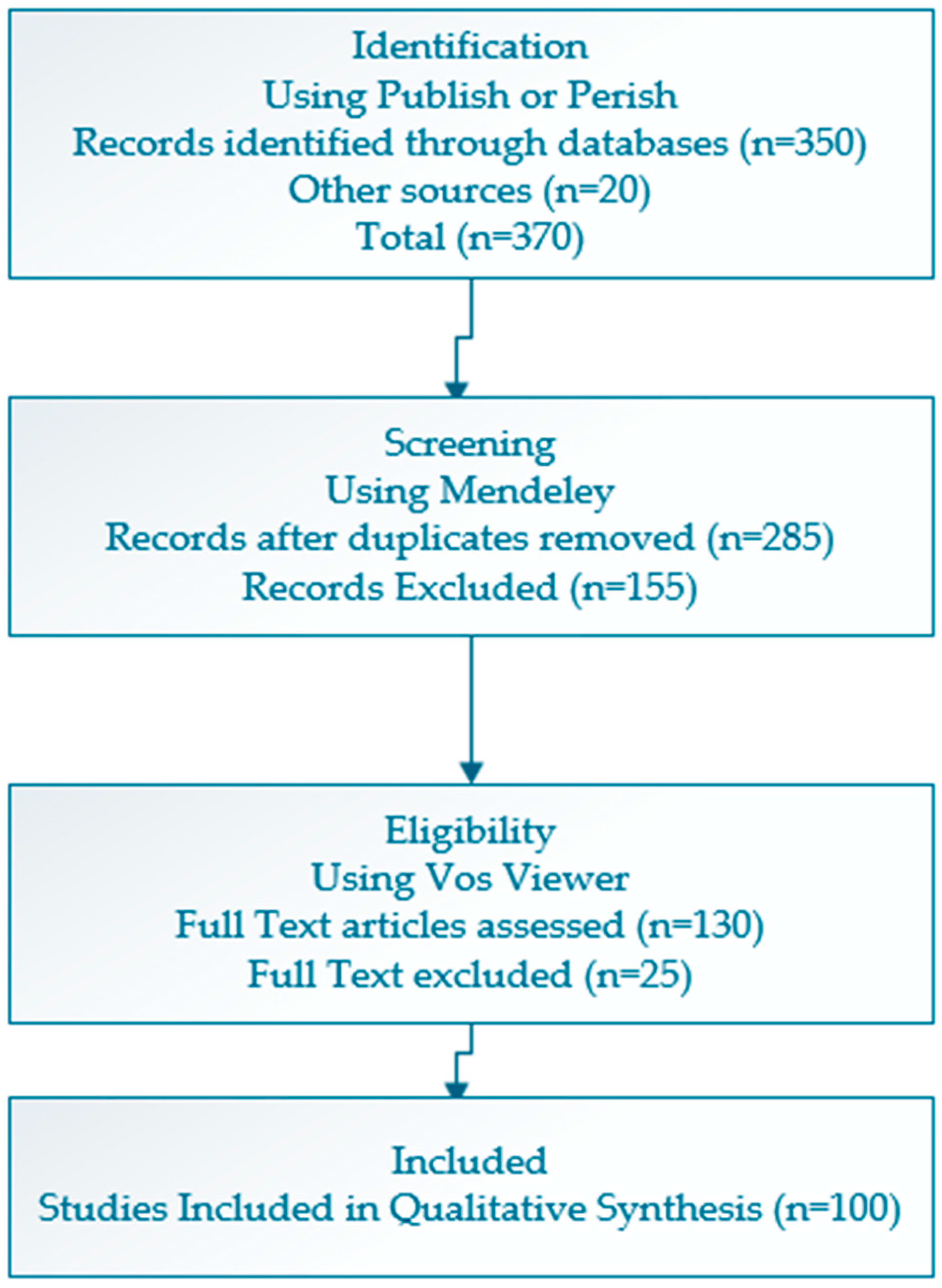
3.7. PRISMA 2020 Flow Diagram Description
Records were identified through database searches in Scopus, Web of Science, and Google Scholar (n = 350), with additional records identified through reference list screening (n = 20), resulting in a total of 370 records. After duplicate removal, 285 records remained for title and abstract screening. At this stage, 180 records were excluded due to irrelevance to overtourism, absence of an ethical or environmental behavioral focus, or non-tourism contexts.
The full texts of 105 articles were assessed for eligibility. Five articles were excluded during full-text assessment for the following reasons: an insufficient focus on ethical or environmental behavioral dimensions (n = 2), conceptual discussion without analytical contribution (n = 2), and the full text being inaccessible (n = 1). Consequently, 100 studies met the inclusion criteria and were included in the qualitative synthesis.
This study complies with the PRISMA 2020 guidelines for systematic reviews. All required elements—including review rationale, objectives, eligibility criteria, information sources, search strategy, selection process, synthesis methods, and discussion of limitations—are transparently reported in the manuscript. The study selection process is illustrated using the PRISMA 2020 flow diagram (
Figure 1), which details the identification, screening, eligibility, and inclusion stages of the review.
This diagram illustrates the number of records identified, screened, assessed for eligibility, and included in the qualitative synthesis, together with the reasons for exclusion at each stage.
4. Results
The results are presented as empirically grounded themes derived from the qualitative analysis and are intended to explain the underlying mechanisms rather than to measure prevalence or frequency. Each theme reflects recurring patterns observed across interviews, focus groups, and field observations and is supported by consistent participant narratives. The presentation emphasizes analytical clarity by distinguishing descriptive findings from interpretive discussion, which is addressed in the subsequent section. The qualitative results are presented as analytically derived themes, intended to explain underlying ethical and behavioral mechanisms rather than to indicate prevalence or population-level trends. This section presents the empirical findings derived from the qualitative analysis as clearly defined themes emerging from interviews, focus group discussions, and field observations. The results are reported descriptively to illustrate recurring patterns in participants’ experiences and perceptions.
Theme 1. Ethical Reflexivity under Overtourism Pressure.
Several participants described experiences of moral reflection when confronted with overcrowding and visible environmental stress. One domestic tourist noted,
“When the place becomes too crowded and dirty, I start questioning whether my visit is actually contributing to the problem rather than supporting the destination.”
(Domestic tourist)
Theme 2. Environmental Awareness and Emotional Engagement.
Environmental awareness was often accompanied by emotional responses such as concern, guilt, and empathy. One participant explained,
“Seeing the waste and congestion made me feel uncomfortable and more aware of how fragile the environment is.”
(Domestic tourist)
Theme 3. Social Norms and Institutional Enforcement.
Stakeholders emphasized the importance of clear rules and enforcement in shaping tourist behavior. As one tourism service operator stated,
“Tourists are more likely to behave responsibly when there are clear rules, and they see that those rules are actually enforced.”
(Tourism stakeholder)
Building on the empirical themes presented above, the
Section 5 interprets these findings in relation to existing theories on pro-environmental behavior, ethics, and overtourism governance.
4.1. Descriptive Results of the Systematic Literature Review
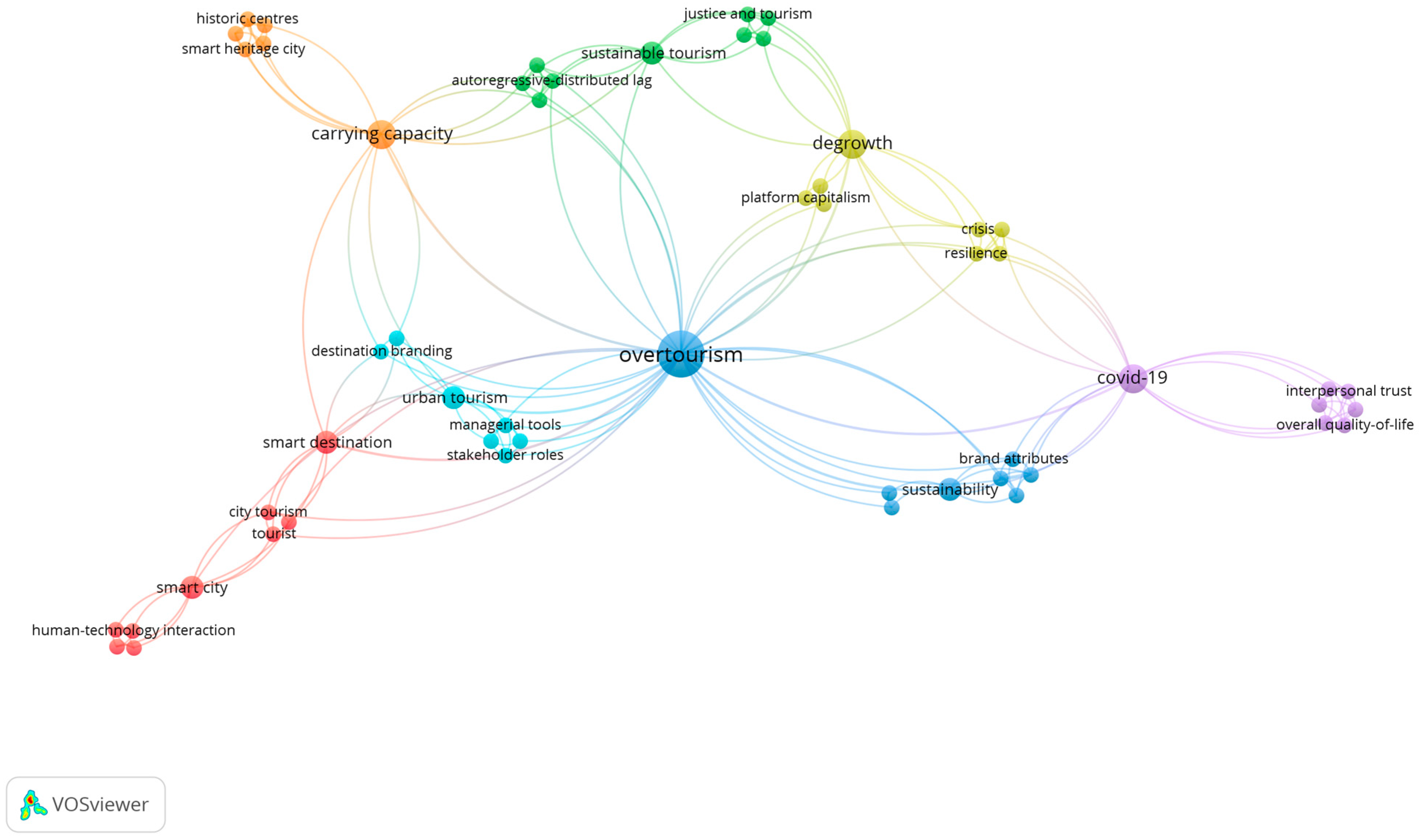
The network visualization reveals that overtourism is the central construct connecting multiple research clusters, such as carrying capacity, degrowth, smart destinations, COVID-19, resilience, sustainability, and urban tourism. The strongest clusters reflect a structural and managerial orientation, focusing on destination capacity, smart technologies, platform capitalism, and governance tools. However, individual-level psychological and ethical mechanisms are not present as dominant nodes in the network. Concepts related to tourist ethics, moral responsibility, environmental awareness, and behavioral intention are absent or under-represented, indicating that existing studies address overtourism as a structural management problem rather than a behavioral or ethical phenomenon. This gap suggests insufficient attention to how tourists perceive, evaluate, and respond to overtourism pressures and how such perceptions translate into sustainable or unsustainable behavioral intentions. Node size represents the frequency of keyword occurrence, while link thickness indicates the strength of co-occurrence relationships between keywords. The color scale reflects thematic clustering, with nodes sharing the same color belonging to the same research cluster. Higher node density indicates concepts that are more central and frequently connected within the overtourism research network (
Figure 2).
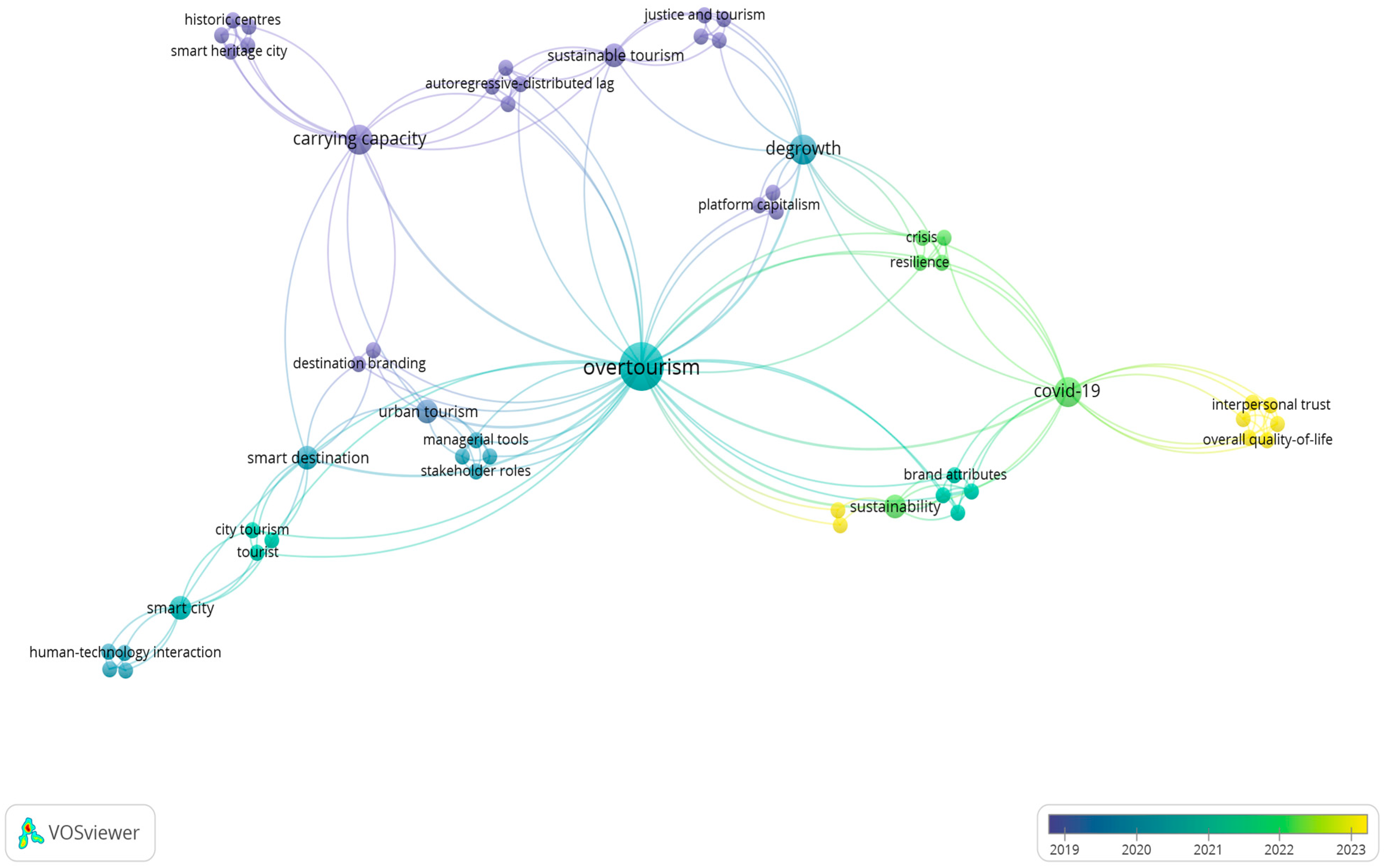
The overlay map shows an evolution in research topics from carrying capacity and smart destination approaches (2019–2020) toward COVID-19, resilience, and sustainability (2021–2023). More recent publications highlight resilience, brand attributes, quality of life, and sustainability, but still remain structured around systemic adaptation and destination recovery and not ethical transformation or behavioral change. The absence of emerging terms related to environmental ethics, pro-environmental identity, moral norms, or ethical consumption suggests that, despite the pandemic reshaping tourism discourse, research still prioritizes macro-level recovery strategies over micro-level ethical behavior. Therefore, there is a temporal gap where post-pandemic tourism scholarship has not sufficiently integrated socio-psychological determinants of environmental behavior into overtourism debates. Node size represents the frequency of keyword occurrence, while link thickness indicates the strength of co-occurrence relationships. The color gradient reflects the average publication year of keywords, ranging from earlier studies (cooler colors) to more recent studies (warmer colors). This visualization illustrates the temporal evolution of research themes within overtourism scholarship (
Figure 3).
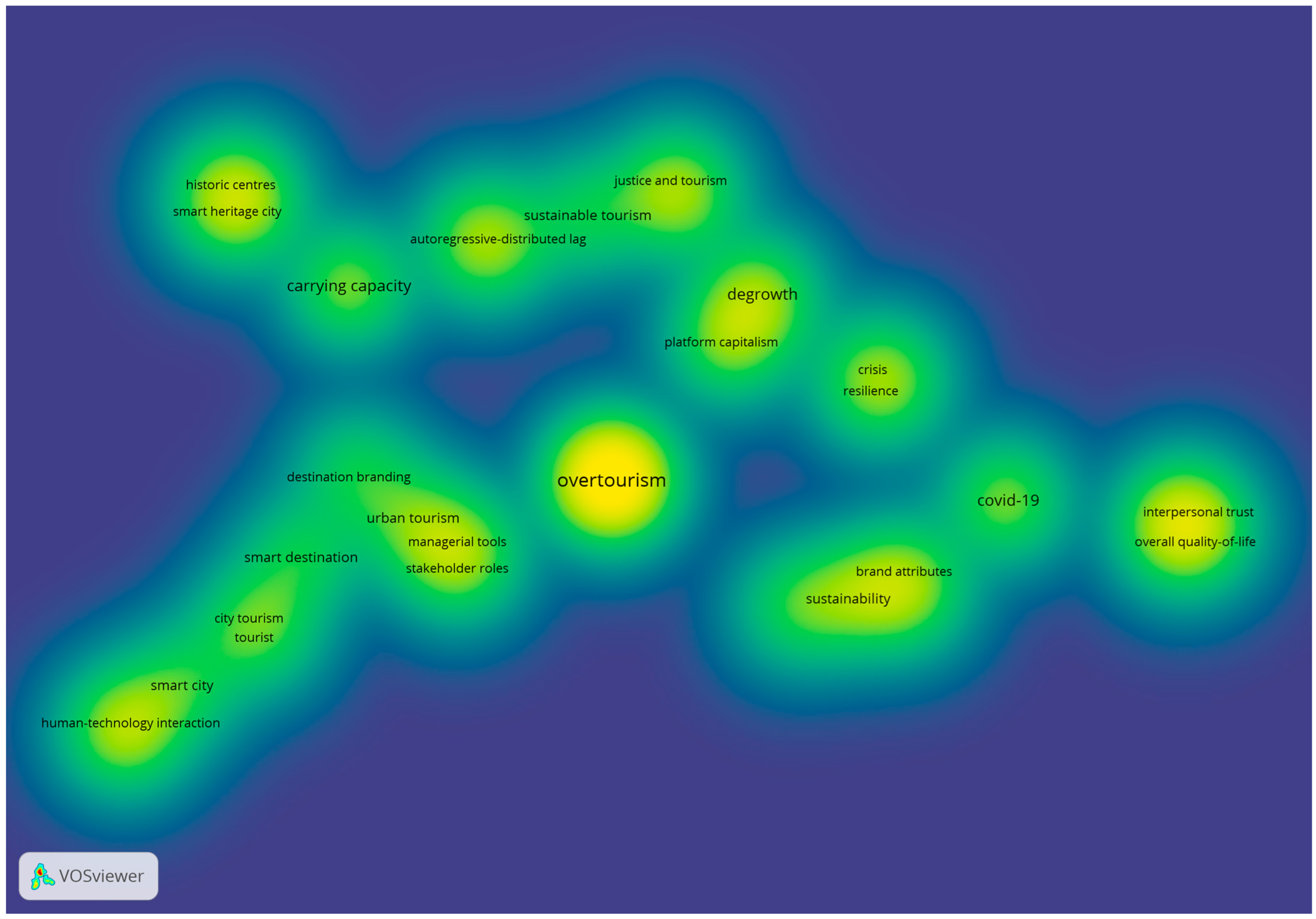
The density visualization highlights research hotspots around overtourism, sustainability, degrowth, and carrying capacity, while peripheral nodes such as human–technology interaction, smart destination, interpersonal trust, and quality of life are weakly connected. Missing hotspots include tourist ethics, environmental awareness, collective responsibility, or behavioral intention, indicating that these concepts have not emerged as core research areas despite their importance in sustainability transitions. The heat concentration around managerial, technological, and resilience-based constructs implies that current research has not adequately explored how individual beliefs, ethical values, and awareness influence behavioral outcomes in overtourism contexts. The color intensity represents the density of keyword occurrence and co-occurrence within the research network, with warmer colors indicating areas of higher research concentration and cooler colors indicating less frequently explored themes. This visualization highlights dominant research hotspots, as well as underexplored areas, within overtourism studies (
Figure 4).
The reviewed literature shows a sharp increase in overtourism-related publications after 2019, with a notable post-pandemic surge (2021–2023). Most studies employed quantitative survey methods (approx. 55%), followed by qualitative approaches (30%) and mixed-method designs (15%). Geographically, research is concentrated in Europe and East Asia, with limited representation of Global South destinations. This distribution highlights a methodological and contextual imbalance in overtourism research.
Despite the rapid expansion of the overtourism literature, the existing research remains dominated by managerial, technological, and structural perspectives, emphasizing solutions such as carrying capacity management, smart destination systems, degrowth strategies, and resilience planning. While these approaches provide critical macro-level insights, they overlook the role of individual-level ethical reasoning and environmental awareness in shaping tourism practices. Empirical evidence on how tourists interpret overtourism, how they negotiate moral responsibility, and how these processes influence behavioral intentions remains limited. Moreover, little is known on the perspectives of local tourism actors, whose decisions shape visitor experiences and sustainability outcomes. This limited understanding of the micro-level socio-psychological processes underlying pro-environmental behavior represents a significant knowledge gap in overtourism scholarship.
The results show that overrated tourism pressure always induces greater ethical awareness among tourists, especially in places characterized by apparent overcrowding and environmental stress. Moral uneasiness was frequently reported by the respondents when they saw congestion, littering, and the breaking of local laws. This awareness of ethics emerged in a given situation but not as a permanent personality characteristic. Most of the tourists declared that these experiences made them think about their participation in the destruction of the destination. The same has been observed in studies that identified a relationship between perceived crowding and moral responsibility in the context of tourism [
41,
42].
The research showed that the public awareness of the environment increased when there was an excessive number of tourists and when people could see damage to the environment. Tourists paid greater attention to rubbish and to the usage of resources and conservation signs when there was a high number of visitors. This was further heightened where they assessed themselves against what others were doing. Respondents reported that seeing people behave irresponsibly made them more conscious of the environment. These results are in line with previous studies that indicate that perceiving an issue makes people care more about it.
Tourists made choices based on both ethical concern and environmental awareness. Participants with both high moral concern and environmental knowledge were more likely to show strong intentions to act responsibly. Moral concern by itself failed to produce behavioral intention unless people were aware of environmental effects. The two dimensions work together through their complementary functions. Previous studies [
44,
56] have found comparable interaction effects in pro-environmental tourism behavior research.
Social customs influenced the ways in which people responded to overtourism pressure. Tourists changed their behavior according to the behavior of others in crowded areas. Seeing responsible behavior among other tourists encouraged them to try and do the right thing, whereas witnessing violations of norms reduced this motivation. The research shows that overtourism renders social norms more influential. Our results agree with the social norm theory dealing with environmental conduct [
45].
The link between knowing what was right and doing the right thing depended on how obvious the rules were and how much control was put in place. When the regulations were clearly defined and closely monitored, tourists were more likely to report that they were willing to comply with them. In areas where law enforcement was not intense, knowledge of right and wrong did not contribute to making tourists act correctly. This shows that the ethical behavior of tourists depends on the circumstances of institutions. Comparable conclusions have been drawn in sustainability governance research [
46].
Emotional response was shown to be a mediator of the relationship between ethical feelings and the decision to act. Tourists who felt environmental deterioration were likely to have a stronger desire to make the right choices. Such feelings were based on seeing the environmental damage or experiencing the problems faced by the community. Feelings of guilt, fear and worry, and empathy assisted the tourists in deciding to behave ethically. This is consistent with previous studies showing these feelings as favorable in encouraging tourists to make environmentally friendly decisions.
4.2. Linking Systematic Review Gaps with Empirical Mechanisms
The systematic literature review reveals that overtourism research has predominantly emphasized structural, managerial, and technological responses, such as carrying capacity management, smart destination systems, governance innovation, and resilience planning. Bibliometric visualizations (
Figure 1,
Figure 2 and
Figure 3) demonstrate that concepts related to tourist ethics, environmental awareness, moral responsibility, and behavioral intention remain peripheral or absent within dominant research clusters. This indicates a significant gap in understanding how individual-level ethical reasoning and awareness processes operate within overtourism contexts and how these processes translate into behavioral intention under real-world pressure.
Our qualitative findings directly respond to this gap by uncovering the socio-ethical mechanisms through which overtourism pressure is interpreted and negotiated by tourists and tourism actors. Firstly, overtourism functions as a situational trigger that heightens ethical reflexivity, prompting individuals to critically evaluate their own role in environmental degradation and social disruption. Unlike the abstract ethical constructs often discussed in prior quantitative studies, participants’ ethical awareness emerged dynamically through direct exposure to crowding, visible environmental damage, and perceived rule violations. This finding extends the literature by showing that ethical concern in overtourism settings is context-activated rather than dispositional.
Secondly, the qualitative analysis reveals that environmental awareness operates as a necessary cognitive bridge between ethical concern and behavioral intention. While moral unease was frequently expressed, responsible behavioral intention only materialized when participants had sufficient understanding of environmental consequences and destination vulnerability. This mechanism directly addresses the SLR-identified absence of micro-level behavioral pathways by demonstrating how awareness transforms moral judgment into actionable intention, supporting and extending value–belief–norm and pro-environmental behavior theories within overtourism conditions.
Thirdly, the findings highlight the decisive role of social norms and institutional enforcement in shaping ethical behavior. The SLR identified governance as a dominant macro-level theme yet rarely connected it to individual behavior. The empirical results bridge this divide by showing that ethical intention is highly contingent upon visible norms, rule clarity, and enforcement intensity. In environments where regulations were ambiguous or weakly enforced, ethical awareness alone was insufficient to sustain responsible behavior. Conversely, clear institutional signals and consistent monitoring legitimized ethical expectations and reinforced compliance.
Emotional responses such as guilt, empathy, fear of loss, and concern for community well-being emerged as mediating forces linking awareness and intention. This affective dimension, largely under-represented in overtourism scholarship, explains why awareness does not automatically lead to action and how emotional engagement can close the intention–behavior gap. Together, these mechanisms empirically substantiate the ethical and behavioral blind spots identified in the systematic review and demonstrate how overtourism should be understood not only as a management challenge but as a socio-ethical condition that shapes human behavior.
Building on the integration of systematic review insights and qualitative evidence, this study proposes an integrated ethical–behavioral model of overtourism. The model conceptualizes overtourism pressure as a contextual catalyst that activates ethical reflexivity and environmental awareness among tourists and tourism actors. Ethical concern alone is insufficient to generate responsible behavioral intention unless supported by environmental knowledge, emotional engagement, and enabling social and institutional conditions. Social norms and governance structures function as boundary conditions that either reinforce or undermine ethical intention, while emotional responses mediate the transition from moral awareness to action. This integrated model extends existing pro-environmental behavior theories by embedding them within overtourism-specific contexts characterized by congestion, visibility of harm, and regulatory ambiguity. In doing so, the model challenges dominant structural and capacity-based approaches by demonstrating that sustainable outcomes depend on the interactions among ethical cognition, affective response, social influence, and institutional design.
The qualitative analysis identified several recurring themes that describe how tourists and tourism stakeholders experience and respond to overtourism pressure. These themes emerged consistently across interviews, focus group discussions, and field observations and are presented below without interpretive inference. Firstly, participants frequently reported heightened awareness of environmental degradation in overtourism settings. Crowding, waste accumulation, and visible ecosystem stress were commonly cited as triggers for increased attention to environmental issues. Secondly, ethical concern emerged as a situational response rather than a stable personal attribute. Tourists and stakeholders described moral discomfort when observing irresponsible behavior or perceived harm to local communities and environments.
Thirdly, participants identified social norms and regulatory visibility as influential contextual factors shaping behavioral intention. Clear rules and visible enforcement were associated with higher willingness to comply, while ambiguity reduced ethical motivation. Fourthly, emotional responses such as guilt, empathy, and concern for destination sustainability were frequently expressed, particularly when environmental impacts were directly observable.
5. Discussion
The findings of this study extend existing overtourism and pro-environmental behavior frameworks by refining how ethical and behavioral processes operate under conditions of overtourism pressure. In particular, the results build on value–belief–norm (VBN) theory by demonstrating that overtourism pressure functions as a contextual trigger that intensifies ethical reflexivity and emotional engagement rather than merely shaping abstract values or beliefs. In addition, the findings complement social norm theory by showing that visible norms and institutional enforcement play a decisive role in determining whether ethical awareness translates into behavioral intention. Together, these insights highlight the interaction between individual moral evaluation and contextual governance structures in shaping tourist behavior.
This study advances the overtourism scholarship by offering a clearer theoretical articulation of how ethical and behavioral dynamics operate under conditions of excessive tourism pressure. Building on existing pro-environmental behavior frameworks, particularly Value–Belief–Norm theory, the findings demonstrate that overtourism pressure functions as a contextual trigger that activates ethical reflexivity and emotional engagement rather than merely shaping attitudes in abstract terms. Exposure to crowding, visible environmental degradation, and regulatory ambiguity intensifies moral evaluation, prompting individuals to reassess their responsibility toward destinations and host communities.
Beyond extending existing frameworks, the findings challenge dominant structural and managerial approaches to overtourism that prioritize capacity control, technological solutions, and governance instruments while underestimating human agency. The results show that ethical reasoning, social norms, and institutional enforcement play a central role in shaping behavioral intention, mediating the relationship between awareness and action. Ethical concern alone is insufficient; behavioral intention emerges through interactions among moral judgment, emotional response, visible social norms, and supportive governance structures.
Drawing on these insights, we propose an integrated ethical–behavioral model of overtourism, in which overtourism pressure initiates ethical awareness and emotional engagement, while social and institutional contexts determine whether these processes translate into responsible behavioral intention. This model provides a more comprehensive explanation of tourist behavior in overtourism settings and contributes to sociological debates on sustainability by repositioning overtourism as an ethical and behavioral phenomenon rather than solely a managerial challenge.
The findings indicate that overtourism pressure functions not only as a management challenge but also as a socio-ethical condition that activates moral reflection and awareness. Consistent with pro-environmental behavior theories, ethical concern and environmental awareness emerged as important precursors to behavioral intention. However, the results demonstrate that awareness alone is insufficient unless supported by emotional engagement and enabling institutional conditions.
The findings extend Value–Belief–Norm theory by demonstrating that overtourism pressure operates as a contextual trigger that intensifies ethical reflexivity and emotional response. Unlike abstract environmental concern, ethical awareness in overtourism contexts is situational and shaped by visible environmental harm and social interaction.
Furthermore, the results challenge dominant structural approaches to overtourism by showing that governance instruments and capacity management alone cannot explain behavioral intention. Ethical reasoning, social norms, and enforcement mechanisms interact dynamically to determine whether awareness translates into responsible behavior.
The research adds to the overtourism body of knowledge by showing that the pressure exerted by visitors is not just a dissatisfaction factor but a moral and social motivator. The tourists did not just experience crowding but actively judged their own conduct in terms of ethics. The findings corroborate that overtourism induces in tourists a sense of ethical reflexivity. These findings challenge capacity-based models, as they ignore the moral dimension. They support the notion that tourism ethics are context-specific and socially constructed [
41,
77].
Environmental knowledge and behavioral intention have a strong relationship that demonstrates the applicability of value–belief–norm theory to overtourism situations. The awareness of an issue transforms abstract moral concerns into practical intentions. An individual’s moral concern is merely a symbol when they do not understand environmental issues. The importance of interpretive communication and education becomes evident when destinations are crowded. Previous research demonstrates that awareness is a crucial element in transforming behavior [
44,
56].
Social norms make overtourism a behavioral trend. Visitors are highly dependent on other people’s actions when deciding how to behave in crowded areas. This leads to a quick growth in bad behavior in densely populated tourist locations. Sustainable tourism management requires effective control of visible norms. The results match with normative influence theory [
45].
One of the vital boundary conditions of ethical behavior was institutional enforcement. Moral consciousness was not sufficient to comply with the absence of governing structures. Ethical expectations were legalized through clear laws and overt enforcement. This supports a governance-based sustainability framework that unites ethics and regulation. There are numerous similar findings in sustainable tourism policy research [
46,
81].
Ethical behavior is not only rational because emotions are a mediator. Moral obligation and behavioral intention were enhanced by feelings of guilt and empathy. The void between awareness and action was filled by emotional engagement. The data are in accordance with the affective theories of pro-environmental behavior. Emotional connection-promoting destinations may also encourage visitors to engage in more responsible behavior.
The results support an integrated model showing that overtourism stress leads to ethical concern and greater environmental awareness, and social and institutional factors influence behavioral intent. The combination eliminates the fragmentation of previous research on overtourism. This study expands the social sustainability discussions fundamental to Societies by emphasizing ethics and awareness. Practically, we suggest that ethical involvement should be the main focus for overtourism managers rather than mere behavioral control. Future research should empirically test these pathways using mixed-method designs across cultural contexts [
43,
68]. The integrated ethical–behavioral model proposed in this study is intended as a conceptual framework to guide future empirical testing across diverse overtourism contexts. It is not presented as a finalized explanatory model but as a heuristic framework that can be refined, validated, and extended through comparative, quantitative, or longitudinal research.
6. Conclusions
In this study, we examined tourist ethics and environmental awareness under overtourism pressure through a systematic literature review and qualitative investigation of behavioral intention in Bali. The findings demonstrate that overtourism is not merely a managerial or capacity-related issue but a fundamentally social and ethical condition that shapes how individuals perceive responsibility, evaluate their actions, and negotiate sustainable behavior. Exposure to crowding and environmental stress intensifies ethical reflexivity and awareness; however, ethical concern alone does not consistently translate into responsible behavioral intention without sufficient environmental knowledge, emotional engagement, and supportive institutional conditions.
The study contributes theoretically by advancing an integrated ethical–behavioral perspective on overtourism, showing how micro-level socio-psychological processes interact with macro-level governance structures. By moving beyond structural and technological solutions, the findings highlight the importance of ethical meaning-making, social norms, and emotional mediation in explaining behavioral intention under overtourism pressure. This reconceptualization aligns with the interdisciplinary focus of Societies by situating overtourism within broader debates on ethics, collective responsibility, and social sustainability.
The results indicate that overtourism is more than just a management or capacity issue; it is a social and ethical issue that influences the ways in which tourists consider moral questions and make choices. The level of environmental awareness rises with increased visits, especially when there are clear indicators of environmental deterioration and congestion. Ethical concern alone does not always result in responsible behavioral intention unless tourists have adequate environmental knowledge and a supportive environment. The ways in which tourists respond to the pressure of overtourism are a product of their ethical awareness, mental understanding, and emotional response, as well as the circumstances in which they find themselves, which shows the necessity of social approaches to sustainable tourism.
7. Implications
From a theoretical perspective, this study contributes to the literature by extending pro-environmental behavior theories through the explicit incorporation of overtourism pressure as a contextual trigger for ethical reflexivity and emotional engagement. By integrating ethical reasoning, social norms, and institutional enforcement into a single explanatory framework, the proposed integrated ethical–behavioral model moves beyond purely structural interpretations of overtourism and offers a sociologically grounded understanding of how sustainable behavioral intention is formed in high-pressure tourism contexts.
From a practical perspective, destination managers and policymakers should prioritize ethical communication strategies that frame sustainability as a shared moral responsibility rather than a regulatory burden. Clear rules of conduct, visible enforcement, and norm-based messaging can legitimize ethical expectations and encourage voluntary compliance. Tourism businesses, particularly small and medium-sized enterprises, should integrate ethical narratives into service design and visitor interaction, reinforcing pro-environmental norms while balancing economic pressures. Tourists themselves should be engaged as moral agents whose choices collectively shape destination sustainability, supported by accessible information and emotionally resonant interpretation.
8. Limitations
This study has several limitations. The qualitative sample is context-specific and limited in size, which constrains generalizability. In addition, the systematic literature review focused exclusively on English-language publications, potentially underrepresenting regional and non-English scholarship, particularly from the Global South. Future research should adopt longitudinal, cross-cultural, and multilingual approaches to examine how ethical awareness and behavioral intention evolve over time and across destinations. Despite these limitations, the study offers robust empirical and theoretical insights that advance our understanding of overtourism as an ethical and behavioral phenomenon, contributing meaningfully to ongoing discussions on socially just and environmentally responsible tourism development. Future research should adopt comparative and longitudinal designs to examine how ethical awareness and behavioral intentions evolve across destinations with differing levels of overtourism pressure, governance structures, and cultural contexts. Comparative studies across multiple destinations could help identify context-specific versus generalizable ethical mechanisms, while longitudinal approaches would enable an examination of how ethical reflexivity and behavioral intention change over time in response to shifting tourism pressures and policy interventions. Such designs would further test and refine the integrated ethical–behavioral framework proposed in this study.