1. Introduction
Psychosocial factors play a crucial role in workers’ mental health. These factors include stress, anxiety, burnout, and high job demands, which not only affect mental well-being but can also lead to musculoskeletal disorders, thereby increasing the risk of long-term health problems [
1]. Several studies suggest that prolonged exposure to these factors can result in a decreased quality of life, negatively impacting productivity and increasing absenteeism rates [
2,
3].
Excessive job demands have been consistently linked to the development of musculoskeletal disorders, particularly back pain. Prolonged exposure to high workloads, time pressure, and inadequate recovery periods can lead to physical strain, increased muscle tension, and fatigue. These physiological responses, when sustained over time, contribute to the onset of chronic musculoskeletal conditions [
4]. In particular, the lumbar region is highly susceptible to stress-induced pain due to prolonged static postures, repetitive movements, and the cumulative effects of psychosocial stressors [
5]. Moreover, several studies have shown that the perception of high job demands is associated not only with physical symptoms but also with a heightened risk of disability and absenteeism related to back pain [
6,
7]. In light of this scenario, the implementation of effective interventions to mitigate the effects of psychosocial risks is essential. Among the most innovative strategies, Global Postural Re-Education and Virtual Reality have emerged as promising options for reducing psychosocial risks and improving employee health.
Global Postural Re-Education (GPR) is a therapeutic technique aimed at correcting postural and muscular imbalances through specific exercises that promote better body alignment. This method is based on the principle that body posture and movement directly influence overall health, and by practicing controlled movements, it aims to relieve musculoskeletal pain and improve physical functionality. GPR has shown positive effects in the treatment of various musculoskeletal disorders. For example, Bonetti et al. (2010) [
8] found significant improvements in the reduction in chronic low back pain after an GPR program. Fernández de las Peñas and Blanco (2005) [
9] demonstrated its usefulness in treating postural balance disorders and improving flexibility. De Lima E. Sá Resende et al. (2017) [
10] found that the combination of GPR with ergonomic counseling was effective in reducing musculoskeletal pain, particularly in areas such as the neck, shoulders, and wrists. However, no significant changes were observed in how participants distributed their body weight while seated. Porto et al. (2024) [
11] highlighted its positive effect on spinal alignment and the reduction in muscle fatigue. Additionally, GPR has demonstrated improvements in flexibility, pain reduction, and posture in patients with persistent lower back or cervical pain [
2,
12]. It has also been suggested that GPR may improve sleep quality and reduce stress, as evidenced by studies involving university professors, where participants who received GPR showed improvements in sleep latency and sleep quality index scores [
13]. Consequently, GPR is currently considered an evidence-based technique in postural and preventive physical therapy, especially when combined with ergonomics and stress management programs.
Virtual Reality (VR), on the other hand, is a technology that creates interactive, three-dimensional digital environments, allowing users to immerse themselves fully in a controlled sensory experience through devices such as VR headsets or goggles. VR has been increasingly applied to promote psychological well-being and reduce stress [
14,
15]. Its effectiveness lies in the ability to simulate highly realistic environments that evoke emotional and physiological responses similar to those in real-world settings, but under controlled conditions. By immersing users in calming virtual scenarios—normally naturalistic environments—VR enables them to disconnect from external stressors and engage in experiences designed to foster relaxation or concentration [
16]. Recent scientific evidence supports the efficacy of these interventions. A randomized controlled trial with university students found that a nature-based VR relaxation program significantly reduced perceived stress and improved sleep quality compared to progressive muscle relaxation and a control group [
14]. Similar effects have been reported among outpatients with psychiatric disorders, where VR relaxation led to a greater reduction in negative effects than conventional relaxation exercises [
15]. Clinical applications have also expanded: a 10 min naturalistic VR intervention significantly increased comfort and reduced anxiety and pain among chemotherapy patients compared to standard care [
17]. In a study with university students, VR-based mindfulness outperformed both audio-guided mindfulness and coloring activities in enhancing well-being and reducing stress [
18]. Furthermore, a recent systematic review analyzing 18 studies confirmed that VR relaxation is a feasible, acceptable, and effective short-term strategy for reducing stress and improving subjective well-being [
16]. However, most current evidence focuses on immediate or short-term effects, underscoring the need for longitudinal research to evaluate the durability of these benefits.
Beyond psychological applications, VR has demonstrated efficacy in motor rehabilitation. Studies have shown that VR-based training can enhance balance, postural stability, and coordination. For instance, Prasertsakul et al. (2018) [
1] demonstrated that VR training enhances postural stability and body control in healthy adults, suggesting its potential for postural control and motor learning interventions. Gonzalez-Medina et al. (2021) [
12] found that VR and augmented reality could complement traditional physiotherapy by improving both balance and executive functions in individuals with mild to moderate Parkinson’s disease. Cetin et al. (2023) [
19] observed that VR combined with motor exercises can improve balance and reduce kinesiophobia in individuals with chronic neck pain. However, non-VR exercises were found to be more effective in correcting head and shoulder posture. These findings highlight VR’s dual potential as a tool for both cognitive-emotional engagement and physical rehabilitation, supporting its use in integrated therapeutic interventions.
In this context, the primary objective of the present study was to examine whether brief relaxation-based interventions lead to pre–post improvements in perceived psychosocial working conditions and overall mental health among workers. Specifically, the present study aims to evaluate the combined effects of GPR and VR as interventions to reduce psychosocial risks and improve occupational health. Through a quasi-experimental design, the study seeks to answer two main research questions: (1) whether each intervention leads to significant changes from baseline to post-intervention, and (2) whether the combined VR and Hammock-based GPR intervention can generate significant benefits in terms of reducing stress, anxiety, and chronic pain, thereby contributing to better occupational health and a higher quality of life for workers.
2. Materials and Methods
2.1. Participants
A total of 52 workers participated in the study, of whom 44 completed all phases (84.6%). Participation was voluntary; therefore, the sample was incidental and based on convenience sampling.
Exclusion criteria for participation were as follows: (a) having musculoskeletal pathologies and/or (b) having a diagnosed psychiatric disorder. Among the 44 participants, 18 were men (41%) and 26 were women (59%). The distribution by experimental condition is shown in
Table 1.
Participants’ ages ranged from 20 to 68 years, with a mean age of 38 years (SD = 3.06). Regarding employment status, the majority (77.8%) were employees, 11.1% were self-employed, 5.6% were unemployed, and 5.6% were retired. In terms of educational level, 33.3% were mid-level professionals, technicians, or administrative staff; 16.7% were operators or unskilled workers; 11.1% were professional technicians or university graduates; and 5.6% held managerial or supervisory positions. Concerning the type of organization, 77.8% worked as freelancers, 11.1% in the public sector, and 5.6% in private companies.
2.2. Instruments
The VR glasses presented the participant with relaxing 3D images. Three relaxing scenarios were developed: Mountains—Summer Season, Mountains—Autumn Season, and a Chinese–Japanese Temple (Onsen).
The graphical user interfaces developed for the VR sessions were designed to ensure an optimal immersive experience while maintaining simplicity, usability, and consistency across all experimental conditions. All interfaces shared three core features that contributed to a coherent and user-friendly design. First, user tracking captured both movement and rotation, ensuring that visual elements remained aligned with the participant’s field of view at all times. This created a stable and realistic perception of the environment. Second, the design followed a minimalist and cohesive approach, reducing visual clutter and facilitating quick comprehension and ease of interaction. This was essential to maintain focus and promote relaxation during the sessions. Third, participants could interact using handheld controllers or hand-tracking, depending on their preference.
The study employed Meta Quest 2 headsets, which provided high-resolution 3D visuals and integrated spatial audio. Meta Quest 2 head-mounted displays were manufactured by Meta Platforms Technologies, LLC (Menlo Park, USA) and were purchased directly from the Meta Store (meta.com). These standalone wireless devices enhanced immersion while ensuring mobility and comfort. Participants remained seated and at rest throughout the VR sessions, which consisted of static, non-navigable virtual environments designed specifically for relaxation. Prior to the intervention, all participants completed a brief familiarization and screening session to identify potential discomfort or adverse reactions. No participant reported significant discomfort or symptoms.
Repeated measures of perceived occupational risk factors and overall mental health were obtained before and after the intervention. To evaluate the effects of the interventions, the following instruments were used:
Work Demands Questionnaire (CarMen-Q) [
20]. The CarMen-Q is a standardized instrument designed to assess perceived job demands and workload. It consists of 29 items rated on a 4-point Likert scale, where higher scores indicate worse perceived working conditions. The questionnaire evaluates four dimensions: cognitive demands, temporal demands, emotional demands, and performance requirements. The Cognitive Demands dimension measures the extent to which employees perceive their work as mentally demanding and the level of mental effort required to perform their tasks (e.g., attention, memory, concentration, and decision-making). The Temporal Demands dimension reflects the degree of urgency, speed, or pace at which employees must work to meet goals or deadlines. Emotional Demands assess the affective involvement, stress, or frustration derived from work-related experiences. Finally, the Performance Requirements dimension examines the need for high accuracy, precision, and error-free performance, as well as the requirement to maintain consistent quality under demanding conditions. The CarMen-Q has shown strong reliability and robust psychometric validity, making it a reliable tool for evaluating psychosocial risk factors in occupational settings.
General Health Questionnaire (GHQ-28) [
21]. The Spanish version of the instrument was administered [
22]. The GHQ-28 is a widely used screening tool designed to detect non-psychotic mental health problems in general or occupational populations. It is not a diagnostic test but rather an indicator of the level of psychological distress or risk of emotional disorder. The questionnaire focuses on recent changes in psychological well-being, assessing how individuals have felt “lately” compared to their usual state. It includes 28 items rated on a 4-point scale ranging from
1 (“Never”) to 4 (“Always”), where higher scores indicate a greater presence of symptoms and, consequently, poorer psychological health. The items are grouped into four subscales, each comprising seven items: somatic symptoms, anxiety/insomnia, social dysfunction, and depression. Somatic Symptoms evaluates physical complaints related to stress, such as pain, fatigue, sleep disturbances, and feelings of illness. Anxiety and insomnia measures nervousness, tension, difficulty relaxing, and problems with sleep. Social dysfunction assesses the ability to cope with daily demands, maintain motivation, enjoy activities, and feel competent. Severe depression detects more intense depressive symptoms, including hopelessness, feelings of worthlessness, or suicidal thoughts. The GHQ-28 is among the most widely used instruments in health psychology and occupational medicine for identifying potential psychological disorders or emotional distress. It has demonstrated strong validity and reliability, making it a robust measure for assessing mental health in both general and working populations.
2.3. Ethics
All procedures conducted in this study complied with the ethical standards of the Declaration of Helsinki and the applicable national regulations for research involving human participants. Prior to data collection, the study protocol was reviewed and approved by the Research Ethics Committee of the university to which the authors of the article belong (Ref: CE20241212_05_SOC). Participation was voluntary and anonymous, and all participants provided informed consent after being fully informed about the study objectives, procedures, and their right to withdraw at any time without penalty. No personal identifying information was collected, and all data were treated with strict confidentiality to ensure the protection of participants’ privacy and well-being.
2.4. Design and Procedure
A mixed quasi-experimental design was used, including four groups of participants according to the type of intervention: a Global Postural Re-Education (GPR) with hammock group, a Virtual Reality (VR) group, a combined GPR with hammock and VR group, and a rest break with music group, where participants remained seated listening to music on their mobile devices.
Participants were assigned to the experimental conditions in order of arrival. The first participant was allocated to the hammock (GPR) condition, the second to the Virtual Reality (VR) condition, the third to the combined VR + Hammock condition, and the fourth to the control/placebo condition. This sequence was then repeated for subsequent participants, resulting in a quasi-random assignment across groups.
The experimental protocol consisted of 10 min daily sessions, conducted from Monday to Friday over two consecutive weeks. Each group received the relaxation intervention corresponding to its assigned condition. In total, each participant completed 10 sessions.
Before the intervention phase, participants completed a pre-test questionnaire to assess baseline levels of work-related stress and psychosocial factors, as well as mental health. After completing the pre-test, each participant remained alone in a quiet room for 10 min, performing the relaxation technique assigned to their group.
2.5. Data Analysis
Data were analyzed using IBM SPSS Statistics (version 27). Descriptive statistics (means and standard deviations) were calculated for all variables. To examine the effects of the interventions, paired-sample t-tests were conducted to compare pre- and post-intervention scores within each group for both psychosocial risk factors and mental health outcomes.
To compare the magnitude of change between the four experimental conditions, independent-sample t-tests were performed on the difference scores (pre-test minus post-test), which represented the improvement achieved after the intervention. Given the exploratory nature of the study, the relatively small sample size within each condition, and the quasi-experimental design, paired t-tests provided a robust and statistically appropriate approach while minimizing the risk of Type II errors. This approach was selected to provide a straightforward initial examination of potential intervention effects on psychosocial work demands and mental health outcomes. We acknowledge that multiple t-tests can increase the likelihood of Type I error, but given the preliminary nature of this research, this method allowed for practical, interpretable comparisons among conditions.
All analyses were conducted to determine (1) whether the interventions produced significant improvements in perceived psychosocial conditions and mental health, and (2) which of the four conditions was the most effective in reducing stress and enhancing well-being.
4. Discussion
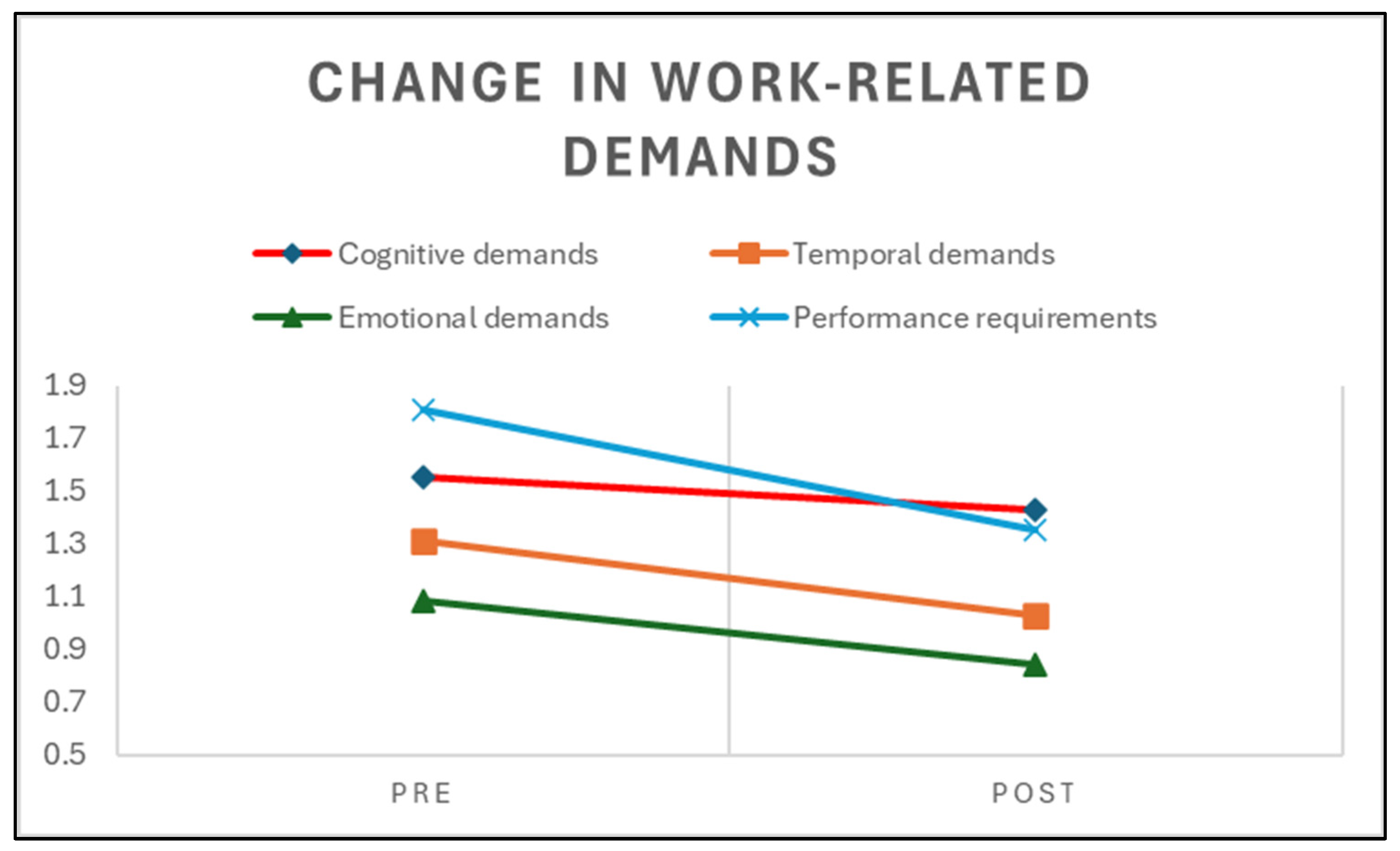
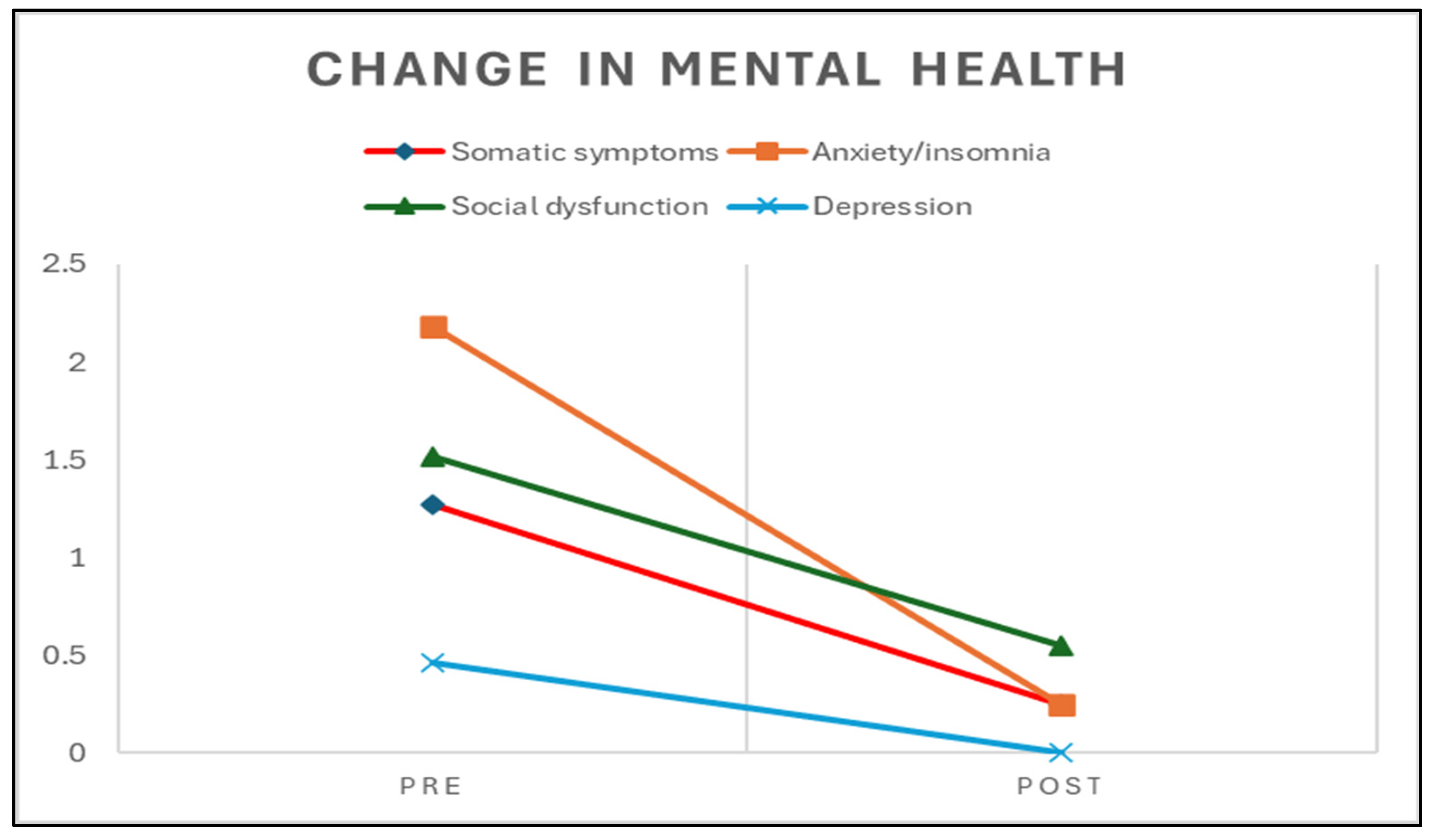
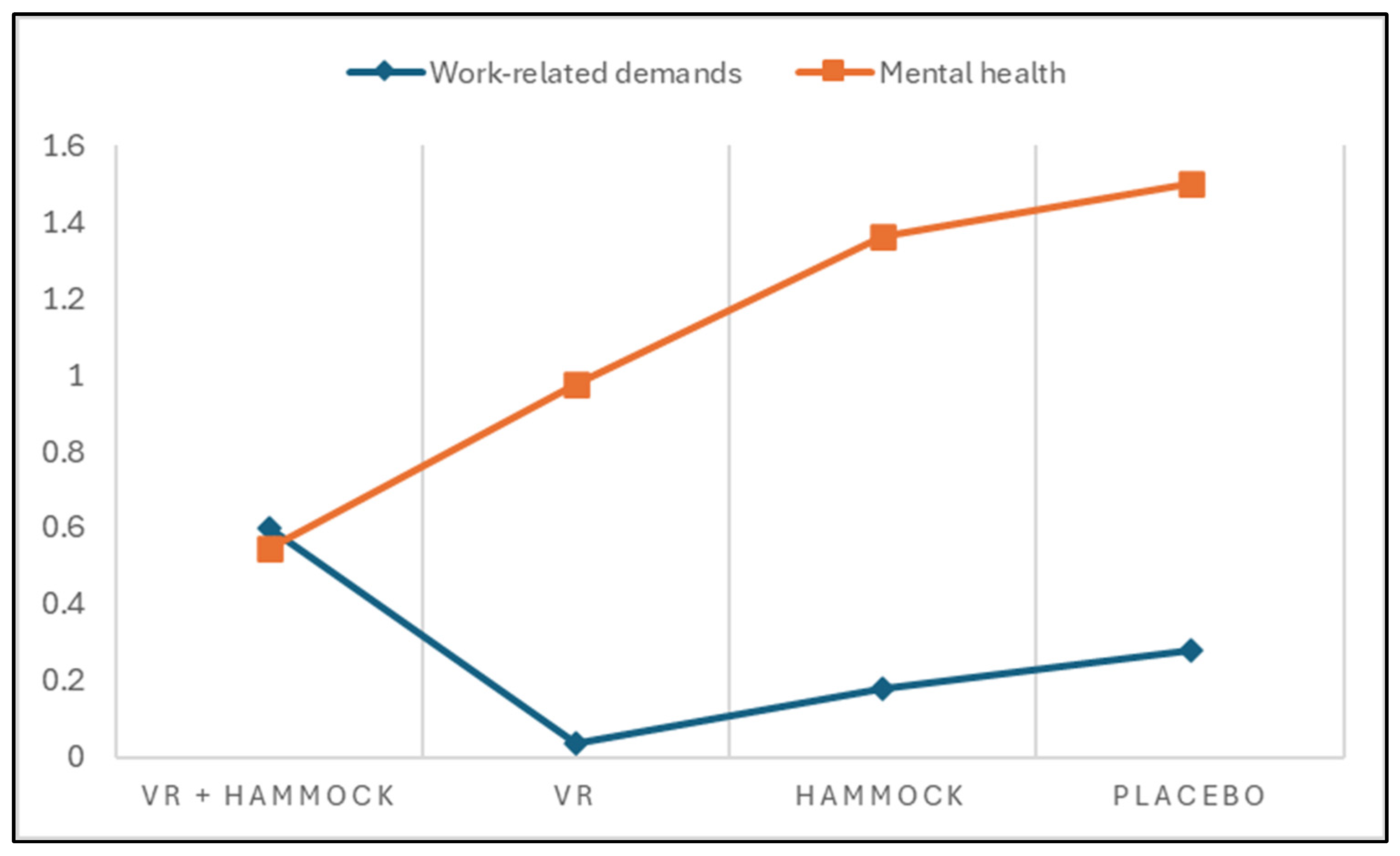
The present study aimed to examine the effectiveness of interventions focused on physical and psychological relaxation—Global Postural Re-Education (GPR) and Virtual Reality (VR)—in improving psychosocial working conditions and general mental health. Overall, the results suggest that participation in these interventions may produce a reduction in perceived job demands and symptoms of psychological distress, indicating a positive impact on participants’ well-being, regardless of the technique used. These findings are consistent with previous research indicating that psychosocial factors such as stress, anxiety, and high job demands play a crucial role in workers’ mental health and can contribute to musculoskeletal disorders and long-term health problems [
1,
2,
3,
5].
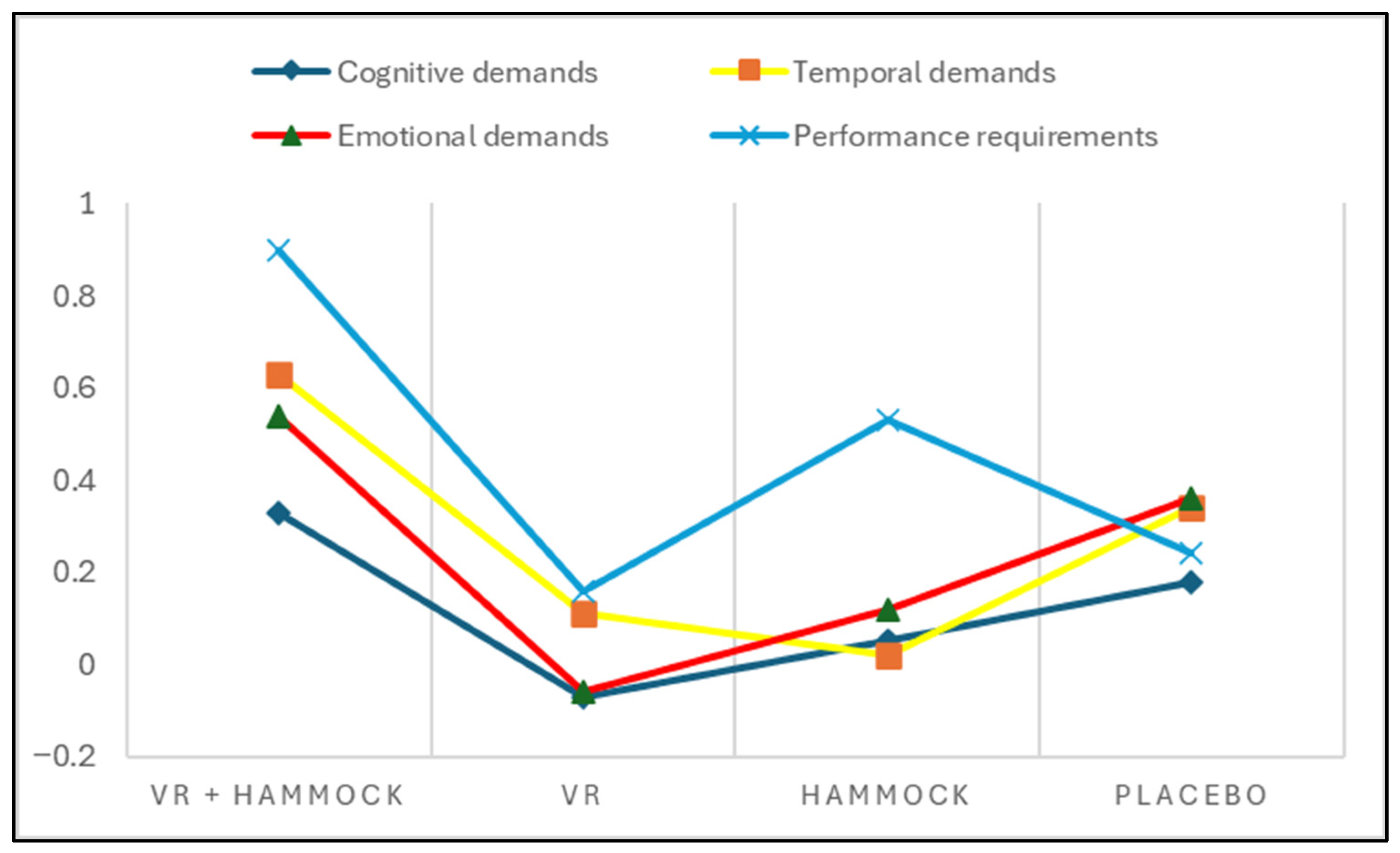
The comparative analysis between experimental conditions revealed important nuances. The combined intervention of VR and GPR using the hammock showed the greatest benefits in reducing emotional demands and performance requirements, supporting the hypothesis that the integration of physical and psychological strategies can enhance both relaxation and detachment from work-related stressors. These results are consistent with previous research highlighting the efficacy of multicomponent interventions that simultaneously address the physical and psychosocial dimensions of occupational well-being, improving both musculoskeletal health and mental well-being [
1,
12,
19].
In contrast, the intervention based exclusively on VR did not produce substantial benefits and, on some indicators, even showed slight regressions (particularly in cognitive and emotional demands). This finding could be explained by the passive nature of the virtual experience or by sensory fatigue resulting from the repeated use of immersive headsets, which may limit the technique’s effectiveness when not accompanied by postural or breathing exercises. In our protocol, participants remained seated and at rest while viewing static, non-navigable virtual environments designed specifically for relaxation. Unlike VR applications that involve active navigation or interaction within the virtual space—which are more commonly associated with symptoms such as dizziness, nausea, or disorientation—the present intervention minimized sensory conflict and physical movement. All participants completed a brief familiarization and screening session prior to the intervention to identify potential discomfort or adverse reactions. No participant reported significant discomfort or symptoms that would warrant discontinuation, suggesting that VR-related discomfort is unlikely to explain the limited effects observed in the VR-only condition. Previous studies have similarly observed that the benefits of VR-based relaxation are often short-term and may diminish when the activity is not supported by active physical engagement [
14,
15,
16]. This pattern reinforces the idea that immersive technologies, while effective for inducing immediate relaxation and attentional focus, may require integration with bodily or mindfulness practices to achieve lasting outcomes [
18].
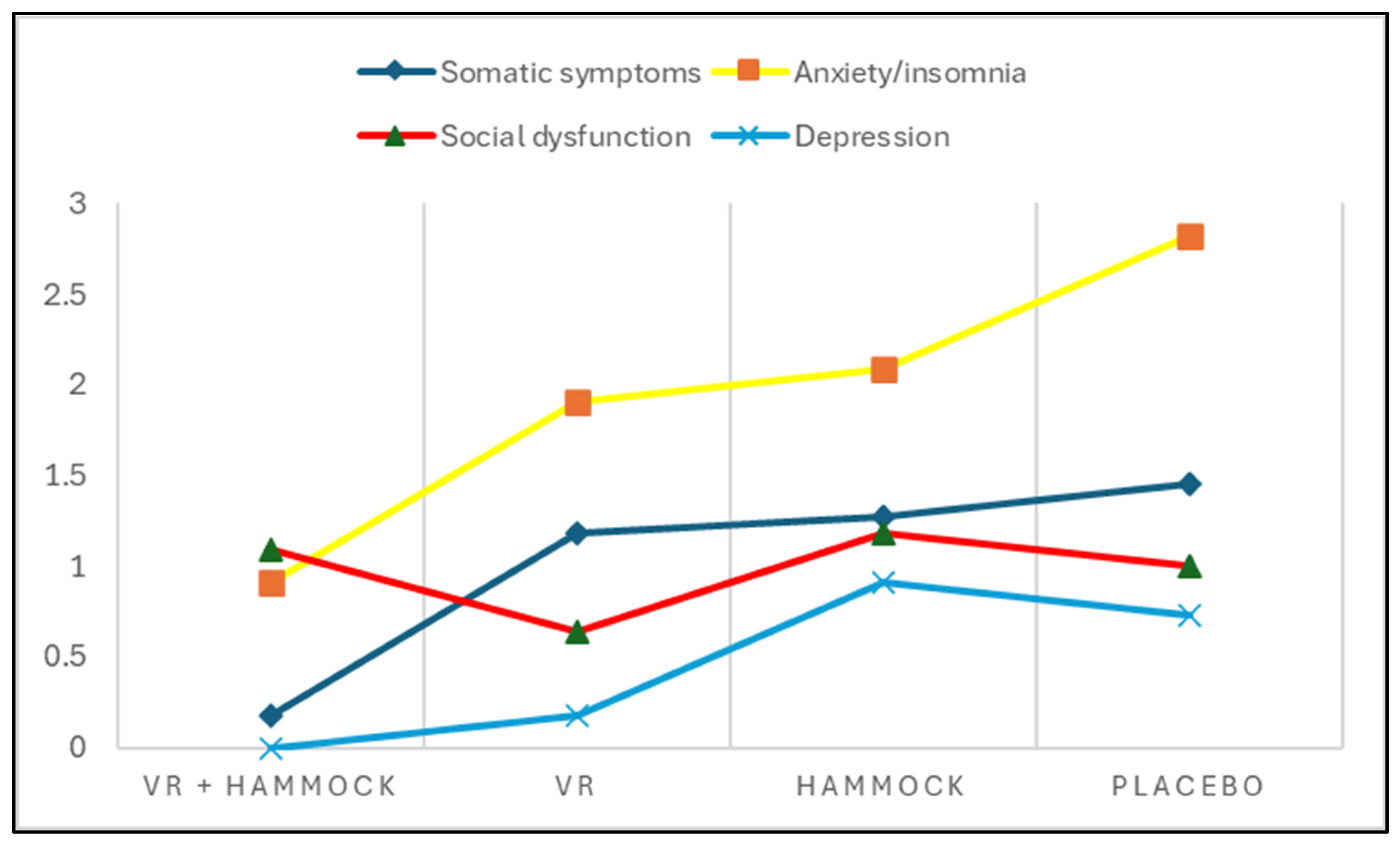
A particularly noteworthy finding is that the control condition, in which participants simply sat and listened to relaxing music, demonstrated the greatest improvement in overall mental health for some measures. This result invites reflection on the role of expectations, rest, and short mental pauses as effective mechanisms for stress reduction. It is plausible that the mere act of dedicating ten minutes each day to a calm, undemanding activity could serve as an emotional self-regulation strategy, confirming the importance of micro-breaks in preventing psychological fatigue and burnout.
From an applied standpoint, these findings support the integration of brief and low-cost interventions in workplace environments, whether through postural exercises (GPR), immersive relaxation techniques (VR), or structured rest breaks. The combination of VR and a hammock, in particular, could represent a promising corporate wellness strategy capable of simultaneously targeting both physical and psychological domains of employee health [
19]. From an occupational health perspective, these findings highlight the potential value of incorporating evidence-based relaxation strategies into daily work routines. Organizations could implement brief 10 min sessions during breaks, alternating between physical exercises, virtual relaxation, and music-based rest, to reduce psychosocial strain and enhance resilience. Ensuring proper implementation, personalization, and ergonomic adaptation would likely maximize the benefits of such hybrid approaches.
Limitations and Future Research
This study presents several limitations that should be considered when interpreting the findings. First, the sample size, while sufficient for preliminary analysis, was relatively small and non-random, which limits the generalizability of the results. Similarly, the use of a quasi-experimental design was appropriate for the context and objectives of this applied research, although it naturally limits the ability to establish firm causal inferences. In addition, no physiological indicators (e.g., heart rate or cortisol levels) were measured, which could have provided objective evidence of stress reduction [
19]. Given the exploratory nature of this study and the small convenience sample, we employed paired and independent
t-tests to examine within- and between-group differences across intervention conditions. While we acknowledge that multiple
t-tests can increase the risk of Type I error, this approach was selected to provide an initial comparison of intervention effects and identify potential trends in psychosocial demands and mental health outcomes. Future studies with larger samples would benefit from more robust statistical approaches, such as repeated-measures ANOVA or linear mixed-effects models, which can account for within-subject correlations and improve statistical power.
Regarding the duration of the intervention, the two-week period allowed for an initial assessment of the short-term effects, but future studies could explore longer follow-up periods to explore the medium- and long-term sustainability of the observed benefits [
16]. It would also be valuable to examine individual and contextual moderators, such as motivation, familiarity with immersive technologies, or perceived bodily control, which might influence responsiveness to each type of intervention.
Additional factors may also have influenced the outcomes. The use of a convenience sample of 44 participants limits the representativeness of the findings across different occupational contexts. A potential expectancy bias may have occurred, as participants were aware of the relaxing nature of the techniques, which could have enhanced subjective improvements. Also, participant allocation based on order of arrival may have introduced allocation bias. Finally, the controlled laboratory environment and the presence of research staff might have contributed to feelings of comfort or relaxation independently of the intervention itself.
On the other hand, the control group—which listened to relaxing music—showed greater improvement in overall mental health than some active conditions. This suggests that the control condition was not fully neutral, as music itself can induce genuine relaxation and lower physiological arousal [
23]. Brief micro-breaks have been shown to reduce cognitive fatigue and enhance well-being, acting as a preventive strategy against the cumulative effects of work-related effort [
24]. Beyond the mere interruption of work activity, expectancy effects and the psychological impact of having a dedicated period for rest may further contribute to these improvements. The benefits of a break depend not only on its duration, but also on how the individual perceives the activity, involving psychological detachment, relaxation, and enjoyment [
25]. In music-based interventions, personalized playlists and the establishment of a therapeutic relationship have been shown to be more effective than generic pre-recorded music, suggesting that alignment with individual preferences can enhance recovery by meeting users’ expectations of well-being [
23,
25]. The results may therefore reflect an active placebo effect, mediated by expectations or real emotional calm. Future studies should include a fully passive control group or neutral auditory stimuli to isolate the specific effects of each technique. Additionally, research could explore the optimal duration and frequency of micro-breaks, as well as the interaction between individual preferences and the effectiveness of music-based or other passive interventions. Incorporating objective physiological measures of recovery, such as heart rate variability or cortisol levels, alongside self-reported outcomes, would provide a more comprehensive understanding of intervention effects. Implementing alternative active control conditions that do not involve relaxation could also help disentangle the specific contributions of intervention components and the role of expectancy effects.
Overall, these considerations do not detract from the validity of the findings but rather highlight avenues for refinement in future research. Despite its exploratory nature, the present study contributes preliminary evidence to the field of occupational health and psychological well-being, illustrating the potential of integrating traditional postural re-education techniques with emerging immersive technologies such as VR. Further research with broader samples, longitudinal designs, and multimethod assessments will help to consolidate these promising results and guide their practical application in workplace settings.
5. Conclusions
Work-related stress and psychosocial demands emerge in this study as dynamic phenomena shaped by the continuous interaction between physical strain, emotional regulation, and opportunities for recovery within the workday. The results suggest that even brief moments of disengagement—whether through postural relaxation, immersive experiences, or rest break with music—can meaningfully alter workers’ subjective experience of job demands and mental health. However, these effects should be interpreted in light of the short intervention duration and the specific sample studied.
The differential effects observed across intervention conditions indicate that well-being is not determined solely by the technological sophistication of an intervention, but by the extent to which it facilitates both bodily release and mental detachment. The combined use of GPR and VR appears to support this dual regulation by addressing physical tension and emotional load simultaneously, whereas simpler forms of rest, such as listening to music, reveal the restorative power of pauses free from demands and expectations, as noted by previous research [
23,
24,
25]. These findings underscore that recovery at work is likely a multidimensional process influenced by physical, emotional, and contextual factors, and that interventions should be tailored to the realities of everyday work.
Overall, this study emphasizes the importance of understanding occupational stress and recovery as context-sensitive and experiential processes. Workplace interventions aiming to enhance well-being should remain flexible, respect individual differences, and integrate structured techniques with simple restorative practices. While the results offer valuable preliminary insights, future studies with larger, more diverse samples and longer intervention periods are needed to confirm the generalizability and sustainability of these effects. Recognizing the value of both structured techniques and simple restorative practices may help organizations foster healthier, more sustainable work environments without pathologizing normal stress responses or overlooking the importance of everyday self-regulation and care.




 ,
,