
Article

Towards Inclusive Higher Education: A Multivariate Analysis of Social and Gender Inequalities

by
Mayte Gómez Marcos
1,*,
Marcelo Ruiz Toledo
2 and
Claudio Ruff Escobar
2
1
Instituto de Estudios Europeos y Derechos Humanos, Universidad Pontificia de Salamanca, 37002 Salamanca, Spain
2
Centro de Investigación Institucional, Universidad Bernardo O’Higgins, Santiago 1497, Chile
*
Author to whom correspondence should be addressed.
Societies 2022, 12(6), 184; https://doi.org/10.3390/soc12060184
Submission received: 18 October 2022 / Revised: 28 November 2022 / Accepted: 5 December 2022 / Published: 7 December 2022
(This article belongs to the Special Issue Gender and Social Class Issue in Academic Field)

Abstract

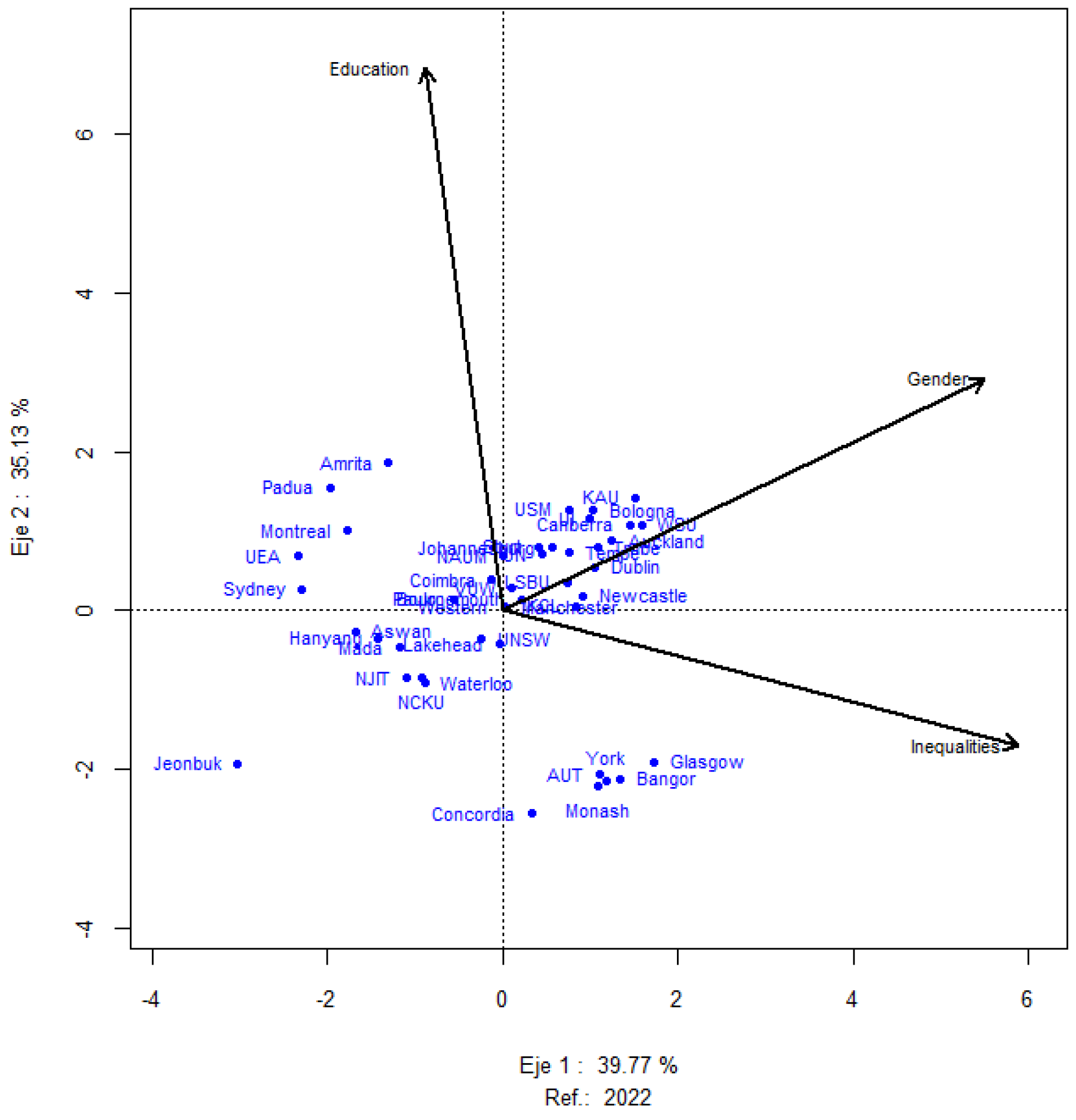
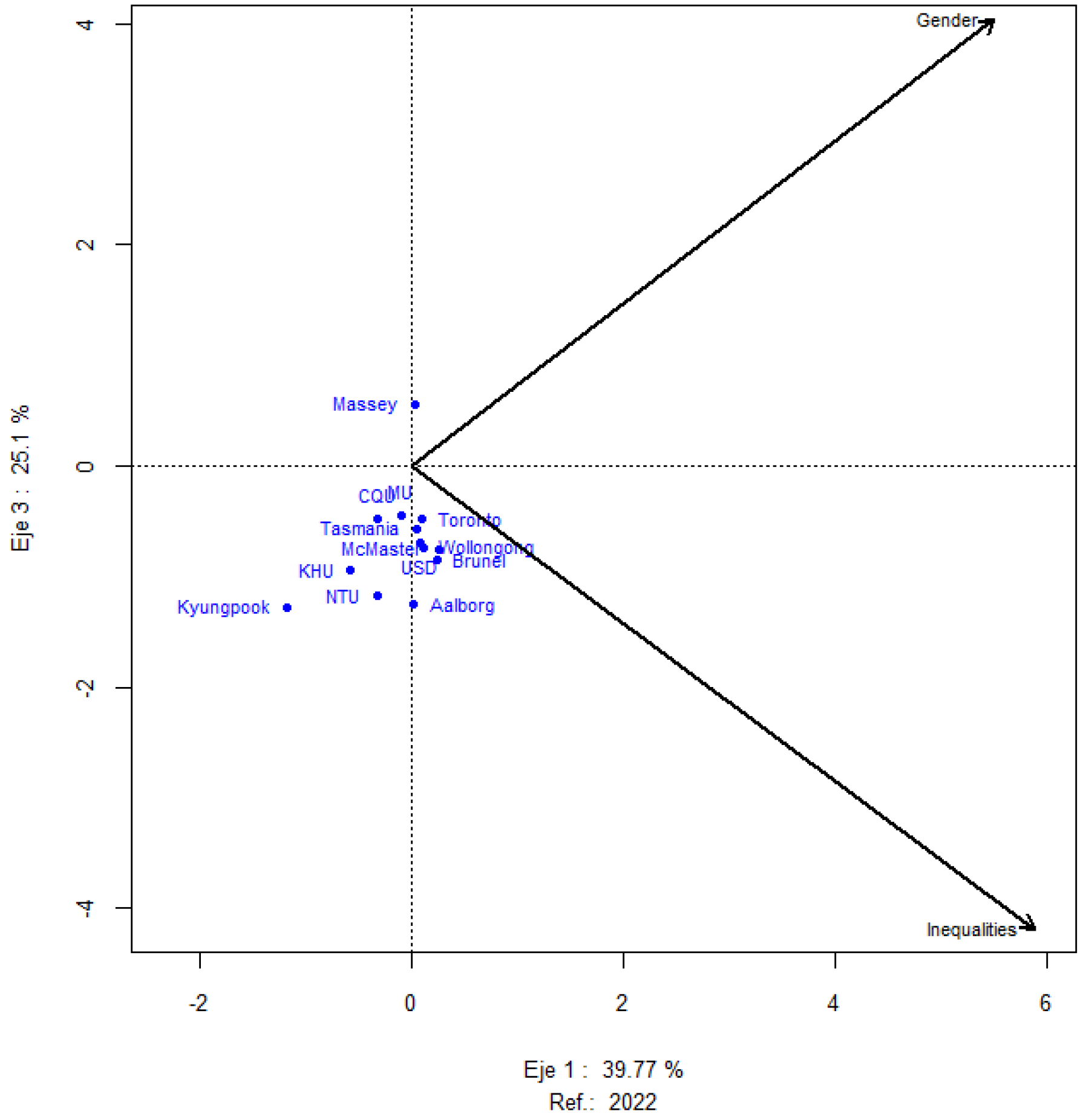
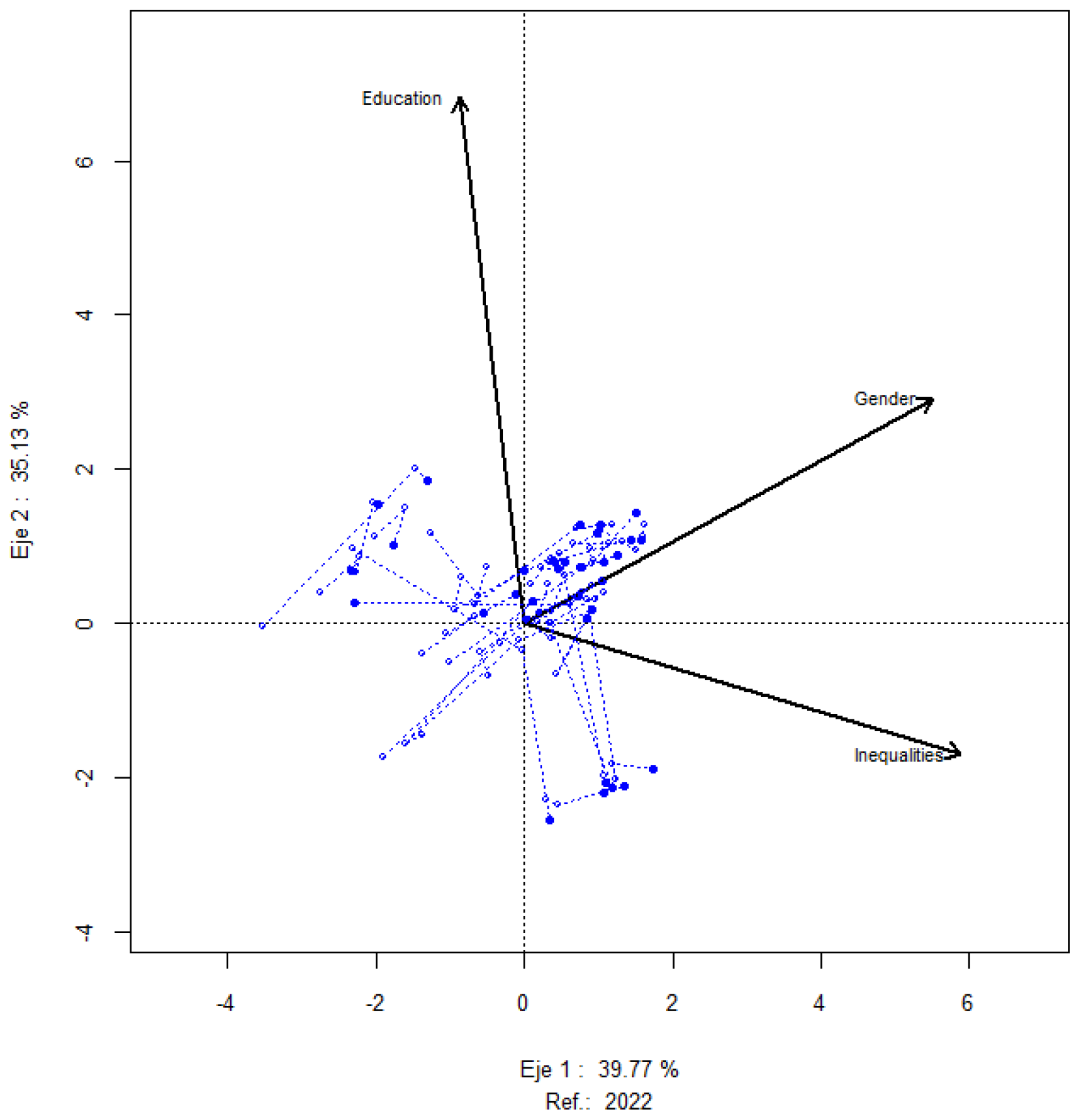
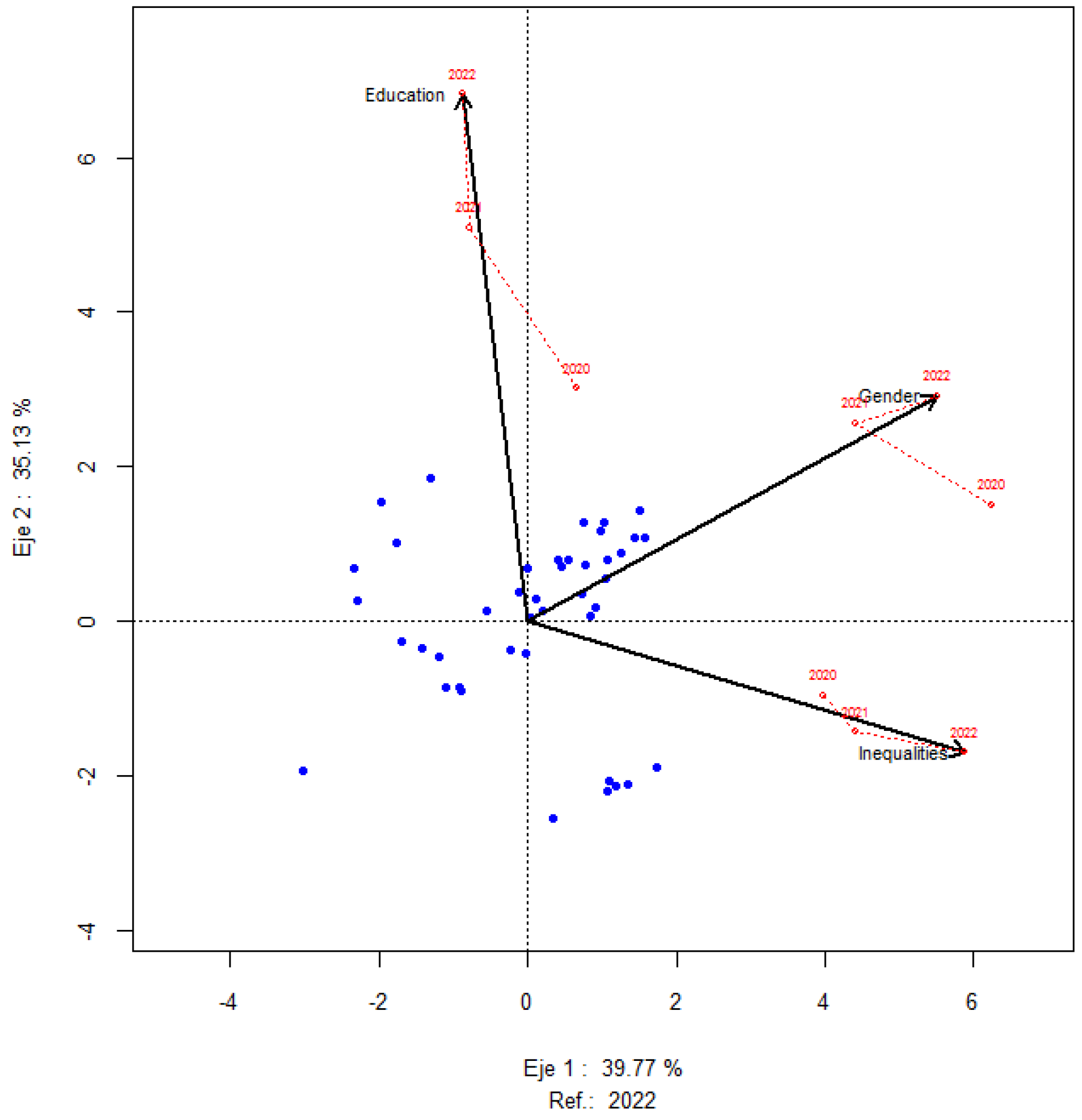
Universities are a key element in preventing any form of discrimination. Therefore, the United Nations 2030 Agenda recognizes their role through goal 4 regarding the quality of education. The 2030 agenda also includes goals 5 and 10, regarding gender equity and reducing inequalities as cross-cutting elements to boost social inclusion. The purpose of this research is to carry out a multivariate and dynamic analysis of the most outstanding universities in the global list of the THE Impact Rankings, which is the only tool that classifies these institutions in terms of the sustainable development goals (SDGs) to study how they are positioned in the indicators related to inequality. We also examine its evolution in the last three years and the relationship between goals 4, 5, and 10. The results show that less than half of the leading universities in sustainability carry out an active social inclusion policy. Additionally, most of them underwent significant changes in their trajectories to approach the indicator of gender equity. The research suggests there is still a long way to go to achieve social justice.
Keywords: university; higher education; social inequalities; gender equity; THE Impact Rankings; biplot; social inclusion; sustainability ranking; multivariate statistics university; higher education; social inequalities; gender equity; THE Impact Rankings; biplot; social inclusion; sustainability ranking; multivariate statistics