Article

A Diagnostic and Performance System for Soccer: Technical Design and Development

by
Alberto Gascón
1,
Álvaro Marco
1,2,*,
David Buldain
1,
Javier Alfaro-Santafé
3,4,
Jose Victor Alfaro-Santafé
3,5,
Antonio Gómez-Bernal
3,6 and
Roberto Casas
1
1
Aragon Institute of Engineering Research, University of Zaragoza, 50018 Zaragoza, Spain
2
Centro Universitario de la Defensa, Academia General Militar, 50090 Zaragoza, Spain
3
Podoactiva Research Department, 22197 Cuarte, Spain
4
Podiatrist of the Spanish National Football Team, 28036 Madrid, Spain
5
Podiatrist of Real Madrid CF, 28036 Madrid, Spain
6
Podiatrist of SD Huesca, 22004 Huesca, Spain
*
Author to whom correspondence should be addressed.
Sports 2025, 13(1), 10; https://doi.org/10.3390/sports13010010

Submission received: 18 October 2024 / Revised: 5 December 2024 / Accepted: 25 December 2024 / Published: 8 January 2025

Abstract

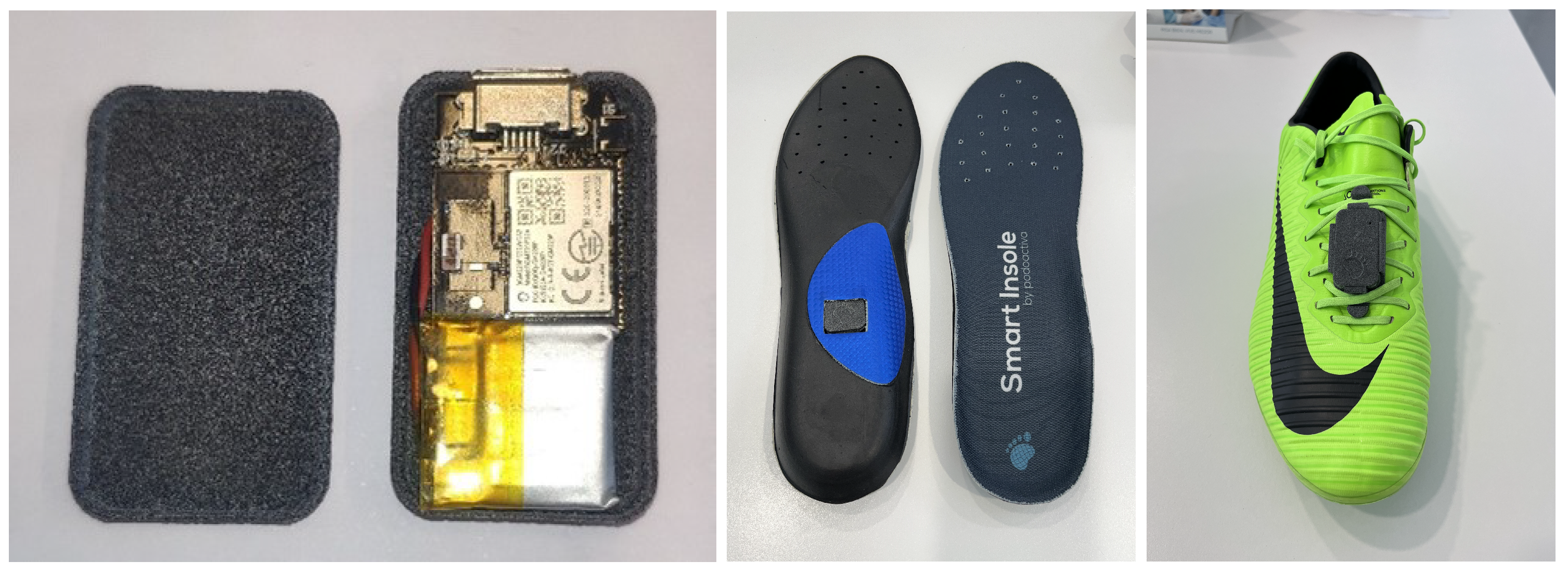
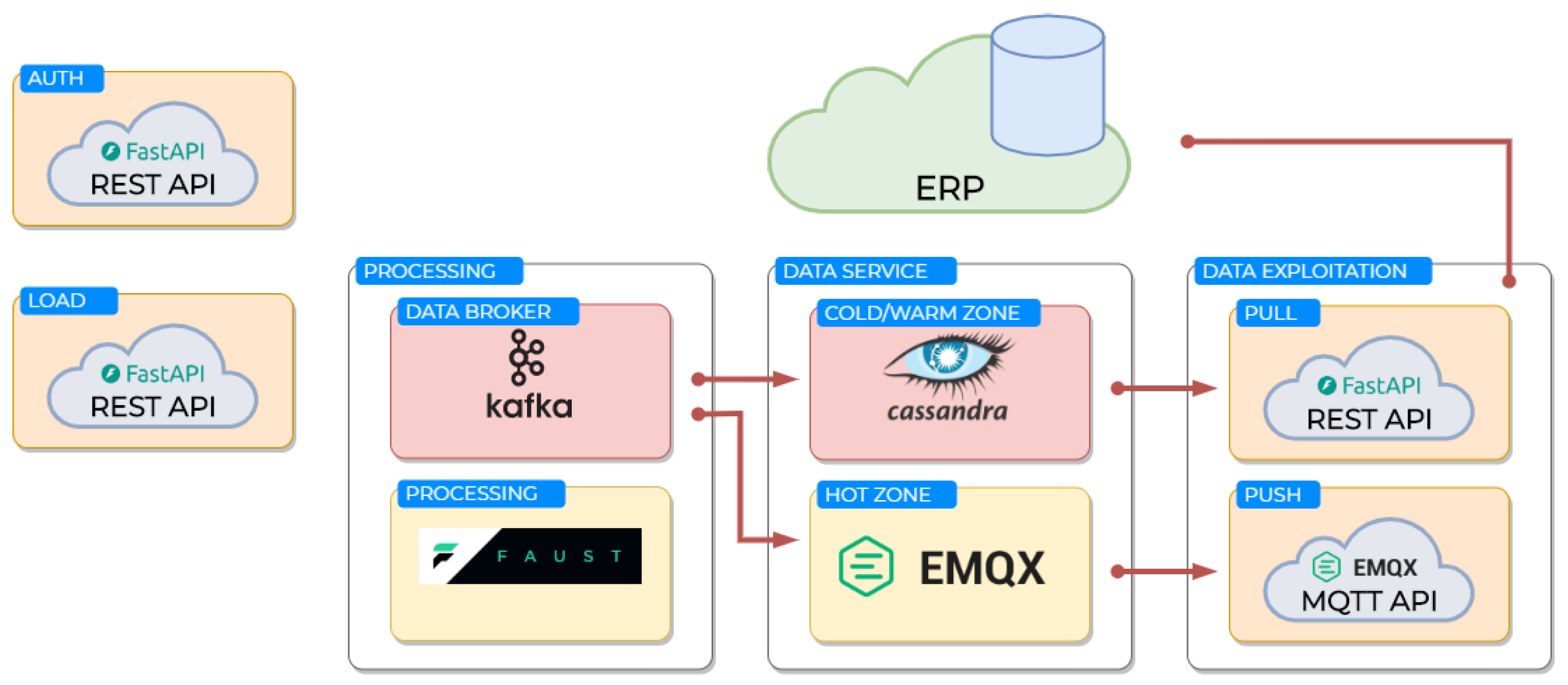
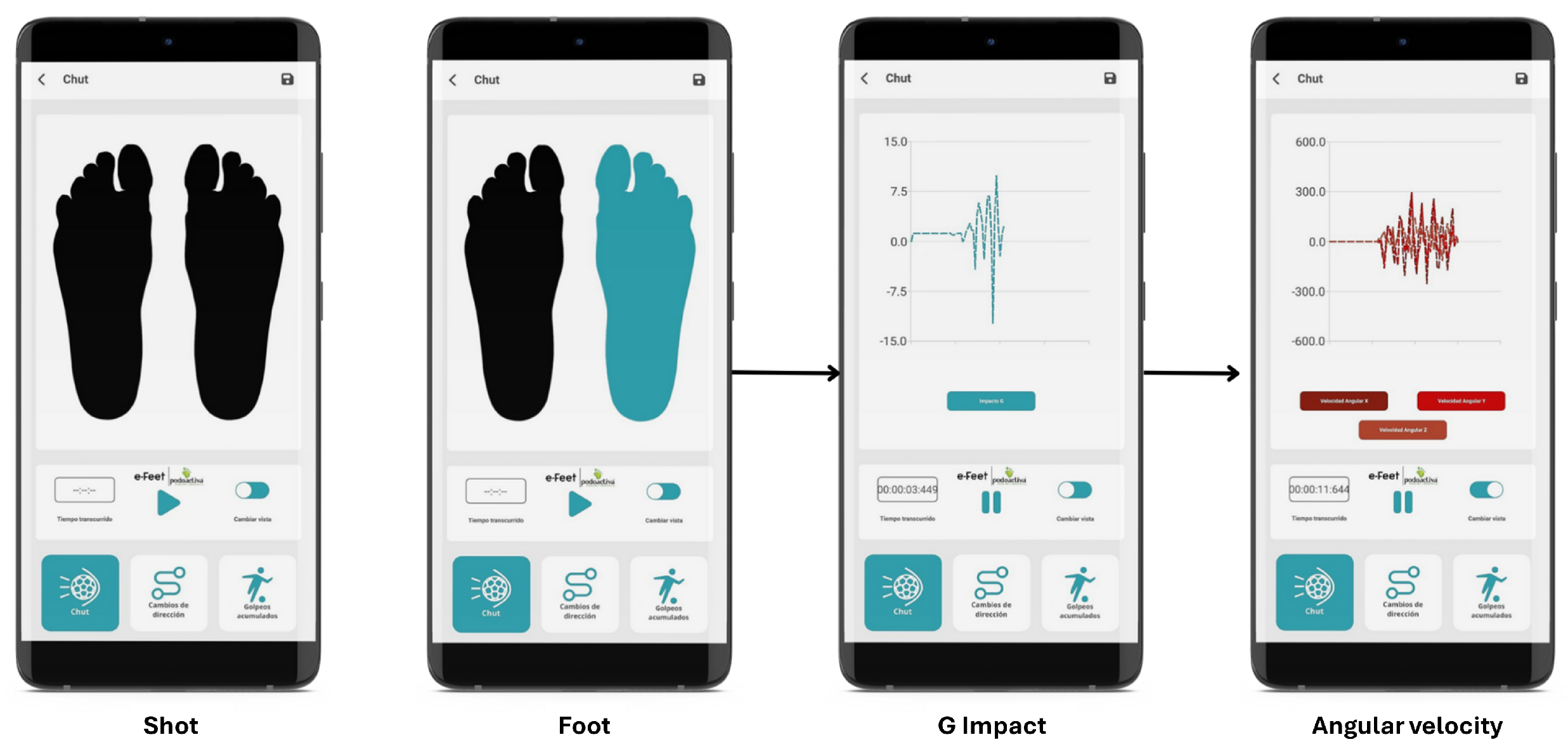
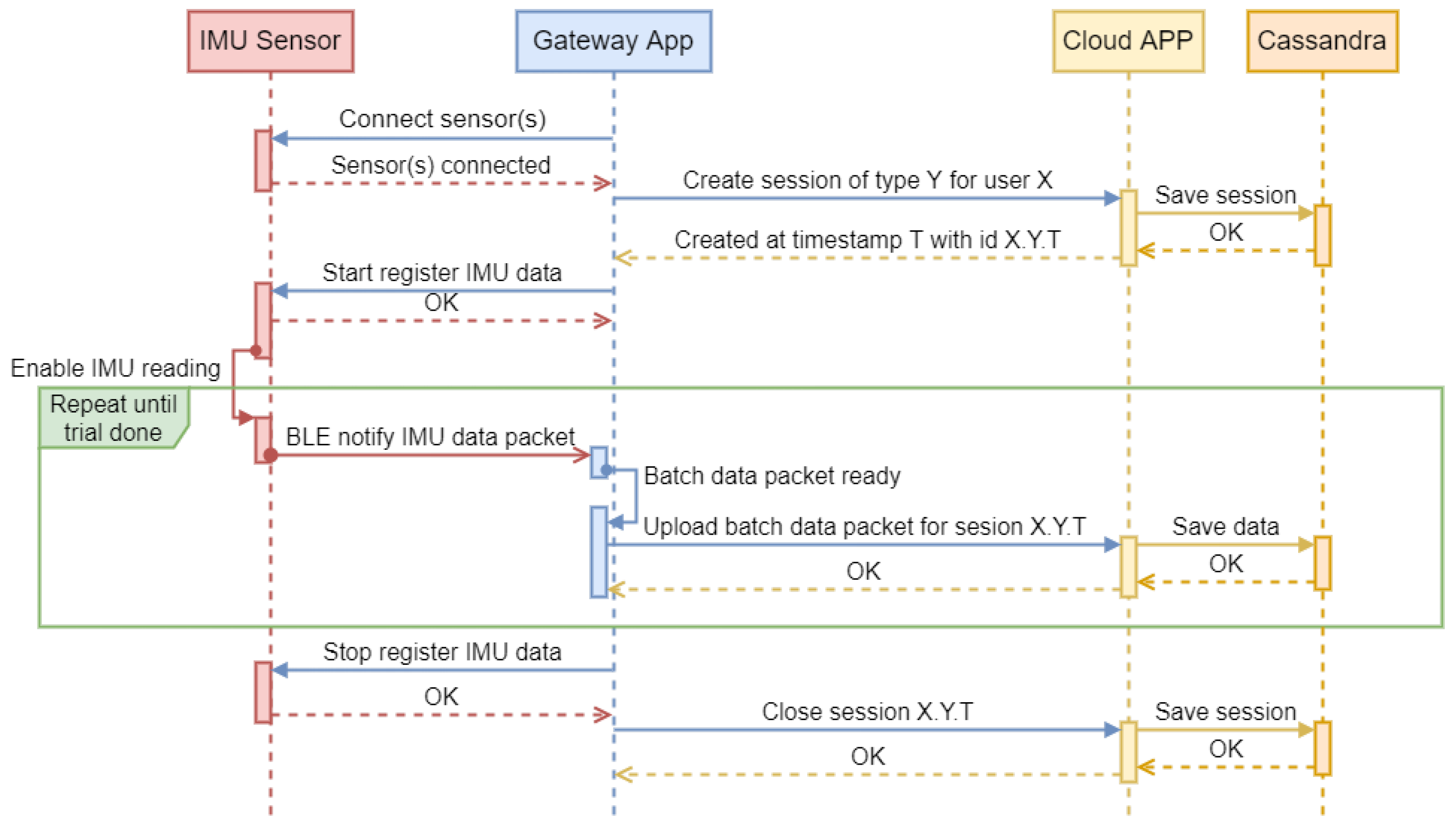
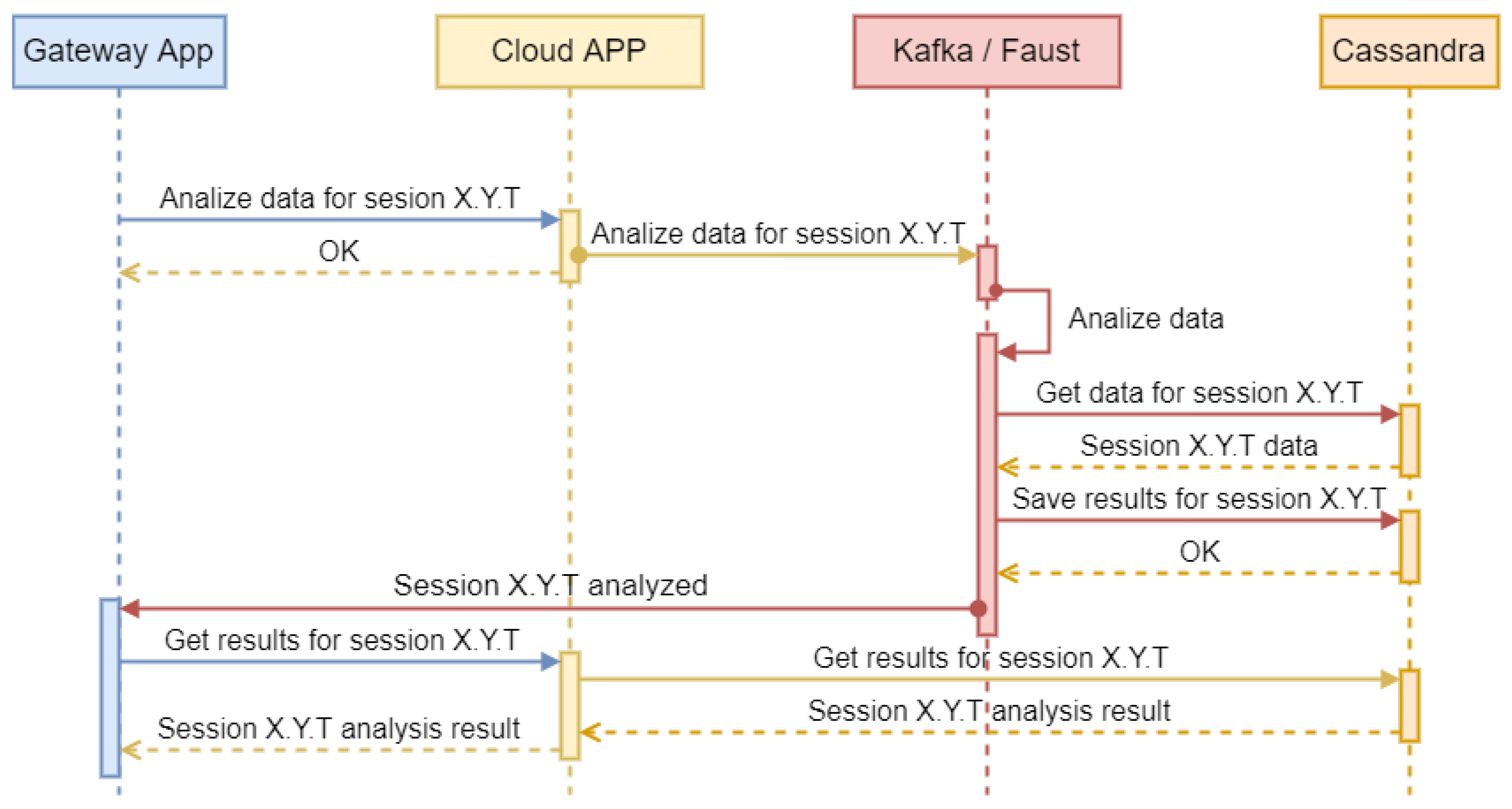
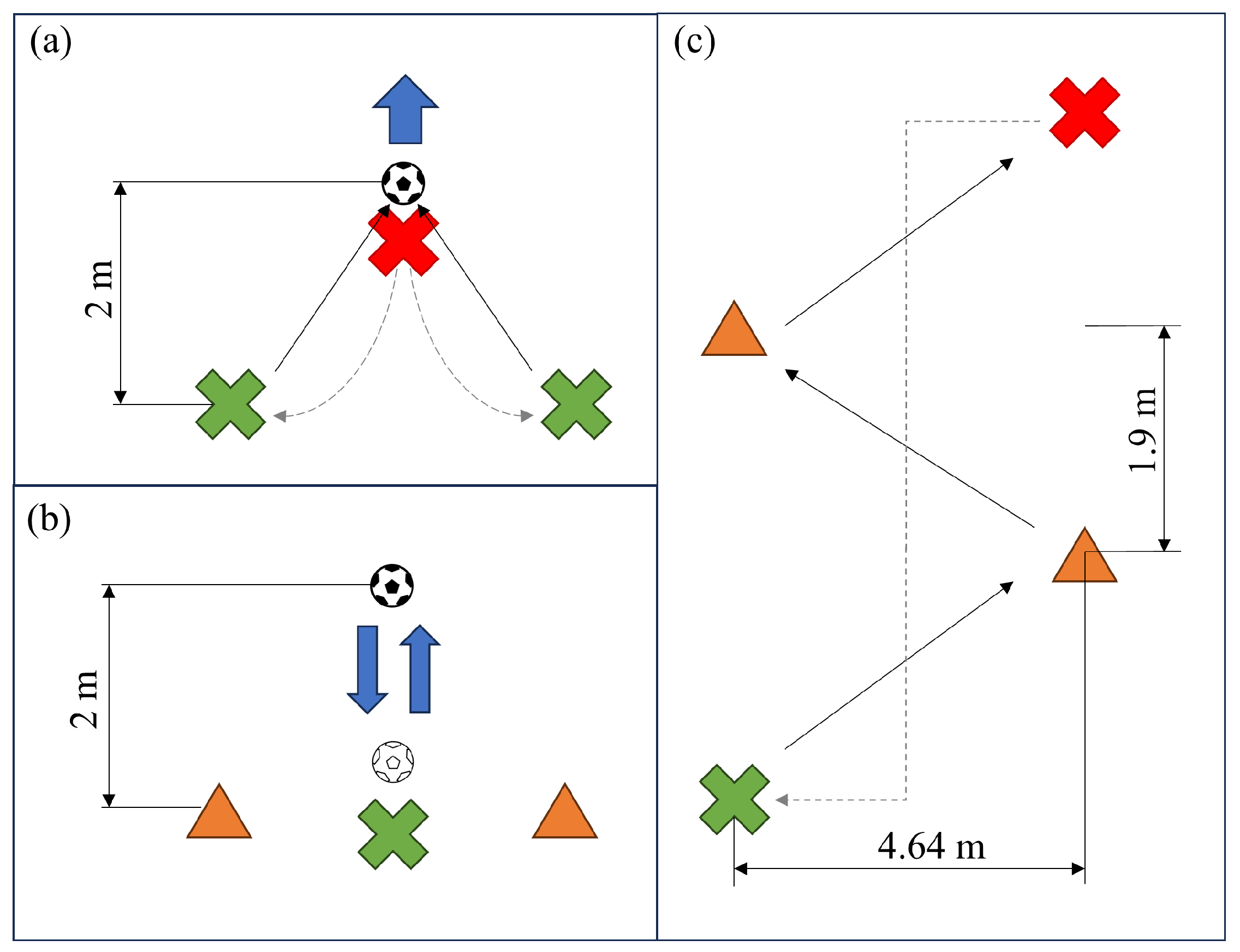
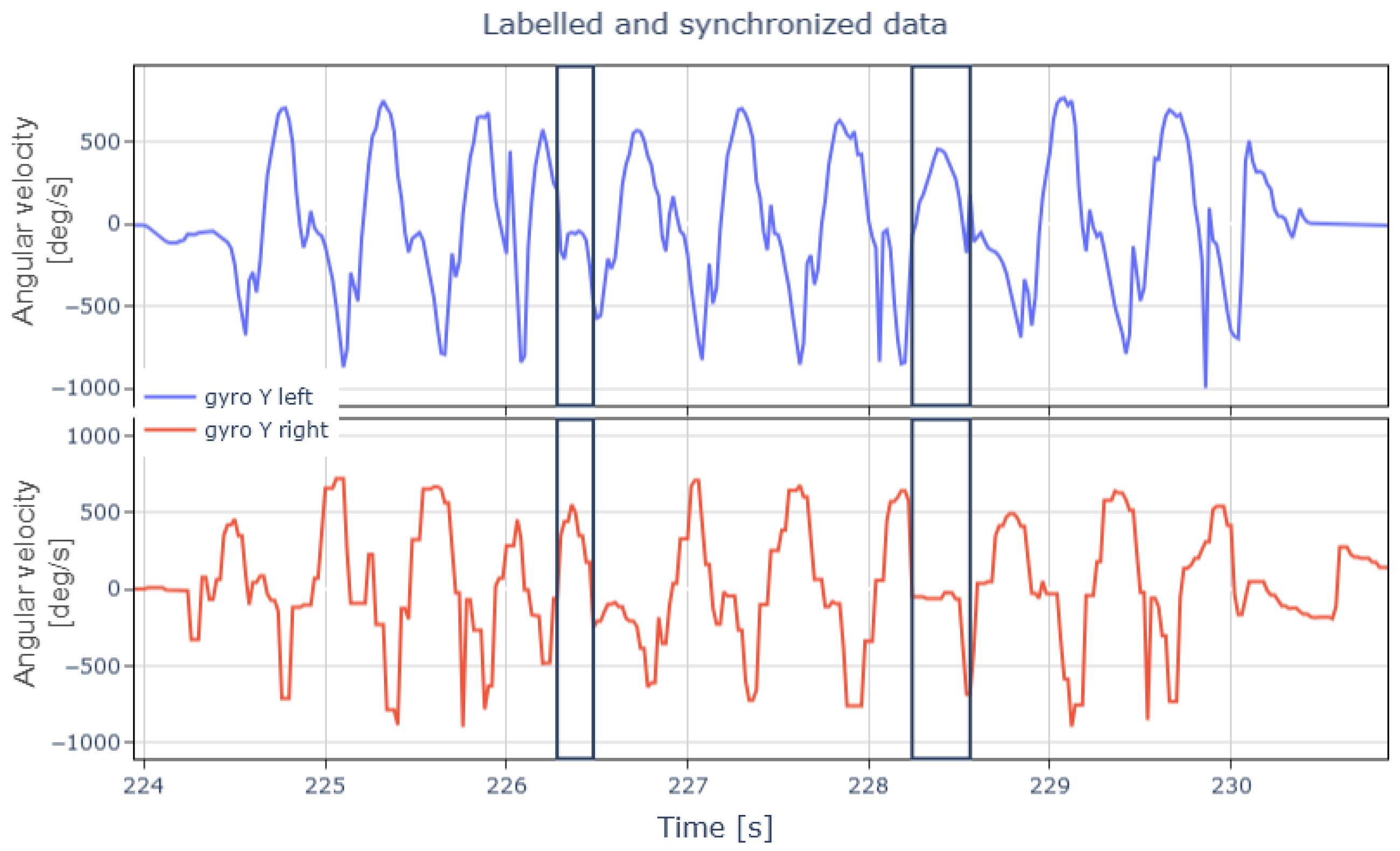
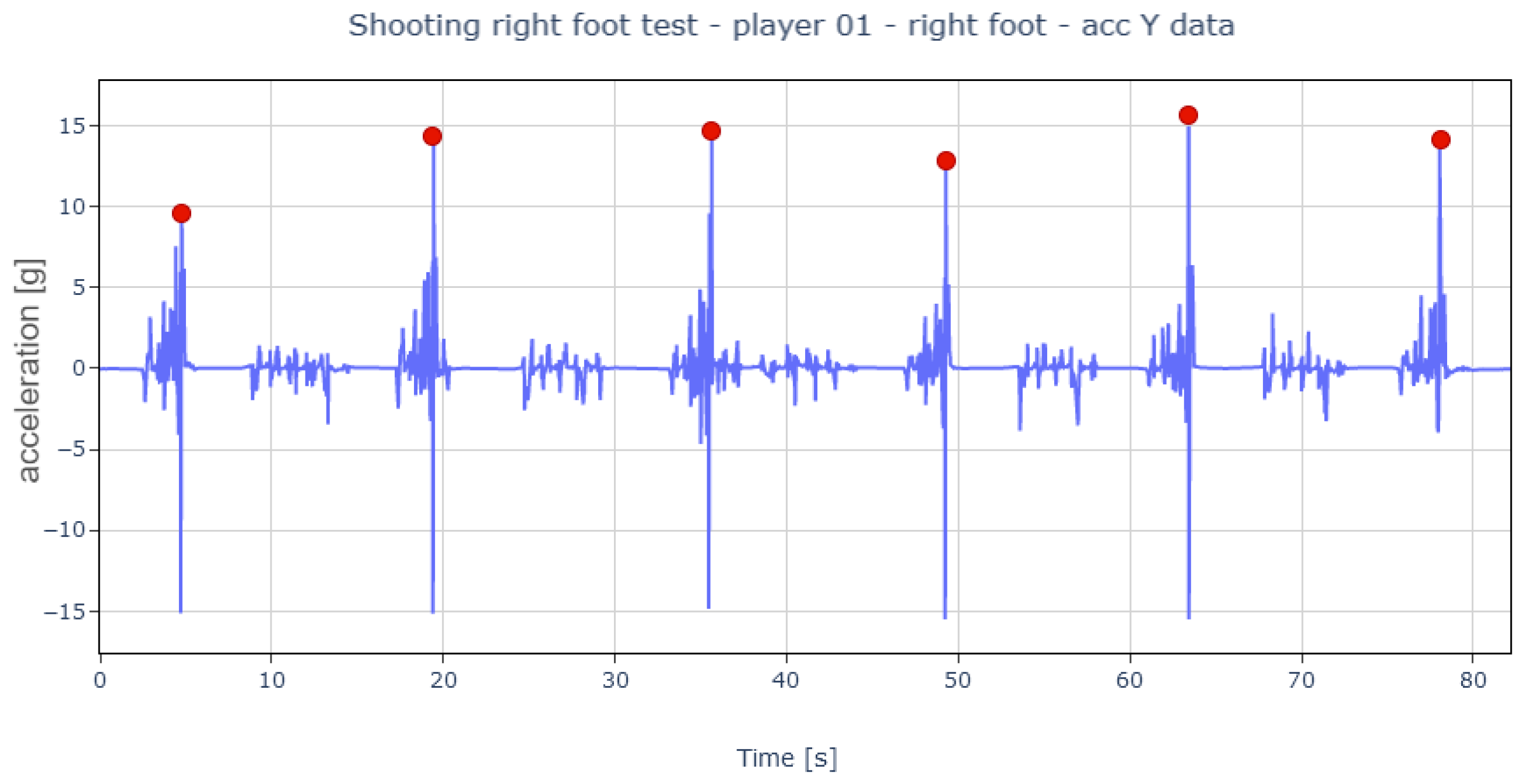
This study presents a novel system for diagnosing and evaluating soccer performance using wearable inertial sensors integrated into players’ insoles. Designed to meet the needs of professional podiatrists and sports practitioners, the system focuses on three key soccer-related movements: passing, shooting, and changes of direction (CoDs). The system leverages low-power IMU sensors, Bluetooth Low Energy (BLE) communication, and a cloud-based architecture to enable real-time data analysis and performance feedback. Data were collected from nine professional players from the SD Huesca women’s team during controlled tests, and bespoke algorithms were developed to process kinematic data for precise event detection. Results indicate high accuracy rates for detecting ball-striking events and CoDs, with improvements in algorithm performance achieved through adaptive thresholds and ensemble neural network models. Compared to existing systems, this approach significantly reduces costs and enhances practicality by minimizing the number of sensors required while ensuring real-time evaluation capabilities. However, the study is limited by a small sample size, which restricts generalizability. Future research will aim to expand the dataset, include diverse sports, and integrate additional sensors for broader applications. This system offers a valuable tool for injury prevention, player rehabilitation, and performance optimization in professional soccer, bridging technical advancements with practical applications in sports science.
Keywords: wearable technology; machine learning algorithms; inertial sensors; soccer biomechanics; foot kinematics wearable technology; machine learning algorithms; inertial sensors; soccer biomechanics; foot kinematics