siRNA-Mediated BmAurora B Depletion Impedes the Formation of Holocentric Square Spindles in Silkworm Metaphase BmN4 Cells
by
 , , and
Bing Zhang
1,*,† ,
,
Camilo Ayra-Pardo
2,† ,
,
Xiaoning Liu
1,
Meiting Song
1,
Dandan Li
1 and
Yunchao Kan
1,3,* 1
Henan Key Laboratory of Insect Biology in Funiu Mountain, Henan International Joint Laboratory of Insect Biology, College of Life Science and Agricultural Engineering, Nanyang Normal University, 1638 Wolong Road, Nanyang 473061, China
2
CIIMAR–Interdisciplinary Centre of Marine and Environmental Research, Terminal de Cruzeiros do Porto de Leixões, University of Porto, Avda. General Norton de Matos s/n, 4450-208 Matosinhos, Portugal
3
School of Life Science and Technology, Henan Institute of Science and Technology, 90 East of Hualan Avenue, Xinxiang 453003, China
*
Authors to whom correspondence should be addressed.
†
These authors contributed equally to this work.
Insects 2024, 15(1), 72; https://doi.org/10.3390/insects15010072
Submission received: 18 December 2023
/
Revised: 16 January 2024
/
Accepted: 17 January 2024
/
Published: 19 January 2024
(This article belongs to the Section Insect Molecular Biology and Genomics)
Simple Summary
In this study, we explored the assembly of the mitotic spindle in silkworm ovary-derived BmN4 cells, with a specific focus on the role played by a key protein called BmAurora B. Using advanced visualization techniques for cell structures, we examined the architecture and dynamics of spindle microtubules during the early stages of BmN4 cell division. Our investigation showed the formation of a distinctive multipolar square-shaped mitotic spindle, crucial for the accurate segregation of holocentric chromosomes. Intentionally reducing the levels of BmAurora B led to a decrease in the number and size of spindle poles, altering the spindle structure. This change could potentially impact the even distribution of chromosomes between daughter cells. Furthermore, we observed distinct patterns of BmAurora B expression in male and female gonads. This information holds significance as it provides insights into the fundamental processes of cell division in holocentric species. Understanding these mechanisms can contribute to enhancing silk production and advancing silkworm biotechnology. Due to Aurora B’s identification as a cancer cell marker and its association with multipolar spindles in some cancer cells, this research can contribute to broader cancer biology knowledge and may open avenues for advances in cancer diagnostics and therapeutics.
Abstract
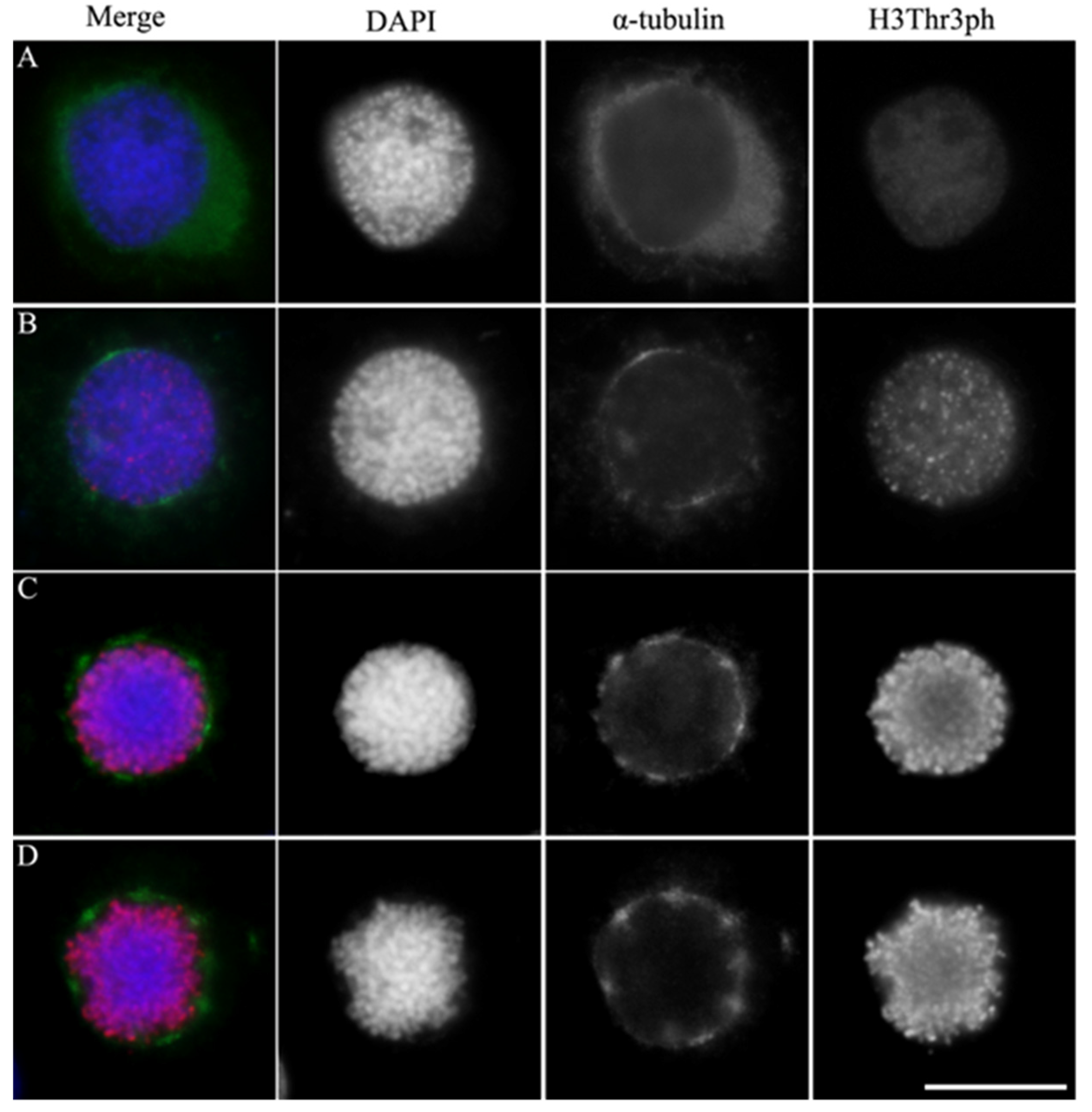
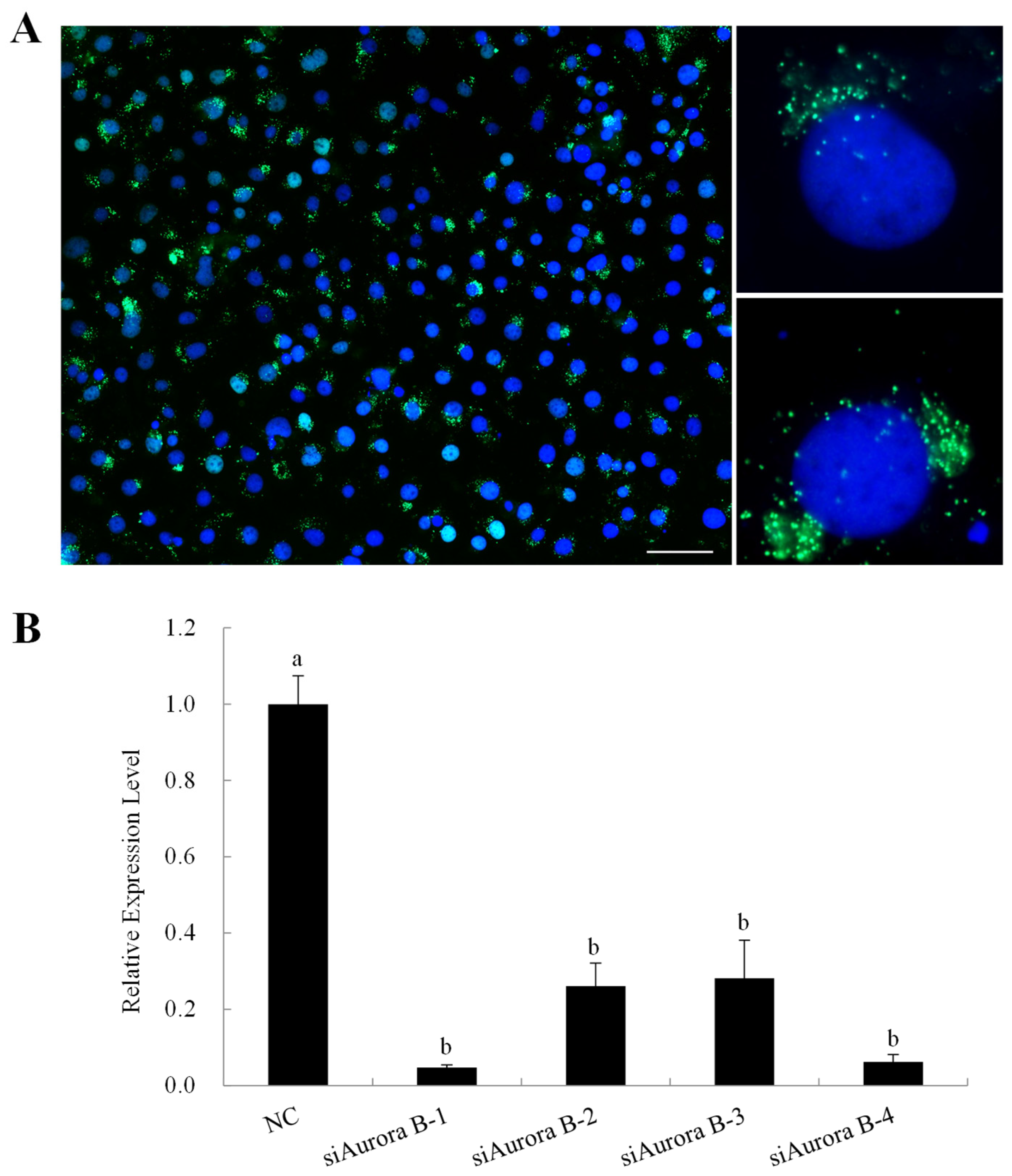
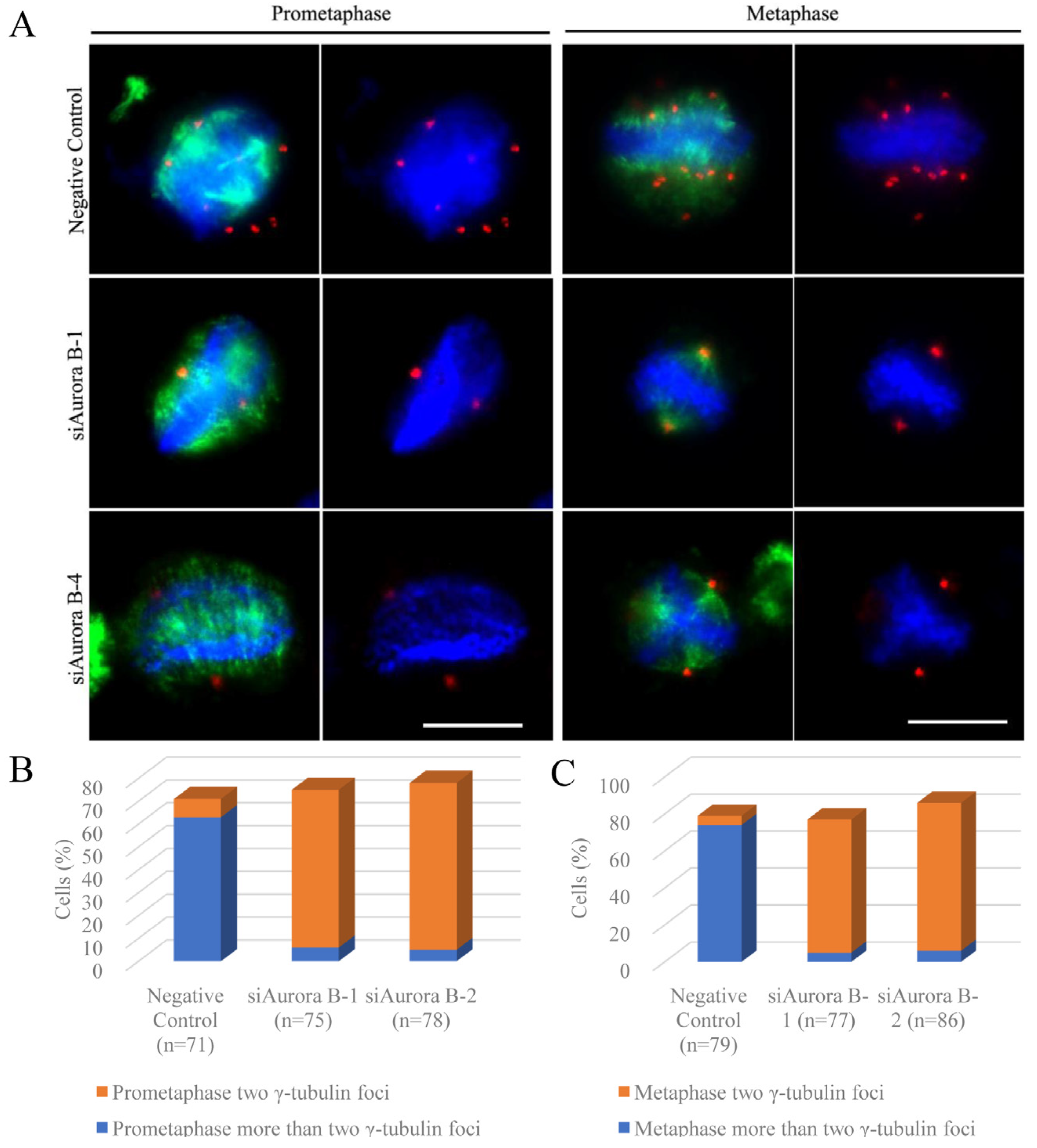
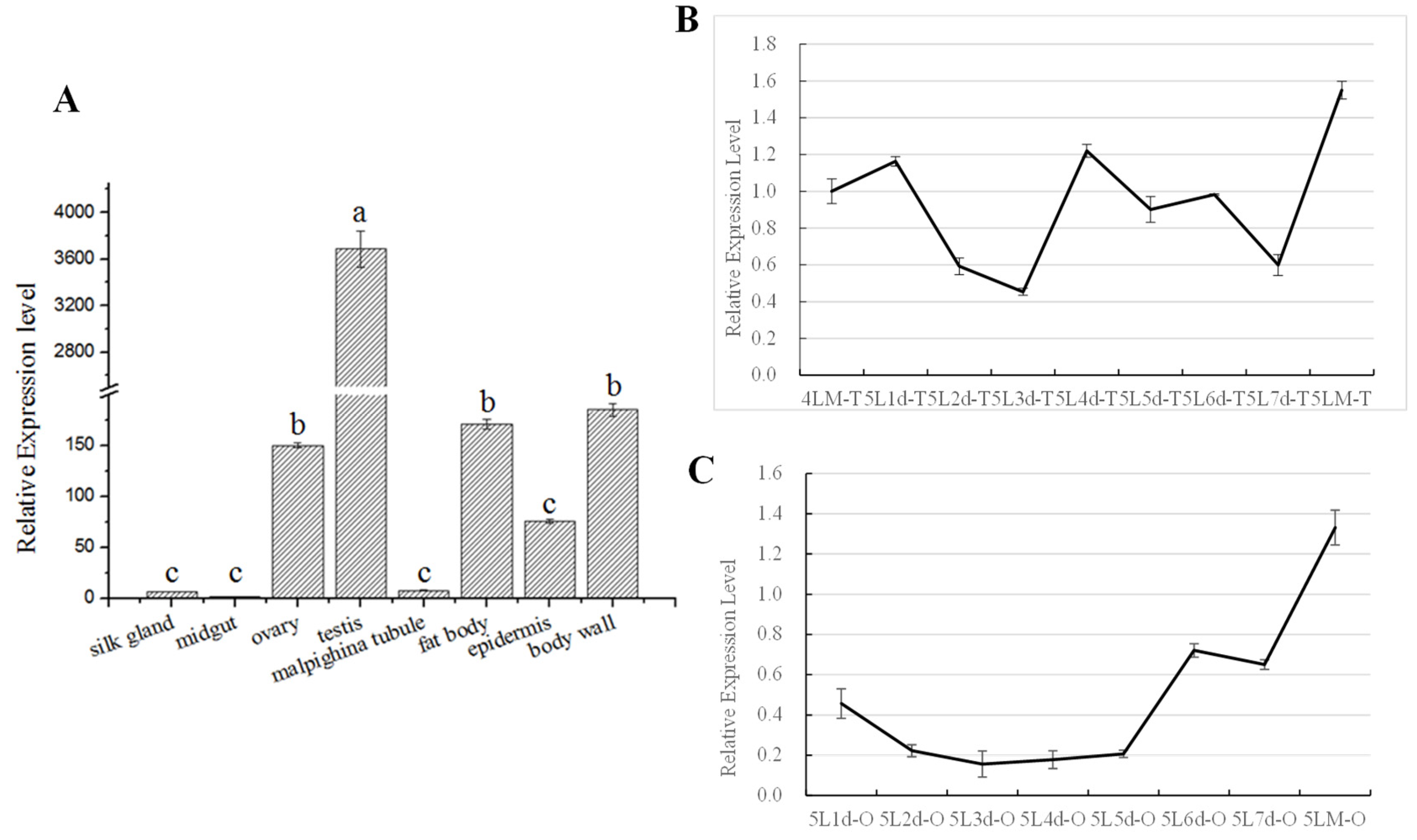
Silkworm ovary-derived BmN4 cells rely on chromatin-induced spindle assembly to form microtubule-based square mitotic spindles that ensure accurate segregation of holocentric chromosomes during cell division. The chromosome passenger protein Aurora B regulates chromosomal condensation and segregation, spindle assembly checkpoint activation, and cytokinesis; however, its role in holocentric organisms needs further clarification. This study examined the architecture and dynamics of spindle microtubules during prophase and metaphase in BmN4 cells and those with siRNA-mediated BmAurora B knockdown using immunofluorescence labeling. Anti-α-tubulin and anti-γ-tubulin antibodies revealed faint γ-tubulin signals colocalized with α-tubulin in early prophase during nuclear membrane rupture, which intensified as prophase progressed. At this stage, bright regions of α-tubulin around and on the nuclear membrane surrounding the chromatin suggested the start of microtubules assembling in the microtubule-organizing centers (MTOCs). In metaphase, fewer but larger γ-tubulin foci were detected on both sides of the chromosomes. This resulted in a distinctive multipolar square spindle with holocentric chromosomes aligned at the metaphase plate. siRNA-mediated BmAurora B knockdown significantly reduced the γ-tubulin foci during prophase, impacting microtubule nucleation and spindle structure in metaphase. Spatiotemporal BmAurora B expression analysis provided new insights into the regulation of this mitotic kinase in silkworm larval gonads during gametogenesis. Our results suggest that BmAurora B is crucial for the formation of multipolar square spindles in holocentric insects, possibly through the activation of γ-tubulin ring complexes in multiple centrosome-like MTOCs.
Keywords:
Bombyx mori; chromatin-induced spindle assembly; siRNA; cell division; mitosis