Biodiversity and Spatiotemporal Variation of Longhorn Beetles (Coleoptera: Cerambycidae) in Tropical Forest of Thailand
by
 ,
,
Sirapat Yotkham
1, 
Piyawan Suttiprapan
1,2,* ,
,
Natdanai Likhitrakarn
3,
Chayanit Sulin
4 and
Wichai Srisuka
4,*
1
Department of Entomology, Faculty of Agriculture, Chiang Mai University, Chiang Mai 50200, Thailand
2
Innovative Agriculture Research Center, Faculty of Agriculture, Chiang Mai University, Chiang Mai 50200, Thailand
3
Division of Plant Protection, Faculty of Agricultural Production, Maejo University, Chiang Mai 50290, Thailand
4
Entomology Section, Queen Sirikit Botanic Garden, P.O. Box 7, Chiang Mai 50180, Thailand
*
Authors to whom correspondence should be addressed.
Insects 2021, 12(1), 45; https://doi.org/10.3390/insects12010045
Submission received: 15 December 2020
/
Revised: 2 January 2021
/
Accepted: 6 January 2021
/
Published: 8 January 2021
(This article belongs to the Collection Insects in Mountain Ecosystems)
Simple Summary
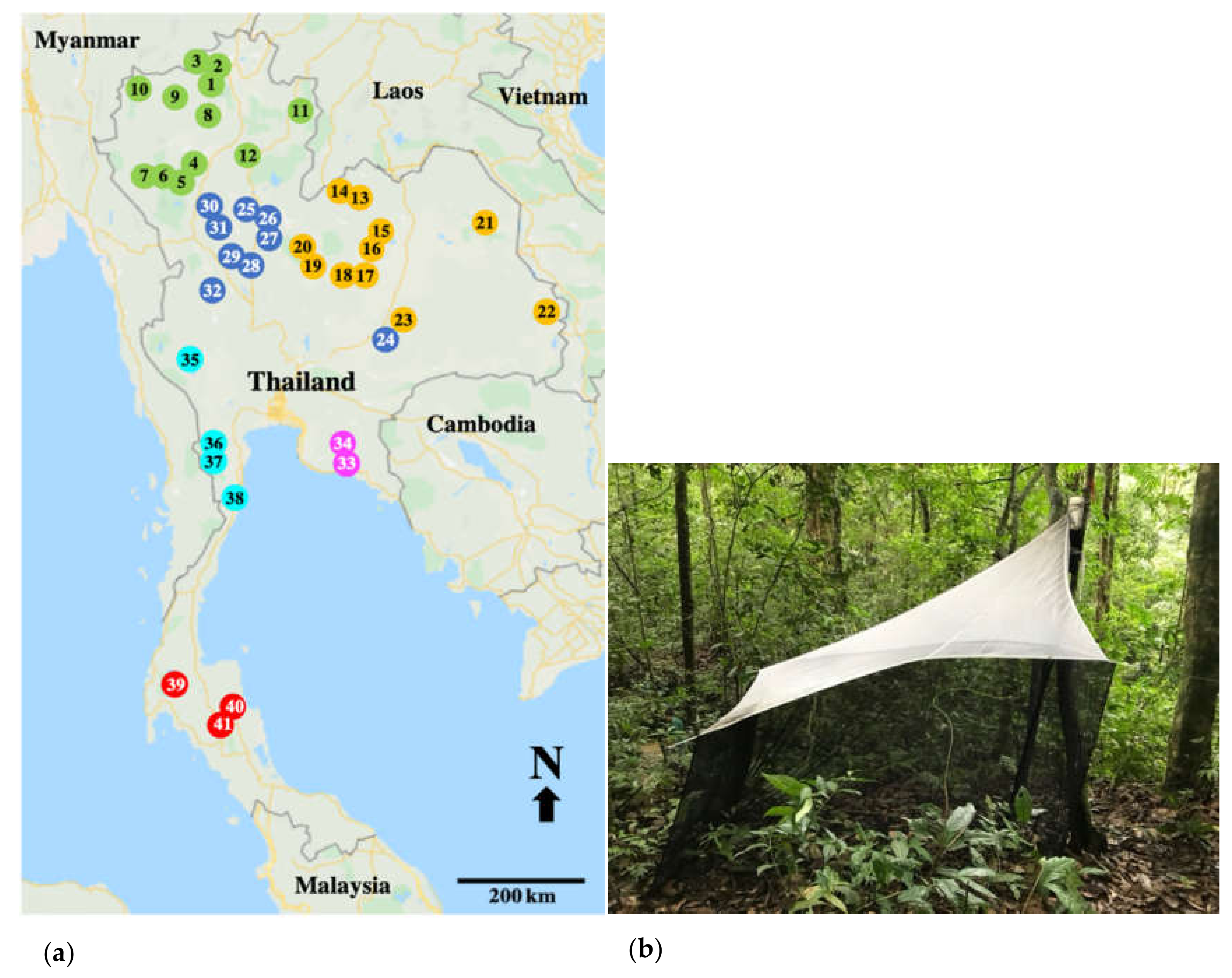
Longhorn beetles are a large family of beetles and have a wide-geographic distribution. Some of them are pests of many economic plants and invasive species. They also play roles in decomposition and nutrient cycling in forest ecosystems. They feed on living, dying, or dead woody plants in the larval stage. So far, 308 species of longhorn beetles have been reported from northern Thailand. However, the biodiversity and distribution of longhorn beetles in different elevation gradients and seasons, associated with environmental factors across six regions in the country, has not yet been investigated. In this study, longhorn beetle specimens were collected by malaise trap from 41 localities in 24 national parks across six regions in Thailand. A total of 199 morphospecies were identified from 1376 specimens. Seasonal species richness and abundance of longhorn beetles peaked during the hot and early rainy season in five regions, except for the southern region, which peaked in the rainy season. Our finding revealed that most species’ distribution was correlated with the region and forest type (at middle and low elevations). Quantitative data from this study can be useful to manage agricultural and forest plantations.
Abstract
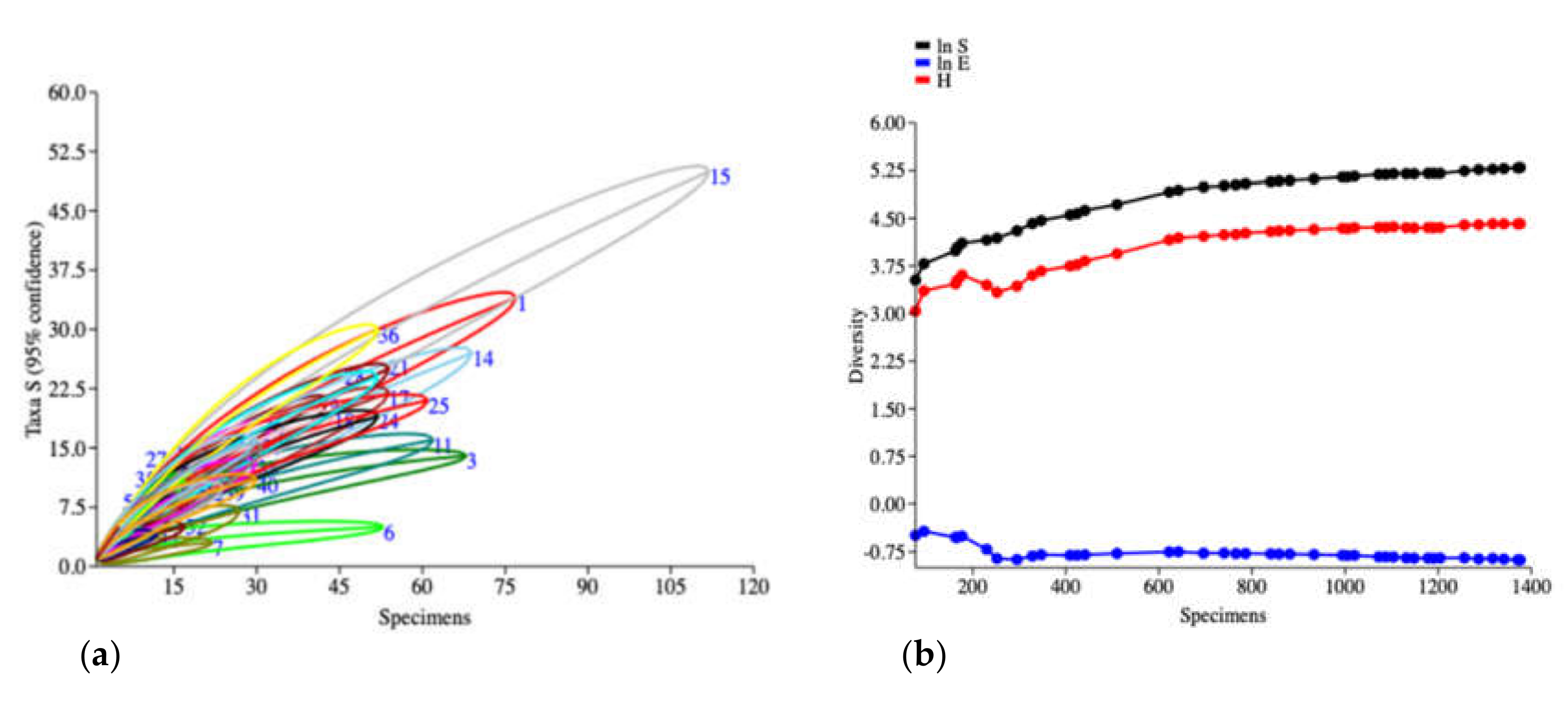
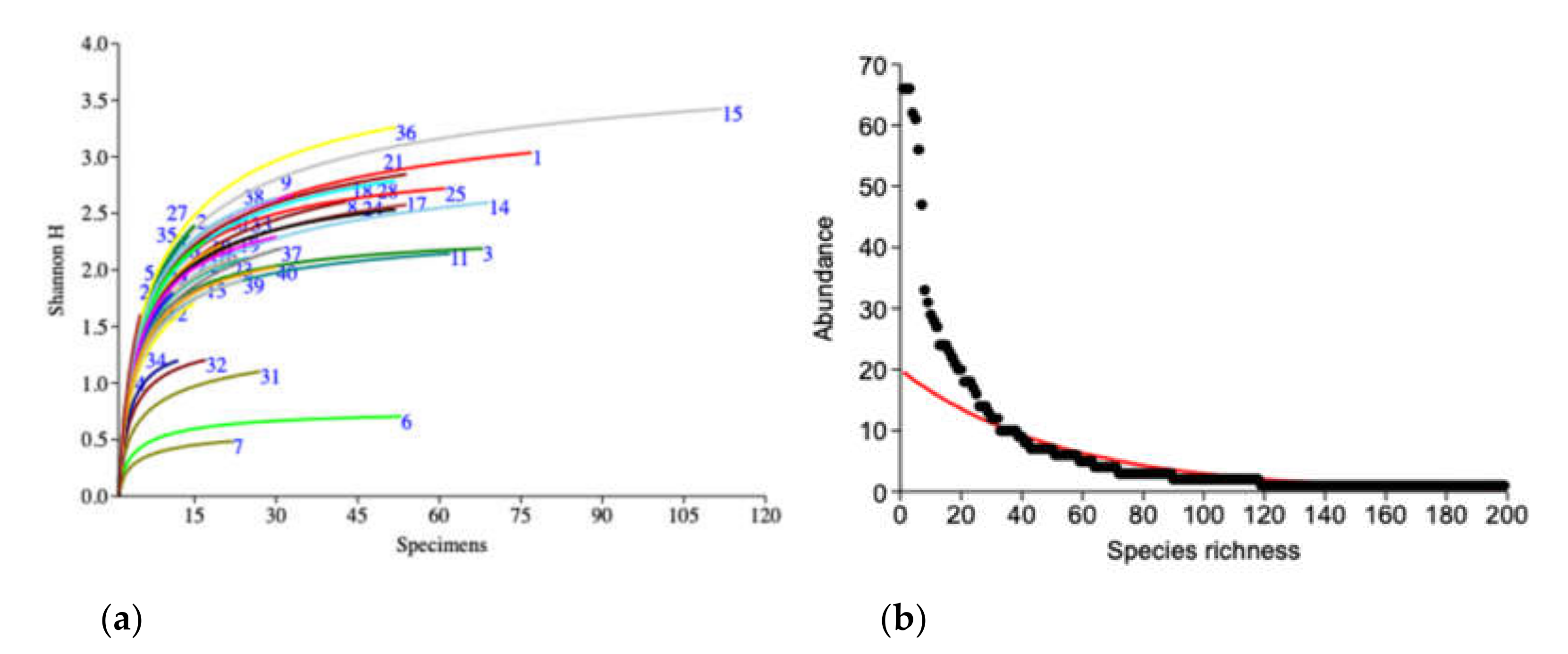
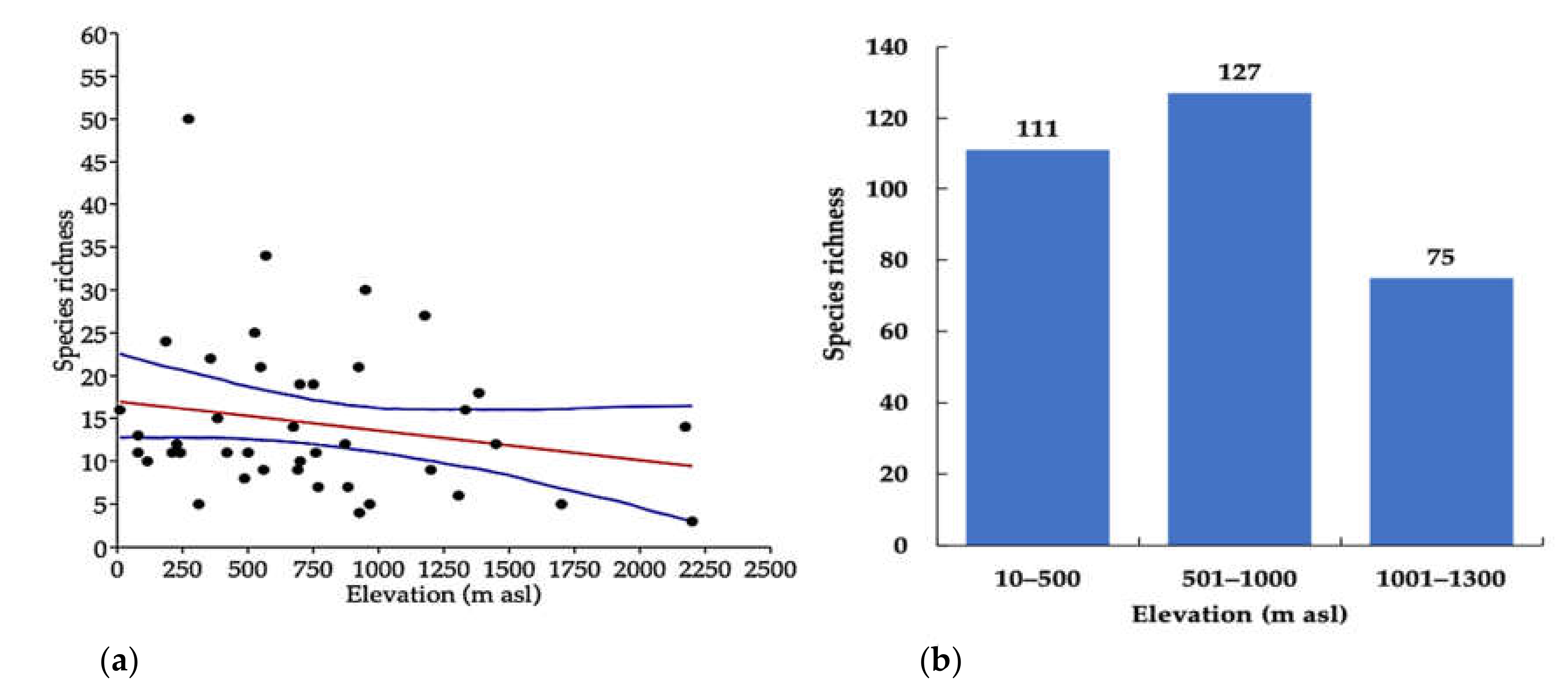
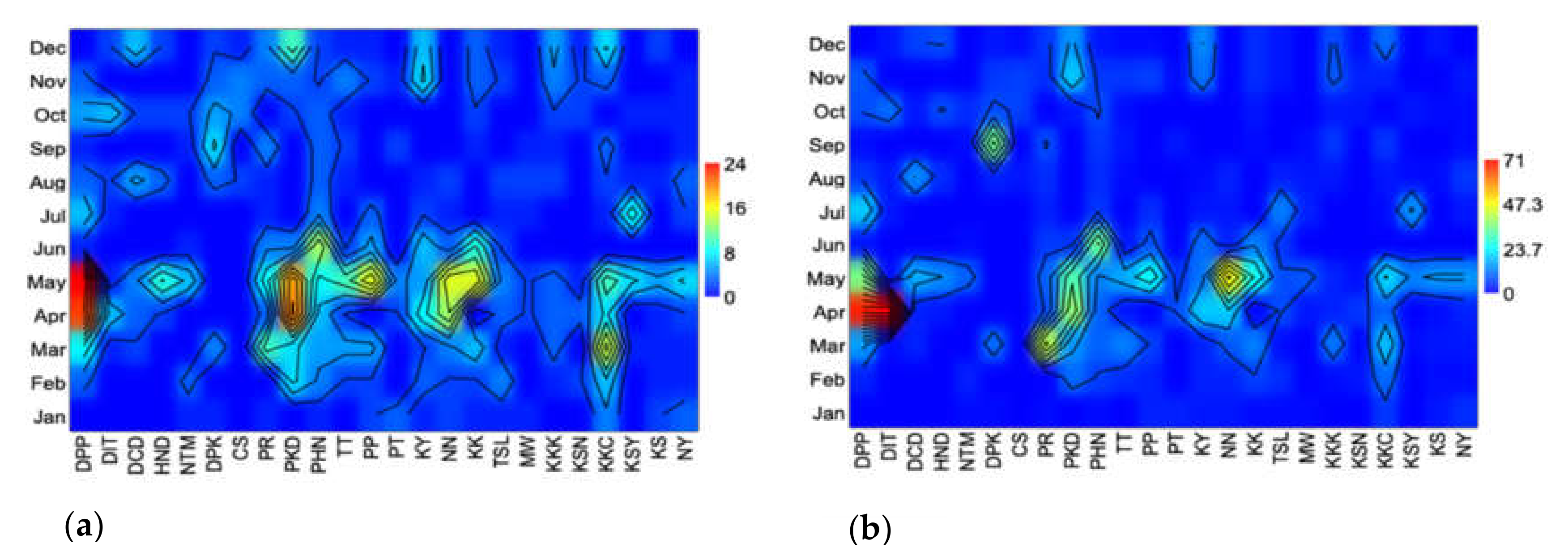
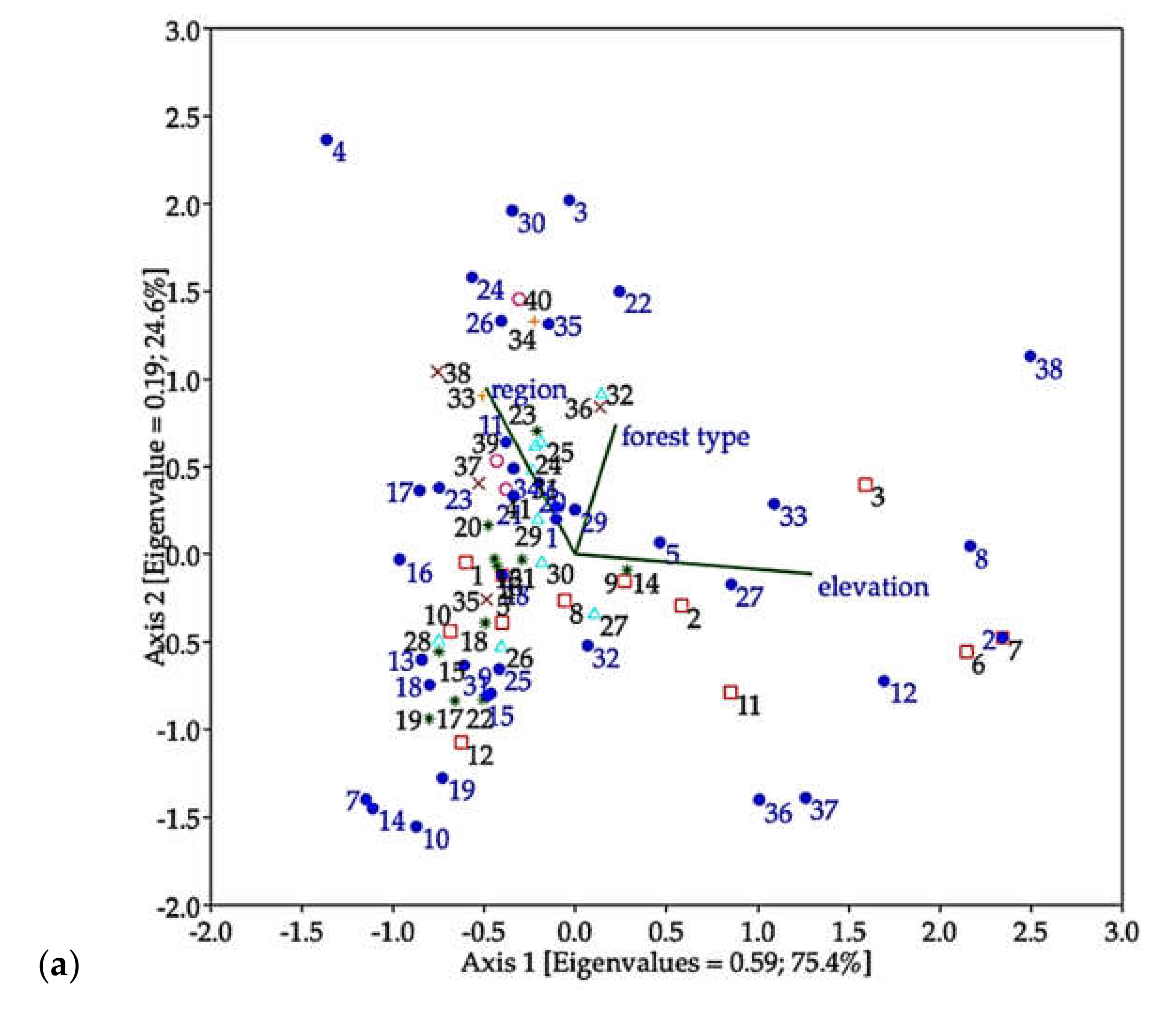
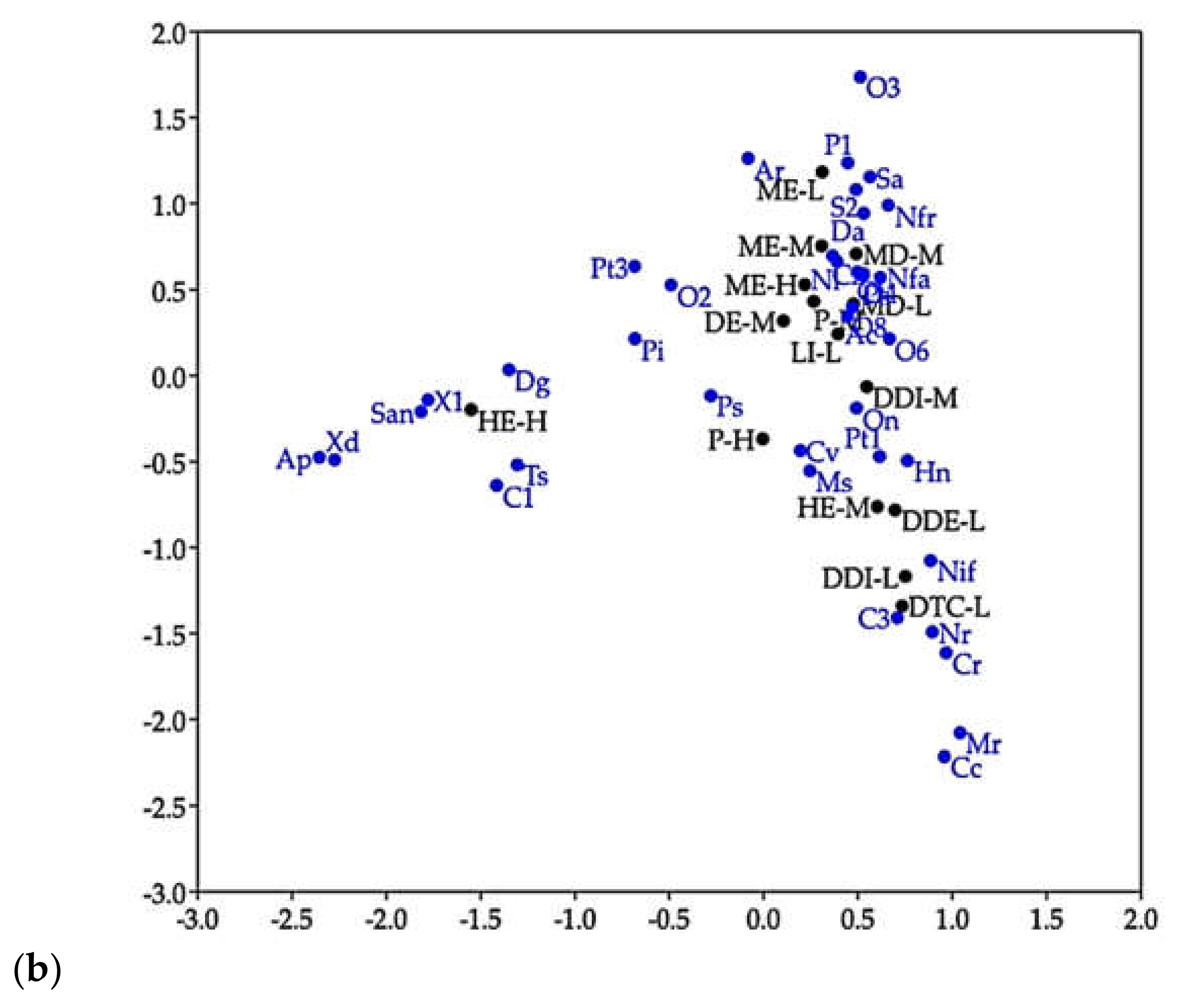
Longhorn beetles are highly diversified and important for agriculture and health of the environment. However, the fauna and ecology of these beetles are not well known in Thailand. This study is the first to report the biodiversity, elevation, and seasonal distribution of longhorn beetles. Specimens were collected by malaise traps from 41 localities in 24 national parks throughout the country during 2006–2009. The traps were operated at each site for 12 consecutive months with a monthly service. A total of 199 morphotaxa in 36 tribes of 6 subfamilies were identified from 1376 specimens. Of these, 40.7% and 14.5% of total taxa were singletons and doubletons, respectively. The Shannon diversity index and observed species richness at Panernthung, Loei Forest Unit and Mae Fang Hotspring were high at 0.96 (30), 0.88 (50), and 0.86 (34), respectively. Local richness ranged between 3 and 50 species, while the species richness estimator showed between 6 and 1275 species. The most relatively abundant species, Nupserha lenita, Pterolophia sp.1, Oberea sp.3, Acalolepta pseudospeciosa, and Ac. rustricatrix represented 4.80%, 4.80%, 4.80%, 4.5%, and 4.43% of the species, respectively. The species with the widest distribution range of percentage of species occurrence (% SO) was Pt. sp.1 (63.4%), followed by Ac. rustricatrix (39%) and Moechotypa suffusa (39%). In a significantly negative relationship between species richness and elevation (p > 0.05, R2 = 0.04), the species richness pattern showed a hump-shaped curve that peaked at the middle elevation (501–1000 m asl). Regarding seasonal variation, most of the species occurred during the hot season (March–April) and peaked in early rainy season (May), while a low number of species were found during the mid-rainy (June–October) and cold season (November–February). Ordination analysis indicated that the distribution of most species was associated with regions and forest type, and most of the species correlated with forest located at middle and low elevation. The results of this study indicated the very high biodiversity of longhorn beetles in Thailand, which suggests that an understanding of their seasonal and elevational distribution will be of value to agriculture management and conservation. They also indicated that malaise traps are appropriate for the evaluation of biodiversity.
Keywords:
Cerambycidae; longhorn beetles; biodiversity; distribution; tropical rain forest