3.1. Macroscopic Deformation and Spatial Evolution of PEEK During Friction
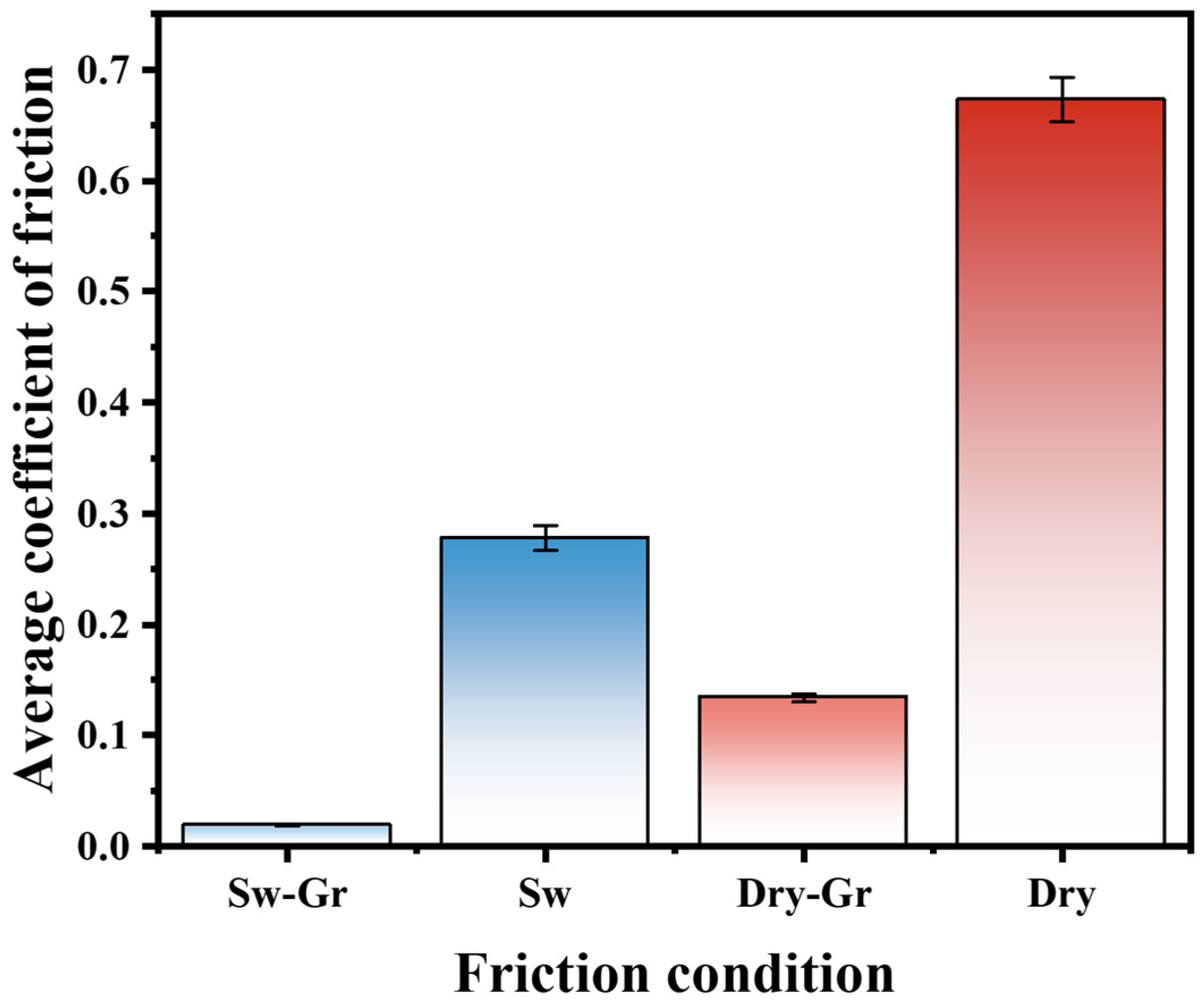
Figure 2 compares the average COF of the four systems during the steady friction stage. Dry-PEEK exhibited the highest average COF of approximately 0.67, which decreased to about 0.13 after the introduction of graphene. Under seawater conditions, the average COF decreased from approximately 0.28 for SW-PEEK to only about 0.02 for SW-Gr/PEEK. Accordingly, graphene reduced the average COF by approximately 81% under dry conditions and by more than 90% in seawater. Seawater also reduced the friction response of PEEK in both the presence and absence of graphene, indicating that the aqueous environment further facilitates interfacial sliding. The pronounced decrease in COF after introducing graphene is consistent with the displacement and stress responses discussed below, suggesting that graphene effectively limits the transmission of tangential motion and shear loading into the PEEK substrate.
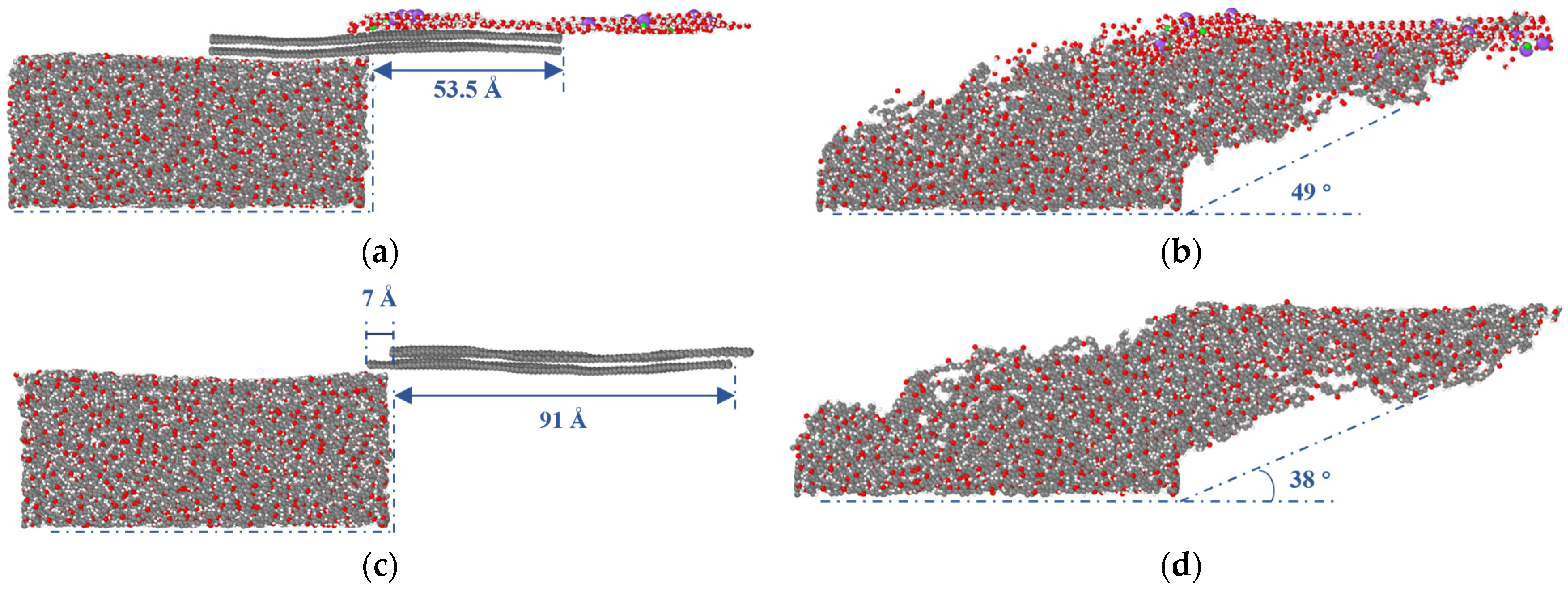
Figure 3 shows the final configurations of the PEEK surface under seawater and dry conditions with and without the graphene interlayer. As shown in
Figure 3a, the SW-Gr/PEEK system largely retained the initial block-like morphology of the PEEK substrate, while the graphene sheet extended approximately 53.5 Å beyond the original edge. The absence of pronounced forward pile-up indicates that the continuous graphene layer accommodated a considerable portion of the tangential displacement through interfacial sliding and in-plane deformation, thereby limiting the direct transfer of shear motion into the PEEK matrix. In
Figure 3b, removing graphene led to substantial forward displacement and upward accumulation of the PEEK chains, producing a wedge-shaped deformation region with an inclination angle of approximately 49°. This morphology suggests that direct interaction with the counterface transferred the sliding motion into the polymer, causing chain dragging and simultaneous redistribution in the tangential and normal directions.
Under dry conditions,
Figure 3c shows that the graphene sheet extended approximately 91 Å and exhibited an upward deflection of about 7 Å near the original PEEK edge. Compared with SW-Gr/PEEK, the extension distance increased by approximately 70.1%. Equivalently, seawater reduced the dragged graphene length by about 41.2%. Without interfacial water, the more direct interaction between graphene and PEEK allowed the friction-induced traction to propagate farther along the graphene sheet. The local upward deflection reflects partial separation caused by competition between interfacial adhesion and tangential pulling. As shown in
Figure 3d, the Dry-PEEK system also developed a pronounced forward pile-up, but its inclination angle was approximately 38°, which was 11° lower than that of SW-PEEK. The steeper deformation front in seawater therefore does not necessarily indicate a larger total deformation; instead, it suggests that seawater altered the partitioning of polymer motion by promoting more localized upward rearrangement, whereas the dry interface produced a broader and flatter region dominated by forward chain dragging.
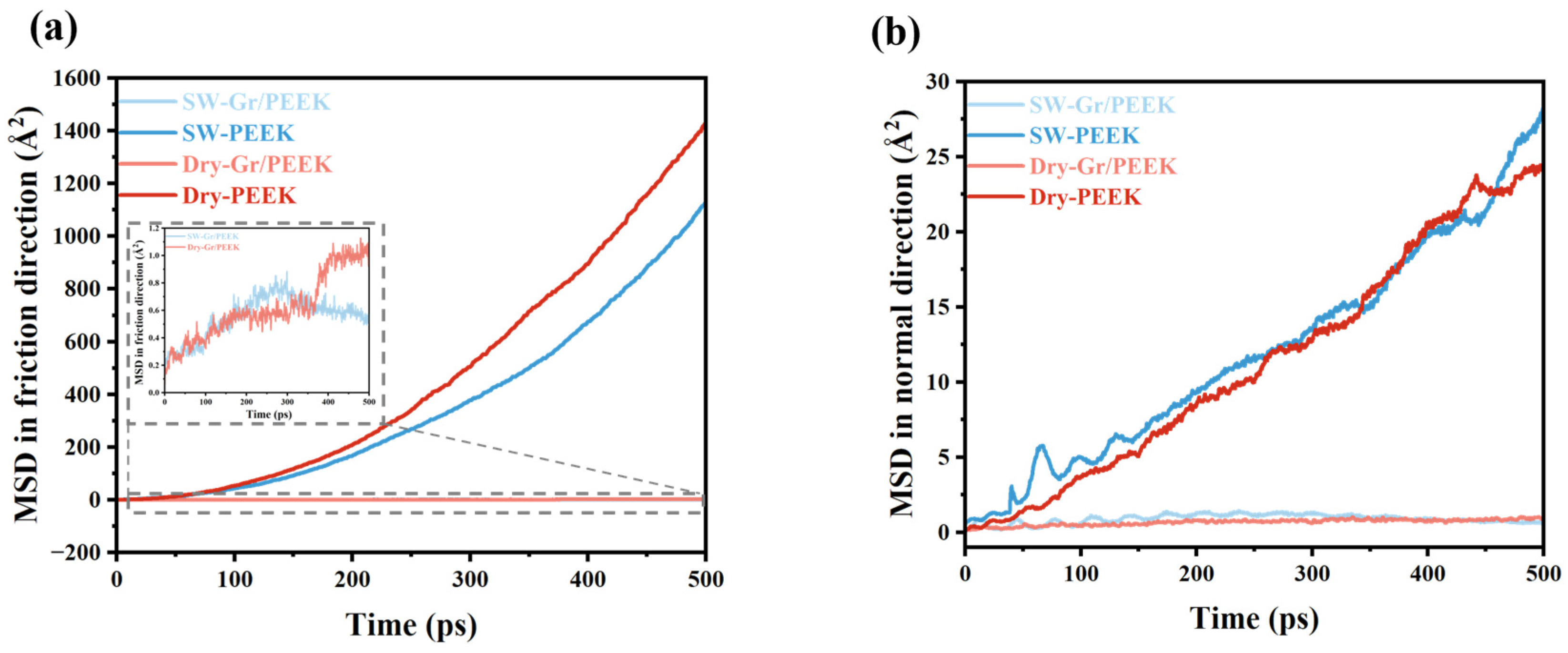
Figure 4 shows the evolution of the mean square displacement (MSD) of PEEK in the friction and normal directions. The MSD reflects the combined contribution of the overall translation and local rearrangement of the PEEK chains. As shown in
Figure 4a, the MSD in the friction direction increased continuously in the two systems without graphene, particularly after approximately 100 ps. At 500 ps, the X-direction MSD reached approximately 1.40 × 10
3 Å
2 for Dry-PEEK and 1.12 × 10
3 Å
2 for SW-PEEK. The presence of seawater therefore reduced the tangential displacement by approximately 20%, indicating that the confined liquid partially weakened the direct dragging of PEEK by the counterface. Water molecules accommodated part of the relative motion through interfacial rearrangement, thereby decreasing the proportion of sliding displacement transmitted directly into the polymer matrix. In contrast, the X-direction MSD of the two graphene-containing systems remained below approximately 1.1 Å
2 throughout the friction process, as shown more clearly in the inset of
Figure 4a. The final values were approximately 1.0 Å
2 for Dry-Gr/PEEK and 0.6 Å
2 for SW-Gr/PEEK. The continuous graphene sheet therefore acted as an interfacial sliding plane that accommodated tangential displacement while limiting the long-range translation and internal dragging of the PEEK chains. The lower MSD of SW-Gr/PEEK than that of Dry-Gr/PEEK further indicates that seawater reduced the residual motion transmitted across the graphene-PEEK interface.
As shown in
Figure 4b, the normal MSD exhibited a different trend. In the absence of graphene, the Z-direction MSD of SW-PEEK showed pronounced oscillations during the initial stage and subsequently increased to approximately 28 Å
2 at 500 ps, whereas that of Dry-PEEK reached approximately 24 Å
2. Thus, although seawater reduced the tangential MSD by approximately 20%, it increased the final normal MSD by approximately 17%. This directional difference indicates that seawater did not simply suppress the mobility of PEEK. Instead, it redistributed part of the sliding-induced motion from continuous tangential dragging to normal compression, recovery, and upward chain rearrangement. This behavior is consistent with the steeper pile-up region observed for SW-PEEK in
Figure 3b. In the systems with graphene, the normal MSD remained close to 1 Å
2, representing a reduction of more than 96% relative to the systems without graphene. Graphene therefore restricted not only the tangential translation of PEEK but also the normal rearrangement of the polymer chains. By separating the PEEK matrix from direct interaction with the counterface and accommodating interfacial displacement through its own deformation and sliding, graphene confined the structural response to a narrower interfacial region and prevented the large-scale displacement observed in the unprotected PEEK systems.
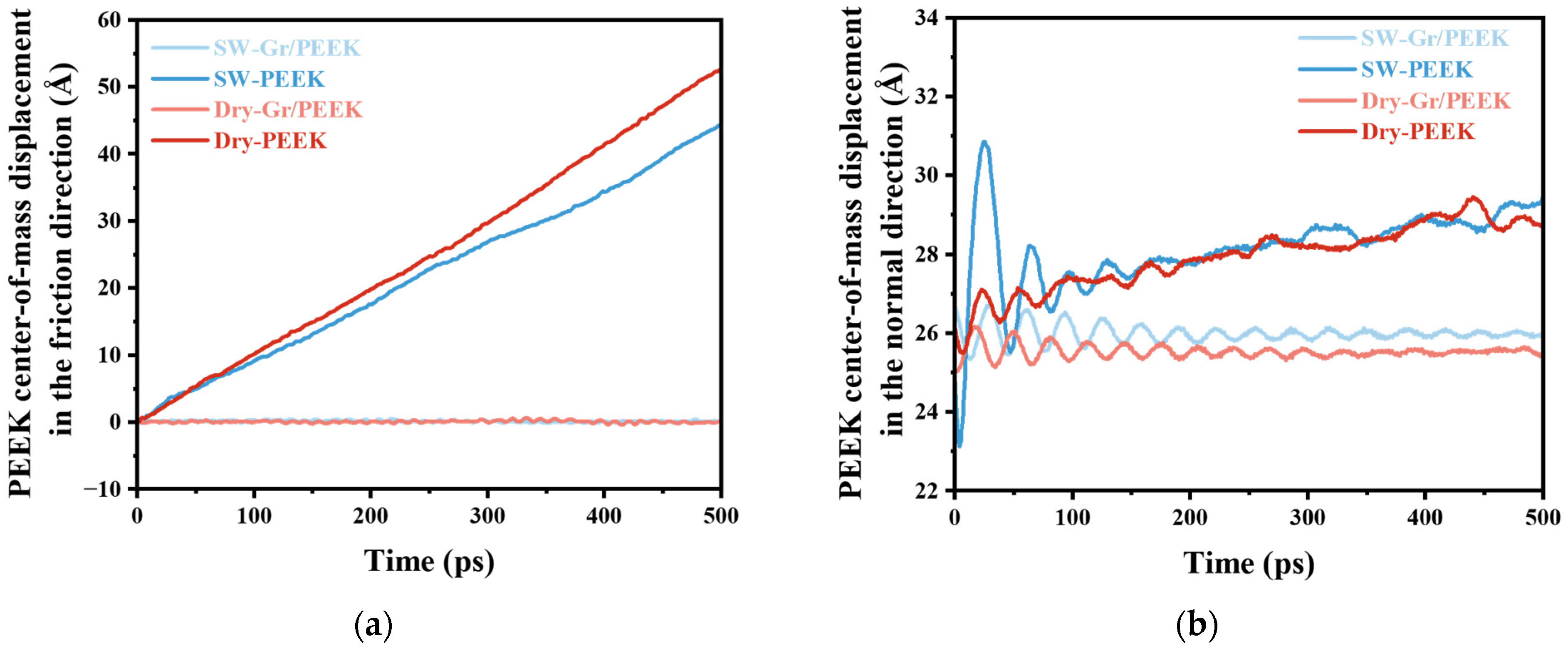
Figure 5 shows the evolution of the PEEK center of mass (COM) in the friction and normal directions, which distinguishes the collective translation of the polymer matrix from the atomic-scale mobility characterized by the MSD in
Figure 4. As shown in
Figure 5a, the COM displacement increased continuously in the two systems without graphene. At 500 ps, Dry-PEEK exhibited a displacement of approximately 52.5 Å, whereas the corresponding value for SW-PEEK was approximately 44.5 Å. The presence of seawater therefore reduced the collective tangential translation of PEEK by approximately 15.2%. This reduction indicates that molecular rearrangement within the confined seawater layer accommodated part of the relative sliding motion and weakened the direct mechanical coupling between the counterface and the PEEK chains. Nevertheless, the continuously increasing displacement of SW-PEEK shows that seawater alone was insufficient to prevent the sliding motion from propagating into the polymer matrix. In contrast, the COM displacements of SW-Gr/PEEK and Dry-Gr/PEEK remained close to 0 Å throughout the friction process, with fluctuations generally confined within approximately 0.5 Å. Compared with the corresponding systems without graphene, the collective tangential motion of PEEK was suppressed by more than 99%. The continuous graphene sheet therefore separated the PEEK matrix from direct tangential dragging and accommodated the imposed displacement through interfacial sliding and its own in-plane deformation. This markedly restricted the conversion of counterface motion into coherent translation of the polymer, consistent with the preserved block-like morphology observed in
Figure 3a,c.
As shown in
Figure 5b, the normal COM position exhibited a markedly different response. SW-PEEK underwent the strongest initial oscillation, decreasing to approximately 23 Å and subsequently reaching a transient peak of about 30.8 Å within the first 30 ps. The oscillation gradually decayed, after which its COM increased to approximately 29.3 Å at 500 ps. Dry-PEEK showed a smaller initial fluctuation and reached a final position of approximately 28.8 Å. The final COM position of SW-PEEK was therefore about 0.5 Å higher than that of Dry-PEEK, indicating that seawater reduced the tangential dragging of PEEK while promoting a greater proportion of normal rearrangement. The pronounced initial fluctuation arose from the rapid redistribution of water molecules and polymer chains under the applied normal load, while the subsequent upward shift corresponded to the development of the steeper pile-up structure shown in
Figure 3b. The normal COM positions of SW-Gr/PEEK and Dry-Gr/PEEK stabilized at approximately 26.0 and 25.5 Å, respectively, after the initial damped oscillations. These values were approximately 3.3 Å lower than those of the corresponding systems without graphene at the end of sliding. By preventing direct penetration and dragging of the counterface into the PEEK surface, graphene confined the normal structural adjustment to the interfacial region and limited the upward redistribution of the polymer chains.
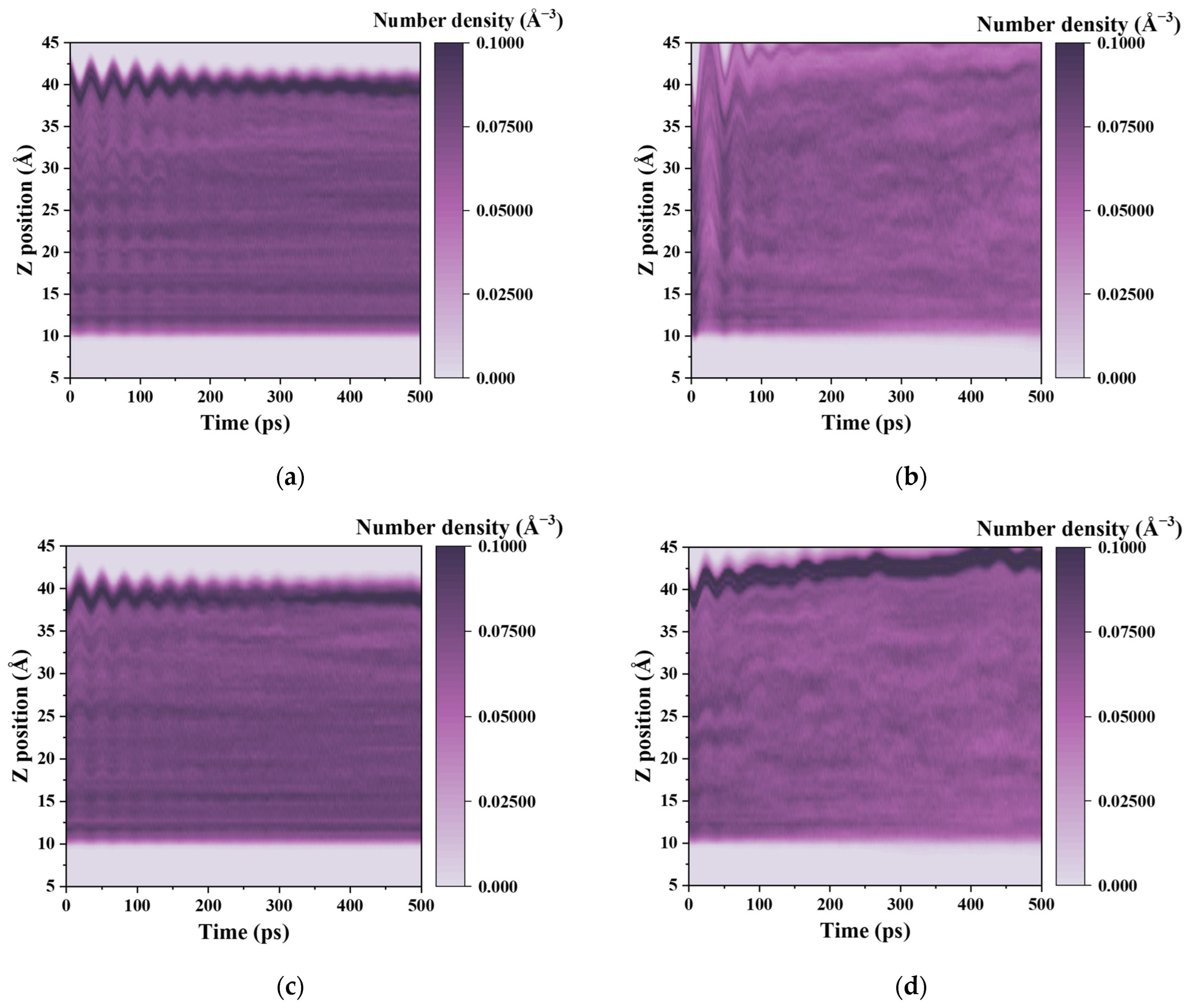
Figure 6 shows the number-density distributions of PEEK along the normal direction. As shown in
Figure 6a, the lower boundary of PEEK in the SW-Gr/PEEK system remained at approximately 10 Å throughout the simulation. The dense region near the upper surface initially oscillated between approximately 38 and 42 Å. Its oscillation gradually weakened, and the upper boundary stabilized near 39–40 Å after about 150 ps. The overall thickness of the PEEK layer therefore remained close to 30 Å. The initial oscillation reflects the compression and recovery of the surface chains under the normal load, while graphene limited this adjustment to the region close to the sliding interface. As shown in
Figure 6b, SW-PEEK exhibited a broader density distribution near the upper surface. The upper boundary rapidly expanded from approximately 40 Å to nearly 45 Å during the initial stage and subsequently remained close to this position. Compared with SW-Gr/PEEK, the thickness occupied by PEEK increased by approximately 5 Å, corresponding to an increase of about 17% relative to its initial thickness. Without graphene, the motion imposed by the counterface was transferred directly into the polymer, causing the surface chains to move upward and occupy a wider region along the normal direction. The rapid expansion during the initial stage also indicates that the seawater layer promoted local molecular rearrangement under the applied load, although it reduced the continuous tangential motion of PEEK, as observed in
Figure 4 and
Figure 5.
As shown in
Figure 6c, the density evolution of Dry-Gr/PEEK was similar to that of SW-Gr/PEEK. The upper boundary underwent several oscillations during the initial stage and then stabilized near 39–40 Å, while the lower boundary remained at approximately 10 Å. The nearly constant distance between the two boundaries indicates that the PEEK matrix retained its original thickness during dry sliding. Although the graphene sheet extended farther along the friction direction under dry conditions, its continuous coverage prevented this motion from producing substantial upward migration of the underlying PEEK chains. As shown in
Figure 6d, the upper boundary of Dry-PEEK gradually shifted from approximately 40 Å to 44–45 Å as sliding proceeded. Different from the rapid and relatively dispersed expansion observed in SW-PEEK, the upward movement in Dry-PEEK developed progressively and produced a more concentrated, dense region near the upper boundary. In the absence of both seawater and graphene, direct interaction with the counterface continuously transferred tangential traction into the PEEK matrix. The surface chains were therefore dragged forward and progressively accumulated in the normal direction, consistent with the broad pile-up structure in
Figure 3d and the continuously increasing center-of-mass displacement in
Figure 5a.
3.2. Microscopic Stress Transfer and Molecular Response of PEEK
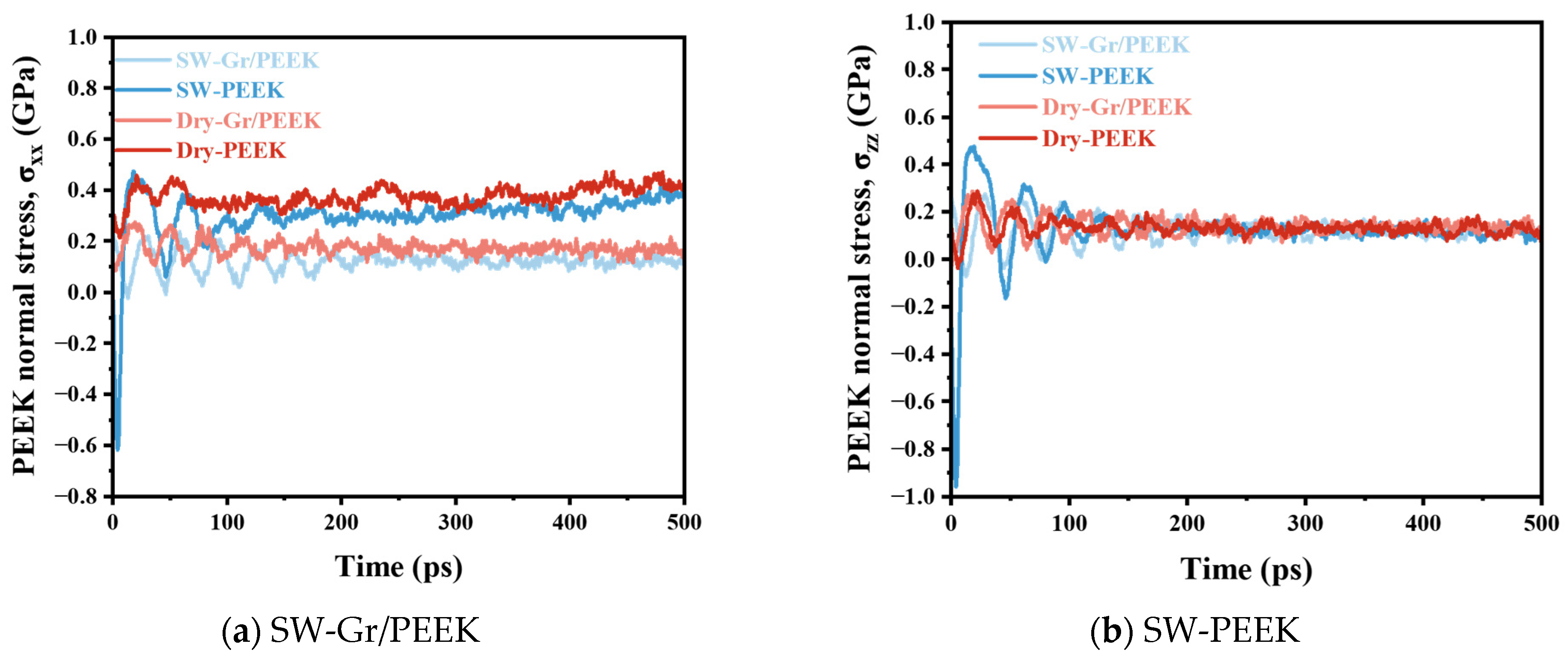
Figure 7 shows the evolution of the normal stress, shear stress, and von Mises stress of PEEK during friction. As shown in
Figure 7a, σ
xx underwent pronounced oscillations during the initial adjustment stage and gradually approached a relatively stable range after approximately 100 ps. During 200–500 ps, the average σ
xx values of Dry-PEEK and SW-PEEK were approximately 0.40 and 0.33 GPa, respectively. The introduction of seawater therefore reduced σ
xx by about 18% in the absence of graphene. For Dry-Gr/PEEK and SW-Gr/PEEK, the corresponding values decreased to approximately 0.18 and 0.12 GPa. Graphene reduced the stress transmitted along the sliding direction by approximately 56% under dry conditions and 63% in seawater. This reduction indicates that graphene accommodated a considerable portion of the tangential displacement through its in-plane deformation and interfacial sliding, thereby limiting the transmission of friction traction into the PEEK matrix. The lower σ
xx of SW-Gr/PEEK further suggests that molecular rearrangement in seawater weakened the residual mechanical coupling across the graphene and PEEK interface.
As shown in
Figure 7b, σ
zz exhibited strong transient oscillations during the initial stage, particularly in SW-PEEK. Its value first decreased to approximately −0.95 GPa and then increased to nearly 0.48 GPa within the first several tens of picoseconds. These oscillations gradually decayed, and the four systems converged to approximately 0.10–0.16 GPa after about 150 ps. Thus, seawater and graphene mainly changed the initial accommodation of the applied load rather than the final average normal stress. The stronger transient response of SW-PEEK reflects the rapid compression and redistribution of the confined seawater and PEEK chains, consistent with the pronounced normal motion observed in
Figure 5b and
Figure 6b.
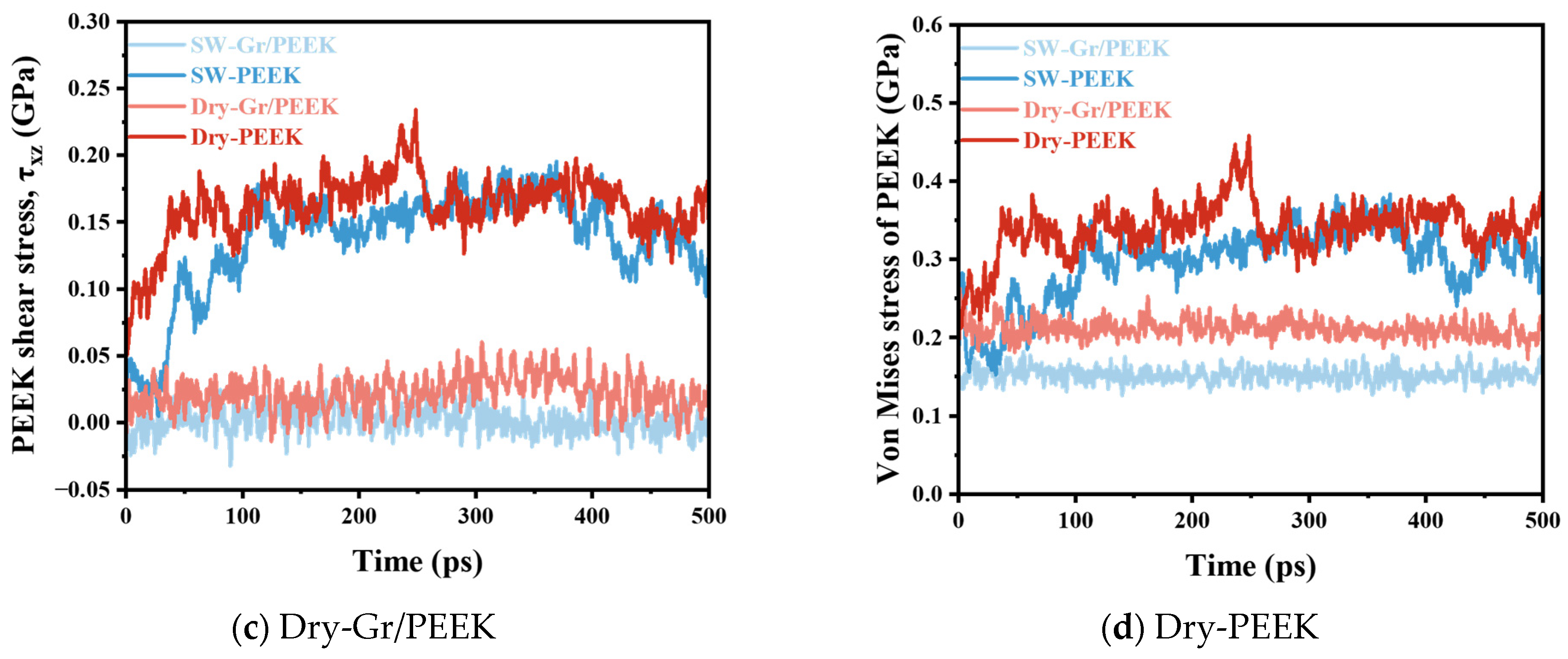
Figure 7c shows a clearer difference in the transmission of shear stress. The average τ
xz values of Dry-PEEK and SW-PEEK were approximately 0.15 and 0.13–0.15 GPa during the stable stage. In contrast, the values in the systems with graphene remained mainly between 0 and 0.03 GPa. Graphene therefore reduced the shear stress within PEEK by approximately 85–90%. This substantial reduction explains why SW-Gr/PEEK and Dry-Gr/PEEK showed almost no collective translation in
Figure 5a. Rather than being transferred directly into the polymer chains, most of the relative displacement was accommodated near the graphene interface. Seawater alone produced only a moderate decrease in τ
xz, indicating that the liquid layer weakened direct dragging but could not completely isolate PEEK from the applied shear motion.
As shown in
Figure 7d, graphene reduced the von Mises stress of PEEK by approximately 46% under dry conditions and 60% in seawater. Meanwhile, seawater reduced the von Mises stress by only about 11% without graphene, whereas the reduction reached approximately 35% when graphene was present. The lower combined stress in SW-Gr/PEEK indicates that seawater and graphene acted at different positions in the load transmission process: graphene restricted the entry of shear traction into PEEK, while seawater reduced the residual interaction and molecular constraint at the protected interface.
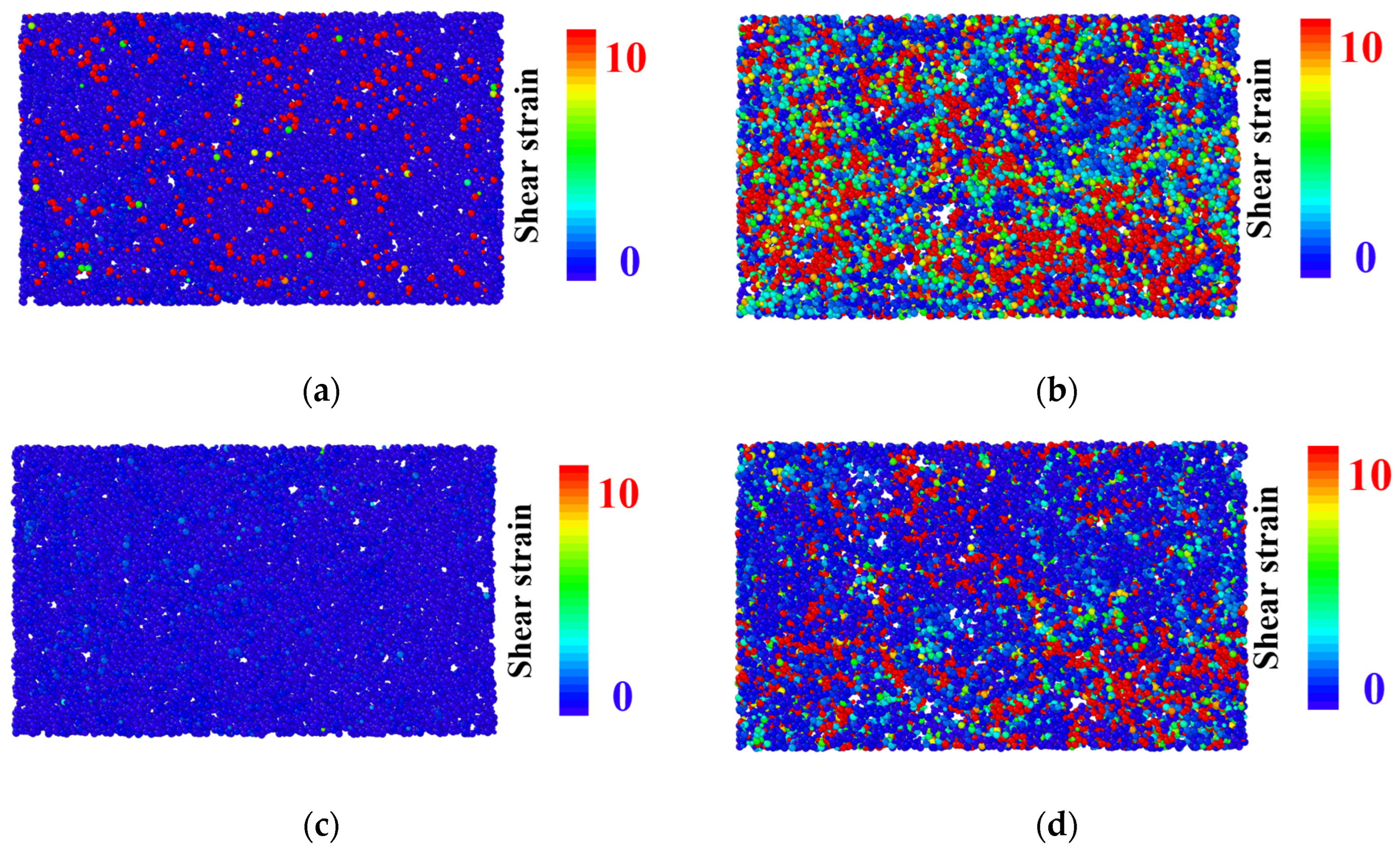
Figure 8 shows the spatial distributions of shear strain in PEEK after friction. As shown in
Figure 8a, most of the SW-Gr/PEEK matrix remained in the low strain range, while isolated regions with strain values approaching 8–10 were dispersed throughout the polymer. The absence of continuous high-strain bands indicates that graphene prevented the shear deformation from propagating over a large area. However, the scattered high-strain sites suggest that the presence of seawater introduced local variations in interfacial slip and chain mobility, allowing a small portion of the deformation to enter the PEEK matrix through discrete regions.
Figure 8b shows a substantially broader shear strain distribution in SW-PEEK. Compared with SW-Gr/PEEK, the deformation was no longer limited to isolated sites but extended throughout most of the PEEK matrix. Without graphene, the relative motion of the counterface was transferred directly into the polymer chains. Meanwhile, seawater increased the local mobility of the chains and facilitated their relative rearrangement, causing the applied shear displacement to be accommodated through distributed internal deformation rather than purely through coherent translation.
As shown in
Figure 8c, Dry-Gr/PEEK exhibited the lowest and most uniform shear strain. This result agrees with the low τ
xz and von Mises stress observed in
Figure 7. Under dry conditions, the continuous graphene layer accommodated the sliding displacement through its own extension and interfacial motion, while limiting both the magnitude and spatial penetration of shear deformation into PEEK. In
Figure 8d, Dry-PEEK displayed a heterogeneous strain field composed of a low-strain background. Compared with SW-PEEK, the high-strain regions were less uniformly distributed and appeared as more concentrated clusters. The direct contact between the counterface and PEEK generated strong local dragging and caused deformation to accumulate preferentially along specific chain groups. This localized response is consistent with the relatively high shear and von Mises stresses in
Figure 7 and the broad forward pile-up observed in
Figure 3d. The comparison between
Figure 8b,d therefore indicates that seawater redistributed the shear deformation from concentrated regions into a more spatially dispersed chain rearrangement, although it did not prevent substantial deformation when graphene was absent.
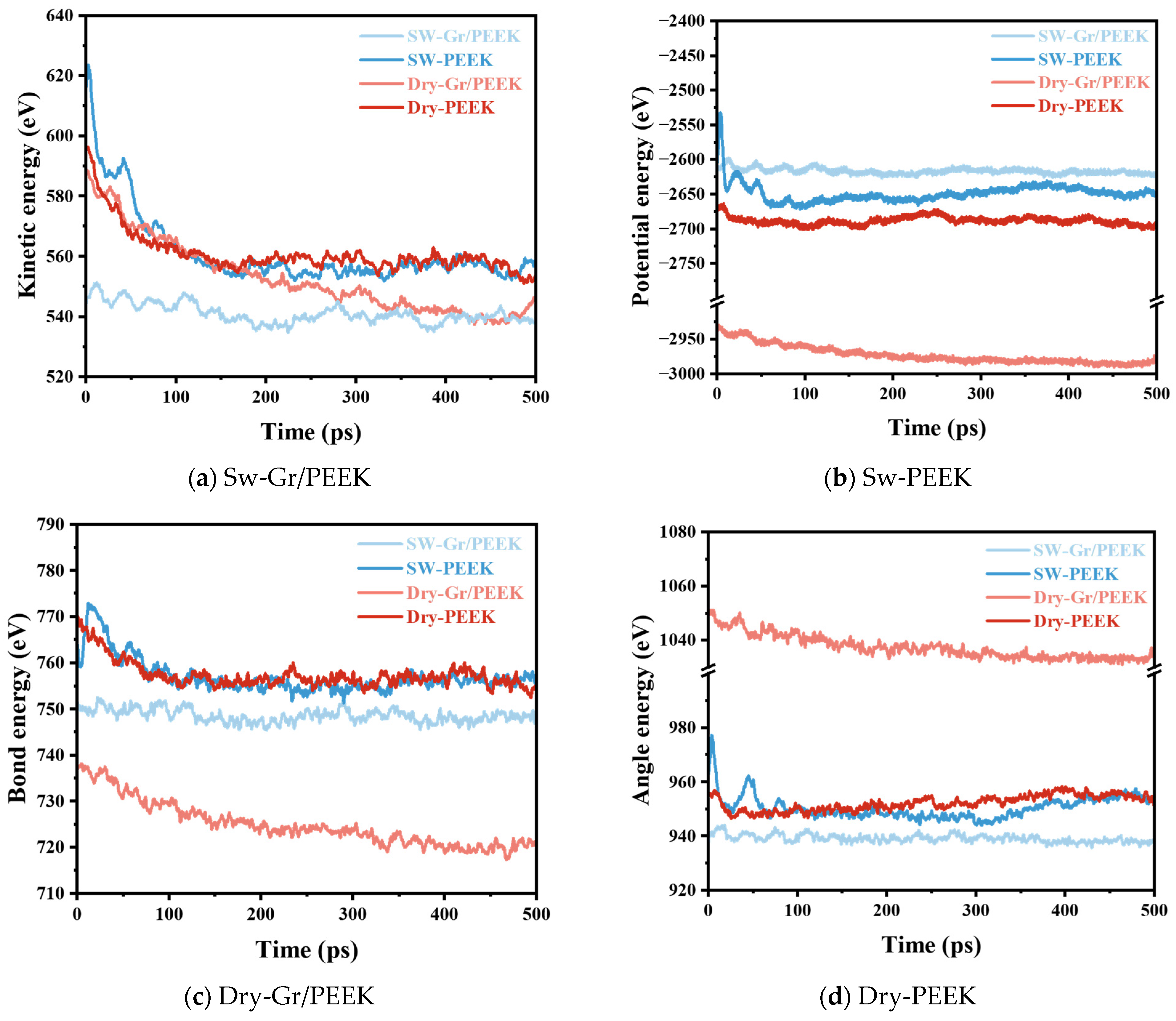
Figure 9 shows the evolution of the kinetic, potential, bond, and angle energies of PEEK during friction. As shown in
Figure 9a, the kinetic energies of SW-PEEK and Dry-PEEK decreased rapidly during the initial stage and gradually stabilized at approximately 554–558 eV after about 150 ps. The two systems with graphene reached lower values of approximately 538–543 eV during the same period, corresponding to a reduction of about 14–17 eV, or approximately 2.5–3.0%, relative to the systems without graphene. The lower kinetic response indicates that graphene restricted the transfer of sliding motion into the PEEK matrix and reduced the dynamic activity of the polymer chains. By contrast, the similar steady values of SW-PEEK and Dry-PEEK suggest that seawater alone mainly altered the direction and spatial distribution of chain motion rather than substantially changing its overall kinetic contribution.
As shown in
Figure 9b, the four systems occupied clearly different potential energy ranges. During the stable stage, SW-Gr/PEEK and SW-PEEK remained at approximately −2620 and −2650 eV, respectively, while Dry-PEEK stabilized near −2690 eV. Dry-Gr/PEEK exhibited the lowest potential energy, decreasing from approximately −2945 to −2985 eV during sliding. Its final value was about 295 eV lower than that of Dry-PEEK. This large difference should not be interpreted solely as greater thermodynamic stability. Instead, it indicates that direct contact with graphene produced a distinct interaction environment and conformational state within PEEK. The much smaller difference between SW-Gr/PEEK and SW-PEEK suggests that seawater weakened the direct interaction between graphene and PEEK and allowed the interfacial chains to adopt less constrained configurations.
Figure 9c shows that the bond energies of SW-PEEK and Dry-PEEK gradually converged to approximately 755 eV after the initial relaxation. The corresponding value of SW-Gr/PEEK was approximately 748 eV, about 7 eV lower than that of SW-PEEK. A more pronounced decrease occurred in Dry-Gr/PEEK, whose bond energy declined from approximately 737 eV to nearly 720 eV and remained about 35 eV below that of Dry-PEEK. These differences indicate that graphene, particularly under dry conditions, reduced the extent to which the imposed deformation was accommodated through bond stretching. The friction displacement was instead increasingly accommodated by changes in chain geometry and interfacial motion.
As shown in
Figure 9d, the angle energy provides complementary evidence for this change in the deformation mode. SW-Gr/PEEK maintained the lowest angle energy at approximately 940 eV, whereas SW-PEEK and Dry-PEEK generally remained within approximately 950–956 eV. In contrast, Dry-Gr/PEEK exhibited an angle energy of approximately 1033–1042 eV, which was about 80–90 eV higher than that of Dry-PEEK during the stable stage. The simultaneous decrease in bond energy and increase in angle energy indicates that direct contact with graphene under dry conditions redirected the internal response of PEEK from bond stretching toward bond angle variation, chain bending, and conformational adjustment. When seawater was present, interfacial molecular rearrangement relieved part of this geometric constraint, thereby preventing the similarly large increase in angle energy observed in Dry-Gr/PEEK.
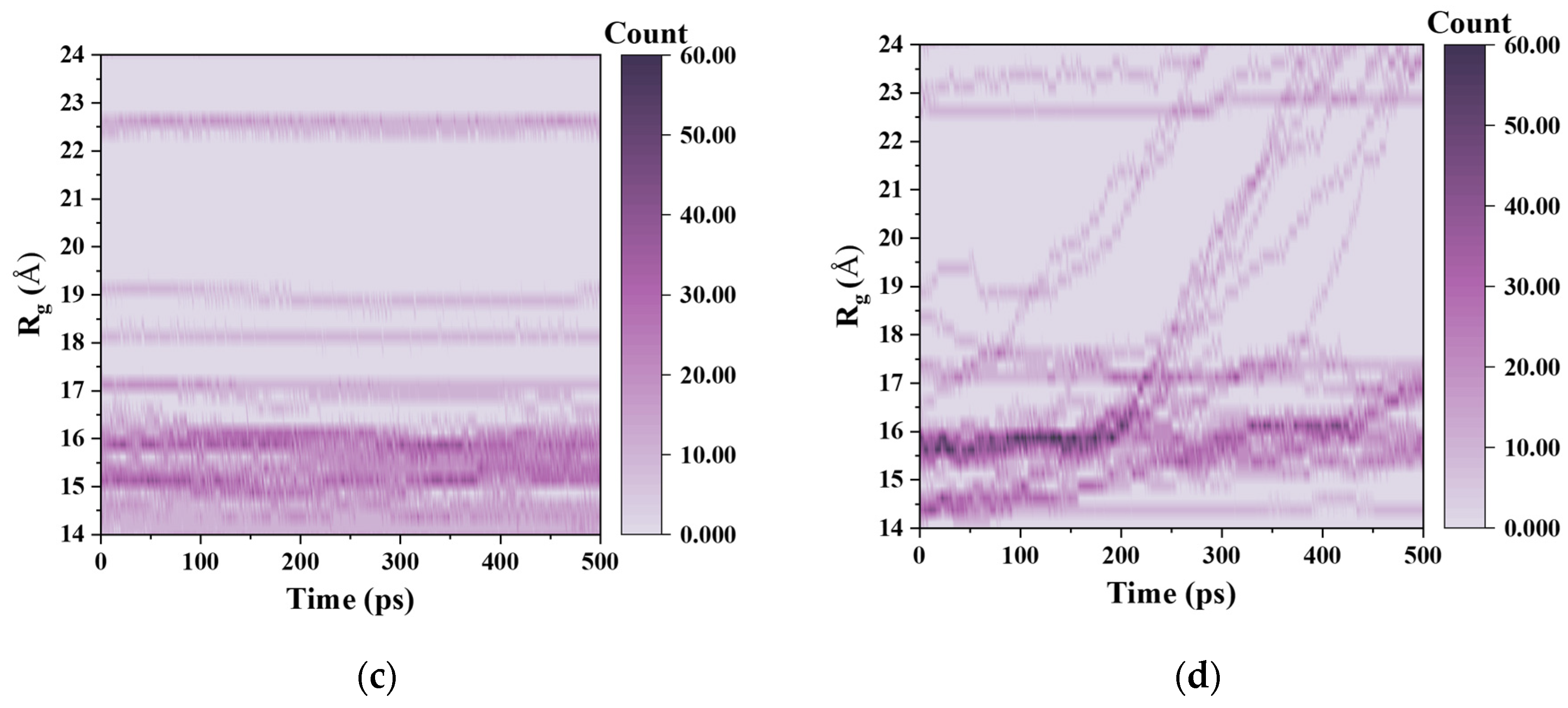
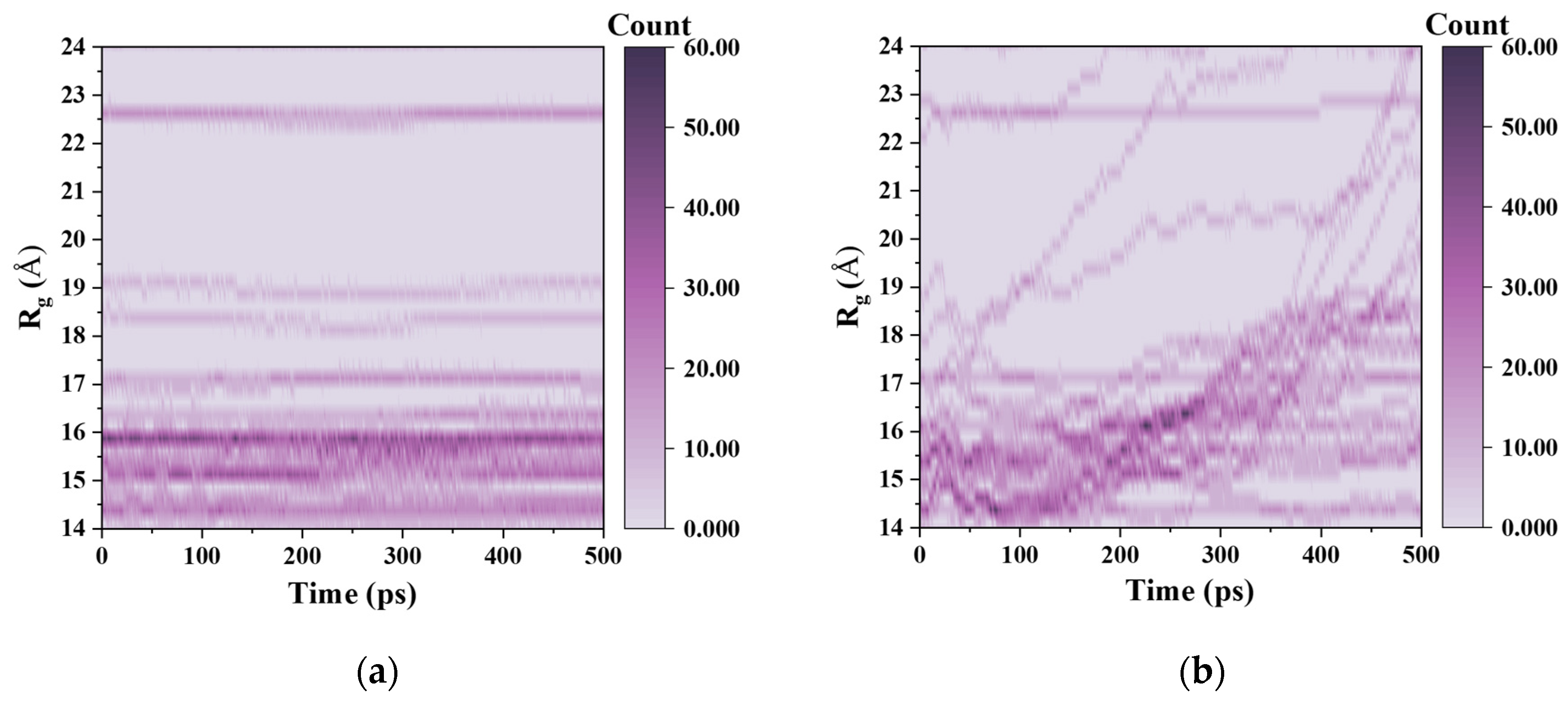
Figure 10 shows the evolution of the radius of gyration (R
g) distributions of the PEEK chains during friction. As shown in
Figure 10a, the main distribution bands in SW-Gr/PEEK remained nearly unchanged throughout the 500 ps sliding process. Most of the chains were concentrated in the lower radius range, while several additional bands remained at larger radii without pronounced upward migration. The variation in the dominant bands was generally limited to approximately 1–2 Å. This stable distribution indicates that graphene restricted the transmission of friction displacement into the PEEK matrix, thereby preventing sustained chain stretching. The slight broadening of several bands reflects limited local rearrangement induced by the seawater environment rather than large-scale conformational extension. As shown in
Figure 10b, SW-PEEK exhibited a substantially broader and more dynamic distribution. Several trajectories initially located below approximately 10 Å gradually shifted toward 20–24 Å as friction proceeded, while the low-radius region also became increasingly diffuse. The increase of more than 10 Å for these chains indicates progressive extension and orientation under the combined action of tangential dragging and normal redistribution. Without graphene, the motion of the counterface was transferred directly into the polymer matrix. Seawater reduced the coherent translation of PEEK, as shown in
Figure 4 and
Figure 5, but allowed the imposed displacement to be accommodated through more dispersed chain rearrangement, resulting in multiple conformational evolution paths.
In
Figure 10c, Dry-Gr/PEEK also retained a series of nearly horizontal distribution bands. The dominant low-radius region remained concentrated throughout sliding, and the bands at larger radii showed only limited fluctuations. Compared with SW-Gr/PEEK, the distribution was slightly more concentrated, indicating that the dry graphene interface imposed stronger geometric constraints on the underlying PEEK chains. This constraint limited extensive chain extension, although the energy results in
Figure 9 show that part of the local response was accommodated through bond angle variation and chain bending. As shown in
Figure 10d, Dry-PEEK displayed several pronounced trajectories extending from below approximately 10 Å to above 20 Å. The distribution in the low-radius region also broadened progressively, indicating that the chain response became increasingly nonuniform during sliding. Compared with SW-PEEK, the extending trajectories in Dry-PEEK were relatively concentrated and developed along several distinct paths. Direct interaction between the counterface and PEEK therefore caused deformation to accumulate preferentially in specific chain groups, producing simultaneous chain stretching, orientation, and forward dragging. This concentrated conformational evolution is consistent with the localized high-shear-strain regions in
Figure 8d and the higher stress response observed in
Figure 7.
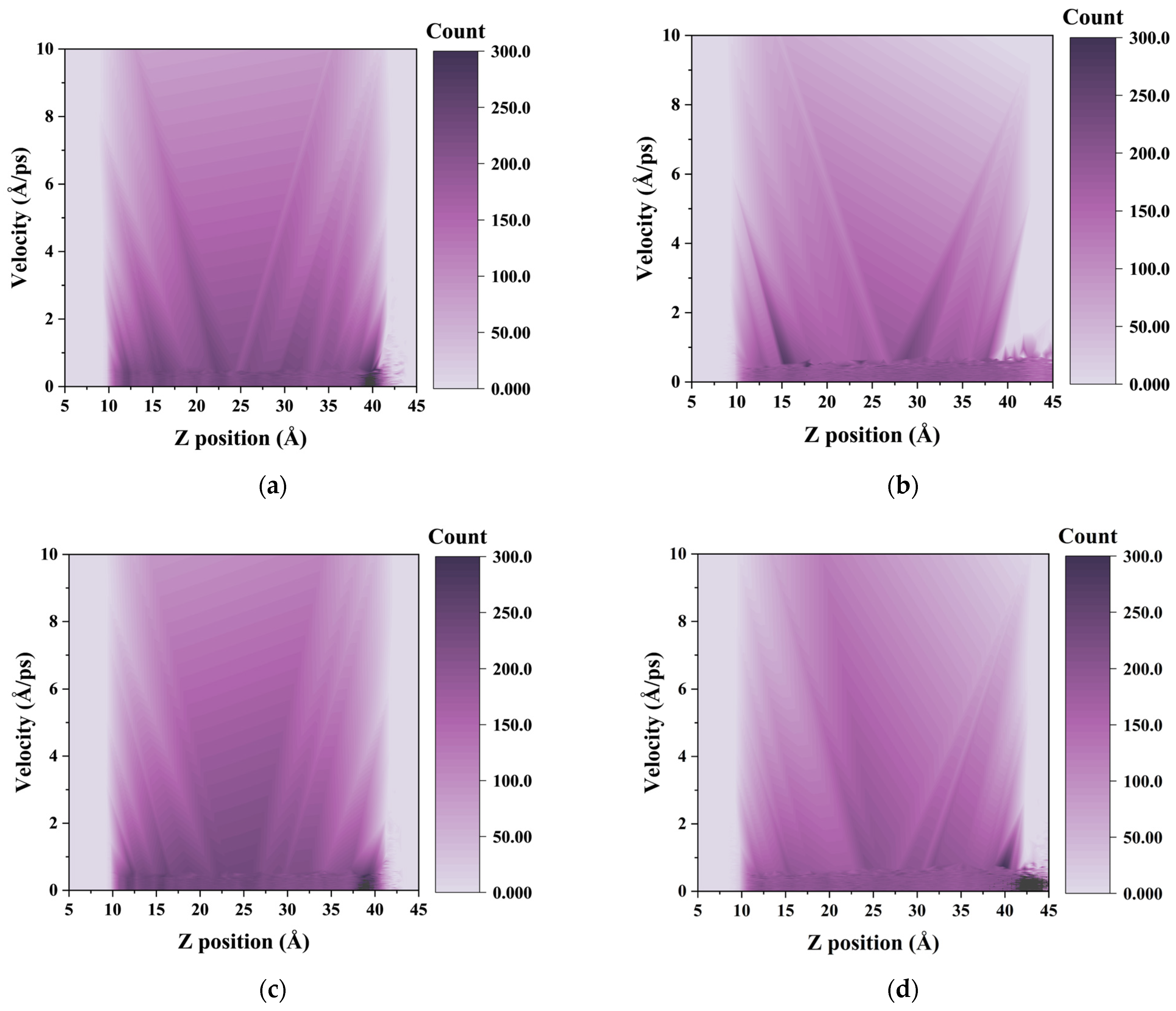
Figure 11 shows the distribution of PEEK atomic velocities as a function of position along the normal direction. As shown in
Figure 11a, the dominant distribution in SW-Gr/PEEK was concentrated in the low-velocity range, mainly below approximately 2 Å/ps. Only a limited number of inclined trajectories extended toward higher velocities. This relatively compact distribution indicates that graphene restricted the transfer of sliding motion into the PEEK matrix, while seawater introduced only limited local fluctuations in chain activity. As shown in
Figure 11b, SW-PEEK exhibited a substantially broader velocity distribution. Multiple trajectories extended from the low-velocity region toward approximately 8–10 Å/ps and covered a wide range of normal positions. Without graphene, the motion imposed by the counterface was transferred more directly into the polymer, causing different chain groups to undergo distinct dynamic responses. The broad and intersecting trajectories indicate that seawater promoted dispersed molecular rearrangement rather than a uniform translation of the PEEK matrix, consistent with the widespread shear strain and diverse conformational evolution observed in
Figure 8b and
Figure 10b.
As shown in
Figure 11c, the velocity distribution of Dry-Gr/PEEK remained mainly concentrated below approximately 2 Å/ps, and the high-velocity trajectories were less pronounced than those in the systems without graphene. The more confined distribution agrees with the low shear stress and stable radius of gyration observed for this system. Under dry conditions, graphene accommodated the imposed displacement through its own extension and interfacial motion, thereby limiting the dynamic excitation of the underlying PEEK chains. As shown in
Figure 11d, Dry-PEEK also developed several inclined trajectories extending toward approximately 9 Å/ps. Compared with SW-PEEK, these trajectories were relatively concentrated along several distinct paths, suggesting that the motion was preferentially transferred to specific chain groups. Direct contact with the counterface therefore caused localized dragging and nonuniform chain motion, which correspond to the concentrated shear strain regions and chain extension identified in
Figure 8d and
Figure 10d. The comparison among the four systems shows that graphene primarily confines the magnitude and penetration of polymer motion, whereas seawater changes its spatial distribution and promotes more dispersed local rearrangement.