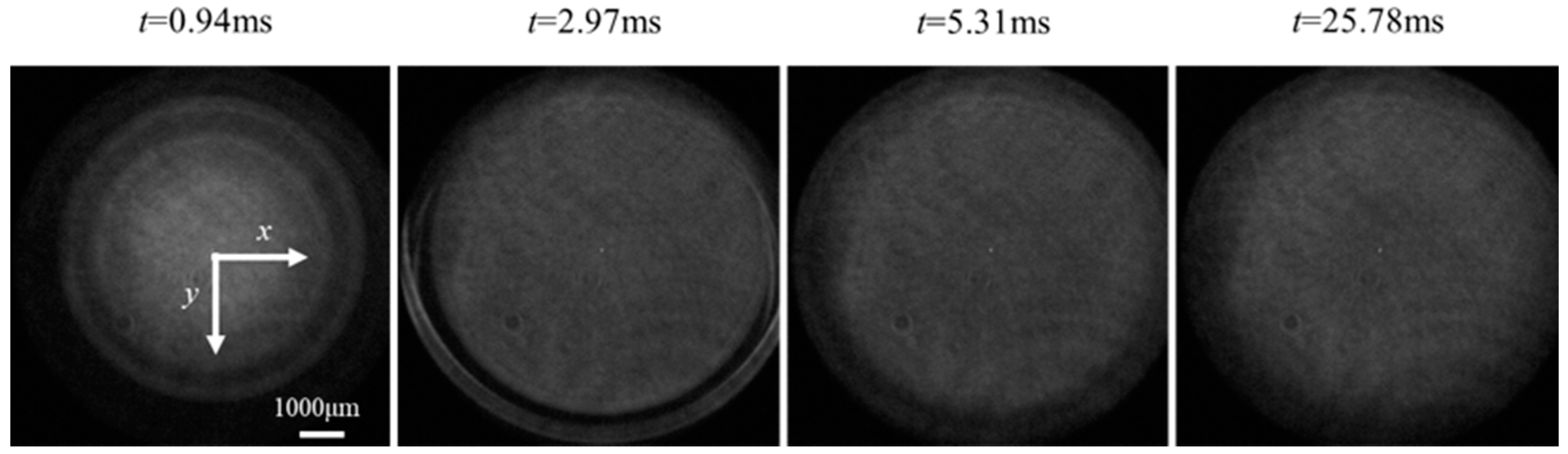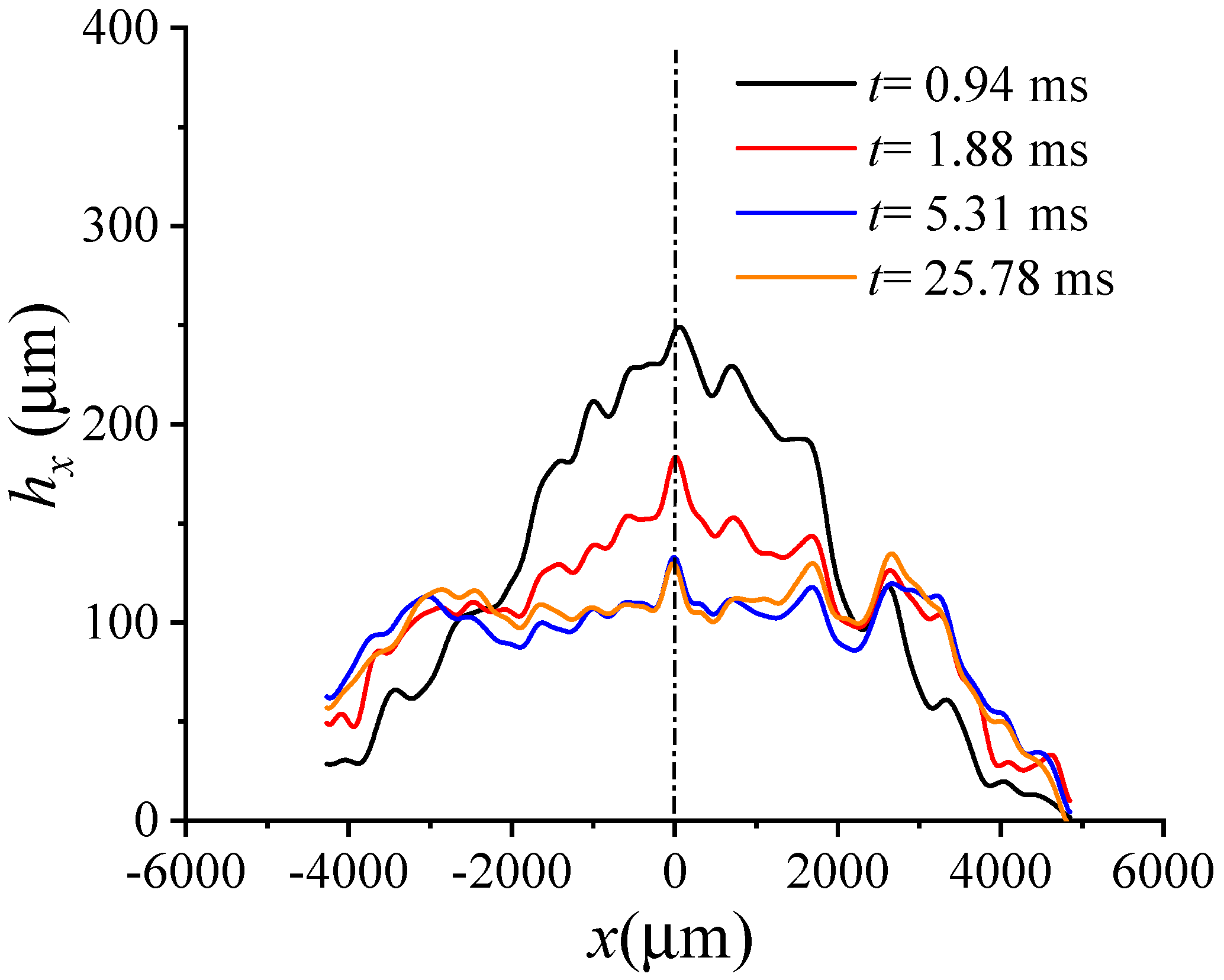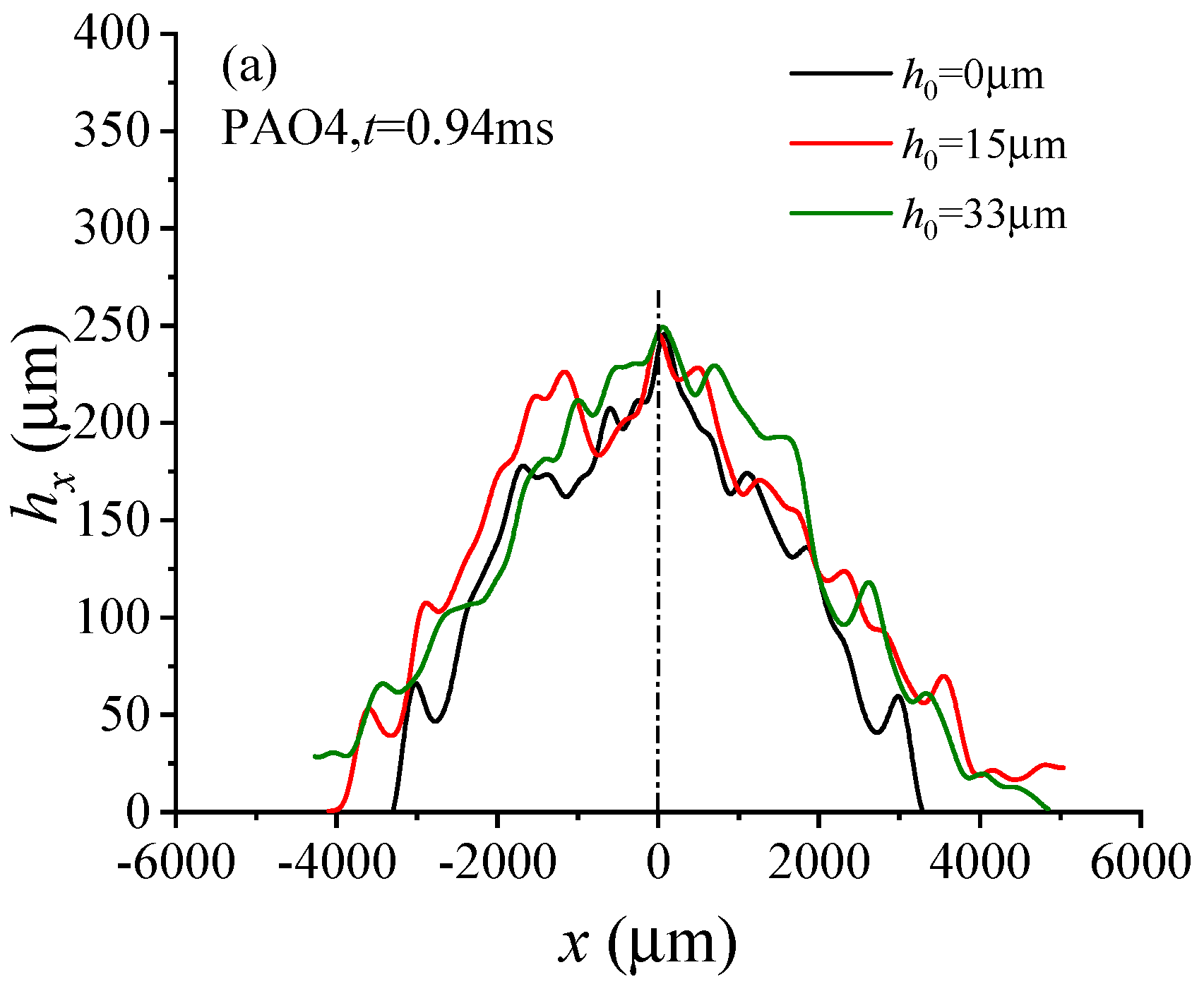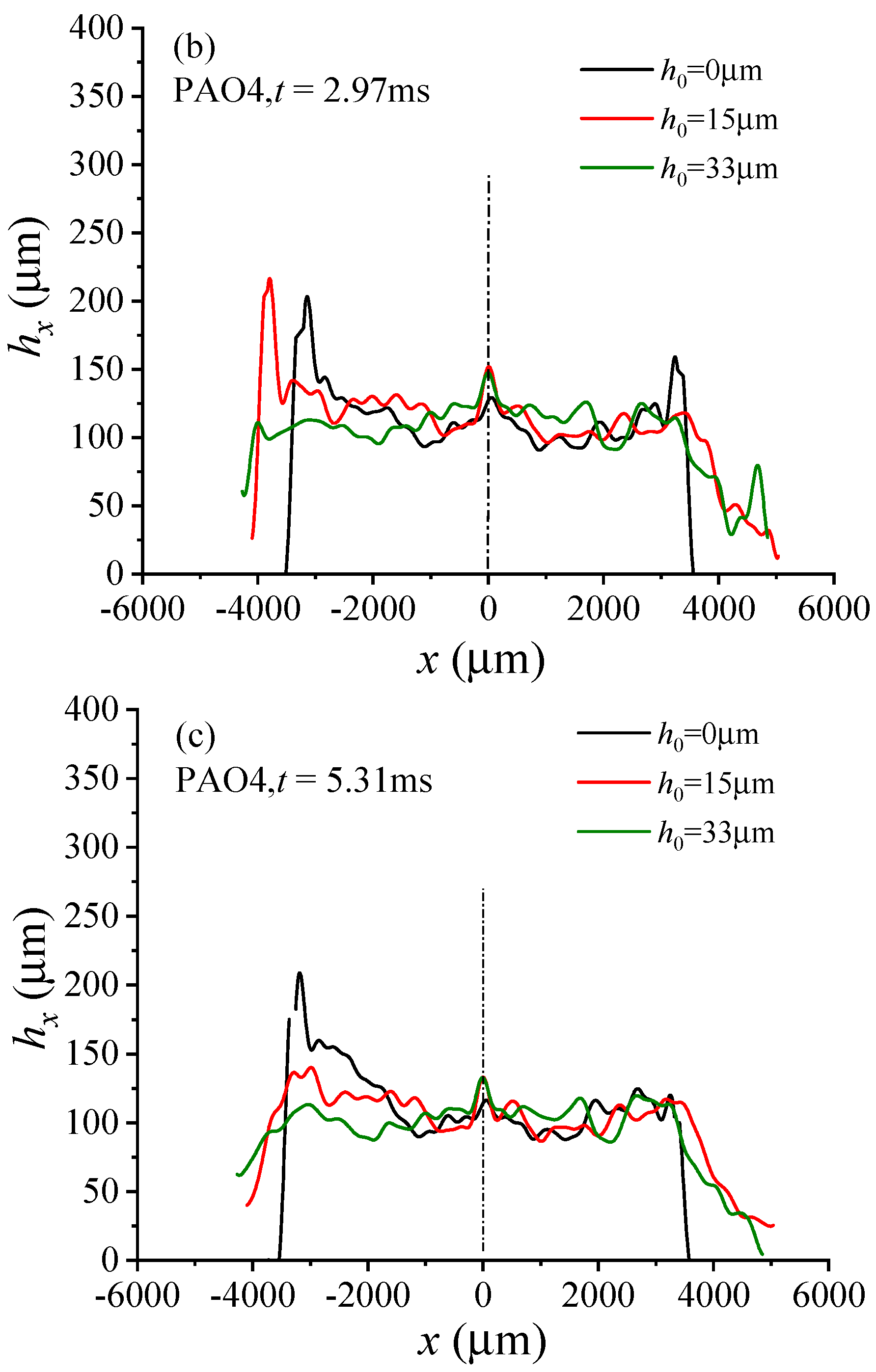
Spreading Behavior of Single Oil Droplet Impacting Surface with/without a Thin Liquid Film




Abstract
Share and Cite
Liang, H.; Yang, P.; Wang, W.; Liu, Y.; Ge, X.; Tong, B. Spreading Behavior of Single Oil Droplet Impacting Surface with/without a Thin Liquid Film. Lubricants 2023, 11, 31. https://doi.org/10.3390/lubricants11010031
Liang H, Yang P, Wang W, Liu Y, Ge X, Tong B. Spreading Behavior of Single Oil Droplet Impacting Surface with/without a Thin Liquid Film. Lubricants. 2023; 11(1):31. https://doi.org/10.3390/lubricants11010031
Chicago/Turabian StyleLiang, He, Peiyi Yang, Wenzhong Wang, Yanfei Liu, Xiangyu Ge, and Baohong Tong. 2023. "Spreading Behavior of Single Oil Droplet Impacting Surface with/without a Thin Liquid Film" Lubricants 11, no. 1: 31. https://doi.org/10.3390/lubricants11010031
APA StyleLiang, H., Yang, P., Wang, W., Liu, Y., Ge, X., & Tong, B. (2023). Spreading Behavior of Single Oil Droplet Impacting Surface with/without a Thin Liquid Film. Lubricants, 11(1), 31. https://doi.org/10.3390/lubricants11010031