Article

Predictive Model for Critical Illness Infection in Hospitalized Children with RSV Infection: A Retrospective Study

1
Intensive Care Unit, Wuhan Children’s Hospital (Wuhan Maternal and Child Healthcare Hospital), Tongji Medical College, Huazhong University of Science & Technology, Wuhan 430074, China
2
Department of Central Laboratory, Shenzhen People’s Hospital (The Second Clinical Medical College), Jinan University, The First Affiliated Hospital of Southern University of Science and Technology, Shenzhen 518020, China
3
Guangdong Provincial Key Laboratory of Infection Immunity and Inflammation, Department of Pathogen Biology and Immunology, Medical School, Shenzhen University, Shenzhen 518060, China
*
Author to whom correspondence should be addressed.
These authors contributed equally to this work.
Diagnostics 2026, 16(11), 1701; https://doi.org/10.3390/diagnostics16111701

Submission received: 28 April 2026 / Revised: 23 May 2026 / Accepted: 26 May 2026 / Published: 31 May 2026
(This article belongs to the Special Issue Diagnosis and Management of Emergency and Critical Illness)

Abstract

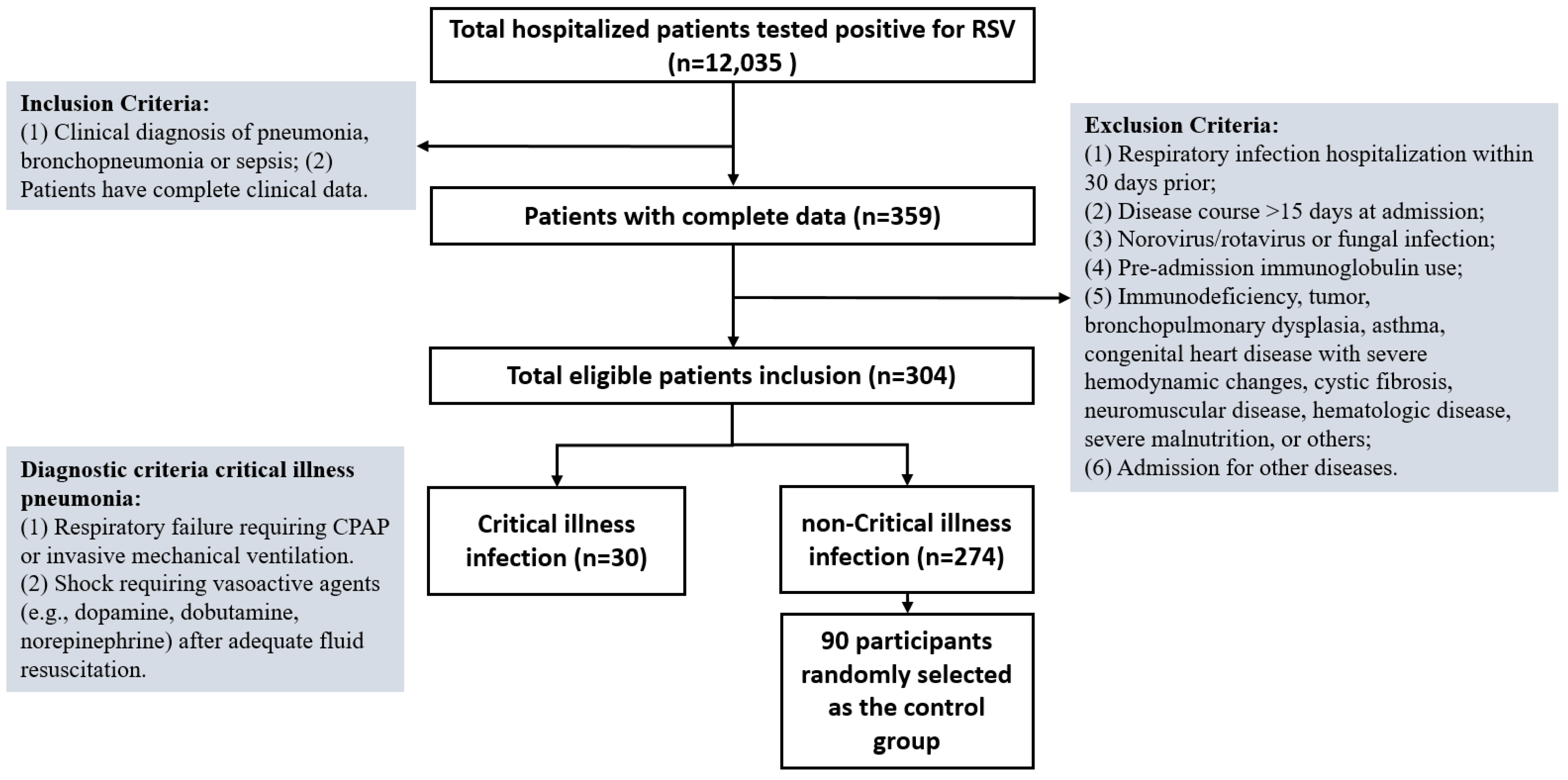
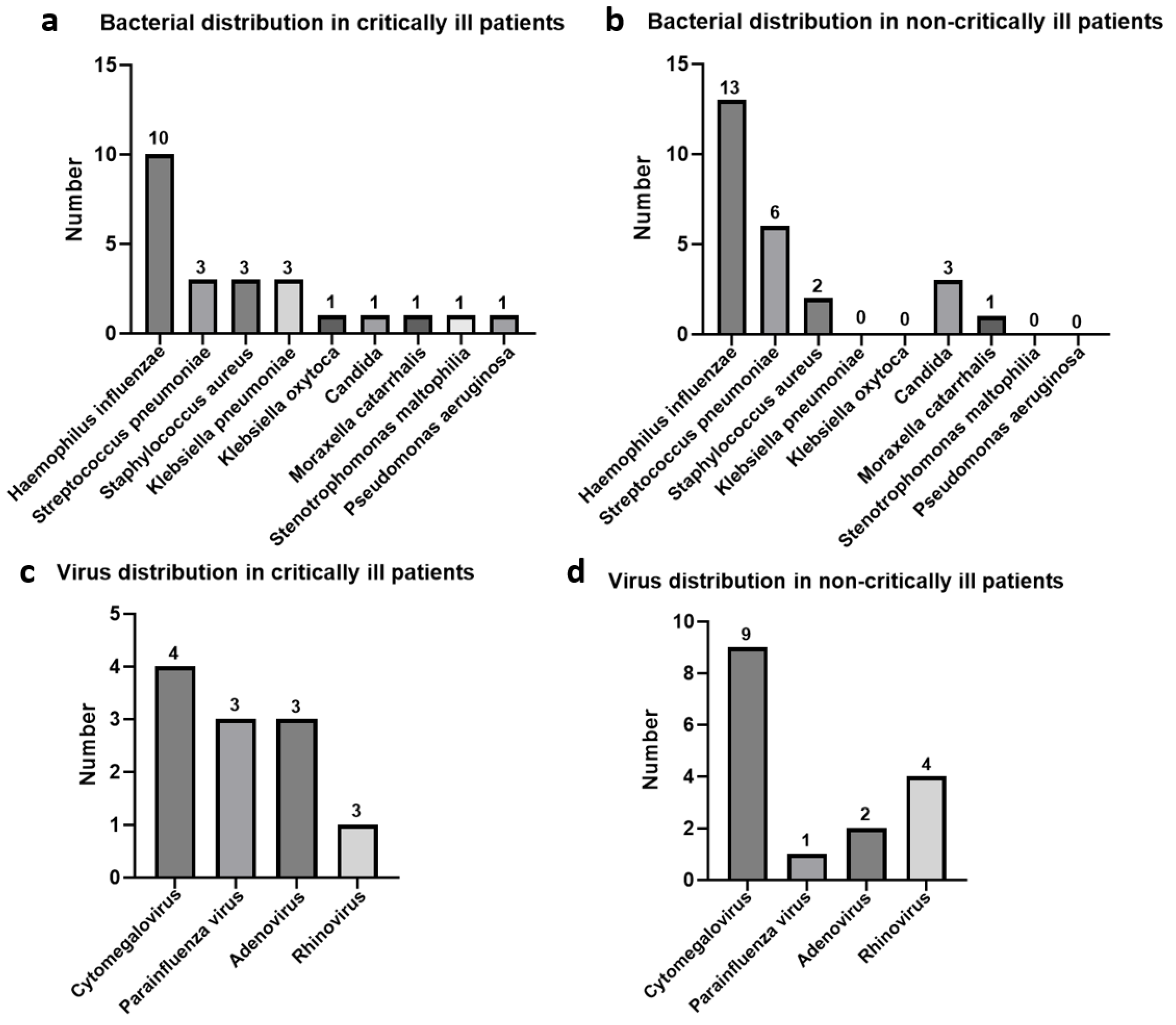
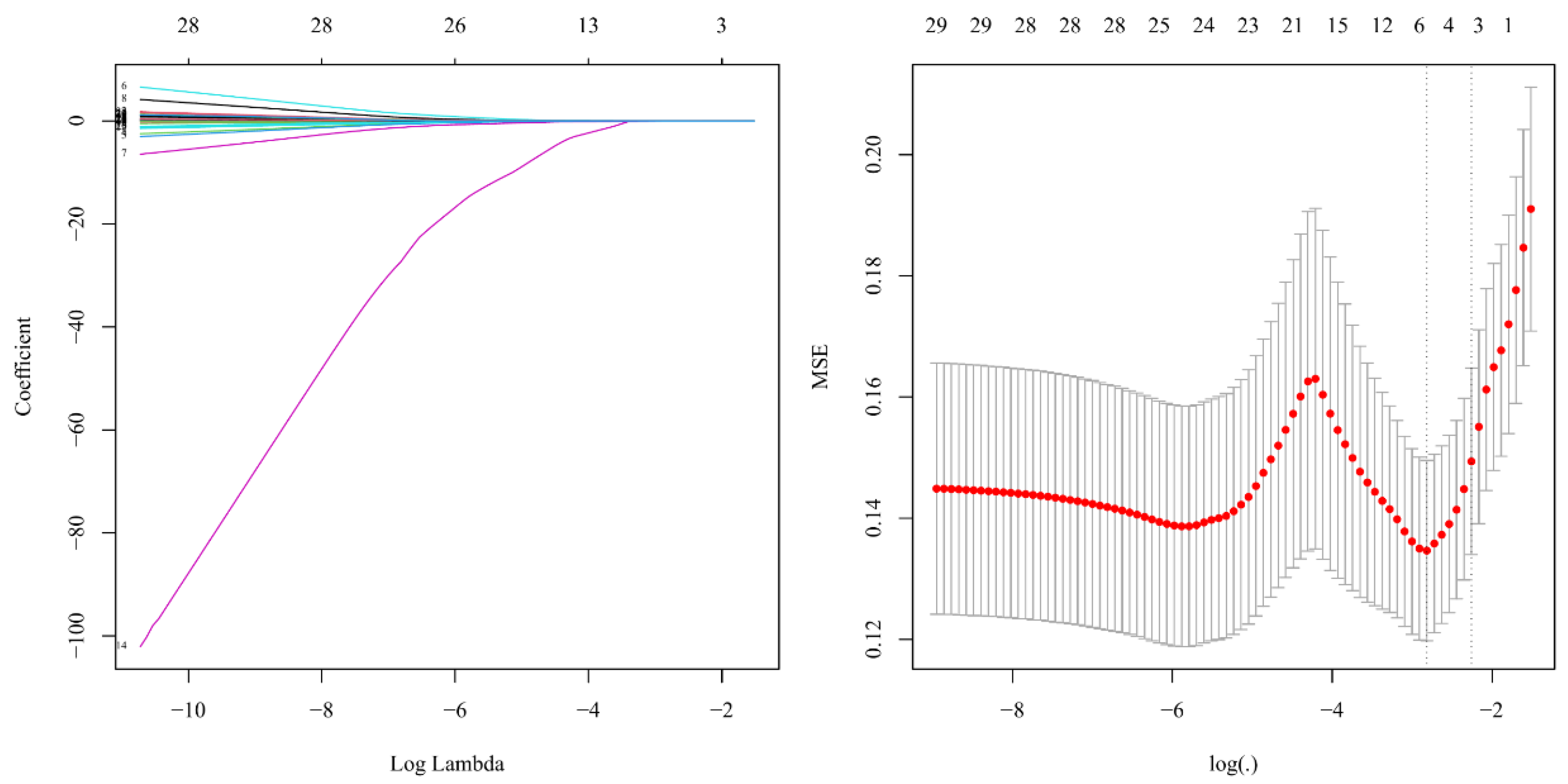
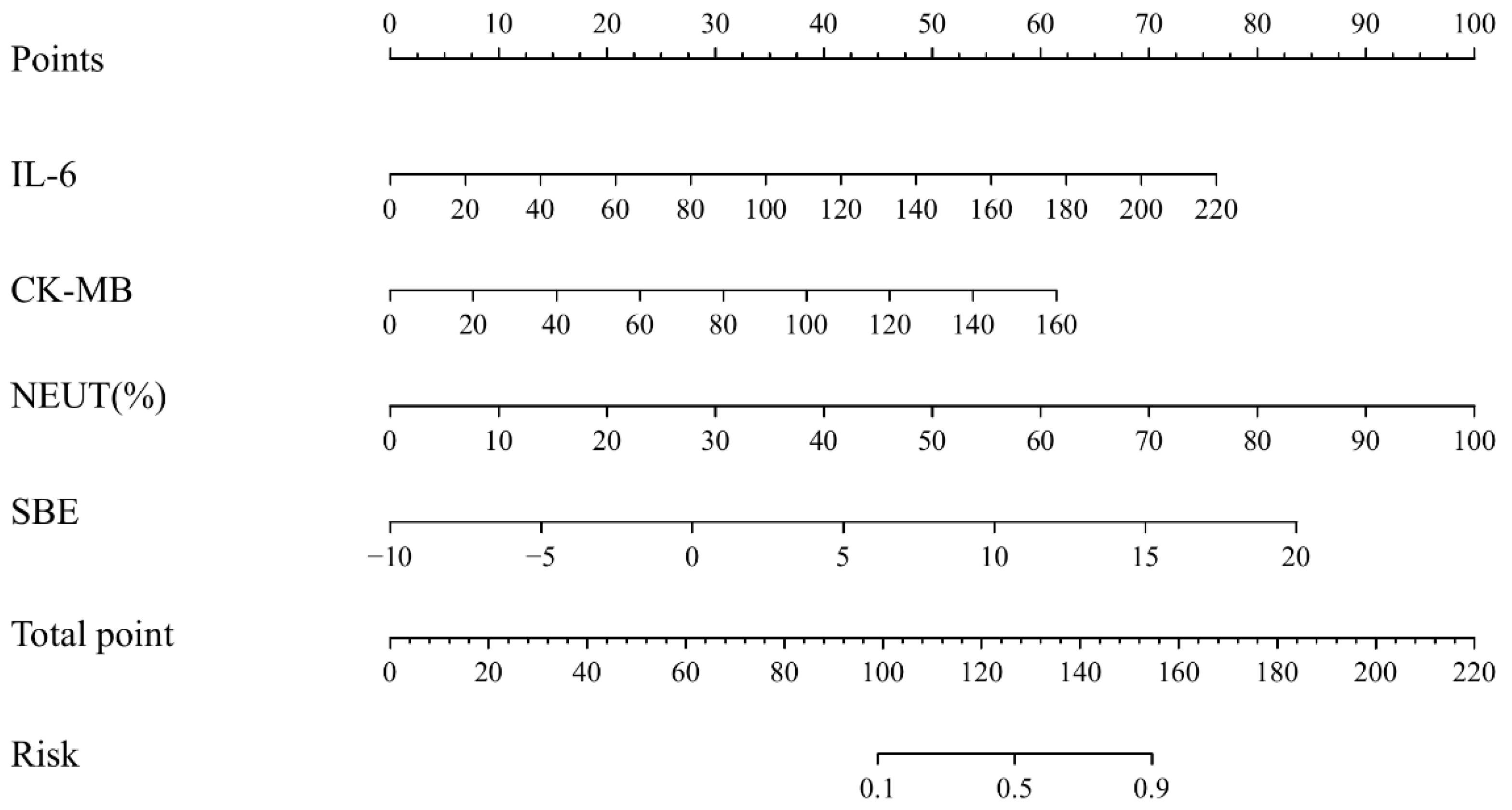
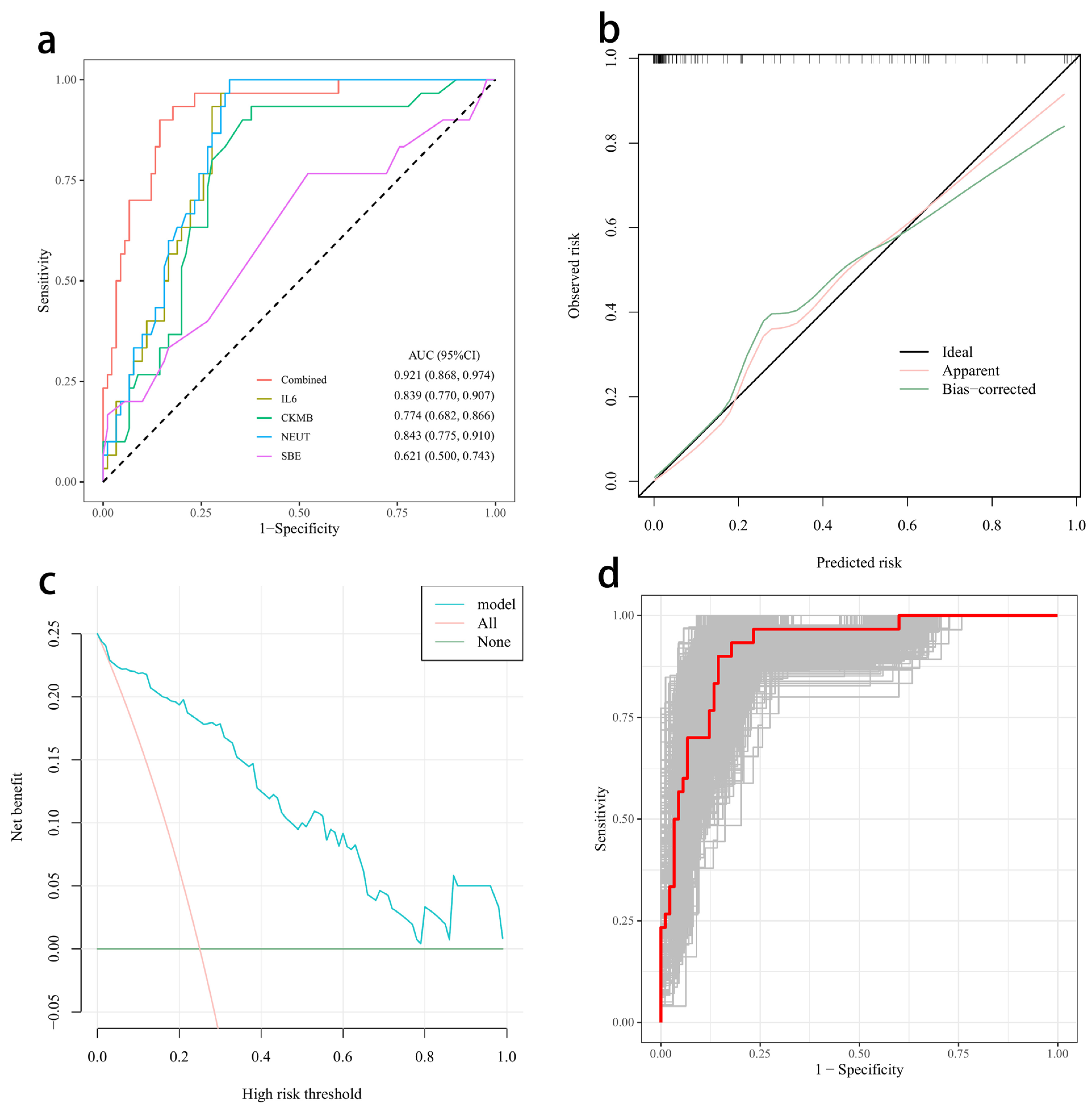
Background/Objectives: Respiratory syncytial virus (RSV) is a leading cause of hospitalization in children, but predictors of critical illness remain poorly defined. This study aimed to identify risk factors for critical RSV pneumonia and develop a predictive model. Methods: A retrospective analysis of 12,035 children hospitalized with RSV infection between 2019 and 2025 identified 304 eligible patients after applying exclusion criteria. Among these, 30 children with critical illness and 90 randomly selected non-critical controls were included. Clinical characteristics, laboratory parameters, and co-infection patterns were compared. Univariate, Lasso, and multivariable logistic regression analyses were performed to identify independent predictors, which were then incorporated into a nomogram. Model performance was assessed using the ROC curve, calibration plot, and decision curve analysis. Results: Among the 304 eligible children, 30 (9.9%) developed critical illness. Co-infection with three or more pathogens was most frequent in the critical group (43.3%), whereas single RSV infection predominated in the non-critical group (38.9%). Multivariable logistic regression identified four independent predictors of critical illness: interleukin-6 (IL-6), creatine kinase-MB (CK-MB), serum bilirubin excretion (SBE), and neutrophil percentage. The nomogram combining these factors exhibited excellent discrimination (AUC = 0.921, 95% CI: 0.868–0.974). The calibration curve closely matched the ideal 45° reference line (Hosmer–Lemeshow χ2 = 3.233, p = 0.919), and decision curve analysis demonstrated clinical benefit across threshold probabilities ranging from 0.01 to 0.99. Conclusions: Elevated IL-6, CK-MB, neutrophil percentage, and SBE are independent predictors of critical RSV infection in children. The nomogram based on these accessible biomarkers provides a robust tool for early risk assessment and guiding clinical decisions.
Keywords: respiratory syncytial virus; critical illness; risk factor; predictive model respiratory syncytial virus; critical illness; risk factor; predictive model