Systematic Review

Postmortem Diagnosis of Dilated Cardiomyopathy: A Systematic Review Revisiting Fundamentals

1
Department of Biomedical and Dental Sciences and Morphofunctional Imaging, Section of Legal Medicine, University of Messina, via Consolare Valeria, 1, 98125 Messina, Italy
2
Department of Human Pathology in Adult and Developmental Age “Gaetano Barresi”, Section of Pathology, University of Messina, 98125 Messina, Italy
3
Department of Chemical, Biological, Pharmaceutical and Environmental Sciences, University of Messina, 98125 Messina, Italy
*
Authors to whom correspondence should be addressed.
Diagnostics 2025, 15(23), 3063; https://doi.org/10.3390/diagnostics15233063

Submission received: 7 November 2025 / Revised: 29 November 2025 / Accepted: 30 November 2025 / Published: 1 December 2025
(This article belongs to the Special Issue Advances in Pathology for Forensic Diagnosis)

Abstract

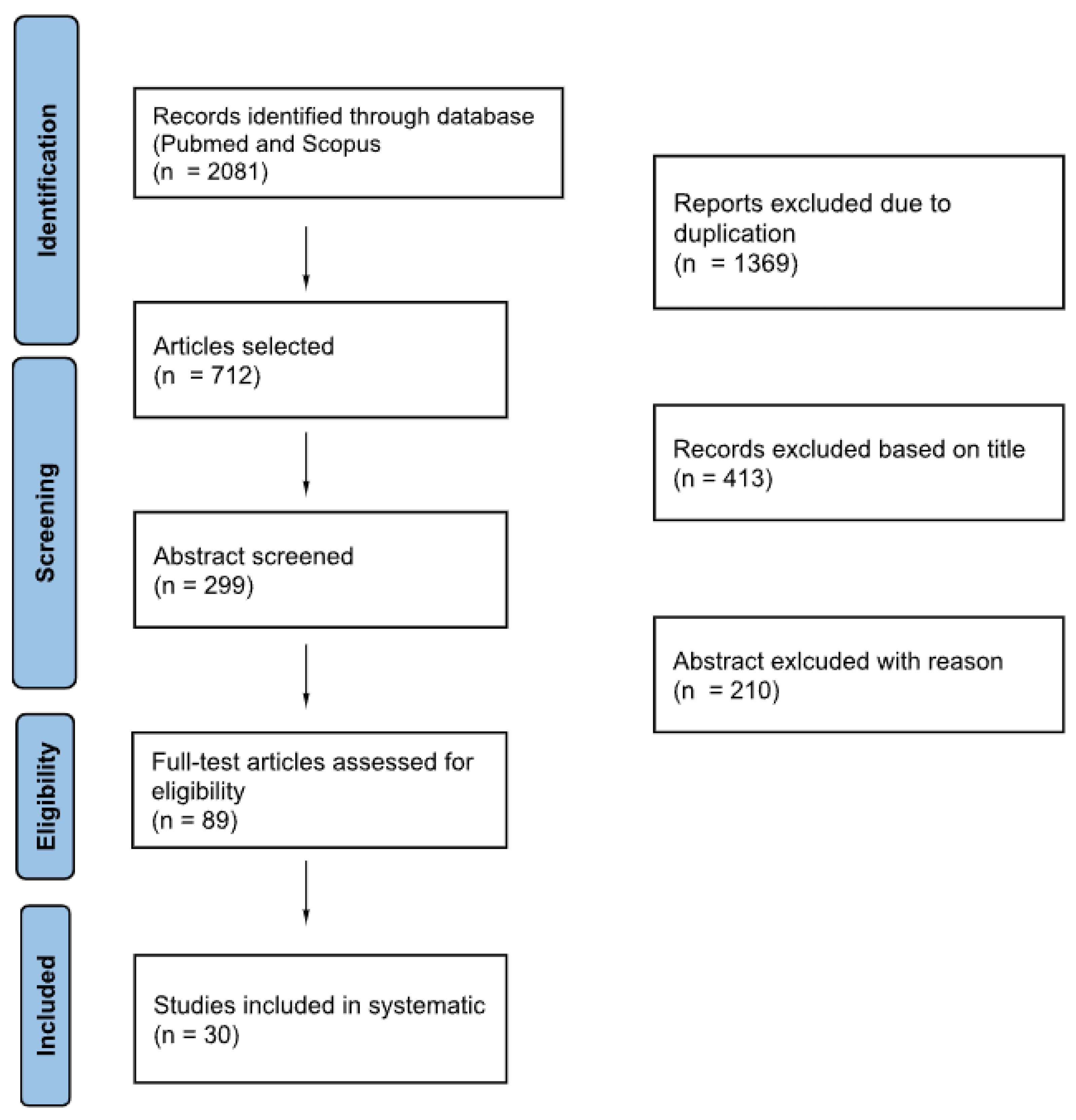
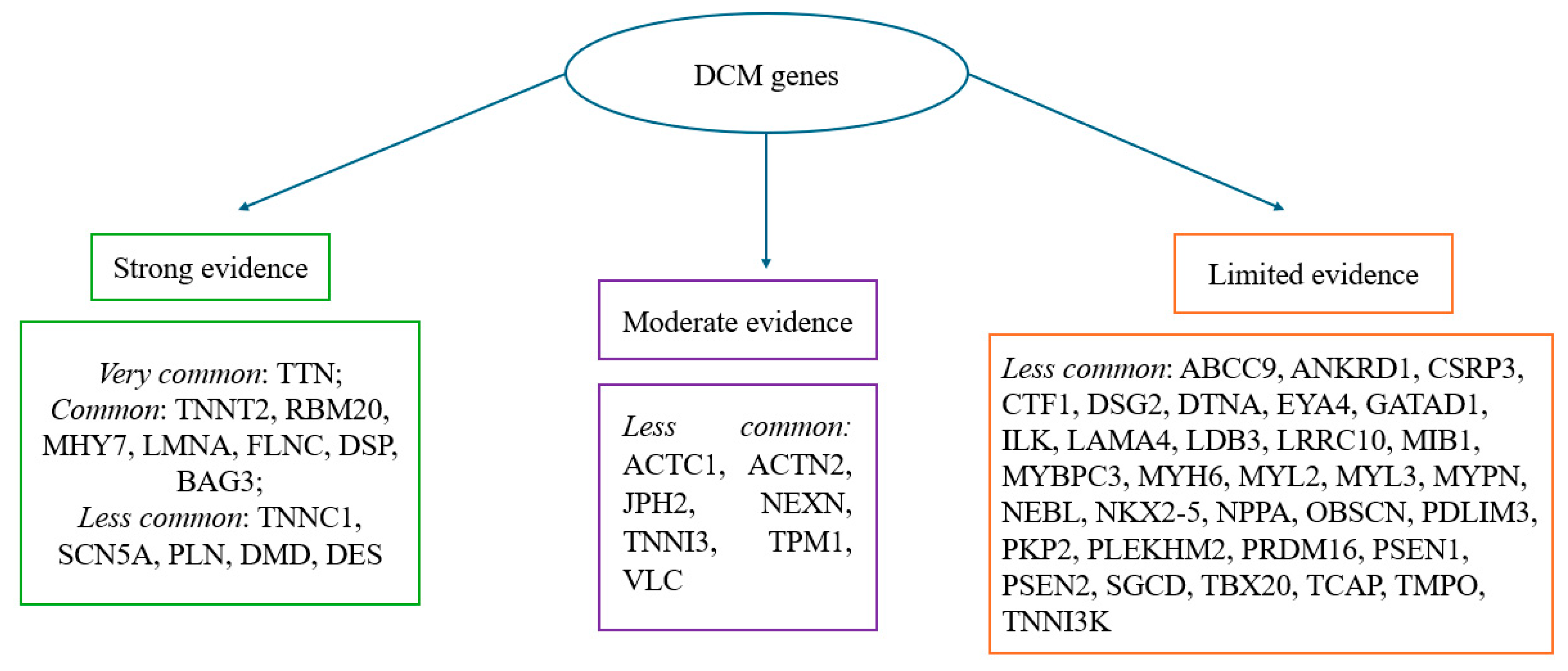
Background: Dilated cardiomyopathy (DCM) is a myocardial disorder characterized by structural and functional abnormalities, in particular left or biventricular chamber dilatation and systolic dysfunction, occurring without evidence of coronary artery disease, hypertension, valvular disease, or congenital heart defects. It is a significant cause of sudden cardiac death, particularly in young individuals, often remaining undiagnosed until autopsy. Methods: A systematic review of the literature was conducted following PRISMA guidelines to revisit the main postmortem findings (gross, microscopic, and genetic) useful to perform the postmortem diagnosis of DCM. Scientific databases (PubMed and Scopus) were searched for articles published up to February 2025 describing postmortem findings in individuals diagnosed with DCM. Inclusion criteria were focused on studies reporting macroscopic cardiac findings, and microscopic and genetic variants identified postmortem or in related familial studies. Data were extracted and categorized to identify consistent diagnostic markers and to assess the frequency and relevance of genetic findings in autopsy-confirmed DCM cases. From 2081 initial records, 30 studies met inclusion criteria. Two reviewers independently performed study selection and data extraction, and methodological limitations of the included studies were considered qualitatively to inform the synthesis. Results: Common macroscopic features included increased heart weight (often > 350 g), dilated left or biventricular chambers, and thinning of the ventricular walls. Histologically, the most consistent findings were diffuse interstitial fibrosis, myocyte hypertrophy, and nuclear atypia. Particular attention was given to morphological features essential to distinguish between genetic and nongenetic forms of DCM and, thus, useful to perform a differential diagnosis with disease having a DCM-like pattern. Notably, truncating variants in genes such as TTN, FLNC, DSP, PKP2, and MYH7 were frequently reported, particularly in young decedents with no significant history of cardiac disease. However, only about half of reviewed studies included any form of genetic analysis, reflecting a significant gap in current practice for forensic pathologists. Conclusions: DCM may cause sudden death without prior symptoms, making genetic testing essential to uncover the diagnosis, especially in cases with a negative phenotype. Therefore, molecular autopsy combined with careful macroscopic and microscopic analysis can strengthen the forensic assessment.
Keywords: dilated cardiomyopathy; DCM; postmortem analysis; postmortem genetic test; cardiomyopathy; sudden cardiac death dilated cardiomyopathy; DCM; postmortem analysis; postmortem genetic test; cardiomyopathy; sudden cardiac death