Article

Transfer Learning for Automatic Sleep Staging Using a Pre-Gelled Electrode Grid

by
Fabian A. Radke
*,
Carlos F. da Silva Souto
,
Wiebke Pätzold
and
Karen Insa Wolf
Fraunhofer Institute for Digital Media Technology IDMT, Oldenburg Branch for Hearing, Speech and Audio Technology HSA, 26129 Oldenburg, Germany
*
Author to whom correspondence should be addressed.
Diagnostics 2024, 14(9), 909; https://doi.org/10.3390/diagnostics14090909

Submission received: 29 February 2024 / Revised: 18 April 2024 / Accepted: 24 April 2024 / Published: 26 April 2024
(This article belongs to the Special Issue Deep Learning Applications in Healthcare Wearable Devices)

Abstract

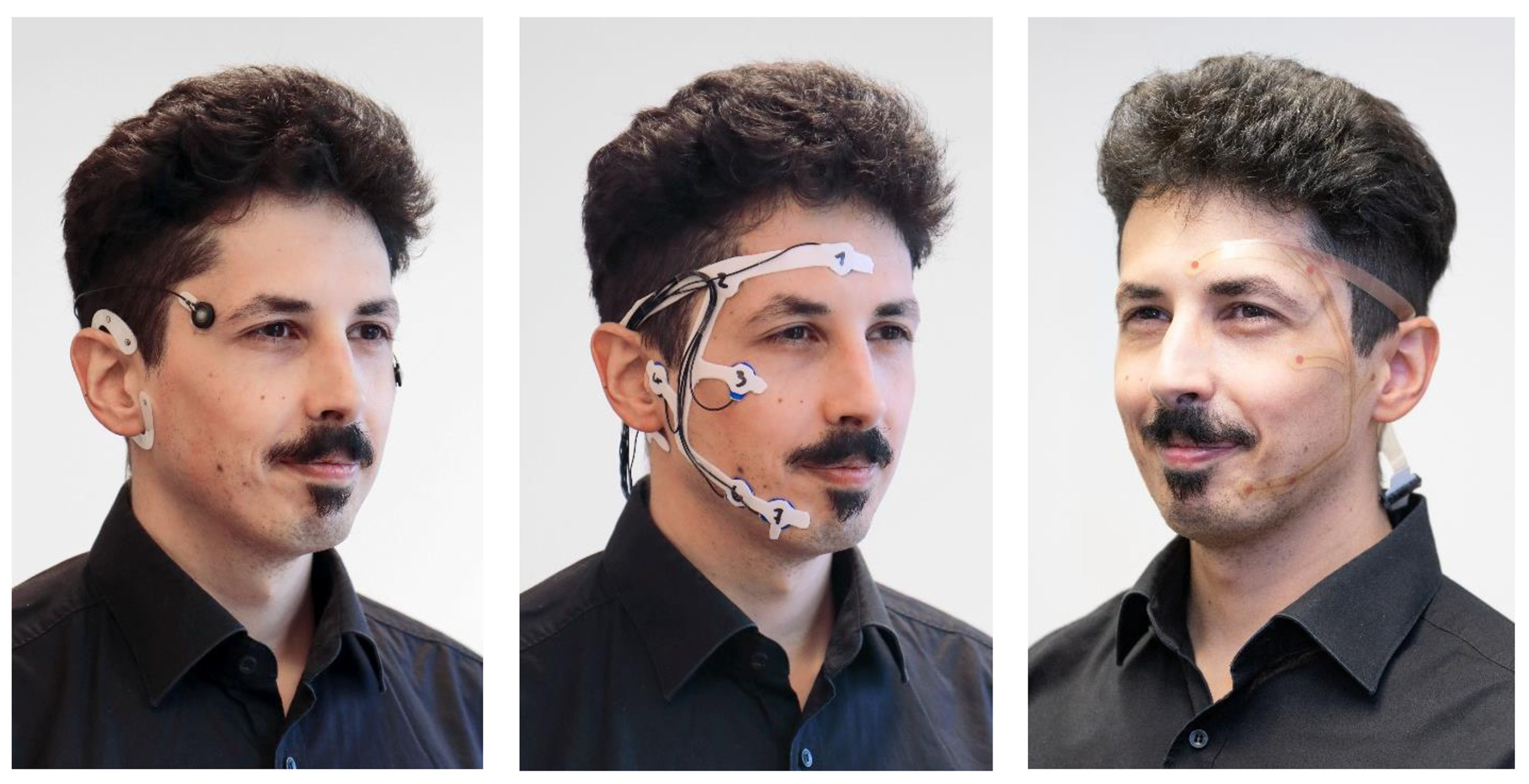
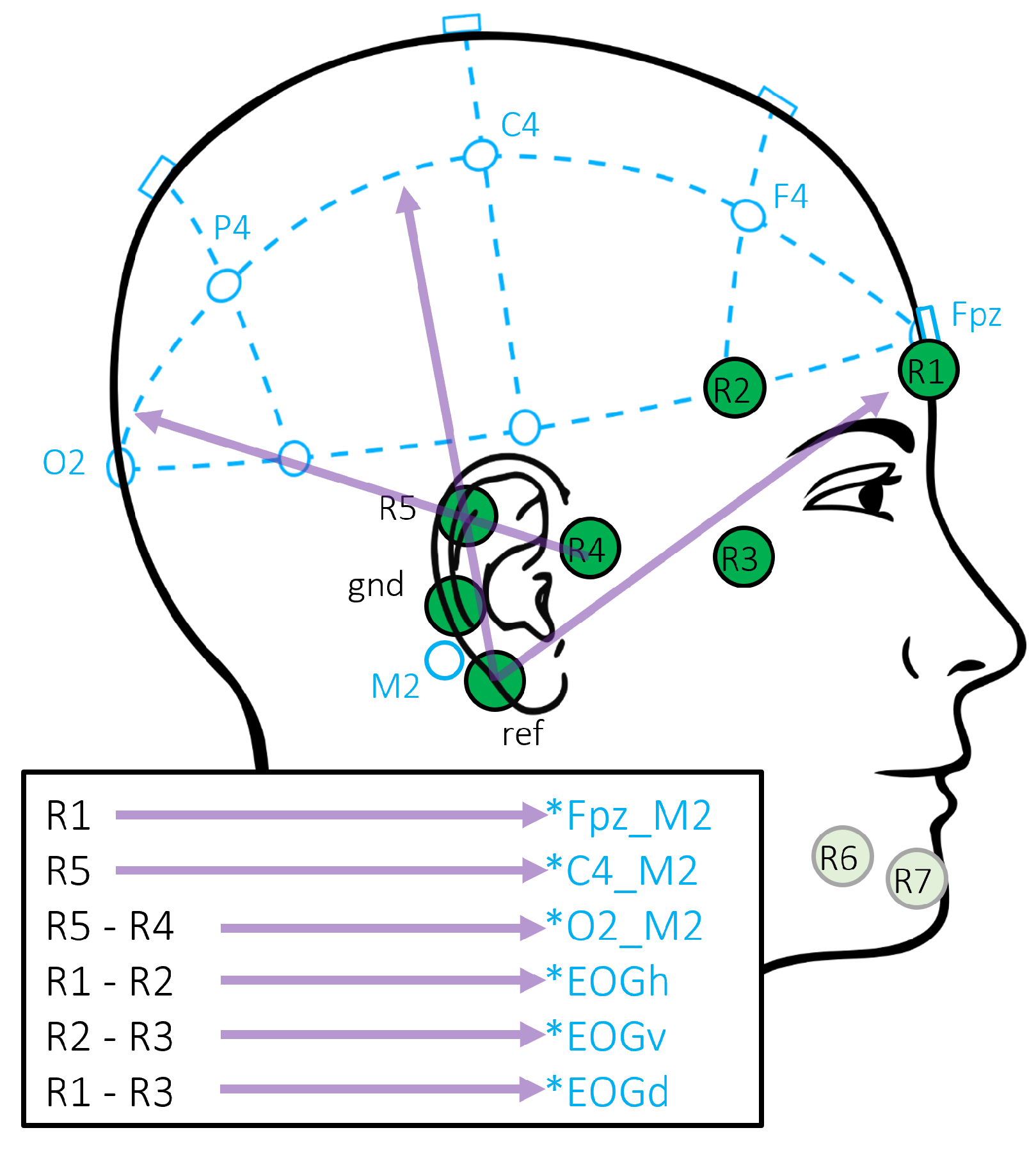
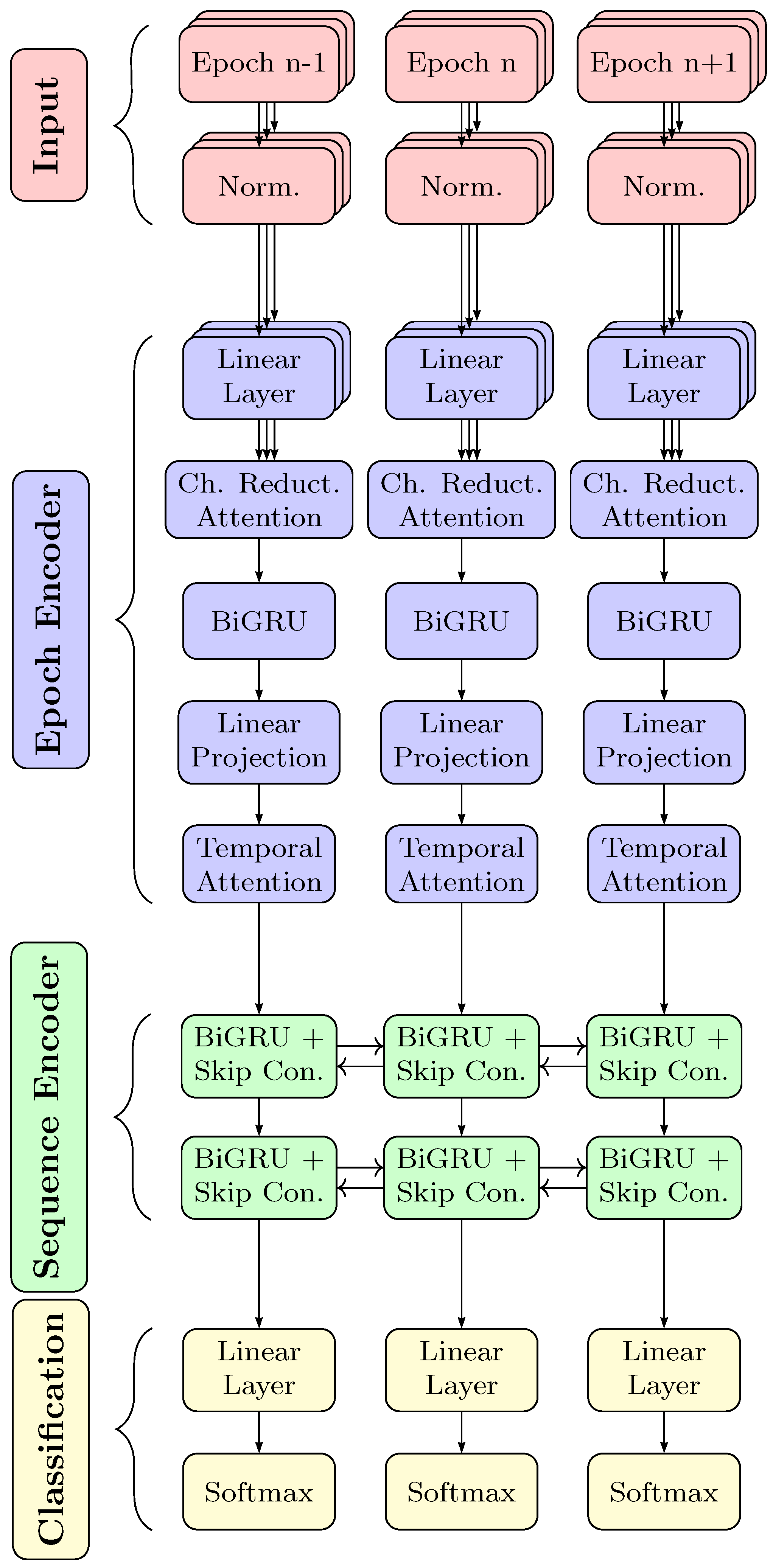
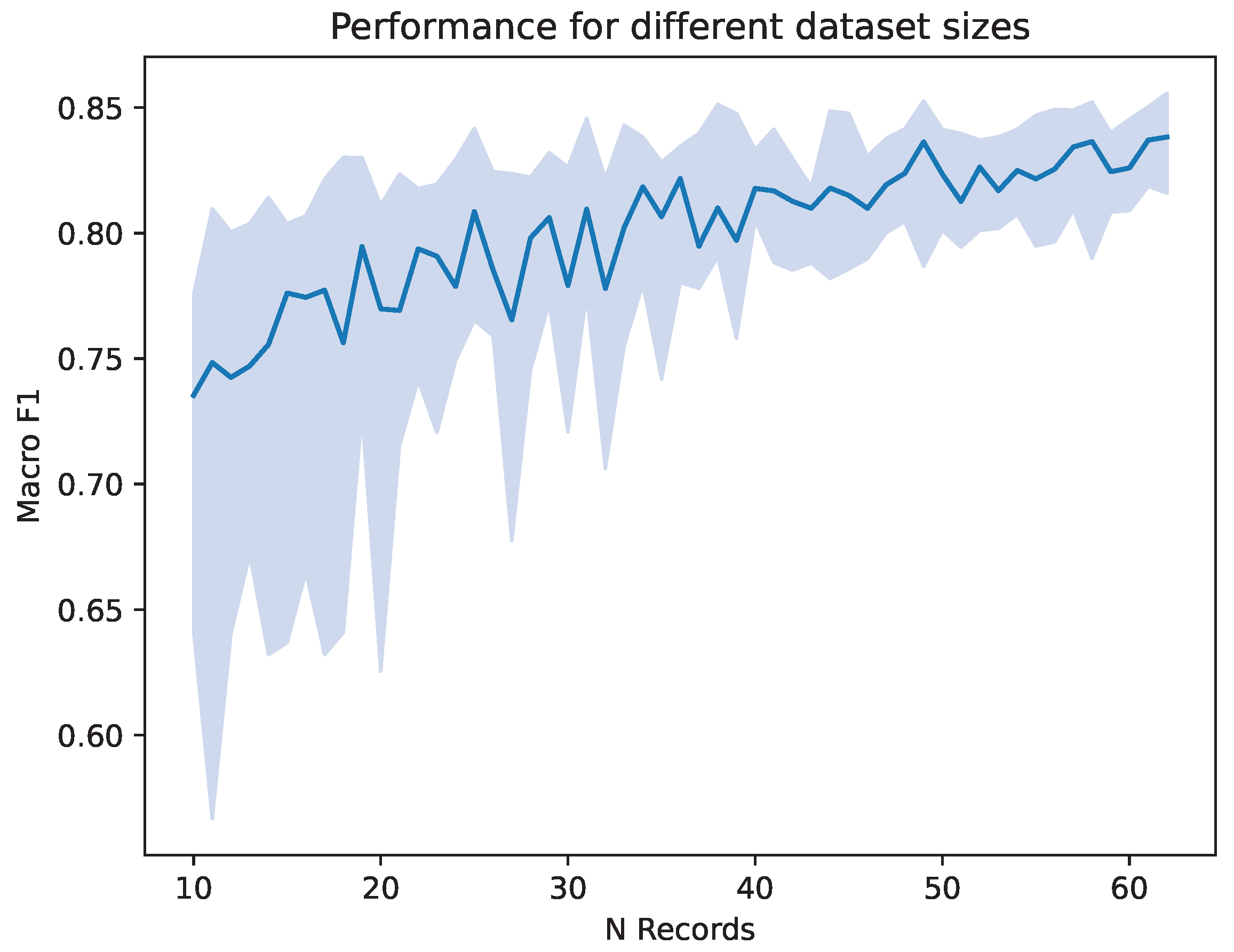
Novel sensor solutions for sleep monitoring at home could alleviate bottlenecks in sleep medical care as well as enable selective or continuous observation over long periods of time and contribute to new insights in sleep medicine and beyond. Since especially in the latter case the sensor data differ strongly in signal, number and extent of sensors from the classical polysomnography (PSG) sensor technology, an automatic evaluation is essential for the application. However, the training of an automatic algorithm is complicated by the fact that the development phase of the new sensor technology, extensive comparative measurements with standardized reference systems, is often not possible and therefore only small datasets are available. In order to circumvent high system-specific training data requirements, we employ pre-training on large datasets with finetuning on small datasets of new sensor technology to enable automatic sleep phase detection for small test series. By pre-training on publicly available PSG datasets and finetuning on 12 nights recorded with new sensor technology based on a pre-gelled electrode grid to capture electroencephalography (EEG), electrooculography (EOG) and electromyography (EMG), an F1 score across all sleep phases of 0.81 is achieved (wake 0.84, N1 0.62, N2 0.81, N3 0.87, REM 0.88), using only EEG and EOG. The analysis additionally considers the spatial distribution of the channels and an approach to approximate classical electrode positions based on specific linear combinations of the new sensor grid channels.
Keywords: sleep staging; electrode grid; EEG; machine learning; transfer learning; home monitoring sleep staging; electrode grid; EEG; machine learning; transfer learning; home monitoring