Article

Designing an Interpretability-Based Model to Explain the Artificial Intelligence Algorithms in Healthcare

Department of Computer Sciences and Mathematics, University of Québec at Chicoutimi, Chicoutimi, QC G7H 2B1, Canada
*
Author to whom correspondence should be addressed.
These authors share first authorship.
Diagnostics 2022, 12(7), 1557; https://doi.org/10.3390/diagnostics12071557

Submission received: 26 April 2022 / Revised: 17 June 2022 / Accepted: 21 June 2022 / Published: 26 June 2022
(This article belongs to the Section Machine Learning and Artificial Intelligence in Diagnostics)

Abstract

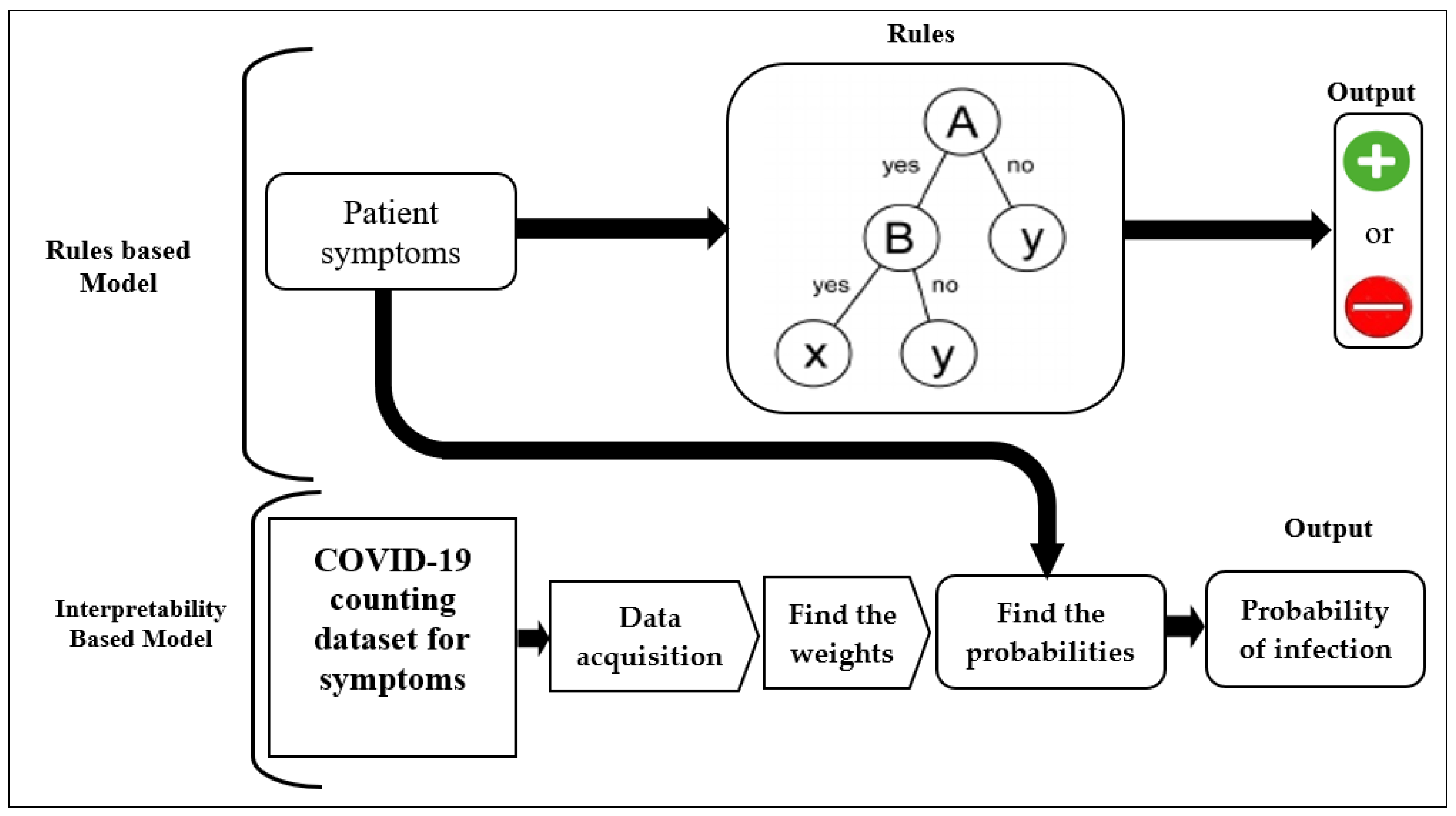
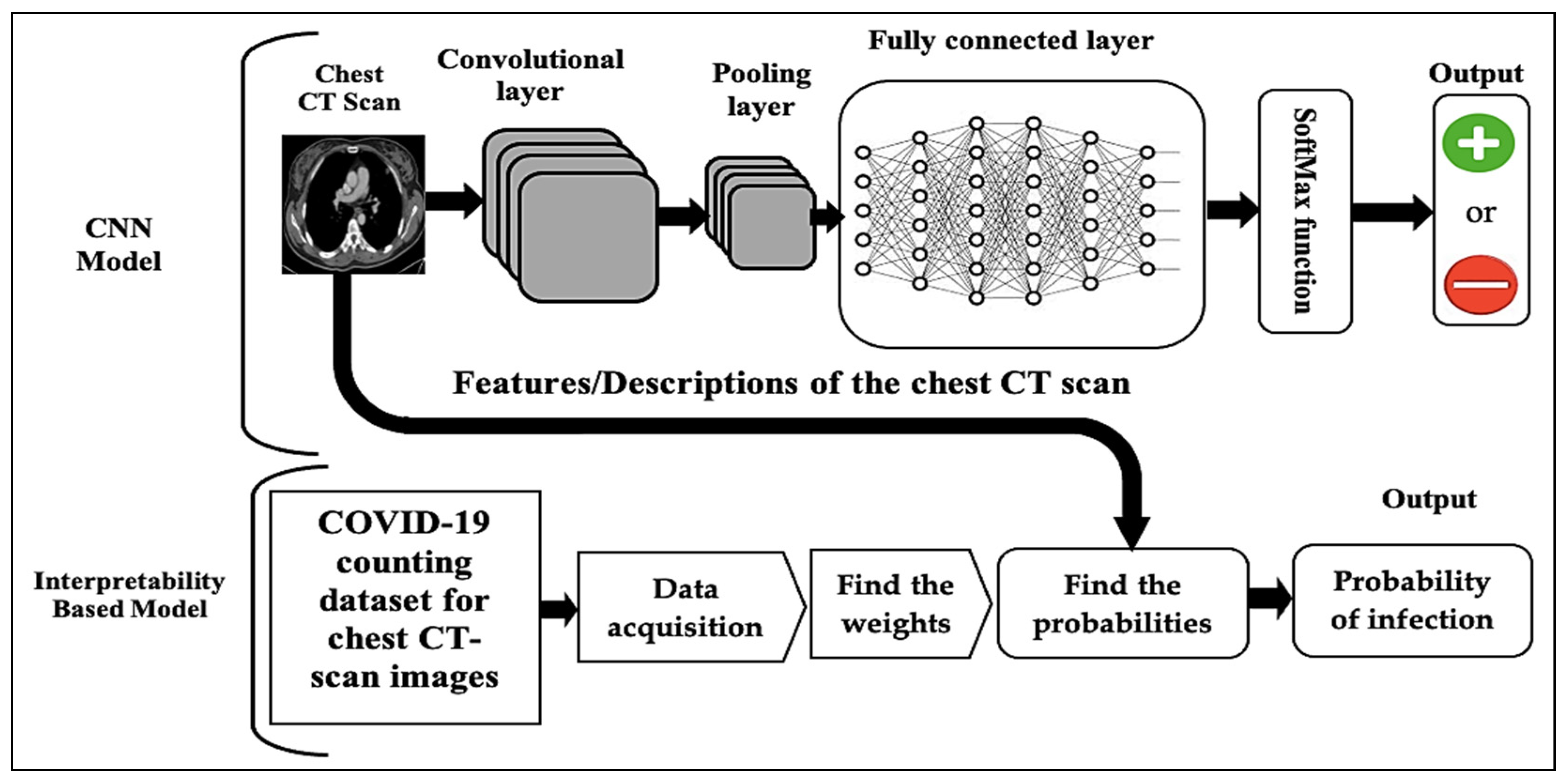
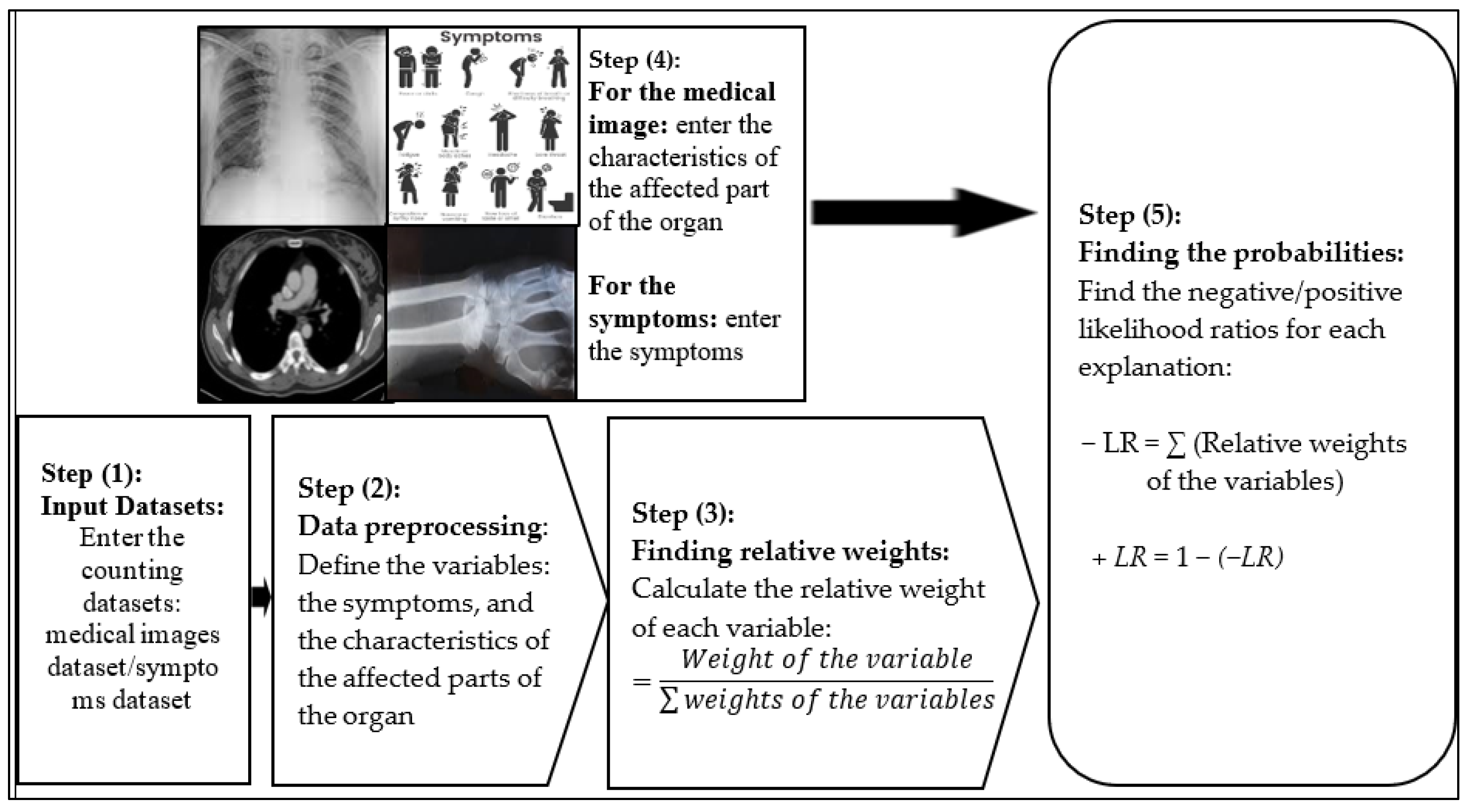
The lack of interpretability in artificial intelligence models (i.e., deep learning, machine learning, and rules-based) is an obstacle to their widespread adoption in the healthcare domain. The absence of understandability and transparency frequently leads to (i) inadequate accountability and (ii) a consequent reduction in the quality of the predictive results of the models. On the other hand, the existence of interpretability in the predictions of AI models will facilitate the understanding and trust of the clinicians in these complex models. The data protection regulations worldwide emphasize the relevance of the plausibility and verifiability of AI models’ predictions. In response and to take a role in tackling this challenge, we designed the interpretability-based model with algorithms that achieve human-like reasoning abilities through statistical analysis of the datasets by calculating the relative weights of the variables of the features from the medical images and the patient symptoms. The relative weights represented the importance of the variables in predictive decision-making. In addition, the relative weights were used to find the positive and negative probabilities of having the disease, which indicated high fidelity explanations. Hence, the primary goal of our model is to shed light and give insights into the prediction process of the models, as well as to explain how the model predictions have resulted. Consequently, our model contributes by demonstrating accuracy. Furthermore, two experiments on COVID-19 datasets demonstrated the effectiveness and interpretability of the new model.
Keywords: interpretability; artificial intelligence; relative weights; probability interpretability; artificial intelligence; relative weights; probability