Article

Identification of Key Biomarkers in Bladder Cancer: Evidence from a Bioinformatics Analysis


Department of Urology, University of Leipzig, 04103 Leipzig, Germany
*
Author to whom correspondence should be addressed.
Diagnostics 2020, 10(2), 66; https://doi.org/10.3390/diagnostics10020066

Submission received: 17 December 2019 / Revised: 15 January 2020 / Accepted: 20 January 2020 / Published: 24 January 2020
(This article belongs to the Section Pathology and Molecular Diagnostics)

Abstract

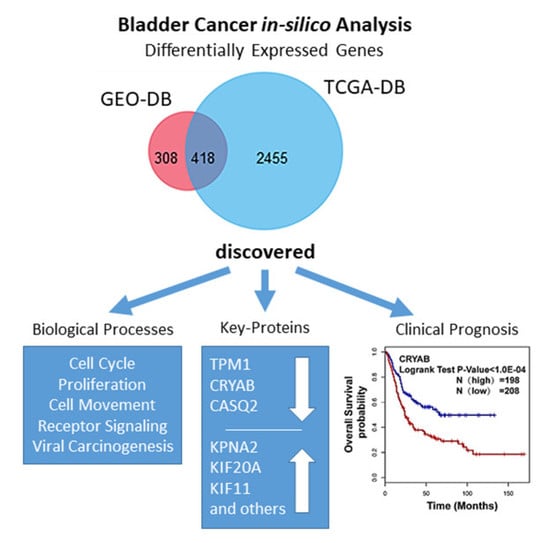
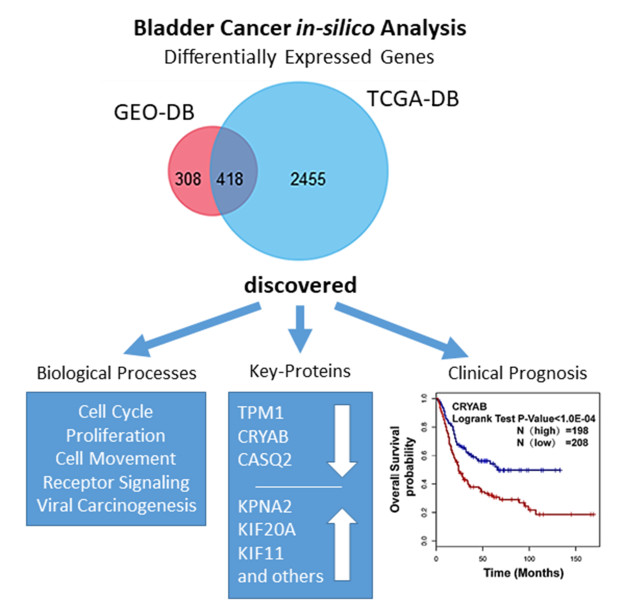
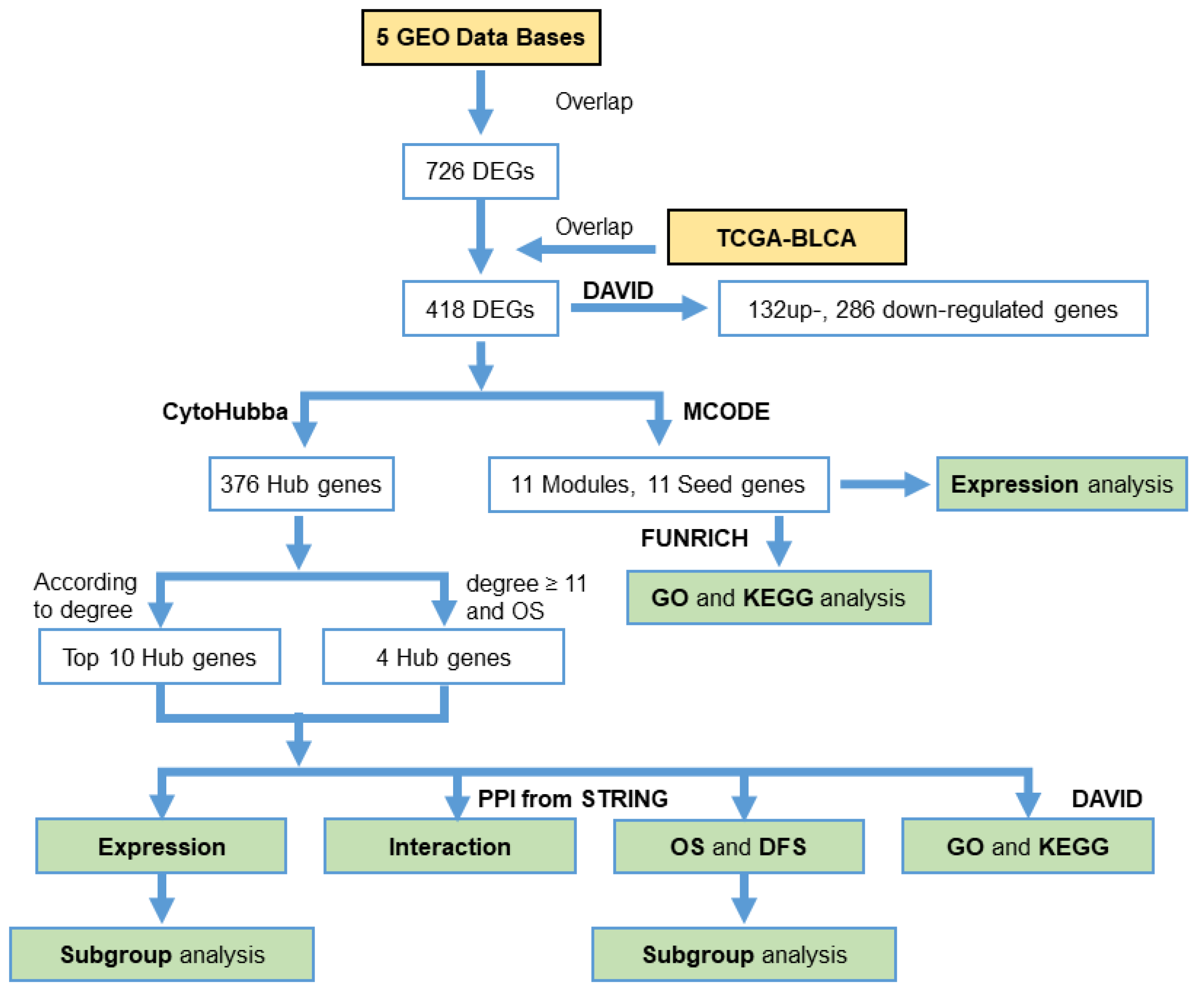
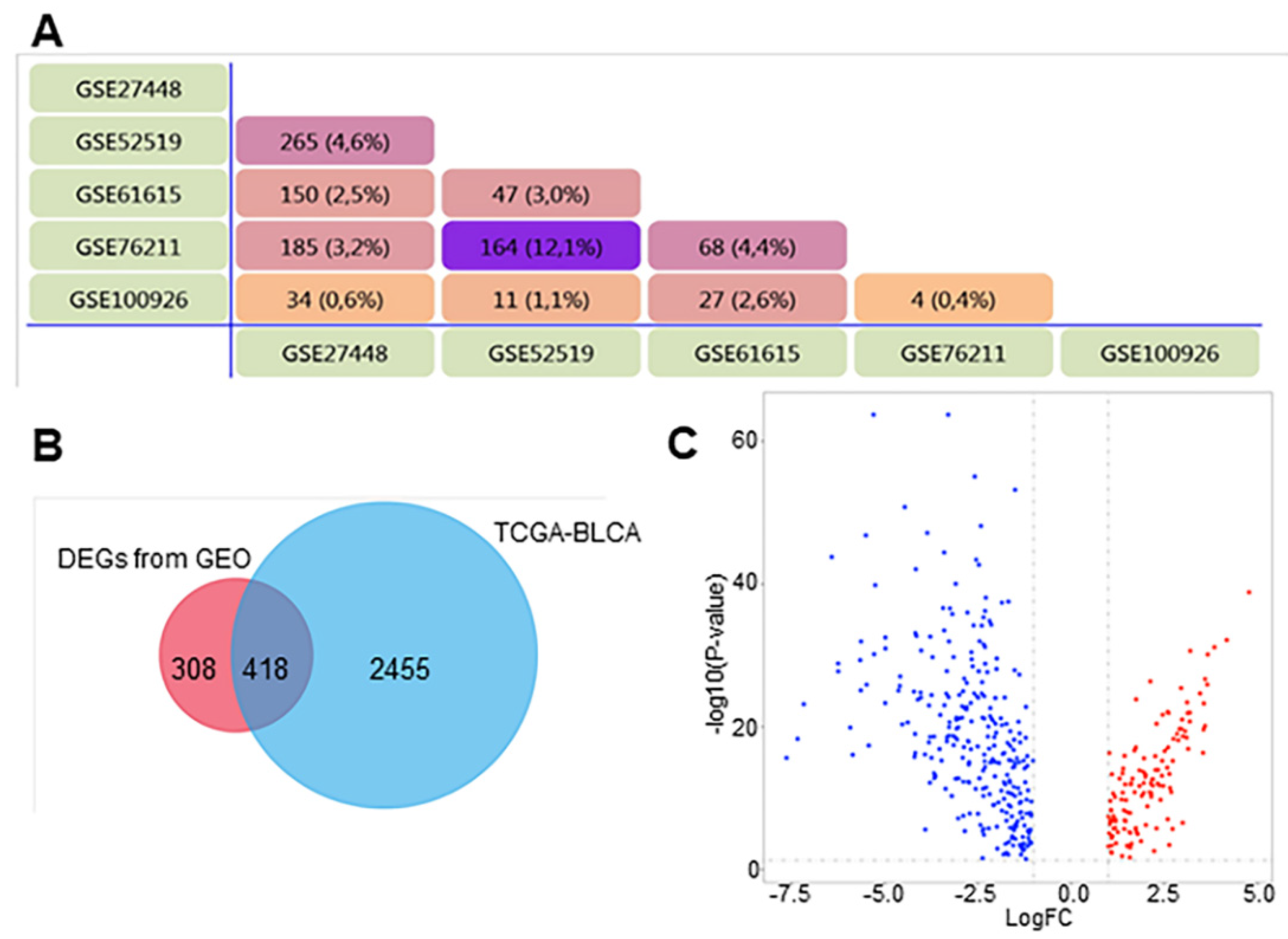
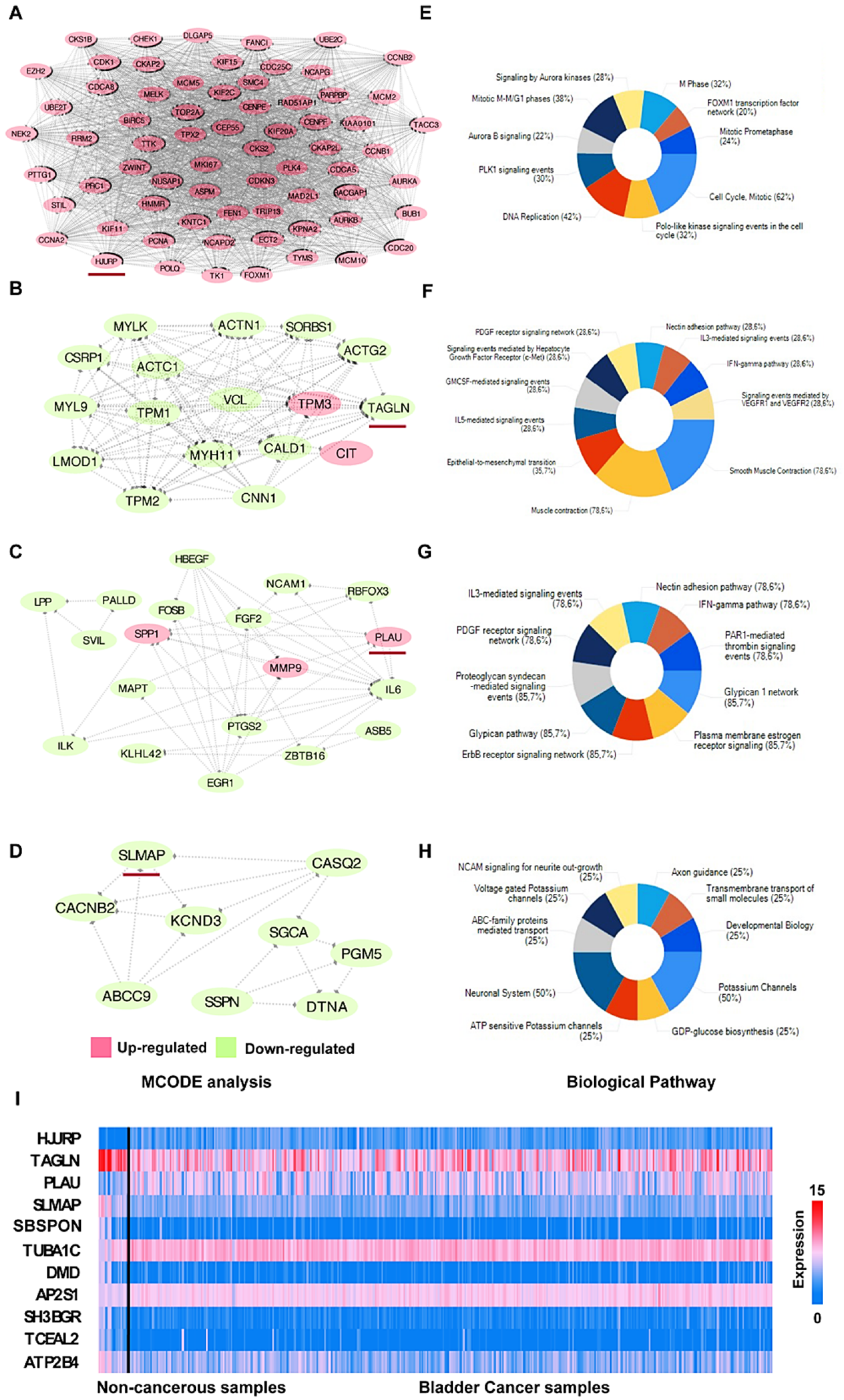
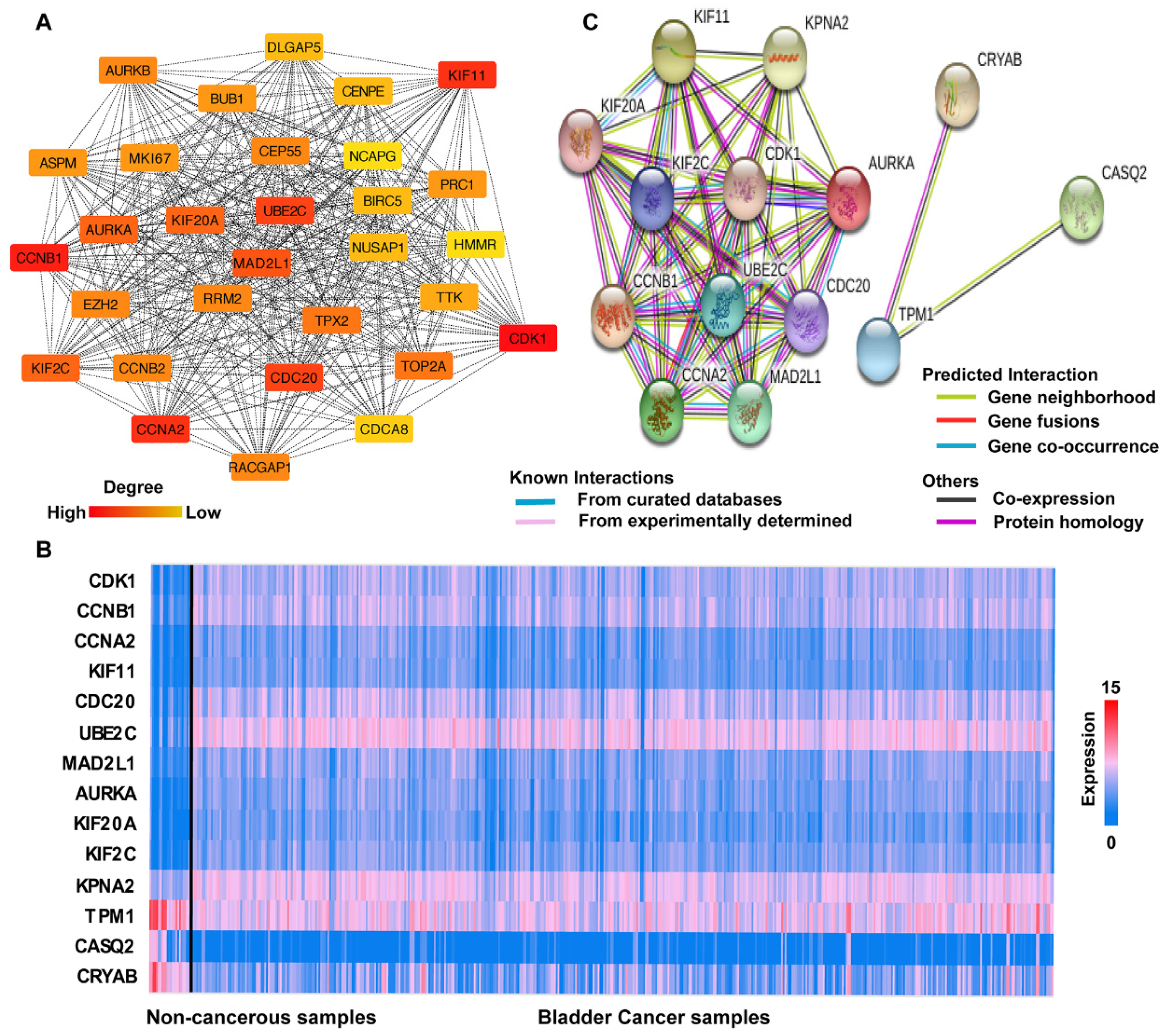
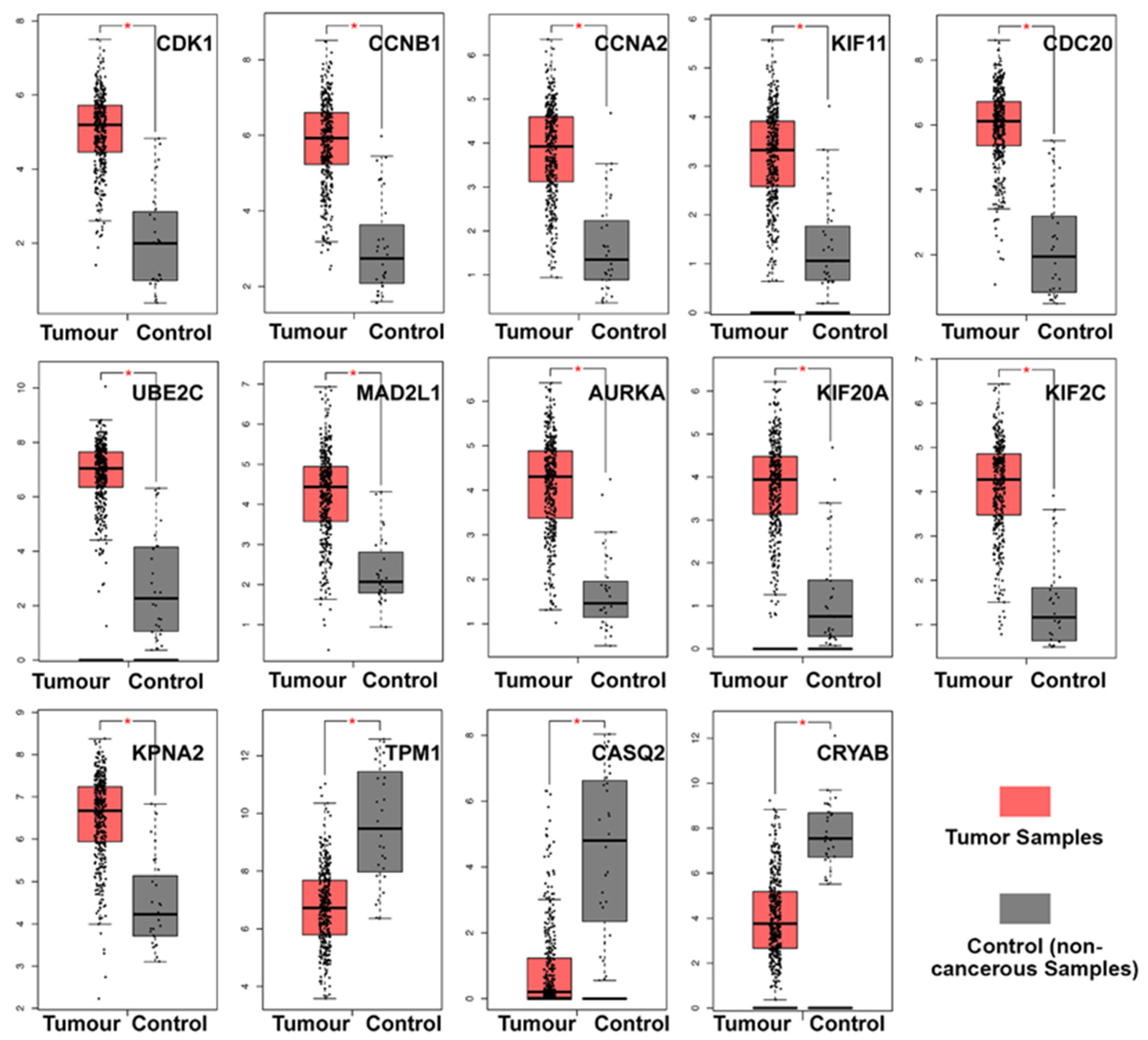
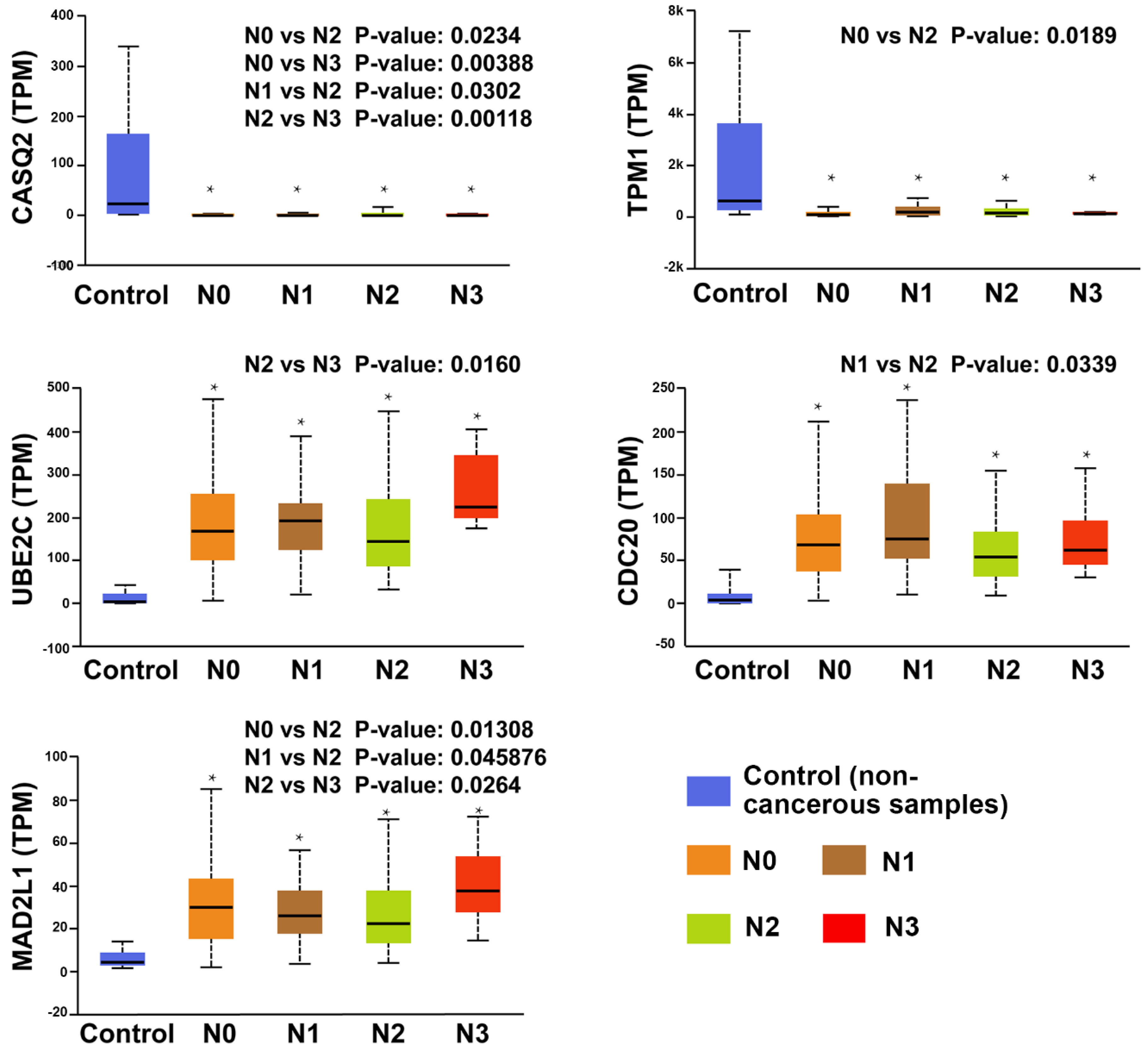
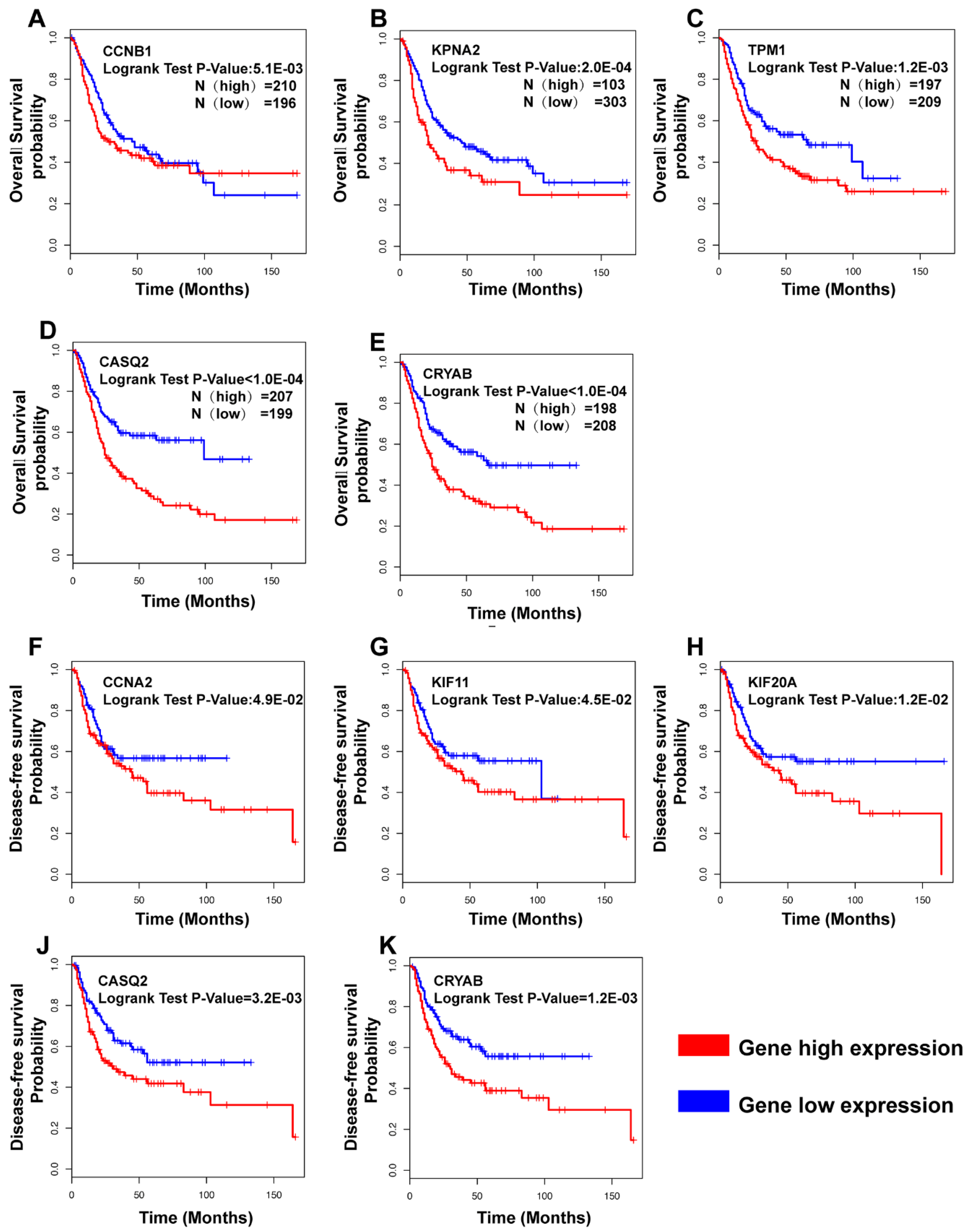
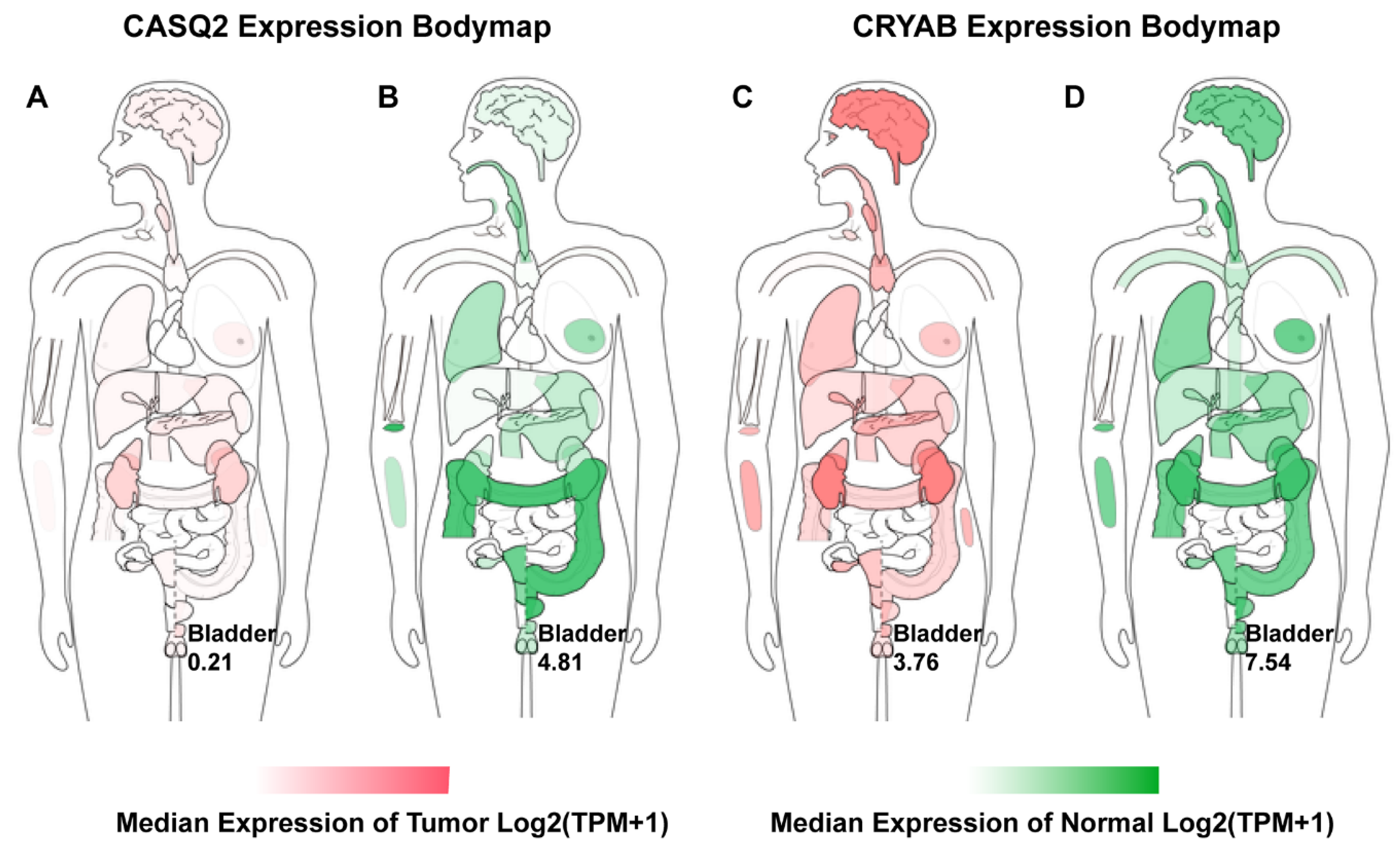
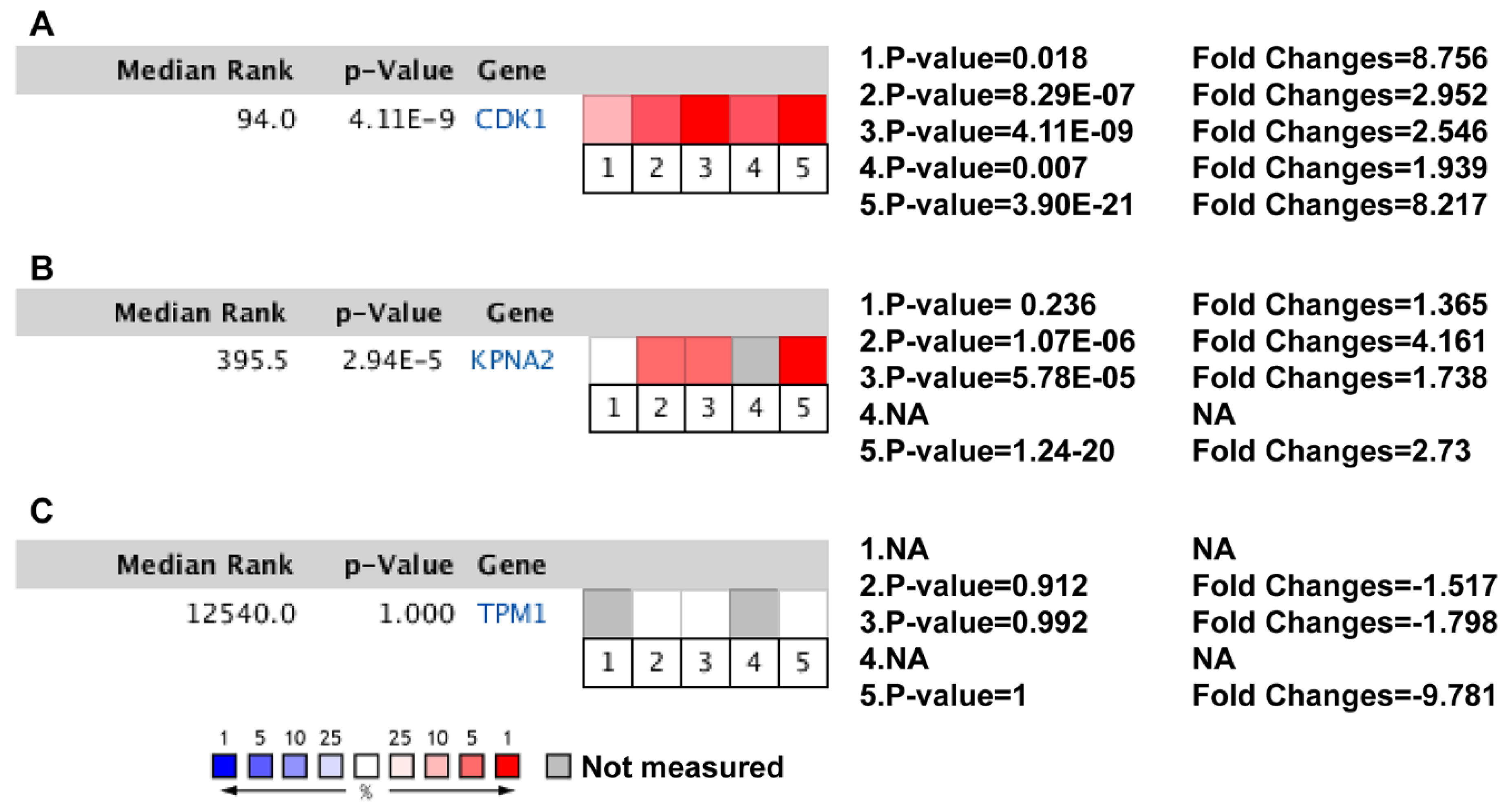
Bladder cancer (BCa) is one of the most common malignancies and has a relatively poor outcome worldwide. However, the molecular mechanisms and processes of BCa development and progression remain poorly understood. Therefore, the present study aimed to identify candidate genes in the carcinogenesis and progression of BCa. Five GEO datasets and TCGA-BLCA datasets were analyzed by statistical software R, FUNRICH, Cytoscape, and online instruments to identify differentially expressed genes (DEGs), to construct protein‒protein interaction networks (PPIs) and perform functional enrichment analysis and survival analyses. In total, we found 418 DEGs. We found 14 hub genes, and gene ontology (GO) analysis revealed DEG enrichment in networks and pathways related to cell cycle and proliferation, but also in cell movement, receptor signaling, and viral carcinogenesis. Compared with noncancerous tissues, TPM1, CRYAB, and CASQ2 were significantly downregulated in BCa, and the other hub genes were significant upregulated. Furthermore, MAD2L1 and CASQ2 potentially play a pivotal role in lymph nodal metastasis. CRYAB and CASQ2 were both significantly correlated with overall survival (OS) and disease-free survival (DFS). The present study highlights an up to now unrecognized possible role of CASQ2 in cancer (BCa). Furthermore, CRYAB has never been described in BCa, but our study suggests that it may also be a candidate biomarker in BCa.
Keywords: bladder cancer; bioinformatics analysis; differentially expressed genes; TCGA-BLCA database; GEO databases bladder cancer; bioinformatics analysis; differentially expressed genes; TCGA-BLCA database; GEO databases
Graphical Abstract