The Potential Roles of Oral Hypoglycemic Agents to Modulate Mitochondrial Function in Type 1 Diabetes Mellitus: A Scoping Review

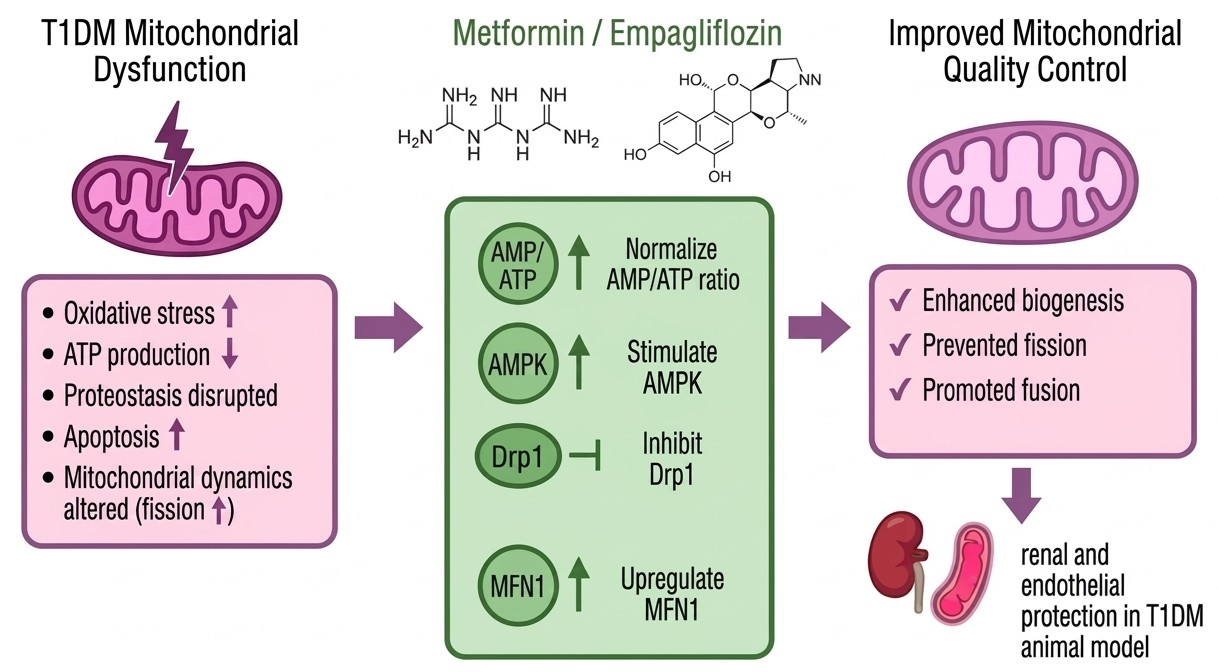
Abstract
1. Introduction
2. Methods
2.1. PRISMA Guidelines
2.2. Literature Search
2.3. Data Extraction
2.4. Inclusion and Exclusion Criteria
- Original research paper.
- Investigating the relationship between T1DM and mitochondrial function.
- Investigating the roles of OHAs on mitochondrial function in T1DM.
- Duplicates.
- Non-original research paper: review article, editorial, book chapter, meta-analysis, case report, conference abstract without full data.
- Paper unrelated to mitochondrial function.
- Paper unrelated to OHAs.
- Paper unrelated to T1DM.
- Paper not published in English.
3. Results
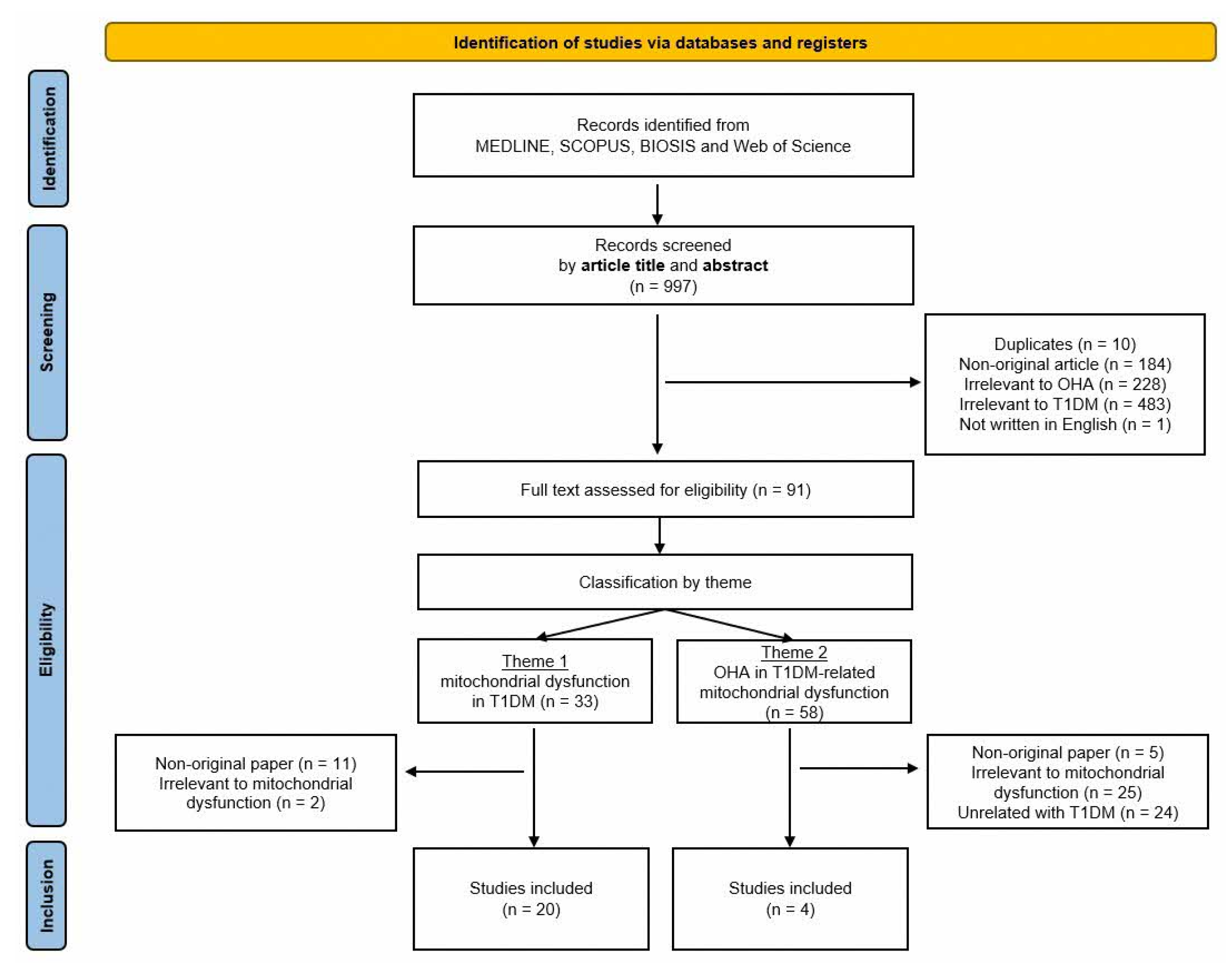
3.1. Selection of Studies
3.2. Study Characteristics
3.3. Mitochondrial Dysfunction in T1DM
3.4. Potential Roles of OHGAs in Mitochondrial Function in T1DM
4. Discussion
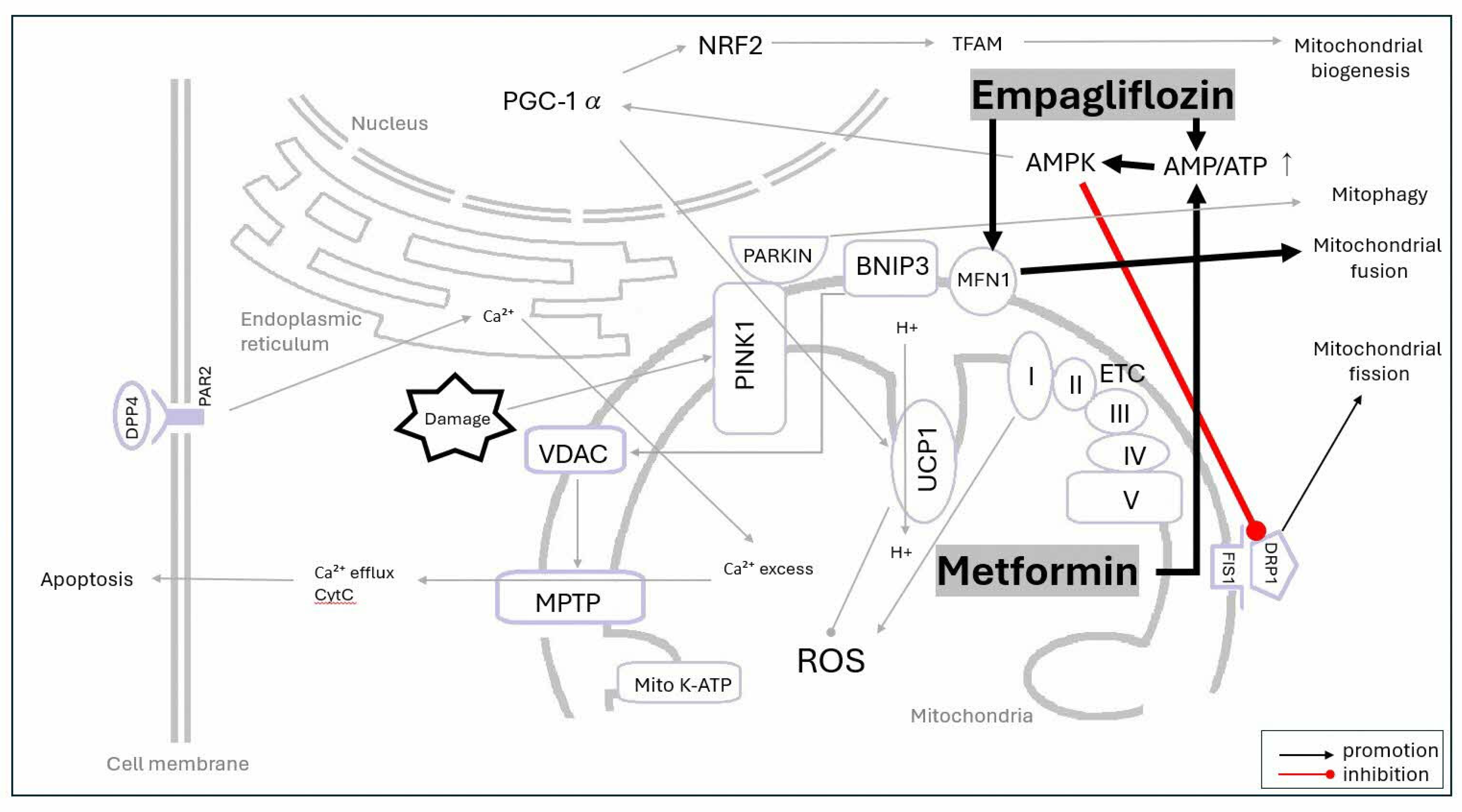
4.1. Potential Roles of OHAs in Modulating Mitochondrial Function in T1DM
4.2. Future Research Directions for OHAs in T1DM-Related Mitochondrial Dysfunction
4.3. Limitations
5. Conclusions
Author Contributions
Funding
Institutional Review Board Statement
Informed Consent Statement
Data Availability Statement
Acknowledgments
Conflicts of Interest
Abbreviations
| ADP | Adenosine diphosphate |
| AMP | Adenosine monophosphate |
| AMPK | AMP-activated protein kinase |
| ATP | Adenosine triphosphate |
| DPP-4 | Dipeptidyl peptidase-4 |
| Drp1 | Dynamin-related protein 1 |
| ETC | Electron transport chain |
| FIS1 | Fission 1 |
| FUNDC1 | FUN14 domain containing 1 |
| GLP-1 | Glucagon-like peptide-1 |
| HbA1c | Glycated hemoglobin |
| IFM | Interfibrillar mitochondria |
| IFN-γ | Interferon γ |
| IL-1β | Interleukin 1 β |
| KATP | ATP-sensitive potassium channel |
| MCUb | Mitochondrial calcium uniporter b subunit |
| MFN1 | Mitofusin 1 |
| miRNA | microRNA |
| MPTP | Mitochondrial permeability transition pore |
| MQC | Mitochondrial quality control |
| NAC | N-acetylcysteine |
| NOD | Non-obese diabetic |
| NRF2 | Nuclear respiratory factor 2 |
| OHAs | Oral hypoglycemic agents |
| PARKIN | E3 ubiquitin ligase |
| PGC-1α | PPAR γ coactivator 1 α |
| PGIS | Prostacyclin synthase |
| PINK1 | PTEN-induced kinase 1 |
| PKCθ | Protein kinase C θ |
| PRISMA | Preferred Reporting Items for Scoping Reviews and Meta-Analyses |
| PQC | Protein quality control |
| ROS | Reactive oxygen species |
| SGLT2 | Sodium–glucose cotransporter 2 |
| STZ | Streptozotocin |
| T1DM | Type 1 diabetes mellitus |
| T2DM | Type 2 diabetes mellitus |
| TFAM | Mitochondrial transcription factor A |
| TNF-α | Tumor necrosis factor α |
| UCP1 | Uncoupling protein 1 |
| VDAC | Voltage-dependent anion channel |
References
- Anderson, G. Type I Diabetes Pathoetiology and Pathophysiology: Roles of the Gut Microbiome, Pancreatic Cellular Interactions, and the “Bystander” Activation of Memory CD8+ T Cells. Int. J. Mol. Sci. 2023, 24, 3300. [Google Scholar] [CrossRef] [PubMed]
- American Diabetes Association. 9. Pharmacologic Approaches to Glycemic Treatment: Standards of Medical Care in Diabetes—2020. Diabetes Care 2020, 43, S98–S110. [Google Scholar] [CrossRef] [PubMed]
- Gurgel Penaforte-Saboia, J.; Couri, C.E.B.; Vasconcelos Albuquerque, N.; Lauanna Lima Silva, V.; Bitar da Cunha Olegario, N.; Oliveira Fernandes, V.; Montenegro, R.M., Jr. Emerging Roles of Dipeptidyl Peptidase-4 Inhibitors in Delaying the Progression of Type 1 Diabetes Mellitus. Diabetes Metab. Syndr. Obes. 2021, 14, 565–573. [Google Scholar] [CrossRef] [PubMed]
- Harris, K.; Boland, C.; Meade, L.; Battise, D. Adjunctive therapy for glucose control in patients with type 1 diabetes. Diabetes Metab. Syndr. Obes. Targets Ther. 2018, 11, 159–173. [Google Scholar] [CrossRef] [PubMed]
- Wang, Q.; Long, M.; Qu, H.; Shen, R.; Zhang, R.; Xu, J.; Xiong, X.; Wang, H.; Zheng, H. DPP-4 inhibitors as treatments for type 1 diabetes mellitus: A systematic review and meta-analysis. J. Diabetes Res. 2018, 2018, 5308582. [Google Scholar] [CrossRef] [PubMed]
- Petrie, J.R.; Chaturvedi, N.; Ford, I.; Brouwers, M.C.G.J.; Greenlaw, N.; Tillin, T.; Hramiak, I.; Hughes, A.D.; Jenkins, A.J.; Klein, B.E.K.; et al. Cardiovascular and metabolic effects of metformin in patients with type 1 diabetes (REMOVAL): A double-blind, randomised, placebo-controlled trial. Lancet Diabetes Endocrinol. 2017, 5, 597–609. [Google Scholar] [CrossRef] [PubMed]
- Mathieu, C.; Zinman, B.; Hemmingsson, J.U.; Woo, V.; Colman, P.; Christiansen, E.; Linder, M.; Bode, B.; for the ADJUNCT ONE Investigators. Efficacy and safety of liraglutide added to insulin treatment in type 1 diabetes: The ADJUNCT ONE treat-to-target randomized trial. Diabetes Care 2016, 39, 1702–1710. [Google Scholar] [CrossRef] [PubMed]
- Dandona, P.; Mathieu, C.; Phillip, M.; Hansen, L.; Griffen, S.C.; Tschöpe, D.; Thorén, F.; Xu, J.; Langkilde, A.M. Efficacy and safety of dapagliflozin in patients with inadequately controlled type 1 diabetes: The DEPICT-1 52-week study. Diabetes Care 2018, 41, 2552–2559. [Google Scholar] [CrossRef] [PubMed]
- Rosenstock, J.; Marquard, J.; Laffel, L.M.; Neubacher, D.; Kaspers, S.; Cherney, D.Z.I.; Zinman, B.; Skyler, J.S.; George, J.; Soleymanlou, N.; et al. Empagliflozin as adjunctive to insulin therapy in type 1 diabetes: The EASE trials. Diabetes Care 2018, 41, 2560–2569. [Google Scholar] [CrossRef] [PubMed]
- Qiao, Y.-C.; Ling, W.; Pan, Y.-H.; Chen, Y.-L.; Zhou, D.; Huang, Y.-M.; Zhang, X.-X.; Zhao, H.-L. Efficacy and safety of pramlintide injection adjunct to insulin therapy in patients with type 1 diabetes mellitus: A systematic review and meta-analysis. Oncotarget 2017, 8, 66504–66515. [Google Scholar] [CrossRef] [PubMed]
- Wang, C.; Youle, R.J. The role of mitochondria in apoptosis. Annu. Rev. Genet. 2009, 43, 95–118. [Google Scholar] [CrossRef] [PubMed]
- Roy, S.; Pokharel, P.; Piganelli, J.D. Decoding the immune dance: Unraveling the interplay between beta cells and type 1 diabetes. Mol. Metab. 2024, 88, 101998. [Google Scholar] [CrossRef] [PubMed]
- Page, M.J.; McKenzie, J.E.; Bossuyt, P.M.; Boutron, I.; Hoffmann, T.C.; Mulrow, C.D.; Shamseer, L.; Tetzlaff, C.W.; Akl, E.A.; Brennan, S.E.; et al. The PRISMA 2020 statement: An updated guideline for reporting systematic reviews. BMJ 2021, 372, n71. [Google Scholar] [CrossRef] [PubMed]
- Baseler, W.A.; Dabkowski, E.R.; Williamson, C.L.; Croston, T.L.; Thapa, D.; Powell, M.J.; Razunguzwa, T.T.; Hollander, J.M. Proteomic alterations of distinct mitochondrial subpopulations in the type 1 diabetic heart: Contribution of protein import dysfunction. Am. J. Physiol. Regul. Integr. Comp. Physiol. 2011, 300, R186–R200. [Google Scholar] [CrossRef] [PubMed]
- Belosludtsev, K.N.; Talanov, E.Y.; Starinets, V.S.; Agafonov, A.V.; Dubinin, M.V.; Belosludtseva, N.V. Transport of Ca2+ and Ca2+-Dependent Permeability Transition in Rat Liver Mitochondria under the Streptozotocin-Induced Type I Diabetes. Cells 2019, 8, 1014. [Google Scholar] [CrossRef] [PubMed]
- Chen, J.; Chernatynskaya, A.V.; Li, J.-W.; Kimbrell, M.R.; Cassidy, R.J.; Perry, D.J.; Muir, A.B.; Atkinson, M.A.; Brusko, T.M.; Mathews, C.E. T cells display mitochondria hyperpolarization in human type 1 diabetes. Sci. Rep. 2017, 7, 10835. [Google Scholar] [CrossRef] [PubMed]
- da Silva, M.F.; Natali, A.J.; da Silva, E.; Gomes, G.J.; Teodoro, B.G.; Cunha, D.N.Q.; Drummond, L.R.; Drummond, F.R.; Moura, A.G.; Belfort, F.G.; et al. Attenuation of Ca2+ homeostasis, oxidative stress, and mitochondrial dysfunctions in diabetic rat heart: Insulin therapy or aerobic exercise? J. Appl. Physiol. 2015, 119, 148–156. [Google Scholar] [CrossRef] [PubMed]
- Dieter, C.; Assmann, T.S.; Costa, A.R.; Canani, L.H.; de Souza, B.M.; Bauer, A.C.; Crispim, D. MiR-30e-5p and MiR-15a-5p Expressions in Plasma and Urine of Type 1 Diabetic Patients with Diabetic Kidney Disease. Front. Genet. 2019, 10, 563. [Google Scholar] [CrossRef] [PubMed]
- Ferraz, R.S.; Santos, L.C.B.; da-Silva-Cruz, R.L.; Braga-da-Silva, C.H.; Magalhães, L.; Ribeiro-dos-Santos, A.; Vidal, A.; Vinasco-Sandoval, T.; Reis-das-Mercês, L.; Sena-dos-Santos, C.; et al. Global miRNA expression reveals novel nuclear and mitochondrial interactions in Type 1 diabetes mellitus. Front. Endocrinol. 2022, 13, 1033809. [Google Scholar] [CrossRef] [PubMed]
- Ferreira, F.M.; Seiça, R.; Oliveira, P.J.; Coxito, P.M.; Moreno, A.J.; Palmeira, C.M.; Santos, M.S. Diabetes induces metabolic adaptations in rat liver mitochondria: Role of coenzyme Q and cardiolipin contents. Biochim. Biophys. Acta BBA Mol. Basis Dis. 2003, 1639, 113–120. [Google Scholar] [CrossRef] [PubMed]
- Ferreira, R.; Guerra, G.; Padrao, A.I.; Melo, T.; Vitorino, R.; Duarte, J.A.; Remiao, F.; Domingues, P.; Amado, F.; Domingues, M.R. Lipidomic characterization of streptozotocin-induced heart mitochondrial dysfunction. Mitochondrion 2013, 13, 762–771. [Google Scholar] [CrossRef] [PubMed]
- Gurgul-Convey, E.; Lenzen, S. Protection against cytokine toxicity through endoplasmic reticulum and mitochondrial stress prevention by prostacyclin synthase overexpression in insulin-producing cells. J. Biol. Chem. 2010, 285, 11121–11128. [Google Scholar] [CrossRef] [PubMed]
- Gurgul-Convey, E.; Mehmeti, I.; Lortz, S.; Lenzen, S. Cytokine toxicity in insulin-producing cells is mediated by nitro-oxidative stress-induced hydroxyl radical formation in mitochondria. J. Mol. Med. 2011, 89, 785–798. [Google Scholar] [CrossRef] [PubMed]
- Iannantuoni, F.; de Marañon, A.M.; Abad-Jiménez, Z.; Canet, F.; Díaz-Pozo, P.; López-Domènech, S.; Morillas, C.; Rocha, M.; Víctor, V.M. Mitochondrial Alterations and Enhanced Human Leukocyte/Endothelial Cell Interactions in Type 1 Diabetes. J. Clin. Med. 2020, 9, 2155. [Google Scholar] [CrossRef] [PubMed]
- Jelenik, T.; Séquaris, G.; Kaul, K.; Ouwens, D.M.; Phielix, E.; Kotzka, J.; Knebel, B.; Weiß, J.; Reinbeck, A.L.; Janke, L.; et al. Tissue-specific differences in the development of insulin resistance in a mouse model for type 1 diabetes. Diabetes 2014, 63, 3856–3867. [Google Scholar] [CrossRef] [PubMed]
- Larsen, S.; Scheede-Bergdahl, C.; Whitesell, T.; Boushel, R.; Bergdahl, A. Increased intrinsic mitochondrial respiratory capacity in skeletal muscle from rats with streptozotocin-induced hyperglycemia. Physiol. Rep. 2015, 3, e12467. [Google Scholar] [CrossRef] [PubMed]
- Liu, H.-Y.; Cao, S.Y.; Hong, T.; Han, J.; Liu, Z.; Cao, W. Insulin Is a Stronger Inducer of Insulin Resistance than Hyperglycemia in Mice with Type 1 Diabetes Mellitus (T1DM). J. Biol. Chem. 2009, 284, 27090–27100. [Google Scholar] [CrossRef] [PubMed]
- Ma, F.; Li, H.; Huo, H.; Han, Q.; Liao, J.; Zhang, H.; Li, Y.; Pan, J.; Hu, L.; Guo, J.; et al. N-acetyl-L-cysteine alleviates FUNDC1-mediated mitophagy by regulating mitochondrial dynamics in type 1 diabetic nephropathy canine. Life Sci. 2023, 313, 121278. [Google Scholar] [CrossRef] [PubMed]
- Oliveira, P.J.; Seiça, R.; Coxito, P.M.; Rolo, A.P.; Palmeira, C.M.; Santos, M.S.; Moreno, A.J. Enhanced permeability transition explains the reduced calcium uptake in cardiac mitochondria from streptozotocin-induced diabetic rats. FEBS Lett. 2003, 554, 511–514. [Google Scholar] [CrossRef] [PubMed]
- Padrão, A.I.; Carvalho, T.; Vitorino, R.; Alves, R.M.; Caseiro, A.; Duarte, J.A.; Ferreira, R.; Amado, F. Impaired protein quality control system underlies mitochondrial dysfunction in skeletal muscle of streptozotocin-induced diabetic rats. Biochim. Biophys. Acta BBA Mol. Basis Dis. 2012, 1822, 1189–1197. [Google Scholar] [CrossRef] [PubMed]
- Silva-Rodrigues, T.; de-Souza-Ferreira, E.; Machado, C.M.; Cabral-Braga, B.; Rodrigues-Ferreira, C.; Galina, A. Hyperglycemia in a type 1 Diabetes Mellitus model causes a shift in mitochondria coupled-glucose phosphorylation and redox metabolism in rat brain. Free Radic. Biol. Med. 2020, 160, 796–806. [Google Scholar] [CrossRef] [PubMed]
- Wu, M.; Chen, W.; Zhang, S.; Huang, S.; Zhang, A.; Zhang, Y.; Jia, Z. Rotenone protects against β-cell apoptosis and attenuates type 1 diabetes mellitus. Apoptosis 2019, 24, 879–891. [Google Scholar] [CrossRef] [PubMed]
- Zeng, Z.; Liu, H.-M.; Zhang, Y.-Y.; Chen, R.; Sun, T.; Li, W.; Sun, Q.; Xia, Z.-Y.; Meng, Q.-T. Aggravated intestinal ischemia-reperfusion injury is associated with activated mitochondrial autophagy in a mouse model of diabetes. Mol. Med. Rep. 2020, 22, 1892–1900. [Google Scholar] [CrossRef] [PubMed]
- Alhaider, A.A.; Korashy, H.M.; Sayed-Ahmed, M.M.; Mobark, M.; Kfoury, H.; Mansour, M.A. Metformin attenuates streptozotocin-induced diabetic nephropathy in rats through modulation of oxidative stress genes expression. Chem. Biol. Interact. 2011, 192, 233–242. [Google Scholar] [CrossRef] [PubMed]
- Lee, Y.H.; Kim, S.H.; Kang, J.M.; Heo, J.H.; Kim, D.J.; Park, S.H.; Sung, M.; Kim, J.; Oh, J.; Yang, D.H.; et al. Empagliflozin attenuates diabetic tubulopathy by improving mitochondrial fragmentation and autophagy. Am. J. Physiol. Ren. Physiol. 2019, 317, F767–F780. [Google Scholar] [CrossRef] [PubMed]
- Wang, Q.; Zhang, M.; Torres, G.; Wu, S.; Ouyang, C.; Xie, Z.; Zou, M.H. Metformin Suppresses Diabetes-Accelerated Atherosclerosis via the Inhibition of Drp1-Mediated Mitochondrial Fission. Diabetes 2017, 66, 193–205. [Google Scholar] [CrossRef] [PubMed]
- Zhou, H.; Wang, S.; Zhu, P.; Hu, S.; Chen, Y.; Ren, J. Empagliflozin rescues diabetic myocardial microvascular injury via AMPK-mediated inhibition of mitochondrial fission. Redox Biol. 2018, 15, 335–346. [Google Scholar] [CrossRef] [PubMed]
- Nunnari, J.; Suomalainen, A. Mitochondria: In sickness and in health. Cell 2012, 148, 1145–1159. [Google Scholar] [CrossRef] [PubMed]
- Carraro, M.; Bernardi, P. Calcium and reactive oxygen species in regulation of the mitochondrial permeability transition and of programmed cell death in yeast. Cell Calcium 2016, 60, 102–107. [Google Scholar] [CrossRef] [PubMed]
- Belosludtsev, K.N.; Dubinin, M.V.; Belosludtseva, N.V.; Mironova, G.D. Mitochondrial Ca2+ transport: Mechanisms, molecular structures, and role in cells. Biochemistry 2019, 84, 593–607. [Google Scholar] [CrossRef] [PubMed]
- Belosludtsev, K.N.; Belosludtseva, N.V.; Dubinin, M.V. Diabetes Mellitus, Mitochondrial Dysfunction and Ca2+-Dependent Permeability Transition Pore. Int. J. Mol. Sci. 2020, 21, 6559. [Google Scholar] [CrossRef] [PubMed]
- Kalani, K.; Yan, S.F.; Yan, S.S. Mitochondrial permeability transition pore: A potential drug target for neurodegeneration. Drug Discov. Today 2018, 23, 1983–1989. [Google Scholar] [CrossRef] [PubMed]
- Rao, V.K.; Carlson, E.A.; Yan, S.S. Mitochondrial permeability transition pore is a potential drug target for neurodegeneration. Biochim. Biophys. Acta Mol. Basis Dis. 2014, 1842, 1267–1272. [Google Scholar] [CrossRef] [PubMed]
- Benáková, Š.; Holendová, B.; Plecitá-Hlavatá, L. Redox Homeostasis in Pancreatic beta-Cells: From Development to Failure. Antioxidants 2021, 10, 526. [Google Scholar] [CrossRef] [PubMed]
- Santos, R.X.; Correia, S.C.; Alves, M.G.; Oliveira, P.F.; Cardoso, S.; Carvalho, C.; Duarte, A.I.; Santos, M.S.; Moreira, P.I. Insulin therapy modulates mitochondrial dynamics and biogenesis, autophagy and tau protein phosphorylation in the brain of type 1 diabetic rats. Biochim Biophys. Acta 2014, 1842, 1154–1166. [Google Scholar] [CrossRef] [PubMed]
- Belosludtsev, K.N.; Starinets, V.S.; Talanov, E.Y.; Mikheeva, I.B.; Dubinin, M.V.; Belosludtseva, N.V. Alisporivir Treatment Alleviates Mitochondrial Dysfunction in the Skeletal Muscles of C57BL/6NCrl Mice with High-Fat Diet/Streptozotocin-Induced Diabetes Mellitus. Int. J. Mol. Sci. 2021, 22, 9524. [Google Scholar] [CrossRef] [PubMed]
- Cheng, A.Y.Y.; Fantus, I.G. Oral antihyperglycemic therapy for type 2 diabetes mellitus. Can. Med. Assoc. J. 2005, 172, 213–226. [Google Scholar] [CrossRef] [PubMed]
- Wolosowicz, M.; Lukaszuk, B.; Chabowski, A. The Causes of Insulin Resistance in Type 1 Diabetes Mellitus: Is There a Place for Quaternary Prevention? Int. J. Environ. Res. Public Health 2020, 17, 8651. [Google Scholar] [CrossRef] [PubMed]
- Chaudhary, R.K.; Ali, O.; Kumar, A.; Kumar, A.; Pervez, A. Double Diabetes: A Converging Metabolic and Autoimmune Disorder Redefining the Classification and Management of Diabetes. Cureus 2025, 17, e80495. [Google Scholar] [CrossRef] [PubMed]
- Apostolopoulou, M.; Lambadiari, V.; Roden, M.; Dimitriadis, G.D. Insulin Resistance in Type 1 Diabetes: Pathophysiological, Clinical, and Therapeutic Relevance. Endocr. Rev. 2025, 46, 317–348. [Google Scholar] [CrossRef] [PubMed]
- Flemming, N.; Pernoud, L.; Forbes, J.; Gallo, L. Mitochondrial Dysfunction in Individuals with Diabetic Kidney Disease: A Systematic Review. Cells 2022, 11, 2481. [Google Scholar] [CrossRef] [PubMed]
- Rojas, D.R.; Kuner, R.; Agarwal, N. Metabolomic signature of type 1 diabetes-induced sensory loss and nerve damage in diabetic neuropathy. arXiv 2018, arXiv:1803.06740. [Google Scholar] [CrossRef]
- Chen, Y.; Liu, X.; Liu, Y.; Li, Y.; Li, D.; Mei, Z.; Deng, Y. Mitochondrial quality control in diabetes mellitus and complications: Molecular mechanisms and therapeutic strategies. Cell Death Dis. 2025, 16, 652. [Google Scholar] [CrossRef] [PubMed]
- Detaille, D.; Vial, G.; Borel, A.-L.; Hallakou-Bozec, S.; Zarrouki, B.; Hory, B.; Foucher, L.; Piquard, F.; Virsolvire, A.; Fontaine, E.; et al. Imeglimin prevents human endothelial cell death by inhibiting mitochondrial permeability transition without inhibiting mitochondrial respiration. Cell Death Discov. 2016, 2, 15072. [Google Scholar] [CrossRef] [PubMed]
- Vial, G.; Lamarche, F.; Cottet-Rousselle, C.; Hallakou-Bozec, S.; Borel, A.-L.; Fontaine, E. The mechanism by which imeglimin inhibits gluconeogenesis in rat liver cells. Endocrinol. Diabetes Metab. 2021, 4, e00211. [Google Scholar] [CrossRef] [PubMed]
- Mercer, S.W.; Trayhurn, P. Effects of ciglitazone on insulin resistance and thermogenic responsiveness to acute cold in brown adipose tissue of genetically obese (ob/ob) mice. FEBS Lett. 1986, 195, 12–16. [Google Scholar] [CrossRef] [PubMed]
- Yu, L.; Chen, S.; Liang, Q.; Huang, C.; Zhang, W.; Hu, L.; Yu, Y.; Liu, L.; Cheng, X.; Bao, H. Rosiglitazone reduces diabetes angiopathy by inhibiting mitochondrial dysfunction dependent on regulating HSP22 expression. iScience 2023, 26, 106194. [Google Scholar] [CrossRef] [PubMed]
- Horimoto, H.; Nakai, Y.; Mieno, S.; Nomura, Y.; Nakahara, K.; Sasaki, S. Oral Hypoglycemic Sulfonylurea Glimepiride Preserves the Myoprotective Effects of Ischemic Preconditioning. J. Surg. Res. 2002, 105, 181–188. [Google Scholar] [CrossRef] [PubMed]
- Skalska, J.; Debska, G.; Kunz, W.S.; Szewczyk, A. Antidiabetic sulphonylureas activate mitochondrial permeability transition in rat skeletal muscle. Br. J. Pharmacol. 2005, 145, 785–791. [Google Scholar] [CrossRef] [PubMed]
- Wang, M.-T.; Huang, Y.-L.; Lai, J.-H.; Lee, C.-H.; Wang, P.-C.; Pan, H.-Y.; Lin, C.; Liou, J.-T.; Hsu, Y.-J. Association Between Specificity of Sulfonylureas to Cardiac Mitochondrial KATP Channels and the Risk of Major Adverse Cardiovascular Events in Type 2 Diabetes. Diabetes Care 2022, 45, 1276–1287. [Google Scholar] [CrossRef] [PubMed]
- Wang, M.-T.; Pan, H.-Y.; Huang, Y.-L.; Wu, L.-W.; Wang, P.-C.; Hsu, Y.-J.; Lin, T.-C.; Lin, C.; Lai, J.-H.; Lee, C.-H. Comparison of Mitochondrial Adenosine Triphosphate–Sensitive Potassium Channel High- vs Low-Affinity Sulfonylureas and Cardiovascular Outcomes in Patients with Type 2 Diabetes Treated with Metformin. JAMA Netw. Open 2022, 5, e2245854. [Google Scholar] [CrossRef] [PubMed]
- Li, J.; Hui, Y.; Xu, Z.; Tan, J.; Yin, K.; Kuang, L.; Tang, Y.; Wei, J.; Zhong, Q.; Zheng, T. Non-canonical function of DPP4 promotes cognitive impairment through ERp29-associated mitochondrial calcium overload in diabetes. iScience 2023, 26, 106271. [Google Scholar] [CrossRef] [PubMed]
- Li, L.; Jin, L.; Tian, Y.; Wang, J. Semaglutide enhances PINK1/Parkin-dependent mitophagy in hypoxia/reoxygenation-induced cardiomyocyte injury. Mol. Med. Rep. 2025, 31, 111. [Google Scholar] [CrossRef] [PubMed]
- Qian, P.; Tian, H.; Wang, Y.; Lu, W.; Li, Y.; Ma, T.; Gao, X.; Yao, W. A novel oral glucagon-like peptide 1 receptor agonist protects against diabetic cardiomyopathy via alleviating cardiac lipotoxicity induced mitochondria dysfunction. Biochem. Pharmacol. 2020, 182, 114209. [Google Scholar] [CrossRef] [PubMed]
- Zhou, H.-r.; Ma, X.-f.; Lin, W.-j.; Hao, M.; Yu, X.-y.; Li, H.-x.; Xu, C.-y.; Kuang, H.-y. Neuroprotective Role of GLP-1 Analog for Retinal Ganglion Cells via PINK1/Parkin-Mediated Mitophagy in Diabetic Retinopathy. Front. Pharmacol. 2021, 11, 589114. [Google Scholar] [CrossRef] [PubMed]
- Adlam, V.J.; Harrison, J.C.; Porteous, C.M.; James, A.M.; Smith, R.A.J.; Murphy, M.P. Targeting an antioxidant to mitochondria decreases cardiac ischemia-reperfusion injury. FASEB J. 2005, 19, 1088–1095. [Google Scholar] [CrossRef] [PubMed]
- McManus, M.J.; Murphy, M.P.; Franklin, J.L. The mitochondria-targeted antioxidant MitoQ prevents loss of spatial memory retention and early neuropathology in a transgenic mouse model of Alzheimer’s disease. J. Neurosci. 2011, 31, 15703–15715. [Google Scholar] [CrossRef] [PubMed]
- Huang, T.; Shen, J.; Bao, B.; Hu, W.; Sun, Y.; Zhu, T.; Lin, J.; Gao, T.; Li, X.; Zheng, X. Mitochondrial-targeting antioxidant MitoQ modulates angiogenesis and promotes functional recovery after spinal cord injury. Brain Res. 2022, 1786, 147902. [Google Scholar] [CrossRef] [PubMed]
- Zhu, Y.; Wang, H.; Fang, J.; Dai, W.; Zhou, J.; Wang, X.; Zhou, M. SS-31 provides neuroprotection by reversing mitochondrial dysfunction after traumatic brain injury. Oxidative Med. Cell. Longev. 2018, 2018, 4783602. [Google Scholar] [CrossRef] [PubMed]
- Lin, L.; Chen, Z.; Huang, C.; Wu, Y.; Huang, L.; Wang, L.; Ke, S.; Liu, L. Mito-TEMPO, a mitochondria-targeted antioxidant, improves cognitive dysfunction due to hypoglycemia: An association with reduced pericyte loss and blood-brain barrier leakage. Mol. Neurobiol. 2023, 60, 672–686. [Google Scholar] [CrossRef] [PubMed]
- McDowell, R.E.; Tse, H. Mitochondrial bioenergetics of immune cells in Type 1 diabetes. J. Immunol. 2016, 196, 54.30. [Google Scholar] [CrossRef]



| Author | Year | Study Design | Study Setting | Control | Study Findings |
|---|---|---|---|---|---|
| Baseler WA et al. [14] | 2011 | In vivo animal study | Laboratory-based research, STZ-induced type 1 diabetic mice to simulate chronic hyperglycemia | Non-diabetic mice receiving vehicle buffer | T1DM causes proteomic alterations primarily in IFM, linked to defective nuclear-encoded protein import, increased oxidative stress from excessive ROS production and contributing to diabetic cardiomyopathy. |
| Belosludtsev KN et al. [15] | 2019 | In vivo animal study | Laboratory-based research, STZ-induced type 1 diabetic mice to simulate chronic hyperglycemia | Non-diabetic rats | Diabetic rat liver mitochondria showed ~1.4× higher Ca2+ uptake, reduced MCUb, and increased resistance to CsA-sensitive MPT but increased sensitivity to palmitate/Ca2+ pores, with altered membrane lipids and higher peroxidation. |
| Chen J [16] | 2017 | Human study (3 phases) | PBMC 238 T1DM patients Flowcytometry immunophenotyping and functional study | 29 healthy volunteers | T1DM T-cells display intrinsic mitochondrial dysfunction (inner membrane hyperpolarization, altered ATP/ROS/IFN-γ balance) that may drive immune dysregulation and autoimmunity. |
| Da Silva MF et al. [17] | 2015 | In vivo animal study | Laboratory-based research, STZ-induced T1DM rats to simulate chronic hyperglycemia | Non-diabetic controls and untreated diabetic models | Both exercise and insulin improve mitochondrial and Ca2+ dysfunction in diabetic hearts, but combination therapy is the most effective in reversing oxidative stress and mitochondrial damage. |
| Dieter C et al. [18] | 2019 | Human patients with type 1 diabetes | Observational, cross-sectional study with samples analyzed in a molecular biology research laboratory | Healthy individuals without diabetes | miR-30e-5p emerges as a potential biomarker candidate for diabetic kidney disease in T1DM, with measured expression differences and relevant biological connections. |
| Ferraz RS et al. [19] | 2022 | In vivo and in silico transcriptomic animal study | Human observational study with transcriptomic and in silico analysis | Healthy controls | Global miRNA expression analysis revealed novel nuclear–mitochondrial interactions in T1DM, suggesting the dysregulation of mitochondrial pathways and potential impact on β-cell function and immune regulation. |
| Ferreira M et al. [20] | 2003 | In vivo animal study | Laboratory-based research, STZ-induced type 1 diabetic rats and Goto–Kakizaki rats | Non-diabetic rats | Diabetes induces compensatory metabolic adaptations in rat liver mitochondria, including increased coenzyme Q and cardiolipin levels and reduced susceptibility to mitochondrial permeability transition. |
| Ferreira R et al. [21] | 2013 | In vivo animal study | Laboratory-based research, STZ-induced type 1 diabetic rats | Non-diabetic rats | STZ-induced diabetes was associated with cardiac mitochondrial lipidomic alterations, including changes in phospholipid composition that may contribute to mitochondrial dysfunction in diabetic cardiomyopathy. |
| Gurgul-Convey E et al. [22] | 2010 | In vitro cell study | RINm5F cells overexpressing PGIS Molecular/cellular physiology laboratory with detailed cellular analyses | Insulin-producing RINm5F cells without PGIS overexpression | Overexpressing PGIS protects insulin-producing β-cells from cytokine-mediated damage by mitigating ER and mitochondrial oxidative stress, highlighting a potential therapeutic strategy to preserve β-cell function in type 1 diabetes. |
| Gurgul-Convey E et al. [23] | 2011 | In vitro cell study | Insulin-producing RINm5F cells and isolated pancreatic islets exposed to pro-inflammatory cytokines (IL-1β, TNF-α, IFN-γ) to mimic autoimmune T1DM conditions | IL-1β exposed control cells | Cytokine toxicity in insulin-producing cells is driven by mitochondrial nitro-oxidative stress, with hydroxyl radicals as key effectors; targeting mitochondrial ROS can protect β-cells from inflammatory damage. |
| Iannantuoni F et al. [24] | 2020 | Human patients with type 1 diabetes | Observational, cross-sectional study Blood samples obtained from outpatient clinics and processed in a molecular/cellular laboratory | Healthy individuals without diabetes | T1DM is associated with mitochondrial alterations, increased oxidative stress, and enhanced leukocyte–endothelium interactions, which may contribute to cardiovascular complications. |
| Jelenik T et al. [25] | 2014 | In vivo animal study | NOD mice, a model that spontaneously develops type 1 diabetes through the autoimmune destruction of pancreatic β-cells | Age-matched non-diabetic mice | In NOD mice, insulin resistance develops in a tissue-specific manner, with early hepatic resistance marked by increased mitochondrial respiration, lipid peroxidation, and JNK activation, as well as stress followed by muscle resistance linked to DAG accumulation and PKCθ activation. Elevated adipose lipolysis and serum fetuin A further exacerbate muscle insulin resistance. |
| Larsen S et al. [26] | 2015 | In vivo animal study | Laboratory-based research, STZ-induced hyperglycemia; skeletal muscle (soleus and plantaris) mitochondrial analysis | Control rats given sham citrate buffer injection | STZ-induced chronic hyperglycemia increases intrinsic mitochondrial respiratory capacity in the soleus and plantaris muscles—particularly for lipid- and complex I-linked substrates—despite reduced mitochondrial content, suggesting a compensatory upregulation of mitochondrial function in T1DM models. |
| Liu HY et al. [27] | 2009 | In vivo animal study | Laboratory-based research, STZ-induced type 1 diabetic mice to simulate chronic hyperglycemia | Non-diabetic mice | Excess insulin, rather than hyperglycemia, is the dominant driver of insulin resistance in T1DM, suggesting that therapeutic strategies should consider avoiding chronic hyperinsulinemia to prevent tissue-specific insulin resistance. Mitochondrial dysfunction was accompanied by increased ROS generation and oxidative stress, contributing to tissue-specific insulin resistance (particularly in the liver and muscle). |
| Ma F et al. [28] | 2023 | In vivo animal study | Veterinary research facility, STZ-induced type 1 diabetic canine to simulate chronic hyperglycemia | Healthy control canine without diabetes | NAC, in conjunction with insulin, offers protective effects in diabetic nephropathy by regulating mitochondrial dynamics and FUNDC1-mediated mitophagy, highlighting its potential therapeutic role in managing diabetic kidney complications. |
| Oliveria PJ et al. [29] | 2003 | In vivo animal study | Heart mitochondria isolated from STZ-induced type 1 diabetic rats | Non-diabetic rats | Diabetes increases susceptibility to mitochondrial permeability transition in cardiac mitochondria, causing reduced calcium uptake and depressed oxygen consumption, not due to damage to the calcium uptake machinery but enhanced permeability transition. |
| Padrão AI et al. [30] | 2012 | In vivo animal study | Laboratory-based research, STZ-induced type 1 diabetic rats to simulate chronic hyperglycemia | Age-matched, non-diabetic Wistar rats | Compromised mitochondrial protein quality control, characterized by decreased proteolytic activity and increased protein oxidation, contributes to mitochondrial dysfunction in the skeletal muscle of type 1 diabetic rats, which highlights the importance of maintaining mitochondrial proteostasis in preventing diabetic muscle complications. |
| Silva-Rodrigues T et al. [31] | 2020 | In vivo animal study | Laboratory-based research, STZ-induced type 1 diabetic rats to simulate chronic hyperglycemia | Age-matched, non-diabetic Wistar rats injected with vehicle (citrate buffer) | Hyperglycemia in a T1DM model induces a reorganization of mitochondrial glucose metabolism and redox balance in the rat brain, which may serve as an early adaptive mechanism to counteract oxidative stress and prevent neurodegeneration associated with mitochondrial complex I deficits. |
| Wu M et al. [32] | 2019 | In vivo and in vitro study | STZ-induced T1DM in mice | Healthy male C57BL/6 mice | The inhibition of mitochondrial complex I with rotenone offers protective effects against β-cell apoptosis and oxidative stress and may attenuate T1DM progression, suggesting a potential therapeutic strategy targeting mitochondrial dysfunction. |
| Zeng Z et al. [33] | 2020 | In vivo animal study | Laboratory-based research, STZ-induced type 1 diabetic mice to simulate chronic hyperglycemia | Non-diabetic controls and untreated diabetic models | Type 1 diabetes exacerbates intestinal ischemia–reperfusion injury by enhancing inflammation and oxidative stress and activating mitochondrial autophagy. Targeting mitochondrial autophagy pathways may offer potential therapeutic strategies for mitigating intestinal damage in diabetic conditions. |
| Authors | Year | OHA | OHA Class | Study Design | Mitochondrial Target | Mitochondrial Function |
|---|---|---|---|---|---|---|
| Alhaider AA et al. [34] | 2011 | Metformin | Biguanide | In vivo (STZ-induced diabetic rats and normoglycemic rats) | Mitochondrial ROS; AMP/ATP | Restores diabetic nephropathy-induced oxidative stress mRNA levels; normalizes depleted levels of ATP and AMP. |
| Lee YH et al. [35] | 2019 | Empagliflozin | SGLT2 inhibitor | In vitro (human renal cell) and in vivo (diabetic mice, renal tissue) | Mitochondrial dynamics (fragmentation, fusion) | Attenuates diabetic tubulopathy by improving mitochondrial biogenesis; upregulates Mitofusin 1 (MFN1). Restores the balance of fusion–fission protein expression. |
| Wang Q et al. [36] | 2017 | Metformin | Biguanide | In vivo (STZ-induced diabetic ApoE−/− mice) and in vitro (high glucose-exposed endothelial cells) | Dynamin-related protein 1 (Drp1) | Facilitates AMPK-mediated blockage of Drp1-mediated mitochondrial fission. |
| Zhou H et al. [37] | 2018 | Empagliflozin | SGLT2 inhibitor | In vivo (diabetic mice, myocardial tissue) | AMPK activation; Drp1-mediated mitochondrial fission | Reduces mitochondrial fragmentation and ROS. Preserves ATP production; improves mitochondrial integrity and endothelial function. |
| Mitochondrial Dysfunction in T1DM | Suggested OHAs Involved in the Mechanism |
|---|---|
| Oxidative stress and ROS overproduction [14,17,22,23,24,25,28,30,31,32] | Metformin [34] Empagliflozin [35,37] |
| Reduced activity of ETC complexes and diminished mitochondrial ATP synthesis [16,18,23,25,26,32,33] | NI |
| Mitochondria-mediated apoptosis [19,21,24,25,26,32,33] | NI |
| Altered mitochondrial dynamics [17,24,31] | Empagliflozin [35,37] Metformin [36] |
| Disrupted proteostasis and PQC [21,26,30] | NI |
| Dysfunctional miRNAs [19] | NI |
Disclaimer/Publisher’s Note: The statements, opinions and data contained in all publications are solely those of the individual author(s) and contributor(s) and not of MDPI and/or the editor(s). MDPI and/or the editor(s) disclaim responsibility for any injury to people or property resulting from any ideas, methods, instructions or products referred to in the content. |
© 2026 by the authors. Licensee MDPI, Basel, Switzerland. This article is an open access article distributed under the terms and conditions of the Creative Commons Attribution (CC BY) license.
Share and Cite
Cheng, S.-A.; Lim, J.H. The Potential Roles of Oral Hypoglycemic Agents to Modulate Mitochondrial Function in Type 1 Diabetes Mellitus: A Scoping Review. Life 2026, 16, 1135. https://doi.org/10.3390/life16071135
Cheng S-A, Lim JH. The Potential Roles of Oral Hypoglycemic Agents to Modulate Mitochondrial Function in Type 1 Diabetes Mellitus: A Scoping Review. Life. 2026; 16(7):1135. https://doi.org/10.3390/life16071135
Chicago/Turabian StyleCheng, Su-Ann, and Jeong Hoon Lim. 2026. "The Potential Roles of Oral Hypoglycemic Agents to Modulate Mitochondrial Function in Type 1 Diabetes Mellitus: A Scoping Review" Life 16, no. 7: 1135. https://doi.org/10.3390/life16071135
APA StyleCheng, S.-A., & Lim, J. H. (2026). The Potential Roles of Oral Hypoglycemic Agents to Modulate Mitochondrial Function in Type 1 Diabetes Mellitus: A Scoping Review. Life, 16(7), 1135. https://doi.org/10.3390/life16071135