The Maximum Growth Temperature for Eukaryotes Is Thermodynamically Driven but Ecologically Contingent


Abstract
1. Introduction
1.1. Intrinsically Disordered Proteins
1.2. Fungi as a Test Group
1.3. Structure of This Study
2. Databases and Methods
2.1. Genome, Proteome, and Growth Temperature Data
2.2. Intrinsic Disorder Prediction
2.3. Bacterial Motility Survey
2.4. Statistical Methods
3. Results
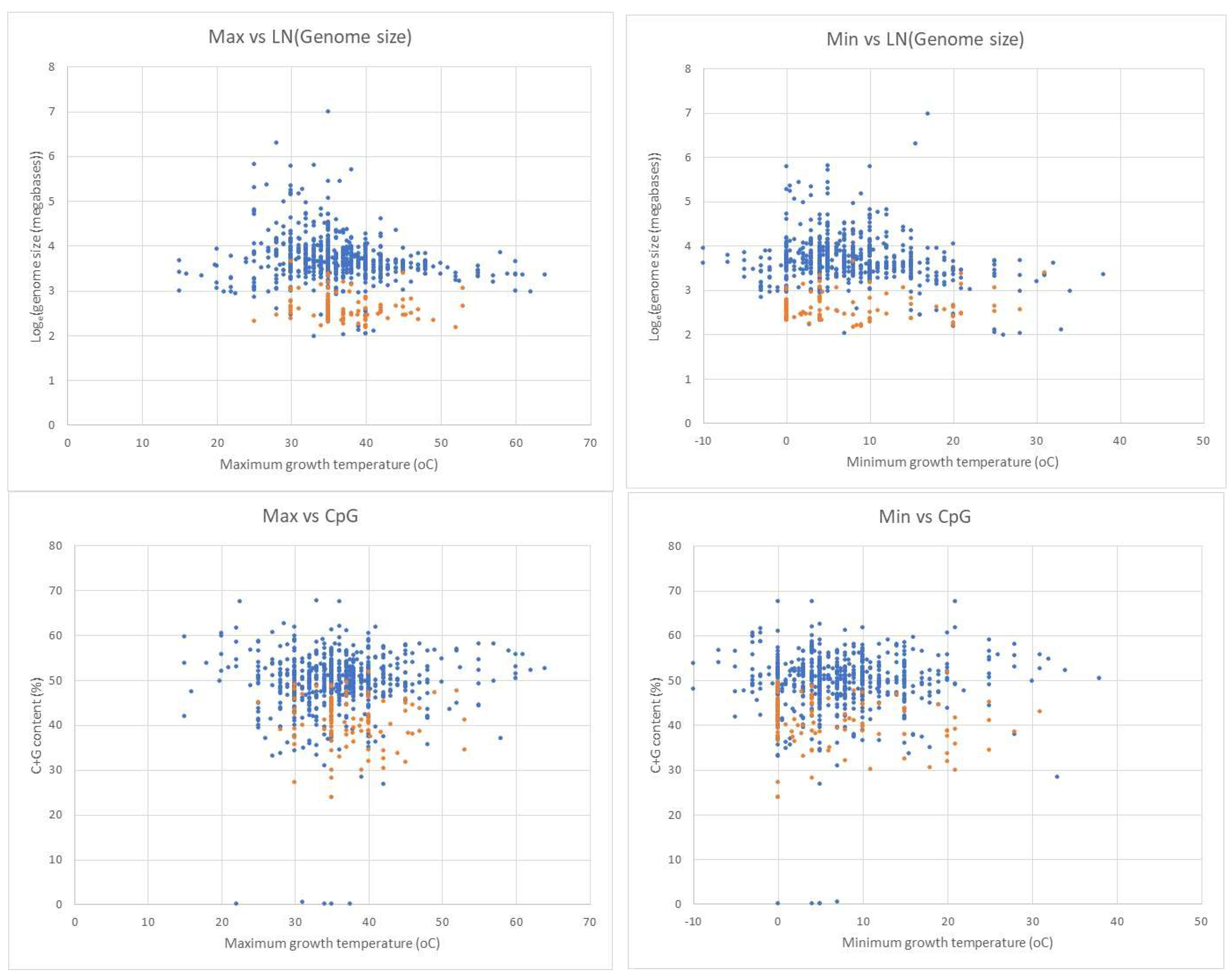
3.1. Lack of Relationship of Genome Properties with Growth Temperature in Eukaryotes
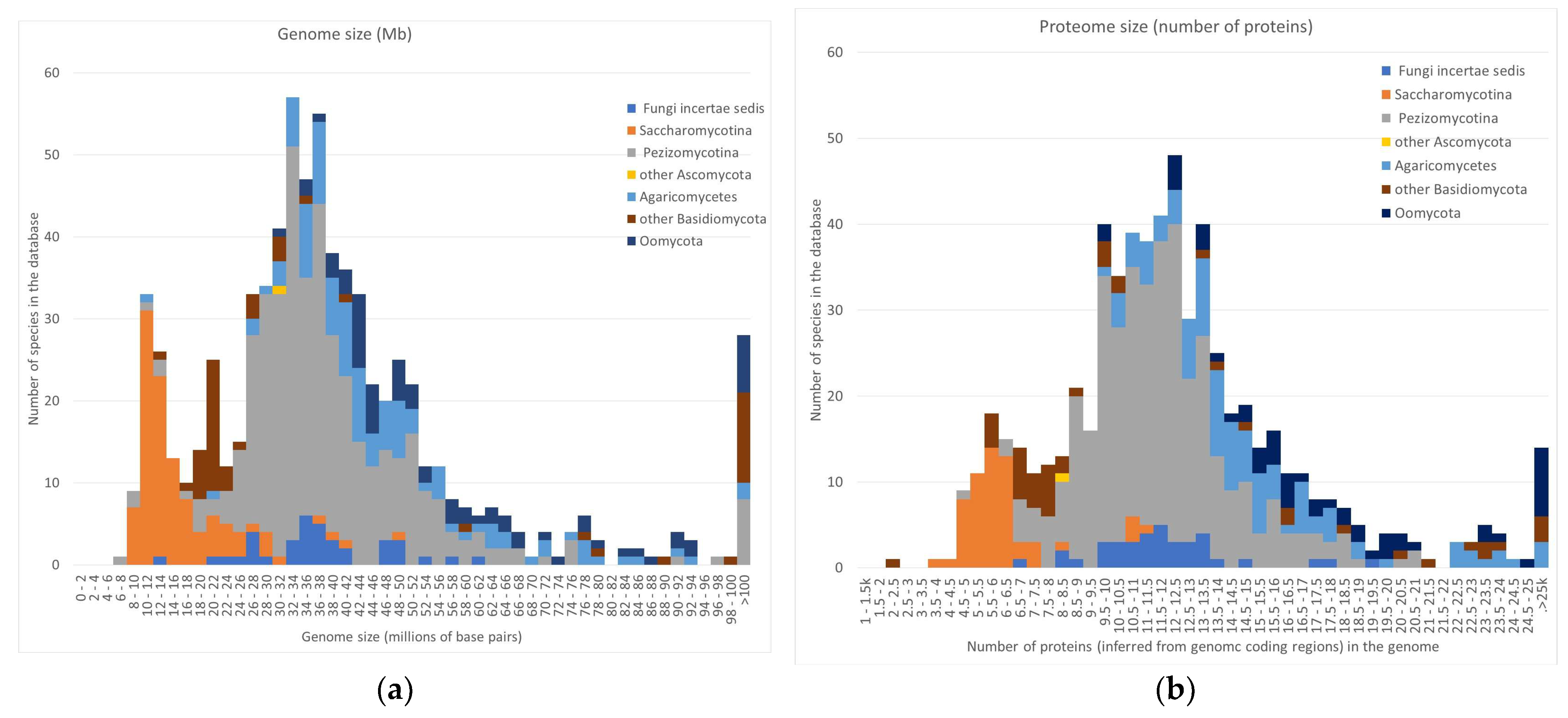
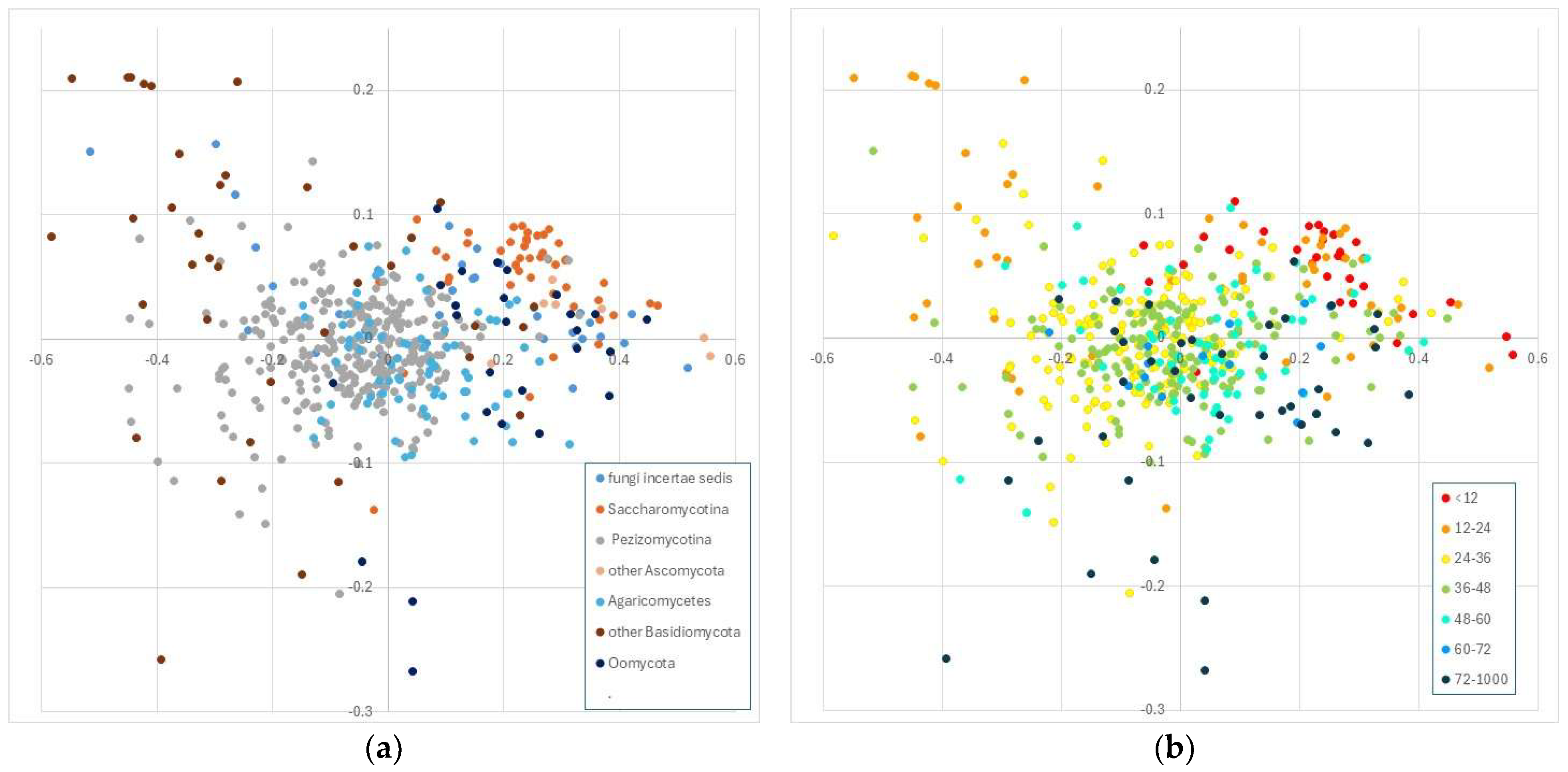
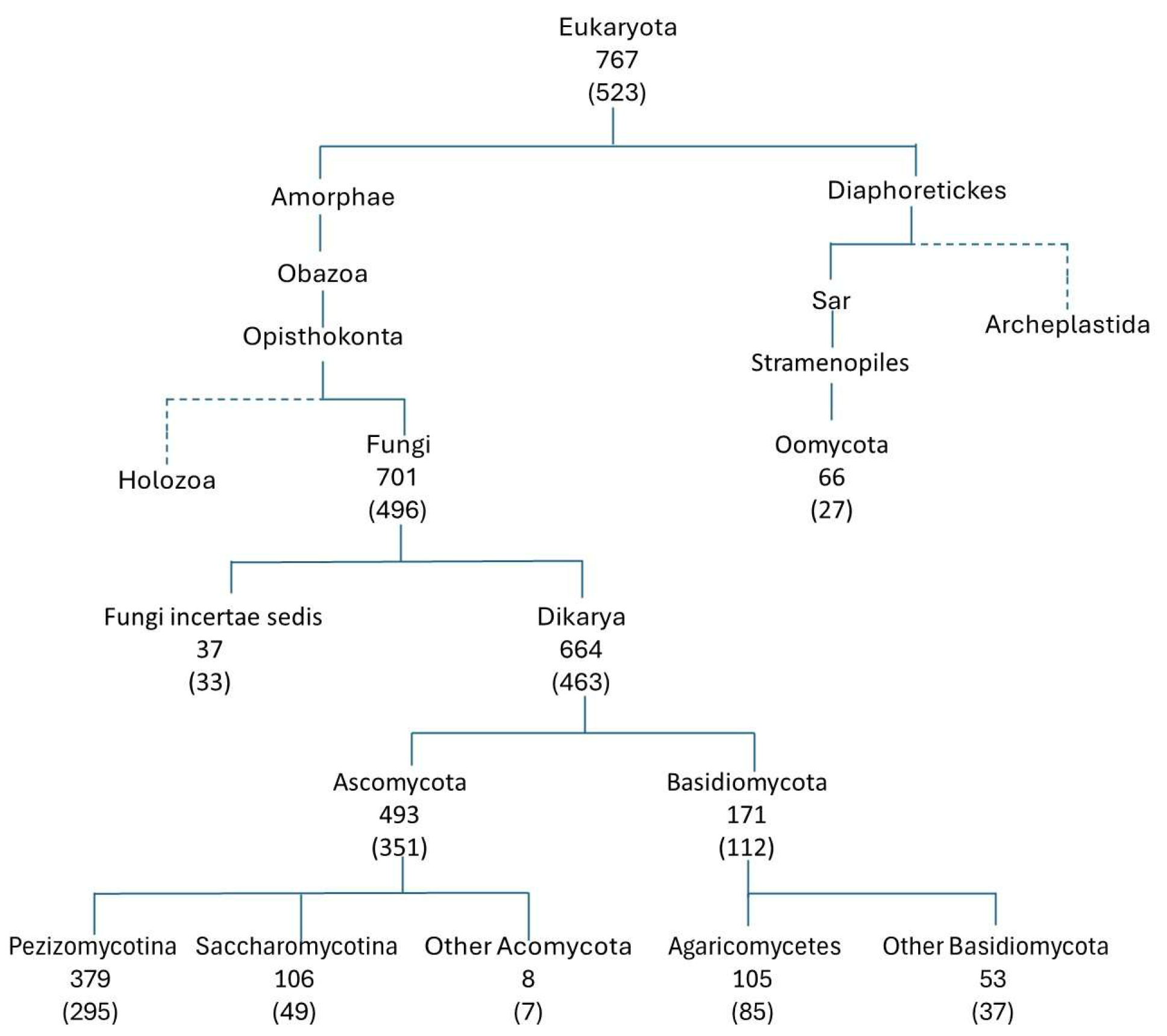
3.2. Genome Sizes and Phylogenetic Classes
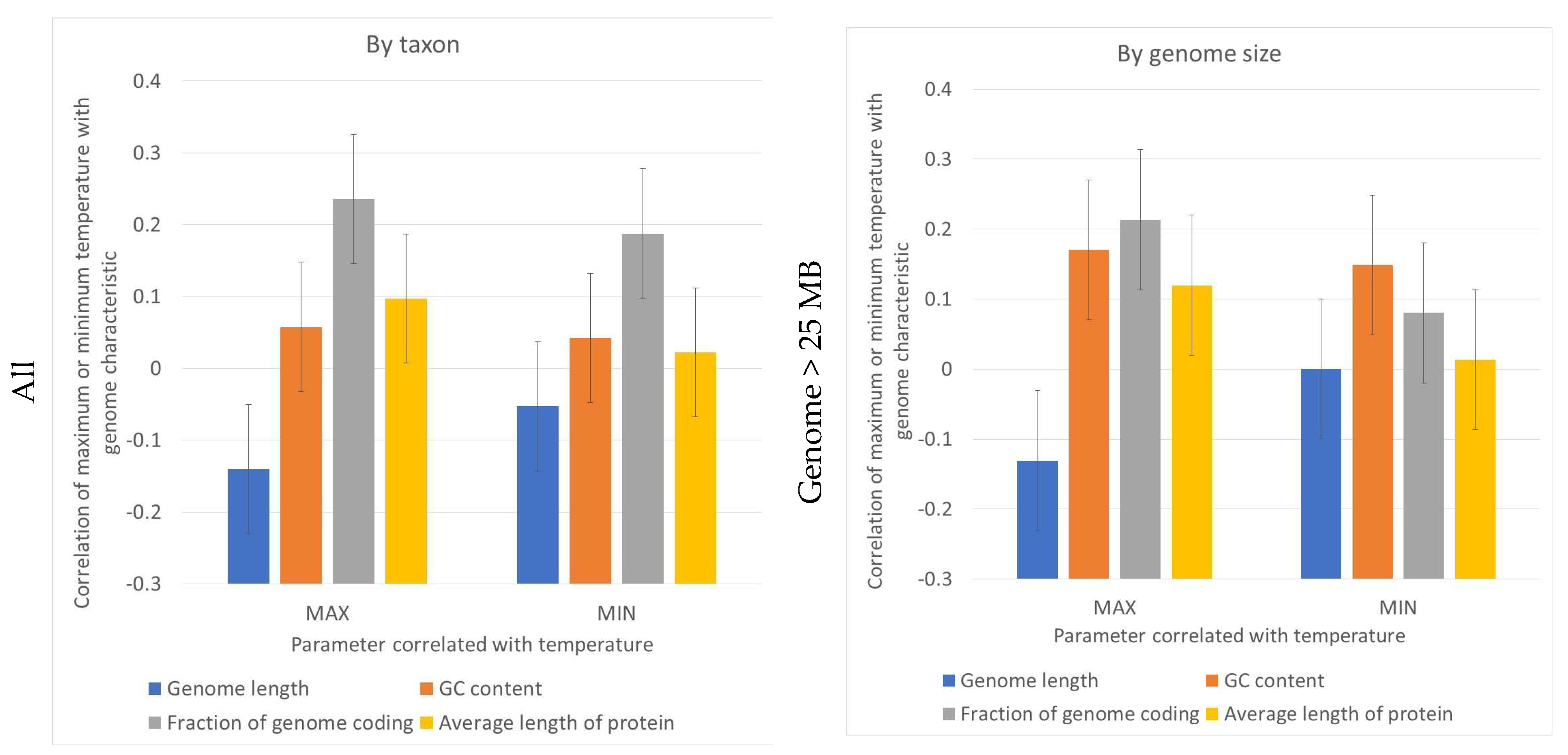
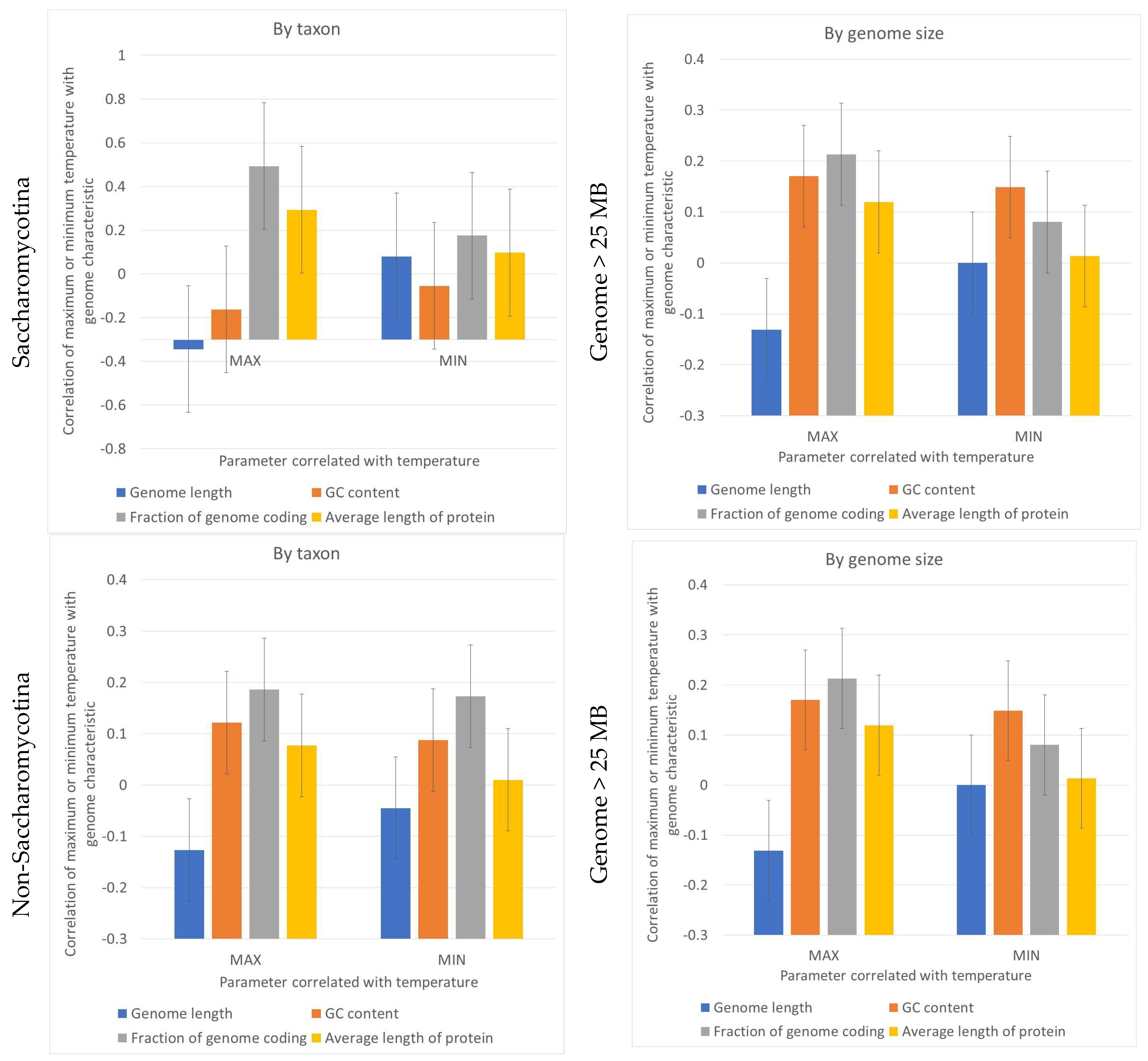
3.3. Genome Compactness and Coding Capacity Is Correlated with Maximum Temperature
3.4. Intrinsically Disordered Fraction of Proteome Is Related to Genome Size
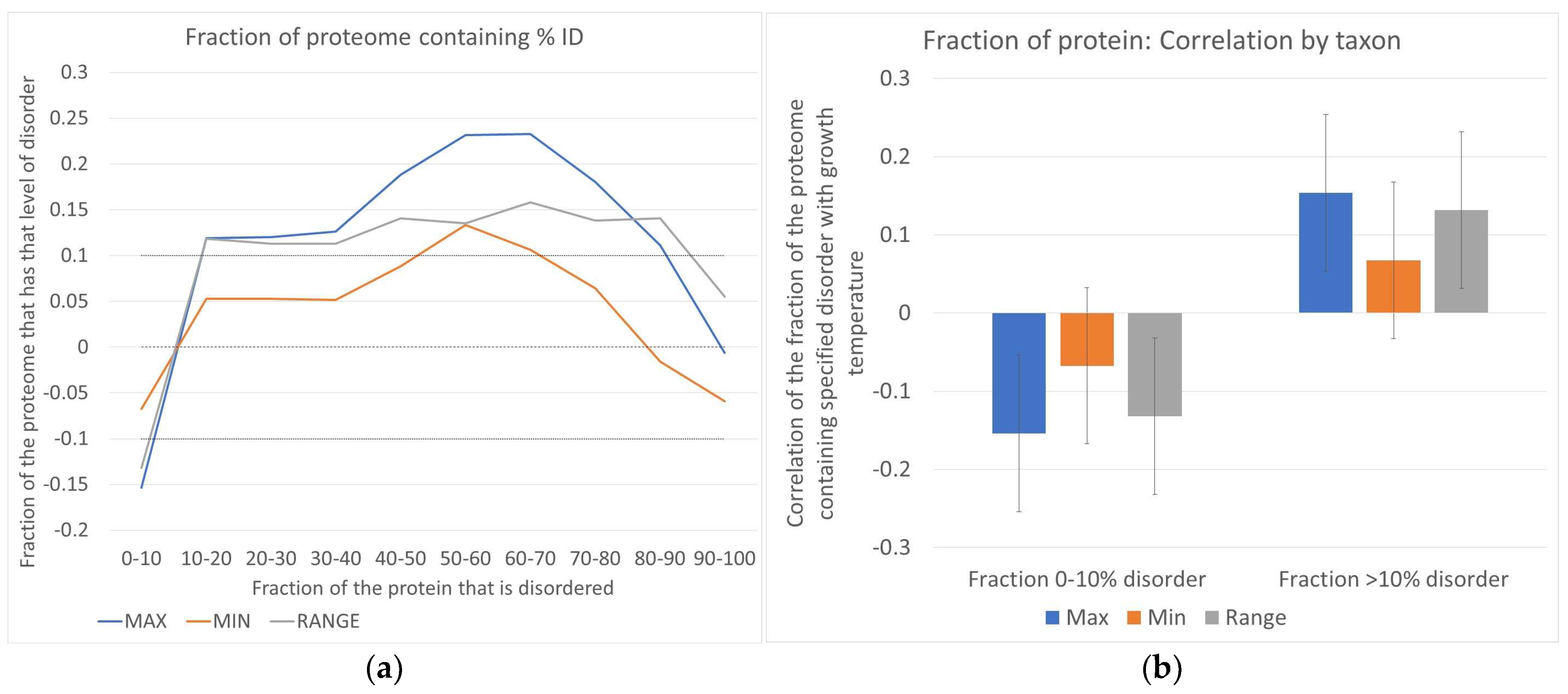
3.5. Intrinsically Disordered Protein Properties Are Correlated with Maximum Growth Temperature
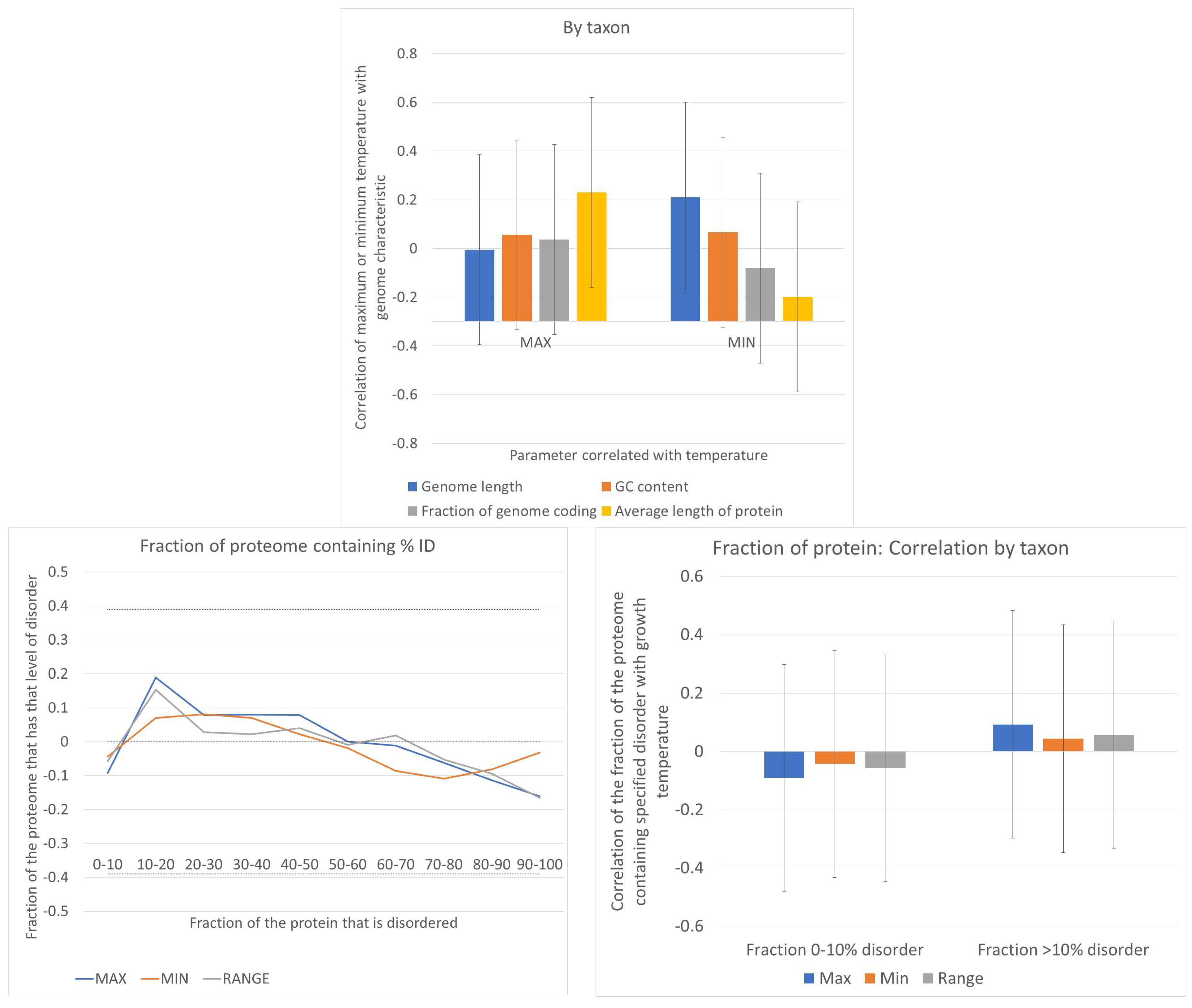
3.6. Oomycota Show Different Correlations Between Intrinsic Disorder and Growth Temperature
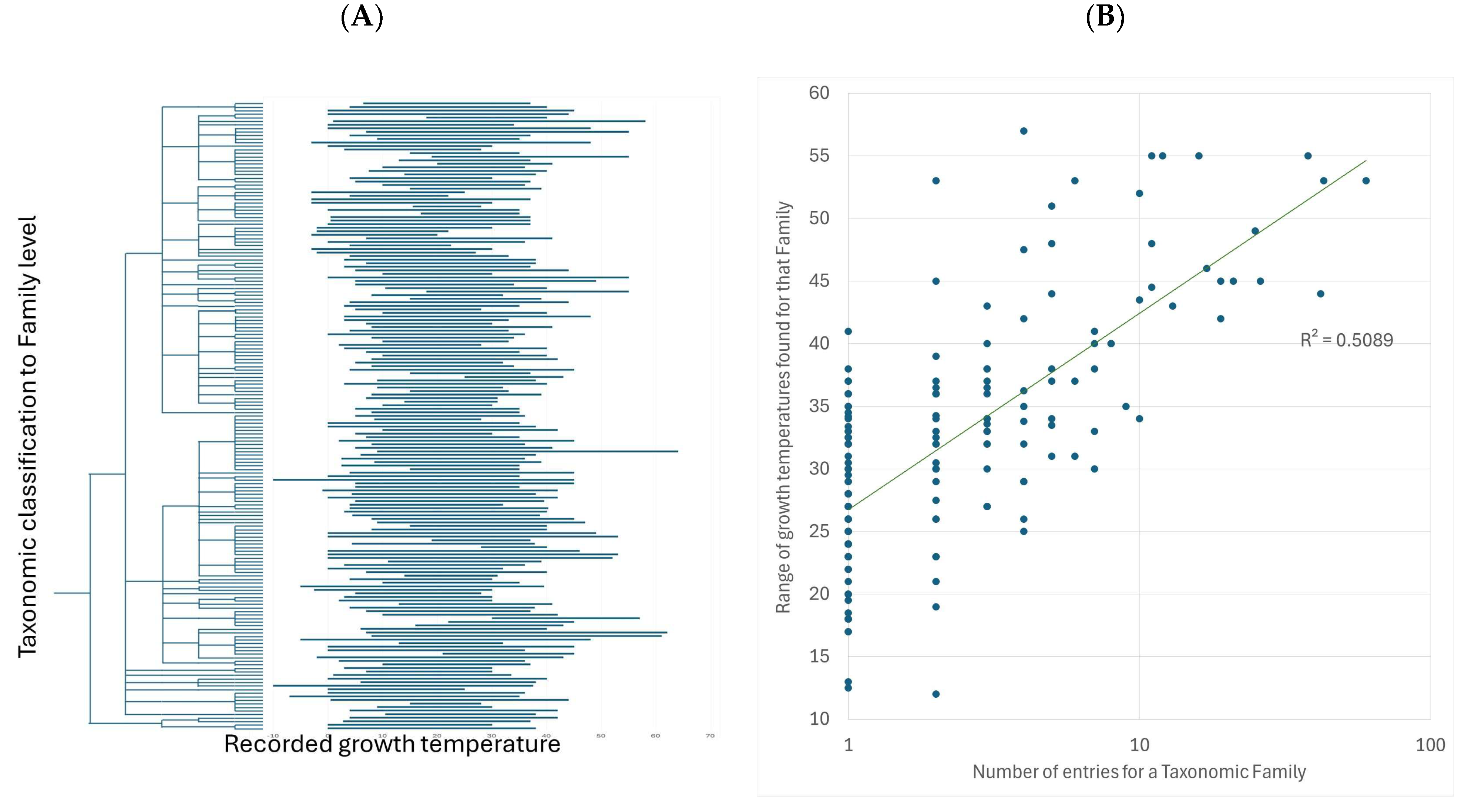
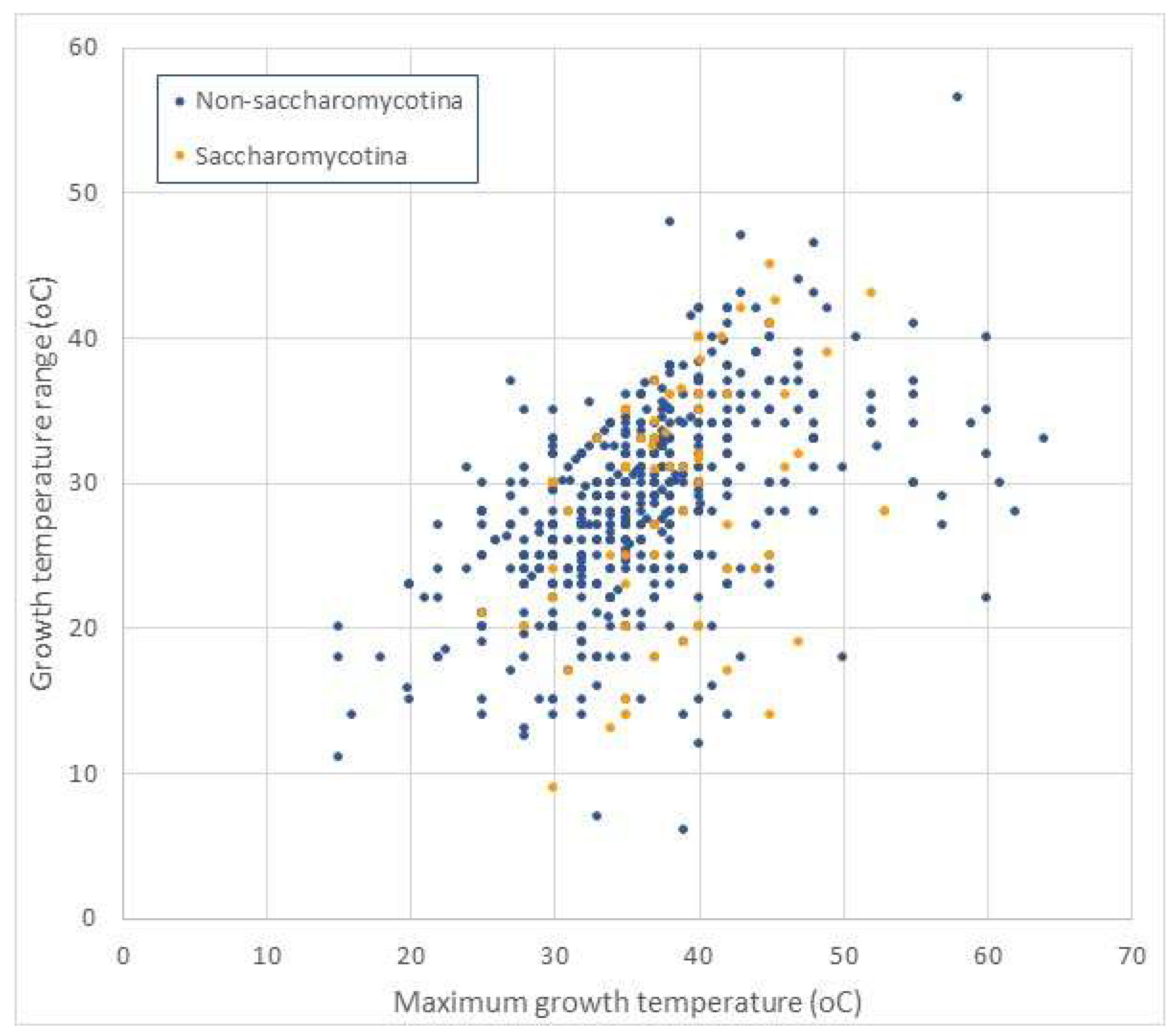
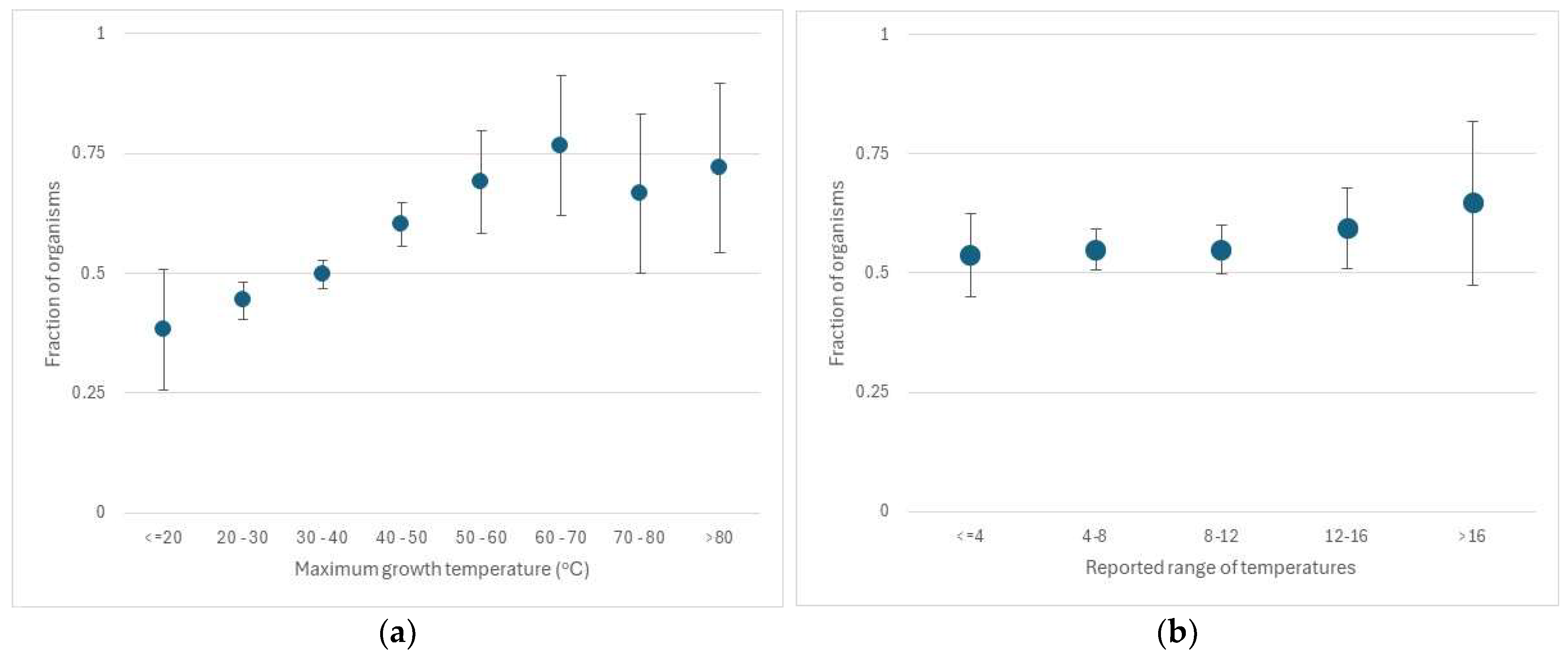
3.7. Growth Temperature Range Is Not a Function of Common Descent
3.8. High Growth Temperature Is Associated with Large Range of Growth Temperatures
3.9. Limitations of This Study
4. Discussion: A Thermodynamic Limit on Maximum Growth Temperature of Eukaryotes
Not All Complex Systems Show Entropically Driven Temperature Dependence
5. Discussion and Implications
5.1. Experimental Tests of the Hypothesis
5.2. Are the Budding Yeasts Good Models for Temperature Adaptation?
6. Conclusions
Supplementary Materials
Funding
Institutional Review Board Statement
Informed Consent Statement
Data Availability Statement
Acknowledgments
Conflicts of Interest
References
- Clarke, A. The thermal limits to life on Earth. Int. J. Astrobiol. 2014, 13, 141–154. [Google Scholar] [CrossRef]
- Shu, W.-S.; Huang, L.-N. Microbial diversity in extreme environments. Nat. Rev. Microbiol. 2022, 20, 219–235. [Google Scholar] [PubMed]
- Kochhar, N.; Shrivastava, S.; Ghosh, A.; Rawat, V.S.; Sodhi, K.K.; Kumar, M. Perspectives on the microorganism of extreme environments and their applications. Curr. Res. Microb. Sci. 2022, 3, 100134. [Google Scholar] [CrossRef] [PubMed]
- Ando, N.; Barquera, B.; Bartlett, D.H.; Boyd, E.; Burnim, A.A.; Byer, A.S.; Colman, D.; Gillilan, R.E.; Gruebele, M.; Makhatadze, G. The molecular basis for life in extreme environments. Annu. Rev. Biophys. 2021, 50, 343–372. [Google Scholar] [CrossRef] [PubMed]
- Slesarev, A.I.; Mezhevaya, K.V.; Makarova, K.S.; Polushin, N.N.; Shcherbinina, O.V.; Shakhova, V.V.; Belova, G.I.; Aravind, L.; Natale, D.A.; Rogozin, I.B.; et al. The complete genome of hyperthermophile Methanopyrus kandleri AV19 and monophyly of archaeal methanogens. Proc. Nat. Acad. Sci. USA 2002, 99, 4644–4649. [Google Scholar] [CrossRef] [PubMed]
- Takai, K.; Nakamura, K.; Toki, T.; Tsunogai, U.; Miyazaki, M.; Miyazaki, J.; Hirayama, H.; Nakagawa, S.; Nunoura, T.; Horikoshi, K. Cell proliferation at 122 °C and isotopically heavy CH4 production by a hyperthermophilic methanogen under high-pressure cultivation. Proc. Nat. Acad. Sci. USA 2008, 105, 10949–10954. [Google Scholar] [CrossRef] [PubMed]
- Holden, J. Some like it hot: Understanding the limits of life using hyperthermophilic microbes. Abstr. 37th COSPAR Sci. Assem. Montr. Can. 2008, 37, 1259. [Google Scholar]
- Kelley, D.S.; Girguis, P.R.; Wheat, G.; Cordes, E.; Schrenk, M.O.; Lin, M.; Baross, J.A.; Delaney, J.R. Towards Determining the Upper Temperature Limit to Life. Am. Geophys. Union Fall Meet. 2007, 2007, V23D-02. [Google Scholar]
- Bains, W. Hypotheses, limits, models and Life. Life 2014, 5, 1–3. [Google Scholar] [CrossRef] [PubMed]
- Bhat, M.K. Thermophilic Fungi: Their Physiology and Enzymes. Microbiol. Mol. Biol. Rev. 2000, 64, 461–488. [Google Scholar] [CrossRef] [PubMed]
- Brock, T.D. Thermophilic Microorganisms and Life at High Temperatures; Springer: New York, NY, USA, 1978. [Google Scholar]
- Rappaport, H.B.; Petek-Seoane, N.A.; Tyml, T.; Mikus, F.; LaButti, K.; Ani, G.; Niblo, J.K.; MacVicar, E.; Shepherd, R.M.; de la Higuera, I. A geothermal amoeba sets a new upper temperature limit for eukaryotes. bioRxiv 2025. [Google Scholar] [CrossRef] [PubMed]
- Chevaldonne, P.; Fisher, C.R.; Childress, J.J.; Desbruyeres, D.; Jollivet, D.; Zai, F.; Toulmond, A. Thermotolerance and the ‘Pompeii worms’. Mar. Ecol. Prog. Ser. 2000, 208, 293–295. [Google Scholar] [CrossRef]
- Bains, W.; Schulze-Makuch, D. The cosmic zoo: The (near) inevitability of the evolution of complex, macroscopic life. Life 2016, 6, 25. [Google Scholar] [CrossRef] [PubMed]
- Robert, V.A.; Casadevall, A. Vertebrate Endothermy Restricts Most Fungi as Potential Pathogens. J. Infect. Dis. 2009, 200, 1623–1626. [Google Scholar] [CrossRef] [PubMed]
- Mattoon, E.R.; Casadevall, A.; Cordero, R.J.B. Beat the heat: Correlates, compounds, and mechanisms involved in fungal thermotolerance. Fungal Biol. Rev. 2021, 36, 60–75. [Google Scholar] [CrossRef]
- Frías-De-León, M.G.; Brunner-Mendoza, C.; del Rocío Reyes-Montes, M.; Duarte-Escalante, E. The Impact of Climate Change on Fungal Diseases; Springer: New York, NY, USA, 2022. [Google Scholar]
- Vieille, C.; Zeikus, G.J. Hyperthermophilic Enzymes: Sources, Uses, and Molecular Mechanisms for Thermostability. Microbiol. Mol. Biol. Rev. 2001, 65, 1–43. [Google Scholar] [CrossRef] [PubMed]
- Robert, V.; Cardinali, G.; Casadevall, A. Distribution and impact of yeast thermal tolerance permissive for mammalian infection. BMC Biol. 2015, 13, 18. [Google Scholar] [CrossRef] [PubMed]
- Head, J.R.; Sondermeyer-Cooksey, G.; Heaney, A.K.; Yu, A.T.; Jones, I.; Bhattachan, A.; Campo, S.K.; Wagner, R.; Mgbara, W.; Phillips, S.; et al. Effects of precipitation, heat, and drought on incidence and expansion of coccidioidomycosis in western USA: A longitudinal surveillance study. Lancet Planet. Health 2022, 6, e793–e803. [Google Scholar] [CrossRef] [PubMed]
- Tiquia-Arashiro, S.M. Thermophilic fungi in composts: Their role in composting and industrial processes. Fungi Extrem. Environ. Ecol. Role Biotechnol. Significance 2019, 587–605. [Google Scholar] [CrossRef]
- Gomes, E.; de Souza, A.R.; Orjuela, G.L.; Da Silva, R.; de Oliveira, T.B.; Rodrigues, A. Applications and benefits of thermophilic microorganisms and their enzymes for industrial biotechnology. In Gene Expression Systems in Fungi: Advancements and Applications; Springer: New York, NY, USA, 2016; pp. 459–492. [Google Scholar]
- Danson, M.J.; Hough, D.W. The enzymology of archebacterial pathways of central metabolism. In Biochemical Society Symposium: The Archebacteria: Biochemistry and Biotechnology; Danson, M.J., Hough, D.W., Lunt, G.G., Eds.; Portland Press: London, UK, 1992; pp. 7–22. [Google Scholar]
- Sterner, R.H.; Liebl, W. Thermophilic adaptation of proteins. Crit. Rev. Biochem. Mol. Biol. 2001, 36, 39–106. [Google Scholar] [CrossRef] [PubMed]
- Saralov, A.I. Adaptivity of Archaeal and Bacterial Extremophiles. Microbiology 2019, 88, 379–401. [Google Scholar] [CrossRef]
- Neuhard, J.; Thomassen, E. Turnover of the Deoxyribonucleoside Triphosphates in Escherichia coli 15 T during Thymine Starvation. Eur. J. Biochem. 1971, 20, 36–43. [Google Scholar] [CrossRef] [PubMed]
- Lang, E.W. Physical-chemical limits for the stability of biomolecules. Adv. Space Res. 1986, 6, 251–255. [Google Scholar] [CrossRef] [PubMed]
- White, R.H. Hydrolytic stability of biomolecules at high temperatures and its implications for life at 250 °C. Nature 1984, 310, 430–432. [Google Scholar] [CrossRef] [PubMed]
- Bernhardt, G.; Ludemann, H.-D.; Jaenicke, R.; Konig, H.; Stetter, K.O. Biomolecules are unstable under ‘black smoker’ conditions. Naturwissenschaften 1984, 71, 583–586. [Google Scholar] [CrossRef]
- Trent, J.D.; Chastain, R.A.; Yayanos, A.A. Possible artefactual basis for apparent bacterial growth at 250 °C. Nature 1984, 307, 737–740. [Google Scholar] [CrossRef] [PubMed]
- Jaenicke, R. Protein stability and molecular adaptation to extreme conditions. Eur. J. Biochem. 1991, 202, 715–728. [Google Scholar] [CrossRef] [PubMed]
- Cowan, D.A. The upper temperature for life–Where do we draw the line? Trends Microbiol. 2004, 12, 58–60. [Google Scholar] [CrossRef] [PubMed]
- Bains, W.; Xiao, Y.; Yu, C. Prediction of the Maximum Temperature for Life Based on the Stability of Metabolites to Decomposition in Water. Life 2015, 5, 1054–1100. [Google Scholar] [CrossRef] [PubMed]
- Arthur, H.; Watson, K. Thermal adaptation in yeast: Growth temperatures, membrane lipid, and cytochrome composition of psychrophilic, mesophilic, and thermophilic yeasts. J. Bacteriol. 1976, 128, 56–68. [Google Scholar] [CrossRef] [PubMed]
- Weete, J. Fungal Lipid Biochemistry: Distribution and Metabolism; Springer: New York, NY, USA, 2012. [Google Scholar]
- Jollivet, D.; Mary, J.; Gagniere, N.; Tanguy, A.; Fontanillas, E.; Bourg, I.; Hourdez, S.; Segurens, B.; Weissenbach, J.; Poch, O.; et al. Proteome Adaptation to High Temperatures in the Ectothermic Hydrothermal Vent Pompeii Worm. PLoS ONE 2012, 7, e31150. [Google Scholar] [CrossRef] [PubMed]
- Shivaji, S.; Prasad, G.S. Antarctic Yeasts: Biodiversity and Potential Applications. In Yeast Biotechnology: Diversity and Applications; Satyanarayana, T., Kunze, G., Eds.; Springer: Dordrecht, The Netherlands, 2009; pp. 3–18. [Google Scholar]
- Matthews, T.M.; Webb, C. Culture systems. In Saccharomyces; Tuite, M.F., Oliver, S.G., Eds.; Plenum Press: New York, NY, USA, 1991; pp. 249–282. [Google Scholar]
- Hassan, N.; Anesio, A.M.; Rafiq, M.; Holtvoeth, J.; Bull, I.; Haleem, A.; Shah, A.A.; Hasan, F. Temperature driven membrane lipid adaptation in glacial psychrophilic bacteria. Front. Microbiol. 2020, 11, 824. [Google Scholar] [CrossRef] [PubMed]
- Berka, R.M.; Grigoriev, I.V.; Otillar, R.; Salamov, A.; Grimwood, J.; Reid, I.; Ishmael, N.; John, T.; Darmond, C.; Moisan, M.-C.; et al. Comparative genomic analysis of the thermophilic biomass-degrading fungi Myceliophthora thermophila and Thielavia terrestris. Nat. Biotechnol. 2011, 29, 922–927. [Google Scholar] [CrossRef] [PubMed]
- Bains, W.; Bains, J. Rate of base substitution in mammalian nuclear DNA is dependent on local sequence context. Mutat. Res. /Fundam. Mol. Mech. Mutagen. 1987, 179, 65–74. [Google Scholar] [CrossRef] [PubMed]
- Bains, W. Local sequence dependence of rate of base replacement in mammals. Mutat. Res./Fundam. Mol. Mech. Mutagen. 1992, 267, 43–54. [Google Scholar] [CrossRef] [PubMed]
- Varriale, A.; Bernardi, G. DNA methylation and body temperature in fishes. Gene 2006, 385, 111–121. [Google Scholar] [CrossRef] [PubMed]
- Sauer, D.B.; Wang, D.-N. Predicting the optimal growth temperatures of prokaryotes using only genome derived features. Bioinformatics 2019, 35, 3224–3231. [Google Scholar] [CrossRef] [PubMed]
- Tansey, M.R.; Brock, T.D. The Upper Temperature Limit for Eukaryotic Organisms. Proc. Natl. Acad. Sci. USA 1972, 69, 2426–2428. [Google Scholar] [CrossRef] [PubMed]
- Raspor, P.; Zupan, J. Yeasts in extreme environments. In Biodiversity and Ecophysiology of Yeasts; Rosa, C.A., Péter, G., Eds.; Springer: New York, NY, USA, 2006; pp. 371–417. [Google Scholar]
- Kempes, C.P.; van Bodegom, P.M.; Wolpert, D.; Libby, E.; Amend, J.; Hoehler, T. Drivers of Bacterial Maintenance and Minimal Energy Requirements. Front. Microbiol. 2017, 8, 31. [Google Scholar] [CrossRef] [PubMed]
- Tijhuis, L.; Van Loosdrecht, M.C.; Heijnen, J. A thermodynamically based correlation for maintenance Gibbs energy requirements in aerobic and anaerobic chemotrophic growth. Biotechnol. Bioeng. 1993, 42, 509–519. [Google Scholar] [CrossRef] [PubMed]
- Ortega-Arzola, E.; Higgins, P.M.; Cockell, C.S. The minimum energy required to build a cell. Sci. Rep. 2024, 14, 5267. [Google Scholar] [CrossRef] [PubMed]
- Lane, N. Energetics and genetics across the prokaryote-eukaryote divide. Biol. Direct 2011, 6, 35. [Google Scholar] [CrossRef] [PubMed]
- Lane, N. Bioenergetic Constraints on the Evolution of Complex Life. Cold Spring Harb. Perspect. Biol. 2014, 6, a015982. [Google Scholar] [CrossRef] [PubMed]
- Oldfield, C.J.; Dunker, A.K. Intrinsically Disordered Proteins and Intrinsically Disordered Protein Regions. Annu. Rev. Biochem. 2014, 83, 553–584. [Google Scholar] [CrossRef] [PubMed]
- Shin, Y.; Brangwynne, C.P. Liquid phase condensation in cell physiology and disease. Science 2017, 357, eaaf4382. [Google Scholar] [CrossRef] [PubMed]
- Martin, E.W.; Holehouse, A.S.; Peran, I.; Farag, M.; Incicco, J.J.; Bremer, A.; Grace, C.R.; Soranno, A.; Pappu, R.V.; Mittag, T. Valence and patterning of aromatic residues determine the phase behavior of prion-like domains. Science 2020, 367, 694–699. [Google Scholar] [CrossRef] [PubMed]
- Banani, S.F.; Lee, H.O.; Hyman, A.A.; Rosen, M.K. Biomolecular condensates: Organizers of cellular biochemistry. Nat. Rev. Mol. Cell Biol. 2017, 18, 285–298. [Google Scholar] [CrossRef] [PubMed]
- McSwiggen, D.T.; Mir, M.; Darzacq, X.; Tjian, R. Evaluating phase separation in live cells: Diagnosis, caveats, and functional consequences. Genes Dev. 2019, 33, 1619–1634. [Google Scholar] [CrossRef] [PubMed]
- Musacchio, A. On the role of phase separation in the biogenesis of membraneless compartments. EMBO J. 2022, 41, e109952. [Google Scholar] [CrossRef] [PubMed]
- Xue, B.; Williams, R.W.; Oldfield, C.J.; Dunker, A.K.; Uversky, V.N. Archaic chaos: Intrinsically disordered proteins in Archaea. BMC Syst. Biol. 2010, 4, S1. [Google Scholar] [CrossRef] [PubMed]
- Oldfield, C.J.; Cheng, Y.; Cortese, M.S.; Brown, C.J.; Uversky, V.N.; Dunker, A.K. Comparing and Combining Predictors of Mostly Disordered Proteins. Biochemistry 2005, 44, 1989–2000. [Google Scholar] [CrossRef] [PubMed]
- Feng, Z.-P.; Zhang, X.; Han, P.; Arora, N.; Anders, R.F.; Norton, R.S. Abundance of intrinsically unstructured proteins in P. falciparum and other apicomplexan parasite proteomes. Mol. Biochem. Parasitol. 2006, 150, 256–267. [Google Scholar] [CrossRef] [PubMed]
- Kalhor, R.; Tjong, H.; Jayathilaka, N.; Alber, F.; Chen, L. Genome architectures revealed by tethered chromosome conformation capture and population-based modeling. Nat. Biotechnol. 2012, 30, 90–98. [Google Scholar] [CrossRef]
- Ahn, J.H.; Davis, E.S.; Daugird, T.A.; Zhao, S.; Quiroga, I.Y.; Uryu, H.; Li, J.; Storey, A.J.; Tsai, Y.-H.; Keeley, D.P.; et al. Phase separation drives aberrant chromatin looping and cancer development. Nature 2021, 595, 591–595. [Google Scholar] [CrossRef] [PubMed]
- Hofmann, S.; Kedersha, N.; Anderson, P.; Ivanov, P. Molecular mechanisms of stress granule assembly and disassembly. Biochim. Et. Biophys. Acta (BBA) -Mol. Cell Res. 2021, 1868, 118876. [Google Scholar] [CrossRef] [PubMed]
- Yu, M.; Heidari, M.; Mikhaleva, S.; Tan, P.S.; Mingu, S.; Ruan, H.; Reinkemeier, C.D.; Obarska-Kosinska, A.; Siggel, M.; Beck, M.; et al. Visualizing the disordered nuclear transport machinery in situ. Nature 2023, 617, 162–169. [Google Scholar] [CrossRef] [PubMed]
- Ravindran, R.; Bacellar, I.O.L.; Castellanos-Girouard, X.; Wahba, H.M.; Zhang, Z.; Omichinski, J.G.; Kisley, L.; Michnick, S.W. Peroxisome biogenesis initiated by protein phase separation. Nature 2023, 617, 608–615. [Google Scholar] [CrossRef] [PubMed]
- Peeples, W.; Rosen, M.K. Mechanistic dissection of increased enzymatic rate in a phase-separated compartment. Nat. Chem. Biol. 2021, 17, 693–702. [Google Scholar] [CrossRef] [PubMed]
- Sang, D.; Shu, T.; Pantoja, C.F.; de Opakua, A.I.; Zweckstetter, M.; Holt, L.J. Condensed-phase signaling can expand kinase specificity and respond to macromolecular crowding. Mol. Cell 2022, 82, 3693–3711.e3610. [Google Scholar] [CrossRef] [PubMed]
- Gouveia, B.; Kim, Y.; Shaevitz, J.W.; Petry, S.; Stone, H.A.; Brangwynne, C.P. Capillary forces generated by biomolecular condensates. Nature 2022, 609, 255–264. [Google Scholar] [CrossRef] [PubMed]
- Dai, Y.; Chamberlayne, C.; Messina, M.; Chang, C.; Zare, R.; You, L.; Chilkoti, A. Interface of biomolecular condensates modulates redox reactions. Chem 2023, 9, 1594–1609. [Google Scholar] [CrossRef] [PubMed]
- Hawksworth, D.L.; Lücking, R. Fungal Diversity Revisited: 2.2 to 3.8 Million Species. Microbiol. Spectr. 2017, 5, 10–128. [Google Scholar] [CrossRef] [PubMed]
- Niskanen, T.; Lücking, R.; Dahlberg, A.; Gaya, E.; Suz, L.M.; Mikryukov, V.; Liimatainen, K.; Druzhinina, I.; Westrip, J.R.S.; Mueller, G.M.; et al. Pushing the Frontiers of Biodiversity Research: Unveiling the Global Diversity, Distribution, and Conservation of Fungi. Annu. Rev. Environ. Resour. 2023, 48, 149–176. [Google Scholar] [CrossRef]
- Brock, T.D. Life at high temperatures. Science 1967, 158, 1012–1019. [Google Scholar] [CrossRef] [PubMed]
- Pikuta, E.V.; Hoover, R.B.; Tang, J. Microbial Extremophiles at the Limits of Life. Crit. Rev. Microbiol. 2007, 33, 183–209. [Google Scholar] [CrossRef] [PubMed]
- de Oliveira, T.B.; Gomes, E.; Rodrigues, A. Thermophilic fungi in the new age of fungal taxonomy. Extremophiles 2015, 19, 31–37. [Google Scholar] [CrossRef] [PubMed]
- Tendulkar, S.; Hattiholi, A.; Chavadar, M.; Dodamani, S. Psychrophiles: A journey of hope. J. Biosci. 2021, 46, 64. [Google Scholar] [CrossRef]
- Gostinčar, C.; Grube, M.; De Hoog, S.; Zalar, P.; Gunde-Cimerman, N. Extremotolerance in fungi: Evolution on the edge. FEMS Microbiol. Ecol. 2009, 71, 2–11. [Google Scholar] [CrossRef] [PubMed]
- Saccomori, F.; Wigmann, É.F.; Bernardi, A.O.; de Jesús Alcano-González, M.; Copetti, M.V. Influence of storage temperature on growth of Penicillium polonicum and Penicillium glabrum and potential for deterioration of frozen chicken nuggets. Int. J. Food Microbiol. 2015, 200, 1–4. [Google Scholar] [CrossRef] [PubMed]
- Williamson, K.; Eme, L.; Baños, H.; McCarthy, C.G.P.; Susko, E.; Kamikawa, R.; Orr, R.J.S.; Muñoz-Gómez, S.A.; Minh, B.Q.; Simpson, A.G.B.; et al. A robustly rooted tree of eukaryotes reveals their excavate ancestry. Nature 2025, 640, 974–981. [Google Scholar] [CrossRef] [PubMed]
- Dick, M.W. The Peronosporomycetes. In Systematics and Evolution: Part A; McLaughlin, D.J., McLaughlin, E.G., Lemke, P.A., Eds.; Springer: Berlin/Heidelberg, Germany, 2001; pp. 39–72. [Google Scholar]
- Bains, W. Linking fungal genomics to thermal growth limits: A dataset of 730 sequenced species. Data 2025, 10, 42. [Google Scholar] [CrossRef]
- Mészáros, B.; Erdős, G.; Dosztányi, Z. IUPred2A: Context-dependent prediction of protein disorder as a function of redox state and protein binding. Nucleic Acids Res. 2018, 46, W329–W337. [Google Scholar] [CrossRef] [PubMed]
- Erdős, G.; Pajkos, M.; Dosztányi, Z. IUPred3: Prediction of protein disorder enhanced with unambiguous experimental annotation and visualization of evolutionary conservation. Nucleic Acids Res. 2021, 49, W297–W303. [Google Scholar] [CrossRef] [PubMed]
- Moore, D.S.; McCabe, G.P.; Craig, B.A. Introduction to the Practice of Statistics; WH Freeman: New York, NY, USA, 2009; Volume 4. [Google Scholar]
- Ngugi, D.K.; Acinas, S.G.; Sánchez, P.; Gasol, J.M.; Agusti, S.; Karl, D.M.; Duarte, C.M. Abiotic selection of microbial genome size in the global ocean. Nat. Commun. 2023, 14, 1384. [Google Scholar] [CrossRef] [PubMed]
- Simonsen, A.K. Environmental stress leads to genome streamlining in a widely distributed species of soil bacteria. ISME J. 2022, 16, 423–434. [Google Scholar] [CrossRef] [PubMed]
- Sabath, N.; Ferrada, E.; Barve, A.; Wagner, A. Growth Temperature and Genome Size in Bacteria Are Negatively Correlated, Suggesting Genomic Streamlining During Thermal Adaptation. Genome Biol. Evol. 2013, 5, 966–977. [Google Scholar] [CrossRef] [PubMed]
- Hu, E.-Z.; Lan, X.-R.; Liu, Z.-L.; Gao, J.; Niu, D.-K. A positive correlation between GC content and growth temperature in prokaryotes. BMC Genom. 2022, 23, 110. [Google Scholar] [CrossRef] [PubMed]
- Musto, H.; Naya, H.; Zavala, A.; Romero, H.; Alvarez-Valín, F.; Bernardi, G. Genomic GC level, optimal growth temperature, and genome size in prokaryotes. Biochem. Biophys. Res. Commun. 2006, 347, 1–3. [Google Scholar] [CrossRef] [PubMed]
- Grogan, D.W. Hyperthermophiles and the problem of DNA instability. Mol. Microbiol. 1998, 28, 1043–1049. [Google Scholar] [CrossRef] [PubMed]
- Marguet, E.; Forterre, P. DNA stability at temperatures typical for hyperthermophiles. Nucleic Acids Res. 1994, 22, 1681–1686. [Google Scholar] [CrossRef] [PubMed]
- Knight, C.A.; Molinari, N.A.; Petrov, D.A. The Large Genome Constraint Hypothesis: Evolution, Ecology and Phenotype. Ann. Bot. 2005, 95, 177–190. [Google Scholar] [CrossRef] [PubMed]
- Gomez-Gutierrez, S.V.; Sic-Hernandez, W.R.; Haridas, S.; LaButti, K.; Eichenberger, J.; Kaur, N.; Lipzen, A.; Barry, K.; Goodwin, S.B.; Gribskov, M.; et al. Comparative genomics of the extremophile Cryomyces antarcticus and other psychrophilic Dothideomycetes. Front. Fungal Biol. 2024, 5, 1418154. [Google Scholar] [CrossRef] [PubMed]
- Sterflinger, K.; Lopandic, K.; Pandey, R.V.; Blasi, B.; Kriegner, A. Nothing special in the specialist? Draft genome sequence of Cryomyces antarcticus, the most extremophilic fungus from Antarctica. PLoS ONE 2014, 9, e109908. [Google Scholar] [CrossRef] [PubMed]
- Lindahl, T. Instability and decay of the primary structure of DNA. Nature 1993, 362, 709–715. [Google Scholar] [CrossRef] [PubMed]
- Shen, X.-X.; Opulente, D.A.; Kominek, J.; Zhou, X.; Steenwyk, J.L.; Buh, K.V.; Haase, M.A.B.; Wisecaver, J.H.; Wang, M.; Doering, D.T.; et al. Tempo and Mode of Genome Evolution in the Budding Yeast Subphylum. Cell 2018, 175, 1533–1545.e1520. [Google Scholar] [CrossRef] [PubMed]
- Shen, X.-X.; Steenwyk, J.L.; LaBella, A.L.; Opulente, D.A.; Zhou, X.; Kominek, J.; Li, Y.; Groenewald, M.; Hittinger, C.T.; Rokas, A. Genome-scale phylogeny and contrasting modes of genome evolution in the fungal phylum Ascomycota. Sci. Adv. 2020, 6, eabd0079. [Google Scholar] [CrossRef] [PubMed]
- Arvas, M.; Kivioja, T.; Mitchell, A.; Saloheimo, M.; Ussery, D.; Penttila, M.; Oliver, S. Comparison of protein coding gene contents of the fungal phyla Pezizomycotina and Saccharomycotina. BMC Genom. 2007, 8, 325. [Google Scholar] [CrossRef] [PubMed]
- Zhao, Z.; Liu, H.; Wang, C.; Xu, J.-R. Comparative analysis of fungal genomes reveals different plant cell wall degrading capacity in fungi. BMC Genom. 2013, 14, 274. [Google Scholar] [CrossRef] [PubMed]
- Peter, J.; De Chiara, M.; Friedrich, A.; Yue, J.-X.; Pflieger, D.; Bergström, A.; Sigwalt, A.; Barre, B.; Freel, K.; Llored, A.; et al. Genome evolution across 1,011 Saccharomyces cerevisiae isolates. Nature 2018, 556, 339–344. [Google Scholar] [CrossRef] [PubMed]
- Muenzner, J.; Trébulle, P.; Agostini, F.; Zauber, H.; Messner, C.B.; Steger, M.; Kilian, C.; Lau, K.; Barthel, N.; Lehmann, A.; et al. Natural proteome diversity links aneuploidy tolerance to protein turnover. Nature 2024, 630, 149–157. [Google Scholar] [CrossRef] [PubMed]
- Ågren, J.A.; Clark, A.G. Selfish genetic elements. PLoS Genet. 2018, 14, e1007700. [Google Scholar] [CrossRef] [PubMed]
- Wong, E.L.Y.; Valim, H.F.; Schmitt, I. Genome-wide differentiation corresponds to climatic niches in two species of lichen-forming fungi. Environ. Microbiol. 2024, 26, e16703. [Google Scholar] [CrossRef] [PubMed]
- Panikov, N.S.; Sizova, M.V. Growth kinetics of microorganisms isolated from Alaskan soil and permafrost in solid media frozen down to −35 °C. FEMS Microbiol. Ecol. 2007, 59, 500–512. [Google Scholar] [CrossRef] [PubMed]
- Jørgensen, L.B.; Ørsted, M.; Malte, H.; Wang, T.; Overgaard, J. Extreme escalation of heat failure rates in ectotherms with global warming. Nature 2022, 611, 93–98. [Google Scholar] [CrossRef] [PubMed]
- Fell, J.W.; Scorzetti, G.; Connell, L.; Craig, S. Biodiversity of micro-eukaryotes in Antarctic Dry Valley soils with . Soil Biol. Biochem. 2006, 38, 3107–3119. [Google Scholar] [CrossRef]
- Pollock, H.S.; Rutt, C.L.; Cooper, W.J.; Brawn, J.D.; Cheviron, Z.A.; Luther, D.A. Equivocal support for the climate variability hypothesis within a Neotropical bird assemblage. Ecology 2024, 105, e4206. [Google Scholar] [CrossRef] [PubMed]
- Shah, A.A.; Funk, W.C.; Ghalambor, C.K. Thermal Acclimation Ability Varies in Temperate and Tropical Aquatic Insects from Different Elevations. Integr. Comp. Biol. 2017, 57, 977–987. [Google Scholar] [CrossRef] [PubMed]
- Janzen, D.H. Why mountain passes are higher in the tropics. Am. Nat. 1967, 101, 233–249. [Google Scholar] [CrossRef] [PubMed]
- Shah, A.A.; Gill, B.A.; Encalada, A.C.; Flecker, A.S.; Funk, W.C.; Guayasamin, J.M.; Kondratieff, B.C.; Poff, N.L.; Thomas, S.A.; Zamudio, K.R. Climate variability predicts thermal limits of aquatic insects across elevation and latitude. Funct. Ecol. 2017, 31, 2118–2127. [Google Scholar] [CrossRef]
- Bontrager, M.; Usui, T.; Lee-Yaw, J.A.; Anstett, D.N.; Branch, H.A.; Hargreaves, A.L.; Muir, C.D.; Angert, A.L. Expansion dynamics and marginal climates drive adaptation across geographic ranges. bioRxiv 2020. [Google Scholar] [CrossRef]
- Holzmann, K.L.; Schmitzer, T.; Abels, A.; Čorkalo, M.; Mitesser, O.; Kortmann, M.; Alonso-Alonso, P.; Correa-Carmona, Y.; Pinos, A.; Yon, F.; et al. Limited thermal tolerance in tropical insects and its genomic signature. Nature 2026, 651, 672–678. [Google Scholar] [CrossRef] [PubMed]
- Chakraborty, K.; Sinha, S.K.; Bandyopadhyay, S. Thermodynamics of complex structures formed between single-stranded DNA oligomers and the KH domains of the far upstream element binding protein. J. Chem. Phys. 2016, 144, 205105. [Google Scholar] [CrossRef] [PubMed]
- Sinha, S.K.; Bandyopadhyay, S. Conformational fluctuations of a protein–DNA complex and the structure and ordering of water around it. J. Chem. Phys. 2011, 135, 245104. [Google Scholar] [CrossRef] [PubMed]
- Dragan, A.I.; FKlass, J.; Read, C.; Churchill, M.E.A.; Crane-Robinson, C.; Privalov, P.L. DNA Binding of a Non-sequence-specific HMG-D Protein is Entropy Driven with a Substantial Non-electrostatic Contribution. J. Mol. Biol. 2003, 331, 795–813. [Google Scholar] [CrossRef] [PubMed]
- Kim, S.-J.; Tsukiyama, T.; Lewis, M.S.; Wu, C. Interaction of the DNA-binding domain of Drosophila heat shock factor with its cognate DNA site: A thermodynamic analysis using analytical ultracentrifugation. Protein Sci. 1994, 3, 1040–1051. [Google Scholar] [CrossRef] [PubMed]
- Jayarama, B.; McConnell, K.J.; Dixita, S.B.; Beveridge, D.L. Free Energy Analysis of Protein–DNA Binding: The EcoRI Endonuclease–DNA Complex. J. Comput. Phys. 1999, 151, 333–357. [Google Scholar]
- Dixit, S.B.; Andrews, D.Q.; Beveridge, D.L. Induced Fit and the Entropy of Structural Adaptation in the Complexation of CAP and λ-Repressor with Cognate DNA Sequences. Biophys. J. 2005, 88, 3147–3157. [Google Scholar] [CrossRef] [PubMed]
- Kombo, D.C.; Jayarama, B.; McConnell, K.J.; Beveridge, D.L. Calculation of the Affinity of the λ Repressor-Operator Complex Based on Free Energy Component Analysis. Mol. Simul. 2002, 28, 187–211. [Google Scholar] [CrossRef]
- Eastberg, J.H.; Smith, A.M.; Zhao, L.; Ashworth, J.; Shen, B.W.; Stoddard, B.L. Thermodynamics of DNA target site recognition by homing endonucleases. Nucleic Acids Res. 2007, 35, 7209–7221. [Google Scholar] [CrossRef] [PubMed][Green Version]
- Vologodskii, A.V.; Cozzarelli, N.R. Conformational and thermodynamic properties of supercoiled DNA. Annu. Rev. Biophys. Biomol. Struct. 1994, 23, 609–643. [Google Scholar] [CrossRef] [PubMed]
- Anselmi, C.; Bocchinfuso, G.; De Santis, P.; Savino, M.; Scipioni, A. A Theoretical Model for the Prediction of Sequence-Dependent Nucleosome Thermodynamic Stability. Biophys. J. 2000, 79, 601–613. [Google Scholar] [CrossRef] [PubMed]
- Stein, A. DNA folding by histones: The kinetics of chromatin core particle reassembly and the interaction of nucleosomes with histones. J. Mol. Biol. 1979, 130, 103–134. [Google Scholar] [CrossRef] [PubMed]
- Hansen, J. Conformational dynamics of the chromatin fibre in solution. Annu. Rev. Biophys. Biomol. Struct. 2002, 31, 361–392. [Google Scholar] [CrossRef] [PubMed]
- Saiz, L.; Vilar, J.M.G. DNA looping: The consequences and its control. Curr. Opin. Struct. Biol. 2006, 16, 344–350. [Google Scholar] [CrossRef] [PubMed]
- Dallinger, W.H. The president’s address. J. R. Microsc. Soc. 1887, 7, 185–199. [Google Scholar] [CrossRef]
- Berry, R.M.; Armitage, J.P. The Bacterial Flagella Motor. In Advances in Microbial Physiology; Poole, R.K., Ed.; Academic Press: Cambridge, MA, USA, 1999; Volume 41, pp. 291–337. [Google Scholar]
- Nakamura, S.; Minamino, T. Structure and Dynamics of the Bacterial Flagellar Motor Complex. Biomolecules 2024, 14, 1488. [Google Scholar] [CrossRef] [PubMed]
- Swezey, R.R.; Somero, G.N. Polymerization thermodynamics and structural stabilities of skeletal muscle actins from vertebrates adapted to different temperatures and pressures. Biochemistry 1982, 21, 4496–4503. [Google Scholar] [CrossRef] [PubMed]
- Roeben, A.; Kofler, C.; Nagy, I.; Nickell, S.; Ulrich Hartl, F.; Bracher, A. Crystal Structure of an Archaeal Actin Homolog. J. Mol. Biol. 2006, 358, 145–156. [Google Scholar] [CrossRef] [PubMed]
- Petrauskas, V.; Kazlauskas, E.; Gedgaudas, M.; Baranauskienė, L.; Zubrienė, A.; Matulis, D. Thermal shift assay for protein–ligand dissociation constant determination. TrAC Trends Anal. Chem. 2024, 170, 117417. [Google Scholar] [CrossRef]
- Song, J. Applications of the Cellular Thermal Shift Assay to Drug Discovery in Natural Products: A Review. Int. J. Mol. Sci. 2025, 26, 3940. [Google Scholar] [CrossRef] [PubMed]
- Novak, B.; Lotthammer, J.M.; Emenecker, R.J.; Holehouse, A.S. Accurate predictions of disordered protein ensembles with STARLING. Nature 2026, 652, 240–250. [Google Scholar] [CrossRef] [PubMed]
- Kawecki, T.J.; Lenski, R.E.; Ebert, D.; Hollis, B.; Olivieri, I.; Whitlock, M.C. Experimental evolution. Trends Ecol. Evol. 2012, 27, 547–560. [Google Scholar] [CrossRef] [PubMed]
- Badran, A.H.; Liu, D.R. In vivo continuous directed evolution. Curr. Opin. Chem. Biol. 2015, 24, 1–10. [Google Scholar] [CrossRef] [PubMed]
- Deatherage, D.E.; Kepner, J.L.; Bennett, A.F.; Lenski, R.E.; Barrick, J.E. Specificity of genome evolution in experimental populations of Escherichia coli evolved at different temperatures. Proc. Natl. Acad. Sci. USA 2017, 114, E1904–E1912. [Google Scholar] [CrossRef] [PubMed]
- McGuire, B.E.; Nano, F.E. Whole-genome sequencing analysis of two heat-evolved Escherichia coli strains. BMC Genom. 2023, 24, 154. [Google Scholar] [CrossRef] [PubMed]
- Blaby, I.K.; Lyons, B.J.; Wroclawska-Hughes, E.; Phillips, G.C.; Pyle, T.P.; Chamberlin, S.G.; Benner, S.A.; Lyons, T.J.; de Crécy-Lagard, V.; de Crécy, E. Experimental evolution of a facultative thermophile from a mesophilic ancestor. Appl. Environ. Microbiol. 2012, 78, 144–155. [Google Scholar] [CrossRef] [PubMed]
- Du, Z.; Wang, H.; Luo, S.; Yun, Z.; Wu, C.; Yang, W.; Buck, M.; Zheng, W.; Hansen, A.L.; Kao, H.-Y.; et al. The sequence–structure–function relationship of intrinsic ERα disorder. Nature 2025, 638, 1130–1138. [Google Scholar] [CrossRef] [PubMed]
- Beltran, A.; Jiang, X.E.; Shen, Y.; Lehner, B. Site-saturation mutagenesis of 500 human protein domains. Nature 2025, 637, 885–894. [Google Scholar] [CrossRef] [PubMed]
- Doughty, B.R.; Hinks, M.M.; Schaepe, J.M.; Marinov, G.K.; Thurm, A.R.; Rios-Martinez, C.; Parks, B.E.; Tan, Y.; Marklund, E.; Dubocanin, D.; et al. Single-molecule states link transcription factor binding to gene expression. Nature 2024, 636, 745–754. [Google Scholar] [CrossRef] [PubMed]
- de Crecy, E.; Jaronski, S.; Lyons, B.; Lyons, T.J.; Keyhani, N.O. Directed evolution of a filamentous fungus for thermotolerance. BMC Biotechnol. 2009, 9, 74. [Google Scholar] [CrossRef] [PubMed]
- Greig, D.; Leu, J.-Y. Natural history of budding yeast. Curr. Biol. 2009, 19, R886–R890. [Google Scholar] [CrossRef] [PubMed]
- Dashko, S.; Zhou, N.; Compagno, C.; Piškur, J. Why, when, and how did yeast evolve alcoholic fermentation? FEMS Yeast Res. 2014, 14, 826–832. [Google Scholar] [CrossRef] [PubMed]
- Ratcliff, W.C.; Denison, R.F.; Borrello, M.; Travisano, M. Experimental evolution of multicellularity. Proc. Natl. Acad. Sci. USA 2012, 109, 1595–1600. [Google Scholar] [CrossRef] [PubMed]
- Ratcliff, W.C.; Travisano, M. Experimental evolution of multicellular complexity in Saccharomyces cerevisiae. Bioscience 2014, 64, 383–393. [Google Scholar] [CrossRef]



| Genome Size | Temp < 30 °C | 30 °C ≤ Temp ≤ 40 °C | Temp > 40 °C |
|---|---|---|---|
| Genome ≤ 40 MB | 42 | 324 | 118 |
| Genome > 40 MB | 37 | 180 | 18 |
| Measure | Comment | Correlation with Genome Size 1 | Correlation with Maximum Growth Temperature 1 | |
|---|---|---|---|---|
| average of (average disorder/protein) | Average across the proteome of A, where A is the number of disordered amino acids in a protein divided by its length | −0.004 | 0.046 | |
| Average length of maximum run | Average length of the longest run of disordered amino acids in each protein | −0.111 | 0.152 | |
| Fraction of proteins with X-Y% disorder | 0–10% | Average for the whole proteome D, where D is the number of disordered amino acids in a protein divided by the length of that protein | 0.037 | −0.102 |
| 10–20% | −0.055 | 0.095 | ||
| 20–30% | −0.037 | 0.078 | ||
| 30–40% | −0.037 | 0.073 | ||
| 40–50% | −0.044 | 0.122 | ||
| 50–60% | −0.045 | 0.152 | ||
| 60–70% | −0.019 | 0.150 | ||
| 70–80% | 0.037 | 0.111 | ||
| 80–90% | 0.065 | 0.052 | ||
| 90–100% | 0.102 | −0.040 | ||
| Relative number of runs of X-Y disorder | 10–19 | Number of runs of disordered amino acids of length L in the whole proteome divided by the number of proteins in the proteome | −0.112 | 0.039 |
| 20–29 | −0.119 | 0.054 | ||
| 30–39 | −0.120 | 0.076 | ||
| 40–49 | −0.118 | 0.086 | ||
| 50–59 | −0.105 | 0.101 | ||
| 60–69 | −0.129 | 0.123 | ||
| 70–79 | −0.121 | 0.123 | ||
| 80–89 | −0.128 | 0.136 | ||
| 90–99 | −0.117 | 0.139 | ||
| ≥100 | −0.117 | 0.178 | ||
Disclaimer/Publisher’s Note: The statements, opinions and data contained in all publications are solely those of the individual author(s) and contributor(s) and not of MDPI and/or the editor(s). MDPI and/or the editor(s) disclaim responsibility for any injury to people or property resulting from any ideas, methods, instructions or products referred to in the content. |
© 2026 by the author. Licensee MDPI, Basel, Switzerland. This article is an open access article distributed under the terms and conditions of the Creative Commons Attribution (CC BY) license.
Share and Cite
Bains, W. The Maximum Growth Temperature for Eukaryotes Is Thermodynamically Driven but Ecologically Contingent. Life 2026, 16, 1016. https://doi.org/10.3390/life16061016
Bains W. The Maximum Growth Temperature for Eukaryotes Is Thermodynamically Driven but Ecologically Contingent. Life. 2026; 16(6):1016. https://doi.org/10.3390/life16061016
Chicago/Turabian StyleBains, William. 2026. "The Maximum Growth Temperature for Eukaryotes Is Thermodynamically Driven but Ecologically Contingent" Life 16, no. 6: 1016. https://doi.org/10.3390/life16061016
APA StyleBains, W. (2026). The Maximum Growth Temperature for Eukaryotes Is Thermodynamically Driven but Ecologically Contingent. Life, 16(6), 1016. https://doi.org/10.3390/life16061016