Abstract
Background: Our study investigated the impact of multicomponent balance exercises (MBE) and sensorimotor mobilization with foot muscle strengthening (SMFE) on postural stability in patients with balance disorders, assessed using the Balance Error Scoring System (BESS) while standing still. Methods: Twenty postoperative patients were included in a randomized clinical study and divided into an MBE group (six women and four men with an average age of 30.2 years) and the SMFE group (six women and four men aged 34.5 years). Balance was assessed with the BESS on the third postoperative day and before discharge. The hospitalization lasted 10 days. Results: All patients in both groups showed significant clinical and statistical improvements (p < 0.05) in maintaining an upright posture after the BESS test. In the MBE group, 80% of patients achieved a minimum clinically significant change of 10 points in postural stability, whereas 100% of patients in the SMFE group did the same. The SMFE group exhibited a statistically significant improvement (p < 0.05) in specific balance tasks conducted on hard and soft surfaces. Conclusions: Our patient sample results suggest that SMFE is more effective than MBE. We recommend its use in early rehabilitation, although further research is necessary.
1. Introduction
The central nervous system processes sensory information to maintain bodily function, including balance [1]. After brain tumor removal surgery, patients may experience balance issues due to proprioceptive system difficulties. Improving proprioception enhances spatial awareness, coordination, and injury prevention, as it helps the brain understand body positioning [2]. Maintaining a stable posture is crucial for balancing the body on a support surface during movement and environmental disturbances.
The visual, somatosensory, and vestibular systems regulate balance in complex sensorimotor systems [3]. Sensory information and the type of task influence the body’s orientation and balance [4]. Soft surfaces in exercise can enhance muscle activation torque and modify movement patterns, but weight and sensor disruptions can pose challenges [5].
Cutaneous mechanoreceptors trigger cutaneous postural reflexes to restore balance [6]. The feet play a crucial role in postural control by providing sensory information about the environment and floor surfaces. Coordination between the motor and somatosensory systems enables this ability [7]. The body receives somatosensory feedback from skin and muscle receptors [8]. Plantar skin receptors on the feet transmit pressure and stretch feedback. It is essential to focus on activating the muscles in the feet and ankles to enhance postural stability. This activation is key in facilitating effective adjustments and improving overall balance. Feet help maintain upright posture in response to forces [9].
Meningiomas are the most common primary brain tumors in adults, with an incidence rate of 9.51 per 100,000 people. Most of these tumors are benign and can be effectively treated with surgery since they do not invade surrounding brain tissue. Atypical or anaplastic meningiomas are aggressive tumors that can invade the brain and may recur after surgery, chemotherapy, and radiation. Understanding their genetic and epigenetic factors is crucial. Meningiomas are more frequently diagnosed in women and adults over the age of 40 [10]. Meningiomas originate from arachnoid cells in the meninges and usually attach firmly to the dura mater. Higher-grade tumors may invade the brain [11].
In our clinical department, craniotomy is the primary surgical procedure for treating World Health Organization (WHO) grade 1 parasagittal angle meningiomas. The approach taken depends on the size and location of the tumor. Craniotomy is recommended for tumors that are on or just beneath the brain’s surface. This procedure involves removing a small section of the skull to access the tumor, which is then closed after the operation. Neurosurgeons utilize surgical microscopes or unique eyewear to magnify the area and use small instruments to safely remove as much of the tumor as possible without damaging the surrounding tissue [12,13].
After surgery, patients may experience temporary side effects like headaches, fatigue, and discomfort at the incision site, which can often be managed with medication. Some effects, such as seizures, memory issues, and balance problems, may persist or become permanent. Engaging in acute rehabilitation programs helps patients recover and adapt to these changes, fostering a positive recovery trajectory [14,15].
1.1. Acute Rehabilitation Treatment
The primary objective of postoperative rehabilitation was to improve postural control and enhance movement quality. The two significant interventions facilitating these improvements were multicomponent balance exercise training and sensory-motor foot mobilization and activation. Implementing these approaches could have supported individuals during their recovery process and promoted an increase in overall functionality.
1.1.1. Multicomponent Balance Training Model (MBE)
The multi-component exercise model targets various systems to improve balance, including movement control, motor learning, and fall risk factors [16]. It involves practicing functional tasks to enhance the ability to maintain a position and regulate balance, which impacts neuromuscular and sensory synergies, musculoskeletal performance, and cognitive skills [17]. Multi-component balance training effectively improves balance by increasing muscle capacity, walking speed, and endurance while reducing the center of pressure movement [18].
1.1.2. Sensorimotor Mobilization and Functional Strengthening of the Feet (SMFE)
The foot core system consists of subsystems that provide stability and sensory input. The movement and strength of the foot arch rely on three key subsystems: passive, active, and nervous. The passive subsystem includes the bones, ligaments, and joint capsules that support the foot arches. The bony structure of the foot features four distinct arches: the medial and lateral longitudinal arches and the anterior and posterior transverse metatarsal arches [19,20]. The active subsystem comprises muscles and tendons that attach to the foot. The local stabilizers of the foot are the plantar intrinsic muscles (abductor hallucis, flexor digitorum brevis, quadratus plantae, abductor digiti minimi, flexor hallucis brevis, and adductor hallucis). In contrast, the global extrinsic muscles contribute to foot movement and some degree of arch stability (gastrocnemius, soleus, and tibialis anterior) [21]. The neural subsystem consists of sensory receptors in the plantar fascia, ligaments, joint sheaths, muscles, and tendons. Our rehabilitation program was systematically designed to enhance foot sensation and strengthen foot muscles through manual stimulation and targeted intrinsic and extrinsic exercises. This structured approach was intended to promote improved foot function and mobility. The multicomponent balance training model has been fully integrated into our clinical department as a core rehabilitation intervention, while sensorimotor mobilization and foot activation have not been implemented yet.
This study examined the effects of two rehabilitation methods: multicomponent balance training and sensorimotor mobilization with foot muscle strengthening. The primary aim was to assess the impact of each technique on improving postural stability in patients who maintain a standing position with their eyes closed on both hard and soft surfaces.
2. Materials and Methods
2.1. Assessment Procedures in the Acute Phase of Rehabilitation
Brain tumor surgery can significantly affect balance and posture, making a comprehensive clinical assessment essential for recovery. The Balance Error Scoring System (BESS) and the Berg Balance Scale (BBS) are key tools for evaluating postural control. The BESS test, in particular, assesses static balance in various environments, ensuring individuals can safely navigate their daily activities. This assessment is critical for understanding the impact of mild head injuries on balance and determining when an athlete is ready to return to sports, promoting safe and effective rehabilitation. BESS has a reliability rating of moderate (less than 0.75) to good (greater than 0.75) [22].
Maintaining body position is categorized as a participation activity in the International Classification of Functioning, Disability, and Health [23]. The vestibular functions refer to the inner ear’s role in regulating balance and spatial orientation. To assess these functions, participants are asked to complete six tasks while standing with their eyes closed and hands on their hips [24,25]. Each task is performed for precisely 20 s on hard and soft surfaces. A maximum of 10 points is given per task based on balance errors. A lower score indicates better balance. The total possible score is 60 [25,26]. The average score for individuals aged 20–29 is 11.3 (with a standard deviation of 4.8) points [26]. Scores tend to increase with head injuries [27], functional ankle instability [28], external braces [29], fatigue [30], and age [31]. For young athletes who have not experienced a concussion or lower limb injury within the past six months, the minimal clinically significant difference is between 6 and 10 points [32].
The Berg Balance Scale (BBS) is a test that evaluates functional balance and mobility. It consists of 14 tasks, each scored from 0 to 4, with a maximum score of 56. Scores below 20 indicate poor balance, 20–40 suggest reduced balance, and 41–56 indicate good balance. Scores below 46 suggest an increased risk of falls, but gait is not evaluated. The BBS has been shown to have excellent inter-rater (ICC = 0.98) and intra-rater reliability (ICC = 0.98) and is internally consistent (0.96). Limitations of the BBS include the fact that it places minimal emphasis on gait and dynamic balance, has ceiling and floor effects in specific populations, lacks items requiring postural response to external stimuli or uneven support surfaces, and is a poor predictor of falls in some cohorts [33].
2.2. Test Patients
The study was conducted at the UMCL Department of Neurosurgery and the Medical Rehabilitation Unit, initially involving 45 Slovenian-speaking patients who underwent surgery for grade 1 parasagittal meningiomas between June 2021 and November 2023 (Table 1). Forty-five patients assessed for eligibility had to meet the inclusion criteria, such as being required to achieve a minimum score of 25 out of 30 on the Mini-Mental Status Examination (MMSE). This widely recognized assessment tool evaluates cognitive function and demonstrates high test–retest reliability, with reported values ranging from 0.80 to 0.95 [34]. Furthermore, to ensure adequate balance and mobility, patients also needed to score at least 30 out of 56 on the Berg Balance Scale (BBS), which evaluates various aspects of balance through a series of functional tasks. This comprehensive approach ensured that only patients with reliable cognitive function, sufficient balance, and voluntary consent were included in the study. A total of 25 patients were excluded from the study before randomization. The exclusion criteria included conditions such as para- or hemi-symptomatic status, previous lower limb injuries or damage, altered sensorium, cardiovascular or respiratory issues, febrile conditions, postoperative visual impairments, and age restrictions (patients under 18 years or over 60 years old). Additionally, 11 patients were unable to meet the inclusion criteria. Nine patients opted not to participate due to increased concerns about COVID-19 and the anticipated challenges of completing the Balance Error Scoring System (BESS) test, necessitating balance and coordination. Furthermore, five patients declined participation for personal reasons; they preferred to keep it private. Ultimately, we included 20 patients in a single-blinded, randomized clinical study. The study was approved by the Ethics Committee of the Ministry of Health and strictly adhered to the principles of the Declaration of Helsinki on Biomedical Research Involving Human Subjects and the Slovenian Code of Medical Deontology (approval number 0120–241/2021/3 dated 19 May 2021).
Table 1.
Flow diagram of the progress through the phases of a parallel randomized trial of two groups (enrollment, intervention allocation, follow-up, and data analysis).
2.3. Implementation
In a single-blinded, randomized clinical study, we assigned 20 patients to two groups. One group of 10 patients participated in a multicomponent balanced exercise program (MBE group) supervised by a physiotherapist (Table 2). The other group, also with ten patients, explicitly focused on improving balance by targeting the skin, joints, muscles, tendons, and plantar intrinsic receptors of the foot (SMFE group). Experienced physiotherapists with post-graduate expertise in neurophysiotherapy designed the exercises to mobilize the sensorimotor structures of the foot (Table 3). Patients reported postural difficulties after their surgery. The MMSE [34], BBS [33], and BESS [22,32] evaluations were conducted to assess their balance within three days post-op and before discharge.
Table 2.
Core components of balance promoted by each station in the MBE group during acute recovery.
Table 3.
Core sensorimotor systems promoted by each station in the SMFE group during acute recovery.
The BESS test evaluates postural control and detects balance disorders while performing tasks. It consists of six 20 s tasks on hard and soft surfaces, with each mistake counted as a point. We needed a stopwatch, an evaluator, a soft and hard surface, the protocol, and the patient’s result card to conduct the BESS test. Patient familiarity with the procedure was necessary. During the test, the patients had to be barefoot or in socks, with their hands resting at their sides and eyes closed. The test consisted of six tasks, which included standing with feet together on a hard surface, standing on the non-dominant leg on a hard surface, tandem standing (with the non-dominant leg behind) on a hard surface, standing with feet together on a soft surface, standing on the non-dominant leg on soft ground, and tandem standing on soft ground [24,25].
Errors at each position were evaluated for clinical scoring, which included moving hands from the intestinal ridges, opening eyes, stepping, stumbling, falling, raising the forefoot or heel, abduction or flexion of the hip joint by more than 30°, or the inability to return to the original position in less than five seconds. Each error was worth one point, and simultaneous errors were counted as one point. The maximum number of points for each task was 10, and the patient achieved the maximum number for each position even if they could not hold the test position for at least five seconds. The final result was the sum of all individual task points, ranging from 0 to 60 points [25,26]. The patient’s dominant leg was determined by inquiring about their preferred kicking leg. Before testing, patients practiced different positions on a soft surface to ensure consistency and minimize variations due to familiarity [26]. For two weeks, patients performed 30-minute balance tasks twice daily under the supervision of two physiotherapists to ensure safety.
2.4. Statistical Analysis
We utilized Microsoft Excel 2019 and IBM SPSS Statistics 27 for Windows to collect and analyze data and create graphical representations. Descriptive statistics were calculated for patients in the MBE and SMFE groups, including the relevant variables’ mean, median, interquartile range, and standard deviation. The results from the Kolmogorov–Smirnov and Shapiro–Wilk tests indicated significant findings (p < 0.05), suggesting that the BESS and BBS measurements did not follow a normal distribution. As a result, we opted to use non-parametric tests for further analysis. We employed the Mann–Whitney test to determine statistically significant differences between the MBE and SMFE groups. Additionally, we performed separate Wilcoxon tests for pairwise comparisons between BESS1 and BESS2 and BBS1 and BBS2 within each group. We also used Spearman’s correlation coefficient to investigate the association between the BESS and functional BBS tests. According to relevant literature [32], a change of 10 points in the BESS measures is considered clinically significant. Statistical analyses were conducted using non-parametric tests, chosen due to the limited sample size and the specific characteristics of the data distribution. The sample size calculation was performed using the G*Power tool 3.1, which is essential for ensuring statistically valid results. The effects were evaluated using Cohen’s D coefficient, demonstrating a significant impact in all cases. All assumptions required for these analyses were satisfied.
3. Results
Twenty patients with sensorimotor system malfunctions underwent balance training after removing grade 1 parasagittal meningioma. Patients were divided into an MBE group and an SMFE group. Six women and four men participated in both groups, with three patients having a non-dominant right leg and seven having a non-dominant left leg. Table 4 displays the descriptive statistics of age, height, weight, and body mass index (BMI) for both groups of patients.
Table 4.
Descriptive statistics for age, height, body mass, and BMI (body mass index) for both groups of patients.
Due to the small sample size and specific data characteristics, we used non-parametric tests for our statistical analyses.
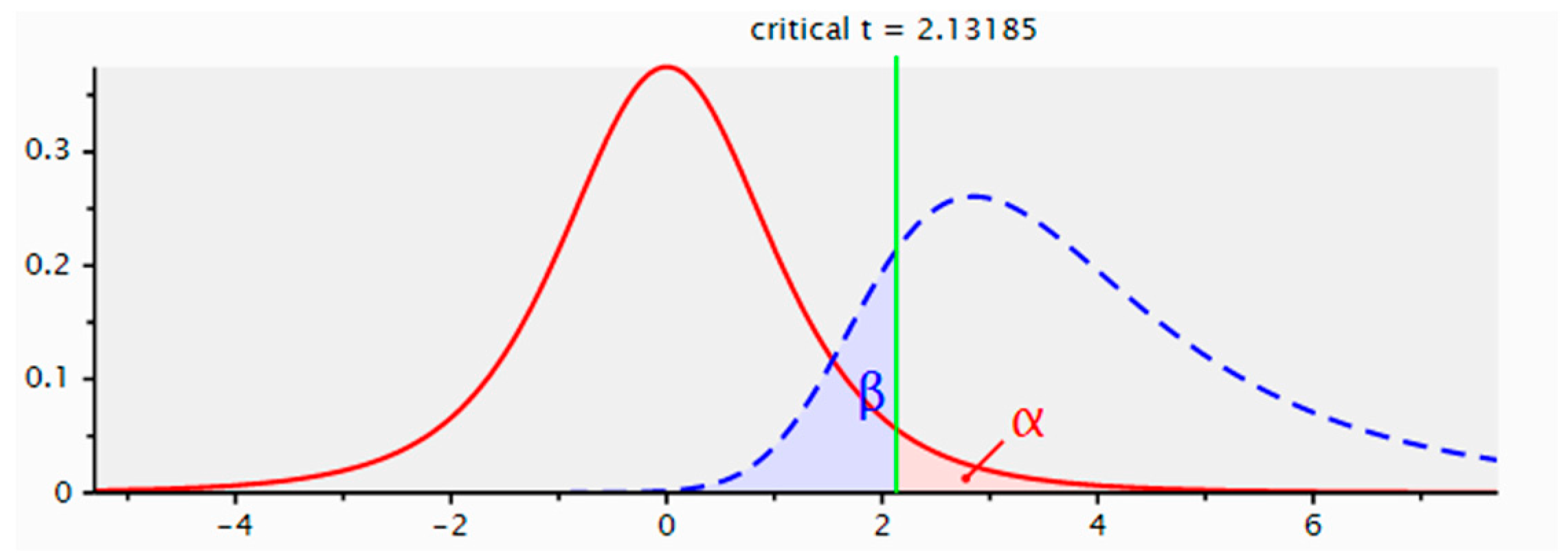
All cases showed significant effects, as indicated by the high Cohen’s D values. We applied an effect size of 0.8 in G*Power, corresponding to a substantial effect with an alpha level of 0.05 and a power of 0.80. This analysis recommended a sample size of 6 for each group (Figure 1).
Figure 1.
The sample size calculation using the G*Power tool.
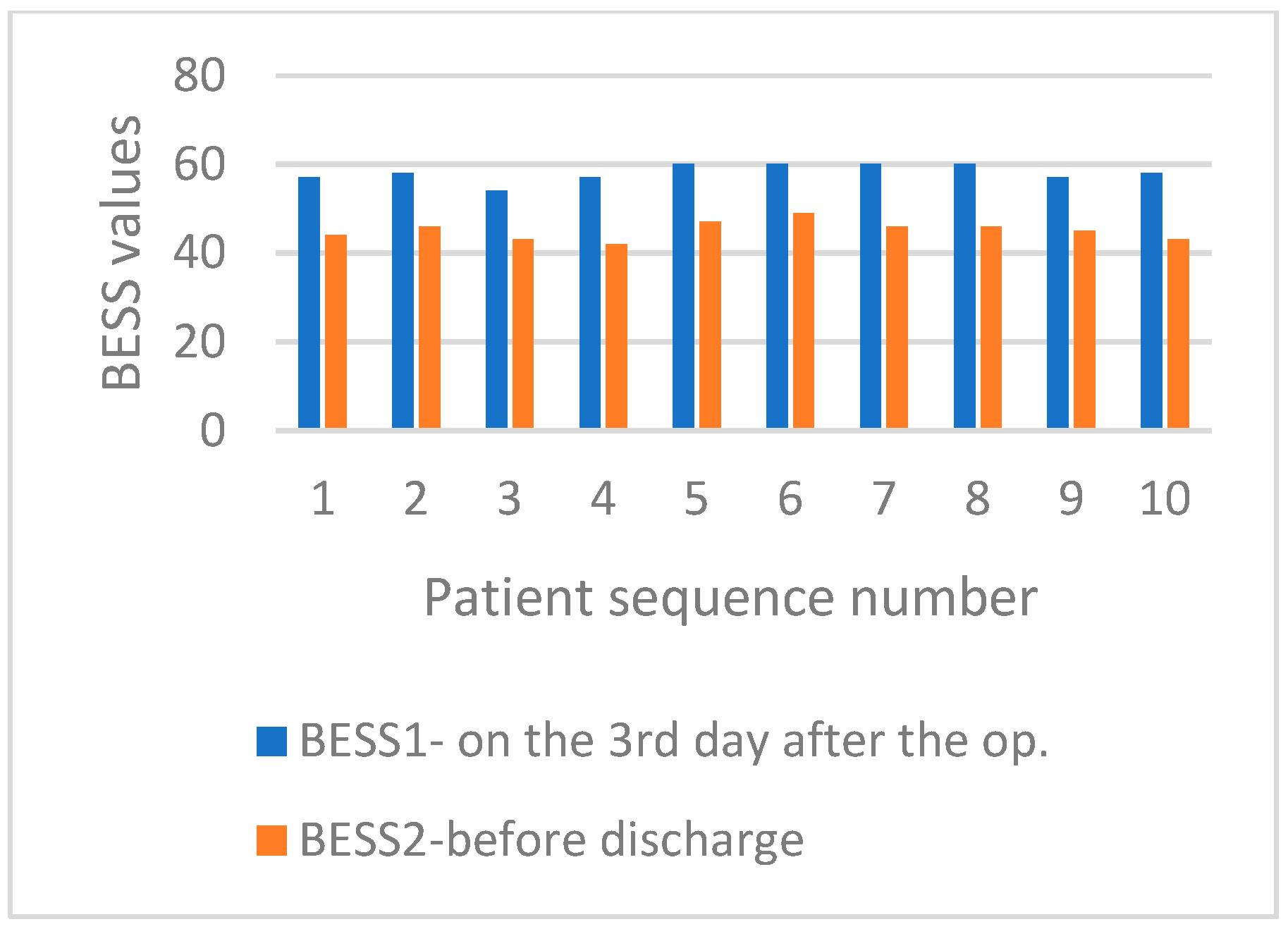
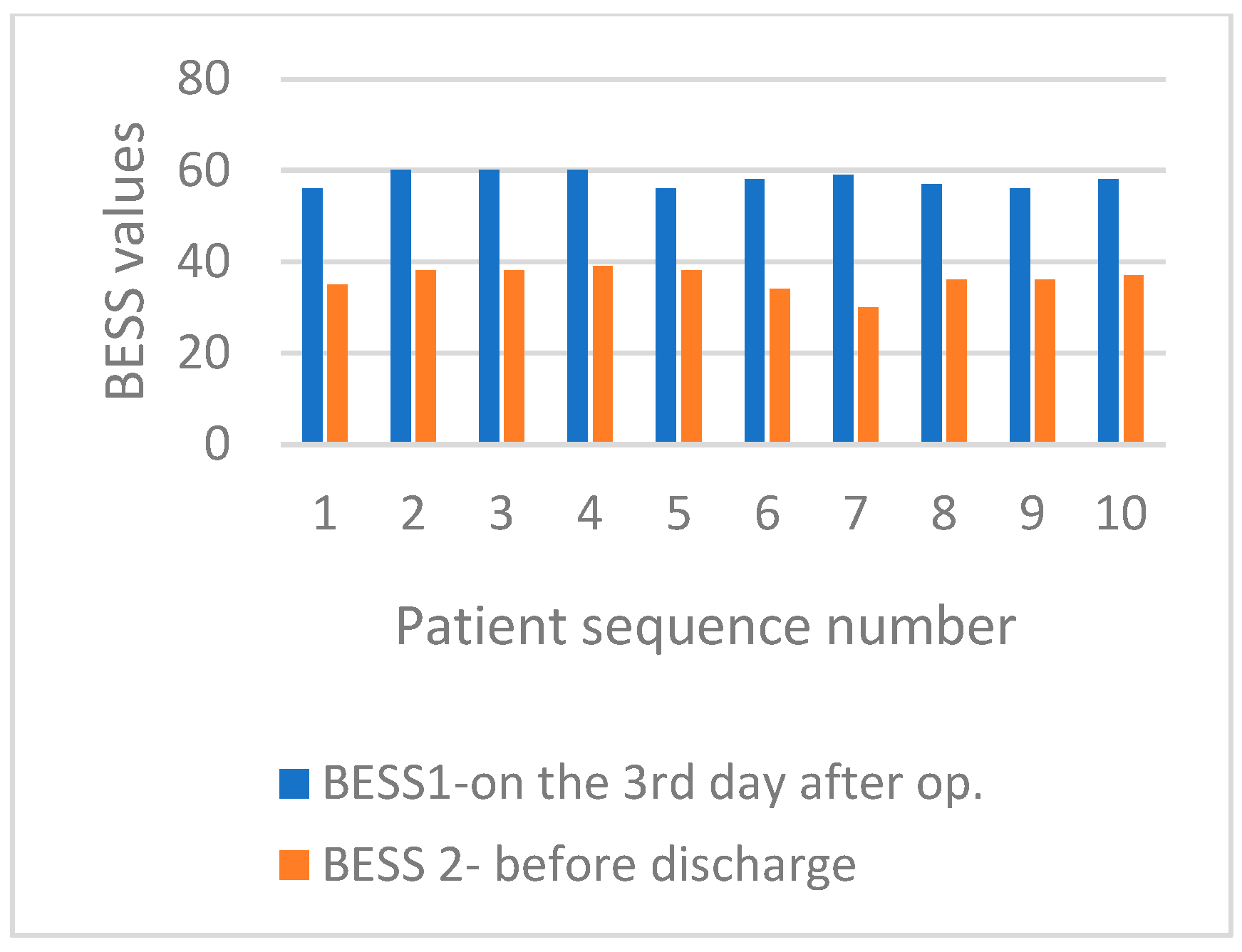
On the third day after surgery, both groups scored 58 out of 60 on the BESS test. However, the high score indicated that the test may be excessively difficult or sensitive when evaluating balance in challenging positions, such as standing on one leg and tandem standing or with closed eyes. Patients received assistance from physiotherapists; however, none felt comfortable attempting these tasks independently. On the day of discharge, the MBE group had an average BESS score of 45.1 points (75.1%), ranging from 42 to 49. In contrast, the SMFE group had an average score of 36.1 points (60.1%), ranging from 30 to 39. Figure 2 compares the BESS scores for patients in the MBE group on the third day after surgery and before discharge from the hospital. The comparison of the BESS values for patients who underwent SMFE is presented in Figure 3.
Figure 2.
Comparison of the BESS test values for patients from the MBE group on the third day after surgery and before discharge to the home environment.
Figure 3.
Comparison of the BESS test values for patients from the SMFE group on the third day after surgery and before discharge to the home environment.
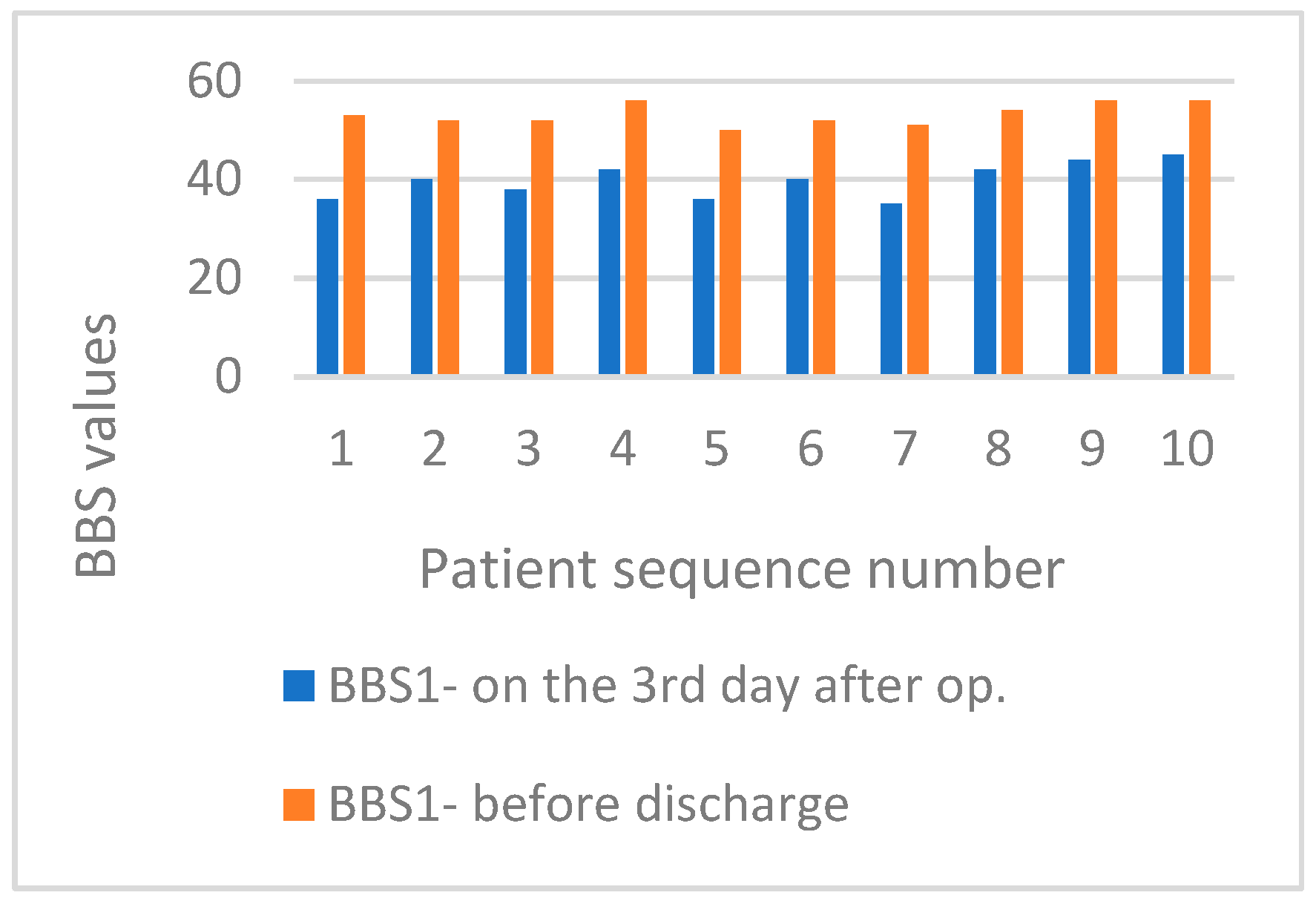
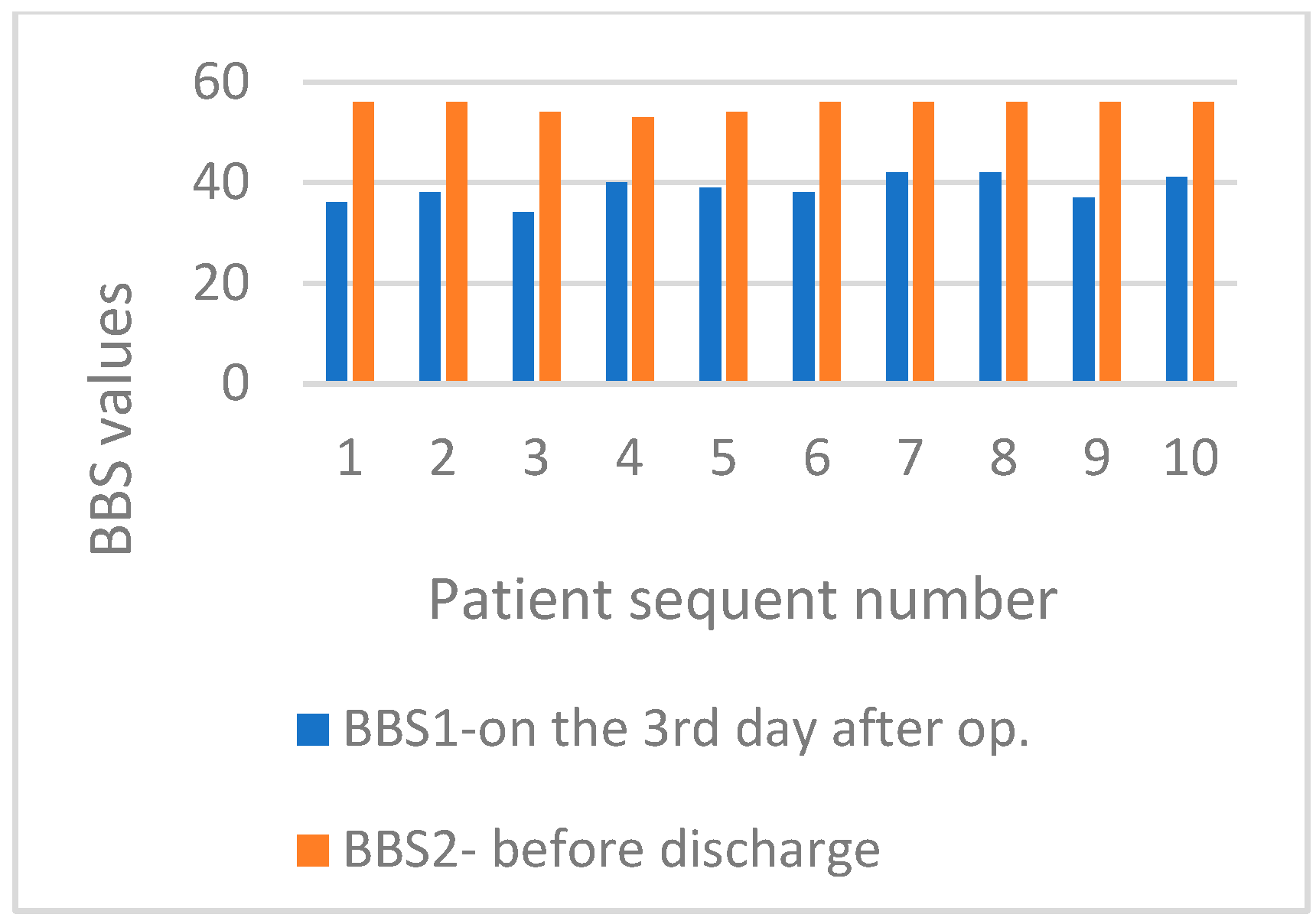
The BBS score for balance in basic daily functional activities on the third day after surgery was 39.8 in the MBE group and 38.7 in the SMFE group. At discharge, the average BBS score was 52.9 in the MBE group and 54.9 in the SMFE group. Figure 4 displays BBS values for patients in an MBE group. Figure 5 exhibits BBS values for patients in the SMFE group on day three post-surgery and at hospital discharge.
Figure 4.
Display BBS values for patients in the MBE group on postoperative day three and before hospital discharge.
Figure 5.
Display BBS values for patients in the SMFE group on postoperative day three and before hospital discharge.
The results shown in Table 5 suggest that the SMFE group exhibited a significant improvement (p < 0.05) in maintaining stable postural stability (BESS) and functional balance (BBS) when compared to the MBE group after two weeks of physiotherapy.
Table 5.
Mann–Whitney test for BESS and BBS according to the studied group.
The Wilcoxon test was employed for the pairwise comparison of measurements about postural stability after the BESS test and functional balance following the BBS test. The results demonstrated a statistically significant improvement (p < 0.05) for both cohorts during the initial administration of the BESS and BBS tests on day three post-surgery and during the subsequent measurements conducted after the patient’s discharge from the hospital and return to their home environment.
The smallest clinically significant change in two Balance Error Scoring System (BESS) measurements that indicated progress in postural stability was 10 points [32]. Upon discharge from the hospital to their home environment, 80% of patients in the MBE group and 100% in the SMFE group exceeded this clinically significant threshold of 10 points in their BESS scores.
The Spearman correlation coefficient presented a statistically significant (rs < 0.01) strong and inverse association between the ability to maintain postural stability after the BESS test and functional balance in daily activities after the BBS test (Table 6). Reducing errors in maintaining postural stability after the BESS test directly improved patient functioning upon hospital discharge and their transition to home.
Table 6.
Spearman’s correlation coefficient to compare the BESS test with the BBS test.
Following a Mann–Whitney test on the individual balance tasks in the BESS test, a statistically significant difference (p < 0.05) in maintaining an upright posture was identified on a hard surface with feet together, standing on one leg, and standing in tandem compared to on a soft surface with feet together and tandem standing. This finding suggested substantial variances between the MBE group and the SMFE group. The MBE group exhibited a higher average error rate than the SMFE group (Table 7). Notwithstanding, no statistically significant differences (p > 0.05) were evident between the MBE and SMFE groups when maintaining an upright posture on a soft surface while standing on one leg.
Table 7.
Mann–Whitney test for hard and soft ground for the studied groups.
4. Discussion
Following brain tumor surgery, patients frequently encounter profound changes in their body perception and a noticeable decline in sensory input. These transformations can manifest as postural and balance disorders, increasing the risk of functional dependence and the likelihood of falls. The postoperative rehabilitation team must implement a tailored approach to address these challenges, focusing on individualized strategies to restore balance and enhance patient safety. It is crucial to consider the unique characteristics of each patient, including their specific tasks and the environments in which they operate, as these factors play a vital role in their recovery process. By fostering a personalized rehabilitation plan, the team can effectively support patients in regaining their stability and confidence, ultimately improving their quality of life. Motor learning, the experience of the physiotherapist, and sensory-proprioceptive input are essential factors in ensuring effective postural control and maintaining proper body position in space [35,36]. Numerous studies have indicated that various exercise modalities, such as yoga and Pilates, can positively impact pain relief, bone mineral density (BMD), quality of life, and overall pain management. However, exercises must be performed safely, with a gradual progression and a careful avoidance of activities that may worsen back pain or lead to excessive fatigue [37]. Shojaa and colleagues reported in their meta-analysis that power training, unlike strength training, focuses on developing explosive strength and movement speed. This is accomplished by using lighter weights and performing movements faster. In contrast, strength training aims to increase maximal strength using heavier loads and slower, more controlled movements. Both training approaches are effective in improving bone mineral density and muscle strength. A comprehensive exercise regimen should include flexibility, muscle strength, core stability, cardiovascular fitness, and gait steadiness. Additional techniques like postural taping and soft manual tissue massage therapy can also benefit postoperative patients by improving proprioceptive feedback, relieving pain, and addressing postural deformities and muscle contractures [38].
Emerging therapies, such as magnetic fields and vibration training, promise to improve health. Vibration training, in particular, has been shown to enhance muscle strength, neuromuscular coordination, and balance. However, the optimal frequency for achieving therapeutic effects is still unclear. It is recommended to start with lower frequencies and gradually increase them for the best results. A comprehensive approach is recommended to integrate advanced rehabilitation strategies and therapeutic interventions, including physical exercise, cognitive behavioral therapy, mindfulness-based pain management, and physical therapy [39]. Our study aimed to improve postural stability and evaluate the effects of two treatments, the MBE and the SMFE, on postural stability in patients undergoing surgery for benign meningioma. This study aimed to enhance the capability to perform more complex balance tasks during acute rehabilitation.
Patients in both groups had severe to moderate difficulties with awareness in maintaining static postural control with their eyes closed on the third day after surgery. Although they could perform basic daily activities and walk with minimal to moderate disturbances in postural adjustment, the BESS test was too demanding for assessing static balance. The patients could not perform balance tasks, especially while standing in tandem and standing on one leg, and they did not even dare to close their eyes on a hard surface. Testing the BESS test on a soft surface with eyes closed was not performed.
After surgery, the patient’s ability to maintain postural stability depends on sensory inputs from the visual, somatosensory, and vestibular systems [40]. The visual system provides information on head movement, body orientation, and movement planning [41]. The somatosensory system helps perceive body position and movement, while the vestibular system is sensitive to accelerations [41,42].
The MBE and the SMFE patient groups showed significant progress in maintaining static posture and balance while standing still with eyes closed on different surfaces upon discharge. Our analysis confirmed that posture significantly impacts the difficulty level of balance BESS tasks. Maintaining an upright posture on a hard surface with feet together and standing in tandem poses varying difficulty levels. The SMFE group of patients exhibited fewer errors than those who followed the multicomponent exercise model.
The current clinical guidelines for rehabilitation programs in hospitals recommend multicomponent balance exercises, which have been shown to induce changes in the central nervous system (CNS) similar to those observed in motor learning [43,44]. Additionally, Taube and colleagues reported increased cortical resistance during exercise, peaking in the initial phase and decreasing as the training progresses [45]. The cortex reaches its minimum excitability when the response becomes automatic, resembling adaptations observed in motor learning, with high resistance in the initial phase and increased activity in the basal ganglia and cerebellum in the later stages of learning [46].
Previous studies have highlighted that multicomponent exercise effectively improves balance [47]. After brain surgery, it is crucial to thoroughly evaluate patients for postural instability and balance, especially in acute care settings, as it is not yet standard practice. It is essential to consider the correlation between the quantity of exercise and the individual’s response when planning and evaluating the effectiveness of balance-targeted exercises in these initial phases. Shubert recommended that effective balance exercises involve at least 50 h of practice with sessions twice weekly [48,49]. In our study, being in a hospital setting meant patients could not sustain focus and alertness for an extended period on a specific balance task. Therefore, our patients had two thirty-minute sessions per day for two weeks. Considering the limited hospitalization period of our patients, which typically lasted from ten to fourteen days, it is crucial to start multicomponent balance training during the acute phase, as previous studies have shown that this training positively impacts muscle performance, speed, and walking endurance, and it also has the potential to reduce movement centers of pressure [50].
Our study results also suggested that improving cutaneous feedback of the plantar core could be a promising approach for treating patients after brain tumor surgery. The feet are a fundamental sensory structure in controlling posture while standing still. Mechanoreceptors transmit tactile and proprioceptive feedback used by the CNS to adjust posture [51]. Cutaneous mechanoreceptors provide surface pressure information and aid in posture detection. Toe sensory information corrects balance disturbances for improved stability. The plantar nucleus plays a vital role in postural control. Intrinsic foot muscles support the arch, are active in dynamic activities, and modulate foot support [52,53].
Our study used the BESS test to evaluate the static balance of young adult patients who underwent surgery to remove a benign meningioma tumor. Previous research demonstrated that the BESS test is commonly used to assess the static balance of young adult athletes who have experienced mild head injuries [54]. Rehabilitation treatments profoundly elevate BESS scores by tackling patients’ fatigue and sharpening their focus on tasks. These tailored interventions empower individuals to regain clarity and confidence, ultimately transforming their performance and quality of life [55]. Our study was the first to conduct this type of assessment in a hospital setting, and we found that a short 14-day balance exercise program in the hospital could lead to improved BESS scores. However, we suggest a comprehensive multi-week neuromuscular training program for better results. The BESS test includes closed eye positions on a soft surface, which removes visual and somatosensory input. As a result, patients must depend on their vestibular system, leading to increased postural sway. Standing on a soft surface requires a stabilizing posture, as the altered proprioceptive stimuli necessitate constant adjustments in body position. The task’s difficulty is further increased by the need for patients to concentrate on executing the task correctly [56].
The analysis results of the individual balance tasks within the BESS test unveiled a statistically significant improvement in favor of the group of patients undergoing the SMFE intervention. This group displayed fewer errors while maintaining a stable posture on hard and soft surfaces in various positions, including standing with feet together, standing on one leg, and tandem standing. These findings showed statistically significant disparities between the multicomponent exercise model and foot mobilization and muscle activation.
The results of the BESS test also demonstrated an impact on functional BBS tests upon discharge from the hospital. Both groups exhibited improved balance, with BBS values surpassing 50/56 points. Seven patients in the SMFE group and three in the MBE group achieved the maximum score of 56, indicating their ability to perform challenging balance activities independently. This enhanced balance may reduce the risk of falls and empower patients to engage in daily activities autonomously without falling. The SMFE group of patients showed more significant improvement in performing challenging functional tasks requiring constant posture adjustments and proactive/reactive balance.
In 2008, a modified version of the BESS was accepted at the Third International Conference on Concussions in Sports. This version has better sensitivity (71.4% vs. 60%) than the original BESS during the acute phase of concussion [57,58]. Our study could incorporate the modified BESS test during the acute recovery phase, as we observed that patients exhibit enhanced independence in their daily activities.
This study’s results suggested combining sensory feedback from the foot with precise manual mobilization of foot mechanoreceptors and targeted strength training may significantly enhance patients’ postural stability and movement accuracy. We also recommend continuous balance training activities, such as dance, Pilates, and walking barefoot on various surfaces.
While patients are recovering in the hospital, rehabilitation teams often do not have access to research laboratories and expensive technology for their work. The BESS test, which assesses static balance and counts balance errors, is known for being moderately to highly reliable [22]. In the future, we will explore enrolling a larger sample size of patients and establishing comprehensive clinical guidelines for proprioceptive exercises. These guidelines will potentially contribute to a safer and more effective transition to home, potentially reducing the risk of falls and subsequent re-hospitalization.
Our study was also impacted by the challenges of the SARS-CoV-2 pandemic, which limited our ability to recruit patients and forced us to adapt to rapidly changing circumstances. The sample size was notably small, limiting our capacity to draw broader conclusions about the population. Moreover, while valuable in assessing balance and stability, the BESS test proved to be quite demanding for patients, particularly those recovering from illness or hospitalization, when patients may have specific needs and limitations that require more tailored assessment approaches to ensure accurate and supportive evaluation.
5. Conclusions
Following our study findings, we advise implementing a comprehensive balance program for patients who have undergone surgical removal of a brain tumor. This program should encompass a wide range of sensorimotor and cognitive considerations. Our research suggests that therapeutic interventions such as sensorimotor mobilization and functional strengthening of the foot muscles may enhance postural stability and reduce the risk of falls. Our data demonstrated that patients who received this intervention demonstrated significantly better clinical progress than those who did not. This intervention may also be essential for enhancing the quality of skin feedback, which is vital for maintaining balance and postural stability. Future studies should focus on refining this therapeutic strategy to improve its application in clinical practice, ultimately enhancing patients’ postural control and quality of life.
Author Contributions
Conceptualization, N.K. and M.B. (Marusa Brcar); methodology, N.K.; software, M.B. (Marko Brcar); validation, M.B. (Marusa Brcar) and T.V.; formal analysis, M.B. (Marusa Brcar); investigation, M.B. (Marusa Brcar) and N.K.; data curation, N.K.; writing—original draft preparation, all authors; project administration, T.V.; funding acquisition, T.V. All authors have read and agreed to the published version of the manuscript.
Funding
This research received no external funding.
Institutional Review Board Statement
The study was conducted by the Declaration of Helsinki and approved by the Medical Ethics Commission of the Republic of Slovenia, which approved the study with the approval number 0120–241/2021/3 dated 19 May 2021.
Informed Consent Statement
Informed consent was obtained from all subjects involved in the study.
Data Availability Statement
The original contributions presented in this study are included in the article. Further inquiries can be directed to the corresponding author.
Conflicts of Interest
The authors declare no conflicts of interest.
References
- Baldini, A.; Nota, A.; Assi, V.; Ballanti, F.; Cozza, P. Intersession reliability of a posturostabilometric test, using a force platform. J. Electromyogr. Kinesiol. 2013, 23, 1474–1479. [Google Scholar] [PubMed]
- Amiridis, I.G.; Hatzitaki, V.; Arabatzi, F. Age-induced modifications of static postural control in humans. Neurosci. Lett. 2003, 350, 137–140. [Google Scholar] [CrossRef] [PubMed]
- Watson, M.A.; Black, F.O. The human balance system—A complex coordination of central and peripheral systems. VEDA 2016, 1–5. Available online: https://vestibular.org/sites/default/files/page_files/Documents/Human%20Balance%20System_36.pdf (accessed on 29 March 2025).
- Fransson, P.A.; Gomez, S.; Patel, M.; Johansson, L. Changes in multi-segmented body movements and EMG activity while standing on firm and foam support surfaces. Eur. J. Appl. Physiol. 2007, 101, 81–89. [Google Scholar] [PubMed]
- Mergner, T.; Maurer, C.; Peterka, R.J. A multisensory posture control model of human upright stance. Prog. Brain Res. 2003, 142, 189–201. [Google Scholar]
- Menz, H.B.; Morris, M.E.; Lord, S.R. Foot and ankle characteristics associated with impaired balance and functional ability in older people. J. Gerontol. A Biol. Sci. Med. Sci. 2005, 60, 1546–1552. [Google Scholar]
- Inglis, J.T.; Kennedy, P.M.; Wells, C.; Chua, R. The role of cutaneous receptors in the foot. Adv. Exp. Med. Biol. 2002, 508, 111–117. [Google Scholar]
- Kelly, L.A.; Kuitunen, S.; Racinais, S.; Cresswell, A.G. Recruitment of the plantar intrinsic foot muscles with increasing postural demand. Clin. Biomech. 2012, 27, 46–51. [Google Scholar]
- Howe, E.E.; Toth, A.J.; Vallis, L.A.; Bent, L.R. Baseline skin information from the foot dorsum controls lower limb kinematics during level walking. Exp. Brain Res. 2015, 233, 2477–2487. [Google Scholar]
- Ostrom, Q.T.; Price, M.; Neff, C.; Cioffi, G.; Waite, K.A.; Kruchko, C.; Barnholtz-Sloan, J.S. CBTRUS statistical report: Primary brain and other central nervous system tumors diagnosed in the United States in 2015–2019. Neuro Oncol. 2022, 24, 1–95. [Google Scholar]
- Westphal, M.; Saladino, A.; Tatagiba, M. Skull base meningiomas. Adv. Exp. Med. Biol. 2023, 1416, 47–68. [Google Scholar] [PubMed]
- Winther, T.L.; Torp, S.H. The significance of the extent of resection in modern neurosurgical practice of WHO grade I meningiomas. World Neurosurg. 2017, 99, 104–110. [Google Scholar] [CrossRef]
- Sughrue, M.E.; Kane, A.J.; Shangari, G.; Rutkowski, M.J.; McDermott, M.W.; Berger, M.S.; Parsa, A.T. The relevance of Simpson Grade I and II resection in the modern neurosurgical treatment of World Health Organization Grade I meningiomas. J. Neurosurg. 2010, 113, 1029–1035. [Google Scholar] [CrossRef]
- Akagami, R.; Napolitano, M.; Sekhar, L.N. Patient-evaluated outcome after surgery for basal meningiomas. Neurosurgery 2002, 50, 941–949. [Google Scholar]
- Louis, D.N.; Perry, A.; Wesseling, P.; Brat, D.J.; Cree, I.A.; Figarella-Branger, D.; Hawkins, C.; Ng, H.K.; Pfister, S.M.; Reifenberger, G.; et al. The 2021 WHO classification of central nervous system tumors: A summary. Neuro Oncol. 2021, 23, 1231–1251. [Google Scholar] [CrossRef]
- Rugelj, D.; Tomšič, M.; Sevšek, F. Effectiveness of multi-component balance specific training on active community-dwelling elderly. HealthMed 2012, 6, 3856–3865. [Google Scholar]
- Ansai, J.; Aurichio, T.R.; Gonçalves, R.; Rebelatto, J.R. Effects of two physical performance related to falls in the oldest old: A randomized controlled trial. Geriatr. Gerontol. Int. 2016, 16, 492–499. [Google Scholar] [CrossRef] [PubMed]
- Visser, J.E.; Carpenter, M.C.; van der Kooij, H.; Bloem, B.R. The clinical utility of posturography. Clin. Neurophysiol. 2008, 119, 2424–2436. [Google Scholar] [CrossRef] [PubMed]
- McKenzie, J. The foot is half-dome. Br. Med. J. 1955, 1, 1068–1069. [Google Scholar] [CrossRef]
- Soysa, A.; Hiller, C.; Refshauge, K.; Burns, J. Importance and challenges of measuring intrinsic foot muscle strength. J. Foot Ancle Res. 2012, 5, 29. [Google Scholar] [CrossRef]
- Baker, M.K.; Atlantis, E.; Fiatarone Singh, M.A. Multi-modal exercise programs for older adults. Age Ageing 2007, 36, 375–381. [Google Scholar] [CrossRef] [PubMed]
- Bell, D.R.; Guskiewicz, K.M.; Clark, M.A.; Padua, D.A. A systematic review of the Balance Error Scoring System. Sports Health 2011, 3, 287–295. [Google Scholar] [CrossRef]
- Tolar Rešić, A. Najmanjša klinično pomembna razlika testov in lestvic za oceno izida rehabilitacije. Rehabilitacija 2016, 15, 43–62. [Google Scholar]
- Iverson, G.I.; Koehle, M.S. Normative data for the Balance Error Scoring System in Adults. Rehabil. Res. Pract. 2013, 2013, 846418. [Google Scholar] [CrossRef] [PubMed]
- Cameron, P.W.; Soltero, N.C.; Byers, J. Effects of a 60 Minute on Ice Game Stimulation on the Balance Error Scoring System. Int. J. Exerc. Sci. 2018, 11, 462–467. [Google Scholar] [CrossRef]
- Miyashita, T.L.; Diakogeorgiou, E.; Marrie, K. Correlation of Head Impacts to Change in Balance Error Scoring System Scores in Division I Men’s Lacrosse Players. Sports Health 2017, 9, 318–323. [Google Scholar] [PubMed]
- Vikram, M.; Sundaraganesh, K.; Justine, M.; Kurup, M.; Leonard, J.H. Evaluating postural control impairment using balance error scoring system among athletes with ankle injury: An effective tool in daily practice. Clin. Ter. 2012, 163, 293–297. [Google Scholar]
- Lee, S.M.; Lee, J.H. The immediate effects of ankle balance taping with kinesiology tape on ankle active range of motion and performance in the Balance Error Scoring System. Phys. Ther. Sport. 2016, 25, 99–105. [Google Scholar]
- Susco, T.M.; Valovich McLeod, T.C.; Gansneder, B.M.; Shultz, S.J. Balance recovers within 20 minutes after exertion as measured by the Balance error scoring system. J. Athl. Train. 2004, 39, 241–246. [Google Scholar]
- Wilkins, J.C.; Valovich McLeod, T.; Perrin, D.H.; Gansneder, B.M. Performance on the Balance Error Scoring System decreases after fatigue. J. Athl. Train. 2004, 39, 156–161. [Google Scholar]
- Ozinga, S.J.; Linder, S.M.; Miller Koop, M.; Dey, T.; Figler, R.; Russman, A.N.; So, R.; Rosenthal, A.H.; Cruickshank, J.; Alberts, J.L. Normative Performance on the Balance Error Scoring System by Youth, High School, and Collegiate Athletes. J. Athl. Train. 2018, 53, 636–645. [Google Scholar] [PubMed]
- Amin, D.J.; Coleman, J.; Herrington, L.C. The Test-Retest Reliability and Minimal Detectable Change of the Balance Error Scoring System. J. Sports Sci. 2014, 2, 200–207. [Google Scholar]
- Lima, C.A.; Ricci, N.A.; Nogueira, E.C.; Perracini, M.R. The Berg Balance Scale as a clinical screening tool to predict fall risk in older adults: A systematic review. Physiotherapy 2018, 104, 383–394. [Google Scholar] [CrossRef] [PubMed]
- Norris, D.; Clark, M.S.; Shipley, S. The Mini-Mental Status Examination. Am. Fam. Physician 2016, 94, 635–641. [Google Scholar] [PubMed]
- Cheung, J.T.; Zhang, M.; An, K.N. Effect of Achilles tendon loading on plantar fascia tension in the standing foot. Clin. Biomech. 2006, 21, 194–203. [Google Scholar]
- Kuo, A.D. An optimal state estimation model of sensory integration in human postural balance. J. Neural Eng. 2005, 2, 235–249. [Google Scholar]
- Natour, J.; Cazotti Lde, A.; Ribeiro, L.H.; Baptista, A.S.; Jones, A. Pilates improves pain, function and quality of life in patients with chronic low back pain: A randomized controlled trial. Clin. Rehabil. 2015, 29, 59–68. [Google Scholar]
- Shojaa, M.; von Stengel, S.; Kohl, M.; Schoene, D.; Kemmler, W. Effects of dynamic resistance exercise on bone mineral density in postmenopausal women: A systematic review and meta-analysis with special emphasis on exercise parameters. Osteoporos. Int. 2020, 31, 1427–1444. [Google Scholar] [CrossRef]
- Hu, H.; Yang, W.; Zeng, Q.; Chen, W.; Zhu, Y.; Liu, W.; Wang, S.; Wang, B.; Shao, Z.; Zhang, Y. Promising application of Pulsed Electromagnetic Fields (PEMFs) in musculoskeletal disorders. Biomed. Pharmacother. 2020, 131, 110767. [Google Scholar]
- Massion, J. Postural control system. Curr. Opin. Neurobiol. 1994, 4, 877–887. [Google Scholar]
- Balestrucci, P.; Daprati, E.; Lacquaniti, F.; Maffei, V. Effects of visual motion consistent or inconsistent with gravity on postural sway. Exp. Brain Res. 2017, 235, 1999–2010. [Google Scholar] [CrossRef] [PubMed]
- Assländer, L.; Peterka, R.J. Sensory reweighting dynamics in human postural control. J. Neurophysiol. 2014, 11, 1852–1864. [Google Scholar]
- Vereeck, L.; Wuyts, F.; Truijen, S.; van de Heyning, P. Clinical assessment of balance: Normative data, and gender and age effects. Int. J. Audiol. 2008, 47, 67–75. [Google Scholar] [CrossRef]
- Taube, W. Neurophysiological adaptations in response to balance training. Dtsch. Z. Sportmed. 2012, 63, 373–377. [Google Scholar]
- Taube, W.; Gruber, M.; Beck, S.; Faist, M.; Gollhofer, A.; Schubert, M. Cortical and spinal adaptations induced by balance training: Correlation between stance stability and corticospinal activation. Acta Physiol. 2007, 189, 347–358. [Google Scholar] [CrossRef]
- Floyer-Lea, A.; Matthews, P.M. Changing brain networks for visuomotor control with increased movement automaticity. J. Neurophysiol. 2004, 92, 2405–2412. [Google Scholar]
- Granacher, U.; Gruber, M.; Golhofer, A. Auswirkungen von sensomotorischen Training auf die posturale Kontrolle älterer Männer. Dtsch. Z. Sportmed. 2009, 60, 387–393. [Google Scholar]
- Shubert, T.E. Evidence-based exercise prescription for balance and falls prevention: A current review of the literature. J. Geriatr. Phys. Ther. 2011, 34, 100–108. [Google Scholar]
- Avelar, B.P.; Costa, J.N.; Safons, M.P.; Dutra, M.T.; Bottaro, M.; Gobbi, S.; Tiedemann, A.; de David, A.C.; Lima, R.M. Balance exercises circuit improves muscle strength, balance, and functional performance in older women. Age 2016, 38, 14. [Google Scholar] [CrossRef]
- Mohapatra, S.; Kukkar, K.K.; Aruin, A.S. Support surface-related changes in feedforward and feedback control of standing posture. J. Electromyogr. Kinesiol. 2014, 24, 144–152. [Google Scholar]
- Tortolero, X.; Masani, K.; Maluly, C.; Popovic, M.R. Body movement induced by electrical stimulation of toe muscles during standing. Artif. Organs 2008, 32, 5–12. [Google Scholar] [PubMed]
- Saeki, J.; Tojima, M.; Torii, S. Clarification of functional differences between the hallux and lesser toes during the single leg stance: Immediate effects of conditioning contraction of the toe plantar flexion muscles. J. Phys. Ther. Sci. 2015, 27, 2701–2704. [Google Scholar]
- McKeon, P.O.; Hertel, J.; Bramble, D.; Davis, I. The foot core system: A new paradigm for understanding intrinsic foot muscle function. Br. J. Sports Med. 2015, 49, 290. [Google Scholar]
- Mulligan, I.J.; Boland, M.A.; McIlhenny, C.V. The Balance Error Scoring System Learned Response Among Young Adults. Sports Health 2013, 5, 22–26. [Google Scholar]
- DeFord, S.M.; Wilson, M.S.; Rice, A.C.; Clausen, T.; Rice, L.K.; Barabnova, A.; Bullock, R.; Hamm, R.J. Repeated mild brain injuries result in cognitive impairment in B6C3F1 mice. J. Neurotrauma 2002, 19, 427–438. [Google Scholar] [PubMed]
- Horak, F.B.; Hlavacka, F. Somatosensory loss increases vestibulospinal sensitivity. J. Neurophysiol. 2001, 86, 575–585. [Google Scholar] [PubMed]
- Linder, S.M.; Ozinga, S.J.; Koop, M.M.; Dey, T.; Figler, R.; Cruickshank, J.; Alberts, J.L. Cleveland Clinic Postural Stability Index Norms for the Balance Error Scoring System. Med. Sci. Sports Exerc. 2018, 50, 1998–2006. [Google Scholar]
- Hunt, T.N.; Ferrara, M.S.; Bornstein, R.; Baumgartner, T.A. The reliability of the modified Balance Error Scoring System. Clin. J. Sport. Med. 2009, 19, 471–475. [Google Scholar]
Disclaimer/Publisher’s Note: The statements, opinions and data contained in all publications are solely those of the individual author(s) and contributor(s) and not of MDPI and/or the editor(s). MDPI and/or the editor(s) disclaim responsibility for any injury to people or property resulting from any ideas, methods, instructions or products referred to in the content. |
© 2025 by the authors. Licensee MDPI, Basel, Switzerland. This article is an open access article distributed under the terms and conditions of the Creative Commons Attribution (CC BY) license (https://creativecommons.org/licenses/by/4.0/).