Article

Effect Size of Targeted Temperature Management in Pediatric Patients with Post-Cardiac Arrest Syndrome According to the Severity


1
Department of Emergency and Critical Care Medicine, Graduate School of Biomedical and Health Sciences, Hiroshima University, Hiroshima 739-0046, Japan
2
Department of Biostatistics, Graduate School of Medicine, Nagoya University, Nagoya 464-8603, Japan
*
Author to whom correspondence should be addressed.
Life 2025, 15(1), 26; https://doi.org/10.3390/life15010026
Submission received: 22 November 2024 / Revised: 22 December 2024 / Accepted: 27 December 2024 / Published: 30 December 2024
(This article belongs to the Special Issue Clinical Update for Resuscitation Science)

Abstract

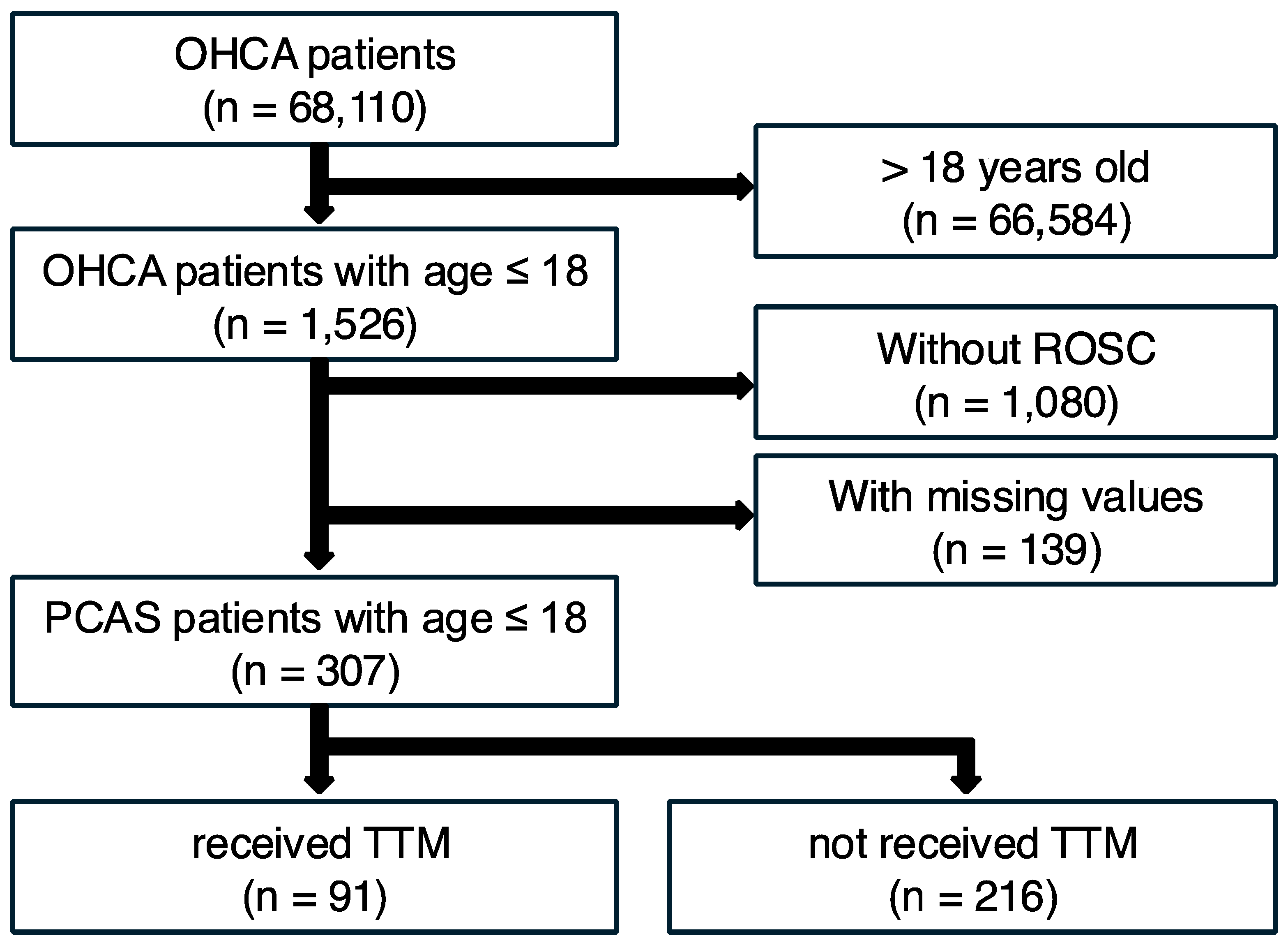
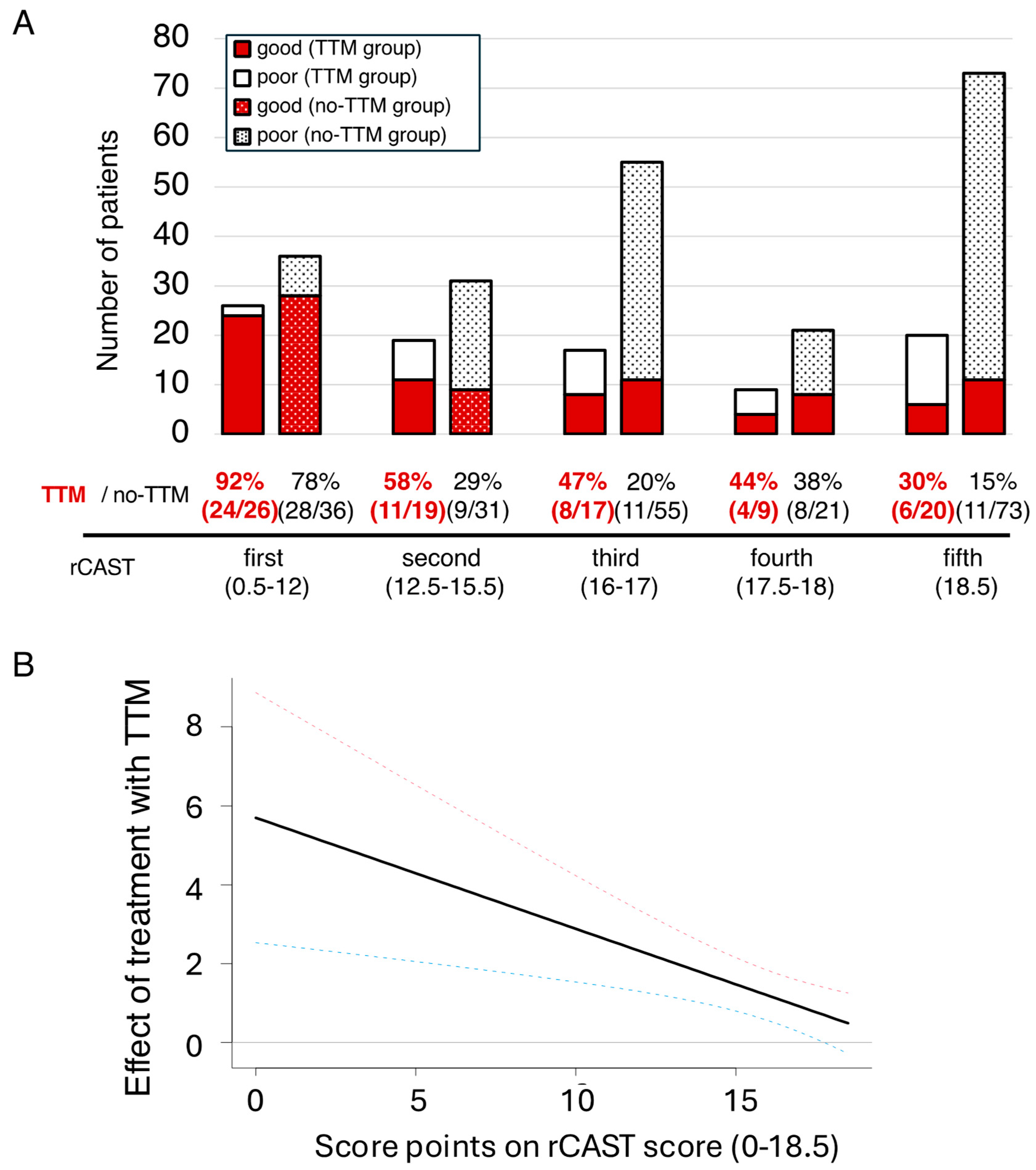
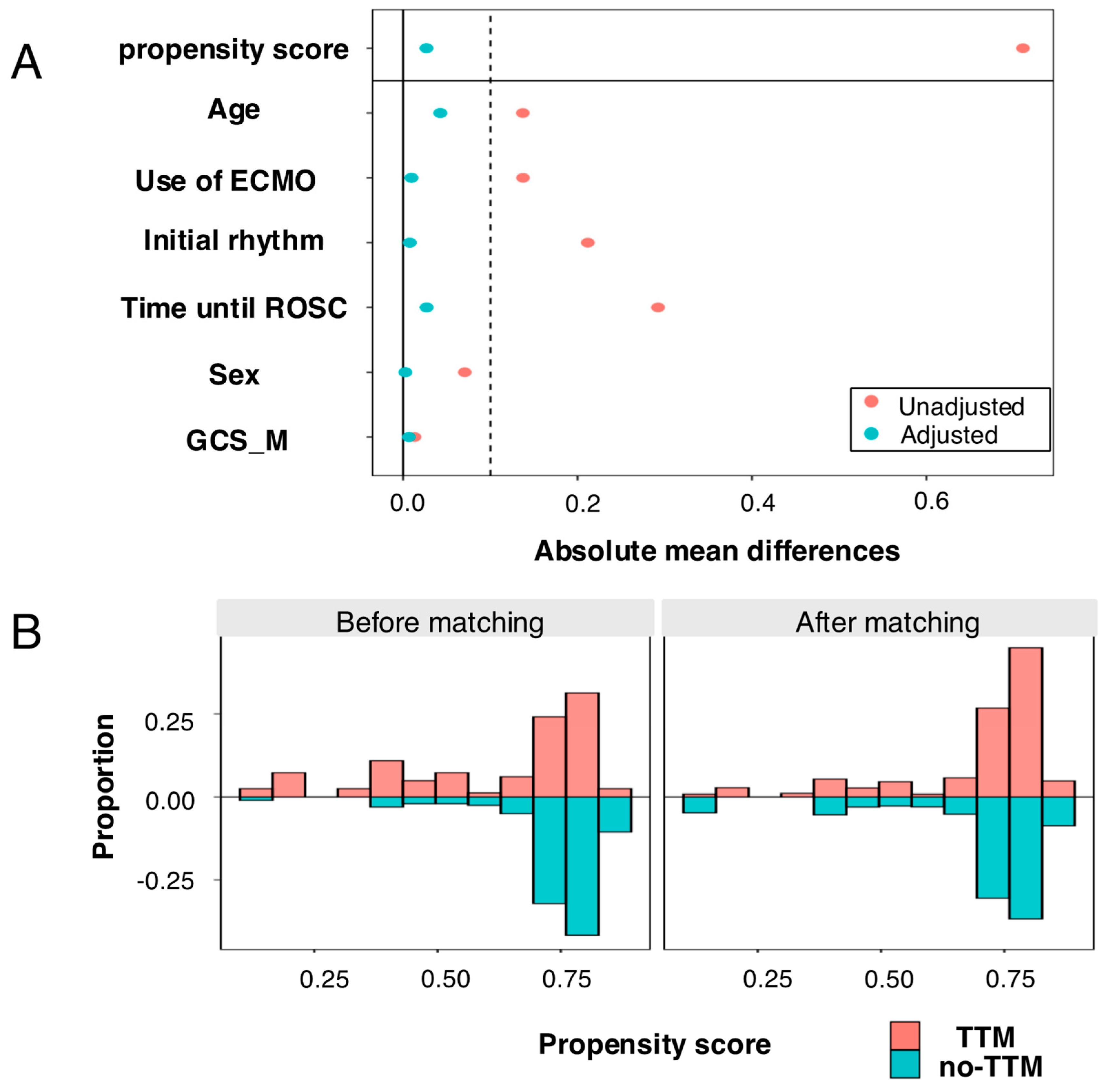
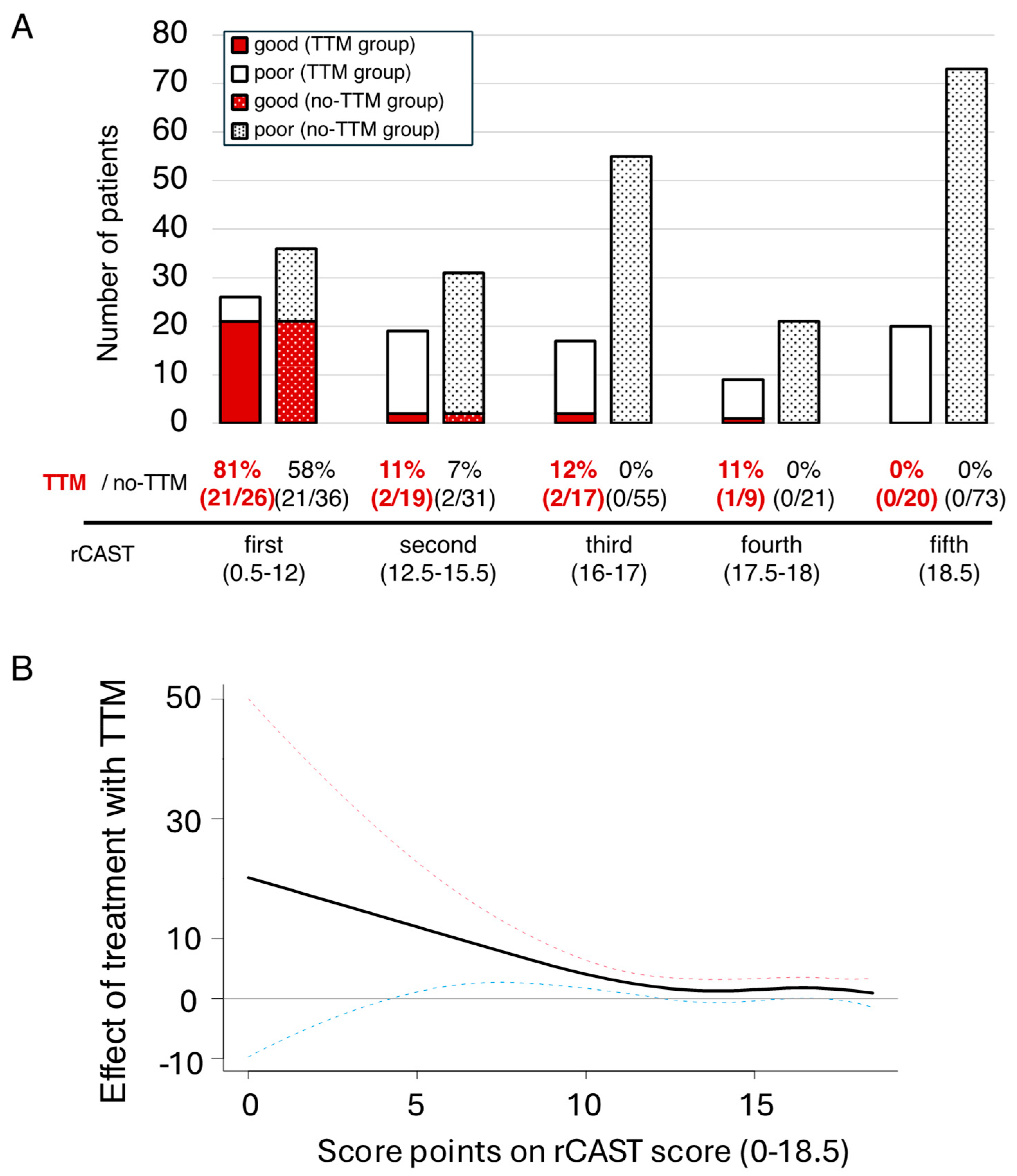
Aim: Few studies have investigated the differential effects of targeted temperature management (TTM) according to the severity of the condition in pediatric patients with post-cardiac arrest syndrome (PCAS). This study was aimed at evaluating the differential effects of TTM in pediatric patients with PCAS according to a risk classification tool developed by us, the rCAST. Methods: We used data from a nationwide prospective registry for out-of-hospital cardiac arrest (OHCA) patients in Japan. We classified eligible pediatric PCAS patients (aged ≤ 18 years) into quintiles based on their rCAST scores and evaluated the effect of TTM on the neurological outcomes in each severity group. Then, focusing on the severity group that appeared to benefit from TTM, we also evaluated the effect of TTM by propensity score analysis. Good neurological outcome was defined as a score on the Cerebral Performance Category or Pediatric Cerebral Performance Category scale of ≤2 at 30 days. Results: Among 1526 OHCA pediatric patients enrolled in the registry, the data of 307 PCAS patients were analyzed. None of the patients in the fifth quintile (rCAST ≥ 18.5) showed a good neurological outcome, regardless of whether they received TTM or not (0% [0/20] vs. 0% [0/73]). The propensity score analysis showed that TTM was significantly associated with a good neurological outcome in patients with rCAST scores in the first to fourth quintile (odds ratio: 1.21 [1.04–1.40], p = 0.014). Conclusions: TTM was significantly associated with good neurological outcomes in pediatric PCAS patients with rCAST scores of ≤18.0.
Keywords: children; national registry; neurological prognosis; out-of-hospital cardiac arrest (OHCA); revised post-cardiac arrest syndrome for therapeutic hypothermia score (rCAST) children; national registry; neurological prognosis; out-of-hospital cardiac arrest (OHCA); revised post-cardiac arrest syndrome for therapeutic hypothermia score (rCAST)