Article

Transcriptome Analysis Provides Insights into Potentilla bifurca Adaptation to High Altitude

1
College of Life Sciences, Qinghai Normal University, Xining 810008, China
2
Academy of Plateau Science and Sustainability, Qinghai Normal University, Xining 810008, China
3
College of Life Science and Technology, Gansu Agricultural University, Lanzhou 730070, China
4
Qinghai Agricultural Technology Extension Station, Xining 810007, China
*
Author to whom correspondence should be addressed.
Life 2022, 12(9), 1337; https://doi.org/10.3390/life12091337
Submission received: 11 August 2022 / Revised: 25 August 2022 / Accepted: 25 August 2022 / Published: 29 August 2022
(This article belongs to the Special Issue Plant Ecophysiology and Plant Stress Physiology)

Abstract

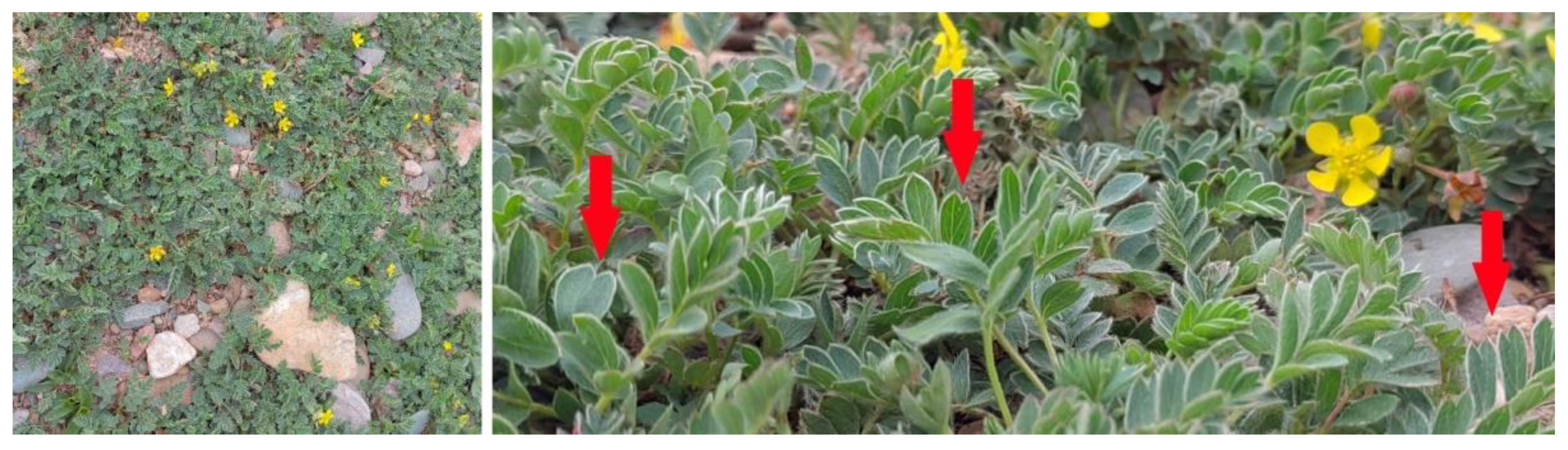
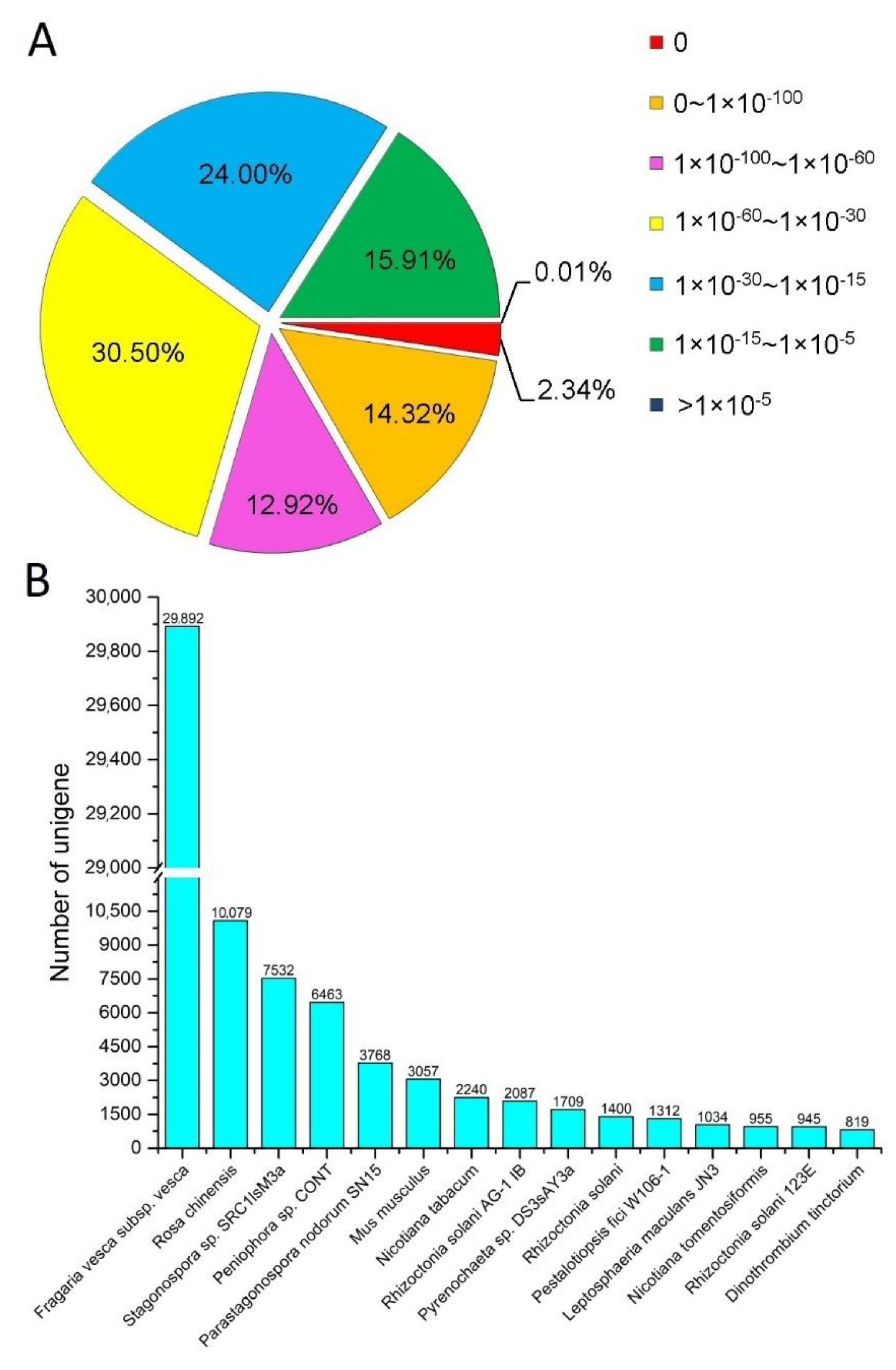
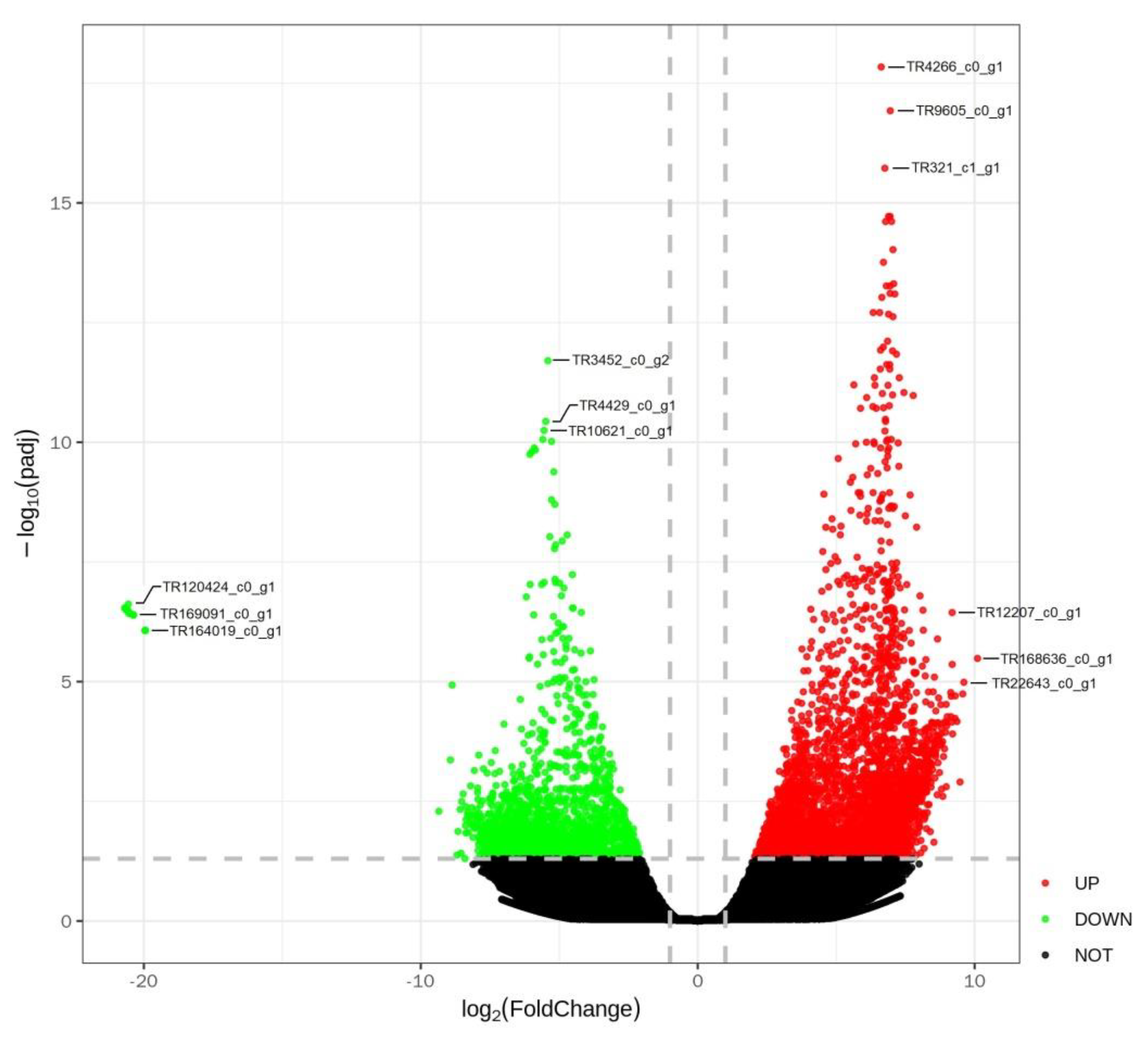
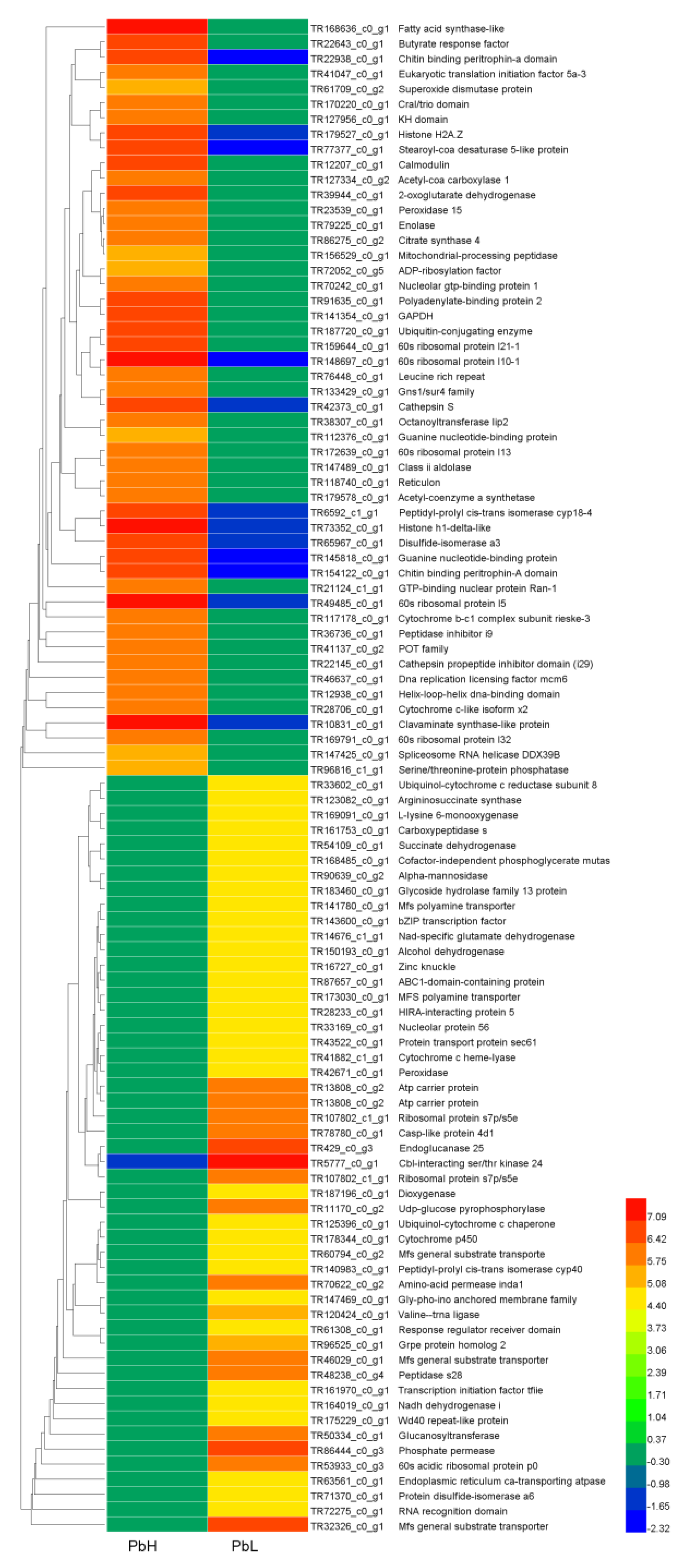
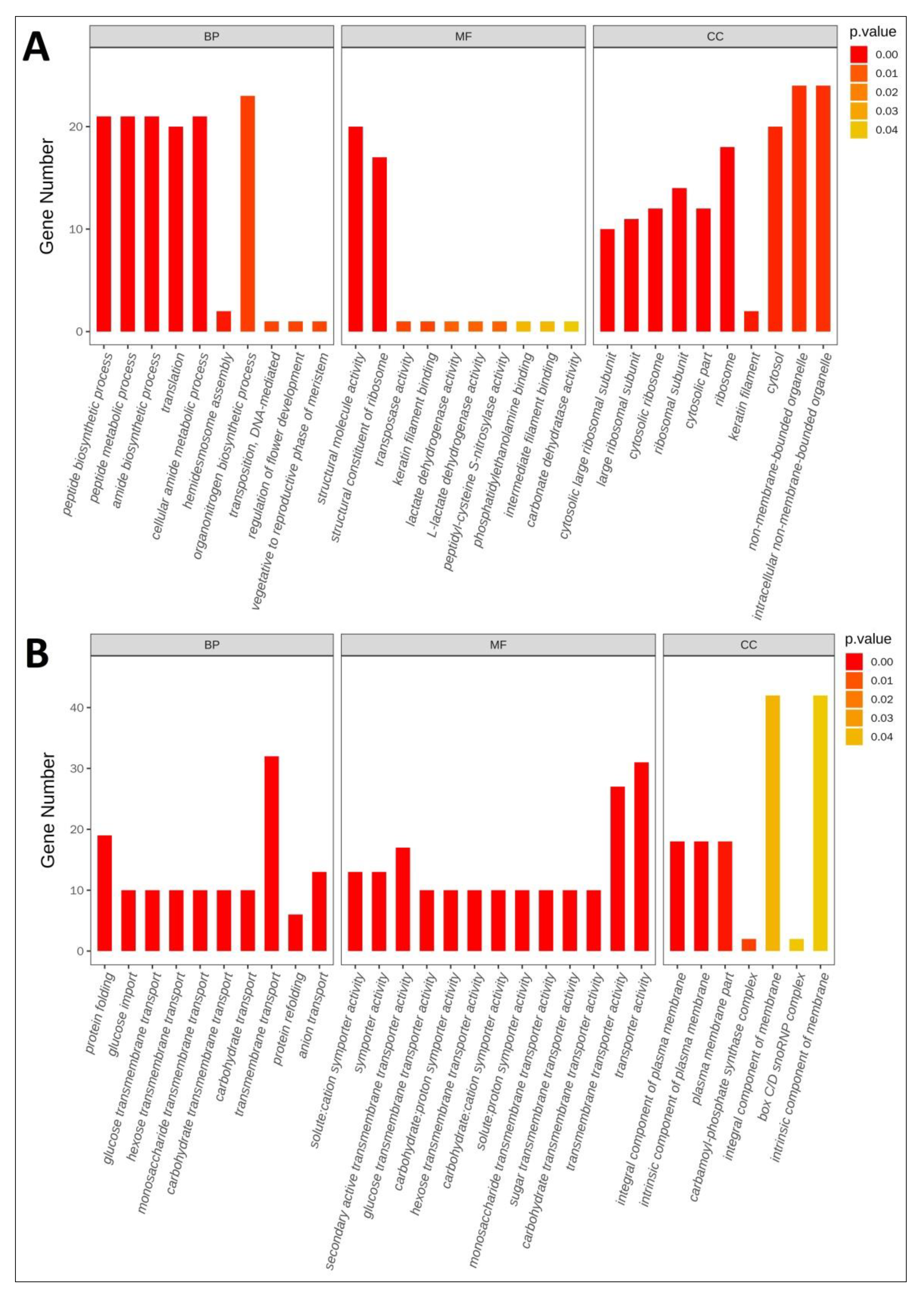
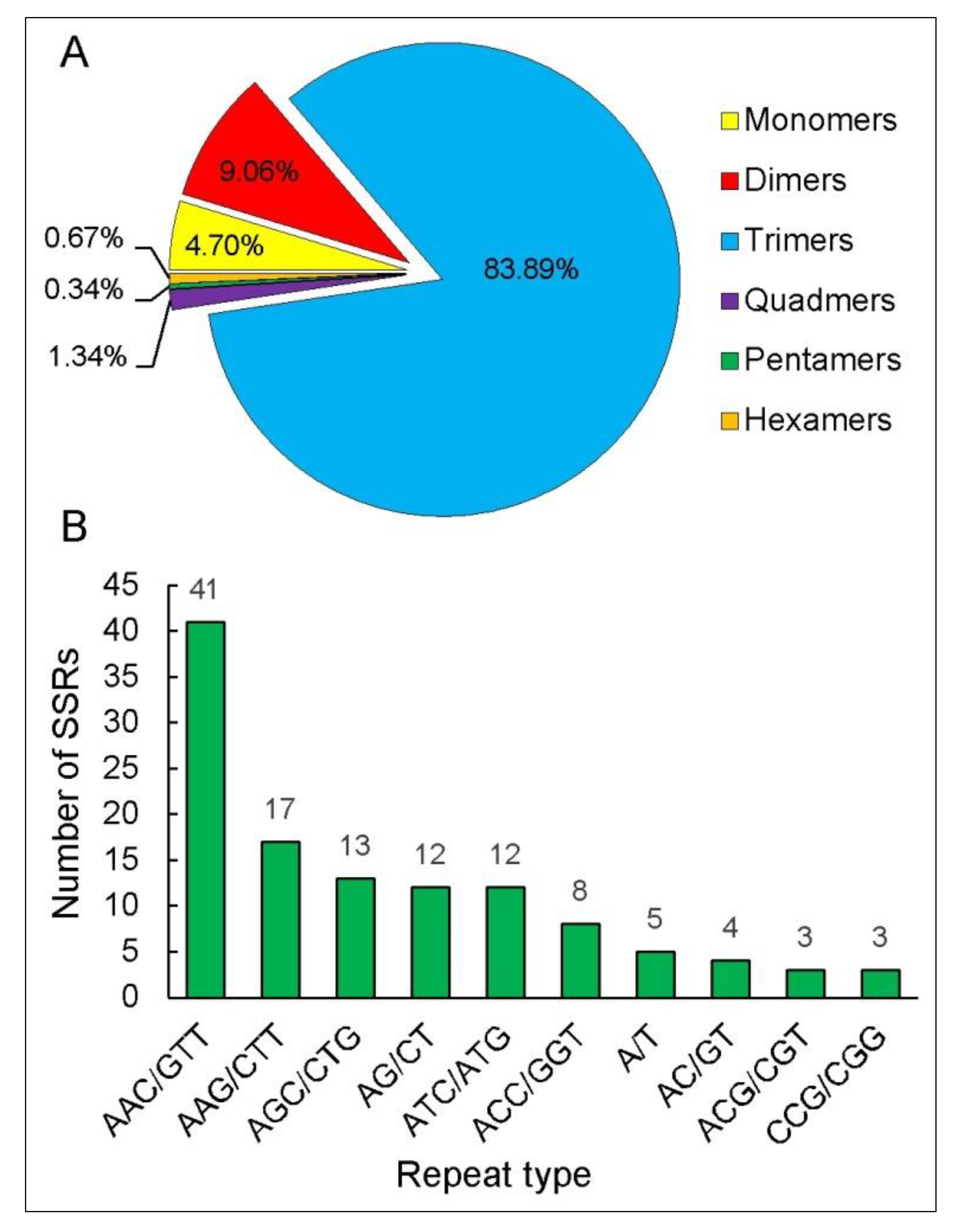
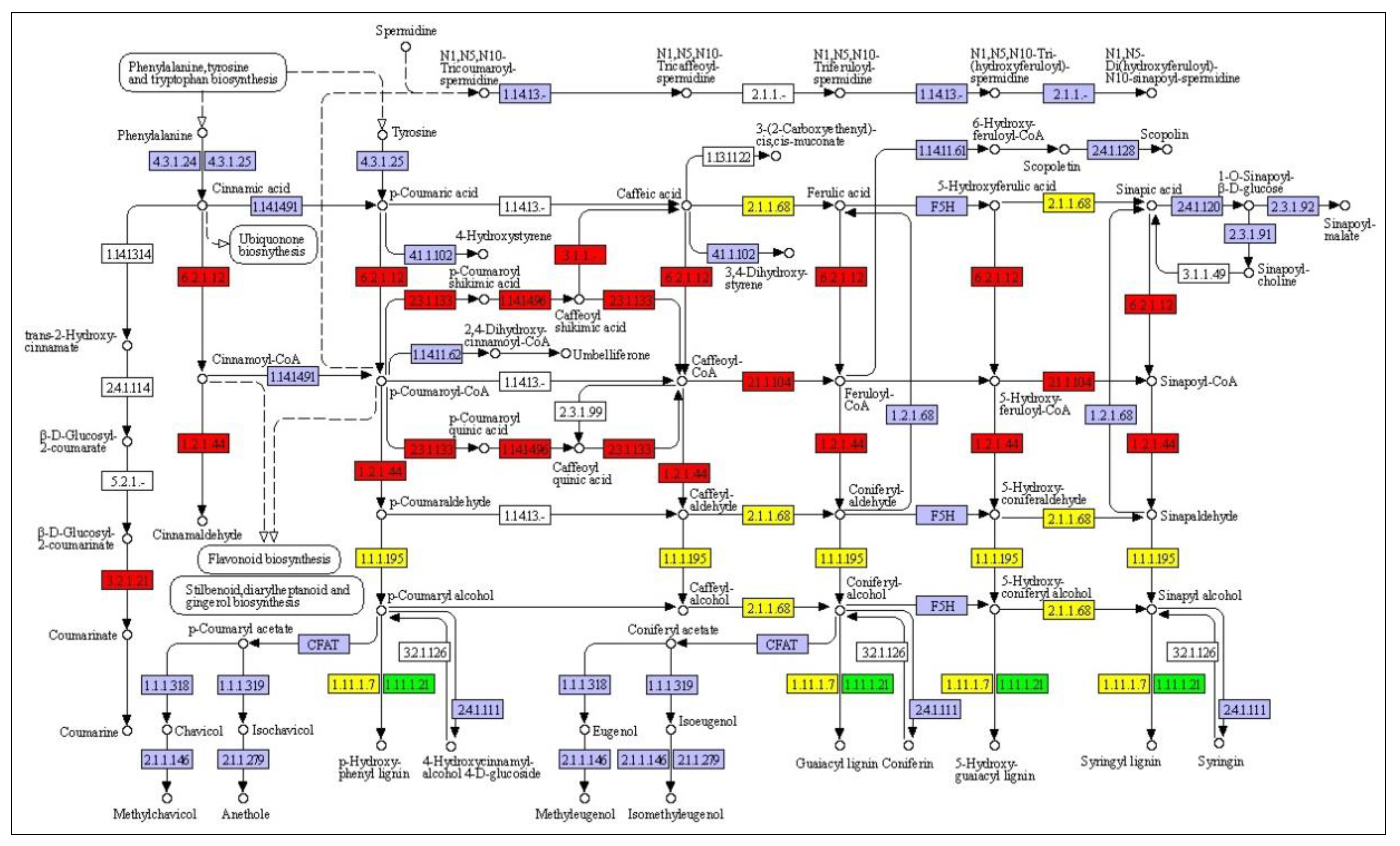
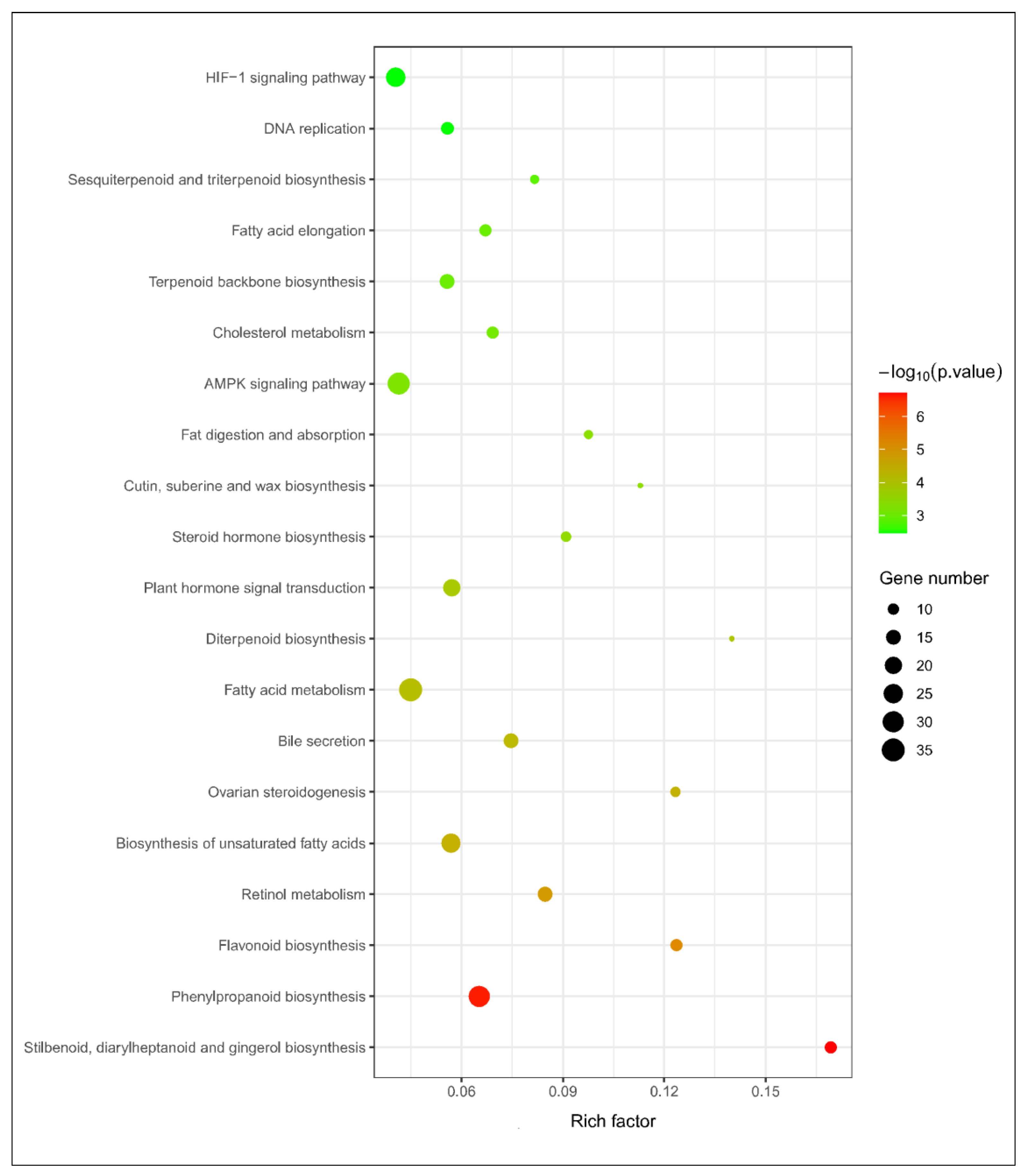
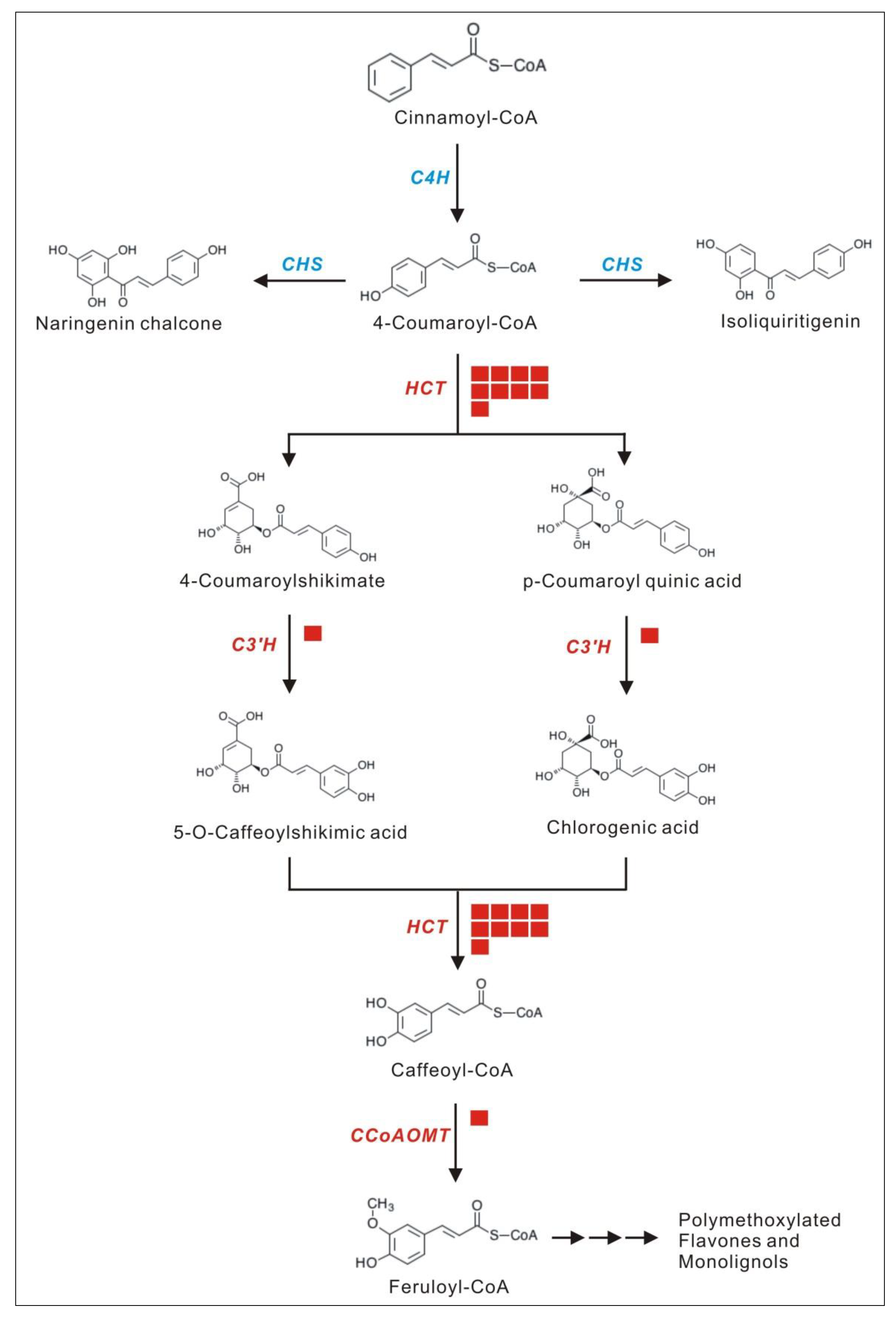
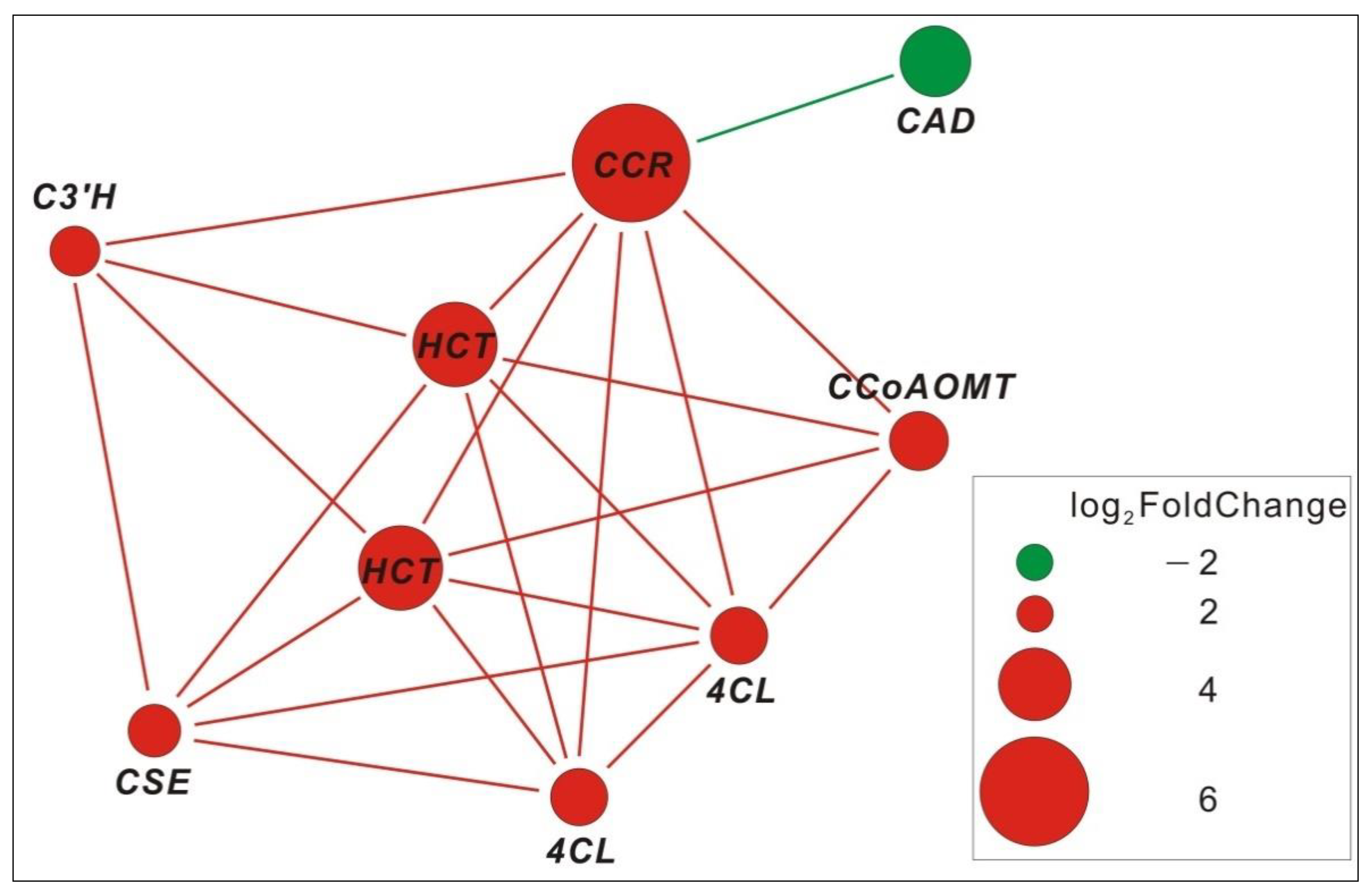
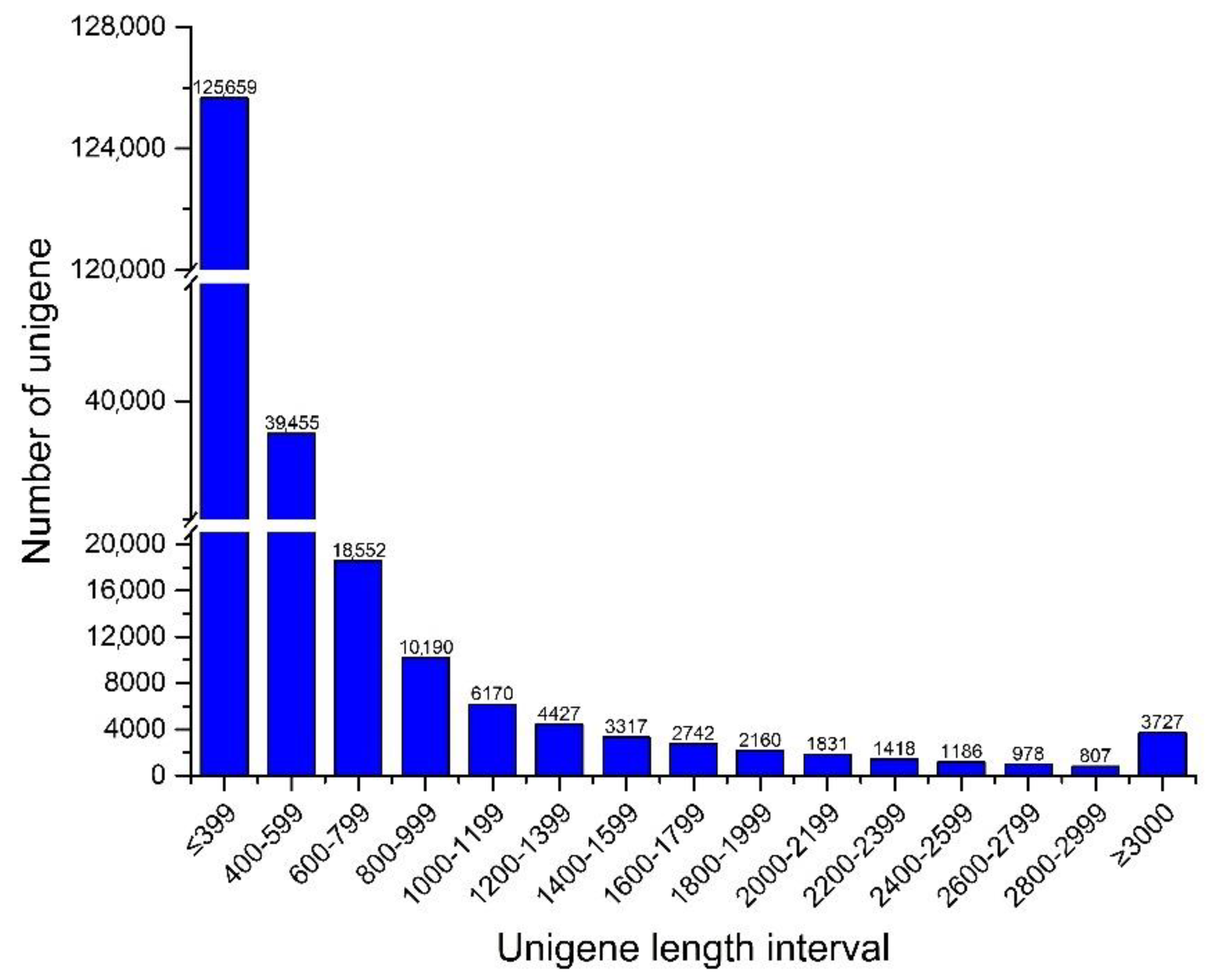
Potentilla bifurca is widely distributed in Eurasia, including the Tibetan Plateau. It is a valuable medicinal plant in the Tibetan traditional medicine system, especially for the treatment of diabetes. This study investigated the functional gene profile of Potentilla bifurca at different altitudes by RNA-sequencing technology, including de novo assembly of 222,619 unigenes from 405 million clean reads, 57.64% of which were annotated in Nr, GO, KEGG, Pfam, and Swiss-Prot databases. The most significantly differentially expressed top 50 genes in the high-altitude samples were derived from plants that responded to abiotic stress, such as peroxidase, superoxide dismutase protein, and the ubiquitin-conjugating enzyme. Pathway analysis revealed that a large number of DEGs encode key enzymes involved in secondary metabolites, including phenylpropane and flavonoids. In addition, a total of 298 potential genomic SSRs were identified in this study, which provides information on the development of functional molecular markers for genetic diversity assessment. In conclusion, this study provides the first comprehensive assessment of the Potentilla bifurca transcriptome. This provides new insights into coping mechanisms for non-model organisms surviving in harsh environments at high altitudes, as well as molecular evidence for the selection of superior medicinal plants.
Keywords: Potentilla bifurca; de novo transcriptome sequencing; high altitude; secondary metabolism; flavonoid metabolism Potentilla bifurca; de novo transcriptome sequencing; high altitude; secondary metabolism; flavonoid metabolism