Article

Integrated Analysis of the Altered lncRNA, microRNA, and mRNA Expression in HBV-Positive Hepatocellular Carcinoma

1
Department of Diagnostics, Medical Integration and Practice Center, Cheeloo College of Medicine, Shandong University, Jinan 250012, China
2
Department of Physiology and Pathophysiology, School of Basic Medical Sciences, Cheeloo College of Medicine, Shandong University, Jinan 250012, China
*
Author to whom correspondence should be addressed.
Life 2022, 12(5), 701; https://doi.org/10.3390/life12050701
Submission received: 1 April 2022 / Revised: 30 April 2022 / Accepted: 2 May 2022 / Published: 7 May 2022
(This article belongs to the Topic Inflammation and Fibrosis in Digestive Diseases)

Abstract

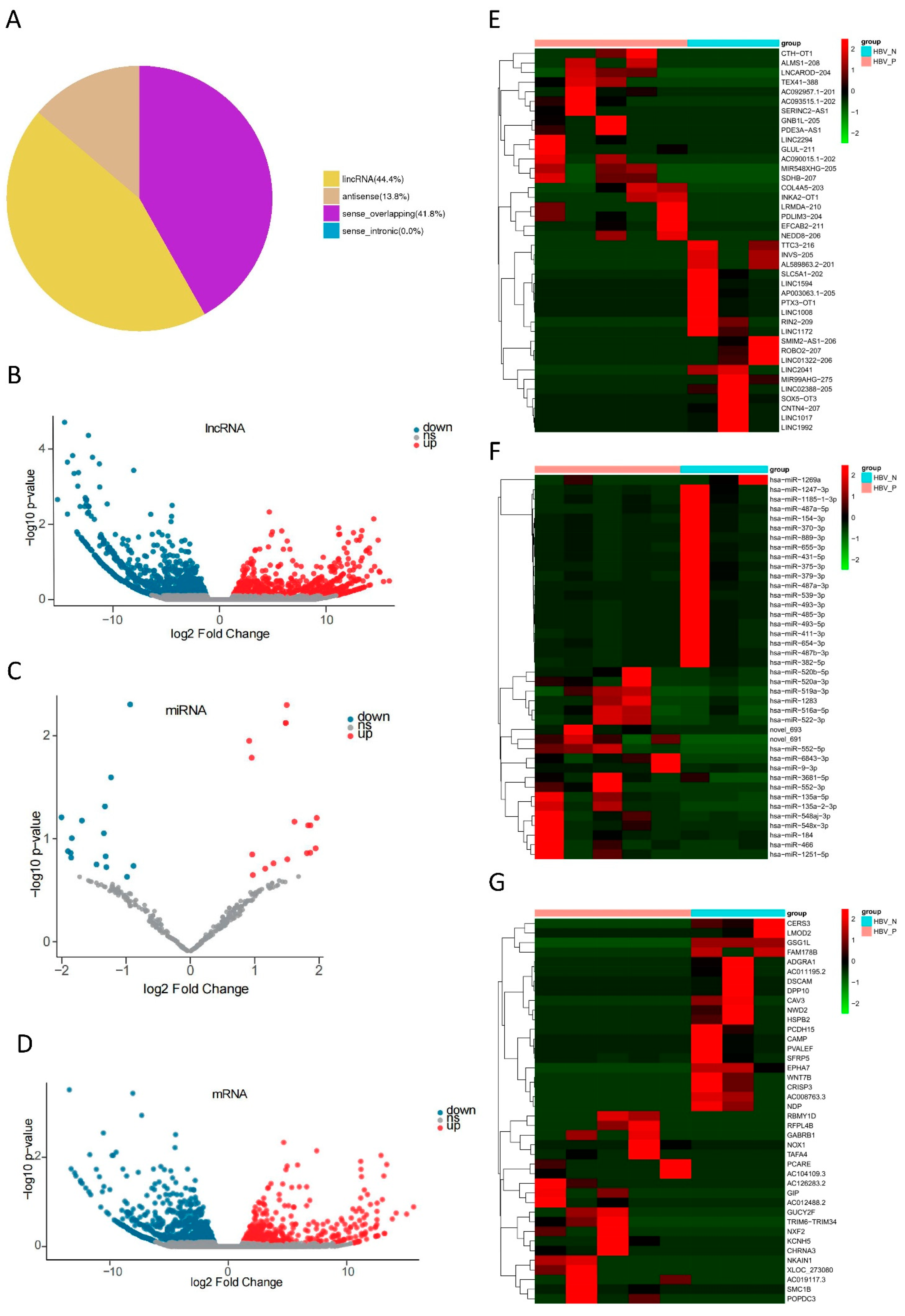
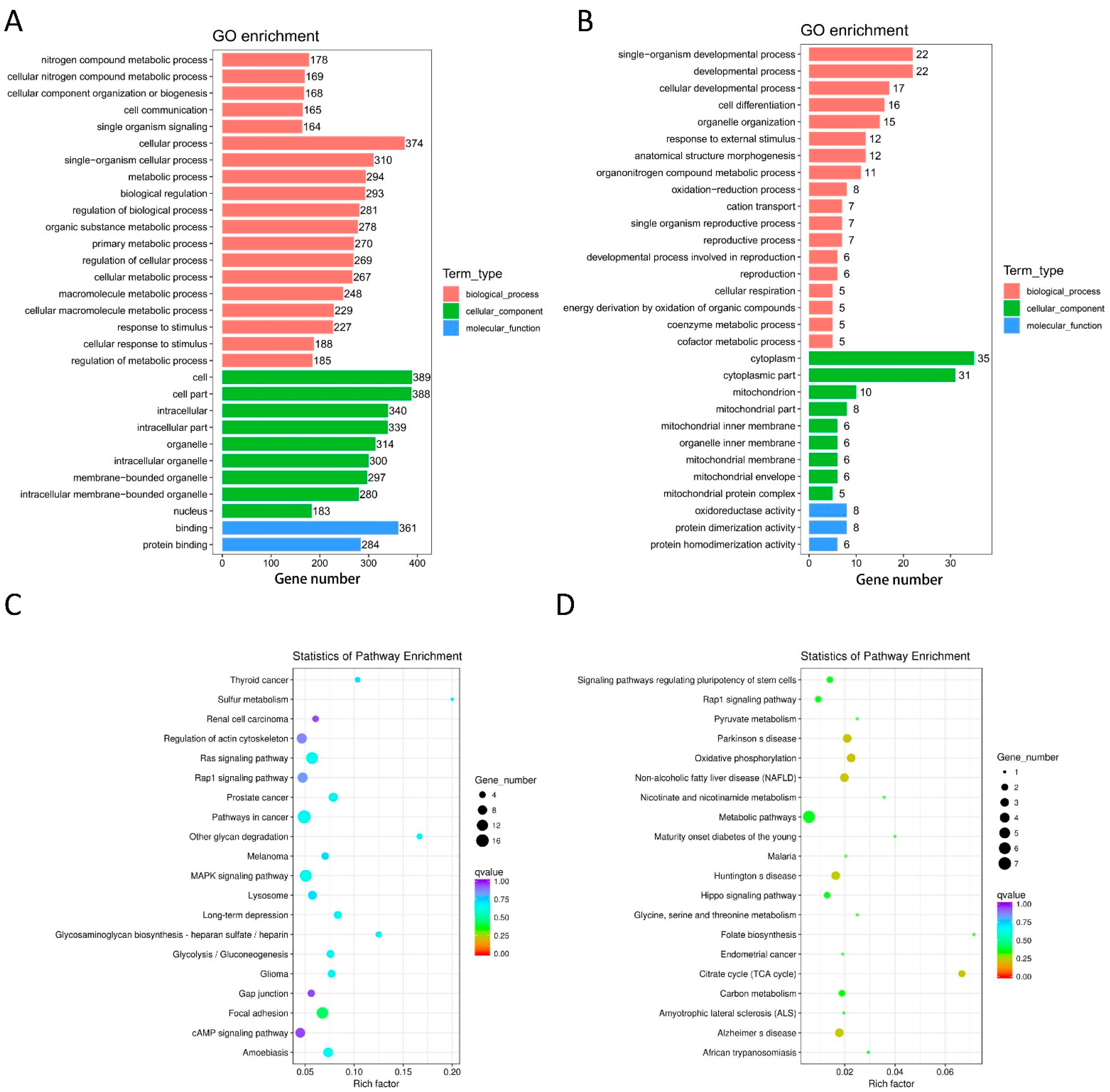
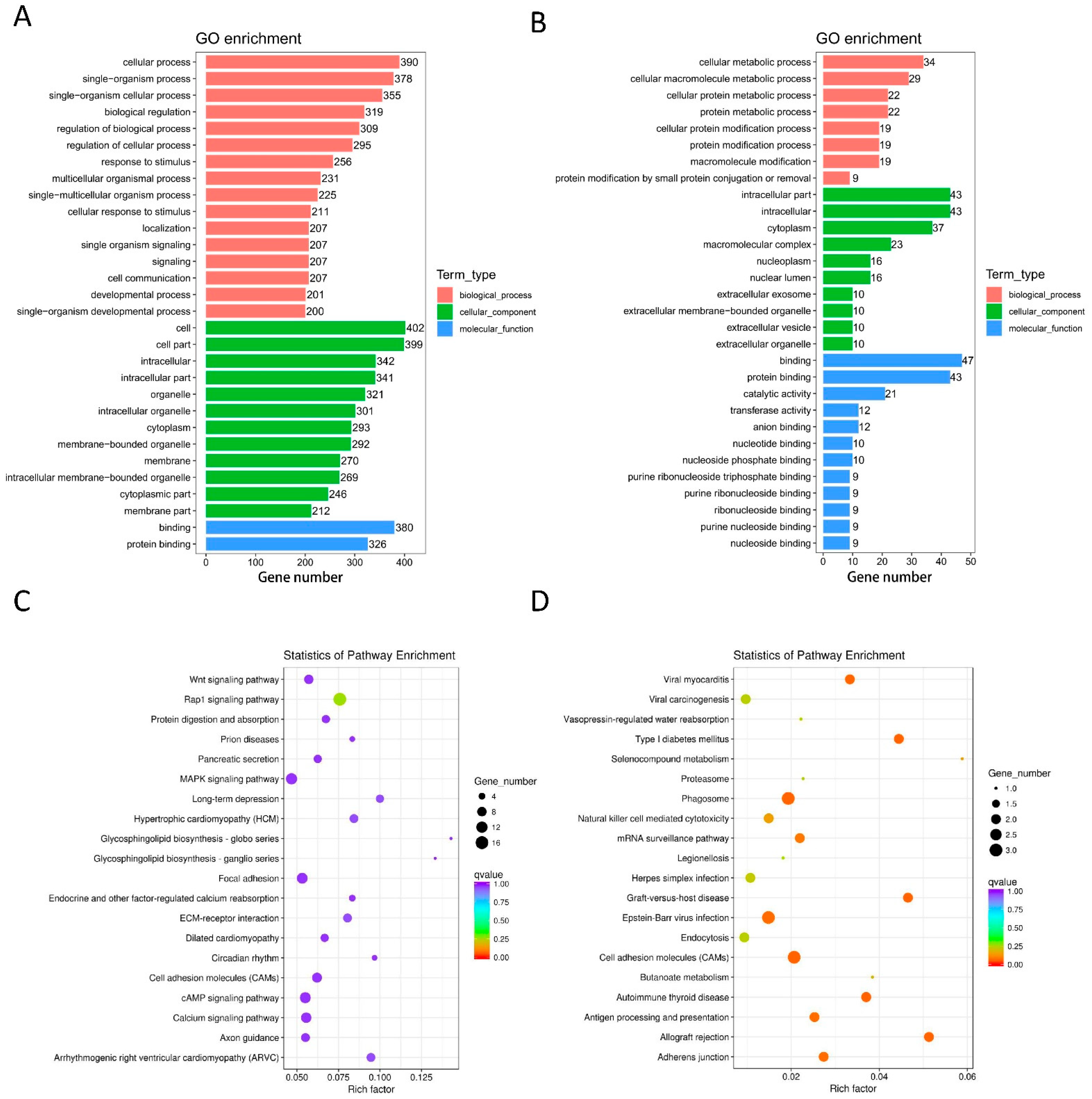
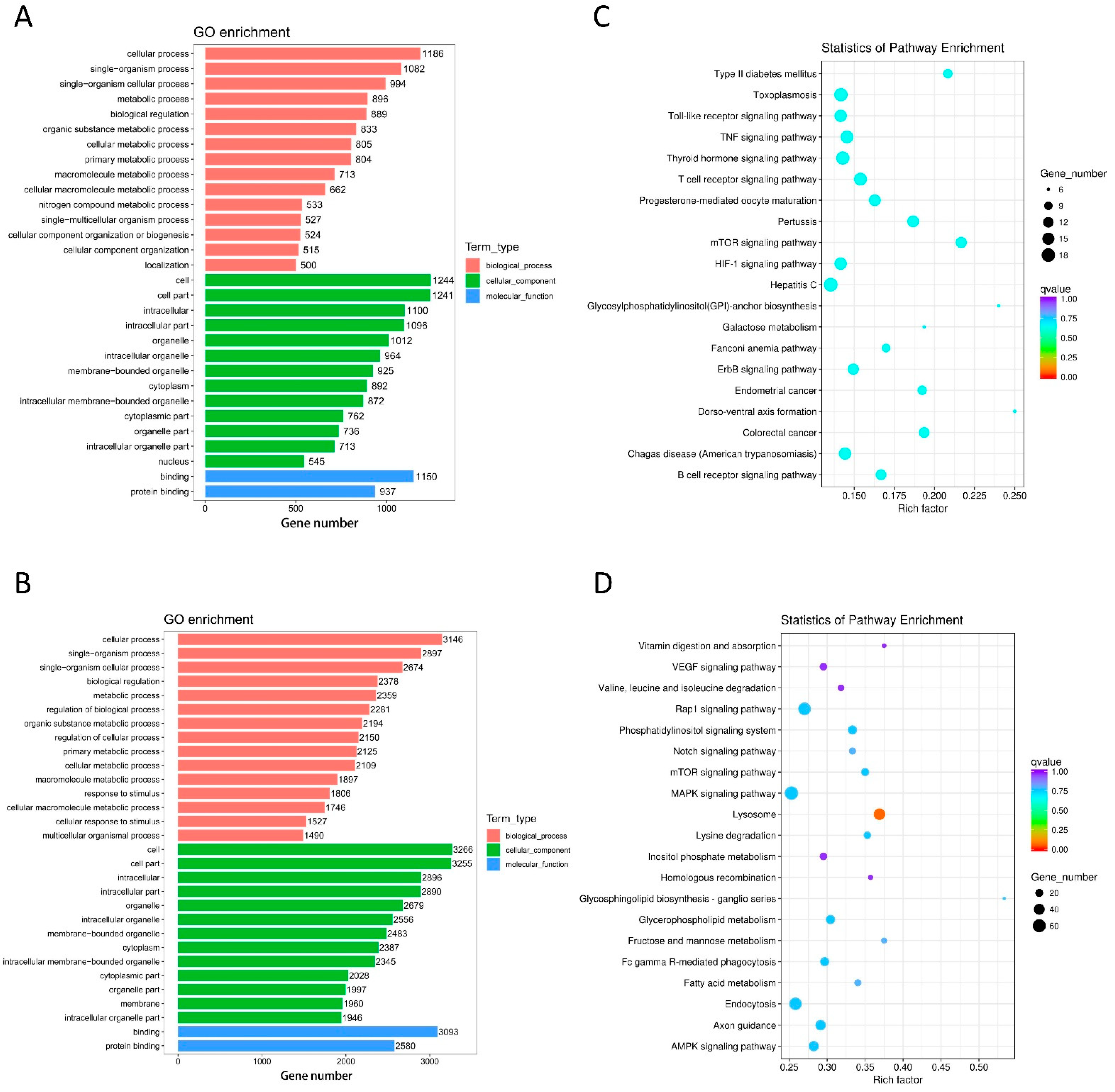
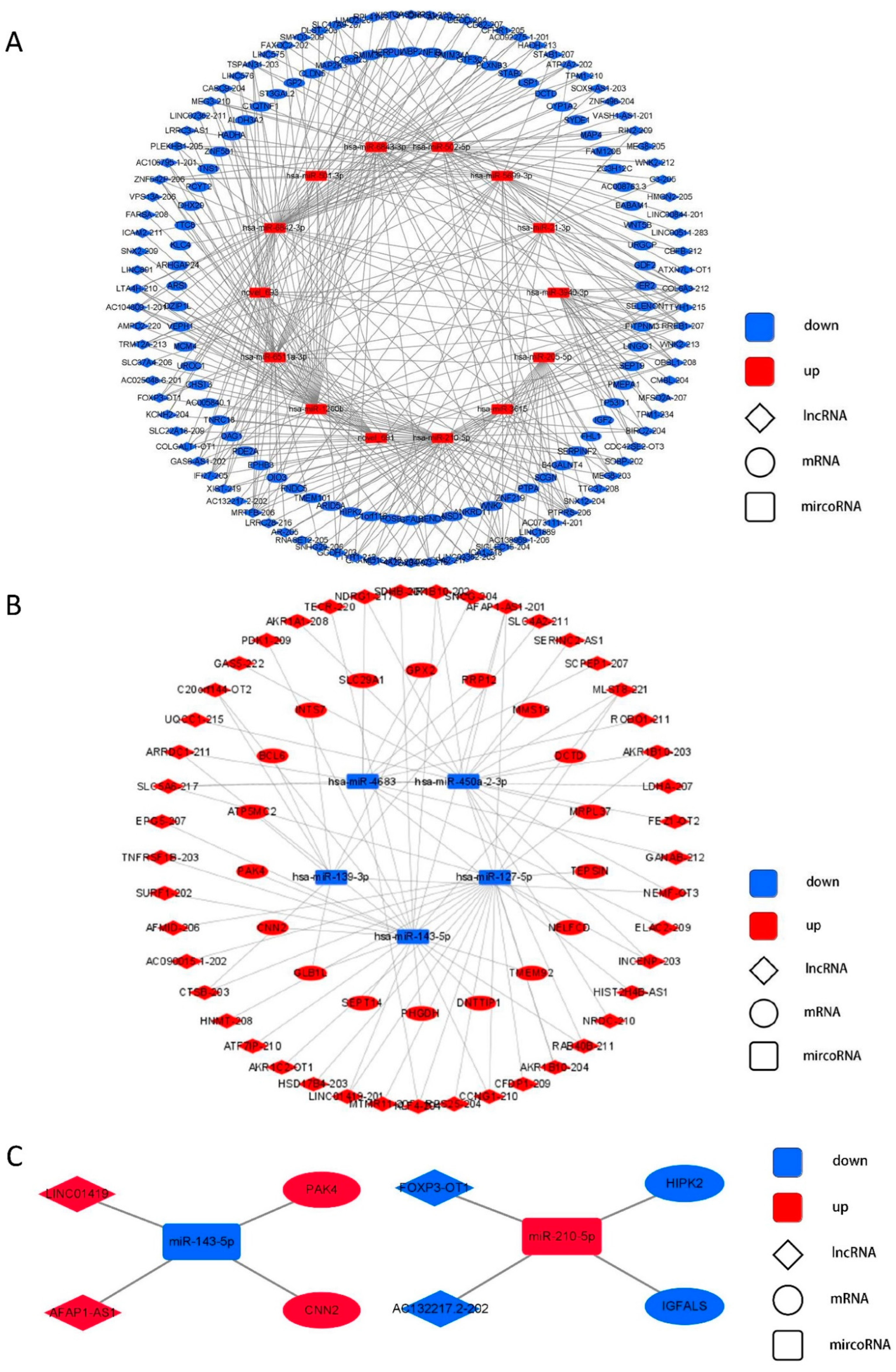
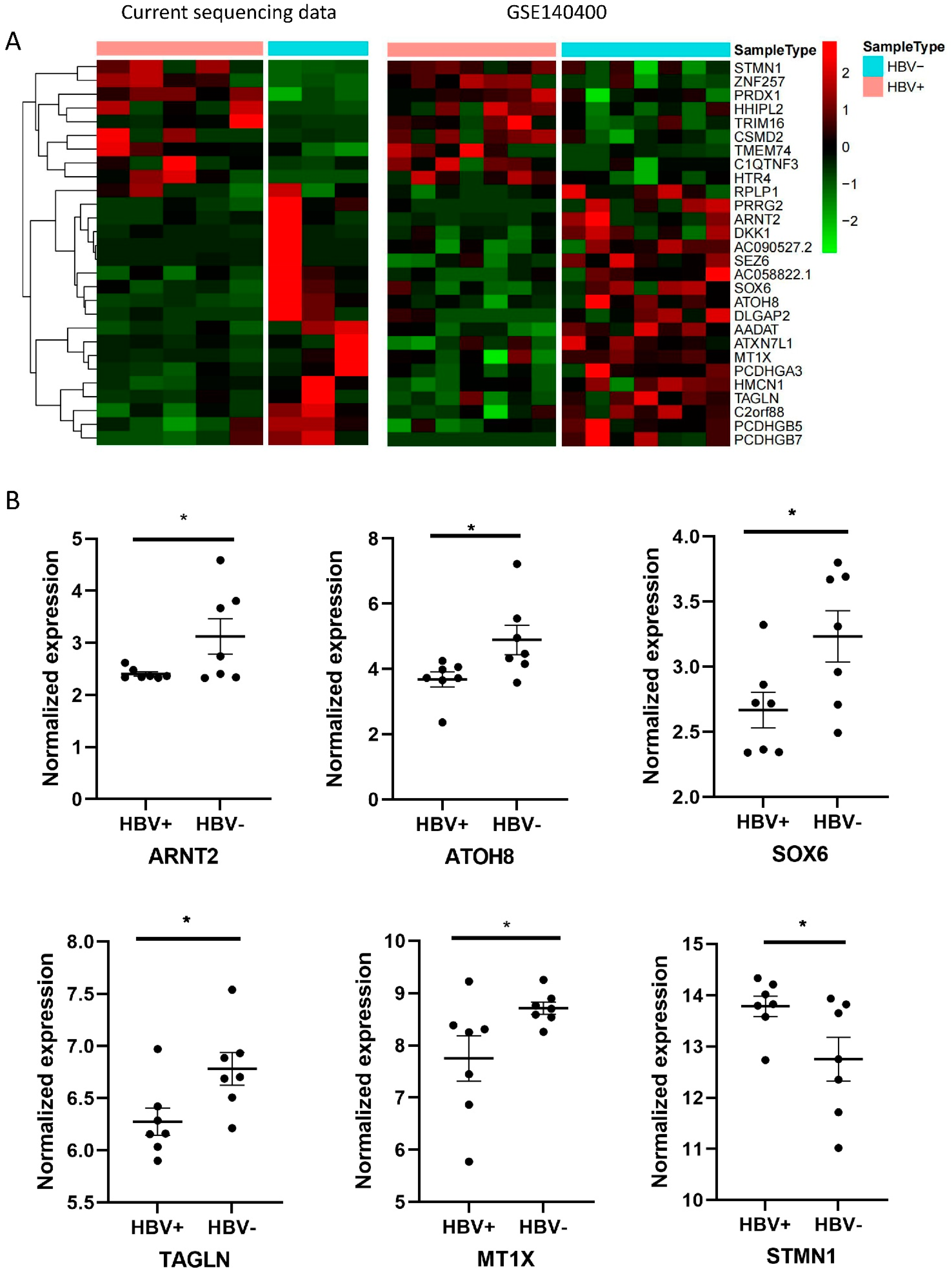
Hepatitis B virus (HBV) infection is the most prominent risk factor for developing hepatocellular carcinoma (HCC), which can increase the incidence of HCC by more than 100 times. Accumulated evidence has revealed that non-coding RNAs (ncRNAs) play a regulatory role in various tumors through the long non-coding RNA (lncRNA)–microRNA (miRNA)–mRNA regulation axis. However, the involvement of the ncRNA regulatory network in the progression of HBV infection-induced HCC remains elusive. In the current work, five tumor samples from patients with hepatitis B surface antigen (HBsAg)-positive HCC and three tumor samples from patients with HBsAg-negative HCC were collected for whole-transcriptome sequencing. Between the two groups, 841 lncRNAs, 54 miRNAs, and 1118 mRNAs were identified to be differentially expressed (DE). The Gene Ontology (GO) and Kyoto Encyclopedia of Genes and Genomes (KEGG) analyses indicated that DE genes were mainly involved in cancer-related pathways, including Wnt and MAPK signaling pathways. The Gene Expression Omnibus (GEO) analysis further validated the selected DE mRNAs. The DE lncRNA–miRNA–mRNA network was built to explore the effect of HBV infection on the regulation of ncRNAs in HCC. These findings provide novel insights into the role of HBV infection in the progression of HCC.
Keywords: lncRNA; microRNA; mRNA; HBV; HCC lncRNA; microRNA; mRNA; HBV; HCC