Article

Adaptive Weight Generation Neural Network LQR Control for Energy-Regenerative Suspension

1
Automotive Engineering Research Institute, Jiangsu University, Zhenjiang 212013, China
2
Yangzhou Jianghuai Light Vehicle Co., Ltd., Yangzhou 212013, China
3
Institute of Industrial Science, The University of Tokyo, Tokyo 153-8505, Japan
4
Department of Mechanical Engineering, Wayne State University, Detroit, MI 48202, USA
*
Author to whom correspondence should be addressed.
Machines 2026, 14(8), 839; https://doi.org/10.3390/machines14080839

Submission received: 29 June 2026 / Revised: 20 July 2026 / Accepted: 22 July 2026 / Published: 24 July 2026
(This article belongs to the Special Issue Advances in Vehicle Suspension System Optimization and Control)

Abstract

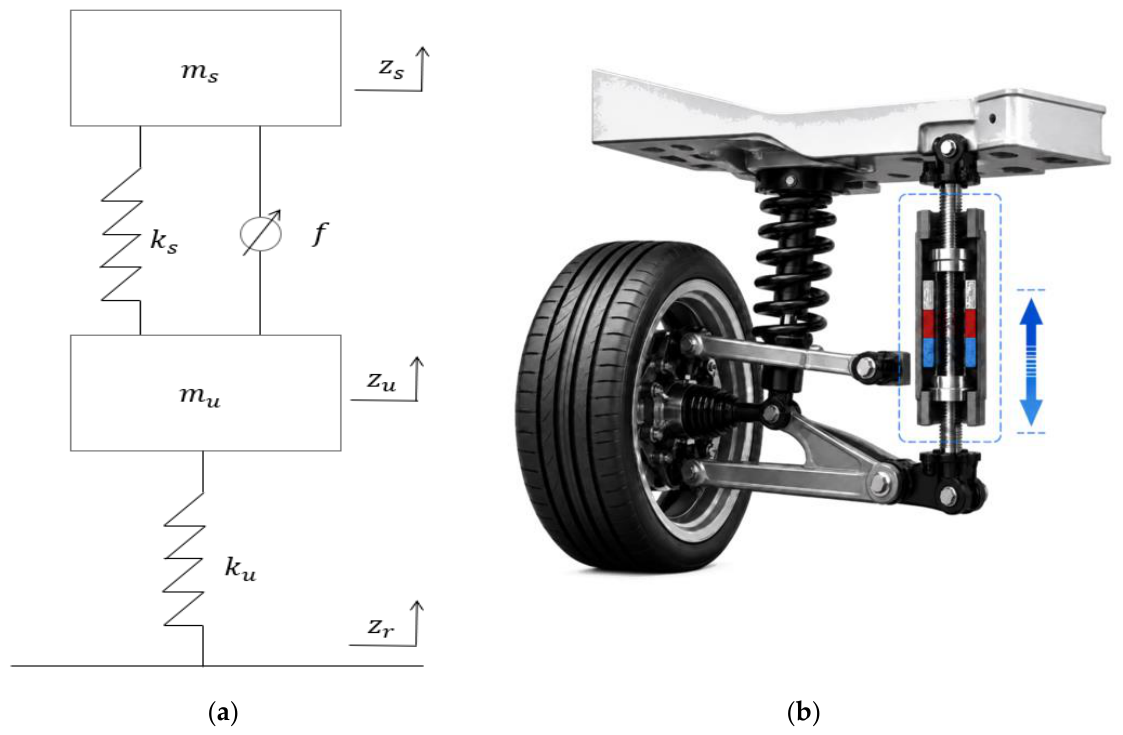
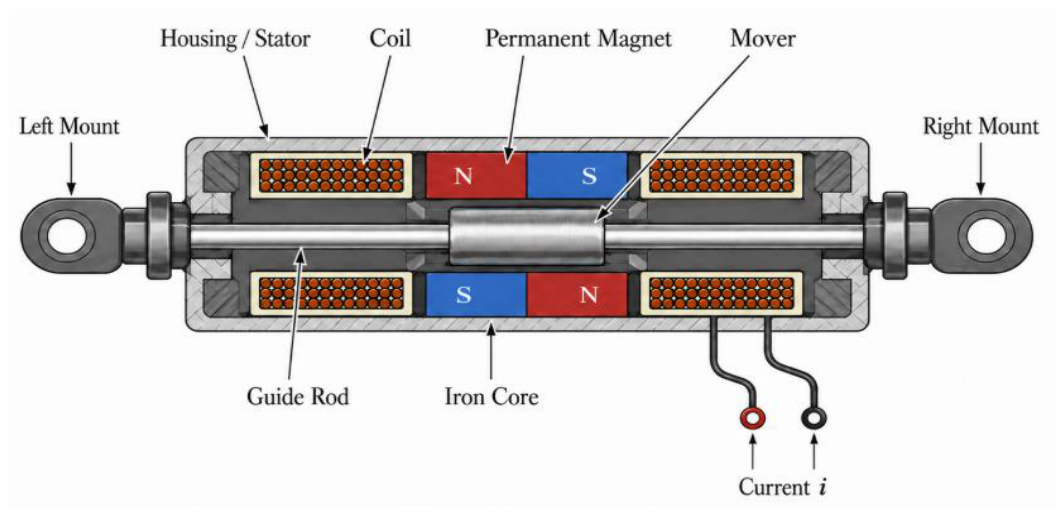
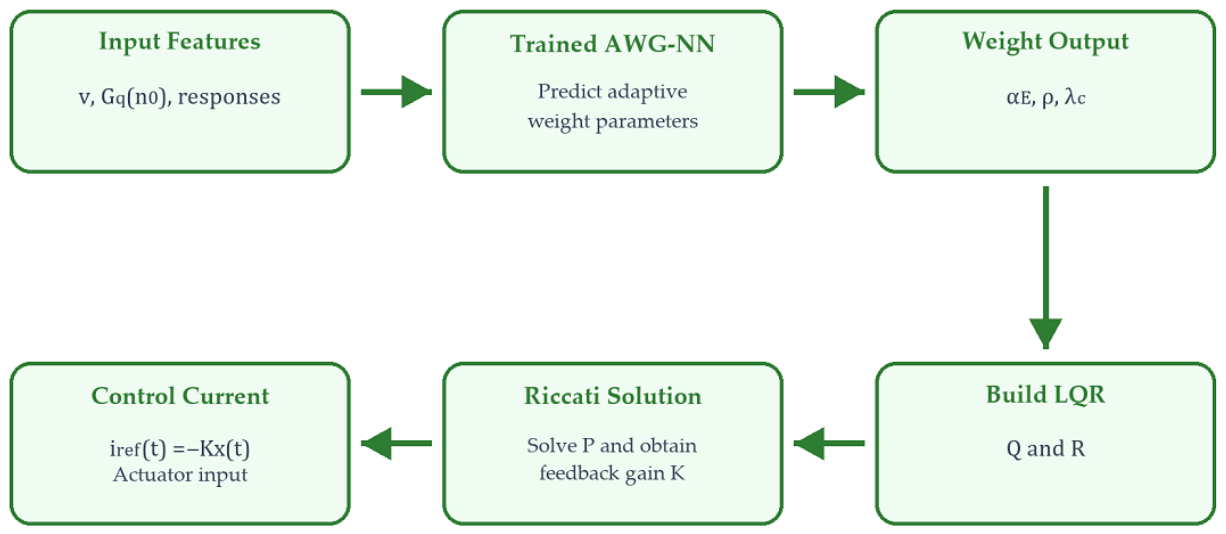
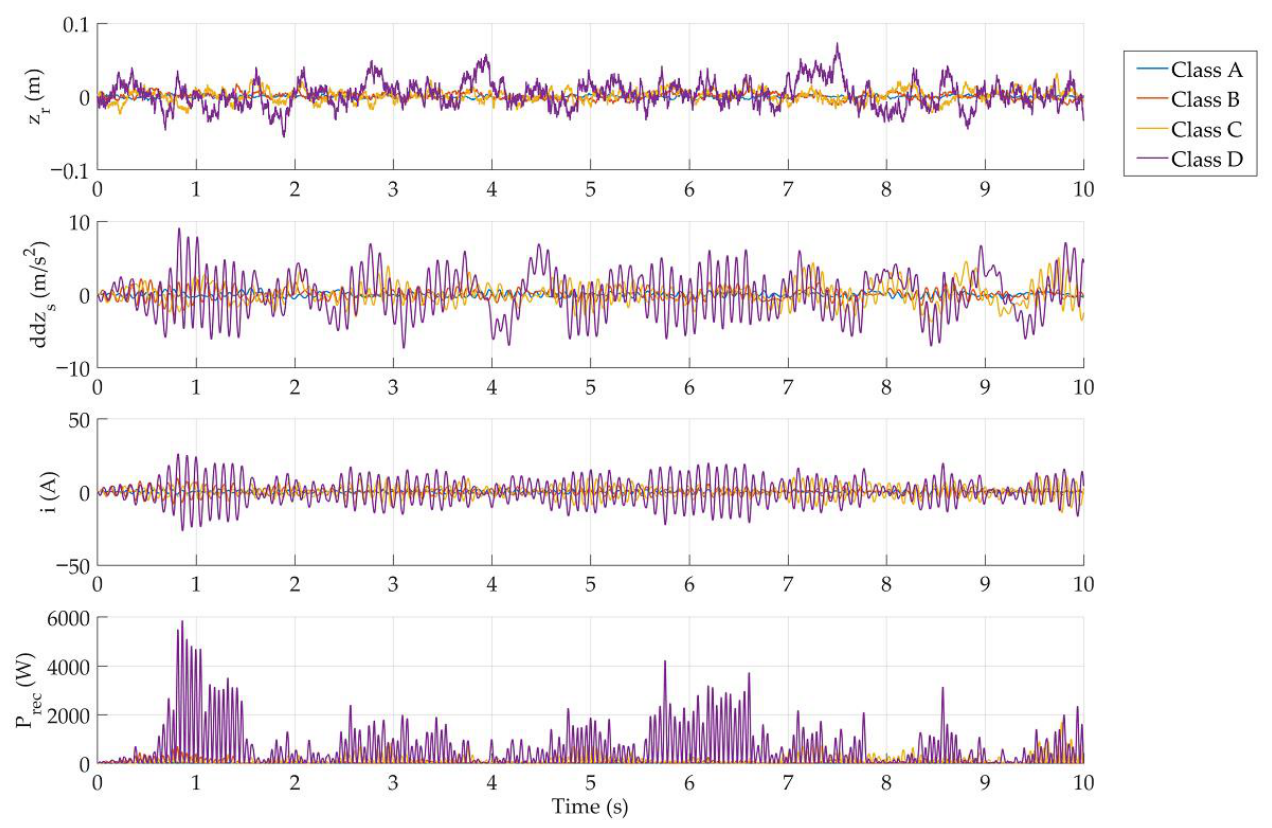
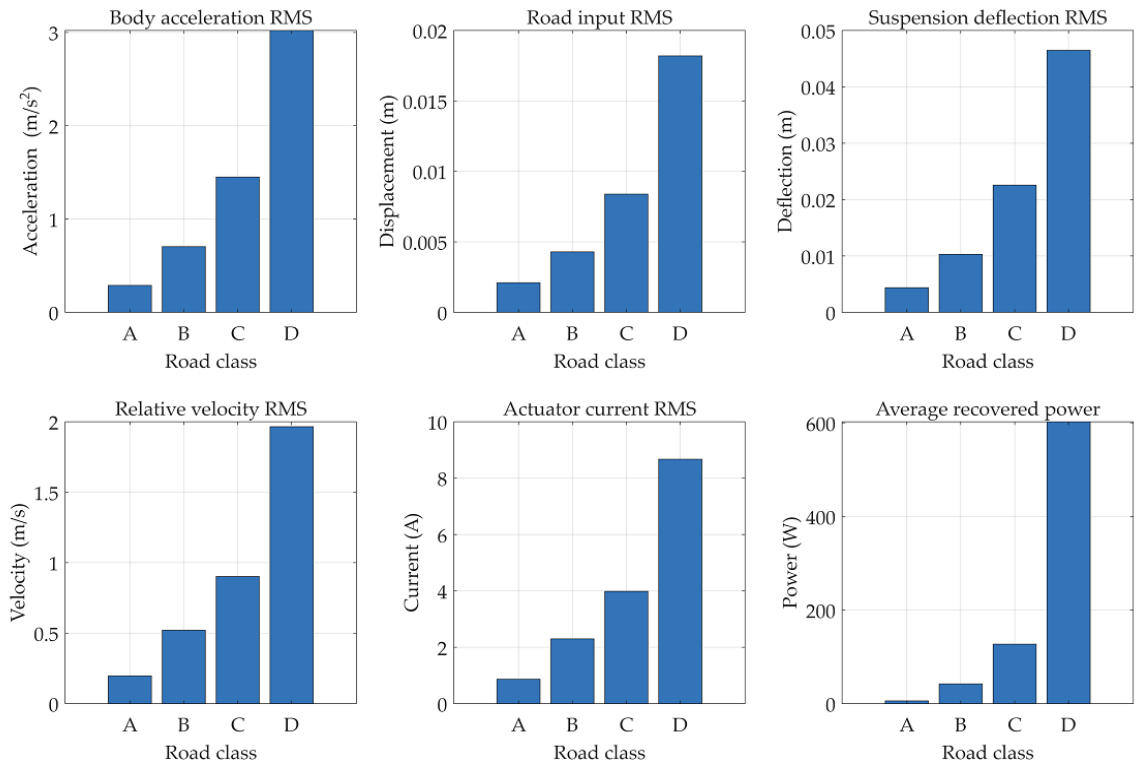
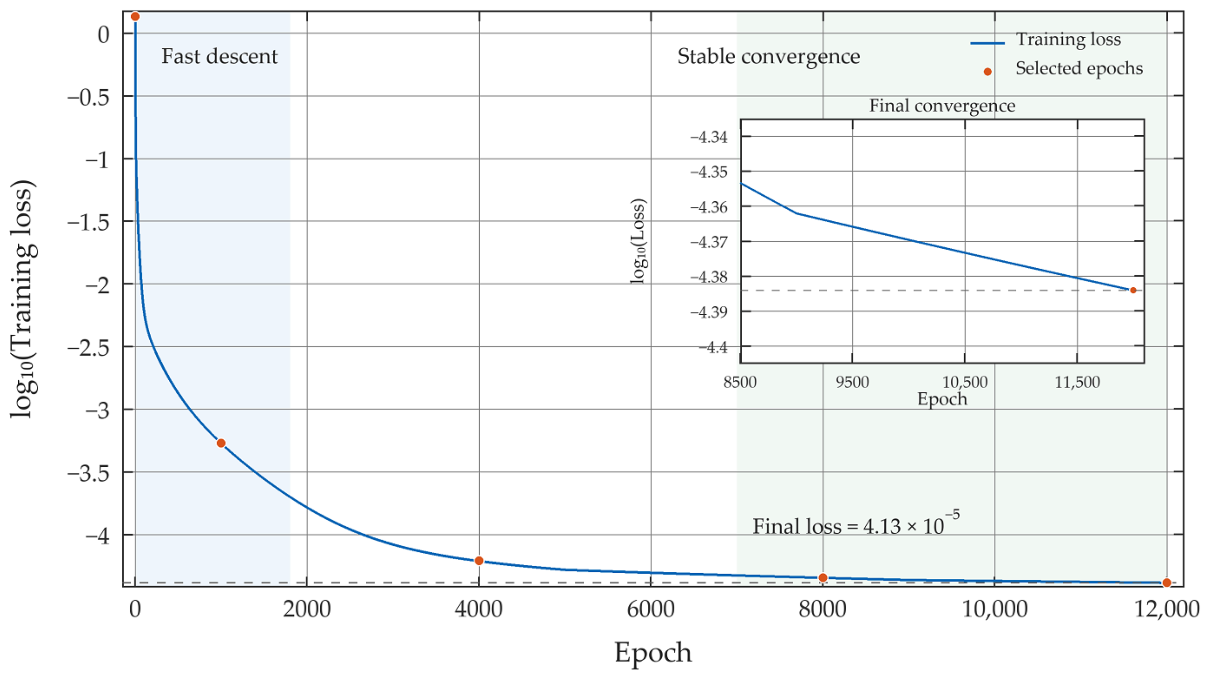
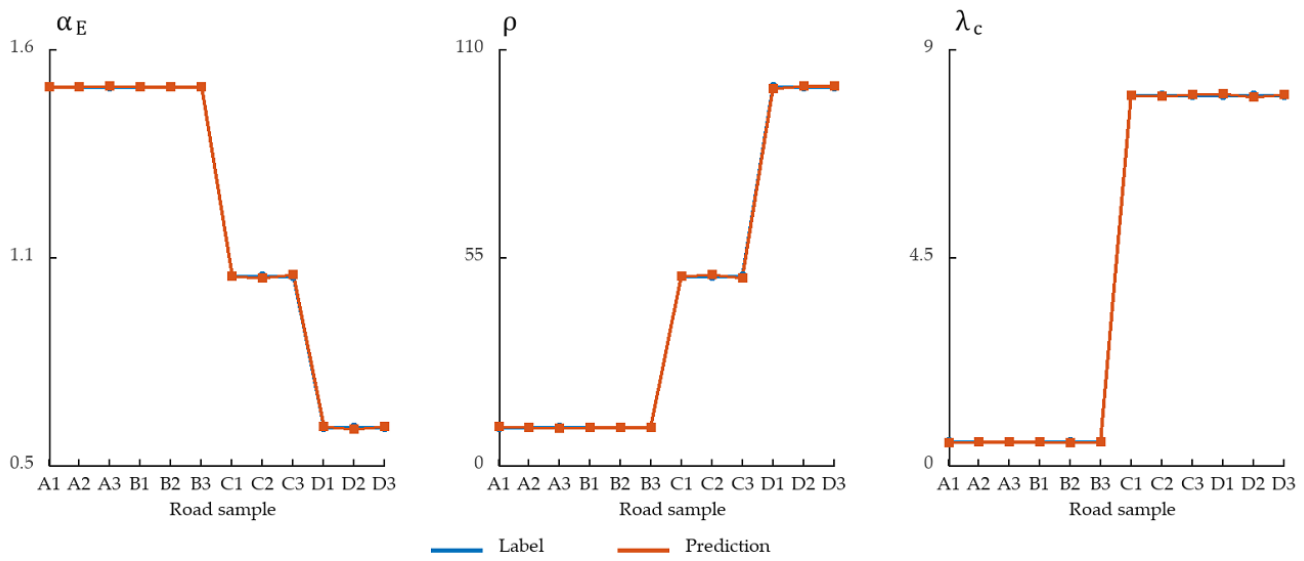
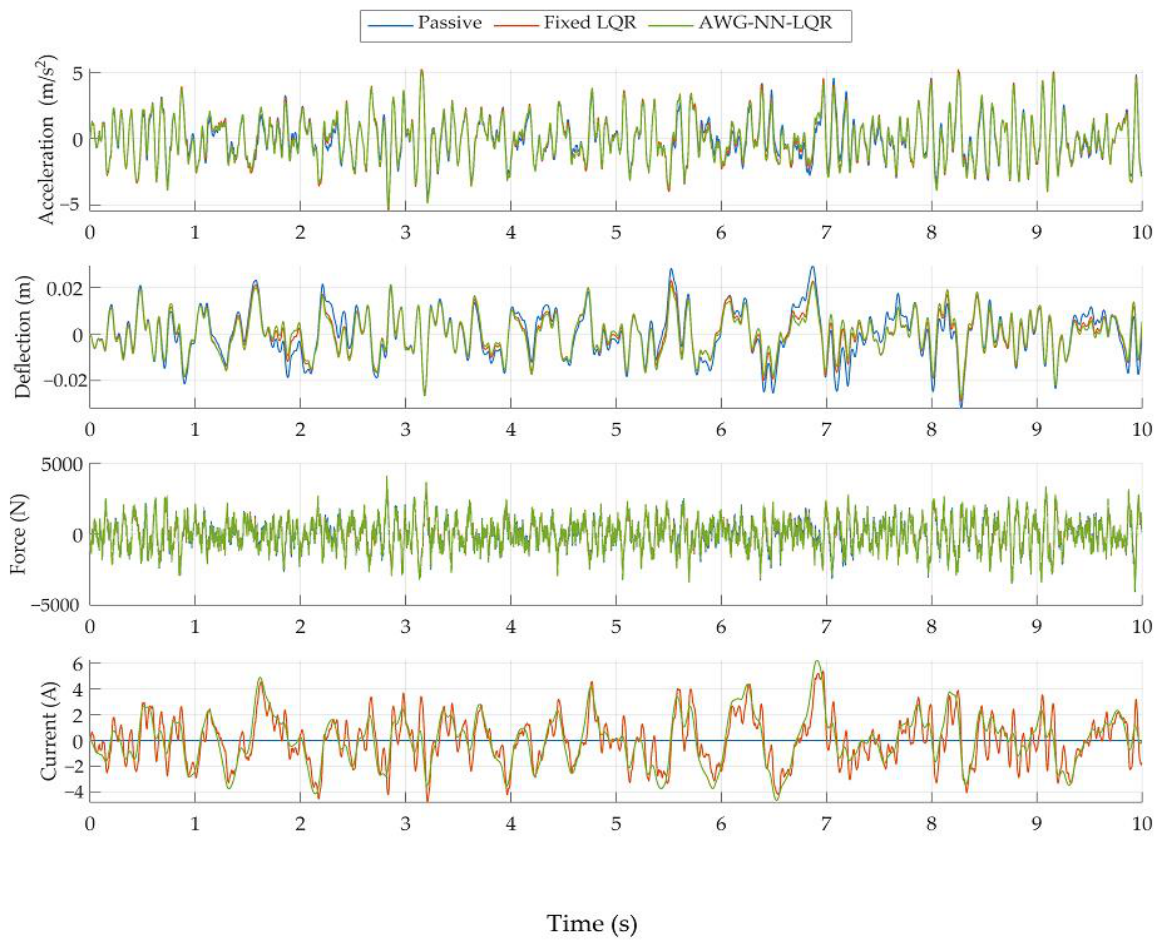
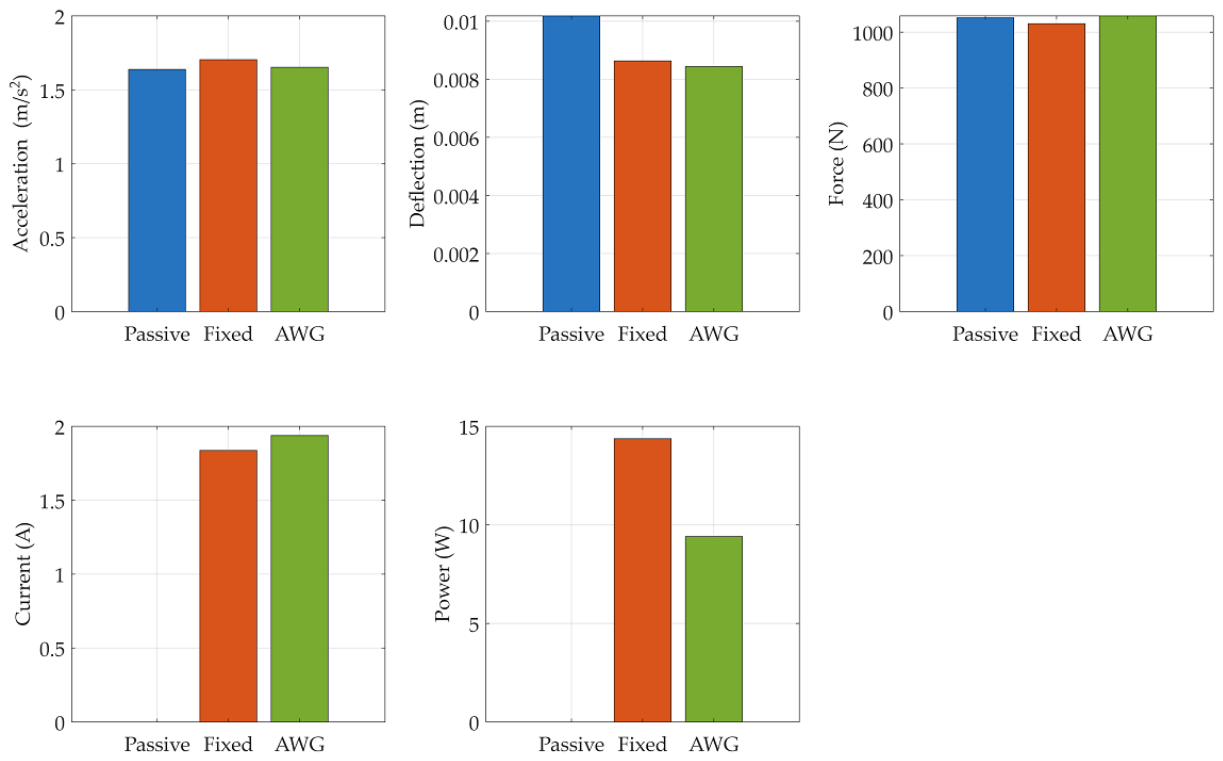
Vehicle energy-regenerative suspension can convert part of the vibration energy induced by road excitation into electrical energy. However, there are coupled performance conflicts among energy recovery, ride comfort, and suspension safety, and a fixed-weight LQR controller finds it difficult to maintain a reasonable performance compromise under different road conditions. To address this problem, this paper proposes an AWG-NN-LQR control method based on an Adaptive Weight Generation neural network. First, a quarter-car energy-regenerative suspension model, an electromagnetic actuator model, and a random road model are established, and the vertical vehicle responses and energy-regeneration characteristics under different road classes are analyzed. Second, vehicle speed, road roughness coefficient, and statistical features of vehicle responses are used as inputs. LQR weight labels are generated through offline closed-loop simulation and candidate-weight search, and the AWG-NN is trained to learn the nonlinear mapping relationship between road conditions and weight parameters. Finally, closed-loop comparative validation is conducted for the passive suspension, fixed-weight LQR, and AWG-NN-LQR under a typical class-C road condition. The results show that, compared with the fixed-weight LQR, AWG-NN-LQR reduces the RMS of body acceleration from 1.7041 m/s2 to 1.6527 m/s2, and reduces the RMS of suspension deflection from 0.00863 m to 0.00844 m, while achieving an average regenerated power of 9.41 W. The proposed method can improve the objective-bias problem of the fixed-weight LQR under a typical operating condition while maintaining a certain energy-regeneration capability, providing a feasible approach for multi-objective adaptive control of energy-regenerative suspension.
Keywords: energy-regenerative suspension; neural network; ride comfort; energy recovery energy-regenerative suspension; neural network; ride comfort; energy recovery