1. Introduction
Heavy machinery, particularly skid-steer loaders, plays a strategic role in sectors such as construction, mining, and agriculture, where their compact geometry, maneuverability, and functional versatility enable operations to be carried out in confined spaces and under severe service conditions [
1,
2,
3]. In this context, productivity cannot be separated from structural reliability or operator safety, since repeated loads, impacts, soil–tool interaction, and aggressive working environments accelerate mechanical deterioration and increase the risk of failure [
2,
4,
5].
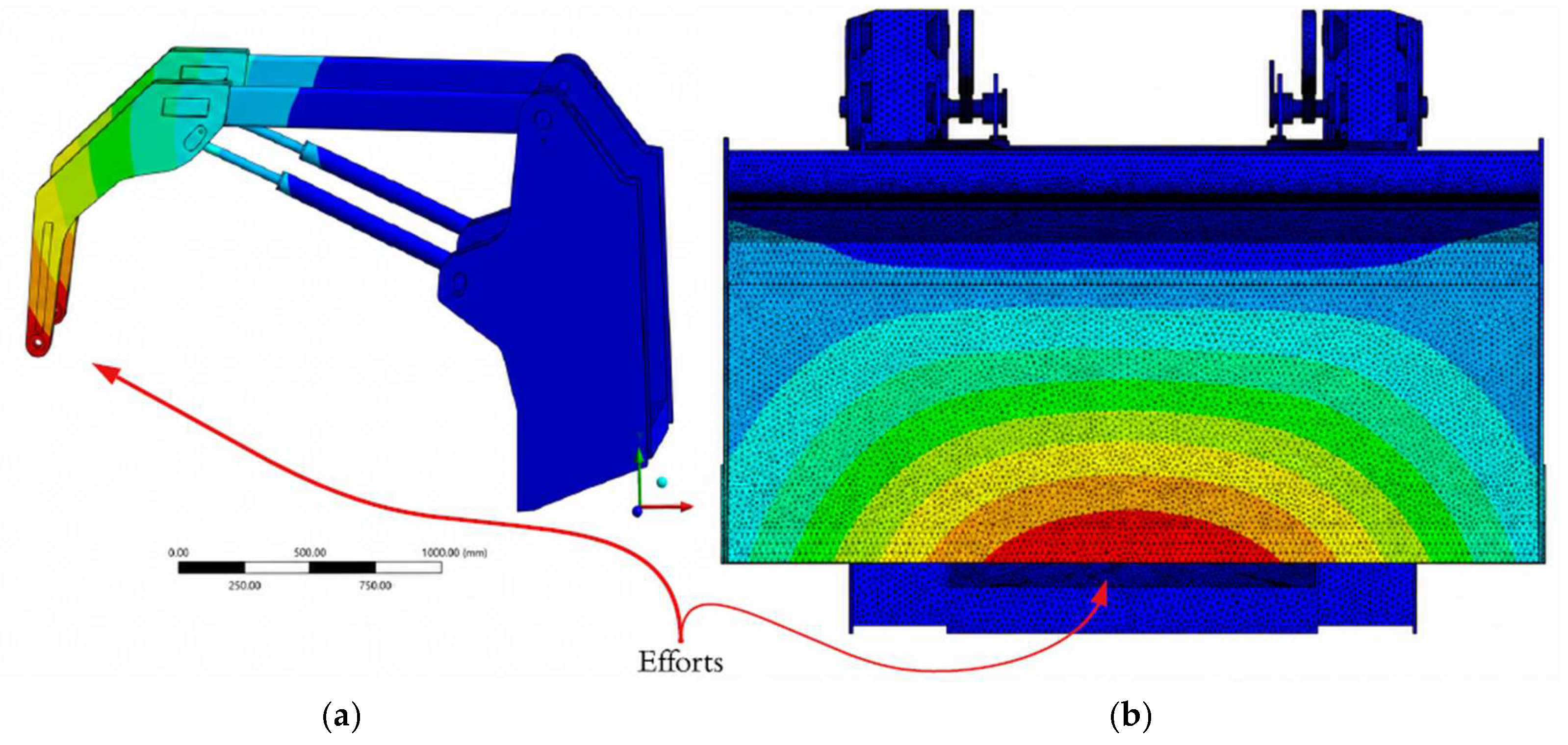
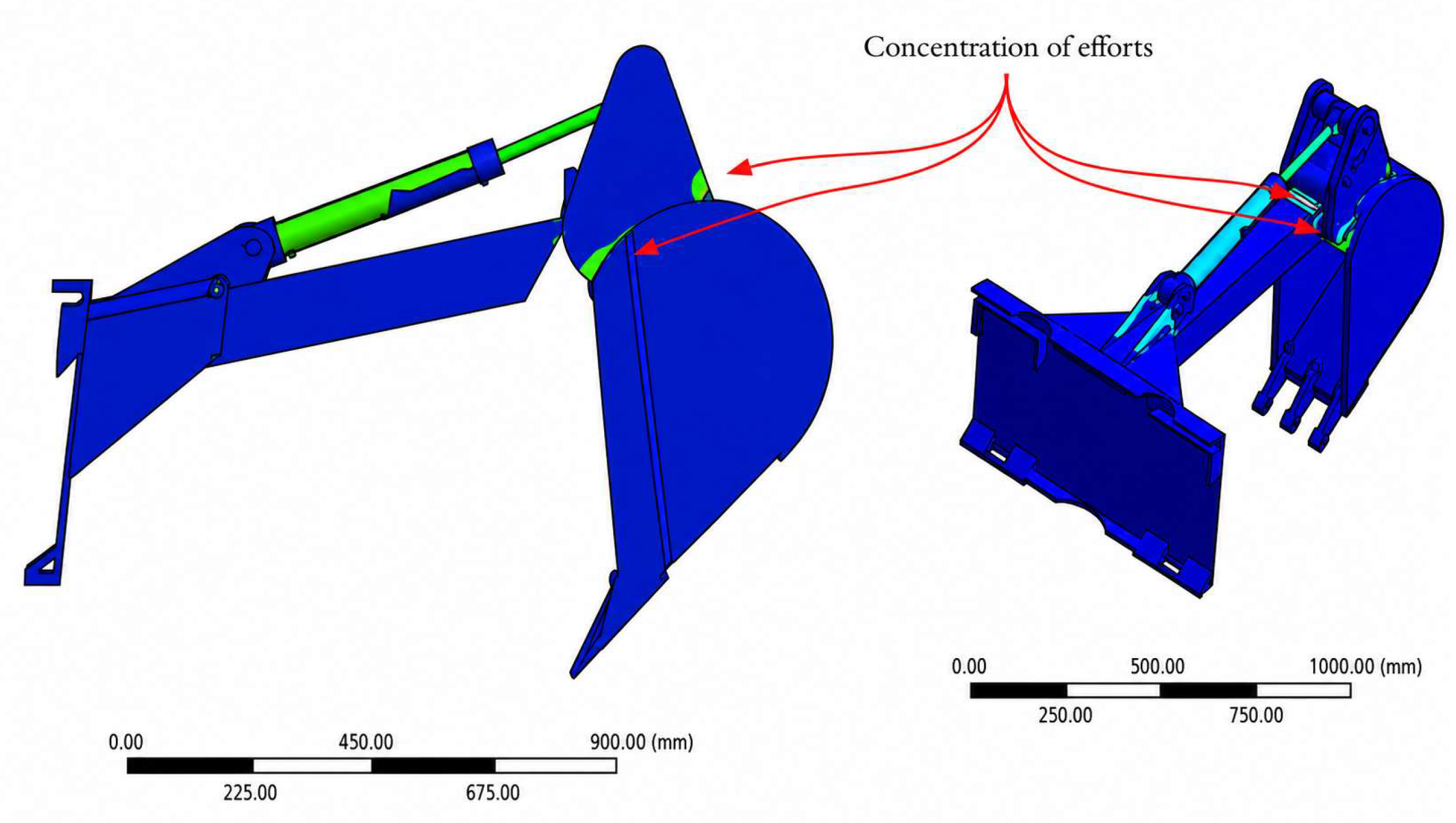
One of the most recurrent problems in earthmoving machinery is effort concentration in welded joints, abrupt geometric transitions, connection plates, and pin housings, which are areas where cracks, localized deformations, and fatigue processes commonly initiate [
4,
5]. In compact platforms, this problem becomes more relevant because a single machine may integrate excavation tools, charging systems, and operator protection structures, subjecting the assembly to variable load paths and severe loading conditions. Therefore, the optimization of critical subsystems not only responds to durability criteria but also to requirements related to safety, operational availability, and regulatory compliance [
3,
5].
Within this framework, finite element analysis (FEA/FEM) has become established as a robust tool for the design, verification, and redesign of machinery, as it enables the prediction of effort fields, deformation patterns, and safety factors under representative working conditions, thereby reducing dependence on costly physical testing [
6]. The literature on excavation systems confirms its usefulness. Scientific researchers [
7] reported that the relationship between maximum deformation and the thickness of structural plates is a determining factor in the performance of heavy-duty buckets. Similarly, other researchers [
8] observed that the inclination angle has a limited influence on deformation, but identified welds and geometric discontinuities as critical effort concentration points. Complementarily, Coloma Morales [
9] reported structural improvements in optimized buckets, whereas Chunlei Yu et al. [
10] demonstrated that local thickness increase, the incorporation of side plates, and the adjustment of curvature radii significantly reduce efforts in excavator booms.
These precedents also reveal an important divergence within the field. While some studies emphasize the influence of global geometric or kinematic parameters on structural response, others show that effective effort mitigation depends primarily on local reinforcement strategies, thickness redistribution, and the control of geometric discontinuities [
8,
10]. In addition, material selection is incorporated as a design variable. In this regard, Odey Alshboul et al. [
11] proposed that earthmoving machinery should be addressed through multi-objective optimization schemes that integrate structural response, durability, and operational performance, rather than being limited to isolated material replacement. This perspective is especially relevant in compact equipment, where weight, manufacturability, wear resistance, and safety must be balanced simultaneously.
In parallel, operator protection must be understood as a structural problem in itself. ROPS and FOPS are governed by strict international standards, particularly ISO 3471 and ISO 3449, which establish performance requirements and test methods for earthmoving machinery [
12,
13]. Consequently, cab safety cannot be treated as an ancillary design element, but rather as a critical subsystem whose response must be evaluated under standardized loads and representative impact scenarios.
Despite these advances, most available research has focused on conventional excavators or on isolated components, such as booms, buckets, or welded joints. In contrast, excavation attachments integrated into skid-steer loaders feature non-conventional configurations and different load paths, which requires adapting both the calculation models and the optimization criteria. Furthermore, the estimation of tool forces continues to rely on regulatory and theoretical frameworks such as ISO 6015, SAE J296, and soil mechanics approaches derived from Terzaghi [
14,
15], whose application in compact systems requires adaptations when geometry, kinematics, or manufacturer documentation is limited. This gap becomes even more evident when there is no validated methodology with quantified uncertainty to simultaneously evaluate the excavation, loading, and ROPS/FOPS protection subsystems of compact skid-steer loaders reconstructed through reverse engineering.
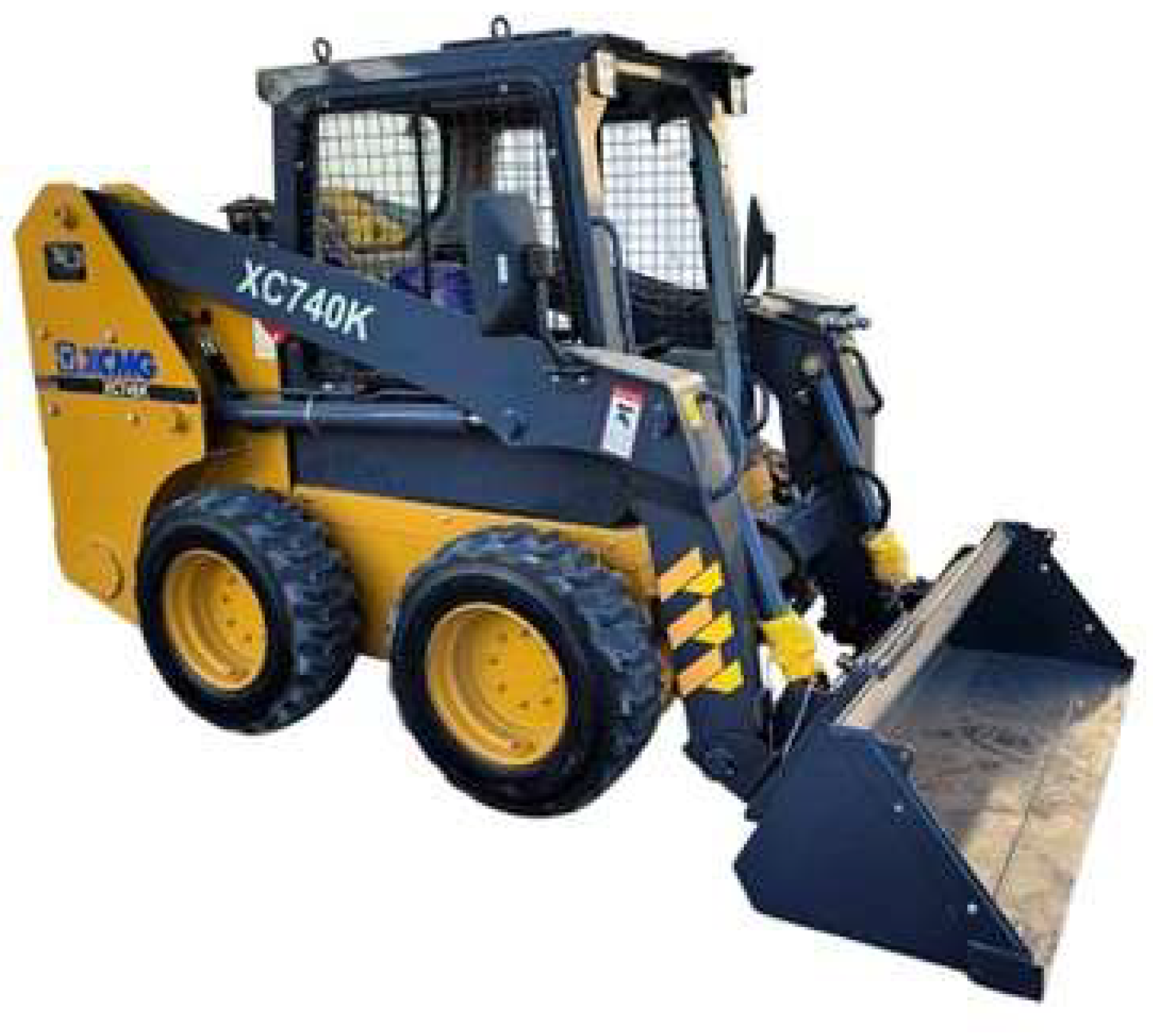
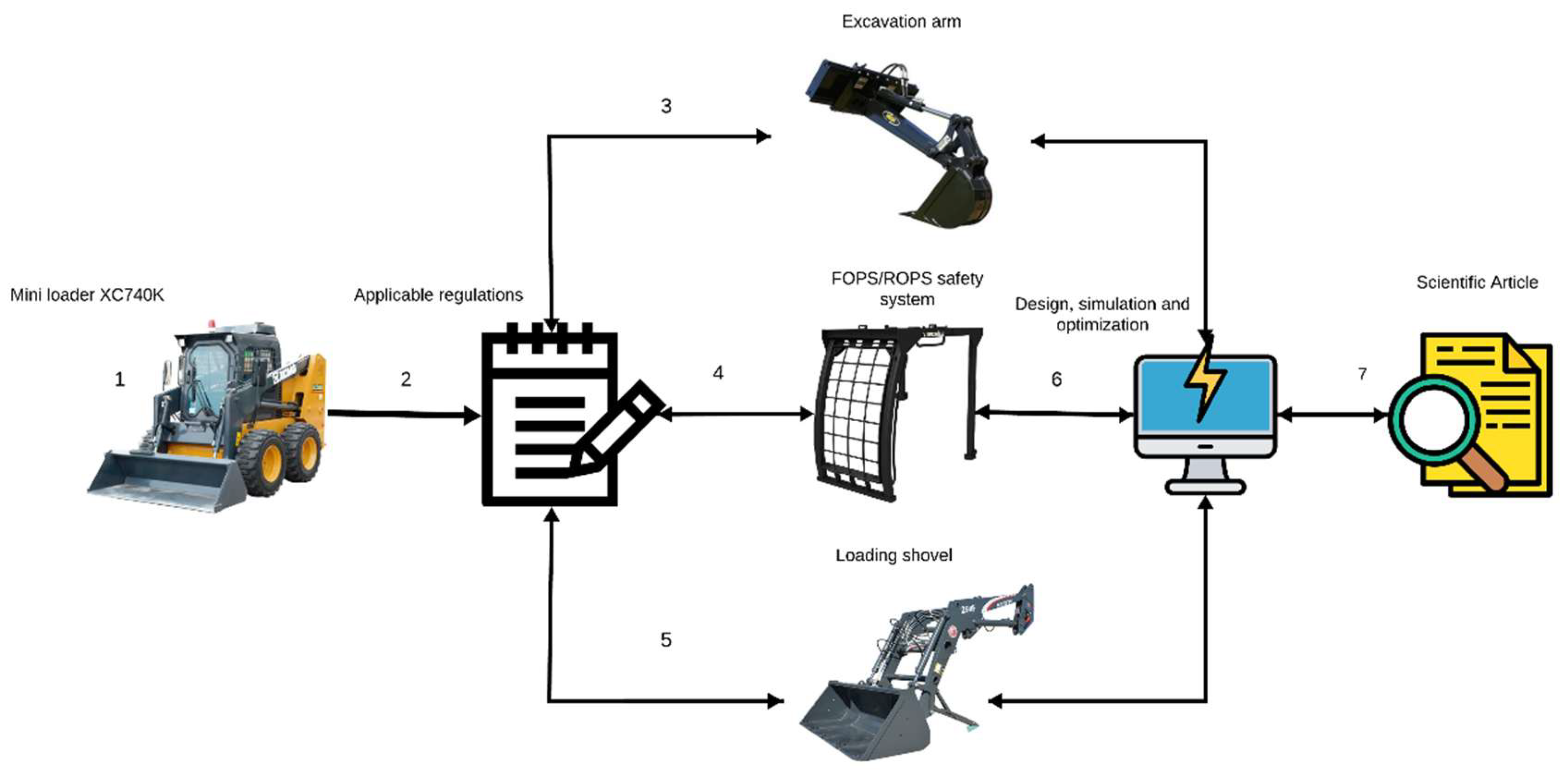
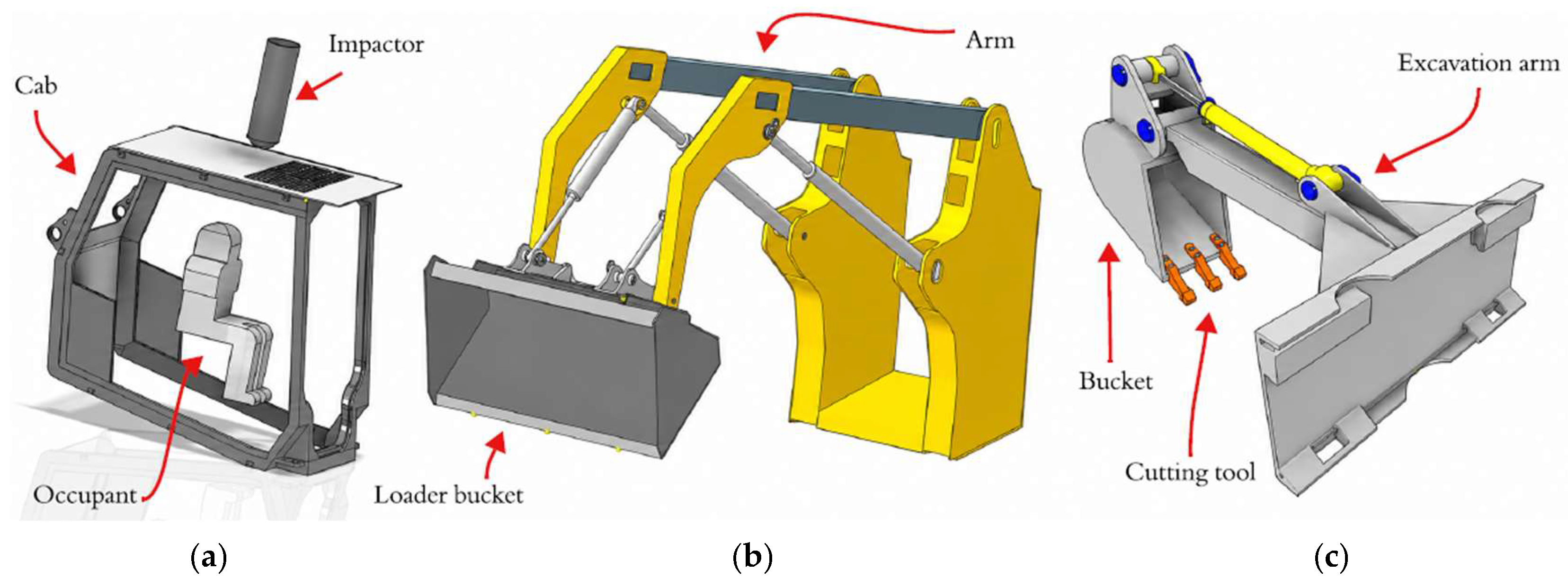
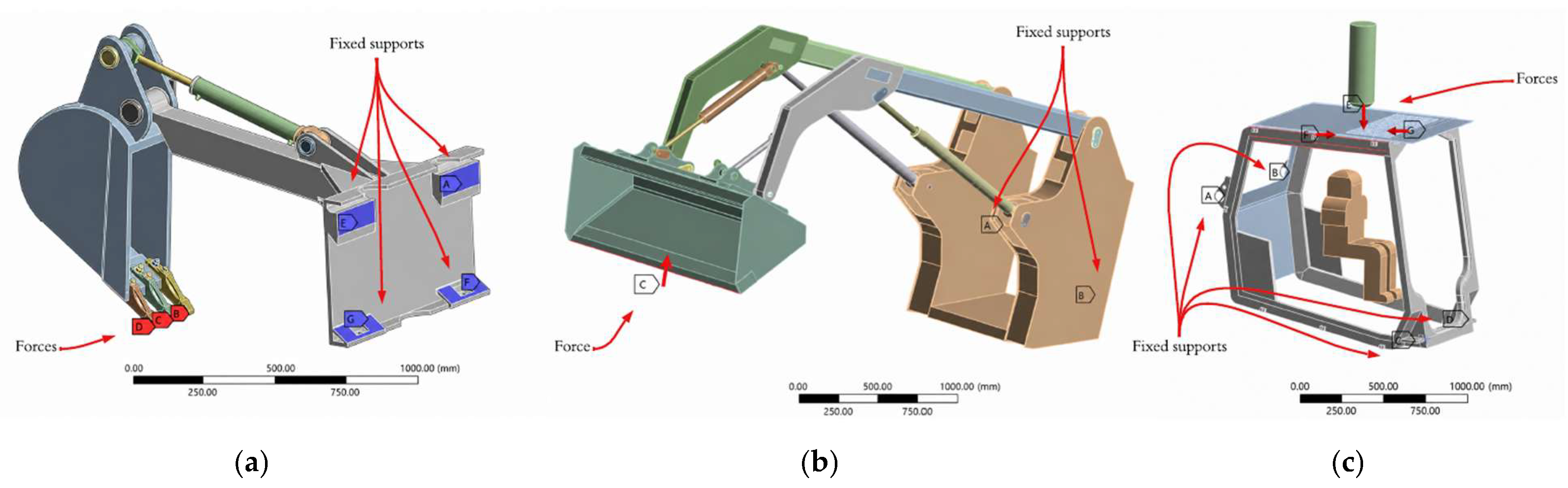
In this context, the present study evaluates and optimizes three critical subsystems of an XCMG XC740K skid-steer loader: the excavation system, the arm–bucket charging system, and the ROPS/FOPS cab safety structure. To this end, reverse engineering, CAD modeling, finite element simulation, material selection, and geometric redesign are integrated under boundary conditions defined based on hydraulic parameters, soil–tool interaction criteria, and international standards applicable to earthmoving machinery. The main objective is to identify critical effort concentration zones, reduce deformations, increase safety factors, and improve the structural integrity of the equipment without compromising its functional performance.
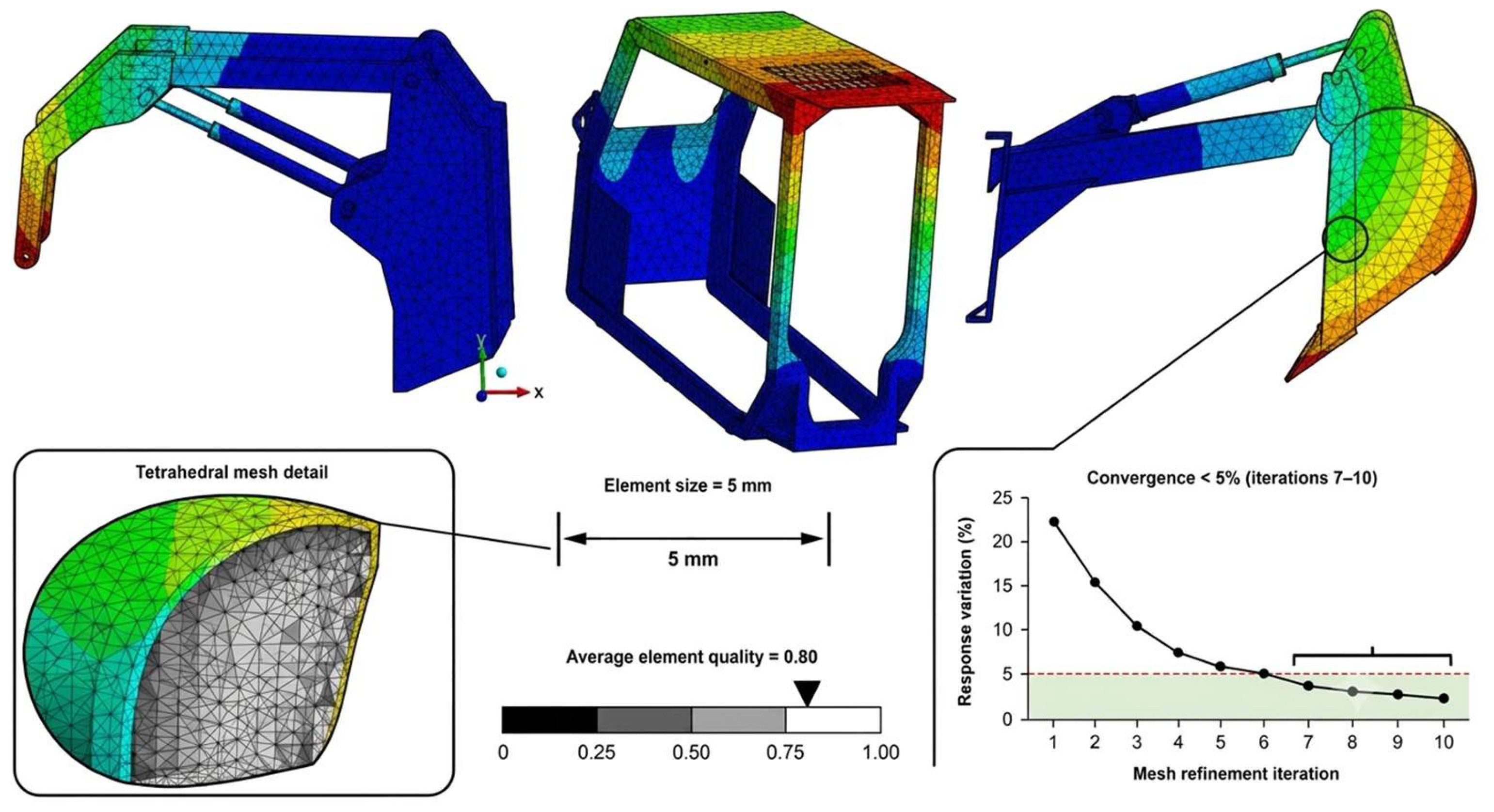
Although FEM-based redesign of buckets, booms, welded joints, and protective structures has been widely reported, most available studies treat these components independently. This separation limits the ability to compare load paths, safety margins, and residual vulnerabilities within the same compact machine. The present work addresses this limitation by applying a unified workflow to excavation, loading, and ROPS/FOPS subsystems reconstructed from the same skid-steer loader. The novelty is therefore not the use of FEM alone, but the integrated evaluation of multiple critical subsystems using consistent geometry acquisition, load definition, material selection, mesh convergence, and uncertainty criteria. This approach allows the redesign to be prioritized according to the hierarchy of structural vulnerabilities observed in a single machine platform.
Accordingly, the main contributions of this work are as follows: (1) an integrated FEM-based workflow is proposed for evaluating excavation, loading, and ROPS/FOPS subsystems within the same reverse-engineered skid-steer loader platform; (2) hydraulic-force estimation, soil–tool interaction, distributed loading, and ROPS/FOPS regulatory load cases are combined into a unified load-definition procedure; and (3) the redesign is interpreted at subsystem and component levels, distinguishing components that become structurally acceptable from those that remain critical and require further optimization.
4. Discussion
The results obtained demonstrate that the combination of finite element analysis, localized geometric redesign, and strategic material selection constitutes an effective approach for improving the structural integrity of critical heavy machinery components. Overall, the findings confirm the central hypothesis of the study: the points of greatest structural vulnerability in a compact skid-steer loader can be substantially mitigated when the redesign focuses on the actual load paths and regions with geometric discontinuities; however, some components subjected to severe loading conditions require more aggressive optimization strategies than a simple local increase in thickness or material change.
4.1. Implications of the Redesign of the Excavation System
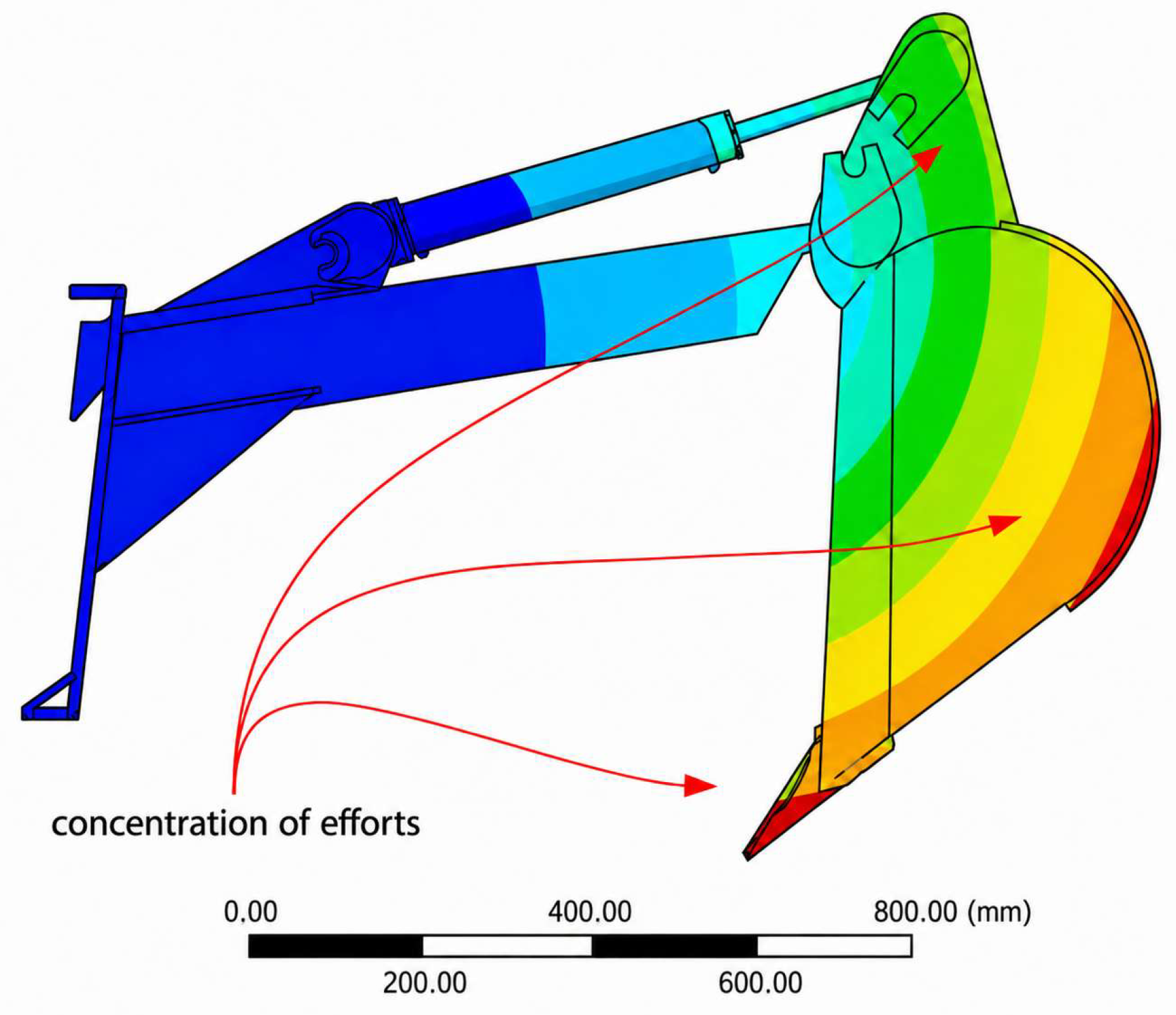
The excavation system showed a clear structural improvement, especially at the bucket level. The 43.48% reduction in bucket deformation and the 61.82% increase in its safety factor indicate that the increased thickness of the connecting plates and the substitution of the material with Dillidur 450 acted effectively on the main effort concentrators of the subsystem. This result is consistent with the literature identifying joints, connection plates, and regions with abrupt geometric transitions as critical zones for damage initiation [
7,
8]. In this regard, the results of the present study are aligned with those reported by Yu, Chunlei [
10], who achieved a 32.2% reduction in efforts in an excavator boom through thickness increases and local geometric modification. They are also consistent with Sun, Yuan [
8], who identified the main effort concentrations in the bucket and its adjacent regions, especially in welds and changes in cross-section.
From a comparative perspective, the effect of the redesign on the excavation system not only confirms the value of localized reinforcement, but also suggests that, in non-conventional configurations, optimization of the ground-contact component may be more decisive than distributed modifications throughout the entire assembly. While previous studies on conventional buckets have reported moderate improvements in deformation, such as the 7.94% reduction documented by Coloma Morales in an excavator bucket [
9], in the present work, the reduction in bucket deformation was substantially greater. This difference can be interpreted based on two factors: first, the highly localized nature of the modifications applied; and second, the high structural sensitivity of the single-arm attachment to changes in the stiffness of its connection plates. In other words, the analyzed system appears to respond better to optimization concentrated at critical interfaces than to global oversizing.
Another relevant aspect is that the reduction in the bucket’s equivalent efforts was more limited than the reduction in deformation. This behavior suggests that the redesign mainly improved the overall stiffness and safety margin, but did not completely eliminate all effort concentration zones. From a mechanical standpoint, this is consistent with the fact that maximum efforts in structures with complex geometries do not depend solely on material or thickness, but also on curvature radius, joint quality, and local load transfer [
5,
8,
10]. Therefore, although the results are favorable, the study also shows that the optimization of an excavation system should not be evaluated exclusively by the reduction in deformation, but rather by its ability to redistribute efforts without generating new structural concentrations.
4.2. Structural and Regulatory Relevance of the ROPS/FOPS Redesign
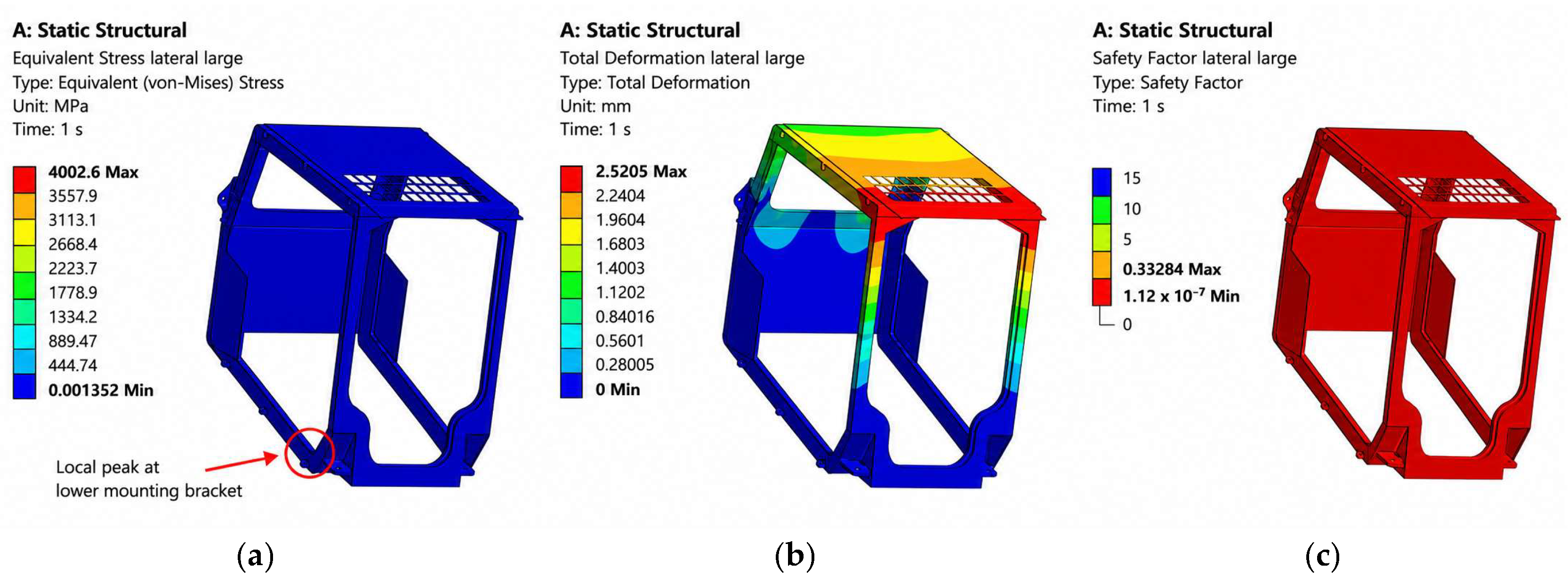
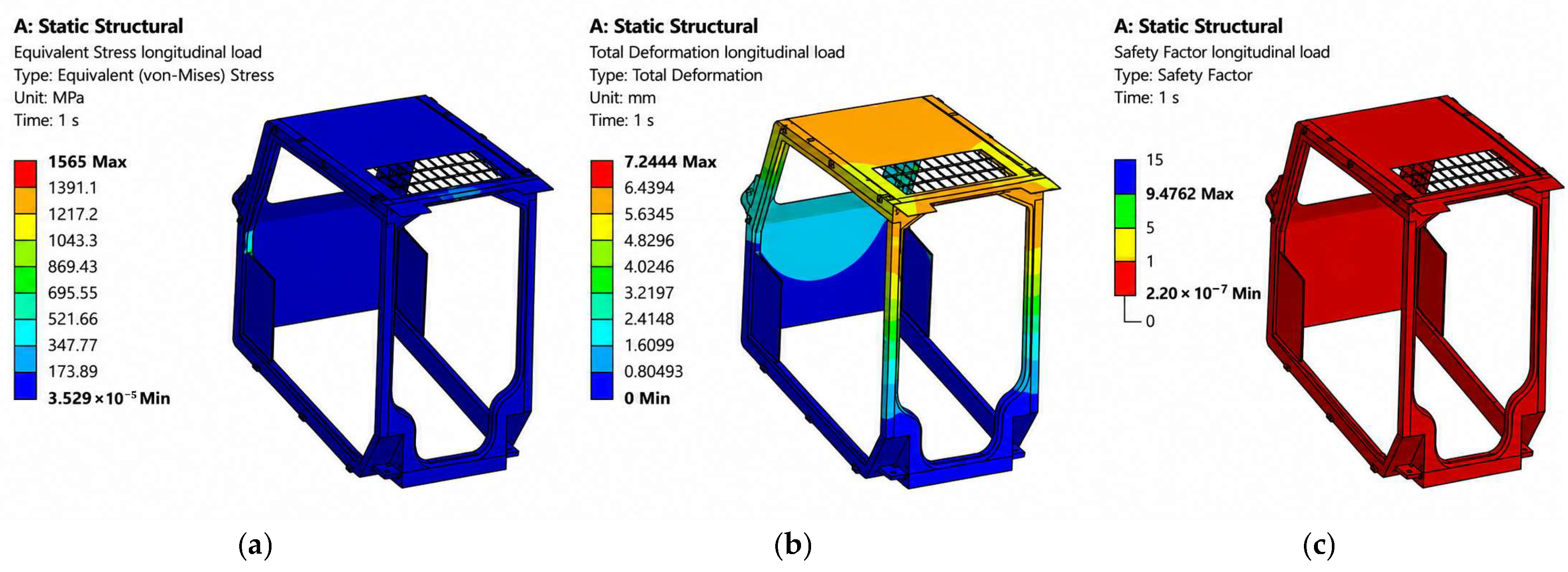
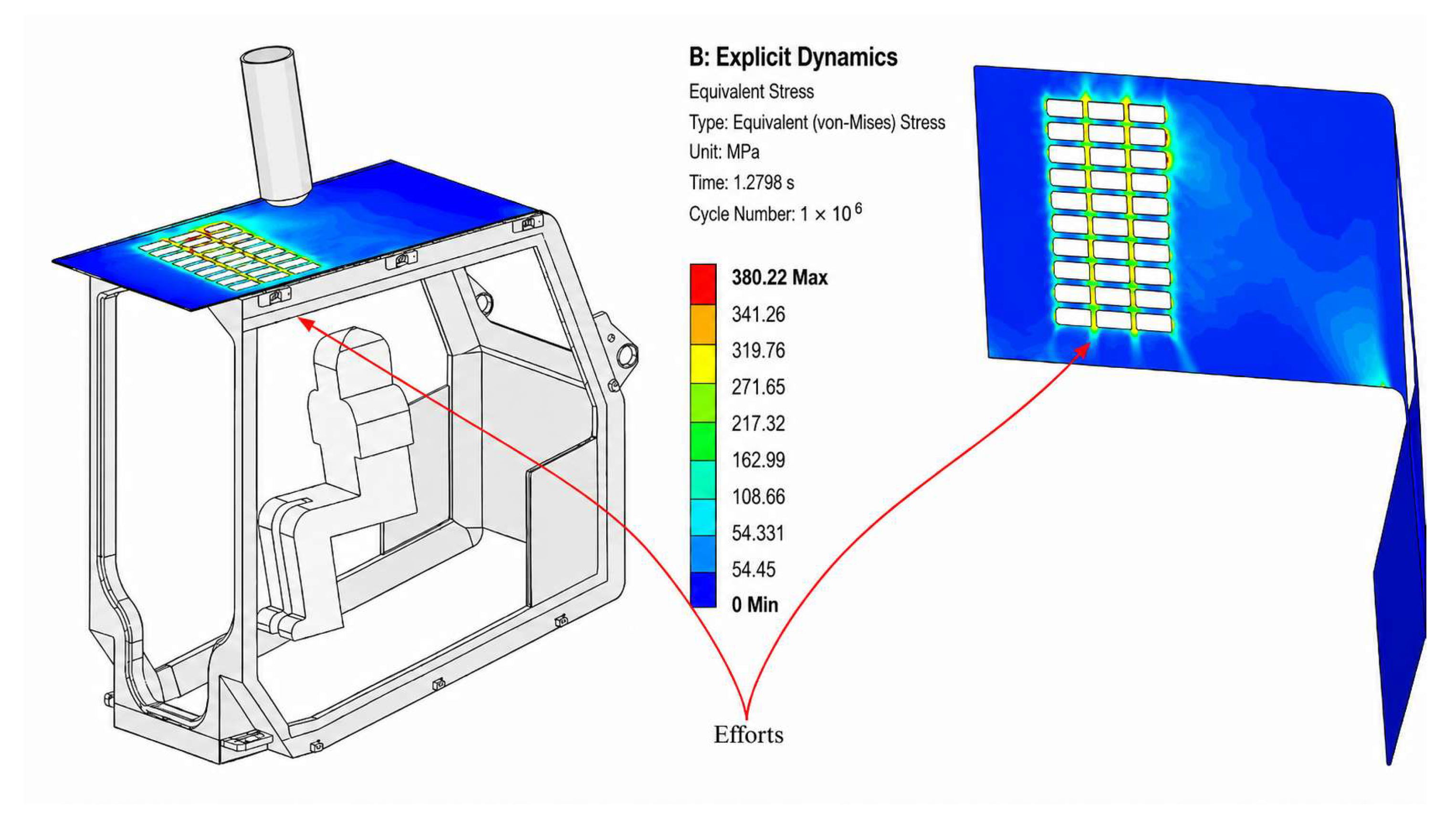
The most critical result of the initial configuration was the behavior of the ROPS/FOPS cab. The presence of efforts of up to 4002.6 MPa in the original ASTM A572 Grade 50 structure, together with safety factors below unity, revealed an inadmissible structural condition and confirmed that the operator protection subsystem constituted the point of greatest vulnerability of the equipment. This finding is especially important because it shifts the discussion from mere structural strength toward regulatory compliance and occupational safety, two dimensions that become central in machinery intended to operate in severe environments [
12,
13].
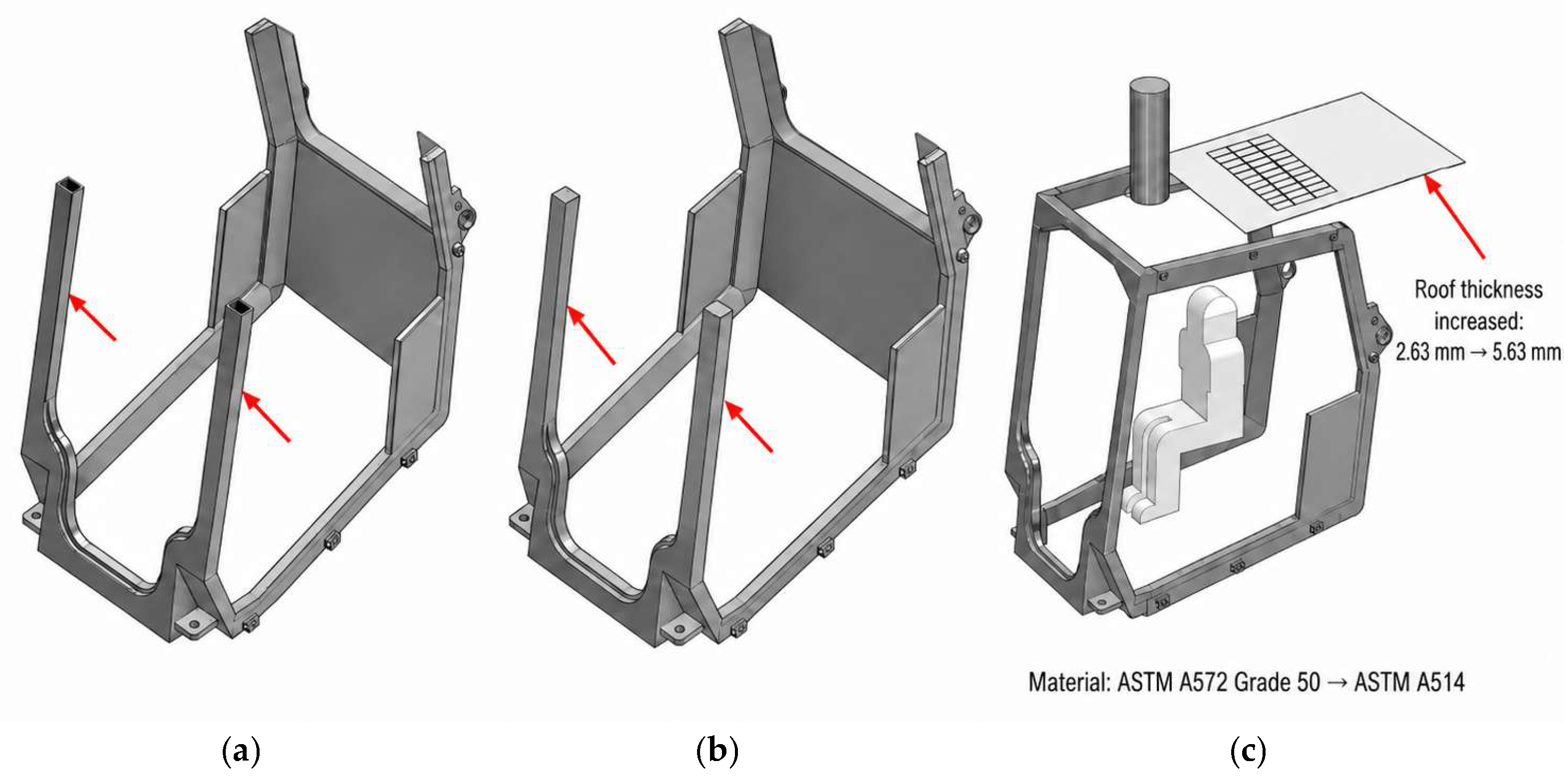
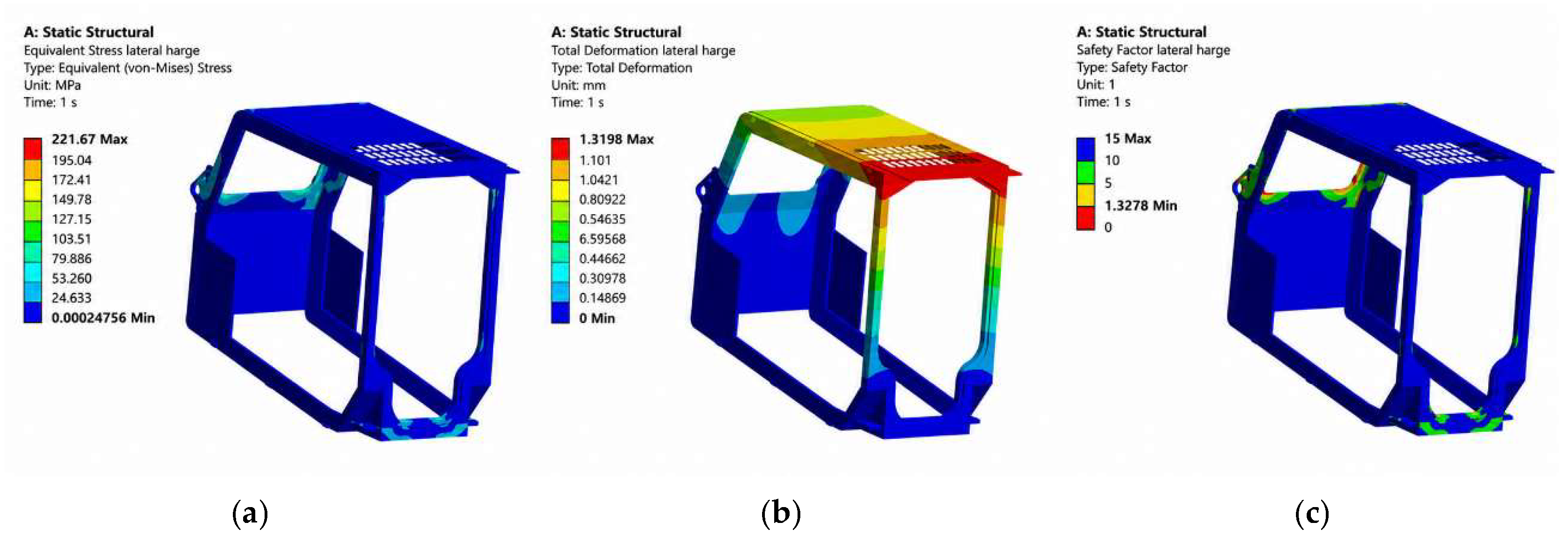
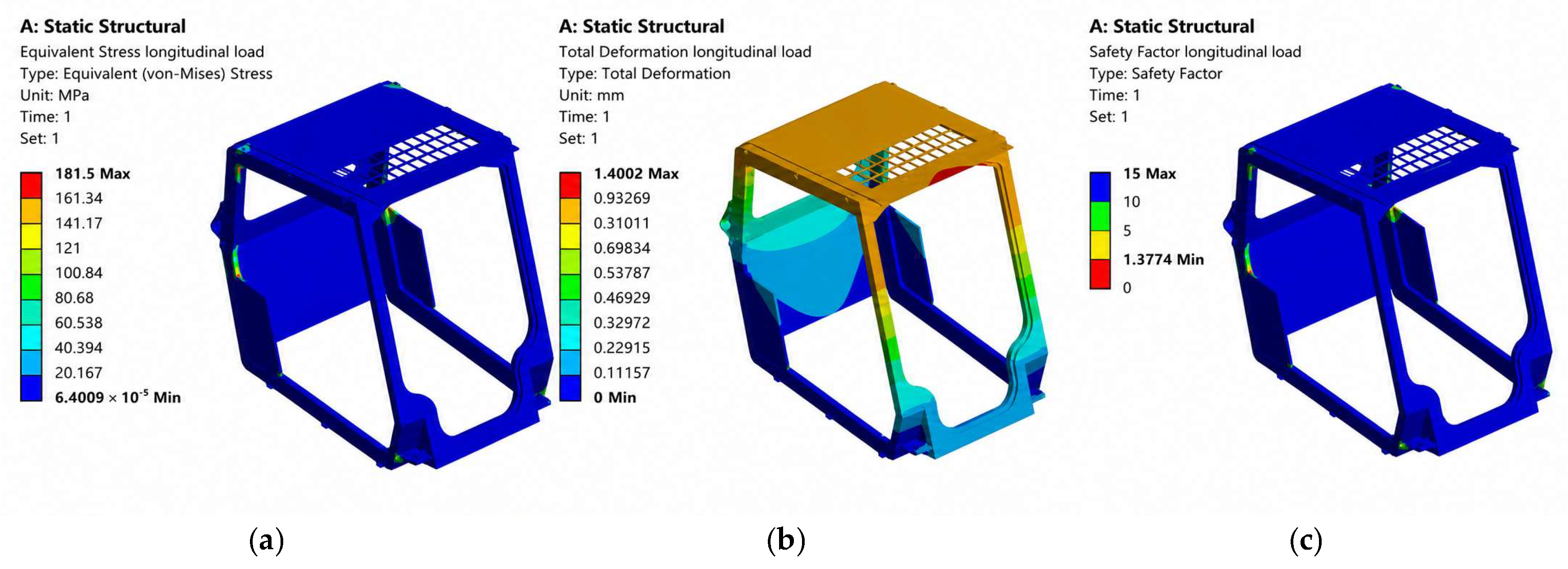
The cab optimization made it possible to reverse this condition. Replacing the material with ASTM A514, together with increasing the roof thickness and redesigning the front pillars, led to safety factors of 1.32 and 1.38 under lateral and longitudinal loads, respectively, placing the system within a range compatible with the structural compliance required by ISO 3471 and ISO 3449. This behavior is consistent with studies such as that of Kokot, G. [
27], who demonstrated that medium-strength steels are insufficient under severe dynamic events and that high-strength steels provide a better response to plastic deformation and impact [
27]. Likewise, the result is aligned with Wetjen, who emphasized that the validation of ROPS/FOPS systems cannot be separated from a strict interpretation of testing standards, since the failure of these structures has direct implications for operator survival [
28].
Beyond compliance, the finding has an important methodological implication: in protective structures, optimization cannot focus solely on reducing deformation or mass, but must ensure that the absorbed energy and deformation path do not compromise the operator’s safety volume. In this regard, the present study adds value because it is not limited to comparing materials, but instead integrates geometry, thickness, and high-strength material into a single redesign strategy. This is consistent with studies such as that of Kumar, Uday S., who showed that optimizing cab roofs and front structural members is an effective way to improve the performance of ROPS/FOPS systems [
29].
The baseline ROPS model was used as a screening model to identify structural non-compliance. Because the effort values exceed the yield strength of ASTM A572 Grade 50, the linear-elastic solution should not be interpreted as the real post-yield effort state of the cab. In an actual structure, plastic deformation, local buckling, or progressive failure would occur before such elastic efforts could be sustained. Consequently, the safety interpretation was based on the occurrence of yield exceedance, the location of critical regions, the minimum safety factor outside numerical singularities, and the absence/presence of deformation into the deflection-limiting volume, rather than on the absolute singular peak alone.
Moreover, the transition from a clearly unsafe configuration to a structurally admissible condition has evident applied relevance in Latin American contexts, where heavy machinery is frequently operated in infrastructure, mining, and civil construction scenarios with high levels of risk exposure. From this perspective, the result represents not only a mechanical improvement of the component, but also a contribution to preventive design aimed at reducing the risk of serious or fatal injuries.
4.3. Implications of the Charging System Redesign
The response of the bucket confirms that when load paths are relatively well defined and geometric modifications are applied directly to the most highly loaded region, structural redesign can be extremely effective. The incorporation of 30 mm longitudinal plates at the base and 5 mm internal plates made it possible to redistribute the effort flow and substantially increase the stiffness of the component. This behavior is consistent with previous reports showing that relatively simple geometric modifications can multiply the service life of components subjected to repeated loading [
30]. Complementarily, materials such as ASTM A514 Grade Q exhibit far superior performance, reinforcing the need to select materials not only based on availability, but also on their ability to simultaneously withstand load, impact, and wear [
11].
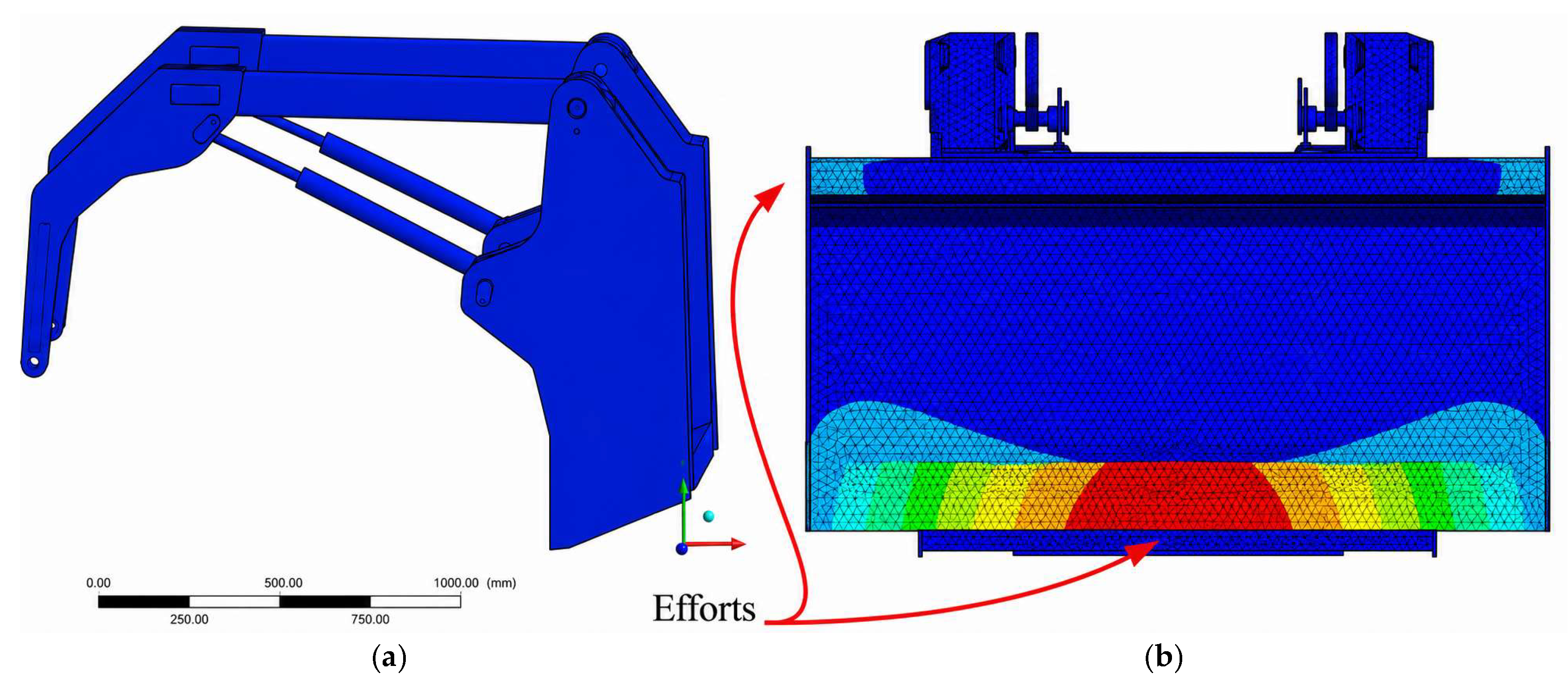
The response of the charging system first showed a substantial structural improvement in the bucket after optimization. The von Mises equivalent efforts decreased from 576.69 MPa to 233.56 MPa, representing a reduction of 59.50%, while the total deformation decreased from 27.236 mm to 15.243 mm, equivalent to a reduction of 44.03%. As a direct consequence, the safety factor increased from 0.84 to 2.50, that is, an increase of 212.50%. These results demonstrate that the combination of selecting a material with higher load-bearing capacity and improving the component geometry made it possible to transform the bucket from a structurally inadmissible condition into an acceptable mechanical behavior, with a marked reduction in effort severity and a clear improvement in its safety margin. This behavior is consistent with previous studies showing that thickness redistribution and the incorporation of localized reinforcements can significantly modify the load path and structural response of components subjected to severe loading conditions [
30].
However, the behavior of the arm–quick coupler highlights the limits of the redesign applied to this subsystem. Although increasing the arm thickness and incorporating a reinforcement plate reduced deformation from 5.63 mm to 2.77 mm, the efforts continued to greatly exceed the material capacity [
31]. This behavior suggests that the critical response does not depend solely on a local thickness deficiency, but also on deeper factors associated with the overall structural configuration, the load-transfer path, geometric alignment, and the persistence of severe effort concentrations in regions that were not effectively unloaded. Consequently, the reduction in deformation did not translate into a proportional improvement in the safety factor, indicating that the subsystem cannot be considered structurally robust based solely on increased stiffness. From the perspective of heavy machinery design, this result supports the need to apply multi-objective optimization approaches and, most likely, topological redesigns or more substantial modifications to the load-bearing morphology [
3]. In this regard, one of the most relevant contributions of the present work is not only the successful optimization of the bucket, but also the precise identification of the arm–quick coupler as the component that continues to govern the structural vulnerability of the charging system.
4.4. Integrated Discussion: Safety, Durability, and Failure Prevention
Considered as a whole, the three subsystems show that FEA-assisted optimization should not be understood merely as a technique for “reducing efforts,” but rather as a tool for prioritizing the redesign of critical zones, improving regulatory compliance, and preventing premature failures in heavy machinery [
3]. The excavation system improved significantly without requiring a complete reconfiguration; the cab shifted from an unsafe condition to one compatible with regulatory requirements; and the bucket of the charging system achieved outstanding structural improvement. These three improvement pathways show that the benefits of the approach are not only mechanical, but also operational and economic, by reducing the likelihood of failure, downtime, and the need for repeated destructive testing [
3].
In terms of the working hypothesis, the results support two central ideas. The first is that most structural deficiencies in compact machinery are associated with local effort concentrations and not necessarily with a homogeneous material insufficiency throughout the entire system [
5,
10]. The second is that the combination of geometric reinforcement and high-strength material is more effective than either of these factors evaluated separately, especially when intervening in components subjected to cyclic loading, impact, or wear is required. This conclusion is consistent with the general framework proposed by studies on mechanical risk, fatigue, and the optimization of welded components in machinery [
32,
33].
It is also relevant that the study integrated three problems that are usually investigated separately, excavation, loading, and operator protection, within a single platform. This integrated approach constitutes an important methodological contribution because it makes it possible to identify not only which components improve, but also which ones remain structurally limiting for the overall performance of the equipment. In other words, the value of the work is not limited to having optimized individual parts, but rather to having demonstrated how a systematic redesign strategy can map the actual hierarchy of vulnerabilities within a single machine.
The proposed reinforcements increase local mass and may increase manufacturing cost because of high-strength steel procurement, cutting, welding procedure control, and possible preheating requirements. Nevertheless, the modifications are localized and preserve the main mounting interfaces, which favors practical installation. The loading bucket reached acceptable behavior, but the arm–quick coupler region remained critical; therefore, the loading assembly should be considered partially improved rather than fully optimized.
4.5. Limitations and Future Research Lines
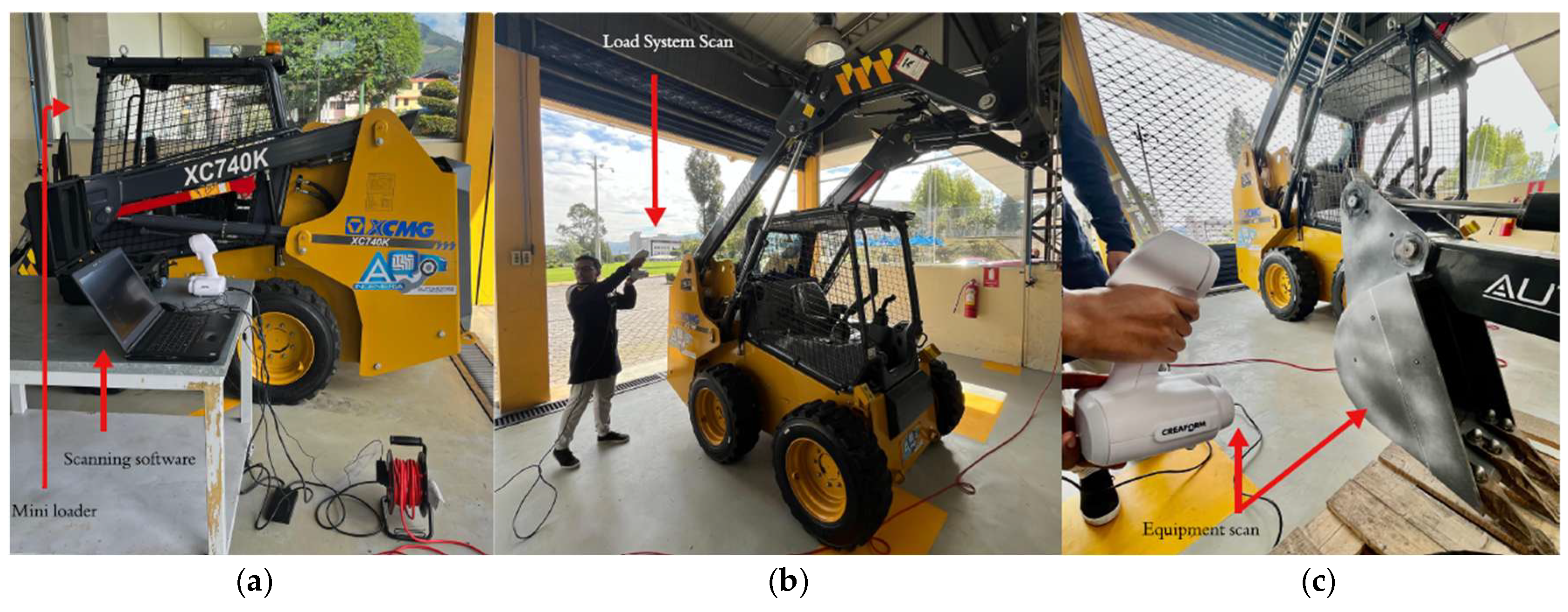
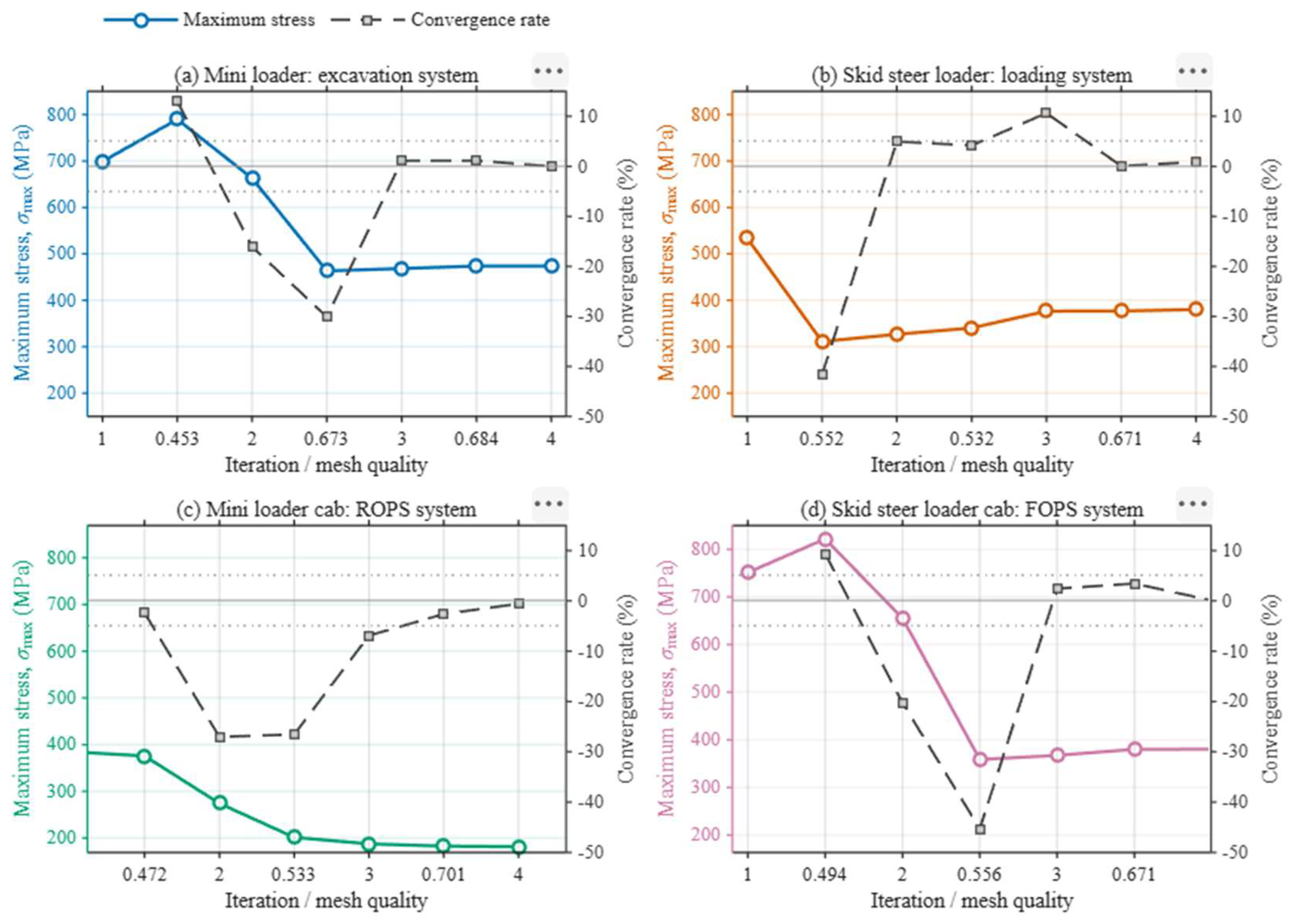
Despite the positive results, the study presents limitations that must be explicitly acknowledged. First, part of the simulations was developed within a static structural framework, which simplifies the representation of real dynamic phenomena associated with repeated impacts, vibrations, operator maneuvers, and transient loads in the hydraulic system. Second, the absence of original manufacturer drawings required the use of reverse engineering, introducing residual geometric uncertainty, although high-resolution 3D scanning was employed. Third, a complete experimental validation of the structural redesigns through physical testing was not incorporated; therefore, final confirmation of performance under real service conditions should be considered a necessary future stage.
Based on this, future research lines should be oriented in at least four directions. First, a more aggressive optimization of the arm and quick coupler should be developed, possibly incorporating topological changes, section redesign, or materials with higher specific capacity. Second, dynamic loads and fatigue analysis should be integrated, especially in components subjected to repeated excavation and loading cycles. Third, the model should be complemented with experimental validation, either through strain-gauge measurements, controlled testing, or correlation with real operational signals. Fourth, progress should be made toward multi-objective optimization schemes that integrate mass, manufacturability, cost, service life, and operator safety within a single decision-making framework. In this regard, the present work establishes a solid basis for a second stage of research aimed not only at improving components, but also at building a transferable methodology for the structural redesign of compact heavy machinery in severe operating contexts.
5. Conclusions
The present study demonstrated that finite element analysis-assisted structural optimization is an effective strategy for evaluating and redesigning critical components of an XCMG XC740K skid-steer loader, integrating the excavation system, charging system, and ROPS/FOPS cab safety structure within a single platform. The methodology based on reverse engineering, CAD modeling, standards-based load definition, and numerical simulation made it possible to accurately identify the zones of greatest effort concentration and establish design interventions aimed at improving the structural integrity and operational safety of the equipment.
In the excavation system, increasing the thickness of the bucket connecting plates and replacing the material with Dillidur 450 produced a consistent structural improvement. Bucket deformation was reduced by 43.48%, and its safety factor increased by 61.82%, while the complete system showed an 11.92% decrease in deformation and a 15.10% increase in safety factor. These results confirm that the localized redesign of critical load-transfer zones is an effective strategy for reducing the structural vulnerability of the excavation subsystem.
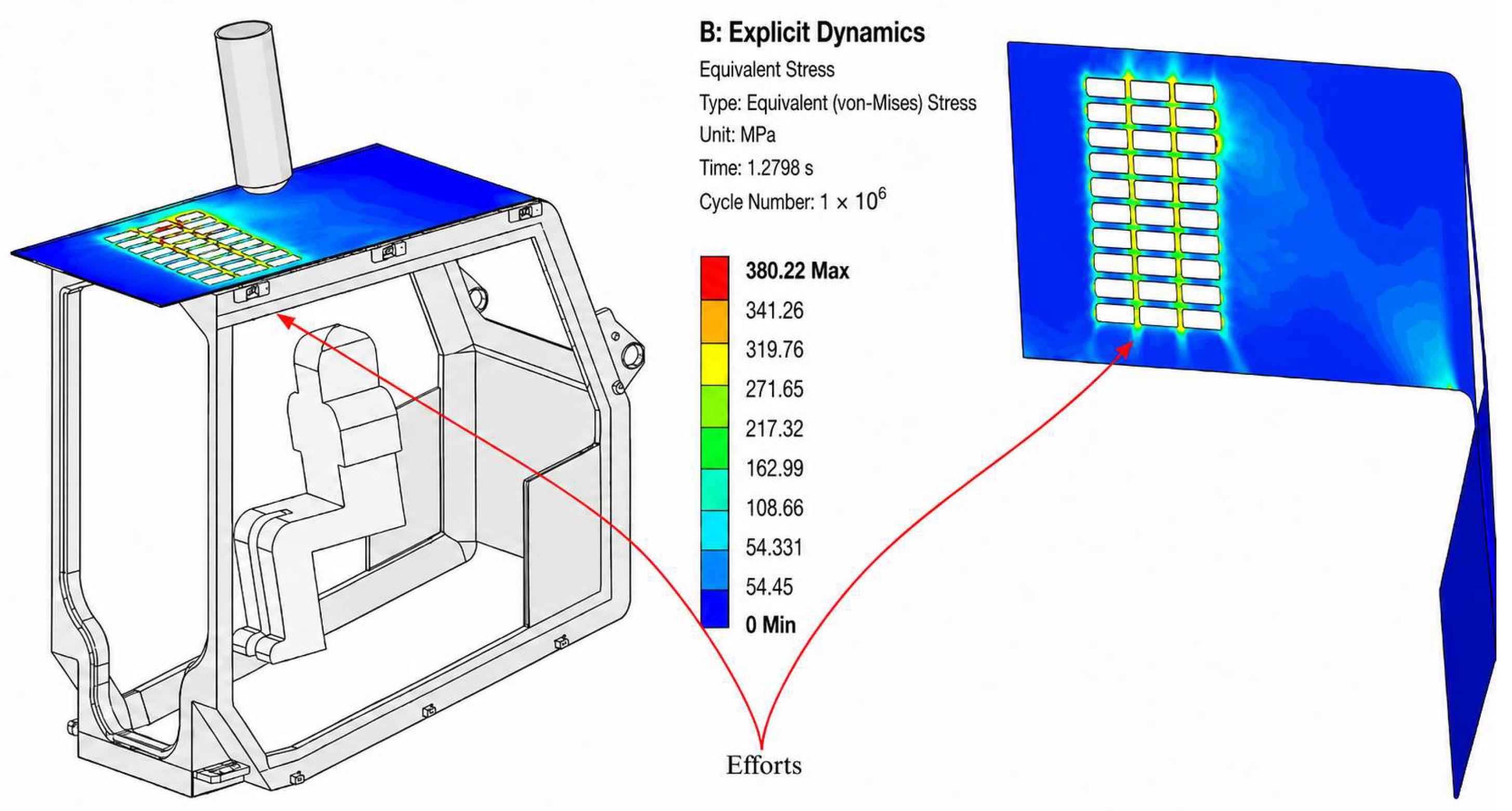
In the safety cab, the original configuration manufactured from ASTM A572 Grade 50 exhibited inadmissible effort levels and safety factors below unity under the ROPS and FOPS scenarios, revealing an inadequate structural condition for operator protection. After the redesign, which included increasing the roof thickness, geometrically modifying the front pillars, and replacing the material with ASTM A514, the structure achieved safety factors of 1.32 and 1.38 under lateral and longitudinal loads, respectively, while also keeping the FOPS efforts below the yield strength of the optimized material. Consequently, the proposed redesign made it possible to bring the cab to a condition compatible with the structural safety requirements established by the applied standards.
In the charging system, the bucket showed the greatest structural improvement after optimization. The redesign reduced the von Mises equivalent efforts from 576.69 MPa to 233.56 MPa, representing a 59.50% decrease, and reduced the maximum deformation from 27.236 mm to 15.243 mm, equivalent to a 44.03% reduction. As a result, the safety factor increased from 0.84 to 2.50, indicating that the bucket changed from an inadmissible structural condition to an acceptable mechanical response under the simulated loading scenario. However, this improvement should be interpreted at the component level, since the complete loading assembly is still governed by the arm–quick coupler interface, which remains the critical region and requires further redesign.
In general terms, the main contribution of this work lies in demonstrating that the integration of FEM simulation, geometric redesign, and material selection makes it possible not only to improve the structural performance of specific components, but also to build a transferable methodology for failure prevention in compact heavy machinery. As a future research line, it is recommended to further optimize the arm and quick coupler through more advanced approaches, including fatigue analysis, dynamic loads, experimental validation, and multi-objective strategies that integrate safety, mass, manufacturability, and service life.