Article

Fuzzy Flocking Control for Multi-Agents Trapped in Dynamic Equilibrium Under Multiple Obstacles

by
Weibin Liang
1,2,
Xiyan Sun
1,2,*,
Yuanfa Ji
1,
Xinyi Liu
1,
Jianhui Wu
1,3 and
Zhongxi He
1
1
School of Information and Communication, Guilin University of Electronic Technology, Guilin 541004, China
2
International Joint Laboratory for Spatiotemporal Information and Intelligent Location Services, Guilin 541004, China
3
School of Information Science and Technology, Hunan Institute of Science and Technology, Yueyang 414006, China
*
Author to whom correspondence should be addressed.
Machines 2025, 13(2), 119; https://doi.org/10.3390/machines13020119

Submission received: 12 December 2024 / Revised: 23 January 2025 / Accepted: 2 February 2025 / Published: 4 February 2025
(This article belongs to the Section Automation and Control Systems)

Abstract

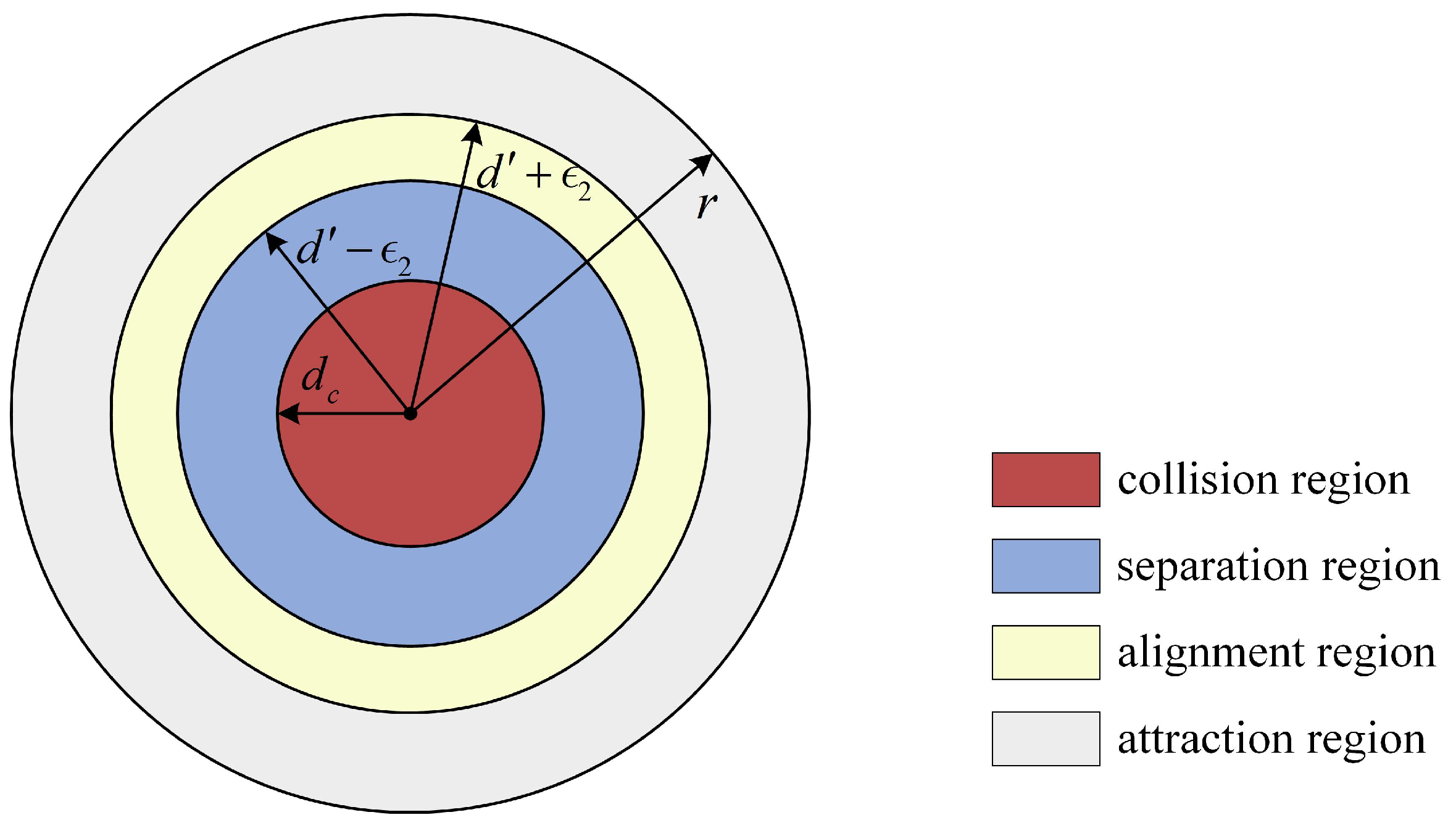
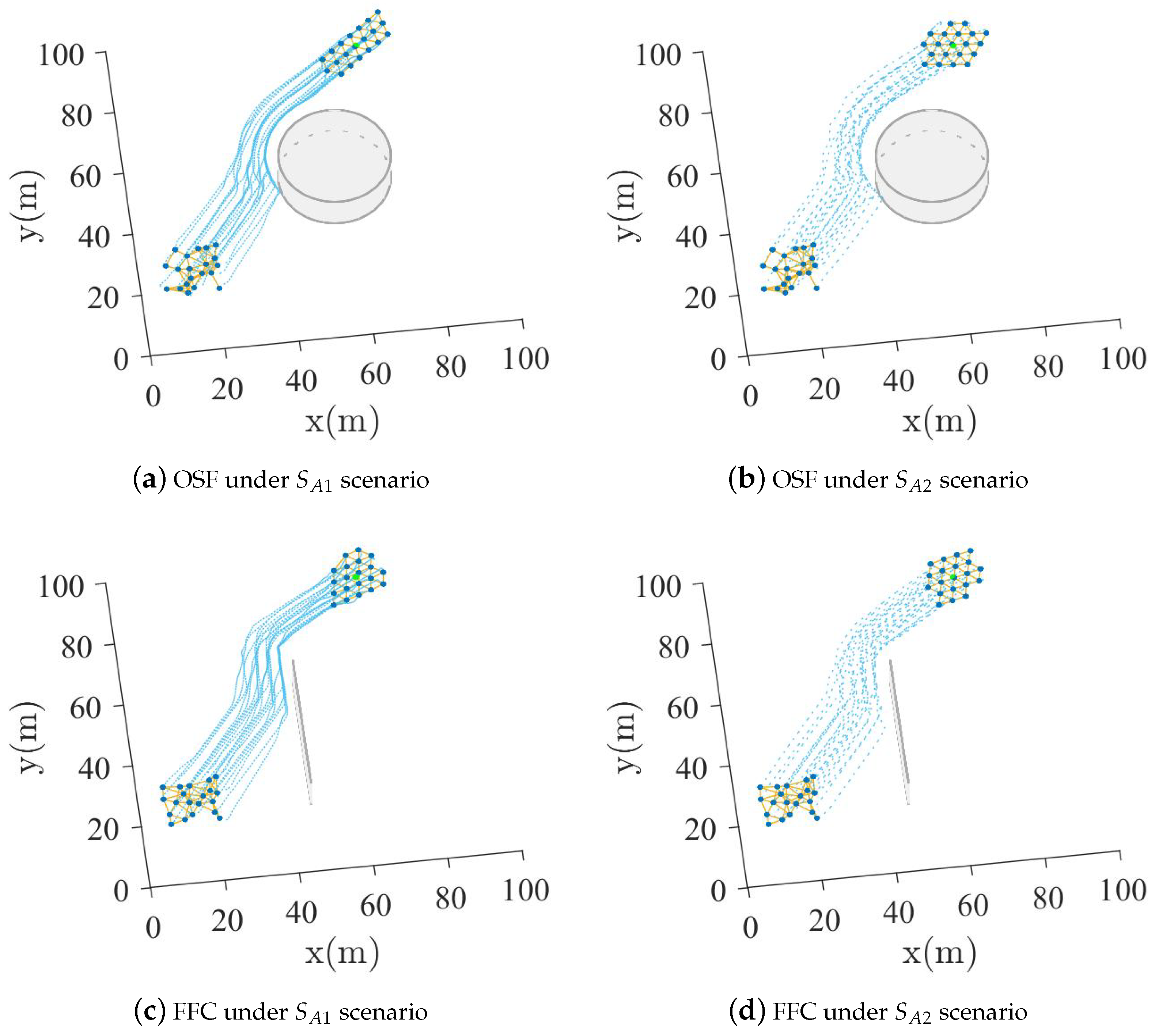
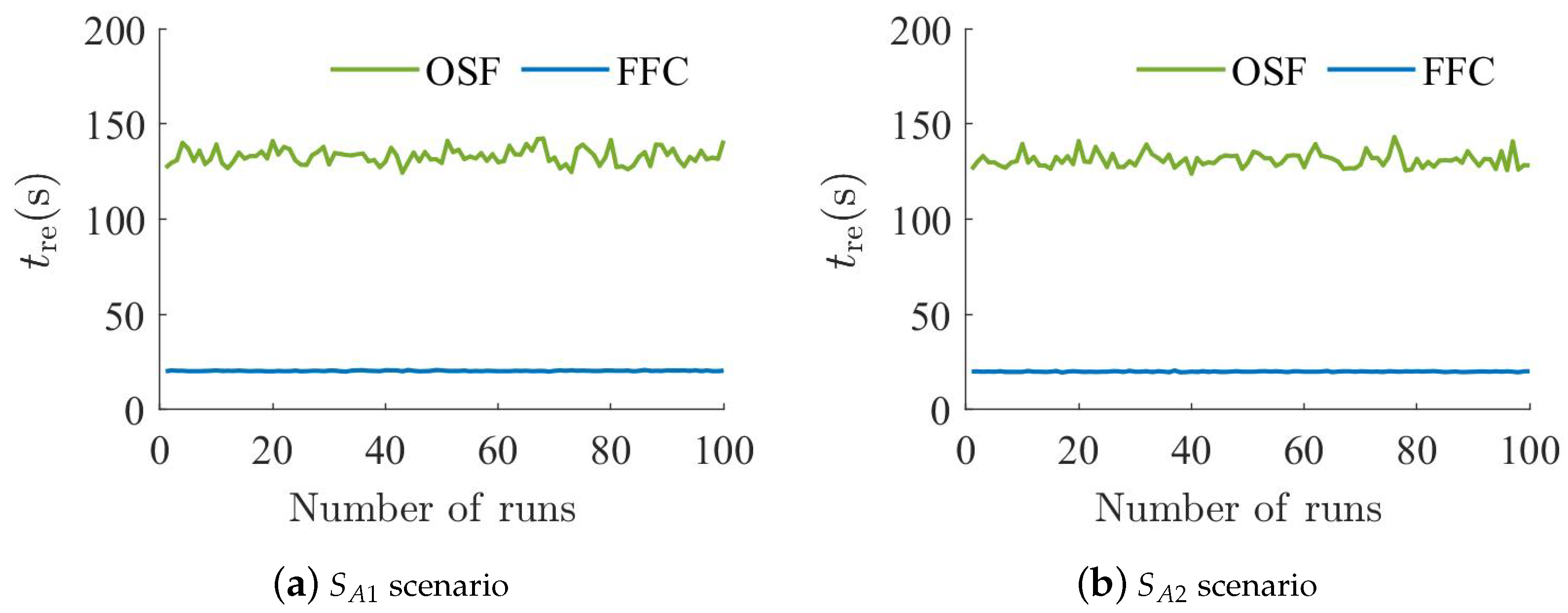
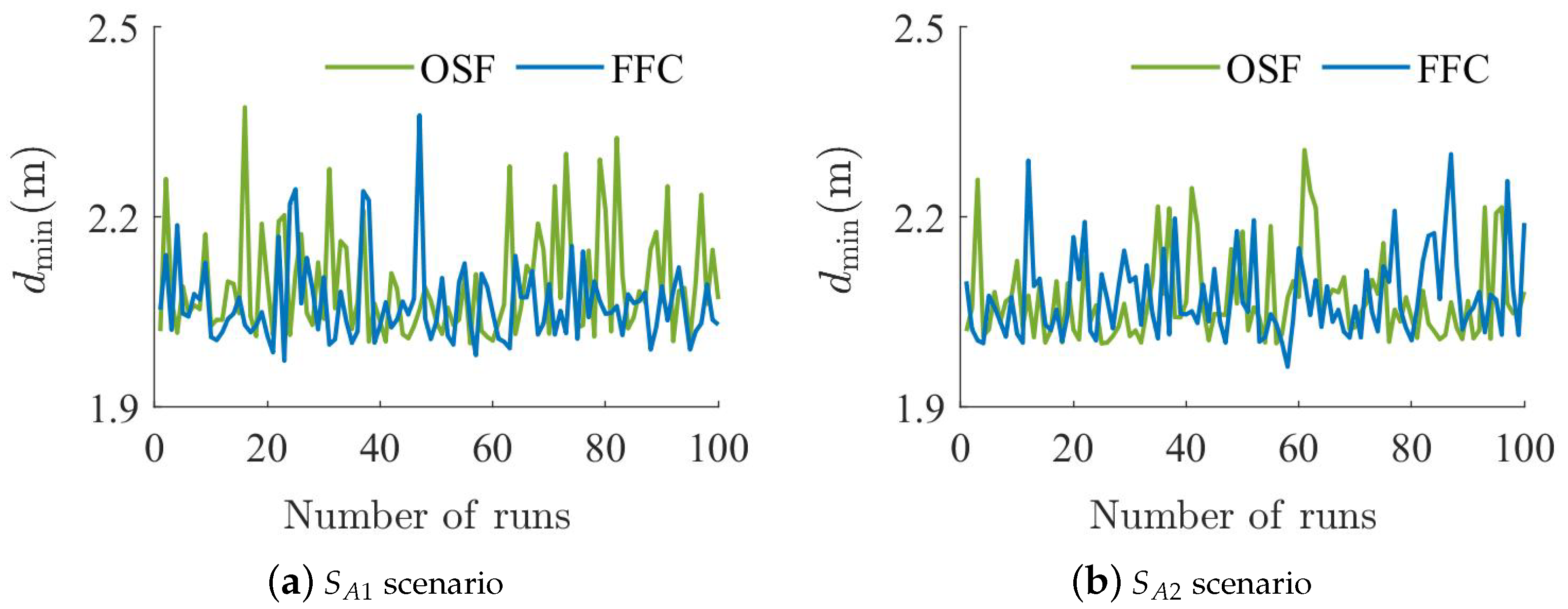
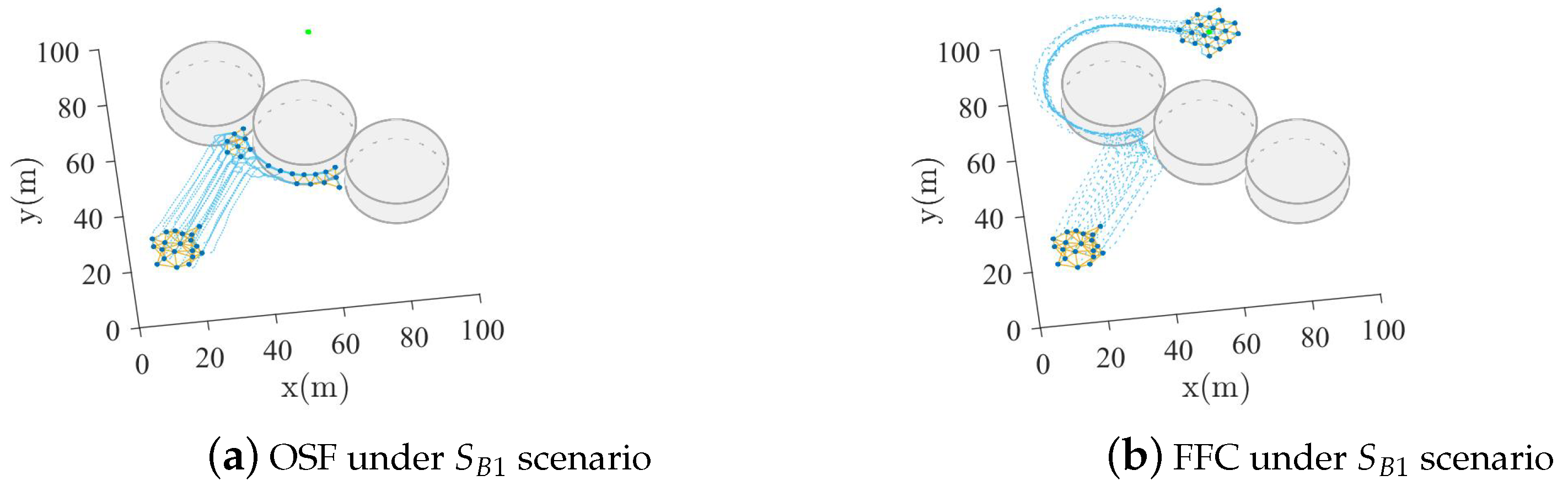
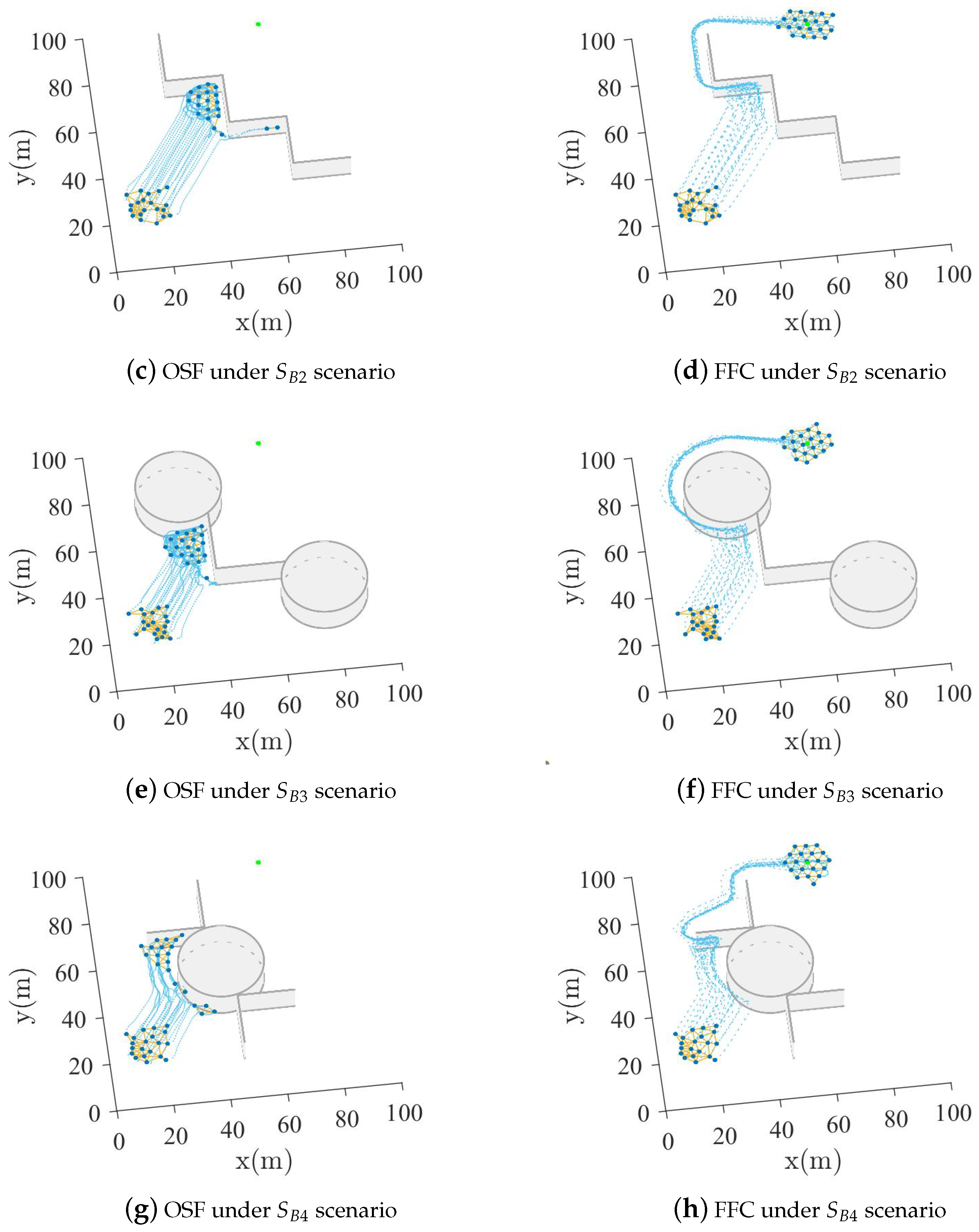
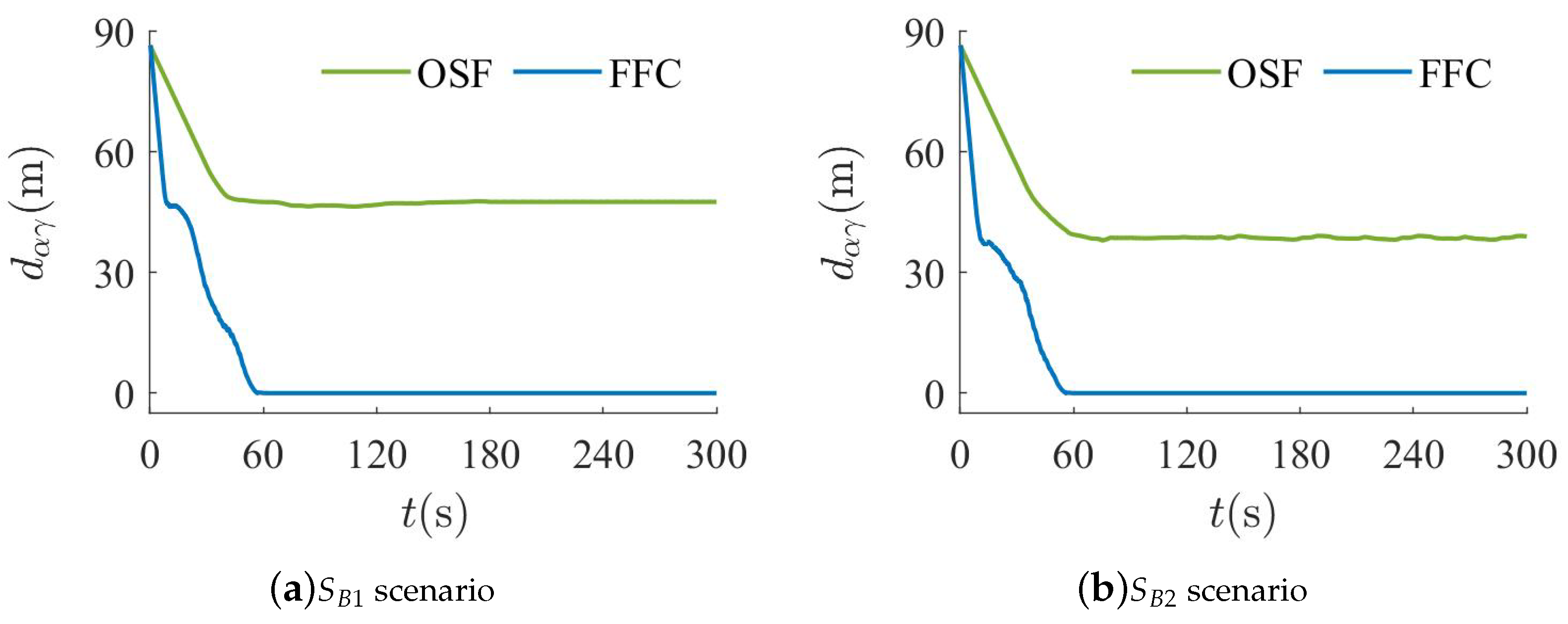
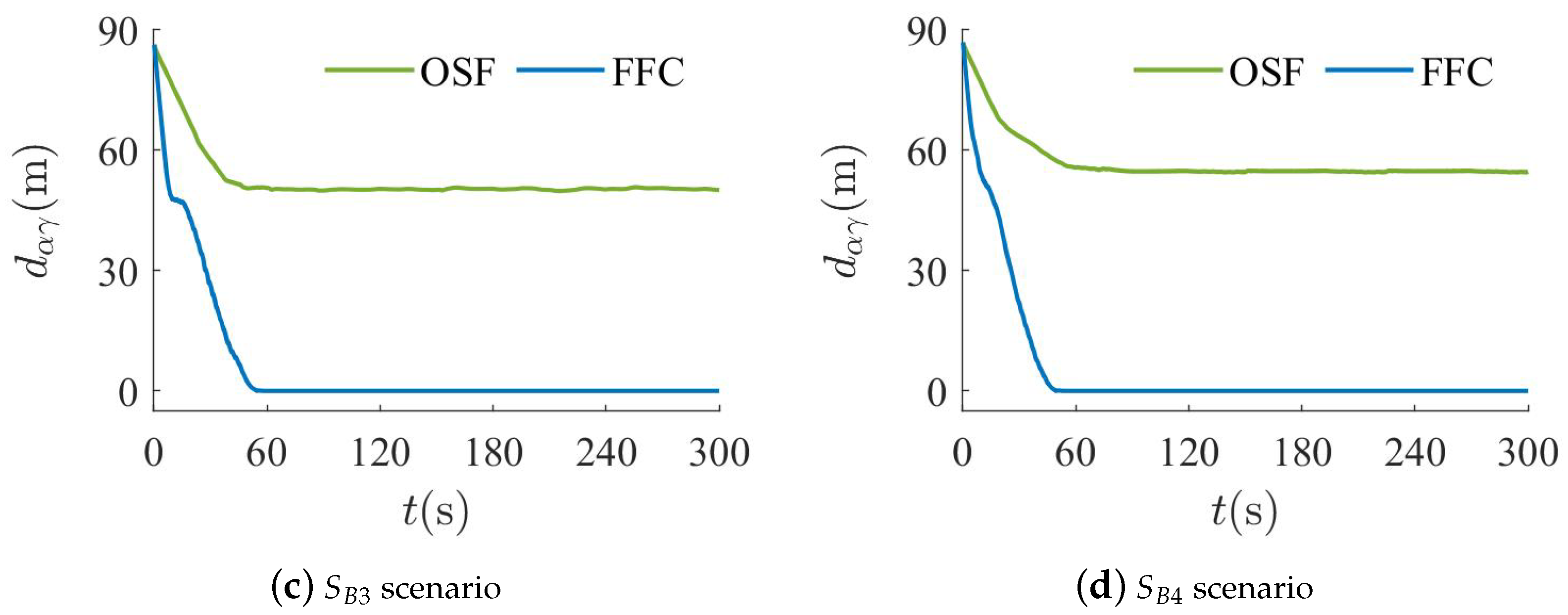
The Olfati-Saber flocking (OSF) algorithm is widely used in multi-agent flocking control due to its simplicity and effectiveness. However, this algorithm is prone to trapping multi-agents in dynamic equilibrium under multiple obstacles, and dynamic equilibrium is a key technical issue that needs to be addressed in multi-agent flocking control. To overcome this problem, we propose a dynamic equilibrium judgment rule and design a fuzzy flocking control (FFC) algorithm. In this algorithm, the expected velocity is divided into fuzzy expected velocity and projected expected velocity. The fuzzy expected velocity is designed to make the agent escape from the dynamic equilibrium, and the projected expected velocity is designed to tow the agent, bypassing the obstacles. Meanwhile, the sensing radius of the agent is divided into four subregions, and a nonnegative subsection function is designed to adjust the attractive/repulsive potentials in these subregions. In addition, the virtual leader is designed to guide the agent in achieving group goal following. Finally, the experimental results show that multi-agents can escape from dynamic equilibrium and bypass obstacles at a faster velocity, and the minimum distance between them is consistently greater than the minimum safe distance under complex environments in the proposed algorithm.
Keywords: multi-agents; fuzzy flocking control; obstacle avoidance; dynamic equilibrium; expected velocity multi-agents; fuzzy flocking control; obstacle avoidance; dynamic equilibrium; expected velocity