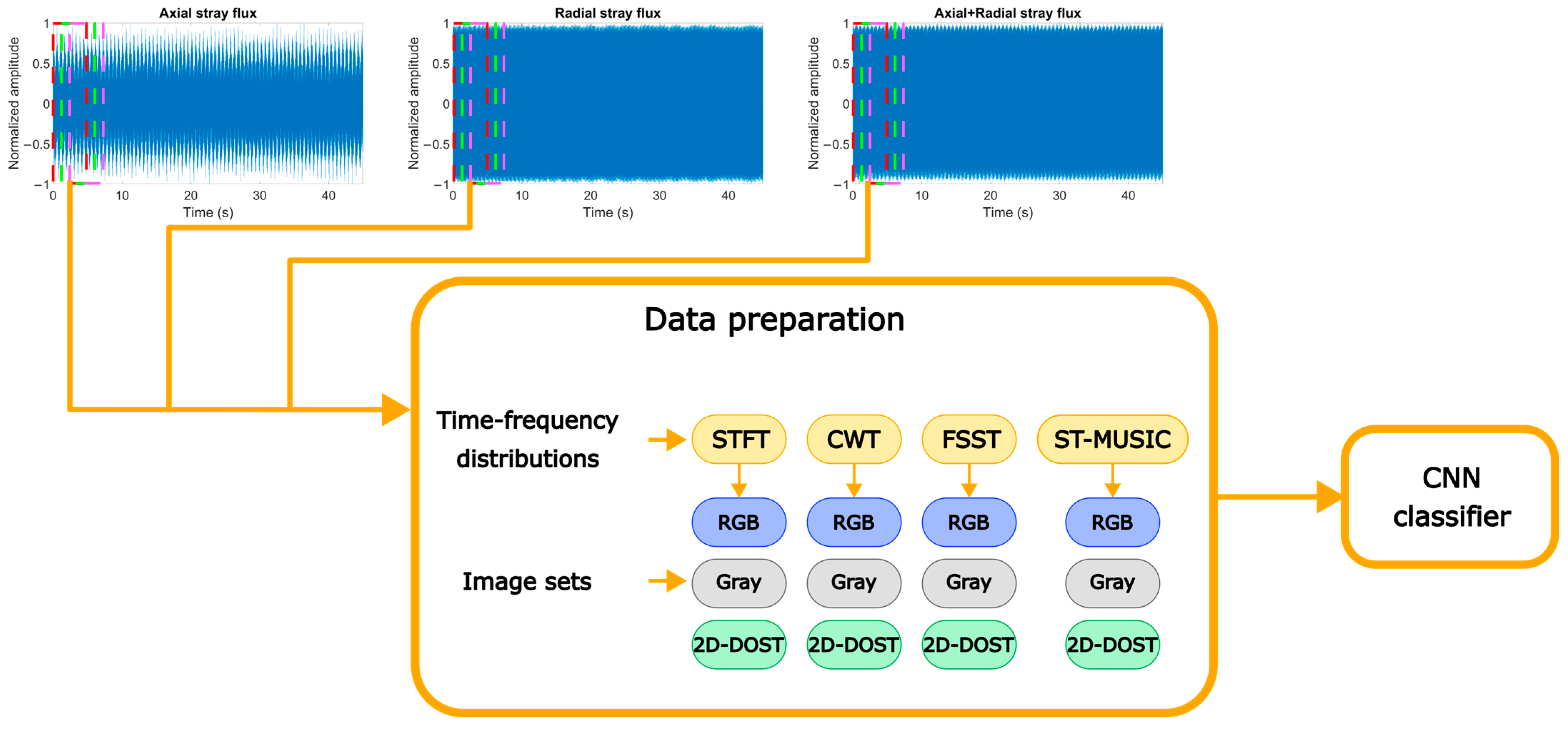
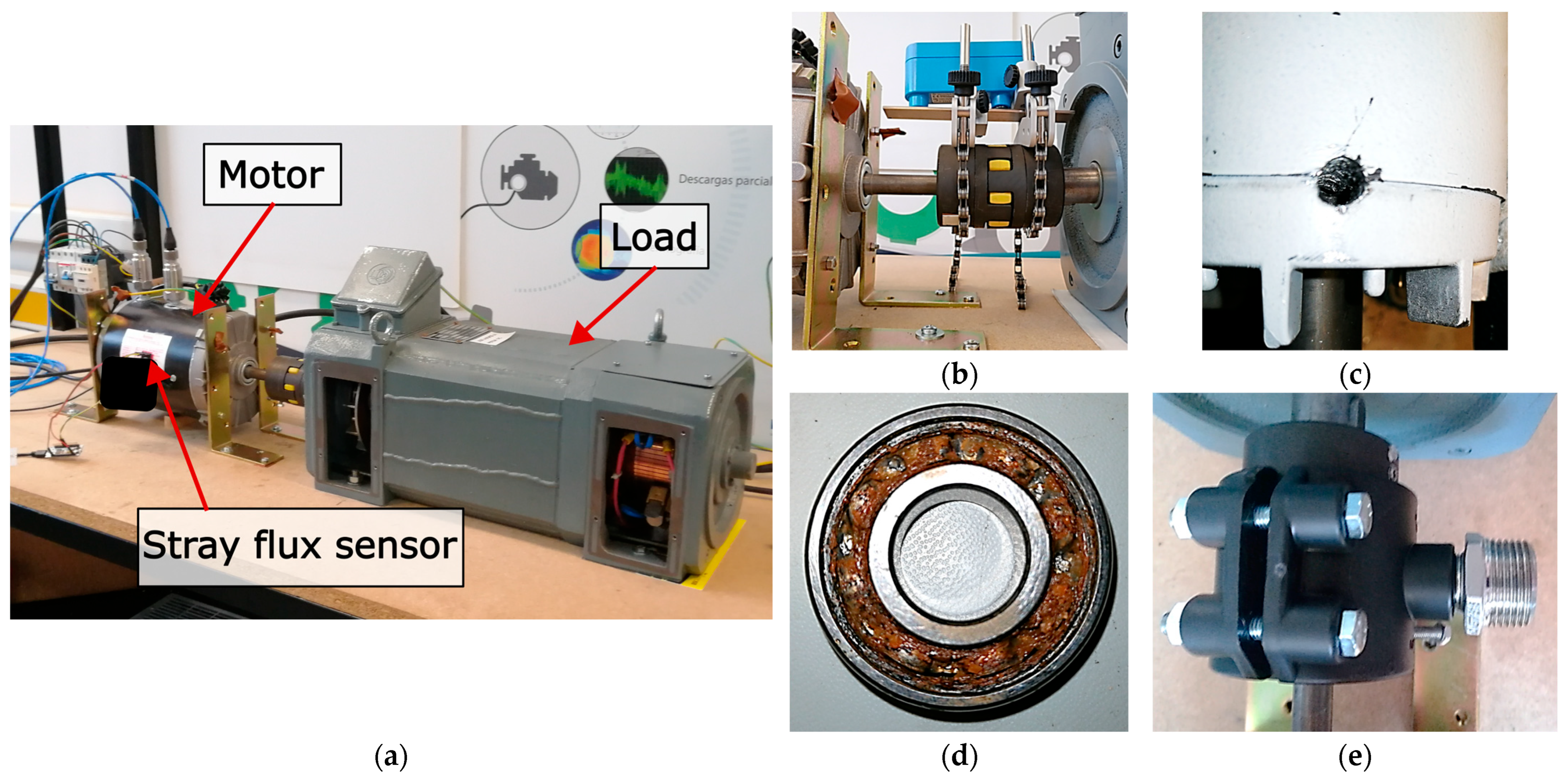
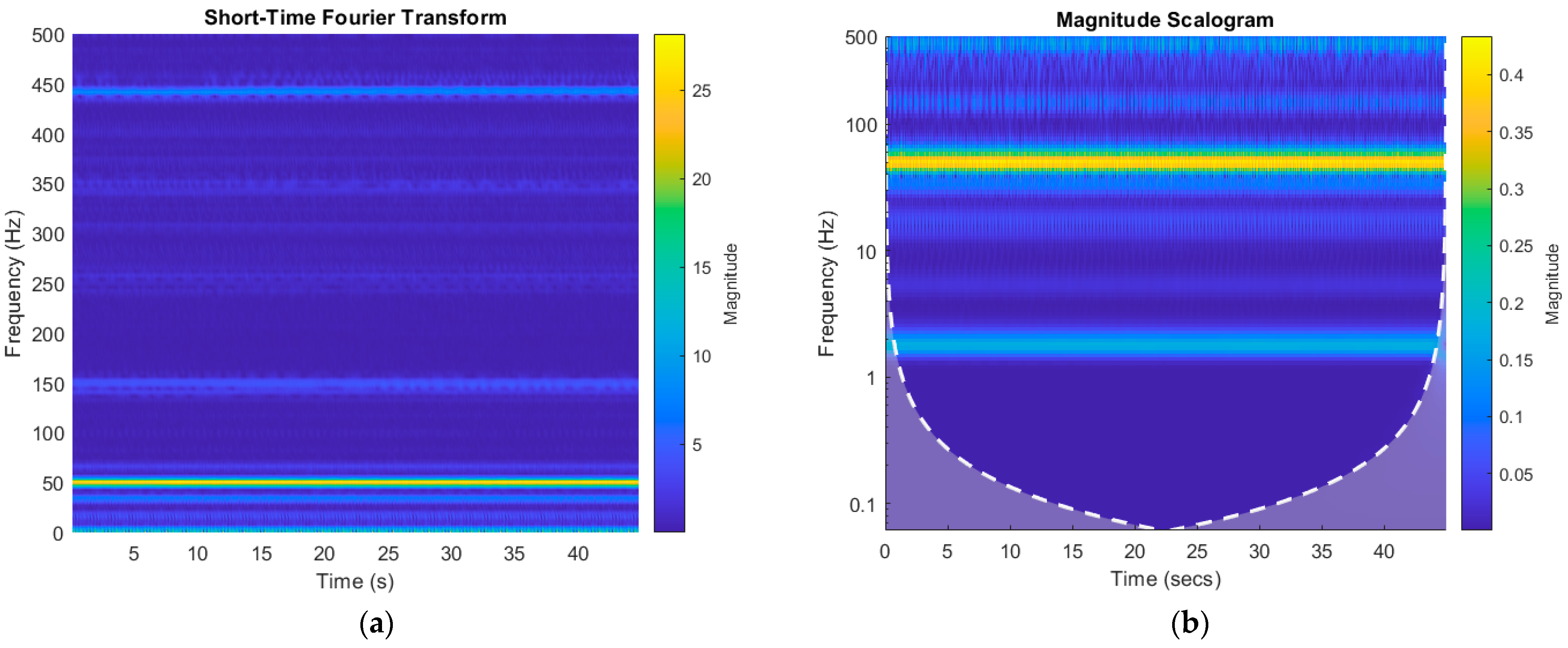
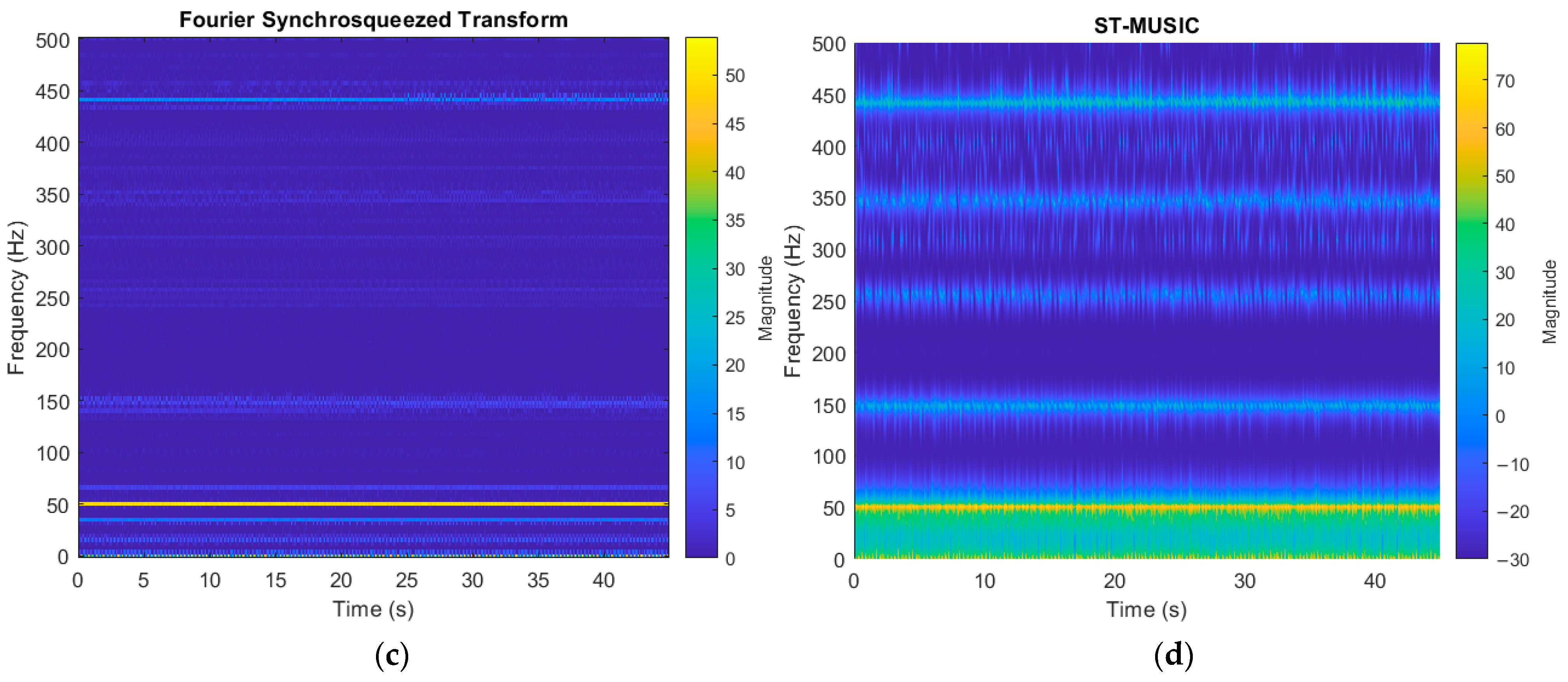
Investigation on the Use of 2D-DOST on Time–Frequency Representations of Stray Flux Signals for Induction Motor Fault Classification Using a Lightweight CNN Model

 , and
, and 
Abstract
Share and Cite
Díaz-Saldaña, G.; Morales-Velazquez, L.; Biot-Monterde, V.; Antonino-Daviu, J.A. Investigation on the Use of 2D-DOST on Time–Frequency Representations of Stray Flux Signals for Induction Motor Fault Classification Using a Lightweight CNN Model. Machines 2025, 13, 1001. https://doi.org/10.3390/machines13111001
Díaz-Saldaña G, Morales-Velazquez L, Biot-Monterde V, Antonino-Daviu JA. Investigation on the Use of 2D-DOST on Time–Frequency Representations of Stray Flux Signals for Induction Motor Fault Classification Using a Lightweight CNN Model. Machines. 2025; 13(11):1001. https://doi.org/10.3390/machines13111001
Chicago/Turabian StyleDíaz-Saldaña, Geovanni, Luis Morales-Velazquez, Vicente Biot-Monterde, and José Alfonso Antonino-Daviu. 2025. "Investigation on the Use of 2D-DOST on Time–Frequency Representations of Stray Flux Signals for Induction Motor Fault Classification Using a Lightweight CNN Model" Machines 13, no. 11: 1001. https://doi.org/10.3390/machines13111001
APA StyleDíaz-Saldaña, G., Morales-Velazquez, L., Biot-Monterde, V., & Antonino-Daviu, J. A. (2025). Investigation on the Use of 2D-DOST on Time–Frequency Representations of Stray Flux Signals for Induction Motor Fault Classification Using a Lightweight CNN Model. Machines, 13(11), 1001. https://doi.org/10.3390/machines13111001