
Article

Granular Resistive Force Theory Extension for Saturated Wet Sand Ground
1
College of Mechanical Electronical and Engineering, Harbin Engineering University, Harbin 150001, China
2
Science and Technology on Underwater Vehicle Laboratory, Harbin Engineering University, Harbin 150001, China
3
College of Information and Communication Engineering, Harbin Engineering University, Harbin 150001, China
4
College of Mechanical and Electrical Engineering, Heilongjiang Institute of Technology, Harbin 150050, China
*
Author to whom correspondence should be addressed.
Machines 2022, 10(9), 721; https://doi.org/10.3390/machines10090721

Submission received: 3 July 2022 / Revised: 16 August 2022 / Accepted: 20 August 2022 / Published: 23 August 2022
(This article belongs to the Special Issue Intelligent Mechatronics, Automation, Control Systems)

Abstract

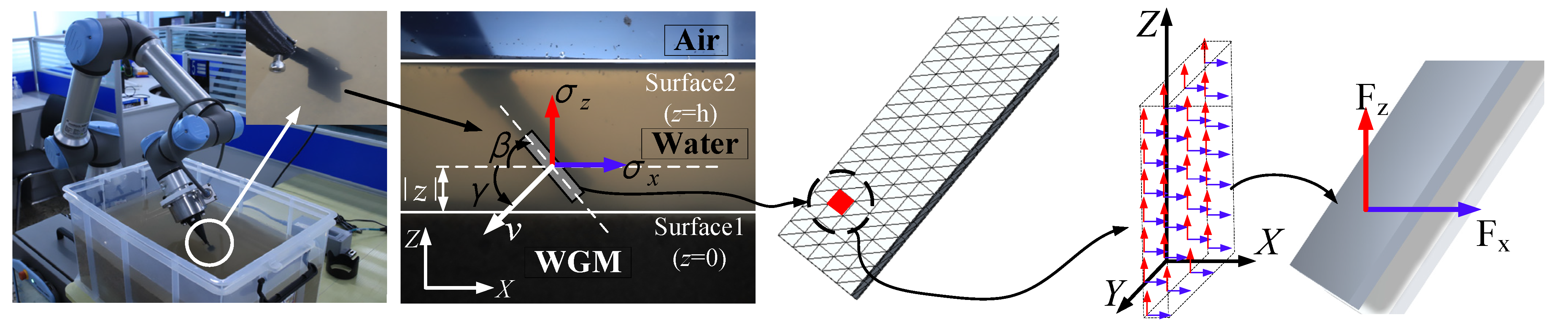
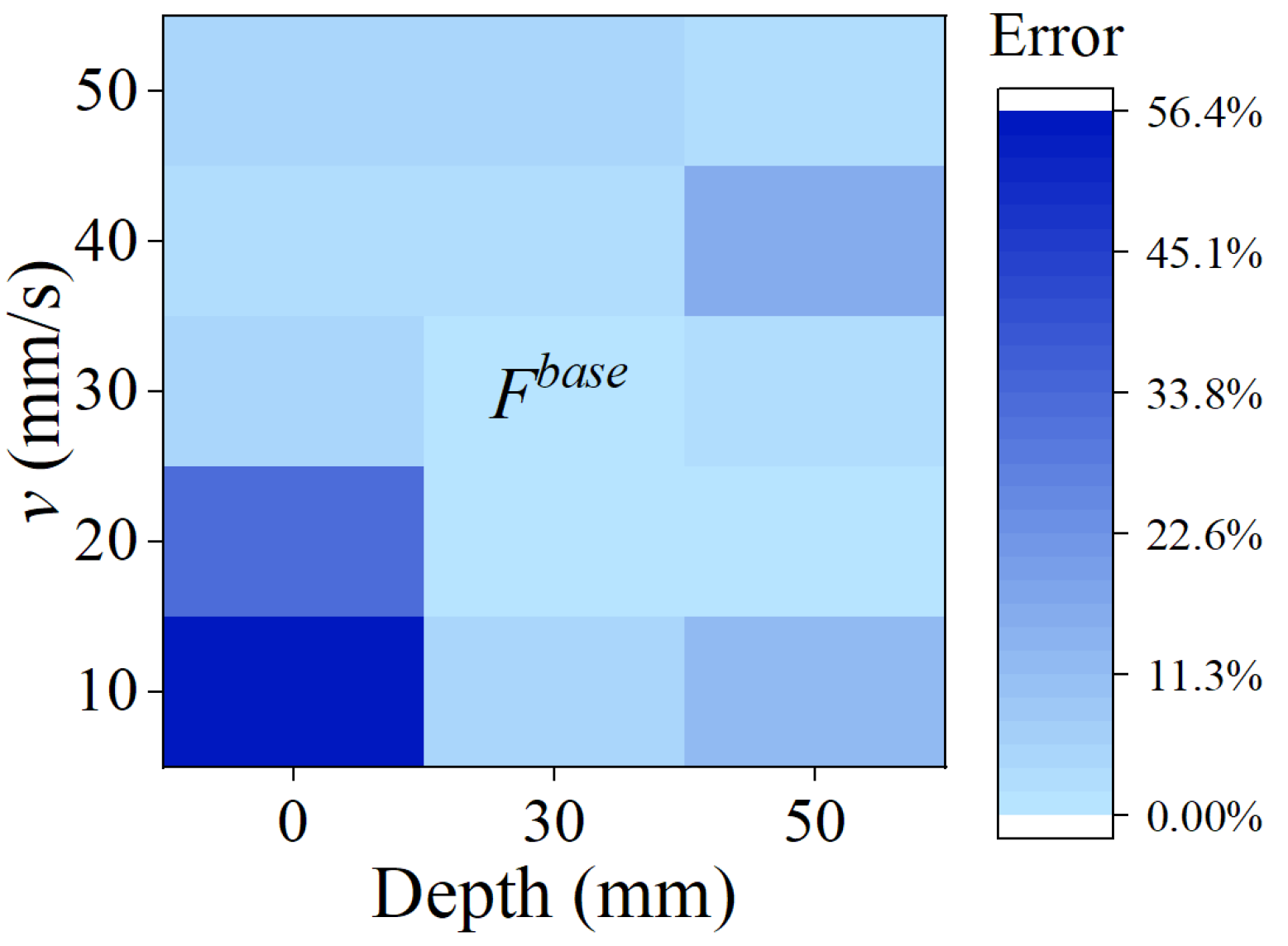
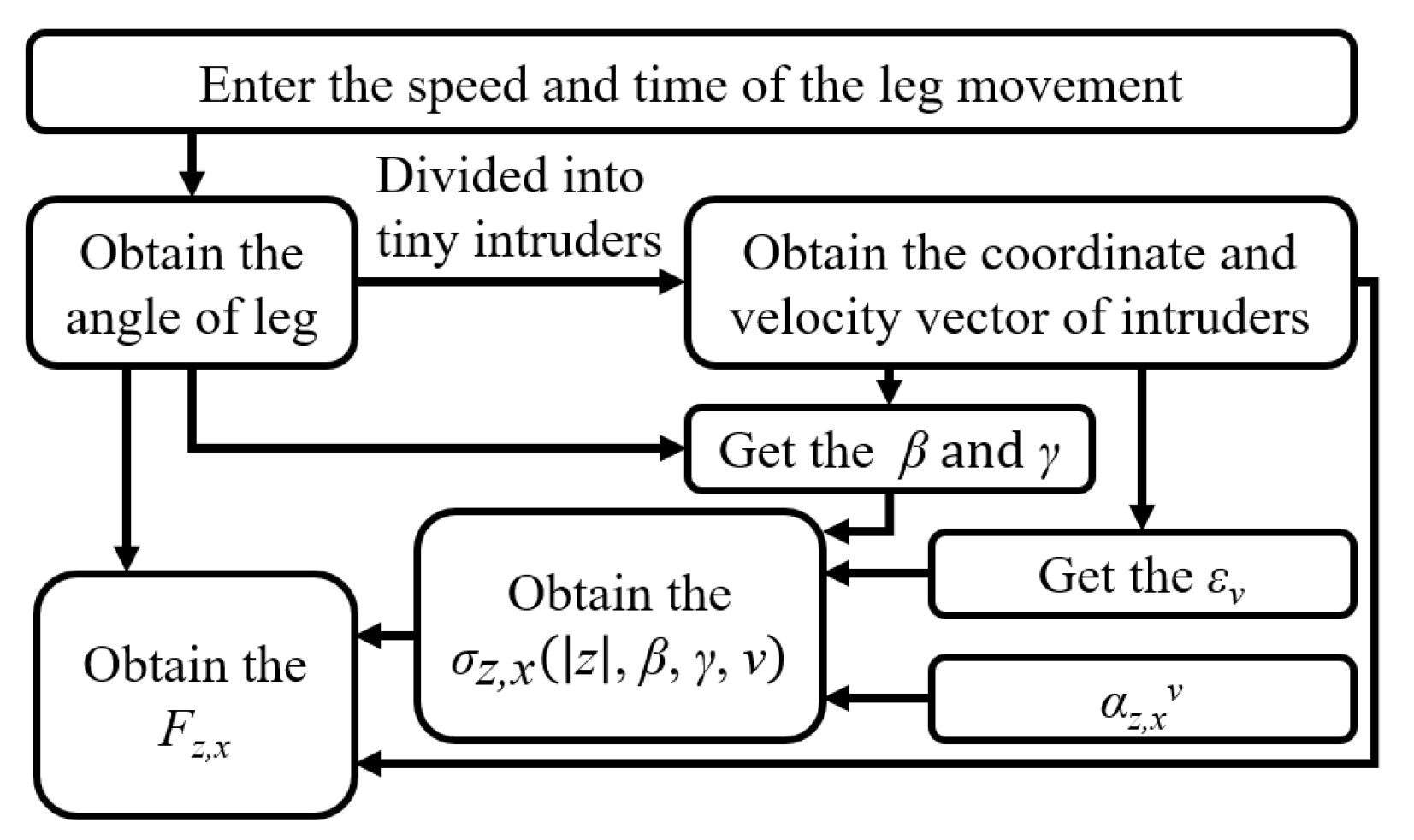
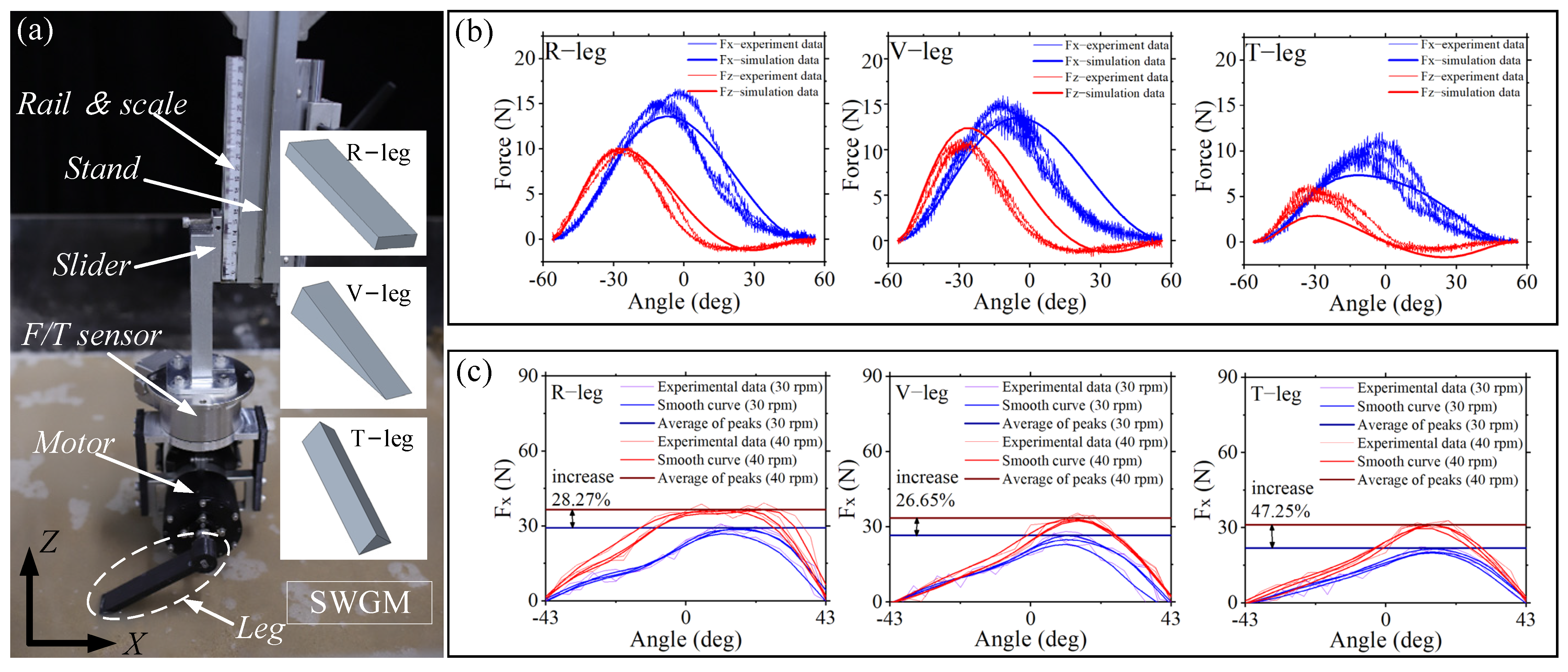
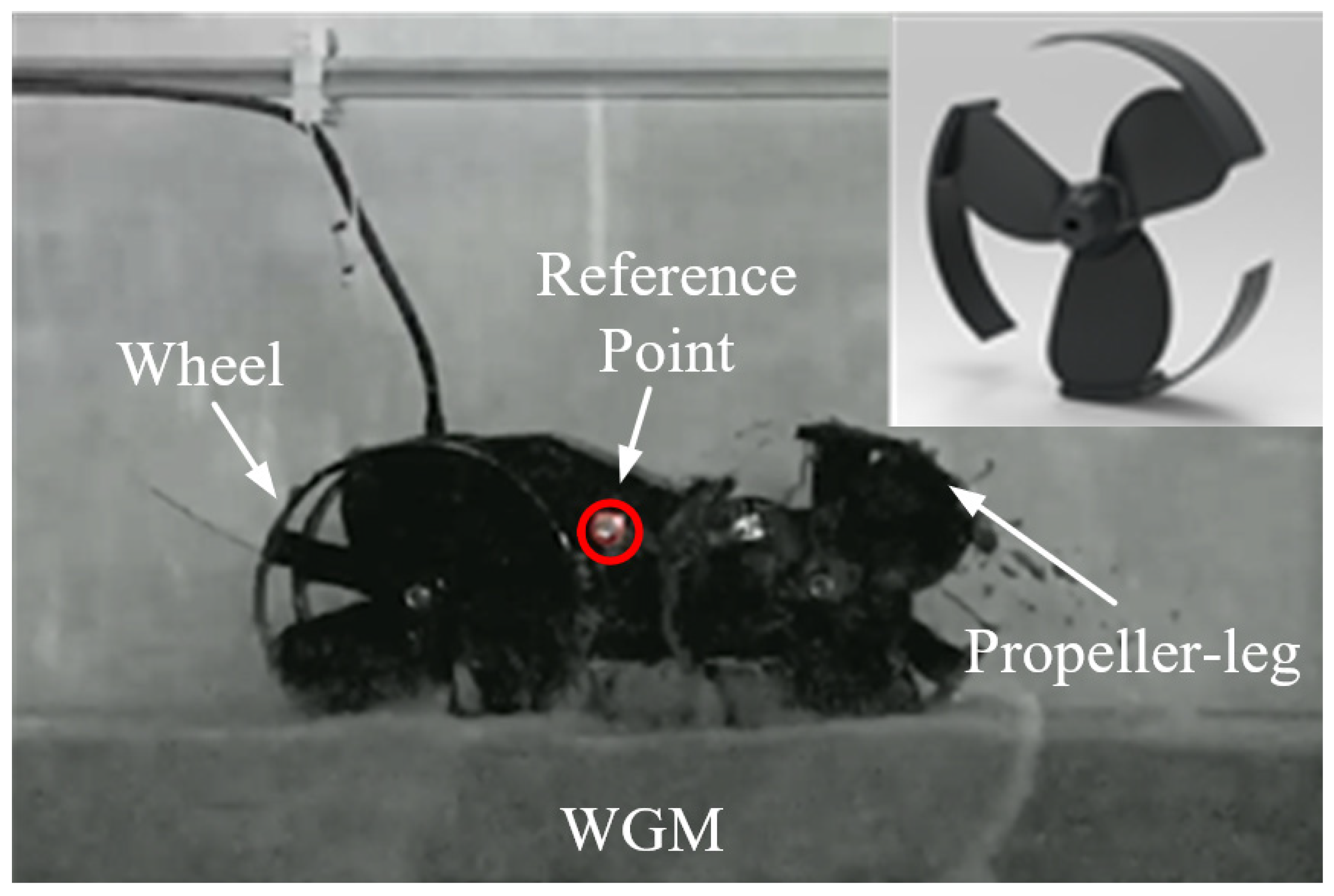
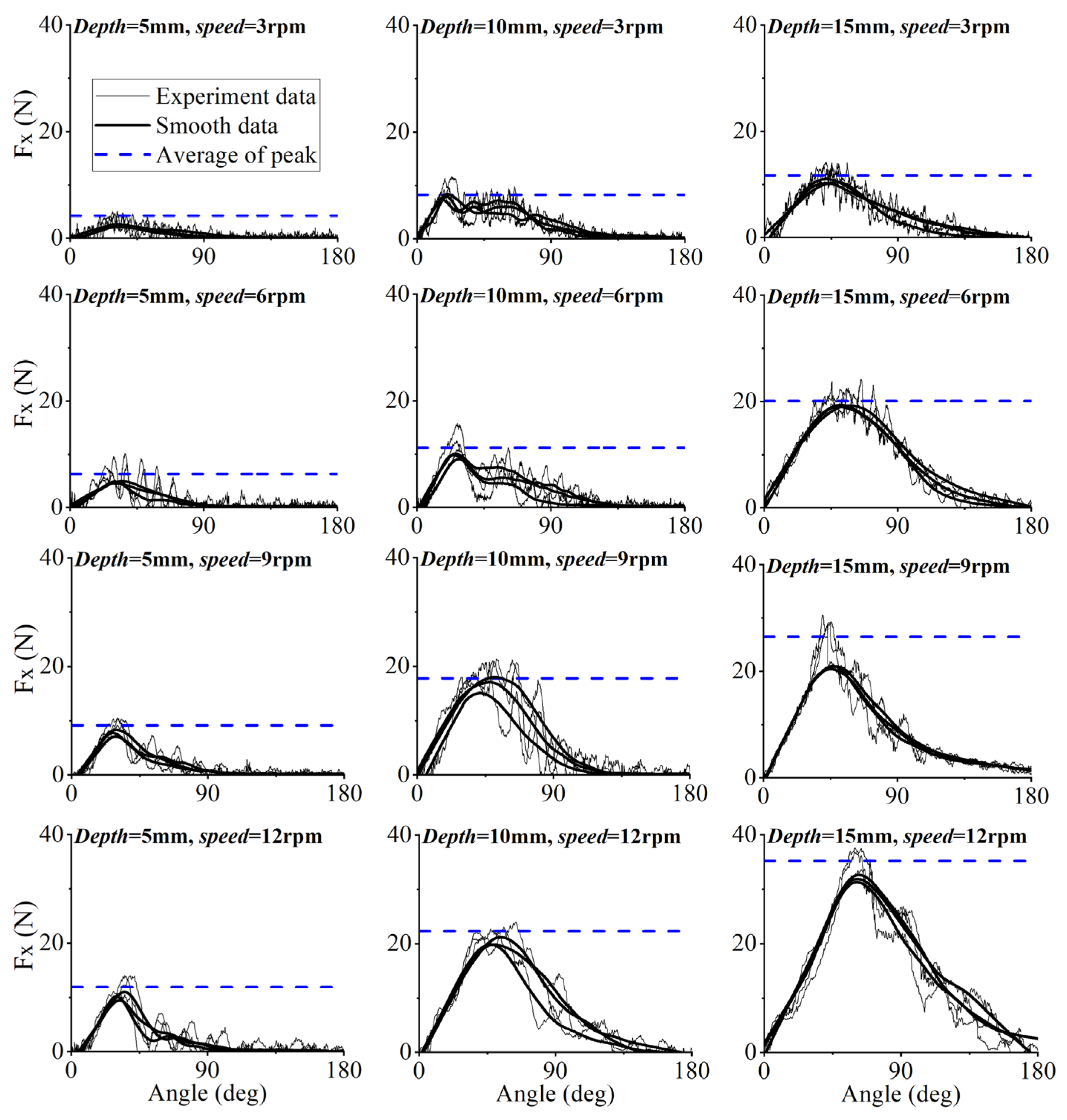
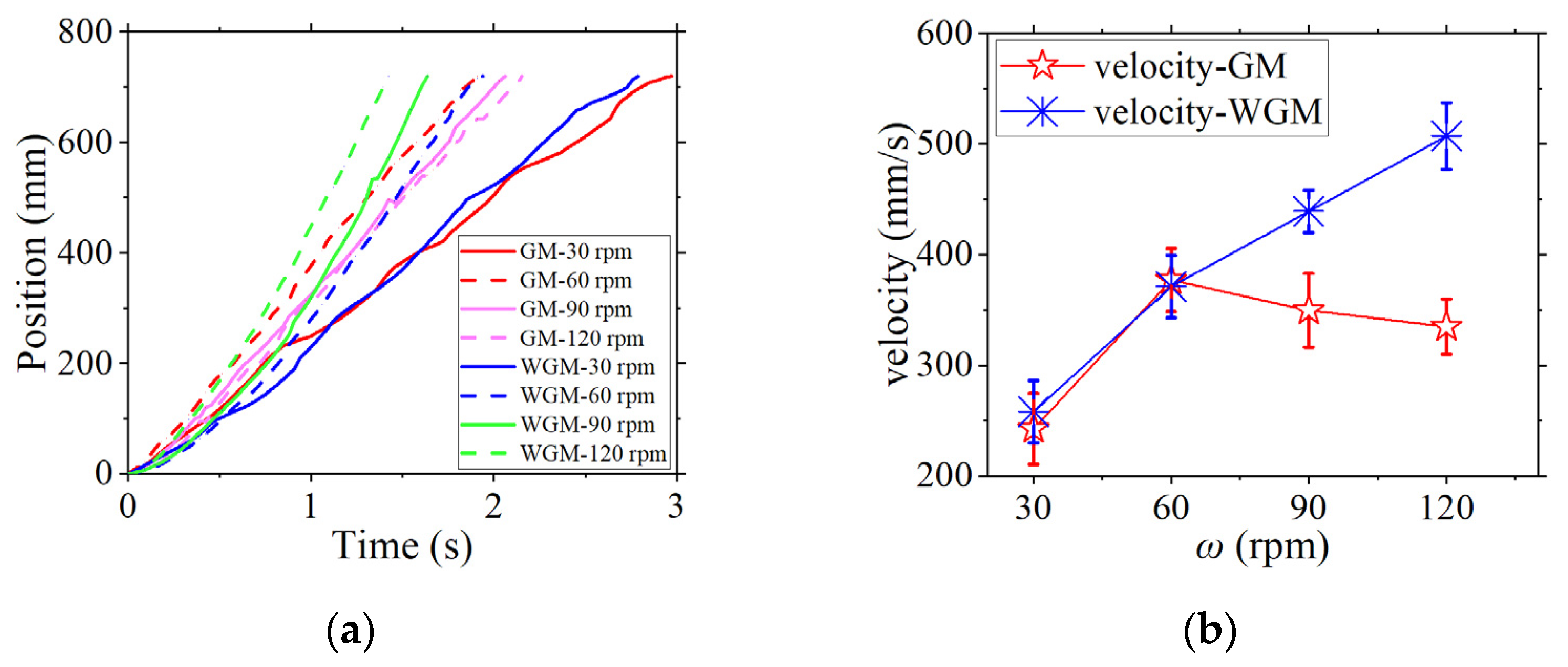
Amphibious environments formed from sand and water present a formidable challenge to the running motion of field robots, as the mixing of granular media (GM) and water makes the force laws of robotic legs more complicated during robot running. To this end, we extended the granular resistive force theory (RFT) to saturated wet granular media, named saturated granular RFT (SGRFT), which can be suitable for saturated wet sand submerged in water. This method can extend RFT for dry GM to saturated wet granular media (SWGM) by using the method’s velocity and depth coefficient. The force laws of the robotic legs in dry GM and SWGM were tested, compared, and analyzed. The difference in force laws between the two kinds of media, from the sensitivity to speed (10 mm/s~50 mm/s) and depth (0~60 mm), was calculated. More than 70% of the prediction results of the horizontal resistive force using SGRFT have an error of less than 6%. The effectiveness of the SGRFT in legged robots is proved by simulation and testing of three kinds of legs. The difference in force laws when running is proved by the experiments of the robot equipped with the propeller-leg in dry GM and SWGM, which is vital for amphibious robots working in shoal environments (including dry GM and SWGM ground).
Keywords: contact modeling; field robots; legged locomotion; wet granular media contact modeling; field robots; legged locomotion; wet granular media