1. Introduction
Central Europe has abundant resources of numerous deposits that include metallic ores and fossil fuels [
1]. The mining of metallic ores started in the period of the Roman Empire, and advances in mining and processing technology allowed for extensive exploration in the 10th century AD [
2]. Most of the easily accessible deposits were already exhausted in the 14th century, yet mining was revived in central Europe in the mid-15th century. This was caused by the increased demand for new kinds of metal ores (e.g., copper), technological innovations such as water pumping from shafts, and hydrometallurgical methods of metal separation [
3]. In the 18th century, the Industrial Revolution brought interest in coal mining, and regions such as Ruhr in Germany and Silesia in Poland were the ones in Central Europe where the coal industry played a major role in the development of new mining technologies. Today, Poland still remains a major coal producer in the European Union with over 61.436 Gt of hard coal resources, out of which 3.605 Gt are proven reserves. Other important industrial minerals of Poland include metallic ores, which are mostly copper with recoverable reserves of 1.188 Gt. It is worth mentioning that other valuable minerals such as gold, silver, and nickel are extracted from copper ores. In 2018, 1.189 Mt of silver, 523 kg of gold, 1.73 Mt of nickel sulfate, and 66.35 t of selenium were recovered by KGHM Polska Miedź S.A., making a Polish company one of the world’s largest silver producers [
4]. Taking into account current production figures of the most important industrial minerals, we can assume that coal reserves will last for the next 20–30 years, whereas copper ore reserves should suffice for the next 50 years. Taking carbon emission limits into consideration, the coal mining industry will be phasing out in the next 10–15 years. Therefore, metallic ores and other mineral raw materials (except fossil fuels) will dominate the extractive industry of Poland.
Other industrial minerals of Poland include chemical raw materials such as barite and fluorspar, clay raw materials for the production of mineral paints, diatomaceous rock, potassium, and magnesium salts, but also siliceous earth and native sulfur [
4].
The purpose of this study is a quantitative and qualitative evaluation of two industrial minerals used as effective adsorbents i.e., halloysite and diatomite (diatomaceous earth). These minerals have different origins, structures, and chemical compositions, but exhibit similar properties and are used mostly for the same purposes. Samples from the two largest deposits of these minerals in Poland were acquired and subjected to structural, chemical, and crystal analysis. Resources of deposits were evaluated based on the current geological data and the information acquired from the owners of the deposits.
2. Geological Setting, Resources, and Uses
The two materials under investigation, despite being of entirely different origin, usually serve the same purposes, i.e., as adsorbents, filler materials, insulation, and lining, and are characterized by similar properties. In
Table 1, the properties of typical market products of diatomaceous earth and halloysite under investigation are presented. The geological setting of the two deposits and estimated resources are given in the following subsections.
2.1. Halloysite
Halloysite belongs to the group of phyllosilicates from the kaolinite subgroup. Unlike other minerals in its group, halloysite has a considerably larger specific surface area and greater ion exchange capacity. It is also characterized by good chemical and thermal resistance in low and moderate temperatures [
7].
Nowadays, there are only three large-scale active mines of this raw material in the world [
8], which are located in the USA, New Zealand, and Poland; the latter features the open pit halloysite mine “Dunino” Sp. z o.o. near Legnica (Lower Silesian Voivodeship). The Dunino deposit, covering an area of 1.99 ha, was documented in 1996 originally as a deposit of halloysite raw material, and now is classified as a kaolinite raw material. Halloysite from this deposit is a product of the weathering of tertiary basalt rocks. It has the form of a horizontal seam, is homogeneous in composition, and was included in the second group of deposit variability in accordance with Baryszew classification (average variability). The thickness of the deposit ranges from 3.5 to 18.8 m (average 12.2 m). The cap rock includes: soil, quaternary sandy-loam formations, and weathered basalt with sand with thickness ranging from 1.6 to 7.0 m (average 4.0 m). In the bottom layer, clayey sands and weathered basalt occur [
9].
The measured resources of this deposit are 470.63 thousand t, whereas proven reserves account for 374.66 thousand t. The production from this deposit in 2018 amounted to 1350 t [
4]. The concession for mining the Dunino deposit is granted to the company until 2029. Currently, the only producer of halloysite in Poland is the Intermark Company, which owns the Dunino deposit.
Halloysite may be used for the following purposes:
as an adsorbent for the purification of process gases and liquids [
10,
11,
12];
catalyst in chemical processes (e.g., processing of plastics) [
13,
14,
15];
additive in the combustion of biomass, Refused-derived fuel (RDF), and coal in boilers (reduces slagging and fouling of boiler heating surfaces and prevents the agglomeration processes in fluidized beds) [
16,
17];
polymer composites filler (increases mechanical properties and fire resistance) [
18,
19,
20];
as a slow-release fertilizer and plant protection [
21,
22];
animal feed additive [
23,
24,
25];
paint additive (e.g., controlled release of anti-corrosion agents) [
26,
27];
waste water treatment additive [
28,
29];
component of geosynthetic clay liners [
30];
slow-release drug delivery system [
31,
32].
The above non-exhaustive list of halloysite uses makes it a valuable resource in modern applications, particularly in medicine and environmental protection.
2.2. Diatomaceous Earth
Diatomaceous earth is the naturally occurring fossilized remains of single-celled aquatic algae called diatoms. It belongs to the group of near pure sedimentary silica rock consisting predominantly of opal. The properties that make diatomite industrially valuable include: light weight, low density, high porosity, high surface area, inertness, and high absorption capacity.
The only occurrence of diatomite rock in Poland is located in the Eastern Carpathians, within the Menilite series of Krosno strata, in the Leszczawka area. The raw material from the deposit is characterized by a 72% concentration of SiO
2, relatively high density (1.42 g/cm
3), and relatively low porosity (average 28.5%, maximally 50%). Typical diatomite with silica content above 80% is not found in Poland [
4].
Measured resources of diatomite in four deposits in the Leszczawka region (two deposits in Leszczawka and Kuźmina and Jawornik deposits) amount to a little over 10 Mt (
Table 2 and
Table 3). The recoverable reserves of diatomite rock for the Leszczawka area are estimated at up to 10 Mt. Much larger prospects for the discovery of diatomite deposits are associated with the Menilite series of Krosno strata in the regions of Błażowa-Piątkowa-Harta-Bachórz and Godów (Rzeszów region) and in the Dydynia-Krzywe region (Krosno region).
At present, the only domestic producer of diatomite materials is the Specjalistyczne Przedsiębiorstwo Górnicze “Górtech” Sp. z o.o., excavating the Jawornik diatomite deposit since 1992 in the Jawornik Ruski mine. The production of diatomaceous earth from this deposit in 2018 amounted to 0.58 thousand t (see
Table 3). The company supplies raw material in the form of 0.5–3 mm granules (used as a sorbent), powder (used as natural mineral filler), and dusts (for the production of insulation materials). Diatomite uses are as follows:
carrier of drug, particularly Nonsteroidal Anti-Inflammatory Drugs (NSAID) [
33,
34];
production of antibacterial composites [
35,
36,
37,
38];
filler in cement, asphalt, paint, brick, tile, and ceramics production [
39,
40,
41,
42,
43];
sound and heat insulation composites manufacturing [
48,
49,
50];
There are other numerous applications of diatomite, yet the most important property of the deposit should be the purity of resource and lack of organic impurities.
3. Materials and Methods
In order to evaluate structure, chemical composition, and properties of halloysite from the Dunino deposit and diatomite from the Jawornik deposit, a detailed study was conducted. Samples from both deposits were subjected to the following set of analyses:
structural–using light microscopy (LM),
microstructural and nanostructural–using scanning electron microscopy (SEM),
elemental–using energy-dispersive X-ray spectroscopy (EDS),
chemical composition–using the X-ray fluorescence method (XRF) and inductively coupled plasma-optical emission spectrometer (ICP-OES),
mineral composition–with the use of the X-ray diffraction (XRD) method.
For the purpose of the study, 30 samples of each mineral were used. First, samples were hand crushed and sieved in order to remove large impurities (>30 mm). Before starting the set of analysis, samples were dried in an oven at 105 °C for 2–3 h (until the weight was equilibrated). After drying, samples were placed in a desiccator. SEM-EDS analysis was performed on 20 samples, whereas for LM analysis, 10 samples were used. For the XRD analysis, raw and dry halloysite was used, as well as a dry diatomaceous earth sample.
The selection of research areas for metallographic observations was done after previous macroscopic observations by using a light stereoscopic microscope SteREO Discovery ZEISS in a magnification range from 8× to 100×. A Zeiss stereoscopic microscope was equipped with the two-channel optical observation system, which allowed the observation of spatial objects with a large depth. The microscope was also equipped with directional and annular lighting and the data acquisition and image analysis system called Axio Vision.
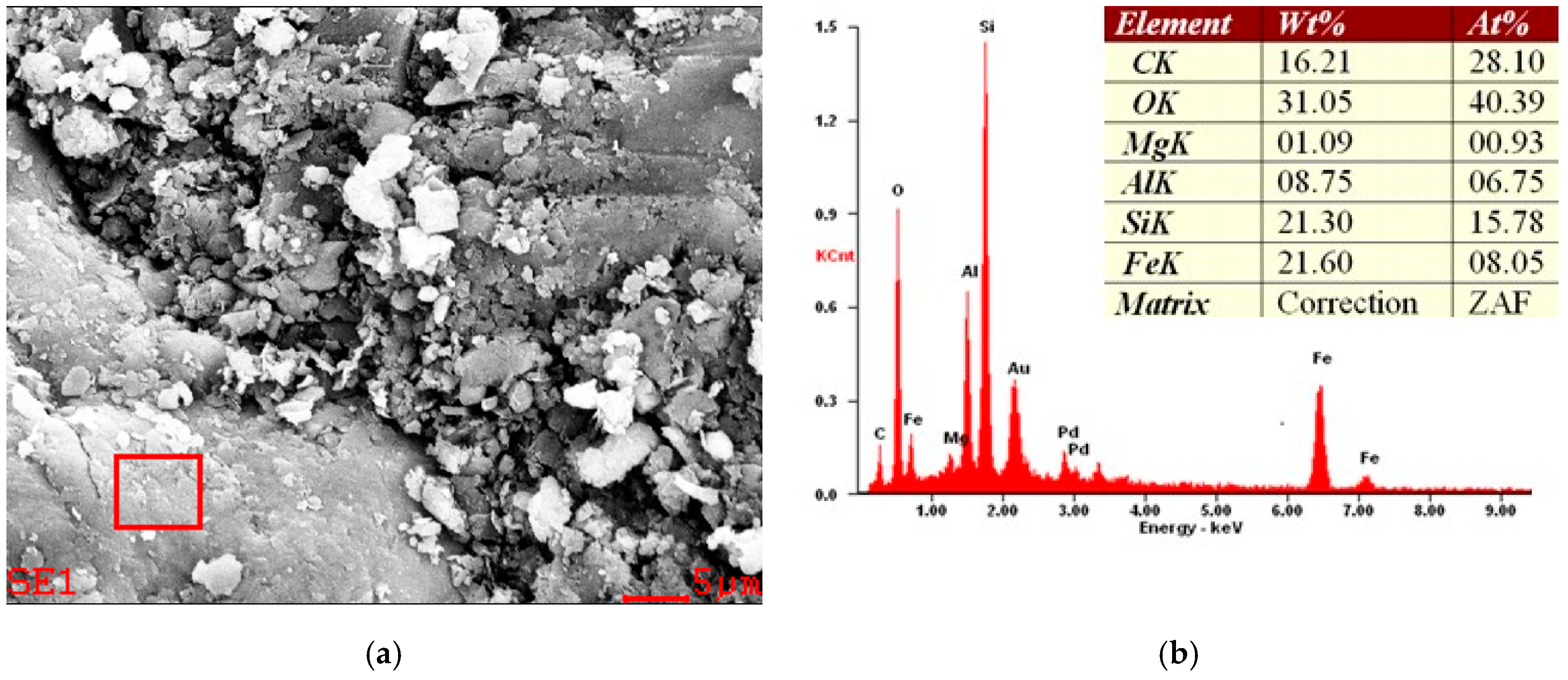
The surface morphology of the samples prepared from all the supplied pipes was observed using the high-resolution scanning electron microscope Zeiss Supra 35, which was equipped with an analysis system of the chemical composition with the energy-dispersive X-ray spectroscopy (EDS) TRIDENT XM4 EDAX. The energy-dispersive X-ray spectroscopy (EDS) allowed studying the chemical composition of the samples in the micro areas as well as an analysis of the distribution of elements in large areas. In addition, an analysis of the distribution of elements on the surface of the tested samples and the topographic investigations of the surface were carried out.
Since minerals from halloysite and diatomite deposits are classified as weakly conducting or non-conductive samples to obtain better quality SEM images, their surface was covered with a thin metallic layer of Pd and Au. This prevents disturbances of secondary electron emissions or electron beam emissions. All samples were attached to the scanning microscope handle using a conductive carbon tape. This can explain the occurrence on some EDS single spectrum of individual peaks derived from gold, palladium, and carbon. In the supplied tables, the quantitative and qualitative analyses of these elements were omitted.
Chemical analysis was conducted with the use of a Varian 710-ES inductively coupled plasma-optical emission spectrometer (ICP-OES). Prior to the measurements, samples were mineralized in a Magnum II ERTEC mineralizer. A more detailed chemical composition was established by means of the X-ray fluorescence (XRF) method using the Epsilon 1 spectrometer manufactured by PANalytical.
As mentioned above, X-ray diffraction (XRD) phase analysis was conducted for halloysite and diatomaceous earth samples. This research was conducted with the use of an XRD 7 diffractometer Seifert-FPM. The applied emission was Co K-alpha with an Fe filter. The X-ray tube parameters were 35 kV/25mA with the scattering angle of 2θ (from 4° for halloysite and 7° for diatomaceous earth) for phase analysis up to 70–90°.
4. Results
4.1. Halloysite
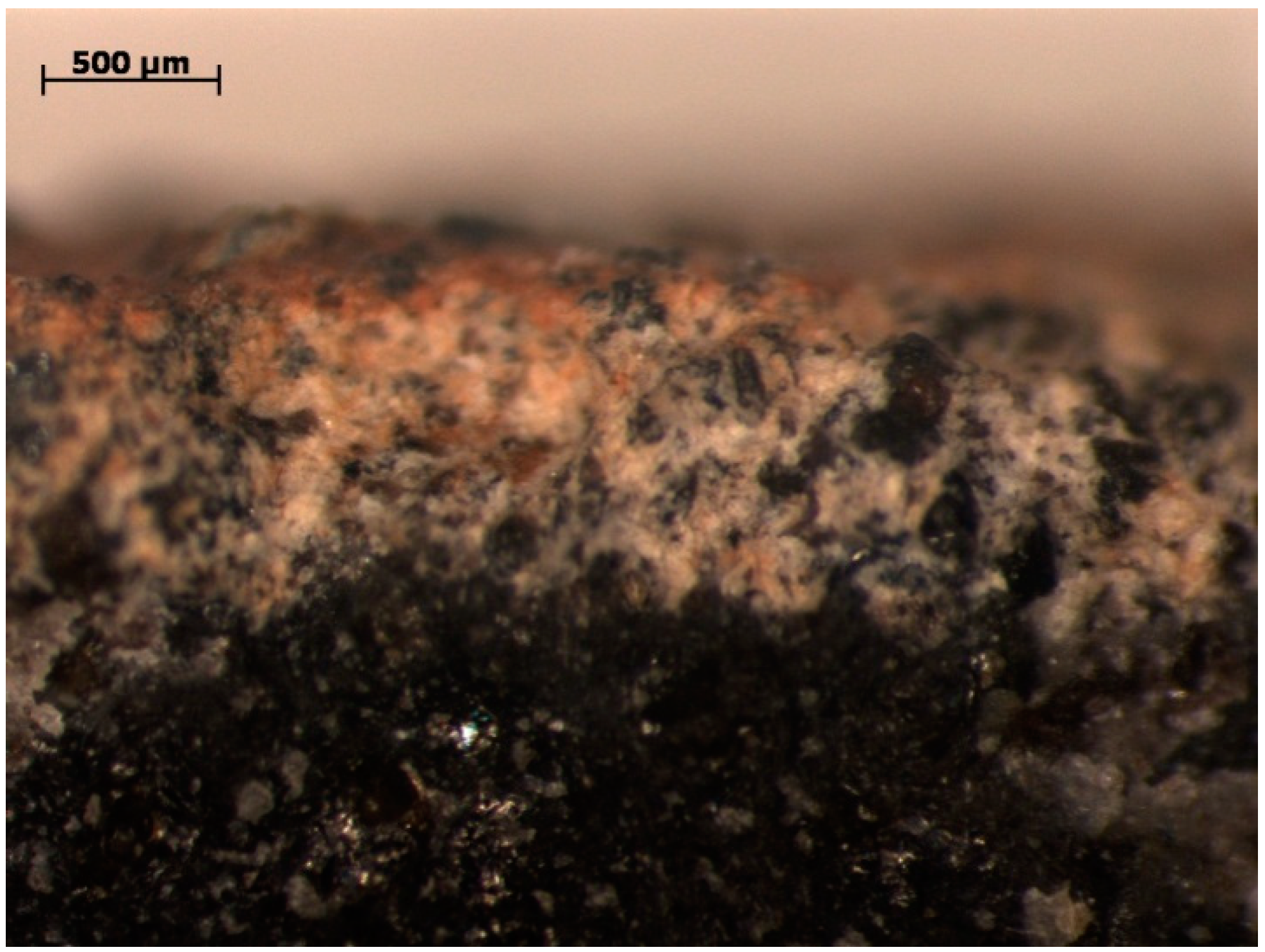
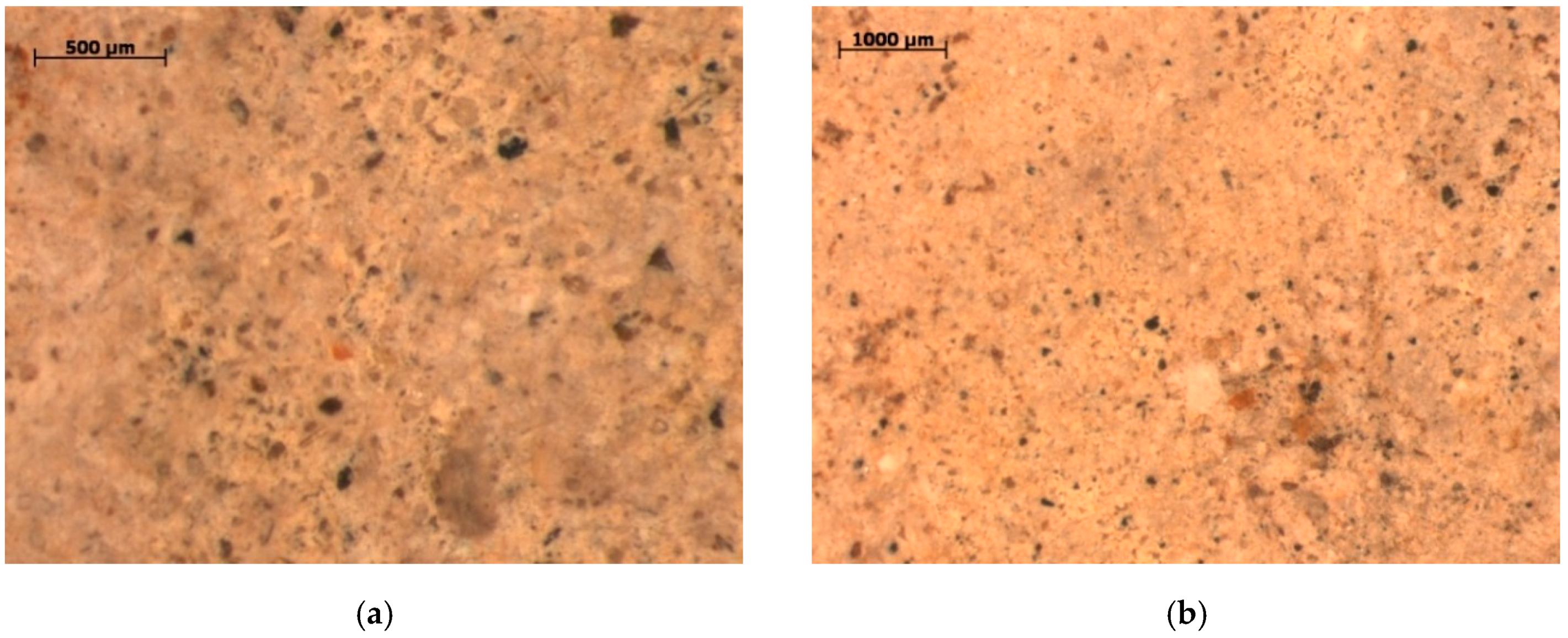
Since halloysite is a volcanic-derived mineral formed as a result of basalt weathering, in one of the LM photos, a transformation between basalt and halloysite is visible (
Figure 1). Areas of basalt rock (black and grey color) weathered into aluminosilicates (yellowish color) and mainly iron oxides inclusions (reddish color) can be observed.
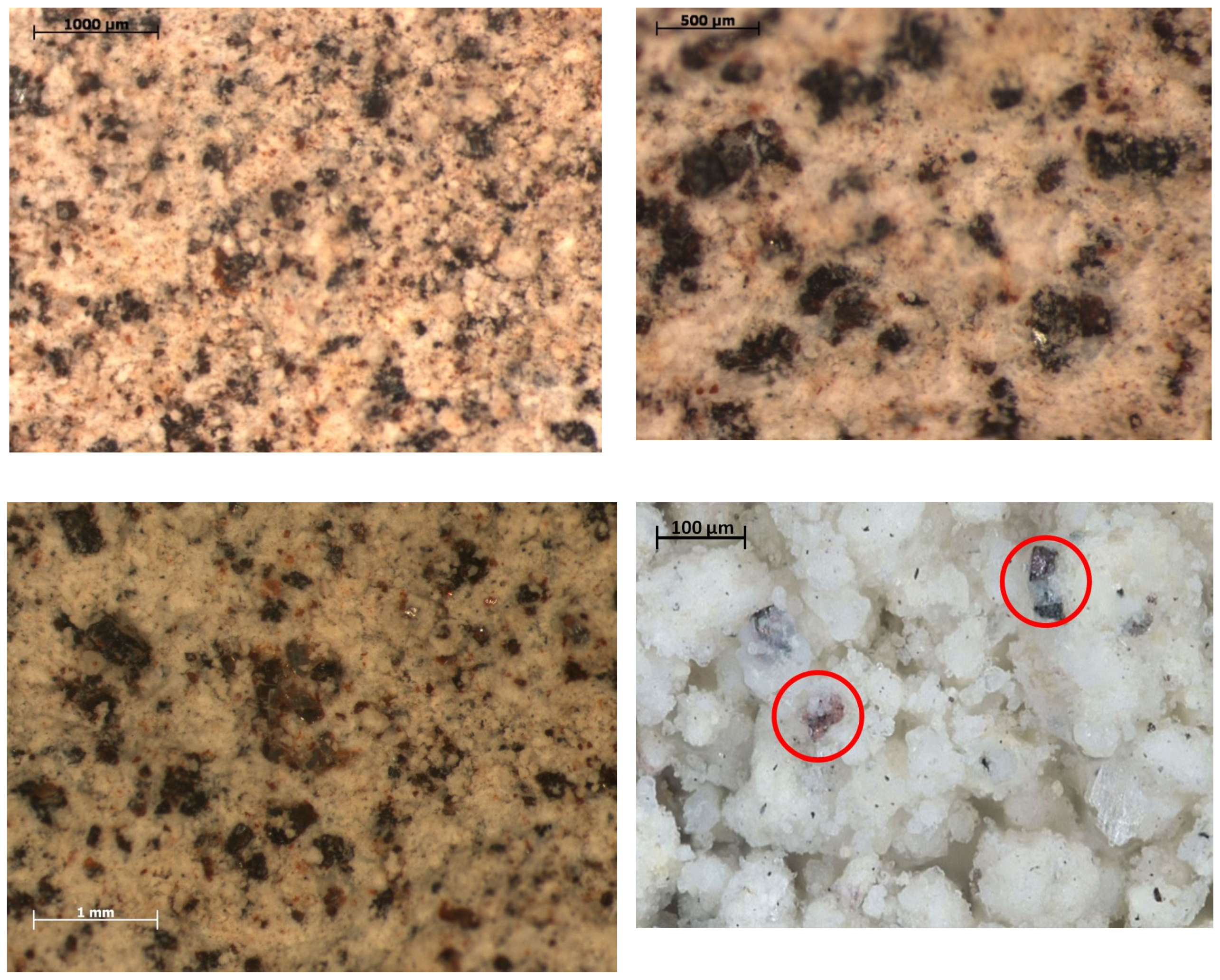
All samples exhibited the presence of magnetite particles surrounded by aluminosilicate crystals. Magnetite particles have an average size of 30–60 µm up to 500 µm for the largest particles. Hematite particles of size not exceeding a few micrometers were also observed. The size of the hematite particles was noticeably smaller than that of the magnetite particles (see
Figure 2).
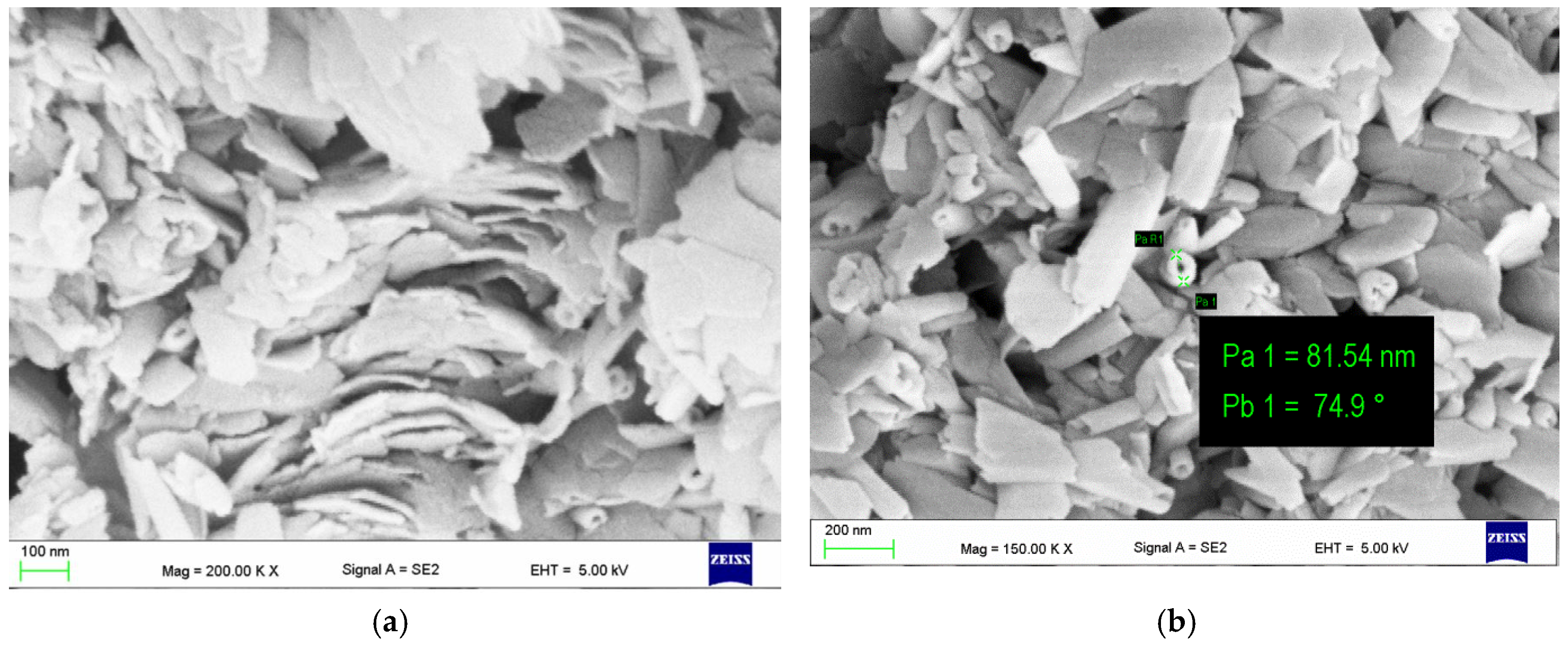
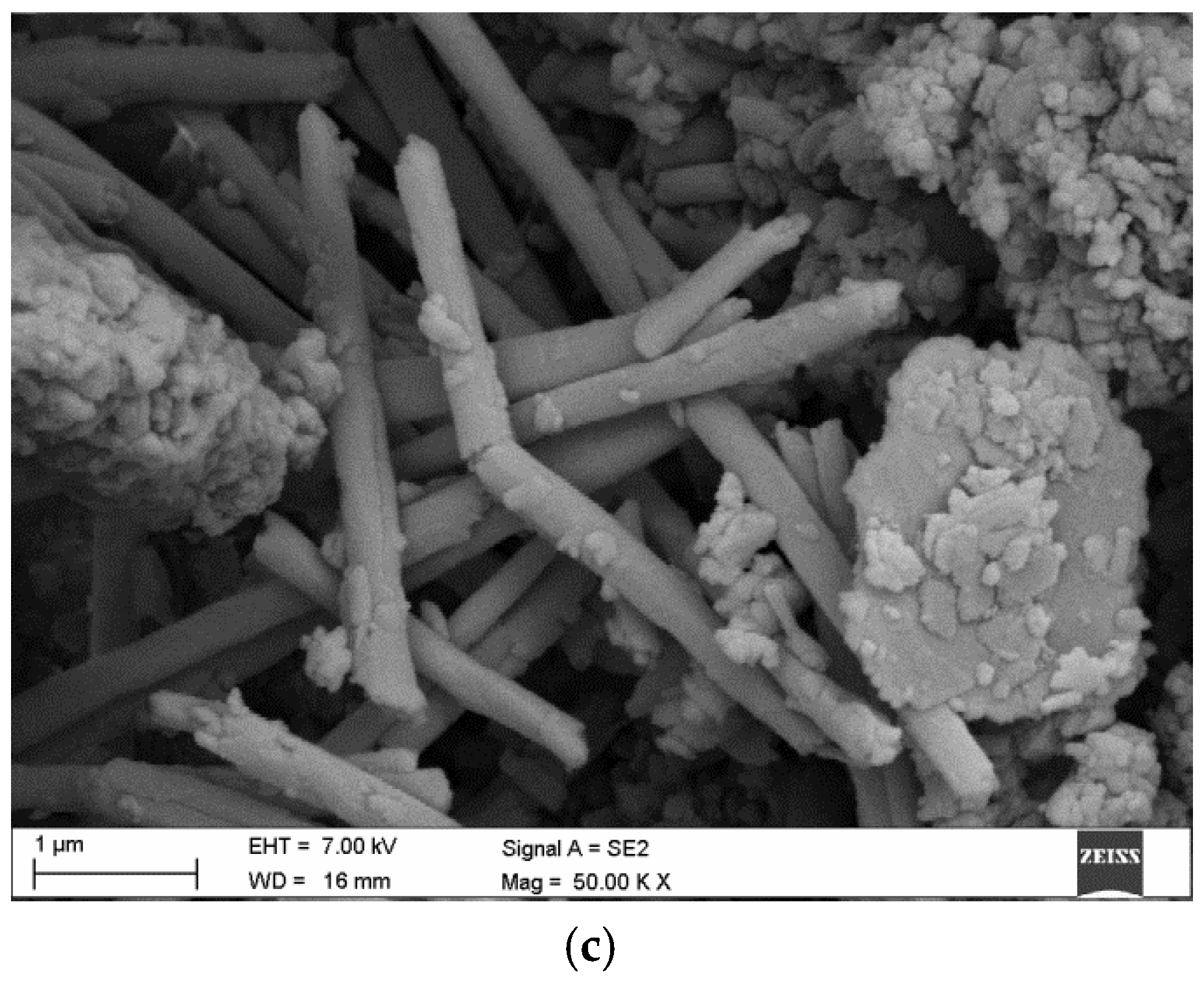
Microstructural and nanostructural analysis with the use of SEM showed interesting phenomenon in some of the halloysite samples. In several specimens, halloysite nanoplates (HNP) (
Figure 3a) and mixed halloysite nanotubes (HNT) and halloysite nanoplates (HNP) occur (
Figure 3b,c).
EDS elemental analysis were conducted for 30 samples of halloysite from the Dunino deposit. The mass-averaged quantitative and qualitative EDS elemental analysis showed that the most important elements found are: oxygen, aluminum, silica, iron, and titanium. The arithmetic mean of the analyses is given in the
Table 4. The differences resulting from the theoretical content of individual elements may result from the heterogeneity of composition and the occurrence of inclusions in the form of particles and grains as well as numerous substitutions of iron and titanium atoms in the halloysite crystals themselves.
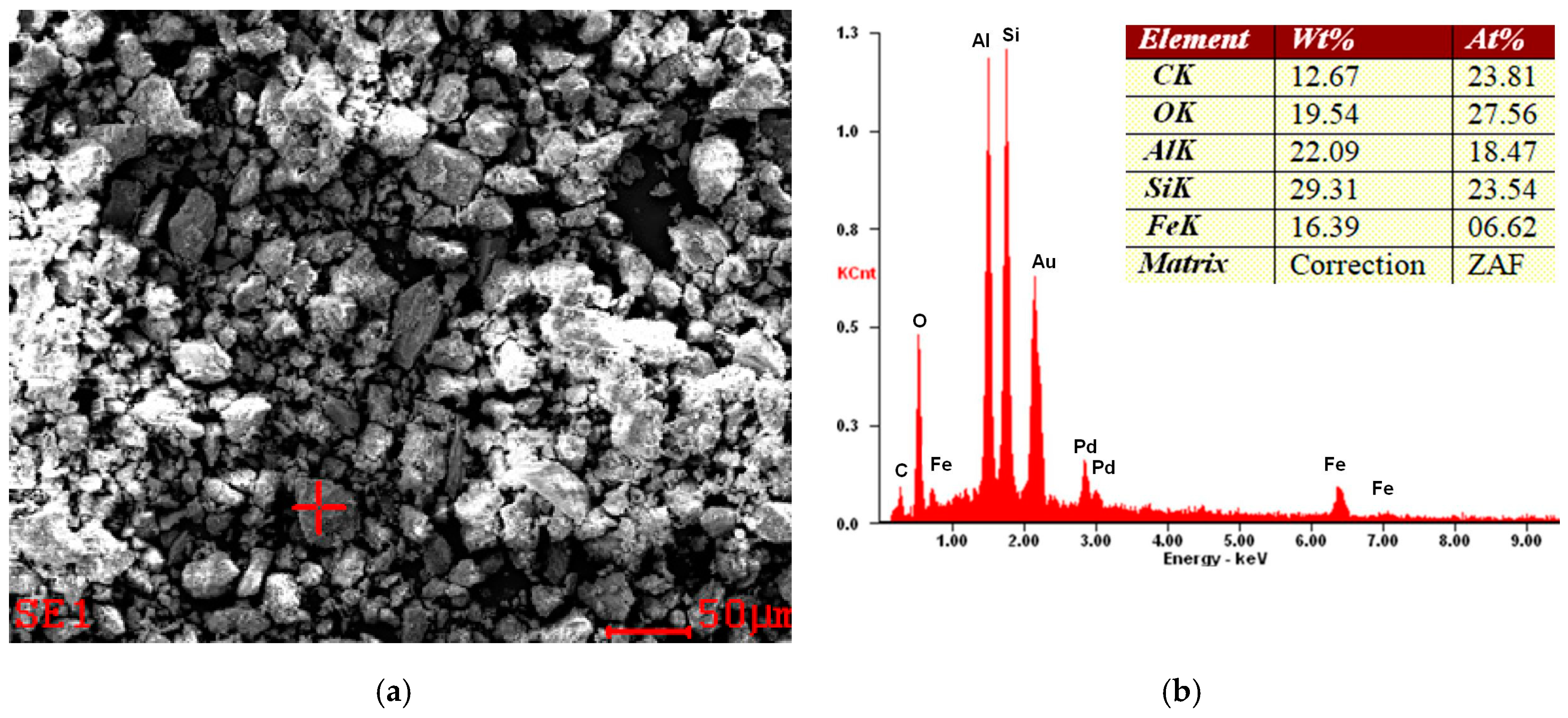
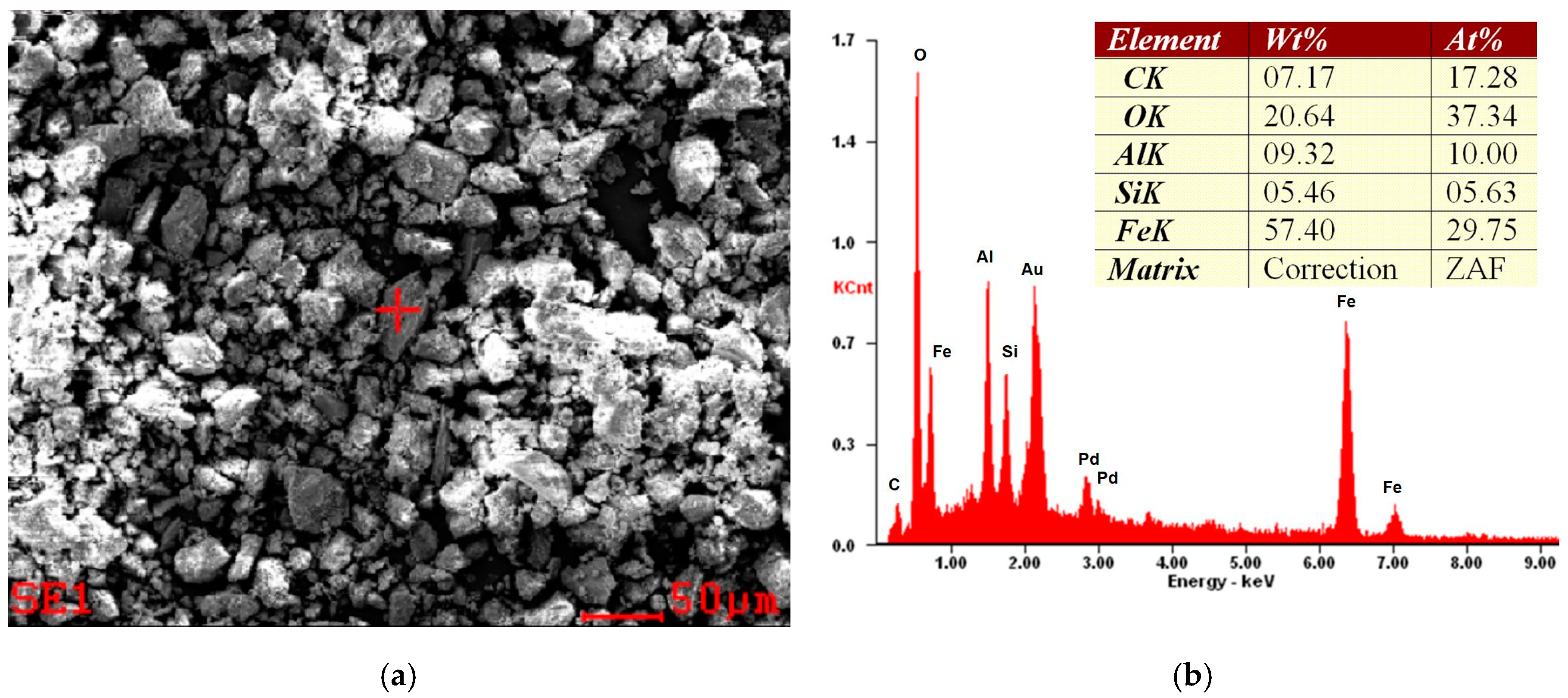
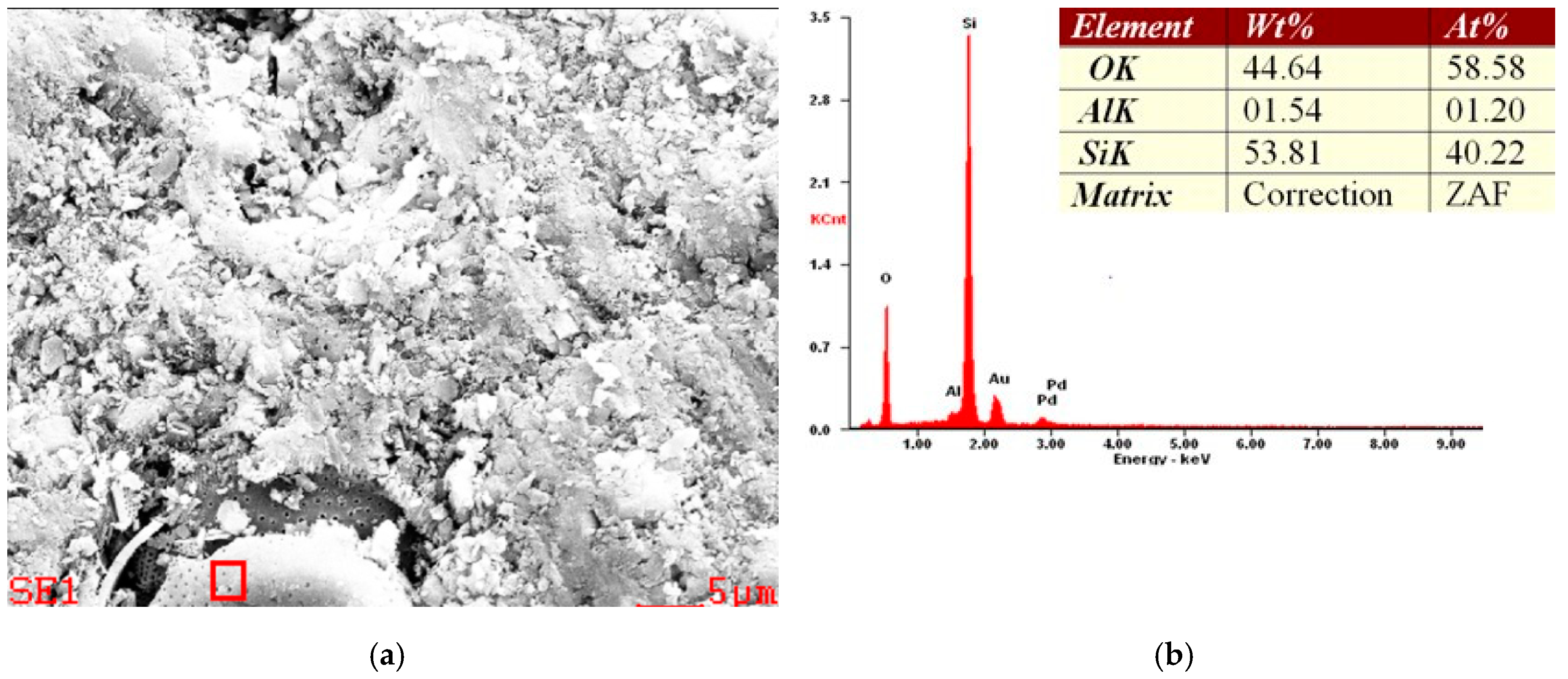
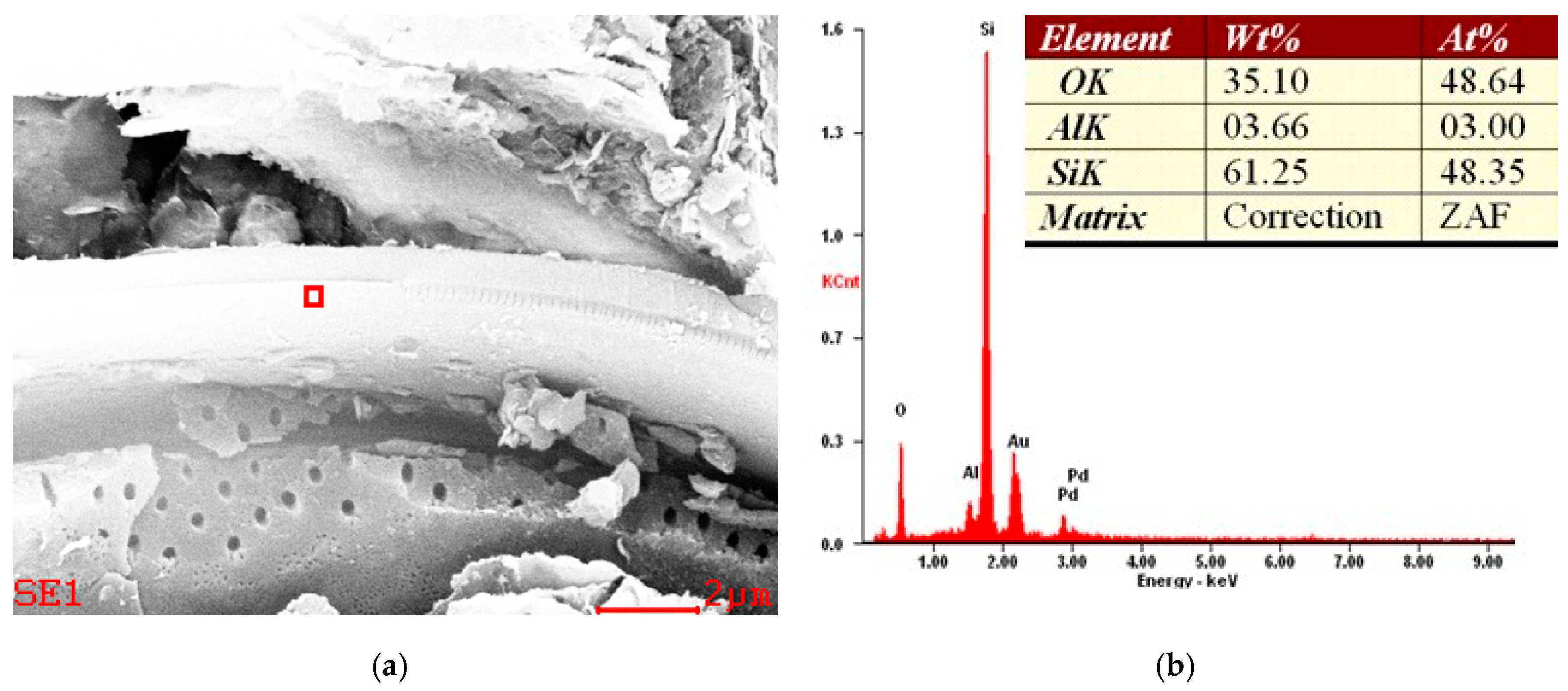
Elemental analysis showed that the Dunino deposit is macroscopically homogeneous; however, in micro-areas, there are local fluctuations in chemical composition due to the volcanic origin of the mineral. Local differences in the chemical composition may be the result of individual eruptions, and as a consequence, different compositions of basalt rock. In
Figure 4 and
Figure 5, SEM micrograph and EDS results show differences in the chemical composition of the samples. In
Figure 5, an iron oxide impurity is found with a high content of FeK, whereas in
Figure 4, the same sample shows a chemical composition that is typical for halloysite. The chemical composition of halloysite measured with ICP-OES is shown in
Table 5, and is consistent with results obtained with EDS.
Additional XRF analysis (
Table 6) show that the chemical composition is consistent with the results obtained with ICP-OES. The dominant trace elements found in halloysite are zirconium, vanadium, and chromium, yet maximum concentrations do not exceed 150 ppm.
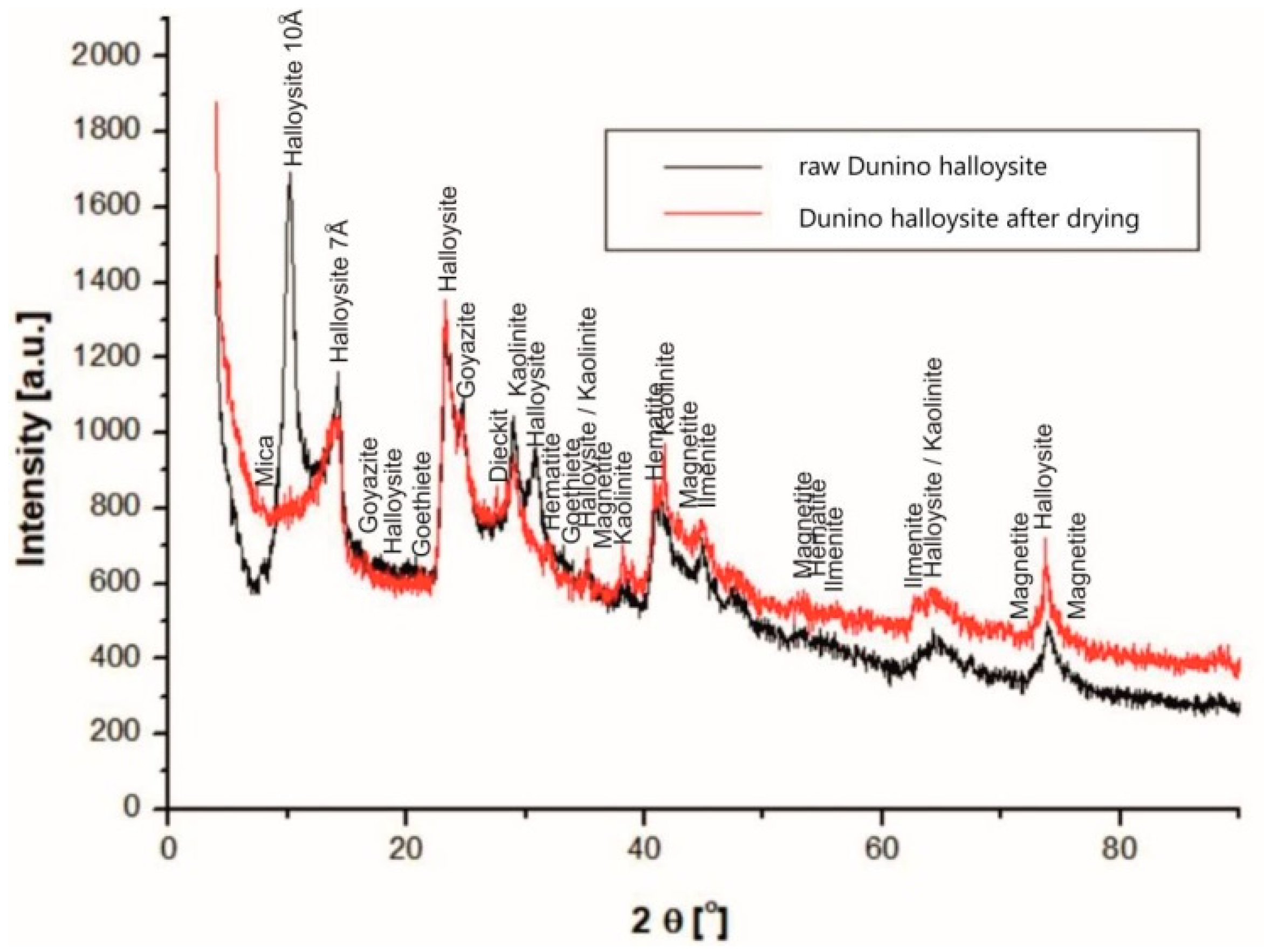
With the use of X-Ray diffraction, the following minerals were identified (
Figure 6): halloysite, kaolinite, hematite, magnetite, quartz, magnesioferrite, rutile, ilmenite, geikielite, goyazite, gorceixite, and crandallite.
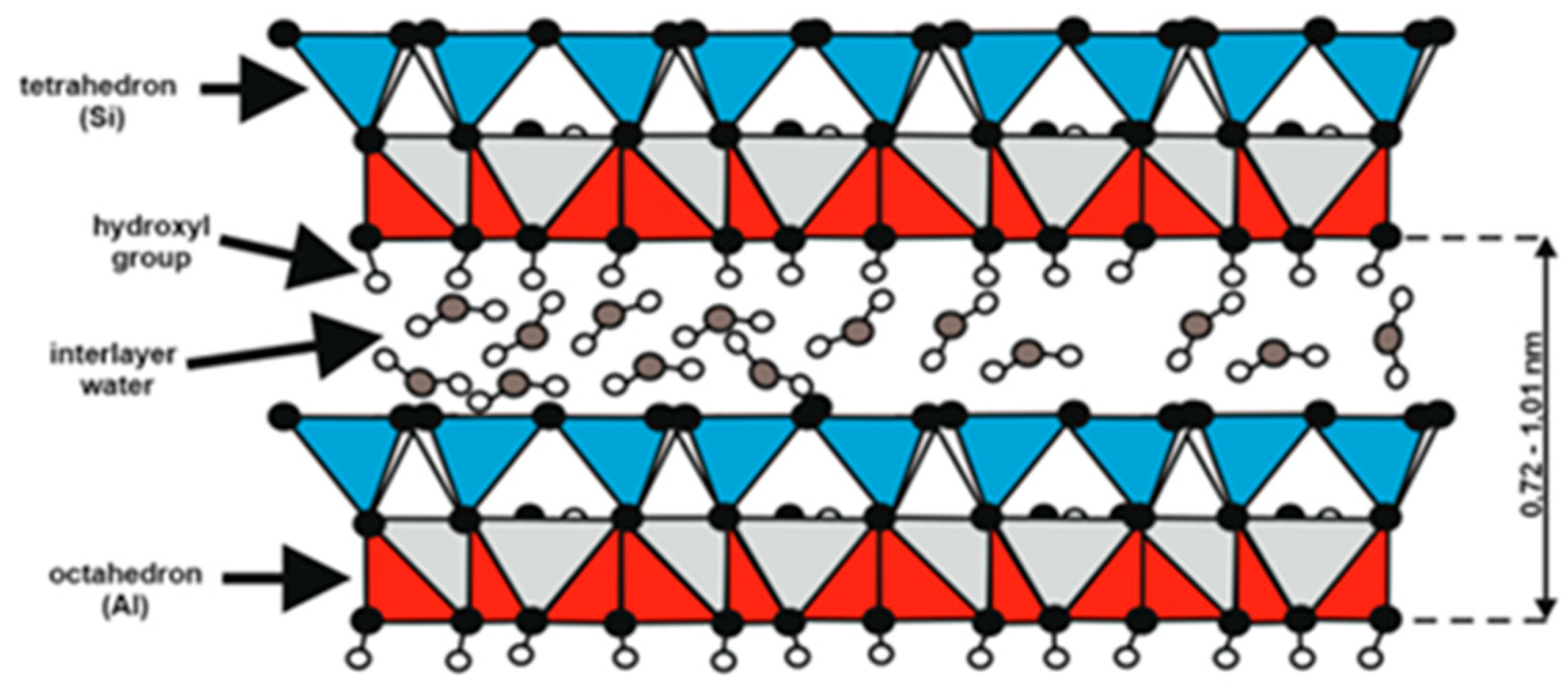
The halloysite sample from the Dunino deposit is a type of aluminasilicate clay where the basic structural unit is a single crystal surrounded by a silica tetrahedral sheet and the other alumina octahedral sheet. Between these layers, the interlayer water exists (
Figure 7). A raw sample of halloyiste was dehydrated during drying, and the 10Å halloysite has been irreversibly changed into the 7Å halloysite. In the diffractograms of Dunino halloysite samples, the peaks of both the raw [Al
2(OH)
4Si
2O
5∙
2H
2O] and dried [Al
2(OH)
4Si
2O
5] halloysite are shown (see
Figure 6).
4.2. Diatomaceous Earth
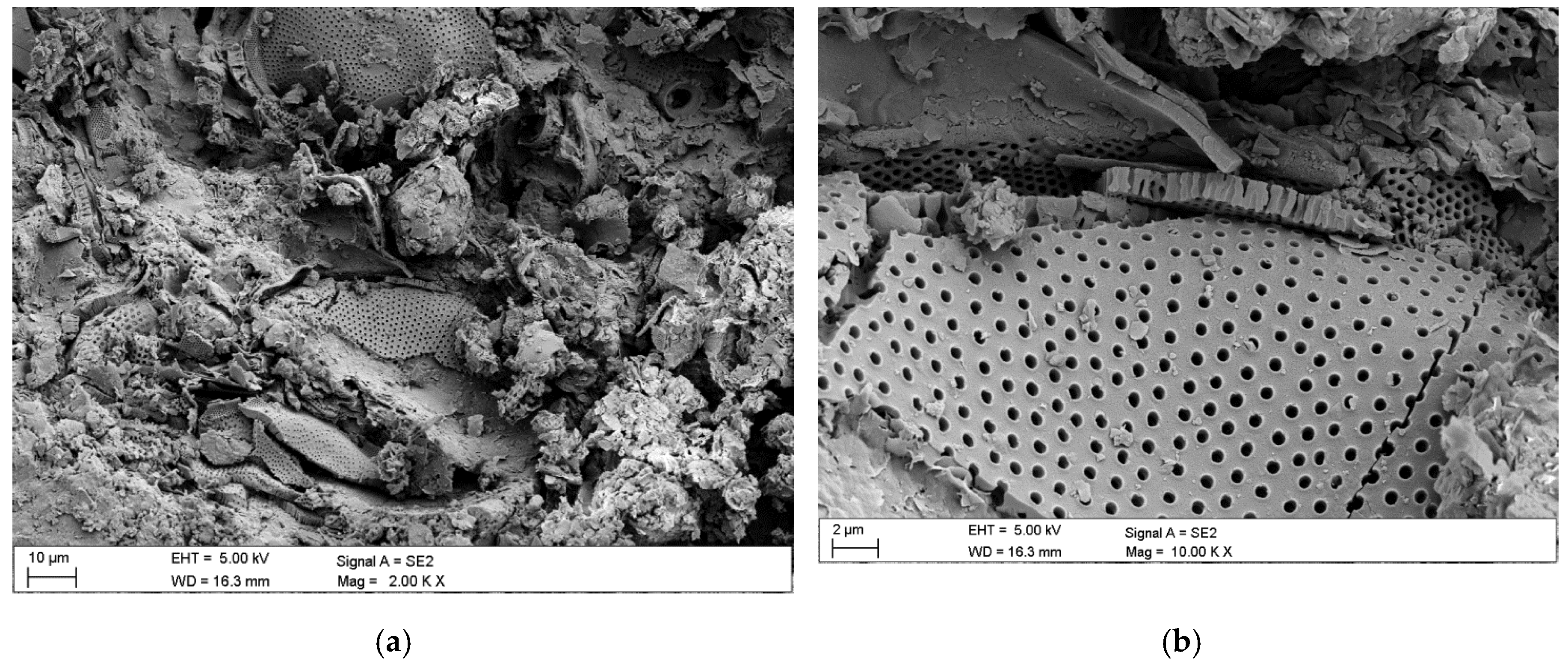
A mineralogical investigation of a diatomaceous earth sample from Jawornik, using light microscopy and SEM analysis, showed that the sample is composed of diatomaceous skeletons (frustules), clay minerals (kaolinite, illite, and smectites), quartz, iron oxides (impurities), a small amount of feldspars, and organic matter (
Figure 8 and
Figure 9).
SEM images showed that the frustules are mostly centric (discoid) without an abundant occurrence of pinnate forms. Diatoms have a radius of approximately 50–60 μm. As it can be seen from
Figure 9b, diatoms have a highly porous structure. The pores size on the frustule walls ranged from 100 to 200 nm. Previous studies showed that amorphous silica fills some pores of a diatom frustule, whereas others are partially dissolved [
54]; in our observations, we did not encounter that phenomenon. On some of the SEM images, detrital grains are visible (
Figure 9a). The majority of identified frustule species were discoid frustules from the family
Thalassiosiraceae and cylindric
Aulacoseira islandica (upper right corner of
Figure 9a).
The elemental analysis made by the energy-dispersive X-ray spectroscopy (EDS) in micro-areas on the surface of diatomieaus earth from the Jawornik deposit show differences in the qualitative and quantitative chemical composition of the minerals. The mass-averaged quantitative and qualitative EDS elemental analysis showed that the most important elements found are: oxygen, silicon, aluminum, and iron. The averaged mass percentage concentrations of the major elements in diatomaceous earth are shown in
Table 7.
The elemental composition of diatomaceous earth based on the EDS analysis is consistent with chemical composition (
Table 8).
In order to confirm the ICP-OES chemical composition results, additional XRF analyses were also performed for the diatomaceous earth samples (
Table 9). The chemical composition was consistent with results obtained with ICP-OES and matched the identified minerals in XRD. The dominant trace elements found in halloysite were chromium, nickel, and vanadium with concentration reaching almost 800 ppm. The concentration of these elements is considerably higher than in halloysite.
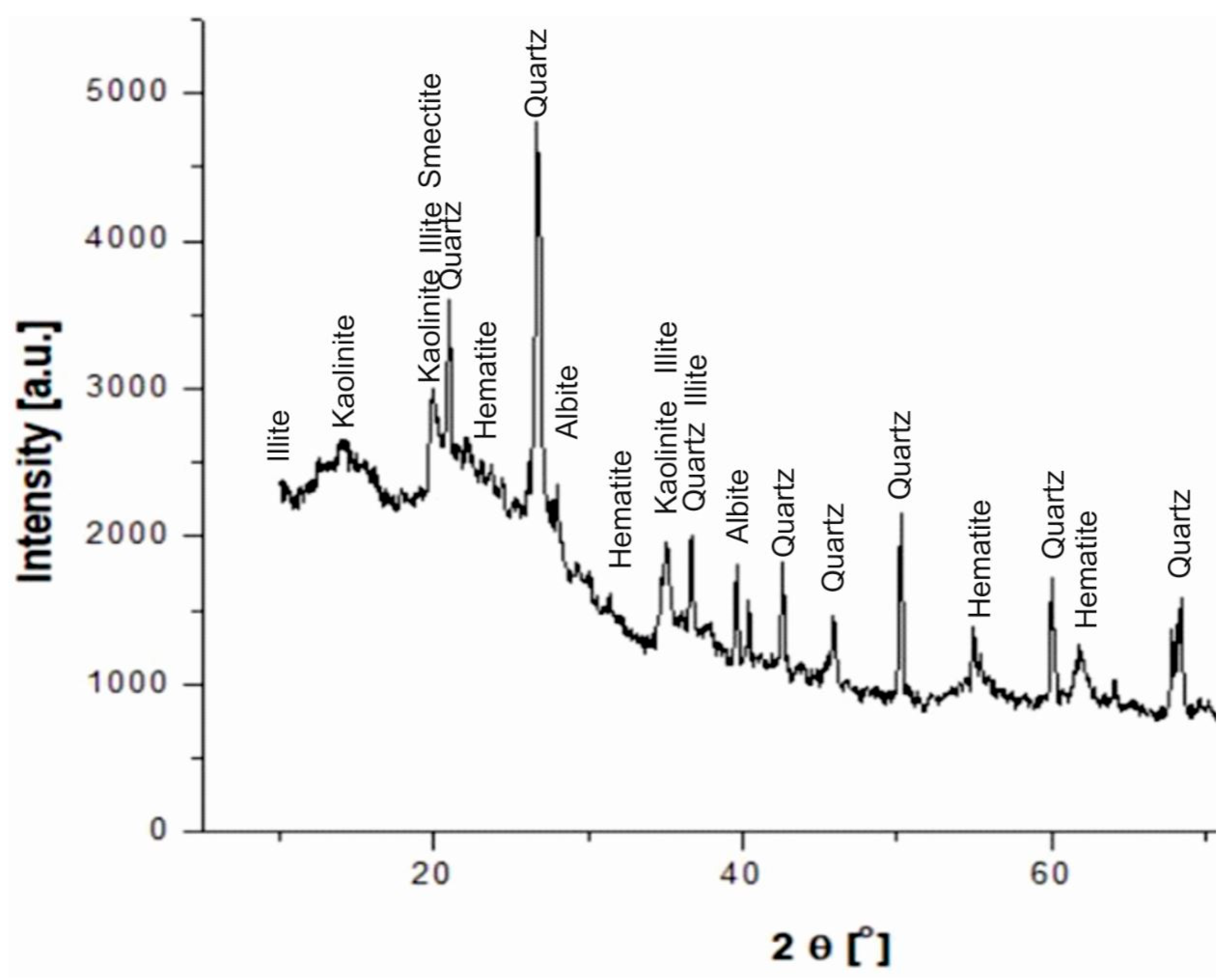
The XRD of the diatomaceous earth sample (
Figure 13) depicted crystalline peaks of silica-containing phases (quartz, opal) and clay minerals (illite and kaolinite).
5. Discussion
The results of the analysis show that both deposits are rather homogeneous; however, impurities in the form of iron oxides or organic matter can be found. This is evident since materials for the tests were not subjected to any upgrading method or impurities removal. The most common method of halloysite and diatomaceous earth processing is calcination at 650 °C and 900–1000 °C, respectively. This process develops the specific surface of these minerals and enhances their sorption capacity [
55,
56,
57,
58]. Other methods that could be applied include surface modification or purification, particularly in the case of halloysite [
59,
60]. Both of these minerals have similar properties and could be used interchangeably.
These two raw materials from deposits located in Poland are abundant and easily accessible. The mining of these minerals is cost-efficient (open-pit mining at shallow depths with the use of an excavator), and does not disturb the environment, as in the case of deep open-pit mining. Large resources of these minerals could be used in the future either for manufacturing composite materials or for environmental purposes. This is particularly important given the fact that the mining industry is declining in the European Union, and the share of raw materials imported to the EU is increasing. The above-mentioned examples show that such deposits could be the future of the extractive industry in Europe.