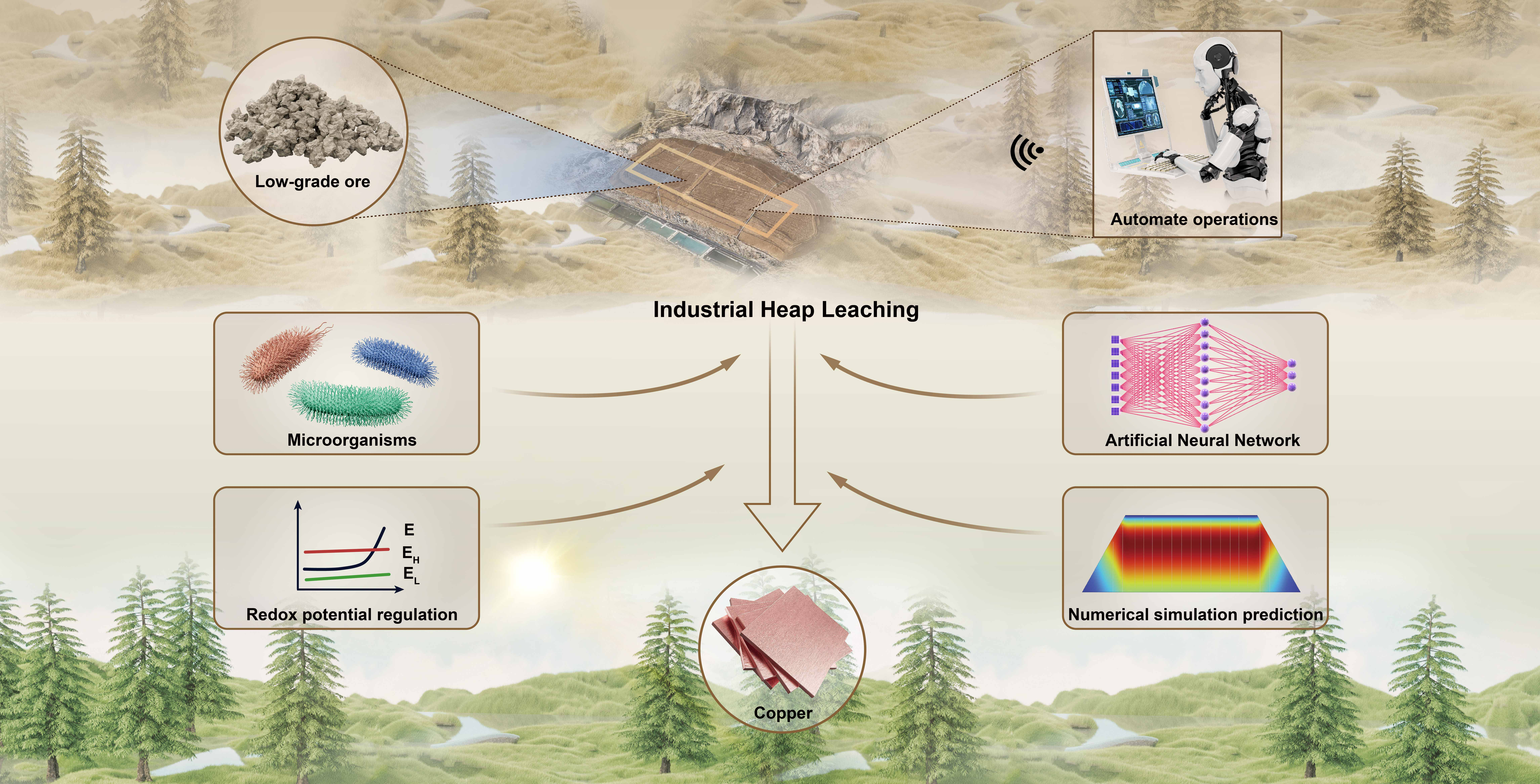
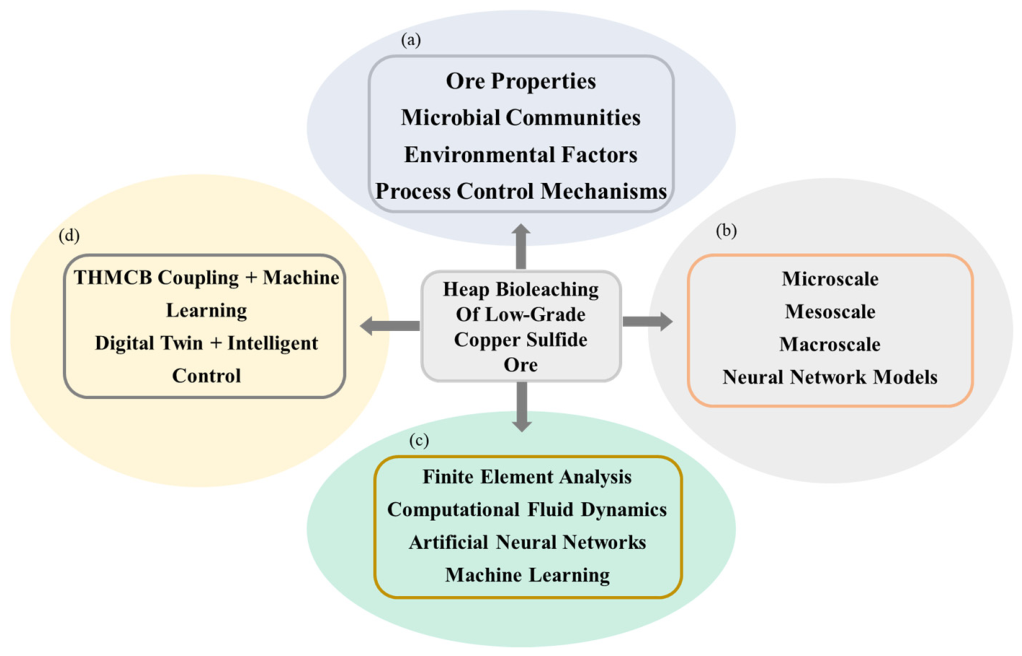
Review of Numerical Simulations for Parameter Control in Heap Bioleaching of Copper Sulfide Ore

Abstract
1. Introduction
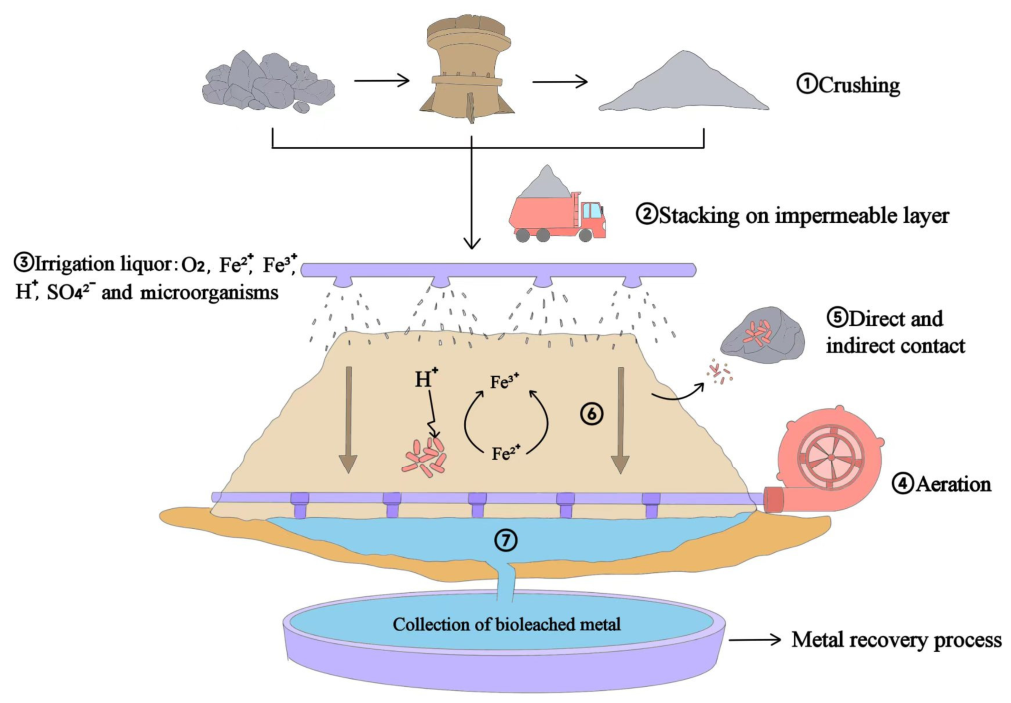
2. Key Parameters of Heap Bioleaching and Regulatory Mechanisms
2.1. Key Factors Affecting Heap Bioleaching
2.1.1. Ore Properties
2.1.2. Distribution and Activity of Microbial Communities
2.1.3. Environmental Factors
- (1)
- pH and redox potentials
- (2)
- Forced ventilation
- (3)
- Temperature
2.2. Control Mechanism of the Heap Bioleaching Reaction Process
2.2.1. Temperature, Aeration, and Spray Control in the Heap Leaching Process
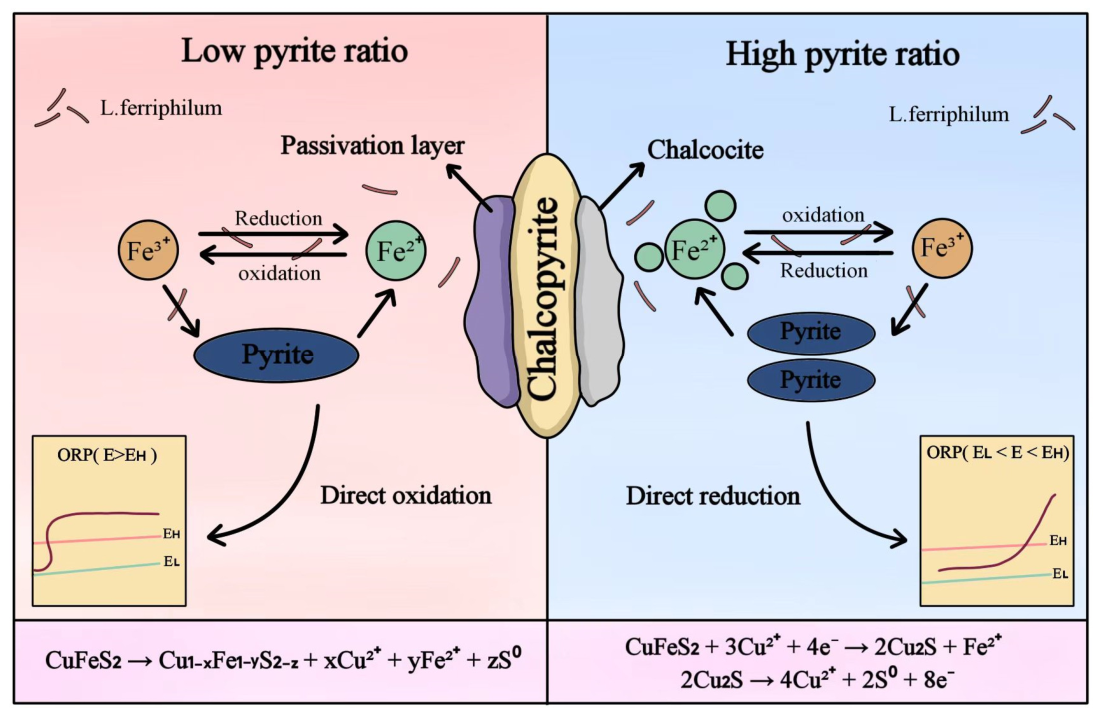
2.2.2. Redox Potential Regulation
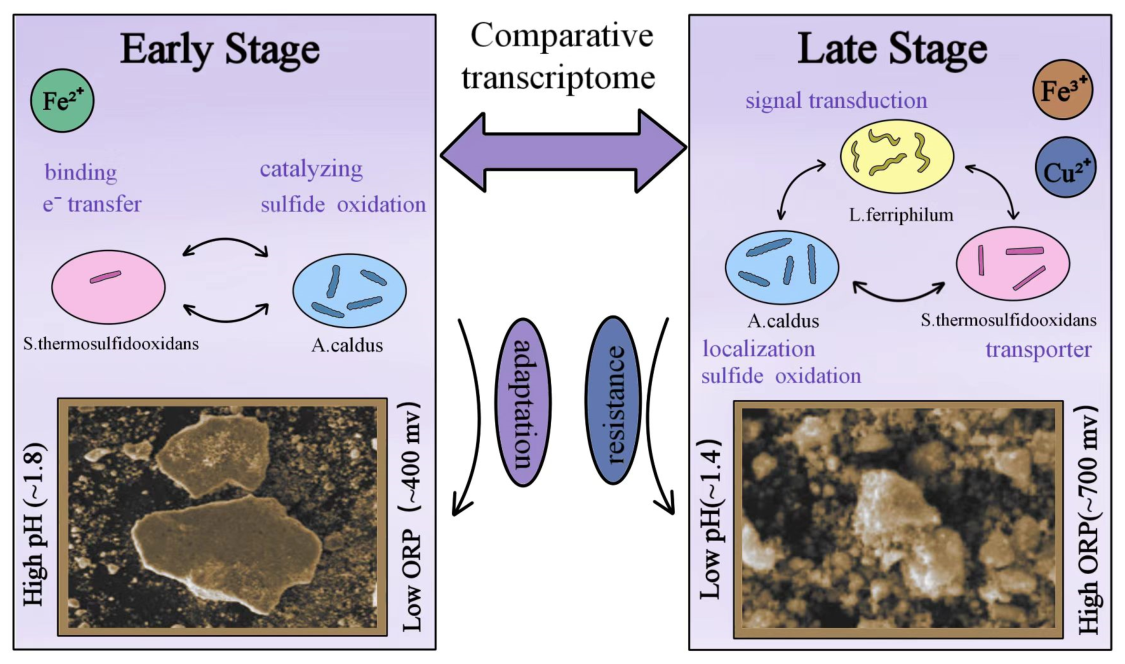
2.2.3. Regulation of Microbial Leaching Activity
3. Current Status of Heap Leaching Numerical Simulation Studies
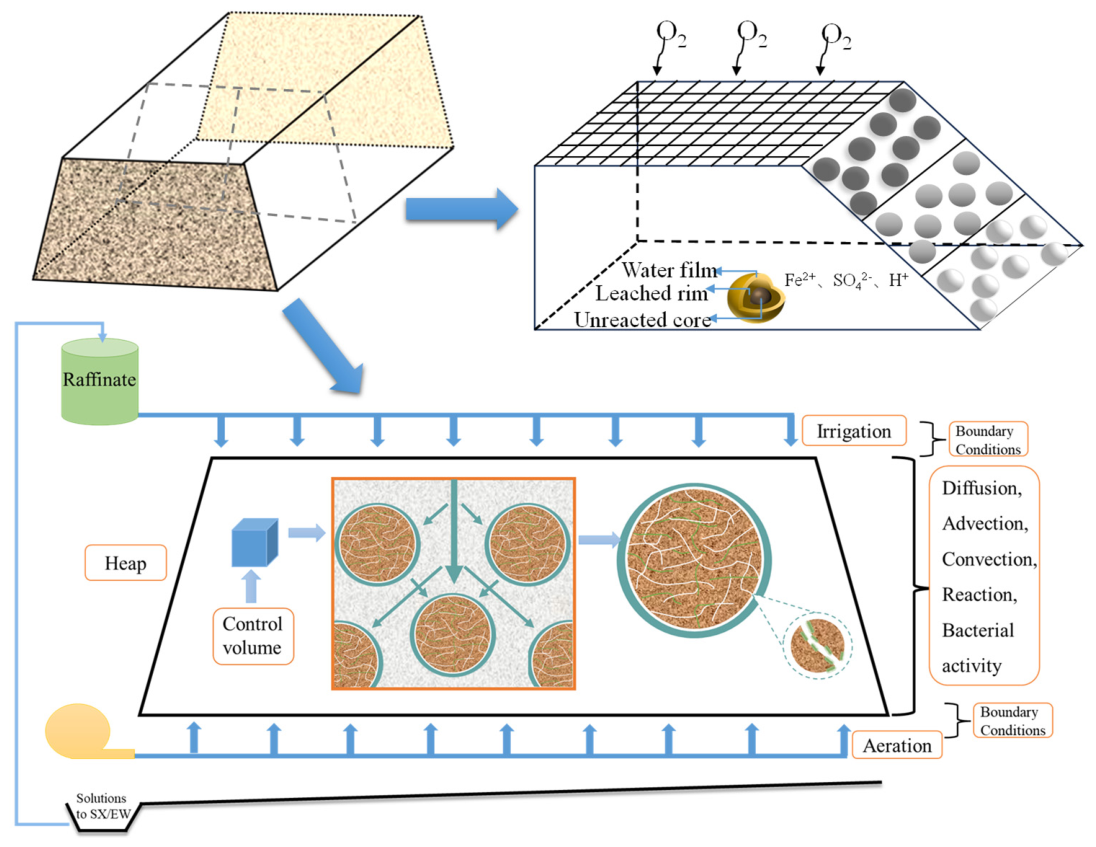
3.1. Leaching Model
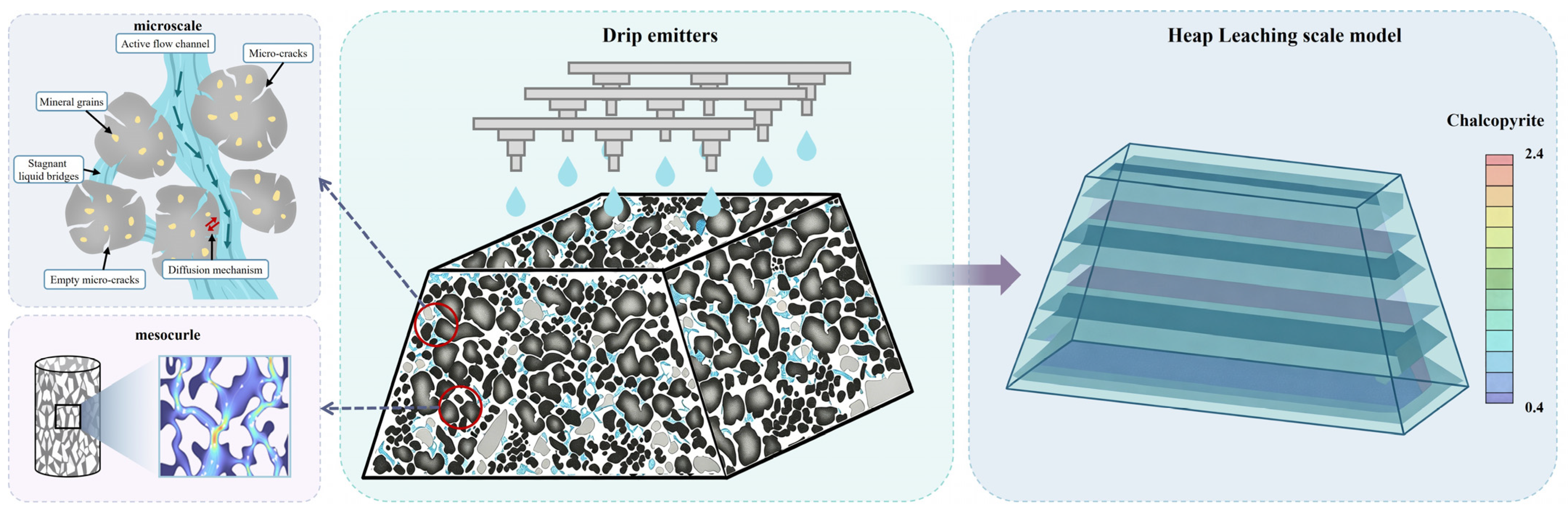
3.1.1. Microscale Modeling
3.1.2. Mesoscale Modeling
3.1.3. Macroscale Modeling
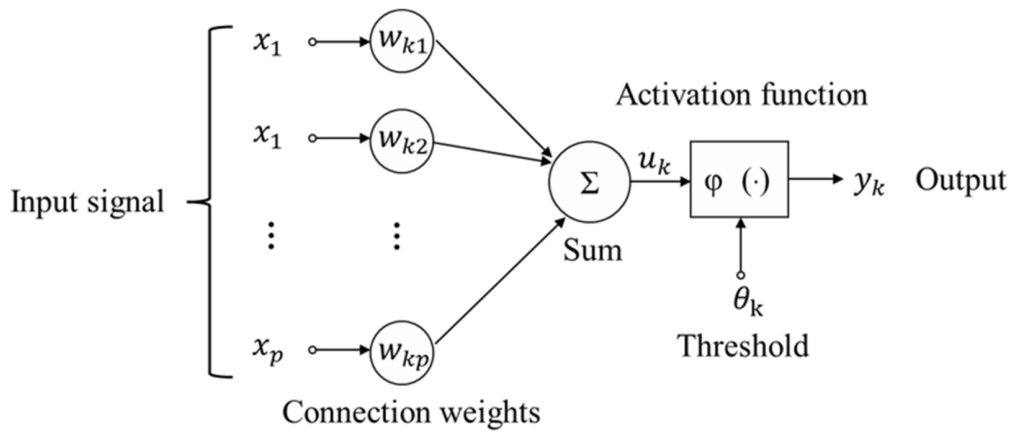
3.1.4. Neural Network Model
4. Common Methods for Numerical Simulation of Heap Leach Models
4.1. Finite Element Analysis Methods
4.2. Artificial Neural Network Method
- Data partitioning—splitting available data into training (typically 60%–70%), validation (15%–20%), and testing (15%–20%) sets.
- Cross-validation—k-fold cross-validation to assess model stability.
- 3.
- Uncertainty quantification—Bayesian neural networks or Monte Carlo dropout can provide prediction intervals rather than point estimates.
5. Suggestions and Reflections on Heap Leaching Simulation
- Leaching rate model for bacterial leaching (Cu, Ni, Fe, etc.):
- 2.
- The flow velocity of gas through the ore heap can be expressed using Darcy’s law:
- 3.
- Mass balance for gaseous oxygen:
- 4.
- Heat balance:
6. Future Perspectives and Challenges
Author Contributions
Funding
Data Availability Statement
Acknowledgments
Conflicts of Interest
References
- Ji, G.; Liao, Y.; Wu, Y.; Xi, J.; Liu, Q. A review on the research of hydrometallurgical leaching of low-grade complex chalcopyrite. J. Sustain. Metall. 2022, 8, 964–977. [Google Scholar] [CrossRef]
- Watling, H.R. The bioleaching of sulphide minerals with emphasis on copper sulphides—A review. Hydrometallurgy 2006, 84, 81–108. [Google Scholar] [CrossRef]
- Brierley, C.L.; Brierley, J.A. Progress in bioleaching: Part B: Applications of microbial processes by the minerals industries. Appl. Microbiol. Biotechnol. 2013, 97, 7543–7552. [Google Scholar] [CrossRef]
- Liu, R.; Chen, J.; Zhou, W.; Cheng, H.; Zhou, H. Insight to the early-stage adsorption mechanism of moderately thermophilic consortia and intensified bioleaching of chalcopyrite. Biochem. Eng. J. 2019, 144, 40–47. [Google Scholar] [CrossRef]
- Tiwary, C.S.; Kishore, S.; Vasireddi, R.; Mahapatra, D.R.; Ajayan, P.M.; Chattopadhyay, K. Electronic waste recycling via cryo-milling and nanoparticle beneficiation. Mater. Today 2017, 20, 67–73. [Google Scholar] [CrossRef]
- Patil, S.A.; Arends, J.B.A.; Vanwonterghem, I.; Van Meerbergen, J.; Guo, K.; Tyson, G.W.; Rabaey, K. Selective enrichment establishes a stable performing community for microbial electrosynthesis of acetate from CO2. Environ. Sci. Technol. 2015, 49, 8833–8843. [Google Scholar] [CrossRef] [PubMed]
- Pathak, A.; Morrison, L.; Healy, M.G. Catalytic potential of selected metal ions for bioleaching, and potential techno-economic and environmental issues: A critical review. Bioresour. Technol. 2017, 229, 211–221. [Google Scholar] [CrossRef]
- Saldaña, M.; Jeldres, M.; Galleguillos Madrid, F.M.; Gallegos, S.; Salazar, I.; Robles, P.; Toro, N. Bioleaching modeling—A review. Materials 2023, 16, 3812. [Google Scholar] [CrossRef] [PubMed]
- Guo, J.; Sun, S.; Jiang, N.; Wang, J.; Huang, M.; Yan, X.; Yang, W.; Zhang, Q. Optimization of large-diameter deep-hole stope blasting technology based on numerical simulation: A case study of the dongguashan copper mine. Sci. Rep. 2025, 15, 18547. [Google Scholar] [CrossRef]
- Pradhan, N.; Nathsarma, K.C.; Srinivasa Rao, K.; Sukla, L.B.; Mishra, B.K. Heap bioleaching of chalcopyrite: A review. Miner. Eng. 2008, 21, 355–365. [Google Scholar] [CrossRef]
- Schlitt, W.J. History of forced aeration in copper sulfide leaching. Min. Metall. Explor. 2006, 23, 57–66. [Google Scholar] [CrossRef]
- Liu, W.; Granata, G. Temperature control in copper heap bioleaching. Hydrometallurgy 2018, 176, 26–32. [Google Scholar] [CrossRef]
- Zhang, S.; Liu, W.; Granata, G. Effects of grain size gradation on the porosity of packed heap leach beds. Hydrometallurgy 2018, 179, 238–244. [Google Scholar] [CrossRef]
- Toro, N.; Ghorbani, Y.; Turan, M.D.; Robles, P.; Gálvez, E. Gangues and clays minerals as rate-limiting factors in copper heap leaching: A review. Metals 2021, 11, 1539. [Google Scholar] [CrossRef]
- Li, H.X.; Li, A.; Wu, A.X.; Qiu, G.Z. Effect of spray solution flow rate and airflow rate on the temperature distribution in the heap bioleaching process of secondary copper sulfide ores. Chin. J. Nonferrous Met. 2010, 20, 1424–1432. [Google Scholar]
- Acosta, M.; Galleguillos, P.; Ghorbani, Y.; Tapia, P.; Contador, Y.; Velásquez, A.; Espoz, C.; Pinilla, C.; Demergasso, C. Variation in microbial community from predominantly mesophilic to thermotolerant and moderately thermophilic species in an industrial copper heap bioleaching operation. Hydrometallurgy 2014, 150, 281–289. [Google Scholar] [CrossRef]
- Wang, L.; Cheng, L.; Zhang, X.; Yin, S.; Zhang, X.; Li, H.; Luo, Y.; Zhang, L. Reactive fluid flow (RFF), its hydrodynamic modeling and process controlling in cleaner production of copper sulfides bioleaching. J. Clean. Prod. 2024, 441, 140792. [Google Scholar] [CrossRef]
- Bennett, C.R.; McBride, D.; Cross, M.; Gebhardt, J.E. A comprehensive model for copper sulphide heap leaching. Hydrometallurgy 2012, 127–128, 150–161. [Google Scholar] [CrossRef]
- McBride, D.; Cross, M.; Croft, N.; Bennett, C.; Gebhardt, J. Computational modelling of variably saturated flow in porous media with complex three-dimensional geometries. Int. J. Numer. Methods Fluids 2006, 50, 1085–1117. [Google Scholar] [CrossRef]
- Wang, Y.; Rahman, S.S. Numerical modelling of reservoir at pore scale: A comprehensive review. J. Comput. Phys. 2023, 472, 111680. [Google Scholar] [CrossRef]
- Maghsoudy, S.; Bakhtiari, O.; Maghsoudy, S. Tortuosity prediction and investigation of fluid flow behavior using pore flow approach in heap leaching. Hydrometallurgy 2022, 211, 105868. [Google Scholar] [CrossRef]
- Fagan, M.A.; Sederman, A.J.; Harrison, S.T.L.; Harrison, S.; Johns, M.M. Phase distribution identification in the column leaching of low grade ores using MRI. Miner. Eng. 2013, 48, 94–99. [Google Scholar] [CrossRef]
- Huang, M.Q.; Wu, A.X. Numerical analysis of aerated heap bioleaching with variable irrigation and aeration combinations. J. Cent. South Univ. 2020, 27, 1432–1442. [Google Scholar] [CrossRef]
- Vera, M.; Schippers, A.; Hedrich, S.; Sand, W. Progress in bioleaching: Fundamentals and mechanisms of microbial metal sulfide oxidation—Part a. Appl. Microbiol. Biotechnol. 2022, 106, 6933–6952. [Google Scholar] [CrossRef] [PubMed]
- Sand, W.; Gehrke, T. Extracellular polymeric substances mediate bioleaching/biocorrosion via interfacial processes involving iron(III) ions and acidophilic bacteria. Res. Microbiol. 2006, 157, 49–56. [Google Scholar] [CrossRef]
- Yang, Y.; Liu, W.; Bhargava, S.K.; Zeng, W.; Chen, M. A XANES and XRD study of chalcopyrite bioleaching with pyrite. Miner. Eng. 2016, 89, 157–162. [Google Scholar] [CrossRef]
- Auernik, K.S.; Kelly, R.M. Impact of molecular hydrogen on chalcopyrite bioleaching by the extremely thermoacidophilic archaeon Metallosphaera sedula. Appl. Environ. Microbiol. 2010, 76, 2668–2672. [Google Scholar] [CrossRef]
- Zhou, D.; Peng, T.; Zhou, H.; Liu, X.; Gu, G.; Chen, M.; Qiu, G.; Zeng, W. Expression of critical sulfur- and iron-oxidation genes and the community dynamics during bioleaching of chalcopyrite concentrate by moderate thermophiles. Curr. Microbiol. 2015, 71, 62–69. [Google Scholar] [CrossRef]
- Zhang, R.; Neu, T.R.; Blanchard, V.; Vera, M.; Sand, W. Biofilm dynamics and EPS production of a thermoacidophilic bioleaching archaeon. New Biotechnol. 2019, 51, 21–30. [Google Scholar] [CrossRef] [PubMed]
- Wang, Y.; Li, K.; Chen, X.; Zhou, H. Responses of microbial community to pH stress in bioleaching of low grade copper sulfide. Bioresour. Technol. 2018, 249, 146–153. [Google Scholar] [CrossRef] [PubMed]
- Gu, T.; Rastegar, S.O.; Mousavi, S.M.; Li, M.; Zhou, M. Advances in bioleaching for recovery of metals and bioremediation of fuel ash and sewage sludge. Bioresour. Technol. 2018, 261, 428–440. [Google Scholar] [CrossRef]
- Wang, Y.; Zeng, W.; Qiu, G.; Chen, X.; Zhou, H. A moderately thermophilic mixed microbial culture for bioleaching of chalcopyrite concentrate at high pulp density. Appl. Environ. Microbiol. 2014, 80, 741–750. [Google Scholar] [CrossRef]
- Xiao, Y.; Liu, X.; Dong, W.; Liang, Y.; Niu, J.; Gu, Y.; Ma, L.; Hao, X.; Zhang, X.; Xu, Z.; et al. Effects of pyrite and sphalerite on population compositions, dynamics and copper extraction efficiency in chalcopyrite bioleaching process. Arch. Microbiol. 2017, 199, 757–766. [Google Scholar] [CrossRef]
- Yang, B.J.; Liu, Y.; Liu, H.C.; Li, Y.; Gan, M.; Wang, J.; Liao, R.; Zhang, K.; Zhu, Z.; Qiu, G. Research Status and Development Trends of Biometallurgy Technology. J. Biol. 2024, 41, 1–10. [Google Scholar] [CrossRef]
- Manesh, M.J.H.; Willard, D.J.; Lewis, A.M.; Kelly, R.M. Extremely thermoacidophilic archaea for metal bioleaching: What do their genomes tell us? Bioresour. Technol. 2024, 391, 129988. [Google Scholar] [CrossRef] [PubMed]
- Willard, D.J.; Manesh, M.J.H.; John, K.M.; Kelly, R.M. pH threshold impacts chalcopyrite bioleaching dynamics for the extreme thermoacidophile Sulfurisphaera ohwakuensis. Biotechnol. Bioeng. 2025, 122, 1165–1173. [Google Scholar] [CrossRef]
- Zhao, H.; Zhang, Y.; Zhang, X.; Lu, Q.; Sun, M.; Yang, Y.; Zhang, Y.; Wang, J.; Kim, H.; Qiu, G. The dissolution and passivation mechanism of chalcopyrite in bioleaching: An overview. Miner. Eng. 2019, 136, 140–154. [Google Scholar] [CrossRef]
- Wang, R.; Lin, J.Q.; Liu, X.M.; Pang, X.; Zhang, C.J.; Yang, C.L.; Gao, X.Y.; Lin, C.M.; Li, Y.Q.; Li, Y.; et al. Sulfur oxidation in the acidophilic autotrophic Acidithiobacillus spp. Front. Microbiol. 2019, 9, 3290. [Google Scholar]
- Rouchalová, D.; Rouchalová, K.; Čablík, V. Bioleaching of mine tailings by mesophilic: Acidithiobacillus spp., Leptospirillum ferrooxidans, and thermophilic: Sulfobacillus thermosulfidooxidans cultures with the addition of Ag+ additive. Minerals 2024, 14, 255. [Google Scholar] [CrossRef]
- Peng, T.; Liao, W.; Wang, J.; Miao, J.; Peng, Y.; Gu, G.; Wu, X.; Qiu, G.; Zeng, W. Bioleaching and electrochemical behavior of chalcopyrite by a mixed culture at low temperature. Front. Microbiol. 2021, 12, 663757. [Google Scholar] [CrossRef] [PubMed]
- Zhang, R.; Bellenberg, S.; Castro, L.; Neu, T.R.; Sand, W.; Vera, M. Colonization and biofilm formation of the extremely acidophilic archaeon Ferroplasma acidiphilum. Hydrometallurgy 2014, 150, 245–252. [Google Scholar] [CrossRef]
- Hiroyoshi, N.; Tsunekawa, M.; Okamoto, H.; Nakayama, R.; Kuroiwa, S. Improved chalcopyrite leaching through optimization of redox potential. Can. Metall. Q. 2008, 47, 253–258. [Google Scholar] [CrossRef]
- Kametani, H.; Aoki, A. Effect of suspension potential on the oxidation rate of copper concentrate in a sulfuric acid solution. Metall. Trans. B 1985, 16, 695–705. [Google Scholar] [CrossRef]
- Hiroyoshi, N.; Hirota, M.; Hirajima, T.; Tsunekawa, M. A case of ferrous sulfate addition enhancing chalcopyrite leaching. Hydrometallurgy 1997, 47, 37–45. [Google Scholar] [CrossRef]
- Yu, S.; Wu, A.; Wang, Y. Insight into the structural evolution of porous and fractured media by forced aeration during heap leaching. Int. J. Min. Sci. Technol. 2019, 29, 803–807. [Google Scholar] [CrossRef]
- Chen, X. Study on the Bioleaching Law and Solution Percolation Behavior of Copper Sulfide Ore Under Aeration; University of Science and Technology Beijing: Beijing, China, 2022. [Google Scholar]
- Kazemi, M.J.; Kargar, M.; Nowroozi, J.; Sepahi, A.A.; Doosti, A.; Manafi, Z. The wide distribution of an extremely thermoacidophilic microorganism in the copper mine at ambient temperature and under acidic condition and its significance in bioleaching of a chalcopyrite concentrate. Rev. Argent. Microbiol. 2019, 51, 56–65. [Google Scholar] [CrossRef] [PubMed]
- Sajjad, W.; Zheng, G.; Din, G.; Din, G.; Ma, X.; Rafiq, M.; Xu, W. Metals extraction from sulfide ores with microorganisms: The bioleaching technology and recent developments. Trans. Indian Inst. Met. 2019, 72, 559–579. [Google Scholar] [CrossRef]
- Majuste, D.; Ciminelli, V.S.T.; Eng, P.J.; Osseo-Asare, K. Applications of in situ synchrotron XRD in hydrometallurgy: Literature review and investigation of chalcopyrite dissolution. Hydrometallurgy 2013, 131–132, 54–66. [Google Scholar] [CrossRef]
- Wiertz, J.V.; Mateo, M.; Escobar, B. Mechanism of pyrite catalysis of As(III) oxidation in bioleaching solutions at 30 °C and 70 °C. Hydrometallurgy 2006, 83, 35–39. [Google Scholar] [CrossRef]
- Shiers, D.W.; Collinson, D.M.; Watling, H.R. The impact of heap self-heating on microbial activity during the bioleaching of low-grade copper sulfide ores. Solid State Phenom. 2017, 262, 233–236. [Google Scholar] [CrossRef]
- Mishra, S.; Panda, S.; Akcil, A.; Dembele, S. Biotechnological avenues in mineral processing: Fundamentals, applications and advances in bioleaching and bio-beneficiation. Miner. Process. Extr. Metall. Rev. 2023, 44, 22–51. [Google Scholar] [CrossRef]
- Petersen, J.; Dixon, D.G. Thermophilic heap leaching of a chalcopyrite concentrate. Miner. Eng. 2002, 15, 777–785. [Google Scholar] [CrossRef]
- Gericke, M.; Pinches, A.; Van Rooyen, J.V. Bioleaching of a chalcopyrite concentrate using an extremely thermophilic culture. Int. J. Miner. Process. 2001, 62, 243–255. [Google Scholar] [CrossRef]
- Tian, Z.; Li, H.; Wei, Q.; Qin, W.; Yang, C. Effects of redox potential on chalcopyrite leaching: An overview. Miner. Eng. 2021, 172, 107135. [Google Scholar] [CrossRef]
- Huang, T.; Wei, X.; Zhang, S. Bioleaching of copper sulfide minerals assisted by microbial fuel cells. Bioresour. Technol. 2019, 288, 121561. [Google Scholar] [CrossRef] [PubMed]
- Zheng, X.F.; Nie, Z.Y.; Jiang, Q.; Yao, X.; Chen, J.H.; Liu, H.C.; Xia, J.L. The mechanism by which FeS2 promotes the bioleaching of CuFeS2: An electrochemical and DFT study. Miner. Eng. 2021, 173, 107233. [Google Scholar] [CrossRef]
- Hong, M.; Huang, X.; Gan, X.; Qiu, G.; Wang, J. The use of pyrite to control redox potential to enhance chalcopyrite bioleaching in the presence of Leptospirillum ferriphilum. Miner. Eng. 2021, 172, 107145. [Google Scholar] [CrossRef]
- Fernández-Reyes, J.S.; García-Meza, J.V. Bioelectrochemical system for the biooxidation of a chalcopyrite concentrate by acidophilic bacteria coupled to energy current generation and cathodic copper recovery. Biotechnol. Lett. 2018, 40, 63–73. [Google Scholar] [CrossRef]
- Das, T.; Ayyappan, S.; Chaudhury, G.R. Factors affecting bioleaching kinetics of sulfide ores using acidophilic micro-organisms. Biometals 1999, 12, 1–10. [Google Scholar] [CrossRef]
- Liao, W.Q. Study on Moderate Thermophilic Mixed Bacteria Leaching of Sulfide Ore and Its Molecular Mechanism; Central South University: Changsha, China, 2022. [Google Scholar]
- Petersen, J.; Dixon, D.G. Principles, Mechanisms and Dynamics of Chalcocite Heap Bioleaching; Donati, E.R., Sand, W., Eds.; Microbial Processing of Metal Sulfides; Springer: Dordrecht, The Netherlands, 2007; pp. 193–218. [Google Scholar]
- Miao, X.X.; Wu, A.X.; Yang, B.H. Research Frontiers in Heap Leaching Hydromechanics: Structural Characterization and Model Simulation. Chin. J. Nonferrous Met. 2018, 28, 2327–2340. [Google Scholar]
- Liu, Q.; Fu, Y.; Qin, Z.; Wang, Y.; Zhang, S.; Ran, M. Progress in the applications of atomic force microscope (AFM) for mineralogical research. Micron 2023, 170, 103460. [Google Scholar] [CrossRef]
- Li, Z.; Liu, D.; Cai, Y.; Ranjith, P.G.; Yao, Y. Multi-scale quantitative characterization of 3-D pore-fracture networks in bituminous and anthracite coals using FIB-SEM tomography and X-ray μ-CT. Fuel 2017, 209, 43–53. [Google Scholar] [CrossRef]
- Yin, S.H.; Xue, Z.L.; Wu, A.X.; Liu, C.; Li, H. Characteristics of Microscopic Seepage Velocity Field in Heap Leaching Based on Nuclear Magnetic Resonance Imaging Technology. J. Eng. Sci. 2015, 37, 275–280. [Google Scholar] [CrossRef]
- Fagan, M.A.; Sederman, A.J.; Johns, M.L. MR imaging of ore for heap bioleaching studies using pure phase encode acquisition methods. J. Magn. Reson. 2012, 216, 121–127. [Google Scholar] [CrossRef]
- Zhao, Y.; Han, C.; Sun, Y.; Danesh, N.N.; Liu, T.; Gao, Y. Nano- to micro-pore characterization by synchrotron radiation SAXS and nano-CT for bituminous coals. Front. Earth Sci. 2021, 15, 189–201. [Google Scholar] [CrossRef]
- Paul, B.C.; Sohn, H.Y.; McCarter, M.K. Model for ferric sulfate leaching of copper ores containing a variety of sulfide minerals: Part I. Modeling uniform size ore fragments. Metall. Trans. B 1992, 23, 537–548. [Google Scholar] [CrossRef]
- Dixon, D.G.; Hendrix, J.L. A general model for leaching of one or more solid reactants from porous ore particles. Metall. Trans. B 1993, 24, 157–169. [Google Scholar] [CrossRef]
- Casas, J.M.; Vargas, T.; Martinez, J.; Moreno, L. Bioleaching model of a copper-sulfide ore bed in heap and dump configurations. Metall. Mater. Trans. B 1998, 29, 899–909. [Google Scholar] [CrossRef]
- Ranjbar, M.; Ranjbar Hamghavandi, M.; Fazaelipoor, M.H.; Schaffie, M.; Manafi, Z. Development of a kinetic model of the bacterial dissolution of copper concentrate. Min. Metall. Explor. 2020, 37, 345–353. [Google Scholar] [CrossRef]
- Ghorbani, Y.; Becker, M.; Mainza, A.; Franzidis, J.; Petersen, J. Large particle effects in chemical/biochemical heap leach processes—A review. Miner. Eng. 2011, 24, 1172–1184. [Google Scholar] [CrossRef]
- Wu, A.X.; Liu, J.Z.; Yin, S.H.; Wang, H.J. Analysis of coupled flow-reaction with heat transfer in heap bioleaching processes. Appl. Math. Mech. 2010, 31, 1473–1480. [Google Scholar] [CrossRef]
- Herrera, N.; Sinche Gonzalez, M.; Okkonen, J.; Mollehuara Canales, R. Predicting flowability at disposal of spent heap leach by applying artificial neural networks based on operational variables. Minerals 2023, 14, 40. [Google Scholar] [CrossRef]
- Ogbonna, N.; Dixon, D.G. HeapSim—Unravelling the mathematics of heap bioleaching. In Computational Analysis in Hydro Metallurgy, 35th Annual Hydrometallurgy Meeting; Canadian Institute of Mining, Metallurgy and Petroleum: Westmount, QC, Canada, 2005. [Google Scholar]
- Bouffard, S.C. Application of the HeapSim model to the heap bioleaching of the pueblo viejo ore deposit. Hydrometallurgy 2008, 93, 116–123. [Google Scholar] [CrossRef]
- Yaghobi Moghaddam, M.; Shafaei Tonkaboni, S.Z.; Noaparast, M.; Doulati Ardejani, F. A mathematical model to simulate Heap (bio)-leaching process: An exact conceptual model, Homotopy theory and comparative insights with conventional methods. Int. J. Model. Simul. Sci. Comput. 2017, 08, 1750018. [Google Scholar] [CrossRef]
- McBride, D.; Gebhardt, J.E.; Cross, M. A comprehensive gold oxide heap leach model: Development and validation. Hydrometallurgy 2012, 113–114, 98–108. [Google Scholar] [CrossRef]
- Yao, G.H.; Wu, A.X.; Wang, H.J. Investigation of Multi-scale Effect and Multiple Processes Coupling in Leaching System. Met. Mines 2010, 1–5, 40. [Google Scholar]
- Ordaz-Oliver, M.; Jiménez-Muñoz, E.; Gutiérrez-Moreno, E.; Borja-Soto, C.; Ordaz, P.; Montiel-Hernández. Application of artificial neural networks for recovery of Cu from electronic waste by dynamic acid leaching: A sustainable approach. Waste Biomass Valorization 2024, 15, 7057–7076. [Google Scholar] [CrossRef]
- Herrera, N.; Sinche Gonzalez, M.; Okkonen, J.; Mollehuara, R. Soft computing application in mining, mineral processing and metallurgy with an approach to using it in mineral waste disposal. Minerals 2023, 13, 1450. [Google Scholar] [CrossRef]
- Jiang, H.C.; Wu, A.X.; Wang, Y.M.; Teng, B.J. Grey Forecasting Model of Copper Extraction Rate of Primary Ore with Column Leaching. Min. Rep. 2007, 26, 13–15. [Google Scholar]
- Hoseinian, F.S.; Abdollahzade, A.; Mohamadi, S.S.; Hashemzadeh, M. Recovery prediction of copper oxide ore column leaching by hybrid neural genetic algorithm. Trans. Nonferrous Met. Soc. China 2017, 27, 686–693. [Google Scholar] [CrossRef]
- Flores, V.; Leiva, C. A comparative study on supervised machine learning algorithms for copper recovery quality prediction in a leaching process. Sensors 2021, 21, 2119. [Google Scholar] [CrossRef]
- Demergasso, C.; Véliz, R.; Galleguillos, P.; Marín, S.; Acosta, M.; Zepeda, V.; Zeballos, J.; Henríquez, F.; Pizarro, R.; Bekios-Calfa, J. Decision support system for bioleaching processes. Hydrometallurgy 2018, 181, 113–122. [Google Scholar] [CrossRef]



| Factors/Regulation | Specific Parameters |
|---|---|
| Mineral pile physical and solution chemical factors | Mineral type, mineral particle size distribution, particle size, ore dispersion characteristics, porosity, permeability, temperature, pH, redox potential, dissolved oxygen content, carbon dioxide content, iron concentration, other ions and impurities, etc. |
| Microbial factors | The composition of microbial communities, microbial abundance and activity, etc. |
| Environmental and controllable factors | Ore pre-treatment, solution redox potential, microbial activity during leaching, permeability of the ore pile, leaching mode, spraying system, ventilation intensity, solvent extraction operation, solution neutralization and purification treatment, etc. |
| Method | Type | Advantage | Limitations | Typical Applications |
|---|---|---|---|---|
| Finite Element Analysis (FEA) | Physics-based | Handles complex geometries; supports multi-physics coupling, including thermal, hydraulic, and mechanical processes; high accuracy for pore-scale simulation | Computationally intensive; requires detailed material properties; mesh quality significantly affects results | Pore-scale flow simulation; stress–strain analysis; coupled thermo-hydro-mechanical problems |
| Computational Fluid Dynamics (CFD) | Physics-based | Simulates complex fluid flow, heat/mass transfer, and reactions; adapts to varying boundary conditions; provides detailed spatial–temporal distributions | High computational cost; requires validation with experimental data; sensitive to turbulence models and closure assumptions | Industrial-scale heap flow prediction; unsaturated flow in porous media; gas–liquid transport |
| Finite Volume Method (FVM) | Physics-based | Conservative formulation for mass, momentum, and energy; robust for fluid-dominant problems; well-suited to large-scale domains | Less flexible for complex geometries than FEA; mesh generation can be challenging | Solution transport in heaps; coupled chemical–biological processes; industrial-scale simulations such as PHOENICS |
| Artificial Neural Networks (ANN) | Data-driven | Captures nonlinear relationships without explicit physical equations; fast prediction once trained; handles noisy data | Requires large training datasets; limited extrapolation capability; “black box” nature limits interpretability | Leaching rate prediction; process optimization; real-time control surrogate models |
Disclaimer/Publisher’s Note: The statements, opinions and data contained in all publications are solely those of the individual author(s) and contributor(s) and not of MDPI and/or the editor(s). MDPI and/or the editor(s) disclaim responsibility for any injury to people or property resulting from any ideas, methods, instructions or products referred to in the content. |
© 2026 by the authors. Licensee MDPI, Basel, Switzerland. This article is an open access article distributed under the terms and conditions of the Creative Commons Attribution (CC BY) license.
Share and Cite
Nie, R.; Yang, X.; Tian, B.; Li, W.; Liu, X.; Wen, J.; Yang, H. Review of Numerical Simulations for Parameter Control in Heap Bioleaching of Copper Sulfide Ore. Minerals 2026, 16, 568. https://doi.org/10.3390/min16060568
Nie R, Yang X, Tian B, Li W, Liu X, Wen J, Yang H. Review of Numerical Simulations for Parameter Control in Heap Bioleaching of Copper Sulfide Ore. Minerals. 2026; 16(6):568. https://doi.org/10.3390/min16060568
Chicago/Turabian StyleNie, Rong, Xinlong Yang, Bingyang Tian, Wenjuan Li, Xue Liu, Jiankang Wen, and Hongying Yang. 2026. "Review of Numerical Simulations for Parameter Control in Heap Bioleaching of Copper Sulfide Ore" Minerals 16, no. 6: 568. https://doi.org/10.3390/min16060568
APA StyleNie, R., Yang, X., Tian, B., Li, W., Liu, X., Wen, J., & Yang, H. (2026). Review of Numerical Simulations for Parameter Control in Heap Bioleaching of Copper Sulfide Ore. Minerals, 16(6), 568. https://doi.org/10.3390/min16060568