


Abstract
Expansive or soft soils cause significant geotechnical issues for foundations and subgrades because they show swell–shrink behaviour under wet and dry conditions. These volume changes can result in cracking, heaving, uneven settlement, and structural or pavement damage, ultimately increasing maintenance and repair costs. While traditional Portland cement and lime stabilisers effectively enhance soil strength and reduce swell–shrink behaviour, the cement production process is responsible for only approximately 7%–8% of global CO2 emissions, prompting a transition toward sustainable alternatives. This comprehensive review consolidates recent advancements in soil stabilisation using industrial by-products, such as fly ash, ground granulated blast furnace slag (GGBS), steel slag, cement kiln dust, silica fume, bottom ash, red mud, waste foundry sand, brick dust, calcium carbide residue, water treatment sludge, etc. These materials leverage pozzolanic and latent hydraulic properties to form C-A-H, C-S-H, and N-A-S-H gels, thereby densifying the soil microstructure, improving CBR (%), UCS, and reducing plasticity and swelling potential. Optimisation studies indicate that industrial waste stabilisers often match or exceed conventional binder performance, GGBS-steel slag combinations yielding 105% higher UCS than ordinary Portland cement, and silica fume enhances cement-stabilised soils by 22% at reduced dosages. However, inherent compositional variability, long-term durability concerns including sulfate attack and freeze–thaw degradation, and the absence of standardised design guidelines restrict large-scale implementation. This review integrates mechanistic, microstructural, and sustainability insights, highlighting the need for durability research, standardised methods, and large-scale field validation to advance industrial waste-based stabilisation within circular construction practices in geotechnical engineering.
1. Introduction
Soil stabilisation is a vital geotechnical engineering practice used to enhance the engineering properties of problematic soils, e.g., expansive clays and soft soils, thereby ensuring the stability of road subgrades and foundations [1,2]. Expansive soils, high in minerals such as montmorillonite and illite, swell when wet and shrink when dry, causing cracks, settlement, and pavement damage that lead to significant economic losses worldwide [3,4,5]. These volumetric changes generate cyclic stresses within the soil mass, which progressively weaken structural integrity and increase maintenance requirements over time [6,7]. Soft soils with high compressibility and low shear strength often undergo excessive settlement under load [8]. Their limited load-bearing capacity and slow consolidation behaviour can result in differential settlement and instability, particularly in heavily loaded infrastructure [9]. Therefore, effective stabilisation methods are essential to improve strength, reduce deformation, and ensure the long-term stability and serviceability of engineering structures constructed on such soils [10].
Traditional chemical stabilisers, mainly Portland cement and hydrated lime, have long been used to improve expansive and soft soils by reducing plasticity, controlling swell–shrink behaviour, and enhancing California bearing ratio (CBR) and unconfined compressive strength (UCS) [11,12]. Cement stabilisation relies on hydration, cation exchange, and pozzolanic reactions that form calcium aluminate hydrate (C-A-H), calcium silicate hydrate (C-S-H) gels, thereby strengthening the soil mass [13,14]. Optimal cement contents of 12%–15% by dry soil weight provide significant gains in strength and stiffness within short curing periods [13,15,16]. Similarly, lime stabilisation at 7%–10% initiates rapid flocculation and long-term pozzolanic reactions with soil aluminosilicates [17], producing stable compounds that reduce swelling and increase shear strength [18,19]. However, the carbon-intensive nature of lime and cement, in which cement production alone is liable for around 7%–8% of global CO2 emissions [20], along with high energy use, raw material extraction, and the risk of sulfate-induced heave, collectively limit their sustainability [21]. These environmental and durability challenges have driven the pursuit of eco-friendly, low-carbon alternatives aligned with circular-economy principles [22,23].
The shift toward sustainable construction and circular economy principles has driven research into the use of industrial by-products as alternative soil stabilisers. Materials like fly ash, GGBS, steel slag, cement kiln dust, silica fume, bottom ash, red mud, waste foundry sand, brick dust, recycled concrete powder, calcium carbide residue, and water treatment sludge possess pozzolanic or latent hydraulic properties (described in more detail with references in Section 5.1). When alkali-activated, they form C-A-H, C-S-H, and sodium aluminosilicate hydrate (N-A-S-H) gels that densify soil microstructure. Deng et al. [24] stabilised waste mud using 60% GGBS, 30% steel slag, and 10% desulfurisation gypsum, reaching a 28-day UCS is 105% (3.22 MPa) higher than that of OPC and a permeability of 1.94 × 10⁻⁸ m/s. GGBS dominated long-term strength via C-A-S-H gel formation (coefficients 0.114 at 7-day, 0.190 at 28-day). Kumar et al. [25] found that 20% bottom ash increased 28-day UCS to 173.92 kPa; with 3% cement and basalt fibre, UCS rose 3.5-fold and unsoaked CBR from 3.36% to 12.52%. Melese et al. [26] showed that adding 5% lime to 12% brick dust raised the CBR value from 1.29% to 13.6% and decreased the liquid limit from 93.2% to 67.5%. Sangeetha et al. [27] demonstrated that 5%–25% recycled construction waste increased black cotton soil CBR from 2% to 18.09%. Zhu et al. [28] found that 20% cement plus 20% calcium carbide residue yielded 82.60% UCS growth from 7 to 28 days. Vakili et al. [29] observed that 30% red mud increased 28-day UCS from 103.8 kPa to 709 kPa and shear wave velocity by 127.9%. Kumar et al. [30] noted that 20% waste foundry sand enhanced UCS by 157.45% and reduced plasticity by 28%. Eid et al. [31] identified 6% lime kiln dust as optimal for CH soils, improving CBR by 800%. Takao et al. [32] reported that 5% water-treated sludge with 3% cement achieved a CBR of 41.50%, whereas 15% sludge with 3% lime achieved 21.25%. Microstructural analyses reveal dense cemented matrices that bind soil particles, converting weak soils into competent geomaterials. Utilising industrial by-products enhances strength, mitigates swelling in problematic soils, and diverts waste streams from landfills, advancing sustainable geotechnical engineering aligned with circular economy principles.
Despite substantial progress in using industrial by-products as sustainable soil stabilisers, several limitations remain. Performance inconsistency is frequently reported, with differences in the chemical composition, fineness, and latent reactivity of fly ash, slag, kiln dust, and other residues [33,34]. Long-term durability concerns, including leaching, sulfate attack, and freeze–thaw degradation, require rigorous assessment [35,36]. Most research prioritises short-term strength, particularly 28-day UCS, whereas limited attention is paid to field-scale durability under cyclic environmental actions [37]. Furthermore, the lack of standardised mix-design criteria and regulatory guidelines further restricts implementation. Additionally, inadequate life-cycle assessments constrain the evaluation of environmental and economic trade-offs compared to conventional binders. This review consolidates recent advancements in the mechanistic understanding, performance optimisation, and sustainability evaluation of waste-based stabilisers. By integrating geotechnical behaviour, microstructural insights, and environmental considerations, aiming to start a complete base for the development of design standards and best practices. The review also emphasises that while industrial by-products offer substantial potential for sustainable geotechnical applications, systematic, standardised, and durability-focused research remains imperative for large-scale implementation.
This review presents a structured narrative synthesis of published literature to evaluate sustainable soil stabilisation using industrial by-products. Section 2 discusses an overview and the fundamental mechanisms of soil stabilisation. Section 3 examines conventional stabilisers and their performance limitations and environmental drawbacks. Section 4 presents an in-depth evaluation of industrial waste stabilisers, e.g., fly ash, GGBS/Steel slag, cement kiln dust, silica fume, red mud, bottom ash, waste foundry sand, brick dust, calcium carbide residue, and water treatment sludge, emphasising interaction mechanisms, strength development, and microstructural modifications. Section 5 discusses key factors affecting the effectiveness of stabilisation, including soil mineralogy, compaction, and curing conditions. Section 6 highlights emerging research directions and sustainability assessment frameworks. Section 7 synthesises findings and emphasises the potential of industrial by-products for environmentally sustainable and technically robust soil stabilisation aligned with circular-economy goals.
2. Review Methodology
This review adopts a comprehensive, structured narrative approach to synthesise existing research on sustainable soil stabilisation using mineral-containing industrial by-products. Relevant publications were identified through major scientific databases, including Web of Science, Scopus, ScienceDirect, SpringerLink, and Google Scholar. A keyword-based search strategy was applied using terms such as “soil stabilisation,” “industrial by-products,” “waste-based stabilisers,” “fly ash,” “GGBS,” “steel slag” “cement kiln dust,” “silica fume,” “bottom ash,” “red mud,” “brick dust,” “waste foundry sand,” “waste concrete powder,” “construction & demolition waste,” “calcium carbide residue,” and “alum sludge stabilisation.” Boolean operators (AND, OR) were applied to refine search results and improve retrieval accuracy.
The selection process prioritised peer-reviewed journal articles indexed in Web of Science and Scopus to ensure scientific quality and reliability. Moreover, additional supporting references were drawn from reputable international journals, books, reliable online sources, and conference proceedings to provide a fundamental theoretical background. Publications were screened for relevance to geotechnical stabilisation, engineering performance indicators (UCS, CBR, plasticity, swelling potential, microstructural and durability performance), stabilisation mechanisms, and sustainability considerations. The final dataset comprised 154 references, 139 of which were published in the last 10 years; more than 75% were published between 2021 and 2025 (shown in Figure 1), with an emphasis on recent advancements in soil stabilisation. This structured methodology ensured a comprehensive, reliable, and critical synthesis of current knowledge while identifying the research trends, technical limitations, and future research directions in sustainable soil stabilisation using industrial by-products.
Figure 1.
Distribution of the reviewed studies over the last decade.
3. Soil Stabilisation
3.1. General Overview
Soil stabilisation is an important engineering method that improves the mechanical strength, long-term durability, and hydraulic performance of expansive or soft soils (shown in Figure 2) through physical, chemical, or combined modification techniques [1]. Researchers have suggested various soil stabilisation methods (Figure 3) regarding the materials available both conventionally and non-conventionally [2,38,39]. Traditional methods, such as mechanical compaction and chemical stabilisation using primarily cement, lime, or other chemical additives, enhance soil performance by strengthening interparticle bonds, reducing plasticity, and refining pore structure. However, the growing emphasis on sustainability and the circular economy has driven a shift toward incorporating industrial and agricultural by-products as alternative binders, reducing reliance on carbon-intensive binders [40,41].
Figure 2.
Expansive clays (a) wet; (b) dry; (c) swell–shrink behaviour mechanism (modified from various sources).
Figure 3.
Different soil stabilisation methods (own study from various sources).
Industrial discarded materials, e.g., fly ash, GGBS/steel slag, lime/cement kiln dust, silica fume, red mud, brick dust, bottom ash, recycled concrete powder, construction and demolition wastes, and water treatment sludge possess pozzolanic or latent hydraulic properties that allow them to react with soil minerals, forming supplementary cementitious compounds that enhance strength and durability. Likewise, agricultural residues such as rice husk ash [42], coffee husk ash [43], corn cob ash [44], saw dust ash [45], sugarcane bagasse ash [46], palm oil fuel ash (POFA) [47], coconut shell ash [48], biochar [49], eggshell powder [50], wheat straw [51], bamboo powder [52], and coconut coir [53] provide reactive alumina and silica, contributing to the development of stable soil binder matrices. Similarly, polymers such as rubber waste [54], scrap tyres [55], polyurethane (PU) [56], waste plastic fibres [57], epoxy resins [58], and biopolymers like lignin [59], xanthan gum and guar gum [60] stabilise soils by binding particles, reducing soil moisture and settlement, and enhancing soil shear strength, which offer eco-friendly, low-carbon alternatives to traditional cementitious stabilisers.
Overall, the incorporation of these waste-derived stabilisers not only increases the load-bearing capacity and mitigates swelling-shrinkage matters but also offers an environmentally responsible solution by diverting significant waste streams from landfills. This approach represents a sustainable advancement in soil stabilisation, aligning geotechnical engineering practices with modern environmental and resource-efficiency objectives.
3.2. Mechanism During Soil Stabilisation
Soil stabilisation encompasses a sequence of interconnected physicochemical mechanisms [38] that collectively enhance soil structure, strength, and long-term durability.
Cation exchange: The process begins with the substitution of monovalent cations (Na+, K+, Mg2+) on the clay surface by divalent calcium ions supplied by stabilisers, e.g., cement, lime, fly ash or other calcium-rich stabilisers. This substitution reduces the diffuse double-layer thickness, promoting particle rearrangement and a denser soil structure.
Chemical Reactions
According to the Gouy–Chapman theory, the thickness of the diffuse double layer (DDL) decreases with increasing ion valence and concentration. Divalent calcium ions (Ca2+) exert a stronger electrostatic attraction to negatively charged clay surfaces than monovalent cations, thereby compressing the DDL and reducing inter-particle repulsion [61]. As a result, clay particles come closer and rearrange into face-to-face orientations, forming a denser, more stable structure with lower swelling potential and plasticity.
Flocculation and agglomeration: As repulsive electrostatic forces diminish, clay particles form aggregated structures (flocs), which reduce plasticity, improve workability, and enhance shear strength while decreasing compressibility.
Chemical Reactions
As the diffuse double layer (DDL) compresses, van der Waals forces overcome electrostatic repulsion, causing fine clay particles to flocculate into larger aggregates (10–100 µm). This transformation from a dispersed to a flocculated structure produces a more granular material with improved drainage, higher shear strength from enhanced particle interlocking, and reduced plasticity due to lower liquid limits and higher plastic limits. The formation of larger voids between flocs also increases permeability, enhancing the soil’s overall workability and performance.
Pozzolanic reactions: Over time, calcium ions react with amorphous silica and alumina in the soil to produce cementitious compounds, primarily C-A-H and C-S-H. These hydrates fill pores, strengthen interparticle bonds, and improve overall mechanical stability under the alkaline conditions created by calcium hydroxide.
Chemical Reactions
Primary hydration
Pozzolanic transformations
Generalised form
Pozzolanic reactions progress gradually under alkaline conditions (pH > 10), dissolving silica and alumina from clay minerals to form C-S-H and C-A-H gels that create a durable cementitious matrix [62]. These products bond soil particles, increasing UCS and CBR, and fill pore spaces, reducing porosity and permeability. Unlike reversible cation exchange, pozzolanic reactions produce stable crystalline phases that ensure long-term strength and water resistance; higher temperatures accelerate reaction rates and the development of strength.
Carbonate cementation: Concurrently, calcium-rich compounds may react with atmospheric CO2 to form CaCO3 precipitates. These carbonates act as rigid bridges between particles, further consolidating the soil matrix and enhancing durability.
Chemical Reactions
Carbonation of calcium hydroxide
Carbonation of calcium silicate hydrate
Direct carbonate precipitation
Carbonation mainly occurs near the surface due to atmospheric CO2, forming a hardened protective layer. Calcium carbonate (primarily calcite) precipitates at particle contacts, creating strong bonds that increase stiffness and strength. As Ca(OH)2 is consumed, pH decreases from >12 to about 8–9, which may limit further pozzolanic activity if carbonation is excessive [63,64]. The formation of stable carbonate minerals enhances resistance to wet-dry and freeze–thaw cycles, while CaCO3 precipitation offsets shrinkage and improves dimensional stability. However, deep carbonation can be detrimental by depleting Ca(OH)2, which is needed for continued pozzolanic reactions.
Collectively, these reaction mechanisms synergistically transform untreated, weak soils into dense, strong, and durable geomaterials, suitable for various geotechnical engineering applications.
4. Chemical Stabilisation
This research presents a comprehensive review of soil chemical stabilisation using both traditional stabilisers and industrial by-products, integrating findings from a wide range of scholarly works to highlight the advancements, mechanisms, and critical considerations that influence this key area of geotechnical engineering. Traditional stabilising agents, e.g., lime, Portland cement and sometimes their combination, have long been recognised as effective and widely adopted solutions for stabilising expansive soils [65]. These treatment approaches are generally grouped into mechanical, chemical, and electrical stabilisation categories. Conventional stabilisation relies on processes such as blending, mixing, densification, and altering existing soil mass conditions to enhance performance. These techniques are well established for increasing soil stiffness, strength, and durability while simultaneously reducing soil plasticity and mitigating swelling and shrinkage behaviour [66]. Lime is used to enhance soil workability and achieve higher compaction density. When introduced into soft or clayey soils, lime starts pozzolanic reactions that promote the development of cementitious composites, thereby improving overall soil structure [1]. Despite these advantages, several studies [67,68] have highlighted the drawbacks associated with cement and lime-based stabilisation, noting that their production and application require substantial energy and natural resources, and contribute significantly to CO2, which pose environmental concerns and potential risks to humans. However, many researchers have expressed concerns regarding the long-term sustainability and environmental compatibility of such traditional additives, emphasising that they may still pose ecological burdens [69].
4.1. Stabilisation with Lime
Lime is a well-established and widely adopted soil stabiliser, particularly effective in reducing the swelling-shrinking patterns of clayey soils, especially expansive soils that exhibit significant volumetric changes and differential settlement issues [65,70,71]. Lime is available primarily in two forms: hydrated lime and quicklime. Among these, hydrated lime is generally regarded as the more suitable and efficient option for soil stabilisation [72,73]. The proportion of lime used in the stabilisation process is critical, as excessive lime content is not recommended. Typically, an optimal lime content ranges from 7% to 10% [17]. The stabilisation mechanism of expansive soils with lime involves several interrelated chemical processes, including agglomeration and flocculation, pozzolanic reactions, and cation exchange. These reactions induce significant modifications in soil mineralogy, chemical composition, and soil–water interactions [74,75]. Lime stabilisation markedly improves the hydro-mechanical behaviour of soils by increasing shear strength, crack resistance, resistance to permanent deformation, and fatigue performance [70]. Consequently, lime-stabilised expansive soils exhibit substantial increases in the CBR (%), UCS, Optimum Moisture Content (OMC), and Maximum Dry Density (MDD) [12,76]. According to Dash and Hussain [77], soils treated with lime initially decrease the liquid limit by reducing the thickness of the surrounding clay particles. Over time, pozzolanic reactions alter soil structure and form gelatinous compounds that increase the soil’s water-holding capacity, potentially raising the liquid limit again. The extent of this change mostly depends on the treated soil’s mineralogical composition. Furthermore, as the diffuse double layer becomes thinner, the charge concentration within the pore fluid increases, enhancing its viscosity. This phenomenon enhances inter-particle shear resistance and, consequently, increases the soil’s plastic limit.
Overall, lime stabilisation is a cost-effective and efficient method for increasing the long-term strength, durability, and bearing capacity of clayey soils, primarily by improving structural integrity and reducing swelling potential.
4.2. Stabilisation with Cement
The stabilisation of expansive soils by using cement dates back nearly a century. Research by Abby et al. [78] and Anburuvel [38] demonstrates that cement acts as an effective stabilising agent by producing a cemented soil structure characterised by high stiffness, rapid strength development, and improved load-bearing capacity. This, in turn, reduces pavement thickness requirements and improves overall soil mechanical performance. During cement stabilisation process, several chemical and physical mechanisms occur, including cation exchange, flocculation, hydration and soil particle aggregation. These reactions collectively alter the fundamental properties of the in situ soil, enhancing its engineering performance [74,79]. Cement stabilisation offers notable advantages in construction efficiency and cost-effectiveness, reducing construction time, facilitating smooth traffic flow, and simplifying road maintenance. The recommended cement content for stabilisation typically ranges from 12% to 15% by mass of the soil [15,16]. Experimental findings have consistently shown that cement-stabilised expansive soils exhibit remarkable improvements in CBR, Plasticity Index, and UCS values. Cement is particularly advantageous for stabilising soils contaminated with heavy metals, as it performs better than reactive magnesia (MgO) and quicklime (CaO), primarily because of its higher C-S-H content and extremely alkaline pH [80]. Additionally, UCS enhancement with increasing cement dosage exceeds that achieved with CaO or MgO in soils contaminated with heavy metals. Han et al. [81] reported that cement-stabilised soils exhibit better strength than those treated with lime or gypsum, further confirming their mechanical superiority.
Overall, the existing literature consistently demonstrates that increasing the cement content in soil-cement mixtures enhances the UCS and OMC of the soil. For instance, cement hydrates and hardens, resulting in a soil-cement composite that becomes dense, durable, and mechanically robust. Additionally, cement treatment increases the unit weight of soil while reducing its liquid limit. Despite its engineering advantages, cement production contributes significantly to CO2 emissions, posing environmental concerns.
5. Sustainable Materials Used in Soil Stabilisation
To address the limitations of both cement and lime stabilisation, such as high cost, environmental impact, and extended curing times, researchers have explored alternative and sustainable materials. These include industrial and agricultural waste products, geosynthetics, biopolymers, natural fibres, and various chemical stabilisers. Such materials offer promising, eco-friendly solutions to improve soil strength and bearing capacity while mitigating the adverse impacts of traditional stabilisers.
5.1. Industrial Waste-Based Stabilisation
Industrial waste-derived binders are predominantly produced in the combustion, metallurgical, cement, and mineral processing industries. These materials typically comprise amorphous aluminosilicate phases that are highly reactive with alkaline or lime-based activators. This reactivity is primarily attributed to the elevated temperatures at which most industrial by-products are generated. The global annual production of such by-products is substantial (Table 1), and numerous studies have investigated their potential application in soil stabilisation. From a sustainability and circular construction perspective, the utilisation of these industrial by-products in soil stabilisation presents a pragmatic and economically viable strategy for waste valorisation. Moreover, substituting conventional binders, such as cement or lime, with these secondary materials can reduce demand for manufactured products and lower CO2 emissions associated with their production.
Table 1.
Global annual production of traditional and industrial by-products reported in soil stabilisation studies (illustrative).
5.1.1. Fly Ash
Fly ash is a byproduct of coal combustion plants. It has proven to be a sustainable and efficient stabiliser for weak and expansive soils due to its pozzolanic reactivity and ability to form cementitious compounds that enhance soil performance [94]. It primarily consists of SiO2, Al2O3, and Fe2O3; fly ash reacts with calcium sources to produce C-S-H and C-A-S-H gels, which improve soil strength and increase durability [38]. Its addition promotes the flocculation of clay particles, resulting in significant reductions in plasticity index, Atterberg limits, and swell potential.
For instance, Yazıcı & Unsever [95] showed in their investigation that the addition of Fly ash (5%–25%) with 3% cement substantially improved CBR (up to 241%), cohesion (up to 48.2 kPa), and internal friction angle (up to 49.5°) while reducing density and increasing OMC demonstrating its effectiveness as an eco-friendly stabiliser for fine sand soils. Yang et al. [96] investigated that the UCS of soda residue-fly ash stabilised soil (SRFSS) reached a peak at 70% SR, while 20% FA yielded the best compaction and shear strength. The optimised mix (70% SR + 20% FA + 10% marine clay (MC)) showed a planar porosity of 0.89% with Ca content ranging from 5.0 to 53.6 (%) by weight, which indicates strong cementation and reduced plasticity and swell potential. Nalbantoğlu [97] found that adding 25% Class C fly ash markedly improved expansive soil stability, lowering the swell potential from 19.6% to 3.7% after 30 days. Zada et al. [39] demonstrated that UCS can increase by up to 2-fold after 90 days of curing, and geopolymer mixtures with 30% fly ash have shown a maximum CBR value of 34.32% and a UCS of 1349.74 kPa. Zha et al. [98] investigated that adding fly ash to expansive soils reduced the swell potential and plasticity index and improved UCS after 7 days, enhancing overall soil stability. Furthermore, microstructural results from SEM and XRD confirmed the formation of dense, cemented matrices in which ultrafine, high-reactivity fly ash particles fill soil voids and C-A-S-H/C-S-H gels bind them together [37]. Thus, fly ash utilisation represents a cost-effective, sustainable, and environmentally sound technique for improving soil engineering properties.
5.1.2. GGBS/Steel Slag
Both GGBS and steel slag are manufacturing by-products of the iron and steel production process, produced through quenching molten slag with water or air, resulting in glassy, amorphous material rich in calcium and silica [99,100]. GGBS mainly consists of CaO, SiO2, Al2O3, and MgO, while steel slag also contains oxides of Fe, Mn, and other trace metals. When activated by alkalis, lime or cement, these materials undergo latent hydraulic reactions, forming C-A-H and C-S-H gels that supplement the stiffness and strength of soils.
Deng et al. [24] examined waste mud stabilisation using a ternary binder of 60% GGBS, 10% DG, and 30% steel slag (SS) on a weight basis. The optimal mix (G60S30D10) achieved a UCS of 3.22 MPa at 28-day curing time, which is 105% higher than OPC (1.57 MPa). At 7 days, the strength reached 1.26 MPa with a permeability of 8.12 × 10⁻⁸ m/s. GGBS dominated long-term strength (coefficients 0.114, 0.190), forming C-A-S-H gel, while SS enhanced early strength through CaO and portlandite activation. Samantasinghar & Singh [101] found that Granular soils prone to internal erosion were stabilised using a fly ash-GGBS geopolymer, achieving a maximum UCS of 7 MPa and CBR of 52%–416% with excellent durability under wet-dry, freeze–thaw, and chemical conditions. Al-Khafaji et al. [102] studied soft soil stabilisation using GGBS and CKD as sustainable binders. The study showed that in the first optimisation phase, GGBS was added at 0%–12% by soil weight. The optimum was 6% GGBS, which increased the UCS by 1.8 times after 7 days and 1.9 times after 28 days, with a decrease in OMC and a small rise in MDD. However, the improvements were modest due to GGBS’s low reactivity (pH 8.5). Hence, GGBS and steel slag serve as eco-efficient binders that improve load-bearing capacity, soil strength, long-term durability, reduce swelling potential, and enhance moisture resistance, providing a sustainable alternative to traditional stabilisers.
5.1.3. Cement/Lime Kiln Dust (CKD/LKD)
Both CKD and LKD are fine particulate by-products from cement and lime manufacturing processes containing high contents of free CaO, K2O, and SO3 [31]. Acting as both pH modifiers and partial substitutes for cement, they provide early reactivity and initiate soil flocculation, enhancing the short-term strength of clayey soils [103]. Cement production generates harmful byproducts, including CO2 and CKD; however, CKD is responsible for about 15%–20% of cement production, totalling hundreds of millions of tons annually [104].
Eid et al. [31] examined how LKD can be used as a sustainable stabiliser for expansive subgrade soils. The optimal LKD content was determined 2% for CL soil and 6% for CH soil based on the Eades and Grim pH test. The plastic limit increased by 50% for CH soil, while CL soil became non-plastic at 4% LKD. The shrinkage limit increased by 250% (CL) and 500% (CH), whereas swelling pressure and free swell decreased by 100% (CL) and 50% (CH). The CBR improved significantly, by 800% in CH and 150% in CL, demonstrating that LKD effectively enhances strength and reduces the swelling and plasticity of expansive soils. Almuaythir & Abbas [104] reported that adding 4% CKD significantly reduced the swell potential to nearly zero and increased the UCS by 216% after 129 days of curing. Al-Khafaji et al. [102] studied soft soil stabilisation using GGBS and CKD as sustainable binders. In the second phase, 6% GGBS blended with varying CKD levels identified the optimal 25% GGBS + 75% CKD mix, which increased UCS by 3.3 times (7 d) and 5.5 times (28 d) over untreated soil. The mix reduced MDD from 1.623 to 1.595 g/cm3 and raised OMC from 20.6% to 23.1%. SEM showed dense C-S-H and ettringite formations, while CKD (pH 12.7) effectively activated hydration, confirming 25G-75C as an eco-efficient, high-strength binder. Hence, CKD/LKD utilisation presents a cost-effective and environmentally beneficial stabilisation technique, reducing industrial waste disposal while improving soil strength and durability.
5.1.4. Silica Fume
Silica fume is a by-product of ferrosilicon alloy and silicon metal production and has a highly reactive pozzolanic composition with more than 90% amorphous SiO2 [105]. Owing to its high surface area and ultrafine particle size, silica fume reacts quickly with calcium hydroxide to form dense C-S-H gel networks that improve soil densification and mechanical performance [33].
Mohammed et al. [106] incorporated silica fume at 8%–13% to evaluate its effects on expansive soil prepared with 50% bentonite, classified as CH (LL = 67.5%, PL = 29.3%). Tests presented that SF increased Atterberg limits, reduced compressibility and swelling, and modified shear strength by increasing the internal friction angle (φ) while decreasing cohesion (c). Overall, SF demonstrated a beneficial influence on the geotechnical behaviour of expansive soil. Jiang et al. [15] showed that adding silica fume significantly improves cement-stabilised soft soil. With 10% cement and 1.5% SF, optimal performance was achieved, reaching a UCS of 4.05 MPa at 28 days, which is 22% higher than the SF-free mix and exceeds the strength of soil with 13% cement. SF also enhanced early strength, increasing UCS by 33% from 3 to 7 days. Microstructural analysis revealed CH consumption, additional C-S-H formation, and finer pores (<20 µm). Overall, the C10SF1.5 mix attained 2.4 times more strength than that of fly-ash-treated soil. Therefore, silica fume offers a highly effective means of improving fine-grained soil performance while contributing to industrial waste valorisation.
5.1.5. Bottom Ash (BA)
Bottom ash is a granular by-product resulting from municipal solid waste (MSW) incineration and coal combustion. It mainly consists of SiO2, Al2O3, Fe2O3, and CaO, with relatively low plasticity and high porosity, making it suitable as a non-plastic filler and as a potential pozzolanic material for soil stabilisation. When mixed with expansive or fine-grained soils, BA improves gradation and reduces plasticity, while its reactive silica and alumina can contribute to secondary cementitious reactions in the presence of calcium sources, e.g., lime or cement [25,107,108].
Kumar et al. [25] found that adding coal bottom ash up to 20% increased MDD and decreased OMC, with 20% BA yielding UCS of 173.92 kPa (28-day) and 150.57 kPa (7-day) due to improved packing and pozzolanic reactions. Incorporating 3% cement and basalt fibre with 20% BA raised UCS by 3.5 times over soil-BA mixes, with unsoaked CBR rising from 3.36% to 12.52%, and soaked CBR from 2.45% to 10.10%. Zaini & Hasan [109] showed that bottom ash columns in soft kaolin clay boosted shear strength by 25%–50% at 4% and 14.29%–57.14% at 9% area replacement ratios, confirming the effectiveness of BA for soft soil reinforcement. Sudhakaran et al. [110] observed that adding up to 40% bottom ash and 1.5% areca fibre significantly improved CBR (%), UCS, and split tensile strength, making the soil suitable for low-volume road subgrades. Navagire et al. [107] reported that stabilising black cotton soil with coal bottom ash improved subgrade strength and compaction, optimally increasing UCS and CBR (%) while reducing expansivity through improved particle interlock and C-S-H formation under alkaline conditions. Overall, bottom ash provides a sustainable method for enhancing fine-grained soil by reducing plasticity, increasing strength and bearing capacity, and utilising industrial waste, particularly when combined with small amounts of lime, cement, or fibres.
5.1.6. Red Mud (RM)
Red mud, or bauxite residue, is a highly alkaline byproduct of alumina extraction via the Bayer process, containing Fe2O3, Al2O3, and Na2O with a pH of 10–13.5 due to residual caustic soda [111]. After neutralisation, it can be used for soil stabilisation through geopolymerization, forming N-A-S-H gels that enhance soil strength. Its fine particle size and reactive aluminosilicate phases give pozzolanic potential when combined with calcium sources such as lime, cement, or MgO-based binders [112,113]. Red mud improves gradation, reduces plasticity, and forms cementitious gels that densify the microstructure and enhance load-bearing capacity in soil stabilisation.
Li et al. [112] studied the RM combined with MgO or CaO for soil stabilisation. The optimal ratios were RM: MgO = 3:4 and RM: CaO = 3:2, yielding UCS values of 9.65 MPa and 7.48 MPa, respectively. Adding NaOH enhanced UCS by 8.09%–66.67% (for MgO-RM) and 204.6%–346.6% (for CaO-RM). MgO-RM exhibited superior freeze–thaw resistance, forming C-S-H and M-S-H gels that improved durability and soil strength. Ma et al. [114] showed that optimum replacement of soil with red mud (30%–42%) markedly increased UCS while maintaining a compact structure, supported by resistivity-strength correlations. Vakili et al. [29] studied red mud for stabilising marl soil to enhance its strength, durability, and seismic performance. Adding 30% RM increased UCS from 103.8 kPa to 709 kPa (28-day), improved shear wave velocity by 127.9%, and reduced voids from 19.76% to 5.71%, reclassifying soil from Class F to Class D for seismic stability. These findings establish neutralised red mud as a sustainable soil stabiliser for subgrades, liners, and expansive soils, converting an environmental hazard into a beneficial construction material.
5.1.7. Waste Foundry Sand (WFS)
WFS is a silica-enriched by-product of metal casting containing minor Fe and Al oxides and is increasingly used as a non-traditional stabiliser for problematic soils, particularly expansive clays and black cotton soils. Its controlled grain size, angularity, and low plasticity enhance soil strength and stiffness while offering a sustainable reuse of industrial waste [30,115].
Kumar et al. [30] assessed WFS for stabilising black cotton (BC) soil by using 10%–40% WFS. Tests showed that 20% WFS decreased plasticity by 28%, reduced liquid limit by 17.18%, and improved UCS by 157.45%, with a significant improvement in CBR. Altaf et al. [115] examined the use of WFS for stabilising expansive soils, incorporating 20%–30% WFS, which reduces the liquid limit by 25%–30% and the plastic limit by 16%–18%, while increasing UCS by 25%–42% and CBR by 50%–80%. Mub Bara & Kumar Tiwary [116] reported that incorporating 15% WFS reduced soil swelling by 10%, and combining it with terrazyme further improved CBR and durability characteristics. Khalaf et al. [117] investigated WFS stabilisation using fly ash geopolymer under ambient curing conditions. Results confirmed that increasing the fly ash content from 7% to 25% enhanced UCS from 109 to 5261 kPa, dry density from 1.75 to 2.02 g/cm3 and longitudinal wave velocity from 897.3 to 2028.4 m/s. However, WFS reduces landfilling and aggregate use, supporting circular-economy goals when leaching and toxicity are controlled. Excessive use may lower cohesion and durability, requiring optimisation. Overall, WFS is a sustainable, effective and technically viable material for soil stabilisation in geotechnical and transportation works.
5.1.8. Brick Dust (BD)
Brick dust is a considerable particulate by-product generated from brick kiln operations, brick cutting, and construction demolition activities. It contains high levels of alumina and silica with demonstrated pozzolanic activity. This material exhibits properties including reduced permeability, water resistance, and increased load-bearing capacity, making it reliable for soil stabilisation applications [26]. Waste clay brick powder with particle sizes below 150 µm exhibits adequate pozzolanic reactivity for use as a supplementary cementitious material, with further grinding increasing the specific surface area and Ca(OH)2 uptake capacity [118,119].
Saima Nur et al. [120] reported that incorporating 20% clay brick dust into clayey sand yielded optimal performance, achieving a CBR of 30.0% due to improved stress distribution and particle packing. Salimah et al. [118] compared red brick powder and lime as soil stabilisers, finding that 15% red brick powder significantly increased CBR values of soft soils under soaked and unsoaked conditions due to pozzolanic reactions and grain-friction enhancement. Amena [121] reported that 30% brick waste powder with 0.75% waste plastic strips significantly increased CBR (%) and UCS of expansive soils by enhancing particle interlocking and reducing plasticity. Melese et al. [26] reported that stabilising black cotton soil with 5% lime and 12% brick dust improved the liquid limit (93.2%–67.5%), CBR (1.29%–13.6%), and reduced deformation (2.087–0.973 mm), enhancing subgrade strength and stability. Zhao et al. [119] confirmed that the pozzolanic activity of waste clay brick powder is enhanced by mechanical grinding, accelerating early-age cement hydration and improving strength development. Bediako [122] found that 30% (wt.) of Portland cement replaced by ground waste clay bricks achieved optimal compressive strength, enhanced pozzolanic activity, and reduced heat of hydration, promoting sustainable waste reuse. Many researchers’ findings indicate that reactive silica and alumina in brick dust participate in pozzolanic reactions with calcium sources, forming C-S-H gel that strengthens the soil matrix while reducing swelling and plasticity. Therefore, BD offers a cost-effective soil stabiliser that promotes the circular economy by converting construction waste into a valuable soil stabilisation material.
5.1.9. Calcium Carbide Residue (CCR)
CCR is an alkaline by-product of acetylene gas production that is rich in CaCO3 and Ca(OH)2 [123]. Chemically, CCR comprises predominantly calcium hydroxide (Ca(OH)2), which facilitates cation exchange and pozzolanic reactions with clay minerals. However, its high alkalinity enables it to react with soil silica and alumina to form C-A-H and C-S-H gels, thereby enhancing soil strength and reducing swelling potential [92,124].
Latifi et al. [68] showed that CCR significantly improves the strength and compressibility characteristics of clays, with the highest UCS achieved at an optimal content of 9% CCR in bentonite and 12% CCR in kaolin. Horpibulsuk et al. [125] found that the chemical composition indicated CaO contents of 90.13% for hydrated lime and 70.78% for CCR, with CCR exhibiting comparable stabilisation effectiveness. Sharanya et al. [126] analysed the shrinkage behaviour of clay treated with 6%, 9%, and 12% CCR using digital imaging and mercury displacement, showing a 47%–57% reduction in shrinkage compared with 4% and 6% lime-treated clay, and improved soil stability. Anjum et al. [127] showed that combining 15% rice husk ash with 10% CCR reduced free swell from 73% to 14%, increased MDD from 1.551 to 1.597 g/cc, and improved CBR from 1.98% to 12.4%. Their research demonstrated that CCR-stabilised clayey soil reached a resilient modulus of 70 MPa and a CBR (%) of 8.5%, outperforming quicklime-stabilised soil (CBR 6.0%, resilient modulus 55 MPa). Zhu et al. [28] confirmed that a 20% CCR with 20% cement is most effective for long-term strength gain, with UCS growth of 82.60% from 7 to 28 days. CCR is an effective and sustainable lime substitute for stabilising expansive clays or fine-grained soils. Its use mitigates landfill waste and lowers the carbon footprint of conventional binders [128]. However, potential sulfate attack and durability concerns require thorough site-specific evaluation. With optimised mix design and strict quality control, CCR offers a viable, environmentally friendly soil stabiliser.
5.1.10. Waste Concrete Powder (WCP)
WCP is a fine by-product of construction and demolition waste processing, which is considered a sustainable alternative for soil stabilisation [129]. WCP primarily comprises residual cement hydrates, silica, alumina, and calcium oxide. Its pozzolanic reactivity and micro-aggregate filling effect enhance soil matrix density and facilitate the formation of cementitious compounds [27,130].
Wang et al. [131] investigated the use of waste concrete powder for goaf foundation treatment, finding that when the waste concrete powder-to-waste brick powder-to-cement powder was 5:2:3 or 6:1:3, the 28-day compressive strength exceeded 2 MPa, meeting foundation-filling requirements. Liu et al. [132] reported that concrete waste powder improves paste microstructure through dilution, nucleation, and filling effects, though it may increase drying shrinkage at high replacement levels. Sangeetha et al. [27] showed that using recycled CDW for soil stabilisation improves engineering properties, reduces construction costs and addresses environmental disposal challenges. Results confirmed that CDW added at 5%–25% improved black cotton soil, increasing CBR from 2% to 18.09%, OMC from 15% to 21.5%, and decreasing MDD from 2.107 g/cc to 1.69 g/cc, demonstrating effective eco-friendly stabilisation. Wu et al. [133] found that construction waste powder enhanced green high-strength paste at 0.2 w/b, where 50% brick powder reduced shrinkage by 3.3%, 50% concrete waste powder increased shrinkage by 32.4%, but below 30% replacement of concrete waste powder sustained comparable strength. The residual calcium compounds in WCP undergo secondary hydration reactions when reactivated, producing cementitious products that bond soil particles and improve strength. Overall, WCP shows an economically viable and environmentally sustainable approach to soil stabilisation through construction waste valorisation.
5.1.11. Water Treatment Sludge (WTS)
Water treatment sludge is commonly known as alum sludge. This is a byproduct of coagulation and flocculation processes in water treatment plants [93,134]. This sludge mostly contains Al2O3, SiO2, Fe2O3, and residual CaO. In recent years, environmental and waste management concerns have driven interest in reusing alum sludge, especially for soil stabilisation [32,135,136,137]. This is functionally comparable to lime and has been used in numerous studies as a partial replacement of cement [138].
Takao et al. [32] demonstrated the technical and environmental viability of aluminium-based WTS (5%–20%) to partially replace silty sand in road pavements. Cement-stabilised mixtures (3% cement and 5% WTS) achieved a maximum of 41.50% CBR value, while lime-stabilised mixtures (15% WTS + 3% lime) reached 21.25%. The OMC increased from 11% to 21%, while the swelling potential remained below 1%, confirming that higher WTS content elevated OMC and reduced dry density due to finer particles. Aamir et al. [137] reported that adding alum sludge as a soil stabiliser significantly increased the CBR value from 6.53% to 16.86% at an optimal 8% by weight, accompanied by corresponding increases in MDD, OMC, and plasticity index. Jadhav et al. [135] investigated the stabilisation of black cotton soil with alum sludge (AS) at 5%–25%. The untreated soil showed OMC of 18%, MDD of 1.56 g/cc, and a CBR of 4.76%. At 15% AS, optimal results were achieved with a CBR of 4.772% and an OMC of 22%, improving strength, MDD, and reducing swelling, shrinkage, and plasticity. These findings indicate that WTS or alum sludge is an effective, sustainable and eco-friendly substitute to conventional stabilisers for soil improvement and large-scale waste management.
The integration of industrial and secondary wastes (shown in Table 2) provides eco-sustainable soil stabilisation solutions through pozzolanic, hydraulic, or physical mechanisms. These materials not only enhance the strength, stiffness, and stability of expansive clays and fine-grained soils but also mitigate waste-disposal issues, aligning with low-carbon construction and circular-economy goals. However, the alkalinity and heavy metal content of secondary wastes or industrial by-products must be evaluated to ensure environmental safety during field application.
Table 2.
Most common industrial wastes used in soil stabilisation.
5.2. Effectiveness of Industrial By-Products in Stabilisation
The comparative evaluation of sustainable cementitious materials using industrial by-products can be broadly classified into three categories: pozzolanic/hydraulic, alkali-activated, and pozzolanic/granular filler, as discussed above. Pozzolanic materials (e.g., fly ash, CKD, silica fume, brick dust, WCP) enhance long-term performance through secondary hydration and the formation of C-S-H/C-A-H gels, whereas hydraulic or self-cementing (e.g., GGBS, steel slag) materials provide rapid strength gain via free lime hydration and latent hydraulic activation. Alkali-activated systems (e.g., CCR, red mud-based binders) promote geopolymerisation and N-A-S-H gel formation under strong alkaline conditions. In contrast, granular wastes (e.g., bottom ash, WFS, brick dust, WCP) predominantly improve mechanical behaviour through particle packing, densification, and plasticity reduction rather than chemical bonding. Materials rich in reactive CaO and amorphous aluminosilicates (GGBS, fly ash, CCR, silica fume) consistently achieve substantial improvements in UCS, CBR, stiffness, and durability depending on binder composition, activation strategy, and curing duration, often comparable to or exceeding those of conventional cement/lime systems. Nevertheless, performance remains highly dependent on alkalinity control, mix optimisation, curing duration, and long-term durability constraints (e.g., sulfate susceptibility and leaching). Overall, mechanism-based selection integrated with microstructural tailoring is essential to maximise the technical, economic, and low-carbon advantages of industrial by-product stabilisers.
6. Controlling Factors During Soil Stabilisation
Factors governing the strength development of stabilised soils are critical considerations in geotechnical engineering [139]. The soil chemical composition, particularly the presence of sulphides, sulphates, organic matter, and carbon dioxide, along with physical and environmental factors such as moisture content, temperature, compaction, and exposure conditions, significantly influences the performance and durability of stabilised systems [140,141].
The organic matter present in subgrade soils can react adversely with the hydration products of stabilising agents, reducing soil alkalinity (pH) [142]. This interaction inhibits both the hardening process and the attainment of adequate compaction density in stabilised soils [143]. Sulphate-bearing soils also pose major challenges due to reactions between sulphate ions and calcium-based binders (e.g., lime or cement), which lead to the formation of expansive minerals such as ettringite and gypsum, resulting in considerable volume changes and strength loss [144,145,146]. Similarly, sulphides present in certain waste materials may oxidise to make sulphuric acid, which reacts with calcium carbonate to produce gypsum, further compromising the integrity of the stabilised matrix [147]. The presence of dissolved salts and aggressive ions in pore water accelerates deleterious chemical reactions and enhances ionic mobility, influencing both early-age and long-term strength development [148]. Such interactions disrupt microstructural integrity by increasing porosity and weakening interparticle bonding.
Compaction characteristics play a key role in determining the engineering behaviour of stabilised soils [149]. Typically, stabilised mixtures have a lower MDD than untreated soils due to the flocculation and agglomeration of fine particles induced by lime or cement. In clayey soils, stabilisation significantly alters plasticity behaviour, and the timing of compaction is particularly important [150,151]. For lime-stabilised systems, delayed compaction after an initial mellowing period promotes lime diffusion, cation exchange, and pozzolanic reactions, resulting in improved strength upon final densification. Additionally, the degree of compaction directly influences pore-structure characteristics, including pore-size distribution, connectivity, and void ratio, which together control the mechanical stiffness and load-bearing capacity of stabilised soils [152]. Higher compaction reduces macroporosity and enhances particle interlocking, thereby improving compressive strength and resistance to deformation under applied loading.
Optimising moisture content is equally essential, as inadequate water limits binder hydration and slows the formation of cementitious compounds, especially in fine-grained soils with high water affinity [153]. Temperature strongly affects the kinetics of hydration and pozzolanic reactions; low temperatures inhibit these processes, reducing long-term strength gain [154]. Additionally, freeze–thaw cycles pose major durability concerns, as repeated expansion and contraction can induce microcracking and decrease shear strength. Hence, adequate protection against frost action is critical to maintain the long-term firmness of stabilised soil structures. Furthermore, curing conditions such as humidity, duration, and environmental exposure strongly affect the formation of cementitious products. Extended curing in controlled moisture environments enhances pozzolanic reactions and densifies the soil-binder matrix, thereby improving strength and durability.
7. Future Research Directions
A synthesis of current literature shows that utilising industrial by-products for soil stabilisation has moved beyond waste management into a cornerstone of the circular economy in geotechnical engineering. Sustainable stabilisation technologies have demonstrated mechanical performance comparable to, and in some cases exceeding, traditional calcium-based binders while substantially reducing embodied carbon. However, large-scale implementation remains difficult due to material variability, long-term durability uncertainties, and the lack of standardised guidelines. Addressing these issues requires a transition from isolated experimental studies to integrated, interdisciplinary frameworks encompassing material science, data-driven modelling, life-cycle sustainability assessment, and policy alignment. The following roadmap (shown in Figure 4) highlights four key research areas to promote sustainable soil stabilisation practices.
Figure 4.
Future research roadmap using industrial by-products in sustainable soil stabilisation.
- I:
- Material Science and Adaptive Formulation
- Development of Low-Carbon Hybrid Binders: Research should prioritise optimising hybrid systems that integrate high-volume industrial wastes with minimal chemical activators. The key objective is to enhance pozzolanic reactivity and chemical compatibility while minimising reliance on manufactured Portland cement.
- Managing Waste Variability: Given the inherent heterogeneity of industrial by-products, adaptive mix design methodologies are essential. These should accommodate batch-to-batch variations in chemical composition without compromising performance.
- Nano-Engineering and Smart Additives: Future studies must evaluate the economic and mechanical implications of incorporating nanomaterials as nucleation sites for accelerated hydration and potential self-healing properties in stabilised grounds.
- Synergistic Composite Systems: Research should be explored more in fibre-reinforced composites relating waste-based binders with natural or synthetic fibres to improve ductility and strain tolerance, mitigating deformation in stabilised soils.
- II:
- Advanced Characterisation and Long-Term Durability
- Multi-Scale Mechanistic Characterisation: Advanced analytical tools (SEM-EDS, XRD, FTIR) must be standard to quantify the development and expansion of hydration products and their correlation with macro-mechanical behaviour.
- Climate-Resilient Performance: Current research primarily emphasises short-term strength; future studies should prioritise climate resilience by doing model under extreme environmental considerations like wetting-drying cycles, freeze–thaw events, and salinity intrusion associated with climate change.
- Long-Term Field Validation: A significant gap exists between laboratory findings and field performance; long-term field monitoring programmes are essential to validate durability, including crack propagation and settlement under real traffic loading.
- III:
- Digitalisation and Predictive Intelligence
- AI-Driven Mix Optimisation: Machine Learning and AI models should be trained on broad datasets to predict optimal mix designs based on soil and waste characteristics, reducing experimental redundancy.
- Digital Twins for Geotechnical Assets: The development of Digital Twins virtual models updated with real-time sensor data can facilitate analytical maintenance and lifecycle performance modelling.
- IV:
- Sustainability, Policy and Socio-Technical Integration
- Comprehensive Life-Cycle Assessment: Expanded LCAs should evaluate not only Global warming issues but also toxicity, resource exhaustion, and water footprint to determine the environmental breakeven point of waste utilisation.
- Environmental Risk and Geochemical Fate: Long-term leaching and contaminant mobility studies are essential to safeguard groundwater and the ecosystem.
- Harmonised Standards and Codes: Explaining research outcomes into performance-based design specifications is vital for the authorisation and regulatory acceptance of non-traditional stabilisers.
- Socio-Economic and Community Alignment: Sustainable stabilisation must align with local waste availability, minimise transport emissions, and contribute to community resilience and SDGs.
8. Conclusions
This review critically evaluated the effectiveness, mechanisms, and sustainability implications of using industrial by-products for soil stabilisation, highlighting several key findings. Industrial by-products, such as GGBS, steel slag, fly ash, silica fume, CCR, and red mud, demonstrate comparable performance to conventional stabilisers by enhancing UCS, CBR, stiffness, and swelling resistance. Soil strength improvement is governed by key physicochemical mechanisms, including cation exchange, flocculation-agglomeration, pozzolanic reactions, and carbonate cementation, which form C-S-H, C-A-H/C-A-S-H, and N-A-S-H gels that densify the soil matrix and enhance interparticle bonding. Calcium-rich and aluminosilicate-rich industrial waste residues containing reactive CaO, SiO2, and Al2O3 are the most effective binders, promoting durable cementitious and geopolymeric networks that enhance both mechanical performance and durability. Granular waste materials, such as bottom ash, waste foundry sand, and brick dust, improve soil properties by enhancing particle packing, reducing plasticity, and improving compaction characteristics.
Additionally, the use of industrial by-products in stabilisation has significant environmental benefits, including waste valorisation, reducing landfilling, and lowering reliance on carbon-intensive cement. However, the lack of standardised design guidelines limits large-scale implementation, and future research should focus on field validation, predictive design tools, and life-cycle assessments. Overall, this review shows that industrial by-products provide a sustainable and technically viable alternative to conventional stabilisers for soft and expansive soils, offering a promising pathway toward resilient, low-carbon geotechnical applications.
Author Contributions
Conceptualization, M.S.H. and A.B.M.A.K.; methodology, M.S.H. and T.K.M.A.; software, M.S.H.; validation, M.S.H., T.K.M.A., A.B.M.A.K., Z.R.H. and A.M.T.; formal analysis, M.S.H., J.L.G.L. and A.T.; investigation, T.K.M.A. and M.S.H.; resources, M.S.H. and A.B.M.A.K.; data curation, A.M.T., J.L.G.L. and M.S.H.; writing—original draft preparation, M.S.H.; writing—review and editing, A.B.M.A.K. and M.S.H.; visualisation, T.K.M.A., A.T. and A.B.M.A.K.; supervision, A.B.M.A.K.; project administration, A.B.M.A.K.; funding acquisition, A.B.M.A.K. and Z.R.H. All authors have read and agreed to the published version of the manuscript.
Funding
The authors acknowledge financial support from the Ministry of Higher Education, Malaysia, through the Fundamental Research Grant Scheme (FRGS/1/2023/TK06/UKM/02/3).
Data Availability Statement
The contributions presented in this review study are in the article. Further inquiries can be directed to the corresponding author.
Acknowledgments
The authors would like to thank Universiti Kebangsaan Malaysia (UKM) for financing and supporting this study.
Conflicts of Interest
Author Asset Turlanbekov was employed by the Sensata Group. The remaining authors declare that the research was conducted in the absence of any commercial or financial relationships that could be construed as a potential conflict of interest.
References
- Firoozi, A.A.; Guney Olgun, C.; Firoozi, A.A.; Baghini, M.S. Fundamentals of Soil Stabilization. Int. J. Geo-Eng. 2017, 8, 26. [Google Scholar] [CrossRef] [Scilit]
- Afrin, H. A Review on Different Types Soil Stabilization Techniques. Int. J. Transp. Eng. Technol. 2017, 3, 19. [Google Scholar] [CrossRef] [Scilit]
- Putri, C.A.; Prakoso, W.A.; Rahayu, W.; Zulys, A. Effect of Wetting-Drying Cycles on Swelling-Shrinkage Behavior and Microstructures of Tropical Residual Expansive Soil. Int. J. Technol. 2025, 16, 1408. [Google Scholar] [CrossRef] [Scilit]
- Almuaythir, S.; Zaini, M.S.I.; Hasan, M.; Hoque, M.I. Stabilization of Expansive Clay Soil Using Shells Based Agricultural Waste Ash. Sci. Rep. 2025, 15, 10186. [Google Scholar] [CrossRef] [Scilit]
- ICE Manual of Geotechnical Engineering Volume 1: Geotechnical Engineering Principles, Problematic Soils and Site Investigation; Chapman, T., Skinner, H.D., Brown, M., Burland, J., Eds.; Thomas Telford Ltd.: London, UK, 2012; ISBN 978-0-7277-57074. [Google Scholar]
- Shaker, A.A.; Dafalla, M.; Al-Mahbashi, A.M.; Al-Shamrani, M.A. Effect of Drying and Wetting Cycles on the Surface Cracking and Hydro-Mechanical Behavior of Expansive Clays. Buildings 2024, 14, 1908. [Google Scholar] [CrossRef] [Scilit]
- Li, T.; He, Y.; Liu, G.; Li, B.; Hou, R. Experimental Study on Cracking Behaviour and Strength Properties of an Expansive Soil under Cyclic Wetting and Drying. Shock Vib. 2021, 2021, 1170770. [Google Scholar] [CrossRef] [Scilit]
- Bakr, R.M. Stabilization of Soft Clay Soil by Deep Mixing with Lime and Cement in the Presence of Salt Water. Civ. Eng. Archit. 2024, 12, 78–96. [Google Scholar] [CrossRef] [Scilit]
- Zhu, Y.; Zheng, G.; Zhou, H.; Xia, B.; Yu, X.; He, Y.; Kalumba, D. Evaluation of Settlement Profiles of Soft Clay under Embankments. Comput. Geotech. 2025, 187, 107492. [Google Scholar] [CrossRef] [Scilit]
- Husaini, M.; Gan, K.W.; Abang Hasbollah, D.Z.; Othman, B.A.; Slamat, F.; Abdurahman, M.N.; Bhatawdekar, R. Advancements in Ground Improvement Techniques for Soft Soils. Construction 2025, 5, 180–189. [Google Scholar] [CrossRef] [Scilit]
- Abu-Elgasim, E.; Bakhiet, A.; Abdelaziz, O.; Adamu, G.A.; Shimky, S.A. Stabilization of Expansive Soil ByUsing Lime. Open J. Civ. Eng. 2025, 15, 621–632. [Google Scholar] [CrossRef]
- Barman, D.; Dash, S.K. Stabilization of Expansive Soils Using Chemical Additives: A Review. J. Rock Mech. Geotech. Eng. 2022, 14, 1319–1342. [Google Scholar] [CrossRef] [Scilit]
- Rohmatun; Suparma, L.B.; Rifa’i, A. Rochmadi Determination of Optimum Cement Content for Silty Sand Soil Stabilization As the Base Course. Int. J. Geomate 2024, 26, 124–133. [Google Scholar] [CrossRef] [Scilit]
- Yuan, B.; Wang, H.; Jin, D.; Chen, W. C-S-H Seeds Accelerate Early Age Hydration of Carbonate-Activated Slag and the Underlying Mechanism. Materials 2023, 16, 1394. [Google Scholar] [CrossRef] [Scilit]
- Jiang, N.; Wang, C.; Wang, Z.; Li, B.; Liu, Y. Strength Characteristics and Microstructure of Cement Stabilized Soft Soil Admixed with Silica Fume. Materials 2021, 14, 1929. [Google Scholar] [CrossRef] [Scilit]
- Sorsa, A. Engineering Properties of Cement Stabilized Expansive Clay Soil. Civ. Environ. Eng. 2022, 18, 332–339. [Google Scholar] [CrossRef] [Scilit]
- Gidebo, F.A.; Yasuhara, H.; Kinoshita, N. Stabilization of Expansive Soil with Agricultural Waste Additives: A Review. Int. J. Geo-Eng. 2023, 14, 14. [Google Scholar] [CrossRef] [Scilit]
- Almuaythir, S.; Zaini, M.S.I.; Hasan, M. Shear Strength, Compressibility, and Consolidation Behaviour of Expansive Clay Soil Stabilized with Lime and Silica Fume. Sci. Rep. 2025, 15, 26185. [Google Scholar] [CrossRef] [Scilit]
- Balcha, A.; Hassen, M.; Geremew, A.; Teshome, G. Engineering Properties of Expansive Soil Stabilized with Barley Husk Ash and Lime: Case Study of Jimma Town Subgrade Soils. Sci. Rep. 2025, 15, 41267. [Google Scholar] [CrossRef] [Scilit]
- Barbhuiya, S.; Kanavaris, F.; Das, B.B.; Idrees, M. Decarbonising Cement and Concrete Production: Strategies, Challenges and Pathways for Sustainable Development. J. Build. Eng. 2024, 86, 108861. [Google Scholar] [CrossRef] [Scilit]
- Volaity, S.S.; Aylas-Paredes, B.K.; Han, T.; Huang, J.; Sridhar, S.; Sant, G.; Kumar, A.; Neithalath, N. Towards Decarbonization of Cement Industry: A Critical Review of Electrification Technologies for Sustainable Cement Production. npj Mater. Sustain. 2025, 3, 23. [Google Scholar] [CrossRef] [Scilit]
- Benghazi, Z.; Tobal, R.; Djellali, A. Life Cycle Analysis Comparison of Stabilizing Materials for Expansive Soils. ARCHive-SR 2024, 8, 31–37. [Google Scholar] [CrossRef] [Scilit]
- Waciński, W.; Kuligowski, K.; Olejarczyk, M.; Zając, M.; Urbaniak, W.; Cyske, W.; Kazimierski, P.; Tylingo, R.; Mania, S.; Cenian, A. Recycling of Industrial Waste as Soil Binding Additives—Effects on Soil Mechanical and Hydraulic Properties during Its Stabilisation before Road Construction. Materials 2024, 17, 2000. [Google Scholar] [CrossRef] [Scilit] [PubMed]
- Deng, J.; Zhang, D.; Yuan, H.; Gu, L.; Zhang, X.; Han, S. Strength and Permeability Performance of Excavated Waste Mud Stabilized with Ternary Industrial Byproducts. Sci. Rep. 2025, 15, 29441. [Google Scholar] [CrossRef] [Scilit]
- Kumar, S.; Shukla, A.K.; Sharma, A.K.; Kadabinakatti, S. Enhancement of Subgrade Soil Properties Using Coal Bottom Ash and Basalt Fiber for Sustainable Pavement Applications. Transp. Eng. 2025, 21, 100377. [Google Scholar] [CrossRef] [Scilit]
- Melese, D.; Aymelo, B.; Weldesenbet, T.; Sorsa, A. Utilization of Black Cotton Soil Stabilized with Brick Dust-Lime for Pavement Road Construction: An Experimental and Numerical Approach. Balt. J. Road Bridg. Eng. 2023, 18, 42–64. [Google Scholar] [CrossRef] [Scilit]
- Sangeetha, S.P.; Chophi, Z.T.; Venkatesh, P.; Fahad, M. Use of Recycled Construction and Demolition (C&D) Wastes in Soil Stabilization. Nat. Environ. Pollut. Technol. 2022, 21, 727–732. [Google Scholar] [CrossRef] [Scilit]
- Zhu, X.; Niu, F.; Ren, L.; Jiao, C.; Jiang, H.; Yao, X. Effect of Calcium Carbide Residue on Strength Development along with Mechanisms of Cement-Stabilized Dredged Sludge. Materials 2022, 15, 4453. [Google Scholar] [CrossRef] [Scilit] [PubMed]
- Vakili, A.H.; Salimi, M.; Keskin, İ.; Onur, M.İ.; Tabaroei, A.; Dadgar, M. An Enhanced Approach to Red Mud (RM) Sustainable Management and Utilization for Marl Stabilization Considering the Dynamic Response and Durability Analysis. Case Stud. Constr. Mater. 2025, 22, e04084. [Google Scholar] [CrossRef] [Scilit]
- Kumar, A.; Parihar, A. Eco-Engineered Soil Reinforcement Using Recycled Foundry Sand and Alkali-Treated Straw Fibers. Ain Shams Eng. J. 2025, 16, 103797. [Google Scholar] [CrossRef] [Scilit]
- Eid, M.; Gomaa, Y.; Galal, S. Effectiveness of Lime Kiln Dust on Swelling of Subgrade Expansive Soil. Beni-Suef Univ. J. Basic Appl. Sci. 2024, 13, 45. [Google Scholar] [CrossRef] [Scilit]
- Takao, T.W.; Bardini, V.S.; de Jesus, A.D.; Marchiori, L.; Albuquerque, A.; Fiore, F.A. Beneficial Use of Water Treatment Sludge with Stabilizers for Application in Road Pavements. Sustainability 2024, 16, 5333. [Google Scholar] [CrossRef] [Scilit]
- Almuaythir, S.; Zaini, M.S.I.; Hasan, M.; Hoque, M.I. Sustainable Soil Stabilization Using Industrial Waste Ash: Enhancing Expansive Clay Properties. Heliyon 2024, 10, e39124. [Google Scholar] [CrossRef] [Scilit] [PubMed]
- Yan, Q.; Peng, B.; Li, W.; Wang, B.; Zuo, J.; Lv, G.; Wang, T. Low-Carbon Stabilization of Expansive Soils Using Cement Kiln Dust and Calcium Carbide Slag: Mechanisms and Performance. Front. Earth Sci. 2025, 13, 1554812. [Google Scholar] [CrossRef] [Scilit]
- Ma, Q.; Zheng, P.; Chen, J.; Lu, X. Solidification/Stabilization of Chromium-Contaminated Soils by Polyurethane during Freeze–Thaw Cycles: Mechanical, Leaching and Microstructure Characterization. Materials 2024, 17, 1347. [Google Scholar] [CrossRef] [Scilit]
- Tang, L.; Yu, Z.; He, Z.; Pei, S. Evaluation of the Workability, Mechanical Strength, Leaching Toxicity and Durability of Sulfate Solid Waste Composite Cementitious Materials. Sustain. Chem. Pharm. 2024, 42, 101847. [Google Scholar] [CrossRef] [Scilit]
- Qiu, X.; Lai, Z.; Zuo, J.; Li, W. Synergistic Stabilization of Expansive Soil Using Ultrafine High-Reactivity Fly Ash and Calcium Carbide Slag: Performance Optimization and Microstructural Insights. Front. Mater. 2025, 12, 1710809. [Google Scholar] [CrossRef] [Scilit]
- Anburuvel, A. The Engineering Behind Soil Stabilization with Additives: A State-of-the-Art Review. Geotech. Geol. Eng. 2024, 42, 1–42. [Google Scholar] [CrossRef] [Scilit]
- Zada, U.; Jamal, A.; Iqbal, M.; Eldin, S.M.; Almoshaogeh, M.; Bekkouche, S.R.; Almuaythir, S. Recent Advances in Expansive Soil Stabilization Using Admixtures: Current Challenges and Opportunities. Case Stud. Constr. Mater. 2023, 18, e01985. [Google Scholar] [CrossRef] [Scilit]
- Blesson, S.; Rao, A.U. Agro-Industrial-Based Wastes as Supplementary Cementitious or Alkali-Activated Binder Material: A Comprehensive Review. Innov. Infrastruct. Solut. 2023, 8, 125. [Google Scholar] [CrossRef] [Scilit]
- Shukla, B.K.; Bharti, G.; Sharma, P.K.; Sharma, M.; Rawat, S.; Maurya, N.; Srivastava, R.; Srivastav, Y. Sustainable Construction Practices with Recycled and Waste Materials for a Circular Economy. Asian J. Civ. Eng. 2024, 25, 5255–5276. [Google Scholar] [CrossRef] [Scilit]
- Pushpakumara, B.H.J.; Mendis, W.S.W. Suitability of Rice Husk Ash (RHA) with Lime as a Soil Stabilizer in Geotechnical Applications. Int. J. Geo-Eng. 2022, 13, 4. [Google Scholar] [CrossRef] [Scilit]
- Munirwan, R.P.; Taha, M.R.; Mohd Taib, A.; Munirwansyah, M. Shear Strength Improvement of Clay Soil Stabilized by Coffee Husk Ash. Appl. Sci. 2022, 12, 5542. [Google Scholar] [CrossRef] [Scilit]
- Yifru, W.; Getu, N.; Kifile, D.; Mesfin, A.; Sewunet, A.; Tamene, M. Effects of Corn Cob Ash as Partial Replacement of Cement for Stabilization of an Expansive Clay. Adv. Civ. Eng. 2022, 2022, 6788120. [Google Scholar] [CrossRef] [Scilit]
- Butt, W.A.; Gupta, K.; Jha, J.N. Strength Behavior of Clayey Soil Stabilized with Saw Dust Ash. Int. J. Geo-Eng. 2016, 7, 18. [Google Scholar] [CrossRef] [Scilit]
- Silvani, C.; da Silva, J.C.; Guedes, J.P.C. Sugarcane Bagasse Ash as a Green Stabilizer for Swelling Soil. Geotech. Geol. Eng. 2024, 42, 1459–1470. [Google Scholar] [CrossRef] [Scilit]
- Khasib, I.A.; Daud, N.N.N.; Nasir, N.A.M. Strength Development and Microstructural Behavior of Soils Stabilized with Palm Oil Fuel Ash (POFA)-Based Geopolymer. Appl. Sci. 2021, 11, 3572. [Google Scholar] [CrossRef] [Scilit]
- Rahman, A.S.A.; Sidek, N.; Hasim, S.; Ahmad, J.; Fazlan, M.I.M.; Mohamad, N.S. Coconut Shell Ash (CSA) as the Stabilizer for Soft Soil Treatment. In Proceedings of the 13th Nanoscience and Nanotechnology; Trans Tech Publications Ltd.: Bäch, Switzerland, 2023; Volume 127, pp. 85–92. [Google Scholar]
- Onyekwena, C.C.; Li, Q.; Wang, Y.; Alvi, I.H.; Li, W.; Hou, Y.; Zhang, X.; Zhang, M. Dredged Marine Soil Stabilization Using Magnesia Cement Augmented with Biochar/Slag. J. Rock Mech. Geotech. Eng. 2024, 16, 1000–1017. [Google Scholar] [CrossRef] [Scilit]
- Sathiparan, N. Utilization Prospects of Eggshell Powder in Sustainable Construction Material—A Review. Constr. Build. Mater. 2021, 293, 123465. [Google Scholar] [CrossRef] [Scilit]
- Khalid, U.; Rehman, Z.U.; Ijaz, N.; Khan, I.; Junaid, M.F. Integrating Wheat Straw and Silica Fume as a Balanced Mechanical Ameliorator for Expansive Soil: A Novel Agri-Industrial Waste Solution. Environ. Sci. Pollut. Res. 2023, 30, 73570–73589. [Google Scholar] [CrossRef] [Scilit]
- Li, A.; Li, Y.; Huang, K.; Song, L.; Shen, F.; Wang, S.; Li, J. Sustainable Use of Rice Husk Powder and Bamboo Powder as Sludge Deep Dewatering Conditioners in Pilot-Scale Application: Feasibility for Incineration and Potential Application for Land Use. Environ. Technol. Innov. 2023, 32, 103411. [Google Scholar] [CrossRef] [Scilit]
- Naresh, J.; Kastro Kiran, V.; Karthik chary, T.; Jayaram, M. An Investigation on Stabilization of Laterite Soil Using Coconut Coir Fibres. IOP Conf. Ser. Earth Environ. Sci. 2022, 982, 012041. [Google Scholar] [CrossRef] [Scilit]
- Juliana, I.; Fatin, A.R.; Rozaini, R.; Masyitah, M.N.; Khairul, A.H.; Nur Shafieza, A. Effectiveness of Crumb Rubber for Subgrade Soil Stabilization. IOP Conf. Ser. Mater. Sci. Eng. 2020, 849, 012029. [Google Scholar] [CrossRef] [Scilit]
- Mistry, M.K.; Shukla, S.J.; Solanki, C.H. Reuse of Waste Tyre Products as a Soil Reinforcing Material: A Critical Review. Environ. Sci. Pollut. Res. 2021, 28, 24940–24971. [Google Scholar] [CrossRef] [Scilit] [PubMed]
- Wang, C.; Diao, Y.; Guo, C.; Wu, H.; Guan, H.; Qin, L.; Chu, X.; Du, X. Experimental Study on the Mechanical Behaviour of Silty Soil Stabilized with Polyurethane. Constr. Build. Mater. 2024, 416, 135251. [Google Scholar] [CrossRef] [Scilit]
- Hassan, H.J.A.; Rasul, J.; Samin, M. Effects of Plastic Waste Materials on Geotechnical Properties of Clayey Soil. Transp. Infrastruct. Geotechnol. 2021, 8, 390–413. [Google Scholar] [CrossRef] [Scilit]
- Ma, Q.; Lei, J.; He, J.; Chen, Z.; Li, W. Epoxy Resin for Solidification/Stabilization of Soil Contaminated with Copper (II): Leaching, Mechanical, and Microstructural Characterization. Environ. Res. 2024, 240, 117512. [Google Scholar] [CrossRef] [Scilit]
- Zhang, T.; Liu, S.; Zhan, H.; Ma, C.; Cai, G. Durability of Silty Soil Stabilized with Recycled Lignin for Sustainable Engineering Materials. J. Clean. Prod. 2020, 248, 119293. [Google Scholar] [CrossRef] [Scilit]
- Sulaiman, H.; Taha, M.R.; Abd Rahman, N.; Mohd Taib, A. Performance of Soil Stabilized with Biopolymer Materials—Xanthan Gum and Guar Gum. Phys. Chem. Earth Parts A/B/C 2022, 128, 103276. [Google Scholar] [CrossRef] [Scilit]
- Chen, W.L.; Grabowski, R.C.; Goel, S. Clay Swelling: Role of Cations in Stabilizing/Destabilizing Mechanisms. ACS Omega 2022, 7, 3185–3191. [Google Scholar] [CrossRef] [Scilit]
- Akula, P.; Little, D.N. Analytical Tests to Evaluate Pozzolanic Reaction in Lime Stabilized Soils. MethodsX 2020, 7, 100928. [Google Scholar] [CrossRef] [Scilit]
- Wan, X.; Wittmann, F.H.; Zhao, T.; Fan, H. Chloride Content and PH Value in the Pore Solution of Concrete under Carbonation. J. Zhejiang Univ. Sci. A 2013, 14, 71–78. [Google Scholar] [CrossRef] [Scilit]
- Ho, L.S.; Nakarai, K.; Ogawa, Y.; Sasaki, T.; Morioka, M. Strength Development of Cement-Treated Soils: Effects of Water Content, Carbonation, and Pozzolanic Reaction under Drying Curing Condition. Constr. Build. Mater. 2017, 134, 703–712. [Google Scholar] [CrossRef] [Scilit]
- Wang, Y.; Guo, P.; Li, X.; Lin, H.; Liu, Y.; Yuan, H. Behavior of Fiber-Reinforced and Lime-Stabilized Clayey Soil in Triaxial Tests. Appl. Sci. 2019, 9, 900. [Google Scholar] [CrossRef] [Scilit]
- Rabab’ah, S.; Al Hattamleh, O.; Aldeeky, H.; Abu Alfoul, B. Effect of Glass Fiber on the Properties of Expansive Soil and Its Utilization as Subgrade Reinforcement in Pavement Applications. Case Stud. Constr. Mater. 2021, 14, e00485. [Google Scholar] [CrossRef] [Scilit]
- Gomes Correia, A.; Winter, M.G.; Puppala, A.J. A Review of Sustainable Approaches in Transport Infrastructure Geotechnics. Transp. Geotech. 2016, 7, 21–28. [Google Scholar] [CrossRef] [Scilit]
- Latifi, N.; Vahedifard, F.; Ghazanfari, E.; Rashid, A.S.A. Sustainable Usage of Calcium Carbide Residue for Stabilization of Clays. J. Mater. Civ. Eng. 2018, 30, 04018099. [Google Scholar] [CrossRef] [Scilit]
- Rangaswamy, K. Influence of Burnt Ash Additives on Stabilisation of Soft Clay Soils. Innov. Infrastruct. Solut. 2016, 1, 25. [Google Scholar] [CrossRef] [Scilit]
- Al-Taie, A.; Disfani, M.M.; Evans, R.; Arulrajah, A.; Horpibulsuk, S. Swell-Shrink Cycles of Lime Stabilized Expansive Subgrade. Procedia Eng. 2016, 143, 615–622. [Google Scholar] [CrossRef] [Scilit]
- Sharma, N.K.; Swain, S.K.; Sahoo, U.C. Stabilization of a Clayey Soil with Fly Ash and Lime: A Micro Level Investigation. Geotech. Geol. Eng. 2012, 30, 1197–1205. [Google Scholar] [CrossRef] [Scilit]
- Arman, A.; Munfakh, G.A. Stabilization of Organic Soils with Lime; Bull 103; Louisiana State University: Baton Rouge, LA, USA, 1970. [Google Scholar]
- Mishra, B. A Study on Engineering Behavior of Black Cotton Soil and Its Stabilization by Use of Lime. Int. J. Sci. Res. 2013, 4, 290–294. [Google Scholar]
- Fondjo, A.A.; Theron, E.; Ray, R.P. Stabilization of Expansive Soils Using Mechanical and Chemical Methods: A Comprehensive Review. Civ. Eng. Archit. 2021, 9, 1295–1308. [Google Scholar] [CrossRef] [Scilit]
- Seco, A.; Ramírez, F.; Miqueleiz, L.; García, B. Stabilization of Expansive Soils for Use in Construction. Appl. Clay Sci. 2011, 51, 348–352. [Google Scholar] [CrossRef] [Scilit]
- Mesfun, R.T.; Quezon, E.T.; Geremew, A. Experimental Study of Stabilized Expansive Soil Using Pumice Mixed with Lime for Subgrade Road Construction. Int. J. Res.-Granthaalayah 2019, 7, 118–124. [Google Scholar] [CrossRef] [Scilit]
- Dash, S.K.; Hussain, M. Lime Stabilization of Soils: Reappraisal. J. Mater. Civ. Eng. 2012, 24, 707–714. [Google Scholar] [CrossRef] [Scilit]
- Abbey, S.J.; Eyo, E.U.; Oti, J.; Amakye, S.Y.; Ngambi, S. Mechanical Properties and Microstructure of Fibre-Reinforced Clay Blended with By-Product Cementitious Materials. Geosciences 2020, 10, 241. [Google Scholar] [CrossRef] [Scilit]
- Owamah, H.I.; Atikpo, E.; Oluwatuyi, O.; Oluwatomisin, A.M. Geotechnical Properties of Clayey Soil Stabilized with Cement-Sawdust Ash for Highway Construction. J. Appl. Sci. Environ. Manag. 2018, 21, 1378. [Google Scholar] [CrossRef] [Scilit]
- Li, W.; Wilson, D.J.; Larkin, T.J.; Black, P.M. Laboratory Evaluation of Cement- and Lime-Treated Marginal Greywacke Aggregate. J. Transp. Eng. Part B Pavements 2019, 145, 04019027. [Google Scholar] [CrossRef] [Scilit]
- Han, Y.; Xia, J.; Chang, H.; Xu, J. The Influence Mechanism of Ettringite Crystals and Microstructure Characteristics on the Strength of Calcium-Based Stabilized Soil. Materials 2021, 14, 1359. [Google Scholar] [CrossRef] [Scilit] [PubMed]
- Bărbulescu, A.; Hosen, K. Cement Industry Pollution and Its Impact on the Environment and Population Health: A Review. Toxics 2025, 13, 587. [Google Scholar] [CrossRef] [Scilit] [PubMed]
- Deng, Y.; Liu, J.; Li, S.; Dewil, R.; Zhang, H.; Baeyens, J.; Mikulčić, H. The Steam-Assisted Calcination of Limestone and Dolomite for Energy Savings and to Foster Solar Calcination Processes. J. Clean. Prod. 2022, 363, 132640. [Google Scholar] [CrossRef] [Scilit]
- Nodehi, M.; Taghvaee, V.M. Alkali-Activated Materials and Geopolymer: A Review of Common Precursors and Activators Addressing Circular Economy. Circ. Econ. Sustain. 2022, 2, 165–196. [Google Scholar] [CrossRef] [Scilit]
- Murthy, A.R.; Prasanna, P.K.; Nipun, G.; Srinivasu, K.; Gandla, K.; Khan, A.H.; Sabi, E. Analysing the Influence of Ground Granulated Blast Furnace Slag and Steel Fibre on RC Beams Flexural Behaviour. Sci. Rep. 2024, 14, 4914. [Google Scholar] [CrossRef] [Scilit]
- Zhang, Z.; Ouyang, J.; Liu, J. Exploration of Steel Slag by Lignin and Sodium Citrate Modification for Mechanical Properties and Stability of Steel Slag-Cement Cementitious Materials. J. Clean. Prod. 2024, 478, 143971. [Google Scholar] [CrossRef] [Scilit]
- Smarzewski, P.; Błaszczyk, K. Influence of Cement Kiln Dust on Long-Term Mechanical Behavior and Microstructure of High-Performance Concrete. Materials 2024, 17, 833. [Google Scholar] [CrossRef] [Scilit] [PubMed]
- Global Silica Fume Production Analysis: Annual Output Trends and Regional Dynamics—Civil Engineering Tech. Available online: https://civengtech.com/global-silica-fume-production-analysis-annual-output-trends-and-regional-dynamics/ (accessed on 7 December 2025).
- Tamanna, K.; Raman, S.N.; Jamil, M.; Hamid, R. Coal Bottom Ash as Supplementary Material for Sustainable Construction: A Comprehensive Review. Constr. Build. Mater. 2023, 389, 131679. [Google Scholar] [CrossRef] [Scilit]
- Svobodova-Sedlackova, A.; Calderón, A.; Fernandez, A.I.; Chimenos, J.M.; Berlanga, C.; Yücel, O.; Barreneche, C.; Rodriguez, R. Mapping the Research Landscape of Bauxite By-Products (Red Mud): An Evolutionary Perspective from 1995 to 2022. Heliyon 2024, 10, e24943. [Google Scholar] [CrossRef] [Scilit]
- Bhardwaj, B.; Kumar, P. Waste Foundry Sand in Concrete: A Review. Constr. Build. Mater. 2017, 156, 661–674. [Google Scholar] [CrossRef] [Scilit]
- Julphunthong, P.; Joyklad, P.; Manprom, P.; Chompoorat, T.; Palou, M.-T.; Suriwong, T. Evaluation of Calcium Carbide Residue and Fly Ash as Sustainable Binders for Environmentally Friendly Loess Soil Stabilization. Sci. Rep. 2024, 14, 671. [Google Scholar] [CrossRef] [Scilit]
- Mattoso, A.P.; Cunha, S.; Aguiar, J.; Duarte, A.; Lemos, H. Valorization of Water Treatment Sludge for Applications in the Construction Industry: A Review. Materials 2024, 17, 1824. [Google Scholar] [CrossRef] [Scilit] [PubMed]
- Zein, Z.; Jaber, L.; Jahami, A. Comprehensive Review of Classes F and C Fly Ash Effects on Clayey Soils: Geotechnical Predictive Correlations. Period. Polytech. Civ. Eng. 2025, 69, 823–837. [Google Scholar] [CrossRef] [Scilit]
- Yazıcı, E.; Unsever, Y.S. Investigation of Cement and Fly Ash on the Improvement of Fine Sand Soil. Appl. Sci. 2024, 14, 2908. [Google Scholar] [CrossRef] [Scilit]
- Yang, T.; Huang, B.; Zhan, C.; Jiang, C.; Zhang, L.; Zhao, X.; Zhao, M. Mechanical Properties and Mechanisms of Soda Residue and Fly Ash Stabilized Soil. Sci. Rep. 2025, 15, 1103. [Google Scholar] [CrossRef] [Scilit]
- Nalbantoğlu, Z. Effectiveness of Class C Fly Ash as an Expansive Soil Stabilizer. Constr. Build. Mater. 2004, 18, 377–381. [Google Scholar] [CrossRef] [Scilit]
- Zha, F.; Liu, S.; Du, Y.; Cui, K. Behavior of Expansive Soils Stabilized with Fly Ash. Nat. Hazards 2008, 47, 509–523. [Google Scholar] [CrossRef] [Scilit]
- Shi, C. Steel Slag—Its Production, Processing, Characteristics, and Cementitious Properties. J. Mater. Civ. Eng. 2004, 16, 230–236. [Google Scholar] [CrossRef] [Scilit]
- Yang, X.; Wu, S.; Chen, B.; Ye, G.; Xu, S. Development of a Sustainable Stabilized Macadam Road Base Using Steel Slag as Supplementary Cementitious Material. Constr. Build. Mater. 2024, 449, 138566. [Google Scholar] [CrossRef] [Scilit]
- Samantasinghar, S.; Singh, S.P. Strength and Durability of Granular Soil Stabilized with FA-GGBS Geopolymer. J. Mater. Civ. Eng. 2021, 33, 06021003. [Google Scholar] [CrossRef] [Scilit]
- Al-Khafaji, R.; Dulaimi, A.; Jafer, H.; Mashaan, N.S.; Qaidi, S.; Obaid, Z.S.; Jwaida, Z. Stabilization of Soft Soil by a Sustainable Binder Comprises Ground Granulated Blast Slag (GGBS) and Cement Kiln Dust (CKD). Recycling 2023, 8, 10. [Google Scholar] [CrossRef] [Scilit]
- Jwaida, Z.; Dulaimi, A.; Jafer, H.; Mydin, M.A.O.; Al-Khafaji, R.; Bernardo, L.F.A. Improving Soft Subgrade Stability Using a Novel Sustainable Activated Binder Derived from By-Products. Geotech. Geol. Eng. 2024, 42, 5065–5084. [Google Scholar] [CrossRef] [Scilit]
- Almuaythir, S.; Abbas, M.F. Expansive Soil Remediation Using Cement Kiln Dust as Stabilizer. Case Stud. Constr. Mater. 2023, 18, e01983. [Google Scholar] [CrossRef] [Scilit]
- Bhattacharjee, U.; Das, P.; Rahaman, M.; Mondal, S.; Chatterjee, A. A Parametric Study on Fibre Reinforced Concrete. Int. J. Res. Appl. Sci. Eng. Technol. 2023, 11, 250–256. [Google Scholar] [CrossRef] [Scilit]
- Mohammed, A.Q.; Mehsin, A.R.; Al-Hadidi, M.T. Silica Fume Influence on Behavior of Expansive Soil. E3S Web Conf. 2023, 427, 01012. [Google Scholar] [CrossRef] [Scilit]
- Navagire, O.P.; Sharma, S.K.; Rambabu, D. Stabilization of Black Cotton Soil with Coal Bottom Ash. Mater. Today Proc. 2022, 52, 979–985. [Google Scholar] [CrossRef] [Scilit]
- Melese, D.T. Utilization of Waste Incineration Bottom Ash to Enhance Engineering Properties of Expansive Subgrade Soils. Adv. Civ. Eng. 2022, 2022, 7716921. [Google Scholar] [CrossRef] [Scilit]
- Zaini, M.S.I.; Hasan, M. Shear Strength of Soft Soil Reinforced with Singular Bottom Ash Column. Construction 2024, 4, 82–90. [Google Scholar] [CrossRef] [Scilit]
- Sudhakaran, S.P.; Sharma, A.K.; Kolathayar, S. Soil Stabilization Using Bottom Ash and Areca Fiber: Experimental Investigations and Reliability Analysis. J. Mater. Civ. Eng. 2018, 30, 04018169. [Google Scholar] [CrossRef] [Scilit]
- Raj, R.; Yadav, B.; Yadav, J.S.; Kumar, S. Red Mud Utilisation for Sustainable Construction and Soil Improvement: A Comprehensive Review. Discov. Sustain. 2024, 5, 398. [Google Scholar] [CrossRef] [Scilit]
- Li, W.; Huang, K.; Chen, F.; Li, L.; Cheng, Y.; Yang, K. Engineering Properties and Microstructure of Soils Stabilized by Red-Mud-Based Cementitious Material. Materials 2024, 17, 2340. [Google Scholar] [CrossRef] [Scilit] [PubMed]
- Tian, H.; Williams, D.J.; Mandisodza, K.; Zhang, C.; Olaya, S.Q.; Zhang, W.; Tang, C. Engineering Properties of Fine-Grained Red Mud. Int. J. Min. Reclam. Environ. 2023, 37, 399–418. [Google Scholar] [CrossRef] [Scilit]
- Ma, Q.; Duan, W.; Liu, X.; Fang, P.; Chen, R.; Wang, T.; Hao, Z. Engineering Performance Evaluation of Recycled Red Mud Stabilized Loessial Silt as a Sustainable Subgrade Material. Materials 2022, 15, 3391. [Google Scholar] [CrossRef] [Scilit]
- Altaf, S.; Sharma, A.; Singh, K. A Sustainable Utilization of Waste Foundry Sand in Soil Stabilization: A Review. Bull. Eng. Geol. Environ. 2024, 83, 143. [Google Scholar] [CrossRef] [Scilit]
- Mub Bara, S.; Kumar Tiwary, A. Effect of Waste Foundry Sand and Terrazyme on Geotechnical Characteristics of Clay Soil. Mater. Today Proc. 2023. [Google Scholar] [CrossRef] [Scilit]
- Khalaf, A.A.; Kopecskó, K.; Modhfar, S. Applicability of Waste Foundry Sand Stabilization by Fly Ash Geopolymer under Ambient Curing Conditions. Heliyon 2024, 10, e27784. [Google Scholar] [CrossRef] [Scilit]
- Salimah, A.; Hazmi, M.; Fathur Rouf Hasan, M.; Agung, P.A.M.; Yelvi. A Comparative Study of Red Brick Powder and Lime as Soft Soil Stabilizer. F1000Research 2022, 10, 777. [Google Scholar] [CrossRef] [Scilit]
- Zhao, Y.; Gao, J.; Liu, C.; Chen, X.; Xu, Z. The Particle-Size Effect of Waste Clay Brick Powder on Its Pozzolanic Activity and Properties of Blended Cement. J. Clean. Prod. 2020, 242, 118521. [Google Scholar] [CrossRef] [Scilit]
- Saima Nur, U.; Binti Kasim, N.; Wan Azahar, W.N.A. Initial Investigation on Improving the Physicomechanical Properties of Clayey Sand Using Clay Brick Dust. IIUM Eng. J. 2025, 26, 89–101. [Google Scholar] [CrossRef] [Scilit]
- Amena, S. Experimental Study on the Effect of Plastic Waste Strips and Waste Brick Powder on Strength Parameters of Expansive Soils. Heliyon 2021, 7, e08278. [Google Scholar] [CrossRef] [Scilit] [PubMed]
- Bediako, M. Pozzolanic Potentials and Hydration Behavior of Ground Waste Clay Brick Obtained from Clamp-Firing Technology. Case Stud. Constr. Mater. 2018, 8, 1–7. [Google Scholar] [CrossRef] [Scilit]
- Kampala, A.; Horpibulsuk, S. Engineering Properties of Silty Clay Stabilized with Calcium Carbide Residue. J. Mater. Civ. Eng. 2013, 25, 632–644. [Google Scholar] [CrossRef] [Scilit]
- Tang, P.; Javadi, A.A.; Vinai, R. Calcium Carbide Residue for Clay Stabilisation: Mechanical and Microstructural Properties. Transp. Geotech. 2025, 51, 101543. [Google Scholar] [CrossRef] [Scilit]
- Horpibulsuk, S.; Phetchuay, C.; Chinkulkijniwat, A.; Cholaphatsorn, A. Strength Development in Silty Clay Stabilized with Calcium Carbide Residue and Fly Ash. Soils Found. 2013, 53, 477–486. [Google Scholar] [CrossRef] [Scilit]
- Sharanya, A.G.; Mogili, S.; Heeralal, M.; Thyagaraj, T. Effect of Calcium Carbide Residue on Shrinkage Mechanism of Clayey Subgrade Soil. Commun. Soil Sci. Plant Anal. 2024, 55, 3221–3235. [Google Scholar] [CrossRef] [Scilit]
- Anjum, S.; Sharma, A.; Onyelowe, K.C.; Alsabhan, A.H.; Alam, S.; Singh, K.; Tiwary, A.K.; Sharma, S.; Qadri, J. Sustainable Subgrade Improvement with Calcium Carbide Residue and Rice Husk Ash. Sci. Rep. 2025, 15, 14351. [Google Scholar] [CrossRef] [Scilit]
- Guo, K.; Yu, B.; Ma, Q.; Liu, S.; Tao, K.; Zhou, B.; Jiang, N. Calcium Carbide Residue-Based Material for the Stabilization of Dredged Sludge and Its Use in Road Subgrade Construction. Case Stud. Constr. Mater. 2024, 21, e03452. [Google Scholar] [CrossRef] [Scilit]
- Gaber, M.; Alsharef, J.; Ali, M.S. Soil Stabilization Using Construction Demolition Waste: A State of the Art. Libyan J. Ecol. Environ. Sci. Technol. (LJEEST) 2025, 7, 56–63. [Google Scholar] [CrossRef] [Scilit]
- Briskievicz, J.F.; da Luz, C.A.; Batista de Souza, F. Making Use of Construction Waste in Soil-Cement Mixtures: Granulometric Correction of Clay Soil. ACS Omega 2025, 10, 39471–39481. [Google Scholar] [CrossRef] [Scilit]
- Wang, Y.; Wang, M.; Wang, H.; Dun, Z.; Ren, L. Experimental Research on Application of Waste Concrete Powder–Waste Brick Powder–Cement Grout for Foundation Reinforcement in Mining Goaf. Materials 2023, 16, 6075. [Google Scholar] [CrossRef] [Scilit] [PubMed]
- Liu, M.; Hu, R.; Zhang, Y.; Wang, C.; Ma, Z. Effect of Ground Concrete Waste as Green Binder on the Micro-Macro Properties of Eco-Friendly Metakaolin-Based Geopolymer Mortar. J. Build. Eng. 2023, 68, 106191. [Google Scholar] [CrossRef] [Scilit]
- Wu, H.; Yang, D.; Wang, C.; Ma, Z. Effects of Construction Waste Powder on Micro–Macro Properties of Green High-Strength Cement Paste with Low Water-to-Binder Ratio. Constr. Build. Mater. 2023, 385, 131493. [Google Scholar] [CrossRef] [Scilit]
- Nguyen, M.D.; Baghbani, A.; Alnedawi, A.; Ullah, S.; Kafle, B.; Thomas, M.; Moon, E.M.; Milne, N.A. Investigation on the Suitability of Aluminium-Based Water Treatment Sludge as a Sustainable Soil Replacement for Road Construction. Transp. Eng. 2023, 12, 100175. [Google Scholar] [CrossRef] [Scilit]
- Jadhav, P.; Sakpal, S.; Khedekar, H.; Pawar, P.; Malipatil, M. Experimental Investigation of Soil Stabilization by Using Alum Sludge. Int. J. Res. Appl. Sci. Eng. Technol. 2022, 10, 598–602. [Google Scholar] [CrossRef] [Scilit]
- Shah, S.A.R.; Mahmood, Z.; Nisar, A.; Aamir, M.; Farid, A.; Waseem, M. Compaction Performance Analysis of Alum Sludge Waste Modified Soil. Constr. Build. Mater. 2020, 230, 116953. [Google Scholar] [CrossRef] [Scilit]
- Aamir, M.; Mahmood, Z.; Nisar, A.; Farid, A.; Ahmed Khan, T.; Abbas, M.; Ismaeel, M.; Shah, S.A.R.; Waseem, M. Performance Evaluation of Sustainable Soil Stabilization Process Using Waste Materials. Processes 2019, 7, 378. [Google Scholar] [CrossRef] [Scilit]
- Baghbani, A.; Nguyen, M.D.; Alnedawi, A.; Milne, N.; Baumgartl, T.; Abuel-Naga, H. Improving Soil Stability with Alum Sludge: An AI-Enabled Approach for Accurate Prediction of California Bearing Ratio. Appl. Sci. 2023, 13, 4934. [Google Scholar] [CrossRef] [Scilit]
- Sharma, S.B. Trend Setting Impacts of Organic Matter on Soil Physico-Chemical Properties in Traditional Vis -a- Vis Chemical-Based Amendment Practices. PLoS Sustain. Transform. 2022, 1, e0000007. [Google Scholar] [CrossRef] [Scilit]
- Abdolvand, Y.; Sadeghiamirshahidi, M. Soil Stabilization with Gypsum: A Review. J. Rock Mech. Geotech. Eng. 2024, 16, 5278–5296. [Google Scholar] [CrossRef] [Scilit]
- Ebailila, M.; Kinuthia, J.; Oti, J. Suppression of Sulfate-Induced Expansion with Lime–Silica Fume Blends. Materials 2022, 15, 2821. [Google Scholar] [CrossRef] [Scilit]
- Green, H.; Larsen, P.; Koci, J.; Edwards, W.; Nelson, P.N. Long-Term Effects of Gypsum on the Chemistry of Sodic Soils. Soil Tillage Res. 2023, 233, 105780. [Google Scholar] [CrossRef] [Scilit]
- Wang, C.; Kuzyakov, Y. Soil Organic Matter Priming: The pH Effects. Glob. Chang. Biol. 2024, 30, e17349. [Google Scholar] [CrossRef] [Scilit]
- Rajasekaran, G. Sulphate Attack and Ettringite Formation in the Lime and Cement Stabilized Marine Clays. Ocean Eng. 2005, 32, 1133–1159. [Google Scholar] [CrossRef] [Scilit]
- Wang, Q.; Long, J.; Xu, L.; Zhang, Z.; Lv, Y.; Yang, Z.; Wu, K. Experimental and Modelling Study on the Deterioration of Stabilized Soft Soil Subjected to Sulfate Attack. Constr. Build. Mater. 2022, 346, 128436. [Google Scholar] [CrossRef] [Scilit]
- Al-Yasir, A.T.; Al-Taie, A.J. Geotechnical Review for Gypseous Soils: Properties and Stabilization. J. Kejuruter. 2022, 34, 785–799. [Google Scholar] [CrossRef] [Scilit]
- Czerewko, M.A.; Cripps, J.C. Implications for Ground Engineering through Deterioration of Landforms and Geological Materials Caused by Atmospheric Reactions Involving Sulfide and Sulfate Minerals. Geol. Soc. Lond. Eng. Geol. Spec. Publ. 2025, 30, 143–177. [Google Scholar] [CrossRef] [Scilit]
- De Brabandere, L.; Alderete, N.M.; De Belie, N. Capillary Imbibition in Cementitious Materials: Effect of Salts and Exposure Condition. Materials 2022, 15, 1569. [Google Scholar] [CrossRef] [Scilit]
- Gruchot, A.; Kamińska, K.; Woś, A. The Effects of Lime and Cement Addition on the Compaction and Shear Strength Parameters of Silty Soils. Materials 2025, 18, 974. [Google Scholar] [CrossRef] [Scilit]
- Chong, S.Y.; Kassim, K.A. Effect of Lime on Compaction, Strength and Consolidation Characteristics of Pontian Marine Clay. J. Teknol. 2015, 72, 41–47. [Google Scholar] [CrossRef] [Scilit]
- Shi, Y.; Li, S.; Zhang, T.; Liu, J.; Zhang, J. Compaction and Shear Performance of Lime-Modified High Moisture Content Silty Clay. Case Stud. Constr. Mater. 2024, 21, e03529. [Google Scholar] [CrossRef] [Scilit]
- Das, G.; Razakamanantsoa, A.; Herrier, G.; Deneele, D. Influence of Pore Fluid-Soil Structure Interactions on Compacted Lime-Treated Silty Soil. Eng. Geol. 2022, 296, 106496. [Google Scholar] [CrossRef] [Scilit]
- Zhou, Y.; Huo, M.; Zhang, L.; Guan, Q. Strength Development and Solidification Mechanism of Soils with Different Properties Stabilized by Cement-Slag-Based Materials. Case Stud. Constr. Mater. 2024, 21, e04034. [Google Scholar] [CrossRef] [Scilit]
- Zhang, R.J.; Lu, Y.T.; Tan, T.S.; Phoon, K.K.; Santoso, A.M. Long-Term Effect of Curing Temperature on the Strength Behavior of Cement-Stabilized Clay. J. Geotech. Geoenviron. Eng. 2014, 140, 04014045. [Google Scholar] [CrossRef] [Scilit]
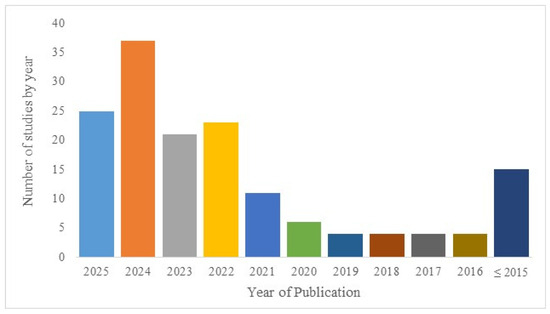
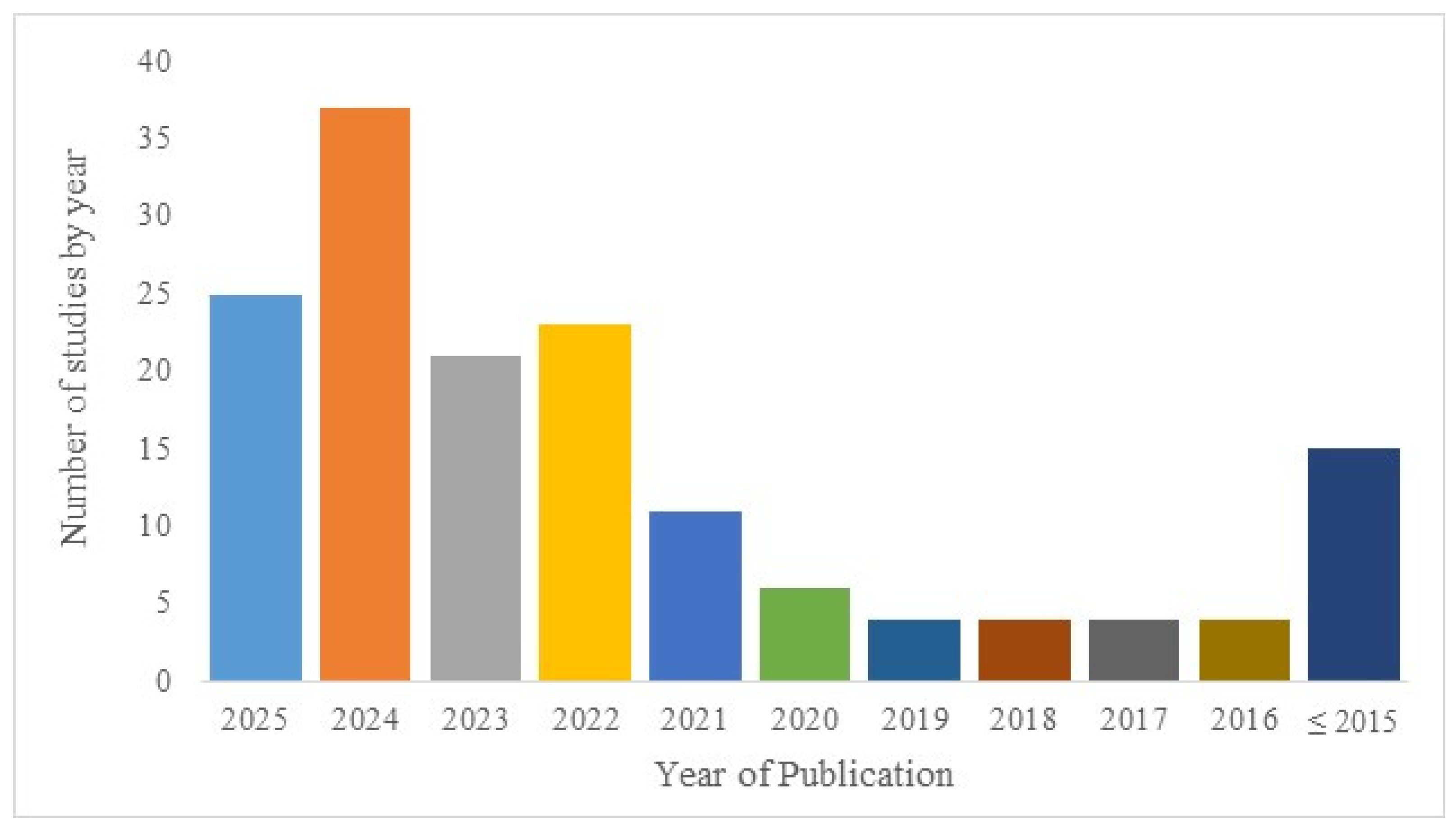
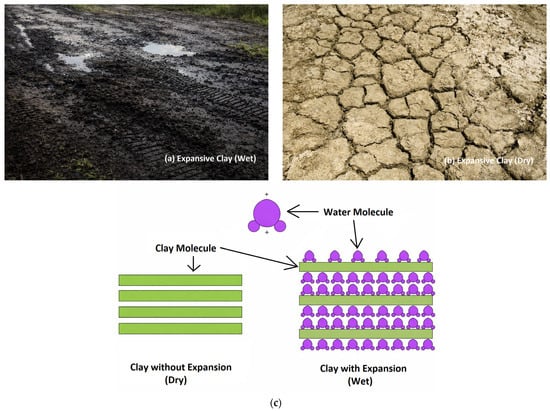
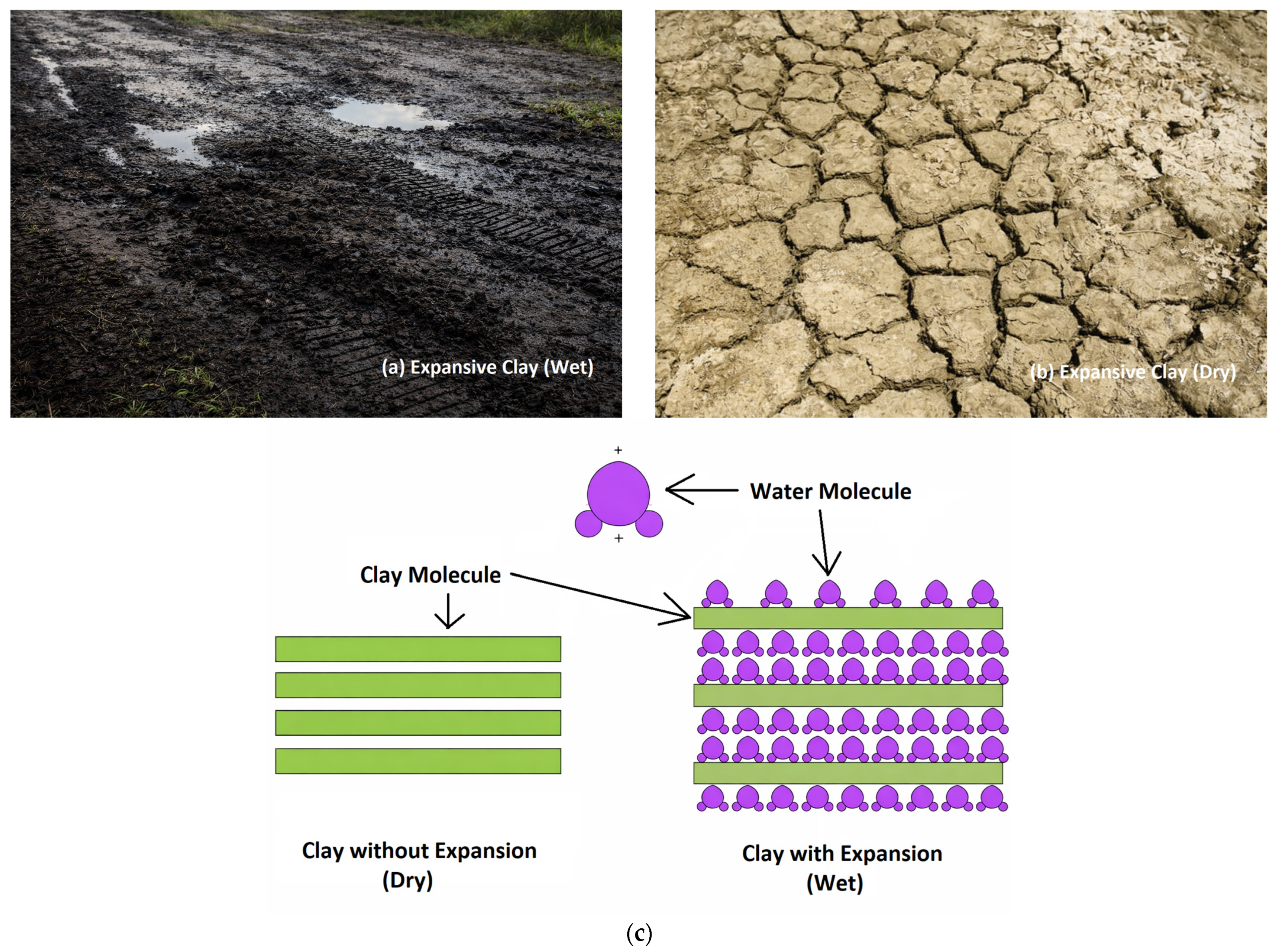
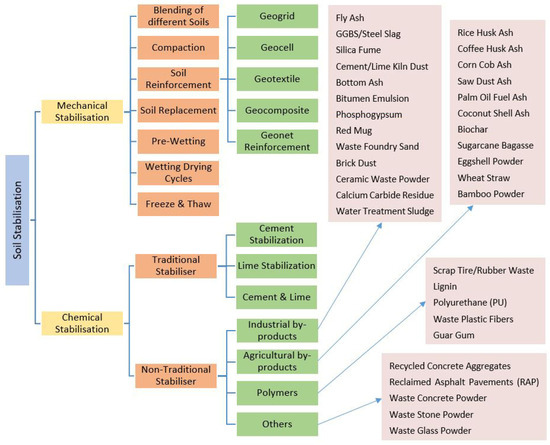
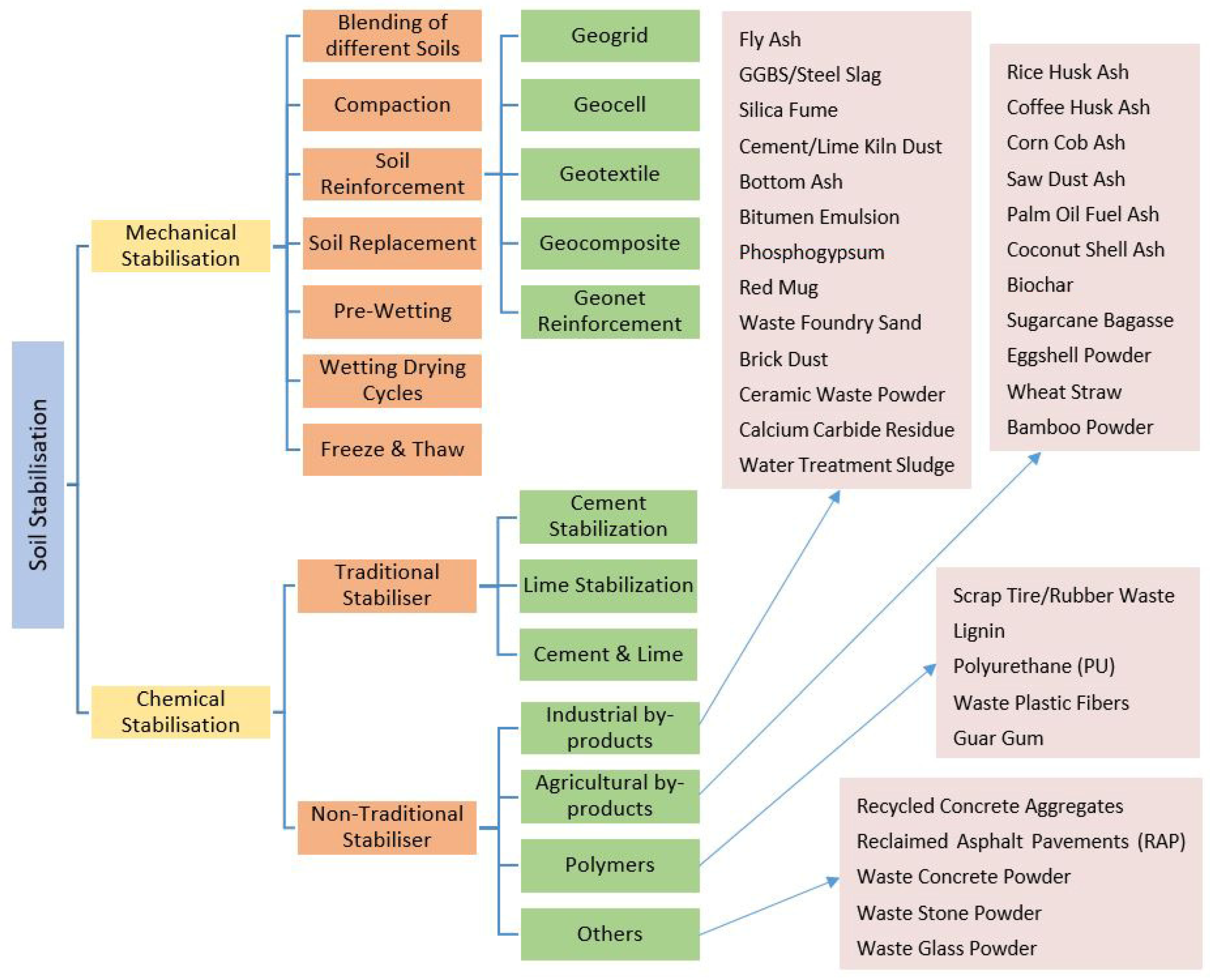
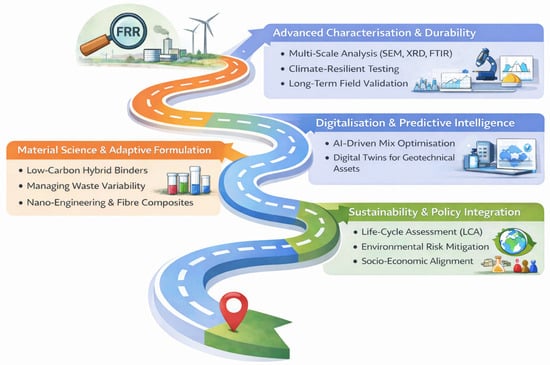
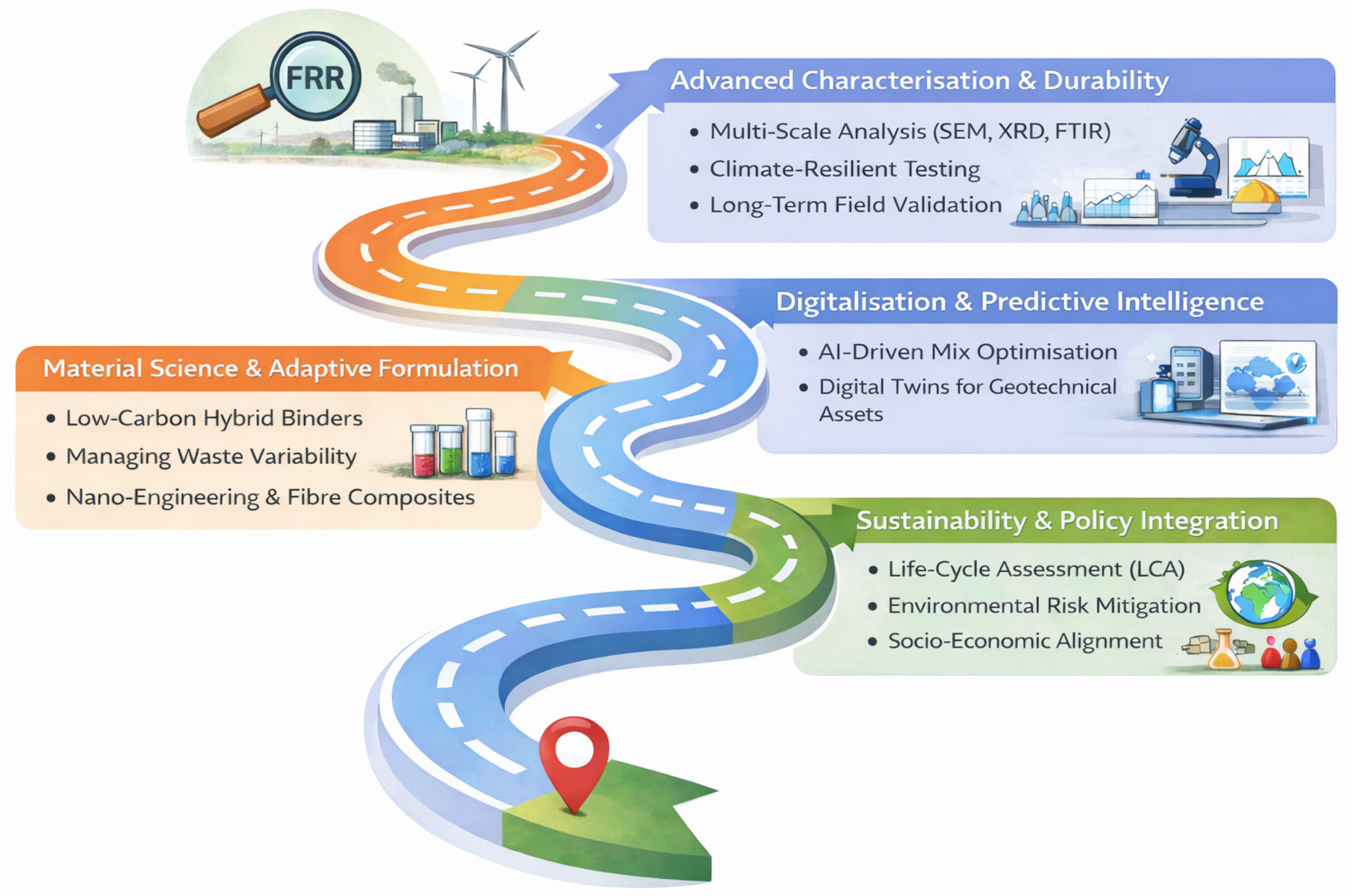

Disclaimer/Publisher’s Note: The statements, opinions and data contained in all publications are solely those of the individual author(s) and contributor(s) and not of MDPI and/or the editor(s). MDPI and/or the editor(s) disclaim responsibility for any injury to people or property resulting from any ideas, methods, instructions or products referred to in the content. |
© 2026 by the authors. Licensee MDPI, Basel, Switzerland. This article is an open access article distributed under the terms and conditions of the Creative Commons Attribution (CC BY) license.