Article

A Predictive Geometallurgical Framework for Flotation Kinetics in Complexes Platinum Group Metal Orebodies: Mode of Occurrence-Based Modification of the Kelsall Model Using Particle Swarm Optimization

by
Alain M. Kabemba
1,
Kalenda Mutombo
2 and
Kristian E. Waters
1,*
1
Department of Mining and Materials Engineering, Faculty of Engineering, McGill University, 3610 University Street, Montreal, QC H3A 0C5, Canada
2
Advanced Materials Engineering, Manufacturing Cluster, Council for Scientific and Industrial Research (CSIR), Meiring Naudé Road, Brummeria, Pretoria 0184, South Africa
*
Author to whom correspondence should be addressed.
Minerals 2025, 15(7), 701; https://doi.org/10.3390/min15070701
Submission received: 23 May 2025 / Revised: 17 June 2025 / Accepted: 26 June 2025 / Published: 30 June 2025
(This article belongs to the Section Mineral Processing and Extractive Metallurgy)

Abstract

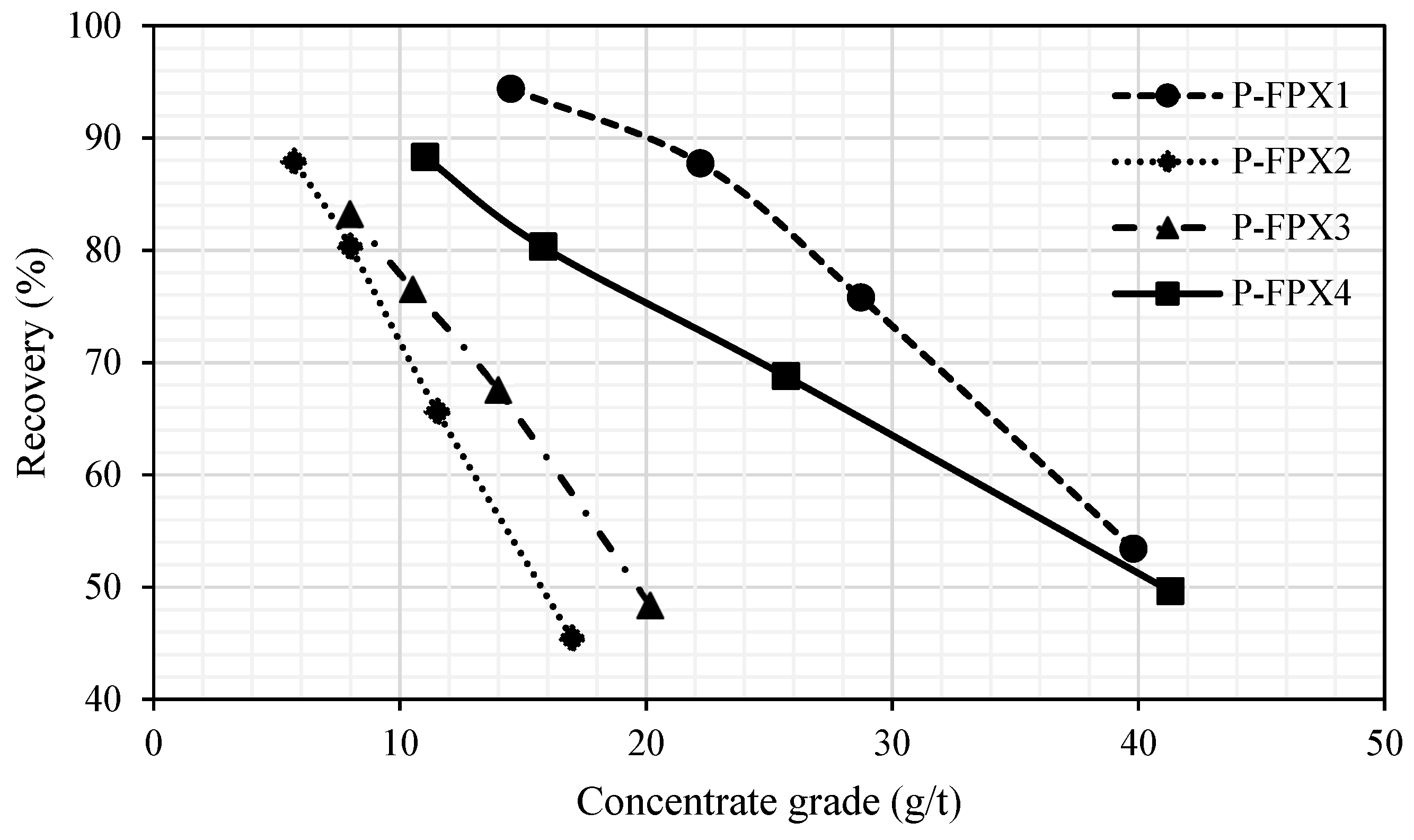
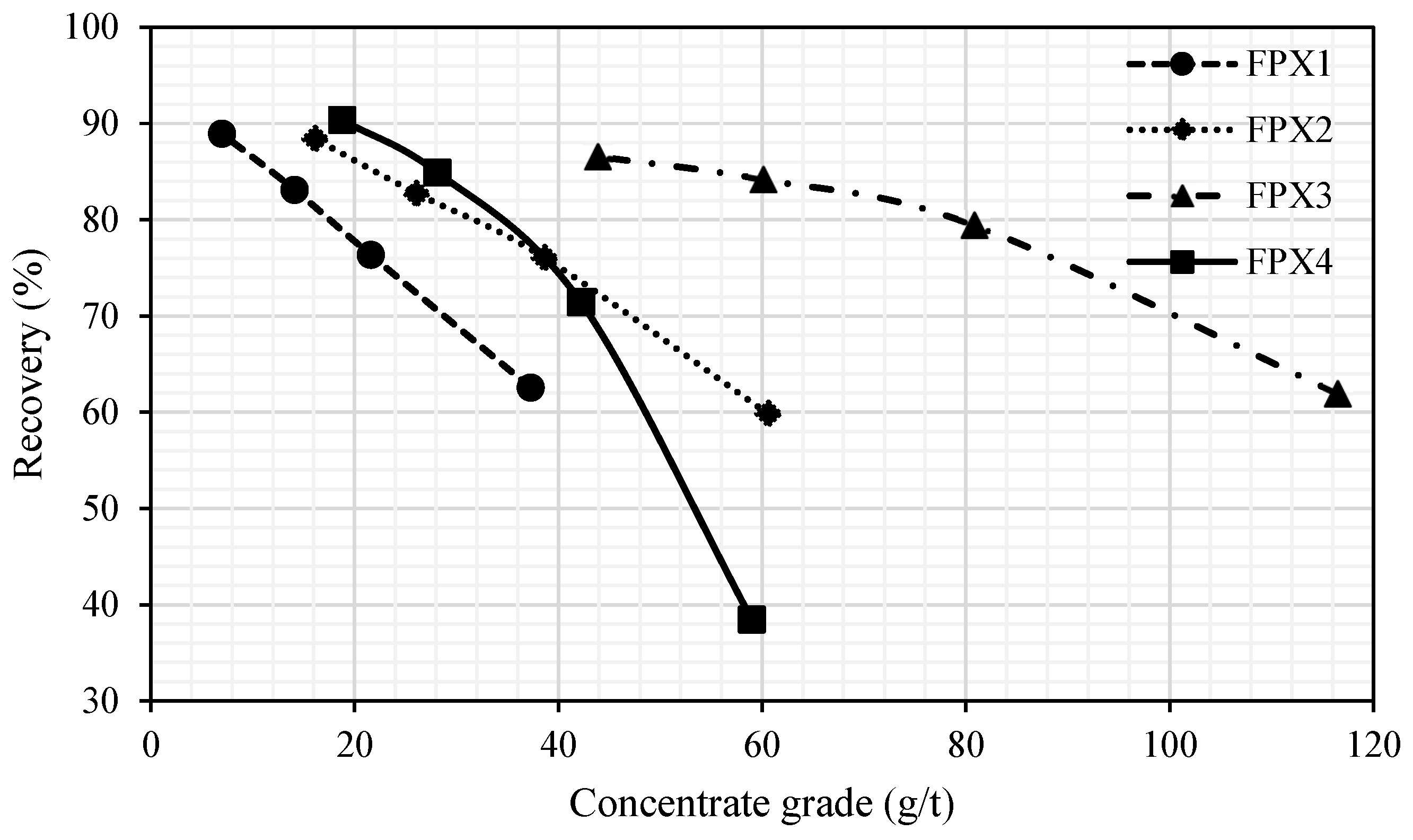
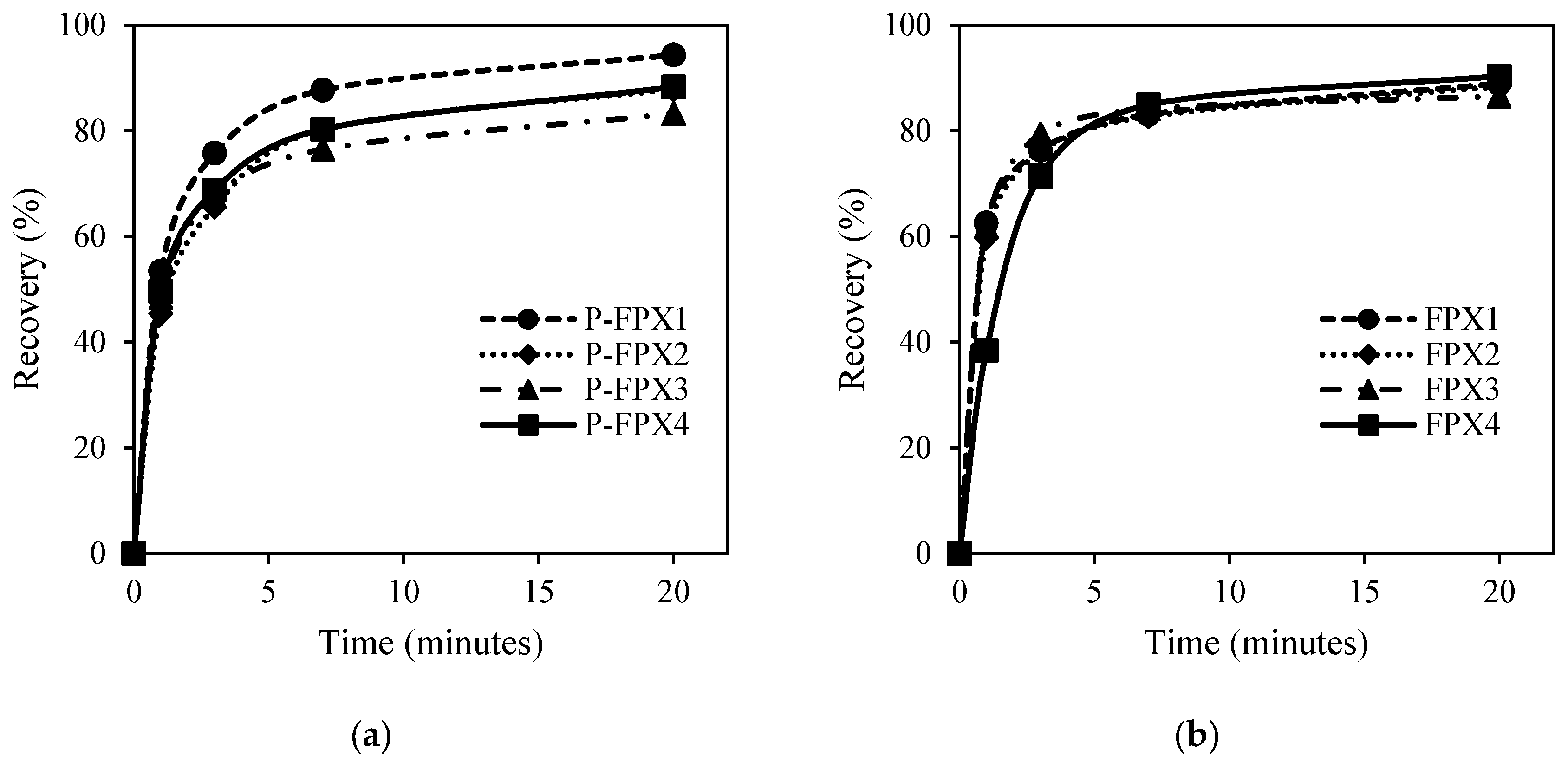
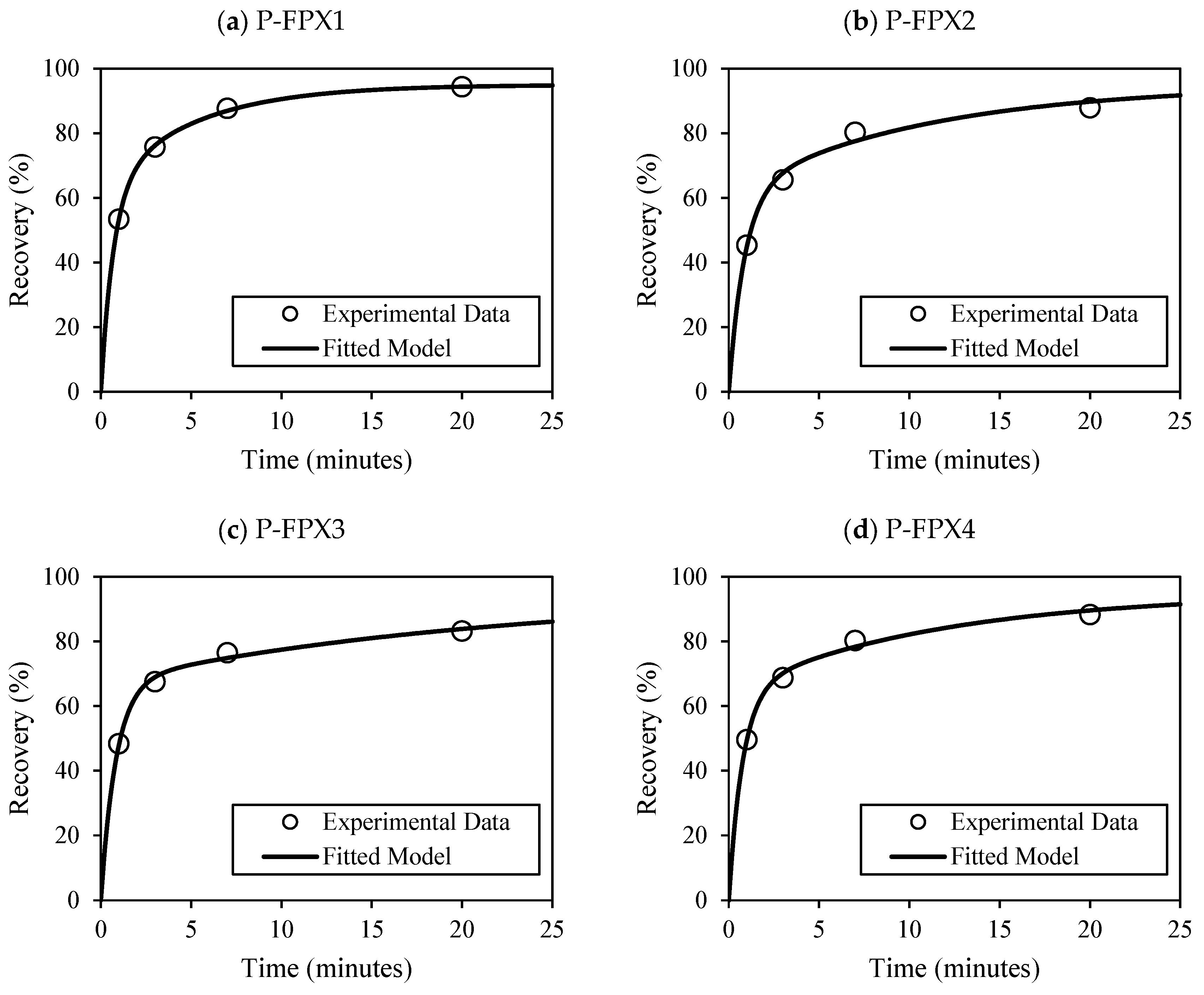
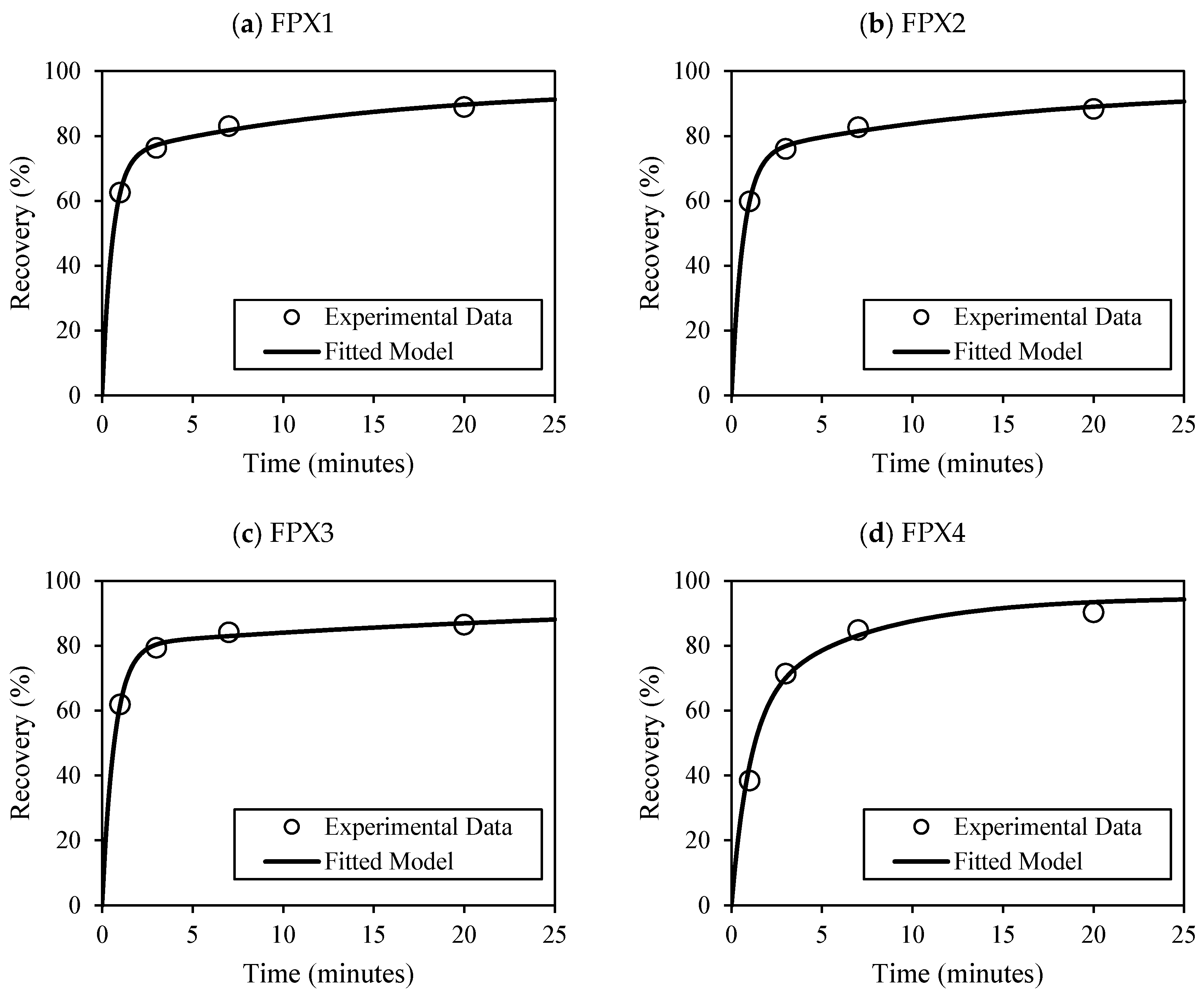
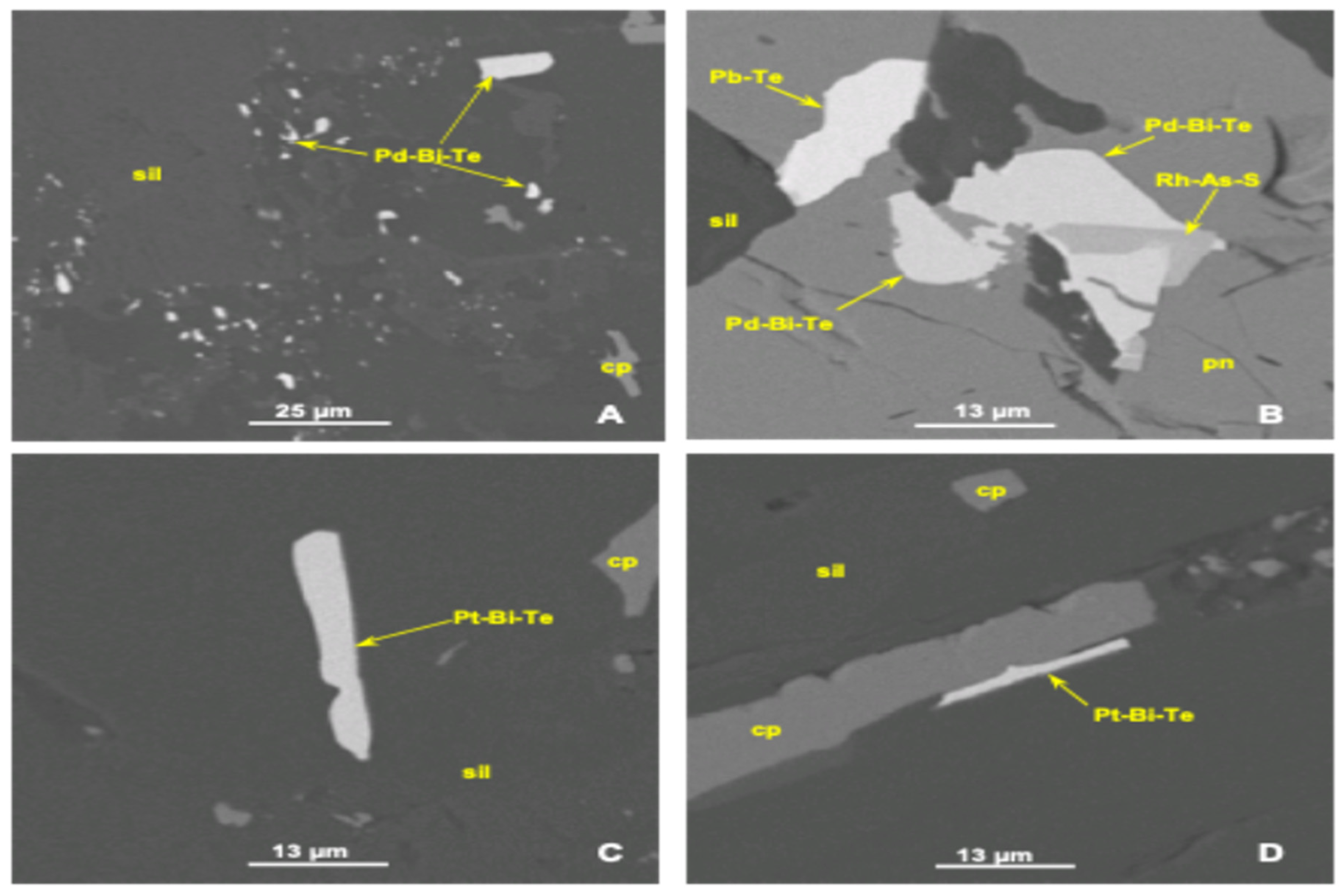
Mineralogical variability exerts a profound influence on the flotation performance of Platinum Group Metal (PGM) ores, particularly those from the Platreef deposit, where complex associations and textures influence recovery, grade, and kinetics. This study integrates the Mode of Occurrence (MOC) and mineral associations into a modified Kelsall flotation kinetics model, optimized using a Particle Swarm Optimization (PSO) algorithm, to improve prediction accuracy. Batch flotation tests were conducted on eight samples from two lithologies—Pegmatoidal Feldspathic Pyroxenite (P-FPX) and Feldspathic Pyroxenite (FPX)—with mineralogical characterization performed using MLA, QEMSCAN, and XRD. PGMs in liberated (L) and sulfide-associated (SL) forms accounted for up to 90.6% (FPX1), exhibiting high fast-floating fractions (θf = 0.77–0.84) and fast flotation rate constants (Kf = 1.45–1.78 min−1). In contrast, PGMs locked in silicates (G class) showed suppressed kinetics (Kf < 0.09 min−1, Ks anomalies up to 8.67 min−1) and were associated with lower recovery (P-FPX3 = 83.25%) and increased model error (P-FPX4 = 57.3). FPX lithologies achieved the highest cumulative recovery (FPX4 = 90.35%) and the best concentrate grades (FPX3 = 116.5 g/t at 1 min), while P-FPX1 had the highest gold content (10.45%) and peak recovery (94.37%). Grade-recovery profiles showed steep declines after 7 min, particularly in slow-floating types (e.g., P-FPX2, FPX2), with fast-floating lithologies stabilizing above 85% recovery at 20 min. The model yielded R2 values above 0.97 across all samples. This validates the predictive power of MOC-integrated flotation kinetics for complex PGM ores and supports its application in geometallurgical plant design. Model limitations in capturing complex locked ore textures (SAG, G classes) highlight the need for reclassification based on floatability indices and further integration of machine learning methods.
Keywords: flotation kinetics; PGM ores; mineralogical variability; particle swarm optimization; geometallurgy; flotation plant design flotation kinetics; PGM ores; mineralogical variability; particle swarm optimization; geometallurgy; flotation plant design