Article

Delineating Geochemical Anomalies Based on the Methods of Principal Component Analysis, Multifractal Model, and Singularity Model: A Case Study of Soil Geochemical Survey in the Hongyahuo Area, Qinghai Province


1
School of Earth Sciences, Guilin University of Technology, Guilin 541004, China
2
Gansu Nonferrous Engineering Exploration & Research Institute, Tianshui 741024, China
3
The First Geological Eeploration Institute of Henan Limited Company, Zhengzhou 450000, China
4
Institute of Mineral Resources, Chinese Academy of Geological Sciences, Beijing 100037, China
*
Authors to whom correspondence should be addressed.
Minerals 2025, 15(6), 585; https://doi.org/10.3390/min15060585
Submission received: 18 April 2025 / Revised: 22 May 2025 / Accepted: 24 May 2025 / Published: 30 May 2025
(This article belongs to the Special Issue Novel Methods and Applications for Mineral Exploration, Volume III)

Abstract

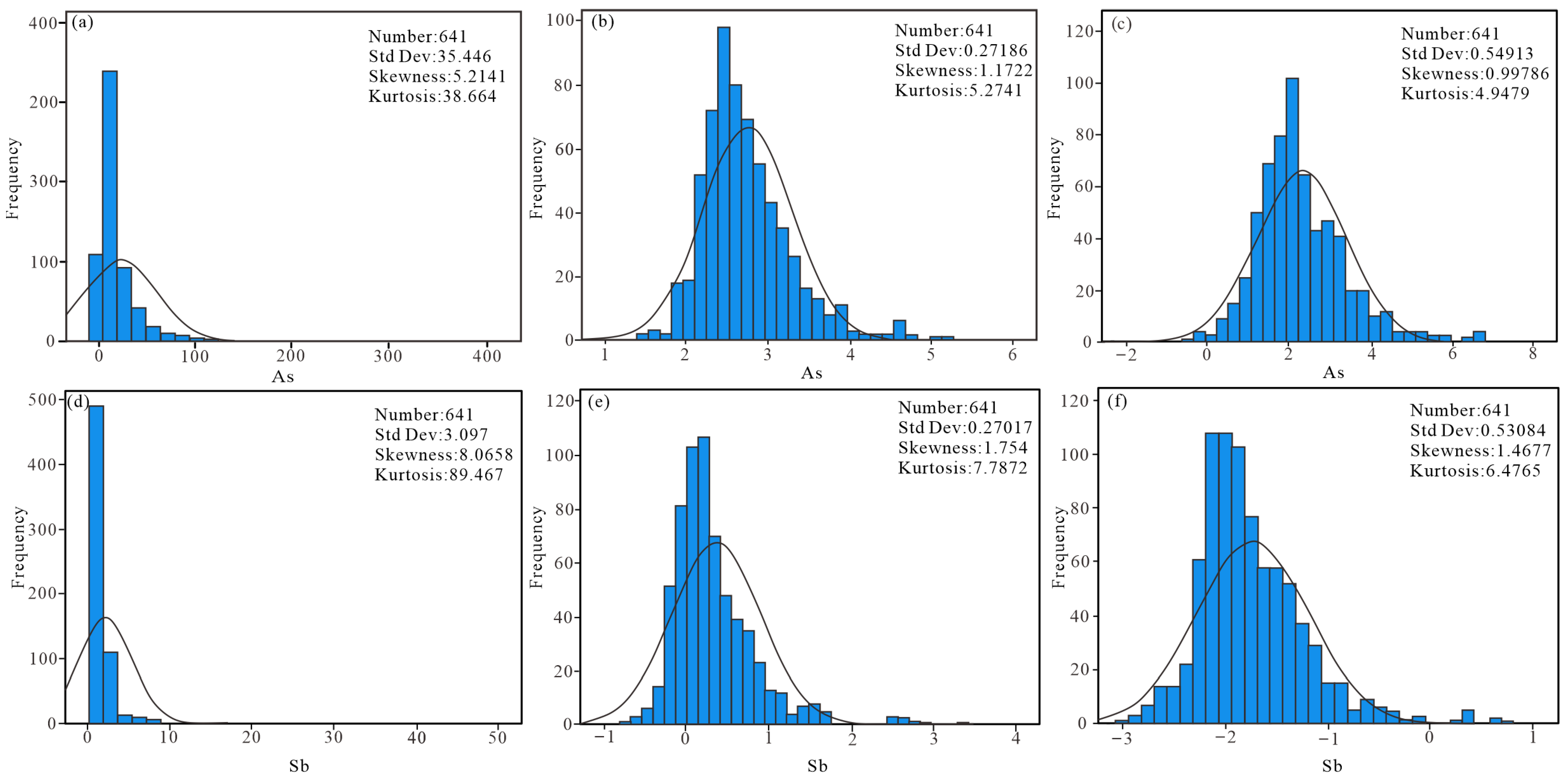
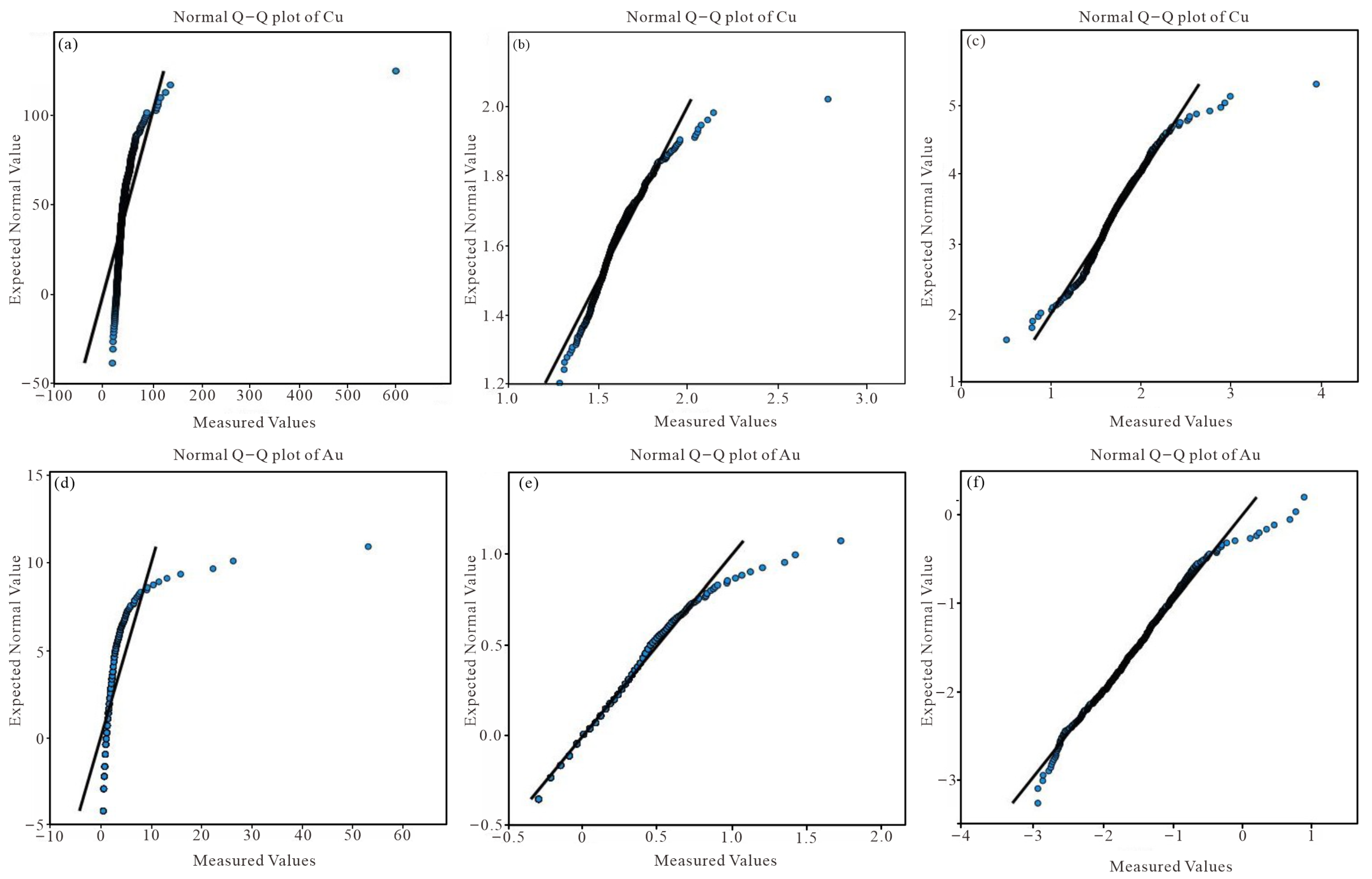
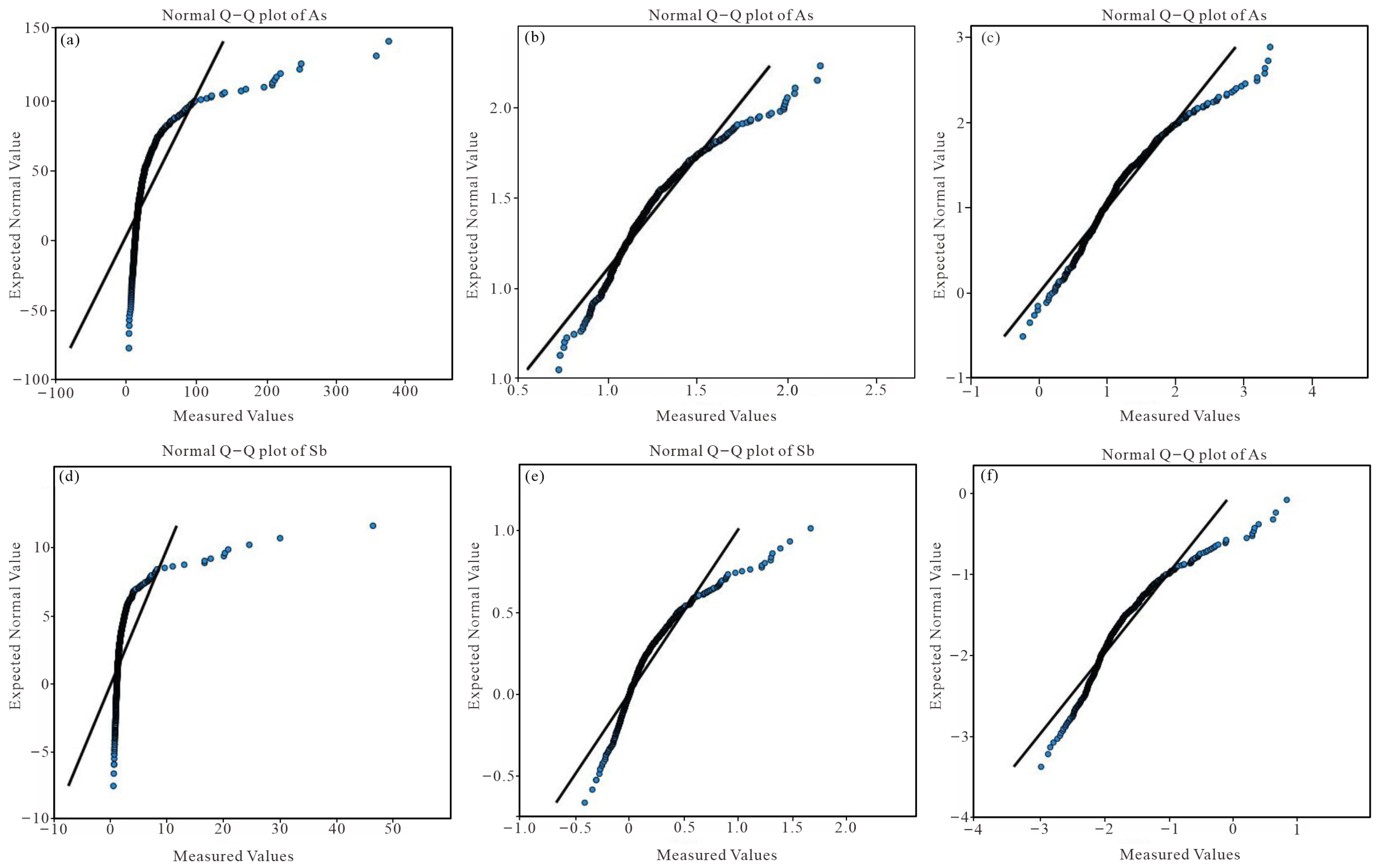
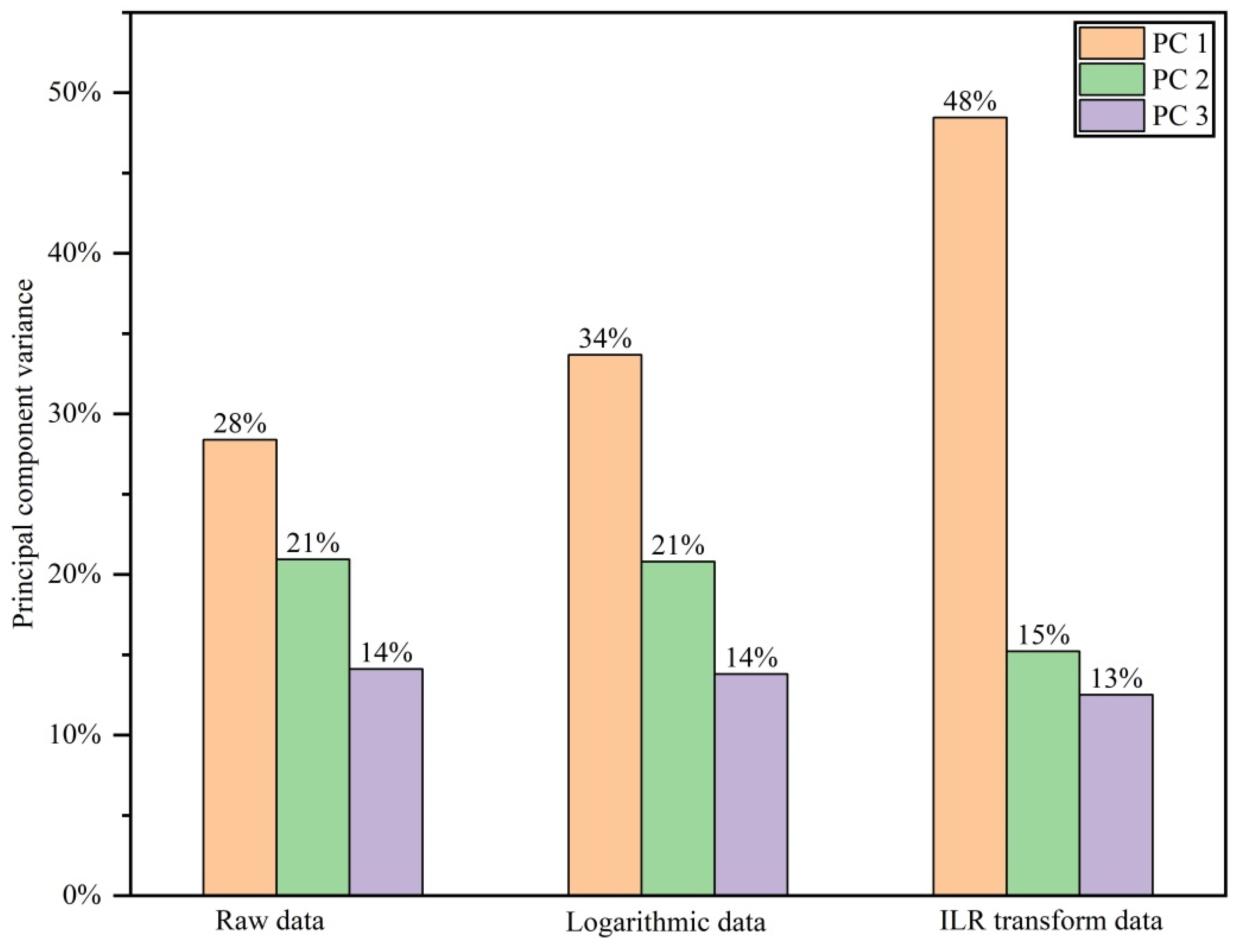
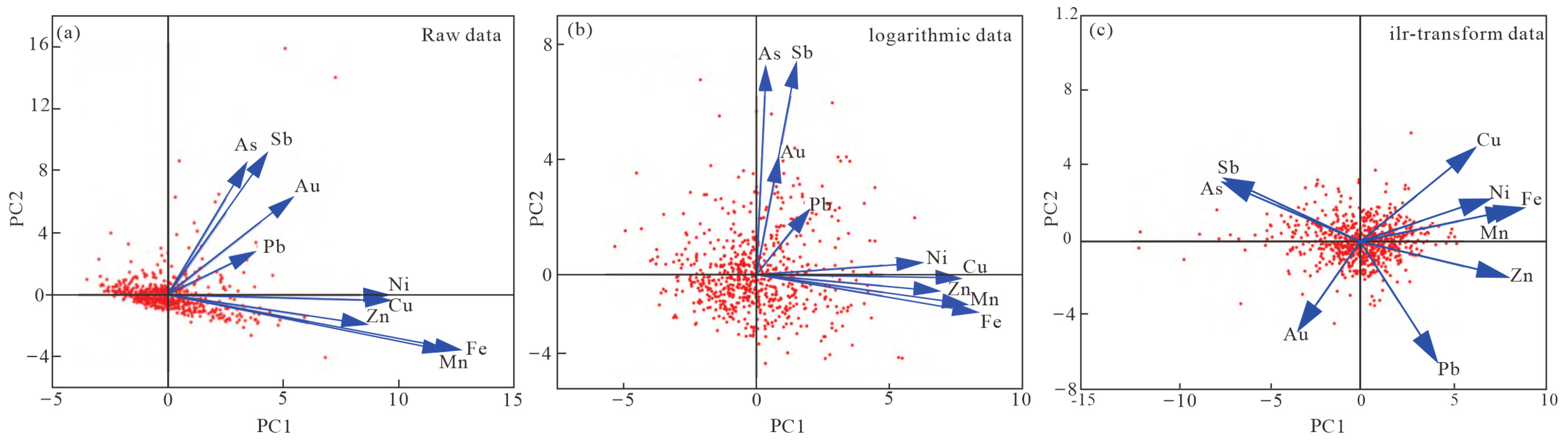
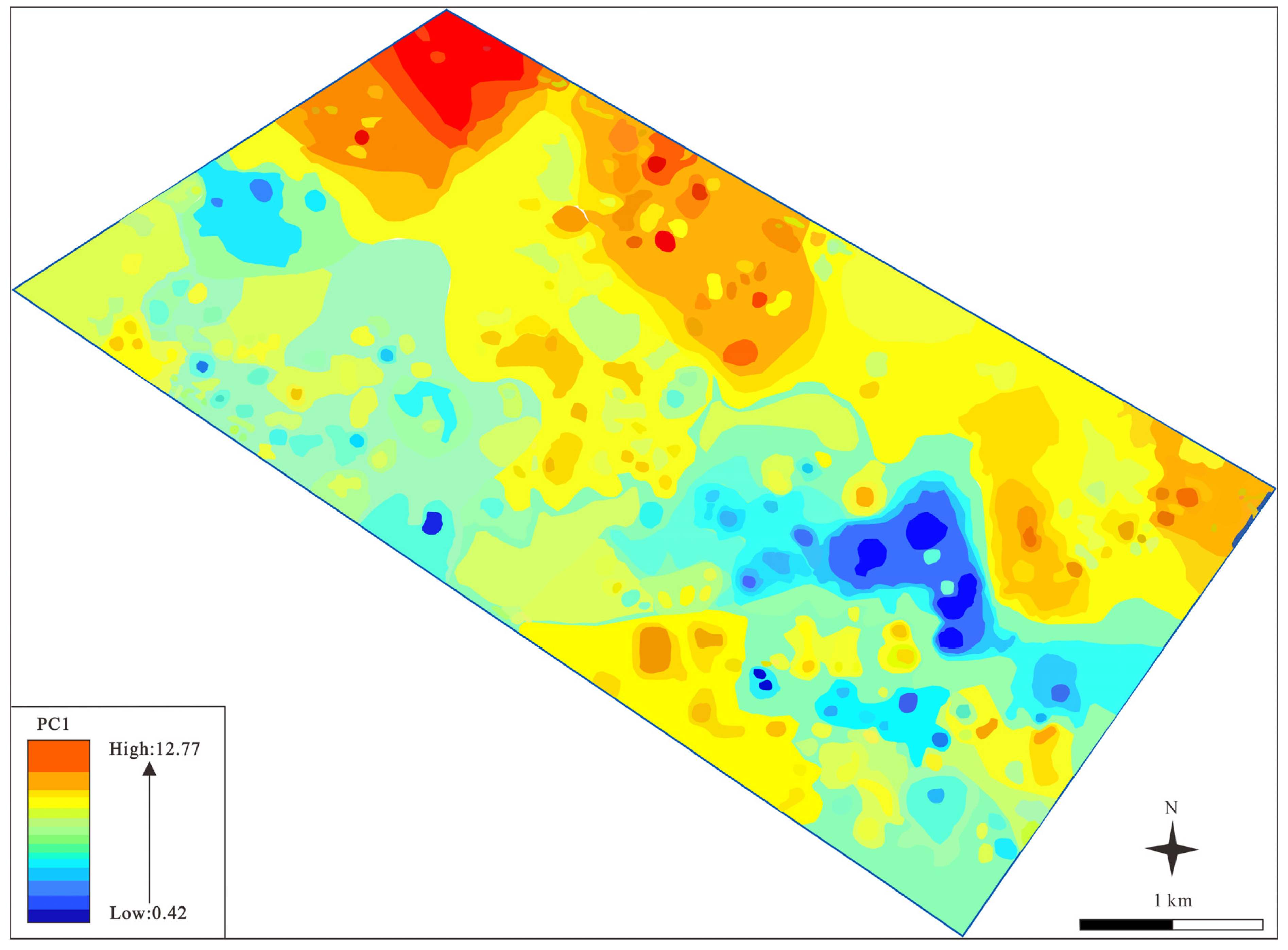
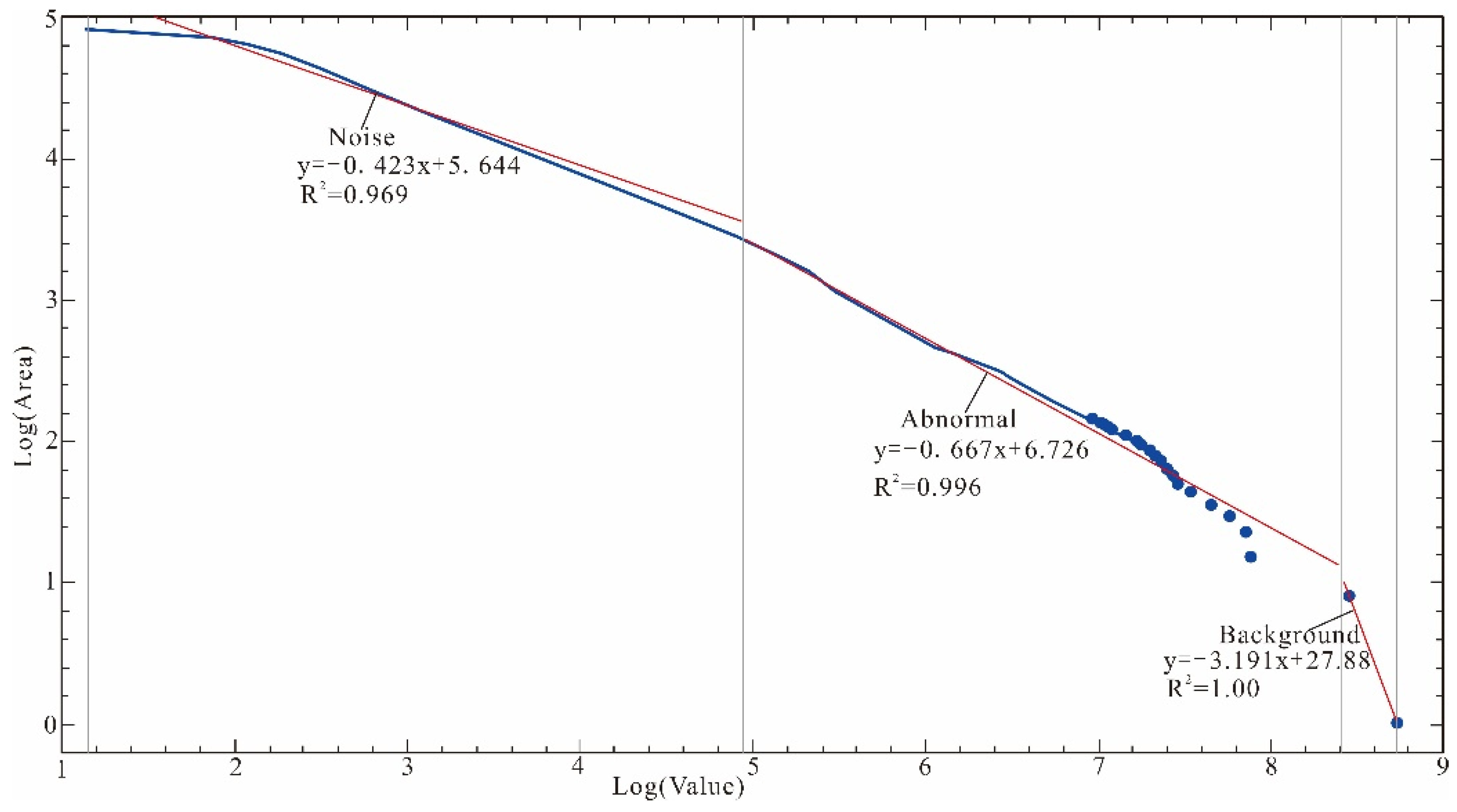
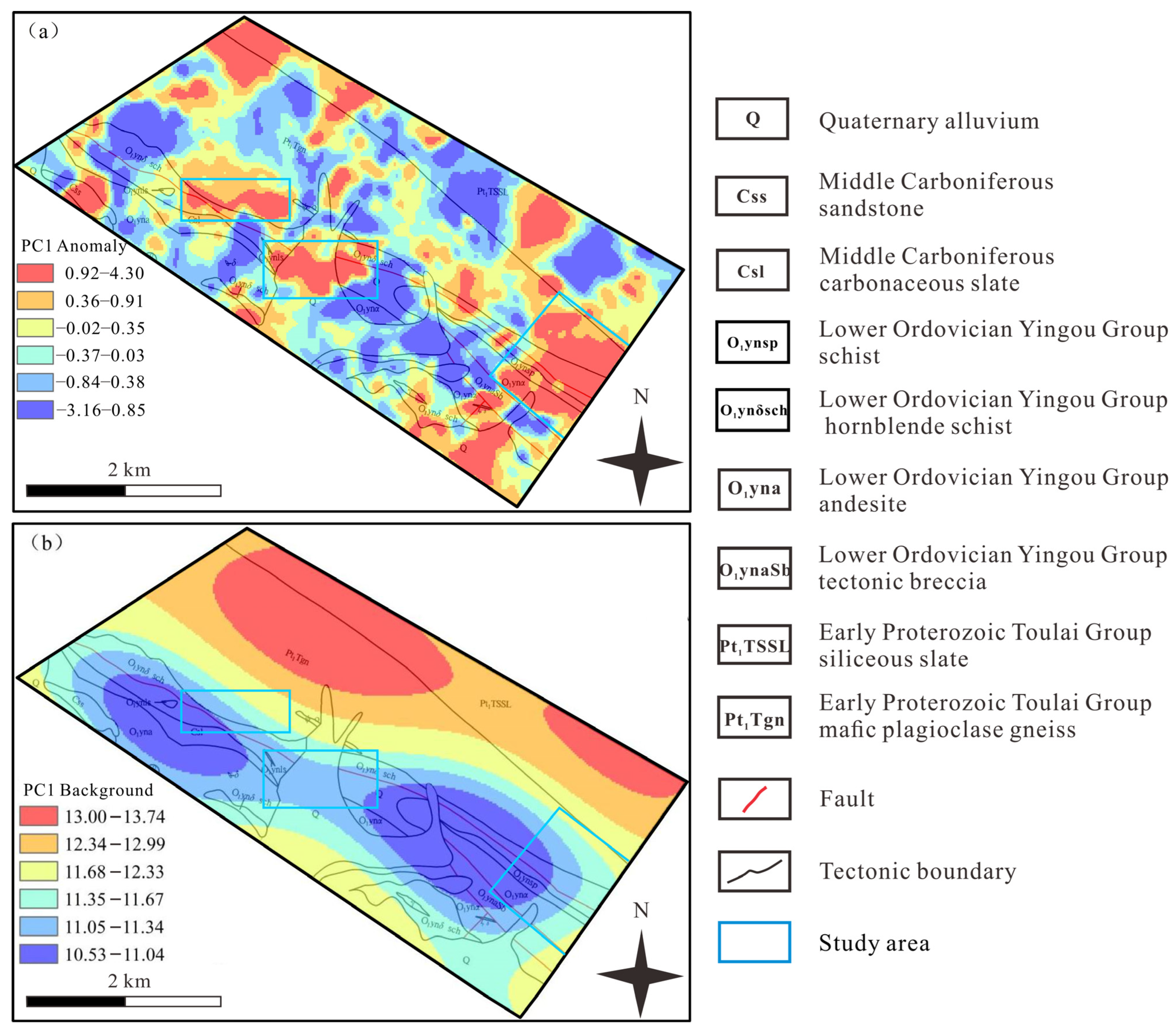
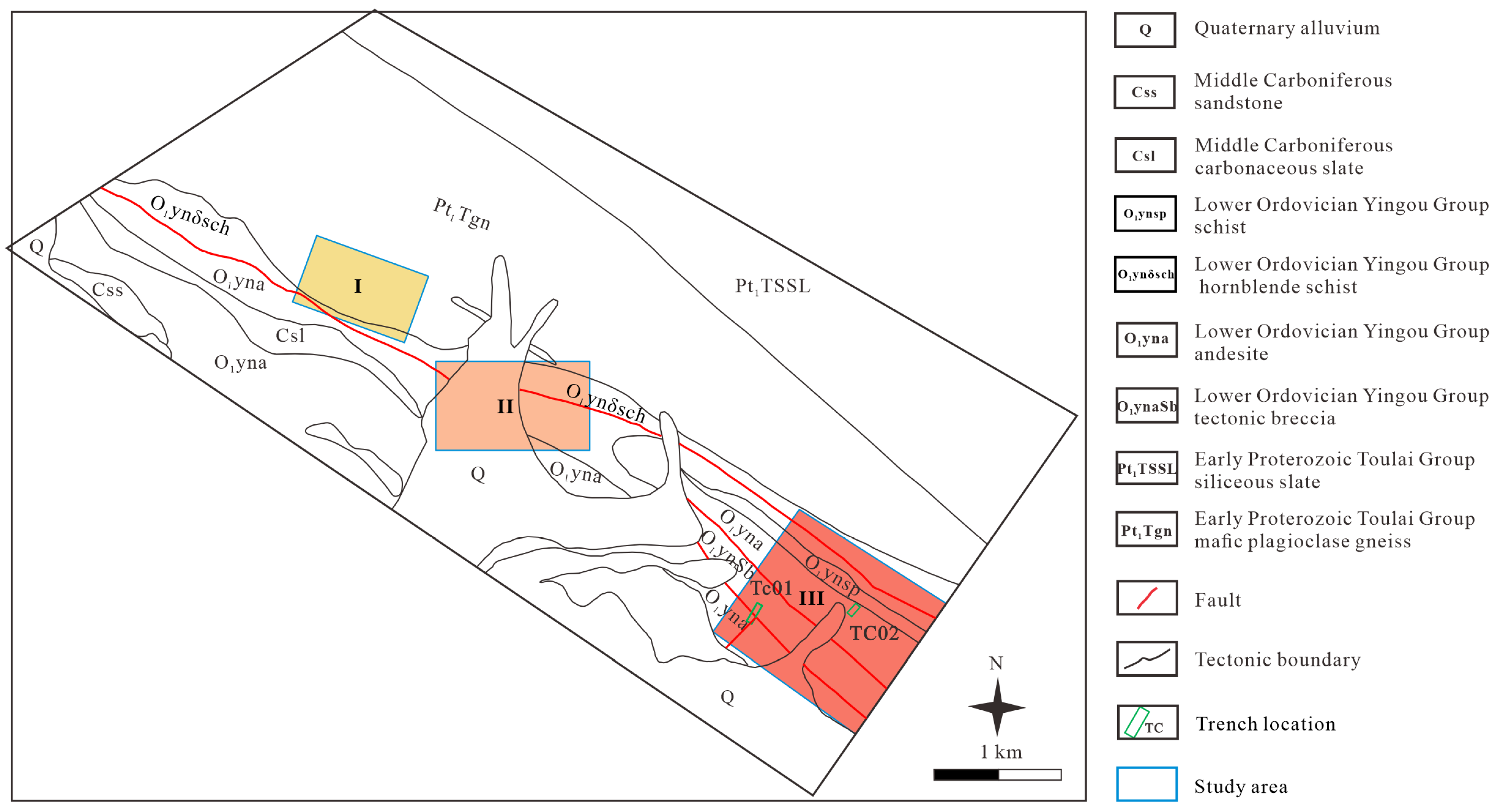
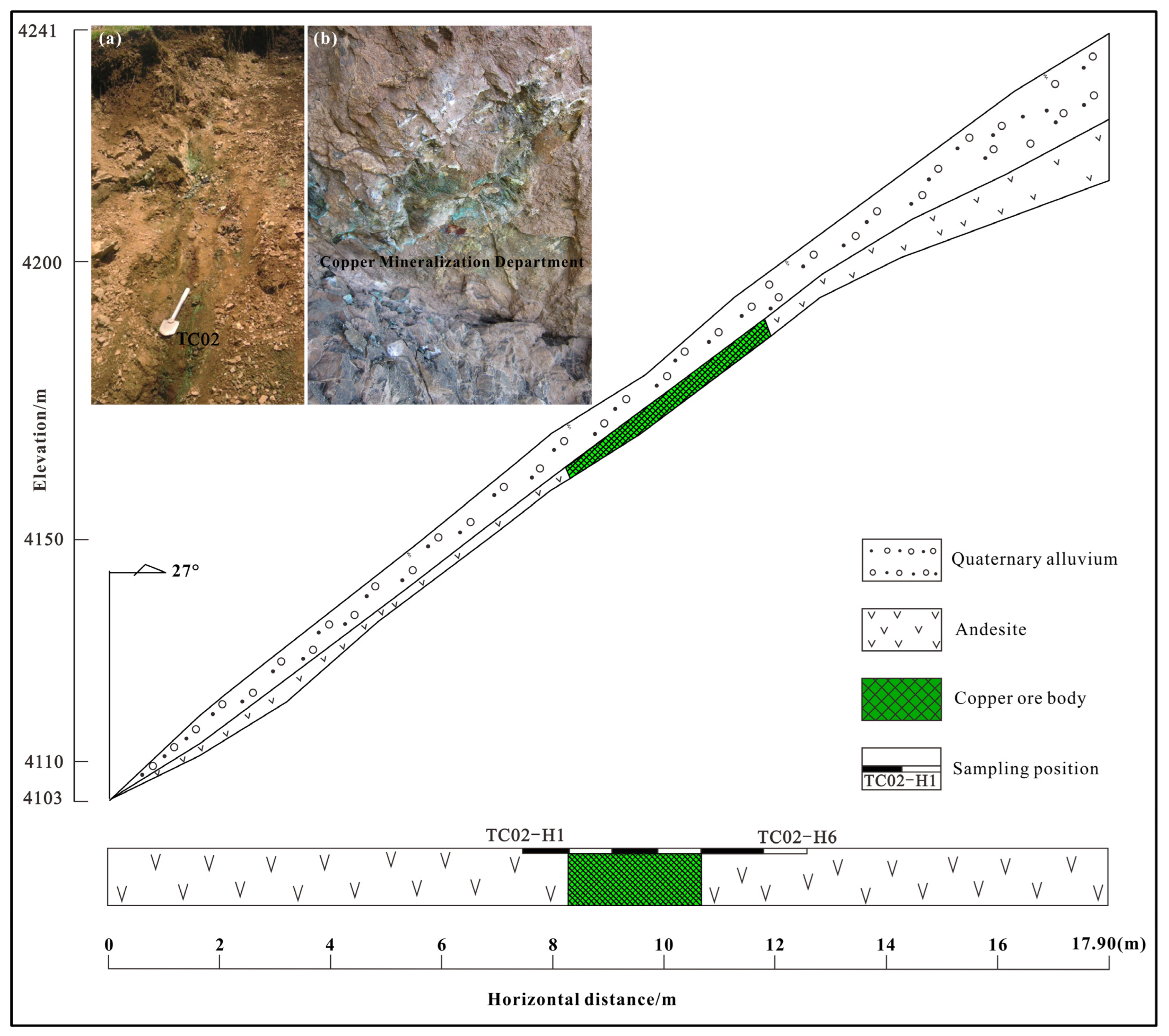
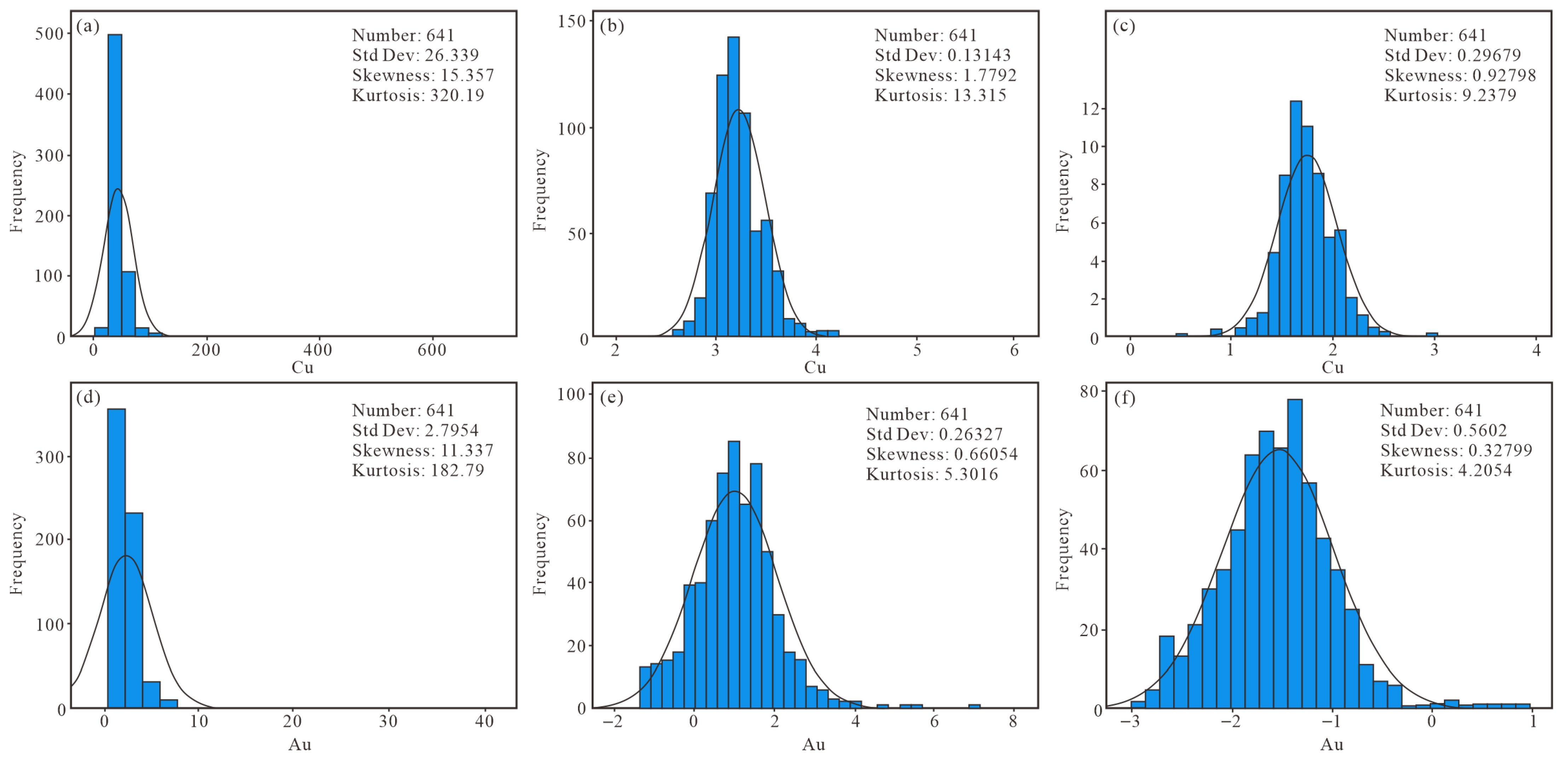
To efficiently delineate mineral-induced geochemical anomalies within the Hongyahuo area, principal component analysis (PCA), S-A multifractal modeling, and singularity modeling were employed to examine multi-element datasets derived from 641 soil samples collected from natural gully systems. The isometric log-ratio (ilr) transformation was implemented in conjunction with histogram and quantile-quantile plot analysis to assess and compare the multivariate statistical properties of elemental data across three formats—original, logarithmic, and ilr-transformed. The findings demonstrate the following: (1) following ilr transformation, the issue of data closure was resolved, resulting in elemental distributions more closely approximating normality; (2) PCA revealed two distinguishable elemental associations: PC1 corresponds to the Cu-Fe-Mn-Ni-Pb-Zn group, indicative of a medium- to high-temperature hydrothermal mineralization assemblage associated with Cu-Pb-Zn polymetallic mineralization linked to magmatic intrusion and fracture systems, signifying overprinted copper polymetallic mineralization events; PC2 reflects the Au-As-Sb elemental combination, associated with low-temperature hydrothermal processes indicative of Au-Sb mineralization; (3) the decomposition of the S-A model indicated that low-background and high-anomaly zones for PC1 are primarily situated within andesitic units, where nearby intermediate to felsic intrusions and structural fracture zones have likely served as sources for Cu-polymetallic mineralization; (4) the spatial distribution of the singularity index suggested that anomalous regions characterized by a PC1 singularity index α < 2 were relatively confined, offering strategic implications for mineral exploration targeting; and (5) when integrated with regional metallogenic background, three prospecting targets were identified, leading to the subsequent discovery of two copper ore bodies through anomaly validation. Therefore, this integrative analytical framework is demonstrated to be a robust approach for delineating geochemical anomalies.
Keywords: mineral exploration; geochemical anomalies; ilr data transformation; principal component analysis; S-A multifractal model; singularity model mineral exploration; geochemical anomalies; ilr data transformation; principal component analysis; S-A multifractal model; singularity model