Review

State-of-the-Art Lithium-Ion Battery Pretreatment Methods for the Recovery of Critical Metals

Mining Engineering Department, Eskisehir Osmangazi University, 26040 Eskisehir, Turkey
*
Author to whom correspondence should be addressed.
Minerals 2025, 15(5), 546; https://doi.org/10.3390/min15050546
Submission received: 21 March 2025 / Revised: 9 May 2025 / Accepted: 16 May 2025 / Published: 20 May 2025
(This article belongs to the Section Mineral Processing and Extractive Metallurgy)

Abstract

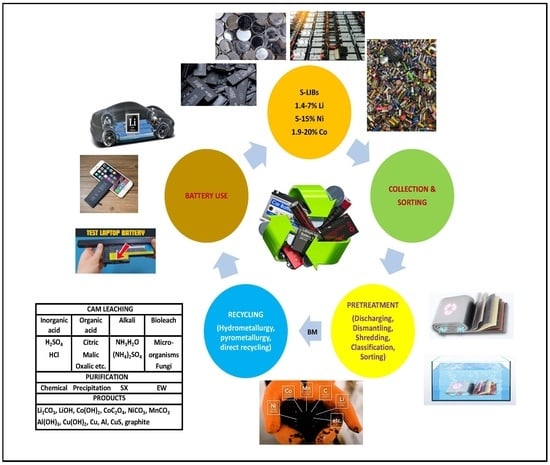
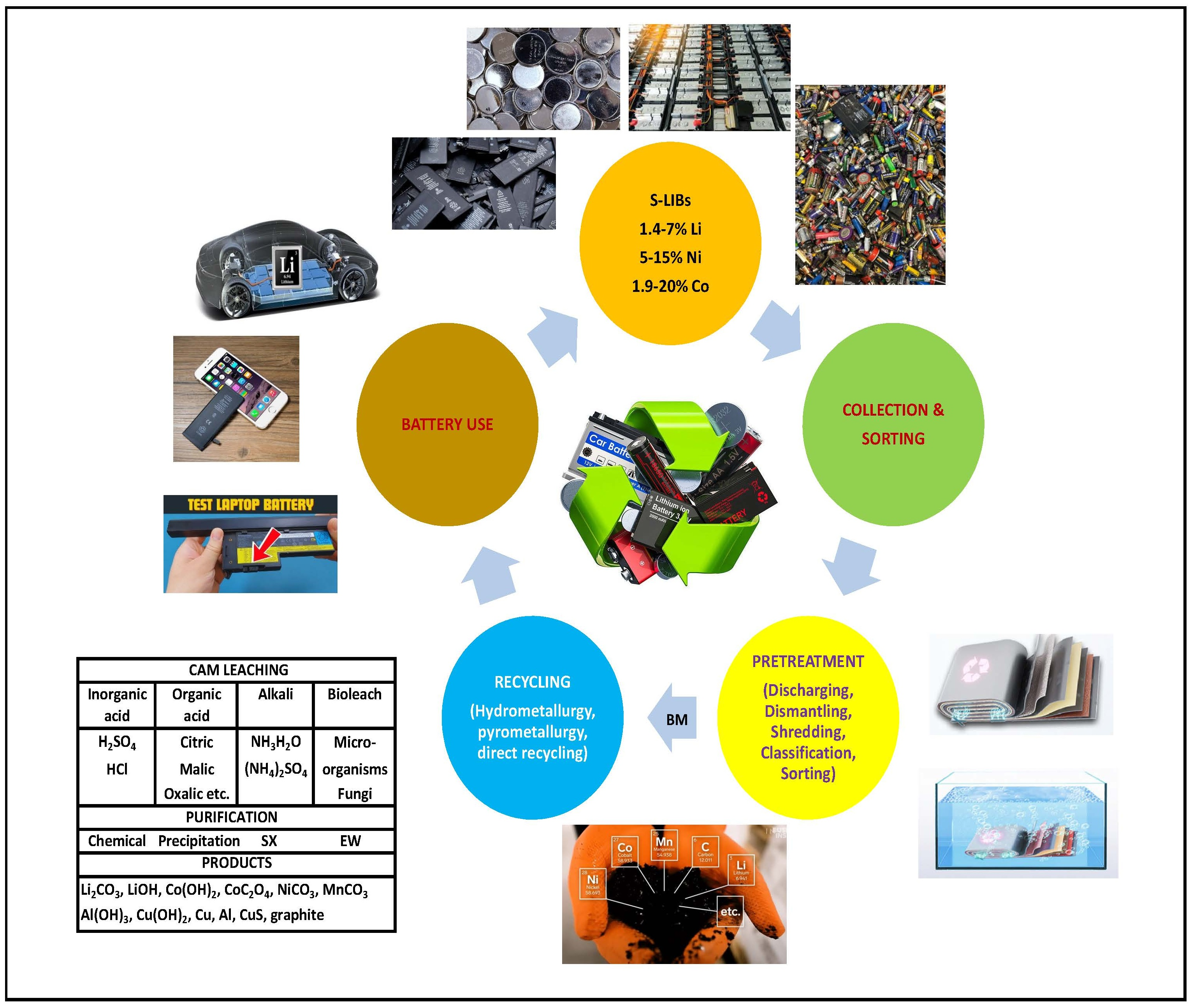
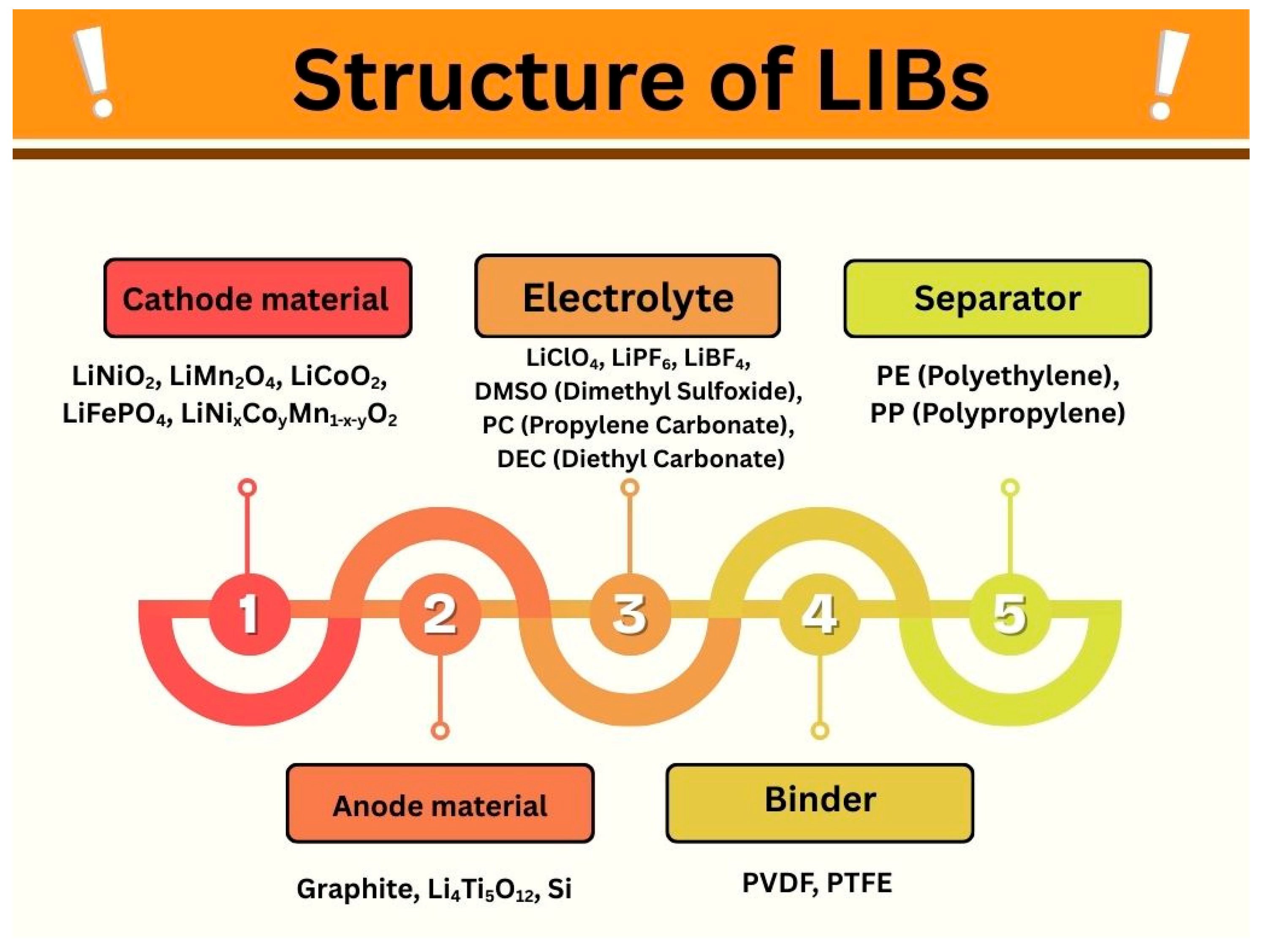
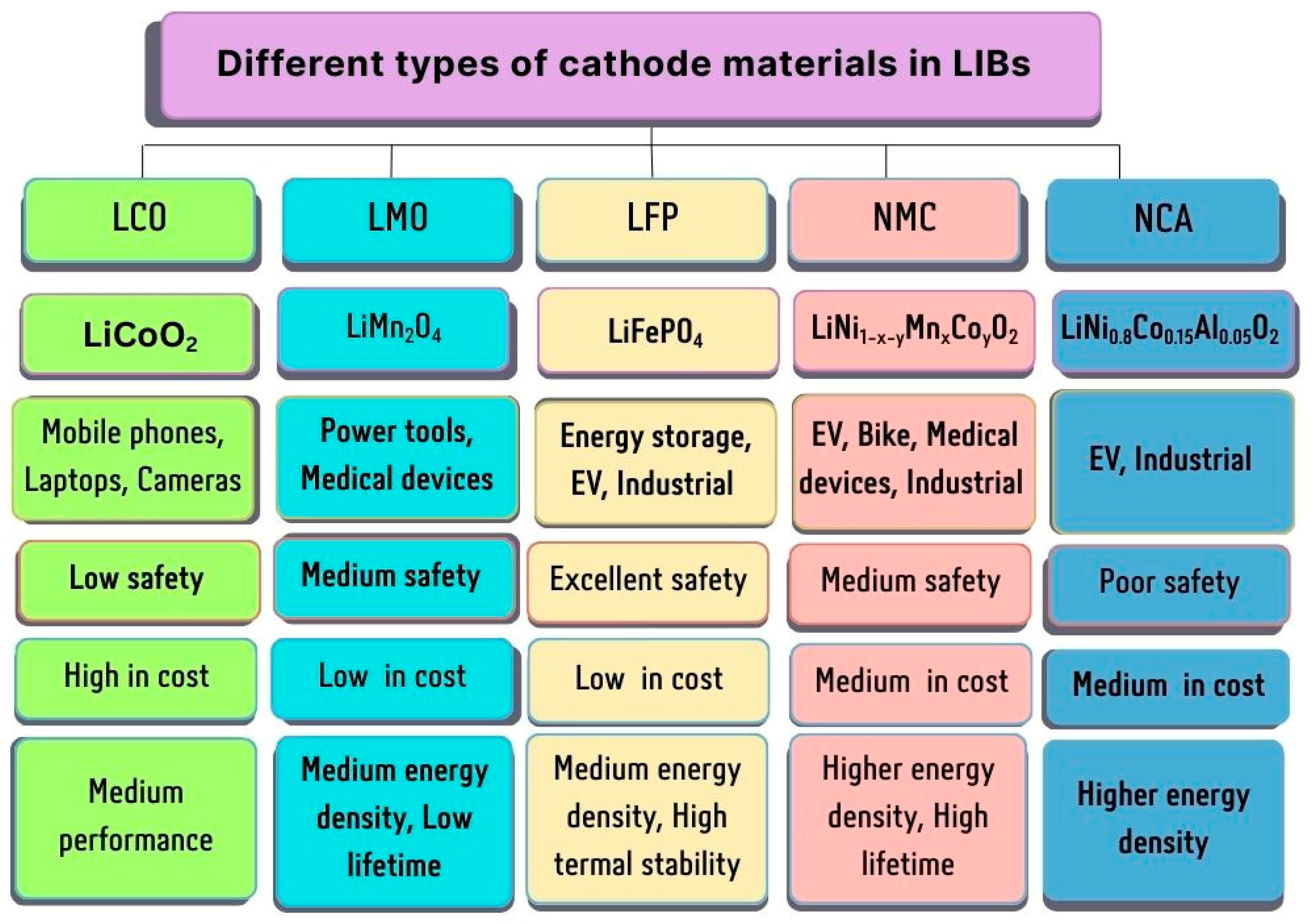
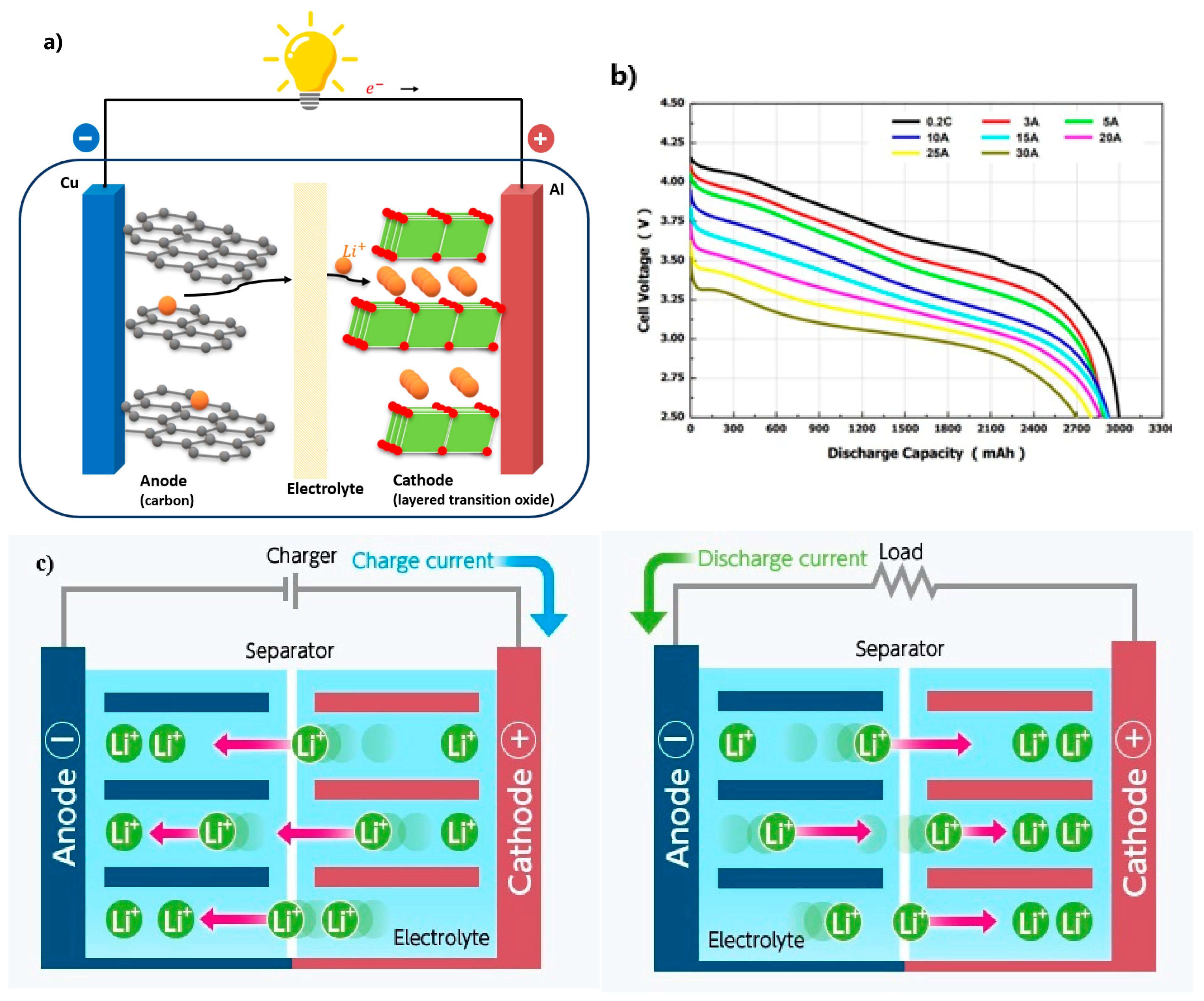
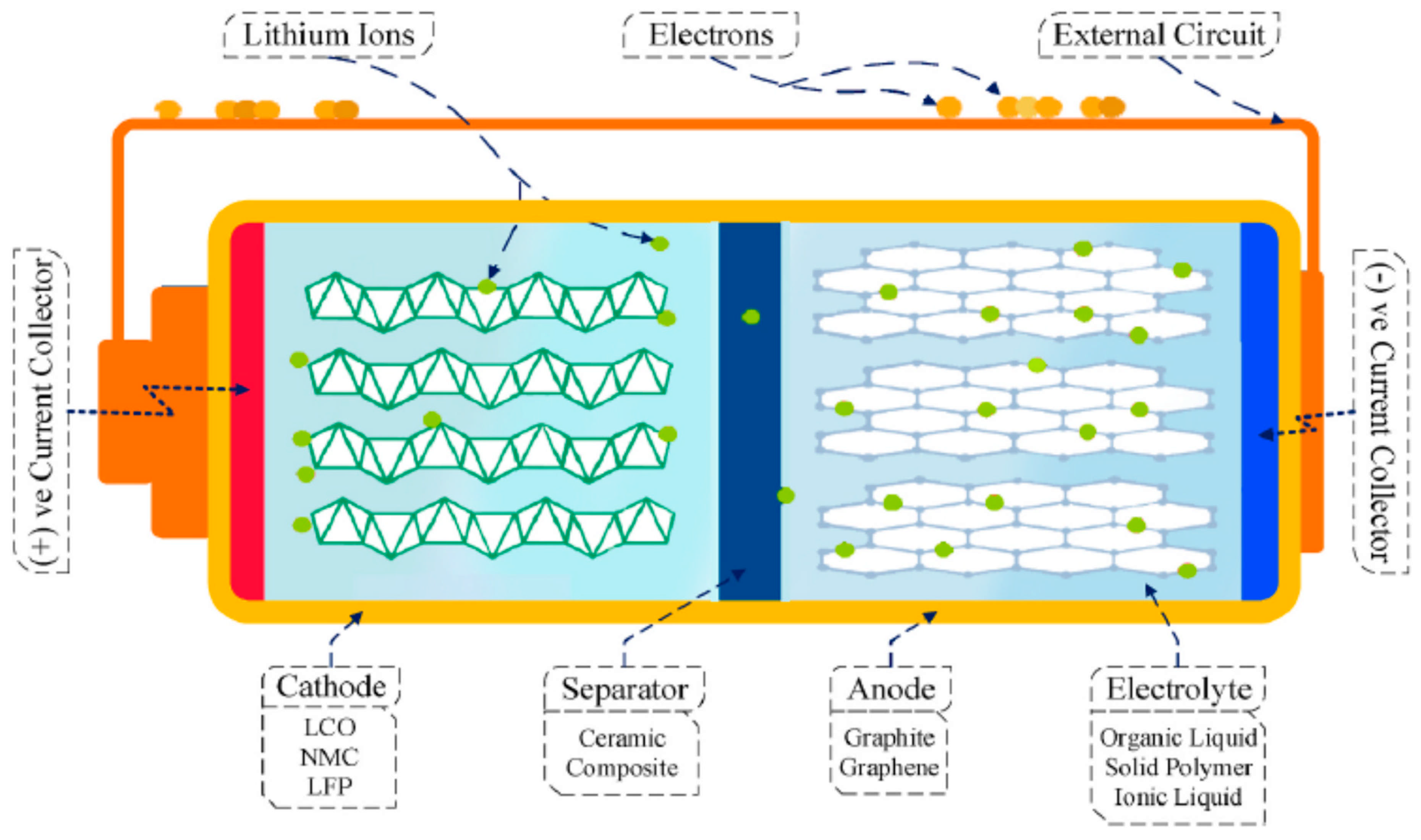
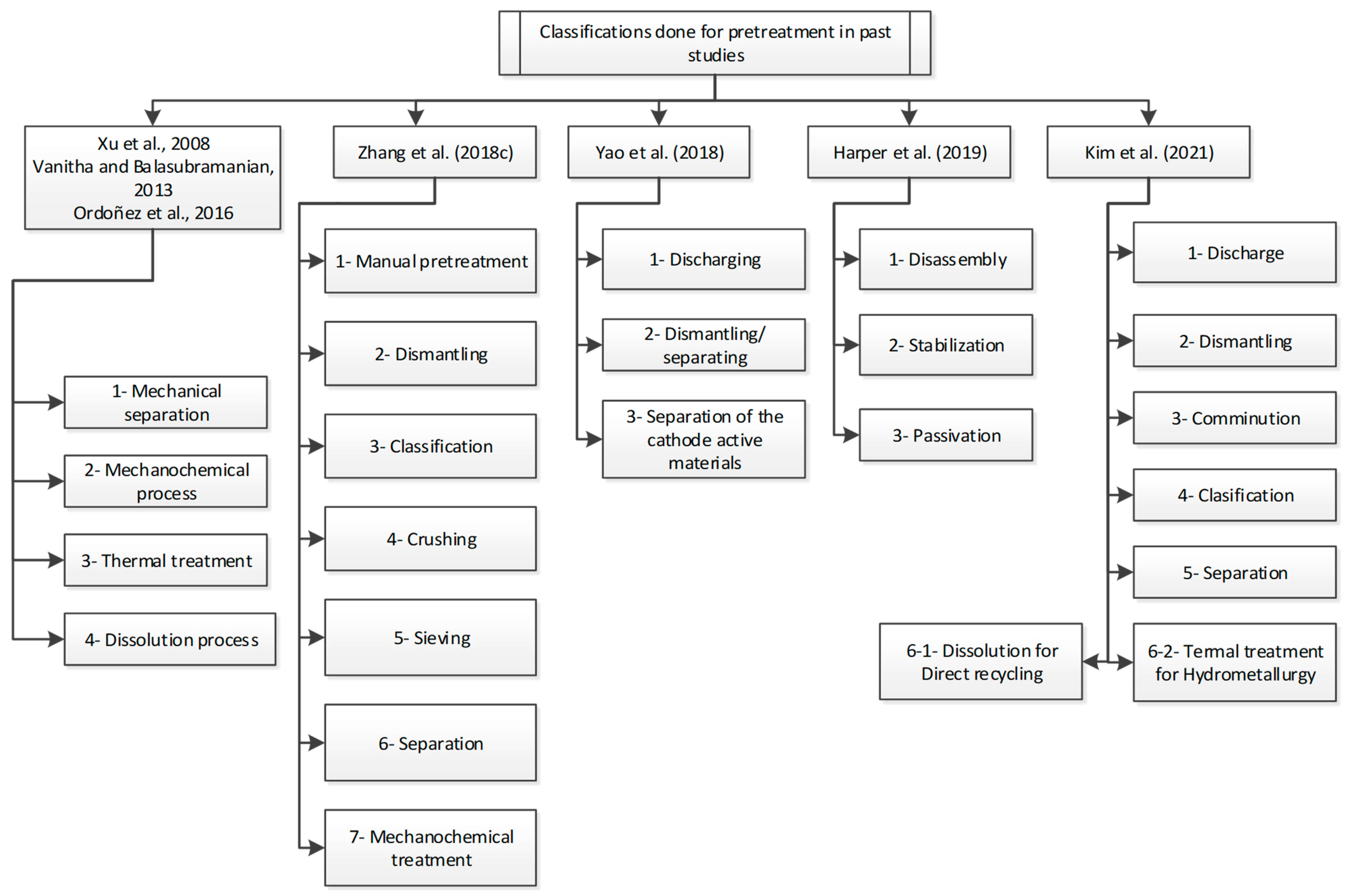
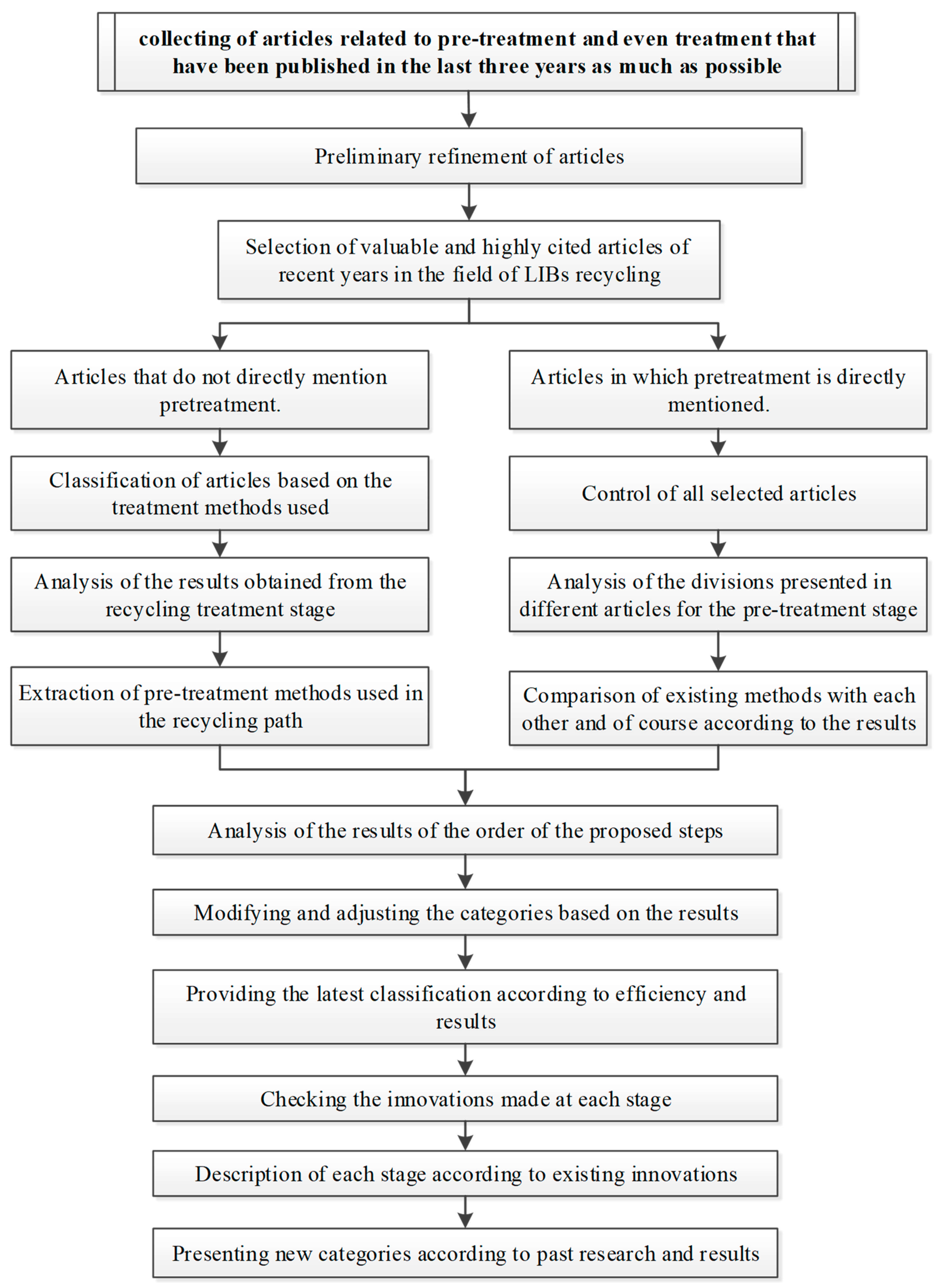
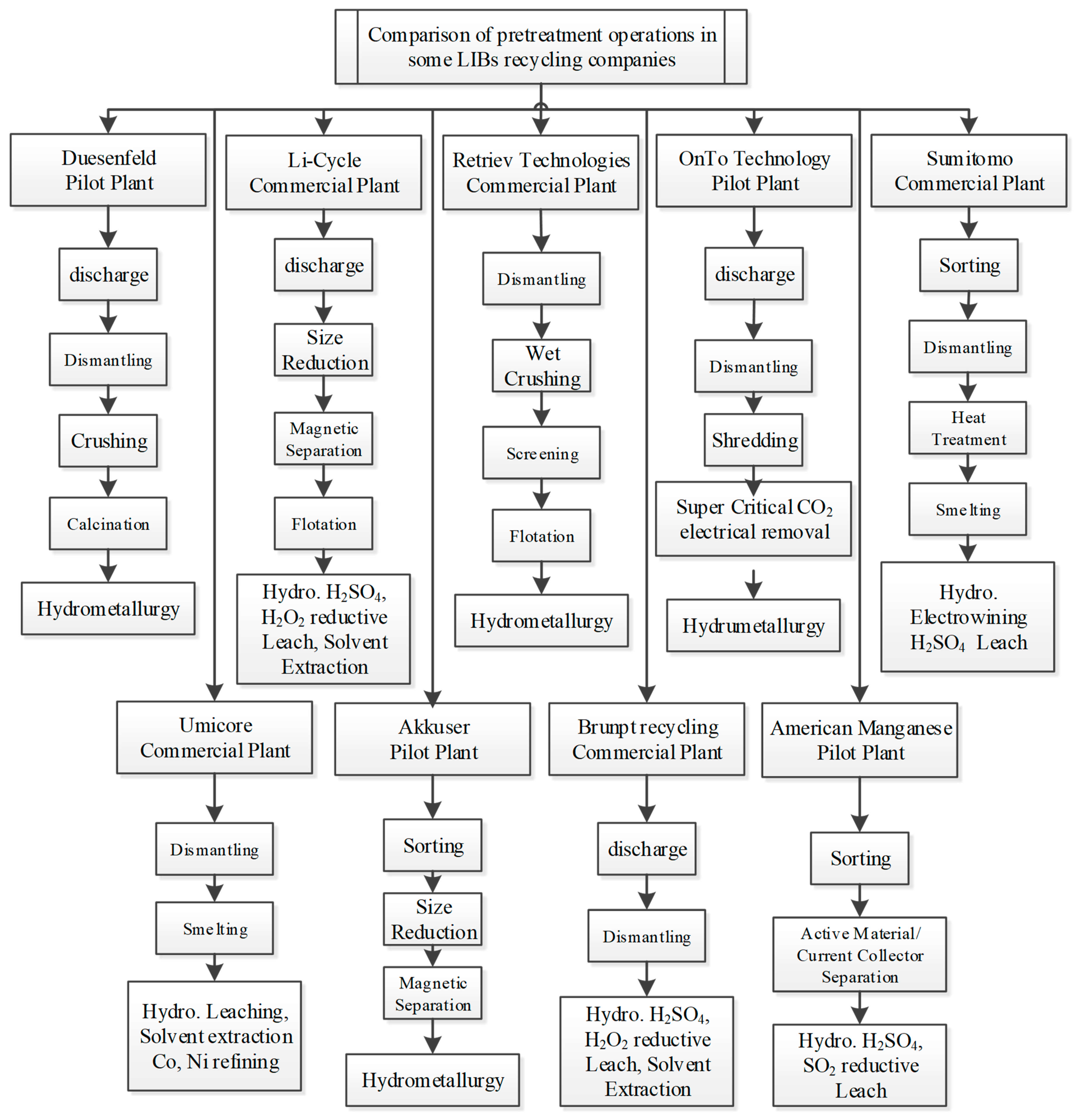
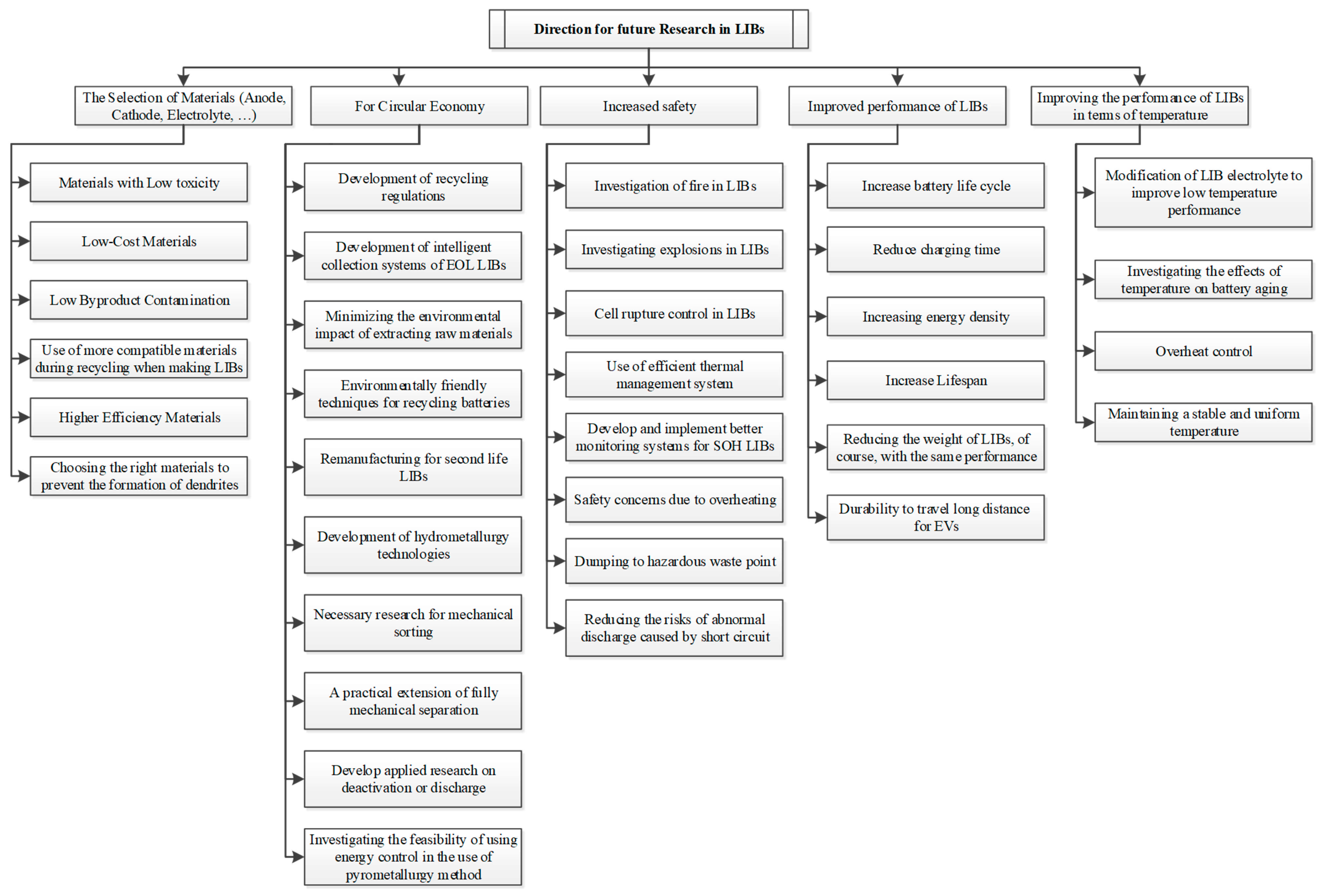
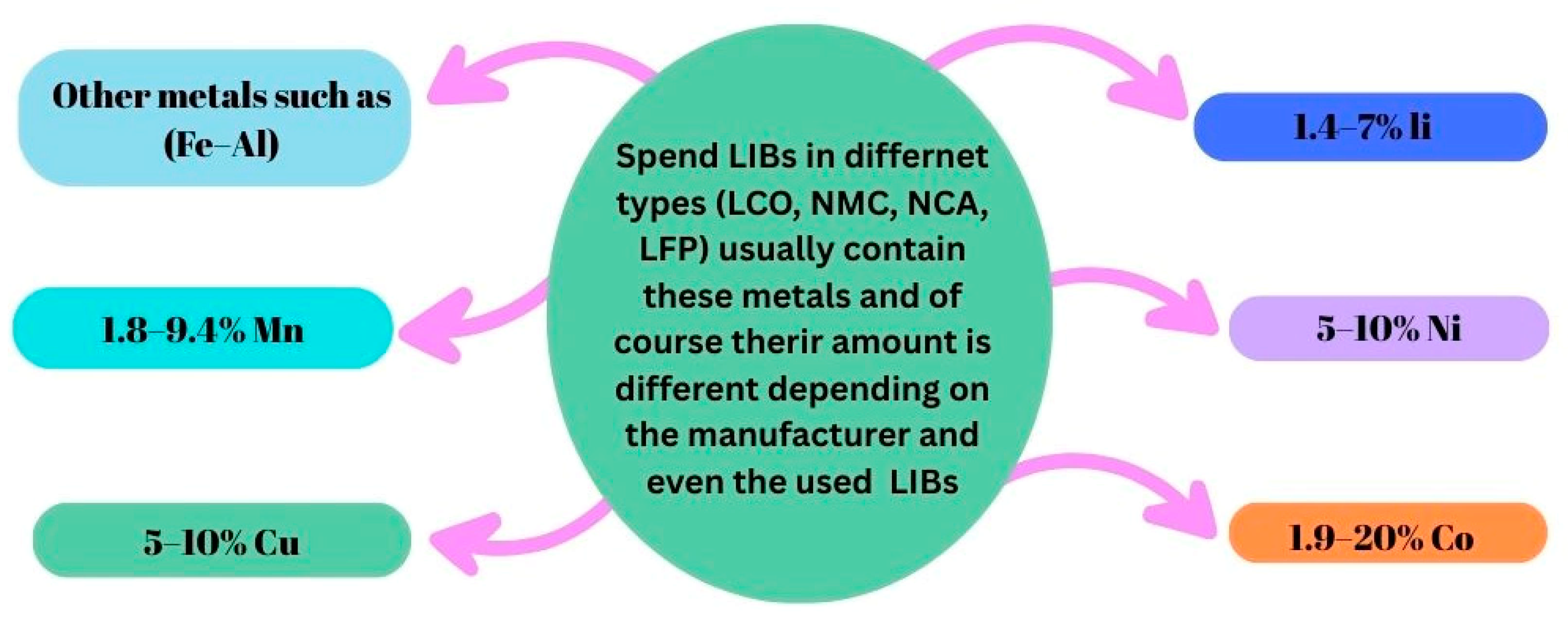
Today, lithium-ion batteries (LIBs) are widespread and play a vital role in advancing portable electronics (laptops and mobile phones), green energy technology (electrical vehicles), and renewable energy systems. There is about 30% off-spec scrap LIB production during manufacturing. This trend has caused the accumulation of a huge number of spent LIBs. In addition to containing chemicals that are harmful to the environment, these batteries also contain critical metals; their recycling will greatly help to maintain a green and sustainable economic transition. Therefore, this issue has forced researchers to seek cost-effective and eco-friendly strategies for recycling LIBs. The pretreatment of waste batteries is an essential part of LIB recycling. This article aims to comprehensively review the basic structure of LIBS and existing pretreatment methods in recycling critical metals from LIBs, with a special focus on recent innovations. This manuscript has been prepared to help researchers conduct cutting-edge and novel research in LIB pretreatment and recycling. This approach not only helps researchers to understand the concepts, but also helps to identify and evaluate the strengths and weaknesses of different pretreatment methods. Also, in addition to mentioning the existing research limitations, suggestions for future research perspectives and less investigated areas that need further research have been presented.
Keywords: spent lithium-ion batteries; pretreatment methods; critical metals; recycling; cathode material; sustainability; circular economy; environment spent lithium-ion batteries; pretreatment methods; critical metals; recycling; cathode material; sustainability; circular economy; environment
Graphical Abstract