Article

Potential Utilization of Loess in Grouting Materials: Effects of Grinding Time and Calcination Temperature

School of Mining Engineering, Taiyuan University of Technology, Taiyuan 030024, China
*
Author to whom correspondence should be addressed.
Minerals 2024, 14(5), 490; https://doi.org/10.3390/min14050490
Submission received: 17 March 2024 / Revised: 2 May 2024 / Accepted: 4 May 2024 / Published: 6 May 2024
(This article belongs to the Collection Clays and Other Industrial Mineral Materials)

Abstract

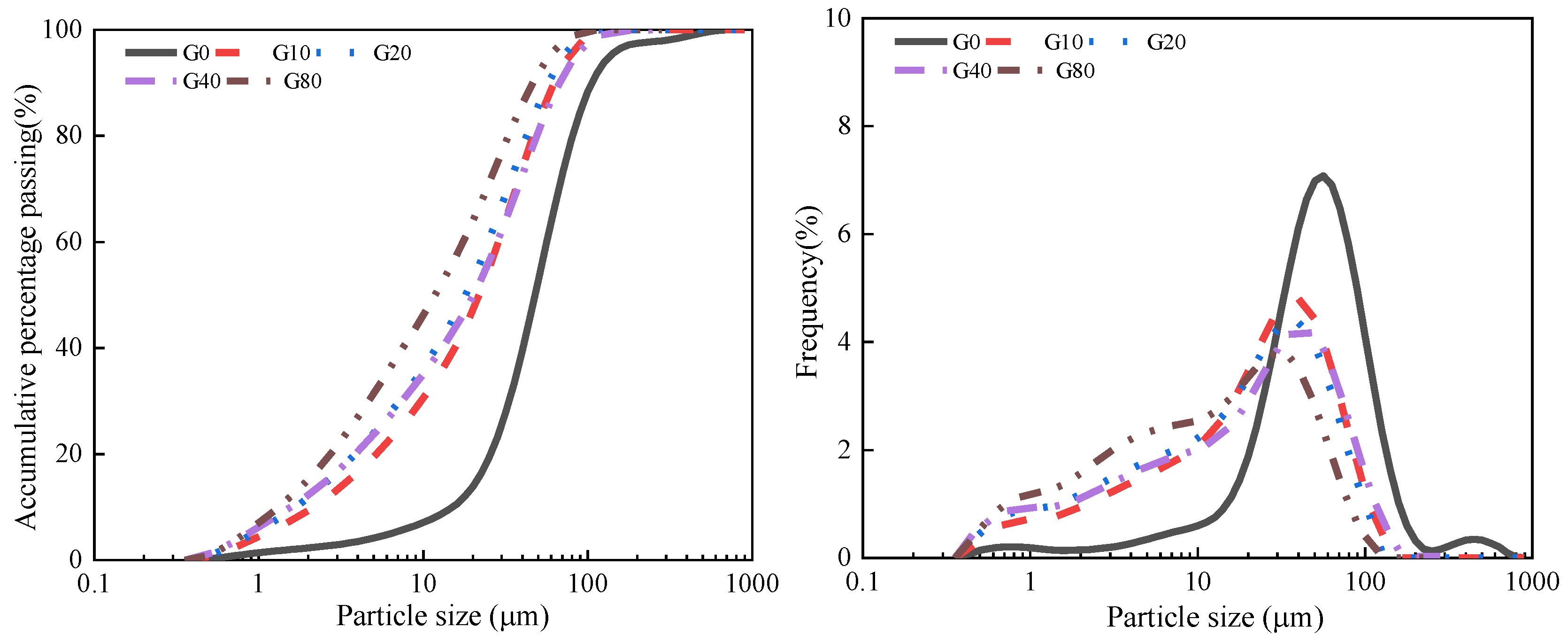
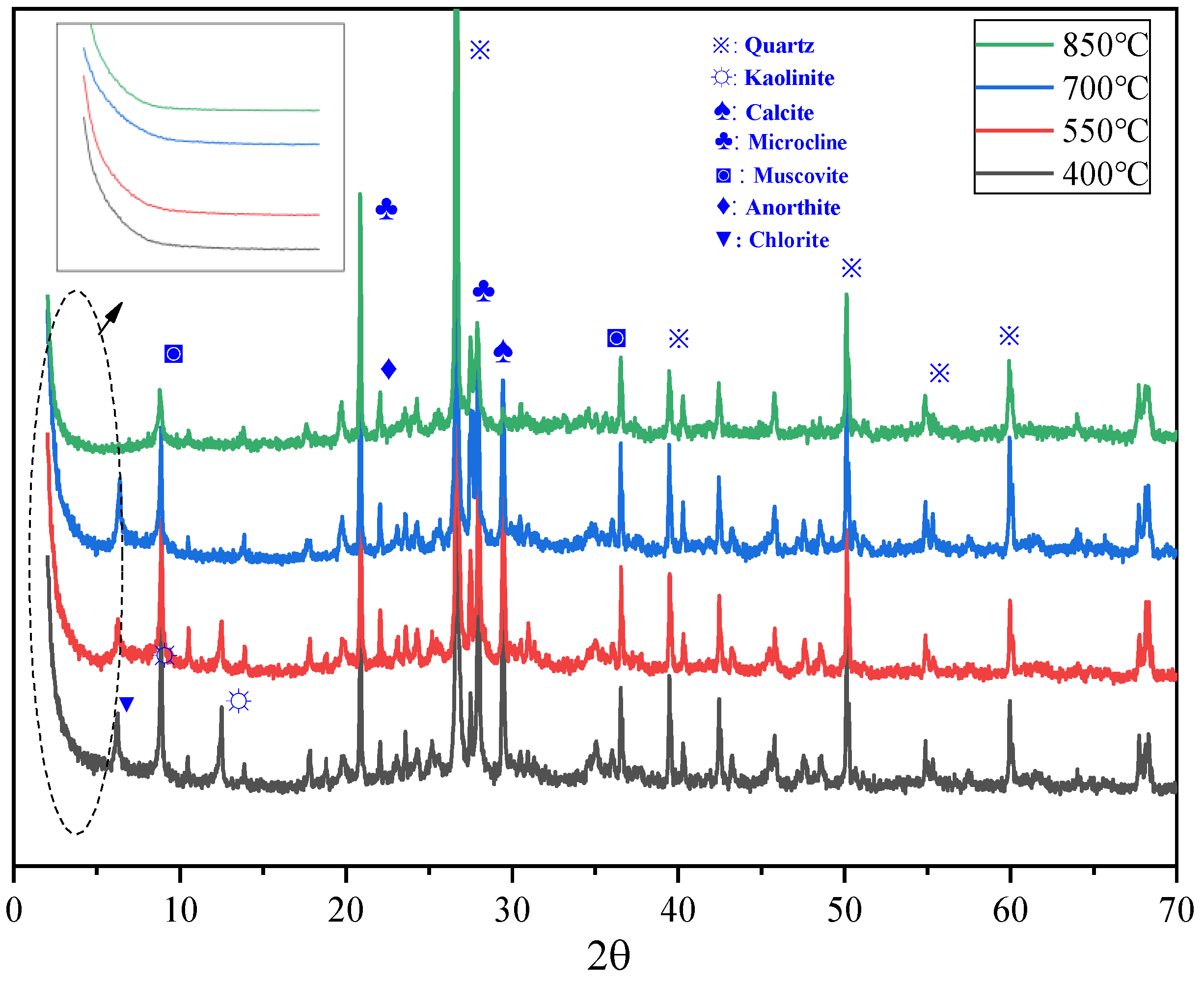
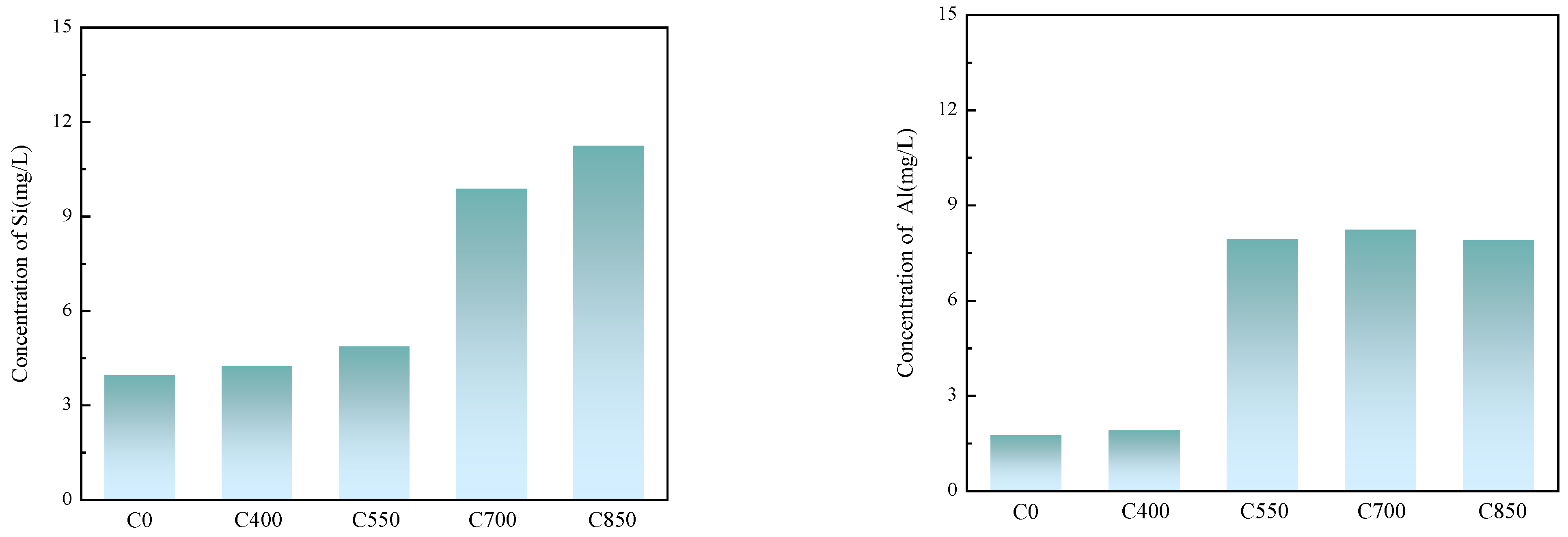
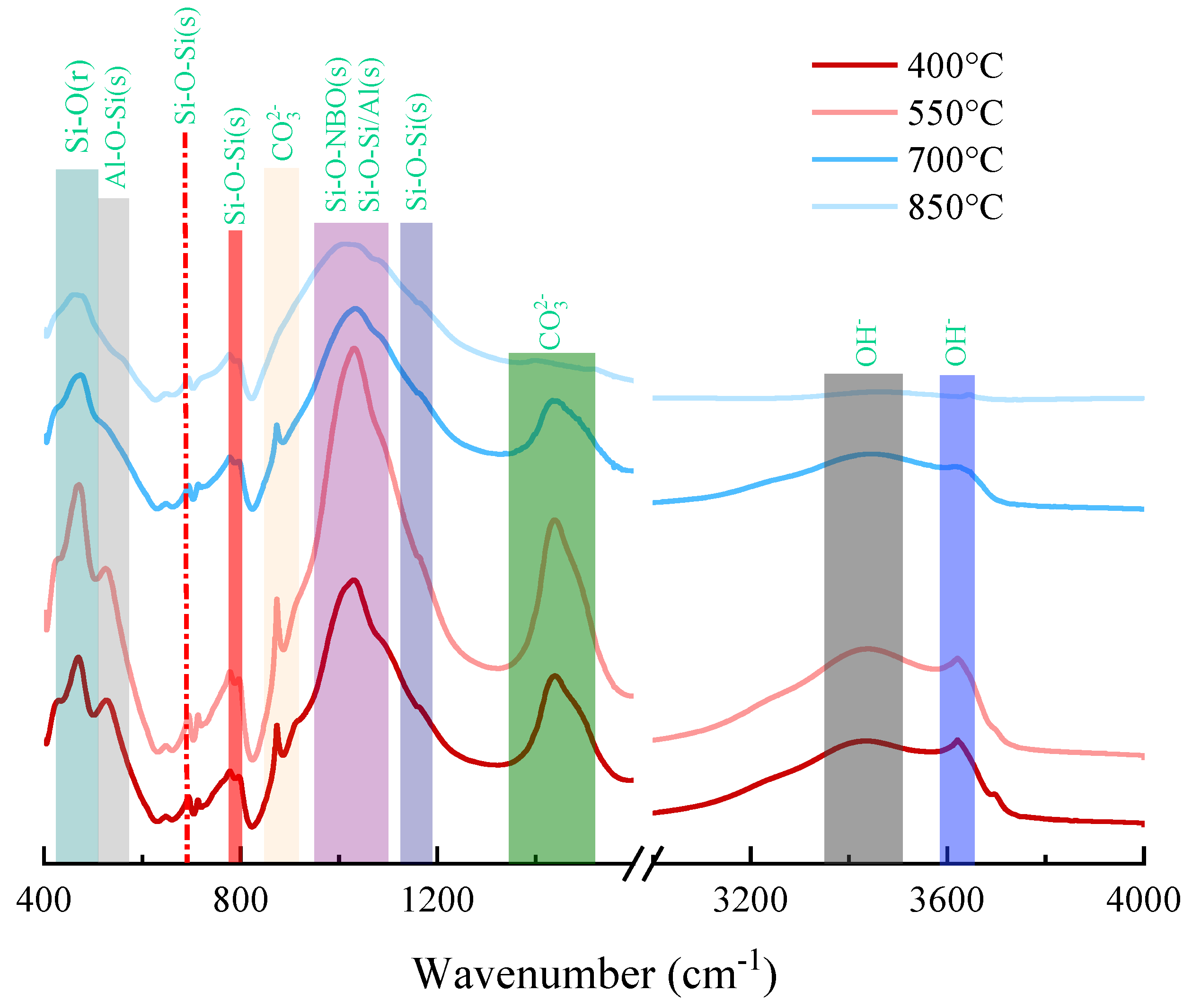
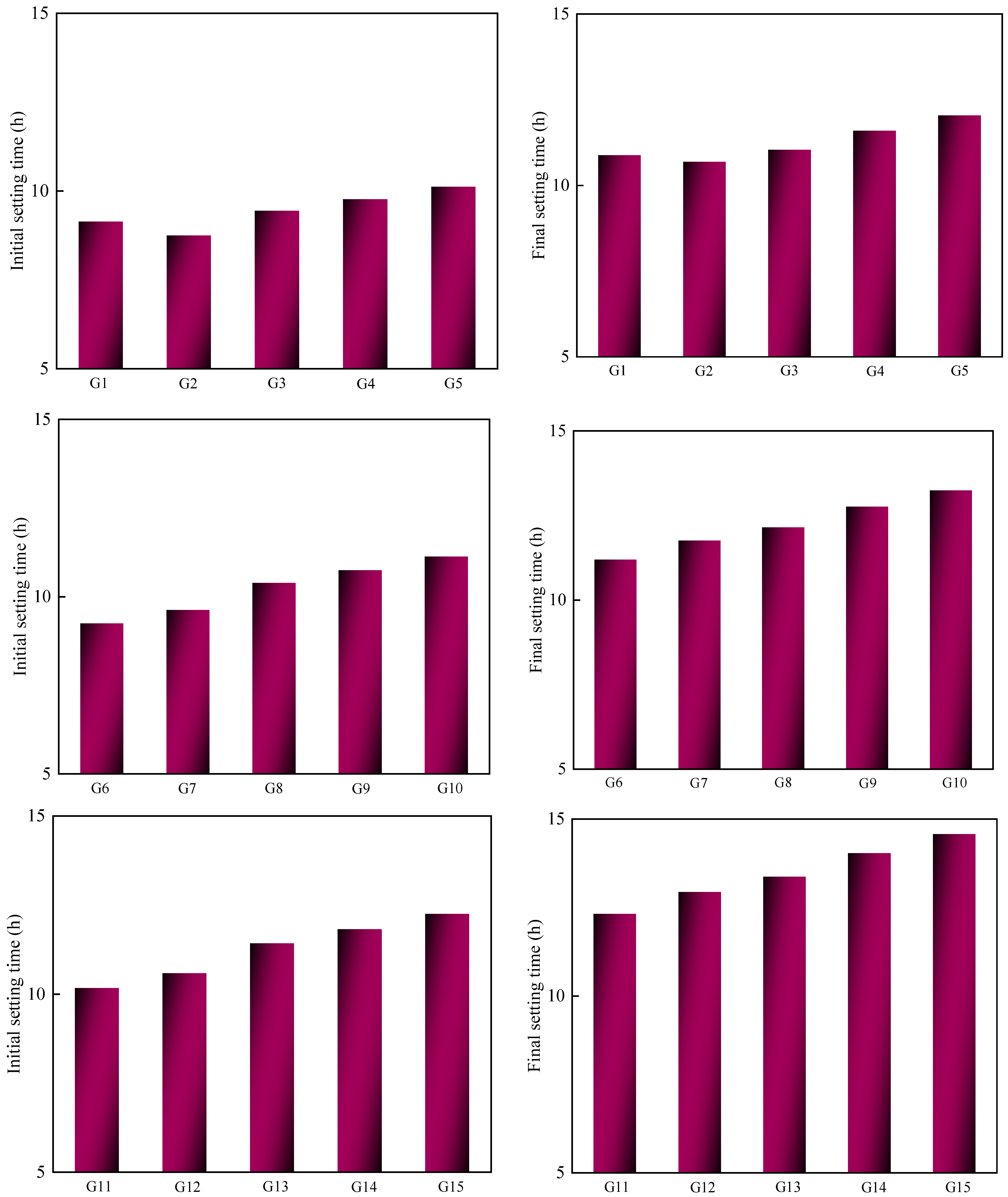
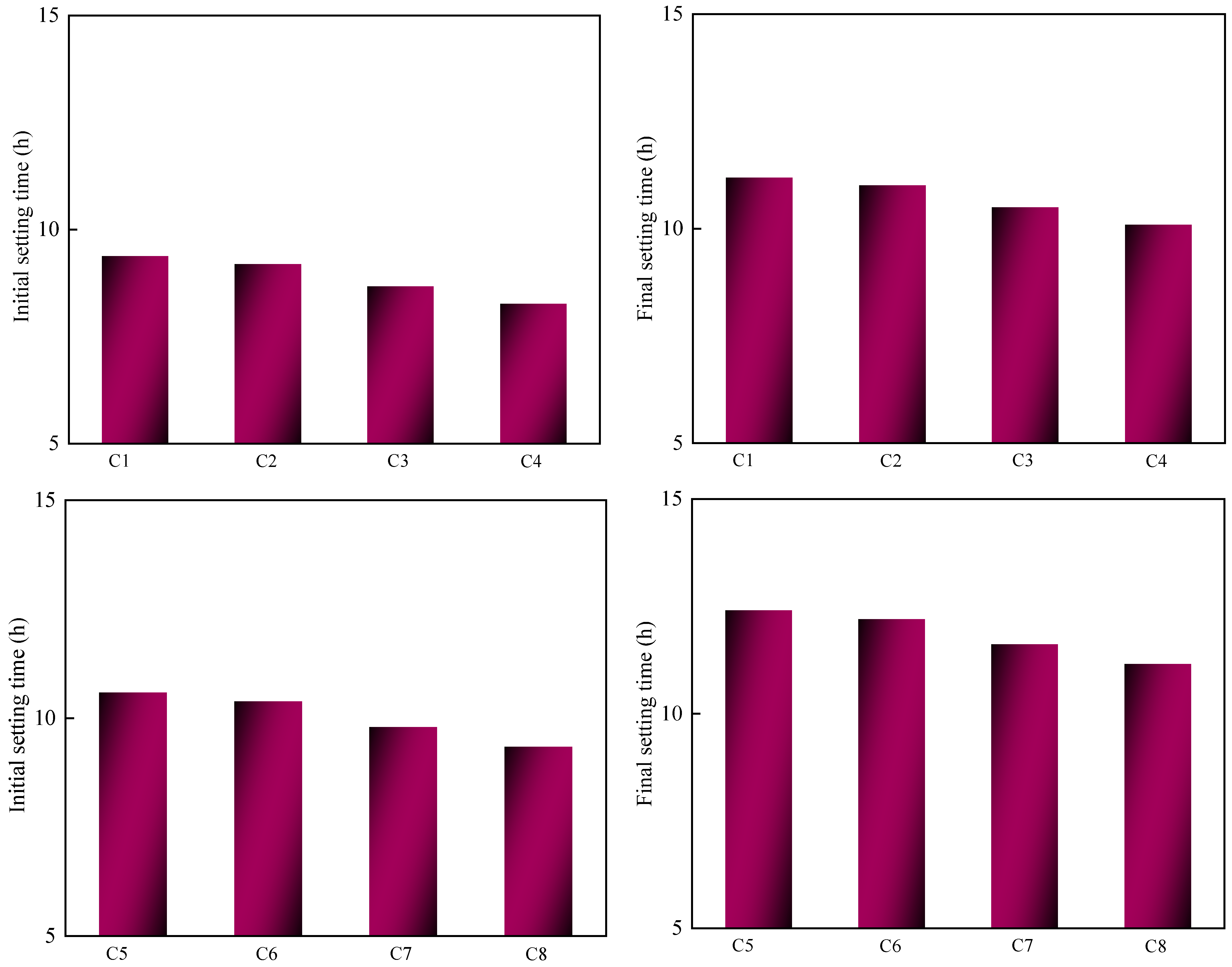
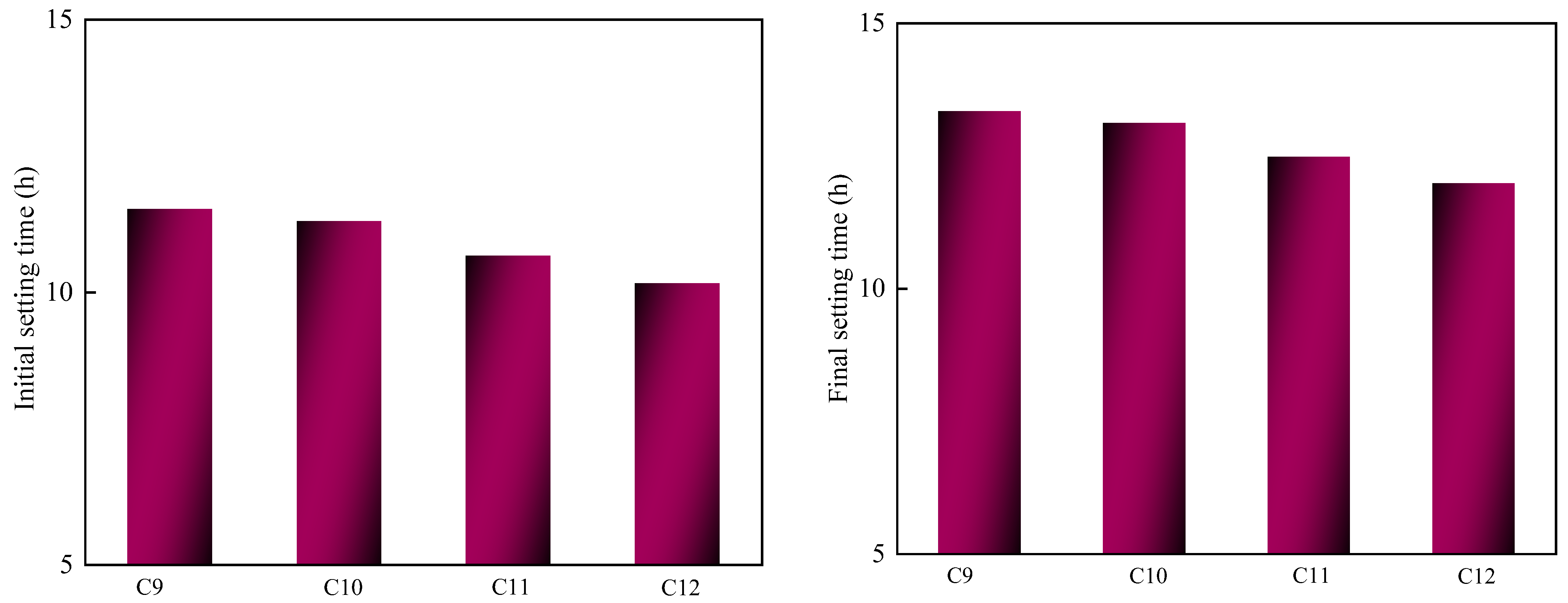
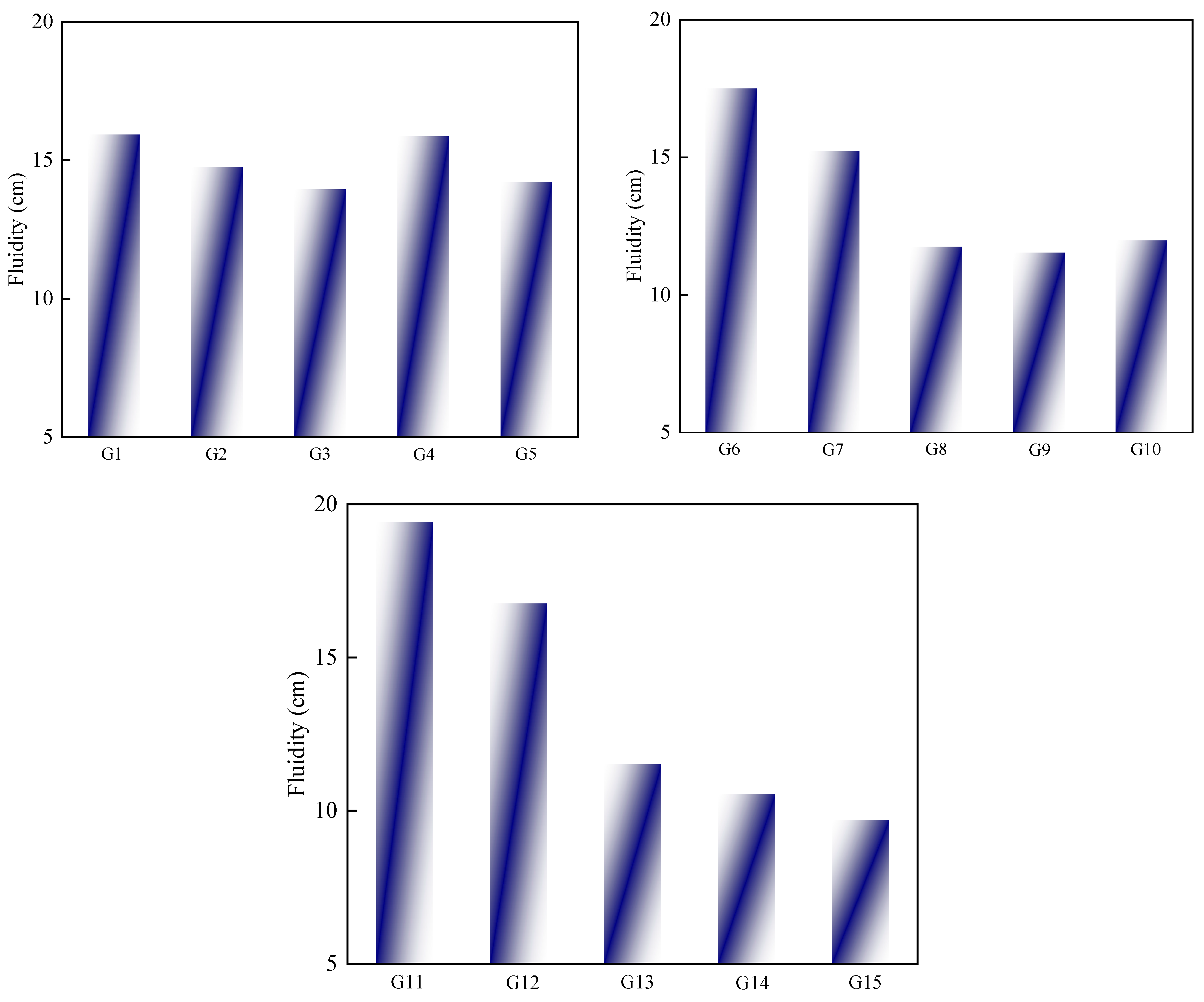
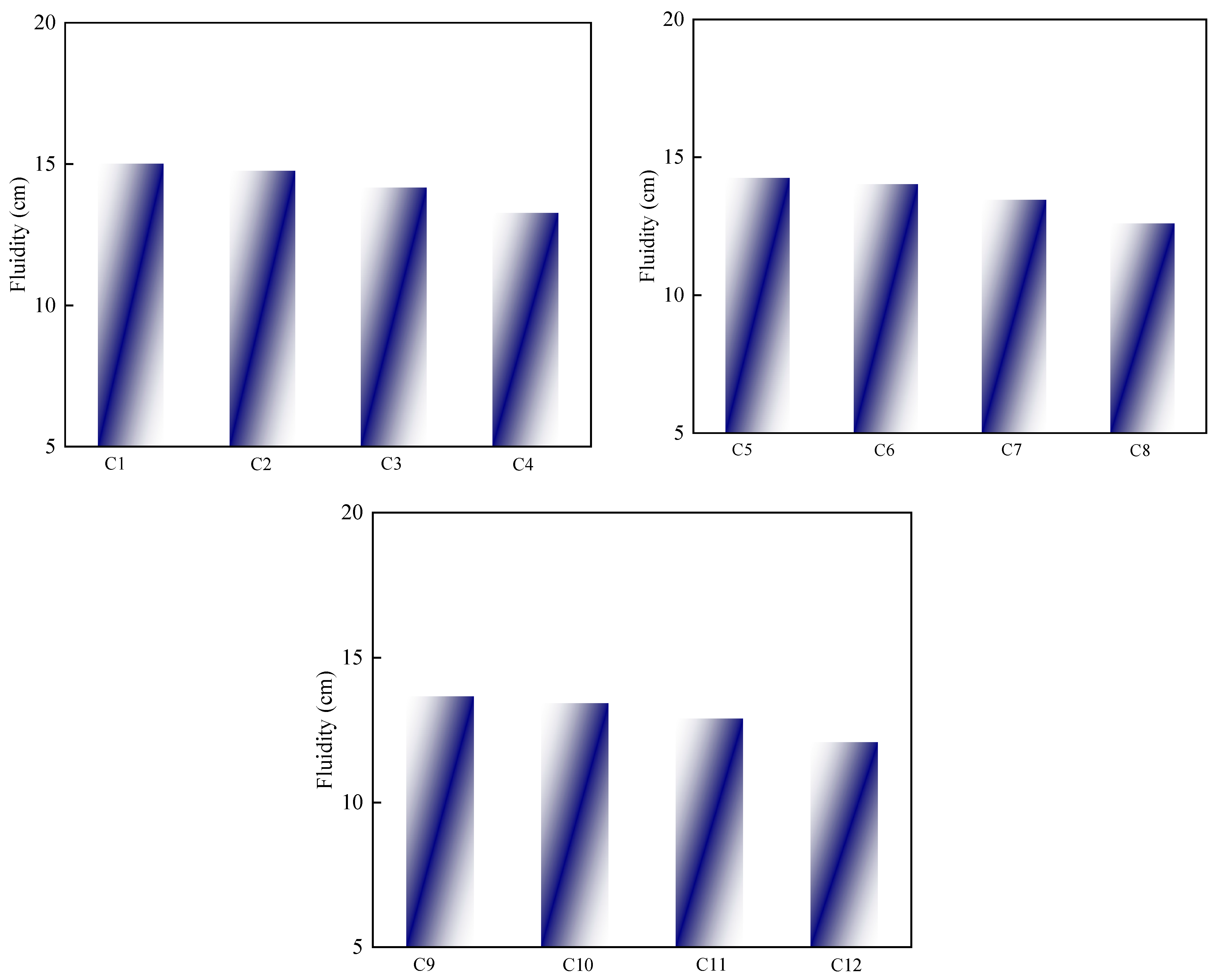
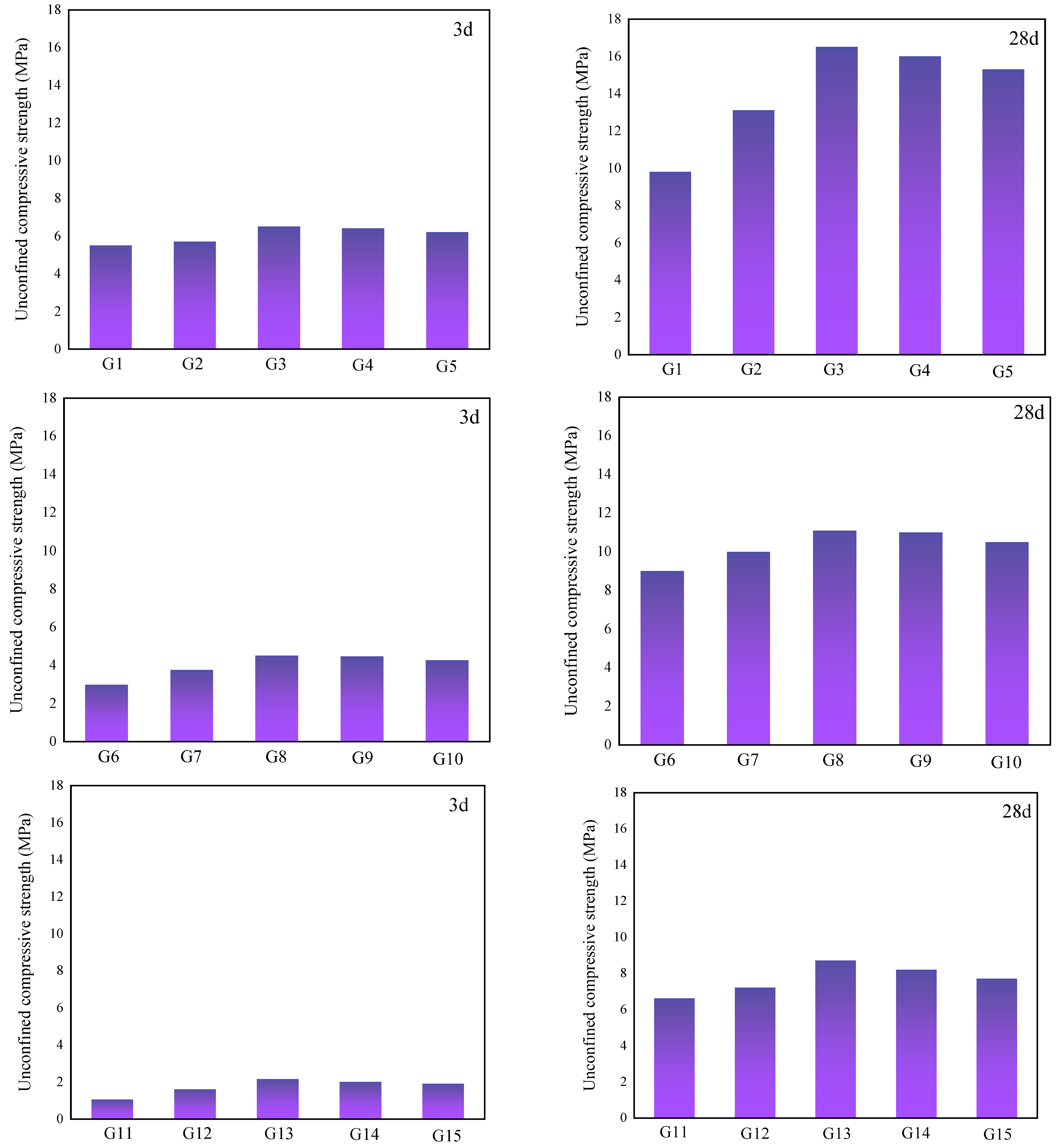
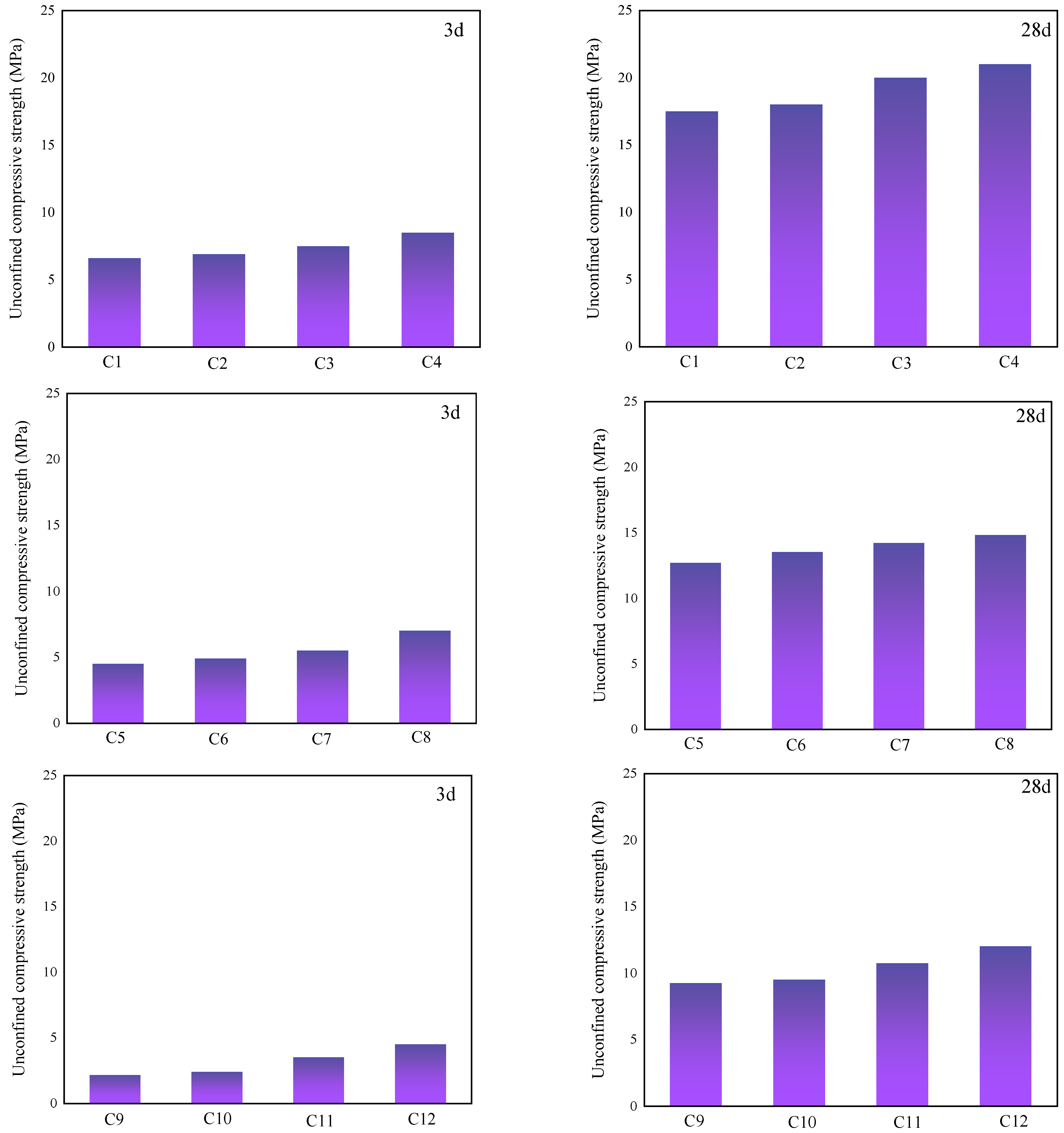
There is a huge reservation of loess in the Shanxi mining area in China, which has great potential for preparing supplementary cementitious materials. Loess was modified via mechanical and thermal activation, and the pozzolanic activity was evaluated using an Inductively Coupled Plasma Optical Emission Spectrometer (ICP-OES). Moreover, the workability of grouting materials prepared using modified loess was assessed. The experimental results revealed that the number of ultrafine particles gradually increased with the grinding time, enhancing the grouting performance. The coordination number of Al decreased upon the breakage of the Al–O–Si bond post-calcination at 400 °C, 550 °C, 700 °C, and 850 °C. Moreover, the breaking of the Si–O covalent bond produced Si-phases, and the pozzolanic activity of loess increased. Furthermore, the modified loess was hydrated with different cement proportions. With increasing grinding time, the overall setting time increased until the longest time of 14.5 h and the fluidity of the slurry decreased until the lowest fluidity of 9.7 cm. However, the fluidity and setting time decreased with increasing calcination temperature. The lowest values were 12.03 cm and 10.05 h. With the increase in pozzolanic activity, more ettringite was produced via hydration, which enhanced the mechanical properties. The maximum strength of the hydrated loess after grinding for 20 min reached 16.5 MPa. The strength of the hydrated loess calcined at 850 °C reached 21 MPa. These experimental findings provide theoretical support for the practical application of loess in grouting.
Keywords: loess; mechanical activation; pozzolanic activity; supplementary cementitious materials; thermal activation loess; mechanical activation; pozzolanic activity; supplementary cementitious materials; thermal activation