Communication

A Model Structure for Size-by-Liberation Recoveries in Flotation
1
Department of Chemical and Environmental Engineering, Federico Santa Maria Technical University, Valparaíso 2390123, Chile
2
Automation and Supervision Centre for Mining Industry, CASIM, Federico Santa Maria Technical University, Valparaíso 2390123, Chile
*
Author to whom correspondence should be addressed.
Minerals 2021, 11(2), 194; https://doi.org/10.3390/min11020194
Submission received: 24 December 2020 / Revised: 21 January 2021 / Accepted: 2 February 2021 / Published: 12 February 2021
(This article belongs to the Special Issue Fine Particle Flotation: Experimental Study and Modelling)

Abstract

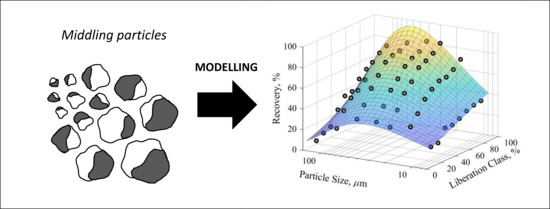
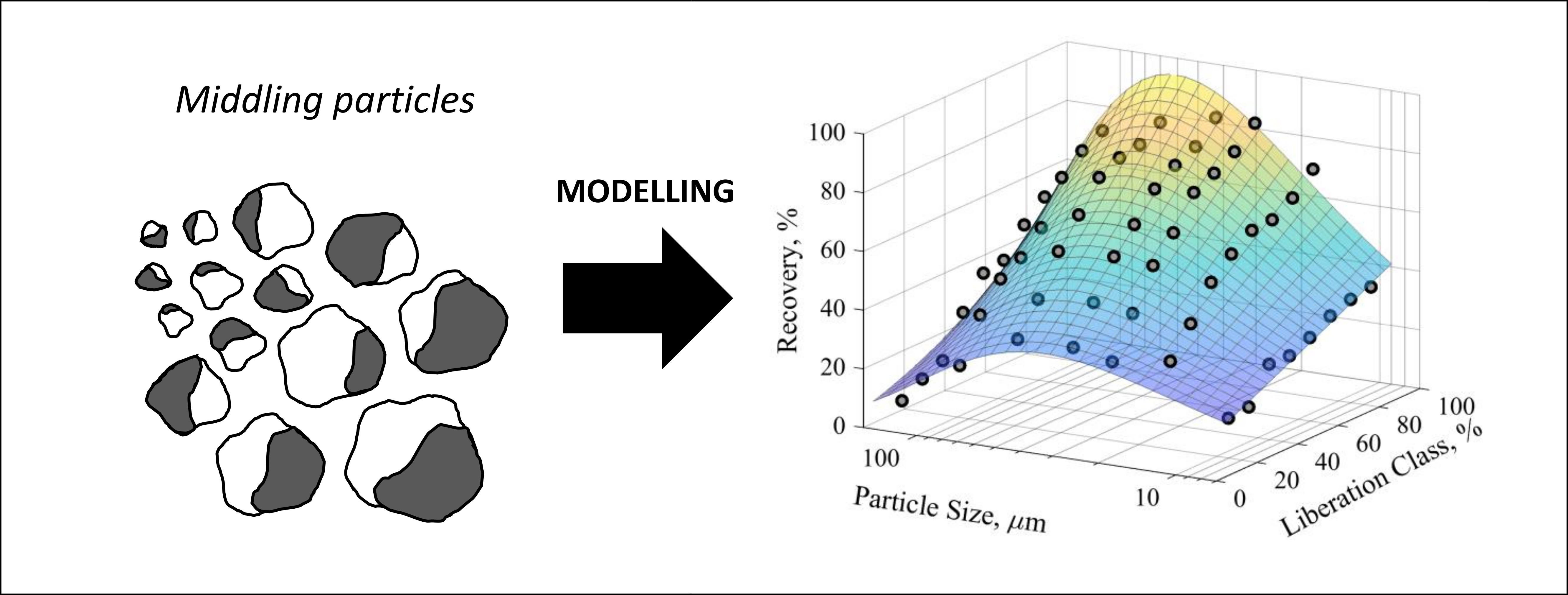
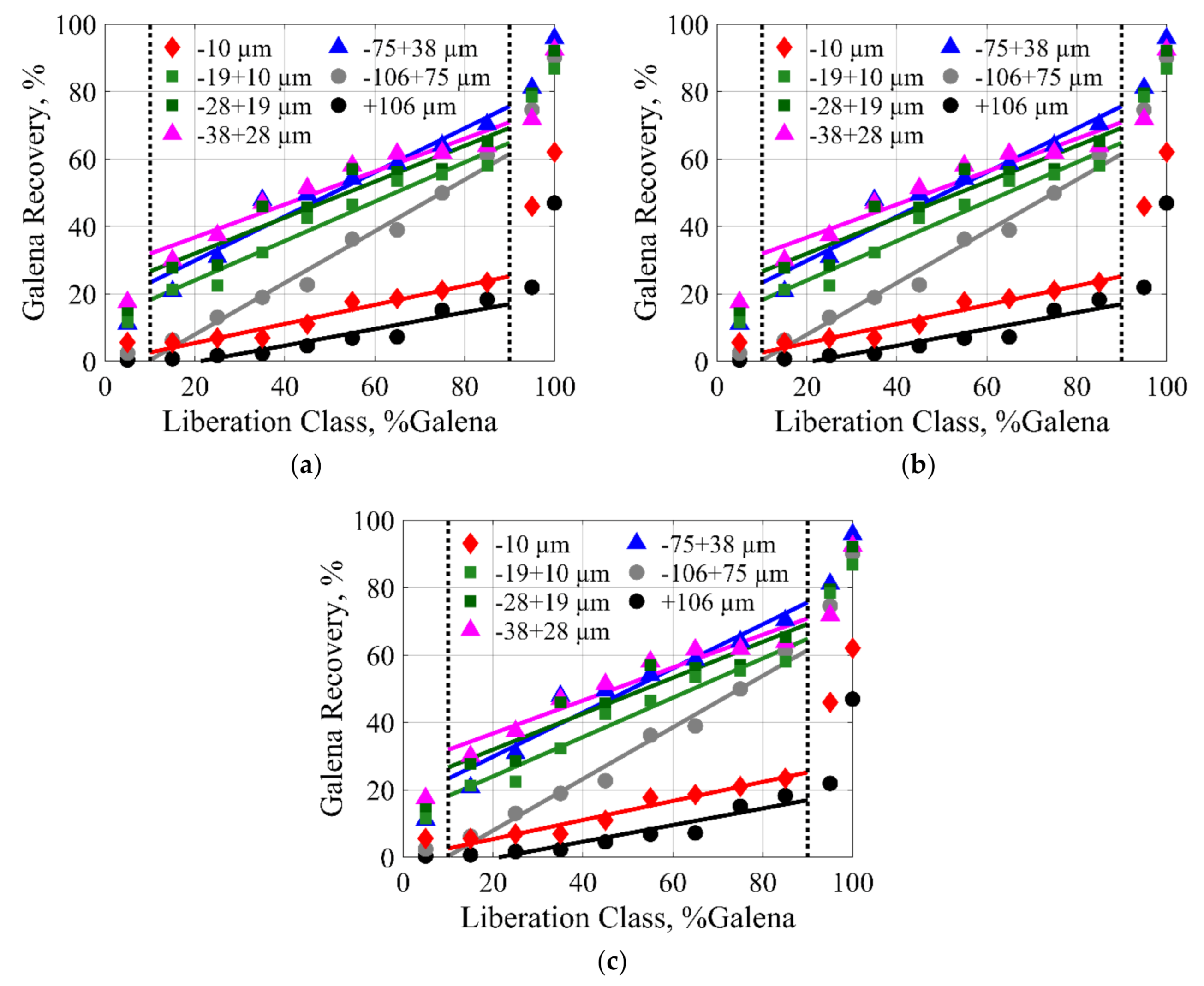
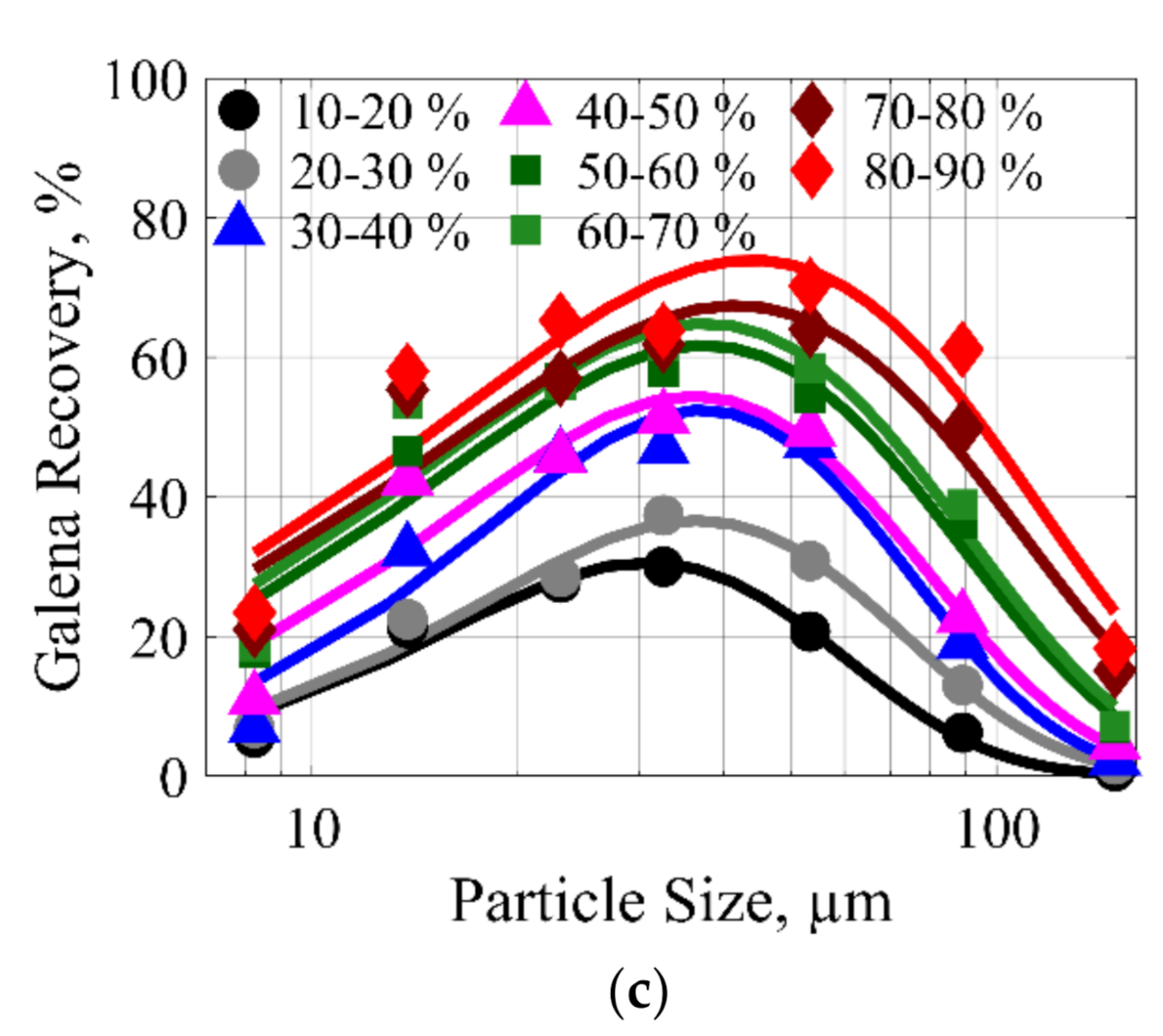
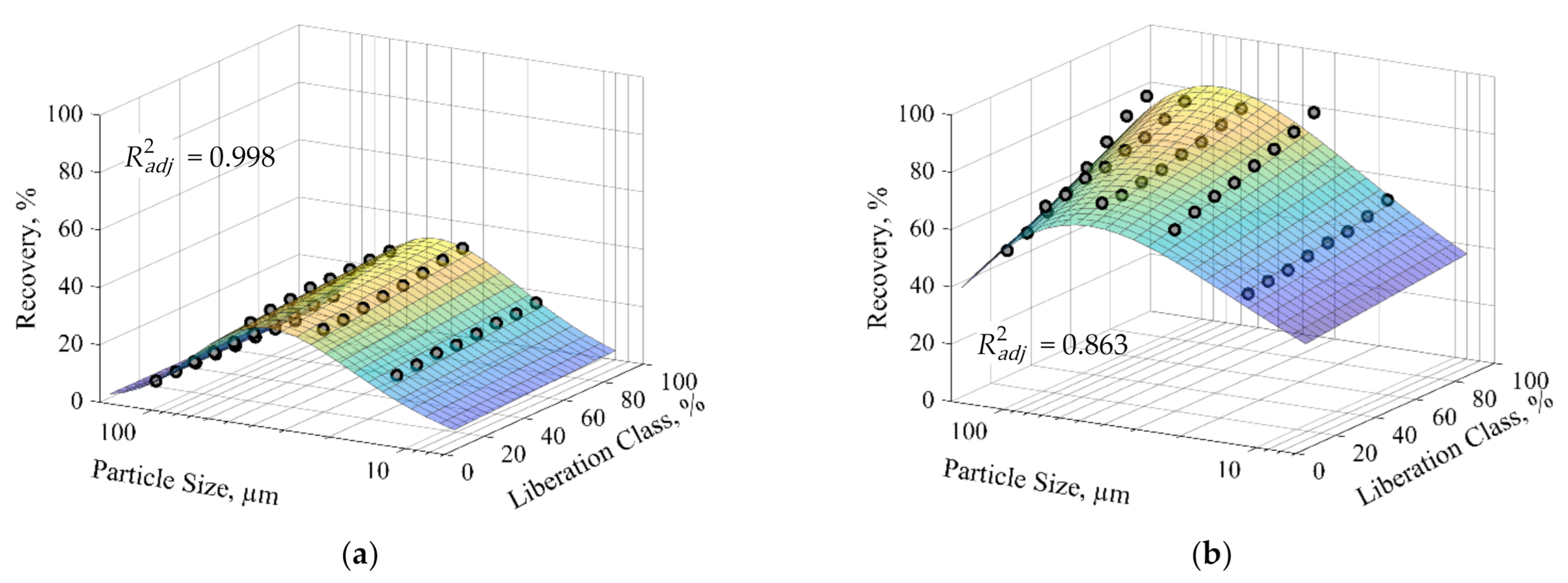
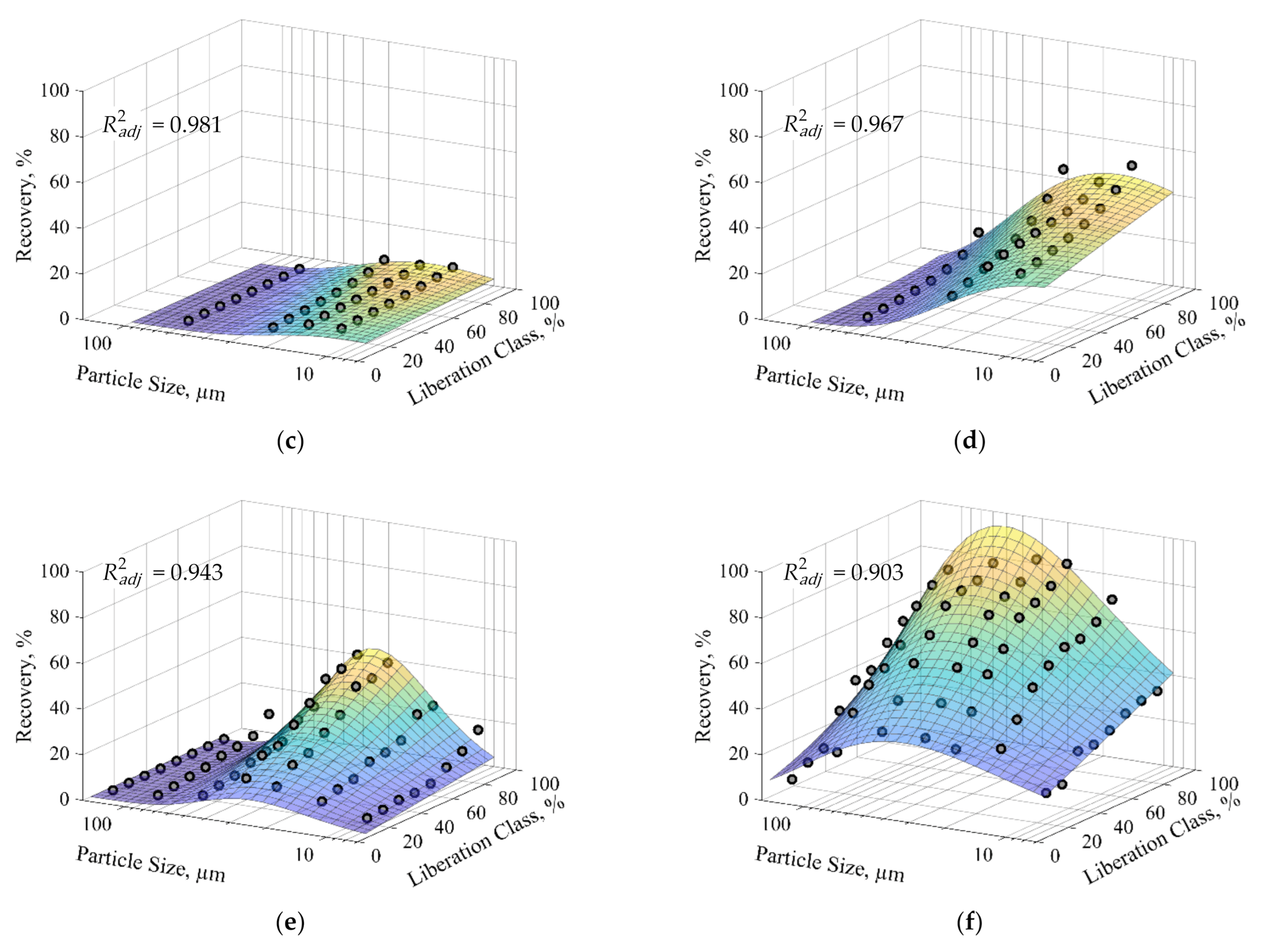
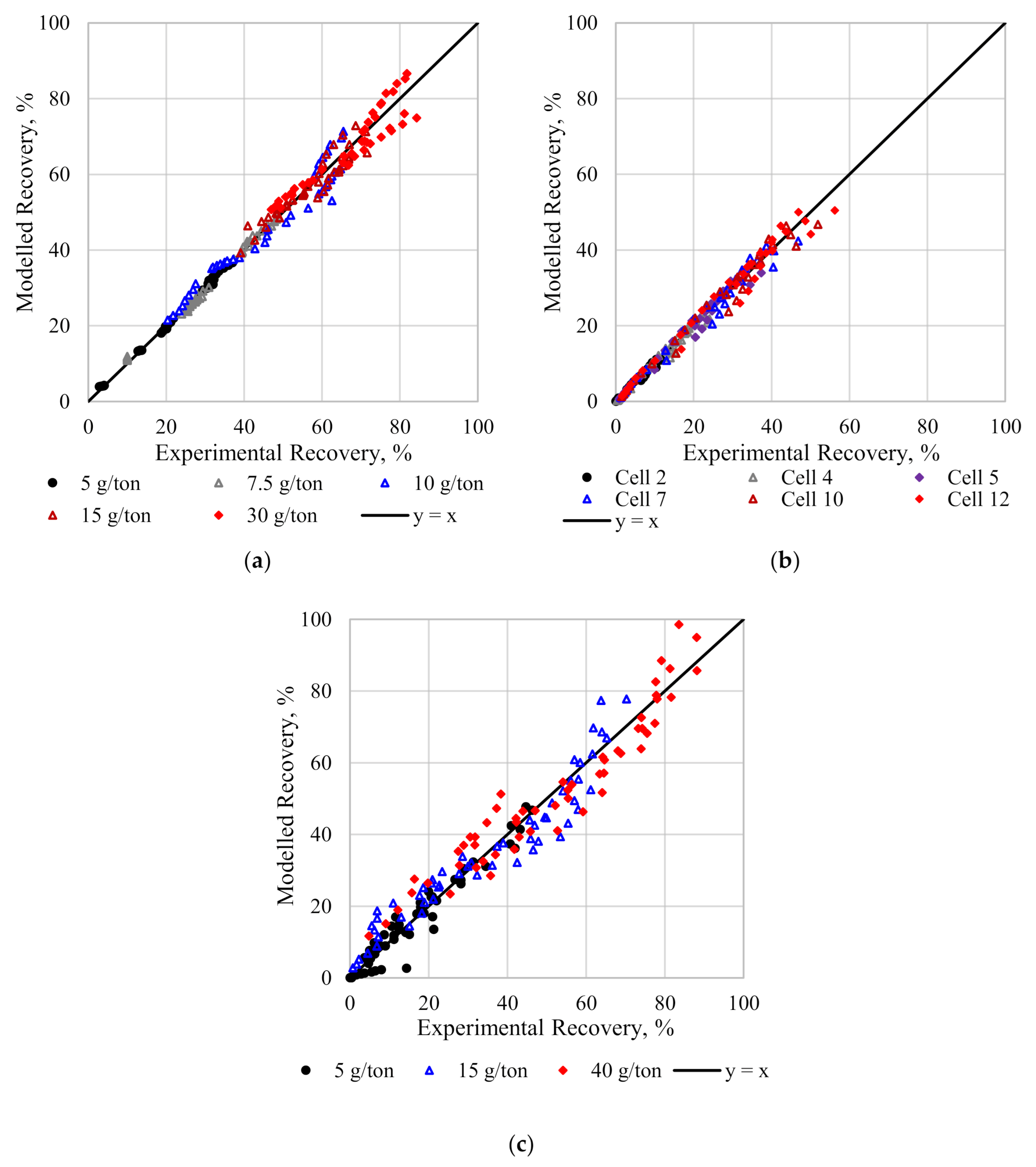
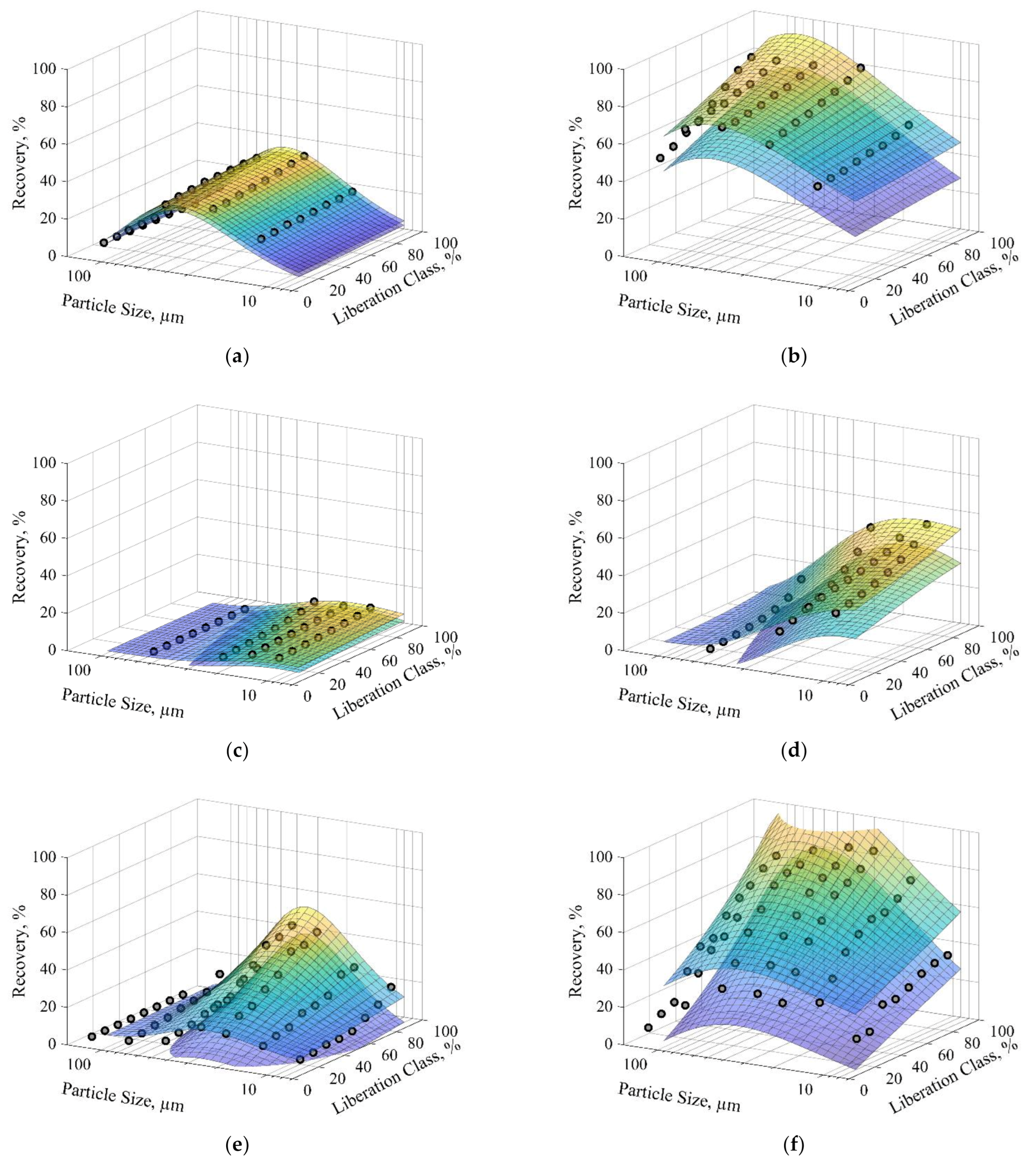
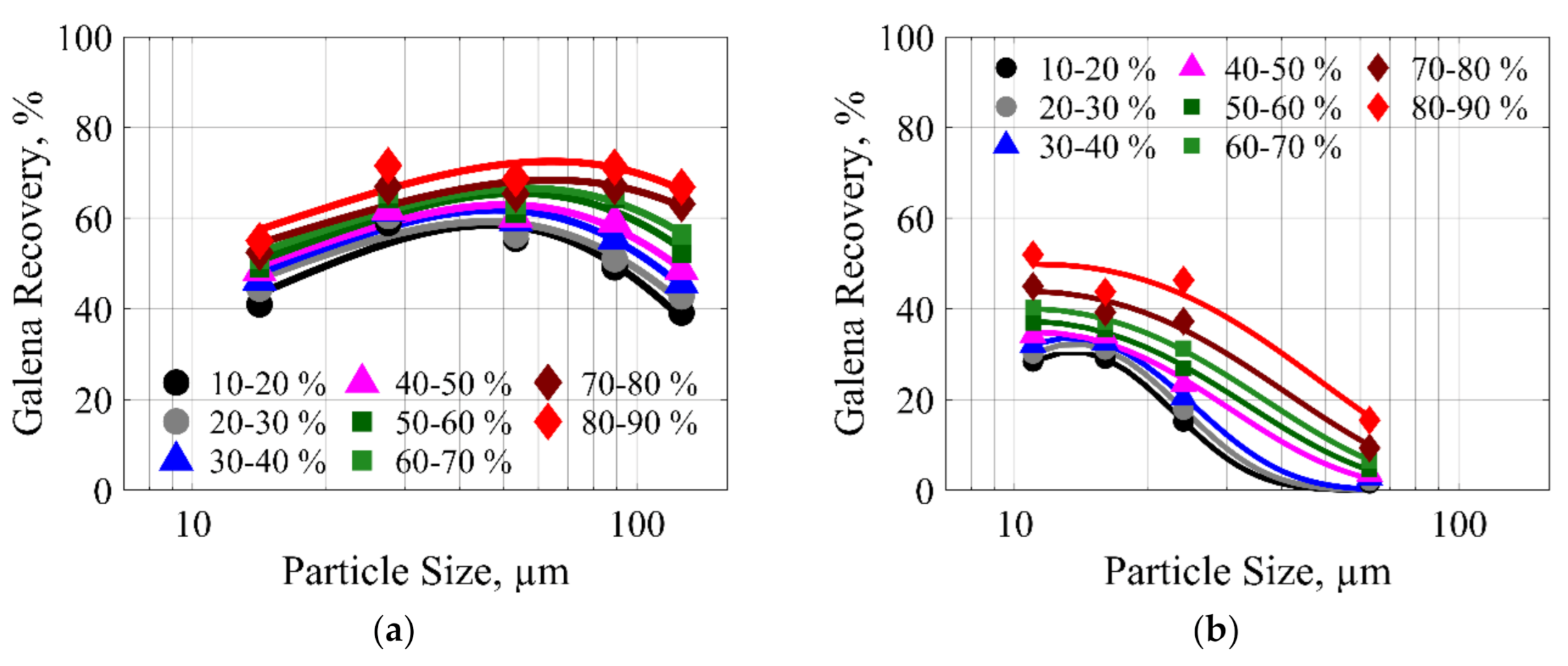
This communication presents a model structure for the flotation recovery of middling particles (10–90% liberation). Fourteen datasets from the literature were studied (galena flotation), which involved different flotation systems and operating conditions. The flotation responses allowed the model flexibility to be evaluated under a range of recovery profiles. The modelling results showed that galena recovery can be characterized by the interaction between a linear function and a concave function (e.g., Gamma model), to account for the liberation and particle size effects, respectively. Liberation also impacts the location and dispersion of the recovery dependence on particle size. The proposed model structure showed there was adequate flexibility with five parameters, leading to adjusted coefficients of determination ranging from 0.863 to 0.998 for the studied datasets. Thus, an alternative approach for modelling the recovery of middling particles is proposed, which represents the liberation and particle size dependence with a few parameters.
Keywords: size-by-liberation; flotation; mineral recovery; middling particles; modelling size-by-liberation; flotation; mineral recovery; middling particles; modelling
Graphical Abstract