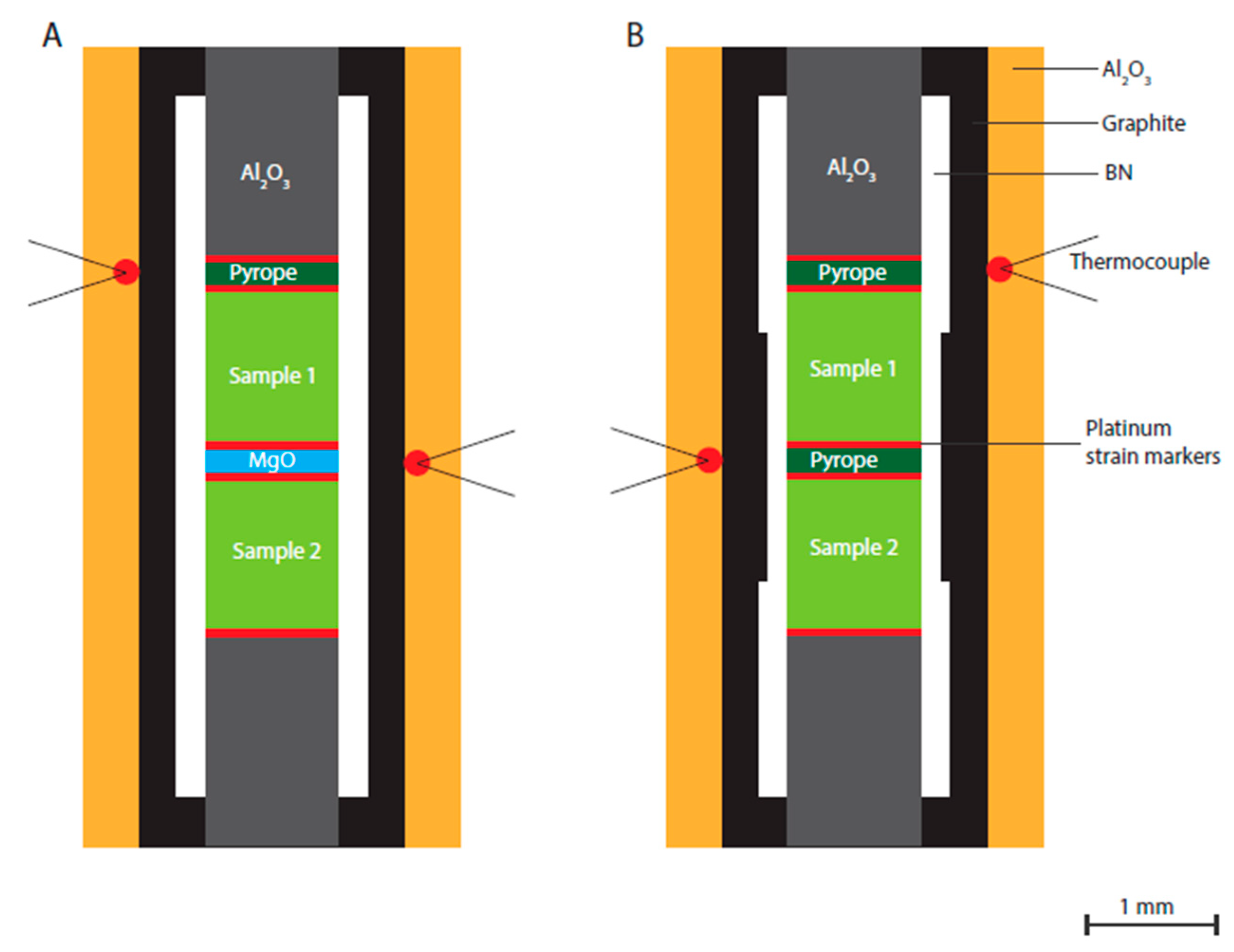
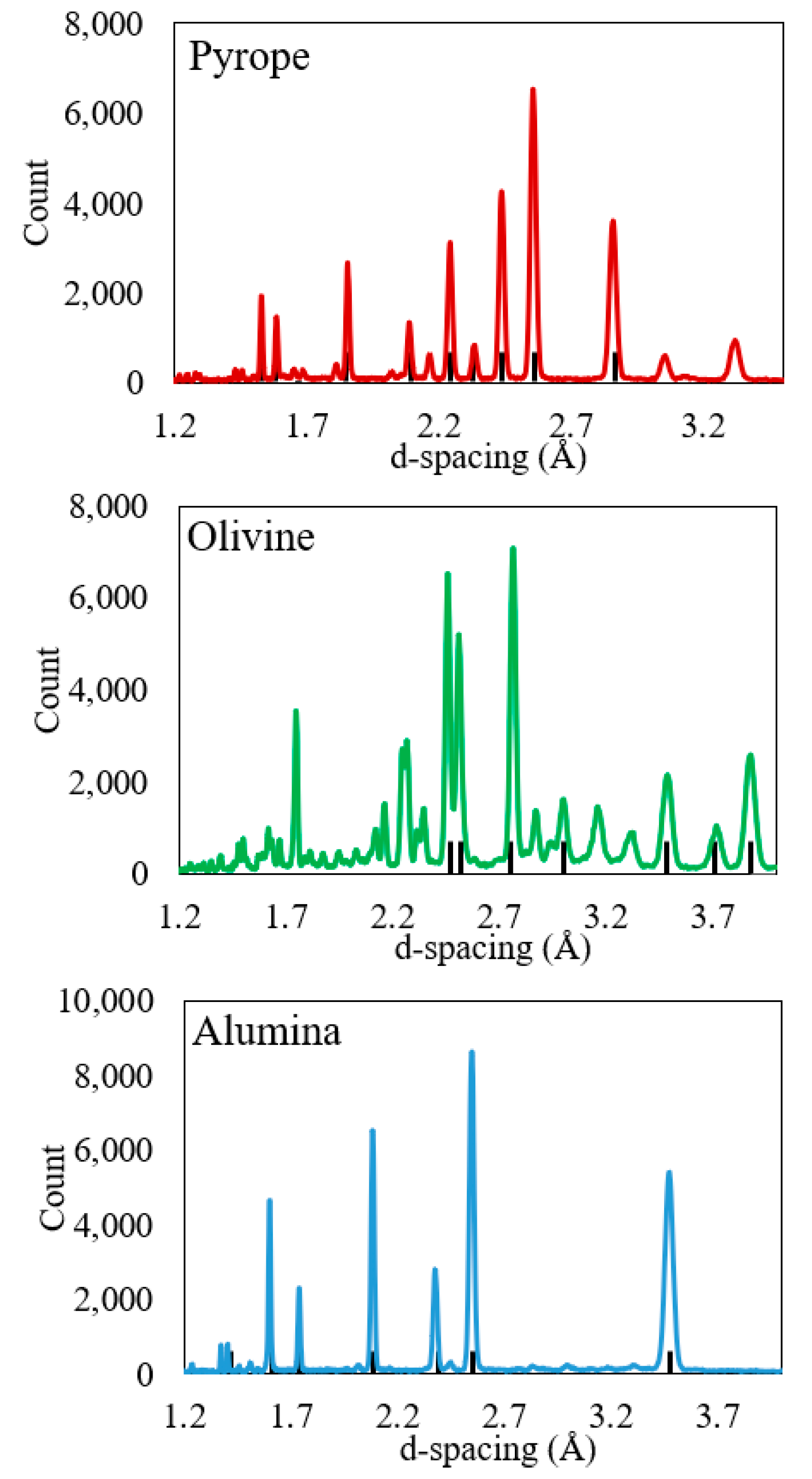
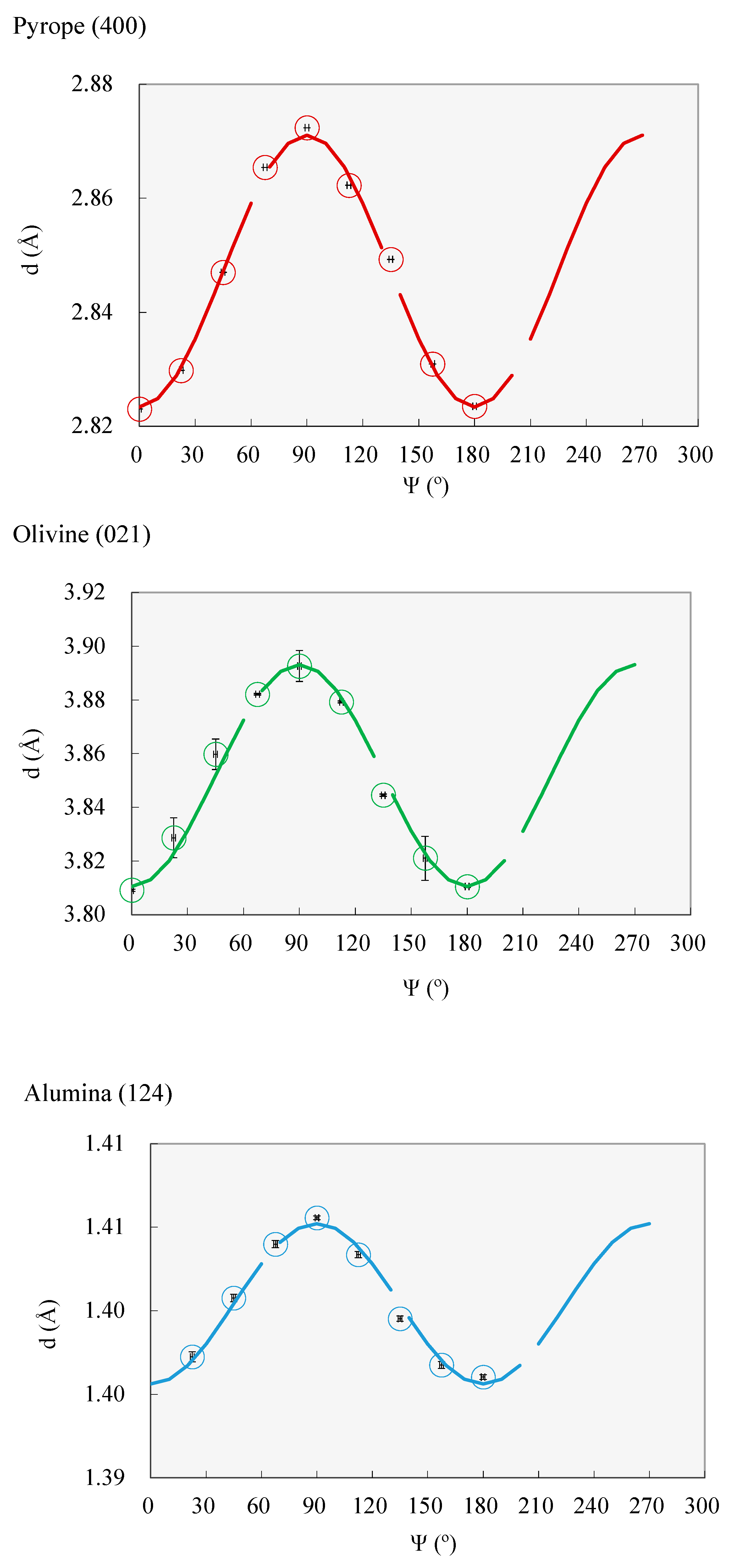
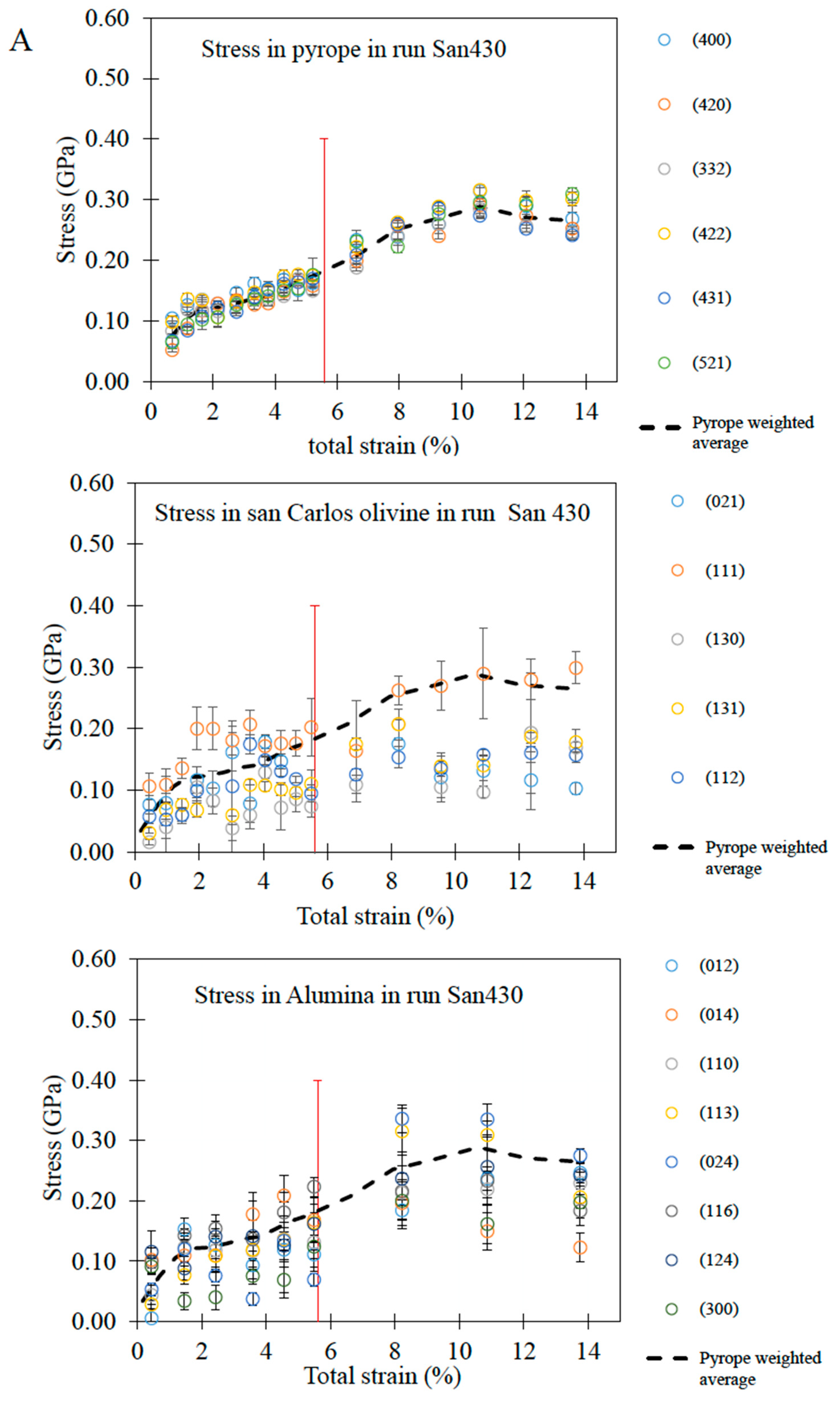
Development of a Stress Sensor for In-Situ High-Pressure Deformation Experiments Using Radial X-Ray Diffraction

 , ,
, , Abstract
Share and Cite
Girard, J.; Silber, R.E.; Mohiuddin, A.; Chen, H.; Karato, S.-i. Development of a Stress Sensor for In-Situ High-Pressure Deformation Experiments Using Radial X-Ray Diffraction. Minerals 2020, 10, 166. https://doi.org/10.3390/min10020166
Girard J, Silber RE, Mohiuddin A, Chen H, Karato S-i. Development of a Stress Sensor for In-Situ High-Pressure Deformation Experiments Using Radial X-Ray Diffraction. Minerals. 2020; 10(2):166. https://doi.org/10.3390/min10020166
Chicago/Turabian StyleGirard, Jennifer, Reynold E. Silber, Anwar Mohiuddin, Haiyan Chen, and Shun-ichiro Karato. 2020. "Development of a Stress Sensor for In-Situ High-Pressure Deformation Experiments Using Radial X-Ray Diffraction" Minerals 10, no. 2: 166. https://doi.org/10.3390/min10020166
APA StyleGirard, J., Silber, R. E., Mohiuddin, A., Chen, H., & Karato, S.-i. (2020). Development of a Stress Sensor for In-Situ High-Pressure Deformation Experiments Using Radial X-Ray Diffraction. Minerals, 10(2), 166. https://doi.org/10.3390/min10020166