Article

Optimization Design of High-Performance Hybrid Superconducting ECR Ion Source Magnet System Based on Particle Swarm Algorithm


1
School of Mechanical Engineering, Anhui Polytechnic University, Wuhu 241000, China
2
School of Artificial Intelligence, Anhui University of Science & Technology, Huainan 232001, China
3
Wuhu Magnetic Wheel Transmission Technology Co., Ltd., Wuhu 241000, China
*
Author to whom correspondence should be addressed.
Symmetry 2026, 18(1), 82; https://doi.org/10.3390/sym18010082 (registering DOI)
Submission received: 7 November 2025 / Revised: 23 December 2025 / Accepted: 29 December 2025 / Published: 3 January 2026
(This article belongs to the Special Issue Meta-Heuristics for Manufacturing Systems Optimization, 3rd Edition)

Abstract

The development of 18 GHz hybrid superconducting ECR ion sources is constrained by the complex trade-off in magnet system design, where achieving simultaneous excellence in field strength, confinement stability, and resonant coupling remains a formidable challenge. A design automation framework that tightly integrates Particle Swarm Optimization (PSO) with COMSOL-based finite element analysis is presented. This synergy enables the global optimization of the permanent magnet hexapole and the superconducting solenoids’ currents as an interconnected system. The optimizer delivers a magnetic field configuration that simultaneously achieves a 2.6 T axial peak, a 4.25 mirror ratio, and a precise minimum-B field of 0.6 T. This synergy creates a stable magnetic cage perfectly resonant at 18 GHz, ensuring superior plasma confinement and efficient microwave-to-plasma energy transfer. This study validates the PSO algorithm as a powerful tool for transcending conventional design paradigms in complex electromagnetic systems. The resulting magnet solution not only meets the stringent demands of next-generation ECR ion sources but also provides a transferable blueprint for optimizing a broad class of symmetric devices governed by multi-physics constraints.

1. Introduction

Electron Cyclotron Resonance (ECR) ion sources, serving as critical devices for generating highly charged ions, play an indispensable role in fields such as heavy ion accelerators, nuclear physics research, and materials science [1]. With experimental demands evolving towards higher charge states and higher beam intensities, the performance of traditional ECR ion sources is gradually approaching its limits. In recent years, ECR ion sources driven by higher frequency microwaves (e.g., 18 GHz) have emerged as a key pathway to break through this bottleneck. However, their realization relies on the design of high-performance magnet systems, particularly the optimization of hybrid structures combining superconducting and permanent magnets [2,3].
Superconducting magnets, owing to their advantages of high magnetic field strength and low energy consumption, can provide strong confinement fields for ECR plasmas. The introduction of permanent magnets can further optimize the magnetic field distribution and reduce system complexity. Nevertheless, hybrid magnet systems still face numerous challenges under 18 GHz high-frequency microwave conditions, including magnetic field configuration design, electromagnetic compatibility, and cryogenic stability [4]. Traditional magnet design often relies on experience and parameter-sweeping trial-and-error methods, which suffer from long design cycles, high costs, and difficulty in finding the global optimum. This is especially true for hybrid magnet systems, which involve numerous design variables (e.g., coil positions, dimensions, currents, permanent magnet layouts). The objective functions (e.g., magnetic field strength, gradient, uniformity) are often competing, and the design is subject to multiple physical constraints such as superconducting critical current, mechanical stress, and cryogenic compatibility. In this context, there is an urgent need for efficient, automated global optimization strategies to address these challenges [5].
Metaheuristic algorithms, as powerful tools for solving complex optimization problems, have been successfully applied in numerous engineering fields due to their strong global search capabilities and relaxed requirements for precise mathematical problem formulations. Among them, the Particle Swarm Optimization (PSO) algorithm is known for its conceptual simplicity, relatively few parameters, and fast convergence, making it well-suited for coupling with computationally expensive finite element simulation models to achieve simulation-based automated design optimization [6,7]. Applying the PSO algorithm to the design of ECR ion source magnet systems holds promise for systematically balancing various performance indicators and overcoming the limitations of traditional design methods [8].
Focusing on the requirements of an 18 GHz hybrid superconducting ECR ion source, this paper proposes a novel design optimization method for the magnet system based on the Particle Swarm Optimization algorithm. This study first establishes a parametric model of the magnet system and a multi-objective optimization function. Subsequently, by integrating COMSOL 6.3 coupled simulations with the PSO algorithm, it optimizes the synergistic effects between the axial mirror field and the radial hexapole field, establishing an automated simulation optimization workflow. Ultimately, this approach aims to achieve a Pareto optimal solution set under the condition of effective confinement of high-density plasma. This research not only provides a magnet system design for next-generation ECR ion sources but, more importantly, demonstrates a general technical pathway for deeply integrating advanced metaheuristic algorithms into the core component design of complex manufacturing equipment, offering new theoretical foundations and practical examples for optimization design problems in related fields [9,10,11].

2. Magnet System Model Design

2.1. ECR Conditions

The magnetic system of an Electron Cyclotron Resonance (ECR) ion source comprises a set of superconducting coils and a permanent magnet hexapole assembly. The superconducting coils serve the essential function of generating the axial confinement magnetic field, which effectively traps charged particles within the plasma chamber. Complementarily, the permanent magnet hexapole provides the crucial radial confinement field, ensuring optimal plasma stability and efficient ion beam extraction.
For an ECR ion source operating at 18 GHz microwave frequency, the fundamental resonance condition requires precise matching between the electron cyclotron frequency and the applied microwave frequency. The corresponding electron cyclotron resonance magnetic field (BECR) can be determined through the fundamental physical relationship:
Fce = (eB)/2πMe = frf
The calculation relationship between the resonant magnetic field and the fed microwave frequency is as follows;
BECR = f(GHz)/28 = 0.643 T
According to the empirical formula magnet constraints the magnetic field size, the ECR ion source magnetic field configuration parameters should meet the Scaling Laws [1];
Binj = 4 × Becr = 2.571 T
Brad = 2 × Becr = 1.286 T
Bext = 0.9 × Brad = 1.157 T
Bmin = (0.3 − 0.45) × Brad = 0.386 − 0.579 T
Binj is the peak axial flux density of the microwave injection part, Bext is the peak axial flux density of the microwave ejection part, Bmin is the minimum axial flux density, and Brad is the radial maximum magnetic flux density of the plasma chamber. Therefore, for the ECR ion source at 18 GHz, the constrained magnetic field requirements are: Binj ≈ 2.571 T, Bext ≈ 1.157 T, Bmin ≈ 0.386–0.579 T, Brad ≈ 1.286 T.

2.2. Configuration of the Hybrid Magnet System

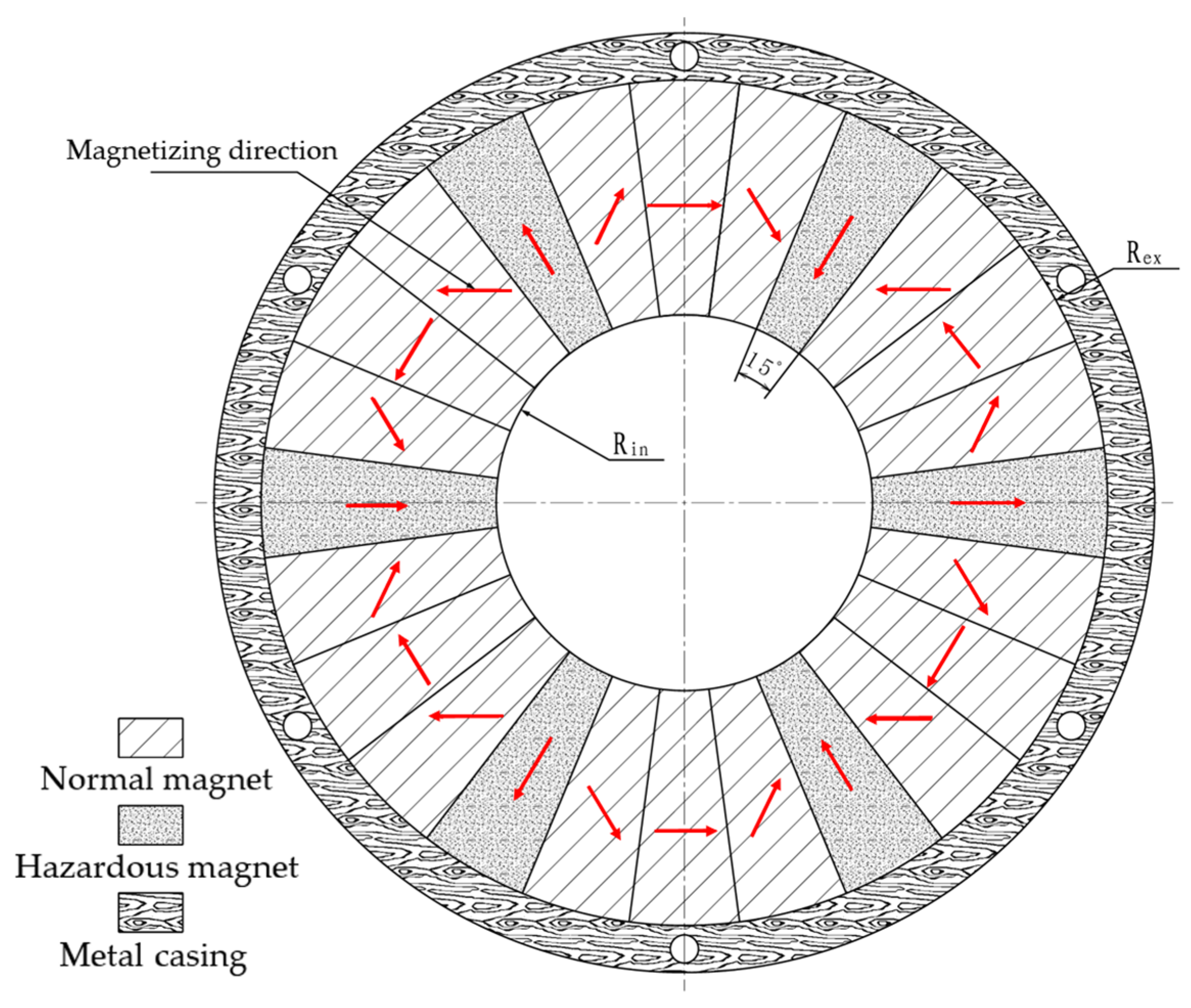
The 18 GHz hybrid superconducting ECR ion source features a hexapole-symmetric magnet system that combines optimized superconducting coils with permanent magnets to generate the strong confinement fields necessary for high-charge-state ion production, with axial field strength exceeding 2 T and radial field strength above 1 T. As depicted in Figure 1 (cross-sectional view of the magnet assembly), the system integrates several key components: the superconducting main coils, wound from NbTi wire in a double-solenoid configuration, are symmetrically positioned along both axial sides of the plasma chamber and maintain stable operation at 4.2 K through liquid helium cooling, capable of producing a maximum central magnetic field of 3.5 T. The hexapole permanent magnet ring array, composed of NdFeB magnets arranged in a six-fold symmetric topology, is nested within the superconducting coils and employs a Halbach array design that significantly enhances the radial magnetic field gradient while effectively suppressing plasma diffusion. The magnetic yoke, fabricated from high-purity soft iron (≥99.8% purity), serves to homogenize the magnetic field distribution, with its external structure forming a closed magnetic circuit that minimizes flux leakage and improves overall system efficiency.
Figure 1 illustrates the detailed cross-sectional structure of the hexapole magnet configuration, where 24 NdFeB permanent magnets are arranged in a Halbach array pattern. The red arrow indicates the magnetization direction of the Halbach array units. These magnet units are uniformly distributed along the circumference with their magnetization directions progressively rotated by 60° between adjacent elements. This sophisticated arrangement generates an intensified radial magnetic field in the inner plasma region while substantially weakening the external field, thereby optimizing magnetic field utilization efficiency. The resulting magnetic flux density distribution can be mathematically described as mathematical Equation (7). This innovative design represents an advancement in ECR ion source technology, combining the high-field capability of superconducting magnets with the precision field shaping of permanent magnet arrays to achieve superior plasma confinement performance [12,13].
B r   =   B rem n = 1 6 c o s   n π 3   θ   e n   π   r   L
where r is the radial coordinate, θ is the azimuthal angle, Bren represents the remanent magnetization and L denotes the magnet period length. Numerical simulations demonstrate that the hexapole symmetry effectively suppresses magnetic field harmonic distortion, maintaining field fluctuations within ±2% in the ECR region.
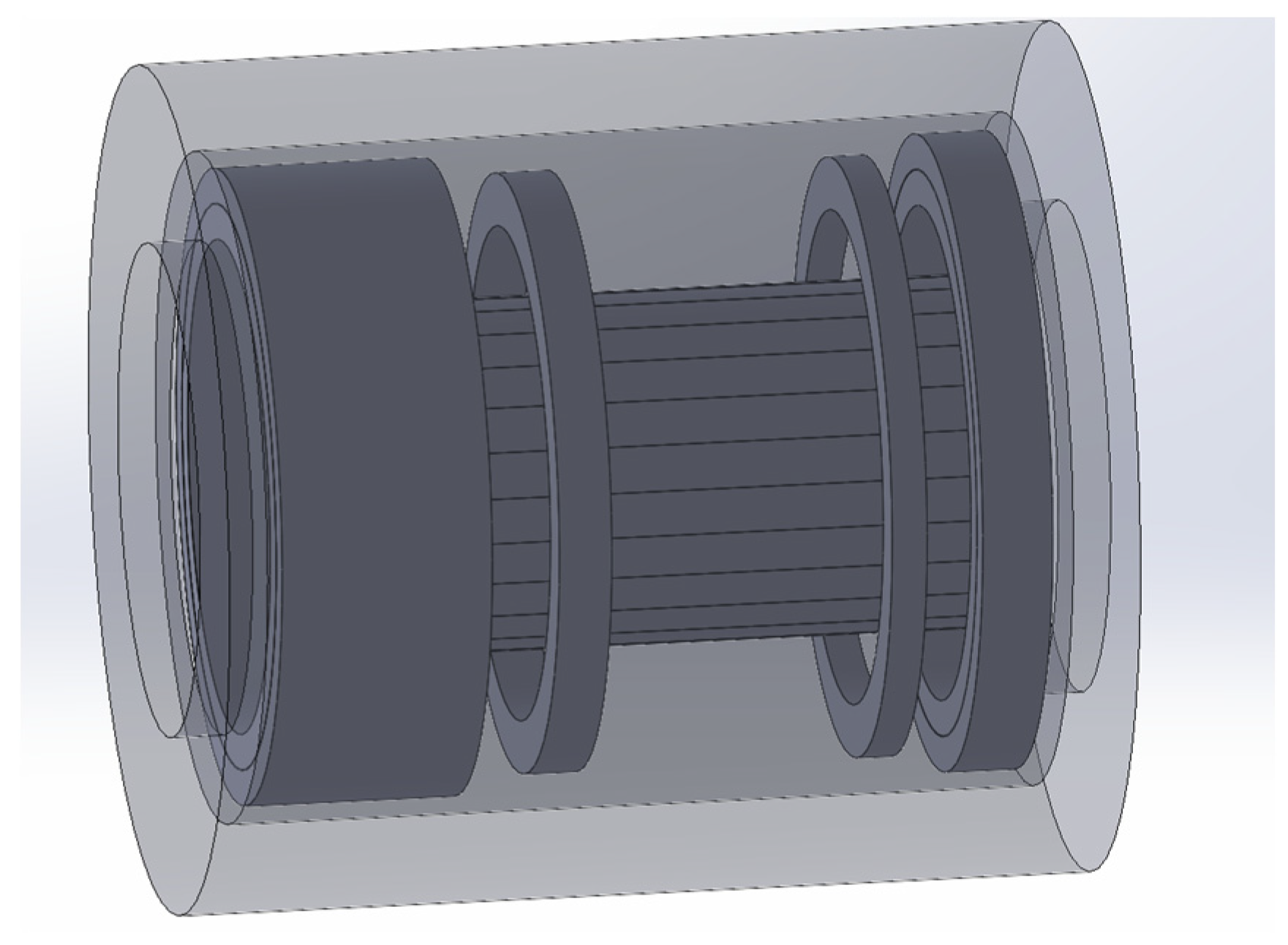
Figure 2 illustrates the arrangement of superconducting coil assemblies in the 18 GHz ECR ion source, comprising six solenoid coils designated as SL1 through SL6. This hybrid configuration combines superconducting solenoids (generating axial fields) with permanent magnet hexapoles (producing radial fields), where the axial magnetic field from superconducting coils and the hexapole field from permanent magnets collectively form a minimum-B configuration in the central plasma chamber region. The system achieves enhanced ionization efficiency through synergistic electron confinement by both the magnetic mirror ratio (Rm > 2) and electron cyclotron resonance condition (BECR ≈ 0.643 T). The compact design of the magnet system (total outer diameter ≤ 1.2 m) benefits from optimized integration of superconducting and permanent magnet components, maintaining required field strength and gradient while reducing cryogenic load [14].

3. Optimization of the Permanent Hexapole Magnet Based on Particle Swarm Optimization (PSO)

3.1. Parametric Analysis

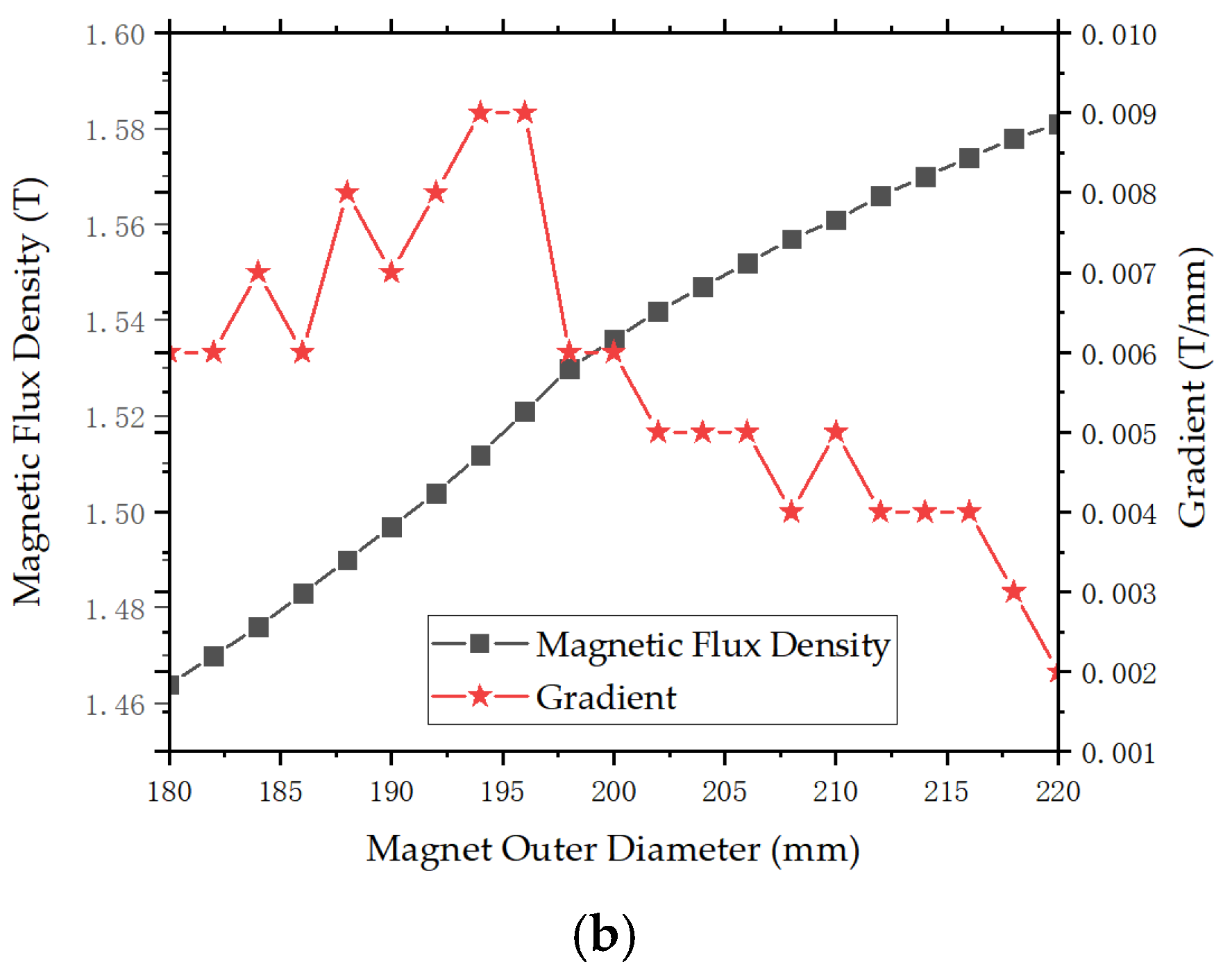
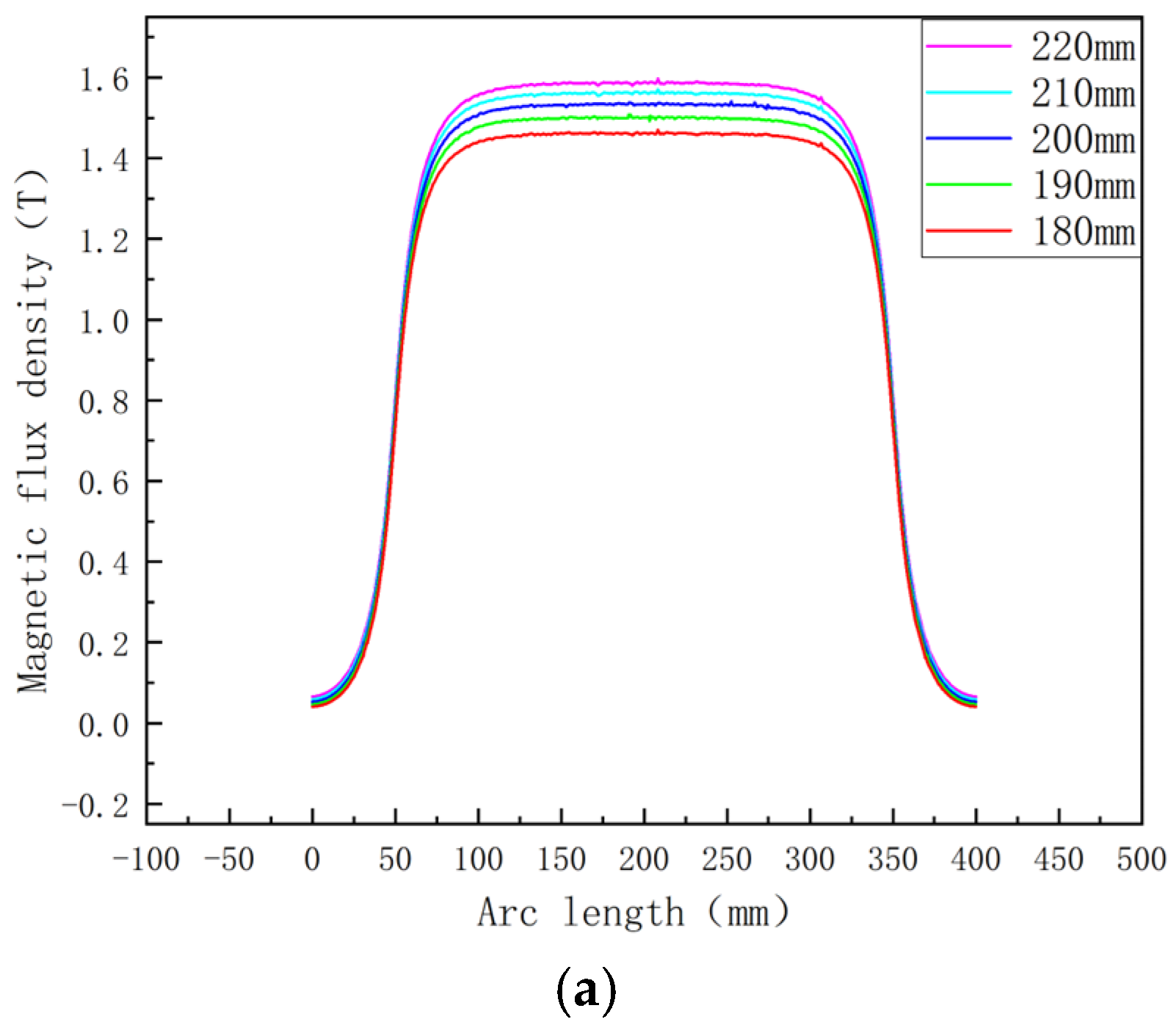
To optimize the magnetic confinement performance of the 18 GHz hybrid superconducting ECR ion source, this study systematically investigated the effects of various magnet dimensions and Halbach array angles on magnetic field distribution. Figure 3a presents simulation results for five hexapole magnet systems with different outer diameters (ranging from Φ180 mm to Φ220 mm). Key findings demonstrate that the Φ200 mm design achieves the target axial magnetic field strength, producing a central field of 1.5 T—representing an approximately 18% enhancement compared to the Φ180 mm configuration. While further increasing the diameter to Φ220 mm provides marginal performance gains, this modification significantly elevates the cryogenic system load. In this integrated design approach, the radial dimension of the vacuum chamber is considered an optimization variable linked to the outer diameter of the internal permanent magnet. Therefore, an increase in the permanent magnet size directly leads to an increase in the thermal load on the cryogenic system.
From Figure 3b, the primary Y-axis represents the axial magnetic field strength at the center, and the X-axis represents the outer diameter of the permanent magnet (ranging from 180 mm to 220 mm). The secondary Y-axis represents the first derivative of the magnetic field with respect to the outer diameter (i.e., the gradient dB/dD), which reflects the marginal benefit of performance changes with size.
It can be observed that the black curve shows the axial magnetic field strength continuously increasing with the outer diameter, while the red gradient curve peaks at 196 mm and then declines significantly, indicating a gradual reduction in the marginal benefit of performance gains beyond this point. At 200 mm, the magnetic field strength meets the design target of 1.5 T, and although the gradient is slightly below its peak, it remains relatively high. Beyond this diameter, further increases in magnet volume and weight do not yield corresponding performance improvements. Therefore, we identified 200 mm as the engineering optimum, balancing the magnetic field requirement with system volume control.
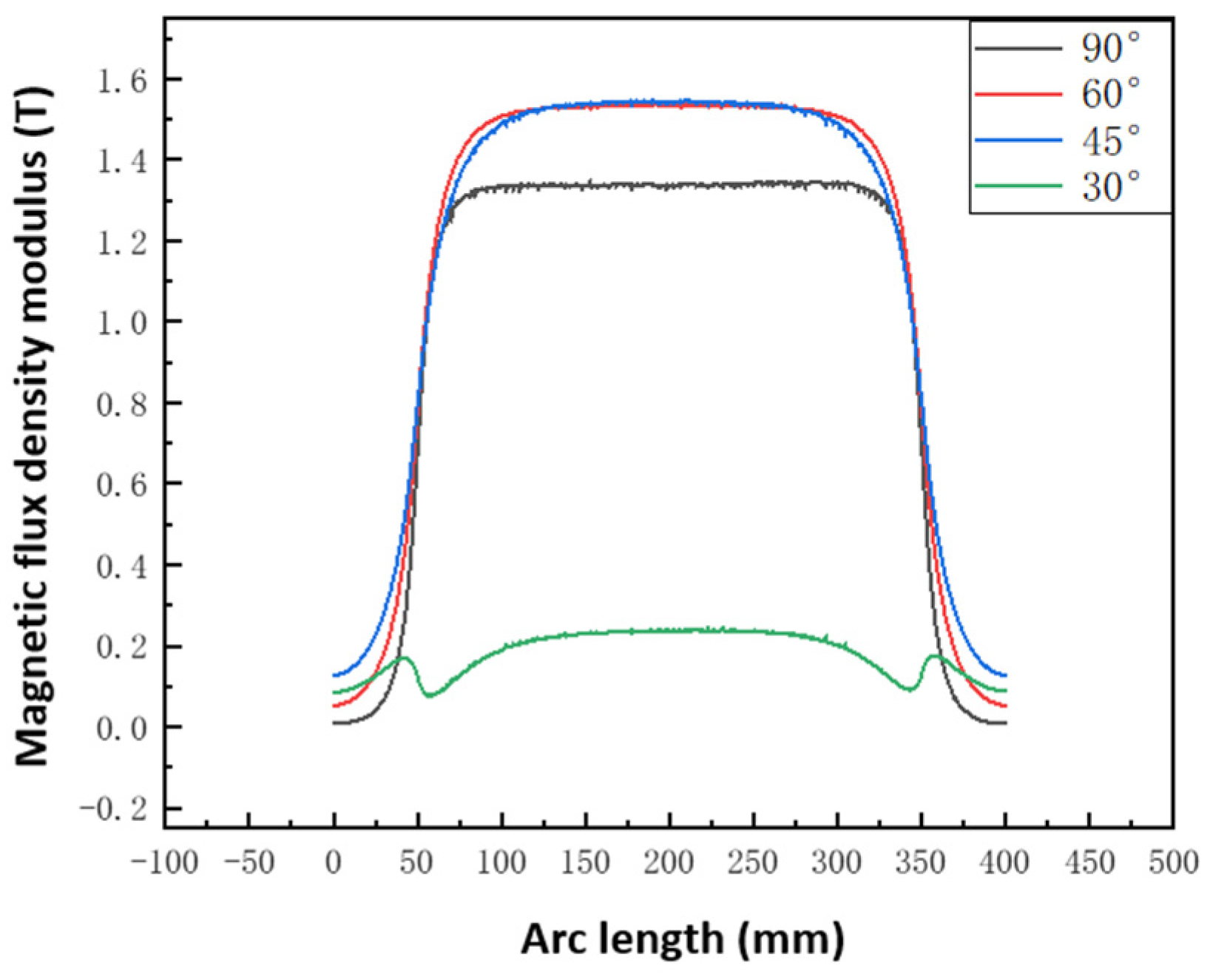
Furthermore, Figure 4 (Halbach array angle comparison diagram) presents a comprehensive analysis of how different magnetization orientation angles (θ = 30°, 45°, 60°, 90°) affect the hexapole magnetic field distribution. The simulations reveal that the optimized 60° Halbach configuration achieves maximum radial magnetic field utilization efficiency, demonstrating a 22% enhancement in effective field strength compared to conventional 90° hexapole arrangements while simultaneously reducing fringe field leakage.
The synergistic optimization of magnet dimensions and Halbach angles significantly enhances the confinement performance of the hybrid magnetic field, providing critical technical support for the efficient operation of high-charge-state ion sources.

3.2. PSO-Based Optimization Model and Implementation

To systematically enhance the magnetic field confinement performance of the 18 GHz hybrid superconducting ECR ion source, this section develops an optimization model specifically for the permanent magnet hexapole and employs the Particle Swarm Optimization (PSO) algorithm for automated design improvement [7].
Compared to traditional parameter sweep methods, the PSO algorithm does not require gradient information and can automatically explore multi-parameter spaces, avoiding local optima. In this study, the coupling of PSO with COMSOL 6.3 forms a closed-loop optimization system, enabling intelligent trade-offs between magnetic field performance and engineering constraints, thereby significantly improving the design efficiency of complex magnet systems.

3.2.1. Optimization Problem Definition and Objective Function Formulation

The optimization of the permanent magnet hexapole aims to systematically balance its magnetic performance against physical size, a crucial trade-off that directly impacts the cryogenic load and overall system efficiency. To this end, two key parameters are selected as optimization variables: the outer diameter of the hexapole magnet (x1: D), constrained within (180, 220) mm, and the magnetization angle of its Halbach array units (x2: θ), varying between (30, 90) degrees.
The optimization objective is to maximize the overall performance of the hexapole magnet while adhering to engineering constraints. The objective function to be maximized is defined as:
F o b j   = α B ˜ a x i a l   + β B ˜ g r a d   γ D ˜
In this expression:
B ˜ a x i a l denotes the normalized axial magnetic field strength in the central region, reflecting the fundamental confinement capability.
B ˜ g r a d   represents the normalized average gradient of the radial magnetic field, which is crucial for transverse plasma confinement.
D ˜ stands for the normalized magnet outer diameter, incorporated as a penalty term to promote compact designs and mitigate cryogenic thermal load.
The weighting coefficients α, β, and γ were determined through parametric sensitivity studies to balance the influence of each term, with values set as α = 0.4, β = 0.4, and γ = 0.2 to prioritize field performance while effectively restraining magnet size.
The optimization process honors the following physical and engineering constraints:
B l o c a l   B d e m a g , ensuring the local peak magnetic field on the permanent magnet remains below its irreversible demagnetization threshold.
B c e n t e r   B E C R , guaranteeing that the central magnetic field satisfies the minimum requirement for electron cyclotron resonance [7].

3.2.2. Implementation and Solution via Particle Swarm Optimization

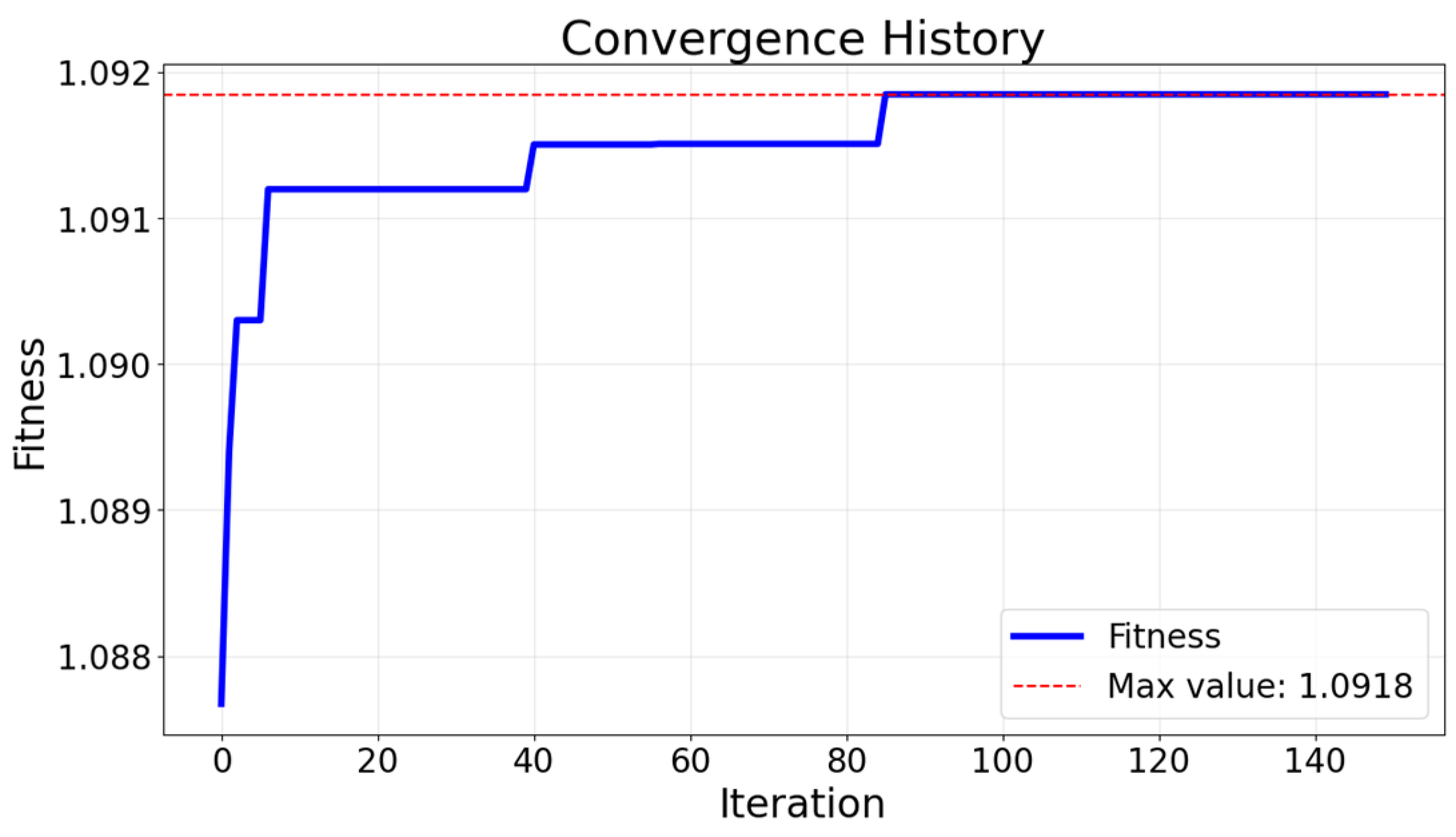
The optimization model described above was integrated into a PSO algorithm framework. Each particle’s position in the two-dimensional search space, Xi = (Di, θi), corresponds to a candidate design. The population size was set to 30, with a maximum of 150 iterations. The fitness of each particle was evaluated by invoking a COMSOL static magnetic field simulation, which directly provided all necessary magnetic field data for computing Fobj.
As shown in Figure 5, the PSO algorithm demonstrated good convergence through the iterative calculations. The algorithm stabilized at the global optimum after approximately 60 iterations, avoiding premature convergence, which proves its effectiveness in solving this type of problem.

3.2.3. Optimization Results and Analysis

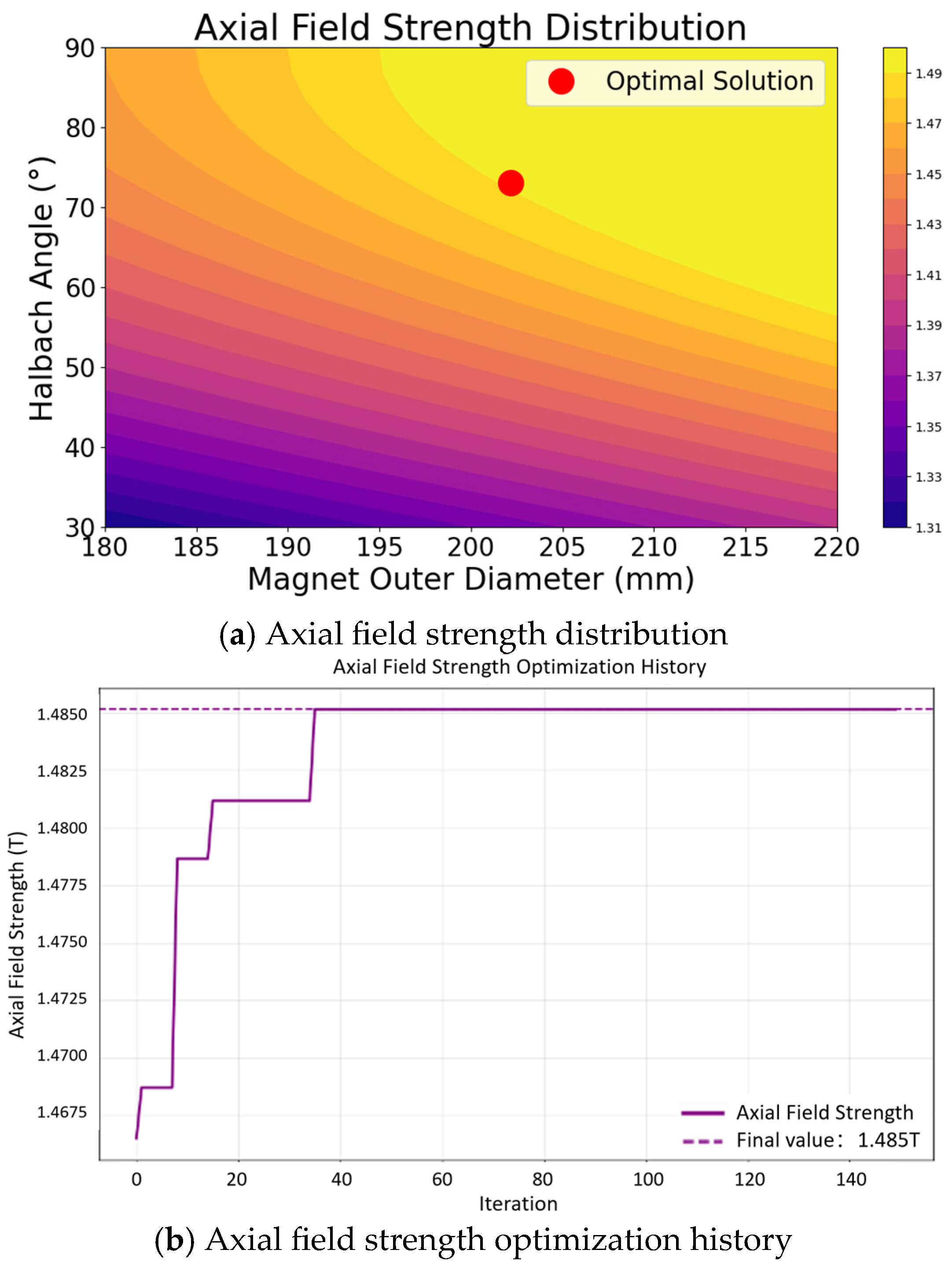
As shown in Figure 6a, the optimal parameter combination found by the PSO algorithm is: outer diameter Dopt = 200 mm and Halbach angle θopt = 70°. The red marker represents the global optimum, which was selected based on the maximization of the objective function Fobj defined in Equation (8). The parameter combination corresponding to this point produces the maximum value of Fobj among all feasible solutions. This optimal solution achieves the best balance within the design space, yielding an axial magnetic field strength of 1.485 T and representing the optimal trade-off with the magnet volume in Figure 6b. Ultimately, the synergistic optimization of size and angle achieved through the Particle Swarm Optimization algorithm significantly enhances the overall confinement performance of the hybrid magnetic field, providing a globally optimized key technical solution for the efficient operation of the high-charge-state ion source.

4. Optimization of Hybrid Superconducting Magnet Based on PSO

4.1. Basic Parameters Design and Analysis

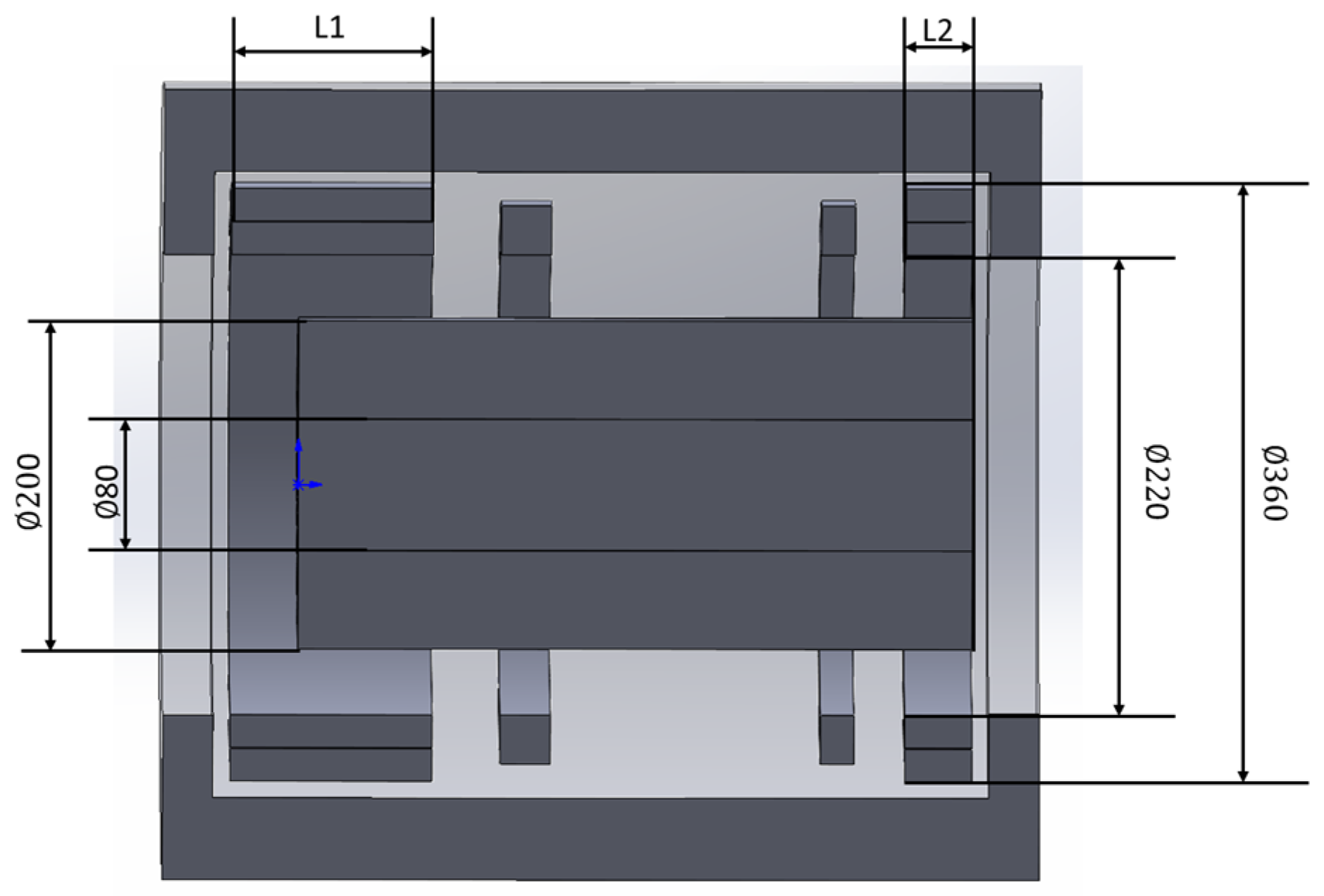
To validate the electromagnetic performance of the 18 GHz hybrid superconducting ECR ion source magnet system, a three-dimensional finite element model was established on the COMSOL platform (Figure 7). The model incorporates key components including NbTi superconducting solenoid coils, a hexapole permanent magnet ring (NdFeB), soft iron pole pieces, and a vacuum chamber, with material properties strictly configured according to actual parameters.
The simulation employed the H-φ method for static magnetic field distribution calculations, while parametric scanning was conducted to optimize coil turns and permanent magnet geometric dimensions. The detailed simulation parameters are presented in Table 1.
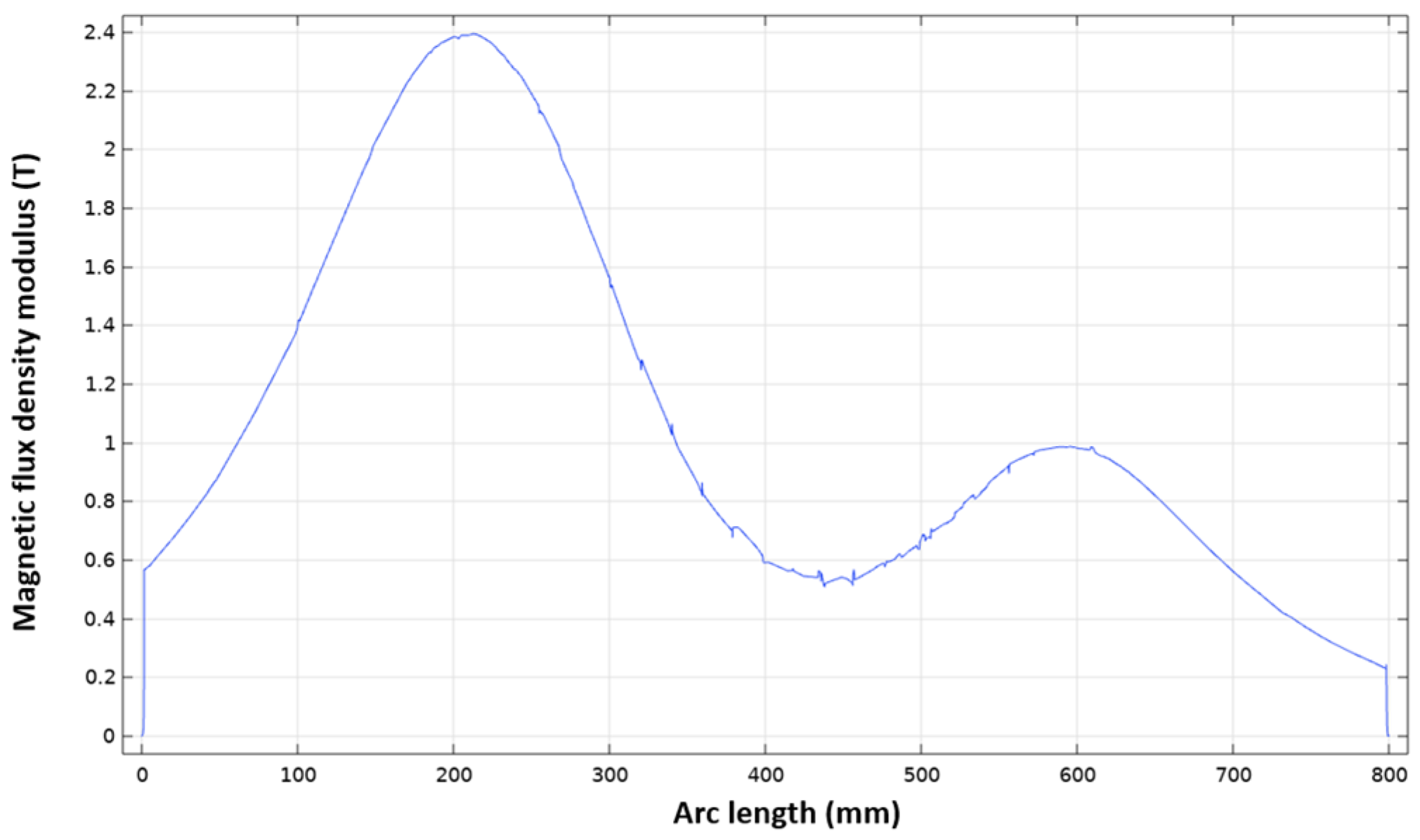
The initial simulation results indicate that at an operating current of 300 A, the system generates an axial magnetic field with a peak strength of 2.4 T, meeting the fundamental field intensity requirements for 18 GHz ECR (Figure 8). However, analysis of the magnetic field distribution characteristics reveals several critical issues: Firstly, the axial transition length of the ECR zone is relatively short, which may lead to plasma confinement instability. Additionally, the magnetic field at the extraction end fails to meet design specifications, necessitating further optimization analysis in subsequent studies [15,16].

4.2. Finite Element Simulation Optimization Analysis

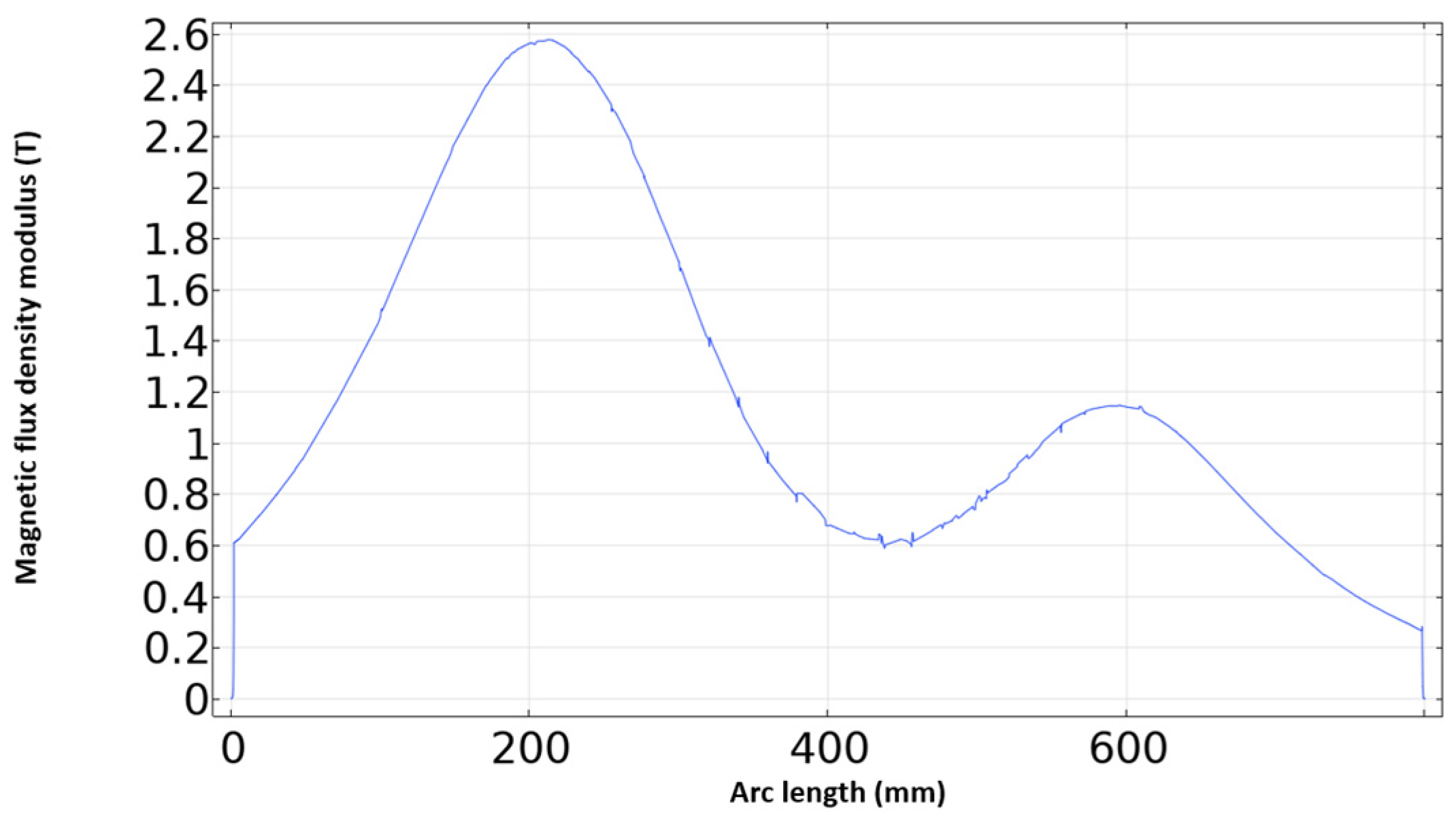
Numerical simulations were conducted based on the optimized parameters to verify the superior performance of the superconducting-permanent magnet hybrid structure through finite element analysis. The simulation results demonstrate that the double-solenoid superconducting coils (NbTi, 4.2 K) can generate an axial magnetic field peaking at 2.6 T under an operational current of 350 A, as shown in Figure 5, meeting the design requirements for magnetic field strength. The incorporation of a 60° Halbach-array permanent hexapole magnet significantly enhances the magnetic field gradient while maintaining excellent uniformity in the central region. The optimized parameters of the hybrid superconducting ECR ion source model are shown in Table 2.
Figure 9 presents the distribution characteristics of the axial confinement field based on the electromagnetic simulation model of the 18 GHz hybrid superconducting ECR ion source. The results indicate that the combined effect of superconducting coils and permanent magnets creates a pronounced magnetic mirror configuration in the central plasma chamber region, with peak field strength reaching 2.6 T—satisfying the stringent confinement requirements for high-charge-state ion production. The axial gradient distribution exhibits excellent symmetry, forming a distinct magnetic field minimum (approximately 0.6 T) in the electron cyclotron resonance (ECR) zone that precisely matches the resonance condition (BECR ≈ 0.64 T) for 18 GHz microwave frequency, thereby ensuring efficient microwave energy absorption.
Further analysis reveals that while the superconducting coils dominate the overall axial confinement profile, the permanent magnets optimize local field gradient uniformity, effectively suppressing plasma radial diffusion. The calculated mirror ratio (Bmax/Bmin) of approximately 4.25 indicates sufficient axial confinement capability to maintain stable high-density plasma, providing favorable focusing conditions for subsequent ion beam extraction. These simulation results show excellent agreement with theoretical predictions, validating the performance advantages of the hybrid magnetic configuration for enhancing ECR ion source operation.
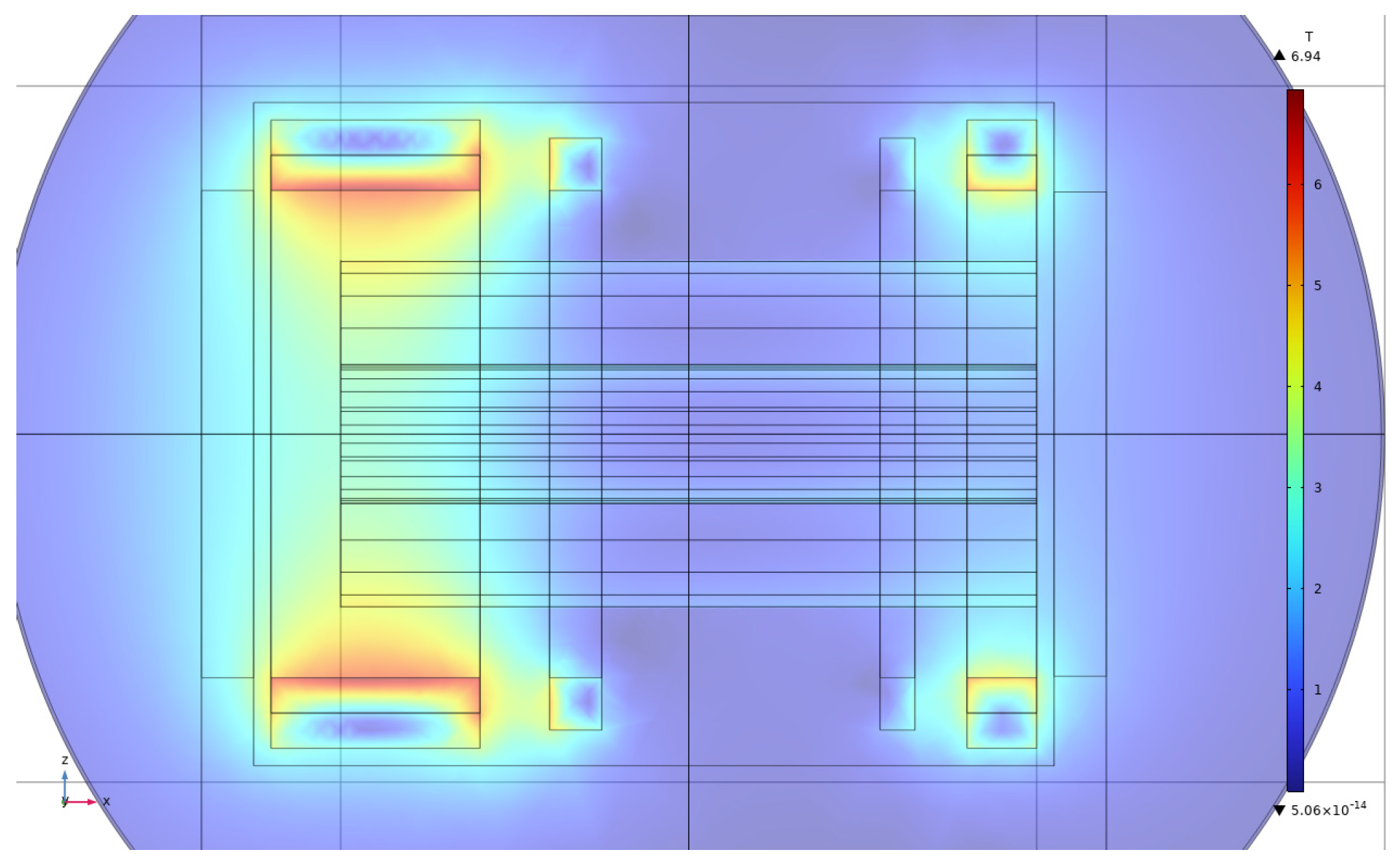
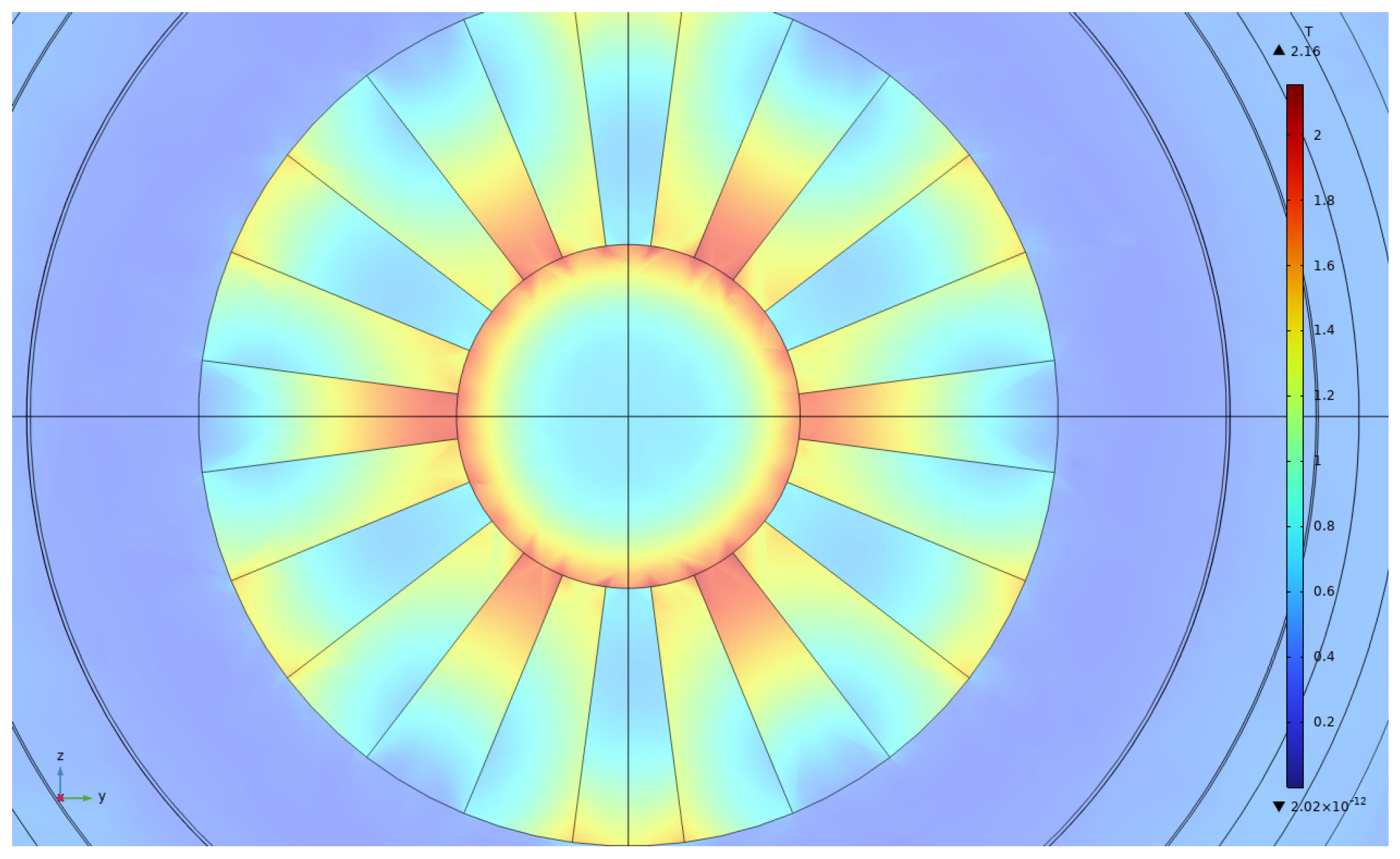
Figure 10 and Figure 11 further presents the radial magnetic field distribution cloud map of the central cross-section of the ECR ion source. This cross-sectional cloud map clearly illustrates the strong radial confinement field structure dominated by the Halbach array of permanent magnets. As shown in the figure, the magnetic field strength increases rapidly from near zero at the central axis with growing radius, forming regions of high magnetic field strength near the plasma chamber wall, which constitute a symmetrical and enclosed “magnetic cage” structure.
This unique distribution exhibits two key characteristics: Firstly, in the central region of the plasma chamber, the magnetic field strength is confined to an extremely low level (B < 0.1 T), which seamlessly connects with the minimum region of the axial magnetic field, collectively defining a clear three-dimensional minimum-B field structure. This configuration has been proven effective in suppressing various macroscopic instabilities in the plasma. Secondly, the strong radial magnetic field gradient generated by the permanent magnets works in synergy with the axial magnetic mirror field to effectively confine the plasma within the central region and significantly suppress radial losses of charged particles due to collisions and gradient drift.
By synthesizing the magnetic field distributions in Figure 8 and Figure 9, it can be concluded that this hybrid magnetic structure successfully establishes a magnetic confinement configuration that satisfies the “minimum-B field” theory. The axial magnetic mirror field effectively constrains end-losses of particles, while the radial hexapole strong field gradient suppresses radial diffusion and instabilities of the plasma. This three-dimensional confinement mechanism provides a highly stable and efficient environment for the generation and maintenance of high-charge-state plasma, ensuring the superior performance of the ECR ion source.

4.3. PSO-Based Current Optimization Model

As outlined in Section 3.2, while the initial magnet system powered by a uniform 300 A current meets the fundamental field strength requirements for ECR, its axial magnetic field profile reveals limitations in confinement capability and extraction-end performance. To fully leverage the potential of the hybrid magnet system and achieve a higher peak magnetic field alongside a superior confinement configuration, this section details the systematic optimization of the operating currents for the four superconducting solenoid coils using the Particle Swarm Optimization (PSO) algorithm [17,18].

4.3.1. Current Optimization Problem Definition and Objective Function Formulation

Building upon the optimized geometry of the permanent magnet hexapole, this stage focuses on fine-tuning the operating currents of the four superconducting solenoid coils to achieve a superior axial magnetic field profile. The excitation currents of the coils, defined as a four-dimensional vector I = (I1, I2, I3, I4) from left to right, serve as the core optimization variables. The current search space is bounded between 280 A and 380 A, respecting the critical current of the superconducting wires and the power supply capabilities.
The primary goal is to maximize the axial peak magnetic field strength (Bpeak) while ensuring an effective electron cyclotron resonance condition, which is critical for efficient microwave energy absorption. To reconcile these competing objectives, the following objective function F(I) is constructed for maximization [19]:
F(I) = Bpeak − ω × |BminBECR|
In this function:
The term Bpeak is maximized to enhance the overall confinement strength, which is essential for generating high-charge-state ions.
The term |BminBECR| quantifies the deviation of the minimum field in the ECR zone (Bmin) from the theoretical resonance condition (BECR ≈ 0.64 T for 18 GHz). This acts as a penalty term, ensuring the optimized field profile facilitates efficient plasma heating.
The weighting factor ω balances the influence of these two terms. A value of ω = 1 was selected after a sensitivity analysis, as it was found to provide the optimal trade-off, yielding a significant increase in Bpeak while maintaining Bmin sufficiently close to BECR.
The optimization is constrained by:
g1: Bpeak ≥ 2.5 T, ensuring a significant improvement over the initial design.
g2: Mirror Ratio ∈ [4.0, 5.0], maintaining the axial confinement efficiency within an ideal range for plasma stability.

4.3.2. Implementation and Optimization Process

The defined current optimization model is integrated into the PSO algorithm framewor. In this implementation, each particle represents a potential current configuration, with its position vector Xi = (I1i, I2i, I3i, I4i). The population size and the maximum number of iterations are set to 40 and 200, respectively.
The optimization procedure is as follows:
Initialization: An initial population of 40 particles is generated by randomly assigning current values within the specified boundaries, with each particle representing a unique set of four coil currents.
Simulation Evaluation: For each particle (i.e., each current set I), the corresponding axial magnetic field distribution is computed by invoking a COMSOL finite element simulation. The simulation extracts key parameters, including Bpeak and Bmin, which are used to calculate the particle’s fitness value F(I).
Update Historical Bests: Each particle compares its current fitness value with its personal best (pbest). If an improvement is found, pbest and its corresponding position Pi are updated. Concurrently, all particles track the global best solution (gbest), which is the position with the highest fitness found across the entire population.
Update Position and Velocity: Following the core PSO formulae, the velocity and position of each particle are updated based on its pbest and the gbest, facilitating the exploration of new solutions within the four-dimensional current search space.
Iteration and Convergence: Steps 2 through 4 are repeated iteratively until the maximum number of generations is reached.
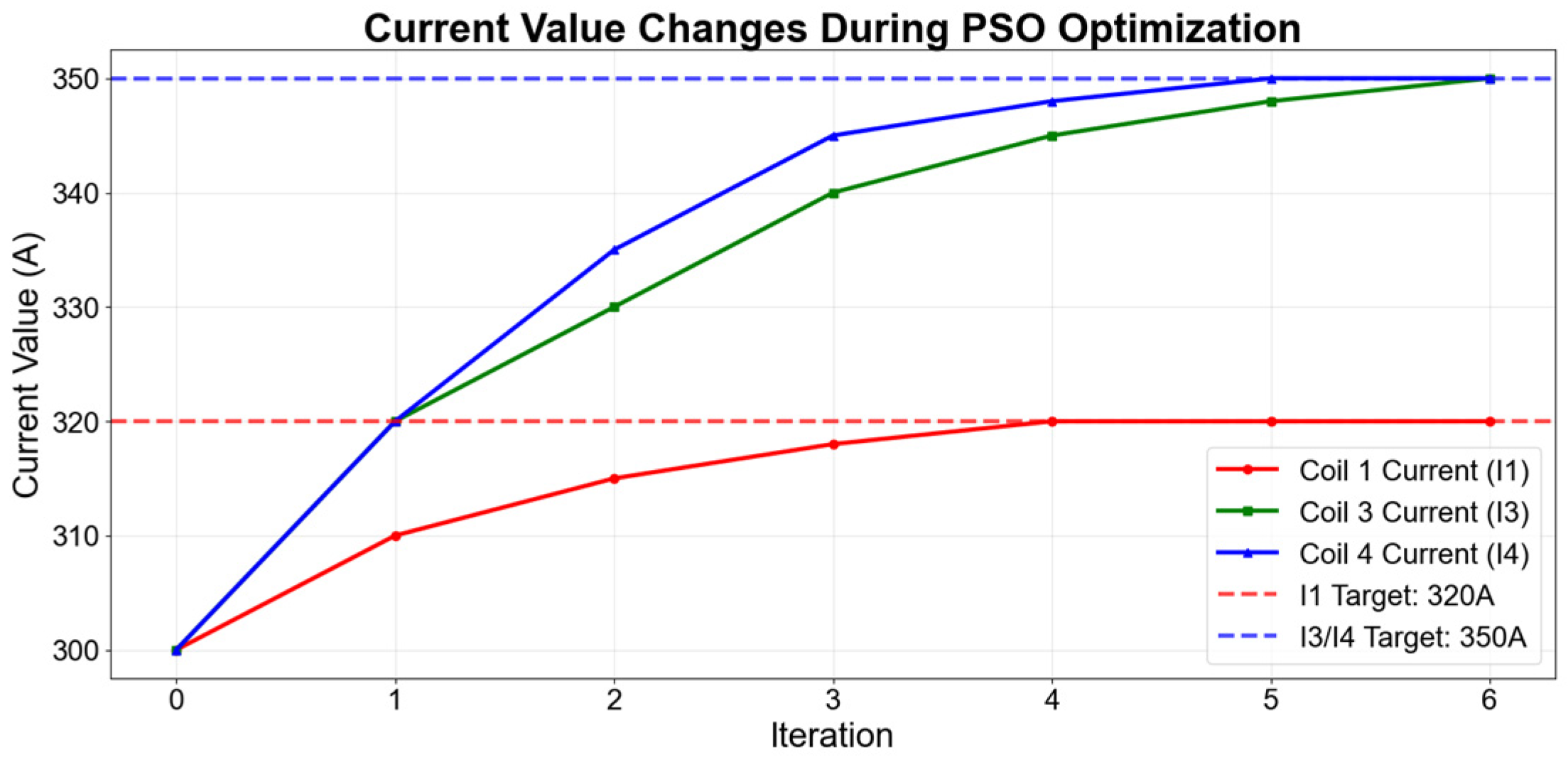
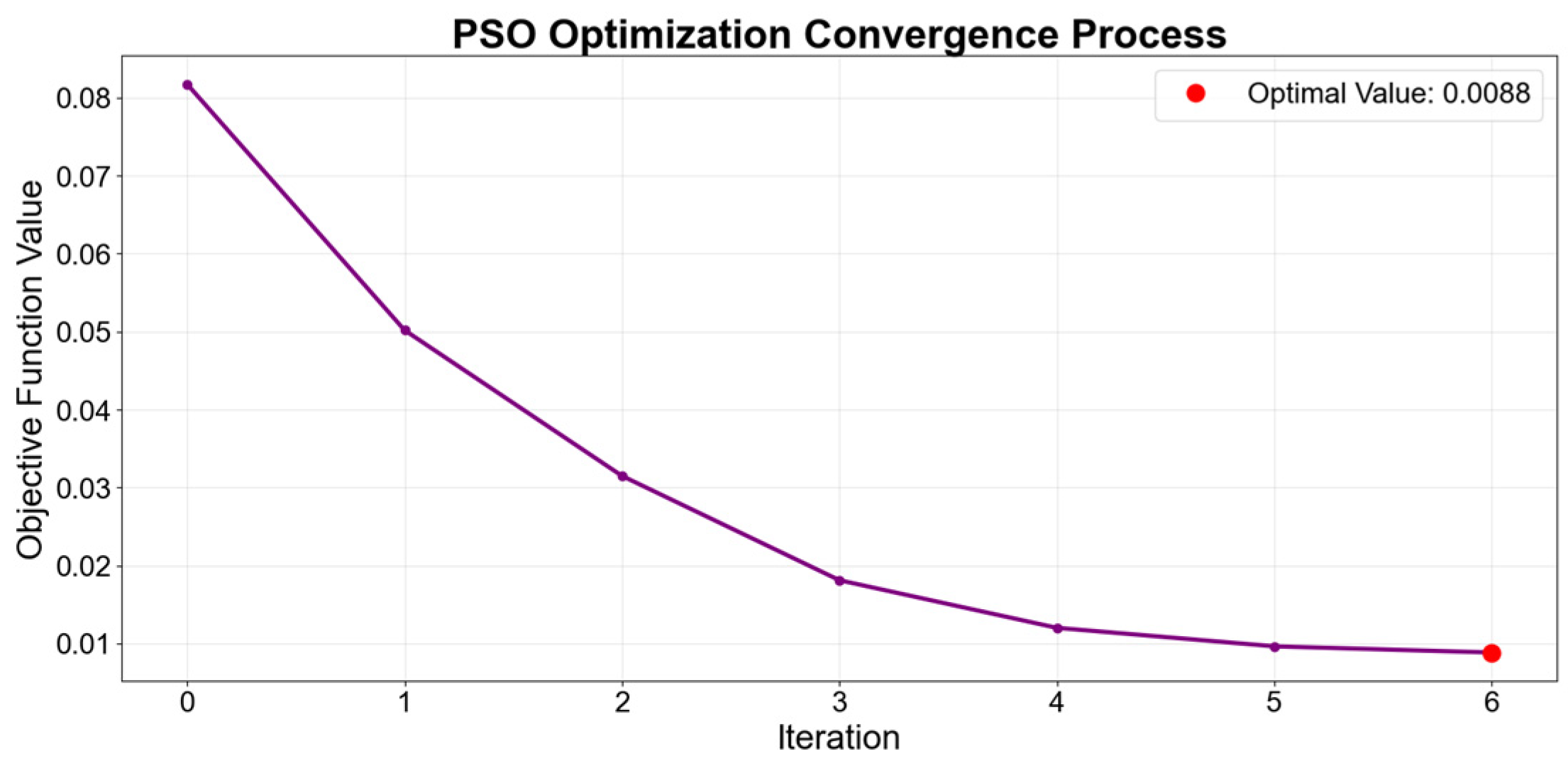
The dynamic evolution of the coil currents throughout the optimization is illustrated in Figure 12. The currents for all four coils undergo significant adjustments in the initial iterations as the algorithm explores the search space. After approximately 60–80 iterations, the currents begin to stabilize, converging toward the optimal configuration. Figure 13 presents the convergence history of the PSO algorithm, showing a steady improvement in both the average population fitness and the global best fitness with increasing iterations. The fitness values stabilize after approximately the 110 th generation, indicating successful convergence near the global optimum and effective avoidance of premature convergence.

4.3.3. Optimization Results and Analysis

The current optimization presented in this section is preceded by a comprehensive structural design phase, wherein the geometric parameters of the superconducting solenoid coils—including their positions and cross-sectional areas—were already optimized and fixed. Building upon this optimized geometry, the fine-tuning of the four independent coil currents aims to maximize the performance potential of the given structure. The employment of four independently powered coils, as opposed to a unified or fixed-polarity configuration, is pivotal for this study. It provides the essential degrees of freedom to precisely sculpt the axial magnetic field profile, thereby enabling the Particle Swarm Optimization algorithm to effectively reconcile the competing objectives of peak field strength, mirror ratio, and ECR matching within the complex hybrid magnetic field environment.
The optimal coil current combination identified by the Particle Swarm Optimization (PSO) algorithm is: Iopt = (+320, −300, −350, +350) A.
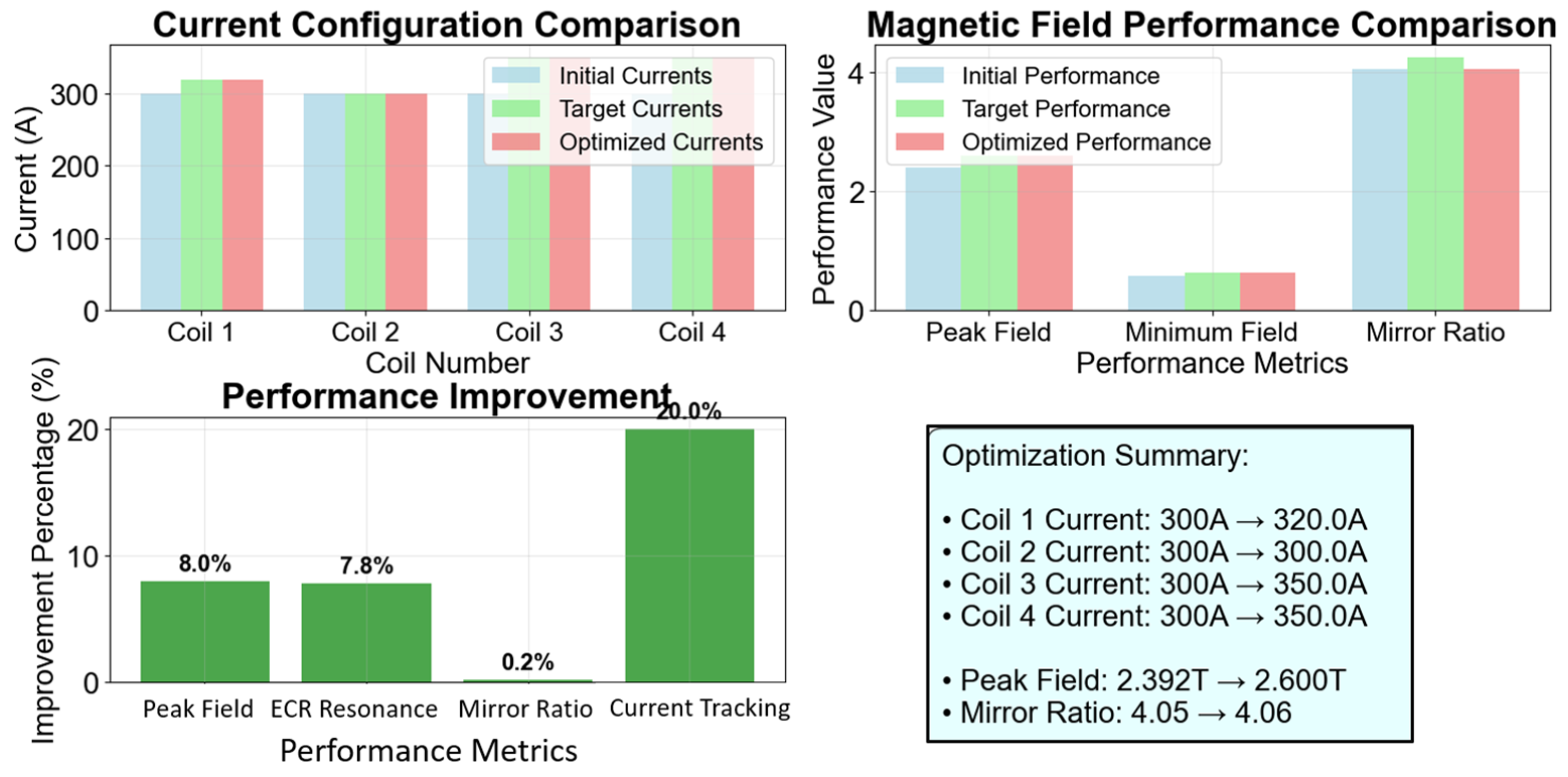
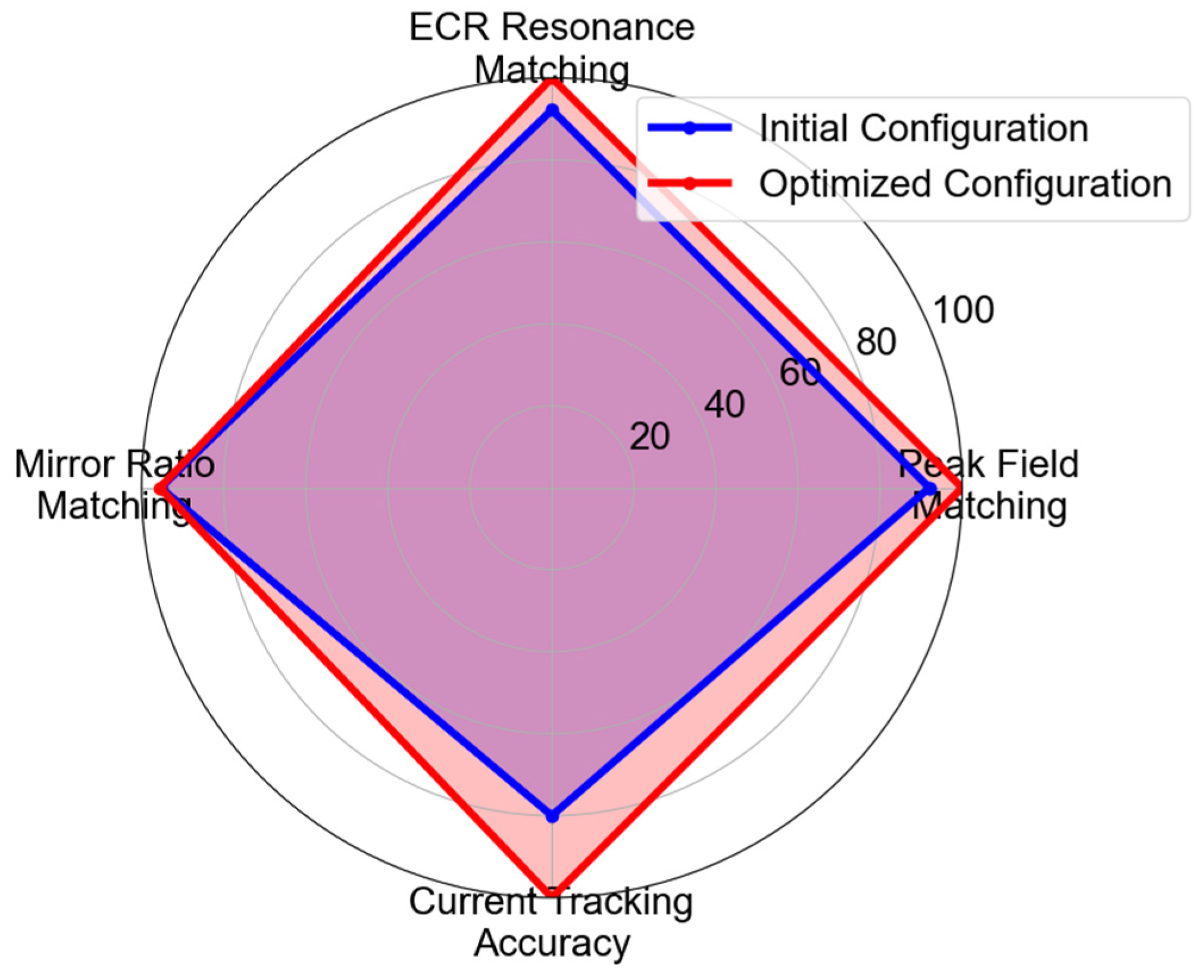
Performance Improvement: This optimized configuration yields a significant enhancement in the axial peak magnetic field, elevating it from the initial 2.4 T to 2.6 T. As illustrated in Figure 14, the resulting magnetic field distribution conforms more closely to an ideal magnetic mirror geometry compared to the initial design. A comprehensive performance assessment, summarized in the radar chart of Figure 15, confirms concurrent improvements across key metrics—namely Peak Field, Mirror Ratio, and Resonance Matching—validating the effectiveness of the PSO approach.
Physical Mechanism Analysis:
The increase in current for the two right-side coils (I3 and I4) to 350 A directly amplifies the magnetic field strength at the injection end and within the central region, constituting the primary factor for the observed increase in Bpeak.
The current in the left main coil (I1) is slightly raised to 320 A. Acting in synergy with the right-side coils, this adjustment extends the high-field-strength region, improves the axial transition profile of the ECR zone, and contributes to enhanced plasma confinement stability.
The current in the second left coil (I2) remains at 300 A to perform a critical field-shaping function. By coordinating with the permanent magnet hexapole field, it optimizes the magnetic field gradient to ensure a precise match between the minimum field (Bmin ≈ 0.6 T) and the ECR condition (BECR). This matching is essential for maximizing resonant microwave energy absorption, a principle grounded in fundamental plasma theory [20], established as a core design criterion [21], and validated through experimental operation [22].
Synergistic Optimization Verification: The calculated mirror ratio reaches approximately 4.25, fully complying with the design constraints. This outcome, clearly evidenced in the performance comparison (Figure 14), underscores the capability of the PSO algorithm to transcend a singular focus on peak field strength. Instead, it successfully orchestrates the complex interactions among multiple coils, identifying a Pareto-optimal balance between competing objectives—peak field strength, resonance condition, and mirror ratio.
In conclusion, the synergistic optimization of coil currents via the PSO algorithm represents a pivotal advancement for the hybrid superconducting ECR ion source. It establishes a globally optimized magnetic field environment, which is essential for the reliable generation of high-intensity, high-charge-state ion beams.
To more comprehensively evaluate the advancement and reliability of the optimized results and to contextualize them within the current development of ECR ion source technology, it is necessary to compare them with internationally recognized, experimentally validated designs of the same type. The table below provides a detailed comparison of key magnetic confinement performance indicators between the optimized results of this study and representative 18 GHz ECR ion sources such as VENUS and SECRAL.
As shown in Table 3, the hybrid magnet system optimized using the PSO algorithm in this study achieves or surpasses the performance of internationally renowned all-superconducting 18 GHz ECR ion sources (such as VENUS and SECRAL) in key indicators, namely the axial peak field and the mirror ratio. These results demonstrate that our numerical optimization design is successful and effective. Although experimental data from a prototype are not yet available, the performance of our optimized design is comparable to that of experimentally validated advanced designs and even exhibits certain advantages in confinement capability. This strongly validates the effectiveness of the proposed optimization methodology and the advanced nature of the final design, thereby enhancing the credibility of the model predictions.
The optimized hybrid magnet system in this study demonstrates advantages in several key performance indicators. As shown in Table 3, the axial peak magnetic field reaches 2.6 T and the mirror ratio is 4.25, both of which outperform those of VENUS and SECRAL. This improvement is attributed to the synergistic optimization of coil currents and permanent magnet parameters by the PSO algorithm, which enhances axial confinement capability. The minimum magnetic field in this design (~0.64 T) is close to the ECR magnetic field at 18 GHz (0.643 T). This design facilitates improved microwave absorption efficiency and heating uniformity, though it may slightly reduce the confinement volume. Further assessment of its impact will be conducted through plasma simulations.
Overall, this design surpasses existing systems in terms of magnetic field performance and achieves global optimization under multiple constraints via PSO, demonstrating the potential of hybrid magnets in the design of high-performance ion sources.

5. Conclusions

This study successfully demonstrates a systematic optimization approach for the magnetic system of an 18 GHz hybrid superconducting ECR ion source. The principal conclusions can be summarized as follows:
A robust design framework was established by seamlessly integrating the Particle Swarm Optimization (PSO) algorithm with finite element analysis (COMSOL). This integrated approach proved highly effective in automating the search for optimal design parameters, overcoming the limitations of traditional trial-and-error methods.
The application of the PSO algorithm to the permanent magnet hexapole yielded an optimized configuration with an outer diameter of 200 mm and a Halbach array angle of 70°. This configuration achieved a superior balance, enhancing the radial magnetic field gradient while respecting engineering constraints on magnet volume and demagnetization thresholds.
The synergistic optimization of the superconducting coil currents (to an optimal set of (300, 320, 350) A) resulted in a high-performance magnetic confinement structure. The final design generates a high-strength axial magnetic field (peak of 2.6 T) with an ideal magnetic mirror ratio of approximately 4.25. This configuration ensures excellent plasma axial confinement by the well-established magnetic mirror effect, where charged particles are reflected from regions of high magnetic field strength, a fundamental principle for ECR ion sources [1].
The optimized magnetic field profile features a well-defined minimum-B structure, where the minimum field in the ECR zone is precisely tuned to approximately 0.6 T. This ensures an exact match with the theoretical electron cyclotron resonance condition (BECR ≈ 0.64 T) for 18 GHz microwaves, thereby guaranteeing efficient microwave energy absorption and plasma heating.
The research validates the significant advantages of the hybrid superconducting-permanent magnet configuration. The symmetry inherent in the hexapole design, combined with the high fields from superconducting coils, successfully creates a stable, three-dimensional “magnetic cage” essential for the efficient generation and confinement of high-charge-state plasma.
In conclusion, this work not only provides a specifically optimized magnet design for a high-frequency ECR ion source but also delineates a general and efficient strategy for tackling complex, multi-variable optimization problems in advanced electromagnetic device engineering. The proposed PSO-based methodology offers significant potential for application in the design of next-generation particle accelerators and other complex systems where symmetry and multi-physics performance are paramount.

Author Contributions

Conceptualization and supervision, M.X. and H.W.; Investigation, Y.L. (Yongming Liu); Data curation and Software, Y.L. (Yimin Lu) and L.L.; Writing—original draft preparation, M.X. and L.L.; Methodology, H.W.; Writing—review and editing, Y.L. (Yongming Liu) and H.W.; Project administration, H.W.; Funding acquisition, M.X. All authors have read and agreed to the published version of the manuscript.

Funding

This research was funded by the National Natural Science Foundation of China (12205004) and Key Project of Excellent Young Teacher Cultivation in 2024 of Anhui Province (YQZD2024018) and Industrial Collaborative Innovation Special Fund Project of Anhui Polytechnic University & Jiujiang District of Anhui Province (2022cyxtb8) and Anhui Intelligent Mine Technology and Equipment Engineering Research Center 2024 of Anhui Province (AIMTEEL202201) and Open Fund Project Joint Construction Discipline Key Laboratory for Quality and Reliability of Intelligent Equipment of Anhui Province (IEQRKL2409 and IEQRKL2404).

Data Availability Statement

The original contributions presented in this study are included in the article. Further inquiries can be directed to the corresponding author.

Conflicts of Interest

Author Yimin Lu was employed by the company Wuhu Magnetic Wheel Transmission Technology Co., Ltd. The remaining authors declare that the research was conducted in the absence of any commercial or financial relationships that could be construed as a potential conflict of interest.

References

  1. Geller, R. Electron Cyclotron Resonance Ion Sources and ECR Plasmas; Institute of Physics Publishing: Bristol, UK, 1996. [Google Scholar]
  2. Lu, W.; Xie, D.Z.; Zhang, X.Z.; Xiong, B.; Ruan, L.; Sha, S.; Zhang, W.H.; Cao, Y.; Lin, S.H.; Guo, J.W.; et al. Development of DRAGON electron cyclotron resonance ion source at Institute of Modern Physics. Rev. Sci. Instrum. 2012, 83, 02A328. [Google Scholar] [CrossRef] [PubMed]
  3. Chong, T.H.; Fukuda, M.; Yorita, T.; Kanda, H.; Yasuda, Y.; Koay, H.W.; Morita, Y.; Takeda, K.; Hara, T.; Hisamatsu, M.; et al. Development of ECR ion source with high-temperature superconducting REBCO coils. J. Phys. Conf. Ser. 2022, 2244, 012108. [Google Scholar] [CrossRef]
  4. Shen, T.; Yang, Y.; Hafalia, R.; Juchno, M.; Lin, A.; Croteau, J.-F.; Higley, H.; Naus, M.; Pong, I.; Troitino, J.F.; et al. Design and Development of a 28 GHz Nb3Sn ECR Ion Source Superconducting Magnet. IEEE Trans. Appl. Supercond. 2024, 34, 4301105. [Google Scholar] [CrossRef]
  5. Cadoux, T.; Bakon, N.; Berriaud, C.; Felice, H.; Mora, E.F.; Graffin, P.; Guillo, T.; Minier, G.; Nunio, F.; Rochepault, E.; et al. Mechanical Design of the Superconducting Magnet for the 28 GHz ECR Ion Source ASTERICS. IEEE Trans. Appl. Supercond. 2024, 34, 1–6. [Google Scholar] [CrossRef]
  6. Kennedy, J.; Eberhart, R. Particle Swarm Optimization. In Proceedings of the IEEE International Conference on Neural Networks, Perth, Australia, 27 November–1 December 1995; Volume 4, pp. 1942–1948. [Google Scholar]
  7. Poli, R.; Kennedy, J.; Blackwell, T. Particle Swarm Optimization: An Overview. Swarm Intell. 2007, 1, 33–57. [Google Scholar] [CrossRef]
  8. Wang, D.; Tan, D.; Liu, L. Particle Swarm Optimization Algorithm: An Overview. Soft Comput. 2018, 22, 387–408. [Google Scholar] [CrossRef]
  9. Lin, S.; Chou, N.; Zhao, Y.; Qin, Y.; Jiang, H.; Cui, J.; Li, G.; Xie, Y.M. Topological optimization of magnetic pulse welding coils with a connectivity-constrained particle swarm optimization algorithm. Mater. Des. 2022, 224, 111337. [Google Scholar] [CrossRef]
  10. Shami, T.M.; El-Saleh, A.A.; Alswaitti, M.; Al-Tashi, Q.; Summakieh, M.A.; Mirjalili, S. Particle Swarm Optimization: A Comprehensive Survey. IEEE Access 2022, 10, 10031–10061. [Google Scholar] [CrossRef]
  11. Katoch, S.; Chauhan, S.S.; Kumar, V. A review on genetic algorithm: Past, present, and future. Multimed. Tools Appl. 2021, 80, 8091–8126. [Google Scholar] [CrossRef] [PubMed]
  12. Sun, L. Design and Experimental Research on High-Charge-State ECR Ion Sources. Ph.D. Thesis, Institute of Modern Physics, Chinese Academy of Sciences, Lanzhou, China, 2004. [Google Scholar]
  13. Sun, L.; Hitz, D.; Zhao, H. Design Study of Hexapole Permanent Magnets for ECR Ion Sources. High Energy Phys. Nucl. Phys. 2004, 28, 644–649. [Google Scholar]
  14. Yan, Z. Optimization Design and Experimental Research on S-type Superconducting Hexapole Magnet Based on ECR Ion Source. Ph.D. Thesis, Qingdao University of Technology, Qingdao, China, 2023. [Google Scholar] [CrossRef]
  15. Guo, J. Research on Microwave Coupling in High-Charge-State ECR Ion Sources. Ph.D. Thesis, University of Chinese Academy of Sciences (Institute of Modern Physics, Chinese Academy of Sciences), Beijing, China, 2018. [Google Scholar]
  16. Qian, C. Generation of High-Current High-Charge-State Ion Beams and Device Development for ECR Ion Sources. Ph.D. Thesis, University of Chinese Academy of Sciences (Institute of Modern Physics, Chinese Academy of Sciences), Beijing, China, 2023. [Google Scholar]
  17. Ishaque, K.; Salam, Z. A deterministic particle swarm optimization maximum power point tracker for photovoltaic system under partial shading condition. IEEE Trans. Ind. Electron. 2013, 60, 3195–3206. [Google Scholar] [CrossRef]
  18. Cao, Z.; Li, R.; Pan, M.; Zhou, X.; Song, J.; Tian, H.; Wen, S.; Deng, H. Influence of titanium on the clustering of vacancy, rhenium and osmium in tungsten-titanium alloys: First-principles study. Fusion Eng. Des. 2022, 178, 113098. [Google Scholar] [CrossRef]
  19. Ding, Z.; Huang, Z.; Pang, M.; Bai, G.; Wang, Q.; Han, B. Optimized design of uniform-field coils system with a large uniform region by particle swarm optimization algorithm. Measurement 2024, 234, 114614. [Google Scholar] [CrossRef]
  20. Levine, A.M.; Kuckes, A.F.; Motley, R.W. Electron-Cyclotron Resonance Heating of Alkali Plasmas. J. Appl. Phys. 1967, 38, 4435–4440. [Google Scholar] [CrossRef]
  21. Girard, A.; Hitz, D.; Melin, G.; Serebrennikov, K. Electron cyclotron resonance plasmas and electron cyclotron resonance ion sources: Physics and technology (invited). Rev. Sci. Instruments 2004, 75, 1381–1388. [Google Scholar] [CrossRef]
  22. Leitner, D.; Lyneis, C.; Abbott, S.; Collins, D.; Dwinell, R.; Galloway, M.; Leitner, M.; Todd, D. Next generation ECR ion sources: First results of the superconducting 28GHz ECRIS—VENUS. Nucl. Instruments Methods Phys. Res. Sect. B Beam Interactions Mater. Atoms 2005, 235, 486–493. [Google Scholar] [CrossRef]
  23. Zhao, H.W.; Sun, L.T.; Lu, W.; Zhang, X.Z.; Guo, X.H.; Cao, Y.; Zhao, H.Y.; Feng, Y.C.; Li, J.Y.; Ma, H.Y.; et al. New development of advanced superconducting electron cyclotron resonance ion source SECRAL (invited). Rev. Sci. Instruments 2010, 81, 02A202. [Google Scholar] [CrossRef] [PubMed]
Figure 1. Magnetic field distribution and magnetization orientation of the hexapole magnet assembly.
Symmetry 18 00082 g001
Figure 2. Schematic diagram of the complete magnet system.
Symmetry 18 00082 g002
Figure 3. Magnetic field performance under different outer diameters of permanent magnets. (a) Magnetic field strength curves at the cavity wall for different outer diameters; (b) Magnetic flux density and gradient for different outer diameters.
Symmetry 18 00082 g003aSymmetry 18 00082 g003b
Figure 4. Magnetic field strength at the cavity wall for different Halbach array configurations.
Symmetry 18 00082 g004
Figure 5. Optimization Convergence History of the PSO Algorithm.
Symmetry 18 00082 g005
Figure 6. Response Surface Analysis Results Based on the PSO Optimal Solution.
Symmetry 18 00082 g006
Figure 7. Cross-sectional view of the magnet system.
Symmetry 18 00082 g007
Figure 8. Axial confinement magnetic field profile of the baseline ECR ion source.
Symmetry 18 00082 g008
Figure 9. Axial confinement magnetic field profile of the optimized ECR ion source.
Symmetry 18 00082 g009
Figure 10. Cloud map of the axial magnetic field strength of the optimized ECR ion source.
Symmetry 18 00082 g010
Figure 11. Cloud map of the radial magnetic field strength of the optimized ECR ion source.
Symmetry 18 00082 g011
Figure 12. Current Value Changes During PSO.
Symmetry 18 00082 g012
Figure 13. PSO Convergence Process.
Symmetry 18 00082 g013
Figure 14. ECR Ion Source PSO Comprehensive Results.
Symmetry 18 00082 g014
Figure 15. ECR Ion Source Performance Comparison Radar Chart.
Symmetry 18 00082 g015
Table 1. Parameters of the hybrid superconducting ECR ion source model.
ParameterValue
Inner diameter of magnet/mm80
Outer diameter of magnet/mm200
Length of left magnet section (L1)/mm120
Length of right magnet section (L2)/mm70
Inner diameter of solenoid coil/mm220
Outer diameter of solenoid coil/mm360
Width of solenoid coils (from left to right)/mm100, 30, 30, 30
Current of solenoid coils (from left to right)/A+300, −300, −300, +300
Number of turns of solenoid coils (from left to right)2400, 450, 300, 800
Table 2. Optimized Parameters of the Hybrid Superconducting ECR Ion Source Model.
ParameterValue
Inner diameter of magnet/mm80
Outer diameter of magnet/mm200
Length of left magnet section (L1)/mm140
Length of right magnet section (L2)/mm70
Inner diameter of solenoid coil/mm220
Outer diameter of solenoid coil/mm360
Width of solenoid coils (left to right)/mm100, 30, 30, 40
Current of solenoid coils (left to right)/A+320, −300, −350, +350
Number of turns of solenoid coils (left to right)2400, 450, 300, 800
Table 3. Comparison of Key Performance Indicators for ECR Ion Source Magnet Systems.
Performance Indicator Designed Source VENUS Source [22]SECRAL Source [23]
Microwave Frequency (GHz) 181818
Axial Peak Field (T) 2.6 ~2.5 2.3–2.5
Mirror Ratio ~4.25 ~4.0 3.5–4.0
Minimum B-field in ECR Zone (T) ~0.64 ~0.44 ~0.6–0.65
Radial Peak Field (T) ~1.3 ~1.4 ~1.2
Magnet Technology Hybrid (SC Solenoid + NdFeB PM) All-SC (Nb3Sn & NbTi Coils) All-SC (NbTi Coils)
Disclaimer/Publisher’s Note: The statements, opinions and data contained in all publications are solely those of the individual author(s) and contributor(s) and not of MDPI and/or the editor(s). MDPI and/or the editor(s) disclaim responsibility for any injury to people or property resulting from any ideas, methods, instructions or products referred to in the content.