1. Introduction
Energy is the main driving force behind the progress of humanity. The transition from muscle power to fire, then to coal, and from fossil fuels to electricity in the industrial age were the biggest turning points in human history [
1,
2,
3,
4,
5,
6]. Through energy, societies industrialize, living standards improve, and technology expands. However, the dependence on extinguishable sources of energy has caused numerous economic and environmental consequences. Air pollution, greenhouse gas released, and also global warming have always been the direct results of prolonged reliance on these sources [
7,
8,
9]. Additionally, the limited nature of fossil-fuel available has raised concerns about providing energy in the long run and the sustainability of global development. Wind energy is one of the many ways in which we can extract clean energy from our surroundings. It is the process in which the kinetic energy in the wind particles flowing over a turbine is converted into mechanical energy by rotating the turbine blades, thus rotating the generator connected to them and producing electrical energy [
1,
10,
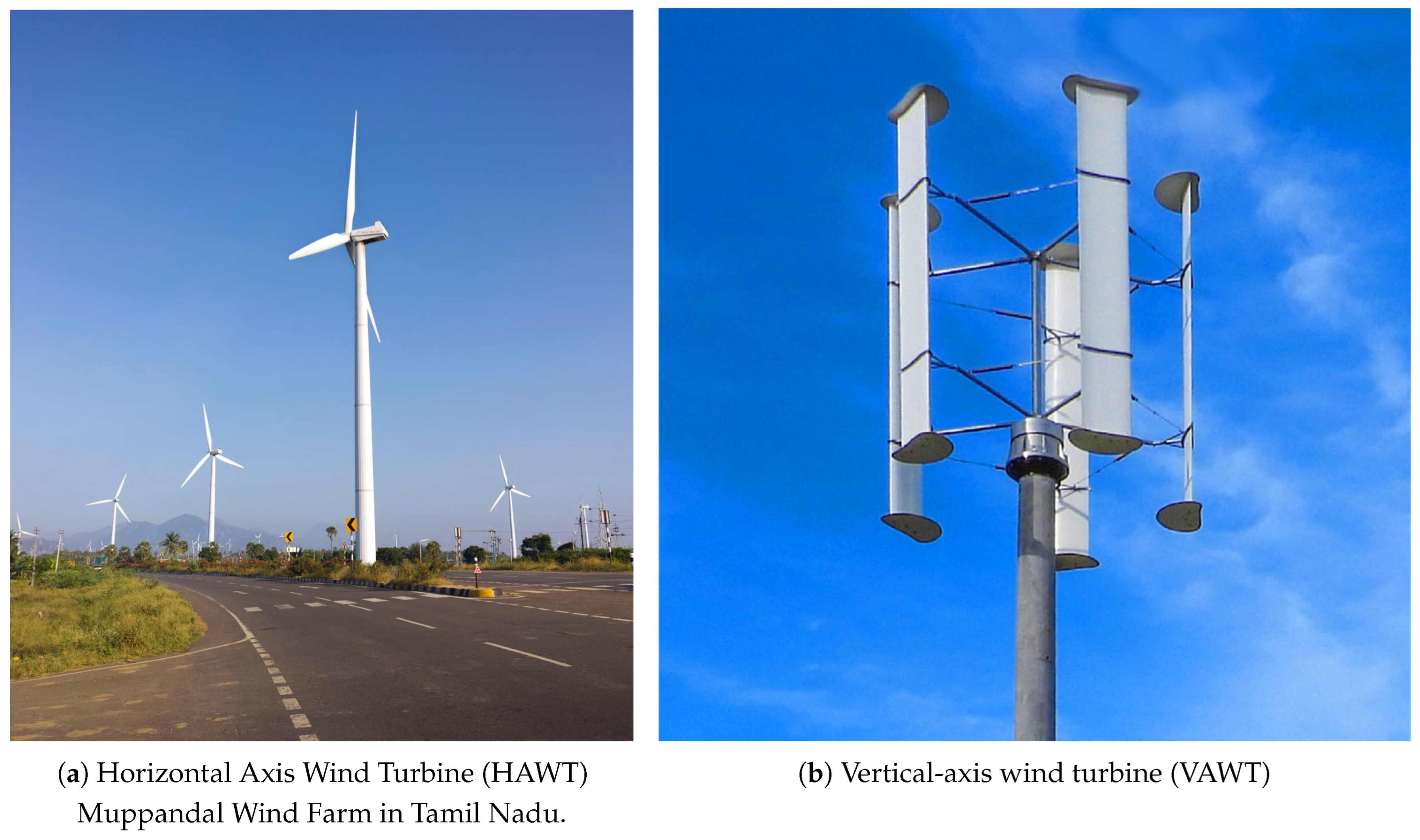
11]. The generation of wind energy is primarily achieved through wind turbines, which are normally categorized into the horizontal-axis wind turbines or HAWTs and the vertical-axis wind turbines or VAWTs, as shown in
Figure 1.
The horizontal-axis wind turbines or ‘HAWTs’ are the most common type and are deployed in large-scale wind farms. Their blades rotate around a horizontal axis and must be aligned with the wind direction to function [
12,
13,
14,
15]. Although efficient in large-scale projects, they require tall towers, complex yaw systems, and considerable land area. Their main disadvantages are sensitivity to forecasted conditions, noise generated by the blades, and their visual and ecological impact (especially on birds) [
1,
16,
17,
18]. This issue, however, can be mitigated by decentralizing the production of wind power by using vertical-axis wind turbines (VAWTs), where the blades are arranged around a vertical axis. They capture wind from any direction without the need for orientation mechanisms. Their design allows for installation in urban areas and smaller spaces, often closer to places where energy is consumed. Their ability to function effectively in turbulent winds and operate at lower heights makes VAWTs a practical solution for decentralized energy production [
19,
20,
21,
22], allowing households, communities, and small enterprises to meet a portion of their energy needs sustainably.
Building upon these advantages of VAWTs, a design is proposed in this paper to maximize their performance and adaptability. This concept is the “Wind Wall,” which utilizes multiple vertical-axis turbines which are arranged in a series formation and put together in a compact frame to optimize energy capture. Unlike traditional stand-alone turbines, this configuration allows multiple VAWTs to work collectively, enhancing efficiency while minimizing land usage [
19,
23,
24]. More recent studies have further investigated VAWT array aerodynamics and spacing-induced performance changes, particularly under turbulent and confined-flow conditions [
25,
26,
27]. These works provide updated insights into turbine–turbine interaction mechanisms that directly relate to the Wind Wall configuration. The following section outlines the structural and functional aspects of this design.
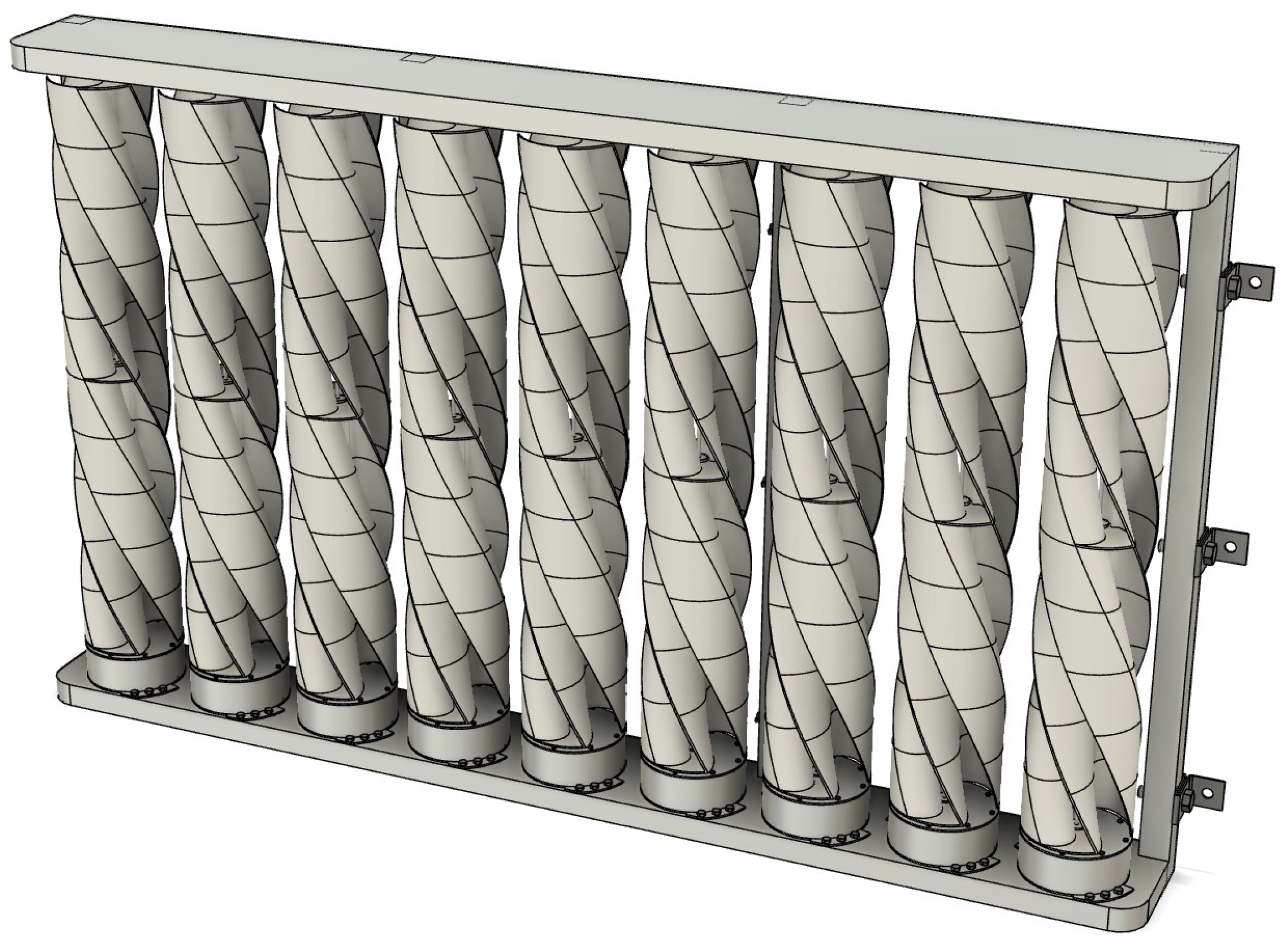
The Wind Wall is a combination of Vertical-Axis Wind Turbines or VAWTs that are arranged in a frame that resembles a wall-like fence, as shown in
Figure 2. It is designed in a way to extract the kinetic energy from the incoming wind and convert it into electrical energy. For our Wind Wall, the blade has a profile of the Ugrinsky type with a helical twist to enable operation at low wind speeds and reduced dependence on wind direction [
28,
29,
30]. The Ugrinsky type of wind turbine falls under the group of drag-type turbines. These turbines operate by using the difference in drag on the two sides of the blade; one side of the turbine experiences less drag, while the other experiences more, creating an uneven force along the axis of the turbine. This force spins the blades and hence rotates the generator attached to it and produces power. By grouping the VAWTs in a frame, efficiency and power generation are increased, while the overall usage of available space is reduced.
Symmetry plays an valuable role in the aerodynamic behavior of the Wind Wall. The Ugrinsky blade profile used in this study is geometrically symmetrical, ensuring that drag forces are distributed evenly along the rotating surface. Likewise, the turbines are arranged in a symmetric pattern inside the frame, allowing for uniform flow acceleration and balanced torque production among the neighboring turbines. This combination of blade symmetry and spatial symmetry contributes to smoother overall rotation, reduced vibration, and improved energy extraction compared to non-symmetric turbine arrays.
A vertical-axis wind turbine (VAWT) without a helical twist in its blades tends to experience torque fluctuations. For example, in a Savonius-type turbine with two or more blades, one blade may face the incoming wind, while the other faces in the opposite direction. This configuration produces alternating torque peaks, leading to a ripple-like variation in rotational motion, which prevents smooth operation. By introducing a helical twist to the turbine blades, the torque is distributed more evenly along the turbine height. The opposing aerodynamic forces acting on different sections of the blade are no longer directly in opposition, thereby producing a more constant torque and smoother rotation with fewer vibrations [
28,
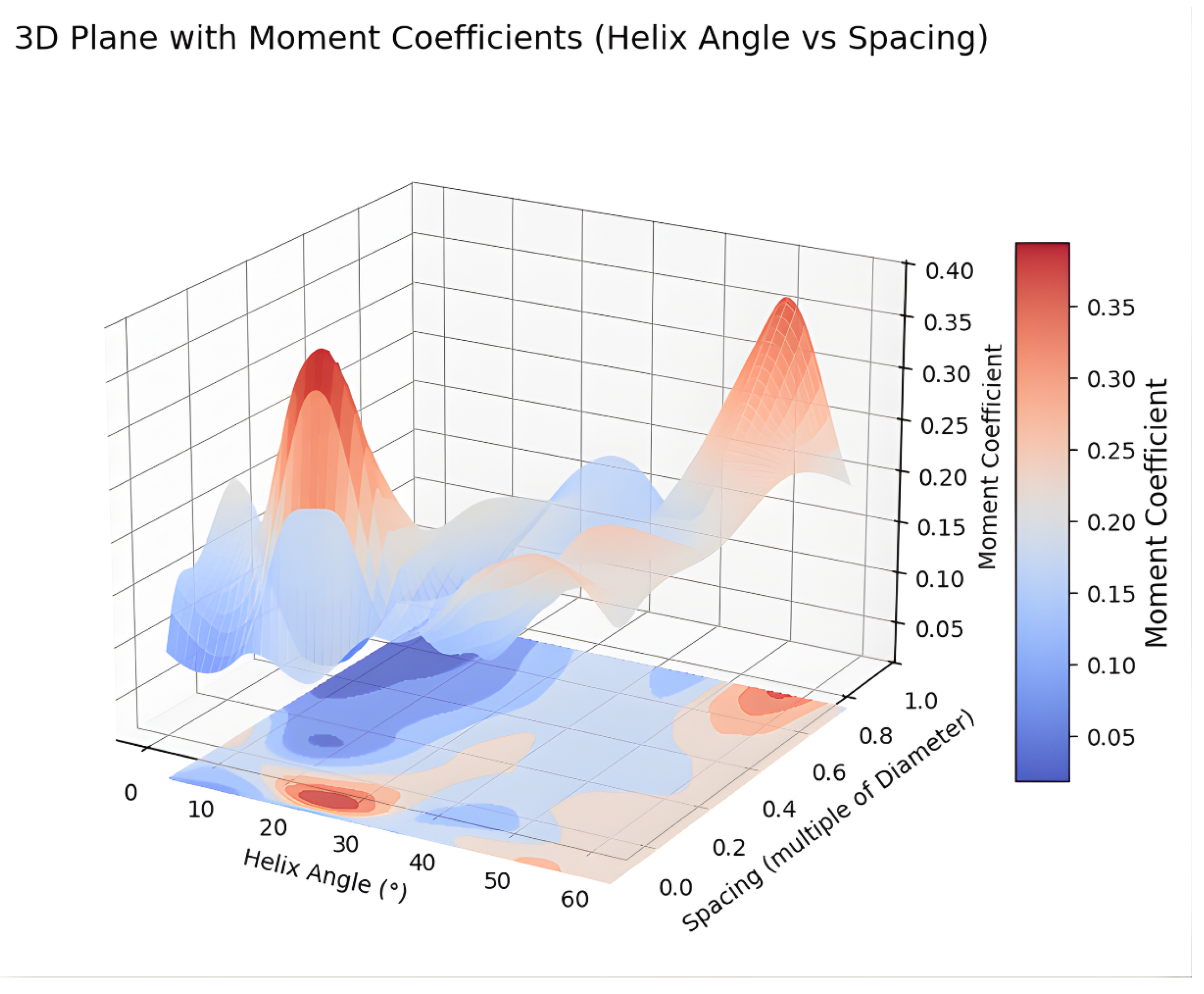
31]. Increasing the helical twist improves torque uniformity; however, beyond a certain angle, the effective torque decreases, because the wind tends to deflect past the blades rather than applying useful momentum, thus reducing energy capture efficiency. Recent studies, including Reddy et al. (2023), have also emphasized the sensitivity of helical VAWT performance to both the twist angle and inter-turbine spacing, highlighting the importance of optimizing both parameters in clustered turbine configurations.
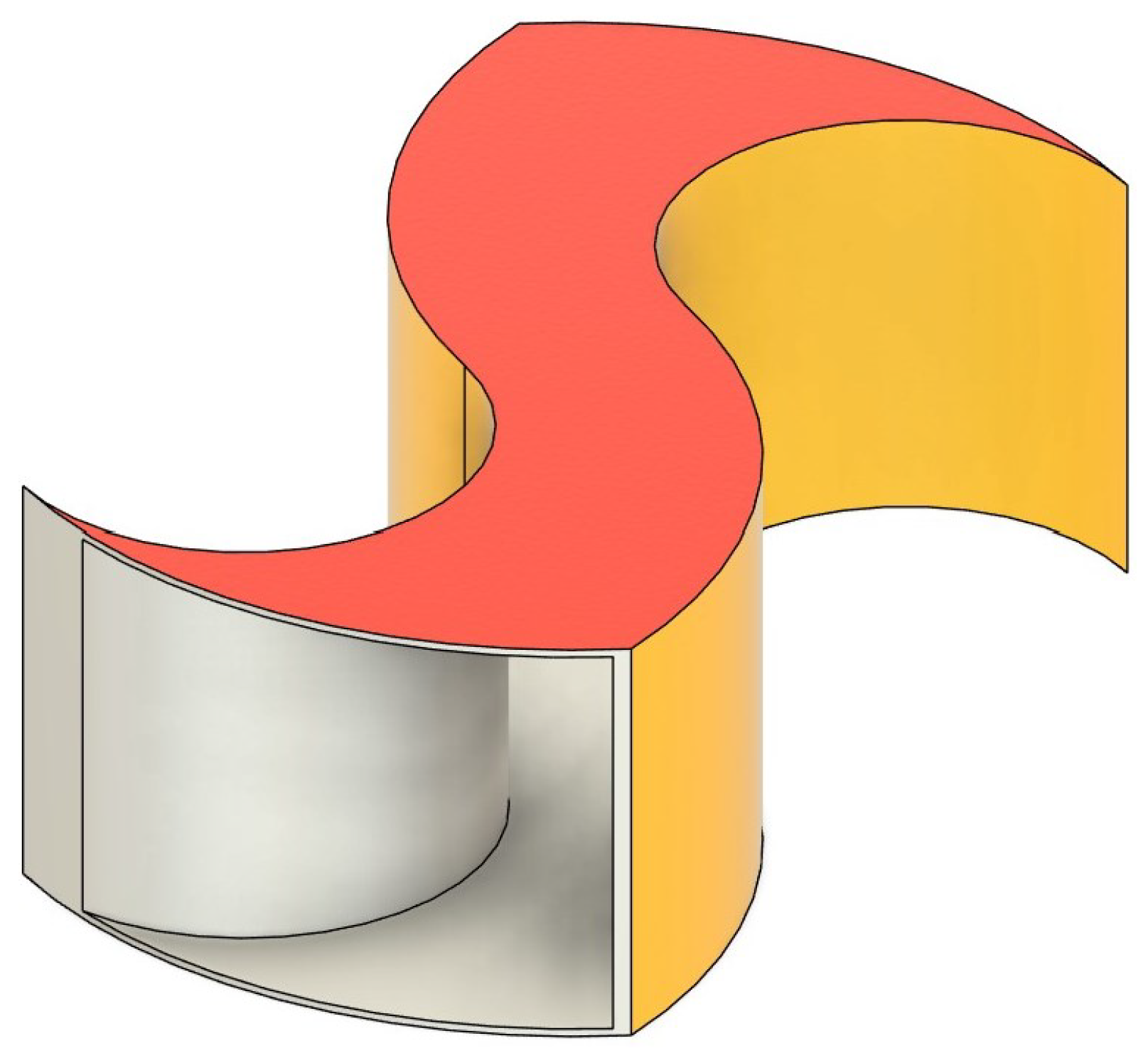
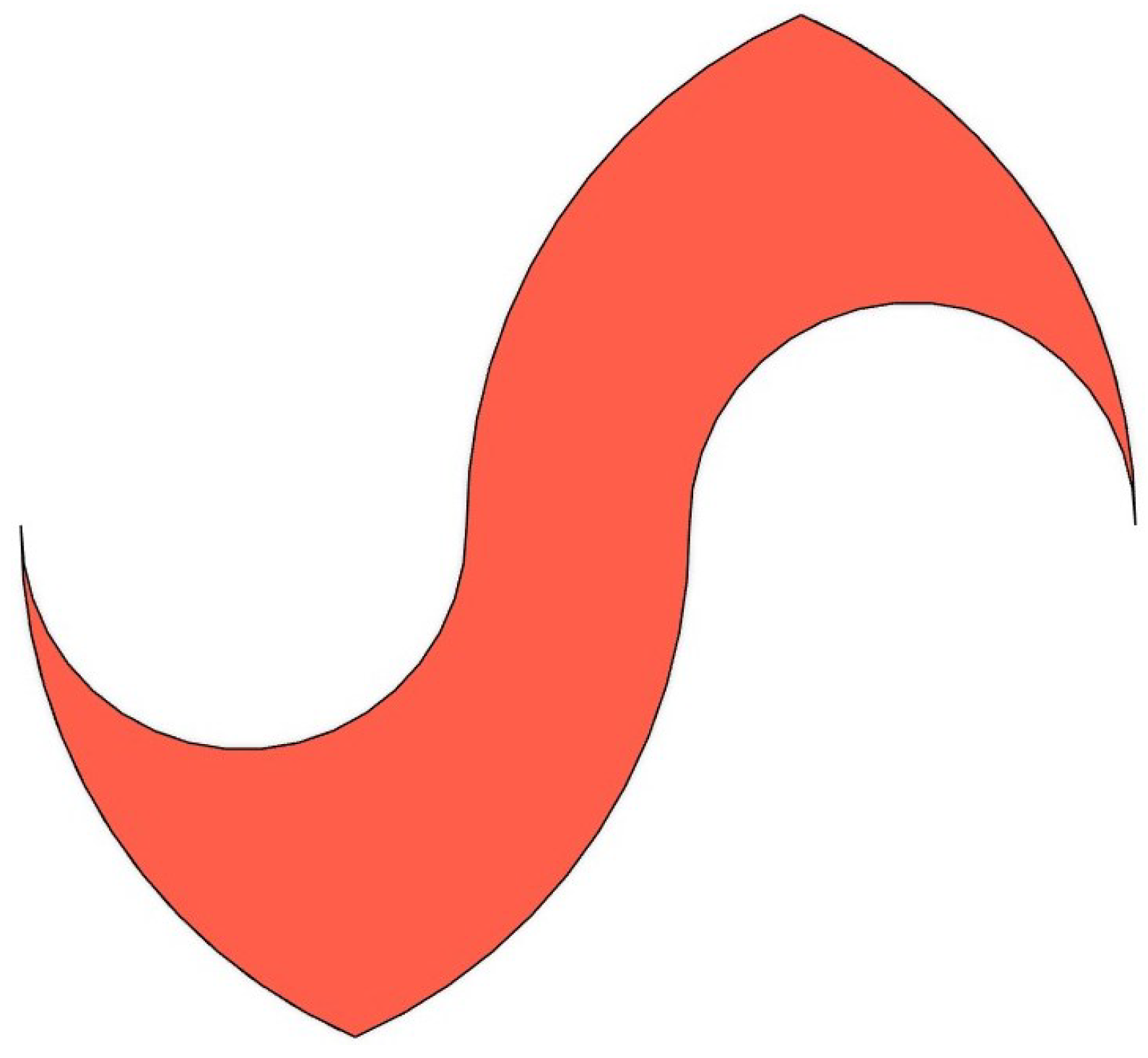
The blade profile used in this research is the Ugrinsky type as shown in
Figure 3 and
Figure 4, developed in the Soviet Union by Professor Ugrinsky and his team. This turbine design offers a balance between efficiency and starting capability, with reported power coefficients in the range of 0.25–0.35 [
29,
30]. The efficiency is greater than that of a pure Savonius-type turbine and comparable to certain Darrieus-type turbines. The Ugrinsky turbine therefore combines the self-starting ability of drag-based designs with the improved efficiency that is typically observed in lift-based turbines.
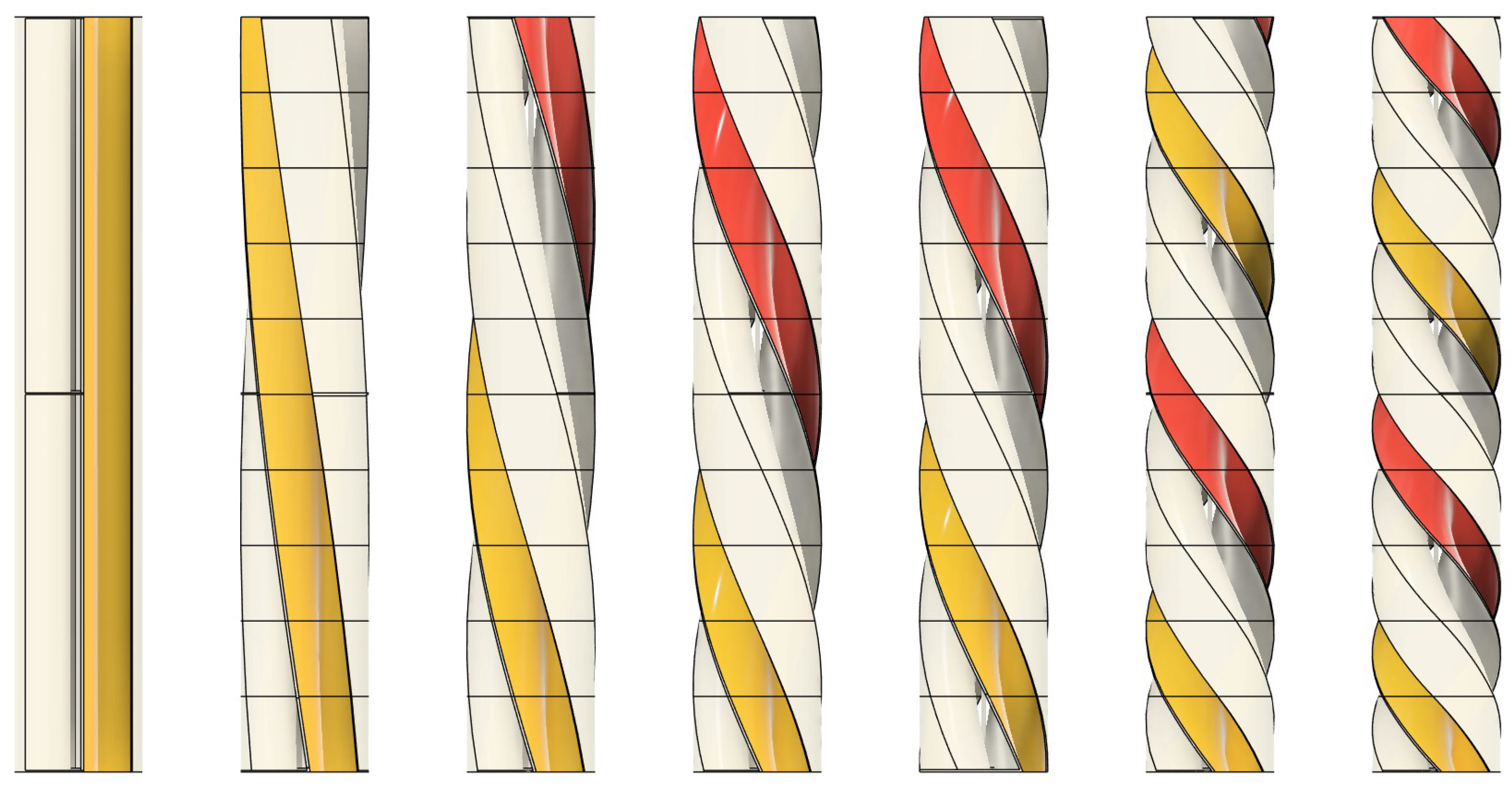
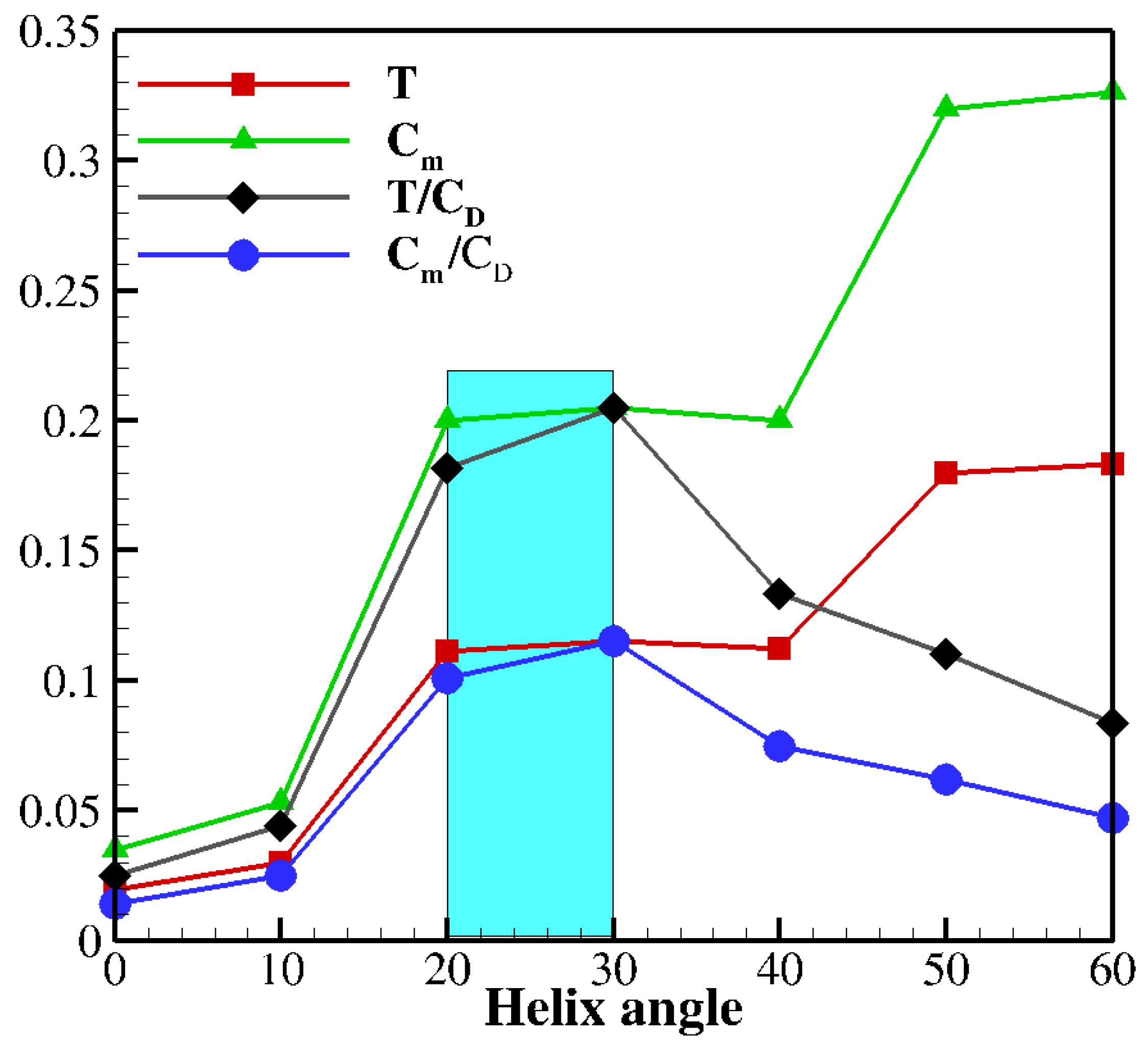
In this study, the optimum helical twist (helix angle, as shown in
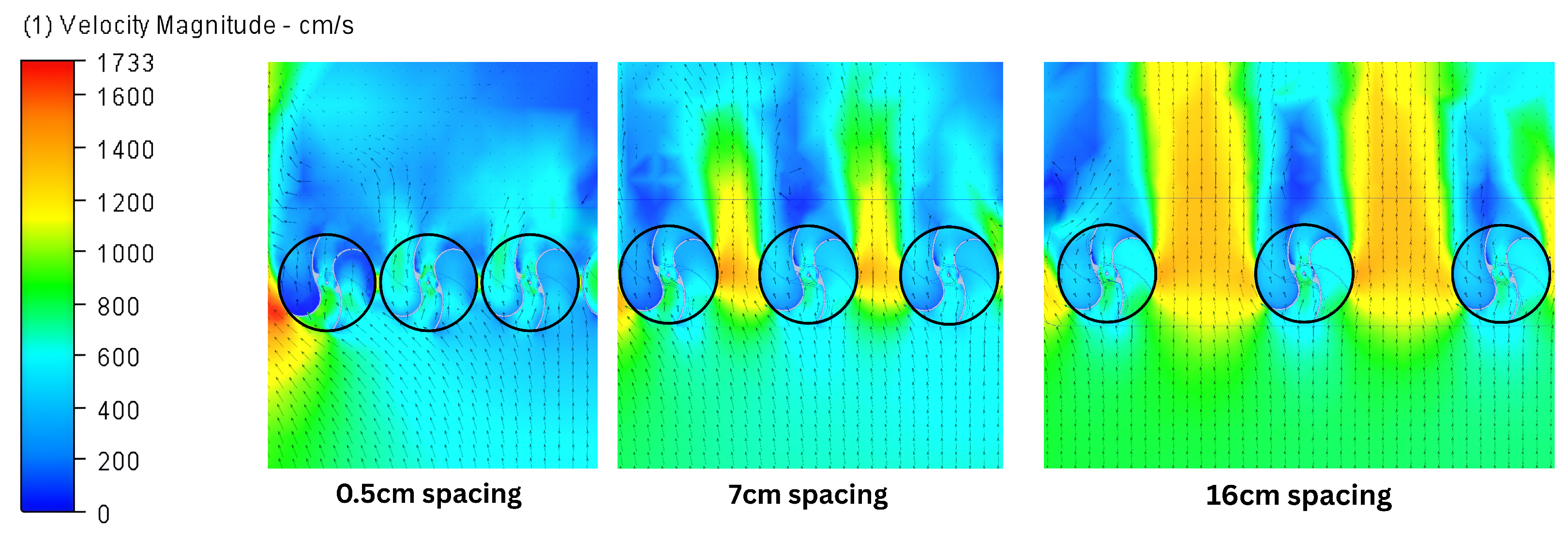
Figure 5) is determined through Computational Fluid Dynamics (CFD) simulations by analyzing the torque generated at different twist angles under a constant wind speed. Once the optimum twist is identified, the ideal spacing between adjacent turbines in the Wind Wall is calculated. When turbines are positioned close together, the airflow between them accelerates due to the Venturi-like effect, as the same volume of air is forced through a narrower spacing. This acceleration is consistent with Bernoulli’s principle and results in higher effective wind speeds acting on the turbines [
25,
26,
32,
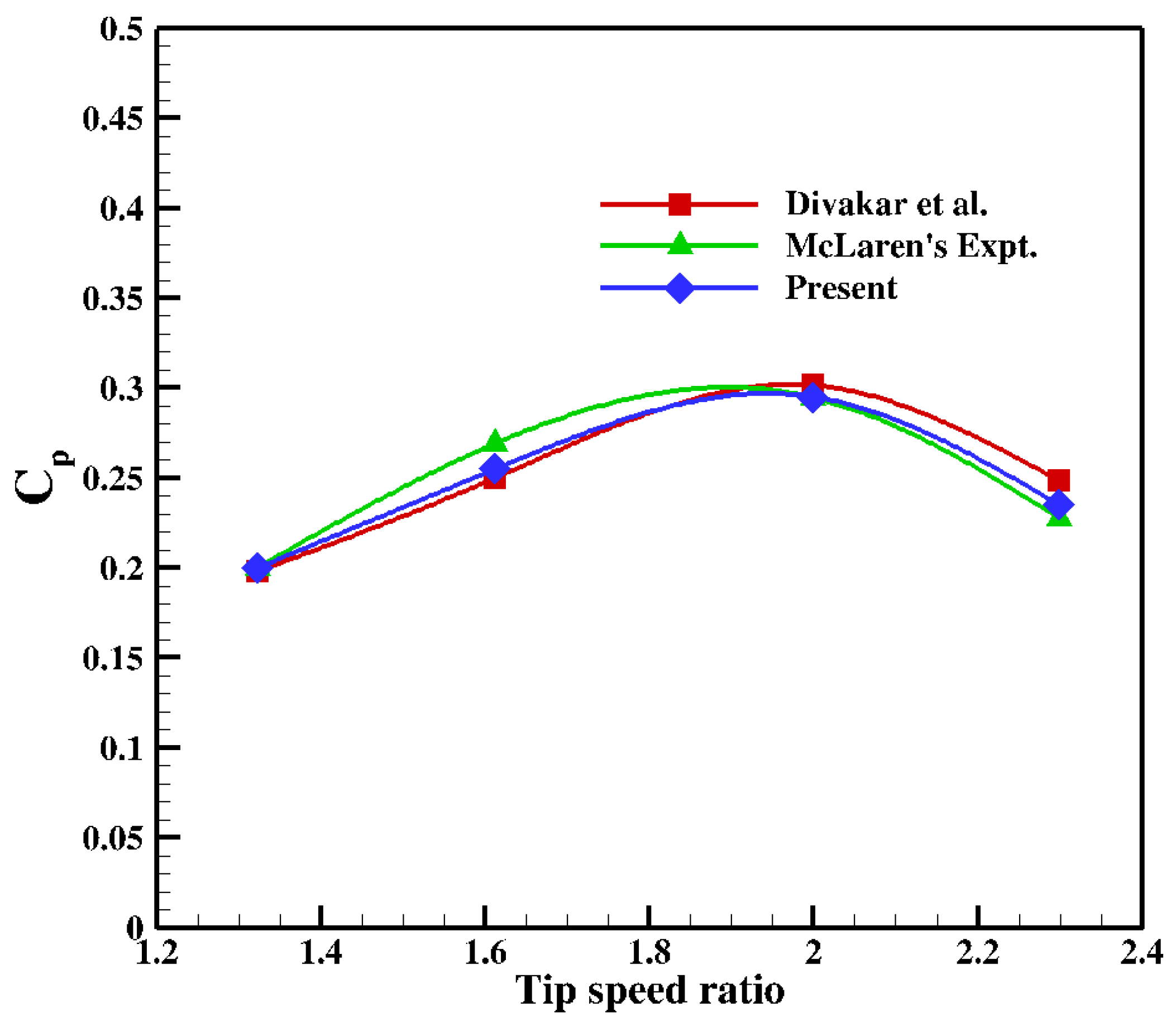
33]. Such acceleration phenomena and wake–wake interactions have also been observed experimentally in recent VAWT array studies, reinforcing the importance of spacing optimization for maximizing power extraction. The results of this work are later compared with relevant experimental and numerical studies in the literature to contextualize the aerodynamic behavior of the proposed Wind Wall system.
It is important to note that the present study focuses exclusively on the aerodynamic behaviour of the Wind Wall, with particular attention to the torque–helix–spacing relationship obtained through CFD simulations. Structural considerations such as stress concentrations at blade–hub interfaces, fatigue behaviour under cyclic loading, manufacturability of helical Ugrinsky blades, and large-scale deployment constraints are not evaluated within this work. These aspects, while critical for practical implementation, require a dedicated structural and material analysis and will be investigated in future studies.
2. Problem Statement
The overall efficiency of the vertical-axis wind turbines can be significantly influenced by their blade geometry and the aerodynamic interference between adjacent units. Therefore, optimizing the helix angle and turbine spacing is crucial for improving energy capture and ensuring stable operation in compact wind wall arrays. The primary main goals of this research are given below:
To determine the optimum helical twist(angle) of a single VAWT [
12,
34].
To identify the optimum spacing between turbines arranged within the wind wall frame [
19,
35].
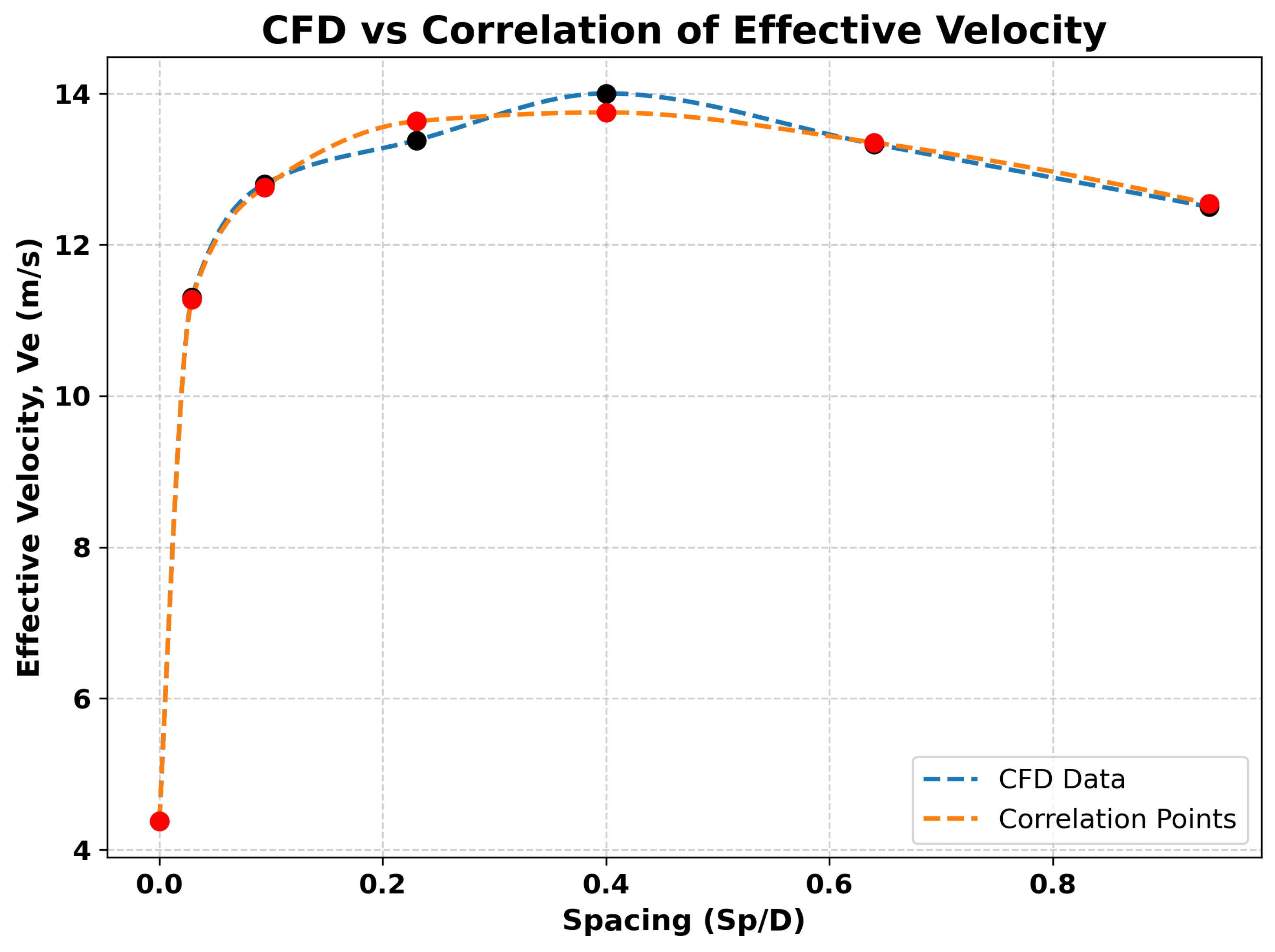
To establish a correlation between the effective velocity of airflow through adjacent turbines and the spacing between them. This correlation is explained through the Venturi-like effect, in which airflow accelerates between narrow spacing according to the Bernoulli’s principle [
36].
The helical twist of the turbine blades plays a central role in this investigation. As previously discussed, the introduction of a twist reduces torque fluctuations and produces smoother rotation [
37]. Identifying the most effective helix angle is therefore critical, as it directly affects turbine efficiency and the consistency of power generation [
38].
The computational study is thereby conducted using the Computational Fluid Dynamics (CFD) simulations [
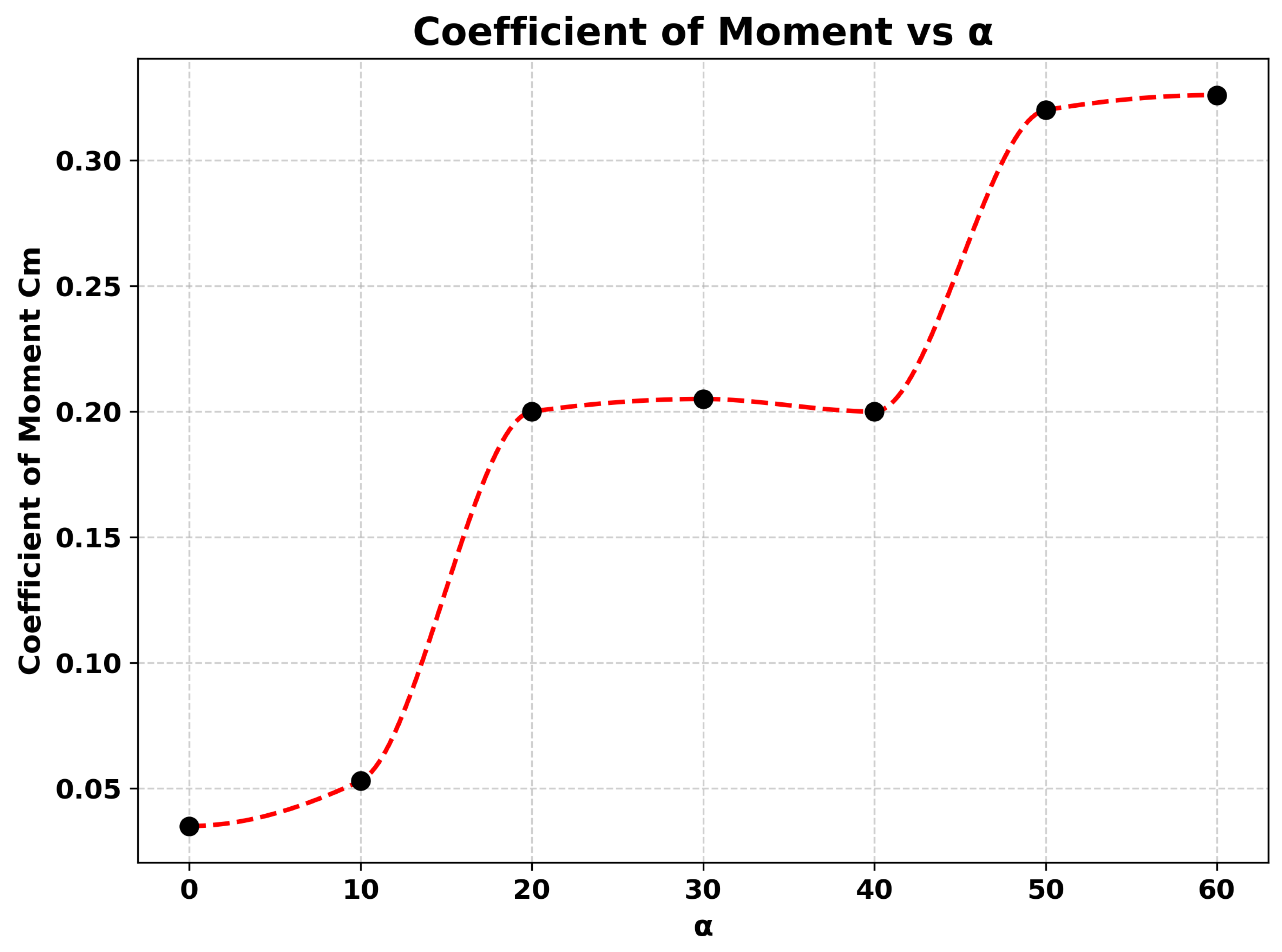
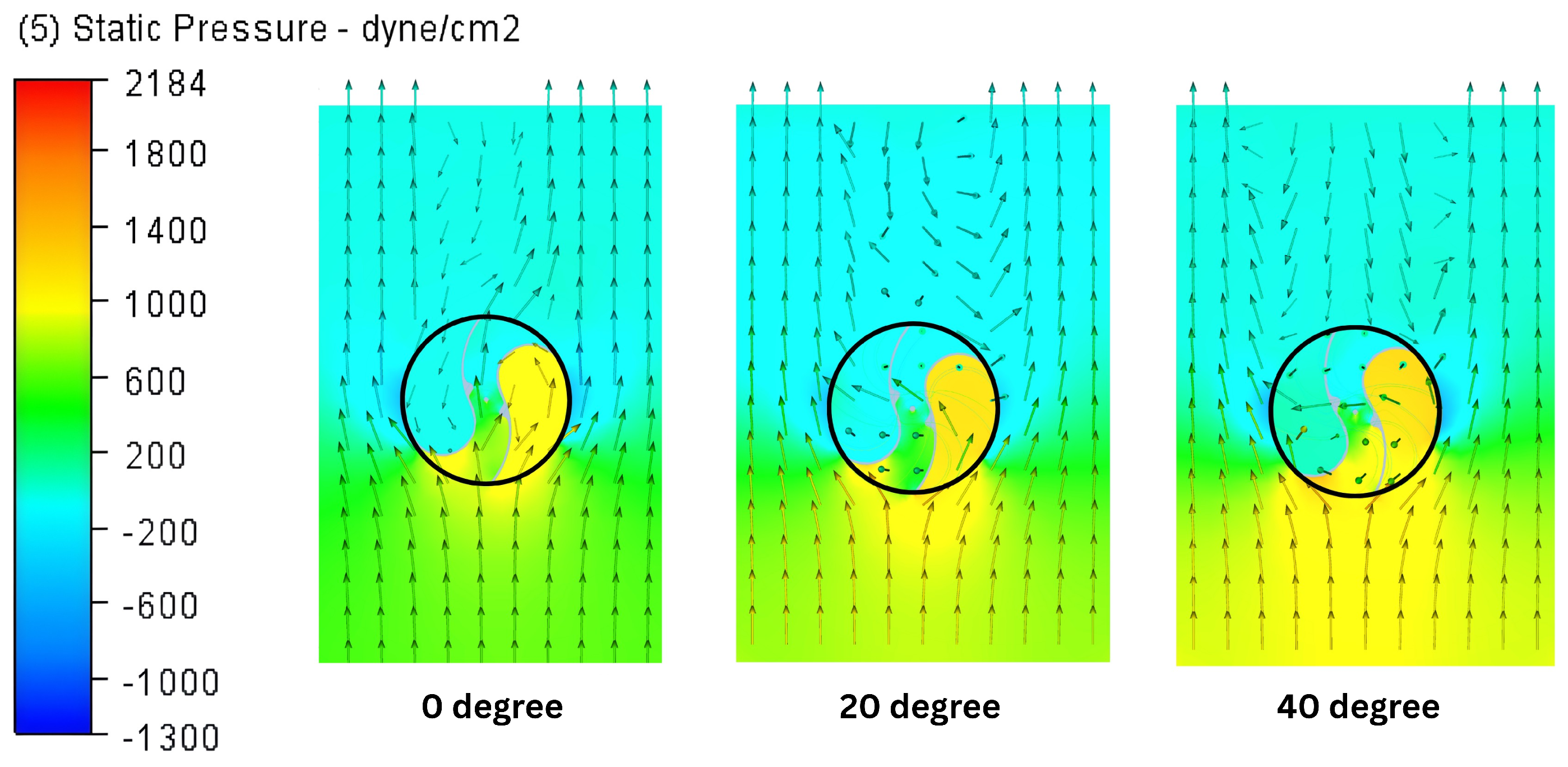
39]. A single turbine with measured height of 1 m and diameter of 0.17 m was modeled. The performance was evaluated at a constant wind speed of 8 m/s for helix angles of 0°, 10°, 20°, 30°, 40°, 50°, and 60°. Once the optimum helix angle was identified, a multi-turbine configuration was simulated to analyze the effect of spacing [
40]. The spacing between turbines were varied as 0 cm, 0.5 cm, 1.66 cm, 4 cm, 7 cm, 11 cm, and 16 cm. These values were selected to cover both closely spaced and widely separated configurations, allowing the effect of turbine interaction to be captured effectively.
3. Numerical Methodology
3.1. Mathematical Formulations
This computational analysis for this research was carried out using the Reynolds-Averaged Navier–Stokes (RANS) equations in combination with standard wall functions of the turbulence model
k-
, and the mesh was generated to maintain values of
in the range of 30 to 100, which is within the recommended log-layer region for turbine flows with high Reynolds numbers [
41]. This approach is widely adopted for simulating incompressible and mildly compressible turbulent flows due to its balance between accuracy and computational efficiency [
41,
42,
43]. Together, these equations establish the mathematical framework that is required to capture the mean flow characteristics also turbulence behavior in the computational domain.
Turbulent kinetic energy (
k) equation:
Turbulent dissipation rate (
) equation:
Here,
is velocity vector,
is eddy viscosity,
is fluid density, and
is turbulence production term. The standard model constants used here are
,
,
, and
[
41,
43]. In the standard
k-
model also the eddy viscosity was calculated as such:
, with
.
3.2. Simulation Details for Finding the Optimal Blade Twist
The computational simulations were carried out in a wind tunnel domain. A total of two materials were used in the setup: air for the flow medium and ABS plastic for the turbine. The solver was configured with 100 time steps and a reference temperature of 33 °C, and the standard ‘
k–
’ turbulence model was employed [
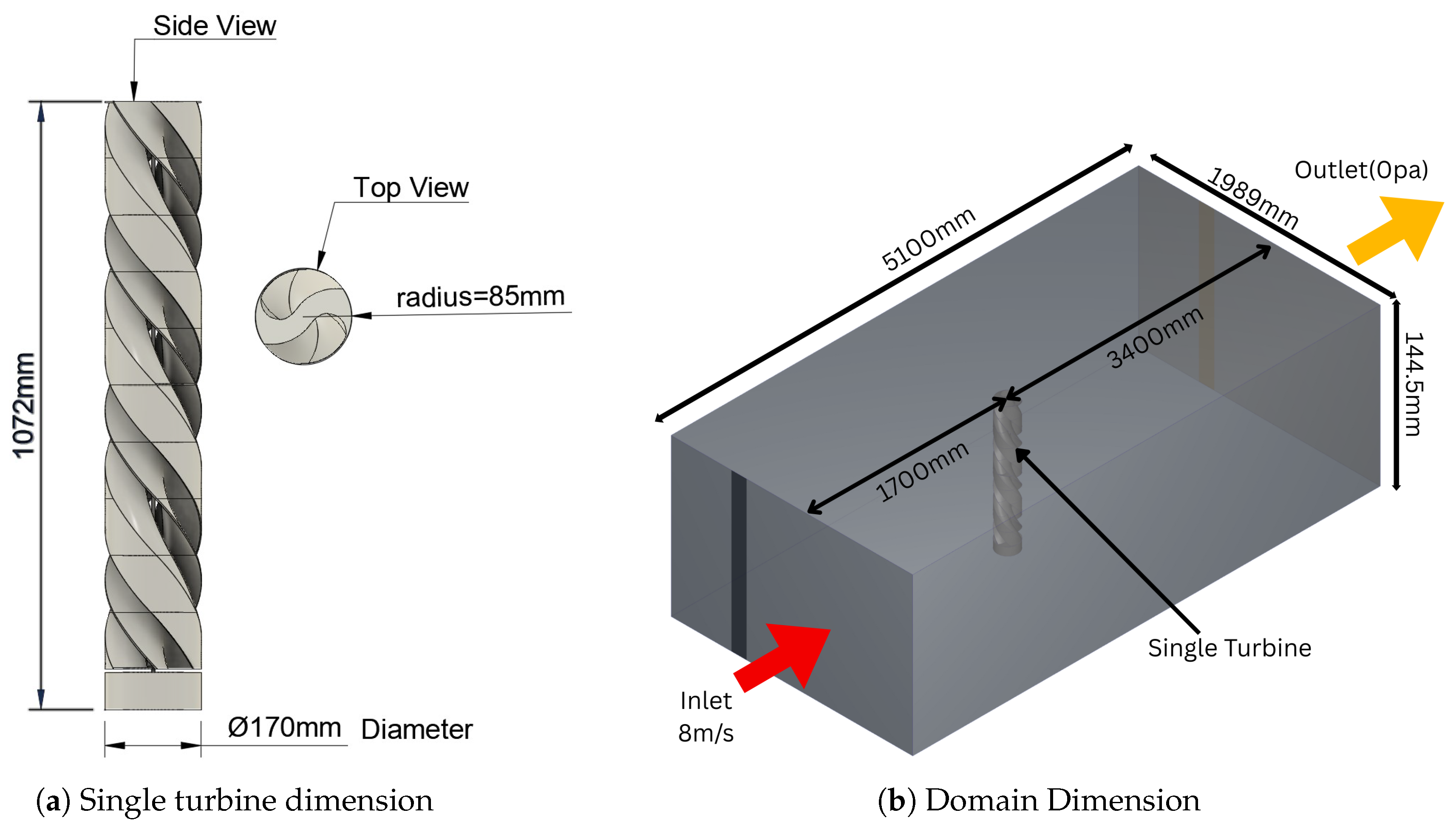
41]. The flow was defined as turbulent and compressible. Boundary conditions were specified with one velocity inlet of 8 m/s and one pressure outlet (of 0 Pa gauge pressure), positioned directly opposite to the inlet face.
Figures of the computational domain and wind tunnel geometry are provided for clarity in
Figure 6. The tunnel walls, as shown in
Table 1, were perpendicular to the inlet and outlet faces—namely, the top, bottom, and side boundaries—and modeled as slip surfaces. This assumption allowed air to pass without boundary layer formation on these walls, thereby avoiding artificial wall effects that could distort the velocity distribution around the turbine. The inlet and outlet walls, in contrast, were maintained as velocity and pressure boundaries, respectively.
For the single-turbine simulations, which were conducted to identify the optimal helix angle, the computational domain was defined as follows (with turbine diameter ):
To evaluate the turbine performance, the torque coefficient (
) was used as a key parameter. The torque coefficient is defined as follows [
12,
36]:
where
T = torque acting on the turbine (Nm);
= density of air (kg/m3);
A = frontal area of the turbine (m2);
R = radius of the turbine (m);
V = incoming velocity of air (m/s).
The torque coefficient provides a dimensionless representation of the turbine performance, allowing results to be normalized and compared across varying conditions. Torque (T) is directly related to through the above relation, meaning that higher torque values correspond to higher torque coefficients for given flow conditions.
3.3. Simulation Details for Finding the Optimal Distance Between the Blades of the VAWTs
The simulations were again carried out in a three-dimensional wind tunnel domain. Two materials were employed in the model: air as the working fluid and (ABS) plastic as the solid part for the turbine blades. The turbine geometry used in all spacing cases corresponded to the single-turbine geometry described previously (height H = 1.00 m, diameter D = 0.17 m). All boundary conditions were prescribed (0 unknowns). The following solver and boundary settings were used:
Flow regime: Turbulent, compressible flow (compressible solver option was enabled).
Turbulence model: Standard k-epsilon.
Inlet: One velocity inlet with free-stream velocity V = 8 m/s.
Outlet: One pressure outlet located on the wall opposite the inlet, with gauge pressure set to 0 Pa.
Room temperature: 33 °C.
Solver time-marching: 100 steps; each step was run with 1 iteration.
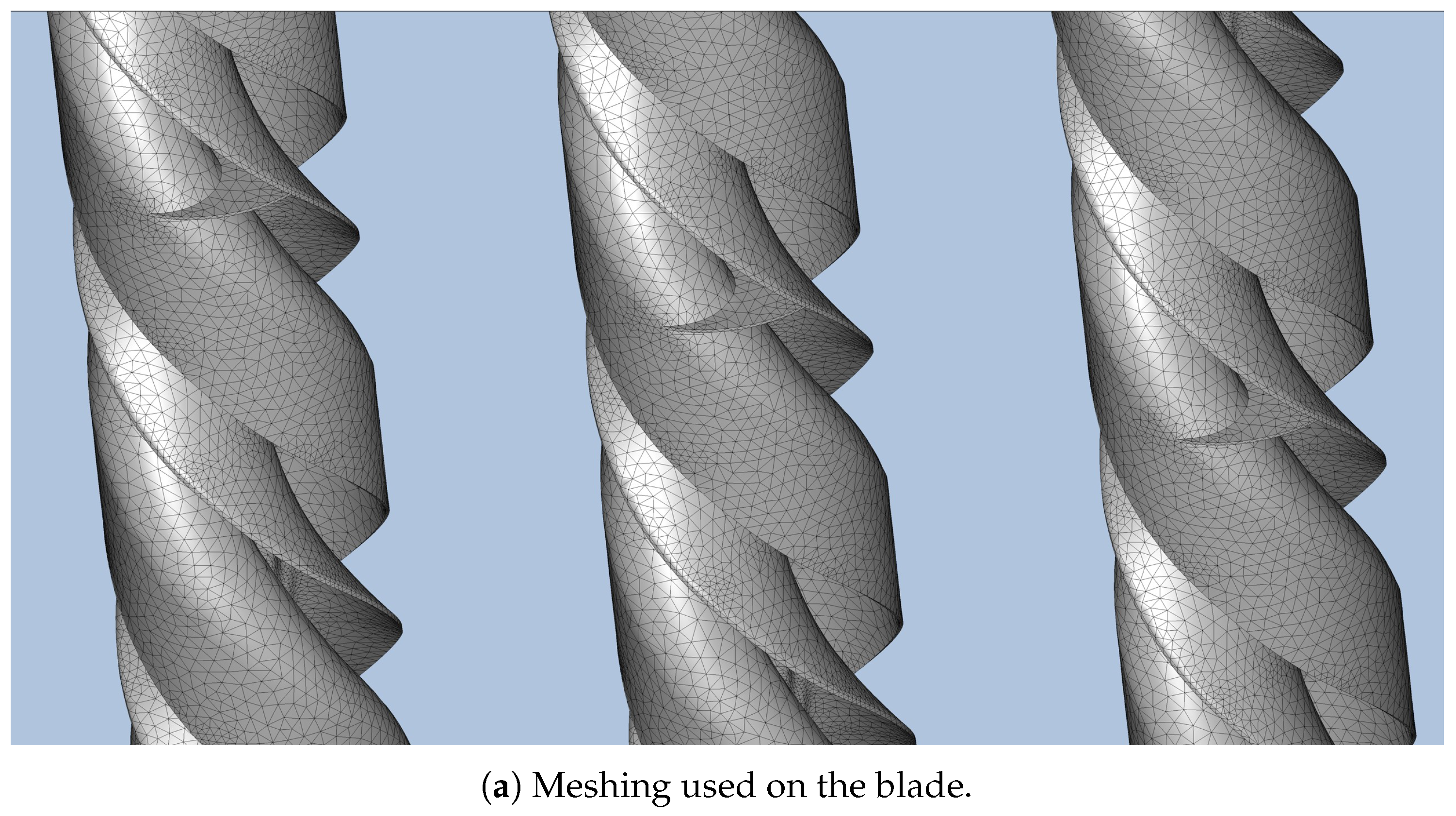
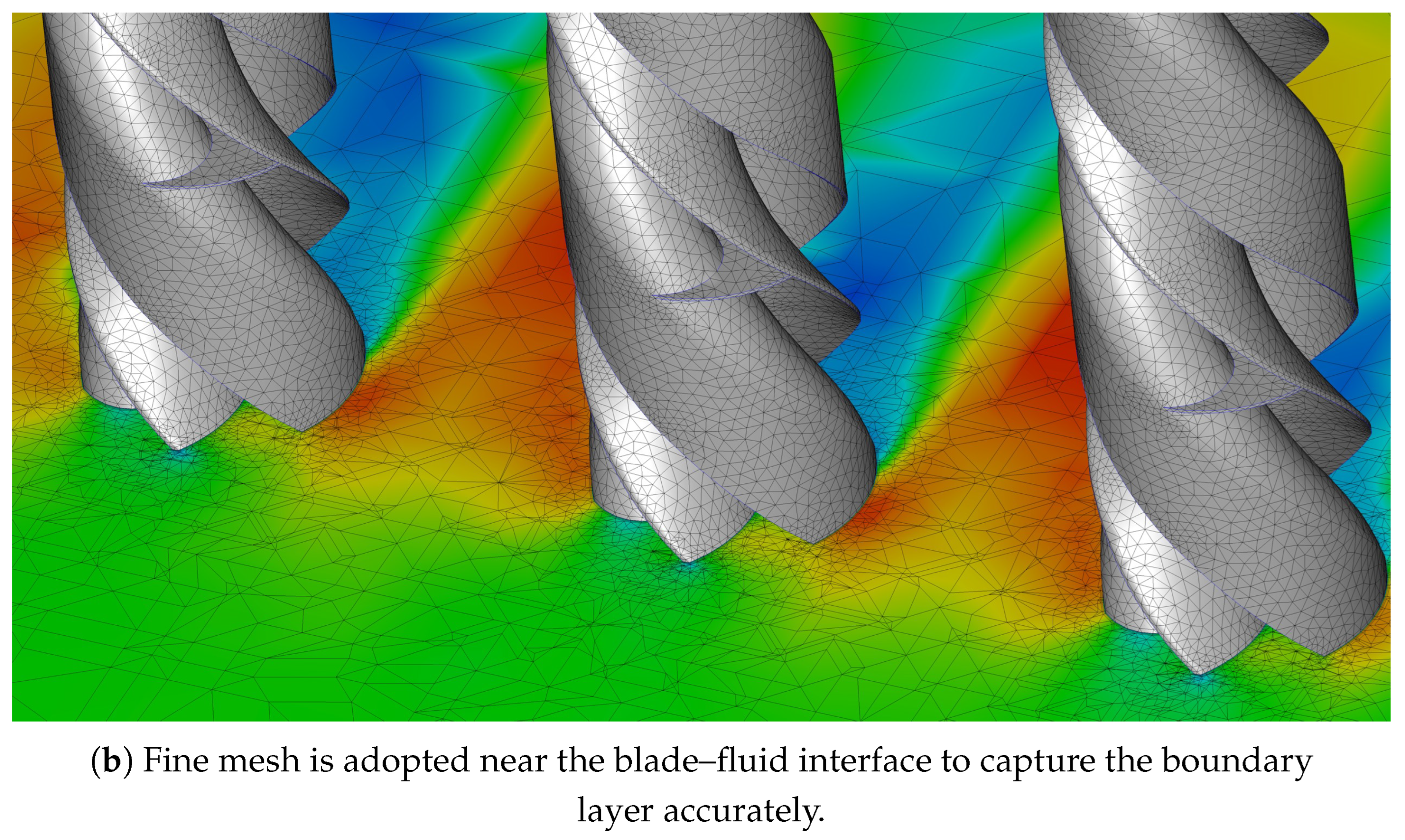
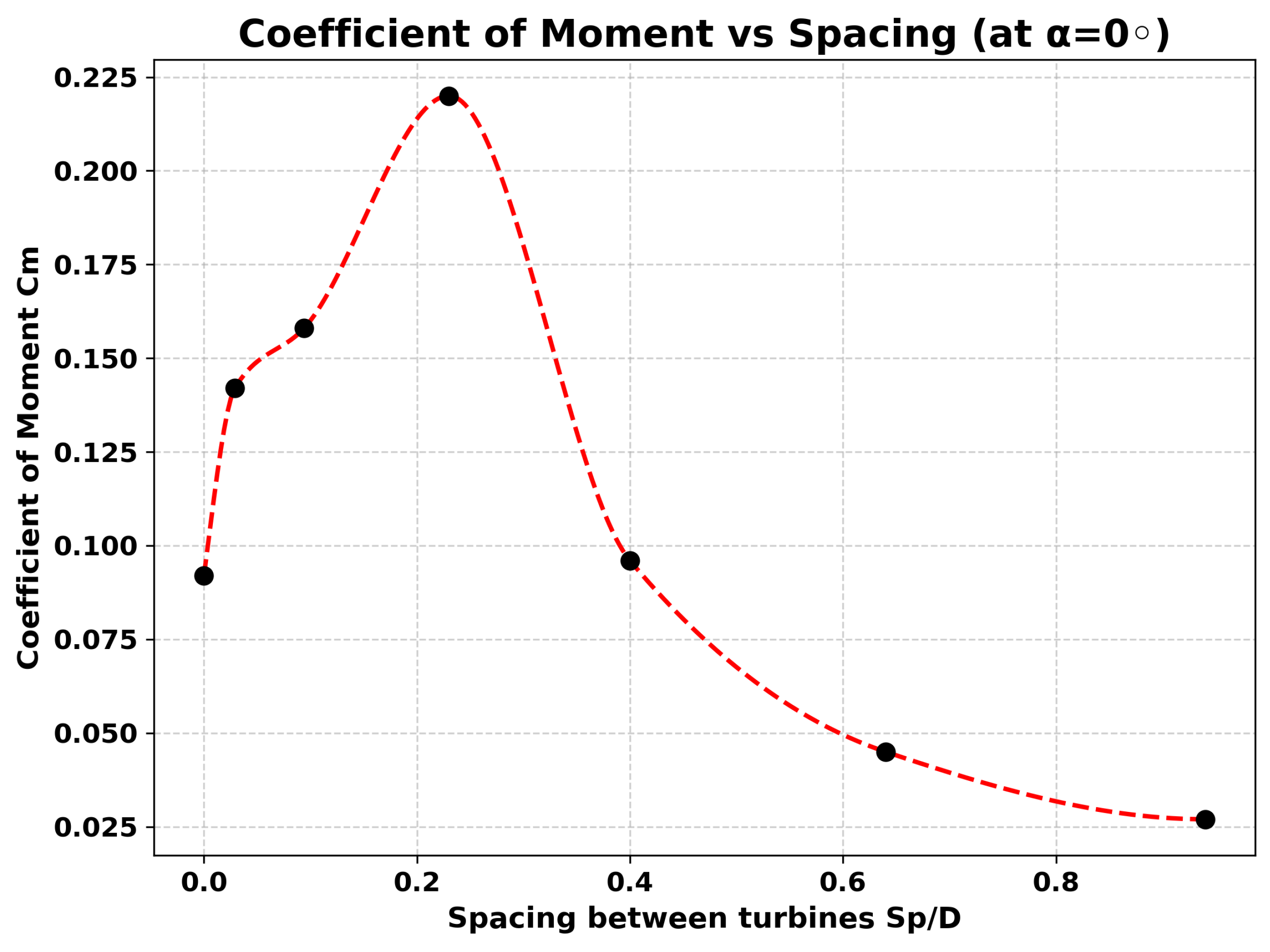
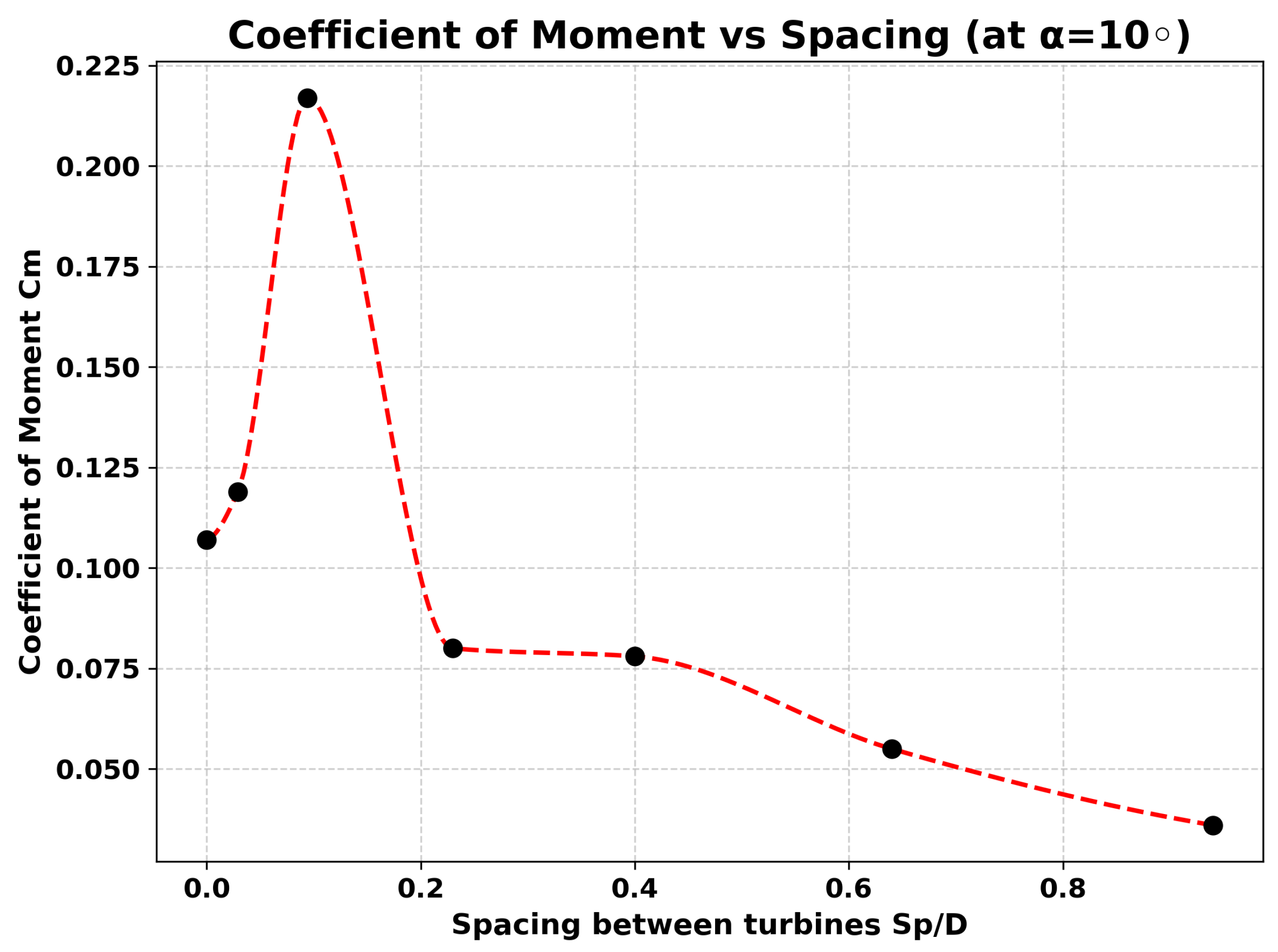
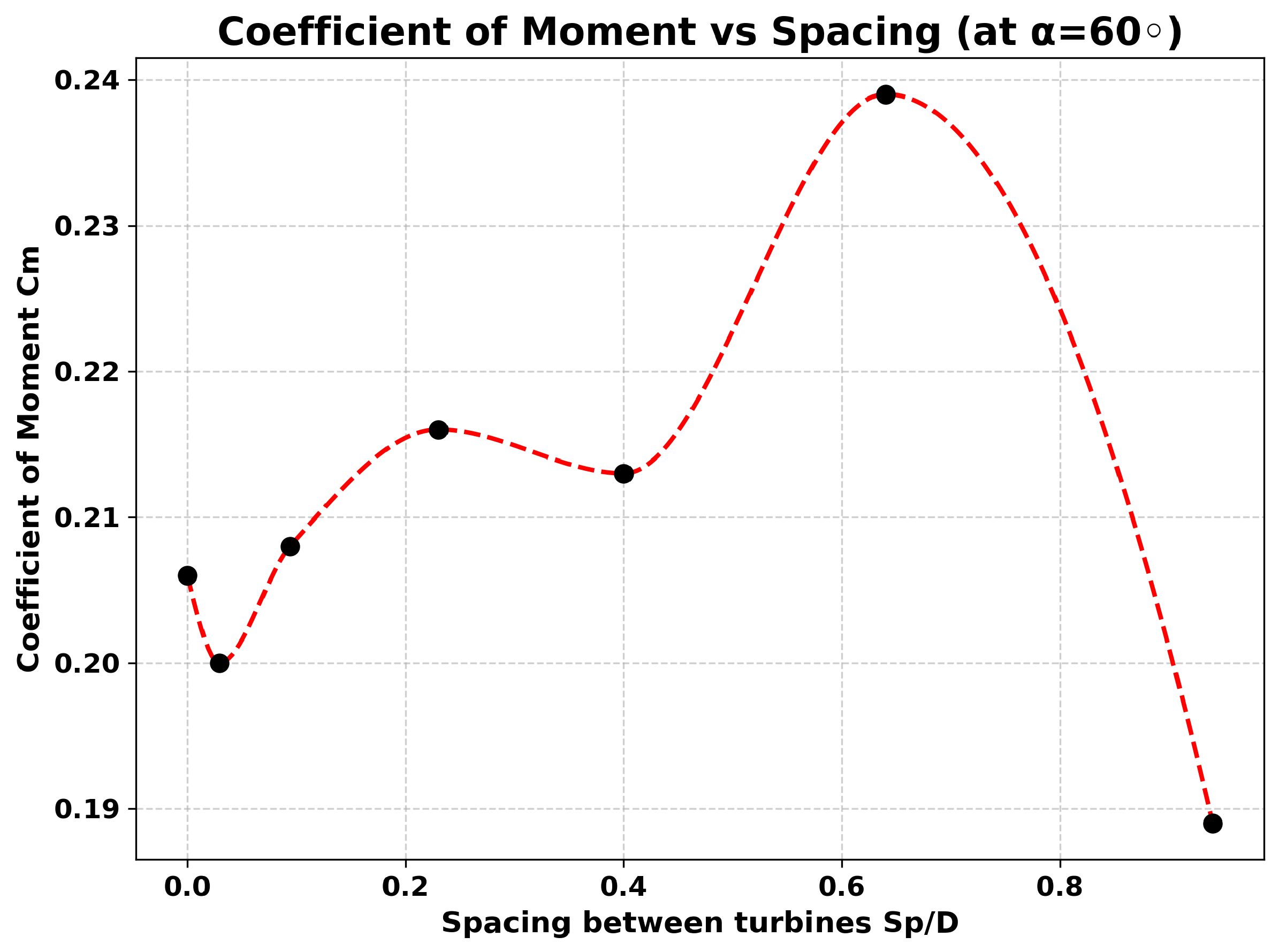
Although compressibility was enabled in the solver, the flow remained in the low-Mach regime (Mach « 0.3), making compressibility effects negligible; however, solver settings were kept consistent across all cases. The global mesh statistics for the model were as follows: total nodes = 994,196 and total elements = 3,966,264. The spacing cases were selected to span a wide range, from closely coupled to weakly interacting configurations, with inter-turbine edge-to-edge spacings of 0 cm, 0.5 cm, 1.66 cm, 4 cm, 7 cm, 11 cm, and 16 cm. Corresponding non-dimensional spacings, normalized using the rotor diameter (D = 17), were Sp/D = [0, 0.029, 0.094, 0.23, 0.41, 0.64, 0.94]. Presenting spacing non-dimensionally allows the results to be generalized across different rotor sizes.
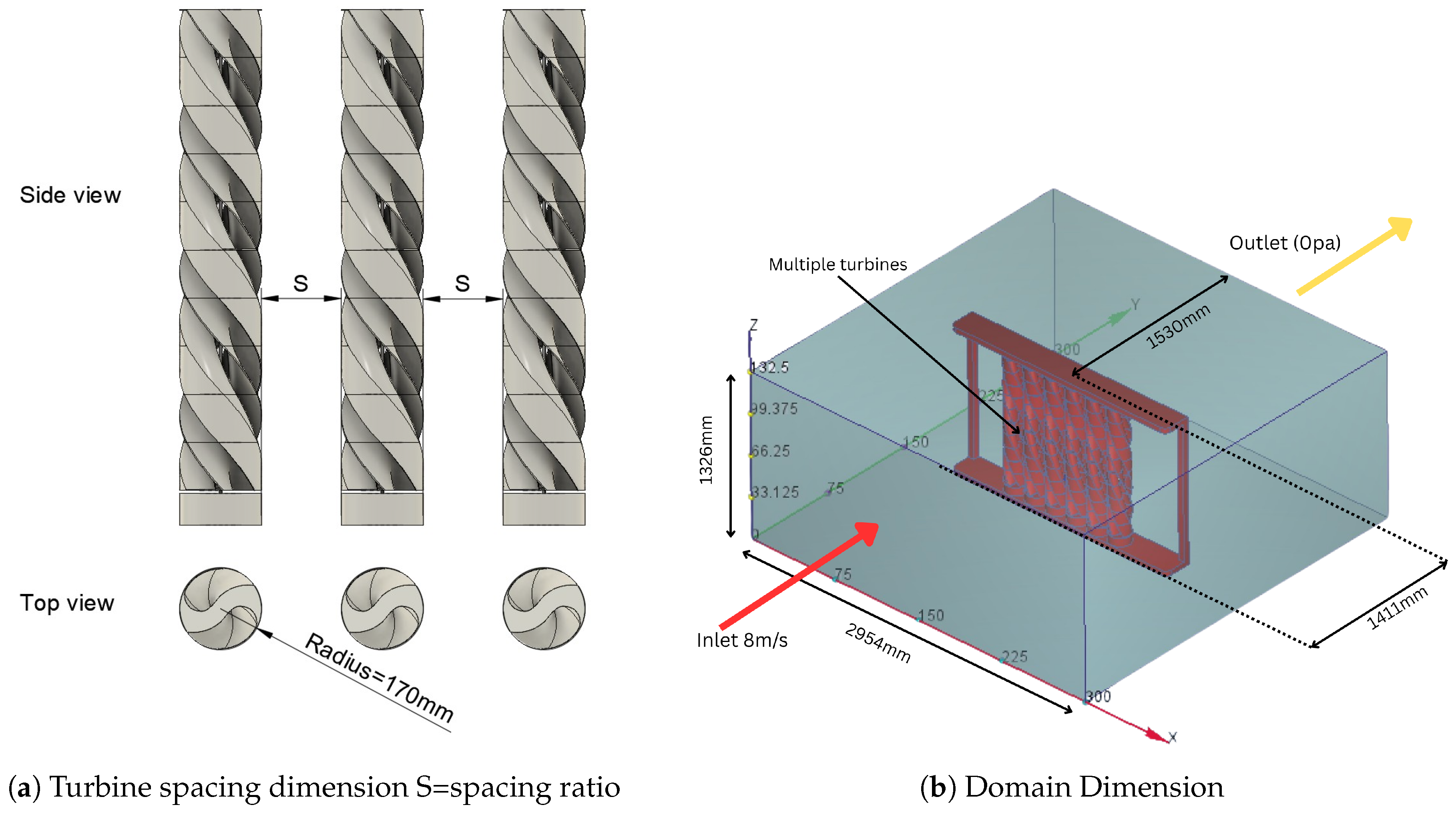
As shown in
Figure 7 and
Table 2, all lateral tunnel walls that were perpendicular to the inlet–outlet direction (top, bottom, and side walls) were modeled as slip surfaces so that boundary layer formation on those walls was suppressed and artificial wall effects were minimized. The front (inlet) and back (outlet) faces of the tunnel were prescribed as the velocity inlet and the pressure outlet, respectively. The rotor surfaces were treated as non-slip ABS solid surfaces, with the appropriate material properties being assigned for force/torque extraction.
For the multiple-turbine simulations, which were performed to evaluate inter-turbine spacing effects, the domain dimensions were as follows:
Inlet located at upstream;
Outlet located at downstream;
Domain height of ;
Domain width of .